Discovering Cancer Therapies through Neuroscience

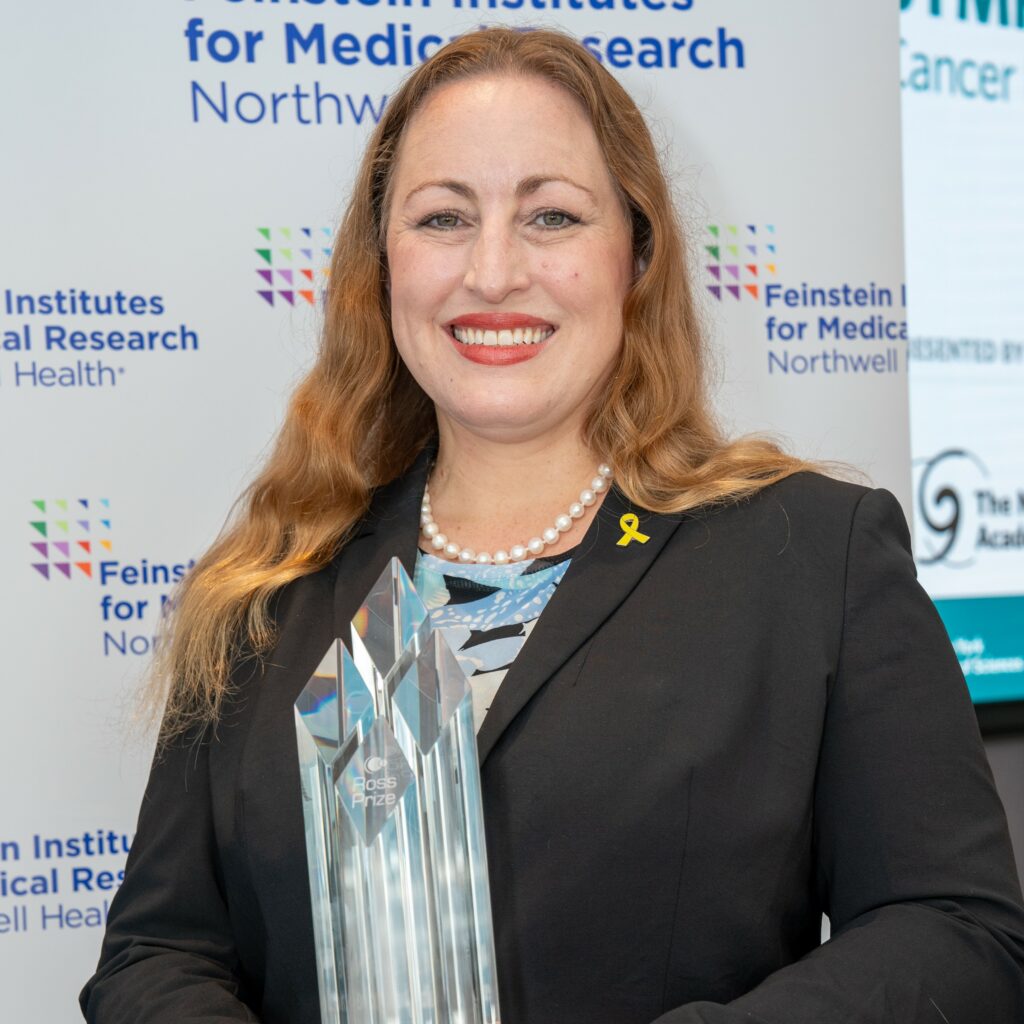
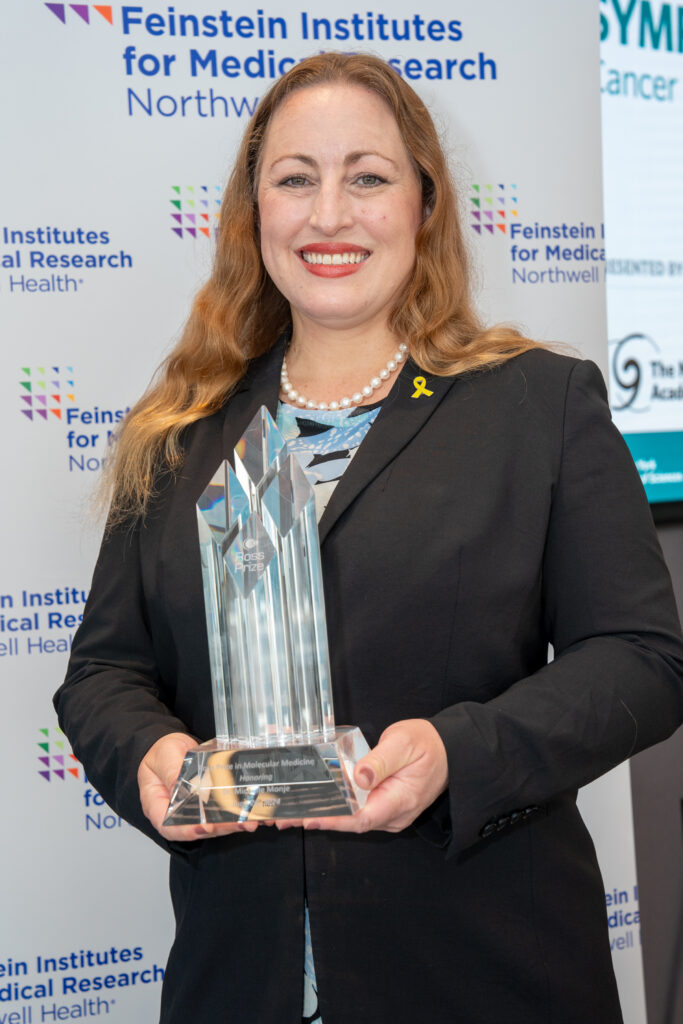
A woman holds an award and smiles for the camera.

The 2024 recipient of the Ross Prize in Molecular Medicine is exploring the interactions between cancer cells and the nervous system.

Published November 11, 2024

By Megan Prescott, PhD

Michelle Monje, MD, PhD

What does it take to pioneer a new field of science? For Michelle Monje, MD, PhD, the key is humility, collaboration, and resilience.

Prof. Monje, the Milan Gambhir Professor of Pediatric Neuro-Oncology at Stanford University School of Medicine, was awarded the 2024 Ross Prize in Molecular Medicine, administered by the Feinstein Institutes for Medical Research and the journal Molecular Medicine, for her outstanding contributions to research relating to the neuroscience of cancer and its implications for therapy.

“Winning the Ross Prize is an enormous honor,” said Prof. Monje. “It’s wonderful to see cancer neuroscience being recognized in this way because it has so much potential for clinical translation and the potential to improve outcomes for very difficult-to-treat cancers. I’m just absolutely delighted to see this recognition shine a light on this emerging field.”

The emerging field of cancer neuroscience explores interactions between cancer cells and the components of the nervous system—neurons, astrocytes, oligodendrocytes, microglia, Schwann cells and peripheral nerves—and the effects of these interactions on cancer initiation, progression, the tumor immune microenvironment and metastasis. It differs from closely related fields like neuro-oncology in distinct ways.

“Cancer neuroscience is a field at the intersection of neuroscience and cancer biology and it recognizes, what is increasingly appreciated, as the critical role of the nervous system in driving malignancy,” Prof. Monje explains. “Neuro-oncology concerns itself with a particular type of cancer emerging from, or occurring within, the nervous system. Cancer neuroscience includes not only those tumors, but also really every cancer, as it’s influenced by either the central or peripheral nervous system.”

Humility, Collaboration, Resilience

Prof. Monje received her MD and PhD in neuroscience from Stanford University and completed her residency training in neurology at the Mass General Brigham program in Boston. She then returned to Stanford for a clinical fellowship in pediatric neuro-oncology. She chose this field because she “recognized very early on that our therapies for many diseases of the nervous system and especially brain cancers are truly insufficient”, in part because “there’s still so much to be learned and so much that is unknown; I felt that in order to help my patients with brain cancers that I needed a much deeper basic understanding of the normal processes from which these tumors emerge,” she explained.

Prof. Monje believes her open-minded approach to her work is a contributing factor for her success.

“I’m constantly humbled by the lack of treatment options I have for most of my patients in neuro-oncology, the kinds of toxicities that those therapies can cause to the nervous system, and our need to do better by understanding more,” she said.

A crucial factor for success in an emerging field that intersects multiple disciplines is collaboration.

“Reaching out to expert immunologists and learning as much as I can from them has been really valuable, as we’ve discovered potential new therapeutic strategies for these terrible brain cancers that occur in children,” she says, adding that her work with Crystal Mackall, MD, has led to the first-ever CAR-T cell clinical trial for children with diffuse midline glioma (DIPG).

Prof. Monje also cites resilience as a primary driver in her success.

“The newest and sometimes most interesting ideas are the hardest ones to get through publication acceptance. It’s often hard when you have a new perspective, but if you believe in it, and you believe it’s true and important, you have to stick with it and keep beating that drum,” she says.

Connecting Neuroscience, Immunology, and Neuro-Oncology

Prof. Monje is committed to broadening her understanding of cancer neuroscience. Her research focuses on the connections between neuroscience, immunology, and neuro-oncology. Specifically, she studies the intricate communication between neurons and glial cells in normal and disease brain function. Her work has revealed how cancer cells can exploit this process to drive tumor growth in brain cancers. She is excited to see this field grow and the potential for the development of new therapies for cancer patients.

“There’s a fascinating crosstalk between the nervous system, the immune system, and cancers that I think are critically important, not only for the fundamental ways that these tumors grow and progress, but because they need to be understood in order for us to successfully leverage really promising immune therapies,” she says. “So, I’m very excited about this intersection of three fields that is occurring within cancer neuroscience.”

Exploring how cancer takes advantage of normal mechanisms of the development and plasticity of the brain, the field of cancer neuroscience can also lead to insight into the mechanisms of normal brain development that are important for learning and memory. Additionally, this may better our understanding of the development of other diseases ranging from epilepsy to opiate addiction.

“There’s been a wide range of implications for the lessons we’ve learned, from cancer, by studying the neuroscience,” Prof. Monje explains.

Ultimately, for Prof. Monje, the greatest driver of her success in advancing the field of cancer neuroscience is her patients.

I feel so inspired after returning from clinic to ask very specific questions in the laboratory. Not only about the disease, but also about the normal nervous system,” she explains. “Throughout my career, the privilege of taking care of patients has really guided the basic science that we do.”

Read more about the Ross Prize and past awardees:

Three Women Named Blavatnik National Laureates

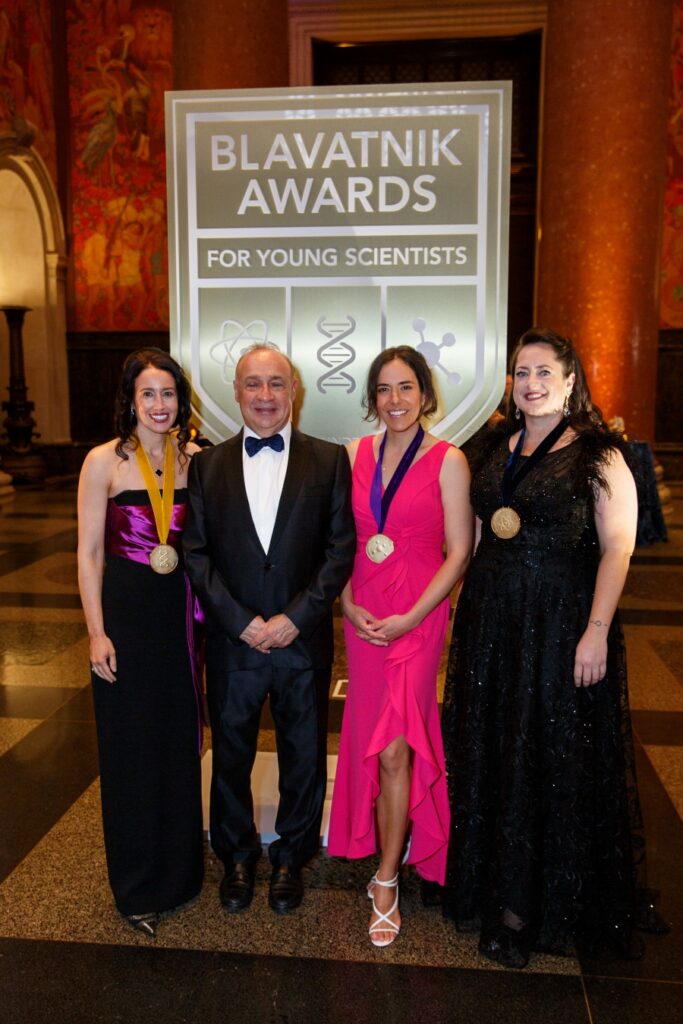
A group of formally dressed people pose together.

“Honorees have continued to make paradigm-shifting fundamental discoveries, at the same time, they have applied these breakthroughs to the development of applications that regularly make the world a better place.”

Published October 29, 2024

By Kamala Murthy

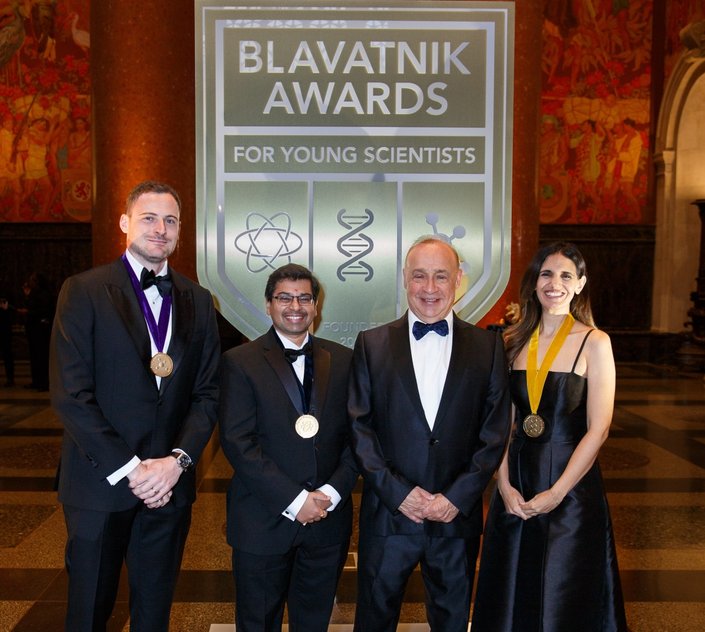
From left: Life Sciences Laureate Cigall Kadoch from the Dana-Farber Cancer Institute, Harvard Medical School, and the Howard Hughes Medical Institute; Len Blavatnik, Founder of Access Industries and the Blavatnik Family Foundation; Chemical Science Laureate Markita del Carpio Landry from the University of California, Berkeley; Physical Sciences & Engineering Laureate Britney E. Schmidt from Cornell University.

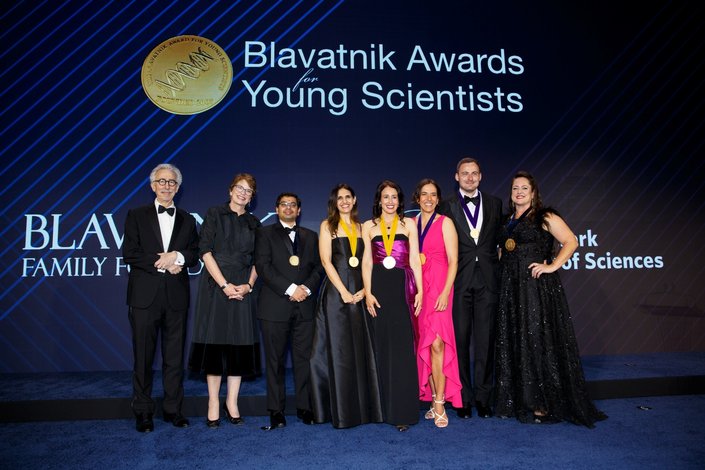
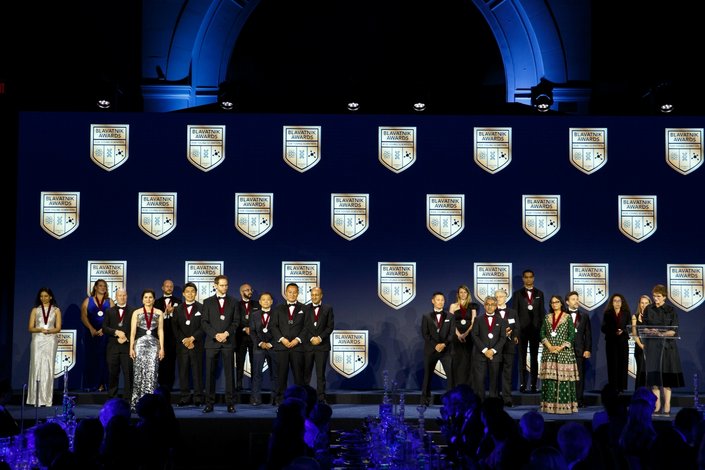
The Blavatnik Family Foundation and The New York Academy of Sciences honored three rising stars in their fields at the 2024 Blavatnik Awards for Young Scientists ceremony on October 1, 2024. The event was held at the American Museum of Natural History, where it has been held annually since 2014.

Christina Paxon, PhD, President of Brown University and renowned American economist and public health expert, served as the ceremony presenter. Over 150 guests attended the ceremony, including leading figures in academia, science, and business. Distinguished guests included:

  • George Daley, MD, PhD, Dean of Harvard Medical School;
  • Maurie McInnis, PhD, President of Yale University;
  • Nancy Brown, MD, Dean of Yale Medical School;
  • Richard Lifton, MD, PhD, President of The Rockefeller University;
  • Doug Clark, PhD, Dean of Chemistry at the University of California, Berkeley;
  • Krystyn J. Van Vliet, PhD, Vice President of Research and Innovation at Cornell University;
  • Walter Massey, PhD, chairman of the board overseeing construction of the Giant Magellan Telescope at Las Campanas Observatory;
  • Robert Kyncl, CEO of Warner Music Group;
  • Lincoln Benet, CEO of Access Industries;
  • Peter Thorén, EVP of Access Industries; and
  • Len Blavatnik, Founder of Access Industries and the Blavatnik Family Foundation.

During her remarks, Paxson encouraged the evening’s honorees to use their unrestricted prize to bring their discoveries to fruition: “… you are being given a rare and marvelous gift – generous financial support for the ground-breaking research that you have demonstrated you’re capable of doing. Your challenge now is to supply the intellectual curiosity and the persistence that is needed for your ideas to be realized.”

Nicholas B. Dirks, President, and CEO of The New York Academy of Sciences, spoke about the impact of Blavatnik Awards honorees’ achievements on science and society: “Honorees have continued to make paradigm-shifting fundamental discoveries, at the same time, they have applied these breakthroughs to the development of applications that regularly make the world a better place.”

Blavatnik National Awards

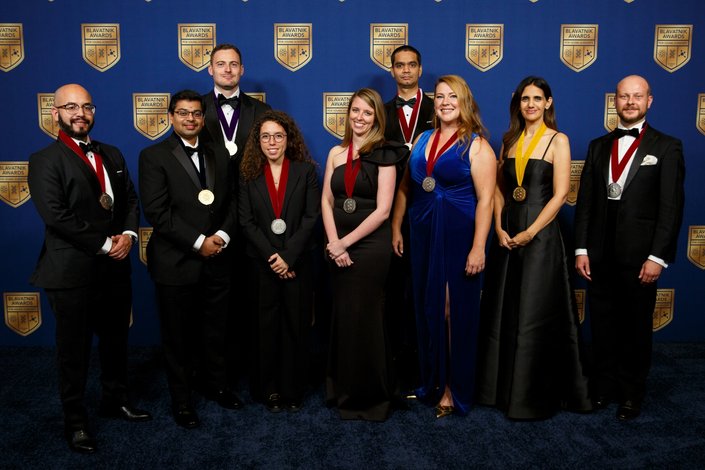
Paxson introduced the 15 National Finalists – five in each category of Physical Sciences & Engineering, Chemistry, and Life Sciences – who were selected by a prestigious jury of leading expert scientists from a pool of 331 nominations representing 172 institutions from 43 U.S. states; each Finalist was awarded $15,000. The ceremony then spotlighted the three talented young scientists recognized as Laureates of the 2024 Blavatnik National Awards. When introducing the Laureates, Paxson remarked, “It gives me great pleasure to note that for the second time in this event’s history, all three of our National Laureates are women!” Three National Laureates receive $250,000, the largest prize for early-career scientists. After receiving their medal, each scientist showcased their prize-winning research.

2024 National Laureates

Cigall Kadoch, PhD (Life Sciences) from the Dana-Farber Cancer Institute, Harvard Medical School, and Howard Hughes Medical Institute. Kadoch is working to discover and characterize chromatin remodeling complexes to understand how their disruption leads to human disease, including cancer, and to develop a new class of therapeutics.

Markita del Carpio LandryPhD (Chemical Sciences) from the University of California, Berkeley. Landry spoke about developing novel nanoscale chemical tools to address disparate challenges in human health and sustainability.

Britney E. SchmidtPhD (Physical Sciences & Engineering) from Cornell University. Schmidt highlighted her advances in climate science and planetary habitability studies through her groundbreaking research on ice-ocean interactions and innovative exploration of Earth’s polar regions and icy planetary bodies using Icefin, a hybrid, remote, under-ice, robotic vehicle developed by Schmidt and her research team.

Blavatnik Regional Awards

Nine Regional Finalists – three in each category – were each awarded $10,000 by the 2024 Blavatnik Regional Awards. Three Regional Laureates were selected from 134 outstanding nominees representing 24 New York, New Jersey, and Connecticut academic institutions. Each Regional Laureate was awarded $30,000.

2024 Regional Laureates

Shira Weingarten-Gabbay, PhD (Life Sciences), nominated by The Rockefeller University, has uncovered thousands of novel microproteins encoded in the “dark matter” of viral genomes, exposing previously unknown immune targets for vaccines.

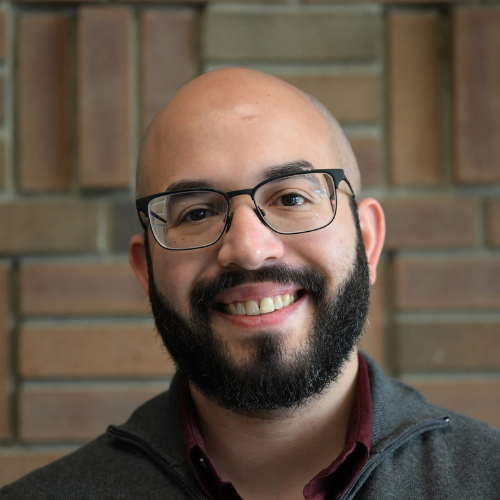
Arnaud Vanden-Broeck, PhD (Chemical Sciences), nominated by The Rockefeller University has led groundbreaking work in uncovering the intricate processes behind human ribosome assembly. This work is laying the foundation for treating cancers and diseases related to ribosome dysfunction.

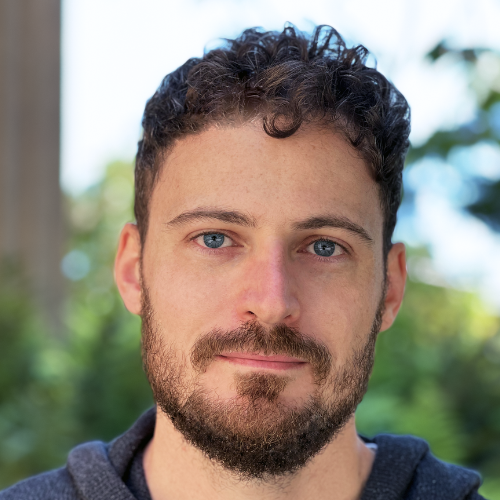
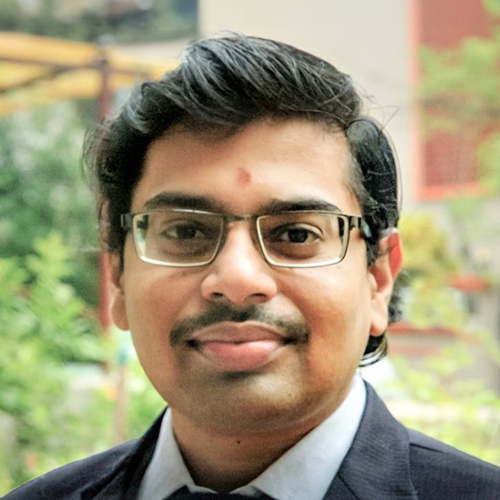
Raghavendra Pradyumna Pothukuchi, PhD (Physical Sciences & Engineering), nominated by Yale University, has made unprecedented advances in creating a “brain-memex,” a system that interfaces computers with the human brain and could fundamentally shift our ability to understand neurological characteristics.

The ceremony concluded with the traditional “Toast to Science,” a hallmark of the Blavatnik Awards for Young Scientists celebrations.

To learn more about the Blavatnik Awards for Young Scientists, visit blavatnikawards.org.

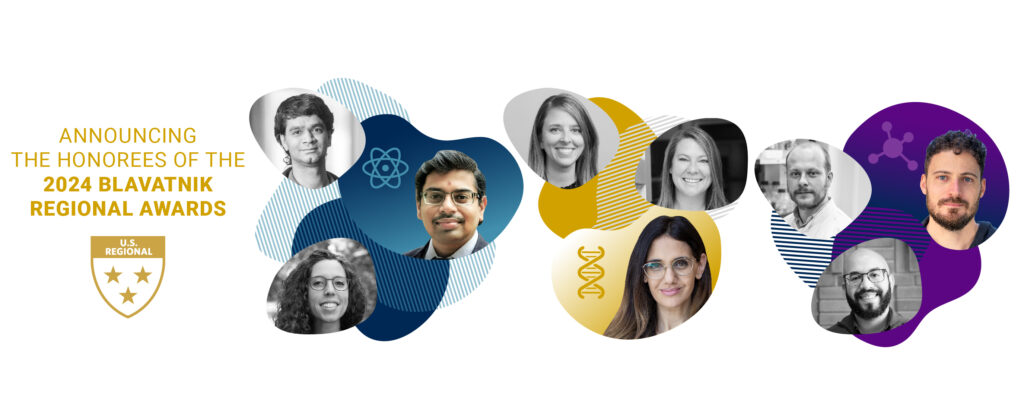
Nine Outstanding Postdoctoral Scholars for the 2024 Blavatnik Regional Awards for Young Scientists Announced

The logo for The New York Academy of Sciences.

Cutting-edge research includes the study of the human ribosome to combat cancer, interfacing machines with the human brain to better understand neurological characteristics, and decoding the “dark matter” of viral genomes to mitigate viral threats.

New York, NY | September 17, 2024 – The Blavatnik Family Foundation and The New York Academy of Sciences today announced the three Laureates and six Finalists of the 2024 Blavatnik Regional Awards for Young Scientists. The Awards honor outstanding postdoctoral scientists from academic research institutions across New York, New Jersey, and Connecticut.

The Blavatnik Regional Awards jury, consisting of distinguished scientists and engineers, selected one Laureate in each category who will receive a $30,000 unrestricted prize and two Finalists in each category who will be awarded $10,000 each. The three Laureates and six Finalists were chosen out of 134 highly competitive nominations received from 24 academic institutions in the Tri-State area.

The announcement comes during the National Postdoctoral Association’s 15th annual celebration of 2024 National Postdoc Appreciation Week, which recognizes the significant contributions that postdoctoral scholars make to U.S. research and discovery.  

The 2024 Blavatnik Regional Awards Winners and Finalists will be honored at the 2024 Blavatnik Awards for Young Scientists Ceremony at the American Museum of Natural History, Central Park West and 79th Street, on October 1, 2024.

“It is a great pleasure to congratulate and honor our outstanding Laureates and Finalists,” said Len Blavatnik, Founder of Access Industries and the Blavatnik Family Foundation, and member of the President’s Council of The New York Academy of Sciences.  “Their ongoing research and discoveries will contribute to the global scientific community for years to come.”

“Postdocs help drive research and innovation forward and are catalysts for new scientific ideas and applied technologies,” said  Nicholas B. Dirks, President and CEO of The New York Academy of Sciences. “We are incredibly proud to announce these outstanding postdoctoral honorees of the 2024 Blavatnik Regional Awards, especially during National Postdoc Appreciation Week — a week dedicated to recognizing the important contributions that postdoctoral scholars make to American research and discovery.”

The 2024 Blavatnik Regional Awards Winners in the three award categories are: 

Chemical Sciences

Arnaud Vanden-Broeck, Ph.D., nominated by The Rockefeller University
Biochemist and structural biologist Arnaud Vanden-Broeck is leading groundbreaking work in uncovering the intricate processes behind human ribosome assembly, laying the foundation for treating cancers and diseases related to ribosome dysfunction.

Physical Sciences & Engineering

Raghavendra Pradyumna Pothukuchi, Ph.D., nominated by Yale University
The work of computer scientist Raghavendra Pradyumna Pothukuchi has led to unprecedented advances in creating a “brain-memex”, a system that interfaces computers with the human brain and could fundamentally shift our ability to understand neurological characteristics.

Life Sciences

Shira Weingarten-Gabbay, Ph.D., nominated by The Rockefeller University
Through her research, virologist Shira Weingarten-Gabbay has uncovered thousands of novel microproteins encoded in the “dark matter” of viral genomes, which has exposed previously unknown immune targets for vaccines.

The following postdoctoral researchers have been named Finalists in their respective categories:

Chemical Sciences

Juan D. Jiménez, Ph.D., nominated by Brookhaven National Laboratory
Chemical engineer Juan D. Jiménez is advancing sustainable industrial practices by developing novel catalytic materials that transform greenhouse gases like CO2 and methane into valuable chemical products.

Arthur Neuberger, Ph.D., nominated by Columbia University
As a Professor of Molecular Bioimaging at LMU Munich,  Arthur Neuberger conducts pioneering research on TRP channels, which has led to new ways of treating pain, cancer, and skin diseases, as well as deciphering the mechanism of how we sense temperature.

Physical Sciences & Engineering

Aavishkar Patel, Ph.D., nominated by the Flatiron Institute
Condensed matter theorist Aavishkar Patel is advancing a new theoretical understanding of “strange metals” and their tendencies towards superconductivity based on how microscopic irregularities in materials modify electron interactions.

Chiara Trovatello, Ph.D., nominated by Columbia University
Nanotechnology materials scientist Chiara Trovatello is developing new nano-engineered material platforms for optical computing, a critical step towards innovative imaging and information processing methods in quantum technologies.

Life Sciences

Nicole J. Lake, Ph.D., nominated by Yale University
Geneticist Nicole J. Lake is developing novel tools to study genetic variation in mitochondrial DNA (mtDNA) to improve genetic diagnostics for patients with rare diseases.

Amy R. Strom, Ph.D., nominated by Princeton University
Molecular and cellular biologist Amy R. Storm is exploring the organization of biological “condensates” that physically compartmentalize target genes in the cell, influencing the expression of cancer-causing genes. 


About the Blavatnik Awards for Young Scientists

The Blavatnik Awards for Young Scientists, established by the Blavatnik Family Foundation in 2007 and independently administered by The New York Academy of Sciences, initially identified outstanding regional scientific talent among faculty and postdoctoral students in New York, New Jersey, and Connecticut. The Blavatnik National Awards, honoring faculty-rank scientists throughout the United States, were first awarded in 2014 and were expanded in 2017 to honor faculty-rank scientists in the United Kingdom and Israel. By the end of 2024, the Blavatnik Awards will have awarded prizes totaling $17.4 million and, to date, has honored over 570 scientists.

Blavatnik Awards scholars are driving economic growth by embarking on new scientific trajectories to pursue high-risk, high-reward scientific research. To date, Blavatnik Awards honorees have founded 74 companies. After recognition by the Blavatnik Awards, 30% of past honorees obtained a patent or filed a patent application, 75% have started a new research direction, and 11% have started a new collaboration with another Blavatnik Awards honoree. Visit blavatnikawards.org for further information. 

About the Blavatnik Family Foundation

The Blavatnik Family Foundation provides many of the world’s best researchers, scientists and future leaders with the support and funding needed to solve humankind’s greatest challenges. Led by Len Blavatnik, founder of Access Industries, the Foundation advances and promotes innovation, discovery and creativity to benefit the whole of society. Over the past decade, the Foundation has contributed over US$1 billion to more than 250 organizations. See more at blavatnikfoundation.org.

2024 Blavatnik National Awards for Young Scientists Announced

The logo for The New York Academy of Sciences.

A molecular biologist from Dana-Farber Cancer Institute, a chemical engineer from UC Berkeley, and an earth scientist from Cornell University are this year’s Laureates.

New York, NY | September 12, 2024 – The Blavatnik Family Foundation and The New York Academy of Sciences named three women scientists as Laureates of the Blavatnik National Awards for Young Scientists, marking the second time since the launch of the awards ten years ago that all three Laureates are women. Each will receive $250,000, the largest unrestricted scientific prize offered to America’s most promising, faculty-level scientific researchers under 42. Three independent juries – one each for life sciences, chemical sciences, and physical sciences & engineering – composed of some of America’s most distinguished scientists selected the three winning Laureates. An additional 15 Finalists will each receive $15,000.

The 2024 Blavatnik National Awards received 331 nominations from 172 institutions in 43 U.S. states. Nominees must be faculty-level scientific researchers, 42 years of age or younger.

The Blavatnik National Awards for Young Scientists will celebrate the 2024 Laureates and Finalists and the 2024 Blavatnik Regional Awards Laureates and Finalists in a gala ceremony on October 1, 2024, at the American Museum of Natural History in New York.

The 2024 winning Laureates are:

2024 Laureate in Life Sciences

Cigall Kadoch, Ph.D., Dana-Farber Cancer Institute, Harvard Medical School & Howard Hughes Medical Institute (Molecular & Cellular Biology)

Working to discover and characterize chromatin remodeling complexes, understanding how their disruption leads to human disease, and developing a new class of therapeutics

Healthy cells rely on the intricate collaboration of millions of biological molecules; even minor perturbations in these interactions can lead to diseases like cancer. In a series of groundbreaking studies, Cigall Kadoch has decoded the role of ATP-dependent chromatin remodelers—complex molecular machines made up of dozens of interacting proteins—in regulating DNA accessibility and gene expression. The Kadoch Lab also unraveled how disease-causing mutations in these complexes impact their structure and function in an expanding list of diseases that includes cancer, neurodevelopmental disorders, and immunodeficiencies.  Dr. Kadoch has built upon these discoveries to develop novel therapeutics, which are being tested in clinical trials and could revolutionize the treatment of diverse maladies.

2024 Laureate in Chemical Sciences

Markita del Carpio Landry, Ph.D., University of California, Berkeley (Chemical Engineering)

Pioneering nanoscale chemical tools to address disparate challenges in human health and sustainability

The behavior of chemicals within and between cells of the body still holds many secrets to how life operates. By manipulating these basic chemical interactions of life, using very small particles to uncover new insights and tools for biology, Landry has applied new nanobiotechnology towards a wide range of tasks, from measuring the transfer of chemicals between synapses in the brain to bioengineering plant genetics. Landry’s strategies for applying nanobiotechnology tools are already paving the way for more resilient crops and new treatments for neurological disease ranging from neurodegeneration to autism spectrum disorders.

2024 Laureate in Physical Sciences & Engineering

Britney E. Schmidt, Ph.D., Cornell University (Physical Earth Sciences)

Advancing climate science and planetary habitability studies through groundbreaking research on ice-ocean interactions and innovative exploration of Earth’s polar regions and icy planetary bodies

In order to better predict the impact of climate change we must understand the interactions between the Earth’s oceans and ice. Britney E. Schmidt and her team designed, built, and deployed Icefin, a remotely operated vehicle that provides unprecedented insights into Antarctic ice shelf melting and ocean circulation. Schmidt’s work solves key problems in ice dynamics and interaction with the ocean and offers novel comprehensive views of sub-ice environments. Critically, this research shows how interactions between the ice, ocean, and seafloor control how glaciers respond to the warming ocean. Schmidt also applies Earth-based ice studies to solar system icy worlds to further our understanding of extraterrestrial environments. Schmidt’s contributions have earned widespread recognition, including inclusion in Time Magazine’s 100 Most Influential People of 2023.

“On behalf of the Blavatnik Family Foundation, I congratulate this year’s outstanding Laureates and Finalists for their exceptional research.  They are among the preeminent leaders of the next generation of scientific innovation and discovery,” said Len Blavatnik, founder of Access Industries and the Blavatnik Family Foundation and a member of the President’s Council of The New York Academy of Sciences.   

Nicholas B. Dirks, president and CEO of The New York Academy of Sciences, said, “The New York Academy of Sciences has always championed women in science. We are thrilled to celebrate, for the second time in the United States, that all three of the scientists named the 2024 Blavatnik National Awards Laureates are women working in their respective fields to use science to benefit the public good.”

FINALISTS

The following scientists have been named Finalists in their respective categories:

Life Sciences

Wei Gao, Ph.D., California Institute of Technology (Biomedical Engineering & Biotechnology)
Developed advancements in wearable biomolecular sensors, allowing for continuous, real-time monitoring and early diagnosis of various health conditions without requiring invasive medical procedures.

Kaiyu Guan, Ph.D., University of Illinois Urbana-Champaign (Agriculture & Animal Sciences)
Developed revolutionary technology to enhance our understanding of agricultural production systems and innovating transformative solutions to achieve co-sustainability of agricultural productivity and environmental quality.

Sergiu Paşca, M.D., Stanford University (Neuroscience & Developmental Biology)
Uncovered transformative and therapeutically relevant insights into the molecular and cellular steps underlying the assembly of the human brain and the mechanisms leading to neuropsychiatric disease.

Sohini Ramachandran, Ph.D., Brown University (Ecology & Evolutionary Biology)
Established quantitative methods that reveal the causes and consequences of human genetic variation while advancing the goal of personalized medicine for all.

Christoph A. Thaiss, Ph.D., University of Pennsylvania (Neuroscience & Immunology)
Made significant advances in decoding the mechanisms by which the communication between environment, body, and brain mediates the impact of lifestyle factors on common human diseases.

Chemical Sciences

Joseph Cotruvo, Jr. Ph.D., The Pennsylvania State University (Biochemistry & Structural Biology)
Discovered and engineered biomolecules to sustainably harvest and purify rare metals, which are used in advanced technology, from electronic waste and the environment.

Garret Miyake, Ph.D., Colorado State University (Polymer Chemistry)
Made ground-breaking advances across polymer and organic chemistry, including inventing light-driven synthesis methods, novel plastics that are chemically recyclable, and light-reflecting coatings to reduce energy needs.

David Nagib, Ph.D., The Ohio State University (Organic Chemistry)
Stabilized traditionally unstable molecules, such as carbenes and free radicals, to discover faster, more effective, and previously unknown chemical mechanisms for synthesizing pharmaceuticals.

Yogesh Surendranath, Ph.D., Massachusetts Institute of Technology (Inorganic & Solid-State Chemistry)
Developed a molecular-level understanding of how charges arrange at electrified surfaces, like battery electrodes, and new chemical reactions to decarbonize fuel and chemical synthesis.

Wei Xiong, Ph.D., University of California San Diego (Physical Chemistry)
Established the experimental foundations of polariton chemistry, which describes hybrid, excited states of molecules, and engineered photonic cavities to provide better control over chemical reactions.

Physical Sciences & Engineering

Anima Anandkumar, Ph.D., California Institute of Technology (Computer Science)
Made ground-breaking advancements in AI to address practical scientific challenges, drastically accelerating simulation of complex phenomena like weather forecasting, scientific simulations, engineering design and scientific discovery.

Polina Anikeeva, Ph.D.,  Massachusetts Institute of Technology (Materials Science & Nanotechnology)
Integrated nanomaterials synthesis and electronic device design to develop neurotechnologies, artificial limbs, and soft robotics that advance our understanding and treatment of neurological disorders.

Ivan Z. Corwin, Ph.D., Columbia University (Applied Mathematics)
Expanded “Extreme Diffusion Theory” to model complex physical systems like the growth of tumors, the propagation of nerve signals, and the early spread of pandemics.

Alexey V. Gorshkov, Ph.D., National Institute of Standards and Technology & University of Maryland (Theoretical Physics)
Advanced the design of large interacting quantum systems through pioneering research at the intersection of quantum physics and information science with groundbreaking implications for quantum computers, sensors, and networks.

Maryam Shanechi, Ph.D., University of Southern California (Electrical Engineering)
Pioneered research at the intersection of engineering, AI, and neuroscience to develop advanced neurotechnologies that decode and regulate brain activity for treating brain disorders.

About the Blavatnik Awards for Young Scientists

The Blavatnik Awards for Young Scientists, established by the Blavatnik Family Foundation in 2007 and independently administered by The New York Academy of Sciences, initially identified outstanding regional scientific talent among faculty and postdoctoral students in New York, New Jersey, and Connecticut. The Blavatnik National Awards, honoring faculty-rank scientists throughout the United States, were first awarded in 2014 and were expanded in 2017 to honor faculty-rank scientists in the United Kingdom and Israel. By the end of 2024, the Blavatnik Awards will have awarded prizes totaling  $17.4 million and, to date, has honored over 470 scientists.

Blavatnik Awards scholars are driving economic growth by embarking on new scientific trajectories to pursue high-risk, high-reward scientific research. To date, Blavatnik Awards honorees have founded 72 companies. After recognition by the Blavatnik Awards, 30% of past honorees obtained a patent or filed a patent application, 75% have started a new research direction, and 11% have started a new collaboration with another Blavatnik Awards honoree.

Visit blavatnikawards.org for further information.

About the Blavatnik Family Foundation

The Blavatnik Family Foundation provides many of the world’s best researchers, scientists and future leaders with the support and funding needed to solve humankind’s greatest challenges. Led by Len Blavatnik, founder of Access Industries, the Foundation advances and promotes innovation, discovery and creativity to benefit the whole of society. Over the past decade, the Foundation has contributed over US$1 billion to more than 250 organizations. See more at blavatnikfoundation.org.

A Life in Defiance of Gravity

An author presents during an event at the Academy.

New book explores blackholes, massive gravity, how Einstein was ahead of his time, and learning from failure.

Published July 31, 2024

By Nick Fetty

Photo by Nick Fetty/The New York Academy of Sciences

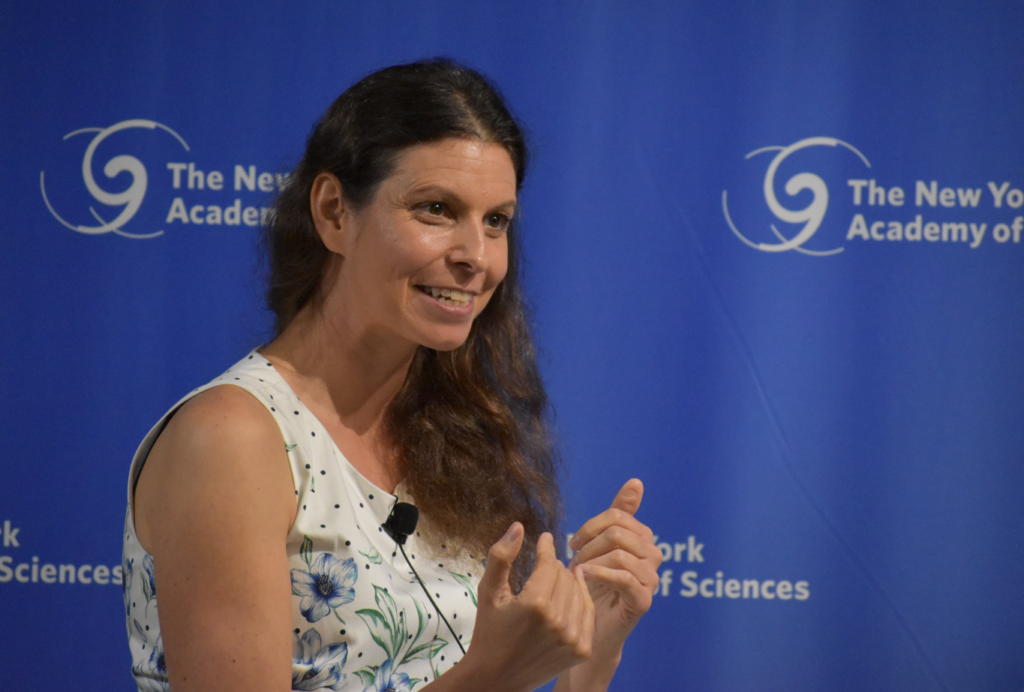
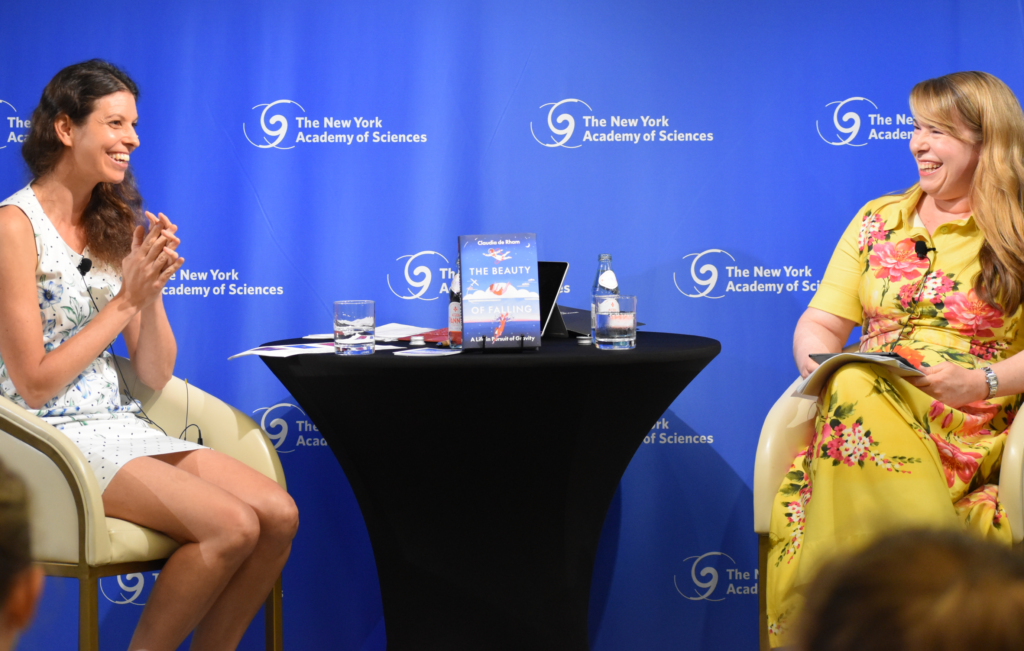
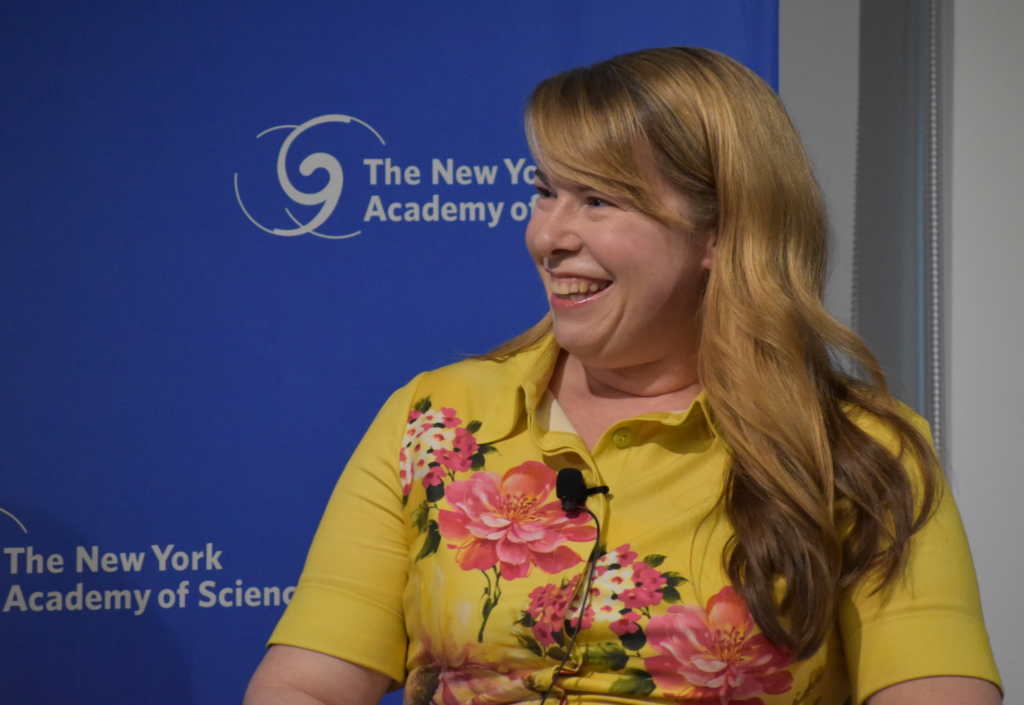
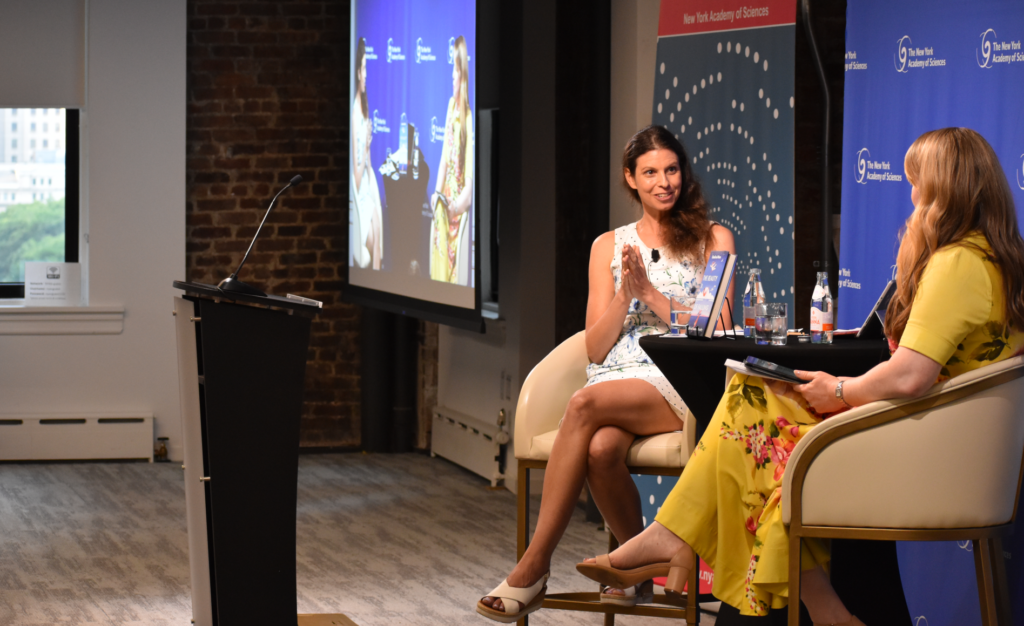
Theoretical physicist Claudia de Rham discussed her recently published book, The Beauty of Falling: A Life in Pursuit of Gravity, during the recent Authors at the Academy Series, moderated by Chief Scientific Officer Brooke Grindlinger, PhD, at The New York Academy of Sciences.

A Life in Defiance of Gravity

Professor de Rham opened the conversation by joking that she’s had to “defy gravity for most of her life in an effort to understand it.” She observed her body’s buoyancy during diving expeditions in the Indian Ocean. She gazed at Canadian waterfalls from overhead while piloting aircraft. She even endured the rigors of astronaut training. All of this, coupled with her study of theoretical physics, helped to inform her book.

“We have this playful relationship with gravity, I think from an early age you can see that. Everybody likes to defy gravity, I don’t think I’m the only one,” de Rham said with a smile.

She recalled an impactful instance from her childhood in Peru when she went on an exhibition into the Amazon jungle. Lying in her hammock, she peered up at a clear, star-filled night sky and was enveloped with feelings of serenity and blissfulness. She thought philosophically about how humankind is just one part of the greater universe. She theorized that gravity was the throughline that connected humankind to nature, to other humans, to everything in the universe.

“From that point on I realized I really want to explore the fundamental laws of nature much more,” she said.

De Rham’s life and career has taken her across the globe. In addition to Peru, her childhood included stints in Switzerland and Madagascar. She earned degrees in France, Switzerland, and England, before taking a postdoc in Canada. She’s also served as faculty at institutions in Switzerland and the United States.

The Dream of Becoming an Astronaut

Photo by Nick Fetty/The New York Academy of Sciences

De Rham currently serves as a professor of theoretical physics at Imperial College London, where her work falls at the intersection of gravity, cosmology, and particle physics. While she is now an accomplished physicist, her initial goal was to become an astronaut.

“I [knew] well the chances were very limited” she said. “I was very realistic but still, if you have a dream, you should just go for it and see what happens.”
She spent more than two decades in her pursuit, despite there being no formal school or training regimen. She said that since the selection process occurs every 15-20 years, most people only get one shot in their lifetime. “There were 10,000 people who had the same thought as me, so I wasn’t the only one.”

The process involved completing the necessary medical, flight and other training. Those who made the next stage, then underwent psychological, psychometric, intelligence, and a “battery” of other evaluations over a one-year period.

She was among roughly 200 applicants who made it to the second round of evaluations which focused more on team bonding and responding to stress. She was then one of 42, and one of the few women, to make it to the next stage, which involved “all possible medical tests that you can imagine” on “every single part of your body.”

One Step Backward, Two Steps Forward

Ultimately, it was a positive result on a newly developed tuberculosis (TB) screening that led to her being declared ineligible. The doctor explained to her that because of a past infection, the test showed that she had the TB antibodies.

“So that was that. That was the end of the dream,” she said. “The dream is still there to some extent but also it changed shape.”

Even though she was disqualified for something beyond her control, she expressed no regrets about the time and effort she spent training.

“It’s not so much about the outcome at the end of the day, it’s about the journey and the experiences you have along the way,” she said.

She emphasized that the element of “potential failure” was important in the process because that’s how people learn and make progress. She quickly found that this approach to dealing with failure was applicable to her work as a scientist.

“As a theoretical physicist, when I fail, it’s just an equation that’s wrong, [and] I start over again,” she said. “To me it’s also part of this discovery with gravity where we know [the theory] does fail, and that’s actually something very positive because it tells us there is something to explore there.”

Einstein Was Right (Sort Of)

In 1915, Einstein proposed his theory of general relativity and within a year he used this theory to predict the existence of gravitational waves, ripples within space and time. His contemporaries rejected this new theory, and even Einstein second guessed himself, wondering if gravitational waves could be detected. Roughly 20 years later, he almost published a paper with the definitive and provocative title of “Do Gravitational Waves Exist? Answer: No!”

Photo by Nick Fetty/The New York Academy of Sciences

“He wasn’t satisfied not only by the fact that you couldn’t observe them but simply he wanted to claim that they were not part of reality, an illusion, a mathematical artifact,” said de Rham.

This paper was one of the first of his to undergo the peer review process. This involves fellow scientists from similar fields auditing research papers for scientific accuracy and feasibility.

Einstein did not take kindly to the referee of his paper who questioned his definitive declaration about the nonexistence of gravitational waves, however it did prod him to keep exploring. He eventually reworked his paper with the more accurate, less provocative title of “On Gravitational Waves.”

“There’s a lesson in there for all of the scientists who complain about the peer review process,” Dr. Grindlinger, the moderator, chimed in. “Even Einstein benefitted from peer review.”

In 2016, scientists from the National Science Foundation’s Laser Interferometer Gravitational-wave Observatory announced a significant breakthrough after directly detecting signals for gravitational waves in space – proving Einstein’s theory from a century prior.

The 2016 discovery involved earth-based instruments that were able to detect the gravitational waves of two merging blackholes in outer space. The ripples caused by this phenomenon traveled through space and time for millions of years until they were detected by the instruments on earth.

The Beginning of a New Era

Today’s consensus in theoretical physics suggests that Einstein’s theory of general relativity will eventually fail. One example being within Sagittarius A*, the supermassive blackhole at the center of the Milky Way galaxy.

“For the failure of Einstein’s theory of general relativity, we don’t need to have any observations to know directly where it would fail,” said de Rham. “And yet we know that we need to have a new theory that goes beyond Einstein’s theory of relativity to overcome it.”

To fill the gaps in the research, de Rham has developed her own theory of “Massive Gravity.” Though, much like Einstein, she at times second guesses her own idea.

Photo by Nick Fetty/The New York Academy of Sciences

“I’m not convinced that it’s a reality, but I am convinced that we should explore it,” said de Rham. “Because that’s how we learn.”

In 2011, de Rham, Gregory Gabadadze and Andrew Tolley developed a new, groundbreaking mathematical framework for the theory of massive gravity. Her work has profound implications for the area of research now dubbed “beyond Einstein gravity”, which includes exploring new types of particles in the universe and connecting the theories of gravity with current and next-generation astrophysics experiments.

“If gravity had a very small mass, then the messenger for gravity wouldn’t have as big of a reach anymore. That’s the idea behind the theory of massive gravity. You wouldn’t need to account for all the vacuum energy present in the whole of the universe to explain the accelerated expansion. You only account for a fraction of it and it leads to a smaller rate of acceleration of the universe,” said de Rham, succinctly summarizing her complex theory.

Award-Winning Research

In recognition of her breakthrough research, de Rham was named the 2020 Blavatnik Awards for Young Scientists in the United Kingdom Laureate in the Physical Sciences & Engineering category. The support from the award enabled her to continue conducting impactful research in this field, particularly new and innovative ideas that may not be supported by other funding agencies. The award is free of restrictions and is the largest of its kind for early career researchers.

“Science is always much more fun and creative than science fiction,” de Rham said in closing.

Check out the other events from our 2024 Authors at the Academy Series

Full video of these events is available, please visit nyas.org/ondemand

2024 Blavatnik Awards for Young Scientists in Israel

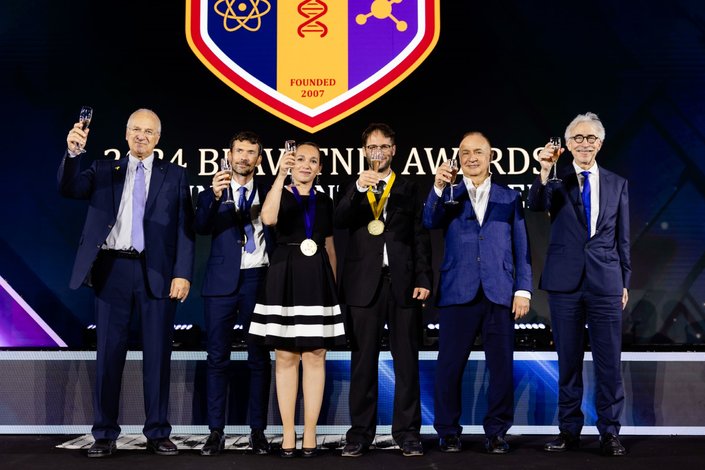
A group of awardees stand on stage together and raise their glasses in a toast to science.

“Especially, amidst severe geopolitical tensions, we need to remember that the work of science not only transcends politics but it is critical for creating a better world for us all.”

Published June 14, 2024

By Kamala Murthy

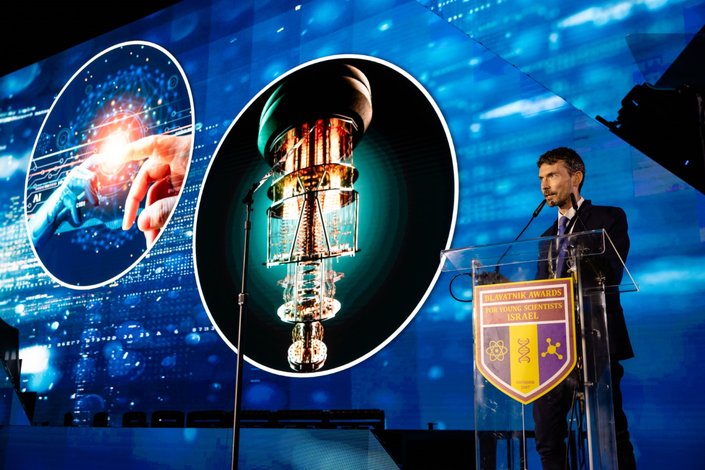
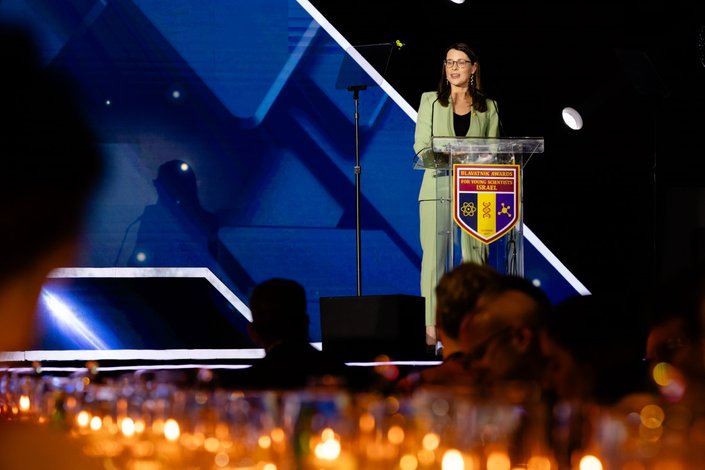
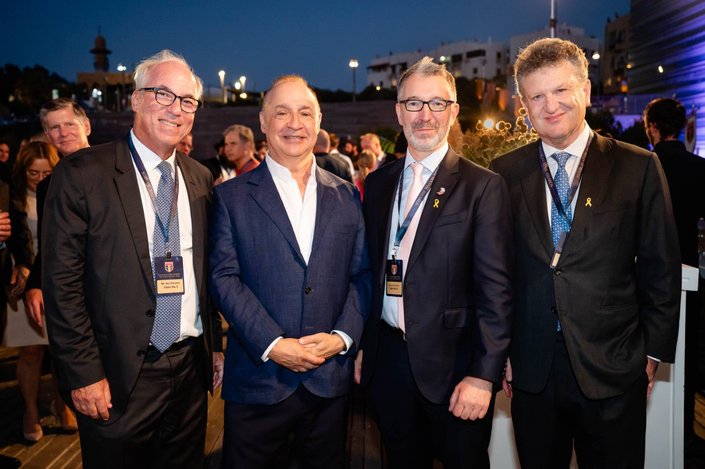
The New York Academy of Sciences, in collaboration with the Israel Academy of Sciences and Humanities and the Blavatnik Family Foundation, hosted the annual ceremony for the Blavatnik Awards for Young Scientists in Israel on June 4, 2024. The Awards, a collaboration between the Blavatnik Family Foundation, The New York Academy of Sciences, and the Israel Academy of Sciences and Humanities, are one of the most significant awards granted to scientists at the early stages of their careers in Israel. For the third time, the gala event was held at the Peres Center for Peace & Innovation in Tel Aviv. TV News Anchor, Tamar Ish-Shalom, from Reshet 13’s Saturday Night News, served as the evening’s presenter.

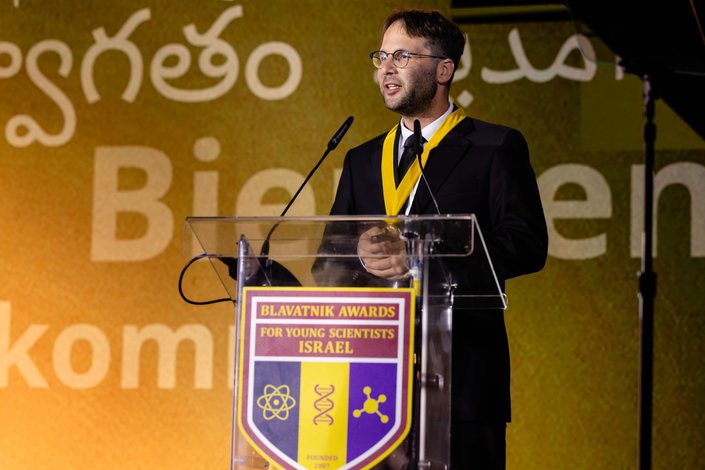
The ceremony began with a moving performance in Hebrew and English by renowned Israeli singer and actress, Roni Dalumi. She was followed by David Harel, President of the Israel Academy of Sciences and Humanities. Prof. Harel congratulated the Laureates and thanked the jury and the Scientific Advisory Council. President Harel remarked on the growing prestige of the Blavatnik Awards, “Looking through the list of past Blavatnik Awards Laureates, one is struck by the amazing quality of their achievements both before and after winning the prize. They all continue to exhibit impressive scientific leadership making new and surprising discoveries, inspiring their colleagues and students worldwide.”

Academy President and CEO, Nicholas Dirks, thanked Len Blavatnik for his vision in promoting science for the benefit of humanity. He spoke about the importance of science for the world, “Especially, amidst severe geopolitical tensions, we need to remember that the work of science not only transcends politics but it is critical for creating a better world for us all.” Prof. Dirks then highlighted the achievements of past Blavatnik Awards Laureates in Israel and also from the Blavatnik National, Regional, and UK Awards.

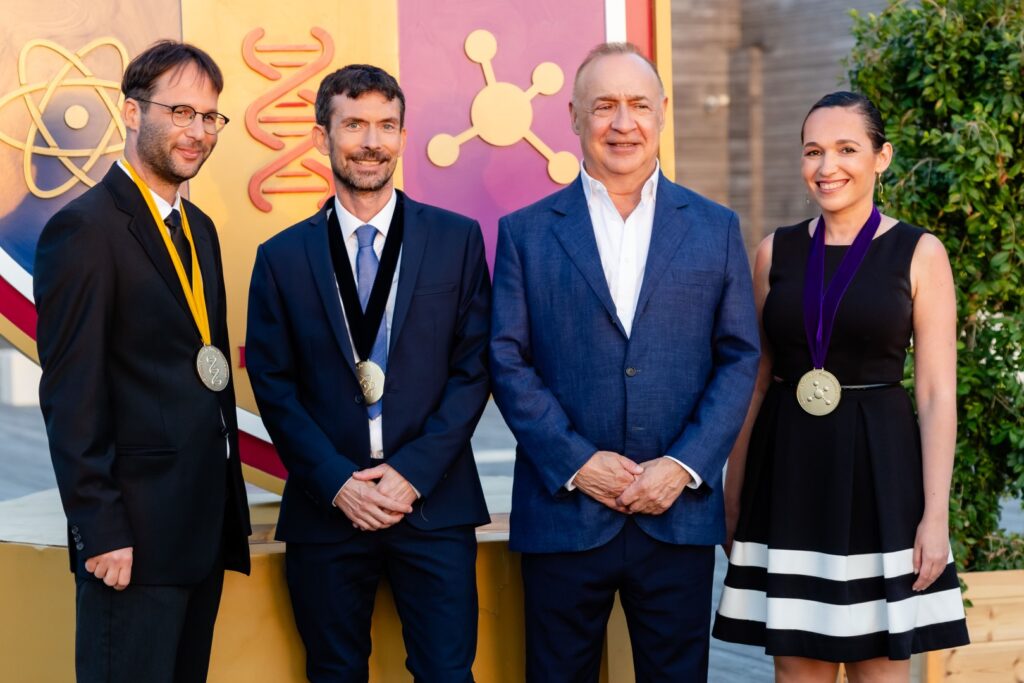
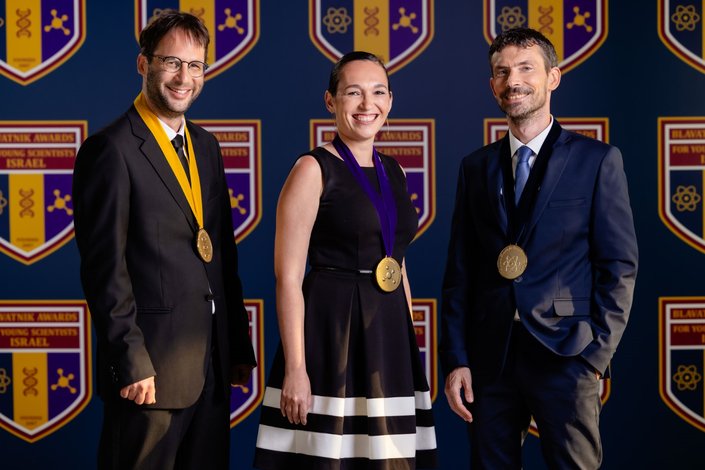
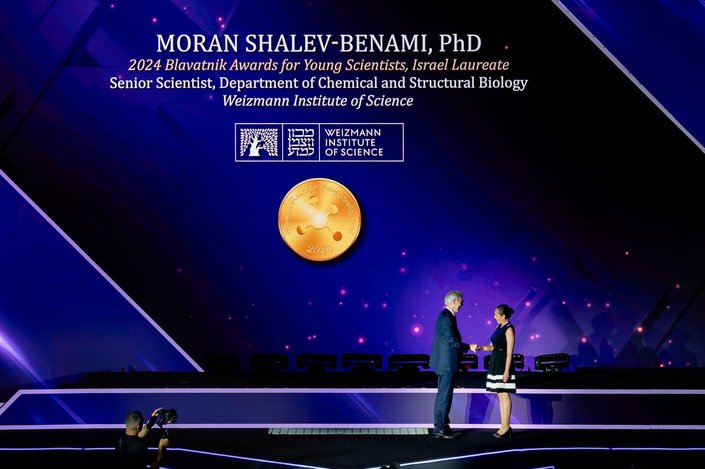
This year, all three Laureates were scientists from the Weizmann Institute of Science. Each Laureate came to the stage to receive their Blavatnik Awards medal from Prof. Nicholas Dirks and afterward, gave a ten-minute presentation on their award-winning discoveries to the audience. 

Chemical Sciences

In the category of Chemical Sciences, Moran Shalev-Benami was recognized for her discovery of key sensing and signaling mechanisms in the human brain that can be directly translated into precision medicine. She highlighted several of her discoveries demonstrating how her study of signaling pathways on the molecular level shed new light on how the brain regulates appetite and how light could be used to modify brain activity.

Physical Sciences & Engineering

For the Blavatnik Awards in Physical Sciences & Engineering, Thomas Vidick was recognized for his pioneering research in quantum complexity and cryptography that explores the capabilities of quantum devices. He explained how the rules of operation in these devices are governed by quantum mechanics. Quantum computers may perform certain computational tasks exponentially faster than classical computers and can enable new cryptographic protocols that leverage quantum mechanics to reach new levels of security in communication.

Life Sciences

In the Life Sciences category, Schraga Schwartz, shared his groundbreaking work mapping and quantifying RNA modifications through the development of novel RNA analytical methods using a combination of computational, chemical, and molecular biological approaches. His breakthroughs in understanding RNA modifications hold promise for treating genetic diseases and expanding the role of RNA editing beyond vaccine development.

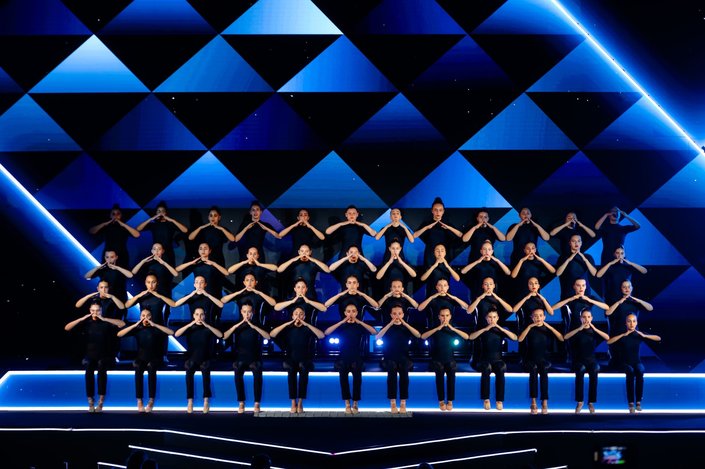
The Zooz ‘n Dance school gave an exciting performance reflecting mathematical patterns. Ceremony presenter Tamar Ish-Shalom closed the evening’s festivities with an annual tradition of the Blavatnik Awards in Israel of making a toast to science in Hebrew, “L’Chaim; To Science!” with Len Blavatnik, the Academies’ Presidents and the Blavatnik Awards Laureates.

The day prior, the 2024 Laureates presented their research at a public symposium, held at the Israel Academy of Sciences and Humanities in Jerusalem. The symposium was opened by Inaugural Blavatnik Awards Laureate in Life Sciences, Oded Rechavi from Tel Aviv University. Prof. Rechavi presented a guest lecture titled “Molecular Memories” on his research in epigenetics. Among the symposium participants were members of the public and STEM high school students from two regional high schools.

To learn more about the Blavatnik Awards for Young Scientists, visit blavatnikawards.org.

Prestigious Blavatnik Awards for Young Scientists in Israel Announces 2024 Laureates

The logo for The New York Academy of Sciences.

לקריאת ההודעה בעברית לחצו כאן

Three scientists from the Weizmann Institute of Science in Israel will each be awarded US$100,000 for their groundbreaking scientific research

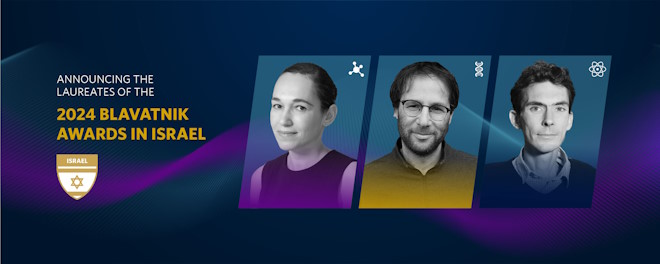
Jerusalem | March 26, 2024 – The Blavatnik Family Foundation, the Israel Academy of Sciences and Humanities and The New York Academy of Sciences announced today the Laureates of the 2024 Blavatnik Awards for Young Scientists in Israel. This year’s Laureates, who will each receive US$100,000, are: 

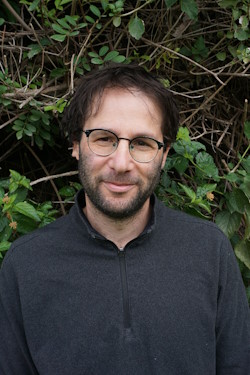
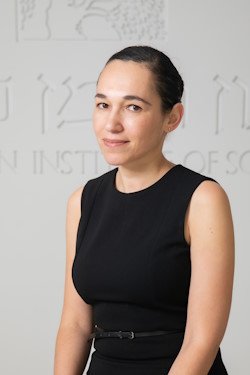
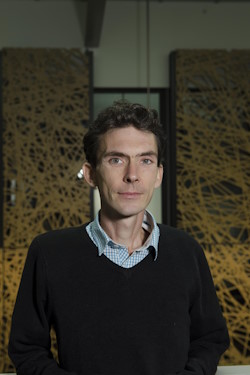
Schraga Schwartz, PhD (Life Sciences)Weizmann Institute of Science – Recognized for developing groundbreaking analytical methods to locate and quantify chemical changes in RNA. Professor Schwartz’s breakthroughs in understanding RNA modifications hold promise for treating genetic diseases and expanding the role of RNA editing beyond vaccine development. 

Moran Shalev-Benami, PhD (Chemical Sciences) Weizmann Institute of Science – Recognized for the discovery of key sensing and signaling mechanisms in the brain that can be directly translated to precision medicine. Dr. Shalev-Benami’s work is informing the development of new therapeutics to treat appetite disorders and is exploring how light could be used to modify brain activity in living organisms. 

Thomas Vidick, PhD (Physical Sciences & Engineering) Weizmann Institute of Science – Recognized for pioneering research exploring how quantum principles can be used to create more powerful computers. Professor Vidick’s research represents a significant milestone in our quest to understand the power and limitations of quantum computing and will advance the security of digital communications. 

The Blavatnik Awards recognize outstanding, innovative scientists at the early stages of their careers for both their extraordinary achievements and their promise for future discoveries. The prizes are awarded to researchers aged 42 and younger for groundbreaking work in the disciplines of Life Sciences, Chemical Sciences, and Physical Sciences & Engineering. The Blavatnik Awards in Israel sit alongside their international counterparts, the Blavatnik National Awards and Blavatnik Regional Awards in the United States and the Blavatnik Awards in the United Kingdom.  

The 2024 Blavatnik Awards for Young Scientists in Israel will be conferred at a ceremony held at the Peres Center for Peace & Innovation in Tel Aviv-Jaffa in June 2024.  

The 2024 Laureates join young scientists from across Israel who have been honored by the Blavatnik Awards since they were launched in 2017. In addition, the Laureates become part of the international Blavatnik Science Scholars community, whose recipients will have been awarded prizes totaling US$17.2 million by the close of 2024.  

Blavatnik Awards scholars are driving economic growth by embarking on new scientific trajectories to pursue high-risk, high-reward scientific research. To date, Blavatnik Awards honorees have founded 72 companies, many of which are now publicly traded on major global stock exchanges including the New York Stock Exchange (NYSE) and the Nasdaq Stock Market. After recognition by the Blavatnik Awards, 30% of past honorees have obtained a patent or filed a patent application, 75% have started a new research direction, and 11% have started a new collaboration with another Blavatnik Awards honoree. 

“Israel has always been a powerhouse of scientific breakthroughs and technological innovation,” said Len Blavatnik, Founder of Access Industries and Head of the Blavatnik Family Foundation. “These exceptional scientists demonstrate the enormous impact that Israeli innovation, creativity and discovery have on shaping the future and are outstanding examples of the Israeli spirit and resilience. We are proud to honor them and look forward to their future work.” 

Professor Nicholas B. Dirks, President and CEO of The New York Academy of Sciences, said, “We congratulate the Weizmann Institute of Science, whose faculty received all three Blavatnik Awards this year. I’m sure that Professor Chaim Weizmann, who not only founded the Weizmann Institute but was the first president of Israel and a scientist himself, would be very proud. We look forward to following the future transformative scientific work of this year’s Laureates.” 

Professor David Harel, President of The Israel Academy of Sciences and Humanities, said, “Today we recognize the exceptional achievements of the very best of young Israeli scientists. This is doubly important at the present time, with Israel going through one of its worst periods, exacerbated by unprecedented obstacles for Israel’s science. We are especially grateful to the Blavatnik Family Foundation and The New York Academy of Sciences for our continued partnership in this wonderful endeavor. … Israel’s positioning at the forefront of global science, merit of scholarship and economic stability are reliant upon the accomplishments and excellence of its scientists. We are proud to honor this year’s Blavatnik Awards Laureates, and we celebrate their innovative breakthroughs with confidence in the far-reaching, positive impact of their achievements on society at large.” 

During the nomination period for the 2024 Blavatnik Awards, 42 nominations were received from eight universities across Israel. Members of the Awards’ Scientific Advisory Council – which includes Nobel Laureates Professors Aaron Ciechanover, David Gross and Sir Richard Roberts, along with former Chairman of the Israel Space Agency, Professor Isaac Ben-Israel – were also invited to submit nominations. Three distinguished juries, composed of leading scientists representing the three disciplinary categories and led by Israel Academy members, selected the 2024 Laureates.

About the Blavatnik Awards for Young Scientists   

The Blavatnik Awards for Young Scientists, established by the Blavatnik Family Foundation in 2007 and independently administered by The New York Academy of Sciences, began by identifying outstanding scientific talent in New York, New Jersey and Connecticut. In 2014, the Blavatnik National Awards were created to recognize faculty-rank scientists throughout the United States. In 2017, the Awards were further expanded to honor faculty-rank scientists in the UK and Israel. For updates about the Blavatnik Awards for Young Scientists, please visit blavatnikawards.org or follow us on X and Facebook @BlavatnikAwards.

About the Blavatnik Family Foundation   

The Blavatnik Family Foundation provides many of the world’s best researchers, scientists and future leaders with the support and funding needed to solve humankind’s greatest challenges. Led by Len Blavatnik, founder of Access Industries, the Foundation advances and promotes innovation, discovery and creativity to benefit the whole of society. Over the past decade, the Foundation has contributed over US$1 billion to more than 250 organizations. See more at blavatnikfoundation.org.

About The Israel Academy of Sciences and Humanities 

The Israel Academy of Sciences and Humanities is Israel’s flagship scientific institution. It was established by law in 1961 and acts as a national focal point for Israeli scholarship in all branches of the sciences, social sciences and humanities. The Academy’s membership comprises 147 of Israel’s most distinguished scientists and scholars in its two sections – the Sciences Section and the Humanities Section. It is tasked with promoting Israeli scientific excellence, advising the government on scientific matters of national interest, publishing scholarly research of lasting merit and maintaining active contact with the broader international scientific and scholarly community. For more information about The Israel Academy of Sciences and Humanities, please visit academy.ac.il

For further information, please contact: 
Liel Edry:  liel@kamir-e.com   +972-50-8655-305

Blavatnik Awards in the UK Celebrates the 2024 Laureates and Finalists

A group of honorees pose together wearing their medals.

“These outstanding individuals are using science to advance the public good while driving economic growth worldwide.”

Published March 5, 2024

By Kamala Murthy

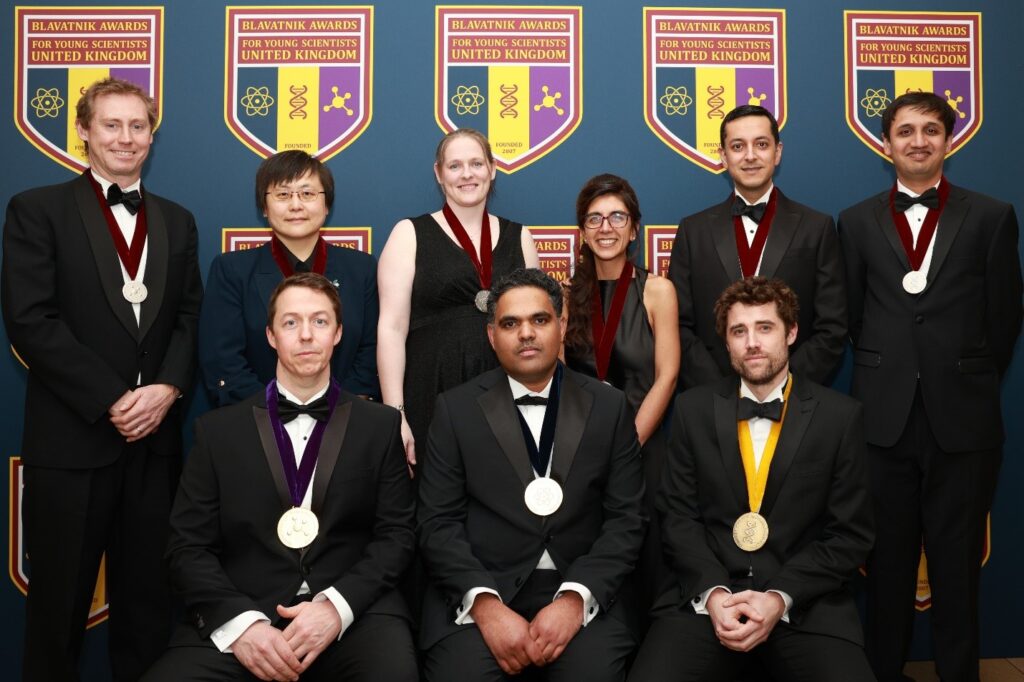
On Tuesday, 27th February 2024, the Blavatnik Family Foundation and The New York Academy of Sciences honoured nine outstanding scientists in the fields of Physical Sciences & Engineering, Chemical Sciences, and Life Sciences at the seventh annual ceremony of the Blavatnik Awards for Young Scientists in the UK held at the historic Banqueting House in Whitehall, London.

Now in its seventh year, the Blavatnik Awards for Young Scientists in the UK represent the most substantial unrestricted awards for UK scientists under the age of 42, contributing since their establishment £3.3 million (US $4.2 million) to support researchers in UK academia. Recognised globally within the scientific community, the awards play a crucial role in recognising and supporting the research of early career scientists.

Professor Irene Tracey CBE, FRS, FMedSci, Vice-Chancellor of the University of Oxford and renowned neuroscientist, served as presenter for the awards ceremony, remarking: “Tonight, we are not only recognising the exceptional work that our Blavatnik Awards honourees have already done, we’re also asserting our belief in ideas and a world where these scientists and others can pursue those ideas, for the future benefit of all.”

Driving Economic Growth

Commenting on the Awards’ impact, Nicholas B. Dirks, President and CEO of The New York Academy of Sciences, said: “To date, Blavatnik Awards honourees have founded 72 companies, with over 50 of them founded after they were first recognised by the Blavatnik Awards, and six of which have traded on the New York Stock Exchange and the NASDAQ. These outstanding individuals are using science to advance the public good while driving economic growth worldwide.”

Approximately 120 guests attended the ceremony, including leaders in science, academia, government, business, and previous awardees. Distinguished guests included:

  • Chairman of Access Industries and the Blavatnik Family Foundation, Sir Leonard Blavatnik;
  • Member of the House of Lords, Baroness Pauline Neville-Jones;
  • Chair of Surgery at Imperial College London, the Royal Marsden Hospital and the Institute of Cancer Research, Prof. the Lord Darzi of Denham;
  • President-Elect of the Royal Society of Medicine, Prof. Gillian Leng;
  • Vice-Chancellor of the University of Cambridge, Prof. Deborah Prentice;
  • Vice-Chancellor and President of the University of Bristol, Prof. Evelyn Welch;
  • President & Provost, University College London (UCL), Dr. Michael Spence; and
  • Former Chair of Cancer Research UK, Prof. Sir Leszek Borysiewicz.

For each category—Physical Sciences & Engineering, Chemical Sciences, and Life Sciences—a Laureate was awarded £100,000, and two Finalists were each awarded prizes of £30,000. This year’s Awards celebrated new scientific advancements, including the application of AI and evolutionary principles to develop new ways to treat cancer, discovery of a new carbon-based membrane for building filtration systems to clean water, and the development of customised enzymes to manufacture new pharmaceuticals and agrochemicals. As each honouree was recognised, the audience viewed a film introducing their groundbreaking research before they were presented with a Blavatnik Awards medal.

Laureates

Anthony Green, PhD (Chemical Sciences) – The University of Manchester

Rahul R. Nair, PhD (Physical Sciences & Engineering) – The University of Manchester

Nicholas McGranahan, PhD (Life Sciences) – University College London

Finalists

Fernanda Duarte, PhD (Chemical Sciences) – University of Oxford

Samuel D. Stranks, DPhil (Chemical Sciences) – University of Cambridge

Jayne Birkby, PhD (Physical Sciences & Engineering) – University of Oxford

Mehul Malik, PhD (Physical Sciences & Engineering) – Heriot-Watt University

Tanmay Bharat, PhD (Life Sciences) – MRC Laboratory of Molecular Biology

Yiliang Ding, PhD (Life Sciences) – John Innes Centre

Speeches were made by each of the Laureates after receiving their medals, where they highlighted their research and the importance of the awards for advancing research in their respective fields.

The next day, 28th February all nine Laureates and Finalists presented their cutting-edge research during the Blavatnik Awards public symposium “Sparking Innovation: UK Scientists Changing Our World” held at the RSA House in London.

To learn more about the Blavatnik Awards for Young Scientists, visit blavatnikawards.org.

Blavatnik Honoree Showcase

The logo for The New York Academy of Sciences.

Meet the Honorees

The Blavatnik Awards for Young Scientists were created in 2007 to identify and honor exceptional young scientists and engineers 42 years of age and younger. Here, take a look behind the curtain at some Blavatnik laureates and finalists to learn more about their exciting research and why it’s important for the world.

Do you want to hear more from the honorees? Register for free to watch the most recent public symposium.

From the Academy Blog

Our Blavatnik Award honorees are making a huge impact on the world of science — learn what their research means for the future.

Partner with Us: Awards

The logo for The New York Academy of Sciences.

The New York Academy of Sciences is widely acclaimed for its history of excellence in administering prestigious Awards programs. We have consistently identified, celebrated, and supported outstanding emerging talent and foremost senior figures in the scientific community.  

Diverging from conventional science prizes, our primary emphasis lies in investing in the potential of a person’s future contributions to science. By furnishing early-career scientists with substantial support, we empower them to unleash their exponential growth potential and embark on the path to pioneering innovations. 

Our community of honorees go on to secure faculty positions at universities, lead their own research laboratories, and establish companies, some of which are publicly traded on the New York Stock Exchange and the NASDAQ. These awardees are a wellspring of inspiration and serve as mentors for the next generation of scientists. 

Philanthropic investments in the scientific community reverberate far beyond the confines of the laboratory. Partner organizations have the unique opportunity to collaborate with us to establish STEM prizes and awards programs that align seamlessly with shared objectives and missions. Partnering with us grants access to influential thought leaders and heightened visibility within a precisely targeted audience. 

Our Awards programs present an optimal solution for organizations aiming to elevate their philanthropic endeavors while staying in alignment with their organizational mission. Entrusting us with the selection process empowers us to recognize exceptional individuals and institutions engaged in remarkable work, regardless of their geographic location or affiliations. 

Our approach involves crafting carefully tailored programs that address unmet needs, thus ensuring that our prizes and awards deliver a genuinely impactful difference.

Contact Us

To explore the development of a new awards program, contact us at development@nyas.org.