Lyceum Society: Evolution and the Rise of Creative Potential

April 6, 2026 | 11:30 AM – 2:30 PM ET

Presented by the Lyceum Society

To attend, click the “Register” button at the time of the presentation. It will take you directly to the Zoom call.


Welcome and Introductions: 11:30 AM to 11:45 AM

Main Presentation: 11:45 AM to 2:30 PM


Our April Program has four parts. The overall moderator is our president, Clif Hotvedt.

1. REVIEW OF PROGRAM GROWTH FOR THE PAST 12 MONTHS, AND PLANNING FOR NEXT SEASON

We will introduce our resourceful Lyceum Planning Team: Chairman, Phil Apruzzese, Bill Rosser (VP), Stuart Kurtz, Uldis Blukis, and Herb Klitzner. Each person on this team has given numerous talks to Lyceum over the years. In addition, together, the team has developed new concepts for talks, such as our successful periodic “Making of a Scientist” series and our annual “Nobel Prize Winners” sensitive profiles.

2. EVOLUTION AND THE RISE OF CREATIVE POTENTIAL

We will discuss and develop our scheduled May 4 Talk on the topic of Evolution of Creativity, Resilience, and “Anti-Fragility,” producing unusual individuals of different kinds to truly rescue society in times of crisis, when conventional tools fail in the face of a new challenge. Bill Rosser will organize and lead the discussion. Bill is our Lyceum VP and was a senior executive at Gartner Group, the leading market research firm in emerging computer technologies.

As part of our discussion, to help us understand this process of rescue, Stuart Kurtz, world-traveled chemical engineer and interpreter of the science endeavor will share with us an important example from the History of Science – the growing  “Nitrogen Fertilization Shortage” from the late 1800s to 1913 just before the opening of WW 1.

In addition, Jean Smith, a planner at the Science Discussion Network of the Unitarian Universalist Congregation at Shelter Rock, in Manhasset, Long Island, will describe her unique experience in resourcefully applying scientifically based deeply creative techniques to first understand and then solve a serious infection that had been diagnosed as untreatable. As part of her process of evolving a successful treatment for herself, she created a Facebook group of eventually 8,000 people whose conditions resembled her own, along one dimension or another, helping them to move forward in their own lives.

3. OTHER NEW PROGRAM HIGHLIGHTS

We will also examine three other pivotal subject area clusters, listed below. To explore possibilities, we will sample one specific topic to focus on next season from each of the three clusters:

  • BioMed/Pharma/Physical Therapy (PT).
  • AI, Math, Values, Human Development, Psychology, the Science of Aesthetics, and the Designing of Future AI-Customized Tools.
  • History of Science, and the Connectedness of Science and Culture.
4. OPEN DISCUSSION

At the last part of our meeting, we will open up the discussion to the audience for further comments and suggestions. Please join us with your ideas in this special future-oriented program discussion.

Pricing

All: Free

About the Series

The Lyceum Society is a collegial venue promoting fellowship, education, and discussion among retired members of The New York Academy of Sciences. Learn more and explore other events hosted by the Lyceum Society.

Lyceum Society: Biological Rhythms, the Secret Language of your Vital Signs

March 2, 2026 | 11:30 AM – 2:30 PM ET

Presented by the Lyceum Society

To attend, click the “Register” button at the time of the presentation. It will take you directly to the Zoom call.

Welcome and Introductions: 11:30 AM to 11:45 AM

Main Presentation: 11:45 AM to 2:30 PM

Biological Rhythms, the Secret Language of your Vital Signs

Daniel Forger

From the firing of neurons in a fraction of a second to the monthly cycle of ovulation to a seasonal shift in sleep patterns, the human body runs on rhythms—all more knowable now than ever, thanks to wearables. Making sense, and making use, of these signals is something else, and this is precisely what Daniel Forger explains in his book Biological Rhythms, which will be the focus of our discussion. Sorting through a plethora of data gathered over the past decade, this practical, user-friendly book gives readers the tools for reading and interpreting the rhythms that regulate physiological processes as varied and critical as sleep, brain activity, heart rate, hormone secretion, metabolism, and temperature. Once translated, the language of biological rhythms can be used to improve health and productivity, by athletes, travelers, and shift workers, sufferers of fatigue or sleep disorders, or those wishing to lose weight, monitor infection, or time fertility, in short, anyone with an interest in reading and understanding the body’s vital signs.

Speaker

Daniel B. Forger is Robert W. and Lynn H. Browne Professor of Science, Professor of Mathematics, and Research Professor of Computational Medicine and Bioinformatics at the University of Michigan, Ann Arbor. He directs the Michigan Center for Applied and Interdisciplinary Mathematics and is the CSO of Arcascope. Hundreds of thousands of people have used his apps and algorithms for scoring sleep and circadian rhythms, predicting mood and fatigue, and analyzing time series data. Dr. Forger was also active in the Junior Academy of the NY Academy of Sciences when he attended Stuyvesant High School.

Pricing

All: Free

About the Series

The Lyceum Society is a collegial venue promoting fellowship, education, and discussion among retired members of The New York Academy of Sciences. Learn more and explore other events hosted by the Lyceum Society.
Lyceum Society: Alchemy, AI and Snow’s Two Cultures in Historical Perspective

February 2, 2026 | 11:30 AM – 2:30 PM ET

Presented by the Lyceum Society

To attend, click the “Register” button at the time of the presentation. It will take you directly to the Zoom call.

Welcome and Introductions: 11:30 AM to 11:45 AM

Main Presentation: 11:45 AM to 2:30 PM

Alchemy, AI and Snow’s Two Cultures in Historical Perspective

Farzad Mahootian

I will explore the imaginal space between four themes: alchemy, Jung, the history of science, and AI. The talk will interweave these themes in ways that reflect my mind since early adulthood. I am recently energized by support from NYU’s IT office and library in my efforts to render my mode of investigation consistent with its subject matter, as I consider chemists and historians of chemistry. Chemists have benefited greatly by integrating computational tools to exponentially expand chemical space. By contrast, historians of chemistry and alchemy have been somewhat less enthusiastic about applying computational methods to their domain. This is not a question of technophobia exclusively, it’s a cultural issue. I believe that AI can efface some of the structural barriers between C.P. Snow’s “two cultures.”

Speaker

Farzad Mahootian has been a Clinical Associate Professor of Global Liberal Studies at New York University since 2010. He has an interdisciplinary background (PhD Philosophy, Fordham; MS Chemistry, Georgetown). His research focuses on interactions between philosophy, science and society within the mythological imagination. His interests include process philosophy, coupled systems, artificial intelligence, and premodern sciences. Recent publications include “Jung and Whitehead: An Interplay of Psychological and Philosophical Perspectives,” “Kant, Cassirer, and the Idea of Chemical Element.”

Pricing

All: Free

About the Series

The Lyceum Society is a collegial venue promoting fellowship, education, and discussion among retired members of The New York Academy of Sciences. Learn more and explore other events hosted by the Lyceum Society.
Lyceum Society: FDA & New Drug Approvals

January 5, 2026 | 11:30 AM – 2:30 PM ET

Presented by the Lyceum Society

To attend, click the “Register” button at the time of the presentation. It will take you directly to the Zoom call.

Welcome and Introductions: 11:30 AM to 11:45 AM

Main Presentation: 11:45 AM to 2:30 PM

New Drug Approvals in 2025: How did the FDA fare?

2025 has been a tumultuous year in Washington. Notwithstanding DOGE layoffs and the government shutdown, the Food and Drug Administration (FDA) has approved 41 drugs and biologicals this year. While some will likely be blockbusters with sales above a billion dollars a year by 2030, some of the rest might be considered bespoke biologicals—exquisitely-targeted drugs for smaller populations (e.g., hereditary angioedema, which affects about 1/50,000 people across all ethnicities). But, when there are fewer potential patients, the research and development cost has to be spread across patients receiving the therapy. When data is available, we’ll talk about cost and, with drug price controversy embedded in the ongoing health insurance crisis, who should or can or might pay, and how much.

Speaker

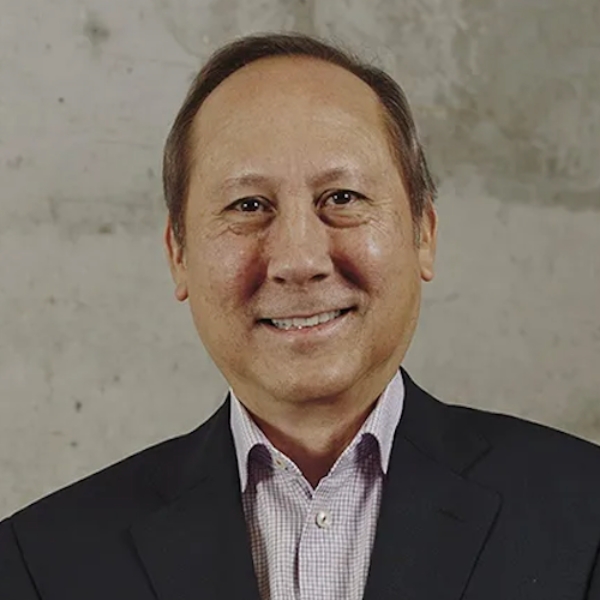
Clif Hotvedt‘s diverse scientific background reflects his experience in the pharmaceutical industry, as a medical writer in the regulatory and clinical affairs departments of Ives Laboratories and at leading public relations firms including Robert Marston & Associates, Manning Selvage & Lee, and Ketchum, where he served as vice president and global director of medical & scientific affairs. For 46 years, he has counseled companies on over 100 small molecule drugs, biologicals and devices for indications including cardiovascular disease, rheumatology, metabolic disease, dermatology, central nervous system disease, vaccines, infectious disease, and cancer.

A New Mexico State University graduate in secondary education and journalism, Clif continues to use his teaching background to develop and present courses on the FDA approval process, pharmacokinetics, pharmacodynamics, and biostatistics among other topics for coworkers and clients. Clif is a member of the Lyceum Society and has been a frequent presenter at our meetings. His previous topics have included: “The FDA Drug Approval Process”(November 2015); “How the new PCSK9 Cholesterol-Lowering Drugs work” (May 2016); “How to read a Drug Label” (April 2017); “Biosimilars: the New ‘Generics’?(June 2018); “The Human Microbiome” (May 2019); “Drug Pricing” (June 2020); “Artificial Intelligence (AI) and Health Care” (October 2020); “Drug Pricing Revisited” (November 2020); and “The Nobel Prize in Physiology or Medicine 2022” (December 2022).

Pricing

All: Free

About the Series

The Lyceum Society is a collegial venue promoting fellowship, education, and discussion among retired members of The New York Academy of Sciences. Learn more and explore other events hosted by the Lyceum Society.
Lyceum Society: Data Center Boom: High Cost/Benefit

December 1, 2025 | 11:30 AM – 2:30 PM ET

Presented by the Lyceum Society

To attend, click the “Register” button at the time of the presentation. It will take you directly to the Zoom call.

Welcome and Introductions: 11:30 AM to 11:45 AM

Main Presentation: 11:45 AM to 2:30 PM

AI Data Center Boom: High Cost/Benefit, Locally & Environmentally

Tech companies are racing to expand data center capacity to win the competition for commercial dominance, most prominently through the AI path. This surge has been encouraged by the current business and political environment including new federal industrial policies, abundant capital, disregulation, and hype of AI.

Business tactics prioritizing immediate business interests over the public interest may include:

  • Bending/breaking some constraints, including legal ones
  • Building fast before anyone can react
  • Minimizing disclosure of critical data center features
  • Obfuscation of site ownership via complex LLCs, trusts, etc.
  • Externalizing environmental costs, GHG emissions, e-waste generation

I will present brief summaries of findings from technical journals, newspapers, and magazines. Informative YouTube video segments will be included to elicit group discussion.

Speaker

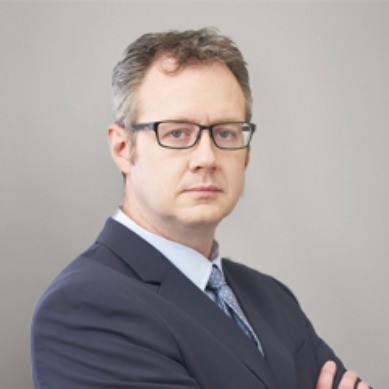
Philip W. Apruzzese (BE Chem. E., MS Technology Mgmt., CHMM) graduated from Stevens Institute of Technology, Hoboken, NJ. He was employed in the pharmaceutical industry (Squibb, Beecham, Schering-Plough) for nearly 40 years, holding manufacturing operations, project, research pilot plant startup, and environmental compliance management positions. From 2010 to 2019 he was employed part-time as a Chem Eng/Environmental, health and safety consultant in addition to working seasonally as a Level C Official for USA Cycling racing events.

Since relocating to the Seattle area he has begun volunteer work with several non-profit community cycling/Recycling resources and advocacy organizations. Additionally he volunteers online with the Summit Old Guard, an organization for retired business and professional men.

In April, 2015, he spoke on Tour de France cycling performance enhancements – Post Lance/Post Drugs and in 2019 he presented on The Nobel Prize in Chemistry for the development of lithium ion batteries. In 2021 he presented on The Nobel Prize in Chemistry for the development of asymmetric organocatalysis. In April 2025 he spoke along with Stuart Kurtz on Becoming a Chemical Engineer: Two Stories.

Pricing

All: Free

About the Series

The Lyceum Society is a collegial venue promoting fellowship, education, and discussion among retired members of The New York Academy of Sciences. Learn more and explore other events hosted by the Lyceum Society.
Lyceum Society: Lithium Processing

November 3, 2025 | 11:30 AM – 2:30 PM ET

Presented by the Lyceum Society

To attend, click the “Register” button at the time of the presentation. It will take you directly to the Zoom call.

Welcome and Introductions: 11:30 AM to 11:45 AM

Main Presentation: 11:45 AM to 2:30 PM

Lithium Processing: Challenges for Refining and Recycling

In the late twentieth century, lithium changed from a metal of limited economic importance to an essential component of the modern economy. The distribution of lithium resources on Earth and the technology for its recovery have implications for geopolitics, the economy, and the environment. Join us as we explore the connections between the properties of this unique metal, the challenges in its extraction and recycling, and its role in the modern world.

Speaker

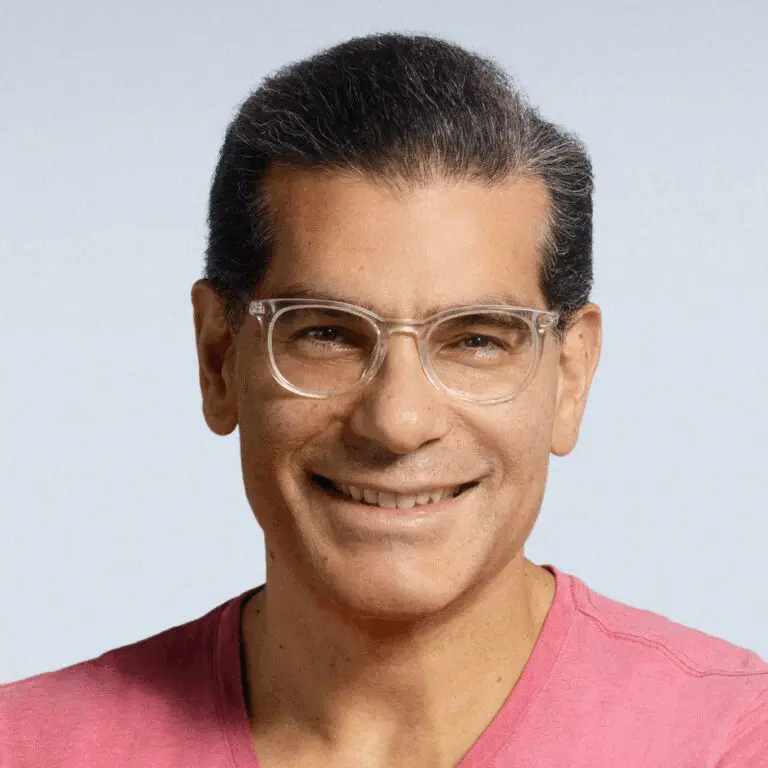
Dr. Mark Kobrak received his BA degree in Chemistry and Integrated Science from Northwestern University, and his PhD in Chemistry from University of Chicago.  He joined the faculty of Brooklyn College in 2001, serving as Chair from 2009-2011 and again from 2020-2023.  His work centers on the physical chemistry of ionic liquids, a class of salts that are molten at room temperature.  Recent efforts have included the development of novel metal extraction technologies.  He has received multiple fellowships supporting research work at Brookhaven National Laboratory, and was a visiting researcher at University of Groningen in the Netherlands in 2017.

As a faculty member, Kobrak has pursued an eclectic collection of projects.  Examples include establishing the department’s industrial internship program, co-authoring a science education article on the physics of solar sails, and serving as a scientific consultant on a film featuring Paracelsian alchemy.  He has also revised the laboratory curricula of five different undergraduate courses and written a 480 page free textbook to help students transition from general to organic chemistry.

Pricing

All: Free

About the Series

The Lyceum Society is a collegial venue promoting fellowship, education, and discussion among retired members of The New York Academy of Sciences. Learn more and explore other events hosted by the Lyceum Society.

Quantum Computing in Business and Private Equity

November 17, 2025 | 12:00 PM – 1:00 PM ET

Quantum computing is moving from theory to real-world impact. In this one-hour webinar, experts from science and business will cut through the hype to explore where the technology stands, how it’s being applied in sectors like logistics and cybersecurity, and what to expect next. We will also examine how private equity and venture capital are investing in quantum—and which industries are poised to benefit most from its breakthroughs.

This roundtable discussion will explore:

  • Market impact: How the pace of development is influencing global markets and the role of private equity and venture capital in accelerating quantum breakthroughs.
  • Quantum’s evolution: Moving rapidly from theoretical physics to a transformative technology with real-world impact.
  • Industry influence: Reshaping sectors, driving innovation, and attracting major investment.

Series Moderator

Josh Lerner

The Jacob H. Schiff Professor, Harvard Business School; Director, Private Capital Research Institute

Panelists

Matthew Kinsella

CEO, Infleqtion

Reed Sturtevant

General Partner, The Engine Ventures

Bill McMahon, PhD

Co-Founder and Managing Partner, Minnow Venture Partners

Shahin Farshchi, PhD

Partner, Lux Capital

Sponsors

Session Sponsor

Series Sponsor

Presented By

The New York Academy of Sciences logo

Pricing

All: Free

About the Series

The “Private Capital and Discovery: Strategic Investing in Scientific Innovation” series is brought to you by The New York Academy of Sciences and The Private Capital Research Institute. Through expert panels and thought-provoking discussions, the series examines how private equity is uniquely positioned to drive transformative advancements—while also exploring the ethical and strategic dilemmas that can arise when financial incentives influence the trajectory of science. Learn more about the series.

Lyceum Society: Mental Health, Neuroscience & AI

October 6, 2025 | 11:30 AM – 2:30 PM ET

Presented by the Lyceum Society

To attend, click the “Register” button at the time of the presentation. It will take you directly to the Zoom call.

Welcome and Introductions: 11:30 AM to 11:45 AM

Main Presentation: 11:45 AM to 2:30 PM

Mental health conditions such as bipolar disorder, depression, attention deficit and hyperactivity disorder (ADHD), and post-traumatic stress disorder (PTSD), are difficult to diagnose and treat. Symptoms overlap across these categories, mood data is hard to capture reliably, and treatments often involve trial and error with significant side effects. While diagnostic frameworks such as the DSM-5 provide a shared language for clinicians and insurers, they offer limited insight into the underlying causes of psychiatric illness or personalized strategies for intervention. To advance, psychiatry needs more precise measures of nervous system function and better ways to integrate neurobiological data with patients’ lived experience and bio-psycho-social history. The integration of multiple levels of description is essential for distinguishing root causes and identifying effective points of intervention. Marjorie Xie will describe how the field of computational psychiatry is beginning to close this descriptive gap by leveraging behavioral tasks, behavioral and physiological data, and computational models. She will conclude with an example from my current research on the science of mood in relation to attention.

Speaker

Marjorie Xie is a neuroscientist whose research bridges the brain, AI, and mental health. Her upcoming work is guided by two goals: (1) to advance mental health care by empowering clinicians and patients with scientifically grounded, clinically actionable tools, and (2) to accelerate the discovery of new treatments. From 2023–2025, she was an AI & Society Postdoctoral Fellow at Arizona State University and the New York Academy of Sciences, conducting research at the Center for Computational Psychiatry at Mount Sinai (Radulescu and Gu Labs) on the relationship between mood and attention. She previously interned at the Basis Research Institute, developing AI tools for studying collaborative intelligence in animals. Marjorie earned her PhD in Neurobiology and Behavior at Columbia University (Litwin-Kumar Lab), where she developed a computational theory of the cerebellum, a brain region involved in motor control and sensory processing. Earlier, she studied sensory processing and communication in fruit flies at Stanford (Clandinin Lab) and Princeton (Murthy Lab). She received her BA from Princeton, designing an independent major in neuroscience with additional studies in philosophy, literature, and history.

Pricing

All: Free

About the Series

The Lyceum Society is a collegial venue promoting fellowship, education, and discussion among retired members of The New York Academy of Sciences. Learn more and explore other events hosted by the Lyceum Society.

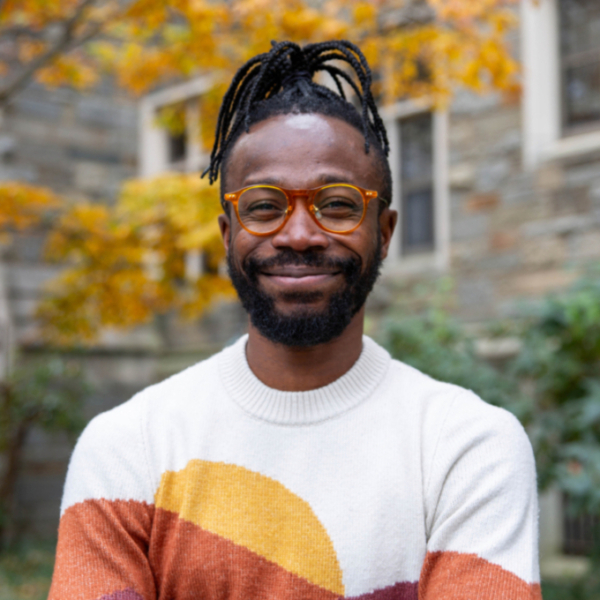
Distinguished Lecture Series: Kwame Edwin Otu

April 13, 2026 | 4:30 PM – 7:00 PM ET

115 Broadway, 8th Floor, New York, NY 10006
or join virtually by Zoom

Join us for our Distinguished Lecture Series featuring Kwame Edwin Otu.

Speaker

Kwame Edwin Otu

Associate Professor of African Anthropology,
African Studies Program,
Georgetown University

Pricing

All: Free

About the Series

Since 1877, the Anthropology Section of The New York Academy of Sciences has served as a meeting place for scholars in the Greater New York area. The section strives to be a progressive voice within the anthropological community and to contribute innovative perspectives on the human condition nationally and internationally. Learn more and view other events in the Anthropology Section series.

An Archaeology of Plastics: From Small Things Forgotten to the Synthetic Revolution

March 2, 2026 | 4:30 PM – 7:00 PM ET

115 Broadway, 8th Floor, New York, NY 10006
or join virtually by Zoom

Doors open: 4:15 pm
Presentation and Q&A: 4:30 – 6:00 pm
Reception with light refreshments: 6:00 – 7:00 pm

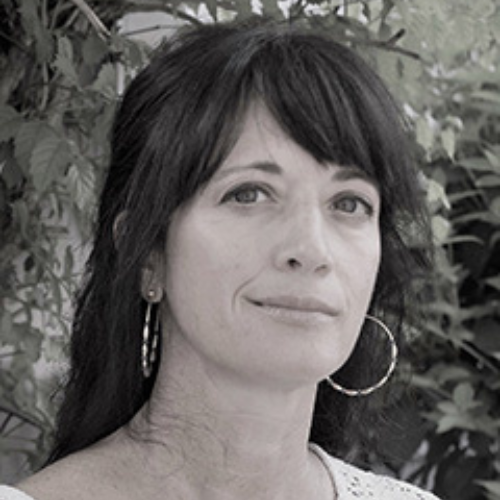
Join us for our Distinguished Lecture Series featuring Pamela Geller.

­Small plastic things forgotten, to riff on historical archaeologist James Deetz, are born from scientific innovation and entrepreneurial spirit. As a case study, I consider the ubiquitous though taken for granted polyethylene T-shirt bag. Low-cost, convenience, and durability are some reasons it is accorded utilitarian value. But at what price, in what kind of conditions, and for how long? In answer, I track the lifecycle of this plastic artifact, “excavating” backwards from landfill (or incinerator) to recycling facility to storage space to factory floor. This contextualization reveals typological attributes and degradation processes that refute commonsensical narratives, most of which have been industry generated, about the plastic bag’s harmlessness and inevitability.

Beyond description, analysis of small plastic things forgotten also invites us to draw inferences about the human condition as it has unfolded from the early 20 th century onward. An archaeology of plastics—not just of polyethylene bags but also of Bakelite buttons, nylon stockings, PET bottles, red Solo cups, dental floss picks, etc.—certainly evidences the Plastic Age, as prior writers have remarked. Here I argue for plastics as the catalyst of a more sweeping Synthetic Revolution. Relationally speaking, what attributes does this revolution share with prior ones (i.e., Neolithic, Urban, Industrial), and how is it distinctive? There is also a sense of evolution in the revolution. Does the Synthetic Revolution’s radical transformation of societies, ontologies, ecosystems, and species herald progress or retrogress? Or does the linearity of cultural evolutionary logic prove inadequate for understanding life on a damaged planet?

Speakers

Speaker

Pamela Geller
Pamela Geller

Professor of Anthropology,
University of Miami

Discussant

Zoe Crossland
Zoe Crossland

Professor of Anthropology,
University of Miami

Pricing

All: Free

About the Series

Since 1877, the Anthropology Section of The New York Academy of Sciences has served as a meeting place for scholars in the Greater New York area. The section strives to be a progressive voice within the anthropological community and to contribute innovative perspectives on the human condition nationally and internationally. Learn more and view other events in the Anthropology Section series.