Lyceum Society: 1. The Second Kind of Impossible & 2. Start of our Solar System

June 3, 2024 | 11:30 AM – 2:30 PM ET

Presented by the Lyceum Society

Welcome and Introductions: 11:30 am to 11:45 am 

Initial Presentation: 11:45 am to 12:45 pm 

Start of our Solar System: Earth Biased Illusions

Fred Cadieu

Everybody has some innate feelings about the start of Earth. Today we want to maybe expand those views and feelings by considering some basic physics points that have generally been neglected. One of these relates to the basic opposite rotation that the neighboring planet, Earth’s twin, Venus exhibits. Another relates to the mysterious fact that our Sun exhibits a maximum number of sunspots that peaks approximately every eleven years, sometimes a little longer, sometimes a little less, but on the average about every 11 years over the relatively short time of several hundred years for which sunspots have been counted. Two recent publications provide background, but I think the talk can be readily appreciated without prior research. (Readily searchable under WJCMP Cadieu 2002 and WJCMP Cadieu 2024.)

Main Presentation: 12:45 pm to 2:30 pm

The Second Kind of Impossible: The Extraordinary Quest for a New Form of Matter

Paul J. Steinhardt

(video of lecture by Paul J. Steinhardt, published on YouTube.com)

A crystal structure is characterized by periodicity and symmetries. That is, it has repeated units and remains the same when rotated or translated in particular ways. For example, table salt has a repeating cubic form and remains the same when rotated 90 degrees along three axes. Mineral structures can be observed microscopically and by x-ray diffraction patterns. In two dimensions, crystals are called tilings, and the same principles apply. For crystals or tiles to fill space, there are limitations on shapes. For instance, pentagons will not tile without gaps.

In 1974 Roger Penrose introduced an aperiodic tiling of two shapes using a “matching” rule, with local pentagonal symmetry. His method can be generalized to three dimensions as “quasicrystals,” so named because it was considered impossible for aperiodic crystals to occur naturally. A quasicrystal is ordered by a rule, but not periodic.

Dan Schechtman created metallic quasicrystals in 1982. Independently, Paul J. Steinhardt, now at Princeton University, hypothesized their natural existence and searched for them in collections of geological samples. A single instance led to a remarkable expedition to a remote region, where more natural examples were discovered. They turned out to be of primordial extraterrestrial origin.

Steinhardt’s 2019 book “The Second Kind of Impossible” narrates the entire project. This lecture, recorded at Harvard University c. 2000, outlines the science, the expedition, and the discovery.

Synthetic quasicrystals have been put to use, notably in superconducting graphene experiments, in non-stick cookware, and in LED lights. The theory of quasicrystals and aperiodic tilings is also an important area of mathematical research today.

Reference: Paul J. Steinhardt, The Second Kind Of Impossible: The Extraordinary Quest for a New Form of Matter

Speakers

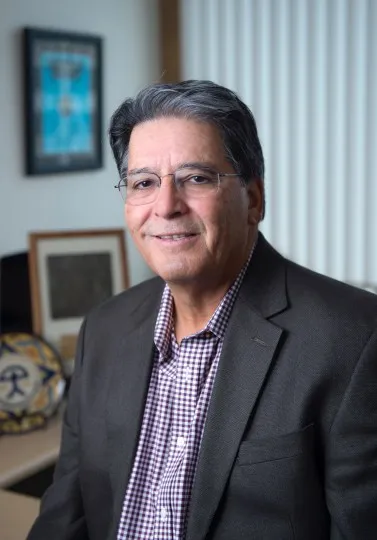
Fred Cadieu is Emeritus Professor in the Physics Department of Queens College of the City University of New York. He received BS, MS, and a PhD from the University of Chicago. Research efforts have been to a certain extent concentrated in the areas of the synthesis of magnetic and permanent magnet films. Over the last two decades Professor Cadieu has taught astronomy with the application of physics—what is currently known as the fast-moving subject of astrophysics with modern tools such as the James Webb Space Telescope. One recent publication is titled “Just A Bit of Physics Can Tell So Much: A Unique Story of the Start of the Earth-Moon System” (World Journal of Condensed Matter Physics, Fred J. Cadieu, 2020). Other publications have hinged upon the application of very basic, but often overlooked, physics concepts such as the topic of today’s talk. Research Gate lists about 140 publications.

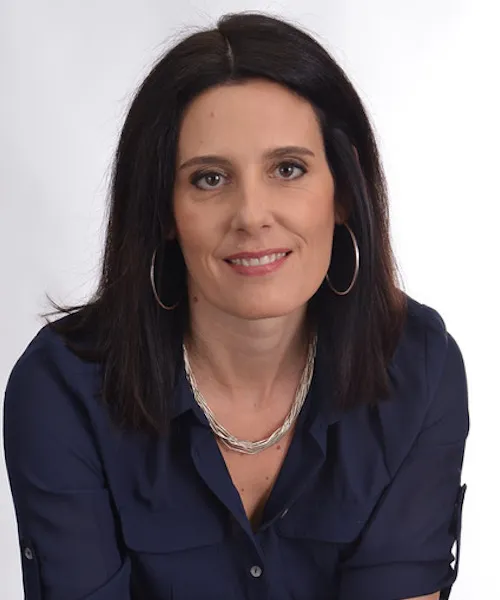
Paul J. Steinhardt is the Albert Einstein Professor in Science at Princeton University, where he is also on the faculty of both the Department of Physics and the Department of Astrophysical Sciences.

Steinhardt received his B.S. in Physics in 1974 from Caltech, where he worked with Richard Feynman, Barry Barish and Frank Sciulli. He received his M.A. in Physics in 1975 and Ph.D. in Physics in 1978 from Harvard University….

Steinhardt’s research spans problems in particle physics, astrophysics, cosmology and condensed matter physics. He is one of the original architects of the inflationary model….In 2001, Steinhardt and collaborators proposed that the big bang might instead be a big bounce, and that the key events shaping the large-scale smoothness, flatness and density variations of the universe may have occurred before the bounce….

In condensed matter physics, Steinhardt and Dov Levine (Technion) first introduced the concept of quasicrystals in 1983, a new phase of solid matter with symmetries that are forbidden for periodic crystals (such as five-fold symmetry in two dimensions or icosahedral symmetry in three dimensions). Throughout the more than three decades following that theoretical breakthrough, Steinhardt has continued to make contributions to understanding quasicrystals’ unique mathematical and physical properties.

Steinhardt is a Fellow in the American Physical Society and a member of the National Academy of Sciences. He shared the P.A.M. Dirac Medal from the International Centre for Theoretical Physics in 2002…, the Oliver E. Buckley Prize of the American Physical Society in 2010 for his contribution to the theory of quasicrystals; and the John Scott Award in 2012 for his work on quasicrystals…. In 2020, he was awarded the Niels Bohr Institute Medal of Honor for his contributions to science and the Carl Friedrich von Siemens Research Award from the Alexander von Humboldt Foundation.

Professor Steinhardt is the author of over 200 refereed articles, 100 reviews, sixteen patents, three patents pending, three technical books, and numerous popular articles. His is the author of The Second Kind of Impossible: The Extraordinary Quest for a New Form of Matter , (2019), a popular account of the remarkable decades-long story of quasicrystals…. He is also co-author (with Neil Turok) of Endless Universe: Beyond the Big Bang (2007), a popular book on contemporary theories of cosmology.

Pricing

All: Free

About the Series

The Lyceum Society is a collegial venue promoting fellowship, education, and discussion among retired members of The New York Academy of Sciences. Learn more and explore other events hosted by the Lyceum Society.
Lyceum Society: 1. Development of Personal Identification & 2. Homo Naledi

May 6, 2024 | 11:30 AM – 2:30 PM ET

Presented by the Lyceum Society

Welcome and Introductions: 11:30 am to 11:45 am

Initial Presentation: 11:45 am to 12:45 pm

Homo Naledi 

Ruth Milts

Excavated starting in 2013 in South Africa, the hominin now called Homo naledi may be over 330,000 years old. How were they related to other Homo species? What were they like physically? Their teeth may indicate their diet. The known remains may have been buried intentionally. Ms. Milts will review the discovery, what is known, and what remains unknown about this “new” human ancestor.

Main Presentation: 12:45 pm to 2:30 pm

Personal Identification: Its Modern Development and Security Implications 

David J. Haas

Personal Identification: Modern Development and Security Implications, Second Edition chronicles the path of personal identification measures, including the latest developments of Real ID, which, in addition to a passport, provides a “trusted & secure” identification card for every American citizen. Scholars and professional security managers understand that stability, security, and safety necessitate these identity measures to ensure a safer America after 9/11. The book explains the various stages and advances in the 200 years of personal identification development. It provides readers with a unique study of this fascinating history of the relationship between identity and how one validates and proves one’s own identity. The enactment of the REAL ID Act of 2005, requiring a trusted and tamper-resistant document for each citizen of the United States (their State-issued driver’s license or Identification Card), is being instituted so that one can trust that “you are who you say you are.” The state-issued Real ID driver’s license is not a national ID card but a nationally recognized ID for each citizen. 

Speakers

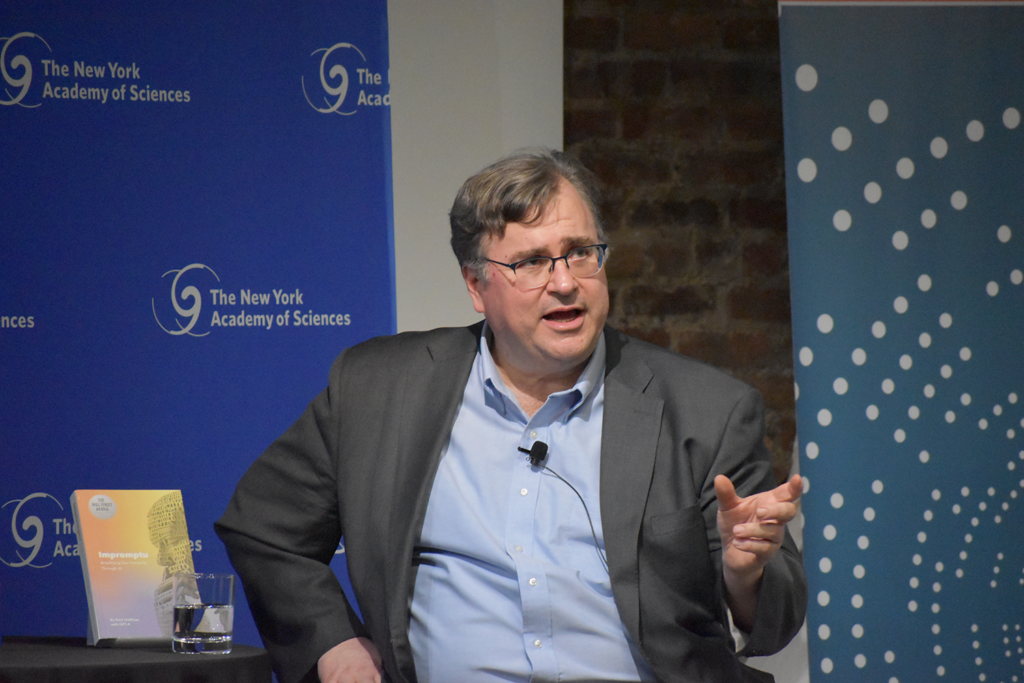
David Haas received his BA in Physics and PhD in Biophysics in protein crystallography and molecular biology at the State University of NY at Buffalo. For the next five years, he performed basic research in protein crystallography at several institutions in Europe, Israel, and the United States. In 1970, he joined Philips Electronic Instruments in Mt Vernon, NY, as Principal Scientist for X-ray systems, working on analytical instruments and designing some of the first airport security X-ray systems used worldwide during the 1970s.

Conceiving the idea of a self-expiring security ID (Visitor badge), David and his wife, Sandra, formed Temtec Inc., which developed and manufactured high-tech visitor and temporary IDs for more than 20 years under the brand name TEMPbadge. Temtec Inc. was sold to Brady Worldwide Corporation in 2002. David & Sandra Haas have more than 100 patents to their credit and many technical and scientific publications. 

Dr. Haas has published a book by ASIS International entitled: “Personal Identification – Its Modern Development and Security Implications.” It reviews the history and reasons for modern personal identification documents such as Passports, National Identity Cards, etc. Dr. Haas also published a monograph on the development of Electronic Security Screening for Aviation Passenger Screening between 1968 and 1973.

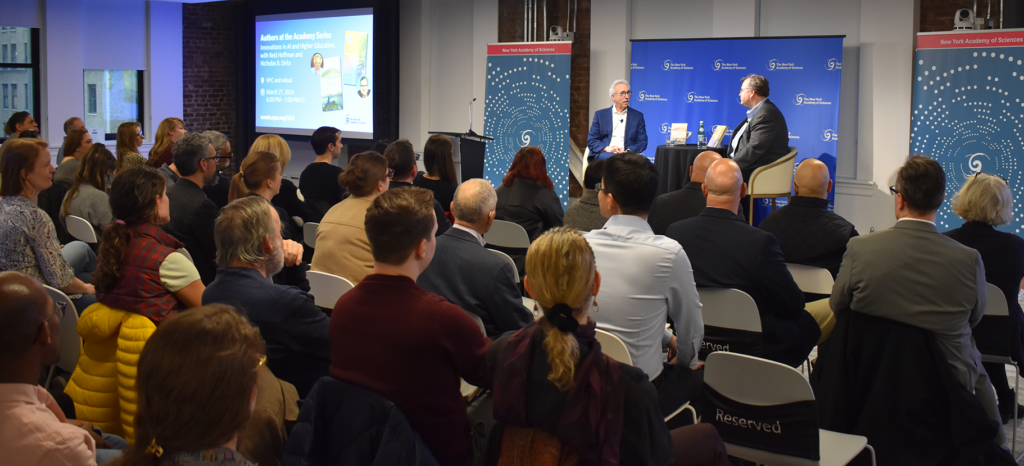
Ruth Milts graduated from Cornell University at age 19. She did graduate work in biology at Colombia University, where she received an M.S. She worked for 33 years at William H. Maxwell Vocational High School in Brooklyn, first as a biology teacher and then as a program chair, assistant principal (administration) and assistant principal (supervision). She earned an M.A. from Pace University in College Administration and Supervision. She has always been interested in paleo-anthropology and archaeology and has participated in archaeological digs in the Southwest and England. Among her many interests are attending opera and doing beadwork.

About the Series

The Lyceum Society is a collegial venue promoting fellowship, education, and discussion among retired members of The New York Academy of Sciences. Learn more and explore other events hosted by the Lyceum Society.
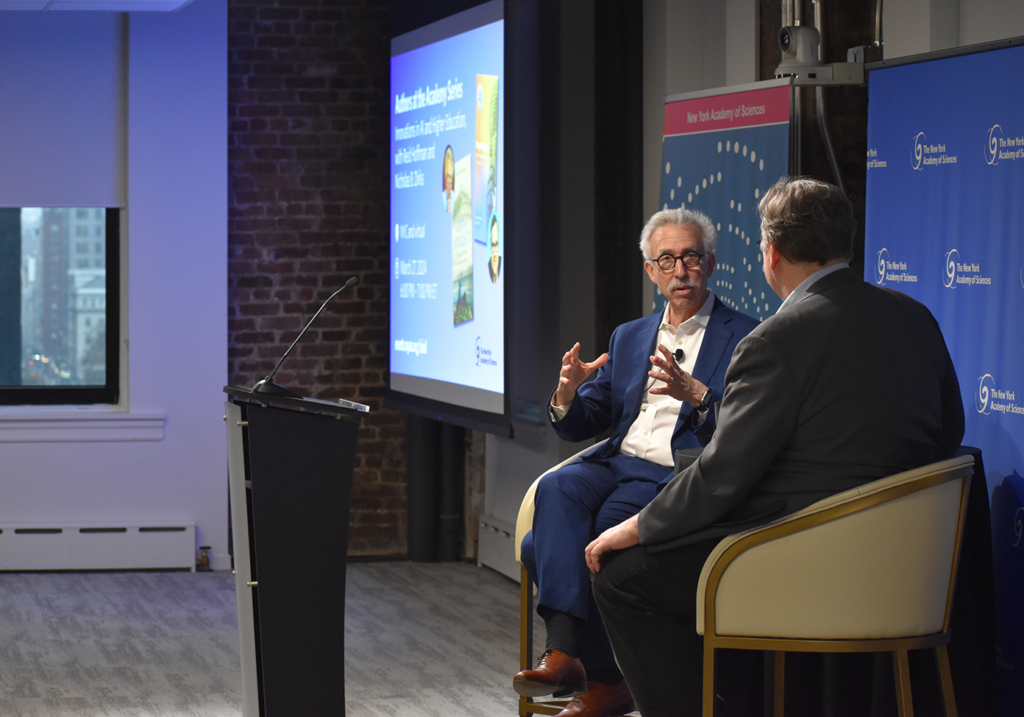
Innovations in AI and Higher Education

Two authors discuss their books during an Academy event.

From the future of higher education to regulating artificial intelligence (AI), Reid Hoffman and Nicholas Dirks had a wide-ranging discussion during the first installment of the Authors at the Academy series.

Published April 12, 2024

By Nick Fetty

Photo by Nick Fetty/The New York Academy of Sciences

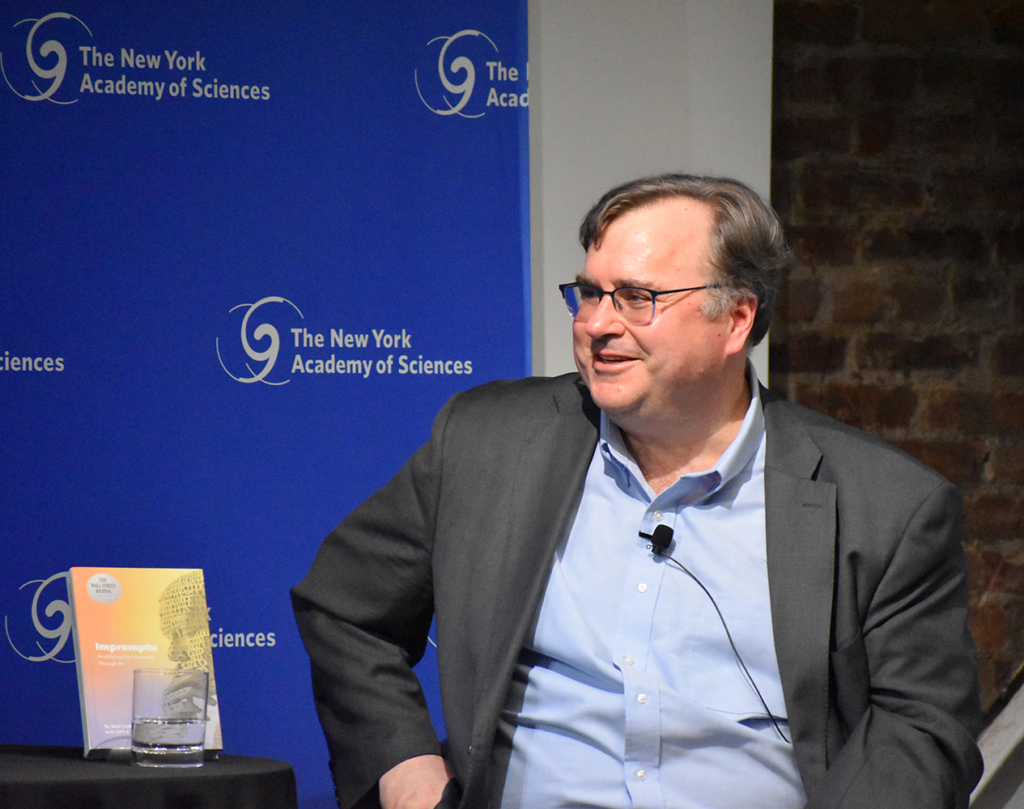
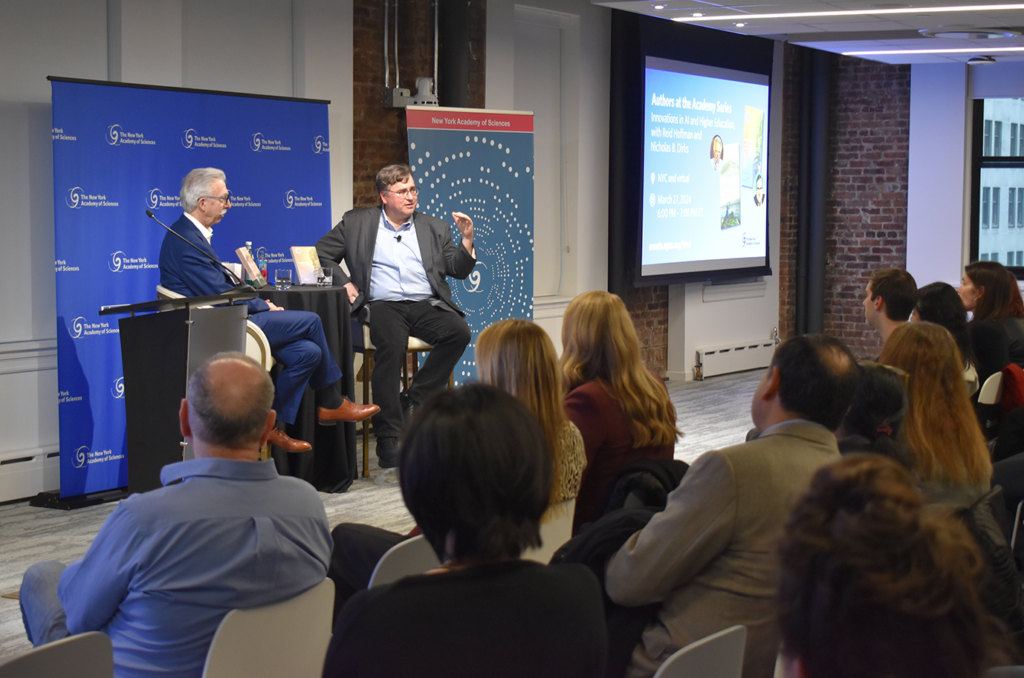
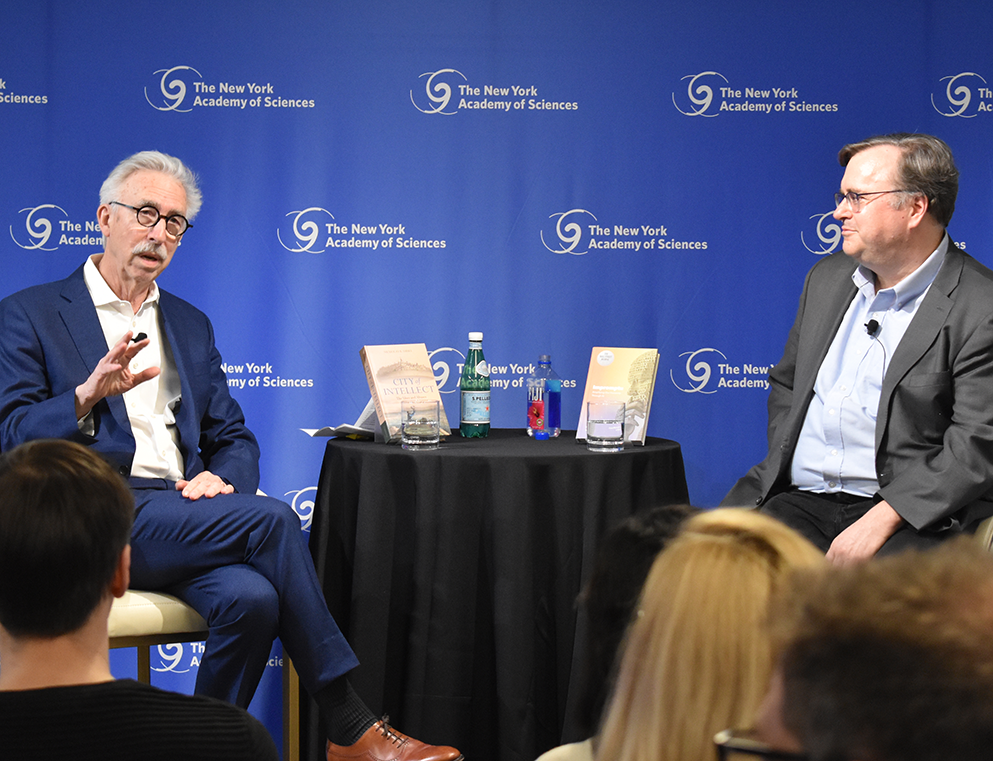
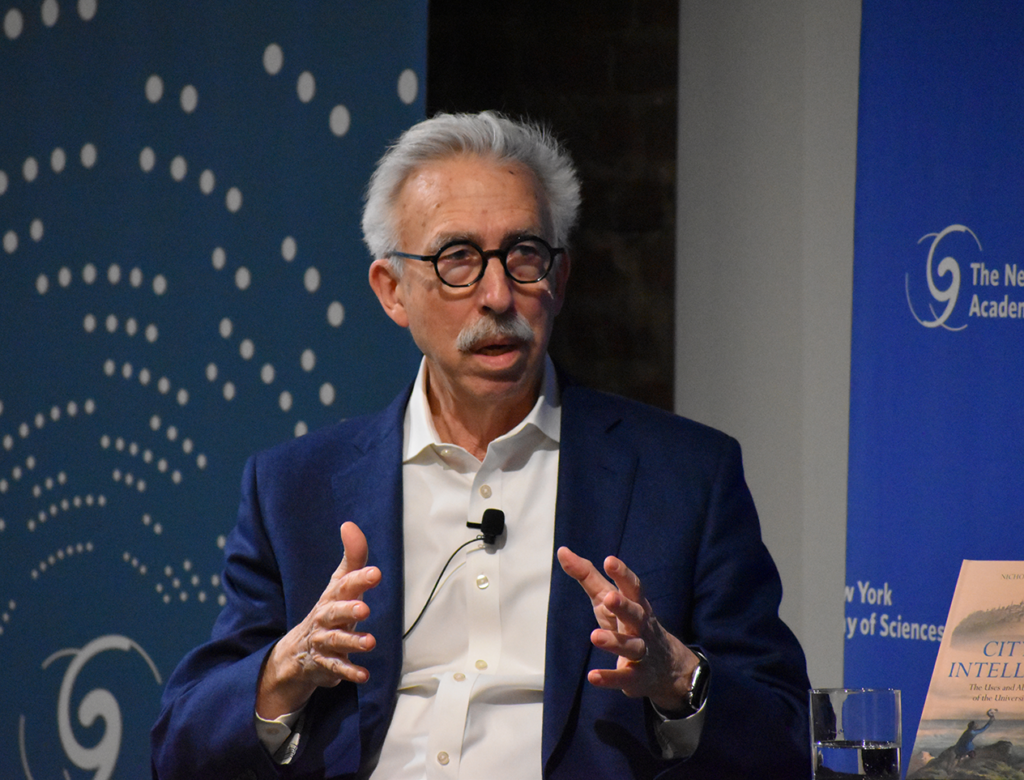
It was nearly a full house when authors Nicholas Dirks and Reid Hoffman discussed their respective books during an event at The New York Academy of Sciences on March 27, 2024.

Hoffman, who co-founded LinkedIn as well as Inflection AI and currently serves as a partner at Greylock, discussed his book Impromptu: Amplifying Our Humanity Through AI. Dirks, who spent a career in academia before becoming President and CEO of the Academy, focused on his recently published book City of Intellect: The Uses and Abuses of the University. Their discussion, the first installment in the Authors at the Academy series, was largely centered on artificial intelligence (AI) and how it will impact education, business and creativity moving forward.

The Role of Philosophy

Photo by Nick Fetty/The New York Academy of Sciences

The talk kicked off with the duo joking about the century-old rivalry between the University of California-Berkeley, where Dirks serves on the faculty and formerly served as chancellor, and Stanford University, where Hoffman earned his undergraduate degree in symbolic systems and currently serves on the board for the university’s Institute for Human-Centered AI. From Stanford, Hoffman went to Oxford University as a Marshall Scholar to study philosophy. He began by discussing the role that his background in philosophy has played throughout his career.

“One of my conclusions about artificial intelligence back in the day, which is by the way still true, is that we don’t really understand what thinking is,” said Hoffman, who also serves on the Board of Governors for the Academy. “I thought maybe philosophers understand what thinking is, they’ve been at it a little longer, so that’s part of the reason I went to Oxford to study philosophy. It was extremely helpful in sharpening my mind toolset.”

Public Intellectual Discourse

He encouraged entrepreneurs to think about the theory of human nature in the work they’re doing. He said it’s important to think about what they want for the future, how to get there, and then to articulate that with precision. Another advantage of a philosophical focus is that it can strengthen public intellectual discourse, both nationally and globally, according to Hoffman.

“It’s [focused on] who are we and who do we want to be as individuals and as a society,” said Hoffman.

Photo by Nick Fetty/The New York Academy of Sciences

Early in his career, Hoffman concluded that working as a software entrepreneur would be the most effective way he could contribute to the public intellectual conversation. He dedicated a chapter in his book to “Public Intellectuals” and said that the best way to elevate humanity is through enlightened discourse and education, which was the focus of a separate chapter in his book.

Rethinking Networks in Academia

The topic of education was an opportunity for Hoffman to turn the tables and ask Dirks about his book. Hoffman asked Dirks how institutions of higher education need to think about themselves as nodes of networks and how they might reinvent themselves to be less siloed.

Dirks mentioned how throughout his life he’s experienced various campus structures and cultures from private liberal arts institutions like Wesleyan University, where Dirks earned his undergraduate degree, and STEM-focused research universities like Cal Tech to private universities in urban centers (University of Chicago, Columbia University) and public, state universities (University of Michigan, University of California-Berkeley).

While on the faculty at Cal Tech, Dirks recalled he was encouraged to attend roundtables where faculty from different disciplines would come together to discuss their research. He remembered hearing from prominent academics such as Max Delbrück, Richard Feynman, and Murray Gell-Mann. Dirks, with a smile, pointed out the meeting location for these roundtables was featured in the 1984 film Beverly Hills Cop.

Photo by Nick Fetty/The New York Academy of Sciences

An Emphasis on Collaboration in Higher Education

Dirks said that he thinks the collaborative culture at Cal Tech enabled these academics to achieve a distinctive kind of greatness.

“I began to see this is kind of interesting. It’s very different from the way I’ve been trained, and indeed anyone who has been trained in a PhD program,” said Dirks, adding that he often thinks about a quote from a colleague at Columbia who said, “you’re trained to learn more and more about less and less.”

Dirks said that the problem with this model is that the incentive structures and networks of one’s life at the university are largely organized around disciplines and individual departments. As Dirks rose through the ranks from faculty to administration (both as a dean at Columbia and as chancellor at Berkeley), he began gaining a bigger picture view of the entire university and how all the individual units can fit together. Additionally, Dirks challenged academic institutions to work more collaboratively with the off-campus world.

“A Combination of Competition and Cooperation”  

Dirks then asked Hoffman how networks operate within the context of artificial intelligence and Silicon Valley. Hoffman described the network within the Valley as “an intense learning machine.”

“It’s a combination of competition and cooperation that is kind of a fierce generator of not just companies and products, but ideas about how to do startups, ideas about how to scale them, ideas of which technology is going to make a difference, ideas about which things allow you to build a large-scale company, ideas about business models,” said Hoffman.

Photo by Nick Fetty/The New York Academy of Sciences

During a recent talk with business students at Columbia University, Hoffman said he was asked about the kinds of jobs the students should pursue upon graduation. His advice was that instead of pinpointing specific companies, jobseekers should choose “networks of vibrant industries.” Instead of striving for a specific job title, they should instead focus on finding a network that inspires ingenuity.

“Being a disciplinarian within a scholarly, or in some case scholastic, discipline is less important than [thinking about] which networks of tools and ideas are best for solving this particular problem and this particular thing in the world,” said Hoffman. “That’s the thing you should really be focused on.”

The Role of Language in Artificial Intelligence

Much of Hoffman’s book includes exchanges between him and ChatGPT-4, an example of a large language model (LLM). Dirks points out that Hoffman uses GPT-4 not just an example, but as an interlocutor throughout the book. By the end of the book, Dirks observed that the system had grown because of Hoffman’s inputs.

In the future, Hoffman said he sees LLMs being applied to a diverse array of industries. He used the example of the steel industry, in areas like sales, marketing, communications, financial analysis, and management.

“LLMs are going to have a transformative impact on steel manufacturing, and not necessarily because they’re going to invent new steel manufacturing processes, but [even then] that’s not beyond the pale. It’s still possible,” Hoffman said.

AI Understanding What Is Human

Photo by Nick Fetty/The New York Academy of Sciences

Hoffman said part of the reason he articulates the positives of AI is because he views the general discourse as so negative. One example of a positive application of AI would be having a medical assistant on smartphones and other devices, which can improve medical access in areas where it may be limited. He pointed out that AI can also be programmed as a tutor to teach “any subject to any age.”

“[AI] is the most creative thing we’ve done that also seems to have potential autonomy and agency and so forth, and that causes a bunch of very good philosophical questions, very good risk questions,” said Hoffman. “But part of the reason I articulate this so positively is because…[of] the possibility of making things enormously better for humanity.” 

Hoffman compared the societal acceptance of AI to automobiles more than a century ago. At the outset, automobiles didn’t have many regulations, but as they grew in scale, laws around seatbelts, speed limits, and driver’s licenses were established. Similarly, he pointed to weavers who were initially wary of the loom before understanding its utility to their work and the resulting benefit to broader society.

“AI can be part of the solution,” said Hoffman. “What are the specific worries in navigation toward the good things and what are the ways that we can navigate that in good ways. That’s the right place for a critical dialogue to happen.”

Regulation of AI

Photo by Nick Fetty/The New York Academy of Sciences

Hoffman said because of the speedy rate of development of new AI technologies, it can make effective regulation difficult. He said it can be helpful to pinpoint the two or three most important risks to focus on during the navigation process, and if feasible to fix those issues down the road.

Carbon emissions from automobiles was an example Hoffman used, pointing out that emissions weren’t necessarily on the minds of engineers and scientists when the automobile was being developed, but once research started pointing to the detrimental environmental impacts of carbon in the atmosphere, governments and companies took action to regulate and reduce emissions.

“[While] technology can help to create a problem, technologies can also help solve those problems,” Hoffman said. “We won’t know they’re problems until we’re into them and obviously we adjust as we know them.”

Hoffman is currently working on another book about AI and was invited to return to the Academy to discuss it once published.

For on-demand video access to the full event, click here.

Check out the other events from our 2024 Authors at the Academy Series

Full video of these events is available, please visit nyas.org/ondemand

Lyceum Society: 1. The Scientist’s Role in Crafting Effective Public Policy & 2. Quantum Dots: The Nobel Prize in Chemistry 2023

April 1, 2024 | 11:30 AM – 2:30 PM ET

Presented by the Lyceum Society

Welcome and Introductions: 11:30 am to 11:45 am

Initial Presentation: 11:45 am to 12:45 pm 

Quantum Dots: The Nobel Prize in Chemistry 2023 

Philip Apruzzese

The Nobel Prize in Chemistry 2023 rewards the discovery and development of quantum dots, nanoparticles so tiny that their size determines their properties. These smallest components of nanotechnology now spread their light from televisions and LED lamps, and they guide surgeons when they remove tumor tissue, among many other applications. 

Physicists had long known that in theory, size-dependent quantum effects could arise in nanoparticles. Few people believed that this knowledge would be put to practical use. However, in the early 1980s Aleksey Yekimov created nanoparticles of copper chloride in glass. Their size affected the color of the glass via quantum effects. 

A few years later, Louis Brus was the first scientist to prove size-dependent quantum effects in particles floating freely in a fluid. In 1993 Moungi Bawendi revolutionized the chemical production of quantum dots, resulting in almost perfect particles. This high quality was necessary for them to be utilized in applications.

Quantum dots now illuminate computer monitors and television screens based on QLED technology. They add nuance to the light of some LED lamps, and biochemists and doctors use them to map biological tissue.

Main Presentation: 12:45 pm to 2:30 pm 

The Scientist’s Role in Crafting Effective Public Policy (Annual address by an alumnus of the NYAS Junior Academy)

Kiran Rachamallu

Increasingly, the scientific community has been called upon to utilize their expertise when making important policy decisions. This talk will highlight how scientific research is used in the context of policy making in the federal government, demonstrating how to ensure that policies are based on accurate information that reflects the latest scientific advancement. Using real world examples such as climate change, antibiotic resistance, and Covid-19, this talk will go through some strategies on how scientists can ensure their voices are heard as well as best practices for translating cutting-edge scientific research into real world policy change.

Speakers

Kiran Rachamallu is a Research Assistant at the Center on Budget and Policy Priorities (https://www.cbpp.org). He has previously worked for the Department of Health and Human Services and the American Institutes for Research. Kiran is skilled in conducting both basic science and social science research and specializes in translating the latest scientific research into recommendations for policymakers. Throughout high school, he was a member of the Junior Academy of the New York Academy of Sciences and participated in several challenges. Kiran graduated summa cum laude from the College of William and Mary with a Bachelors in Public Policy and Biology. 

Philip W. Apruzzese (BE Chem. E., MS Technology Mgmt., CHMM) graduated from Stevens Institute of Technology, Hoboken, NJ. He was employed in the pharmaceutical industry (Squibb, Beecham, Schering-Plough) for nearly 40 years, holding manufacturing operations, project, research pilot plant startup, and environmental compliance management positions. From 2010 to 2019 he was employed part-time as a Chem Eng/Environmental, health and safety consultant, in addition to working seasonally as a Level C Official for USA Cycling racing events. Since relocating to the Seattle area he has begun volunteer work with several non-profit community cycling/Recycling resources and advocacy organizations. In 2015, he spoke on Tour de France cycling performance enhancements – Post Lance/Post Drugs. In 2019 and 2021 he presented on the Nobel Prize in Chemistry before the Lyceum Society.

About the Series

The Lyceum Society is a collegial venue promoting fellowship, education, and discussion among retired members of The New York Academy of Sciences. Learn more and explore other events hosted by the Lyceum Society.
Distinguished Lecture: Cultural Anthropology

April 8, 2024 | 6:00 PM – 8:30 PM ET

The U.S.-Mexico Border as Political Theater

Contemporary political rhetoric on immigration frequently uses metaphors of war: “crisis,” “invasions,” “enemies,” “under siege,” and “surveillance.” As metaphors, they may draw our attention to “something happening” in our world, but they can also be misleading, altering our perceptions and distorting our understanding of events. Metaphors of war can thus lead to questionable actions, such as those currently taking place at the U.S.-Mexico border.

In this talk I walk back contemporary political discourse to provide some historical context for the border as a source of political theater, which has consistently used photo ops and media spectacles to create a sense of “crisis.” For over fifty years now, according to political rhetoric, we have been in a near constant state of immigrant “invasions” and border “crisis.” The southern border is where the “battle” takes place in a “war on illegal immigration.” Over the last few decades, the U.S.-Mexico border has been likened to a “war zone,” with increasing levels of militarization and with, at various times, the National Guard and military personnel conducting surveillance, as well as David Duke’s “Klan Border Watch” in 1977 to the Minutemen and other militias “guarding” the border since the 1990s. More recently, the border has served as the backdrop for media spectacles, photo ops, and the politics of a border/immigration in “crisis” for many politicians, including Texas Governor Greg Abbott, Florida Governor Ron DeSantis, Vice President Kamala Harris, and President Biden.

As spectacles of surveillance, photo ops, walls made of shipping containers, giant buoys, barbed wire, and buses loaded with migrants, are public performances to sway public opinion on a “crisis” that has been part of public discourse for decades. Long after any particular politician’s political life waxes and wanes, these images will remain an indelible part of our nation’s history. Migrants were the subjects in these spectacles. They were used to generate media attention in a political struggle over immigration policy, while at the same time masking the humanitarian crisis at the border. If there is an “immigration crisis,” is not decades of Congressional inaction on immigration reform and political infighting partly to blame? Lacking from border spectacles are agreements about solutions, such as finding ways for millions of undocumented immigrants to regularize their status, preparing for the demographic realities that create a demand for immigrant labor, and providing a rational and humane asylum process. Rather, the theatrics of a border in “crisis” and immigrant “invasions” maintain the status quo, which is very productive and useful for some politicians.


Please join Academy President, Nicholas Dirks, together with invited speakers and board members of the Anthropology Section of The New York Academy of Sciences, for a discussion about the interfaces between anthropology, science, and society.  Historically at the heart of The Academy, prominent anthropologists from Franz Boas to Ruth Benedict and Margaret Mead, established both the core of American anthropology as a discipline and were early and pivotal leaders in The New York Academy of Sciences. Today, the Anthropology Section continues this tradition of engaged public scholarship, hosting an annual Distinguished Lecture Series as well as workshops and other events to bring New York and tri-state area anthropologists into regular, sustained conversations about social and cultural research and contemporary issues. We welcome your participation in this conversation, and your engagement with the Anthropology Section.  All voices are welcome!

Speakers

Speaker

Discussant

Professor Leo R. Chavez

Author, Covering Immigration: Popular Images and the Politics of the Nation & Shadowed Lives: Undocumented Immigrants in American Society 

Professor Alyshia Gálvez

CUNY’s Lehman College (Department of Latino and Puerto Rican Studies Department) and the Graduate Center (Department of Anthropology)

About the Series

Since 1877, the Anthropology Section of The New York Academy of Sciences has served as a meeting place for scholars in the Greater New York area. The section strives to be a progressive voice within the anthropological community and to contribute innovative perspectives on the human condition nationally and internationally. Learn more and view other events in the Anthropology Section series.

Anthropology, Science, and Society

March 25, 2024 | 6:00 PM – 8:30 PM ET

Please join Academy President, Nicholas Dirks, together with invited speakers and board members of the Anthropology Section of The New York Academy of Sciences, for a discussion about the interfaces between anthropology, science, and society. Historically at the heart of The Academy, prominent anthropologists from Franz Boas to Ruth Benedict and Margaret Mead, established both the core of American anthropology as a discipline and were early and pivotal leaders in The New York Academy of Sciences. Today, the Anthropology Section continues this tradition of engaged public scholarship, hosting an annual Distinguished Lecture Series as well as workshops and other events to bring New York and tri-state area anthropologists into regular, sustained conversations about social and cultural research and contemporary issues. We welcome your participation in this conversation, and your engagement with the Anthropology Section. All voices are welcome!

About the Series

Since 1877, the Anthropology Section of The New York Academy of Sciences has served as a meeting place for scholars in the Greater New York area. The section strives to be a progressive voice within the anthropological community and to contribute innovative perspectives on the human condition nationally and internationally. Learn more and view other events in the Anthropology Section series.

Chat with a Scientist: Marine Exploration

Join The New York Academy of Sciences, in partnership with NEOM, for a virtual Chat with a Scientist series, where you will gain insights into the significance of the oceans and their impact on our global ecosystem.

The ocean covers approximately 70% of Earth’s surface, and is a vital force in supporting the planet’s biodiversity and sustaining life, yet there is still so much left to be discovered and explored. Each one-hour event in this six part series will feature scientists, advocates, and leaders whose work focuses on marine life and the oceans themselves, and who will help shed light on the importance of understanding these vast bodies of water and their connection to life on land.

Participants will not only expand their knowledge, but also gain valuable insights into the world of scientific exploration and discovery. Most importantly, guest speakers will be available to answer questions directly from viewers, allowing you to engage with these experts in a meaningful way. While the events primarily target middle and high school students, attendees of all ages are welcome, and we especially encourage students to participate alongside their families.

About the Series

The Chat with a Scientist series inspires young people by offering relatable role models, raising awareness about the range of STEM careers, and fostering a lifelong love for science. Learn more about the series.

Chat with a Scientist: Life in the Deep Sea

Join The New York Academy of Sciences, in partnership with NEOM, for a virtual Chat with a Scientist series, where you will gain insights into the significance of the oceans and their impact on our global ecosystem.

The ocean covers approximately 70% of Earth’s surface, and is a vital force in supporting the planet’s biodiversity and sustaining life, yet there is still so much left to be discovered and explored. Each one-hour event in this six part series will feature scientists, advocates, and leaders whose work focuses on marine life and the oceans themselves, and who will help shed light on the importance of understanding these vast bodies of water and their connection to life on land.

Participants will not only expand their knowledge, but also gain valuable insights into the world of scientific exploration and discovery. Most importantly, guest speakers will be available to answer questions directly from viewers, allowing you to engage with these experts in a meaningful way. While the events primarily target middle and high school students, attendees of all ages are welcome, and we especially encourage students to participate alongside their families.

About the Series

The Chat with a Scientist series inspires young people by offering relatable role models, raising awareness about the range of STEM careers, and fostering a lifelong love for science. Learn more about the series.

Chat with a Scientist: Life in the Coral Reefs

Join The New York Academy of Sciences, in partnership with NEOM, for a virtual Chat with a Scientist series, where you will gain insights into the significance of the oceans and their impact on our global ecosystem.

The ocean covers approximately 70% of Earth’s surface, and is a vital force in supporting the planet’s biodiversity and sustaining life, yet there is still so much left to be discovered and explored. Each one-hour event in this six part series will feature scientists, advocates, and leaders whose work focuses on marine life and the oceans themselves, and who will help shed light on the importance of understanding these vast bodies of water and their connection to life on land.

Participants will not only expand their knowledge, but also gain valuable insights into the world of scientific exploration and discovery. Most importantly, guest speakers will be available to answer questions directly from viewers, allowing you to engage with these experts in a meaningful way. While the events primarily target middle and high school students, attendees of all ages are welcome, and we especially encourage students to participate alongside their families.

About the Series

The Chat with a Scientist series inspires young people by offering relatable role models, raising awareness about the range of STEM careers, and fostering a lifelong love for science. Learn more about the series.