Navigating STEM Career Opportunities, Funding, and Immigration Pathways Outside the U.S.

A hand interacts with a virtual interface.

September 24, 2026 | 12:30 PM – 2:00 PM ET

As research, innovation, and scientific careers become increasingly global, many graduate students, postdoctoral researchers, and early-career scientists are exploring opportunities beyond the United States. For international scholars in the United States, in particular, evolving immigration policies, funding landscapes, and workforce needs can make it valuable to consider a broader range of career destinations. 

This workshop provides an introduction to STEM career opportunities outside the United States. Drawing on data, resources, and experiences from globally mobile scientists, participants will explore career and funding opportunities in regions such as Canada, the European Union and Japan, as well as the factors that influence successful international transitions. The session will address differences in hiring practices, workplace culture, and professional norms across countries while highlighting strategies for evaluating relocation decisions and building international professional networks. Whether attendees are actively considering a move abroad or simply seeking to expand their understanding of the global STEM landscape, they will leave with practical tools and resources for making informed career decisions in an increasingly interconnected world.

About the Global STEM Career Pathways Series

Scientific careers are becoming increasingly shaped by global opportunities, evolving funding landscapes, and immigration considerations. The Global STEM Career Pathways series is designed to help graduate students, postdoctoral researchers, and early-career scientists navigate these interconnected factors while exploring long-term career options both within and beyond the United States. Through practical frameworks, diverse  international perspectives, and strategic planning tools, participants will gain a broader understanding of how career, funding, and immigration decisions influence professional mobility and success.

The two programs in this series equip attendees with the knowledge and planning strategies needed to evaluate opportunities across borders, make informed career decisions, and build resilient, globally minded STEM careers in an increasingly interconnected research landscape.

Navigating STEM Career Opportunities, Funding, and Immigration Pathways Inside the U.S.

An American flag with tall buildings in the background.

October 13, 2026 | 12:30 PM – 2:00 PM ET

For many STEM researchers, career planning extends beyond research goals to include professional development, funding opportunities, and immigration considerations. This is particularly true for international graduate students, postdoctoral researchers, and early-career scientists pursuing long-term careers in the United States. As research funding landscapes, workforce needs, and immigration policies continue to evolve, a strategic and intentional approach can help researchers navigate uncertainty and position themselves for future success.

This workshop introduces practical frameworks for aligning career, funding, and immigration goals within the U.S. STEM ecosystem. Drawing on principles familiar to researchers, participants will learn how to approach career and immigration planning with the same rigor used to design research projects, by defining goals, identifying milestones, and developing actionable strategies. The session will explore tools such as SMART goals and Individual Development Plans (IDPs), strategies for building an immigration portfolio, and approaches for balancing research productivity with career advancement and immigration preparation. Through guided reflection, practical examples, and structured planning exercises, attendees will gain tools to evaluate their current trajectory, identify opportunities for growth, and develop a roadmap for long-term professional success in the United States.

About the Global STEM Career Pathways Series

Scientific careers are becoming increasingly shaped by global opportunities, evolving funding landscapes, and immigration considerations. The Global STEM Career Pathways series is designed to help graduate students, postdoctoral researchers, and early-career scientists navigate these interconnected factors while exploring long-term career options both within and beyond the United States. Through practical frameworks, diverse  international perspectives, and strategic planning tools, participants will gain a broader understanding of how career, funding, and immigration decisions influence professional mobility and success.

The two programs in this series equip attendees with the knowledge and planning strategies needed to evaluate opportunities across borders, make informed career decisions, and build resilient, globally minded STEM careers in an increasingly interconnected research landscape.

Teaching and Research Statements for Faculty Jobs

An open notebook with blank pages.

April 13, 2027 | 12:00 PM – 1:30 PM ET

Teaching and research statements are among the most important components of an academic job application. However, communicating a tangible evidence-based teaching approach in just a single page and then conveying a feasible, fundable, and future-focused research program in just a few pages can be exceptionally challenging. In addition, many graduate students and postdoctoral researchers receive limited guidance on how to develop statements that effectively communicate their strengths and align with institutional expectations.

This interactive workshop will help participants develop and refine teaching and research statements for faculty and academic job applications. Attendees will explore strategies for crafting an evidence-based teaching philosophy that demonstrates a clear approach to student learning, mentorship, and inclusive instruction. The workshop will also address how to develop a research statement that presents a coherent, feasible, and fundable research agenda while communicating long-term scholarly impact. 

Through guided exercises, examples, peer feedback, and discussion, participants will learn how to tailor these materials to different institution types and position announcements.

Attendees are encouraged to bring drafts of their statements for review and refinement.

This interactive workshop will be conducted via Zoom meeting. Participants will be encouraged to engage in practical discussions and activities.

About the Academic Job Search Series

The Academic Job Search series is designed to help doctoral students, postdoctoral researchers, and early-career scholars strategically prepare for upcoming academic hiring opportunities, whether they plan to apply for positions in the next cycle or are building a foundation for future searches.

Timed to align with key milestones in the academic hiring calendar, this series guides participants through the major components of a successful faculty search. The series begins in the fall with a program devoted to faculty presentations to help prepare candidates who anticipate interviewing during the late fall and winter. The series continues in the spring with workshops on academic CVs, cover letters, and teaching and research statements, intended to help attendees develop competitive application materials in advance of summer and fall faculty job postings.

Together, these programs provide a comprehensive roadmap for navigating the faculty job market, helping participants present themselves as competitive candidates at every stage of the academic hiring process.

CVs and Cover Letters for Academic Jobs

A person works on their laptop.

March 11, 2027 | 12:30 PM – 2:00 PM ET

A strong curriculum vitae and well-crafted cover letter are essential components of a successful academic job application. Search committees often review hundreds of applications, making it critical for candidates to communicate their scholarly accomplishments, research trajectory, teaching experience, and professional contributions in a clear, strategic, and compelling manner. 

Yet many graduate students and postdoctoral researchers may receive limited guidance on how to effectively present their qualifications for faculty, research, teaching, and other academic positions. In addition, they may be unsure how to assess how they may fit and whether they may thrive within the position’s institution. 

Through peer review and guided exercises, this interactive workshop will provide practical guidance for developing competitive application materials for the academic job market. Participants will learn how to confidently build CVs that quickly grab the reader’s interest, tailor application materials to different institution types and position announcements, and craft cover letters that clearly and concisely articulate their qualifications and fit.

Attendees are encouraged to bring drafts of their materials for review and refinement.

This interactive workshop will be conducted via Zoom meeting. Participants will be encouraged to engage in practical discussions and activities.

About the Academic Job Search Series

The Academic Job Search series is designed to help doctoral students, postdoctoral researchers, and early-career scholars strategically prepare for upcoming academic hiring opportunities, whether they plan to apply for positions in the next cycle or are building a foundation for future searches.

Timed to align with key milestones in the academic hiring calendar, this series guides participants through the major components of a successful faculty search. The series begins in the fall with a program devoted to faculty presentations to help prepare candidates who anticipate interviewing during the late fall and winter. The series continues in the spring with workshops on academic CVs, cover letters, and teaching and research statements, intended to help attendees develop competitive application materials in advance of summer and fall faculty job postings.

Together, these programs provide a comprehensive roadmap for navigating the faculty job market, helping participants present themselves as competitive candidates at every stage of the academic hiring process.

Ace the Faculty Interview: Insights from Preparation to Execution

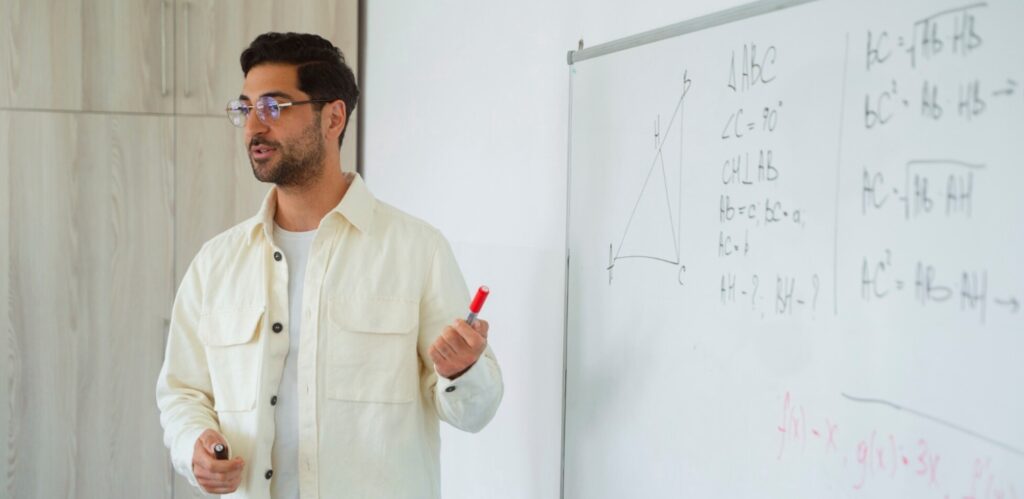
A man at a white board with mathematical equations.

September 30, 2026 | 12:00 PM – 1:30 PM ET

Academic job interviews are complex, high-stakes experiences that require candidates to communicate their research, teaching, leadership potential, and professional fit across multiple settings and audiences. This workshop will help graduate students, postdoctoral researchers, and research fellows understand the structure, expectations, and nuances of the academic job interview process, whether they are preparing for the current hiring cycle or planning ahead for a future search.

Participants will explore common interview formats, job talk and chalk talk strategies, what to expect, and how to prepare. The workshop will address how to communicate research effectively to diverse audiences, prepare for common interview questions, deliver compelling job talks, and navigate meetings with faculty, trainees, and administrators. It will also cover how to evaluate institutional fit, raise sensitive or critical personal considerations, and present yourself professionally and authentically throughout the interview process. Participants will have the opportunity to ask questions and engage directly with the instructor.

About the Academic Job Search Series

The Academic Job Search series is designed to help doctoral students, postdoctoral researchers, and early-career scholars strategically prepare for upcoming academic hiring opportunities, whether they plan to apply for positions in the next cycle or are building a foundation for future searches.

Timed to align with key milestones in the academic hiring calendar, this series guides participants through the major components of a successful faculty search. The series begins in the fall with a program devoted to faculty presentations to help prepare candidates who anticipate interviewing during the late fall and winter. The series continues in the spring with workshops on academic CVs, cover letters, and teaching and research statements, intended to help attendees develop competitive application materials in advance of summer and fall faculty job postings.

Together, these programs provide a comprehensive roadmap for navigating the faculty job market, helping participants present themselves as competitive candidates at every stage of the academic hiring process.

STEM Career Networking Night

People interact during a networking event.

Kick off the fall with an evening designed to help the Academy community build connections, exchange career insights, and explore the many ways scientists lead, communicate, and create impact across STEM. Open to attendees of all genders and career stages, this interactive in-person program will spotlight leading women in STEM as role models and conversation facilitators while inviting the full Academy community to engage in practical discussion about scientific careers today.

Participants will take part in three themed breakout sessions selected from five available conversation topics. Each session will be guided by women scientists and STEM leaders who will draw on their own lived experience to support candid, practical discussion about building visibility, navigating career transitions, strengthening professional networks, leading from any role, and applying STEM expertise across sectors. The evening will also include unstructured networking over light refreshments, creating additional space to continue conversations, exchange ideas, and make new connections.

Ebola and Hantavirus: What You Need to Know

An abstract graphic.

Recent news coverage of Ebola and hantavirus has raised important questions about the risks these diseases pose, how outbreaks are contained, and what individuals should know for themselves and their communities. Join The New York Academy of Sciences for a timely webinar featuring leading experts in infectious disease, epidemiology, outbreak response, and public health. This discussion will provide a clear, evidence-based overview of both Ebola and hantavirus, including where these diseases occur, how they spread, the populations most at risk, and the measures being taken to monitor and contain outbreaks.

Panelists will explore the current scientific understanding of these diseases, discuss ongoing surveillance and response efforts, and examine the broader implications for global health preparedness in an increasingly interconnected world. The conversation will also address common misconceptions, provide context for recent headlines, and offer practical guidance for understanding risk. Attend this webinar to hear directly from experts and gain a deeper understanding of the facts behind the headlines.

An event recording is available to registrants.

The Roller Coaster of Climate Tech Investing

Learn about the economics behind investments in climate technology.

New York, NY (January 12, 2026) – As investment in climate technology faces growing headwinds, questions are emerging not about the urgency of decarbonization, but about the financial durability of the companies seeking to deliver it. Are today’s climate tech ventures positioned to generate sustainable returns, or are investors once again confronting the risk of a boom and bust cycle reminiscent of the cleantech era of the late 2000s and early 2010s?  These issues will be explored further by an expert panel during an upcoming event hosted by The New York Academy of Sciences and The Private Capital Research Institute (PCRI).

The panel will dive into the nuances of climate tech investing during a free, virtual webinar at 12 p.m. ET on January 22, 2026. Josh Lerner, PhD, Director of PCRI, will moderate a four-person panel to explore how investors are evaluating climate tech opportunities in the current market, including capital allocation strategies, risk and return profiles, and lessons learned from prior investment cycles. The discussion will center on the economic viability of new ventures, investor confidence, and what it will take for climate tech companies to succeed at scale in today’s financial environment.

Panelists include:

  • Reuben Munger | Vision Ridge
  • Ron Gonen, MBA | Closed Loop Partners
  • Emily A. Carter, PhD | Princeton University
  • Patrick Lynch, MBA | Featherlight Capital

Reuben Munger, a leader in sustainable investing and a former Partner at The Baupost Group, LLC, is an expert in electrified mobility, renewable electricity generation, and the built environment. He founded Vision Ridge in 2008 to shed light on financial opportunities associated with sustainable solutions.

Ron Gonen, MBA, served as Deputy Commissioner of Sanitation, Recycling and Sustainability in New York City during the Bloomberg Administration and is the author of The Waste-Free World. He founded and currently serves as CEO of Closed Loop Partners, a firm at the forefront of building the circular economy.

Emily A. Carter, PhD, is the Gerhard R. Andlinger Professor in Energy and the Environment in the Department of Mechanical and Aerospace Engineering at Princeton University. Her research combines applied physics, materials science, and propulsion and energy sciences.

Patrick Lynch, MBA, is a Co-Founder and Managing Partner of Featherlight Capital. He has over 25 years of private markets experience at some of the most sophisticated institutional investors. He has led over 60 investments ($6.7bn) and acted on investment committees that oversaw $40bn of commitments in private markets.

This session is the third in a four-part series titled “Private Capital and Discovery: Strategic Investing in Scientific Innovation,” presented by The New York Academy of Sciences and PCRI. The series, sponsored by Ropes & Gray, is focused on fostering a broader understanding of the recent scientific and technological trends and their implications for private capital investors. These roundtables emphasize opportunities and challenges associated with marshaling the capital required to translate cutting-edge technologies into marketplace solutions. 

Each roundtable brings together a combination of scientific, investment, and business perspectives on a challenge associated with the commercialization of breakthrough science. These webinars are conducted and covered under Chatham House rule. Proceeding summaries will be made available to attendees after each event.

While the Academy excels in fostering scientific discovery and interdisciplinary collaboration, PCRI focuses on enhancing the understanding and impact of private capital investments. This collaboration allows for a unique intersection where cutting-edge scientific research meets strategic investment insights.

Both non-profit organizations seek to present substantive, fact-based research in a form that maximizes broad accessibility of these ideas and their applicability to the concerns of investors, business leaders, and policymakers, as well as influential intermediaries.

The first two events in the series covered “Entrepreneurship in AI” and “Quantum Computing in Business and Private Equity.” The series’ final event, to take place on March 26, will focus on “The Public Sector and ‘Tough Tech.’”

Registration for the January 22 event is free and open to all. Reserve your spot today!


About The Private Capital Research Institute

Based at Harvard Business School, the Private Capital Research Institute’s mission is to encourage research about private capital’s potential to be a constructive force to power economic development, innovation, and business transformation. 

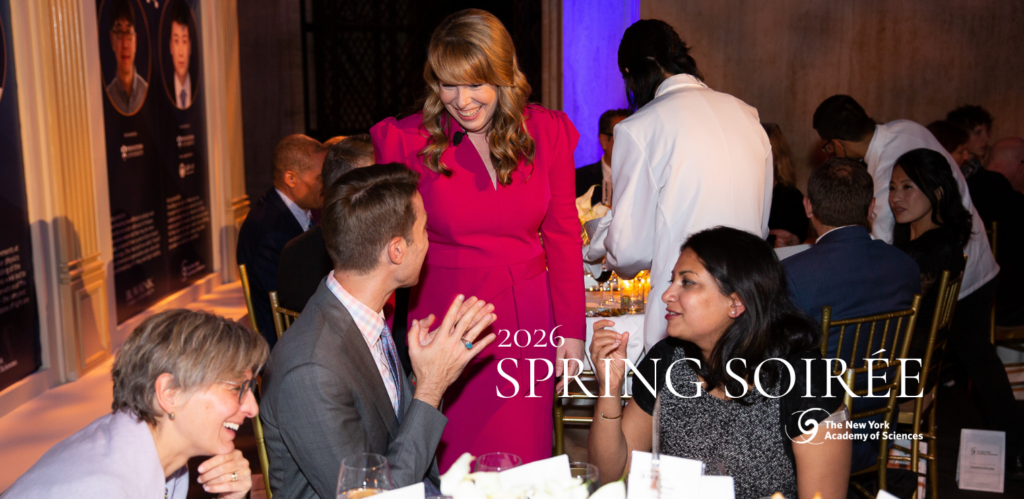
Spring Soirée 2026

April 21, 2026 | 6:00 PM ET

The University Club of New York | One West 54th Street, New York, NY 10019

Reception: 6:00 PM
Program & Dinner: 7:00 PM
Dress Code: Festive or Business Attire (no sneakers permitted, jacket and collared shirt for men required)

Join us for the Academy’s premiere fundraising event of the year, an unforgettable evening of innovation and discovery at our Spring Soirée, hosted by Academy President and CEO, Nicholas Dirks.

Together, we will celebrate the exceptional achievements of accomplished figures who have expanded the frontiers of knowledge and are shaping the future of science.

The Soirée promises to be an inspiring evening, filled with engaging conversations and captivating stories of scientific triumph. This event will offer a wonderful opportunity for you to network with scientific leaders from companies, universities and research institutes, and philanthropic organizations.

Honorees

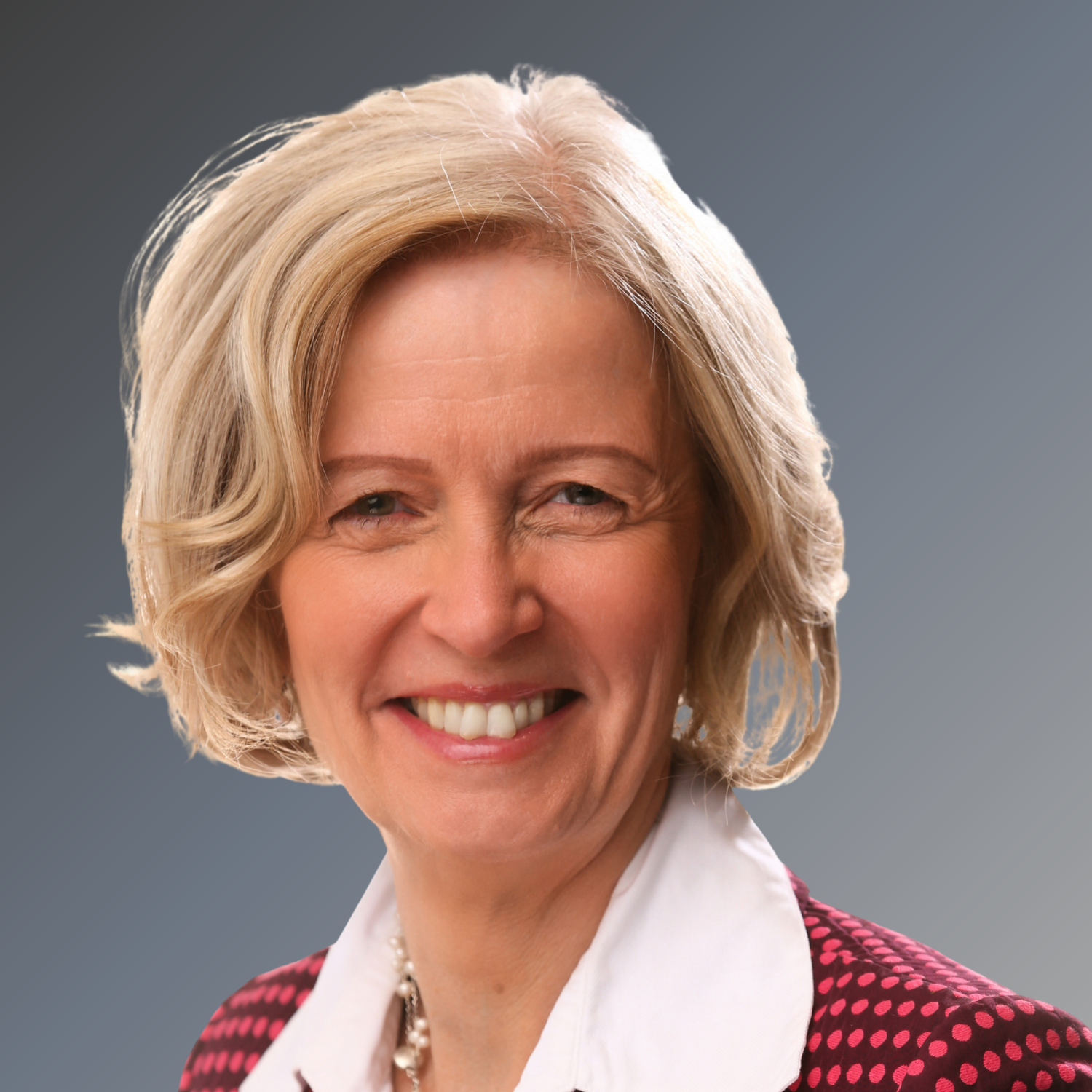
Maria Gotsch

President & Chief Executive Officer,
The Partnership Fund for NYC
Recipient of the Visionary Award

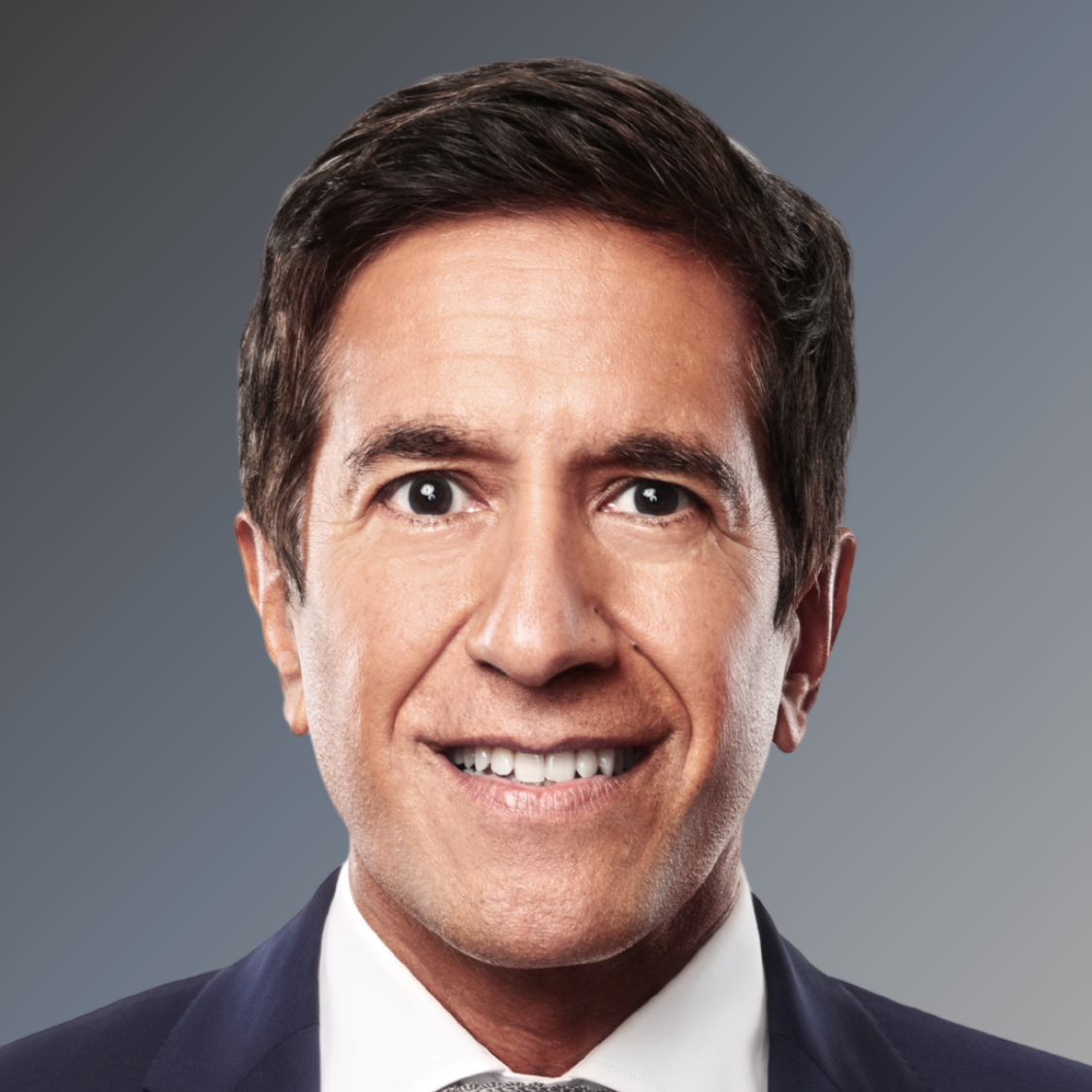
Dr. Sanjay Gupta

Chief Medical Correspondent,
CNN
Recipient of the Science Communicator Award

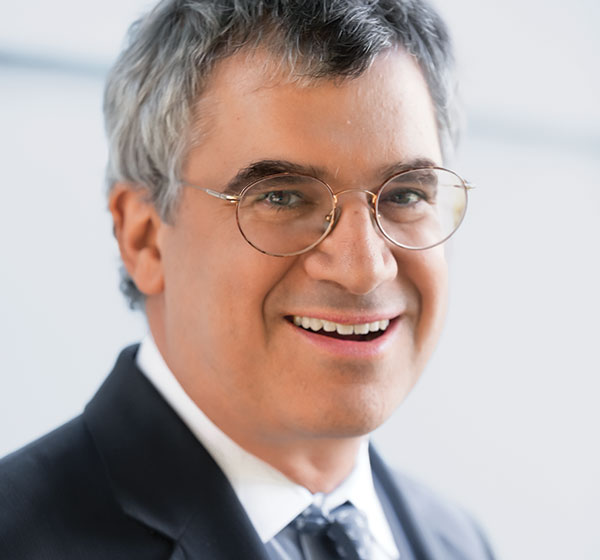
Headshot of Josh Lerner
Josh Lerner

Jacob H. Schiff Professor,
Harvard Business School
Recipient of the Constellation Award

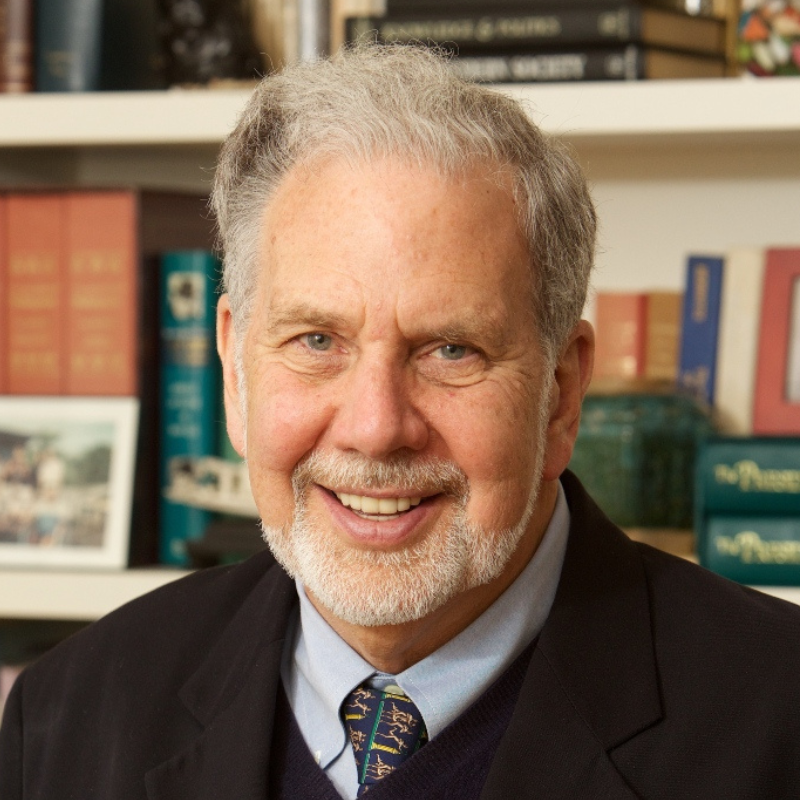
John Sexton
John Sexton

NYU President Emeritus
& NYAS Chair Emeritus
Recipient of the Trailblazer Award

STEM Honorees

Rocheli Apilan

High School For Health Professions & Human Services
Cognizant STEM Teacher of the Year

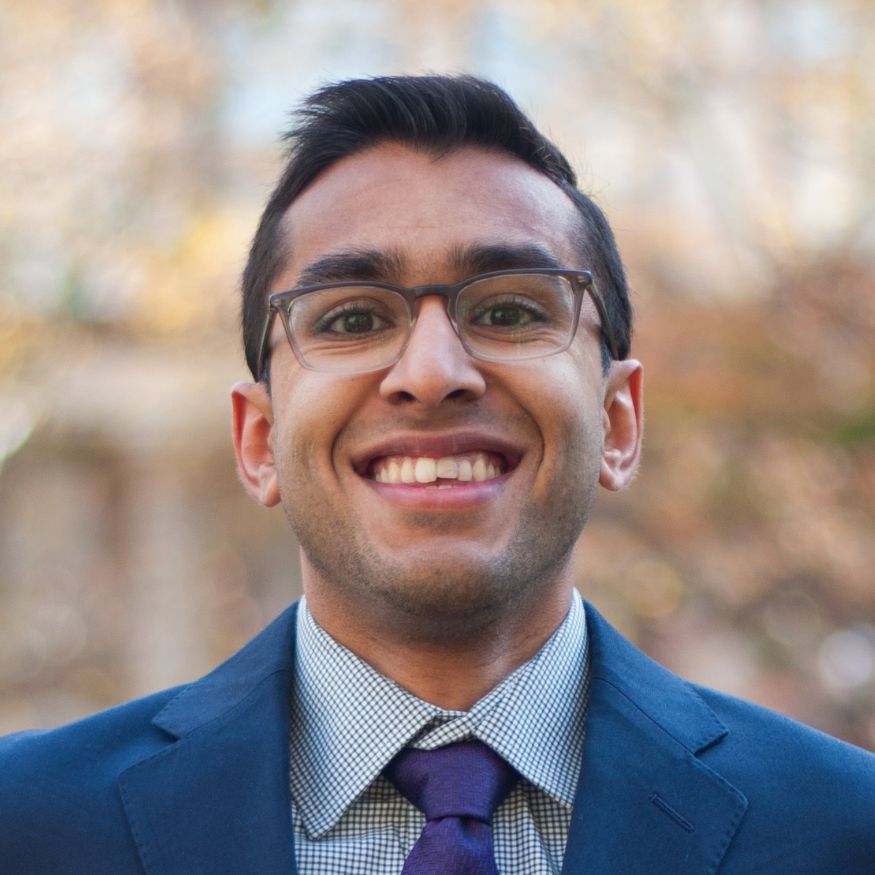
Samay Garg, PhD

Department of Chemical Engineering,
Columbia University
Cognizant STEM Mentor of the Year

Dinner Chair

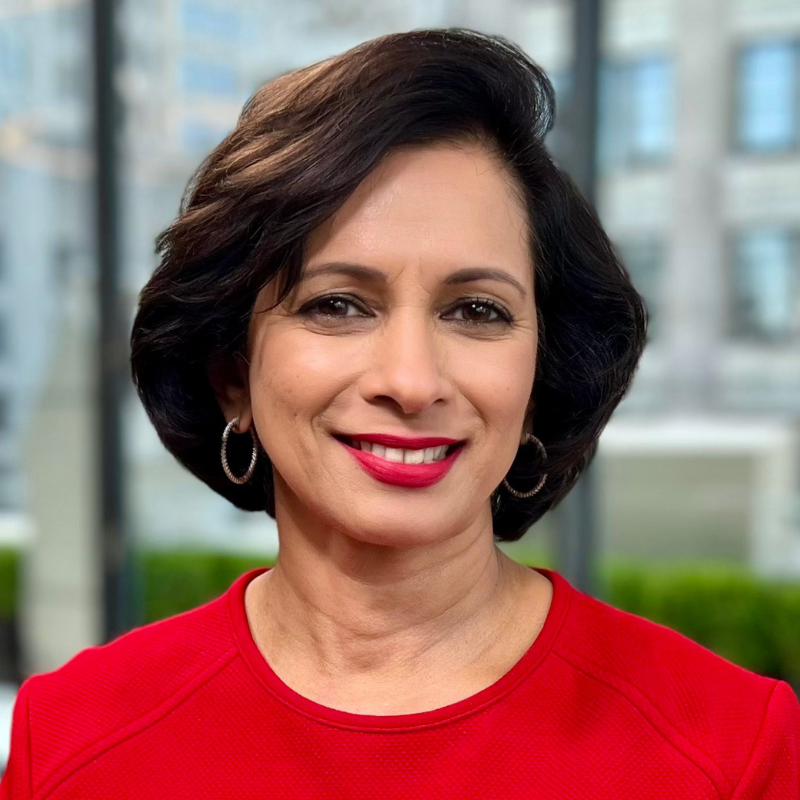
Seema Kumar

CEO, Cure.

Sponsors

Underwriter


Mission Partner

Logo of Cognizant

Benefactors

Cure
Partnership Fund for NYC
Roc360
The logo for Royalty Pharma
The logo for Johnson & Johnson
The logo for the "Leon Levy Foundation"
Pfizer logo

Laura B. Sachar
Chandrika Krishnamurthy Tandon


Academic Patrons

The purple and white logo for New York University.
The logo for Yale University

Soirée Partners

The logo for Fait Accompli.

The Carson Family Charitable Trust

Cindy and Brian Gavin

Elaine & Ken Langone


VIPs & Friends of the Soirée

Law Office of Michael H. Joseph
Prospect Berkshires
Logo of Cornell Tech
The logo for NYU Langone Health.

Aida Habtezion
AKA Strategy
Benefit Plan Manager
Brian Krisberg
Club Quarters
Elsevier
Jeffrey S. Lehman
Jerry Hultin
Kauff McGuire & Margolis LLP

Kevin Ryan
Lori E. Lesser
Masaki Tan
Mushett Family Foundation
OneDigital
Robert Catell
Subra Suresh
The Sky Foundation

Learn More

Our annual soirée provides an opportunity to celebrate and share our work, and to raise funds to support our mission of advancing scientific research, education and policy. View past soirée highlights here.

Course: Scientists Teaching Science

Scientists inside a research lab.

September 25, 2025 – November 20, 2025 | Online Course

A career in science – whether as a faculty member, researcher, or medical professional – means that someday you will have to present complex information, data, or findings to someone who knows little or nothing about your field.

Scientists Teaching Science (STS) is a nine-week online short course about how to be a more effective teacher and communicate your science for a presentation, training, mentoring, or classroom teaching activity – online or otherwise. The course is specifically designed to assist individuals pursuing a career in teaching science subjects at the university level with first or second-year students. However, the skills covered in this course apply to all career paths in the sciences. STS blends asynchronous learning with opportunities for live lectures and discussions to help you learn new approaches to teaching and assessing learning for your future students.

The STS course is also an opportunity to create and get personalized feedback on documents required for applying to university faculty positions. For example, documents like a Teaching Philosophy Statement are necessary for any application packet, but students rarely get to practice writing one in medical or graduate school.

This course is designed to fit your schedule by being offered in asynchronous modules, each with a specific due date. The instructor will also work with the participants to schedule optional, live online sessions. Participants who successfully complete the course will receive a Certificate of Completion from The New York Academy of Sciences.

Whether you are curious about teaching, looking to hone your instructional skills, or simply know you would like assistance with job application documents, consider registering for Scientists Teaching Science.

Course Objectives

  • Identify at least three active learning strategies.
  • Know the four major learning styles and three types of learning environments.
  • Evaluate personal biases and cultural differences and how these affect student outcomes.
  • Interpret interpersonal relationships in light of cultural and gender differences.
  • Compare inquiry-based activities to directed instructional activities.
  • Create course objectives based on Bloom’s Taxonomy.
  • Assess the level of Bloom’s Taxonomy of course objectives.
  • Develop valid multiple choice and essay questions based on objectives.
  • Recognize several steps in effective curriculum design.
  • Compose a Teaching Philosophy Statement.
  • Recommend one or more ways to notify potential students about consequences of cheating or plagiarism.
  • Construct a detailed course syllabus.
  • Evaluate the advantages and disadvantages of teaching and learning in an online environment.

Agenda

The course will open on September 25, 2025.

Week One

Teaching and Active Learning: discussion of teaching & learning myths; assigned readings on current research findings about teaching and learning.

Assignment: Short Essay on Teaching – Instructor provides feedback

Week Two

Holistic Education and Student-Centered Teaching: discussion on rigor and improving academic outcomes in higher education; assigned readings on improving student outcomes.

Assignment: First draft of Teaching Philosophy Statement – Instructor provides feedback

Week Three

Diversity, Equity, Inclusion, and Accessibility: the importance of actively developing inclusive practices in STEM. 

Assignment: Draft of Diversity Statement OR Short Assignment Addressing Diversity in the Classroom – Instructor provides feedback

Week Four

Using Data to Drive Instruction: how to create cycles of formative data review that informs instructors of their practice AND how students are doing.

Assignment: NONE.

Week Five

Teaching Online: teaching and learning  online; challenges and advantages; engaging students; resources and examples.

Assignment: Sample Online Learning Activity – Instructor provides feedback

Week Six

Writing Course Objectives: Bloom’s Taxonomy and student learning objectives;  assigned readings about writing learning objectives.

Assignment: 10 Unique Learning Objectives – Instructor provides feedback

Week Seven

Creating Valid Assessments & Alternative Assessments: using rubrics and test blueprints; practical multiple choice and essay questions; designing and evaluating students without using tests for small and large classes; assigned readings on how to write aligned assessment items.

Assignment: Five Test Questions Based on Learning Objectives – Instructor provides feedback

Week Eight

Designing Your Courses: instruction on the steps involved in designing an entire course, a training session, or a single lesson.

Assignment: Final Draft of Teaching Philosophy Statement

Week Nine

Writing a Syllabus & Reflections on Teaching: the purpose of a syllabus; legal requirements of teaching; student/academic honor codes; student study habits; assigned reading on plagiarism and the definition of a  syllabus.

Assignment: Sample Syllabus – Instructor provides feedback

Instructor

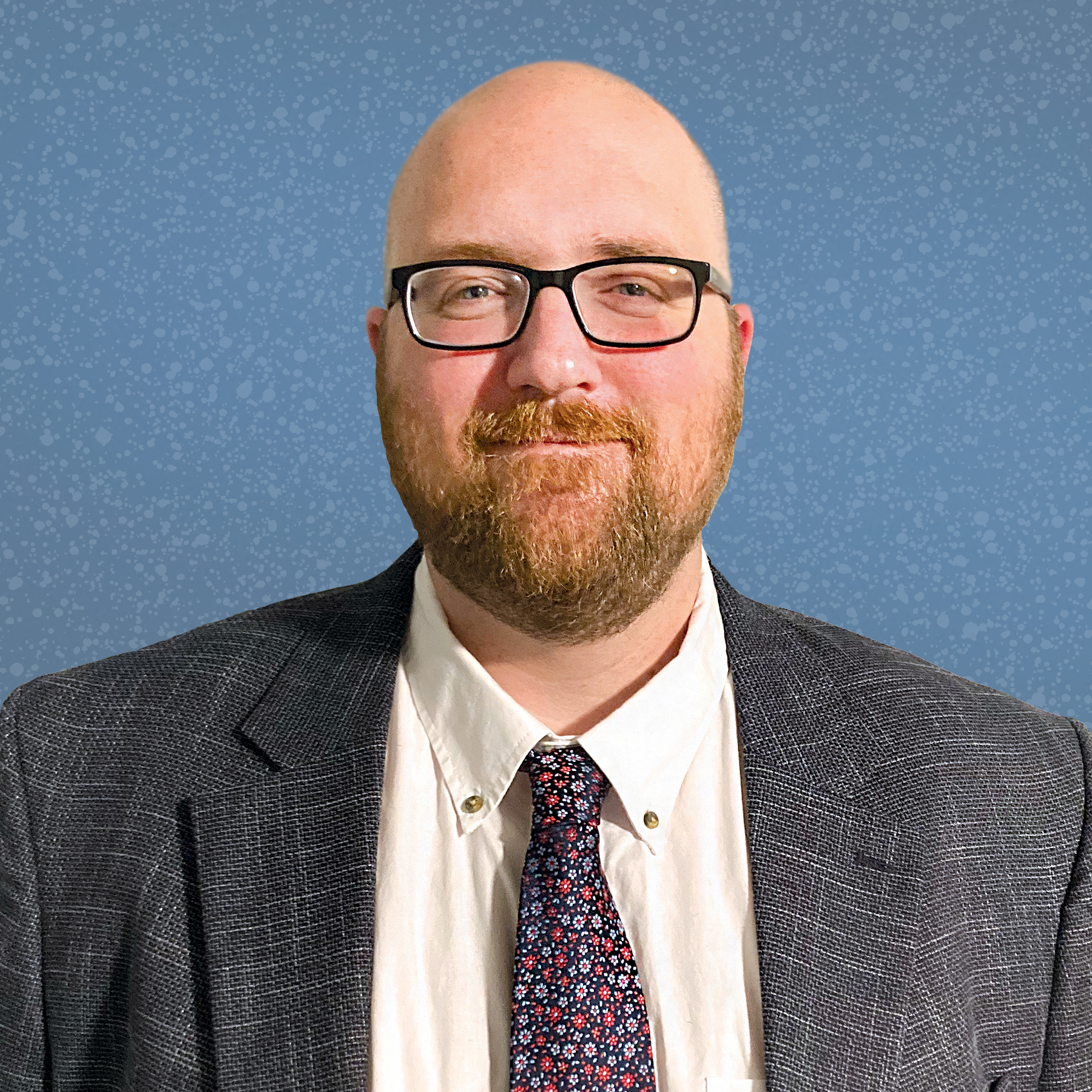
Dr. Nik Barkauskas

Dr. Nik Barkauskas completed his B.A. and M.A. in Philosophy at Temple University in Philadelphia and earned his Ph.D. in Education Theory and Policy at Penn State in 2017. He has spent 15 years teaching at various higher education institutions, both in-person and online. His main area of professional research is in public education policy reform, specifically focusing on the influence of private philanthropies on public policy. He has taught the Scientists Teaching Science course for the last six years and firmly believes that good teaching is good teaching, no matter which field we are working in. Dr. Barkauskas works for the Pennsylvania Department of Education in support of schools working on improvement efforts across the state.

Pricing

Member: $325

Nonmember: $425