Collaborating Today for a Better Tomorrow

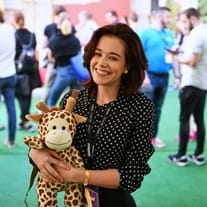
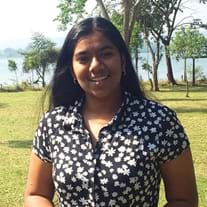
A woman poses with her research poster during an Academy event.

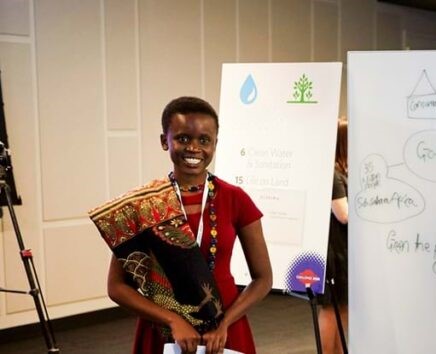
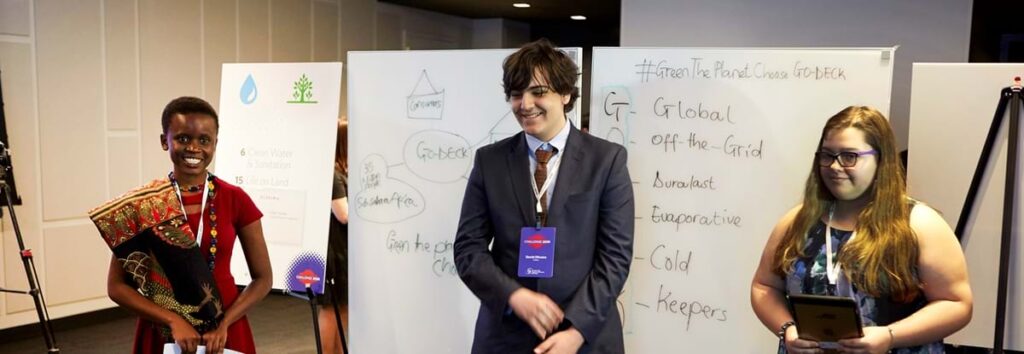
Junior Academy team works together to solve the problem of the lack of refrigeration in rural Tanzania.

Published March 3, 2020

By Marie Gentile and Roger Torda
Belinda Baraka Boniphace, 17, of Tanzania, runs an online market connecting sellers to buyers.

She noticed that high temperatures in her area and a lack of cold storage options were significantly impacting the quality of produce available in her town of Dar es Salaam and nationwide. Vegetables would start to spoil 6-24 hours post-harvest.

Luckily, Belinda is part of the Junior Academy, which brings together teams of students from around the world to collaborate on solutions for real-world problems. Belinda told her fellow teammates about the problem her country was facing, and together they were inspired to do something about it.

Developing a No-Power Fridge

The team developed a no-power fridge, Global Off-the-Grid Duralast Evaporative Cold Keepers (GO-DECK), made locally from landfill-bound materials such styrofoam that reduce temperatures and also regulates humidity during storage and transport. The food transport/storage system uses water instead of electricity to keep vegetables cool.

They experimented with six different models improve upon their refrigeration system, inspired in part by Zeer pot designs. A Zeer pot, also known as a pot-in-pot refrigerator, is used in rural regions that have limited access to electricity. The technology works by cooling through evaporation.

After experimenting, the team landed on an end product that is made from 100 percent recycled materials and can be easily distributed to local farmers. The team believes the system has the potential to save millions of metric tons of food per year, all for a nominal cost.

Building upon the success of their first solution, Belinda and one of her teammates, Talar Terzian, are now developing an online market for farmers. They are expanding on the Go-Deck Unit to offer hand washing machines, and their latest water carrier, to local women in Tanzania.

“I wish to help local farmers and women take advantage of their agriculture and gain the best profit for their hard labor,” Belinda says.

Overcoming Obstacles

However, Belinda has had to overcome many hurdles in order to accomplish her goal. She’s faced technical difficulties with internet and power outages due to weather and flooding in her area.

Also, her local school system is limited and not able to support the research that Belinda wants to pursue. Therefore, Talar and her mother, who live in Gainsville, Fla., helped Belinda prepare for SAT exams and complete scholarship applications so that she can go to university. Belinda says she’s been able to thrive because of the connections she’s made through The Junior Academy.

“By developing global connections like those I made with Talar in the US, I will be able to improve my business and help others,” Belinda adds.

This amazing endeavor is one of many innovative collaborations occurring all over the world through the Junior Academy.
A New Approach to Natural Disaster Preparation

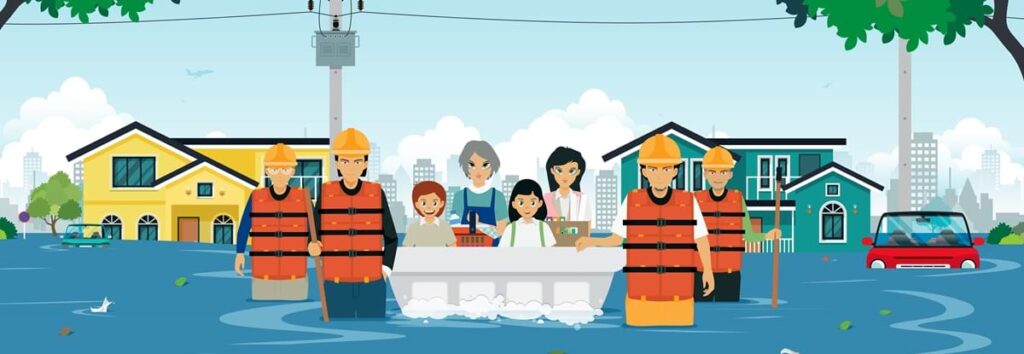
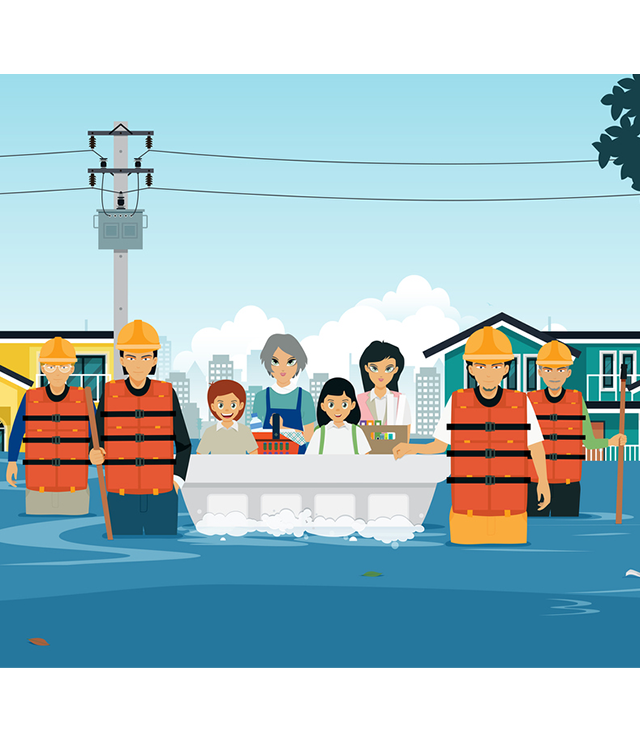
A graphic illustration of people responding to a flooding disaster.

A natural disaster inspired one high school student to use science to help others.

Published October 1, 2019

By Mandy Carr

Luis G. Alvarez
Luis G. Alvarez

Luis G. Alvarez, 17, is a member of the Junior Academy at Colegio Integral Mesoamericano Patzicia in Guatemala; a volatile environment that is subject to earthquakes, tropical storms and volcanic eruptions. And on June 3, 2018, he experienced the eruption of Volcan de Fuego.

“I remember hearing something like rain falling on the leaves,” said Alvarez. “At first, I didn’t recognize what it was, but then I realized it was ashes and sand, not rain. I told my parents, and we quickly got into the car and left.”

According to Reuters, more than 190 people were killed, many of whom died in their homes because they were unable to escape. That prompted Alvarez to do something about it.

“This event had a pretty big impact on me. I wanted to do something so that more people would survive and recover from these traumatic experiences,” he said.

The Junior Academy’s Natural Disasters: Relief & Recovery Challenge

Alvarez came across The Junior Academy’s Natural Disasters: Relief & Recovery Challenge sponsored by the S&P Foundation from a Facebook ad, and saw an opportunity. He promptly completed the application form on Launchpad, the Academy’s collaboration platform and was selected by the project team leader to work on the Challenge with three other students from Hungary, Vietnam and the United States.

Using Hurricane Katrina as their case study, the students noticed that mental health was a serious side effect of the hurricane, and largely went untreated.

To address this deficit in disaster relief, the team created a smartphone-based community survey app to gather critical information in high-risk and disaster-prone areas that would provide a useful baseline for responders during a crisis.

The survey collects information such as residents’ financial and employment status, mindset, living habits and mental health. The information is then used to help tailor recovery efforts when a disaster strikes.

Studying the Physiological Damage

Like his team found in the Hurricane Katrina case study, many residents in Alvarez’s community suffered physiological damage following the volcanic eruption. He also found that his community wasn’t prepared because they underestimated the devastation caused by the eruption and there was a lack of information surrounding the event.

“We had radio service and a cellphone signal,” he said, “yet we were never made aware that the volcano had high levels of activity. All these factors combined to shape my contributions and suggestions during the project.”

According to Alvarez, while the survey solution is based on the Hurricane Katrina situation, its principles can be applied to all natural disaster preparation.

“Natural disasters are often socially and economically disastrous for communities,” said Carolyn C. Cavicchio, Director, Corporate Responsibility; Vice President, S&P Global Foundation.

“The type of solution that these students developed has the potential to reduce valuable time and resources when disasters strike. Moreover, Challenges like this help young people to develop and refine important problem-solving skills that are crucial in today’s workplace,” she says.

Learn more about The New York Academy of Sciences’ Innovation Challenges.

Improving the Diagnosis of Rare Diseases

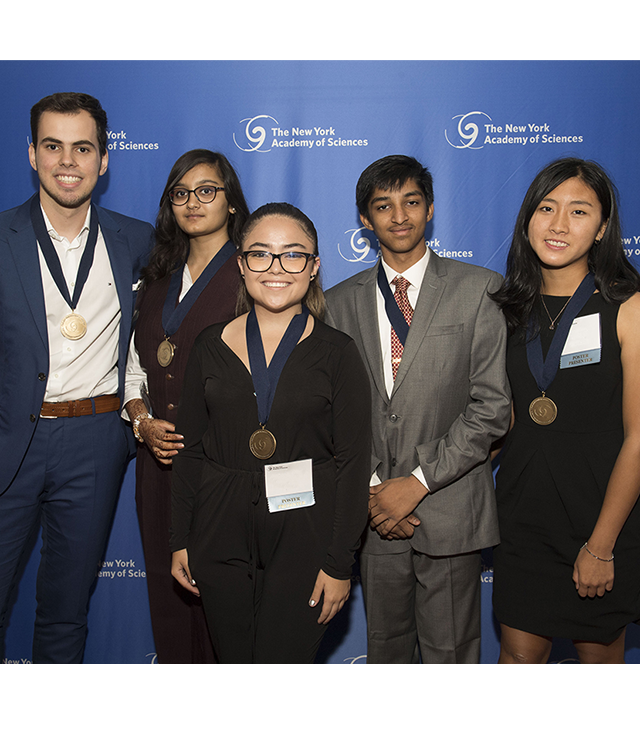
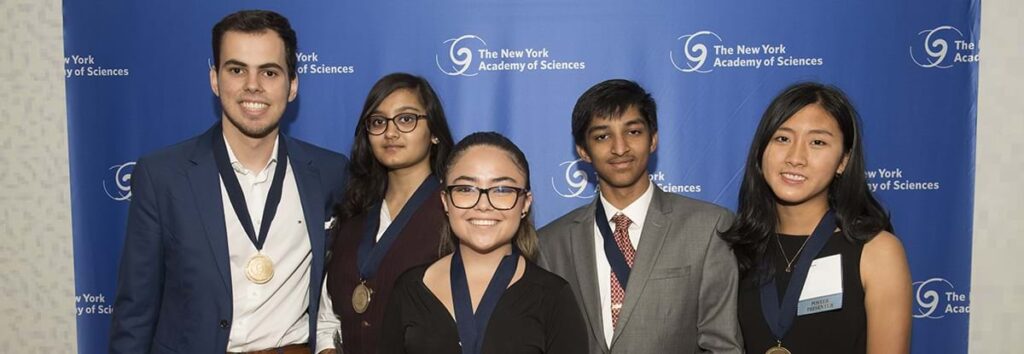
Five high school students pose for the camera.

Meet the winning team of the 2019 Junior Academy Genomics Challenge.

Published October 18, 2019

By Marie Gentile, Richard Birchard, and Mandy Carr

According to the World Health Organization, there are 5,000 to 8,000 rare diseases, most of them with a genetic basis. But errors in diagnosis can delay the implementation of proper treatments, especially for those in poor areas of the world where access to healthcare is limited.

Now, six high school students who participated in the Junior Academy’s Genomics Challenge, sponsored by Regeneron and Medidata, have developed a prototype for a better way to test the genetic code and thereby improve the diagnosis of rare diseases.

The students (Evangelos Kassos, 18, from Karditsa Greece; Ana Stratan, 18, from Bucharest, Romania; Aditi Gupta, 18, from Delhi, India; Monish Singhal, 14, from Bengaluru, India; Athena Yao, 17, from Wantagh, New York, USA; and Ana Bonavides-Aguilar, 17, from Cuernavaca, Morelos, México) impressed the Challenge judges with their comprehensive four-step approach, which addressed rare disease diagnosis, access to consultation, patient privacy, and knowledge distribution.

An Innovative Approach

Their innovative “iDNA Protocol” utilizes blockchain technology to ensure patient privacy, while increasing data sharing across research entities through their Doc2Doc platform model. Better data sharing facilitates collaboration between researchers, doctors, and patients, leading to more efficient and personalized diagnosis and treatment.

A “Prion Detection Kit” will help patients identify neurodegenerative disorders through at-home urine tests. This early detection kit complements the “GenePack” testing and treatment protocol, which tests newborns for genetic diseases and connects people living in isolated areas with research centers.

For their solution, the team received an all-expenses-paid trip to New York City to attend the 2019 Global STEM Alliance Summit.

Here, the students share their thoughts on the project and why they’re excited about its potential impact on medically underserved communities:

“Most of all, we thought about who we could help. We fashioned our project to cater to the needs of underserved communities.”

Ana Stratan

Diverse Perspectives

“I had no idea what was waiting for me when I posted ‘Wanna be the next Watson?’ on Launchpad. Five amazing people from around the world joined me in taking on the Genomics Challenge,” explains Evangelos Kassos. “Along with our mentor, we created a fantastic space full of creativity, where we could all thrive.”

Multidisciplinary Focus

“All of us had a focus—biology, technology, informatics—and we thought about the Challenge through these different lenses. Most of all, we thought about who we could help. We fashioned our project to cater to the needs of underserved communities,” says Ana Stratan. “Periodically we asked for input from people outside of the project to better understand our target audience.”

People Aren’t Numbers

“Our mentor explained to us how dire situations could get. We realized that while everyone was looking at the numbers, no one was realizing that these numbers are people,” laments Aditi Gupta. “I have lived in both a first world country and a third world country. I’m thankful for having access to the American healthcare system because India is still developing theirs.”

A Diagnosis-Focused Solution

”We realized that treatment is a different problem. The mere diagnosis of the disease can be troublesome,” says Monish Singhal. “We spoke with Prasanna Shirol, the co-founder and board director of the Organization for Rare Diseases India (ORDI), whose daughter suffers from Pompe disease. His daughter was diagnosed inaccurately several times. This example led to our diagnosis-focused solution, which emphasizes early identification of a disease.”

“We realized that while everyone was looking at the numbers, no one was realizing that these numbers are people.”

A Unified Approach

“Our solution has the potential to improve lives and be implemented effectively in existing communities globally, in a cost-effective manner,” says Athena Yao. “Our approach involves changes in the rare disease diagnosis and treatment process, addressing the different aspects of the problem. We employed our knowledge, resources, and understanding of global perspectives to create a solution that is viable for various areas.”

Achievable Impact

”The ideas we are proposing are groundbreaking, innovative, and achievable,” concludes Ana Bonavides-Aguilar. “Even though some are more challenging to attain (like creating the iDNA Protocol) there are others that if research begins, they could change the way genetic diseases are being detected, like the Antibody Testing Kit. Therefore, people suffering from rare diseases could—and will—have a chance at a high quality of life.”

Want to tackle global problems like this one? Learn more about the Junior Academy.
Developing Practical Solutions to Everyday Challenges

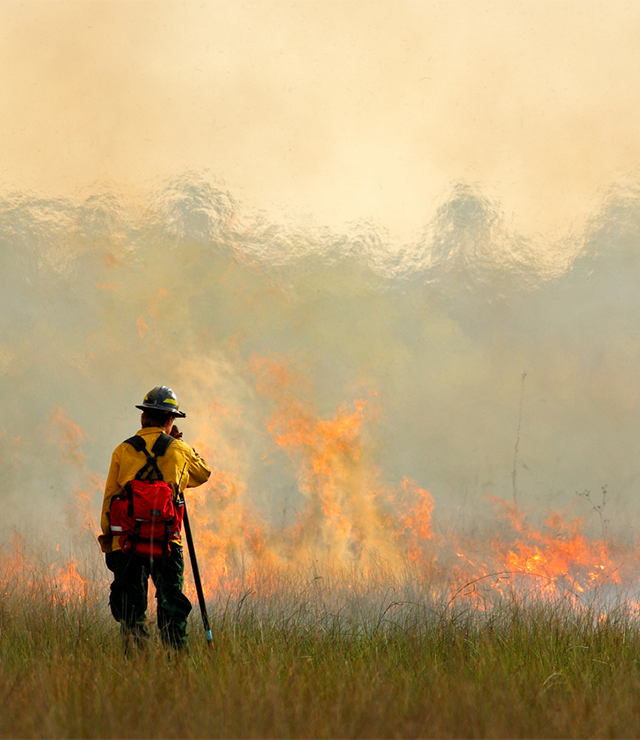
A firefighter combats a wildfire.

The Academy works with partners in industry, academia and government to develop solutions for everyday challenges.

Published October 1, 2019

By Robert Birchard

Matthew Friedman

For more than a decade the Academy has worked with partners in industry, academia and government to identify solutions to every day challenges through its innovation challenges.

“These challenges provide a platform for people to hone their STEM skills on a level playing field — no lab, credentials or financial commitment required — and apply them in an interdisciplinary, real world environment,” explains Chenelle Bonavito Martinez, MS, Vice President, STEM Talent Programs.

Challenges are not just about working on a solution to a problem. They also provide an opportunity for students to practice time and project management, as well as communication and presentation skills.

Lessening the Impact of Wildfires

In one such challenge, a team of five students from The Junior Academy in five different countries devised a solution to lessen the impact of wildfires.

Not only do [wildfires] destroy homes, they also halt local economies, raze whole habitats, injure and kill many, send carcinogens into the air, and so much more,” says Matt Friedman, 16, United States, a member of the winning Wildfire team. “Understanding the factors related to real-world problems can help us solve them.”

Rubi Lopez

The team looked at how to best counter the wildfire embers and maintain adequate water supply in pumping stations without electricity. In addition to the scientific and engineering questions, the group also grappled with questions of cost-effectiveness and how to implement their solution in already existing communities.

“I think it is really easy to fall into the trap of putting science into neat little boxes where each idea or development belongs in its own discipline,” says Wildfire team member Isabelle Robertson, 18, New Zealand. “But the real world isn’t like that and global problems require us to use collaborative approaches and tie aspects of different disciplines into one solution.”

Devising Healthier Snack Options

Rubi Lopez, Monterrey Institute of Technology and Higher Education and Bianka Martinez, Technological Institute of Morelia were completing their undergraduate degrees, when they won the Pepsico Healthy Snack Challenge, devising a healthy snack that would appeal to children. Their solution required not just extensive nutrition research, but also thorough market research.

Bianka Martinez

“My experience with this challenge expanded my vision of the food industry and focused my attention on creating bigger impact in the world,” says Martinez, a biochemical engineer who recently finished a Master’s degree in Food Technology and Innovation at the Polytechnic School of Design in Milan, Italy.

“The best way to solve worldwide problems is by applying scientific skills combined with creative and design skills. Science lays the foundations, the procedures and the means to solve problems, while the design thinking helps us create innovative and unique solutions by focusing on people,” says Martinez.

“Scientific skills are like a yellow brick road that lead you to the truth. You don’t know if Oz is near or far, but you know you’re on the right path,” echoes Lopez an international business major. “I participated in this challenge despite it not being directly related to my major. I thought my skills could be useful and that this challenge offered the opportunity to learn new things. It’s not necessary to have a science degree to generate solutions to real problems, but critical thinking and constant curiosity are always necessary to make a positive change.”

Isabelle Robertson

“The tools and techniques of science helps people make breakthrough discoveries in understanding phenomena,” says Bhavna Mehra, General Manager, Infosys Science Foundation. “Therefore, science and its pursuers and practitioners have the responsibility, along with the vision, to solve these problems.”

A Real-World Scenario

This belief in the responsibilities of a scientist led to the development of the Infosys Science Foundation Nutrition Challenge. Originally envisioned as a way to raise awareness about the number of deaths attributed to malnutrition in children under the age of five, the challenge also gave participants a platform to develop.

“The skills of observing, experimenting, data collection and applying a concept in a real-world scenario were all tested as the solvers worked on the nutrition challenge,” explains Mehra.

The top two teams — team Podible and team Nutri-APP — came up with their own hypotheses, collected data and applied the results to come up with executable plans to tackle malnutrition.

“Cultivating an understanding and practice of scientific thinking in all fields will go a long way in helping solve social, economic and civic issues, says Mehra.”

The Need for Centralized Info in Crisis Management

A graphic illustration of people responding to a flooding disaster.

Junior Academy students develop an app that addresses the immediate mental health needs of those impacted by hurricanes and other traumatic natural crises, much of which is worsened because of the lack of centralized information during crisis scenarios.

Published May 1, 2019

By Mandy Carr

Four high school students from around the globe came together for the Junior Academy‘s Natural Disasters: Relief & Recovery Challenge to create a solution that could help reduce future devastation. The team designed a response model that could be used for many types of disasters, not just hurricane. They used Hurricane Katrina as their case study with a focus on addressing mental health needs for those impacted.

In their analysis, the lack of central information is a common struggle for those responding to disasters. To address that struggle, the team determined that gathering critical information in high-risk and disaster-prone areas before disasters happen would provide a useful baseline for responders. To that end, they created a smartphone-based community survey app that can regularly collect information about residents financial and employment status, mindset, living habits, and mental health. These same survey tools could then also be used after disasters to understand what has shifted. Additionally it might access how to tailor interventions and where critical needs and assets exist.

The team’s winning solution was one of 40 submitted. It garnered them a trip to New York City for the Global STEM Alliance Summit, held July-July 26, 2019.

Meet the students and learn about why they feel passionate about their idea:

Luis G. Alvarez

Luis G. Alvarez

Luis G. Alvarez, 17, is from Colegio Integtral Mesoamericano Patzicia in Guatemala. He has personal experience with natural disasters following the eruption of Volcan de Fuego in 2018. He and his family were required to evacuate.

“I remember getting some tools and hearing something like rain falling on the fallen leaves,” said Alvarez. “At first, I didn’t recognize what it was, but once I put on my raincoat, I realized it was ashes and sand, not rain. I told my parents, and we quickly got into the car and left.”

This inspired him to participate in the Natural Disasters challenge.

Samiksha Raviraja

Samiksha Raviraja

“Looking at the world around, there are events happening constantly,” said Samiksha Raviraja, 17, from Renaissance High School in Charlottesville, VA. “Some of the most haunting ones are those that happen in nature and result in great damage to communities. I wanted to be able to help in some way.”

It scared her to see the disasters that were happening across the globe on TV. The word “disaster” was what drew her to this challenge in particular.

“While procedures exist to help people in the best possible way to save their lives, not many procedures exist that look into the mental health of the patient after a disaster has happened,” said Raviraja. “With PTSD, it is possible for the trauma to be passed down to children.”

Eszter Varga

Eszter Varga

Natural disasters are something Eszter Varga, 19, from Szerb Antal High School in Budapest, Hungary has always wanted to help resolve, especially because they are “becoming an emerging issue with climate change.”

“The part that really touched me and my fellow teammates, was the fact that post-Katrina, PTSD claimed thousands of lives,” said Varga.

“We discovered the mental health aspect of disaster relief is typically an untreated issue.”

Thuy Tran

Thuy Tran, 16, from Le Hong Phong High School for the Gifted in Nam Dinh, Vietnam, echoed the team’s desire to focus on mental health when creating their solution.

“Hurricane Katrina claimed many lives post-disaster because of rushed treatment ideas, poorly planned information flow, as well as lack of education and data gathering,” said Tran.

Inspired to Fight Cancer and Empower Girls

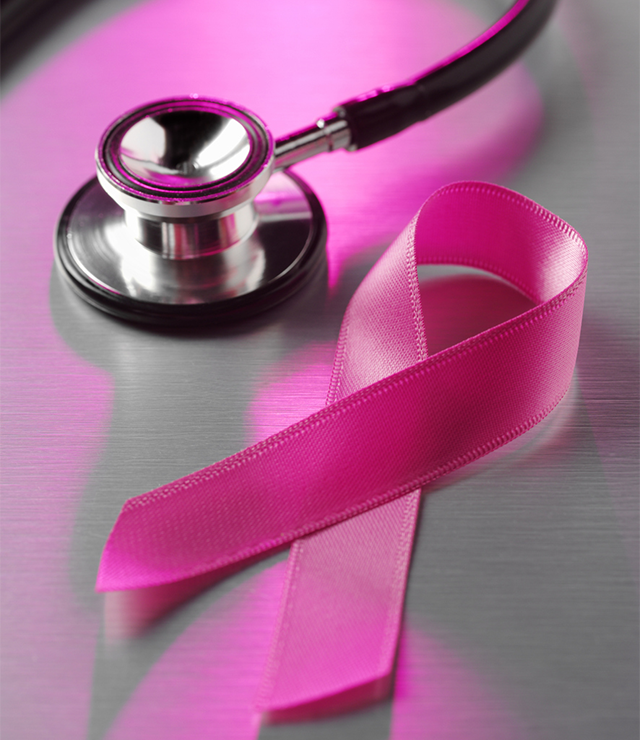
An image of a stethoscope and a cancer awareness ribbon.

Sthuthi Satish is exploring her interest in a variety of STEM fields through her participation in the Junior Academy, but her first experience with the wonders of science started very close to home.

Published May 1, 2019

By Mandy Carr

Sthuthi Satish

Sthuthi Satish can’t remember when she started dreaming of being a doctor. What she does remember is being seven years old and looking at her mother’s medical charts showing stage two cancer. Her mom underwent surgery and beat cancer and Sthuthi’s love for surgery began.

The 15 year-old, who attends Bangalore International School in India, admits to not understanding the complications of surgery then, but saw the possibilities of it. Today, she hopes to become a neurosurgeon.

“My love for the brain is rather recent,” she said. “I am fascinated by the fact that the brain controls pretty much all conscious actions in the human body, and yet we know so little about it.”

Building Upon Previous STEM Experience

Sthuthi had few opportunities to join STEM activities before participating in the New York Academy of Sciences’ Junior Academy program. She worked on many challenges focusing on sustainability and aerospace. She worked with other high school students from across the globe as part of the winning team for the Human-Wildlife Challenge.

Sthuthi was concerned that no one was addressing the negative effects of solar panels on wild birds.  Her team believes that infrared sensors and speakers producing beeping noises at 3 kHz can deter birds from landing on solar panels.

During her first year in the Junior Academy, she saw a posting on Launchpad, the Academy’s virtual collaboration platform, about getting involved in a Girls in Science panel at the third annual International Day of Women and Girls in Science event at the United Nations Headquarters in New York City. She stayed in touch with one of the organizers, HRH Princess Dr. Nisreen El-Hashemite, Executive Director of the Royal Academy of Science International Trust which lead to an invitation from Dr. El-Hashemite to chair a panel at the 2019 event.

Finding What Drives Her

This is also how she became a Girls in Science Advocate for the Royal Academy of Science. Additionally, Sthuthi is one of the administrators on the Girls in Science 4 SDGs International platform, a program Dr. El-Hashemite made possible. For Sthuthi it’s all about priorities.

“I always believe that if I have enough time to watch Netflix, then I definitely have time to work on something I love,” she said. Sthuthi hopes to attend college either in the United States or Sweden.

The True Value of Teamwork and Collaboration

It was through his participation in the Junior Academy that Patrick Pallagi “discovered the true value of teamwork and collaboration.” This trait remains strong with him today.

Published March 05, 2018

By Patrick Pallagi

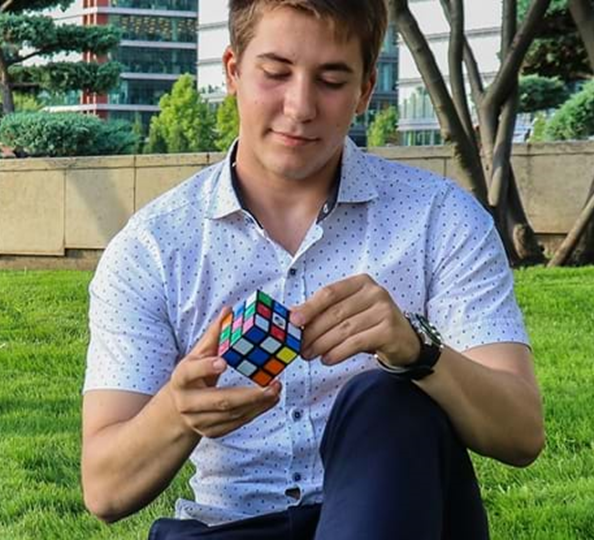
Patrick Pallagi

Imagine the inventor of the first-ever time machine reaches out to you and gives you a challenge. She says, “I will send you and two of your best friends two hundred years back into the past, but you have to create all the technologies that humans have invented over the last two centuries.” Could you invent everything in that team of three? Do you think your friends could help you code all the programs, develop aircraft engines, create safe communication systems, and build a vehicle to take you to the Moon?

While a small group can make significant progress, I think we can agree that our present day would look very different if only three people were focused on finding breakthrough technologies. Fortunately, science has an amazing potential to unite people thanks to the single most effective engine of growth—curiosity.

Last summer, I had the privilege to travel along the Franco-Swiss border and visit CERN, the largest particle physics laboratory in the world. It’s one great example among many of curiosity pushing the boundaries of science and technology. Founded in 1954, CERN’s mission is focused on doing fundamental research in high-energy physics. And while it does that, it’s also bringing nations and scientists together.

In fact, it was the desire to help research processes become more efficient and make scientific publications more easily accessible that led Tim Berners-Lee, a British scientist at CERN, to invent the World Wide Web in 1989. This invention revolutionized the way we communicate and helped put the laboratory in its current position, allowing a global network of over ten thousand scientists from more than a hundred countries to work in collaboration together.

Discovering the True Value of Teamwork and Collaboration

Today, scientists at CERN use the world’s largest and most complex scientific instruments to study the basic constituents of matter—fundamental particles. These experiments produce an incredible amount of data, around 100 Gigabytes per second. This is so much data that not even a quantum computer could process it on its own! Luckily, there is a clever solution to process all that data. The solution involves a unique network of supercomputers–like the ones in my hometown, Budapest–which help each other filter and store the results.

The inventions of the last two hundred years have truly changed the way people communicate, maintain friendships, live, and work. I think we can agree that our society, as it continues to evolve, will benefit immensely if we do all we can to give opportunities to young students to discover the true value of teamwork and collaboration.

For that reason, I feel very lucky to be part of the Junior Academy. Thanks to this program, I have had the chance to form an international team with teammates from South Korea, India, the UAE and the U.S. We see eye to eye on so many things. We like one another’s cuisine, hiking, and the mathematics and physics we’re focusing on in our research. But when we began to work on making the ideas in our research project a reality, our differences became apparent.
Optimistic about the Future of Science

Our South Korean teammate focused primarily on research processes and the technology side. Our American teammates brought a business perspective and questions of scalability. My European training left me somewhere in the middle: I liked the idea of making our research profitable, but I was leaning more towards the technology side. Over the months, the creative clash of viewpoints bred success. Together we managed to develop methods which could be used in creating more efficient solar panels.

Needless to say, I am very excited and optimistic about the future of science. My experience makes me think that the next breakthroughs are going to come from collaborations across seemingly different fields. For example, using supercomputers to help us study neuroscience, or particle physicists developing new approaches to fight cancer. And I’m sure we’ll be embracing artificial intelligence in ways we don’t even expect, from filming more immersive wildlife documentaries to making risk-free autonomous vehicles.

Last but not least, I believe quantum computing paired with new information technologies will continue to help old and new scientific networks flourish, and as a result, it will help create genuine friendships and bring cultures together.


About the Author

Now an Academy ambassador, Patrick first came to the Academy as a Junior Academy participant. He was also part of CERN’s 2017 S’Cool LAB Summer CAMP. While there he not only engaged in research, he also produced the official promotional video for the program. He is currently specializing in Natural Sciences at Jedlik Anyos Grammar School​ in Budapest.

How to Get Motivated Kids Invested in Science

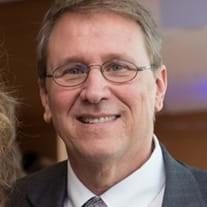
A man poses for the camera.

“I think the key thing here is that these kids are in a class by themselves. World class. Not just smart, but motivated, eager, and most important invested.

Published June 9, 2017

By Marie Gentile and Robert Birchard

Ron Fritz, PhD

Ron Fritz, PhD, works for PepsiCo and also serves as a mentor for the Junior Academy at The New York Academy of Sciences. He talks about his experience mentoring and the encouraging growth he sees from his students.

What are your students working on?

Food Loss and Waste: Transportation and Logistics. Specifically, they came up with an ingenious use of evaporative cooling; designing, building, and testing a non-electric ‘fridge’ (based on ‘zeer pot’ technology) made of recycled materials.

What surprised you about your students?

I knew they would be smart and clever, but what surprised me was their incredible focus and tenacity in going after solutions to design problems encountered. They didn’t back off or quit when a challenge emerged but rather relished the opportunity to overcome it.

What surprised you about your mentoring experience?

The student’s ‘relentless’ engagement made it great fun for me and I think for the team as a whole. There’s nothing better than being part of a team working like failure is not an option. It was exhilarating because of the awesome work ethic the students employed and the leadership that evolved among them. To be honest, just prior to the kickoff of the challenge I was considering dropping out due to increased business demands on my schedule. I am so glad I didn’t. Even though those demands did not diminish, these kids’ efforts were inspiring and kept me going.

What kind of growth did you see in your students?

With some of the students it was leadership, in others “followership” – with all it was ‘hey, we’ve got a great team, great ideas and great talents that can make a difference!’ That attitude energized everyone, including myself. Perhaps the correct word is ‘devoted’ to finishing the team’s mission. I think the type of camaraderie experienced was a first for some of the students. Also, the level of talent brought together. As a youth sports coach over the years, this was like realizing you have something really special going on with a particular collection of kids.

Anything else you’d like to share?

Yes. I think the key thing here is that these kids are in a class by themselves. World class. Not just smart, but motivated, eager, and most important invested. This makes mentoring in this venue a unique experience, truly providing an opportunity to accomplish something of significance with ‘no holds barred’, ‘blue sky’ thinkers.

Learn more about the Junior Academy!

Life in the Junior Academy in the 1970s

A member of The New York Academy of Sciences’ Junior Academy reminisces about her involvement in the program, including as president, during the 1970s.

Published September 1, 2016

By W.M. Akers

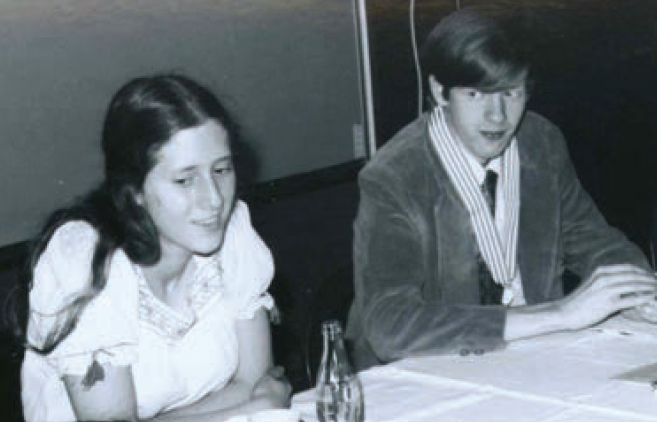
Junior Academy president Paul Sullivan passes the torch to Joy Hecht.

An environmental economist, Joy Hecht, PhD, has studied the economic impact of environmental damage everywhere from Lebanon to Malawi. But in 1974, she spent most of her free time somewhere less exciting: the Xerox room of The New York Academy of Sciences (the Academy). As president of the Junior Academy, Hecht oversaw an entirely student-run operation with members all over New York. We spoke to her recently to ask about her memories of the Junior Academy, and the special bond she and the other students formed.

How did you get involved with the Junior Academy?

I went to Hunter High School, which at that time was an all-girls school. My mother told me, “You should get involved with the Junior Academy of Sciences. You can meet boys that way.” I got involved with it, initially as a way to meet boys, and it became a part of my life.

I think a great deal of what made the Junior Academy awesome is that it was run by high school kids. We did all the work. No one else was telling us what to do.

What was the Junior Academy like then?

It was a place to hang out. The Junior Academy had its files at the Xerox room, so we all hung out at the Xerox machine. We were organizing events, we were doing mailings, we would get kids in after school to stuff envelopes. We always had a group of kids who were hanging around. It was very social.

We were often there after five o’clock, and we had free run of the place. I distinctly remember wandering in and out of the president’s conference room after everyone went home. These were really nerdy kids—a lot of big Trekkies—so we weren’t the type who were going to demolish the building, even though we did snoop around the place.

When you became president, how did you change things?

I started out doing the same stuff the Academy had been doing all along. That fall, my mother took me and my sister out to San Francisco, and I looked up the California Academy of Sciences, and I spent a bunch of time talking to the guy who ran their Junior Academy.

He asked me, “When you look back on this experience, what do you want to have accomplished? Do you want to feel like you did something new, or do you want to have just kept the Junior Academy what it was?”

So I went home, and I told the group: “We organize lectures, and we do field trips, but it doesn’t really make any difference. What we need to do is get these kids working in science, to see if they like it.”

We started calling up the Academy members who had labs, and asked if they were willing to take on high school kids during the summer. We put together what we called the summer opportunities booklet—we published it and distributed it. I assume there were kids who ended up working in labs because of it. That was the most important thing, to actually get kids doing stuff in science, instead of just going to lectures.

And did you meet boys?

Oh, yes. Paul Sullivan ended up being my first boyfriend. Mind you, I hated Paul at the beginning. He was the president the year before me, and I couldn’t wait for him to leave so I could take over, but then the summer before my senior year of high school, he called to tell me the Academy had hired him as the Junior Academy advisor. I was madder than hell, but I got over it.

Every June, one of the field trips would be a trip up to Mohonk. There was a trail there we always hiked, and it’s something my cohort at the Academy kept doing every summer for four or five years after high school. When Paul died in 1999, we all found each other again, and we went on the same trail at Mohonk, and we planted a tree in his memory. We didn’t stay boyfriend and girlfriend very long, but we stayed good friends throughout his life.

Security, Justice, and Sustenance for Those in Need

A logo with the text #IAmNYAS

The Academy community represents one of the most dynamic and diverse groups of STEM professionals and science enthusiasts and supporters around the world, with more than 16,000 Members across 100 countries.

Published May 1, 2016

By Diana Friedman

The Academy community represents one of the most dynamic and diverse groups of STEM professionals and science enthusiasts and supporters around the world. Academy members are building STEM careers, overcoming the challenges associated with cutting-edge research, putting science into practice, influencing policy and supporting future generations of science leaders.

Fredda Weinberg

Fredda Weinberg, a graduate of the original Junior Academy program, returned to the Academy as a member while pursuing her Master’s in Information Systems. A programmer for Reliable Health Systems, Fredda is passionate about “connecting the needy to sources of security, justice, and sustenance.”

How did you get hooked on a STEM career?
The ability to reproduce results was enough to convert me from superstitious to scientific.

Was there someone who helped encourage you to pursue a career in STEM?
My chemistry teacher at Sheepshead Bay High School [in Brooklyn, NY], in 1977, showed me my first programming language and suggested that one day, it could be a career.

What has been one of the most rewarding moments of your career?
There’s nothing like having your work profiled on the local evening news. A little technology, leveraged properly, changed countless lives for kids who previously did not imagine they had a future.

Expand Your Network!

Inspired by the passion, expertise, and unique perspectives of your fellow Members? Tap in to the incredible network the Academy offers through our mentoring programs.

We’re thrilled to offer you access to a new opportunity to get involved and interact: Member-to-Member Mentoring. The program matches you with a mentor—or a mentee—who is a fellow STEM professional and Academy Member. Depending upon your experience level and needs, you can request a mentor, become a mentor, or both.

Interested in mentoring students? We also offer incredible mentorship opportunities through the Academy’s Global STEM Alliance, which delivers education programs that can help you develop your teaching and communication skills, while paying it forward to the next generation of scientific innovators.


Peruse our mentorship opportunities, and sign up today!