Join Dr. Alok Aggarwal as he discusses the science behind the mystical and magical world of Artificial Intelligence and his new book The Fourth Industrial Revolution & 100 Years of AI (1950-2050): The Truth About AI & Why It’s Only a Tool.
Artificial Intelligence is ushering in a wave of change that will touch every aspect of our daily lives. Dr. Alok Aggarwal—one of the early innovators and developers in this field—sets out to demystify Artificial Intelligence by explaining its history, capabilities, and limitations. Aggarwal will explain the science and engineering behind AI in non-technical terms, catering to a diverse audience, including product managers, program leaders, business leaders, consultants, students, aspiring entrepreneurs, and decision-makers Aggarwal will explain numerous applications of AI that are already being used in vital inventions of the current and the Fourth Industrial Revolution, including the Internet of Things (IoT), Blockchains, Metaverse, Robotics, Autonomous Vehicles, Three-Dimensional Printing, inventions related to predicting, mitigating, and adapting to rapid climate change, and innovations related to gene editing, protein folding, and personalized healthcare. Explore the transformative capabilities of AI to drive innovations in this accessible discussion.
Join The New York Academy of Sciences and the Science and the Technology Action Committee (STAC) to discuss national science strategy. Drawing on findings from STAC’s award-winning, seminal State of Science Report, we will delve into why concerned sectors, including science, industry, education, and more, must be on the same page about the importance of adopting a national strategy to drive and align federal policies and investment in R&D.
Survey data supports the argument that inadequate investment in agencies like NSF harms STEM education, our workforce, international competitiveness, and our national security. More concerning, 70% of respondents surveyed in the State of Science report expressed that our children will be worse off than us.
Join Nicholas Dirks of The New York Academy of Sciences, Darío Gil of The New York Academy of Sciences, STAC, the Chair of NSB, and forthcoming panelists to discuss the challenges facing the scientific community and how to overcome them.
This collection of papers explores the benefits and risks of exogenous hormone therapies to treat a wide range of medical conditions. Hormones such as kisspeptin, testosterone, gonadotropins, and oxytocin are discussed as well as their potential use for menopause, hypogonadism, bone health, and neurodevelopmental disorders. The novel experimental findings, timely reviews, and unique perspectives will provide important contributions to advance our mechanistic and practical understanding of hormone therapies and their use in healthcare settings. The virtual issue is edited by Andrew Dwyer (Boston College) and Richard Quinton (Imperial College London).
To Attend Live: After your registration is approved, you must add the session to your Science Summit schedule. In the Summit system, click on “27th Sept” and add the session.
Today, around 55% of the world’s population lives in an urban environment. Urban heat islands (UHIs) have been well documented for decades. They occur when a city’s infrastructure, like roads and buildings, absorb and remit heat more than natural landscapes like forests. This causes increased heat stress, since temperatures of cities tend to be hotter than their rural counterparts, and this is increasing quickly as climate change is leading to longer, more severe, and more frequent heat waves.
Co-convened by the International Science Reserve (ISR) and the University of California Disaster Resilience Network (UC DRN) during the Science Summit at the 79 UN General Assembly, this panel will bring together expertise ranging from engineering and urban development to equity and public policy. Panelists will discuss inequities and other issues surrounding the worsening of urban heat and resulting crises.
These require cities around the globe to respond to and better prepare for the effects of increasingly extreme and frequent heat emergencies, and their related impacts. For example, tropical and coastline geographies are reaching critical “wet bulb” temperatures, at which the human body can no longer cool down through its natural sweating process. China, Bangladesh, Pakistan, India, the Arabian Peninsula, and the African Sahel are among the risk zones. Jacobabad, Pakistan, often called one of the hottest cities on earth, has experienced at least four extreme wet bulb events in recent years.
Similarly, in some geographies, humidity is rising in ways that make it difficult for people’s bodies to cool down at night, with adverse effects on human health. And in cities where there has not historically been the need—as well as in those lacking the resources—for cooling infrastructure, there is increased risk because they are underprepared.
Just like with a hurricane or an earthquake, the world’s most vulnerable cities need better preparation and mitigation measures to prevent and reduce severe health impacts, including death. This panel will discuss the planning possibilities to prepare cities for urban heat islands and their related impacts, including early warning systems, infrastructure mitigation, education, and heat wave management plans. We will explore how to ensure urban dwellers, especially those most at risk like the elderly and poor or those in vulnerable geographies, can remain safe.
Panelists
Tarik Benmarhnia, Professor in Epidemiology, Scripps Institution of Oceanography, University of California San Diego
Iphigenia Keramitsoglou, Research Director in Satellite Earth Observation, Institute for Astronomy, Astrophysics, Space Applications, and Remote Sensing, National Observatory of Athens
Ronnen Levinson, Staff Scientist and Leader of the Heat Island Group, Lawrence Berkeley National Laboratory
Chandni Singh, Senior Researcher, School of Environment and Sustainability, Indian Institute for Human Settlements – Bangalore
V. Kelly Turner is an associate professor of urban planning and geography and serves as associate director of the Luskin Center for Innovation, University of California, Los Angeles
Chelsea Harvey, Reporter, POLITICO’s E&E News (Moderator)
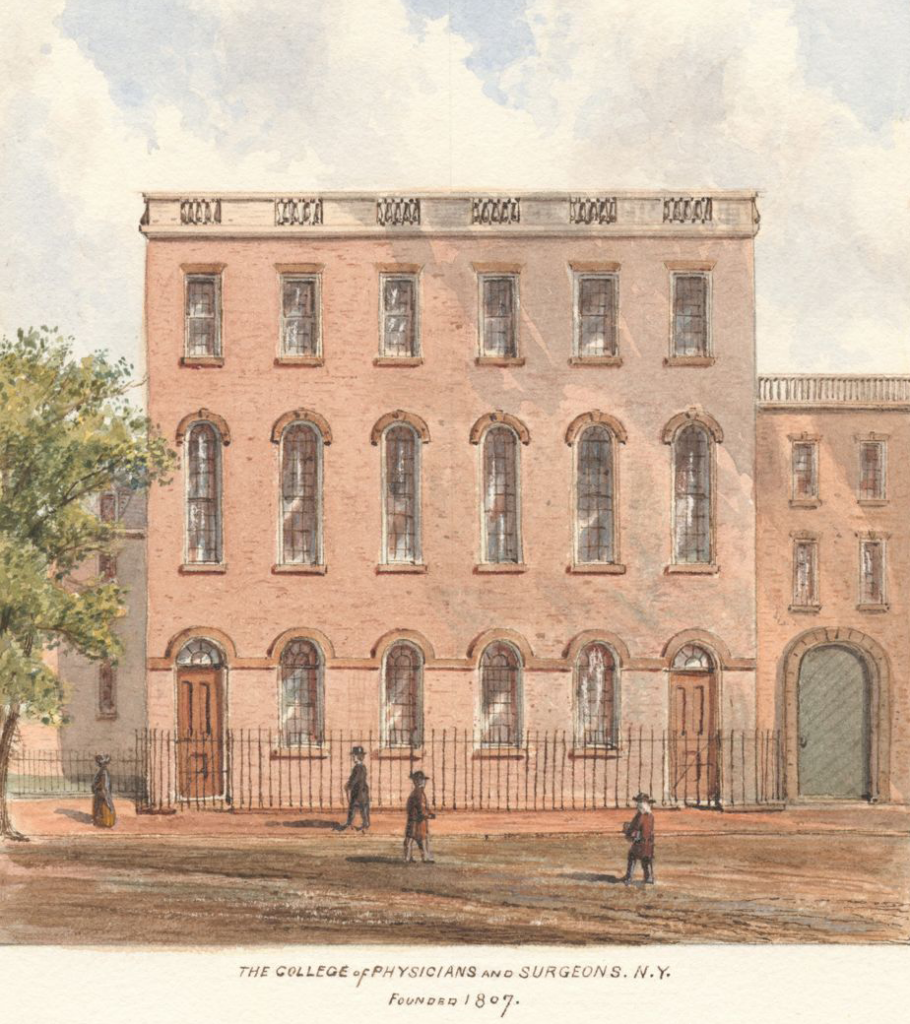
The story of The New York Academy of Sciences starts where many New York stories have – in downtown Manhattan.
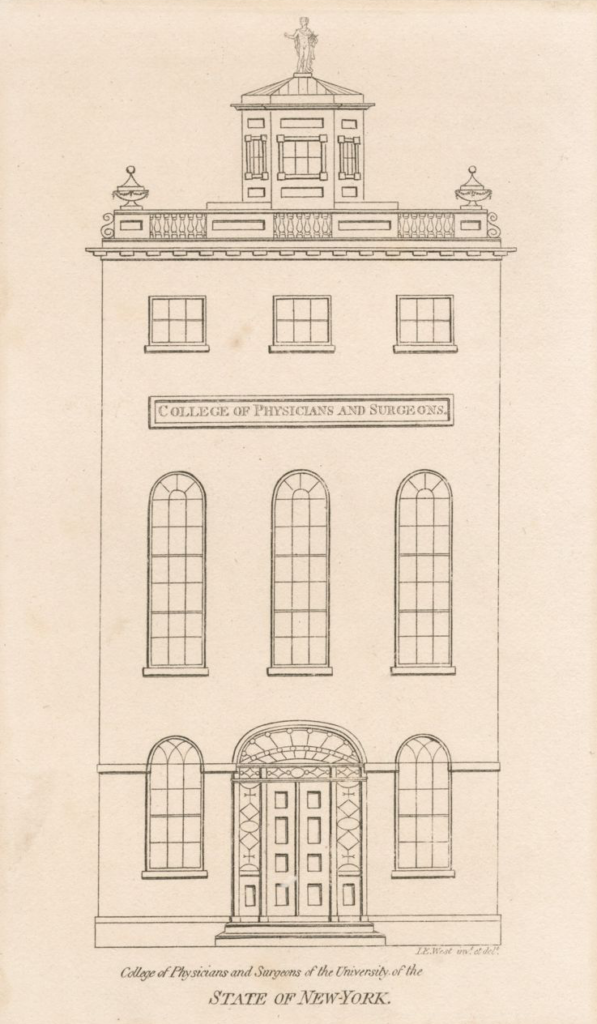
It was here, on Barclay Street, near Broadway, that The Lyceum of Natural History in the City of New York (“the Lyceum” – which would become The New York Academy of Sciences in 1876) was founded. The Lyceum shared the building with the College of Physicians and Surgeons, part of the Medical Department of Columbia College, which moved into the space in 1813.
At the time, the Lyceum’s membership was largely composed of associates of the College of Physicians and Surgeons, including Dr. Samuel L. Mitchell, who served as the Lyceum’s first president. The first meeting was held at the Barclay Street facility on January 29, 1817, when members considered “the adoption of measures for instituting a ‘Cabinet of Natural History’ in New York City.”
The Lyceum hosted its preliminary meetings in this facility before officially adopting a constitution. The first formal meeting was held at Harmony Hall, a public house on the southeast corner of Duane and Wiliam Streets, where the original 21 members signed the constitution, and the first officers were elected.
By this time, the Lyceum had established its cultural utility to the city and was ready to move to its next home.
This is the first piece in an eleven-part series exploring the Academy’s past homes. Read:
A recent Associated Press poll reveals that 58% of US adults across both political parties believe that AI will amplify the spread of misinformation in the 2024 presidential election. Despite this widespread distrust, some political candidates have already leveraged deepfake ads in elections, utilizing AI-generated images and text-to-voice converters to craft highly realistic visuals that blur the line between truth and deception.
Beyond influencing public opinion with such deepfakes, AI can also skew election outcomes by deploying chatbots on a massive scale to target millions of voters with tailored political messages.While AI-enabled technologies present significant risks to elections’ integrity and societal cohesion, they also potentially enhance our democratic institutions. This technology can boost civic engagement and strengthen the electoral system by increasing accessibility and mitigating existing biases.
Join us on September 17th for a conversation alongside a panel of experts from political consulting, social neuroscience, and deepfake technologies to explore AI’s dual potential to bolster and undermine the political system. This program is available in person and virtually, with member tickets as low as $10.
The Academy strongly recommends in-person participation to network with fellow participants and be prioritized throughout the Q+A session.
In this special issue, tools to predict the impacts, costs, and cost-effectiveness of micronutrient intervention programs, with a focus on low- and middle-income countries, are applied to address policy questions related to micronutrient fortification of bouillon in West African countries, a common seasoning used there and novel candidate for multi-micronutrient fortification. Using national survey data from several countries in West Africa, the papers analyze (1) potential impacts of bouillon fortification on dietary adequacy of women and young children, and on functional outcomes such as child lives saved; (2) the costs of these new programs; and (3) cost-effectiveness of fortified bouillon for achieving various nutrition and health outcomes. These analyses are applied to inform the design of potential bouillon fortification standards, as well as to consider how bouillon compares with other micronutrient intervention programs (which may be implemented well or poorly, depending on the program and country). Stephen A. Vosti, Katherine P. Adams, and Reina Engle-Stone (all from University of California, Davis) are guest editors.
Artist Mara G. Haseltine combines ingenuity with practicality to draw attention to environmental issues facing coral reefs.
Published June 13, 2024
By Nick Fetty
Art and science come together in a striking new exhibition at The New York Academy of Sciences that celebrates World Oceans Day.
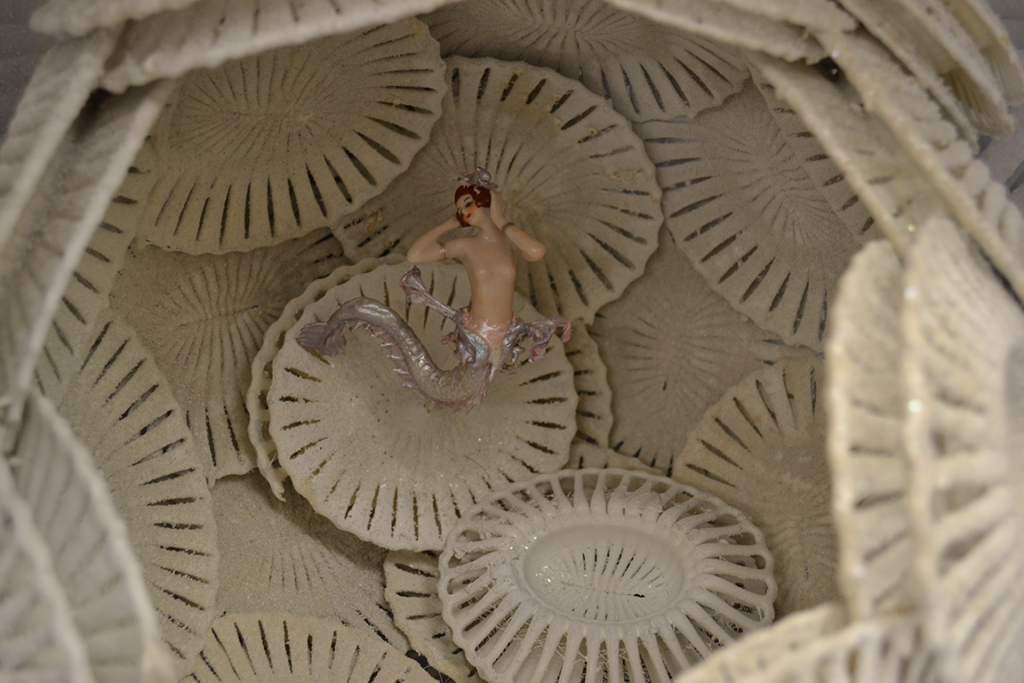
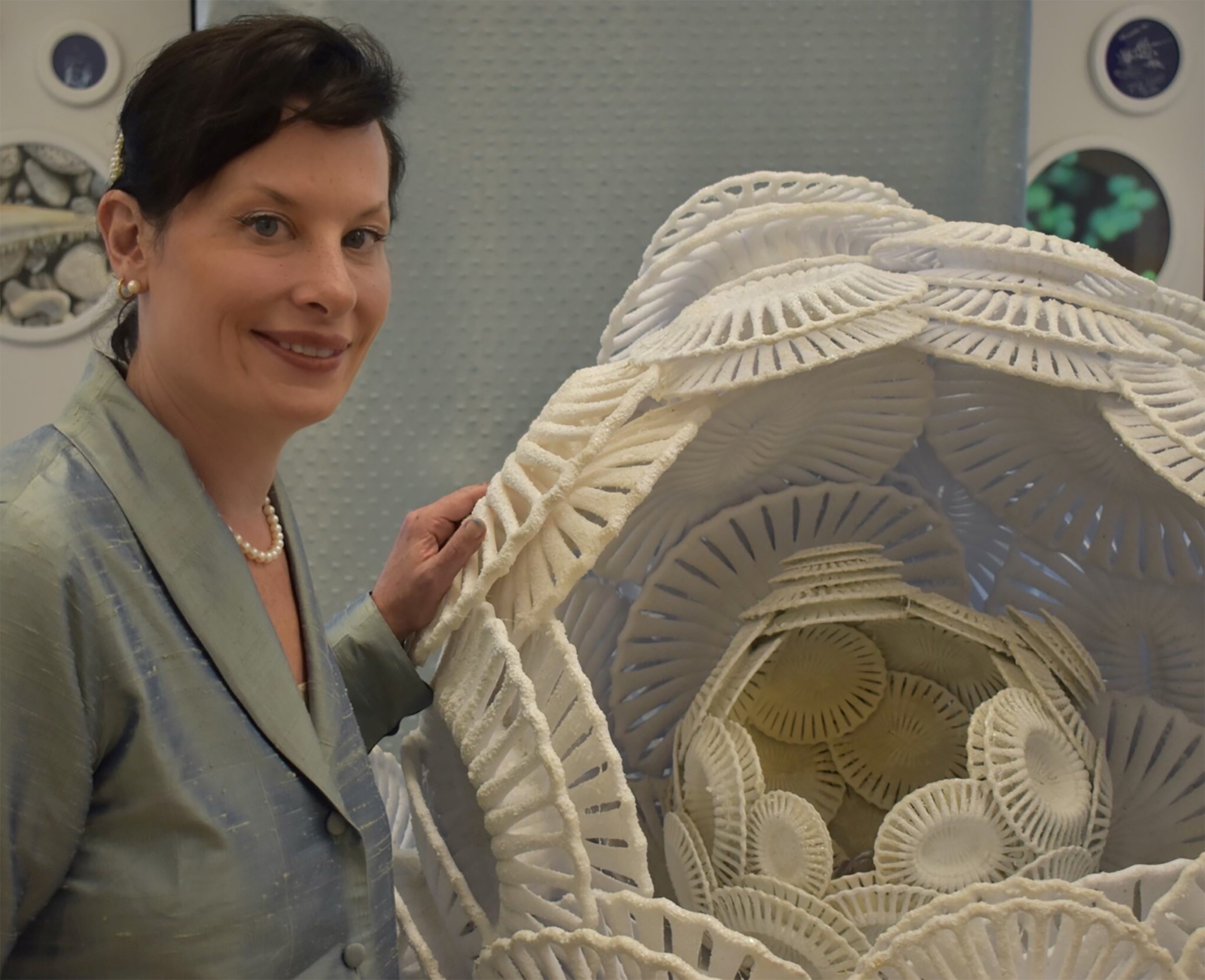
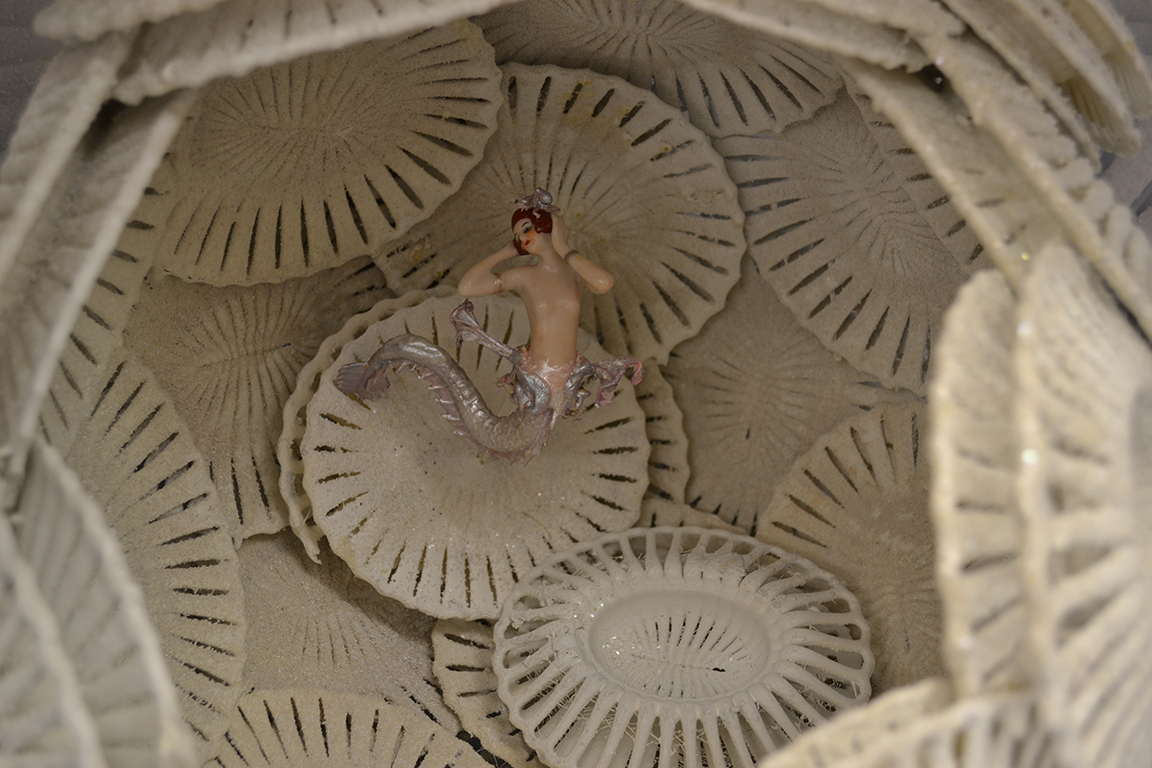
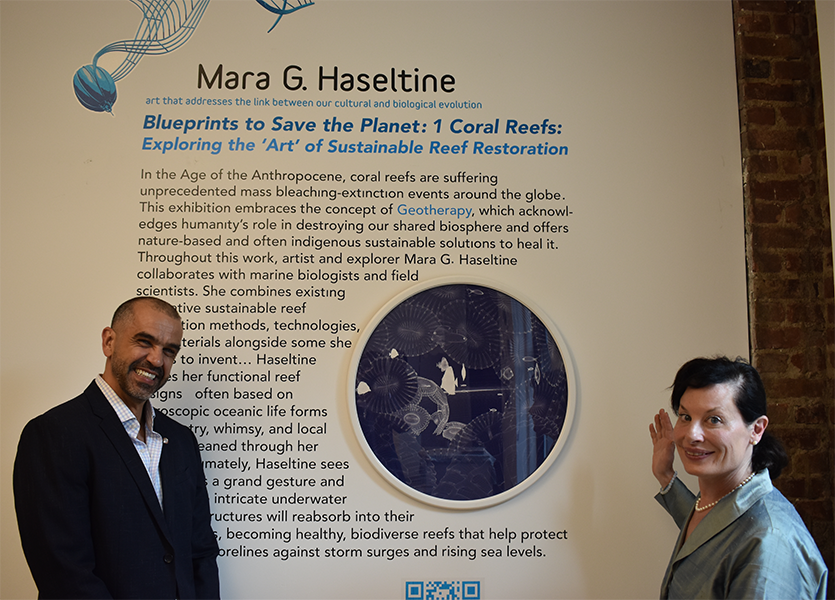
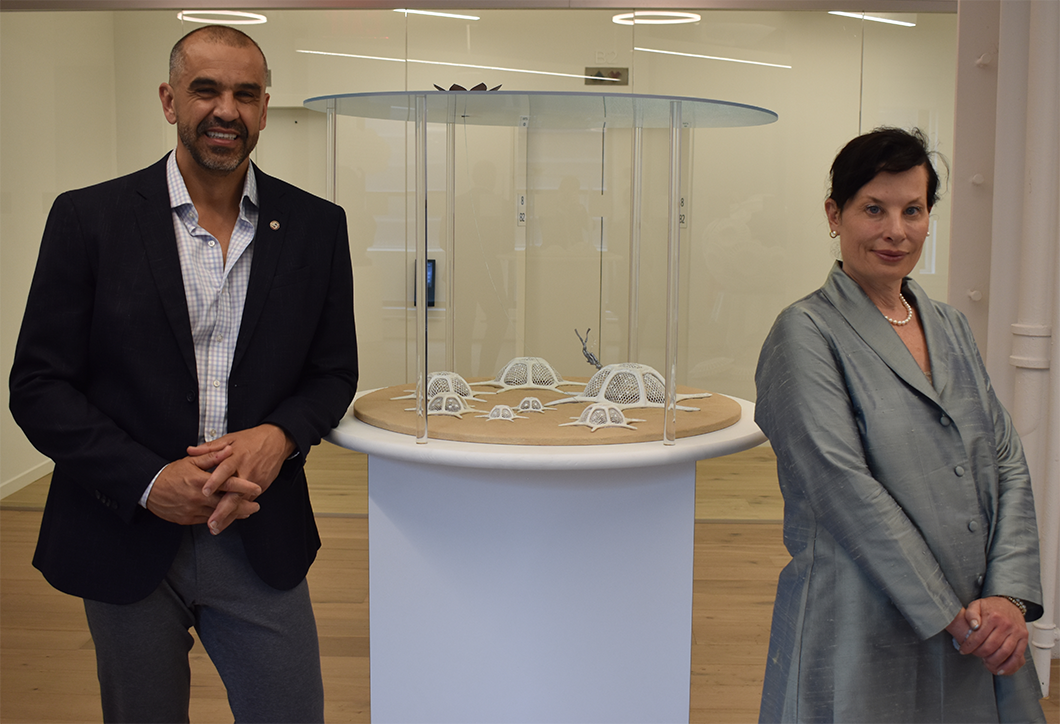
The exhibit, entitled “Blueprints to Save the Planet: 1 Coral Reefs: Exploring the ‘Art’ of Sustainable Reef Restoration,” includes a replica of the Rococo Cocco Reef designed by international environmental and sci-artist Mara G. Haseltine. It is currently on display in the Academy’s lobby at 115 Broadway in downtown Manhattan.
Broadly speaking, Haseltine’s work addresses “the link between our cultural and biological evolution.” Her current exhibit is a 20-year retrospective of her past work, but it also takes what she calls a “future-spective” by showcasing new designs for a novel coral reef in Cuba.
“A lot of it’s based on my imagination but founded in real science,” said Haseltine.
Combining Art and Science
Haseltine explains that we’re currently in the Age of the Anthropocene, which is considered the sixth mass extinction. She emphasizes that this is the first age of mass extinction caused by human activity, specifically the unsustainable use of land, water, and energy. Her work is focused on rectifying and mitigating issues that contribute to the demise of the planet’s natural environment.
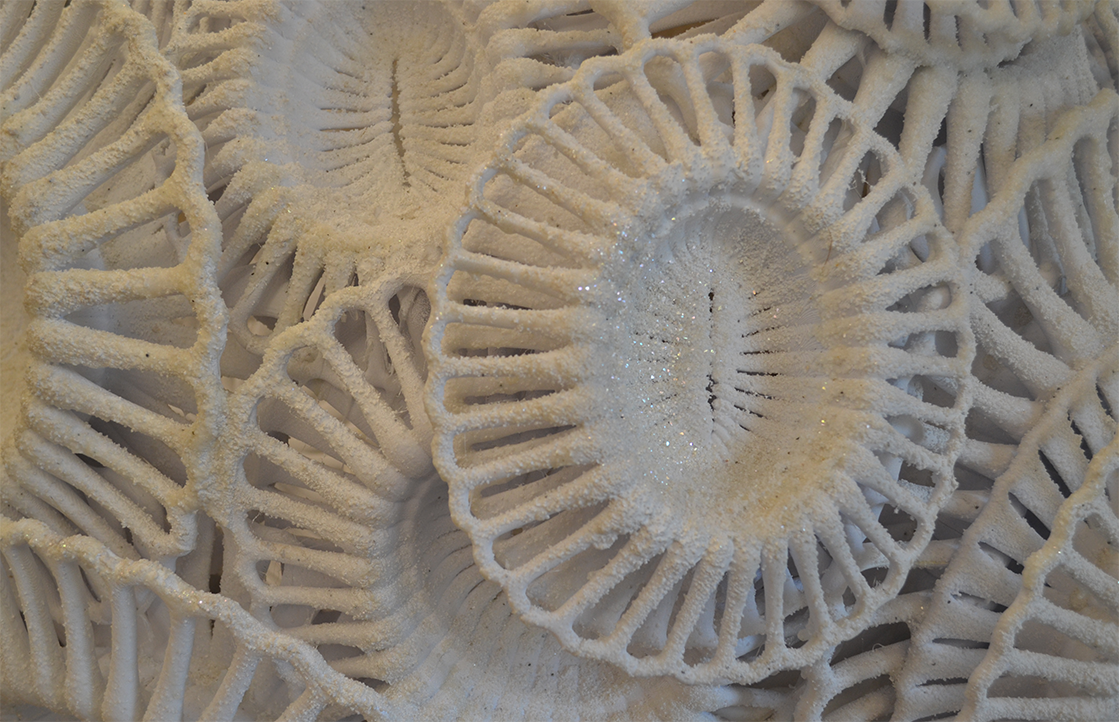
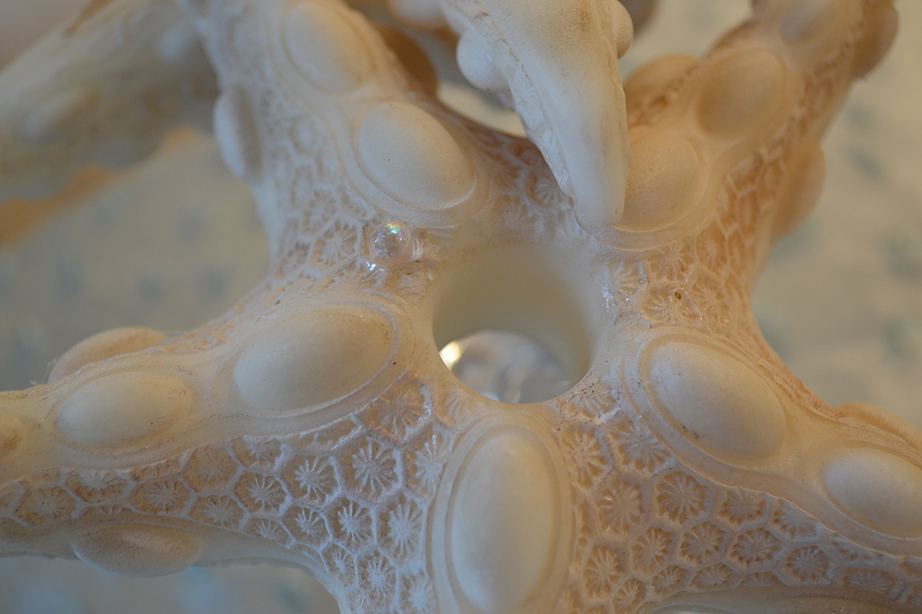
The Roccoco Cocco Reef sculpture is a prototype for an ecotourist and experimental dive site. Ultimately this underwater sculpture site will be digitally fabricated primarily from recycled coral skeletons – calcium carbonate made from bleached coral. Similar to the unicellular plankton skeleton of a coccolithophore, which sequesters carbon dioxide when it’s oxygenating photosynthetic cells die and it sinks to bottom of the sea, the Rococo Cocco Reef would also be made of calcium carbonate and thus act as a carbon sink.
“The sculpture is inspired by one of the largest carbon sinks on the planet, coccolithophore skeletons, after an oxygenating bloom and they have sunk to the ocean’s floor,” said Haseltine, adding that the design embraces the concept of biomimicry.
Haseltine relies on the expertise of marine biologists and field scientists in her work. Fernando Bretos, a program officer for The Ocean Foundation, brought his deep knowledge on coral reefs in the Caribbean to this project.
“The coral is really the front line,” said Bretos. “It’s the food, it’s the shelter, it’s the defense. It’s everything for coastal communities in the Caribbean.”
Geotherapy
Haseltine has also worked closely with Tom Goreau, PhD, Director of the Global Coral Reef Alliance. Her collaboration with Dr. Goreau first started when they worked together to design “Floating Reef Structures” for the United Nations’ Small Island Developing States.
The design is based on a fractal pattern, known for its efficiency in dissipating wave energy, thereby safeguarding vulnerable coastlines from erosion and storm damage. Within a similar vein, their current project follows the concept of Geotherapy.
“Geotherapy treats the Earth as a medical patient suffering from severe heatstroke,” said Dr. Goreau. “The first steps of therapy are to identify the causes and regenerate the Earth’s natural biogeochemical and physical processes that regulate and stabilize temperature to bring it down to safe levels as fast as possible.”
A Message That Resonates
Bretos said he was happy to work with an artist to bring awareness to the issue. While he acknowledges the great work of fellow scientists, he said that artists are able to communicate messages in a way that can resonate differently with people.
“As scientists, we struggle a lot with getting the message out about ocean literacy,” said Bretos. “Art [on the other hand] is visual. It doesn’t speak a language. Not everyone can relate to a scientific paper, [but] anyone can relate to one of Mara’s sculptures.”
The exhibit was installed in coordination with the United Nations’ World Oceans Day which was celebrated on June 8, 2024. While this is not the first time she has had her art on display at the Academy, Haseltine said she appreciates the opportunity to work with an organization that “has such an outstanding academic reputation.”
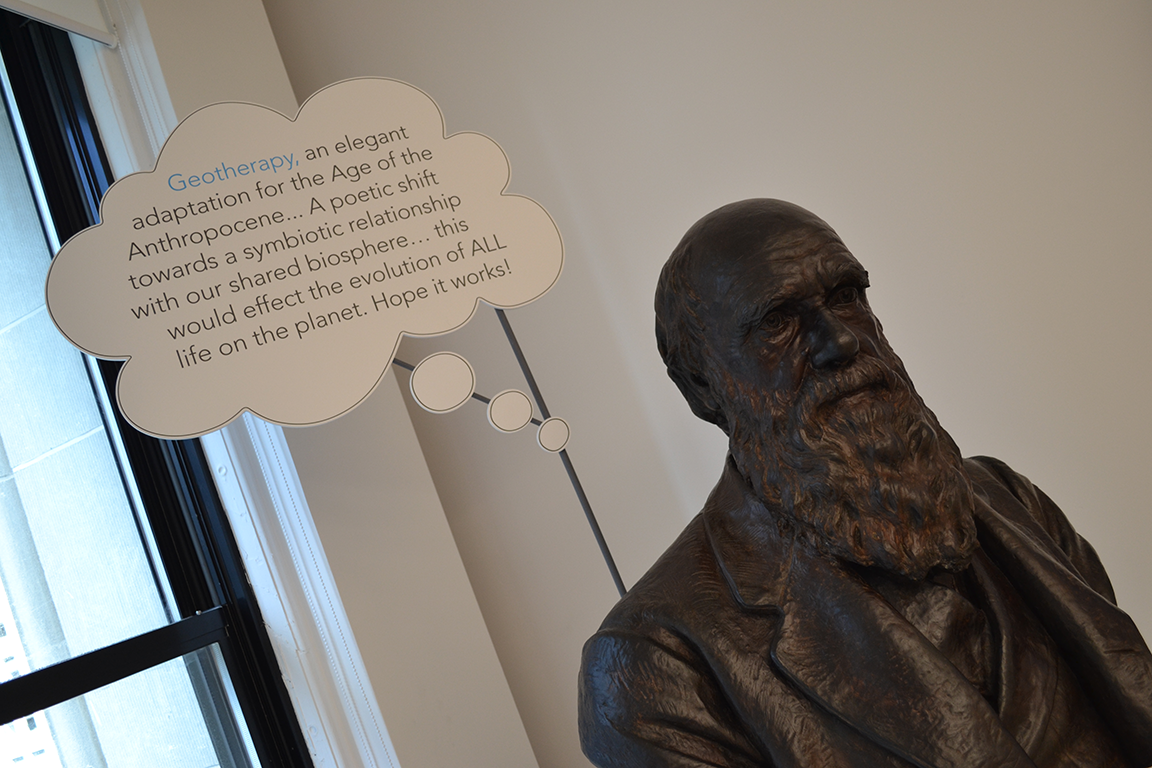
“I mean, Charles Darwin was an early, honorary member of the Academy,” said Haseltine. “Need I say more?”
Nine early career scientists are part of the 2024 cohort including researchers from The Rockefeller University, Albery Einstein College of Medicine, Icahn School of Medicine at Mount Sinai, the Flatiron Institute, and NYU.
New York, NY | May 29, 2024 – The New York Academy of Sciences and the Leon Levy Foundation announced today the 2024 cohort of Leon Levy Scholars in Neuroscience, continuing a program initiated by the Foundation in 2009 that has supported 170 fellows in neuroscience.
This highly regarded postdoctoral program supports exceptional young researchers across the five boroughs of New York City as they pursue innovative neuroscience research and advance their careers toward becoming independent principal investigators. Nine scholars were competitively selected for a three-year term from a broad pool of applications from more than a dozen institutions across New York City that offer postdoctoral positions in neuroscience.
Shelby White, founding trustee of the Leon Levy Foundation, said, “For two decades, the Foundation has supported over 170 of the best young neuroscience researchers in their risk-taking research and clinical work. We are proud to partner with The New York Academy of Sciences to continue to encourage these gifted young scientists, helping them not only to advance their careers but also to advance the cause of breakthrough research in the field of neuroscience.”
Nicholas Dirks, the Academy’s President and CEO said “Our distinguished jury selected nine outstanding neuroscientists across the five boroughs of New York City involved with cutting-edge research ranging from the study of neural circuitry of memory and decision-making, to psychedelic-based treatment of alcohol and substance abuse disorders, to the chemical communication of insects, to the use of organoids to study Alzheimer’s, to vocal learning research in mammals. We are excited to be working with the Leon Levy Foundation to welcome this new group of young neuroscientists to the Academy and the Leon Levy Scholar community.”
The Scholars program includes professional development opportunities such as structured mentorship by distinguished senior scientists, and workshops on grant writing, leadership development, communications, and management skills. The program facilitates networking among cohorts and alumni, data sharing, cross-institutional collaboration, and the annual Leon Levy Scholars symposium held in the Spring of 2025.
The 2024 Leon Levy Scholars
Tiphaine Bailly, PhD, The Rockefeller University
Recognized for: Genetically engineering the pheromone glands of ants to study chemical communication in insect societies.
Ernesto Griego, PhD, Albert Einstein College of Medicine
Recognized for: Mechanisms by which experience and brain disease modify inhibitory circuits in the dentate gyrus, a region of the brain that contributes to memory and learning.
Deepak Kaji, MD, PhD, Icahn School of Medicine at Mount Sinai
Recognized for: Using 3D organoids and assembloids to model abnormal protein accumulations and aggregations in the brain, a characteristic of Alzheimer’s Disease.
Jack Major, PhD, Icahn School of Medicine at Mount Sinai
Recognized for: Understanding the long-term effects of inflammation on somatosensory neurons, cells that perceive and communicate information about external stimuli and internal states such as touch, temperature and pain.
Brigid Maloney, PhD,Icahn School of Medicine at Mount Sinai
Recognized for: Identifying the transcriptomic (RNA transcript) specializations unique to advanced vocal learning mammals.
Amin Nejatbakhsh, PhD, Flatiron Institute
Recognized for: Statistical modeling of neural data to causally understand biological and artificial neural networks and the mechanisms therein.
Broc Pagni, PhD, NYU Langone Health
Recognized for: Identifying the psychological and neurobiological mechanisms of psychedelic-based treatments for alcohol and substance use disorders.
Adithya Rajagopalan, PhD, New York University
Recognized for: Examining how neurons within the brain’s orbitofrontal cortex, combine input from other brain regions to encode complex properties of the world that guide decision-making.
Genelle Rankin, PhD, The Rockefeller University
Recognized for: Identifying and characterizing how thalamic nuclei, specialized areas of the thalamus responsible for relaying sensory and motor signals and regulating consciousness, supports working memory maintenance.
About the Leon Levy Foundation
The Leon Levy Foundation continues and builds upon the philanthropic legacy of Leon Levy, supporting preservation, understanding, and the expansion of knowledge, with a focus on the ancient world, arts and humanities, nature and gardens, neuroscience, human rights, and Jewish culture. The Foundation was created in 2004 from Leon Levy’s estate by his wife, founding trustee Shelby White. To learn more, visit: leonlevyfoundation.org.
For more information about the Scholarship program, contact: LeonLevy@nyas.org
Transparency is key to the entire framework of responsible life sciences research.
Note: The reflections in this blog are of Dr. Syra Madad and Dr. Filippa Lentzos and do not represent the viewpoints of TAG-RULS DUR, the World Health Organization or The New York Academy of Sciences.
Published May 13, 2024
By Syra Madad, D.H.Sc., M.Sc., MCP, CHEP, and Filippa Lentzos
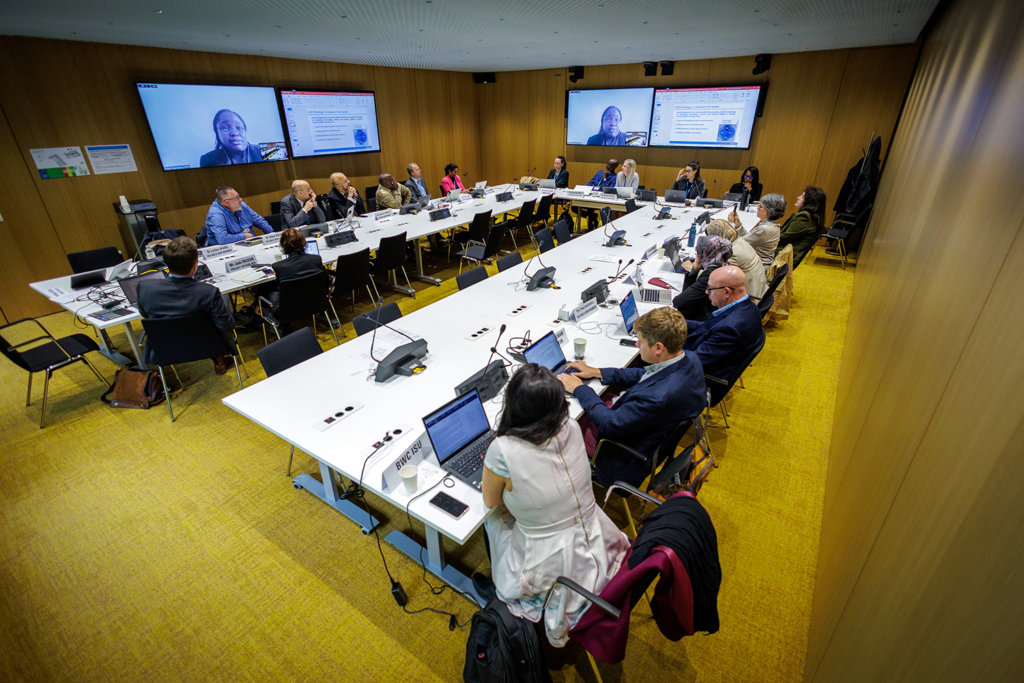
First meeting of the Technical Advisory Group on the Responsible Use of the Life Sciences and Dual-Use Research in Geneva on 16-17 April 2024. Photo courtesy of Marc Bader/WHO.
In September 2022, the World Health Organization (WHO) marked a significant milestone in global health security by issuing the Global Guidance Framework for the Responsible Use of the Life Sciences, aimed at setting a global standard for mitigating biorisks and governing dual-use research. More recently, the WHO set up a Technical Advisory Group on the Responsible Use of the Life Sciences and Dual-Use Research (TAG-RULS DUR) to support implementation of the Guidance Framework, and as members of that group we had the privilege of participating in its first in-person meeting at the WHO headquarters in Geneva, Switzerland. This historic gathering underscored the critical need for communication, collaboration, and coordination.
Prior to the meeting, we reflected on a crucial lesson gleaned from the COVID-19 pandemic: the imperative to rebuild trust in science. Drawing from our expertise in biosecurity and biorisk management, we discussed the foundational principle for fostering global trust in science: transparency in biosecurity risk management.
Transparency in Biorisk Management
Transparency in biorisk management involves several layers, from disclosing research methodologies to sharing findings and potential risks associated with biological advances. This transparency is crucial not only for advancing scientific knowledge but also for maintaining public trust, understanding and engagement. To effectively unpack the concept of transparency in biorisk management, let’s consider its practical application across different dimensions. These layers of transparency are not just theoretical; they are implemented through specific practices that are essential for maintaining the integrity and trustworthiness of scientific research. Here are three critical aspects where transparency plays a pivotal role:
1. Disclosing Research and Outcomes
It is essential that scientific endeavors, especially where dual-use potential is high, are conducted as openly as possible, and that the intent, potential benefits and potential harms of the research are clearly communicated. This openness helps the scientific community and publics to better understand risk-benefit assessment associated with the research, as well as fosters an informed dialogue about what constitutes responsible science in this context and what safeguards might be necessary.
2. Engagement with Public and Stakeholders:
Effective risk communication is a vital aspect of transparency. It involves clear, consistent, and accessible information being provided to the public. In addition to scientists, our discussions highlighted the role of various stakeholders, including funders, publishers and host institutions, in disseminating balanced and factual information to demystify scientific processes and debunk myths and misinformation.
3. Collaborative Governance
The governance of dual-use research requires cooperation across national and international frameworks. By sharing best practices, challenges, and successes in a transparent manner, countries and institutions can better prepare and respond to biosecurity risks. Collaborative governance also includes public engagement in policy-making, ensuring that the voices of affected, or potentially affected, communities are heard and considered.
In our continuous journey towards safer and more secure scientific practice, the role of transparency cannot be overstated. It is not merely a procedural element but a foundational principle that supports the entire framework of responsible life sciences research.
By adhering to transparent practices, we not only safeguard against misuse but also build a more resilient trust in science that is crucial for societal advancement. Transparency, engaged governance, and robust stakeholder communication are not optional but essential to our collective efforts in ensuring the safe use of biotechnologies. The path forward is clear; it is one of openness, engagement, and unwavering commitment to global health security.
The Role of TAG-RULS DUR
The WHO’s Technical Advisory Group on the Responsible Use of the Life Sciences and Dual-Use Research (TAG-RULS DUR) plays a pivotal role in advising WHO and its Member States on the responsible use of life sciences, focusing on mitigating biorisks and governing dual-use research. Our mission aligns with the One Health approach, which optimizes the health of people, animals, and ecosystems, and recognizes the interdependence of health and biological sciences. The group’s formation reflects a collective commitment to address safety and security concerns posed by novel and existing technologies, which, while promising, can also harbor potential risks for accidental or deliberate harm. Learn more about TAG-RULS DUR.
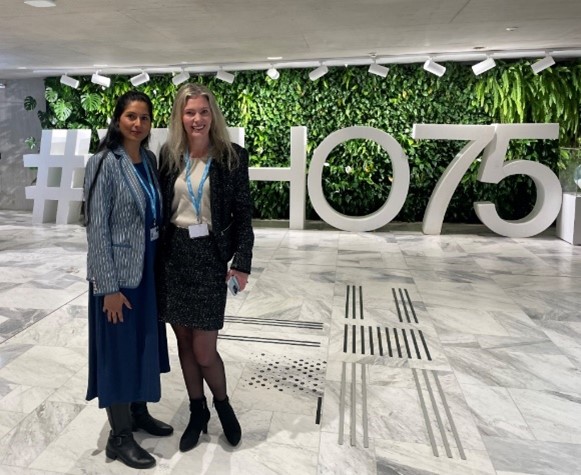
Dr. Syra Madad (left) and Dr. Filippa Lentzos (right) at the World Health Organization Headquarters.
About the Co-Author
Filippa Lentzos is the Reader (Associate Professor) in Science & International Security at King’s College London. She holds a joint appointment in the Department of War Studies and the Department of Global Health & Social Medicine.