STEM education is more important than ever. In our ever-changing, technology-driven world, students must be equipped with the knowledge and skills afforded by STEM learning—problem solving, critical thinking, curiosity, and persistence, among many others. STEM expertise is also desperately needed to address the many challenges facing our world, particularly those identified by the UN Sustainable Development Goals. Yet in many places throughout the world—in developed and developing countries alike—students lack access to meaningful STEM learning.
On February 23, 2021, The New York Academy of Sciences hosted a discussion between Chief Learning Officer Hank Nourse and Mmantsetsa Marope, Executive Director of the World Heritage Group. They explored the impacts of STEM education on individual, national, and global development.
In this eBriefing, you will learn:
What high-quality STEM education looks like
How STEM learning benefits individuals
The importance of STEM education to national and global development
How we might ensure equitable access to STEM learning, particularly in the face of growing inequities exacerbated by the COVID-19 pandemic
Advancing STEM Education for All
Speakers
Mmantsetsa Marope World Heritage Group
Hank Nourse The New York Academy of Sciences
Mmantsetsa Marope, PhD World Heritage Group
Mmantsetsa Marope is widely regarded as a thought leader on education, the future of education and work, and learning systems capable of preparing students for rapidly changing and unpredictable futures. She is Executive Director of the World Heritage Group, an organization dedicated to building resilient, agile, and future-forward education systems. She is Honorary President of the Indian Ocean Comparative and International Education Societies and Lead Global Advisor for China’s Education and Innovation for Development EXPO.
Prior to founding the World Heritage Group, Dr. Marope spent four decades in the civil service and the nonprofit sectors, including senior roles at the World Bank and, most recently, UNESCO, where she served as Director of the International Bureau of Education. Dr. Marope holds a PhD in education from the University of Chicago, an MEd from Penn State University, and BA and CDE degrees from the University of Botswana and Swaziland.
Hank Nourse The New York Academy of Sciences
Hank Nourse leads the Academy’s Global STEM Alliance (GSA), a bold initiative to advance science, technology, engineering, and mathematics education worldwide. With hundreds of partners, and reaching participants in over 100 countries, the GSA directly engages tens of thousands of students and teachers annually, providing mentorship, skill building, and professional development spanning K-12 and higher education.
Prior to joining the Academy in 2015, Hank spent more than 15 years developing online learning and assessment programs for the K–12 market, primarily at Scholastic, a global children’s publishing and media company. He holds a Master’s degree in International Educational Development from Teachers College, Columbia University, and a Bachelor’s degree from Gonzaga University.
Early-career scientist, outstanding senior scientist each to receive US$200,000 in program sponsored by Takeda Pharmaceuticals
New York, NY | April 14, 2021 – The New York Academy of Sciences (NYAS) has opened nominations for the 2022 Innovators in Science Award, which will recognize significant achievement among early-career and senior scientists in the field of gastroenterology. This marks the first time scientists engaged in transformative research in gastroenterology will be eligible for the award, administered by the Academy and sponsored by Takeda Pharmaceuticals.
The program accepts nominations from eligible research institutions around the world to recognize the work of a promising early-career scientist and an outstanding senior scientist. Winners in each category will receive an unrestricted award of US$200,000 for having distinguished themselves for the creativity and impact of their research.
The Academy is accepting nominations through May 27, 2021, from more than 400 international universities and academic institutions, select government-affiliated and non-profit research institutions and the program’s Scientific Advisory Council, composed of renowned science and technology leaders. Candidates must be nominated by their institution and may not be self-nominated.
A judging panel composed of scientists, clinicians and international experts in gastroenterology will determine the two winners based on the quality, impact, novelty and promise of their research. They will be announced in January and honored at the 2022 Innovators in Science Award ceremony and symposium, scheduled for March 28-29, 2022, in Tokyo, Japan, as health and travel conditions allow.
“After one of the most challenging years of our time, recognizing and celebrating advancements in science is more important than ever,” said Nicholas B. Dirks, President and CEO of The New York Academy of Sciences. “The world is seeing firsthand how innovative science and thinking can improve human health, and we are committed to honoring those who are leading the way. The Innovators in Science Award salutes ground-breaking researchers who have developed science-based solutions to debilitating diseases, improving quality of life for people all over the world.”
Since its inception, the Innovators in Science Award has focused on acknowledging outstanding research and contributions in fields of medicine aligned with Takeda’s core therapeutic areas. The inaugural award recognized neuroscience discovery, followed the next year by regenerative medicine, rare disease research in 2020 and the latest on research in gastrointestinal and liver diseases. Recent research shows that 20-40% of adults worldwide are affected by at least one functional gastrointestinal disorder, which can dramatically impact quality of life.
Nominations may be submitted by representatives from the nominating institution through the Innovators in Science Award website via its online submission platform: https://innovatorsinscienceaward.smapply.io. Please refer to the guidelines and FAQ sections for other details on eligibility, nomination materials and the selection process.
When SARS-CoV-2—the respiratory virus that causes COVID-19—first emerged, most people did not anticipate that it would result in a global public health disaster. COVID-19 rapidly spread from person to person across all borders, bringing hospitals to the brink of collapse, causing a devastating loss of life, and shutting down global economies. Scientific researchers, biotechnology companies, and government agencies quickly mobilized to develop vaccines—which prevent disease in inoculated individuals and, in some cases, also block a pathogen’s transmission from person to person—against SARS-CoV-2. The unprecedented speed of SARS-CoV-2 vaccine development reflects decades of previous research on similar coronaviruses and faster manufacturing techniques. Just over a year into the pandemic, there are already candidate vaccines for SARS-CoV-2, several of which are being rolled out worldwide. Many other vaccine candidates are currently being investigated and will hopefully become part of the toolkit in the fight against COVID-19.
On February 2-3, 2021, the New York Academy of Sciences hosted a historic symposium that brought together top virologists and vaccinologists, public health officials, and industry leaders. They reflected on the factors that contributed to the record-breaking speed of COVID-19 vaccine development, gave updates on vaccine candidates, reviewed strategies to stay ahead of future outbreaks, and discussed the many unanswered questions and challenges that lie ahead.
Symposium Highlights:
Decades of previous research in virology and vaccinology sped up COVID-19 vaccine development. Productive public-private coordination was also critical. >
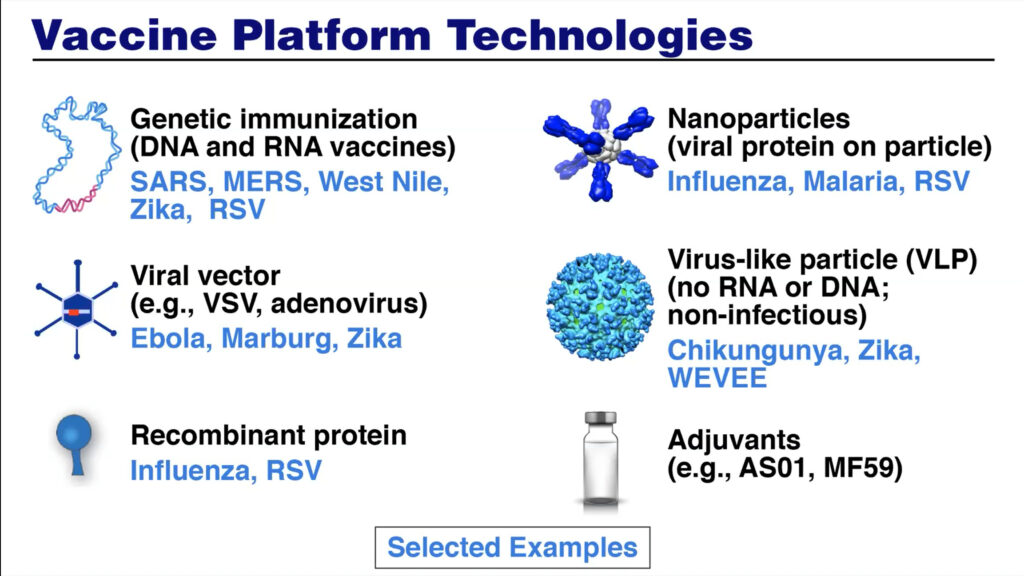
Various vaccines using a range of technology platforms are currently being developed. >
Several COVID-19 vaccines have proven to be safe and immunogenic in Phase 1 and 2 clinical trials. Some of them have met safety and efficacy standards in Phase 3 trials and are already in the market in several countries. >
The emergence of new variants of SARS-CoV-2 is a source of concern for vaccine experts, but they remain optimistic. More data is still needed, but the vaccines that are already being rolled out or close to it seem to confer some degree of protection against the known variants. >
Many questions remain unclear, such as the duration of the protective effects of vaccines or the effects of COVID-19 vaccines in children. >
Investing in research and prevention strategies to bridge the pandemic preparedness gap is essential in the effort to stay ahead of future outbreaks. >
Keynote Speakers
Anthony S. Fauci, MD National Institute of Allergy and Infectious Diseases (NIAID), NIH
Moncef Slaoui, PhD Operation Warp Speed
Speakers
Sara Gilbert, PhD University of Oxford
Gregory Glenn, MD Novavax
Kathrin Jansen, PhD Pfizer
Kevin Olival, PhD EcoHealth Alliance
Stanley Plotkin, MD University of Pennsylvania
Melanie Saville, MD CEPI
Hanneke Schuitemaker, PhD Janssen Vaccines and Prevention B.V.
Operation Warp Speed (OWS) and the Quest for a COVID-19 Vaccine
The Operation Warp Speed (OWS) program, initiated by the federal government, was designed to accelerate the development and distribution of COVID-19 vaccines. Moncef Slaoui, former chief scientific officer of OWS offered a broad overview of the program, the status of candidate vaccines, and key lessons from the vaccine development process.
He declared the success of the ambitious mission, which allowed for the delivery of tens of millions of vaccines in the US by February 2021. “It is remarkable that we are at that level twelve months and a few days after the virus was described,” said Slaoui. He credited this success in part to the collaborative efforts of researchers around the world, as well as the cooperation between the various government agencies and private sector partners. “This level of coordination under one leadership was unprecedented,” remarked Slaoui.
The program’s “portfolio approach,” which supported simultaneous research for 6-8 candidate vaccines, was also critical to its effectiveness. This allowed for a high level of attrition and increased capacity of manufacturing doses. Under Slaoui’s leadership, OWS also maximized speed by enabling the development, clinical trial, and manufacturing processes to proceed in parallel. Typically, manufacturing plans are not decided until after conducting the clinical trials. This strategy proved to be worth the risk when the first Phase 3 trial results from the mRNA vaccines revealed an efficacy of 95%. Likewise, OWS facilitated rapid clinical testing with little lag time between the different trial stages, and it helped private companies develop the needed manufacturing capabilities.
Slaoui, who emphasized the need for better pandemic preparedness, pointed to the spread of misinformation on vaccines and public mistrust as an “extremely disappointing dimension” that can be blamed on the politicization of the pandemic. Although the veteran vaccinologist noted OWS’s inability to effectively manage the public’s expectations and anticipate problems with distribution and delivery of the vaccine at the state level, he believes the development of multiple candidate vaccines is a monumental success.
Anthony S. Fauci, MD National Institute of Allergy and Infectious Diseases (NIAID), NIH
This Year in Review: A Vaccinologist’s Perspective
Anthony Fauci, director of the National Institutes of Allergy and Infectious Diseases (NIAID), explained how it was possible to develop COVID-19 vaccines in months, when the time to develop other vaccines “had historically been measured in years.” The groundwork laid by decades of vaccine research deserves much of the credit. He traced the COVID-19 vaccine origin to 1996, when a conversation about HIV vaccine research he had with President Clinton led to the start of the NIAID Vaccine Research Center. The center—whose mission eventually grew to include other pathogens—started as an interdisciplinary effort for scientists to collaborate on research and clinical trials for an HIV vaccine.
Fauci discussed research by his colleague Peter Kwong, a structural biologist who, in 2014, mapped the envelope protein that could serve as a suitable target for a HIV-1 structure-based vaccine design. Kwong’s techniques were adapted for the development of a vaccine against other respiratory viruses. Thanks to his work, when SARS-CoV-2 appeared, researchers were able to quickly elucidate that a specially modified version of the coronavirus’ spike protein was the best antigen candidate for a vaccine.
Vaccine technologies that are being used in the COVID-19 vaccine had already been developed for other vaccines, allowing for ultrarapid COVID-19 vaccine development.
Additional platforms—including mRNA, recombinant proteins, genetically engineered viral vectors— currently used for COVID-19 vaccines were previously investigated and developed for other vaccines at the NIAID Vaccine Research Center. This scientific foundation, combined with the coordination of resources and agencies and a “harmonization of goals,” allowed for rapid vaccine development. To speed up clinical trials, “the extraordinary investments that were made decades ago in putting together the HIV clinical trial network were immediately adapted,” said Fauci.
Although Fauci recognizes the challenges of distribution, he remains optimistic. “The hope is that, when we get to the end of the spring and into the summer,” said Fauci, “we can have the overwhelming majority of people vaccinated.” He estimated that “75-80% need to be vaccinated and/or protected by previous infection” for herd immunity to be achieved. He also expressed concerns about the significant proportion of Americans that are hesitant about getting the vaccine. “We need to respect that, but we need to try and convince them of the importance, for their own safety and the safety of their family and the American public, to get vaccinated,” he added. Fauci is confident that the techniques developed will allow for easy adaptions of the current vaccines to protect against SARS-CoV-2 mutations. The development of universal coronavirus vaccines, which is necessary to stay ahead of new coronaviruses, will hopefully be the next step.
Efficacy Data Updates from Moderna’s mRNA Vaccine Candidate
Tal Zaks, chief medical officer of Moderna, gave an overview of the company’s efforts to create and distribute a COVID-19 vaccine and ensure protection against new virus variants.
Zaks pointed to three factors he believes led to the creation of a vaccine in only 11 months. First, the science already existed. The mRNA platform’s central concept, which is that “you can teach a cell how to make a protein by providing it with mRNA,” was proven and shown to create neutralizing antibodies against SARS-CoV-2. Secondly, a sense of urgency due to the pandemic’s severity allowed the clinical trials to proceed quickly but, Zaks assured, “without cutting corners.” It is an unfortunate “paradox of vaccine development” Zaks explained, that the more cases occur, “the faster you will know if a vaccine works.” Finally, he credited the speed of development to Moderna’s government stakeholders. “The unsung heroes are the FDA,” he said.
Zaks then highlighted the Phase 3 clinical trial results. The trial, which was representative of minorities and included mostly frontline workers, showed 94.1% efficacy of the vaccine. He described the adverse vaccine effects as non-severe and expected. Anaphylaxis, a life-threatening allergic reaction to injectable drugs, is of concern with all vaccines. The reaction occurs at the rate of 2.5 per one million doses of the Moderna COVID-19 vaccine administered.
Zaks also discussed new Covid-19 variants. Of most concern are viruses with mutations on the receptor binding domain or the N-terminal domain, which may “improve the virus ability to escape the immune response.” Researchers saw a drop in robustness of the vaccine in the B.1.351 variant, but the vaccine remained effective. Moderna will continue to monitor mutations over time while they research booster shots to combat new variants.
Efficacy Data Updates from the Pfizer-BioNTech mRNA Vaccine Candidate
According to Kathrin Jansen, senior vice president of vaccine research and development at Pfizer, a vaccine that relies on an mRNA platform has many advantages. For example, mRNA vaccines do not use viral foreign proteins, making them safe and easy to produce at scale. Also, they generate a broad immune response, which is helpful because our knowledge of what immune responses best correlate with protection is still limited. Jansen presented data indicating that the breakthrough Pfizer-BioNTech mRNA vaccine is extremely safe and 95% effective, but she also highlighted the many challenges that lie ahead.
For instance, while the clinical trials conducted in Germany and the US captured a diverse sample from a range of ages and ethnicities, critical segments of the population were excluded due to age or clinical conditions. Clinical trials with children 12-15 are currently underway, but trials with younger children will have to wait. Pfizer-BioNTech’s vaccine needs to be kept between -80°C and -60°C, complicating storage and distribution. Jansen noted they are “making progress in a vaccine formulation that won’t require such cold temperatures.”
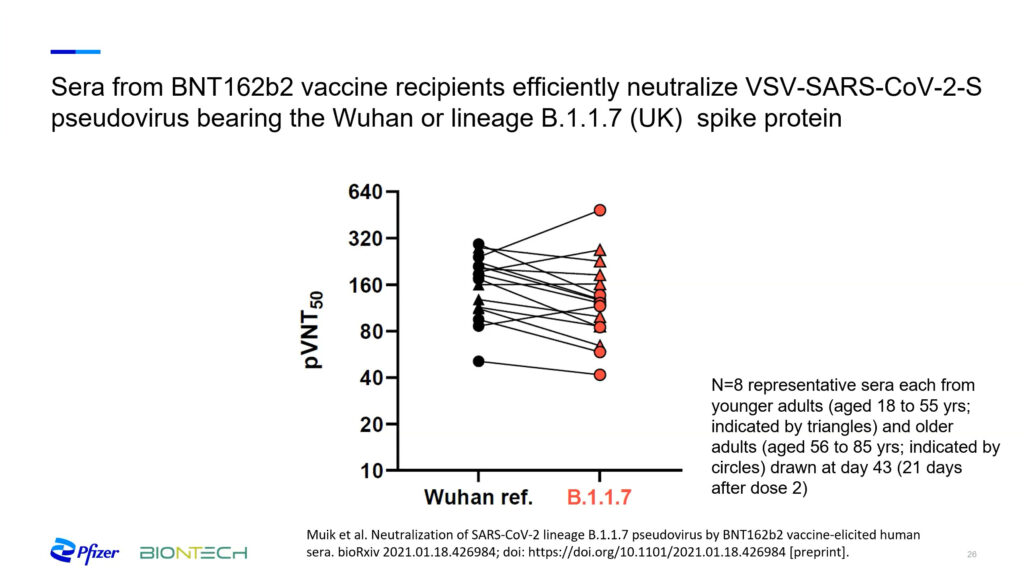
Data from a pseudovirus neutralization assay suggesting that sera from participants treated with the Pfizer-BioNTech vaccine can efficiently neutralize SARS-CoV-2 lineage B.1.1.7 (the variant first detected in the UK).
Highly transmissible variants that have emerged in the United Kingdom and South Africa pose what is perhaps the biggest challenge. These variants include mutations in the spike protein that Pfizer-BioNTech’s vaccine uses as a target. One of the approaches they use to research efficacy against the new variants involves creating synthetic viruses that express the mutations of interest. Then, they examine the neutralizing potential of blood sera extracted from vaccinated participants. Jansen said that data from these studies suggests that “this vaccine will continue to perform well against at least the variants that have appeared here.” However, she cautioned that this data “needs backing up by vaccine efficacy surveillance as well as animal models.”
Efficacy Data Updates from Novavax’s Protein-based Vaccine Candidate
Gregory Glenn gave an update on the progress of Novavax’s protein-based COVID-19 vaccine, which was not available to the public at the time of his presentation. Novavax’s recombinant nanoparticle technology produces a full-length prefusion spike protein. The protein is combined with a saponin-based Matrix-M™ adjuvant and encoded with the Sars Cov-2 spike, and produced in insect cells. Similar techniques have proven successful in Novavax influenza vaccines. Importantly, the vaccine can remain stable in a refrigerator for up to three months, lowering distribution and storage costs.
Glenn, the president of research and development at Novavax, explained that in the pre-clinical package, researchers showed protection in the lower and upper airways of Rhesus Monkeys and produced an antibody response in a trial with 131 clinically ill convalescent subjects. At the time of the presentation, Novavax was conducting its Phase 3 US/Mexico trial and did not have results. However, Glenn was able to report the results of trials in the UK and South Africa. In the UK, researchers found that the vaccine was effective at 94% for the ancestral Covid-19 strain, but decreased to 86% for the UK strain. In South Africa, where the new strain became dominant during the trial, the efficacy decreased but remained around 60%.
Based on these results, Novavax has started developing vaccines for the new variants. Glenn predicts that booster and bivalent vaccines “may become part of the annual influenza immunization regime.” The vaccines are even more important and urgent, Glenn argued, because their South African data showed that “herd immunity from previous infection is not working to protect against the new variant strain.” Glenn expressed optimism about their ability to scale up production, saying that “over the past year, we went from nothing to having eight manufacturing sites in seven countries.”
Hanneke Schuitemaker, PhD Janssen Vaccines and Prevention B.V.
Xuefeng Yu, PhD CanSino Biologics
Update on ChAdOx1 nCoV-19/AZD1222
The Oxford-AstraZeneca adenovirus vaccine has an important advantage that distinguishes it from other vaccines currently on the market: it can be stored in a regular refrigerator for up to six months. Sarah Gilbert, professor at the University of Oxford and head of the team that developed the vaccine, emphasized the vaccine’s affordability, explaining that her team envisioned it as “a vaccine for the world.” The Oxford-AstraZeneca vaccine is being tested in clinical trials in many countries. “It was important to us to get the information on how the vaccine behaves in different populations across the world,” she said.
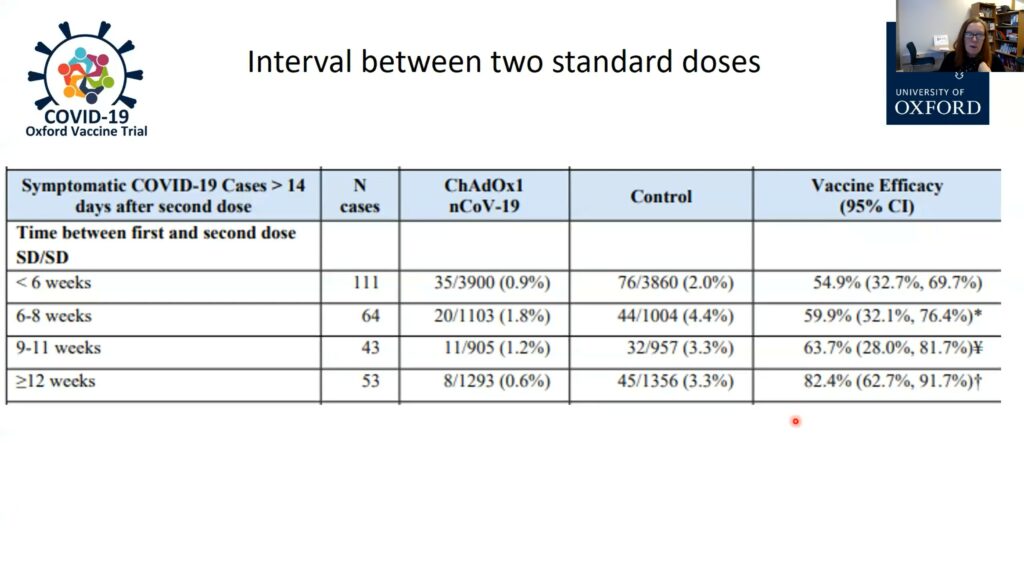
An early report indicated that the two-dose Oxford-AstraZeneca vaccine was about 70% efficacious at preventing COVID-19. Closer examination of the data, however, led Gilbert and her team to realize that the timing of the second dose was critical: efficacy was only 50%-60% when doses were administered less than two months apart, but waiting three months boosted efficacy levels up to 82.4%. Waiting three months to give the second dose is now the policy in the UK, the first country to grant emergency authorization for the vaccine. Gilbert and her team also found that the first dose alone is highly efficacious (76%) at protecting against COVID-19, but only for the first three months. This is enough time to reduce the risk of people contracting the disease while they wait for the booster dose.
The interval between the first dose and the booster dose of the Oxford-AstraZeneca vaccine critically determines its efficacy.
Gilbert also suggested the Oxford-AstraZeneca vaccine may be able to help curb the transmission of the virus. During clinical trials in the UK, nasal swabs of all participants were collected weekly. The scientists found 67% fewer positive samples in the vaccinated group compared to the placebo group, and that this included asymptomatic cases. The Oxford-AstraZeneca vaccine has obtained emergency approval in 23 countries so far, and the plan is to manufacture 3 billion doses by the end of 2021.
Efficacy Data Updates from CanSino Biologics’ Viral-Vector Vaccine Candidate
Xuefeng Yu, chairman of CanSino Biologics, provided an overview of their COVID-19 vaccine and described the China-based company’s efficacy and safety research. The CanSino Biologics’ Ad5-nCov vaccine is built on an adenovirus-based viral vector platform, a mechanism similar to the one used in the Oxford-AstraZeneca and Johnson & Johnson vaccines. Yu announced that, pending final analysis of its Phase 3 clinical trial, the company plans to file for emergency authorization in several countries soon.
The Ad5-nCov vaccine was approved for limited use by the Chinese military in June 2020. Phase 1 and 2 clinical trials conducted in Wuhan indicated the vaccine is safe and induced significant immune responses after a single dose. Over 150,000 members of the Chinese military have received a dose of the vaccine. “We haven’t had any severe adverse events in that population,” said Yu before explaining that efficacy is difficult to assess in China because “there are really no cases right now.”
CanSino Biologic’s Phase 3 clinical trial for the vaccine has been taking place in five countries since September, with Pakistan and Mexico providing the majority of the 40,000 participants. Yu explained the clinical trial results are not available to the company, which is still blinded to the treatment groups. However, recent data analyses by an independent committee has declared the vaccine meets primary safety and efficacy criteria.
The Phase 3 clinical trial for the Ad5-nCov vaccine differs from others in two critical ways. First, the vaccine’s long-term efficacy will be tested by tracking a subset of participants for one year. They are also testing a two-dose trial that includes children as young as six years old, but that data is not yet available.
Janssen’s Effort in the Development of an Ad26 Based COVID-19 Vaccine
The COVID-19 vaccine developed by Janssen, a pharmaceutical division of Johnson & Johnson, has just been authorized for emergency use in the US. Hanneke Shuitemaker, head of Viral Vaccine Discovery at Janssen Vaccines & Prevention B.V., explained that their Ad26.COV2.S vaccine relies on a proprietary adenovirus technology that the European Commission first approved in July 2020, in the context of an Ebola vaccine.
Phase 1 and 2a clinical trials recruited adults of all ages, including 375 participants over 65 years old. These trials revealed that the Ad26.COV2.S vaccine is safe, and most side effects were mild or moderate. The participants who were more likely to experience adverse events were younger participants and those who received the higher dose of the vaccine. Notably, both dose levels demonstrated similar immunogenicity in all age groups. Hence, Shuitemaker and her team decided to test the lower dose of their Ad26.COV2.S vaccine in Phase 3 clinical trials.
Last September, Janssen launched a Phase 3 clinical trial called ENSEMBLE, which tested the efficacy of a single dose regimen across the US, South Africa, and Latin American countries. The ENSEMBLE trial revealed that a single-dose of the Ad26.COV2.S vaccine had a 66% overall efficacy at preventing moderate to severe COVID-19. The vaccine was highly efficacious against severe disease (85%), and it provided 100% protection against COVID-19-related hospitalization and death. In the South African trial, where 97% of the infections from which SARS-CoV-2 sequence data was available, involved the new B.1.351 variant, the vaccine showed the same efficacy levels against severe disease and hospitalizations.
Although Janssen’s vaccine is not quite as efficacious against moderate COVID-19 as other vaccines already on the market, it is highly efficacious against severe COVID-19, hospitalization, and death. In addition, the one-dose vaccine does not need to be stored in ultracold temperatures and confers protection against new variants. “Overall, we are very happy with this outcome,” Shuitemaker said. “At the beginning of this journey, we had established that a single-dose vaccine with 70% efficacy would be a tremendous tool in the fight against this pandemic,” she added. A second Phase 3 clinical trial (ENSEMBLE 2), which tests the efficacy of a two-dose vaccine regimen, is currently underway.
Challenges to Prediction and Prevention of the Next Pandemic Zoonosis
According to Kevin Olival, vice president of research at EcoHealth Alliance, the threat of emerging infectious diseases has been rising for the last 70 years. Most of these infectious diseases are viral and linked to interactions between humans and wildlife. He explained that wild animals may host a diversity of viruses and that some of these viruses have the potential to infect human cells, inducing what is known as zoonotic diseases. Identifying the viruses that are more likely to jump from other species to humans and interrupting interactions between humans and the animals that carry those viruses is a challenging yet promising strategy to prevent future pandemics. In fact, two years before the COVID-19 pandemic emerged, Olival and his team published a study warning about villagers in the Yunnan province (China) being highly exposed to bats that carried SARS-related coronaviruses.
Not surprisingly, predicting where a novel infectious disease will emerge is very difficult. For instance, cataloguing all the viruses that can potentially infect each animal species involves intensive fieldwork. “Often people make the analogy with weather prediction, which was very coarse 50 years ago and we couldn’t see hurricanes coming weeks in advance,” Olival said of this nascent and complex science.
Given the multi-disciplinary and global nature of this kind of research, a centralized data platform to allow researchers to share and combine their findings will be critical. “These disparate data sets need to be put together,” said Olival.
Finally, he advocated for the need to shift policy towards pandemic prevention. It’s critical to get “policymakers to realize that there are other ways to deal with emerging infectious diseases than waiting for them to emerge and then responding,” said Olival. Once a high-risk hotspot has been identified, low-tech behavioral interventions to prevent human-animal contact may be all that is need to prevent a potentially devastating global pandemic.
Lessons Learned from COVID-19 Vaccine Development for Future Pandemic Preparedness
Melanie Saville, director of vaccine research and development at the Coalition for Epidemic Preparedness Innovations (CEPI), outlined the organization’s journey through COVID-19 vaccine development and lessons learned. Created in 2017 in response to the Ebola outbreak in West Africa, CEPI seeks to “accelerate vaccines for emerging infectious diseases and ensure equitable access to the vaccines,” said Saville. Prior to COVID-19, CEPI focused mainly on MERS and rapid response platforms like mRNA. This put CEPI on good footing when they shifted focus to COVID-19 at the start of January 2020.
By April of 2020, CEPI had raised over $1.5 billion in funding and entered partnerships with nine entities using varied strategies to develop COVID-19 vaccines. “Speed, scale and access,” the career virologist said, were the main criteria in determining investments. For speed, they carefully chose their partners and made early investments to ensure manufacturing capabilities to meet their accessibility goals of 2 billion vaccine doses worldwide by the end of 2021. That they invested in a portfolio of vaccines meant that if a vaccine failed, facilities could then be used for another vaccine. This manufacturing investment also helped with scalability, which is a problem particularly for smaller companies that have to resolve supply chain issues with sufficient materials and facilities.
CEPI joined the ACT Accelerator, established by the World Health Organization, to speed-up development of vaccines, diagnostics, and therapeutics and launched their taskforce, “Agility,” to better track variants. Saville sees these coalitions and organizations as a model and foundation for future pandemic responses. Overall, she’s optimistic. The pandemic has created a global desire for countries to invest and work together. “We have seen a revolution in vaccinology,” said Saville.
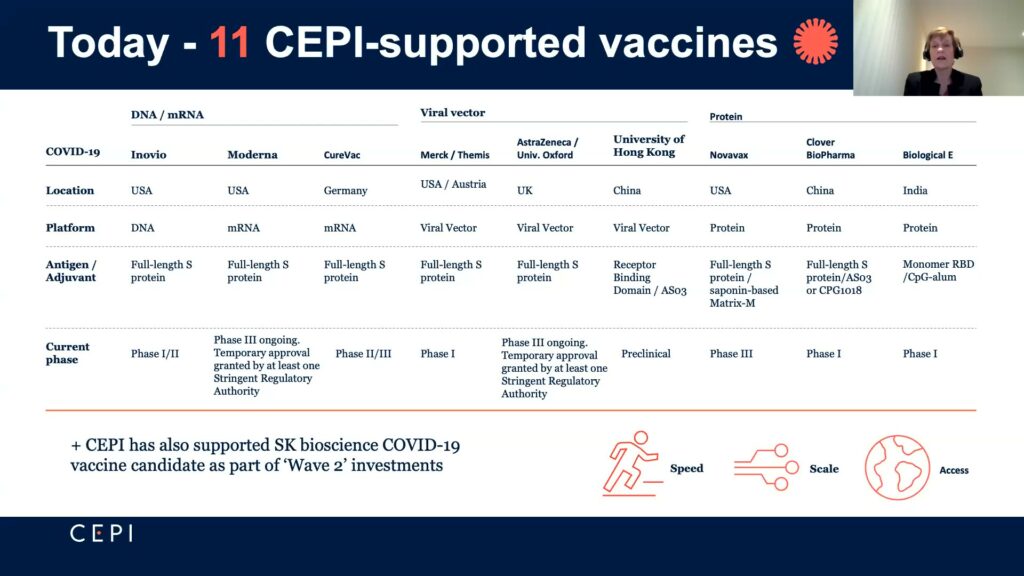
The Coalition for Epidemic Preparedness Innovations (CEPI) adopted a portfolio approach to vaccine development, supporting the development of many different vaccine types summarized in this slide.
The Plague Year of 2020 and Its Effect on Vaccinology
In the final talk of the symposium, vaccinologist Stanley Plotkin reflected on how SARS-CoV-2 has impacted vaccinology. He praised the “all hands on deck” approach that we witnessed in 2020, with experts around the world getting involved and collaborating to develop multiple highly effective vaccines. Plotkin was also optimistic about the effect that the pandemic has had on vaccine acceptance. “Now, most people in all countries are pleading for vaccines, and to me that is a positive thing,” he said.
He also highlighted the importance of virology and other basic sciences. He explained that a handful of coronavirus researchers did the work that became the cornerstone of COVID-19 vaccines. According to Plotkin, “we need to support all those basic sciences, so that when we need something practical, we have the information we need to start working on a solution.”
Plotkin also listed a series of unknowns that researchers will need to figure out going forward. For example, the issue of mucosal responses to the vaccine. SARS-CoV-2 is a mucosal pathogen that takes hold in the nasal pharynx before spreading to the lungs and other organs. It is still unclear to what extent the current vaccines prevent mucosal replication. “Understanding how well they [prevent mucosal replication] has terribly important epidemiological implications regarding herd immunity and the spread of the disease,” he said.
Due to the tendency of SARS-CoV-2 to mutate, Plotkin said we have to face the possibility of a yearly vaccination. He advocated for the creation of regional labs that can monitor and quickly report on mutations across the world, something that is done with influenza. He also emphasized that we need to learn more about veterinary viruses, as they “have caused problems, are causing problems, and will cause problems.”
Further Readings
Plotkin
WHO Ad Hoc Expert Group on the Next Steps for Covid-19 Vaccine Evaluation, et al.
Adrienne Hollis, PhD, JD, the Senior Climate Justice and Health Scientist at the Union of Concerned Scientists, explains the role scientists must play in mitigating the harm caused by plastic waste and pollution from polymer production.
Published March 4, 2021
By Stephen D. Albright, PhD
Sunset over petrochemical plants in Lake Charles, Louisiana. (David Wilson from Oak Park, Illinois, USA, CC BY 2.0, via Wikimedia Commons)
New scientific discoveries often have profound impacts beyond what researchers can initially imagine. Polymers, and plastics derived from them, are an instructive example: the plastics that were once heralded as cheap, durable, and functional have also created an environmental crisis. Plastic waste and pollution from polymer production are significant hazards for communities around the world.
Adrienne Hollis, PhD, JD, the Senior Climate Justice and Health Scientist at the Union of Concerned Scientists (UCS), recently answered some questions about the impact of plastics and the role scientists have in mitigating their harms. Before joining UCS, Dr. Hollis served as a section chief at the Agency for Toxic Substances and Disease Registry, an agency within United States Department of Health and Human Services, and as an Associate Professor at the Florida A&M University Institute of Public Health.
How would you define environmental justice and why should basic science researchers care about it?
Hollis: To me, basic science research focuses on gaining a fundamental understanding of the natural environment and how natural resources are transformed. Environmental justice talks about the adverse effects on communities from exposure to the unnatural transformation of the natural environment, through actions like air or water pollution. A specific focus of environmental justice is the disproportionate impact of exposure on disadvantaged areas and communities of color. But I would defer to communities and community organizations for their definition. That is what matters.
Outside of moral and ethical considerations of fairness, researchers are urged to follow the Precautionary Principle, based on the concept of “Do No Harm” in the medical profession. It states that if anything has a suspected risk of harm, to either the public or the environment, scientists should immediately engage in actions to prevent harm, even in the absence of complete scientific data identifying risk. These actions are at the core of environmental justice, and should apply across all areas of basic science research.
One of the most striking examples of communities of color and/or low socioeconomic status being disproportionally affected by environmental hazards is a stretch of Louisiana along the Mississippi River. Called by many “Cancer Alley,” it is home to a high density of oil refineries and petrochemical plants, key steps of polymer and plastic production. What have been some of the hazards and illnesses documented in this region?
Hollis: I would first state that community members would be the best source of information on health effects because of their historic knowledge and community data on this issue. What I can say is that high rates of many health conditions—miscarriages, cancer, heart problems, respiratory problems like asthma and chronic obstructive pulmonary disease (COPD), and others—are present and well-documented in this region.
A perfect example of a hazard is the 2020 fire at a Lake Charles, Louisiana chlorine plant after Hurricane Laura. During and after the fire, residents were ordered to shelter in place, close all windows, and not operate air conditioners to prevent chlorine exposure. Amidst a pandemic and summer heat, the situation could have been so much more devastating—widespread COVID-19, heat stroke, or chlorine poisoning were all real possibilities. And yet, facilities keep coming!
Nick Fewings, via Unsplash
Researchers in polymer chemistry are working towards developing polymers and plastics that can be more sustainably produced and disposed of. What kinds of changes to a polymer’s life cycle would be most impactful for communities hit hardest by industrial pollution?
Hollis: People living in places like Cancer Alley deal with facilities that release traditional air pollution as well as greenhouse gases while making plastics. Changes that would be impactful include ceasing the extraction of fossil fuels for polymer production and changing the plastic production processes that generate pollutants like ethylene oxide, styrene, and benzene. Processes that exclude the use of these chemicals would be optimal.
But the most impactful step would be to get rid of those facilities. Hopefully, as new processes are developed to improve plastic recycling and reuse, there will be decreased demand for facilities that produce virgin plastics. In the meantime, research and development of alternatives to biopolymers and petroleum-based products—both of which lead to adverse health effects—would also be a great intermediate step.
What actions could scientists and engineers take during the research process to mitigate and prevent adverse impacts when their research translates into products? What should research practices that incorporate environmental justice look like?
Hollis: In my opinion, it is not really about making production better and safer. It is about the Precautionary Principle, which all scientists should adhere to: do no harm. This means taking preventive action when you suspect harm could occur and most importantly, increasing public participation in decision making. Scientists and engineers must, at the outset, identify the communities that may be impacted, work with those communities early and often to identify concerns, and move forward together. Scientists and engineers must ask themselves if they would want to live in a place that produces these products, and whether the processes they are developing to mitigate and prevent harm are good enough for them or their families.
Screens were ubiquitous before, but during the COVID-19 pandemic they became a lifeline for everyone’s professional and personal lives. Children spend more time on electronic devices than ever before—with virtual school, video streaming, social media, and multiplayer games. Many parents are concerned about the impact excessive screen time might have on the developing brain. In this e-Briefing experts discuss the pros and cons of screen time as well as its effects on the developing brain, and give practical tips for parents navigating the digital world with their children during the COVID-19 pandemic.
In this eBriefing, You’ll Learn:
The content of digital media matters; parents should differentiate between types of screen time.
Shared engagement with digital media is important.
There are resources available to help parents navigate the digital world.
“Real-world” parenting strategies can and should be extended into the digital world.
Speakers
Sonia Livingstone, DPhil London School of Economics and Political Science
Michael Preston, PhD Sesame Workshop
Jenny Radesky, MD Department of Pediatrics, University of Michigan Medical School
Michael Robb, PhD Common Sense Media
COVID-19: Screen Time and the Developing Brain
Sonia Livingstone, DPhil
London School of Economics and Political Science
Dr. Livingstone is a Professor of Social Psychology in the Department of Media and Communications at the London School of Economics and Political Science. She received her DPhil in Psychology from the University of Oxford. She has published 20 books on media, especially children’s rights, risks, and opportunities in the digital world and media literacy, including “The Class: Living and Learning in the Digital Age” (New York University Press, with Julian Sefton-Green) and most recently “Parenting for a Digital Future: How hopes and fears about technology shape children’s lives” (Oxford University Press, with Alicia Blum-Ross). Recipient of many honors, she has advised the UK and European government and the United Nations on children’s internet safety and rights in the digital environment. Dr. Livingstone currently directs the Digital Futures Commission (with the 5Rights Foundation) and the Global Kids Online project (with UNICEF). She is Deputy Director of the UKRI-funded Nurture Network and leads work packages for two European H2020-funded projects: ySKILLS (Youth Skills) and CO:RE (Children Online: Research and Evidence). Founder of the EC-funded 33 country EU Kids Online research network, she is a #SaferInternet4EU Ambassador for the European Commission.
Michael Preston, PhD
Joan Ganz Cooney Center at Sesame Workshop
Michael Preston is the Executive Director of the Joan Ganz Cooney Center at Sesame Workshop, a research and innovation lab that focuses on the challenges of educating children in a rapidly changing media landscape. The Cooney Center conducts original research on emerging education technologies and collaborates across sectors to put this research into action. Prior to joining Sesame Workshop, Michael’s work focused on using technology to improve teaching and learning, drive student agency and interest, and create models for systemic change in K-12 and university contexts. He is a co-founder of CSforALL, the hub for the national Computer Science for All movement. He designed and led digital learning initiatives at the NYC Department of Education and at Columbia University’s Center for Teaching and Learning. He earned a PhD in Cognitive Science in Education from Teachers College, Columbia University and a BA in East Asian Studies from Harvard University.
Jenny Radesky, MD
University of Michigan
Dr. Radesky is a Developmental Behavioral Pediatrician and Assistant Professor of Pediatrics at the University of Michigan Medical School. She received her M.D. from Harvard Medical School, trained at Seattle Children’s Hospital and Boston Medical Center, and her clinical work focuses on developmental and behavioral conditions in low-income and underserved populations. Her NIH-funded research focuses on the use of mobile/interactive technology by parents and young children and how this relates to child self-regulation and parent-child interaction. She was the lead author of the American Academy of Pediatrics (AAP) policy statements Media and Young Minds in 2016 and Digital Advertising to Children in 2020.
Michael Robb, PhD
Common Sense Media
Michael Robb is senior director of research at Common Sense, overseeing the research program, evaluation of organization impact, and program development research. Dr. Robb has been involved in issues involving media and children for over 20 years. He has published research on the impact of electronic media on young children’s language development, early literacy outcomes, and problem-solving abilities in a variety of academic journals. He also has supervised community educational outreach efforts, helping parents and teachers make the most of quality children’s programming. His work has been featured in the New York Times, Washington Post, Wall Street Journal, Huffington Post, and many other news outlets. Dr. Robb received his B.A. from Tufts University and M.A. and Ph.D. in psychology from UC Riverside
On March 5, 2020, the New York Academy of Sciences celebrated the Laureates and Finalists and winners of the 2020 Blavatnik Awards for Young Scientists in the United Kingdom. The one-day symposium featured fast-paced, engaging research updates from nine scientists working in diverse fields within life sciences, chemistry, and physical sciences and engineering. This year’s Blavatnik UK honorees are probing the deepest mysteries ranging from the universe to the human mind, tackling longstanding questions that have occupied scientists and philosophers for millennia. Is there life beyond our Solar system? How is knowledge organized in the brain? What is the fundamental nature of gravity? Find out how this game-changing group of young scientists is working to answer these questions in this summary of the symposium.
Symposium Highlights
Environmental factors can influence the defense strategies bacteria use to fend off invading viruses. Insights into this process are advancing the potential for phage therapy as an alternative to antibiotics.
New analytical and computational tools are revealing the neural machinery that allows the brain to create models of the world and facilitates decision-making and behavior.
Chemists can exploit chirality to create novel molecules with a wide variety of applications in drug design, consumer electronics, and catalysis.
The scientific community is closer now than ever to realizing the commercial potential of nuclear fusion as a source of clean energy.
The first viable theory of massive gravity might help explain some of the biggest mysteries in physics, including the accelerated expansion of the universe.
Hosted By
Victoria Gill Science Correspondent BBC News
Speakers
Tim Behrens, DPhil University of Oxford and University College London
Ian Chapman, PhD UK Atomic Energy Authority
Matthew J. Fuchter, PhD Imperial College London
Stephen M. Goldup, PhD University of Southampton
Kirsty Penkman, PhD University of York
Claudia de Rham, PhD Imperial College London
Eleanor Stride, PhD University of Oxford
Amaury Triaud, PhD University of Birmingham
Edze Westra, PhD University of Exeter
Program Supporter
Changing the Game in Life Sciences
Speakers
Eleanor Stride, PhD University of Oxford
Edze Westra, PhD University of Exeter
Tim Behrens, DPhil University of Oxford & University College London
Engineering Bubbles
Mechanical engineer Eleanor Stride never planned to design drug delivery systems. She was “convinced I wanted to spend my career designing Aston Martins,” until a chance discussion with a supervisor piqued her interest in therapeutic applications of engineered microbubbles. Just two microns in diameter, microbubbles can be used as ultrasound contrast agents, but Stride sees a role for these tiny tools in the fight against cancer. “In many cases, the problem with cancer drugs [is] how we deliver them,” she said, explaining that systemic chemotherapy agents often cannot penetrate far enough into tumors to be effective. These drugs can also cause side effects and damage healthy tissues.
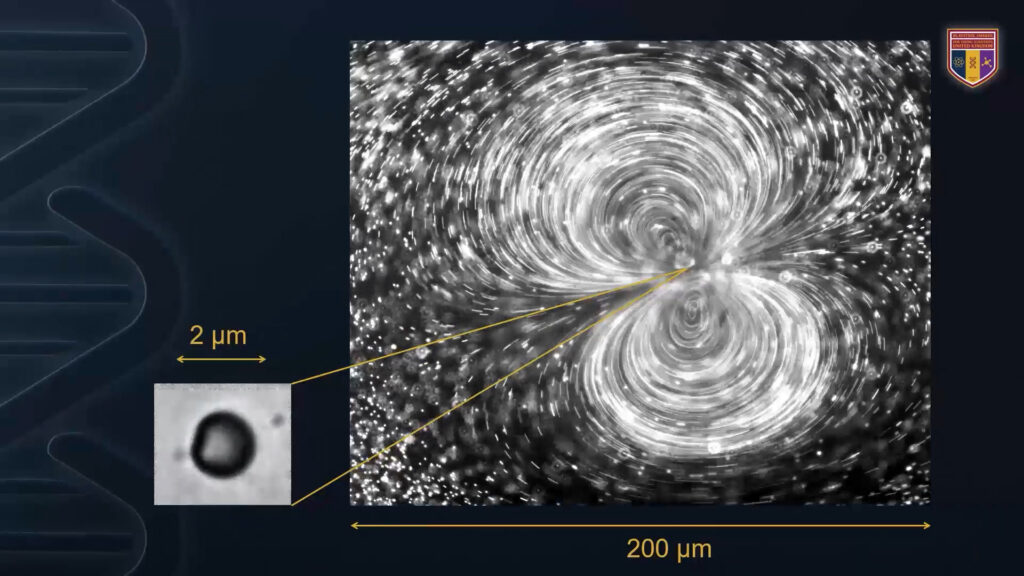
Microbubbles can help sidestep these challenges, safely encapsulating drug molecules within a stabilizing shell. The shell can be functionalized with magnetic nanoparticles, allowing clinicians to direct the bubbles’ aggregation at tumor sites and visualize them with ultrasound. As the bubbles compress and release in response to the ultrasound beam, the oscillation helps the bubbles penetrate into the surrounding tissue. “If we increase the ultrasound energy, we can destroy the bubble, allowing us to release the drugs on demand,” said Stride, noting that molecules released from a single 2-micron microbubble can circulate up to 100 times that diameter, pumping drugs deep into tumor tissues. This approach is highly localized—drugs are only released at the tumor site—which eliminates the potential for systemic toxic effects.
Ultrasound-stimulated oscillation of microbubbles creates a vortex in surrounding fluids. The vortex pumps drug molecules deep into tumor sites.
In 2019, Stride and a team of collaborators published the results of trials using oxygen-loaded magnetic microbubbles to treat malignant pancreatic tumors. In animal models, tumors treated with microbubble-delivered drugs showed dramatic spikes in cell death and also shrank in size, “which can mean the difference between a surgeon being able to remove a tumor or not,” said Stride. Additional experiments have helped hone techniques for external magnetic control of microbubbles within blood vessels to ensure precise, targeted drug delivery—a critical step toward tailoring this method for use in humans. Stride and her collaborators aim to launch a clinical trial in pancreatic cancer patients “in the very near future.”
Insights From Bacteria-Phage Interactions
As the fight against viruses dominates the news cycle, 2020 Blavatnik Awards UK Finalist Edze Westra shared an update from the front lines of a viral war billions of years in duration: the “evolutionary arms race” between bacteria and the viruses that infect them, called phages. The interactions between bacteria and phages—the most abundant biological entities on Earth—have profound implications for the development of phage-based therapies as alternatives to antibiotics.
Phages are often successful killers, but bacteria have evolved sophisticated immune strategies to resist attacks. Understanding how and when bacteria deploy each of these defensive tactics is key to designing phage therapies to treat bacterial infections.
Like humans, bacteria utilize both innate and adaptive immune responses to invading pathogens. In bacteria, innate immunity relies on the modification of surface structures to prevent phages from attaching. This system is effective, yet it creates no “record,” or memory, of which phages it encounters. The adaptive immune system, however, allows bacteria to build a database of previously encountered pathogens in the form of bits of genetic material snipped from invading phages and incorporated into the bacterium’s own DNA. The adaptive immune system, known as CRISPR immunity, forms the basis of CRISPR-Cas genome editing techniques. “There’s a critical balance between these two systems, and both are critical for survival,” said Westra, whose research aims to determine the factors that influence whether a bacterium mounts an innate or adaptive immune defense against a particular phage.
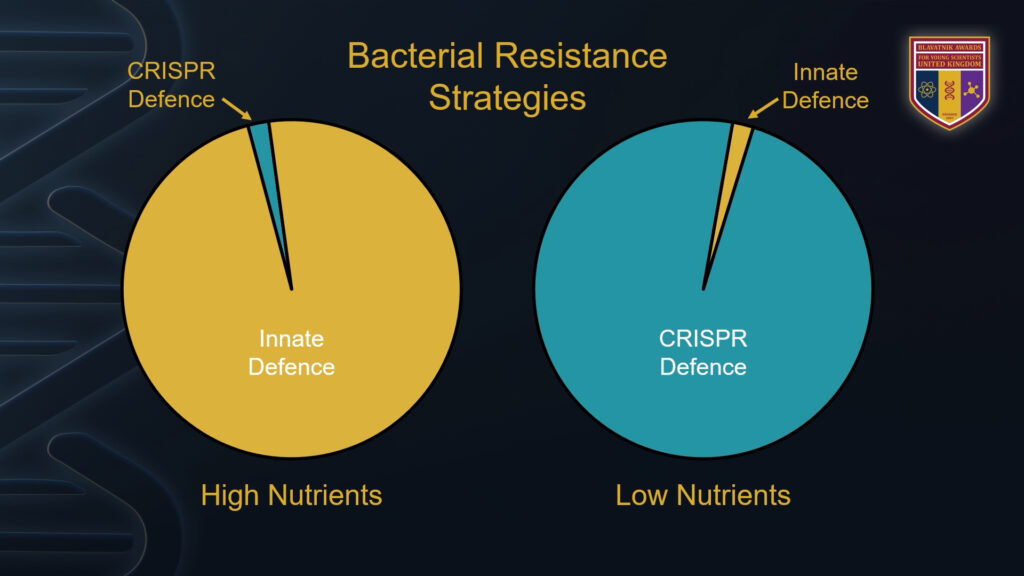
Using Pseudomonas aeruginosa, an antibiotic-resistant pathogen that often infects cystic fibrosis patients, Westra determined that a bacterium’s environment—specifically, the level of available nutrients—determined which defensive strategy was utilized. In high-nutrient environments, almost all bacteria deployed an innate immune response to phage attacks, whereas in lower nutrient settings, CRISPR immunity dominated.
The level of available nutrients influences which immune strategy bacteria use to defend against phage attacks.
In experiments using moth larvae, Westra discovered that infections were more severe when bacteria utilized CRISPR immunity, whereas bacteria that evolved innate immunity often caused less aggressive infections. “If we can manipulate how bacteria evolve resistance to phages, this could potentially revolutionize the way we approach antimicrobial resistance, with major benefits to our healthcare,” Westra said.
Building Models of the World
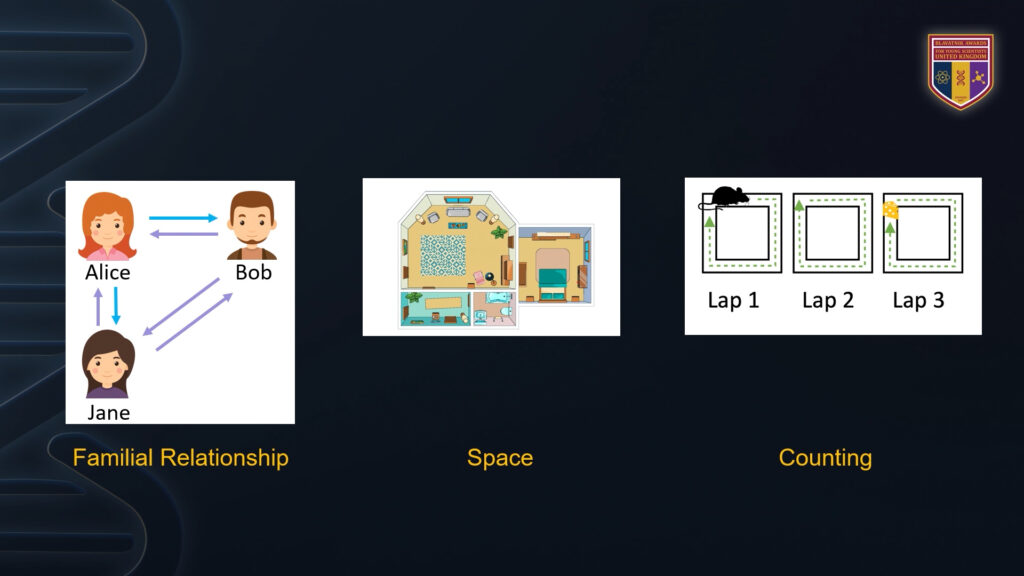
Computational neuroscientist Timothy Behrens is fascinated with the basic functions and decisions of everyday life—the process of navigating our home or city, the steps involved in completing household tasks, the near-subconscious inferences that inform our understanding of the relationships between people and things. Behrens designs analytical tools to understand how neuronal activity in the brain gives rise to these thought processes and behaviors, and his research is illuminating how knowledge is organized in the brain.
The activities of grid cells and place cells are well understood. By creating spatial maps of the world, grid and place cells allow us to navigate familiar spaces and locate items, such as car keys. Behrens explained that much less is known about how the brain encodes non-spatial, abstract concepts and sequence-based tasks, such as loading, running, and emptying a dishwasher. Over the past several years, Behrens and his collaborators have demonstrated that abstract information is similarly mapped as grid-like codes within the brain. “On some level, all relational structures are the same, and all are handled by the same neural machinery,” he said. This insight helps explain the effects of diseases like Alzheimer’s, which targets grid and place cells first and impacts both spatial and non-spatial knowledge.
Relational information is encoded by the same neural machinery that encodes spatial and navigational maps.
In another line of research, Behrens is probing a phenomenon called replay, during which the brain revisits recent memories as a means to consolidate knowledge about current events and anticipate future ones. Behrens illustrated the concept by showing patterns of neuronal activity as a rat runs around a track, then rests. Even at rest, the rat’s brain displays millisecond-long flashes of neuronal activity that mimic those that take place during running. “He’s not running down the track anymore, but his brain is,” said Behrens. Replay also underlies the human ability to understand a simple story even when it’s told in the wrong order. “Our knowledge of the world tells us…what the correct order is, and replay will rapidly stitch together the events in the correct order.”
Computational tools developed in Behrens’ lab have been shared with thousands of scientists around the globe as they pursue new hypotheses about the neural computations that control cognition and behavior. “It’s an exciting time to be thinking about the brain,” Behrens said.
Exploiting Molecular Shape to Develop Materials and Medicines
Consider the handshake: a greeting so automatic it takes place without thinking. Two right hands extend and naturally lock together, but as Matthew Fuchter explained, that easy connection becomes impossible if one party offers their left hand instead. The fumbling that ensues stems from a type of asymmetry called chirality. Chiral objects, such as hands, are mirror-image forms that cannot be superimposed or overlapped, and when one chiral object interacts with another, their chirality dictates the limits of their interaction. Chirality can be observed throughout nature, from the smallest biological molecules to the structures of skyscrapers.
In organic chemistry, molecular chirality can be exploited to tremendous advantage. Fuchter explained that the shape of molecules “is not only critical for their molecular properties, but also for how they interact with their environment.” By controlling subtle aspects of molecular shape, Fuchter is pioneering new strategies in drug design and devising solutions to technological problems that plague common electronic devices.
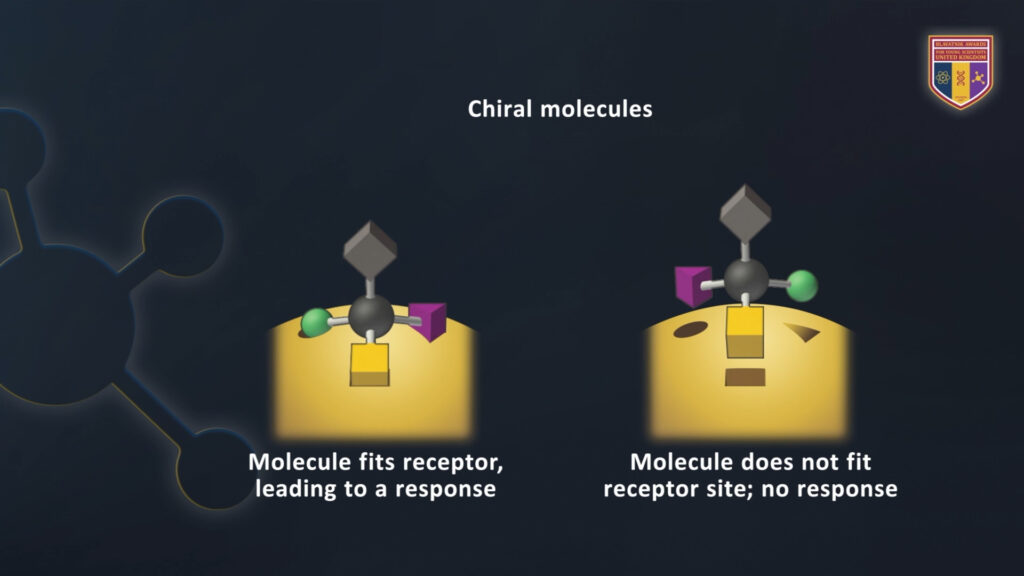
The notion of pairing complementary molecular geometries to achieve a specific effect is not unique to drug design—such synchronicities can be found throughout nature, including in the “lock and key” structure of enzymes and their substrates. Fuchter’s work aims to invent new drug molecules with geometries perfectly suited to bind to specific biological targets, including those implicated in diseases such as malaria and cancer.
Only one of these two chiral molecules has the correct orientation, or “handedness” to bind to the receptor site on the target protein.
Fuchter is also exploring applications for chirality in a field where the concept is less prominent—consumer electronics. Organic LED, or OLED, technology has “revolutionized the display industry,” allowing manufacturers to create ultra-thin, foldable screens for smartphones and other displays. Yet these features come at a steep efficiency cost—more than half of the light generated by OLED pixels is blocked by anti-glare filters added to the screens to minimize reflectiveness. A novel solution, in the form of chiral molecules bound to non-chiral OLED-optimized polymers, induces a chiral state of light called circularly polarized light. These circularly polarized, chiral light molecules are capable of bypassing the anti-glare filter on OLED screens. Fuchter noted that displays are far from the only technology that stands to be impacted by the introduction of chiral molecules. “Our research is generating new opportunities for chiral molecules to control electron transport and electron spin, which could lead to new approaches in data storage,” he said.
Making Use of the Mechanical Bond
Most molecules are bound by chemical bonds—strong, glue-like connections that maintain the integrity of molecules, which can be both simple, such as hydrogen, and highly complex, such as DNA. 2020 Blavatnik Awards UK Finalist Stephen Goldup’s work focuses on a less familiar bond. Mechanical bonds join molecules in a manner akin to an interconnected chain of links—the components retain movement, yet cannot separate.
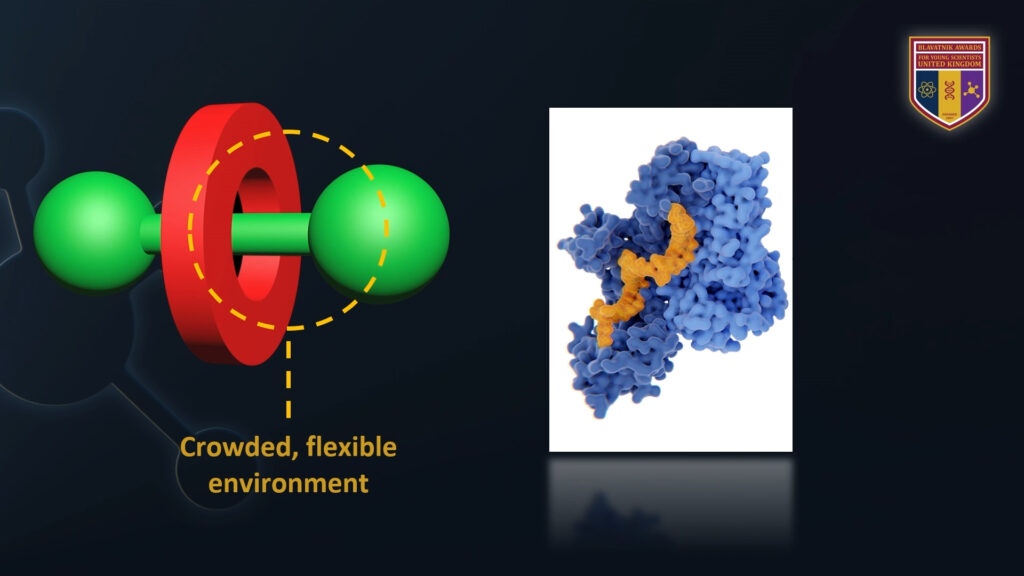
Mechanically interlocked molecules have the potential to yield materials with “exciting properties,” according to Goldup, but in the decades since they were first synthesized, they have largely been regarded as “molecular curiosities.” Goldup’s lab is working to push these molecules beyond the laboratory bench by characterizing the properties of interlocked molecules and probing their potential applications in unprecedented ways. His work focuses on two types of mechanically bound molecules—catenanes, in which components are linked together like a chain, and rotaxanes, which consist of a ring component threaded through a dumbbell-shaped axle.
Goldup’s lab has taken cues from nature to introduce additional elements into rotaxanes, resulting in novel molecules with a variety of potential applications. For example, much as enzymes contain “pockets” within which small molecules can bind, rotaxanes too contain a space that can trap a molecule or ion of interest. Rotaxanes that bind metal ions have unique magnetic and electronic properties that could be used in memory storage devices or medical imaging. Inspired by proteins and enzymes that bind DNA, Goldup’s lab has also designed rotaxanes in which DNA itself is the “axle.” In theory, these molecules can be used to effectively “hide” portions of DNA and alter its biological behavior.
Just as enzymes bind small molecules with their structures, rotaxanes can bind molecules in the cavity between the ring and the axle.
Perhaps most significantly, Goldup’s lab has solved a longstanding obstacle to studying rotaxanes: the difficulty of making them. The problem lies in the fact that rotaxanes can be chiral even when their components are not, making it extremely challenging to synthesize a distinct “hand,” or version, of the molecule. Recalling Matthew Fuchter’s example of how an awkward left-hand/right-hand handshake differentiates the “handedness” of two chiral objects, Goldup explained how his lab developed a technique for synthesizing distinctly “left” or “right” handed rotaxanes by utilizing a chiral axle to build the molecules. “Our insight was that by making the axle portion chiral on its own, when we thread the axle into the ring, the rotaxanes we make are no longer mirror-images of each other. They have different properties, and they can now be separated,” he said. Once separate, the chiral portion of the axle can be chemically removed and replaced with other functional groups.
Goldup’s lab is conducting experiments with new mechanically-locked molecules—including chiral rotaxane catalysts— to determine where they may outperform existing catalysts.
Amino Acids as a Portal to the Past
Scientists have multiple methods for peering into the history of Earth’s climate, including sampling marine sediment and ice cores that encapsulate environmental conditions stretching back millions of years. “But this is an incomplete picture—akin to a musical beat with no notes,” said Kirsty Penkman, the 2020 Blavatnik Awards UK Laureate in Chemistry. The records of life on land—fossil records—provide “the notes to our tune, and if we know the timing, that gives us the whole melody,” she said. Archaeologists, paleontologists, and climate scientists can harmonize fossil records with climate history to understand the past, yet their efforts stall with fossils older than 50,000 years—the limit of radiocarbon dating.
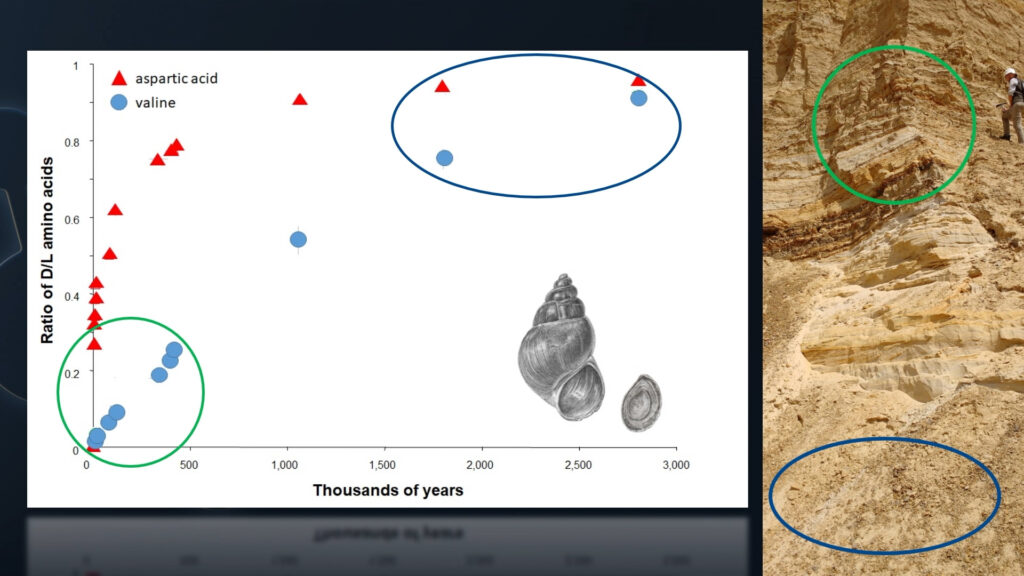
Penkman’s lab is developing dating methods for organic remains that reach far deeper into the history of life on Earth. Their strategy relies not on the decay of carbon, but the conversion of amino acid molecules from one form to another. Continuing the theme of chirality from previous presentations, Penkman explained that amino acids exist in two mirror-image forms. However, the body only synthesizes amino acids in the “left-handed,” or L-form. This disequilibrium shifts after death, when a portion of L-amino acids begins a slow, predictable conversion to the right-handed, or D-form. The older the fossil, the greater the balance between D and L isomers. This conversion process, called racemization, was first proposed as a dating method in the 1960s. Yet, it became clear that some of the fossil amino acids were vulnerable to environmental factors that impact the racemization rate, and therefore the date.
About 15 years ago, Penkman discovered that minute stores of proteins within the remains of snail shells are entrapped in intracrystalline voids. These tiny time capsules are unaffected by environmental factors. Studies have since confirmed that shells found in older horizons, for example deeper underground, contain higher ratios of D-amino acids versus those found at younger sites, thus validating the technique.
Calcitic snail shells found at older horizons have higher ratios of D-amino acids than those found at younger horizons.
Snail shells are often found in archeological sites, a serendipity that has led to astonishing findings about early human migration. Shells found alongside several Paleolithic tools “dated as far back as 700,000 years,” according to Penkman. “We’ve successfully shown that early humans were living in Northern Europe 200,000 years earlier than previously believed,” she said.
Penkman’s team has analyzed remains of ostrich eggshells at some of the earliest human sites in Africa, discovering fully preserved, stable sequences of proteins in shells dating back 3.8 million years. Mammalian remains are the next frontier for Penkman’s lab. They have analyzed amino acids in ancient tooth enamel—including that of a 1.7-million-year-old rhinoceros—and are developing microfluidic techniques to sample enamel from early human remains.
Changing the Game in Physical Sciences and Engineering
Speakers
Amaury Triaud University of Birmingham
Ian Chapman UK Atomic Energy Authority and Culham Centre for Fusion Energy
Claudia de Rham Imperial College London
Worlds Beyond Our Solar System
For millennia, humans have wondered whether life exists beyond our planet. Amaury Triaud, 2020 Blavatnik Awards UK Finalist believes we are closer to answering that question now than at any other time in history. The study of exoplanets—planets that orbit stars other than the Sun—offers what Triaud believes is “the best hope for finding out how often genesis happens, and under what conditions.”
The search for exoplanets has revealed remarkable variety among stars and planets in our galaxy. “The universe is far more surprising and diverse than we anticipated,” said Triaud. Astronomers have identified thousands of exoplanets since 1995, and now estimate that there are more planets in the Milky Way than stars—”something we had no idea about ten years ago,” Triaud said. Many exoplanets orbit stars so much smaller than the Sun that these stars cannot be seen with the naked eye. Yet these comparatively small stars provide “optimal conditions” for exoplanet hunters.
Exoplanets are often detected using the transit method—as an orbiting planet passes in front of a star, its shadow temporarily dims the star’s brightness. The larger the planet relative to the star, the greater its impact on the brightness curve and the easier for astronomers to detect. While monitoring a small star 39 light-years from Earth, TRAPPIST-1, a team of astronomers, including Triaud, discovered an exoplanet system comprised of seven rocky planets similar in size to Earth, Venus, and Mercury.
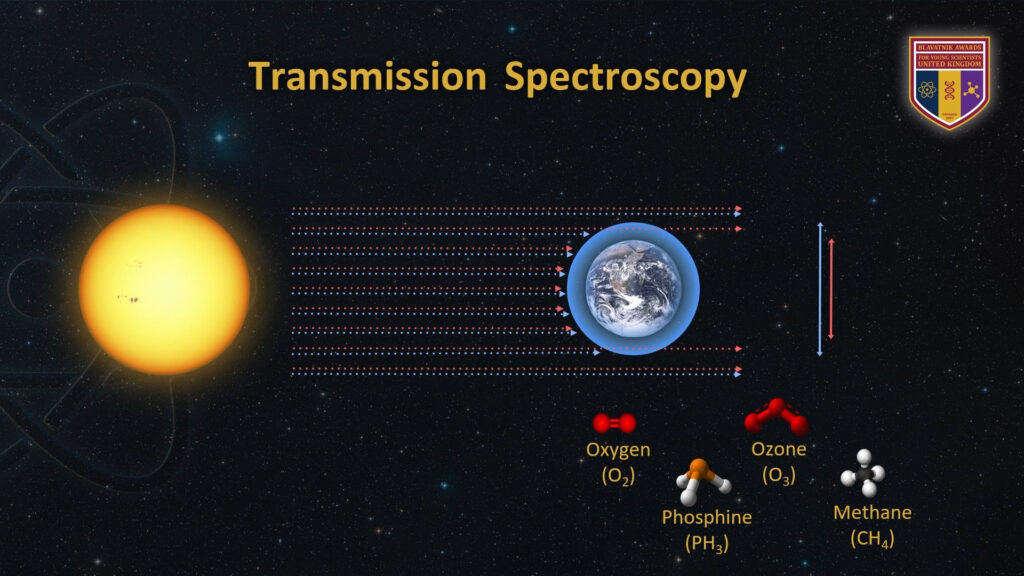
“The next question is to find out whether biology is happening out there,” said Triaud, joking that the biology of interest is not little green men, but rather green algae or microbes similar to the ones that fill our atmosphere with oxygen. The presence of oxygen “acts like a beacon through space, broadcasting that here on Earth, there is life,” said Triaud, explaining that the only way to gauge the presence of life on exoplanets is through atmospheric analysis. Using transmission spectroscopy, Triaud and other astronomers will look for exoplanets that possess an atmosphere and chemical signatures of life, such as oxygen, ozone, or methane, in the atmospheric composition of exoplanets.
Measurements of spectral signatures in a planet’s atmosphere can reveal the presence of gases associated with life, including oxygen and methane.
Such analyses will begin with the launch of the James Webb telescope in 2021. In the meantime, a land-based mission called Speculoos, based partially in Chile’s Atacama desert, is monitoring 1,400 stars in search of additional exoplanets. “It’s rather poetic that from one of the most inhospitable places on Earth, we are on the path to investigating habitability and the presence of life in the cosmos,” Triaud said.
The Path to Delivering Fusion Power
“There’s an old joke that nuclear fusion is 30 years away and somehow always will be,” said 2020 Blavatnik Awards UK Finalist Ian Chapman, but he insists that the joke will end soon. According to Chapman, the “ultimate energy source” is entering the realm of reality. “We’re now in the delivery era, where fusion lives up to its potential,” he said. Low-carbon, low-waste, capable of producing tremendous amounts of energy from an unlimited fuel source—seawater—and far safer than nuclear fission, fusion power has a long list of desirable qualities. Chapman is the first to acknowledge that fusion is “really hard,” but his work is helping to ease the challenges and bring a future of fusion into focus.
Nuclear fusion relies on the collision of two atoms—deuterium, or “heavy” hydrogen, and tritium, an even heavier isotope of hydrogen. Inside the Sun, these atoms collide and fuse, producing the heat and energy that powers the star. Replicating that process on Earth requires enough energy to heat the fuel. of deutrium and tritium gases to temperatures ten times hotter than the Sun, a feat that Chapman admits “sounds bonkers, but we do it every day.”
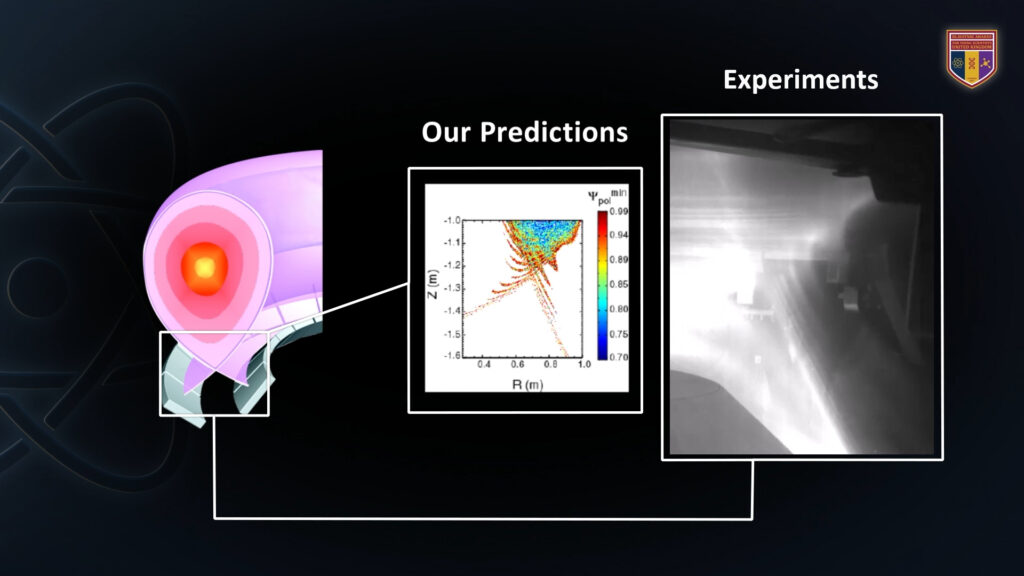
Within fusion reactors called tokamaks, this superhot fuel is trapped between arrays of powerful magnets that “levitate” the jet as it spins around a central magnetic core, preventing the fuel from melting reactor walls. Yet this is an imperfect process, explained Chapman, and due to fuel instabilities, eruptions akin to “throwing a hand grenade into the bottom of the machine” happen as often as once per second. Chapman devised a method based on his numerical calculations for preventing these eruptions using additional magnet arrays that induce three-dimensional perturbations, or “lobes” at the edge of the plasma stream. Just as a propped-open lid on a pot of boiling water allows steam to escape, these lobes provide a path to release excess pressure.
An array of magnets near the plasma edge creates perturbations in the fuel stream, allowing pressure to escape safely.
Chapman’s technique has been incorporated into the “the biggest scientific experiment ever undertaken by humankind”—a massive tokamak called ITER, roughly the size of a football stadium and equipped with a central magnet strong enough to lift an aircraft carrier. Scheduled to begin producing power in 2025, ITER aims to demonstrate the commercial viability of nuclear fusion. “We can put 50 megawatts of power into the machine, and it produces 500 megawatts of power out,” said Chapman. “That’s enough to power a medium-sized city for a day.”
Even before ITER’s completion, Chapman and others are setting their sights on designing less expensive fusion devices. Late last year, the UK committed to building a compact tokamak that offers the benefits of fusion with a smaller footprint, and Chapman is the leader of this project.
The Nature of Gravity
Claudia de Rham, the 2020 Blavatnik Awards UK Laureate in Physical Sciences and Engineering, concluded the day’s research presentations with an exploration of nothing less than “the biggest mystery in physics today.” For decades, cosmologists and physicists have grappled with discrepancies between observations about the universe—for example, its accelerated expansion— and Einstein’s general theory of relativity, which dictates that gravity should gradually slow that expansion. “The universe is behaving in unexpected ways,” said de Rham, whose efforts to resolve this question stand to profoundly impact all areas of physics.
Understanding the fundamental nature of gravity is key to understanding the origin and evolution of the universe. As de Rham explained, gravity can be detected in the form of gravitational waves, which are produced when two black holes or neutron stars rotate around each other, perturbing the fabric of spacetime and sending rippling waves outward like a stone tossed into a pond. But gravity can also be represented as a fundamental particle, the graviton, similar to the way light can be considered as a particle, the photon, or an electromagnetic wave. Unlike the other fundamental particles such as the photon, the electron, the neutrino, or even the famously elusive Higgs boson, the graviton has never been observed. In theory, the graviton would, like all fundamental particles, exist even in a perfect vacuum, a phenomenon known as vacuum quantum fluctuation. Unknown in Einstein’s day, vacuum quantum fluctuations, when factored into the general theory of relativity, do predict an accelerated expansion of the universe. “That’s the good news,” said de Rham. “The bad news is that the predicted rate of expansion is too fast by at least 28 orders of magnitude.”
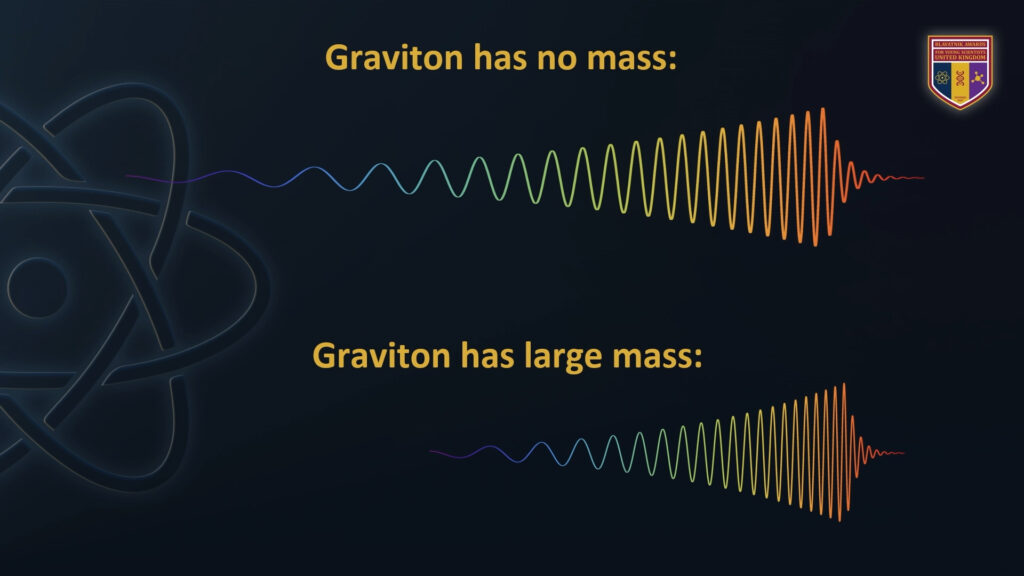
This raises the possibility that “general relativity may not be the correct description of gravity on large cosmological scales,” said de Rham. If the graviton had mass, however, it would impact the behavior of gravity on the largest scales and could explain the observed rate of expansion.
Signal patterns from gravitational wave events can serve as models for estimating the mass of the graviton. By comparing the expected signals produced by either a massless particle or a high-mass particle with actual signal patterns from detected events, physicists can place an upper and lower boundary on the graviton’s potential mass.
The idea of a massive graviton has been considered—and refuted—by physicists as far back as the 1930s. Several years ago, de Rham, along with collaborators Andrew Tolley and Gregory Gabadadze, “realized a loophole that had evaded the whole community.” Together, they derived the first theory of massive gravity. “Through gravity, we can now connect small vacuum fluctuations with the acceleration of the universe, linking the infinitely small with the infinitely large,” de Rham said.
Determining the mass of the graviton requires the most precise scale imaginable, and de Rham believes that gravitational wave observatories are perfectly suited to the task. Whether her theory will hold up in future tests remains to be seen, but when it comes to solving this epic mystery, “the possibility is now open.”
Several Laureates and Finalists of the 2020 Blavatnik Awards in the UK joined BBC science reporter Victoria Gill for the final session of the day, a wide-ranging panel discussion that touched on issues both current and future-looking.
Two themes—fear and opportunity— emerged as powerful forces shaping science and society, especially as it relates to climate change and the threat of emerging infectious disease. Gill noted that climate change is “the biggest challenge ever to face humanity,” and that many efforts to raise awareness of its impacts focus on bleak projections for the future. Asked for insights on shifting the tone of climate change communications, Kirsty Penkman acknowledged that “there needs to be a certain level of fear to get people’s attention.” She then advocated for a solutions-oriented plan rooted in the fast pace of scientific progress in clean energy, among other areas. “This is an amazing opportunity,” she said. “Humans are ingenious….in the last 120 years we’ve moved from a horse-drawn economy to a carbon-based economy, and in 5 or 20 years we could be in a fusion-based economy. We have the potential to open up a whole new world.” Eleanor Stride suggested combatting complacency by emphasizing the power of small changes in mitigating the impact of climate change. “One billion people making a tiny change has a huge impact,” she said.
The specter of a coronavirus pandemic had not yet become a reality at the time of the symposium. But Edze Westra presciently detailed the challenges of containing a highly contagious emerging pathogen in a “tightly connected world.” He commented that detecting and containing emerging diseases hinges on the development of new diagnostics, and that preventing future outbreaks will require cultural shifts to limit high-risk interactions with wildlife. For zoonotic diseases such as the novel coronavirus, “it’s all about opportunity,” Westra said.
Panelists also looked to the future of science, touching on issues of equality, discrimination, and diversity, and emphasizing the importance of raising the bar for science education. Stride noted that children are natural scientists, gravitating toward problem-solving and puzzles regardless of nationality or gender. “But something happens later,” she said, lamenting the drop in interest in science as children progress in school. “One of the things that gets lost is that creativity, which is what science really is—we’re coming up with a guess and trying to gather evidence for it—we’re not just learning a huge number of facts and regurgitating them,” she said.
In the wake of Brexit, panelists expressed concern about potential difficulties in attracting international students to their labs. “Diversity is so important,” said Penkman. “Getting ideas from all around the world from people with different backgrounds is essential to making science in the UK—and the world—the best it can be.” In her closing comments, Penkman said that ultimately, the trajectory of science comes down to the people in the field. “My eternal optimism is in the people I work with and the people I talk to when I visit schools—it’s that innate interest and curiosity. Whenever I see it, I feel that is the future of science,” she said.
World Oceans Day was established to recognize worldwide stewardship of the oceans and implementation of sustainability goals.
Published June 8, 2020
By Brittany Aguilar, PhD
Derya Akkaynak, PhD
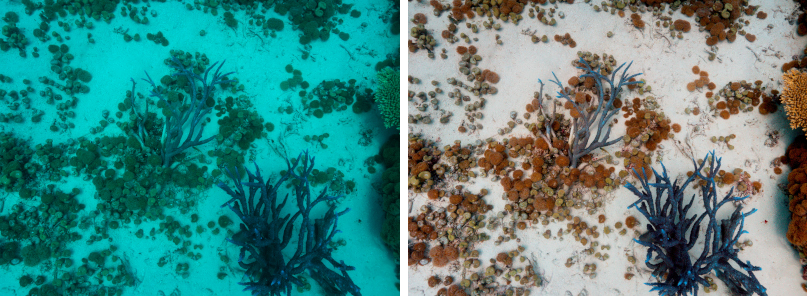
In honor of this day, we recently interviewed Derya Akkaynak, PhD, researcher at the Harbor Branch Oceanographic Institute and 2019 Blavatnik Awards Regional Finalist, about her research advances in computer vision and underwater imaging. Her work has culminated in a technology called Sea-thru, a software that reconstructs lost colors and contrast in underwater imagery. Here, she discusses the development of this technology, ways that COVID-19 has impacted marine life, and her hopes for the future of all oceans.
This interview has been condensed and edited for clarity.
Can you describe how the Sea-thru method works?
Sea-thru is an algorithm that uses light picked up by the sensor of a camera to form a true-color image. What’s so new about this? The majority of existing algorithms actually use an equation for how light moves in the atmosphere rather than in the ocean. In the water, the particles light interacts with are bigger than the wavelength of light, so they cause intensified light scattering. We derived an equation to specifically represent how light moves in the water to form an image, and the Sea-thru algorithm works because it uses this new equation.
Why did you develop Sea-thru, and who will be using it?
Before on left, after on right. Photo by Derya Akkaynak.
We developed Sea-thru with a marine science angle in mind. The program will help marine scientists standardize the light in their photos so they can use automated methods to extract information about animals in the ocean more efficiently. Seeing the true colors of underwater life consistently can help ecologists monitor the health of our oceans, improve efforts of ocean exploration, and even help non-scientists and those who do not dive develop a better appreciation of the beauty of our oceans
Is your research expanding beyond underwater imaging?
I’m also very interested in biological vision under water, just not using cameras, but also how animals see underwater. For example, we’re learning about how turtles see under water. One of the things that this project will examine is the usage of turtle-friendly lights at beaches where turtles come to nest. We’ve found that there really are no turtle-friendly lights, spectrally, because turtles can see colors just as well as we can, if not better. The key is not necessarily yellow or orange or red lights, but to have lights as dim as possible.
How has the COVID-19 pandemic affected the world’s oceans?
Before on left, after on right. Photo by Derya Akkaynak.
Because of reductions in fishing and shipping, some fish stocks will go through an entire cycle of spawning during this lockdown, which means their numbers are going to significantly increase and those particular species may actually recover their stocks for a while.
Another interesting observation is that it appears that through the end of this year, we will have the largest reduction in carbon emissions that we’ve ever had. Experts are saying that to slow down global warming, a drop in emissions needs to be about 7% percent per year, every year for the next 10 years. So imagine, we globally stopped everything, and still that has only gotten us to about an estimated 5.5% reduction in carbon emissions for 2020.
What that says to me is that we all have to change our lifestyles once the pandemic is over. A good start would be for all of us to avoid using single-use plastics in every possible way—be that carrying our own silverware or not buying bottled water—because this can trigger a response at the production level.
Do you have any hopes or dreams that you want for the oceans to happen in your lifetime?
Before on left, after on right. Photo by Derya Akkaynak.
Yes. Scientists looked at past conservation successes and calculated that, if we take action now—regulating fishing, protecting critical underwater habitats and migration routes of animals, taking measures to reduce pollution—then we can restore a lot of the beauty and bounty of our oceans by 2050. So, what I want to see is a lot more protection now, in my lifetime, and for nations to come together and see the oceans not as this endless resource that we can exploit for ever for the benefit of humans, but instead as something that sustains our life. Something that we must protect from every possible angle.
To learn more about the Blavatnik Awards for Young Scientists, visit blavatnikawards.org.
The New York Academy of Sciences’ work in nutrition science aims to address global issues such as food security which affects infants, adolescents and the aging population.
According to the United Nations, malnutrition is “a trap from which people cannot easily escape.” And it is a trap that affects every country in the world. In 2015, ending hunger and ensuring access to nutritious food was named one of the U.N.’s 17 Sustainable Development Goals (SDG) for 2030. Efforts to reduce malnutrition stretch back decades and have taken many forms. These include global initiatives that increase access to nutritious foods; government policies that promote healthy diets and set nutrition standards; nonprofit groups that operate food pantries and kitchens; and researchers who study malnutrition and evaluate interventions.
Within the vast landscape of approaches to combat malnutrition, The New York Academy of Sciences Nutrition Science Program has been focusing on where it can make the greatest contributions to nutrition science research. Over the last four years, it has focused on important nutrition science interventions, including the control and prevention of thiamine and micro-nutrient deficiencies and bolstering evidence-based nutrition models.
These activities support a priority for the Academy — addressing global issues such as food security that affect infants, adolescents and the aging population. “Today we can say that the Nutrition Program at the New York Academy of Sciences has become a center of reference on a number of those issues,” said Gilles Bergeron, PhD, Senior Vice President for Nutrition Science at the Academy.
The Academy’s reputation as a neutral convener of experts representing all sides of an issue, makes it the ideal catalyst to assess current scientific evidence writ large. In the case of the Nutrition Program, it also actively evaluates data, and participates in ongoing research needed to design future large-scale programmatic activities.
Filling Knowledge Gaps
For its research on thiamine deficiency, a problem that mainly occurs in low and middle-income countries (LMIC) due to insufficient dietary intake of the B1 vitamin, the Academy’s nutrition science team, together with the Bill & Melinda Gates Foundation, convened a task force in 2017 to take stock of existing data. The team is now collaborating with researchers internationally on several projects to fill in knowledge gaps, determine best solutions to tackle this public health problem, and to assess the prevalence of thiamine deficiency in understudied regions of Africa, such as Madagascar and The Gambia.
Thiamine deficiency can easily go unrecognized, as it did for decades in parts of Asia such as Bhutan and Northern India, because the symptoms are so vague, ranging from the loss of appetite in infants and children, to tingling in hands and feet in adults. But left untreated, thiamine deficiency can rapidly lead to death, and there is increasing evidence that sub-clinical cases — which almost never get detected — can cause long-term cognitive delays and motor skill problems. “We are starting to work on strategies to prevent thiamine deficiency and to raise awareness of its prevalence, which is much, much broader than I think anyone expected,” said Megan Bourassa, PhD, a biochemist and the Academy’s Associate Director of Nutrition Science.
The Academy’s Nutrition Science Program has brought much-needed attention to the issue of thiamine deficiency, according to Frank Wieringa, MD, PhD, senior researcher at the Institut de Recherche pour le Développement (IRD) in Montpellier, France. “In 2012, we knew as much about thiamine deficiency as we did in 1950, there was hardly any progress in those 60, 70 years,” said Wieringa, who served on the Program’s task force and is part of its Scientific Advisory Group.
A High Prevalence of Thiamine Deficiency in Cambodia
Wieringa found a high prevalence of thiamine deficiency in Cambodia, even though the problem has generally been less well recognized by the medical community there than in other parts of Southeast Asia such as Laos. He and his collaborators, including the Academy nutrition team, are currently testing the optimal dose of thiamine to give lactating women in Cambodia. Early data will be available this spring and the hope is to eventually fortify salt with the optimal thiamine dose, much like salt is already iodine-fortified.
On a separate but related front, the Academy has taken on the challenge of trying to improve the myriad of computer models that can guide policy makers, researchers and aid groups in deciding how to tackle malnutrition despite limited resources. The models, which have been developed by academic, governmental and humanitarian groups, can make predictions about important policy questions such as:
Which nutrition issue is the most pressing in a particular setting?
Should attention be directed at certain micronutrient deficiencies or on bigger issues of stunting and underweight populations?
Which intervention(s) would be most cost-effective?
What is the best mix of interventions to achieve multiple concurrent objectives?
With competing models, policy makers may only use the tools that are promoted by the donor they work with (be it The World Bank, USAID or other); and not necessarily the one that is most appropriate for their goals. There needs to be a greater recognition of the diversity of needs and the fit-for purpose of specific modeling tools to the specific task.
The Nutrition Modeling Consortium
Over the last three years, the Academy, with funding from the Bill & Melinda Gates Foundation, has brought together various modelers and launched the Nutrition Modeling Consortium to try to increase awareness of the models in LMIC. Such a partnership was developed to foster collaborations and shared experiences between countries regarding the use of models in decision making.
The Consortium has given modelers the “unique opportunity to sit down and really dig into what these models can do,” said Stephen Vosti, PhD, Adjunct Professor at University of California, Davis, and member of the Consortium. Vosti and his colleagues created MINIMOD, a tool to help plan and manage the most cost-effective micronutrient interventions in LMIC.
So far, the researchers have identified strategies for reducing vitamin A deficiency in Cameroon and plan to deploy the tool to look at other micronutrient deficiencies in countries such as Malawi and Nigeria. MINIMOD could also be used to assess the risk of interventions leading to overconsumption of micronutrients, which is a particular concern in the United States and other developed countries, according to Vosti.
Undernourishment Impacts More than 800 million Globally
With more than 800 million people around the world experiencing undernourishment in 2017, the stakes for the Nutrition Science Program, as well as the many other efforts featured in this issue, could not be higher. Ensuring that all the world’s people have access to adequate nutrition achieves multiple societal objectives. Healthy people are productive people who can work and contribute to long-term economic sustainability.
And a proper diet is foundational in enabling people to fight off disease. It is arguably a gender issue as well. In societies where male children are often more valued than females, girls may not receive adequate nutrition in their formative years, which will impact their ability to bear healthy children of their own.
“Access to nutritious food is a common thread to all population segments,” said Bergeron. “What we do at the Academy is not just about starving children in remote parts of the world, although we recognize the need. Obesity, antibiotics in animal food production, adolescent women nutrition as well as nutrition for the aging, are issues that need to be addressed in developed countries as well.
Here in the United States, it is estimated that one in every 10 adults who are 20 years or older has diabetes. For seniors (65 years and older), that figure rises to more than one in four. The cost of diagnosed diabetes is an estimated $245 billion — money that could go to crucial nutrition programs both in the U.S. and around the world for a healthier society at large.”
With his newly released book The World According to Physics as a point of reference, Jim Al-Khalili offers an illuminating look at what physics reveals about the world. Shining a light on the most profound insights revealed by modern physics, he invites us to reflect on what this crucially important science can tell us about the universe and the nature of reality itself. Educational and enlightening, this talk illustrates why physics is indispensable to understanding the world around us and invites us all to share in the profound adventure of seeking truth.
In This eBriefing, You’ll Learn:
How the three pillars of modern physics ― quantum theory, relativity, and thermodynamics ― must come together if we are ever to have a full understanding of reality
Relatable examples and thought-provoking analogies that elucidate the speculative frontiers of the field, and the physics that underpin our everyday experiences and technologies
Jim Al-Khalili, PhD
University of Surrey
Jim Al-Khalili is a British theoretical physicist, author and broadcaster. He is Professor of Theoretical Physics at the University of Surrey, a regular broadcaster and presenter of science programs on BBC radio and television, and the author of numerous books, including The World According to Physics,Quantum: A Guide for the Perplexed; and Life on the Edge: The Coming of Age of Quantum Biology.
He received his PhD in theoretical nuclear physics in 1989 and has published over a hundred research papers on quantum physics. He is a recipient of the Royal Michael Faraday medal and the Institute of Physics Kelvin Medal. In 2016 he received the inaugural Stephen Hawking Medal for Science Communication. He is a fellow of the Royal Society and lives in Southsea, England.
Researchers are improving crop traits by conserving their undomesticated relatives.
Published May 1, 2020
By Carina Storrs, PhD
In the 1960s, some wild beans were collected from the sides of roads and other patches of wild land in Mexico and stored in aluminum pouches in freezers at one of the seed banks maintained by the United States Department of Agriculture (USDA), in Pullman, Wash. There they stayed for the next four decades until 2012 when Paul Gepts, Ph.D., a professor of plant sciences who had just taken over the grain legume breeding program at the University of California, Davis, exhumed them.
Gepts reasoned that the archival beans, originating from plants growing in dry regions, might be more drought tolerant than their domestic cousins, an important trait considering that most of the farmed beans in the world face drought stress. After growing the seedlings in a greenhouse in the dead of winter to simulate the long nights where the plants grow in Mexico — and crossing the wild plants with domestic varieties — Gepts and his colleagues hit upon a new line that thrived and produced high levels of seed even under the stingiest of irrigation conditions.
An “Insurance” Policy
It’s just one example of the desirable traits that food crops we depend on can derive from the wild relatives they descended from. But much depends on collecting and properly preserving those wild relatives in one of the nearly 2,000 seed banks around the world. “I call it insurance. You don’t know when you are going to need [a crop wild relative], but once you have it you are pretty glad,” says Gepts.
Paul Gepts, Ph.D., in the greenhouse at UC Davis.
In another example, during the 1980’s, scientists at CIAT, a research organization in Colombia that also maintains a seed bank, realized that wild beans collected from a different part of Mexico in the 1960s, harbored resistance to weevils, a serious pest that can decimate dried bean seeds. “When you put these kinds of stories together … it paints a picture of diversity that is still present in the wild types, but that has been left behind in the domesticated types,” Gepts says.
Farmers have been selecting plants for qualities such as high crop yield for thousands of years. Exactly what kind of diversity a wild relative has is impossible to know until researchers working with the seed banks start growing it, and examining such traits as crop yield, drought resistance or taste. Increasingly in recent decades, researchers have also been studying the seeds using single nucleotide polymorphism (SNP) analysis.
Deposits to the Seed Bank
To bring more diversity into those seed banks, the USDA and governments of many countries with high agricultural production, as well as international groups, fund trips to collect crop wild relatives, often targeting parts of the world that have not been well explored. In many cases, they are racing to get there before plant habitat is lost to development and climate change related threats.
Although collection trips have been widespread since the 1960s, researchers have typically focused on locating wild ancestors and taking a few individual specimens from accessible areas — hence the popularity of roadside collections. In the early 1990s, Gepts participated in a USDA-sponsored trip to collect wild beans in Bolivia, but the team was forced to leave some terrain un-sampled because it was too difficult to traverse. “In many parts of the world, researchers need to return to the same locations repeatedly to do more thorough collections of plant tissue as well as study the impact of local environments upon the plants,” said Gepts.
Colin Khoury, Ph.D., participates in a trip to document wild chile peppers in southern Arizona. Photo: The Lexicon and the Global Crop Diversity Trust
Researchers have put some rough numbers on how well crop wild relatives are represented in seed banks, and generally they support the assertion that we need to collect more. Out of the approximately 1,000 taxa, or broad categories, of wild ancestors in the world, an estimated 30 percent of relatives of a total of 63 crops cannot be found in any of the plant repositories; another 24 percent are only represented by samples from fewer than 10 different populations.
An Unexpected Silver Lining
An unexpected silver lining of the research, however, is the finding that crop wild relatives might be a bit better conserved in nature than in seed banks because much of their habitat is within national parks and other protected areas. “[But] a plant being in a protected area does not actually mean that a particular type of plant is all that protected. [Unless these plants are managed], people not paying attention to them, might think they are weeds [and] try to eradicate them,” says Colin Khoury, Ph.D., who studies crop diversity for CIAT, (International Center for Tropical Agriculture) part of an international agriculture research network called CGIAR, (Consultative Group for International Agricultural Research).
Khoury was involved in studies estimating conservation of crop ancestors. Along with stepping up efforts to collect and store plant materials in seed banks, Khoury says that we need active management programs to ensure conservation of crop wild relatives in protected areas.
Fewer Farmers Growing Fewer Crops
Another source of crop diversity is the crops themselves, both the commonly farmed varieties that acquire mutations as they grow and the so-called landraces, or ancestral varieties of domesticated crops that some farmers still cultivate. Unlike their wild relatives, many of these varieties have been stored in seed banks by researchers and farmers, as their importance for breeding crops with new traits has long been recognized, whereas the traits that wild relatives can lend crops is comparatively unchartered territory.
Denise Costich, Ph.D., in the CIMMYT vault where they store the corn seeds. Photo: Teake Zuidema
Although it might seem reasonable that farmers could handle conservation of these crops just by growing them in the field season after season, seed banks play an important role because there are “fewer farmers growing a smaller number of plants,” says Denise Costich, Ph.D., a senior scientist and head of the maize collection at the germplasm bank, which archives seeds and other plant tissue, at International Maize and Wheat Improvement Center (CIMMYT), a Mexico-based CGIAR center.
Research by Costich and her colleagues found that many farmers in Morelos, a state in central Mexico, stopped cultivating landrace varieties of corn over the last half century in favor of hybrid varieties, which are less genetically diverse but often produce higher yield and have other economically advantageous traits. In addition to conserving germplasm, CIMMYT and the other CGIAR seed banks, as well as certain government-operated seed banks including the USDA system, share plant materials internationally with academic researchers and private companies working to breed varieties with new traits.
The Need for Seed Banks and Experimental Field Stations
Seth Murray, Ph.D., harvests new inbred lines of maize with his undergraduate and graduate student researchers. These inbred lines have been selected directly from corn varieties from South and Central America (tropical varieties) and from crosses with germplasm from elite varieties from the Midwestern U.S. (temperate varieties). Credit: Texas A&M AgriLife Research. Photo: Beth Ann Luedeker
As important as it is to collect germplasm from crops and their wild relatives and maintain them in seed banks, it is only half the story. It is critical to grow these seeds in experimental field stations and characterize them so researchers know which ones have desirable traits and have them at the ready to breed with crops, in case of an emergency such as southern corn leaf blight, which wiped out much of the U.S. corn in 1970, says Seth Murray, Ph.D., professor of soil and crop sciences at Texas A&M University.
“Otherwise it’s just like having a library where nobody is reading the books,” he says. These efforts are happening to some extent. For instance, Costich’s team at CIMMYT has characterized most of the corn samples they have added to the germplasm bank vault in the last decade. The USDA does some characterization, but “given the value of agriculture and crop diversity, there is definitely not enough money spent on that,” Murray says.
Computer Algorithms to Study Corn
The work of trying to breed new varieties can quickly grow to an unmanageable scale. In his applied breeding program, Murray crosses U.S. corn varieties with crops that were collected in Mexico and South America, but then has to test their progeny in many different field conditions over several years to understand how they behave under different environments before they are ready for farmers.
In research that earned him the recognition of Finalist for the 2019 Blavatnik National Awards for Young Scientists, Murray and his collaborators have been using drones to photograph plants as they grow, and developing computer algorithms to analyze the images to make predictions about the crop’s yield and other properties. According to Gepts, who has also turned to drone surveillance to monitor bean plant traits, it is not enough to have an ever-expanding font of crop genetic diversity to scour for new traits.
“The other trend is making breeding more efficient whether it is through the use of drones or different ways of phenotyping progenies,” he says.