Healthy Approaches to Dealing with Stress

Neuroscientists say that a “healthy lifestyle” is perhaps the most effective prescriptions for dealing with chronic stress.

Published June 1, 2003

By Jeffrey Penn

Feeling stressed out? Anxious? Frustrated and angry? Looking for a way out?

Some significant advances in the neurosciences are revealing that stress is actually a complex relationship of internal and external factors, and that some relatively simple lifestyle changes can contribute to a sense of well being and improve health.

“A healthy lifestyle is the best way to reduce stress,” according to Bruce S. McEwen, head of the Harold and Margaret Milliken Hatch Laboratory of Neuroendocrinology at the Rockefeller University in New York and co-author of the recently published The End of Stress As We Know It (Joseph Henry Press).

The notion that stress is the result of external pressures is incomplete, said McEwen, who summarized his book during a March 18 lecture at The New York Academy of Sciences (the Academy). Research now reveals how the body’s defense mechanisms are involved in keeping stress at bay, as well as how the body’s defense system breaks down from time to time.

When the body is working properly, a process known as “allostasis” helps individuals adapt to and survive the real or imagined threats that confront them in the course of everyday life. McEwen explained that the allostasis process is maintained by a complex network – including hormones, the autonomic nervous system, neurotransmitters in the brain, and chemicals in the immune system – in the body.

“When this network is working efficiently, its activity helps to mobilize energy reserves, promote efficient cardiovascular function, enhance memory of important events and enhance the immune defense towards pathogens,” McEwen said. Normally, the body is able to self-regulate the proper responses to external pressures, but occasionally it reaches a limit known as “allostatic overload.”

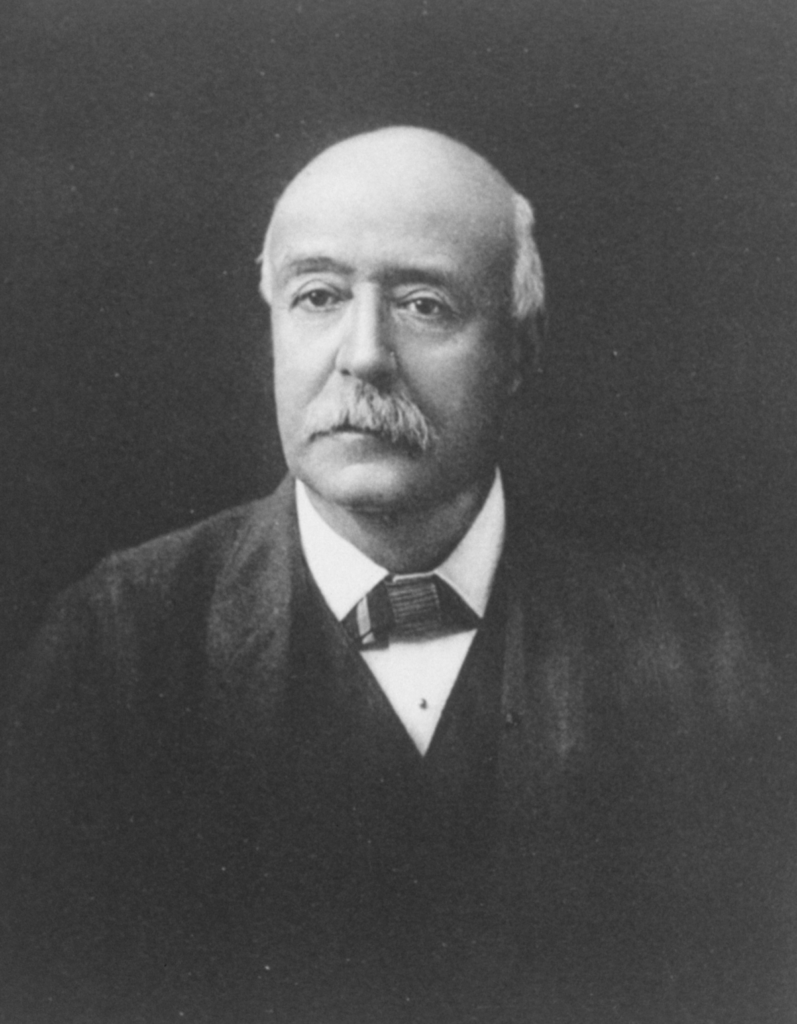
Bruce S. McEwen

External Stress Factors

Many external pressures can contribute to allostatic overload, according to McEwen, such as conflicts at work or home, fears about war and terrorism, overworking, lack of sleep, economic difficulties, lack of exercise, excessive drinking and bad eating habits. Genetic risk factors, such as a predisposition for cardiovascular disease or diabetes, can also contribute to allostatic overload.

“If the imbalances in the body’s regulatory network persist over long periods of time, the result can lead to disease,” McEwen said. “Hardening of the arteries, arthritis, diabetes, obesity, depressive illness and certain types of memory loss are among the disorders that are accelerated by allostatic overload,” he added. He cited research indicating that long-term stress also affects the amygdala and the hippocampus, the regions of the brain that regulate fear, emotions and memory.

According to McEwen, “genes, early development, and life experiences all contribute to determining how the brain responds to environmental stresses.” Research has revealed that external factors in society also can influence health and disease commonly related to stress.

“In industrialized societies, allostatic overload occurs with increasing frequency at lower levels of education and income,” McEwen noted. He pointed out that mortality rates and levels of diseases associated with allostatic load are much higher among people in lower socioeconomic status. “A combination of lifestyle, perceptions of inequality and stressful life experiences appear to play a role,” he said.

Best Antidote: Healthy Lifestyle

What can be done to reduce allostatic load and the stress associated with it? Changes in lifestyle are the best remedy, according to McEwen. “Maintaining social ties with friends and family is one of the most important factors in reducing stress,” he said. “In addition, restorative sleep, and regular, moderate exercise are all important,” he added. “Regular, moderate exercise not only increases muscle utilization of energy, but also enhances formation of new nerve cells in areas of the brain that support memory.”

McEwen said that, in addition to individual responses to counteract allostatic overload and reduce stress, the private sector and policy makers also can contribute to well-being. “Government policies that recognize the impact of inequality, promote comprehensive health care and reduce smoking, and provide housing and community services are also very important,” he said.

Stress reduction is not only critical for individuals, he added, but for the health and welfare of the wider society as well. “By 2020, depression will be the second-leading cause of disease in this country,” he concluded.

Also read: Mental Health in Children and Adolescents

Studying Mental Health: Categories or Dimensions?

Experts say that elements of both psychiatry and psychology should be considered when studying mental health.

Published June 1, 2003

By Vida Foubiste

Image courtesy of wutzkoh via stock.adobe.com.

One of the dichotomies between basic and clinical research into childhood mental illness has been the nomenclature of classification. Psychiatrists have historically used “categories” to classify neurological disorders; psychologists have turned to “dimensions.”

Thus, the Roots of Mental Illness in Children and Adolescents conference organizers set out to find a keynote speaker who could bridge this sometimes “cavernous gap,” said Doreen S. Koretz, chief of the Developmental Psychopathology and Prevention Research Branch, Division of Mental Disorders, Behavioral Research and AIDS, at the National Institute of Mental Health, Bethesda. The conference was supported by The New York Academy of Sciences (the Academy).

They turned to Sir Michael Rutter, MD, F.R.S., professor of Developmental Psychopathology at the Social, Genetic and Developmental Psychiatry Research Centre, Institute of Psychiatry, in London, and a leading expert in child psychiatric research.

By his own admission, Sir Michael took a rather “British approach” and, one by one, challenged “meta-theoretical claims” behind the two approaches. “The battle, as it has sometimes been, between dimensional and categorical approaches is rather futile,” he admitted. Ultimately, both are necessary.

Among the claims he challenged to reach that conclusion were:

Sir Michael Rutter, MD, F.R.S.

Dimensional analyses have greater statistical power. But, says Sir Michael, odds ratios can sometimes be preferable. A recent study using Canadian data, for example, found no difference between maternal care and group day care on physical aggression in children ages two and three — except when the children came from families at high psychosocial risk. “Where there was high family risk, the rates of aggression were substantially higher among those receiving family home care,” he said.

Another assumes that the most important environmental influences are outside the family and only extreme environments have any effects of functional importance. “Both are demonstrably false,” said Sir Michael. A French study has shown that children removed from their parents because of abuse or neglect and then adopted between the ages of four and six-and-a-half have a rise in IQ at adolescence, the degree of which is systematically related to the socio-educational level of the adoptive homes. “These are differences within the relatively narrow range of adoptive homes,” he explained.

A further wrong assumption is that causal inferences can be partitioned into those that are genetically or environmentally mediated, with their summation amounting to 100 percent of effects. One example of the shortcoming of this claim is the role that people themselves play in selecting and shaping their environment. A longitudinal study of girls at age 10 with anti-social behavior found that, in the absence of marital support, there is a high degree of persistence 18 years later. “But, given marital support, there is a huge improvement in social functioning,” said Sir Michael.

“There’s an American saying, which says something like, ‘It ain’t ignorance that does the harm, it’s knowing too many things that ain’t true,’” Sir Michael said. “I’m a great believer in that.”

Also read: Mental Health in Children and Adolescents

A Scientific Explanation to the Demise of Dinosaurs

You may know that a meteoric collision likely led to the demise of dinosaurs, but did you know earth’s had at least five mass extinctions during its history?

Published March 1, 2003

By Jeffrey Penn

Image courtesy of Panupong via stock.adobe.com.

A growing body of evidence suggests that the history of life on earth has been significantly affected by the collision of comets, meteorites and asteroids, resulting in global catastrophe and mass extinctions.

“Prehistoric mass extinctions of life were much more affected by extraterrestrial events than had ever been thought,” Michael Rampino, PhD, of New York University and the NASA Goddard Institute for Space Studies, told a Nov. 4, 2002, gathering at The New York Academy of Sciences (the Academy). “Earth’s history has been marked by periodic mass extinctions of life.”

Although scientists who first theorized that explosive collisions had significantly altered life on earth were not always taken seriously, Rampino said the theory is now not only accepted, but is considered among the most exciting fields in the sciences. “Astronomers and paleontologists formerly didn’t have cause to engage in conversations,” he said. “Now they have come to understand that their worlds are intimately connected.”

Five Mass Extinctions

More than 99 percent of species that have ever lived on earth are now extinct, according to Rampino. Paleontologists have identified five major mass extinctions and 20 minor mass extinctions on the planet earth. “The largest mass extinction was approximately 250 million years ago,” he said, “when 95 percent of marine species were wiped out.”

A mass extinction about 65 million years ago has long been widely recognized by scientists, since it represents the time when dinosaurs became extinct. “Dinosaurs were successful for a period of nearly 135 million years and suddenly became extinct about 65 million years ago,” Rampino said. “As many as 50 theories have been offered to explain the extinction of the dinosaurs, but none of those theories was supported by physical evidence.”

In the past 20 years, however, physical evidence gathered from sites as far apart as Italy and Colorado revealed that a thin layer of clay separated the geological record into two distinct eras. Analysis of the clay revealed “elevated levels of the kind of metals that are rare in terrestrial settings, but abundant in asteroids and meteorites,” Rampino said. “A similar review of geological samples from more than 150 sites around the world revealed that there is a global layer of this clay.”

In addition, scientists discovered a “shock layer” of quartz crystals in the clay, indicating high-pressure shocks. “Meteorite craters are the only places on earth that show these quartz crystals,” Rampino said. Scientists also discovered tiny spheres of glass in the clay. They are thought to have formed by intense heat from the impact and then dispersed into the atmosphere, where they cooled into their spherical shapes and dropped back to the ground.

Where is the Crater?

Despite the mounting evidence that a meteoric collision had eliminated the dinosaurs, scientists initially could not identify any crater on the earth that would explain the mass extinctions. In 1990, however, the giant Chicxulub Crater – nearly 200 kilometers in diameter – was discovered buried in the shallow sea just off the coast of Mexico’s Yucatan Peninsula. Additional exploration in Mexico indicated a thick bed of course sand, likely washed to shore by a giant wave (tsunami), in the precise layer of the geological record thought to indicate the mass extinction 65 million years ago.

What happened when the meteor collided with the earth? According to Rampino, scientists have estimated the object was nearly 10 kilometers long, causing the crater nearly 200 kilometers in diameter.

Environmental Catastrophe

“Dust and shock material were thrown out of the impact site into the atmosphere, causing heat and fires all over the world,” Rampino said. “The impact would have a tremendous, catastrophic effect on the environment. A high level of dust and ash would have clouded the sky, leading to a cooling and darkening that may have prevented photosynthesis.”

The geologist said such an event could have resulted in an “impact winter” lasting six months or longer. “Such an abrupt impact would lead to nothing less than a world-ending destruction of life,” Rampino said. “Food chains in the ocean and on land were broken, and plants and animals died out.”

Whatever life survived the calamity would continue to evolve, but the earth would see major changes in the dominant forms of life that remained. “The impact would provide opportunities for survivors to expand into empty niches, so that they dominate the earth during the next geological period,” Rampino added.

Prior Mass Extinctions?

Now that scientific consensus has accepted an impact collision as the most likely explanation for the extinction of dinosaurs, geologists are trying to determine if such collisions can be linked to other major and minor mass extinctions identified in the geological record.

Scientists have identified approximately 150 large impact craters on the earth. A statistical analysis reveals that about every 100,000 years a 1-kilometer object collides with earth, creating a crater of about 20 kilometers in diameter. “Only about once every 100 million years is there an impact of the magnitude that is capable of causing the dust storms and global fires believed to have eliminated the dinosaurs,” Rampino said.

Final proof of a connection between the largest mass extinction on earth – about 200-250 million years ago – and an impact collision has yet to be found. Evidence of such a crater may have eroded, he said, or remain hidden, perhaps below deep ocean water.

Future Extinctions?

If past evidence is also prologue, an impact collision that might cause mass extinctions on earth is likely in the next 40 million years or so, Rampino pointed out. “Earth exists in a zone of many earth-crossing asteroids and comets,” he noted.

While such projections appear far removed from the present, Rampino left his audience with a sobering fact. Concerning the potentially dangerous approach of comets, asteroids and meteorites, he pointed out, “there are no stop signs in outer space.”

Also read: Prehistoric Sloth-Like Creatures May Have Roamed the US

Exploring Movement in Time and Space

Many of the dances choreographed by this MacArthur Foundation “genius” award winner brings in elements of science, such as the physics of kinetic sound.

Published March 1, 2003

By Garry D. Reigenborn

Image courtesy of Pixel-Shot via stock.adobe.com.

Elizabeth Streb is a genius. She has been certified as such by the MacArthur Foundation “genius” award she received in 1997. If “genius” implies exceptional intellectual or creative power, however, Streb didn’t require any certification to qualify for such an appellation.

A choreographer with an intense curiosity and willingness – no, need – to experiment and test the boundaries of movement, Streb’s passion has resulted in a body of work that takes “dance” into a new dimension. As The New York Times said in a recent article, “Streb’s rough and tumble dances are about velocity, physical stamina and an unwillingness to bow to gravity without a fight.”

For the past 20 years her work has been centered on challenging the laws of gravity, informed by a scientific inquiry into the physics of kinetic energy.

“I’d love to defy the laws of Newton, but I’m told that’s not possible,” she says. “But my battle cry is to at least try, and to keep asking questions about movement without being satisfied with first answers.”

Streb is currently the Dean’s Special Scholar at New York University, where she’s studying physics, mathematics, and philosophy and working toward a M.A. in Time and Space. She graduated from the State University of New York at Brockport in 1972 with a degree in modern dance – and quickly transformed much of what she learned.

“I soon discovered that traditional dance was deeply married to music, borrowing its compositional forms rather than playing by its own rules,” she says. “If dance is an art of movement, then it’s not okay just to be on your feet, on a horizontal surface transferring weight. That’s like ignoring space.”

Pop Action

Among her early teachers was the great American choreographer Merce Cunningham, from whom she learned the importance of timing, removing dance from music but retaining those rhythmic forces needed to get a dancer from here to there. She developed her own language to describe her work, “Pop Action.” In a sense, that’s what happens during performances, as the dancers’ bodies expand and contract.

“The muscles ‘pop,’ and this muscular action combines with aspects of time, space and precision to create multi-directional theatrical images,” she explains.

With the company she founded in 1985, STREB/Ringside, she devises what one writer called “essays on the human body’s interaction with Newton’s Laws.” In “Cannonball Drop,” for example, several cannonballs splash into tubs of water and then, in a reference to Galileo’s famous experiment, Streb casually walks onto the stage and drops a feather, watching it drift lazily downward.

In “Breakthru,” which Streb says is about the effect of action on substance, dancers wearing protective goggles dive headfirst through a panel of glass without hurting themselves. In “Fly,” described as her attempt to “destroy the tyranny of the floor,” a performer buckled into a 16-foot-long steel lever loaded with counterweights that can spin and soar through the air.

For one of her works, Streb collaborated with math and science professors at the University of California-Berkeley to develop a new piece of machinery, which she dubbed the “Catastrophic Realizer.” It looks like a seesaw that moves in circles as well as up and down, with one end that can touch the ground and another that can’t. Instead of seats at the ends of the beam, the machine features oval platforms attached by hinges, creating yet another element of instability.

Working Toward an Answer

Like Newton, who developed theories based on mathematics that made it possible for predictions to be confirmed by real-world experiments, Streb concocts possible scenarios for her actions and then devises ‘experiments’ that allow her to ratify the results. She acknowledges that her work is not a literal translation of her scientific studies, but that it reflects her efforts at reaching the core of a particular action problem.

“Studying math, physics and philosophy shows me the way, method-wise, to approach finding answers to my questions about movement,” she said. “It’s made me come back to my work and look at things like the fundamental theorems of calculus, or the application of the chain rule, and analyze the types of questions I’m asking about movement in a deeper way.”

She added that, in science “you work and work toward an answer, and then that moment comes when you master and understand it. I try to mimic that experience in the studio in order to solve the problem I’m encountering.”

An Obsession with Learning

Streb’s obsession with learning and searching for answers is reflected in her commitment to working with young people. She has long held classes for children and community residents and will extend that educational component in her new studio building, an old mustard factory in a working-class area of Brooklyn. She started teaching children from two local YMCA’s this year and has had discussions with the principals of 10 public and private schools in the area about classes for their students.

“Children are the ‘truth-sayers’ of movement,” she says. “They’re purely physical and unrestrained. That so often gets stripped away from them. I believe we shouldn’t censor movement but encourage it. Believe me, my dancers and I learn as much about energy and bravery and honesty of movement from the children as they learn from us.”

A local community leader supports Streb’s educational efforts because “physical activity helps kids mentally, physically and spiritually, and through dance they can express themselves, learn teamwork and increase their self-esteem.”

Einstein once said that Newton “combined the experimenter, the theorist, the mechanic and, not least, the artist, in exposition.” Much the same can be said for Elizabeth Streb.

Also read:The Intersection of Sports and STEM


About the Author

Garry Reigenborn is a choreographer and assistant professor of Dance at Bard College, New York. He has been affiliated with the Lucinda Childs Dance Company as a dancer and rehearsal director since 1982.

130 Years Later: Darwin’s Theories Stand

While Darwin theorized about it more than a century ago, scientists continue to study links between emotions in humans and in animals.

Published January 1, 2003

By Rosemarie Foster

Image courtesy of NPD stock via stocka.adobe.com.

Birds do it. Bees do it. Humans and chimpanzees do it. What do we have in common? Expressing our emotions, albeit in different ways. How we do it and why was the subject of a recent two-day conference called Emotions Inside Out, sponsored by The New York Academy of Sciences (the Academy) in November and held at The Rockefeller University.

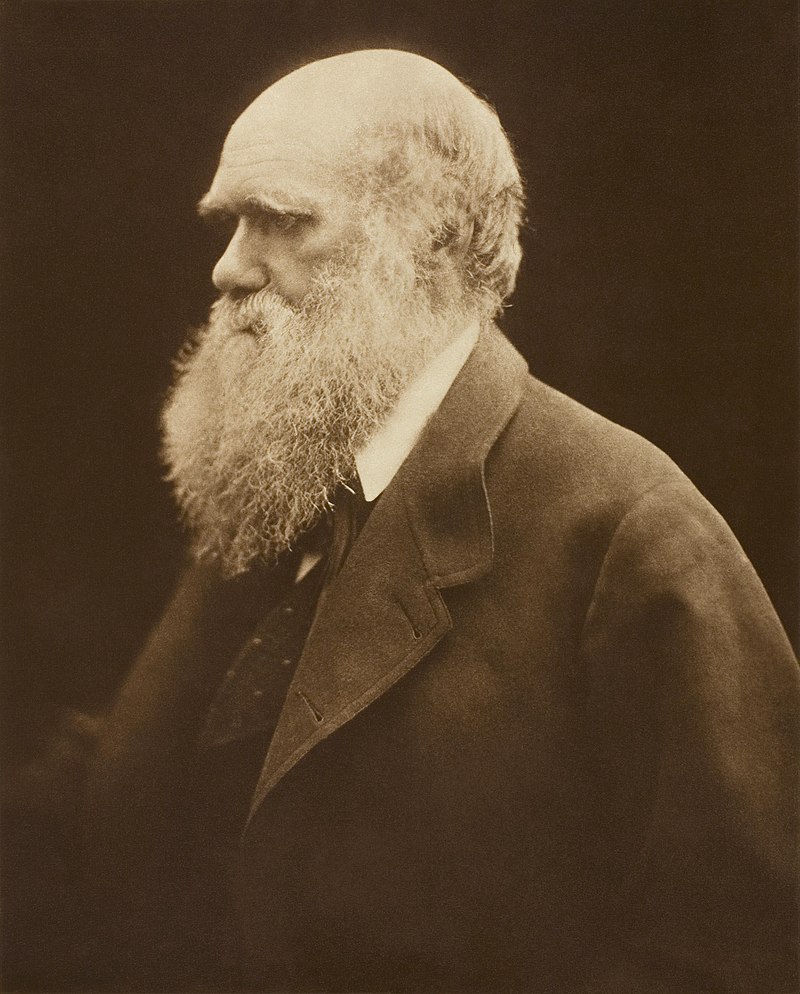
The topic is not new: In his 1872 book The Expression of the Emotions in Man and Animals, Charles Darwin recounted his observations of animals, his own children and other people, linking particular expressions with specific emotions. His book was “radical for his time and for today,” explained Paul Ekman, PhD, of the University of California, San Francisco, and conference chair. “We all stand on the contributions this great man made in this extraordinary book.”

Face Value

The face is often our first encounter with another’s emotions. Frans B.M. de Waal, PhD, of Emory University’s Yerkes Primate Center, scrutinizes the facial expressions and gestures of chimpanzees and their cousins, the bonobos, and has found remarkable similarities with humans. They smile and laugh like we do. A chimp may even extend a hand to another chimp after having been fighting – as a sign of reconciliation.

Image courtesy of ballabeyla via stock.adobe.com.

At Yerkes, Lisa A. Parr, PhD, observes how chimpanzees respond to photographs and sound recordings of other chimps. She has found that they process both visual and auditory cues to interpret emotion, with certain facial expressions and sounds having more relevance than others.

The same goes for human infants. “The emotional signals of a mother influence her baby in very powerful ways, and some of those have long-lasting impact,” said Joseph J. Campos, PhD, of U.C., Berkeley. For example, a mother may use facial expressions and varying tones of voice to denote approval or disapproval of her young infant’s actions.

By 12 months, infants begin seeking out emotional information themselves as a means of interpreting what’s happening around them. Emotional sharing between the infant and the mother begins shortly thereafter.

Infants’ emotional expression also varies by culture. Linda A. Camras, PhD, of DePaul University, compares facial expressions and reactions among infants of different nationalities who are exposed to stimuli that elicit positive and negative emotions. She has found that European-American babies are more expressive than Chinese infants, with Japanese babies falling somewhere in between.

Liar, Liar?

“The face lies and the face leaks,” said Paul Ekman in his presentation on facial expressions and deception. He described the value of interpreting facial “micro-expressions,” which may only last 1/25th of a second but reveal a person’s true intent. Micro-expressions, and the messages they convey, become much more apparent when viewed using slow-motion video, though trained observers can spot them instantly. They are often involuntary muscular movements of which the speaker is unaware.

“Facial expressions that contain an involuntary movement that is difficult to make voluntarily are the most reliable,” added Ekman. Taken in context with the pitch of a person’s voice, micro-expressions are a “very real source of information.”

Such fleeting expressions were also addressed by Dacher Keltner, PhD, of U.C., Berkeley. In a study of the faces of women in Mills College yearbook photos taken more than 30 years ago, Keltner found that women who displayed strong, natural smiles in the photos later felt the happiest over the course of their lives, and had better marriages. “Very brief observations of the face can tell us a tremendous amount about life,” he concluded.

Calls of the Wild

Some animals rely more on auditory displays to express their emotions. Superb starlings, diana monkeys, and baboons of Botswana’s Okavango Delta all have a catalogue of alarm calls to differentiate airborne predators (such as an eagle) from those on the ground (such as a leopard), letting nearby animals know how to escape.

“These vocalizations are clearly emotional signals, given in highly emotionally charged situations,” explained Robert M. Seyfarth, PhD, of the University of Pennsylvania. The characteristic “wahoo” sound of the baboons also differentiates high- from low-ranking males, as well as young from old.

Jo-Anne Bachorowski, PhD, of Vanderbilt University, might argue that humans use laughter in a similar way, to influence the response of those who hear it. Her studies have shown that men laugh most strongly with other male friends, while women’s laughs are stronger in the presence of other males (friends as well as strangers). “Laughter is a tool to elicit affect, and thereby shape the behavior of the listener toward the laugher,” she concluded.

Blood, Sweat, and Fears

When we laugh or cry – and when we try to stifle those feelings – our bodies respond with measurable responses in the heart and brain.

“There is no single emotion center in the brain,” said Richard J. Davidson, PhD, of the University of Wisconsin. Rather, the seat of emotion stretches across several regions.

Much of emotion is regulated by various areas in the prefrontal cortex, a finding supported by Davidson’s functional MRI studies. Those investigations also demonstrated contractility in the heart in response to the threat of shock, as well as activation of the brain’s amygdala.

David G. Amaral, PhD, of U.C., Davis, has done studies in monkeys confirming the role of the amygdala as the fear-processing center of the brain. “The amygdala is a protection device that not only instills a fear response,” he explained, “but controls behavior so that an individual can evaluate a situation.”

In response to fear, some of us turn white. Robert W. Levenson, PhD, of U.C., Berkeley, explained how that response is regulated by the autonomic nervous system (ANS).

In addition to making us blush with embarrassment or turn red with anger, the ANS governs the physiological responses that occur when we try to suppress an emotion we are feeling. Levenson’s studies demonstrate that such suppression can cause increased heart rate and skin conductance.

Emotion in the Golden Years

We know our bodies begin to slow down as we age. But our emotional perception actually gets better. “Emotional experience and regulation improve with age, despite the losses that occur with aging,” noted Laura L. Carstensen, PhD, of Stanford University.

In the second half of life, people reprioritize their lives in pursuit of emotional balance and well-being. Her research shows they’re more likely to recall positive images and messages, and desire more time with their families. Concluded Carstensen, “As we age, we begin to focus on the positive, forget about the negative, and find a way to successfully navigate through life in our later years.” And that’s good news.

Also read: 165 Years of ‘On the Origin of Species’

Science and Citizenship: ‘A Matter of Trust’

Public trust in science is an issue as old as time, but experts are proposing new methods and approaches aim to change this.

Published January 1, 2003

By Jennifer Tang

Image courtesy of RomanR via stock.adobe.com.

Scientists and policymakers now insist that the public must understand science if people are to be useful citizens – capable of functioning as workers, community members and informed citizens in a technological age.

But what does public understanding mean? And what can we do to prepare the public, and particularly the young, for lives of citizenship and social responsibility – as well as success in workplaces that are increasingly shaped by science and technology?

These issues were the focus of the Willard Jacobson Lecture recently given by Dr. Judith A. Ramaley, assistant director, Education & Human Resources, National Science Foundation. Ramaley, the winner of this year’s Jacobson Award, was honored for her work in mathematics and science education projects.

Public Understanding?

How much do our citizens really “know” about science? According to Ramaley, approximately 20 percent of American adults think they are well informed about new scientific discoveries and technologies, while 25 percent say they understand enough about scientific inquiry to make informed judgments about scientific research reported in the media. About 14 percent admit they pay attention to science and technology policy issues only when a crisis compels their attention.

Ramaley defined what a public understanding of science would encompass: it means paying careful and thoughtful attention to science and technology issues while also recognizing the strengths and limitations of these fields. Scientific literacy involves understanding scientific and technical concepts and vocabulary as well as the use of various sources of such information.

But how well prepared is the public to distinguish valid sources of information from useless or even dangerous misrepresentations?

Developing Public Trust

Dr. Judith A. Ramaley

Surveys show that public trust in science and scientists is highest in times of peace, Ramaley noted. This confidence can waver, however, when a crisis emerges over such controversial subjects as nuclear power, genetic engineering or space exploration.

“People who think that science is a product rather than a messy process of inquiry can become profoundly uncomfortable when they are brought face-to-face with the uncertainties and arguments at the frontiers of science,” she observed. “When people are fearful, they want simple answers to emotionally laden questions, preferring the opinions of their friends or trusted advisors over the information provided by scientists.”

How, then, can we increase the public’s trust in the scientific community? The UK’s public outreach effort was cited as a model. The Citizen Foresight project, launched by the London Centre for Governance, Innovation and Science, offered citizens an opportunity to meet with scientists. British citizens, selected at random, met every week to explore not only the “facts,” but also the deeper ethical and emotional issues associated with questions about food supplies and agricultural technologies.

“The British have learned that public trust and confidence cannot be gained simply through providing information about science, but by direct dialogue and discussion about the issues,” she observed. “Scientific knowledge must be grounded in a moral and ethical foundation that is seen as legitimate by the public and is accepted as responsive to their needs and interests.”

Science for Everyone

How science is taught in the schools also is vital to promoting a public understanding of science. “Students can best learn how science is done by doing genuine scientific inquiry,” she said.

Science also can be made appealing to students if they view science as being connected to their own lives and interests. “When science is meaningfully connected to things that young people care about, it becomes an experience rather than a product to be memorized,” she added.

In addition, schools should integrate scientific exploration with other disciplines so that students can see how science contributes to understanding in any field, and how other fields contribute to science. “Science is for everybody,” Ramaley said. She recommends a curriculum in which disciplines that foster creative and critical thinking – such as language and literature, history, the arts and foreign languages – predominate.

Understanding science, however, poses a mental challenge. “New knowledge can only be absorbed and put in context if the participant can uncover older, ‘untrue,’ knowledge and discard it,” she said. “If during our education, we are never required to examine those deeper assumptions, acquired early and applied without thought to the challenges of daily life, we will not be responsive to the insights and knowledge generated by any discipline, including the sciences and mathematics.”

Also read: Building Trust Through Transparency in Biorisk Management

Challenging Female Stereotypes in STEM

A new book explores the stereotypes that women overcame, as well as their accomplishments achieved, when contributing to the war effort in WWII.

Published January 1, 2003

By Jeffrey Penn

A colorized photo of real life “Rosie the Riveter.” Image courtesy of U.S. Library of Congress via Wikimedia Commons. Public Domain.

Advertising and other visual images during the past century have helped shape and challenge prevailing stereotypes about the role of women at home and in society, according to a social historian who recently addressed a gathering at The New York Academy of Sciences (the Academy) on the subject of “Woman and the Machine: Changing Images.”

“These contrasting images reveal signs of ambivalence in deeply felt social attitudes about women’s roles and technical abilities,” said Julie Wosk, professor of Art History, English, and Studio Painting at SUNY Maritime College and author of the recently published Women and the Machine: Representations From the Spinning Wheel to the Electronic Age (Johns Hopkins University Press).

Breaking Old Frameworks

It was recognized soon after new machines and technologies became widespread following the Industrial Revolution that the breaking of old frameworks could have a disorienting effect on people. “In early images that anxiety was often expressed visually in people being confused or torn apart by exploding steam-powered machines,” Wosk said.

Commenting on a series of slides, Wosk noted that many of the early images portrayed machines as the tools that could liberate women from the drudgery associated with the manual labor of domestic life. “Machines and technology have often been sold as liberating to women,” she said, “but there also has been an enslaving of women.” New electrical appliances, for example, were supposed to emancipate women from housework. “But there were often heightened expectations about increased cleanliness,” Wosk said, “and a belief that the new appliances would permit women to do even more work.”

Although some images challenged stereotyped assumptions about the relationship of women to machines, just as many used women as mere decorations or sentimental and romantic adornments to whatever was being marketed. “Women were early portrayed as childlike and naive, requiring simple machines in contrast to men, whose sphere was assumed to be machines and technology,” Wosk said. “Women were often portrayed as aghast at machines, technologically challenged, forlorn and baffled.”

The “Rosie the Riveter” poster. Image courtesy of U.S. Library of Congress. Public Domain.

Riding Old Assumptions

In early advertisements and motion pictures associated with electricity and electrical devices, women often appeared as “daffy and fearful,” Wosk noted, “or, occasionally, as electrically created facsimiles of females compliant to men.” There were, however, some positive female images in early advertisements related to electricity. But the ambivalence was still there, Wosk suggested, seen in the notion that gas engine automobiles were masculine and electric automobiles were especially suited for women because they were clean and easy to operate.

More than in any other advertising genre, visual images related to transportation – particularly bicycles, automobiles and airplanes – have both supported and challenged conventional assumptions about the role of women, Wosk said.

Early bicycle advertising included images of women, but the invention of the safety bicycle in the 1890s “contributed most to the idea that women could be fully independent and mobile,” Wosk said. “A bicycle-riding craze began because bicycles were lighter, more stable, and the closed gears permitted women to ride bikes without their skirts getting caught. The invention of coaster brakes and a drop-frame bicycle for women also encouraged them to take up bike riding.”

Even though many images portrayed women on bicycles, they often contained a subtle suggestion. In satiric stereoscopic photos, she said, “You often see men in the background looking nervous that women might just ride away from their responsibilities at home.”

The advent of automobiles, however, helped women refute stereotypes that they were inept, she said. Female images were increasingly used to market the vehicles, and magazine photos included portrayals of so-called “flappers” displaying their sense of independence in cars.

A Cultural Ambivalence

Peggy Bridgeman at the left demonstrates to Ruth Harris the correct technique while their instructor, Lee Fiscus, looks on attentively, in the Gary plant of the Tubular Alloy Steel Corporation, United States Steel Corporation subsidiary. Peggy is acclaimed by her superiors to be one of the most skilled welders they have had working with them. Image courtesy of U.S. National Archives and Records Administration via Wikimedia Commons Public Domain.

Again, however, many early images of women with autos revealed a cultural ambivalence. “You often find that women in advertising images are presented as being more interested in the color and upholstery of the interior of cars than in the mechanics of the internal combustion engine,” Wosk said. And she pointed out that artists’ images sometimes supported the notion that women “were harebrained, maniacal drivers.”

The invention of the airplane, Wosk believes, combined with rapid social change during both world wars to transform the image of women in visual and advertising images. “With airplanes there was a sense that women could transcend the earth and the confining cultural notions about women’s lack of technical abilities.” As one early female aviator wrote, “Flying is the only real freedom we are privileged to possess.”

Service During WWI

Although the shift in expectations regarding women during World War II is well documented, Wosk noted that women were recruited to serve as machine tool operators, automobile repairers and workers in airline manufacturing as early as World War I.

“During World War II, women began to redefine their roles and sense of patriotic duty as they learned new jobs vacated by men who entered the military,” Wosk said. Many new images portrayed women in jobs formerly held only by men, including famous renderings of “Rosie the Riveter.” Yet even in those images, “Rosie often was portrayed with a makeup compact in her pocket.” In many of the new images, Wosk said, “women were portrayed as changing their clothes – a practical requirement related to the new jobs they were doing, but also a symbol of transformation.”

After World War II, advertising images attempted to persuade women to revert to their former clothing styles and occupations. “Women were encouraged to become enamored of their home appliances again,” Wosk concluded.

Also read:Celebrating Girls and Women in Science


About Prof. Wosk

Professor Julie Wosk received a B.A. from Washington University in St. Louis (graduating magna cum laude, Phi Beta Kappa), an M.A. from Harvard University and a Ph.D. from the University of Wisconsin. She has twice been a National Endowment for the Humanities Fellow in art history – at Princeton and Columbia University. She is also an artist whose oil paintings and large-format color photographs have been exhibited in New York and Connecticut galleries.

Code to Commodity: Genetics and Art

A new art exhibit at The New York Academy of Sciences explores everything from genetic iconography and gene patents to bioinformation and artificial chromosomes.

Published January 1, 2003

By Dorothy Nelkin and Suzanne Anker

In scientific terms, the gene is no more than a biological structure, a DNA segment that, by specifying the composition of a protein, carries information that promotes the formation of living cells and tissues. However, its cultural meaning – reflected in popular culture and visual art – is independent of its biological definition. The signs and symbols of genetics have become icons expressing numerous issues emerging from the genetic revolution.

Since the late 1980s many contemporary artists have incorporated genetic imagery into their work. Images of chromosomes, double helices and autoradiographs increasingly appear in paintings, sculpture, photography and film. Both scientists and artists use visualizations to explore the hidden meanings in the corporeal body, to probe the deeper world underlying surface manifestations and to comprehend the mysteries of life.

While science and art share a cultural context and draw referents from the same milieu, they are distinct ways of knowing the world. Scientific images reflect the fact that science, aspiring to objectivity, is evidence-based. In contrast, artists are absorbed by subjectivity, seeking a truth based on individual and private perceptions.

The images created by artists, however subjective, are important in bridging the connection between the world of scientific discovery and its cultural interpretation in society. These visualizations are a means to shape and analyze how culture assimilates the issues emerging from the burgeoning genetic revolution and a filter engaging our hopes and fears of a bio-engineered future.

Genetic Iconography

From Code to Commodity: Genetics and Visual Art, a show we have curated for The New York Academy of Sciences’ (the Academy’s) Gallery of Art and Science, addresses two themes that have inspired artists to adopt genetic iconography: DNA as a semiotic sign system and a bio-archive for the commercial patenting of gene sequences. Molecular biology has turned the body into a set of notations as scientists seek to understand the workings of the DNA molecule.

Many artists regard these graphic visions as an aspect of modernism’s abstract legacy, a part of the iconography of the 21st century. Attracted by the concept of the body as “code,” they use the symbols of chromosomes and helices to reflect upon the complex structures of life, the inner domain of the person, and the truth underlying appearances.

In Frank Gillette’s The Broken Code (for Luria) (2002), the artist converts a Gregorian chant into a meditation on mitosis. Olivia Parker’s Torso on Blue (1998) directly addresses the body as code through letter forms imposed on a torso. So does Kevin Clarke. His digital color portrait Eight Pages from the Book of Michael Berger, Page 5 (1999) uses the subject’s own nucleotide sequence, garnered through his blood sample.

The artist then overlays this genetic code on top of Mr. Berger’s collection of robots, bringing together two variants of the sitter’s identity. The emerging world of proteomics is another source of iconography, adopted by Steve Miller, Eat Protein (2002).

Bioinformation and Artificial Chromosomes

Michael Rees generates a linguistic sculpture using a sculptural user interface computer program. By typing a particular sentence into his program, he constructs a pictorial equivalent that can be turned into a prototyped sculpture. Marcia Lyons Manipulates her “code” in Munging Body (1999) series to show future ways in which bioinformation may be used to create living specimens in a variety of shapes.

And Suzanne Anker’s Cyber-Chrome Chromosome (1991) addresses the concept of artificial chromosomes, which geneticists are now beginning to create in their labs.

Other artists are starting to explore an increasingly important aspect of contemporary genetics – its role in the world of commerce. Bryan Crockett’s marble and resin sculptures employ the motif of genetically altered mice as instruments in science. In Frank Moore’s Index Study (2001), the commercial icon Mickey Mouse appears on a fingernail emerging from a double helix.

Ellen Levy addresses the issue of patenting life forms as an extension of the routine pattern of commodifying inventions. For the Storey sisters, high fashion meets high technology in a set of dresses conceived from images of fetal development and cellular script. Concerns about the way the body and its genetic materials have been mined and patented, bought and sold, banked and exchanged as commodities are expressed in Larry Miller’s conceptual copyright certificates. And for Natalie Jeremijenko, the cost/benefit analysis of IVF is rhetorically and visually addressed in her media installation.

Public Concern Over Gene Patents

The implications of gene patents – for privacy as well as the protection of patients and human subjects of research and the exchange of information – are emerging as public concerns in the molecular age. This also is reflected in contemporary art.

This Academy exhibition is intended to raise several questions: Is bio-information just another commodity? Should the body become a bio-archive? What are the implications for using the body as a source of coded information for personal privacy, identity and corporeal integrity?

An extended analysis, including numerous illustrations, can be found in our forthcoming book, The Molecular Gaze: Art in the Age of Genetics (New York: Cold Spring Harbor Laboratory Press, 2003).

Also read:The Art and Science of Human Facial Perception

The Complexities of Stem Cell Research

Proponents on both sides of this at-times controversial debate each make their case, combining the science, history, policy, and ethics of the research.

Published August 1, 2002

By Fred Moreno, Dan Van Atta, Jill Stolarik, and Jennifer Tang

Image courtesy of NIH via Wikimedia Commons.

Following the recent death of American baseball legend Ted Williams, it was learned that the former Boston Red Sox slugger’s body had been suspended in liquid nitrogen, encased in a titanium-steel cylinder along with other bodies being preserved at a commercial cryonics facility. Controversy swirled as the story circulated that at least one family member sought to preserve the icon’s DNA for possible future use in cloning.

Cryonics and cloning are the stuff of popular fiction and films from Frankenstein to Star Wars, with the scientist’s power to “create life” eliciting both fear and fascination. With cloning and embryonic stem cell research now poised for rapid expansion, however, the real-world debate on cloning, even for specifically defined therapeutic purposes, has heated up. Scientists, too, have begun to grapple with the issue of setting appropriate limits on their ability to engineer life.

Stuart Newman, professor of Cell Biology and Anatomy at New York Medical College, is among the more skeptical voices in the debate on human cloning. Speaking at a roundtable discussion held on the subject at The New York Academy of Sciences (the Academy) this spring, Newman called the creation of clonal embryos a slippery slope that no amount of regulation can level. He cited what he considers to be inexorable pressures on biomedical researchers to transgress acceptable limits by allowing cloned embryos to grow beyond the cellular stage.

The Thornier Aspects

During the meeting, which was co-hosted with Gene Media Forum, Newman engaged in an interchange with patient-activists – including the noted actor and director Christopher Reeve – and fellow scientists in an effort to sort out the thornier aspects of the cloning debate.

Craig Venter, PhD, president of the TIGR Center for the Advancement of Genomics and a major figure in microbiology and genomics, moderated the debate. Other panelists included Rudolf Jaenisch, MD, professor of Biology at MIT; James Kelly, an activist on behalf of spinal cord treatment; and Reeve.

For many, the cloning debate hinges on the distinction between reproductive and therapeutic cloning. Reproductive cloning aimed at creating a child has been censured by scientists and ethicists alike. Earlier this year, the National Academy of Sciences called for a total ban on human reproductive cloning, but strongly endorsed cloning to obtain stem cells that hold promise for curing a broad spectrum of human diseases. Jaenisch and Reeve expressed their support for this view, while Kelly and Newman cast doubt on the advisability of human cloning for any purpose.

Therapeutic cloning relies on nuclear transfer technology, a technique used to create a customized stem cell line for a patient in need. The nucleus of one of the patient’s own skin cells, for example, is extracted and transferred into a human egg whose nucleus has been removed. The new nucleus of this cell is then exposed to the egg’s signals, causing it to revert to its embryonic state.

In theory, embryonic stem cells can be chemically coaxed into producing lines of cells that will make whatever tissues are needed to heal and repair the body. Examples being considered include leukemia-free bone marrow cells, insulin-producing islet beta cells for diabetics, and dopamine-rich neurons for patients with Parkinson’s disease.

Commercial Interests and Patient Pressures

Still, the slippery slope looms large for critics of the new science. If a legal limit is eventually set allowing scientists to grow a clonal embryo for 14 days, Newman speculated, why not 15, 16, or 17 days and beyond? He said a combination of commercial interests and patient pressures would make it impossible to regulate the technology.

But Rudolf Jaenisch strongly disagreed with this all-or-nothing view. “It’s premature to ban a technique that is still in the process of evolving,” said Jaenisch, referring to a bill in the Senate that, if passed, would criminalize all forms of human cloning. “At no point in our nation’s history has Congress banned an area of scientific exploration or technology by federal legislation.” Nonetheless, despite the objections of many scientists, a total ban on cloning in the United States remains a distinct possibility.

European governments are generally recommending a more measured approach to regulating the new technology. The U.K. recently passed a law prohibiting reproductive cloning but allowing therapeutic cloning research to move forward under strict government oversight.

Australia, Canada, Israel, Japan, Portugal, Singapore and the Benelux countries also have approved therapeutic cloning. A special committee of the European Parliament has been holding meetings to develop a framework for cloning research that can help European governments evaluate its risks and benefits.

“The British solution is black and white,” said Jaenisch. “If you implant a cloned embryo into a uterus, it’s a criminal act. If you put it into a Petri dish with the intent of making an embryonic stem cell, it is allowed. There is no gray zone.” Again putting forth the slippery-slope argument, Newman pointed out that the development of an artificial uterus, for example, would nullify this distinction.

The Legality of Therapeutic Cloning

The United States is alone among the so-called developed nations in attempting to make therapeutic cloning illegal. If Congress succeeds in criminalizing all forms of cloning, the U.S. would effectively seal its borders against the importation of cloning-derived treatments for diseases that afflict millions of Americans. For those with Parkinson’s disease, diabetes, spinal cord injuries, Alzheimer’s disease, and a whole host of incurable conditions, this could be tantamount to “health exile.”

Despite their promise, however, cloning-derived stem cells and their successful development into cures are still just a distant possibility, according to James Kelly, who himself is confined to a wheelchair as a result of a spinal cord injury. They’re too uncertain, he believes, to warrant a large investment of research dollars at the expense of more tried-and-true avenues of investigation.

Christopher Reeve disputed Kelly’s assertion on two counts: First, in his view, it won’t be that long before therapeutic cloning techniques will be ready for use in humans; and second, biomedical research isn’t a zero-sum game. Pointing to the recent doubling of the NIH budget and to funds that have been earmarked by the Department of Health and Human Services for therapeutic cloning, he claimed there will be sufficient funding for many types of research.

The Promise of Therapeutic Cloning

Reeve, who was paralyzed in an equestrian accident in 1995, believes his best hope for recovery lies in therapeutic cloning. Because spinal cord injury usually leads to a compromised immune system, his doctors say his best option is treatment with embryonic stem cells derived from his own DNA, as cells from an anonymous donor would pose a high risk of rejection.

The charismatic activist and philanthropist further reminded his fellow discussants, and the audience, that scientific breakthroughs are often greeted with suspicion. “When vaccines became available early in the 20th century, there was a real fear and, in fact, strong opposition from the private sector and the government,” he said. “The idea for a vaccine against, say, measles meant the introduction of a small amount of measles into the patient, and people couldn’t comprehend that that would be actually the solution to contracting measles.”

Venter concluded the meeting by seconding Reeve’s warning against allowing fear to shape today’s attitudes toward scientific advances, stressing the inherent value of cloning research itself. “Just doing the basic science research is one of the greatest avenues we’re ever going to have to understand our own development and our own biology,” he said

Also read: The Tantalizing Promise of Stem Cell Research

Genetic Privacy: A War Fought on Many Fronts

While genetic testing offers benefits from disease detection to casualty identification, it also creates a slew of legal and ethical questions.

Published June 1, 2002

By Mary R. Anderlik and Mark A. Rothstein

In 1995, U.S. Marine Lance Corporal John C. Mayfield III and Corporal Joseph Vlacovsky — along with many other U.S. service men and women — were told that DNA samples would be collected as part of a medical examination. Such testing had become routine since December 16, 1991, when the deputy secretary of the U. S. Department of Defense issued a memorandum launching its ambitious program to collect DNA samples from all members of the armed forces, active and reserve.

Unlike their comrades, however, Mayfield and Vlacovsky refused to provide the samples. Commented Vlacovsky: “I expected to give up some privacy when I joined the military, but not something I held so close.” Mayfield worried about the potential for abuse, given a historical record that included exposure of troops to radiation, LSD, and Agent Orange. A legal battle cry in the nascent war over genetic privacy was sounded.

DNA is not difficult to obtain. Initially, “collection” consisted of a finger prick to produce a pair of half-dollar sized blots of blood on paper cards and a swab of the inside of a cheek to scrape off epithelial cells. Cheek swabs were eventually discontinued due to storage problems. Samples are transported to the military’s DNA repository, a large warehouse in Gaithersburg, Maryland. A small cadre of workers at the warehouse processes and catalogs the samples, which are stored on trays in gigantic walk-in freezers. Over its history, the repository has been accessed over 700 times in support of human identification; the current inventory is 3.6 million specimens.

More Accurate Accounting of Casualties

The military contends that the DNA collection and identification program serves a laudable goal. Operation Desert Storm served as a catalyst for creation of the repository. The fragmentary remains of some soldiers who perished in that war proved difficult to identify by traditional means, such as dental records and fingerprints. DNA typing allows a more accurate accounting of casualties and brings closure for families caught in limbo between grief and hope. This was recently demonstrated, for example, when specimens in the DNA repository were used to identify some victims of the September 11, 2001, terrorist attack on the Pentagon.

Mayfield and Vlacovsky were not persuaded by these arguments and resisted sharing their genetic material even when that resistance led to court-martial. The two marines asserted that the collection, storage and use of their DNA violated their constitutional rights to due process, privacy, freedom of expression and freedom from unreasonable searches and seizures.

In legal terms, the search and seizure charge had the best prospects for success. Mayfield and Vlacovsky conceded that the military’s stated purpose for the registry was benign. But they claimed the risk remained that in the future the DNA samples would be used for other purposes, such as diagnosis of hereditary diseases or disorders, and that information would be disseminated to potential employers, insurers and others with an interest in the information.

A federal district judge in Hawaii refused to consider such “hypothetical” future uses and misuses. The judge concluded that the military had a compelling interest in obtaining DNA and that the “minimal intrusion” of taking blood samples and oral swabs, while a seizure, was not unreasonable.

What Constitutes ‘Privacy’?

While the case was on appeal, the marines were honorably discharged, without providing blood or tissue samples, and the judgment of the district court was vacated as moot. Hence, the legality of mandatory DNA collection by the military has yet to be decided.

The military case is unique in some respects, but the case of the two marines raises issues of general significance. In the context of genetics, the concept of “privacy” can encompass at least four categories of concern: 1) access to bodies and personal spaces; 2) access to information by third parties and any subsequent disclosure of this information by third parties; 3) third-party interference with personal choices and denial of opportunities; and 4) ownership of biological materials and personal information.

Advocates of restrictions on the collection and use of genetic material and information generally focus on what is different about DNA — and about the technologies that allow human beings to use DNA for purposes that might include commercial exploitation and discrimination. One feature of genetic information often cited as distinctive is its predictive nature. Many genetic tests detect a disorder that has not yet manifested in symptoms, or a mutation that puts a person at above average risk of a disease. Most genetic tests, however, are not sufficiently precise to allow prediction of the time of onset of disease, or the severity of a disease if and when it develops.

The Limits of Genetic Testing

Genetic testing for mutations associated with disease is of questionable value to the individual when neither cure nor prevention is possible. For example, many people choose not to be tested for the mutation that causes Huntington disease. When preventive care is available, such as with more frequent mammograms or prophylactic mastectomy as in the case of the BRCA1 and BRCA2 mutations associated with heightened risk of breast cancer, genetic testing may have considerable value.

Many people will be reluctant to undergo testing or participate in genetic research without assurances of confidentiality and protections against discrimination. Insurers and employers may be interested in information that is even crudely predictive of future disease and disability; the potential for unfairness to particular individuals may count for little given the potential cost savings from identification and exclusion of numerous high-risk individuals.

Flexible Concerns and Other Anxieties

The significance of genetic information for whole families, and not merely individuals, is also offered as evidence of the distinctiveness of genetic information. For inherited disorders, the revelation that one person is affected has implications for others who are biologically related; testing may also reveal a lack of biological relatedness (misattributed paternity), a trigger for another sort of problem.

Genetic testing also creates difficult dilemmas for those who are contemplating parenthood. Information related to any serious genetic disorder affects reproductive decision making in ways that are profound. The potential for disclosure of sensitive information and discrimination in such circumstances may add to a sense of confusion or distress in weighing the risks and benefits of information-seeking. It certainly increases the burden on those who are the bearers of knowledge and must consider the costs of its communication to siblings and descendants.

Genetic material also may reveal information beyond what was originally contemplated and serve purposes other than those for which it was originally obtained. With each advance in technology, DNA offers up more and more of its secrets. While many researchers and law enforcement professionals view this feature of DNA as a reason for preserving samples indefinitely, many privacy advocates view the same feature as a reason for prompt destruction following completion of the immediate analysis.

Stigmatization is another concern. Although genetic conditions do not excite the fears associated with infectious disease, the individual who is found to have a “genetic defect” may readily be viewed as a “genetic defective,” a person of lesser worth.

Nothing New?

While advocates of genetic privacy stress these distinctions, opponents of restrictions minimize the differences between genetic information and other kinds of personal information. Like the judge in the case of Mayfield and Vlacovsky, they may focus on the simplicity of the DNA collection process rather than the nature or potential uses of the DNA itself. They may argue that using DNA for identification purposes is not much different from using fingerprints for identification purposes — if we are comfortable with the later practice, how can we object to the former?

Even the distinctiveness of genetic information as predictive is open to challenge. Cholesterol tests, frequently required by insurers in the medical underwriting process, are considered useful because of their predictive value. Again the question arises, if we permit insurers to review the results of cholesterol tests in medical records, is it illogical to object to similar practices in relation to predictive genetic tests?

The New York State Task Force on Life and the Law, in its report Genetic Testing and Screening in the Age of Genomic Medicine, concludes that while “genetic testing shares characteristics with other forms of medical testing,” DNA-based testing is distinctive in its “long-range predictive power” and its capacity to reveal sharing of genetic variants “at precise and calculable rates,” among other things.

Genetic Privacy in the Information Age

Genetic advances must be considered along with other developments, such as the advent of electronic record keeping, managed care, and the ongoing consolidation in the insurance, banking and health care sectors. Never before has information exchange been so easy or profitable. If documented cases of genetic discrimination are rare, this may be due to the infancy of the technology, and the influence of genetic privacy laws already in place.

Thus far, lawmakers have been most ready to address the consequences of new genetic technologies for health care, health insurance and employment. In health care, confidentiality has long been understood as a crucial precondition to the therapeutic relationship. In the Hippocratic Oath, the physician swears that “Whatever, in connection with my professional service, or not in connection with it, I see or hear, in the life of men, which ought not to be spoken of abroad, I will not divulge, as reckoning that all such should be kept secret.” Laws providing for the confidentiality of physician-patient communications limit disclosure by providers of health care, but they typically permit use of blanket releases by insurance companies and other third parties.

A majority of states now have laws that specifically relate to genetic privacy. The most comprehensive include general provisions covering genetic testing and the handling of genetic information. About half prohibit genetic testing without prior informed consent, subject to exceptions such as law enforcement, paternity determination, court order and anonymous research. These laws often contain a statement that genetic information is confidential, or “confidential and privileged,” meaning that it is protected from subpoena in a civil proceeding, although production can still be compelled by a court order. Disclosure of genetic information to a third party without written authorization is generally prohibited.

Genetic Privacy Laws

Genetic privacy laws often prohibit insurers and employers from requiring genetic testing as a condition of insurance or employment and from discriminatory use of any genetic information obtained. Privacy advocates have long argued that these protections are fairly meaningless if insurers and employers can persuade or pressure unsuspecting individuals into submitting to genetic testing or sharing genetic information.

Once a third party has possession of information, it is difficult to police its use. To address these problems, some states prohibit covered insurers and employers from even requesting genetic testing or genetic information. In the area of insurance, a major issue is breadth of application of these laws. Many states limit special privacy protections for genetic testing and information to health insurance, leaving individuals with few or no safeguards in their dealings with life, disability income and long-term care insurers, among others. States vary in the sanctions imposed for violations of privacy protections. In most states, a violation is a misdemeanor punishable by fine or jail time or both; a willful violation may be a felony.

Genetic privacy laws are typically silent on the issue of retention of biological specimens obtained or retained for the purposes of genetic testing. A few states require destruction of samples upon specific request, or after the purpose for which the sample was obtained has been accomplished. The New York law requires that the sample be destroyed at the end of the testing process or not more than 60 days after the sample is taken, unless a longer period of retention is expressly authorized. Laws that require destruction of samples typically include exceptions for research and law enforcement.

Children Evoke Thorny Issues

Genetic testing of children also has provoked heated discussion. Disagreement is sharpest where the testing is for an adult onset condition that cannot be prevented, ameliorated or cured by any action taken during childhood.

In such cases, it is hard to argue that testing confers any benefit on the child or the parents. The general rule is that parents control medical decision making for their children.

Similarly, thorny issues may arise in the context of adoption. Prospective adoptive parents may insist that a child undergo genetic testing for inherited disorders before they proceed with adoption, especially if a genetic link is or appears to be found for a serious mental illness.

Genetic information is increasingly being sought in other contexts. Defendants in personal injury lawsuits may be eager to prove that injuries resulted from the plaintiffs’ genetic defects rather than their own negligent conduct.

As noted above, state laws may declare that genetic information is privileged and hence protected from routine discovery in the investigational phase of a civil proceeding. However, a judge may order testing or disclosure of information if persuaded of its relevance.

For example, a defendant in a lawsuit arising out of an automobile accident sought to compel genetic testing of the plaintiff for Huntington disease, as a possible causal factor, and the court ordered the testing over the plaintiff’s objections.

Looking Forward

Genetic information is often very powerful in its ability to identify individuals or predict future health. But with its power comes the potential for harm — both through the mere disclosure of genetic information and through the use of the information to deny opportunities.

With regard to genetic privacy, if public policy has lagged behind the science, it is largely because the public understanding (and that of decision makers) has lagged behind as well.

Without broader public education about the promise and peril of genetic information, it will be impossible to develop sensible policies on genetic privacy. As H. G. Wells wrote in 1920: “Human history becomes more and more a race between education and catastrophe.” This observation is still true in the genetic age.

Also read: AI and Big Data to Improve Healthcare


About the Authors

Mary R. Anderlik, Ph.D., received a J.D. from Yale Law School and is an Associate Professor at the Institute for Bioethics, Health Policy and Law, and in the Department of Medicine at the University of Louisville School of Medicine. Professor Mark A. Rothstein holds the Herbert F. Boehl Chair of Law and Medicine and is Director of the Institute of Bioethics, Health Policy and Law at the University of Louisville.