Code to Commodity: Genetics and Art

A DNA helix with lettering in the background.

A new art exhibit at The New York Academy of Sciences explores everything from genetic iconography and gene patents to bioinformation and artificial chromosomes.

Published January 1, 2003

By Dorothy Nelkin and Suzanne Anker

In scientific terms, the gene is no more than a biological structure, a DNA segment that, by specifying the composition of a protein, carries information that promotes the formation of living cells and tissues. However, its cultural meaning – reflected in popular culture and visual art – is independent of its biological definition. The signs and symbols of genetics have become icons expressing numerous issues emerging from the genetic revolution.

Since the late 1980s many contemporary artists have incorporated genetic imagery into their work. Images of chromosomes, double helices and autoradiographs increasingly appear in paintings, sculpture, photography and film. Both scientists and artists use visualizations to explore the hidden meanings in the corporeal body, to probe the deeper world underlying surface manifestations and to comprehend the mysteries of life.

While science and art share a cultural context and draw referents from the same milieu, they are distinct ways of knowing the world. Scientific images reflect the fact that science, aspiring to objectivity, is evidence-based. In contrast, artists are absorbed by subjectivity, seeking a truth based on individual and private perceptions.

The images created by artists, however subjective, are important in bridging the connection between the world of scientific discovery and its cultural interpretation in society. These visualizations are a means to shape and analyze how culture assimilates the issues emerging from the burgeoning genetic revolution and a filter engaging our hopes and fears of a bio-engineered future.

Genetic Iconography

From Code to Commodity: Genetics and Visual Art, a show we have curated for The New York Academy of Sciences’ (the Academy’s) Gallery of Art and Science, addresses two themes that have inspired artists to adopt genetic iconography: DNA as a semiotic sign system and a bio-archive for the commercial patenting of gene sequences. Molecular biology has turned the body into a set of notations as scientists seek to understand the workings of the DNA molecule.

Many artists regard these graphic visions as an aspect of modernism’s abstract legacy, a part of the iconography of the 21st century. Attracted by the concept of the body as “code,” they use the symbols of chromosomes and helices to reflect upon the complex structures of life, the inner domain of the person, and the truth underlying appearances.

In Frank Gillette’s The Broken Code (for Luria) (2002), the artist converts a Gregorian chant into a meditation on mitosis. Olivia Parker’s Torso on Blue (1998) directly addresses the body as code through letter forms imposed on a torso. So does Kevin Clarke. His digital color portrait Eight Pages from the Book of Michael Berger, Page 5 (1999) uses the subject’s own nucleotide sequence, garnered through his blood sample.

The artist then overlays this genetic code on top of Mr. Berger’s collection of robots, bringing together two variants of the sitter’s identity. The emerging world of proteomics is another source of iconography, adopted by Steve Miller, Eat Protein (2002).

Bioinformation and Artificial Chromosomes

Michael Rees generates a linguistic sculpture using a sculptural user interface computer program. By typing a particular sentence into his program, he constructs a pictorial equivalent that can be turned into a prototyped sculpture. Marcia Lyons Manipulates her “code” in Munging Body (1999) series to show future ways in which bioinformation may be used to create living specimens in a variety of shapes.

And Suzanne Anker’s Cyber-Chrome Chromosome (1991) addresses the concept of artificial chromosomes, which geneticists are now beginning to create in their labs.

Other artists are starting to explore an increasingly important aspect of contemporary genetics – its role in the world of commerce. Bryan Crockett’s marble and resin sculptures employ the motif of genetically altered mice as instruments in science. In Frank Moore’s Index Study (2001), the commercial icon Mickey Mouse appears on a fingernail emerging from a double helix.

Ellen Levy addresses the issue of patenting life forms as an extension of the routine pattern of commodifying inventions. For the Storey sisters, high fashion meets high technology in a set of dresses conceived from images of fetal development and cellular script. Concerns about the way the body and its genetic materials have been mined and patented, bought and sold, banked and exchanged as commodities are expressed in Larry Miller’s conceptual copyright certificates. And for Natalie Jeremijenko, the cost/benefit analysis of IVF is rhetorically and visually addressed in her media installation.

Public Concern Over Gene Patents

The implications of gene patents – for privacy as well as the protection of patients and human subjects of research and the exchange of information – are emerging as public concerns in the molecular age. This also is reflected in contemporary art.

This Academy exhibition is intended to raise several questions: Is bio-information just another commodity? Should the body become a bio-archive? What are the implications for using the body as a source of coded information for personal privacy, identity and corporeal integrity?

An extended analysis, including numerous illustrations, can be found in our forthcoming book, The Molecular Gaze: Art in the Age of Genetics (New York: Cold Spring Harbor Laboratory Press, 2003).

Also read:The Art and Science of Human Facial Perception

The Complexities of Stem Cell Research

A shot of a cell taken from under a microscope.

Proponents on both sides of this at-times controversial debate each make their case, combining the science, history, policy, and ethics of the research.

Published August 1, 2002

By Fred Moreno, Dan Van Atta, Jill Stolarik, and Jennifer Tang

Image courtesy of NIH via Wikimedia Commons.

Following the recent death of American baseball legend Ted Williams, it was learned that the former Boston Red Sox slugger’s body had been suspended in liquid nitrogen, encased in a titanium-steel cylinder along with other bodies being preserved at a commercial cryonics facility. Controversy swirled as the story circulated that at least one family member sought to preserve the icon’s DNA for possible future use in cloning.

Cryonics and cloning are the stuff of popular fiction and films from Frankenstein to Star Wars, with the scientist’s power to “create life” eliciting both fear and fascination. With cloning and embryonic stem cell research now poised for rapid expansion, however, the real-world debate on cloning, even for specifically defined therapeutic purposes, has heated up. Scientists, too, have begun to grapple with the issue of setting appropriate limits on their ability to engineer life.

Stuart Newman, professor of Cell Biology and Anatomy at New York Medical College, is among the more skeptical voices in the debate on human cloning. Speaking at a roundtable discussion held on the subject at The New York Academy of Sciences (the Academy) this spring, Newman called the creation of clonal embryos a slippery slope that no amount of regulation can level. He cited what he considers to be inexorable pressures on biomedical researchers to transgress acceptable limits by allowing cloned embryos to grow beyond the cellular stage.

The Thornier Aspects

During the meeting, which was co-hosted with Gene Media Forum, Newman engaged in an interchange with patient-activists – including the noted actor and director Christopher Reeve – and fellow scientists in an effort to sort out the thornier aspects of the cloning debate.

Craig Venter, PhD, president of the TIGR Center for the Advancement of Genomics and a major figure in microbiology and genomics, moderated the debate. Other panelists included Rudolf Jaenisch, MD, professor of Biology at MIT; James Kelly, an activist on behalf of spinal cord treatment; and Reeve.

For many, the cloning debate hinges on the distinction between reproductive and therapeutic cloning. Reproductive cloning aimed at creating a child has been censured by scientists and ethicists alike. Earlier this year, the National Academy of Sciences called for a total ban on human reproductive cloning, but strongly endorsed cloning to obtain stem cells that hold promise for curing a broad spectrum of human diseases. Jaenisch and Reeve expressed their support for this view, while Kelly and Newman cast doubt on the advisability of human cloning for any purpose.

Therapeutic cloning relies on nuclear transfer technology, a technique used to create a customized stem cell line for a patient in need. The nucleus of one of the patient’s own skin cells, for example, is extracted and transferred into a human egg whose nucleus has been removed. The new nucleus of this cell is then exposed to the egg’s signals, causing it to revert to its embryonic state.

In theory, embryonic stem cells can be chemically coaxed into producing lines of cells that will make whatever tissues are needed to heal and repair the body. Examples being considered include leukemia-free bone marrow cells, insulin-producing islet beta cells for diabetics, and dopamine-rich neurons for patients with Parkinson’s disease.

Commercial Interests and Patient Pressures

Still, the slippery slope looms large for critics of the new science. If a legal limit is eventually set allowing scientists to grow a clonal embryo for 14 days, Newman speculated, why not 15, 16, or 17 days and beyond? He said a combination of commercial interests and patient pressures would make it impossible to regulate the technology.

But Rudolf Jaenisch strongly disagreed with this all-or-nothing view. “It’s premature to ban a technique that is still in the process of evolving,” said Jaenisch, referring to a bill in the Senate that, if passed, would criminalize all forms of human cloning. “At no point in our nation’s history has Congress banned an area of scientific exploration or technology by federal legislation.” Nonetheless, despite the objections of many scientists, a total ban on cloning in the United States remains a distinct possibility.

European governments are generally recommending a more measured approach to regulating the new technology. The U.K. recently passed a law prohibiting reproductive cloning but allowing therapeutic cloning research to move forward under strict government oversight.

Australia, Canada, Israel, Japan, Portugal, Singapore and the Benelux countries also have approved therapeutic cloning. A special committee of the European Parliament has been holding meetings to develop a framework for cloning research that can help European governments evaluate its risks and benefits.

“The British solution is black and white,” said Jaenisch. “If you implant a cloned embryo into a uterus, it’s a criminal act. If you put it into a Petri dish with the intent of making an embryonic stem cell, it is allowed. There is no gray zone.” Again putting forth the slippery-slope argument, Newman pointed out that the development of an artificial uterus, for example, would nullify this distinction.

The Legality of Therapeutic Cloning

The United States is alone among the so-called developed nations in attempting to make therapeutic cloning illegal. If Congress succeeds in criminalizing all forms of cloning, the U.S. would effectively seal its borders against the importation of cloning-derived treatments for diseases that afflict millions of Americans. For those with Parkinson’s disease, diabetes, spinal cord injuries, Alzheimer’s disease, and a whole host of incurable conditions, this could be tantamount to “health exile.”

Despite their promise, however, cloning-derived stem cells and their successful development into cures are still just a distant possibility, according to James Kelly, who himself is confined to a wheelchair as a result of a spinal cord injury. They’re too uncertain, he believes, to warrant a large investment of research dollars at the expense of more tried-and-true avenues of investigation.

Christopher Reeve disputed Kelly’s assertion on two counts: First, in his view, it won’t be that long before therapeutic cloning techniques will be ready for use in humans; and second, biomedical research isn’t a zero-sum game. Pointing to the recent doubling of the NIH budget and to funds that have been earmarked by the Department of Health and Human Services for therapeutic cloning, he claimed there will be sufficient funding for many types of research.

The Promise of Therapeutic Cloning

Reeve, who was paralyzed in an equestrian accident in 1995, believes his best hope for recovery lies in therapeutic cloning. Because spinal cord injury usually leads to a compromised immune system, his doctors say his best option is treatment with embryonic stem cells derived from his own DNA, as cells from an anonymous donor would pose a high risk of rejection.

The charismatic activist and philanthropist further reminded his fellow discussants, and the audience, that scientific breakthroughs are often greeted with suspicion. “When vaccines became available early in the 20th century, there was a real fear and, in fact, strong opposition from the private sector and the government,” he said. “The idea for a vaccine against, say, measles meant the introduction of a small amount of measles into the patient, and people couldn’t comprehend that that would be actually the solution to contracting measles.”

Venter concluded the meeting by seconding Reeve’s warning against allowing fear to shape today’s attitudes toward scientific advances, stressing the inherent value of cloning research itself. “Just doing the basic science research is one of the greatest avenues we’re ever going to have to understand our own development and our own biology,” he said

Also read: The Tantalizing Promise of Stem Cell Research

Genetic Privacy: A War Fought on Many Fronts

Two dog tags lie in dirt.

While genetic testing offers benefits from disease detection to casualty identification, it also creates a slew of legal and ethical questions.

Published June 1, 2002

By Mary R. Anderlik and Mark A. Rothstein

In 1995, U.S. Marine Lance Corporal John C. Mayfield III and Corporal Joseph Vlacovsky — along with many other U.S. service men and women — were told that DNA samples would be collected as part of a medical examination. Such testing had become routine since December 16, 1991, when the deputy secretary of the U. S. Department of Defense issued a memorandum launching its ambitious program to collect DNA samples from all members of the armed forces, active and reserve.

Unlike their comrades, however, Mayfield and Vlacovsky refused to provide the samples. Commented Vlacovsky: “I expected to give up some privacy when I joined the military, but not something I held so close.” Mayfield worried about the potential for abuse, given a historical record that included exposure of troops to radiation, LSD, and Agent Orange. A legal battle cry in the nascent war over genetic privacy was sounded.

DNA is not difficult to obtain. Initially, “collection” consisted of a finger prick to produce a pair of half-dollar sized blots of blood on paper cards and a swab of the inside of a cheek to scrape off epithelial cells. Cheek swabs were eventually discontinued due to storage problems. Samples are transported to the military’s DNA repository, a large warehouse in Gaithersburg, Maryland. A small cadre of workers at the warehouse processes and catalogs the samples, which are stored on trays in gigantic walk-in freezers. Over its history, the repository has been accessed over 700 times in support of human identification; the current inventory is 3.6 million specimens.

More Accurate Accounting of Casualties

The military contends that the DNA collection and identification program serves a laudable goal. Operation Desert Storm served as a catalyst for creation of the repository. The fragmentary remains of some soldiers who perished in that war proved difficult to identify by traditional means, such as dental records and fingerprints. DNA typing allows a more accurate accounting of casualties and brings closure for families caught in limbo between grief and hope. This was recently demonstrated, for example, when specimens in the DNA repository were used to identify some victims of the September 11, 2001, terrorist attack on the Pentagon.

Mayfield and Vlacovsky were not persuaded by these arguments and resisted sharing their genetic material even when that resistance led to court-martial. The two marines asserted that the collection, storage and use of their DNA violated their constitutional rights to due process, privacy, freedom of expression and freedom from unreasonable searches and seizures.

In legal terms, the search and seizure charge had the best prospects for success. Mayfield and Vlacovsky conceded that the military’s stated purpose for the registry was benign. But they claimed the risk remained that in the future the DNA samples would be used for other purposes, such as diagnosis of hereditary diseases or disorders, and that information would be disseminated to potential employers, insurers and others with an interest in the information.

A federal district judge in Hawaii refused to consider such “hypothetical” future uses and misuses. The judge concluded that the military had a compelling interest in obtaining DNA and that the “minimal intrusion” of taking blood samples and oral swabs, while a seizure, was not unreasonable.

What Constitutes ‘Privacy’?

While the case was on appeal, the marines were honorably discharged, without providing blood or tissue samples, and the judgment of the district court was vacated as moot. Hence, the legality of mandatory DNA collection by the military has yet to be decided.

The military case is unique in some respects, but the case of the two marines raises issues of general significance. In the context of genetics, the concept of “privacy” can encompass at least four categories of concern: 1) access to bodies and personal spaces; 2) access to information by third parties and any subsequent disclosure of this information by third parties; 3) third-party interference with personal choices and denial of opportunities; and 4) ownership of biological materials and personal information.

Advocates of restrictions on the collection and use of genetic material and information generally focus on what is different about DNA — and about the technologies that allow human beings to use DNA for purposes that might include commercial exploitation and discrimination. One feature of genetic information often cited as distinctive is its predictive nature. Many genetic tests detect a disorder that has not yet manifested in symptoms, or a mutation that puts a person at above average risk of a disease. Most genetic tests, however, are not sufficiently precise to allow prediction of the time of onset of disease, or the severity of a disease if and when it develops.

The Limits of Genetic Testing

Genetic testing for mutations associated with disease is of questionable value to the individual when neither cure nor prevention is possible. For example, many people choose not to be tested for the mutation that causes Huntington disease. When preventive care is available, such as with more frequent mammograms or prophylactic mastectomy as in the case of the BRCA1 and BRCA2 mutations associated with heightened risk of breast cancer, genetic testing may have considerable value.

Many people will be reluctant to undergo testing or participate in genetic research without assurances of confidentiality and protections against discrimination. Insurers and employers may be interested in information that is even crudely predictive of future disease and disability; the potential for unfairness to particular individuals may count for little given the potential cost savings from identification and exclusion of numerous high-risk individuals.

Flexible Concerns and Other Anxieties

The significance of genetic information for whole families, and not merely individuals, is also offered as evidence of the distinctiveness of genetic information. For inherited disorders, the revelation that one person is affected has implications for others who are biologically related; testing may also reveal a lack of biological relatedness (misattributed paternity), a trigger for another sort of problem.

Genetic testing also creates difficult dilemmas for those who are contemplating parenthood. Information related to any serious genetic disorder affects reproductive decision making in ways that are profound. The potential for disclosure of sensitive information and discrimination in such circumstances may add to a sense of confusion or distress in weighing the risks and benefits of information-seeking. It certainly increases the burden on those who are the bearers of knowledge and must consider the costs of its communication to siblings and descendants.

Genetic material also may reveal information beyond what was originally contemplated and serve purposes other than those for which it was originally obtained. With each advance in technology, DNA offers up more and more of its secrets. While many researchers and law enforcement professionals view this feature of DNA as a reason for preserving samples indefinitely, many privacy advocates view the same feature as a reason for prompt destruction following completion of the immediate analysis.

Stigmatization is another concern. Although genetic conditions do not excite the fears associated with infectious disease, the individual who is found to have a “genetic defect” may readily be viewed as a “genetic defective,” a person of lesser worth.

Nothing New?

While advocates of genetic privacy stress these distinctions, opponents of restrictions minimize the differences between genetic information and other kinds of personal information. Like the judge in the case of Mayfield and Vlacovsky, they may focus on the simplicity of the DNA collection process rather than the nature or potential uses of the DNA itself. They may argue that using DNA for identification purposes is not much different from using fingerprints for identification purposes — if we are comfortable with the later practice, how can we object to the former?

Even the distinctiveness of genetic information as predictive is open to challenge. Cholesterol tests, frequently required by insurers in the medical underwriting process, are considered useful because of their predictive value. Again the question arises, if we permit insurers to review the results of cholesterol tests in medical records, is it illogical to object to similar practices in relation to predictive genetic tests?

The New York State Task Force on Life and the Law, in its report Genetic Testing and Screening in the Age of Genomic Medicine, concludes that while “genetic testing shares characteristics with other forms of medical testing,” DNA-based testing is distinctive in its “long-range predictive power” and its capacity to reveal sharing of genetic variants “at precise and calculable rates,” among other things.

Genetic Privacy in the Information Age

Genetic advances must be considered along with other developments, such as the advent of electronic record keeping, managed care, and the ongoing consolidation in the insurance, banking and health care sectors. Never before has information exchange been so easy or profitable. If documented cases of genetic discrimination are rare, this may be due to the infancy of the technology, and the influence of genetic privacy laws already in place.

Thus far, lawmakers have been most ready to address the consequences of new genetic technologies for health care, health insurance and employment. In health care, confidentiality has long been understood as a crucial precondition to the therapeutic relationship. In the Hippocratic Oath, the physician swears that “Whatever, in connection with my professional service, or not in connection with it, I see or hear, in the life of men, which ought not to be spoken of abroad, I will not divulge, as reckoning that all such should be kept secret.” Laws providing for the confidentiality of physician-patient communications limit disclosure by providers of health care, but they typically permit use of blanket releases by insurance companies and other third parties.

A majority of states now have laws that specifically relate to genetic privacy. The most comprehensive include general provisions covering genetic testing and the handling of genetic information. About half prohibit genetic testing without prior informed consent, subject to exceptions such as law enforcement, paternity determination, court order and anonymous research. These laws often contain a statement that genetic information is confidential, or “confidential and privileged,” meaning that it is protected from subpoena in a civil proceeding, although production can still be compelled by a court order. Disclosure of genetic information to a third party without written authorization is generally prohibited.

Genetic Privacy Laws

Genetic privacy laws often prohibit insurers and employers from requiring genetic testing as a condition of insurance or employment and from discriminatory use of any genetic information obtained. Privacy advocates have long argued that these protections are fairly meaningless if insurers and employers can persuade or pressure unsuspecting individuals into submitting to genetic testing or sharing genetic information.

Once a third party has possession of information, it is difficult to police its use. To address these problems, some states prohibit covered insurers and employers from even requesting genetic testing or genetic information. In the area of insurance, a major issue is breadth of application of these laws. Many states limit special privacy protections for genetic testing and information to health insurance, leaving individuals with few or no safeguards in their dealings with life, disability income and long-term care insurers, among others. States vary in the sanctions imposed for violations of privacy protections. In most states, a violation is a misdemeanor punishable by fine or jail time or both; a willful violation may be a felony.

Genetic privacy laws are typically silent on the issue of retention of biological specimens obtained or retained for the purposes of genetic testing. A few states require destruction of samples upon specific request, or after the purpose for which the sample was obtained has been accomplished. The New York law requires that the sample be destroyed at the end of the testing process or not more than 60 days after the sample is taken, unless a longer period of retention is expressly authorized. Laws that require destruction of samples typically include exceptions for research and law enforcement.

Children Evoke Thorny Issues

Genetic testing of children also has provoked heated discussion. Disagreement is sharpest where the testing is for an adult onset condition that cannot be prevented, ameliorated or cured by any action taken during childhood.

In such cases, it is hard to argue that testing confers any benefit on the child or the parents. The general rule is that parents control medical decision making for their children.

Similarly, thorny issues may arise in the context of adoption. Prospective adoptive parents may insist that a child undergo genetic testing for inherited disorders before they proceed with adoption, especially if a genetic link is or appears to be found for a serious mental illness.

Genetic information is increasingly being sought in other contexts. Defendants in personal injury lawsuits may be eager to prove that injuries resulted from the plaintiffs’ genetic defects rather than their own negligent conduct.

As noted above, state laws may declare that genetic information is privileged and hence protected from routine discovery in the investigational phase of a civil proceeding. However, a judge may order testing or disclosure of information if persuaded of its relevance.

For example, a defendant in a lawsuit arising out of an automobile accident sought to compel genetic testing of the plaintiff for Huntington disease, as a possible causal factor, and the court ordered the testing over the plaintiff’s objections.

Looking Forward

Genetic information is often very powerful in its ability to identify individuals or predict future health. But with its power comes the potential for harm — both through the mere disclosure of genetic information and through the use of the information to deny opportunities.

With regard to genetic privacy, if public policy has lagged behind the science, it is largely because the public understanding (and that of decision makers) has lagged behind as well.

Without broader public education about the promise and peril of genetic information, it will be impossible to develop sensible policies on genetic privacy. As H. G. Wells wrote in 1920: “Human history becomes more and more a race between education and catastrophe.” This observation is still true in the genetic age.

Also read: AI and Big Data to Improve Healthcare


About the Authors

Mary R. Anderlik, Ph.D., received a J.D. from Yale Law School and is an Associate Professor at the Institute for Bioethics, Health Policy and Law, and in the Department of Medicine at the University of Louisville School of Medicine. Professor Mark A. Rothstein holds the Herbert F. Boehl Chair of Law and Medicine and is Director of the Institute of Bioethics, Health Policy and Law at the University of Louisville.

A Framework to Improve Global Dialogue

A hand uses an abacus, an early version of what we call a calculator today.

An appreciation for and understanding of medieval Islamic science can help bridge East-West cultural divide and advance science for the public good.

Published April 1, 2002

By Fred Moreno, Dana Van Atta, Jill Stolarik, and Jennifer Tang

Image courtesy of Champ via stock.adobe.com.

For hundreds of years medieval Islamic cities were fertile centers of learning. Wealthy, powerful patrons supported scholars and scientific thought flowered. In Cairo, al-Haytham explored the properties of light and founded the field of optics. In Cordoba, renowned physician al-Zahrawiinvented many surgical techniques and tools still in use today. And in Baghdad, the mathematician, astronomer, and geographer al-Khwarizmi greatly advanced algebra and other basic tenets of mathematics.

Between 800 and 1200 A.D., Arabic was the language in which most works on philosophy, medicine, mathematics, astronomy and geography were written, works that serve as the foundation for modern science. Contemporary scientists and scholars may find these writings useful in a new way: the centuries-old scientific works could help bridge the widening cultural divide between East and West.

A Cross-Cultural Dialogue

Members of The New York Academy of Sciences (the Academy) met this January to mark the publication of a special issue of the journal Technology and Society entitled “Scientists, War and Diplomacy: European Perspectives.” Journal author Alexander Keynan proposed a framework for a cultural dialogue between intellectuals of the two worlds –– a multiyear collaboration that would result in “a comprehensive, in-depth study of Islamic science in the several centuries during which it flourished.”

Such a project could be beneficial in a number of ways, says Keynan, a former scientific advisor to the Israeli government and an expert in international scientific relations. Under its auspices, Islamic and Western scholars could come together “in a creative, cooperative environment conducive to mutual understanding.” In addition, he said, “Western initiative in establishing such a program will send a strong message of appreciation and a willingness to pay tribute to the contributions of the East.”

Alexander Keynan

The project would focus on archives of original writings from the 9th to 12th centuries, many of which never have been explored. “In Toledo, in Morocco and other places are many manuscripts –– thousands from this period, many of them dealing with science –– that never have been opened,” Keynan said.

A Scholarly Endeavor

To locate, catalogue, Translate and analyze these works would be a large-scale scholarly endeavor requiring the contributions of both Islamic and Western scientists, librarians, translators, historians of science –– and people who know Arabic, Greek and Latin. Those heading the project, he added, must be knowledgeable in all of these fields.

Keynan and others at the meeting acknowledged a number of potential roadblocks to the project’s success, including the difficulty in locating people with the interest and expertise in these fields. But many at the meeting agreed that the proposal is a worthy one and that the pitfalls need not stand in the way.

Also read: The Culture Crosser: The Sciences and Humanities

The Primordial Lab for the Origin of Life

A colorful graphical representation of a DNA helix.

Exploring the role of RNA, DNA, nucleic acids, proteins and other elements that inform our understanding of the origins of life.

Published April 1, 2002

By Henry Moss, PhD

Image courtesy of issaronow via stock.adobe.com.

When Thomas Cech and Sidney Altman showed that the ribozyme, a form of RNA, could act in the same manner as a protein catalyst, i.e. enzyme, origin-of-life theorists believed the central piece of the puzzle of life had been found.

Enzyme creation normally requires RNA- or DNA-type templates, but these nucleotides themselves need enzymes to function. If RNA could be cut and spliced without the aid of proteins, however, there was a basis for self-replication: RNA molecules assisting each other, and eventually evolving into life as we know it.

The concept of a primordial replicator is at the center of most origin theories. So it seemed only a matter of time before researchers would show how the components of RNA became available under prebiotic conditions, and how they connected up.

But it has proven far from easy, and most researchers now agree that RNA itself is too complex and fragile to have formed entirely from abiotic processes. They are now looking for a simpler replicator, a pre-RNA, with RNA coming on the scene later.

Nonetheless, some scientists, including nucleic acid chemist Robert Shapiro of New York University, are convinced that this whole approach is misguided. Making his case before audience at The New York Academy of Sciences (the Academy) in February, Shapiro pointed to a growing number of skeptics who wonder if life started with a replicator at all.

At Least 3.5 Billion Years Old

It’s too difficult to conceive, Shapiro said, of all these sensitive organic ingredients coming together, hanging together and creating a replicator complex enough to build proteins –– and eventually cells –– under the earth’s early conditions. And, given the evidence that cellular life on earth is at least 3.5 billion years old, less time was available than once was imagined.

If one were to put pre-RNA ingredients together in a laboratory, without the helping hand of a chemist, and cook them with the other chemicals that were likely present on the early earth, Shapiro said, the outcome would be “a tarry mess.” It would be a near-miracle for these components to come together spontaneously to form a functioning replicator.

Shapiro prefers the work of a growing number of researchers looking at the possibility that small organic and inorganic molecules could organize themselves into self-catalyzing metabolic webs. These webs could recruit components into an increasingly complex organic matrix of reactions, and the simple compartments that held them could reproduce by the simple act of splitting. If a suitable energy source were available to drive the process, such systems could have multiplied and evolved. Accurate residue-by-residue replication would be an advance that was introduced later in evolution.

Primordial Laboratories

Günter Wächtershäuser has formulated scenarios involving molecular adhesion on the surface of iron pyrite, drawing chemicals such as iron, nickel and sulfur, and energy from deep sea vents. David Deamer, Doron Lancet and others have proposed that the chemistry of lipid vesicles –– growing and splitting and carrying around water and small molecules –– could have been the environment. These “little bags of dirty water” might have been primordial laboratories for the emergence of early life.

Shapiro urged support for these new ideas, many testable in the laboratory. He also urged support for space missions that might find environments that harbor, or once harbored, primordial life. We might glimpse this process at work, he suggested, or find evidence of primitive life forms. Most important, says Shapiro, we might prove that the emergence of life from non-living conditions is natural and common, that self-organizing principles exist in prebiotic chemistry.

Dr. Shapiro has written acclaimed books on this topic for the general reader, including, most recently, Planetary Dreams: The Quest to Discover Life Beyond Earth.

Also read: Cosmic Chemistry and the Origin of Life

The ‘Scientific Odyssey’ of a New York Artist

A photo taken from inside the museum.

Artist Frank Moore suffuses science themes in magical mix of fancy and fact in his paintings and other works of art.

Published April 1, 2002

By Thomas C. Woodruff

An inside shot of the Victoria and Albert Museum. Image courtesy of GualdimG, CC BY-SA 4.0, via Wikimedia Commons. No changes were made.

New York artist Frank Moore is a man of fancies and facts turned into magic. His paintings –– as visionary as they are realistic –– address contemporary ecological and biological issues with intensity, austerity, and wit; often with a sense of political morality.

Moore’s interest in and knowledge of science grew from being immersed in nature and environmental concerns as a child and adolescent. After being diagnosed with HIV in the early 1980s, this interest was amplified by his personal need to learn all he could about the crisis that befell him. His work –– as exemplified on these pages –– is suffused with scientific themes and symbols that reflect his hope of helping to “preserve diverse life forms on this earth.”

How did this kid from suburban New York, a graduate of Yale whose works are in collections ranging from the Museum of Modern Art to the Victoria and Albert Museum, acquire his scientific “education?” How does this knowledge affect his worldview and thus his art? Here’s what he had to say in a recent interview.

What was the genesis of your interest in nature and ecological issues?

In summers, I grew up in the Adirondacks of New York State and was surrounded by a pristine ecosystem. Over the years I watched that ecosystem degrade and also saw, at home on Long Island, the scallop industry wiped out and the eelgrass beds in Peconic Bay die. That had a big impact on my view of the human interaction with nature. I became a serious collector –– butterflies, orchids, moths, shells, frogs, bird eggs. I just went from one thing to another, learning all that I could.

How did this early interest translate into your art?

By the time I began painting, I had a level of compassion with the natural environment and felt there were aspects of the animal kingdom that were being abused. I was becoming a kind of activist naturalist. There are many ways that the interests of the larger natural community can be maintained or enhanced at no loss to human happiness. As a painter, I see myself as providing a visual form for people to reflect on what their relationship with nature is and how they feel about such issues as genetic engineering, our use of chemicals and fossil fuels, pollution, and our relationship with technology.

You’ve said that the ecological crisis and the AIDS crisis are related. How is that?

I believe you cannot have healthy people in an unhealthy environment and you can’t have a healthy environment where unhealthy –– greedy, exploitive –– people predominate. In Africa, for example, the AIDS crisis is having an enormous impact on the economies of these countries, how they can handle just housing and feeding these very sick people. This inevitably creates an enormous burden on the ecologies of these countries as well. If there’s no money to take care of people’s health, there’s no money to preserve the environment. When you have a ravaged economy and a society ravaged from disease, you’re going to have a ravaged ecology.

How has your personal battle with AIDS influenced your view of science?

My experience with science –– especially pharmaceutical science –– has been very positive. Genetically engineered formulations have kept me alive. I have some quibbles about the way things are marketed and the way the pharmaceutical industry interacts with the larger social fabric of the world, but on the whole I’m very grateful for the selfless people out there who have helped us all. The AIDS virus is just a virus. It has no personal agenda. It’s just another creature in God’s creation. We need to get over the demonizing of disease, which I believe blocks our ability to understand what it truly is and how it truly operates…and thus how to deal with it.

What is the current focus of your work?

This whole genetic engineering thing is mind-blowing! We’re at the threshold of something that is going to change every aspect of our lives, including health care, in a major way. But in terms of agriculture, what’s going on is more worrisome: How can we integrate advances in the genetic sciences with the overall issue of what humans eat and what we’re going to be growing in the next 50-100 years?

Do you see science and technology as the enemy of art?

I never really conceived of art as being opposed to science. Instead, I see my art as arising out of investigations into the natural world. I think if art becomes unmoored from fact, from some kind of a direct experience of nature, it becomes less interesting. Like science, there’s always a fundamental investigation that’s going on in any great art. And that investigation can be incredibly methodical and painstaking. But so many of the great scientific discoveries reflect a moment of intuitive perception. The guy who figured out the benzene chain was daydreaming in front of a fire and saw a snake grabbing its tail and realized benzene was a ring.

That happens in art, too. There was a moment when I realized that a computer keyboard looks like an ear of corn. So I decided that I would make all the corn in my genetically engineered corn paintings computer keyboards. It was a visual “click” –– that moment when you make a connection. In science, and art, there are probably few “grand” moments, but a huge number of small incremental clicks where you say “what if,” or let’s try this, let’s try that. In art, you may work on something for a few months and you realize it’s a dead end. And that’s what happens with a lot of pharmaceutical research as well.

What is your reaction to some of the recent advances in science?

The human genome project, cloning, stem-cell research are all amazing and exciting –– and fraught with danger. They are marred by the same negative motivations that often plague human activities, but also are ennobled by the higher motivations that accompany human enterprise. It’s a question of how everyone –– the government, society, corporations –– can operate to enhance the positively-directed uses of these advances and how we can suppress the negative uses, such as the development of biological weapons or self-serving cloning practices.

As an artist, I want to inspire people to think about the positive ways new information can be used. I think we all have to work in ways that enhance our overall happiness and reduce our overall suffering. And when I say “our,” I mean every living thing.

Also read:The Art and Science of Human Facial Perception


About the Author

Thomas Woodruff is an artist and chairman of the Department of Illustration and Cartooning at the School of Visual Arts in New York.

Supporting Dissident Scientists in Cuba

A graphic of a puzzle pieces. The left side is the Cuban flag, the right side is the American flag.

As part of the Academy’s continued efforts to advance human rights, a representative recently visited Cuba to advocate for imprisoned dissident scientists.

Published March 1, 2002

By Fred Moreno, Dan Van Atta, Jill Stolarik, and Jennifer Tang

Image courtesy of andy via stock.adobe.com.

A representative of The New York Academy of Sciences’ (the Academy’s) Committee on Human Rights of Scientists traveled to Cuba in late November to visit the physics faculty at the University of Havana. He also met with political dissidents and provided moral support to the wife of Dr. Oscar Elias Biscet, a physician who has been imprisoned for publishing a medical report deemed to be “antigovernment.”

In an attempt to access the present status of human rights issues among scientists in Cuba, Dr. Eugene M. Chudnovsky, Distinguished Professor of Physics at Herbert Lehman College, the City University of New York, met with two dissidents –– an economist and an electrical engineer –– who were previously imprisoned for their political views. They are not permitted to hold official jobs, and both have illnesses for which they need medical supplies.

Chudnovsky also met with Elsa Morejon, the wife of Biscet, who is serving a three-year prison term for his medical report entitled, “Rivanol –– A Method to Destroy Life.” The report documented a 10-month study at Municipal Hospital of Havana, where the drug had been given to thousands of women.

In the report, Biscet found that 60% of the fetuses survived the procedure, which is supposed to kill the fetus after the first trimester. He wrote that surviving babies were left to die by the attending physicians. Dr. Bizcet charged that Rivanol was being promoted as a way to keep Cuba’s birth rate low.

Barred from Professional Jobs

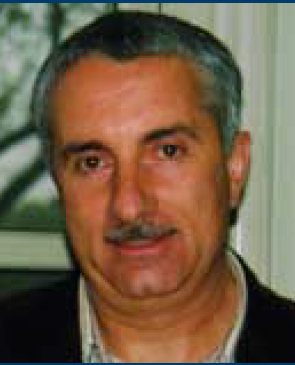
Dr. Eugene M. Chudnovsky

Although Morejon was Chief Nurse at the Havana Hospital of Endocrinology prior to 1998, neither dissidents nor their immediate families are allowed to have professional jobs in Cuba. Dr. Biscet is being held in a high-security prison in the province of Holguin, 800 km from Havana. It is a three-day journey from Havana for his wife, who is allowed to visit only once a month for a two-hour guarded conversation. Morejon told Chudnovsky her husband has lost some teeth and is in serious need of medical attention. Chudnovsky said he is attempting to assist Dr. Biscet through a number of diplomatic channels.

During his visit, Chudnovsky delivered a talk on Macroscopic Quantum Tunneling at the University of Havana and met with 20 of the school’s 70 physics professors. He also visited the Institute of Materials Science, which is associated with the Physics Department, and toured the Institute of Molecular Biology.

He reported widely varying conditions at the Cuban universities. Most modern and best equipped was the Institute of Molecular Biology. Cuban Premier Fidel Castro believes biotechnology is Cuba’s path to prosperity, according to the hosts, and the institute does both research and production for hospitals in Europe as well as Cuba. Some scientists there are nuclear physicists who switched fields when Russian support for Cuban nuclear research ended.

Good Research Despite Extreme Poverty

Elsa Morejon

The average professor’s salary is about $25 a month, he said, and almost $4 of it goes to buy ration cards that enable Cubans to obtain 5 kg of rice and 10 kg of beans. Since all apartments belong to the government and rent is 10 percent of salary, he said “most professors and university administration live with parents.”

Despite the extreme poverty, he noted that some Cuban professors appear to be doing good research. “Experimentalists are trying to switch to cheap, soft condensed matter physics of sand piles, turbulence, etc.,” Chudnovsky said. “Their primitive electromechanical devices, interfaced with 15-year-old computers, surprise by their ingenuity.”

Chudnovsky said he believes the American Physics Society and allied scientific organizations should support their Cuban colleagues by providing scientific journals, which are now occasionally sent via e-mail from friends in Europe. He said he also will encourage the APS leadership to visit physics departments in Cuba and explore possible roots of cooperation.

“We are doing everything we can to support our members in Cuba,” commented Svetlana Stone Wachtell, director of the Academy’s Human Rights of Scientists program, “and to encourage our members throughout the world to engage in a professional exchange with their colleagues in Cuba.”

Also read: Supporting Scientists and Human Rights in Cuba

The Structural Design Of The Twin Towers

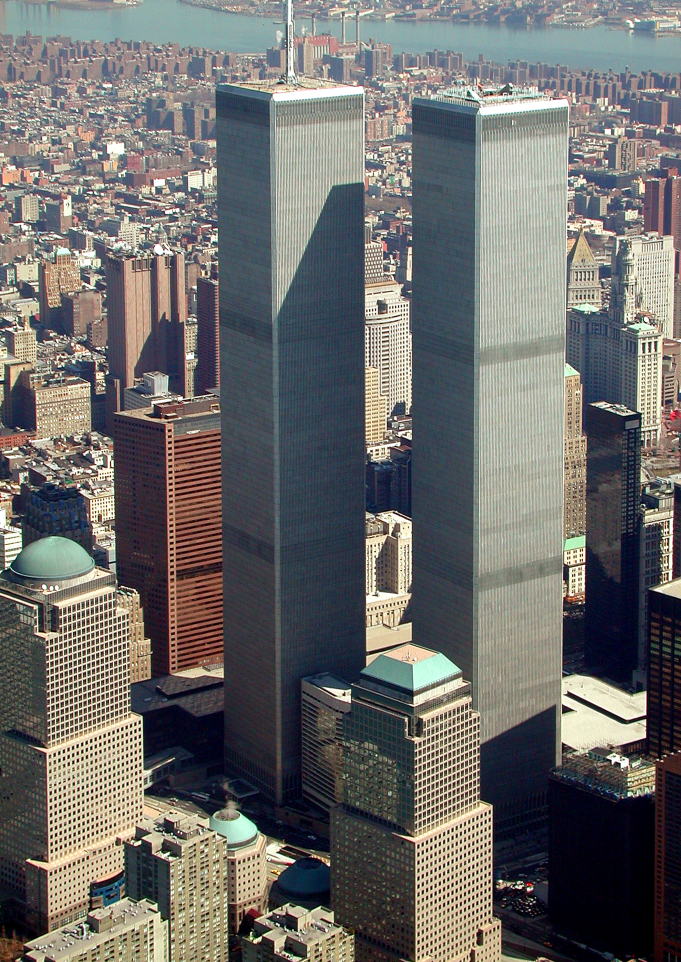
A shot of the twin tower in downtown NYC, prior to the September 11 terrorist attacks.

One of the structural engineers of the Twin Towers reflects on the destruction of the 9/11 terrorist attacks.

Published January 1, 2002

By Linda Hotchkiss Mehta

The Twin Towers circa March 2001. Image courtesy Jeffmock, GNU Free Documentation License, via Wikimedia Commons. No changes were made to the original work.

Although he lost many friends on September 11, Academy Member Leslie Robertson is thankful to be among the fortunate New Yorkers who did not lose family members or coworkers, as did thousands of others. Still, the shock and grief he felt during and after the attacks might be somewhat akin to the incomparable horror of suddenly losing two dear children.

For Robertson, now Director of Design at Leslie E. Robertson Associates, Consulting Structural Engineers, the World Trade Center has been a central part of his professional life –– the defining project that launched a distinguished career –– since the early 1960s. Together with then partner John Skilling and architect Minoru Yamasaki, Robertson and his team conceived, and helped develop the structural designs for five of the seven buildings in the WTC complex, including the 110-story Twin Towers.

An active member of the Academy’s Human Rights of Scientists Committee, Robertson was in Hong Kong on September 11 discussing a new skyscraper when he first received word that a plane had hit the WTC’s north tower. Everyone believed that it had been a helicopter or other small aircraft. He then was able to reach his wife, Saw-Teen See, an Academy Member and engineer in her own right, who reported the seriousness of the event and that the second tower had been struck. He rushed to his room to prepare for a return to New York.

The Structural Strength of the Towers

After turning on the TV and registering the shock of witnessing the dreaded images of death and destruction taking place, Robertson said his memory of the following hours are somewhat blurred. “You wanted to reach out and stop it,” he recalled, “but there was nothing you could do.”

Although he’s still plagued with thoughts about “what we might have done differently,” Robertson acknowledged in an interview that –– as many Members and other colleagues have told him –– the structural strength of the towers allowed them to stand long enough for perhaps 25,000 occupants to escape after each of the Boeing 767 aircraft crashed into them. The north tower was struck between the 94th and 99th floors at 8:45 a.m. and did not collapse until 10:28 a.m.; the south tower, which was impacted at a lower level, between the 78th and 84th floors, was the first to collapse, at 9:59 a.m., 53 minutes after the second aircraft struck.

“When I started work on this project, the tallest building I’d worked on had only 22 floors,” Robertson said. “The WTC engineering was a first of a new kind of high-rise building.” Aware of the military aircraft that hit the Empire State Building in a dense fog in 1945, Robertson said, “I thought we should consider the structural integrity that would be needed to sustain the impact of a (Boeing) 707 –– the largest aircraft at that time.”

Achieving Structural Strength

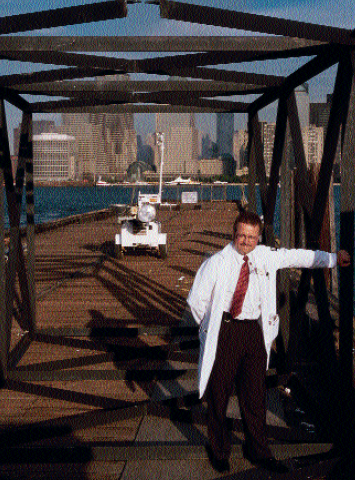
Leslie Robertson

Robertson added, “We didn’t have suicidal terrorists in mind.” Rather, he was considering an accident, a 707 flying at low speed, most likely lost in a dense fog. To achieve the structural strength, Robertson and his team designed the Twin Towers as steel boxes around hollow steel cores. An unusually large number of rigid, load-bearing columns of hollow-tube steel –– each column being only 14 inches wide and set just 40 inches on center –– supported the Towers walls.

Because the 767s were traveling at high speeds, were somewhat larger than 707s and each carried about 80 tons of jet fuel, Robertson said, “the energy that was absorbed by the impact was not less than three-times, and probably as much as six-times greater than the impact we had considered.

“The idea that someone might plant a plastic explosive or the like somewhere in the structure was considered in the design. The structure was redundant –– two-thirds of the columns on one face of each of the two towers were removed (by the aircraft) and yet the buildings were able to stand. But it was the combination of the impact from the speeding aircraft and the burning jet fuel –– both the kinetic and petrochemical energy released –– that ultimately brought them down.”

Impact on Future Design

Robertson said he doubts that the attacks will have a major impact on the structural design of new tall structures. “If you design buildings as fortresses that can withstand anything, then the terrorists will just avoid the fortresses,” he said. “There are plenty of other, smaller buildings that could be targets, and the threat of chemical or biological weapons is an even greater concern.

“Structural engineering is applied science. If a ceiling sags or a lobby is too drafty, life goes on. But structural reliability has been high; building collapses are rare. When they do occur, they’re usually caused by natural events –– wind or water or the ground shaking. I don’t believe we should engineer against the kind of event that happened on September 11, much less the impact and fire that could be created by the much larger Boeing 747 or the new AirBus 380.”

Robertson concluded that the solution lies in confronting the root causes of hatred among mankind: “There’s no end to the number of ways that man can do harm to man.”

Also read: Saving Lives in the Aftermath of Sept 11 Attack

The Ethics of Surveillance Technology

A shot of surveillance cameras in the foreground with a tall glass building in the background.

In the wake of the Sept. 11 attacks there’s been more emphasis on protecting public places and tracking terror threats. But what are the ethics of this?

Published January 1, 2002

By Fred Moreno, Dan Van Atta, Jill Stolarik, and Jennifer Tang

Image courtesy of Kate via stock.adobe.com.

Picture yourself living each day under the watchful eye of a network of surveillance cameras that track your movements from place to place. Every time you enter a large building or public space, your facial features are compared with those in a database of known criminals and terrorists. Do you feel safer knowing that someone, somewhere is watching?

This may sound farfetched, or something out of George Orwell’s dystopian novel 1984, but closed circuit TVs (CCTVs) –– like those being widely used in the United Kingdom –– and facial recognition systems are just two of the many well developed technologies the government and private companies are considering to bolster security. The Pentagon issued a request for new security proposals in the wake of the September 11 terrorist attacks and, already, new anti-terrorism laws have expanded the government’s surveillance powers.

Complex technological security measures are “coming on faster than lawmakers and the public can process and evaluate them,” said Susan Hassler, editor-in-chief of the IEEE Spectrum and moderator of a recent media briefing on surveillance technology at The New York Academy of Sciences (the Academy). Sponsored by the Academy and the IEEE Spectrum, the briefing mirrored the debate now being waged in the Congress, the Pentagon, the media –– and on the streets.

A New Manhattan Project

To sift through the myriad security ideas, Michael Vatis, director of the Institute for Security Technology Studies at Dartmouth College, issued “a clarion call for a new Manhattan Project.” Vatis proposed that security experts from industry, academia and government be asked to assess and recommend available surveillance technologies.

“I urge that we develop a mechanism to bring together expertise from across different fields to develop a research and development agenda to counter the threats now facing us,” Vatis said. Such an effort is even more urgent in light of the Pentagon’s recently published security technology “wish list,” he added. Biometrics, a technology used for analysis and quantification of the physical features of an individual, is already “on the radar” of law enforcement and airport security companies.

Biometrics, a technology used for analysis and quantification of the physical features of an  individual, is already “on the radar” of law enforcement and airport security companies. Facial recognition is one aspect of biometrics that could be deployed in counter-terrorism efforts. “The cornerstone of our defense against crime  and terror is our ability to identify and deter those who pose a threat to public safety,” said Joseph Atick, chairman and CEO of the Visionics Corp., a leader in the biometrics field.

Atick said facial recognition systems could be used in airports. As passengers pass through security gates, the systems could capture an image of each face, analyze its features and produce a unique, 84-byte computer code to describe it.

Vatis said this technology is an adjunct to security measures already in place such as X-rays, bag checks and metal detectors. Unlike a person scanning a crowd, he said, this technology “delivers security in a non-discriminatory fashion — free of prejudices.”

Increasingly Pervasive and Invasive Surveillance

Barry Steinhardt, associate director of the American Civil Liberties Union, said he was troubled not only by the specter of increasingly pervasive and invasive surveillance technologies, but also by the danger that government and industry leaders could, under pressure to act, invest in technologies that don’t work and instead provide a false sense of security. “As we look at any technology that may be introduced into society, we have to ask: Does it improve security? How much does it threaten our liberties? And do the benefits outweigh the risks?”

While facial recognition systems may or may not ever be implemented widely, we can look across the Atlantic to study the effects of a surveillance technology that’s been adopted with enthusiasm. Over the past decade, Britons have welcomed the installation of CCTVs in public places, work spaces and homes. Estimates are that some 2 million CCTVs are now scattered throughout the country, said Stephen Maybank, of the department of computer science at the University of Reading in the U.K.

The British fervor for CCTV comes from the belief that the cameras deter criminal activity, a contention that some studies support. The London Underground alone is laced with 4,000 cameras, and the sheer numbers of CCTVs pose problems: how does one store all the data and how can one find a particular image amongst all the data that’s stored?

Better and Cheaper Cameras

Improvements are coming in CCTV technology that will further encourage their use, said Maybank. “Cameras are becoming better and cheaper; they will soon work on low power and will be easy to install –– some are reduced to the size of a thumb. Software for people-tracking and behavior recognition also is improving. And large, coordinated camera networks are coming that will enable the analysis and description of people as they move over large areas.”

Closer to home and on a much smaller scale, anecdotal reports about CCTVs point to drawbacks in their use as crime stoppers. Robert Freeman, executive director of the New York State Committee on Open Government, reported that some residents and shopkeepers on the perimeter of New York City’s Washington Square Park believe the installation of CCTVs in the park simply pushed crime to the fringes of the areas.

New ideas will continue to emerge on how best to protect ourselves from future threats. Government’s challenge will be to select the best of the alternatives, technologies that pose the least threat to our civil liberties, and to knit them together to form an invisible shield –– without creating a technological version of the Emperor’s new clothes.

Also read: The Ethics of Developing Voice Biometrics

What Caused the ‘Bang’ of the Big Bang?

A wide shot of outer space.

We are living in “the golden age of cosmology” as scientists and engineers continue to learn more about the universe’s origin that led to us being here today.

Published January 1, 2002

By Fred Moreno, Dan Van Atta, Jill Stolarik, and Jennifer Tang

Image courtesy of sripfoto via stock.adobe.com.

We’re all familiar with the Big Bang theory –– the most widely known model explaining the evolution of the universe. According to this standard model, the universe began some 1,010 to 1,515 billion years ago in a hot, dense state where particles were rapidly expanding and cooling. As the universe cooled, matter congealed to forms stars, galaxies and clusters of galaxies. Today the universe continues to expand, and at an accelerating rate.

But what sparked the “bang” of the Big Bang? What circumstances existed just prior to this nascent event to trigger the birth of the modern universe? The answers to these questions may lie in another scenario about the origins of the universe –– the inflationary model –– proposed by Alan H. Guth.

Guth, the Victor F. Weisskopf Professor of Physics at the Massachusetts Institute of Technology, described his model at The New York Academy of Sciences (the Academy) in October. The event, “Inflationary Cosmology and the Accelerating Universe,” was jointly hosted by the Academy and the M.I.T. Alumni Club.

An Inflating Cosmos

The notion of an inflating cosmos, which has received substantial support in the last two decades, may explain many of the mysteries of the universe: its enormity, its uniformity, why it began so extraordinarily close to its critical density and why it is considered geometrically “flat.” It even offers a possible explanation for the origin of essentially all matter and energy in the observable universe –– no small feat.

Guth noted that the Big Bang model does not explain the “bang” itself, but rather its aftermath. “Inflation provides a prehistory, a possible explanation for what happened before the Big Bang. Moreover, the same force that was responsible for triggering inflation billions of years ago is still at work, causing our universe to continue to swell in size at a rate faster than ever before.”

According to the inflationary model, the initial matter of the universe could have been a billion times smaller than a single proton. This patch of matter grew exponentially, doubling and redoubling in size every 10-37 seconds, but its density remained the same and energy was conserved. At this point, Guth explained, gravity was “turned on its head.” A repulsive gravitational field arose, the opposite of what we know as gravity here on Earth — a force that repelled, rather than attracted matter. This initial inflationary period was blindingly fast, lasting only a tiny fraction of a second.

The repulsive gravitational field was highly unstable, however, and decayed much like a radioactive substance. It then erupted, releasing energy and creating the hot primordial soup of particles that is thought to have existed at the moment of the Big Bang.

Cooled Too Quickly

According to the Big Bang model, the universe cooled too quickly to explain current uniformity, the even distribution of stars and galaxies. The theory of inflation gives us a way to understand it, since the universe during inflation was small enough to distribute its contents uniformly. Cosmic radiation is also remarkably uniform, the same intensity to about 1 part in 100,000. The inflationary theory received a further boost in 1992 when the Cosmic Background Explorer (COBE) found enough tiny variations, or “ripples,” in this uniformity to explain how, despite inflation and overall uniformity, there could still be local distribution of matter into stars, galaxies, and galaxy clusters, interspersed with patches of empty space.

The inflationary model may also explain the geometric “flatness” of the universe, a universe critically balanced between eternal expansion and eventual collapse. At one second after the Big Bang the critical mass density was apparently very close to a value of one, which would be an inexplicable coincidence without inflation. Guth’s theory shows that unlimited inflation can take any curved surface and make it appear flat, thus providing a general principle for explaining a phenomenon that is at the same time consistent with astronomical observations.

Recent observations of distant supernovae lend further support to Guth’s inflationary model. Astronomers measure changes in the expansion rate of the universe by using supernovae type Ia explosions as “standard candles.” By observing that these supernovae are appearing dimmer — and therefore moving farther away — they’ve determined to their great surprise that the rate of expansion in the universe today is actually larger than it was five billion years ago.

Repulsive Gravity

Guth attributes this once again to repulsive gravity. “So the universe today is not slowing down under the influence of gravity, which is what everybody had thought previously,” he said, “but in fact is actually speeding up in its expansion rate.”

Inflation is certainly not the answer to all of the questions about the origins and future of the universe. For one thing, some of the tenets of the model may be at odds with the uncertainty principles of quantum physics. But the coming together of cosmology and particle physics, coupled with new data generated from recording devices such as COBE, give astrophysicists great reason for excitement. Concluded Guth, “We are living in the golden age of cosmology.”

Also read: Can Our Knowledge of Nature Ever Be Complete?