To attend, click the “Register” button at the time of the presentation. It will take you directly to the Zoom call.
Welcome and Introductions: 11:30 AM to 11:45 AM
Main Presentation: 11:45 AM to 2:30 PM
Biological Rhythms, the Secret Language of your Vital Signs
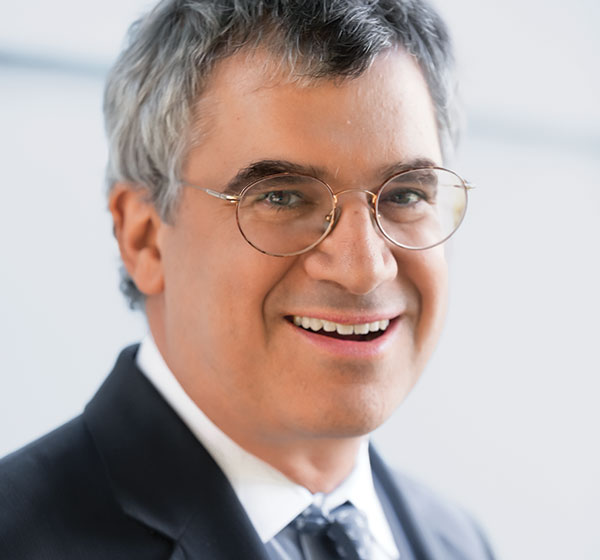
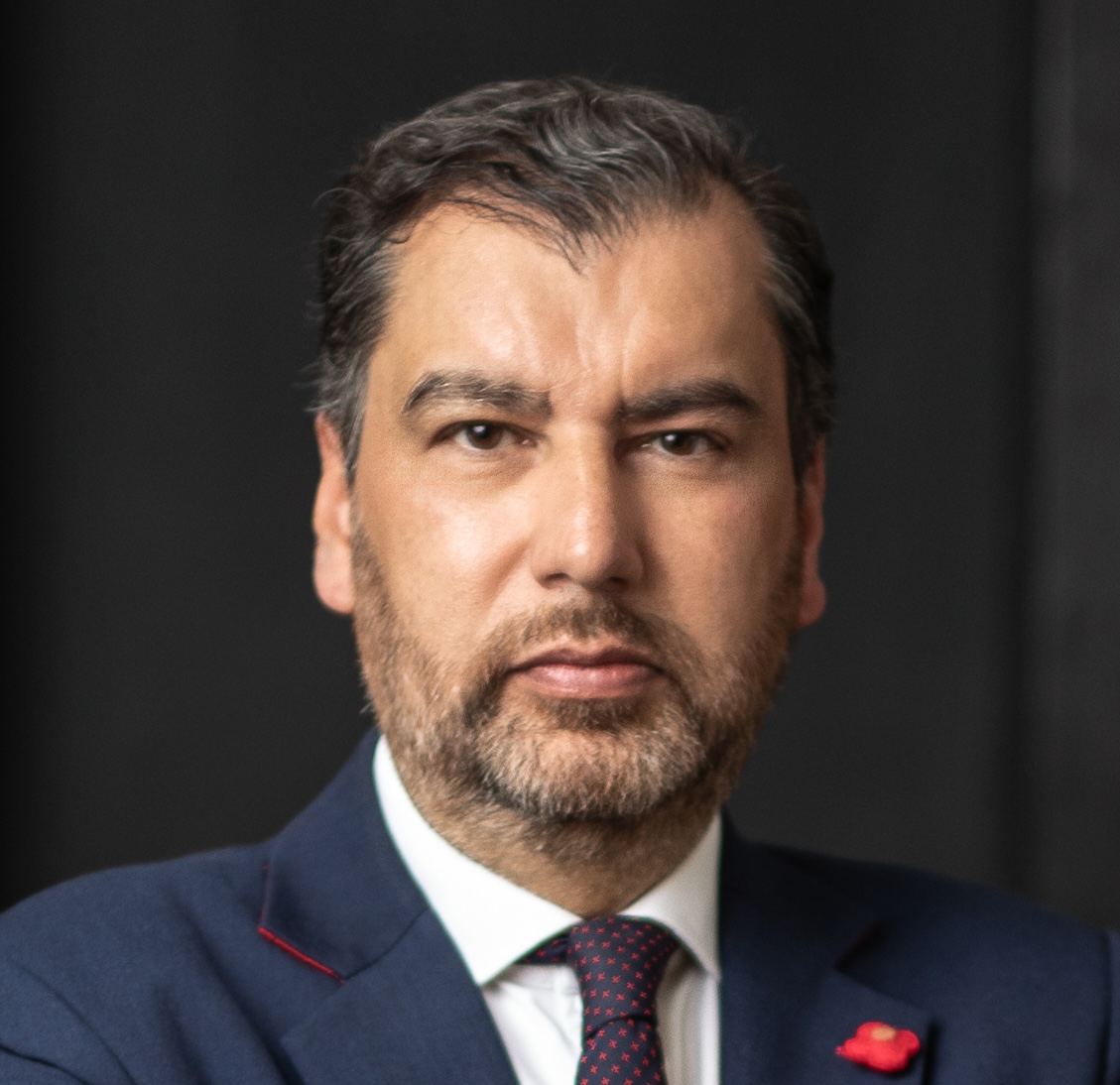
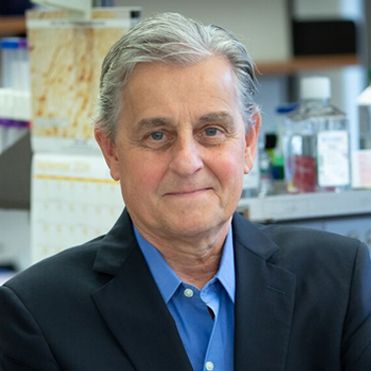
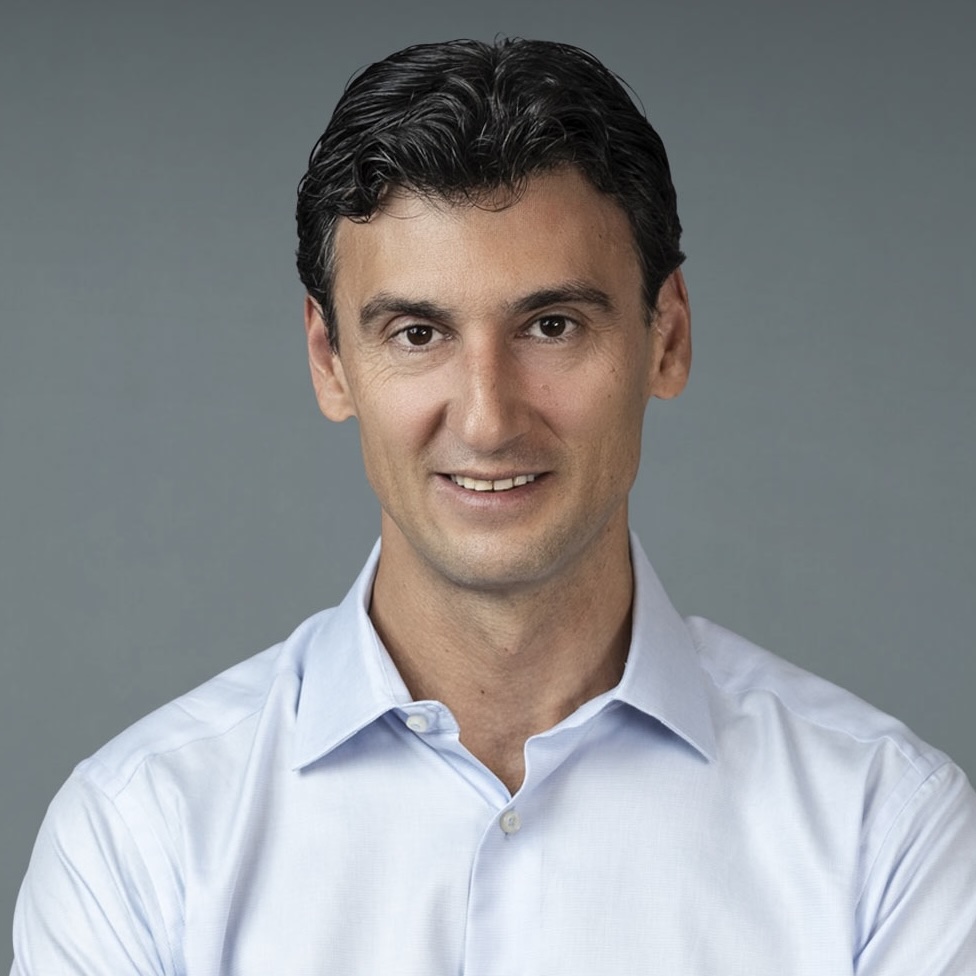
Daniel Forger
From the firing of neurons in a fraction of a second to the monthly cycle of ovulation to a seasonal shift in sleep patterns, the human body runs on rhythms—all more knowable now than ever, thanks to wearables. Making sense, and making use, of these signals is something else, and this is precisely what Daniel Forger explains in his book Biological Rhythms, which will be the focus of our discussion. Sorting through a plethora of data gathered over the past decade, this practical, user-friendly book gives readers the tools for reading and interpreting the rhythms that regulate physiological processes as varied and critical as sleep, brain activity, heart rate, hormone secretion, metabolism, and temperature. Once translated, the language of biological rhythms can be used to improve health and productivity, by athletes, travelers, and shift workers, sufferers of fatigue or sleep disorders, or those wishing to lose weight, monitor infection, or time fertility, in short, anyone with an interest in reading and understanding the body’s vital signs.
Speaker
Daniel B. Forger is Robert W. and Lynn H. Browne Professor of Science, Professor of Mathematics, and Research Professor of Computational Medicine and Bioinformatics at the University of Michigan, Ann Arbor. He directs the Michigan Center for Applied and Interdisciplinary Mathematics and is the CSO of Arcascope. Hundreds of thousands of people have used his apps and algorithms for scoring sleep and circadian rhythms, predicting mood and fatigue, and analyzing time series data. Dr. Forger was also active in the Junior Academy of the NY Academy of Sciences when he attended Stuyvesant High School.
Join experts for a day of discovery and dialogue about how understanding the neuroscience of kindness can shape a healthier, more connected world.
Published February 19, 2026
By Nick Fetty
In an era of divisiveness and polarization, a little kindness and empathy can go a long way. But what happens in the brain when a person acts with compassion? And what impact does this have on individuals and society more broadly?
These questions and more will be explored during the Neuroscience of Kindness conference on March 3. This one-day event, hosted at West End Labs in New York City and also streamed virtually, will examine:
How kindness develops across the lifespan
The evolutionary roots of cooperation, and
The measurable effects of compassion and altruism on physical and mental health
The conference will bring together leading researchers, clinicians, and public health experts to explore the biological, psychological, and social foundations of prosocial behavior.
Leading Experts Presenting Cutting-Edge Research
The event’s keynote address will be delivered by Richard J. Davidson, PhD. Dr. Davidson is the William James and Vilas Research Professor of Psychology and Psychiatry as well as Founder and Director of the Center for Healthy Minds at the University of Wisconsin-Madison. His work focuses on the neural bases of emotion and emotional style and methods to promote human flourishing including meditation and related contemplative practices.
Participants will also discuss practical strategies for cultivating kindness in communities, workplaces, and institutions. And how doing so may represent an urgent public health priority. Networking breaks will take place between sessions and lunch will be provided.
The conference is presented by the University of Wisconsin-Madison’s Center for Healthy Minds, Humin, West End Labs, and The New York Academy of Sciences. Gold-level sponsor support was provided by Nurture Connection.
While the desirability of change in the health care system is well accepted, how it is to be achieved is not. One flashpoint has been the involvement of private capital firms in healthcare. In theory, private equity brings capital and discipline to firms in a manner that should be helpful to the healthcare industry. But popular accounts and academic studies have raised troubling questions.
As technology-driven advancements and clinical innovation accelerate the evolution of the life sciences, can PE play a constructive role to enable life sciences firms to better position themselves for success in a competitive and rapidly evolving environment? Or are the temptations to profit at the expense of the customer too great in these settings?
This session will explore the evidence about these important and controversial issues. In particular, this program will focus on two issues:
How advances in information and communication technologies, which have transformed everything from urban transport to payments to navigation, can address the effectiveness of medical delivery, and the role of venture capital in facilitating this transformation.
The role of private capital in financing the “white spaces” in the delivery of medical services: e.g., the areas where consumers are underserved, whether geographic, demographic, or class of care (e.g., primary care).
Series Moderator
Josh Lerner
The Jacob H. Schiff Professor, Harvard Business School; Director, Private Capital Research Institute
Panelists
Abrar Mir
Co-founder and Managing Partner, Quadria Capital
Charles Ruprecht
Principal, GHO Capital
Kevin Tracey
Karches Family Distinguished Chair in Medical Research, The Feinstein Institutes for Medical Research
Paula Volent
VP & Chief Investment Officer, The Rockefeller University
Sponsors
Series Sponsor
Presented By
Pricing
All: Free
About the Series
The “Private Capital and Discovery: Strategic Investing in Scientific Innovation” series is brought to you by The New York Academy of Sciences and The Private Capital Research Institute. Through expert panels and thought-provoking discussions, the series examines how private equity is uniquely positioned to drive transformative advancements—while also exploring the ethical and strategic dilemmas that can arise when financial incentives influence the trajectory of science. Learn more about the series.
This year’s scientific luminaries include John Sexton from New York University, Maria Gotsch from the Partnership Fund for New York City, Dr. Sanjay Gupta from CNN, and Josh Lerner from Harvard Business School.
New York, NY (January 28, 2026) – A new cohort of changemakers will be recognized for their innovation and discovery during The New York Academy of Sciences’ 2026 Spring Soirée hosted by Academy President and CEO Nicholas B. Dirks.
The Academy’s second annual Spring Soirée will take place on April 21 at the University Club of New York (One West 54th Street). The reception will begin at 6 p.m. followed by dinner and a program at 7 p.m. Seema Kumar, CEO of Cure and a member of the Academy’s Board of Governors, will serve as Dinner Chair.
As is tradition, the Soirée is an opportunity to recognize pioneering changemakers whose work exemplifies the Academy’s mission of advancing science for the benefit of society. This year’s awardees include:
Visionary Award:Maria Gotsch, MBA, President and Chief Executive Officer of the Partnership Fund for New York City
Science Communicator Award:Sanjay Gupta, MD, Chief Medical Correspondent for CNN
Trailblazer Award:John Sexton, PhD, President Emeritus of NYU and Chair Emeritus of the Academy’s Board of Governors
Constellation Award:Josh Lerner, PhD, Jacob H. Schiff Professor at Harvard Business School and Co-Director of the HBS Private Capital Project
Cognizant STEM Teacher of the Year:Rocheli Apilan, Teacher at the High School for Health Professions & Human Services
Cognizant STEM Mentor of the Year:Samay Garg, PhD, Department of Chemical Engineering, Columbia University
The Soirée also serves as the Academy’s premier fundraising event of the year. Proceeds will help to support future Academy programming. From individuals and nonprofits to corporations and academic institutions, the Academy is seeking sponsors at a range of different funding levels.
Soirée Underwriter – $100,000
Mission Partner – $50,000
Benefactor – $25,000
Individual Ticket – $2,000
The Soirée promises to be an inspiring evening, filled with engaging conversations and captivating stories of scientific triumph.
“This will be a magical evening in which we offer the opportunity to celebrate and engage some of the most important champions of scientific progress, collaboration, and commitment to the public good,” said Nicholas Dirks. “Join us – along with representatives from world-class companies, top universities and research institutes, philanthropic organizations, and both the public and private sector – as together we honor the exceptional achievements of accomplished leaders who do so much to expand the frontiers of knowledge and shape the future of science.”
To attend, click the “Register” button at the time of the presentation. It will take you directly to the Zoom call.
Welcome and Introductions: 11:30 AM to 11:45 AM
Main Presentation: 11:45 AM to 2:30 PM
Alchemy, AI and Snow’s Two Cultures in Historical Perspective
Farzad Mahootian
I will explore the imaginal space between four themes: alchemy, Jung, the history of science, and AI. The talk will interweave these themes in ways that reflect my mind since early adulthood. I am recently energized by support from NYU’s IT office and library in my efforts to render my mode of investigation consistent with its subject matter, as I consider chemists and historians of chemistry. Chemists have benefited greatly by integrating computational tools to exponentially expand chemical space. By contrast, historians of chemistry and alchemy have been somewhat less enthusiastic about applying computational methods to their domain. This is not a question of technophobia exclusively, it’s a cultural issue. I believe that AI can efface some of the structural barriers between C.P. Snow’s “two cultures.”
Speaker
Farzad Mahootian has been a Clinical Associate Professor of Global Liberal Studies at New York University since 2010. He has an interdisciplinary background (PhD Philosophy, Fordham; MS Chemistry, Georgetown). His research focuses on interactions between philosophy, science and society within the mythological imagination. His interests include process philosophy, coupled systems, artificial intelligence, and premodern sciences. Recent publications include “Jung and Whitehead: An Interplay of Psychological and Philosophical Perspectives,” “Kant, Cassirer, and the Idea of Chemical Element.”
Traditional descriptions of the scientific method explain how to test hypotheses but often leave unanswered how those hypotheses arise in the first place. Drawing on ideas articulated by François Jacob and further developed by Drs. Itai Yanai and Martin Lercher, “Night Science” refers to the creative, generative side of scientific inquiry, where new questions are formed, intuition is exercised, and novel associations are explored before formal hypotheses are defined. In contrast to “Day Science,” which emphasizes rigorous hypothesis testing and validation, Night Science highlights interdisciplinary thinking, ambiguity, and openness to unexpected connections as essential drivers of discovery.
The Night Science framework emerged from researchers’ lived experience of encountering conceptual dead ends and later recognizing that, like many experienced scientists, they had developed informal but powerful thinking tools to move forward. Night Science makes these essential creative practices visible, teachable, and shareable so that scientists can engage them intentionally from the start.
Join us to gain the tools needed to foster creative scientific thinking within your research community.
This training will be held in-person at the Academy’s space on 115 Broadway, 8th Floor, New York, NY 10006. Space is limited. Attendees are encouraged to register early.
The Night Science Train-the-Trainer Workshop is a one-day, in-person program where scientists are trained to teach the Night Science Workshop on the Creative Scientific Process (CSP).
Workshop Focus and Activities
Participants in this program will:
Engage deeply with the Night Science framework and its intellectual foundations;
Explore and practice core thinking tools of the creative scientific process, including improvisational discussion, interdisciplinarity, the use of metaphor, question-generation techniques, and puzzle switching—strategically shifting between research questions to support creative breakthroughs;
Learn effective instructional strategies for leading reflection, group dialogue, and hands-on exercises;
Develop personalized narrative examples that model authentic engagement with scientific creativity;
Examine the role of artificial intelligence (AI) as a support for creative scientific thinking, including how AI can function as a collaborative partner – prompting new ideas, challenging assumptions, and enabling the transfer of conceptual approaches across distinct fields;
Receive guidance on adapting the workshop for different audiences, disciplines, and research environments.
What Participants Receive
Participants who complete the training will receive:
Full curricular materials for delivering the Night Science Workshop on the Creative Scientific Process;
A formal certificate of completion from the Night Science Institute;
A verifiable Credly digital badge from the Night Science Institute, acknowledging their expertise;
Ongoing support and connection through the Night Science Institute’s online community.
Institutions Where the Night Science Workshop Has Been Delivered
The Night Science Workshop and related courses have been delivered across institutions worldwide, with participants reporting strong value in applying these tools. Representative host institutions include EMBL, EMBO, Harvard Medical School, Karolinska Institutet, Memorial Sloan Kettering Cancer Center, the Pasteur Institute, Princeton University, and the U.S. National Institutes of Health. Together, these engagements demonstrate the workshop’s relevance across diverse research environments.
Speakers
Itai Yanai, PhD
Co-Founder, The Night Science Institute Scientific Director, Applied Bioinformatics Laboratories Professor, New York University Grossman School of Medicine
Itai Yanai is a Professor at the New York University Grossman School of Medicine. He received his undergraduate degrees in Computer Engineering and the Philosophy of Science and his PhD in Bioinformatics from Boston University. After postdoctoral fellowships at Harvard University and the Weizmann Institute of Science, Yanai set up his independent lab at the Technion – Israel Institute of Technology, which became a pioneer of the single-cell RNA-Seq approach and its application to the study of evolution and development. The Yanai lab moved to NYU in 2016 and since then has been using computational and experimental approaches to make contributions to understanding cellular plasticity in the fields of tumor progression, cancer drug resistance, host-pathogen interactions and bacterial genome regulation. Together with Martin Lercher, Yanai has also co-authored a popular science book, entitled “The Society of Genes” and has co-founded the Night Science Institute which champions a cultural shift in science by training researchers to embrace the creative Night Science process as an essential complement to rigorous hypothesis testing.
Martin Lercher, PhD
Co-Founder, The Night Science Institute Professor, Heinrich Heine University Düsseldorf
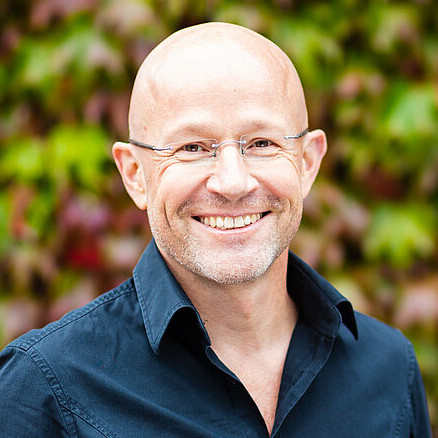
Martin Lercher is a Professor at Heinrich Heine University Düsseldorf, Germany, with joint affiliations in the Institute for Computer Science and the Department of Biology. He received his undergraduate training in Physics from the University of Cologne and earned a PhD in Mathematical Physics from Cambridge University. After a successful stint in management, he conducted postdoctoral work in evolutionary genomics as a Royal Society University Research Fellow at the University of Bath, UK, and as a Heisenberg Fellow at the European Molecular Biology Laboratory (EMBL) in Heidelberg. In Düsseldorf, he established an interdisciplinary research program that develops mechanistic, physics-based models of biological systems, with a particular emphasis on thermodynamics and metabolism. His work spans bacterial cells and whole plants and combines mathematical modeling, genomics, and deep learning to understand how biological systems function and evolve in different environments. Lercher is also deeply engaged in scientific education, leading the development of a novel bachelor’s program in Quantitative Biology at his university. Together with Itai Yanai, he has co-authored the popular science book “The Society of Genes” and co-founded the Night Science Institute with the mission to transform the culture of science toward the appreciation and the explicit teaching of the creative part of the scientific process.
Well before it was embraced by the likes of Timothy Leary, Ken Kesey, and the Grateful Dead, Max Rinkel (perhaps unbeknownst to him) was laying the groundwork for what would become the psychedelic movement in the United States.
Rinkel was born in Germany at the end of the 19th century. He earned a medical degree from Christian Albrecht University in Kiel before emigrating to the United States. Early in his career he studied the use of Benzedrine in treating alcohol addiction. But by the 1960s, misuse of this amphetamine led to it falling out of favor with the medical community.
He also studied the use of Pervitin, another amphetamine, as a “truth serum” for treating patients with psychiatric disorders. Pervitin was used by the Nazis during World War II. It enabled “soldiers to march and fight for days at a stretch without needing to rest or eat” while giving the user feelings of optimism and euphoria. Similar to Benzedrine, the potential for misuse led to Pervitin losing credibility within the medical community.
Dr. Rinkel’s big break came in the late 1940s, when he began studying the use of another substance, discovered in a Swiss lab roughly a decade prior, for dealing with psychiatric disorders.
Turn On, Tune In, and Study
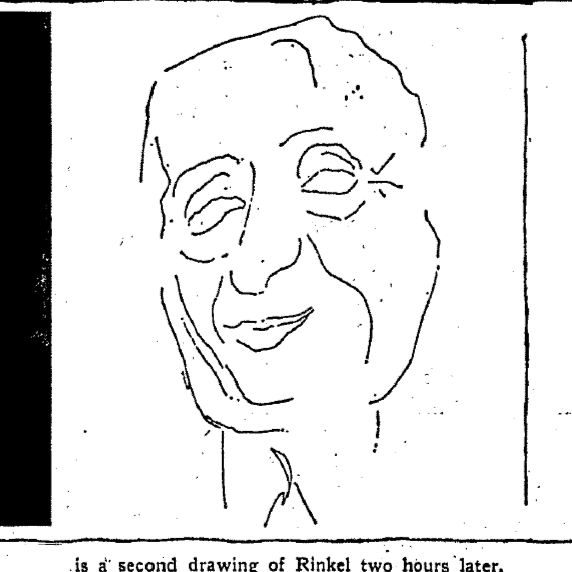
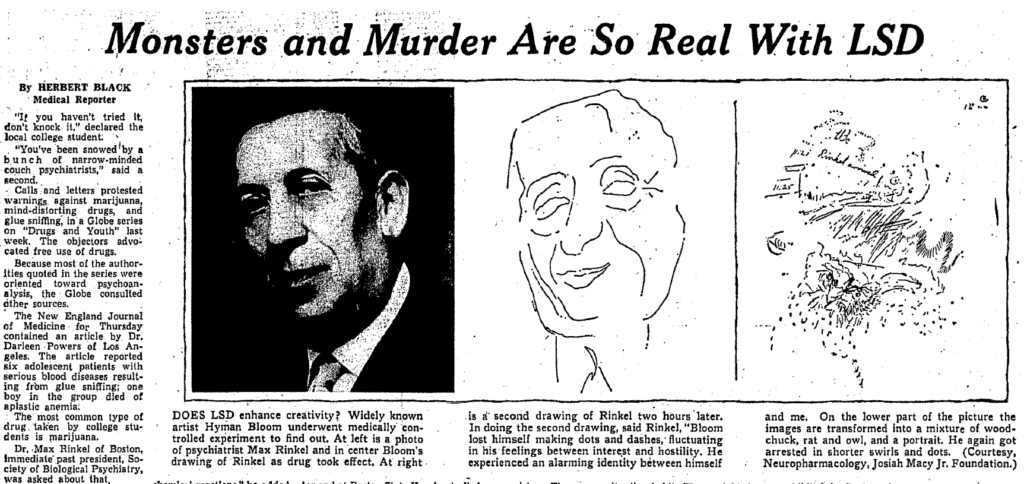
The Harvard Crimson cites Dr. Rinkel as “the first doctor in North America to work with LSD,” when he supervised his research partner who in 1949 ingested the substance and experienced “the first acid trip in the West.” (“Acid” is used as an informal or street term for LSD.) In a related experiment that same year, Dr. Rinkel administered LSD to modern American painter Hyman Bloom, who reported that it heightened his awareness.
“It was really a great experience for me,” Bloom told The New York Times. “On the other hand, it was more difficult to draw. My control was reduced, or lacking. I was interested, however, in the philosophic aspects of LSD as a religious experience.”
This sentiment was echoed by Dr. Rinkel who observed a positive change in Bloom’s mood, but not in his artistic ability, while under the influence of LSD.
“There is no doubt that the drug put him in ecstasy,” Dr. Rinkel said as reported by the Associated Press. “But the drawings he produced were mainly unformed, and when formed were monstrous creatures.”
Dr. Rinkel, who at least once dropped acid himself in a controlled environment and stated “the experience was not always pleasant,” shared one challenge he encountered with his research subjects during the 1951 American Psychological Association Convention in Cincinnati.
“In the LSD test situation,” he stated, “subjects appeared more interested in their own feelings and inner experiences than in interacting with the examiner, confirming behaviorally the test results, which indicated increasing self-centeredness.”
An Evenhanded, Scientific Approach
This early work predated Timothy Leary, PhD, a fellow Bostonian, who would advocate for LSD beyond just its medicinal properties, in the 1960s. However, unlike Dr. Leary, who was an advocate, Dr. Rinkel was more objective and scientific in his assessment of LSD’s potential.
In 1965, Dr. Rinkel studied the aftereffects of LSD on students in Boston who were dealing with anguish, anxiety, and pain. Part of his conclusion was that unregulated, black-market LSD taken outside of controlled settings can be dangerous for users because of variations in the drug’s purity and dosage. During this era, students in his study reported that LSD could easily be obtained from street dealers on Harvard Square for about $5 per dose. Furthermore, Dr. Rinkel found that LSD’s effects can exacerbate problems for individuals who have neurotic and latent psychotic tendencies.
However, despite these cautions, Dr. Rinkel saw immense potential for LSD when administered within a controlled environment. With illicit use on the rise, states began prohibiting possession of LSD in 1966. By 1970 President Richard Nixon (who once called Dr. Leary “the most dangerous man in America”) signed the Controlled Substances Act, which prohibited psychedelics at the federal level. While Dr. Rinkel was sensitive to these abuses, he also felt controlled research was necessary to better understand LSD’s properties and to avoid future abuses.
“An Excellent Tool for Research in Biological Psychiatry”
“It has proved an effective tool for research, and has stimulated widespread investigations into the possible biological causes of mental illness,” Dr. Rinkel told the Boston Globe in 1965. “It has been proposed as a cure for alcoholism, and a therapeutic aid in narcotic addicts. It is being used in the study of autistic (self-centered) schizophrenia [sic] in children. It is being studied for possible use in easing intractable pain in terminal cancer cases.”
He further reiterated this position in a paper published a year before his death.
“Responsible research with LSD and similar substances by ‘qualified’ physicians and scientists is, however, vital and must go on,” Dr. Rinkel concluded in a 1965 article published in The Proceedings of the Twentieth Annual Convention and Scientific Program of the Society of Biological Psychiatry. “Uncontrolled and uncritical experimentation should not be allowed to create an [sic] hysterical attitude which would further hinder or obstruct legitimate experimentation with LSD, an excellent tool for research in biological psychiatry.”
Though historical records do not provide a precise date, Dr. Rinkel attained the rank of Fellow with The New York Academy of Sciences. At this time, Fellows were selected by sustaining and active members for the virtue of their scientific achievement. Dr. Rinkel passed away in 1966 at the age of 71.
A Long, Strange History
While Dr. Rinkel might be the earliest connection, the Academy has a history with research around LSD and other psychedelics with therapeutic potential. Psychiatrist Humphrey Osmond and author Aldous Huxley put their heads together to come up with a term that described the effects of LSD. It was during a meeting at The New York Academy of Sciences in 1957 that the term “psychedelic” was believed to be first used in a public setting.
Having laid the groundwork, Dr. Rinkel might be proud of the current state of research and even legislation on psychedelics in the United States. Nicolas Langlitz, MD, PhD, who oversees the Psychedelic Humanities Lab at The New School, contextualized the current state of psychedelics research on a recent episode of the Academy’s Shaping Science podcast. In an effort to appease both sides of the political aisle, Dr. Langlitz, who similar to Dr. Rinkel was born in Germany and earned a medical degree, pointed out that researchers and lobbyists deliberately moved away from the counterculture element. Instead, they focused on using psychedelics to treat post-traumatic stress disorder (PTSD), which often impacts veterans and law enforcement officers.
“The interesting part about the psychedelics renaissance is that in this hyperpolarized political environment, psychedelics were one of the very few topics that received several bipartisan bills in Congress,” Dr. Langlitz said.
Through a series experiments, reviews, and perspectives, this collection of papers explores the wide prevalence, impact, and utilization of rhythm in humans and other animals. These papers address the importance of rhythm and how it is involved in language, cognition, physiology, communication, and medical interventions. The wide range of topics and methods include communication in sperm whales, infant development, mathematical modeling, music perception, and electrophysiology. The virtual issue is edited by Andrea Ravignani (Sapienza University of Rome) and Teresa Raimondi (Sapienza University of Rome).
To attend, click the “Register” button at the time of the presentation. It will take you directly to the Zoom call.
Welcome and Introductions: 11:30 AM to 11:45 AM
Main Presentation: 11:45 AM to 2:30 PM
New Drug Approvals in 2025: How did the FDA fare?
2025 has been a tumultuous year in Washington. Notwithstanding DOGE layoffs and the government shutdown, the Food and Drug Administration (FDA) has approved 41 drugs and biologicals this year. While some will likely be blockbusters with sales above a billion dollars a year by 2030, some of the rest might be considered bespoke biologicals—exquisitely-targeted drugs for smaller populations (e.g., hereditary angioedema, which affects about 1/50,000 people across all ethnicities). But, when there are fewer potential patients, the research and development cost has to be spread across patients receiving the therapy. When data is available, we’ll talk about cost and, with drug price controversy embedded in the ongoing health insurance crisis, who should or can or might pay, and how much.
Speaker
Clif Hotvedt‘s diverse scientific background reflects his experience in the pharmaceutical industry, as a medical writer in the regulatory and clinical affairs departments of Ives Laboratories and at leading public relations firms including Robert Marston & Associates, Manning Selvage & Lee, and Ketchum, where he served as vice president and global director of medical & scientific affairs. For 46 years, he has counseled companies on over 100 small molecule drugs, biologicals and devices for indications including cardiovascular disease, rheumatology, metabolic disease, dermatology, central nervous system disease, vaccines, infectious disease, and cancer.
A New Mexico State University graduate in secondary education and journalism, Clif continues to use his teaching background to develop and present courses on the FDA approval process, pharmacokinetics, pharmacodynamics, and biostatistics among other topics for coworkers and clients. Clif is a member of the Lyceum Society and has been a frequent presenter at our meetings. His previous topics have included: “The FDA Drug Approval Process”(November 2015); “How the new PCSK9 Cholesterol-Lowering Drugs work” (May 2016); “How to read a Drug Label” (April 2017); “Biosimilars: the New ‘Generics’?(June 2018); “The Human Microbiome” (May 2019); “Drug Pricing” (June 2020); “Artificial Intelligence (AI) and Health Care” (October 2020); “Drug Pricing Revisited” (November 2020); and “The Nobel Prize in Physiology or Medicine 2022” (December 2022).
The Academy returned to its roots in Lower Manhattan when it moved into a brand new, state-of-the-art skyscraper at 7 World Trade Center.
Published December 19, 2025
By Nick Fetty
7 World Trade Center | 2006-2023
As Lower Manhattan was rebuilt after the devastating attacks of September 11, 2001, the Academy had the opportunity to return to its roots in Lower Manhattan.
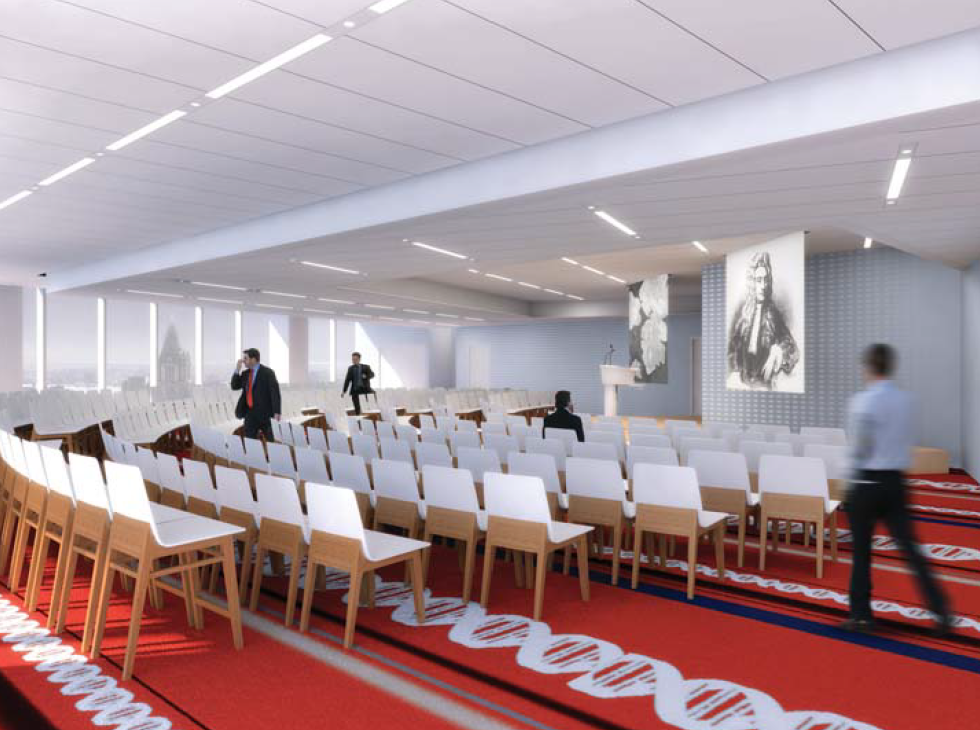
The first tenant of 7 World Trade Center after construction was completed in 2006, the Academy moved into the 40th floor of the 52-story, 1.7 million-square-foot skyscraper. The $700 million building was the first building to come back online after the trade center campus was destroyed.
7 World Trade Center was “a model of environmental and operational efficiency in high-rise construction” and was dubbed Manhattan’s “greenest” building by the U.S. Green Building Council (USGBC), according to the Academy’s 2005-06 Annual Report. The building achieved gold status under USGBC’s Leading in Energy and Environmental Design (LEED) rating system, the first office building in NYC to attain this status. Additional accolades included the Municipal Art Society of New York’s 2006 award for Best New Building, and the 2006 Merit Award for Architecture from the American Institute of Architects New York Chapter.
“Returning to the area of New York where we were born seems only fitting in light of our approaching bicentennial,” former Academy President Ellis Rubinstein wrote in the 2005-06 Annual Report. “And being the first tenants to have leased space in the first building to rise at the Trade Center site since September 11, 2001 reaffirms our commitment, as a New York City-based institution, to the rebirth of its historic downtown heart.”
Advancing the Mission of Science for the Public Good
During this time the Academy continued its longtime scientific programs, including publication of Annals of the New York Academy of Sciences; the Frontiers of Science Program, which provides a platform to interdisciplinary discussion groups led by prominent researchers working in some of the most applicable and popular areas of science; and public outreach, particularly with area K-12 schools. The Academy also developed new, innovative initiatives such as Science & The City, a program focused on public engagement with scientific activities in NYC—including many sponsored by the Academy—as well as podcasts and other resources.
The onset and devastating impact of COVID-19 throughout the world necessitated the Academy to move to more online, virtual programs. No different from most other organizations, the Academy had to adapt. In 2023, the Academy moved to a smaller headquarters just a few blocks away from 7 WTC.
This is the tenth piece in an eleven-part series exploring the Academy’s past homes. Read: