Nine Outstanding Postdoctoral Scholars for the 2024 Blavatnik Regional Awards for Young Scientists Announced

Cutting-edge research includes the study of the human ribosome to combat cancer, interfacing machines with the human brain to better understand neurological characteristics, and decoding the “dark matter” of viral genomes to mitigate viral threats.

New York, NY | September 17, 2024 – The Blavatnik Family Foundation and The New York Academy of Sciences today announced the three Laureates and six Finalists of the 2024 Blavatnik Regional Awards for Young Scientists. The Awards honor outstanding postdoctoral scientists from academic research institutions across New York, New Jersey, and Connecticut.

The Blavatnik Regional Awards jury, consisting of distinguished scientists and engineers, selected one Laureate in each category who will receive a $30,000 unrestricted prize and two Finalists in each category who will be awarded $10,000 each. The three Laureates and six Finalists were chosen out of 134 highly competitive nominations received from 24 academic institutions in the Tri-State area.

The announcement comes during the National Postdoctoral Association’s 15th annual celebration of 2024 National Postdoc Appreciation Week, which recognizes the significant contributions that postdoctoral scholars make to U.S. research and discovery.  

The 2024 Blavatnik Regional Awards Winners and Finalists will be honored at the 2024 Blavatnik Awards for Young Scientists Ceremony at the American Museum of Natural History, Central Park West and 79th Street, on October 1, 2024.

“It is a great pleasure to congratulate and honor our outstanding Laureates and Finalists,” said Len Blavatnik, Founder of Access Industries and the Blavatnik Family Foundation, and member of the President’s Council of The New York Academy of Sciences.  “Their ongoing research and discoveries will contribute to the global scientific community for years to come.”

“Postdocs help drive research and innovation forward and are catalysts for new scientific ideas and applied technologies,” said  Nicholas B. Dirks, President and CEO of The New York Academy of Sciences. “We are incredibly proud to announce these outstanding postdoctoral honorees of the 2024 Blavatnik Regional Awards, especially during National Postdoc Appreciation Week — a week dedicated to recognizing the important contributions that postdoctoral scholars make to American research and discovery.”

The 2024 Blavatnik Regional Awards Winners in the three award categories are: 

Chemical Sciences

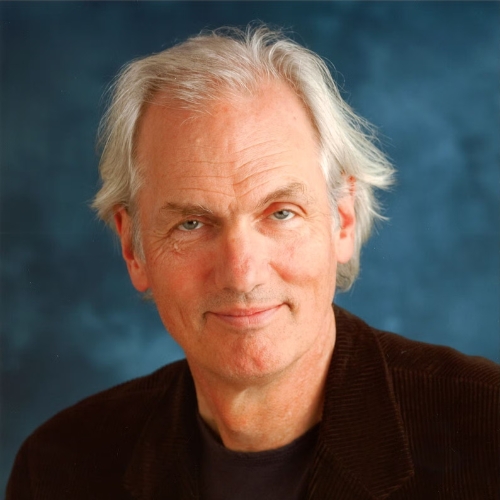
Arnaud Vanden-Broeck, Ph.D., nominated by The Rockefeller University
Biochemist and structural biologist Arnaud Vanden-Broeck is leading groundbreaking work in uncovering the intricate processes behind human ribosome assembly, laying the foundation for treating cancers and diseases related to ribosome dysfunction.

Physical Sciences & Engineering

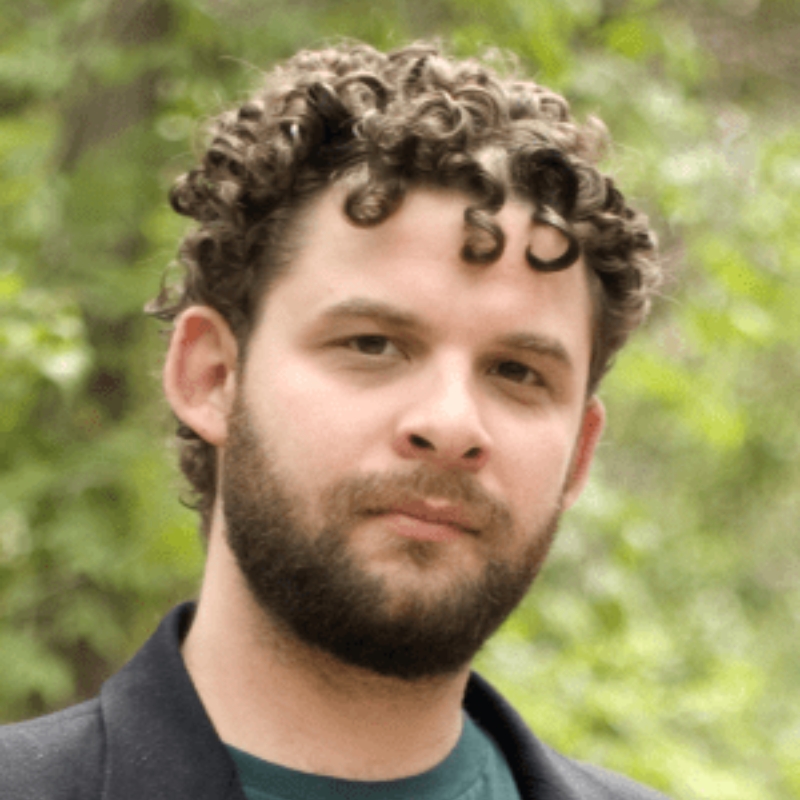
Raghavendra Pradyumna Pothukuchi, Ph.D., nominated by Yale University
The work of computer scientist Raghavendra Pradyumna Pothukuchi has led to unprecedented advances in creating a “brain-memex”, a system that interfaces computers with the human brain and could fundamentally shift our ability to understand neurological characteristics.

Life Sciences

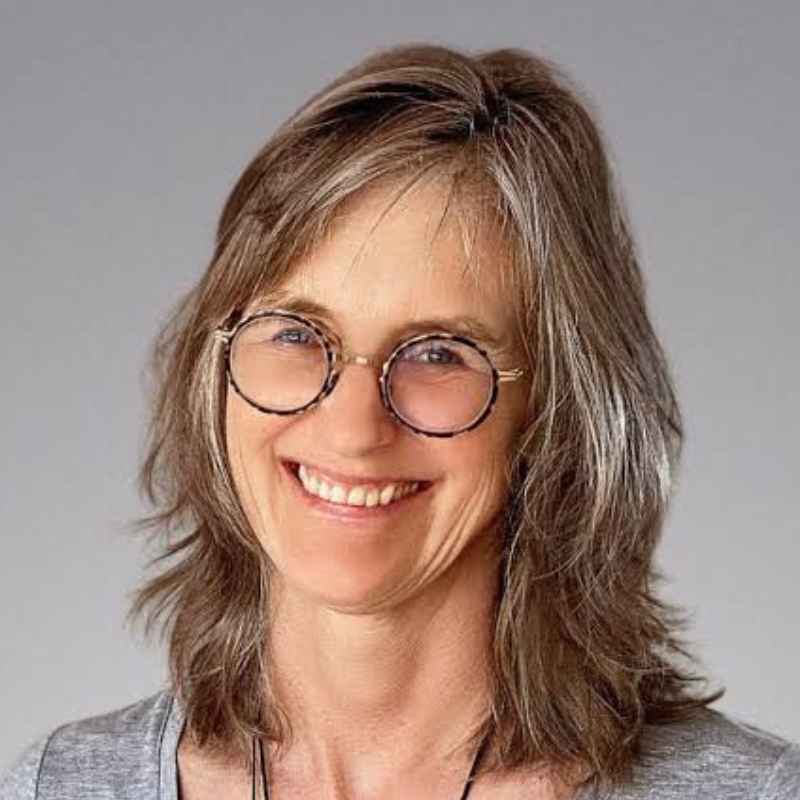
Shira Weingarten-Gabbay, Ph.D., nominated by The Rockefeller University
Through her research, virologist Shira Weingarten-Gabbay has uncovered thousands of novel microproteins encoded in the “dark matter” of viral genomes, which has exposed previously unknown immune targets for vaccines.

The following postdoctoral researchers have been named Finalists in their respective categories:

Chemical Sciences

Juan D. Jiménez, Ph.D., nominated by Brookhaven National Laboratory
Chemical engineer Juan D. Jiménez is advancing sustainable industrial practices by developing novel catalytic materials that transform greenhouse gases like CO2 and methane into valuable chemical products.

Arthur Neuberger, Ph.D., nominated by Columbia University
As a Professor of Molecular Bioimaging at LMU Munich,  Arthur Neuberger conducts pioneering research on TRP channels, which has led to new ways of treating pain, cancer, and skin diseases, as well as deciphering the mechanism of how we sense temperature.

Physical Sciences & Engineering

Aavishkar Patel, Ph.D., nominated by the Flatiron Institute
Condensed matter theorist Aavishkar Patel is advancing a new theoretical understanding of “strange metals” and their tendencies towards superconductivity based on how microscopic irregularities in materials modify electron interactions.

Chiara Trovatello, Ph.D., nominated by Columbia University
Nanotechnology materials scientist Chiara Trovatello is developing new nano-engineered material platforms for optical computing, a critical step towards innovative imaging and information processing methods in quantum technologies.

Life Sciences

Nicole J. Lake, Ph.D., nominated by Yale University
Geneticist Nicole J. Lake is developing novel tools to study genetic variation in mitochondrial DNA (mtDNA) to improve genetic diagnostics for patients with rare diseases.

Amy R. Strom, Ph.D., nominated by Princeton University
Molecular and cellular biologist Amy R. Storm is exploring the organization of biological “condensates” that physically compartmentalize target genes in the cell, influencing the expression of cancer-causing genes. 


About the Blavatnik Awards for Young Scientists

The Blavatnik Awards for Young Scientists, established by the Blavatnik Family Foundation in 2007 and independently administered by The New York Academy of Sciences, initially identified outstanding regional scientific talent among faculty and postdoctoral students in New York, New Jersey, and Connecticut. The Blavatnik National Awards, honoring faculty-rank scientists throughout the United States, were first awarded in 2014 and were expanded in 2017 to honor faculty-rank scientists in the United Kingdom and Israel. By the end of 2024, the Blavatnik Awards will have awarded prizes totaling $17.4 million and, to date, has honored over 570 scientists.

Blavatnik Awards scholars are driving economic growth by embarking on new scientific trajectories to pursue high-risk, high-reward scientific research. To date, Blavatnik Awards honorees have founded 74 companies. After recognition by the Blavatnik Awards, 30% of past honorees obtained a patent or filed a patent application, 75% have started a new research direction, and 11% have started a new collaboration with another Blavatnik Awards honoree. Visit blavatnikawards.org for further information. 

About the Blavatnik Family Foundation

The Blavatnik Family Foundation provides many of the world’s best researchers, scientists and future leaders with the support and funding needed to solve humankind’s greatest challenges. Led by Len Blavatnik, founder of Access Industries, the Foundation advances and promotes innovation, discovery and creativity to benefit the whole of society. Over the past decade, the Foundation has contributed over US$1 billion to more than 250 organizations. See more at blavatnikfoundation.org.

Beyond the Beaches: Revealing the Real Puerto Rico I

A cover of the March 3, 1915 issue of Annals of the New York Academy of Sciences.

Part One: Into the Unknown

Relatively little was known about the small Caribbean Island prior to a series of expeditions led by The New York Academy of Sciences in the early 20th century.

Published September 16, 2024

By Nick Fetty

From Annals of the New York Academy of Sciences, 1915

Puerto Rico is known for its beautiful beaches, rich rainforests, and bioluminescent bays that attract tourists from all over the world.  

Upon the conclusion of the Spanish American War in 1898, Puerto Rico (often spelled “Porto Rico” during this era) became an official territory of the United States. In the following years, the University of Puerto Rico was established. Academic and scientific institutions in the U.S. also began conducting their own field work on the island. Some scientific research had occurred prior to the Academy’s survey. However, these early findings were only available in obscure, generally inaccessible journals. Roads, harbors, and other infrastructure were also constructed during this era. This made the island, roughly three quarters the size of Connecticut, more navigable.

In 1912, The New York Academy of Sciences commenced planning its first in a series of scientific surveys of “Porto Rico”.  Nathanial Lord Britton, a Fellow at the Academy and, later, Academy president, led many Puerto Rican expeditions. He initially proposed a four-year project with the Academy contributing $2,000 (roughly $63,000 today) annually.

Emerson McMillion was the Academy’s then-president and a Wall Street investment banker. He was so in favor of the effort that he contributed personal funds to support it. Other area institutions eventually joined the effort. This included the American Museum of Natural History, the New York Botanical Garden, Columbia University, and New York University.

The First Visit to the Island

According to historian Simon Baatz’s 2017 update to his seminal history of the Academy published in 1988, there were two reasons for why the Academy chose Puerto Rico. Not only was it “an unexplored territory that had the potential for interesting and worthwhile discoveries” but it also had “the presence of an administrative structure that would provide Academy scientists with invaluable logistical and technical assistance.”  

In March 1913, Britton, who also served as director of the New York Botanical Garden, visited the island. He established connections with researchers at the university as well as with government officials. Britton pinpointed several shortfalls in the current research that he hoped the Academy scientists could fill.

He also wanted to show the residents of Puerto Rico that their government was justified in funding and supporting this effort. Britton offered to print copies of their survey for distribution in Puerto Rican schools and libraries. Additionally, he committed to contributing specimens uncovered during the survey to establish a natural history museum on the island.

The research teams, which began arriving in 1914, were to conduct comprehensive studies in areas like zoology, geology, and anthropology.

Studying the Island’s Zoology

Researchers from the Academy’s zoology department departed for the island in summer 1914 to study the region’s fauna. Some of them were affiliated with the American Museum of Natural History.

Roy W. Miner, an Academy Fellow, examined the marine invertebrates and myriopods in the waters off the main island. Harry G. Barber, from the New York Entomological Society, conducted a similar survey on insects and arachnoids. John T. Nichols, also a Fellow, investigated the ichthyology of the region.

In this era, the rank of “Fellow” was bestowed upon Academy members who were selected by other active members for their scientific achievement.

Geological Findings

The geological work commenced in August 1914 and was led by Charles P. Barkey, then a vice president for the Academy who would go on to become president.

He traversed more than 2,000 kilometers across the island. His observations studied everything from hot springs and volcanic vents to rock formations and natural resources. These observations were recorded in the March 1915 issue of Annals of the New York Academy of Sciences (Annals).

“At the outset, it is well to appreciate that the Island of Porto Rico is geologically young. There are no traces, so far as known, of any of the so-called ancient rocks. It is quite true, of course, that the older series of formations is largely a volcanic complex whose exact age may never be accurately determined, but there is no occurrence of profoundly metamorphosed members or other evidences [sic] of great geologic age,” wrote Barkey.

Through an Anthropological Lens

Renowned anthropologist and Academy member Franz Boas began conducting field work in Puerto Rico in 1915. As an already established academic, he viewed the survey as an opportunity for his graduate students to conduct serious field work.

Boas and his research team scoured the island and interacted with locals to assemble “an immense collection of folk tales, riddles, ballads and songs.” The researchers also studied the anthropometric and dental features of school children in Utuado as well as soldiers in San Juan. The team’s archeological dig of “the ancient village of Capá” was perhaps their greatest contribution to the effort. The site is known today as Centro Ceremonial Indígena de Caguana.

From Annals of the New York Academy of Sciences, 1915

The Importance of Communicating the Science

During these initial excursions, the research team brought back more than 200 specimens of water plants for gardens in New York City, according to The New York Times. Additionally, the Brooklyn Daily Eagle reported “some 12,000 fossils” were also brought back to New York.

According to Baatz’s 2017 book, the Academy’s initial efforts were considered so successful that “during the first two years, the Puerto Rico Survey expanded at an almost exponential rate so that by the summer of 1916, a total of twenty-three different groups had travelled to Puerto Rico to explore the botany, entomology, geology, ichthyology, mycology, anthropology, paleontology, and archeology of the island.”

Britton, who led these efforts, understood the importance of rapid dissemination of their findings. These findings were not only published by the Academy but also in the Journal of the New York Botanical Garden, the Bulletin of the American Museum of Natural History, and Science.

Academy affiliates and other researchers would make several visits to the Caribbean in the following years.  Findings of the full survey were published through the 1940s as the Scientific Survey of Porto Rico and the Virgin Islands in 19 volumes. Additional reports would also appear in Annals. The Academy was continuing to prove its utility to the broader scientific community, and the efforts in Puerto Rico were just getting started in 1916.

This is the first article in a two-part series examining the Academy’s past expeditions to Puerto Rico. The series is part of National Hispanic Heritage Month.

Read: Part 2 – A Lasting Impact

2024 Blavatnik National Awards for Young Scientists Announced

A molecular biologist from Dana-Farber Cancer Institute, a chemical engineer from UC Berkeley, and an earth scientist from Cornell University are this year’s Laureates.

New York, NY | September 12, 2024 – The Blavatnik Family Foundation and The New York Academy of Sciences named three women scientists as Laureates of the Blavatnik National Awards for Young Scientists, marking the second time since the launch of the awards ten years ago that all three Laureates are women. Each will receive $250,000, the largest unrestricted scientific prize offered to America’s most promising, faculty-level scientific researchers under 42. Three independent juries – one each for life sciences, chemical sciences, and physical sciences & engineering – composed of some of America’s most distinguished scientists selected the three winning Laureates. An additional 15 Finalists will each receive $15,000.

The 2024 Blavatnik National Awards received 331 nominations from 172 institutions in 43 U.S. states. Nominees must be faculty-level scientific researchers, 42 years of age or younger.

The Blavatnik National Awards for Young Scientists will celebrate the 2024 Laureates and Finalists and the 2024 Blavatnik Regional Awards Laureates and Finalists in a gala ceremony on October 1, 2024, at the American Museum of Natural History in New York.

The 2024 winning Laureates are:

2024 Laureate in Life Sciences

Cigall Kadoch, Ph.D., Dana-Farber Cancer Institute, Harvard Medical School & Howard Hughes Medical Institute (Molecular & Cellular Biology)

Working to discover and characterize chromatin remodeling complexes, understanding how their disruption leads to human disease, and developing a new class of therapeutics

Healthy cells rely on the intricate collaboration of millions of biological molecules; even minor perturbations in these interactions can lead to diseases like cancer. In a series of groundbreaking studies, Cigall Kadoch has decoded the role of ATP-dependent chromatin remodelers—complex molecular machines made up of dozens of interacting proteins—in regulating DNA accessibility and gene expression. The Kadoch Lab also unraveled how disease-causing mutations in these complexes impact their structure and function in an expanding list of diseases that includes cancer, neurodevelopmental disorders, and immunodeficiencies.  Dr. Kadoch has built upon these discoveries to develop novel therapeutics, which are being tested in clinical trials and could revolutionize the treatment of diverse maladies.

2024 Laureate in Chemical Sciences

Markita del Carpio Landry, Ph.D., University of California, Berkeley (Chemical Engineering)

Pioneering nanoscale chemical tools to address disparate challenges in human health and sustainability

The behavior of chemicals within and between cells of the body still holds many secrets to how life operates. By manipulating these basic chemical interactions of life, using very small particles to uncover new insights and tools for biology, Landry has applied new nanobiotechnology towards a wide range of tasks, from measuring the transfer of chemicals between synapses in the brain to bioengineering plant genetics. Landry’s strategies for applying nanobiotechnology tools are already paving the way for more resilient crops and new treatments for neurological disease ranging from neurodegeneration to autism spectrum disorders.

2024 Laureate in Physical Sciences & Engineering

Britney E. Schmidt, Ph.D., Cornell University (Physical Earth Sciences)

Advancing climate science and planetary habitability studies through groundbreaking research on ice-ocean interactions and innovative exploration of Earth’s polar regions and icy planetary bodies

In order to better predict the impact of climate change we must understand the interactions between the Earth’s oceans and ice. Britney E. Schmidt and her team designed, built, and deployed Icefin, a remotely operated vehicle that provides unprecedented insights into Antarctic ice shelf melting and ocean circulation. Schmidt’s work solves key problems in ice dynamics and interaction with the ocean and offers novel comprehensive views of sub-ice environments. Critically, this research shows how interactions between the ice, ocean, and seafloor control how glaciers respond to the warming ocean. Schmidt also applies Earth-based ice studies to solar system icy worlds to further our understanding of extraterrestrial environments. Schmidt’s contributions have earned widespread recognition, including inclusion in Time Magazine’s 100 Most Influential People of 2023.

“On behalf of the Blavatnik Family Foundation, I congratulate this year’s outstanding Laureates and Finalists for their exceptional research.  They are among the preeminent leaders of the next generation of scientific innovation and discovery,” said Len Blavatnik, founder of Access Industries and the Blavatnik Family Foundation and a member of the President’s Council of The New York Academy of Sciences.   

Nicholas B. Dirks, president and CEO of The New York Academy of Sciences, said, “The New York Academy of Sciences has always championed women in science. We are thrilled to celebrate, for the second time in the United States, that all three of the scientists named the 2024 Blavatnik National Awards Laureates are women working in their respective fields to use science to benefit the public good.”

FINALISTS

The following scientists have been named Finalists in their respective categories:

Life Sciences

Wei Gao, Ph.D., California Institute of Technology (Biomedical Engineering & Biotechnology)
Developed advancements in wearable biomolecular sensors, allowing for continuous, real-time monitoring and early diagnosis of various health conditions without requiring invasive medical procedures.

Kaiyu Guan, Ph.D., University of Illinois Urbana-Champaign (Agriculture & Animal Sciences)
Developed revolutionary technology to enhance our understanding of agricultural production systems and innovating transformative solutions to achieve co-sustainability of agricultural productivity and environmental quality.

Sergiu Paşca, M.D., Stanford University (Neuroscience & Developmental Biology)
Uncovered transformative and therapeutically relevant insights into the molecular and cellular steps underlying the assembly of the human brain and the mechanisms leading to neuropsychiatric disease.

Sohini Ramachandran, Ph.D., Brown University (Ecology & Evolutionary Biology)
Established quantitative methods that reveal the causes and consequences of human genetic variation while advancing the goal of personalized medicine for all.

Christoph A. Thaiss, Ph.D., University of Pennsylvania (Neuroscience & Immunology)
Made significant advances in decoding the mechanisms by which the communication between environment, body, and brain mediates the impact of lifestyle factors on common human diseases.

Chemical Sciences

Joseph Cotruvo, Jr. Ph.D., The Pennsylvania State University (Biochemistry & Structural Biology)
Discovered and engineered biomolecules to sustainably harvest and purify rare metals, which are used in advanced technology, from electronic waste and the environment.

Garret Miyake, Ph.D., Colorado State University (Polymer Chemistry)
Made ground-breaking advances across polymer and organic chemistry, including inventing light-driven synthesis methods, novel plastics that are chemically recyclable, and light-reflecting coatings to reduce energy needs.

David Nagib, Ph.D., The Ohio State University (Organic Chemistry)
Stabilized traditionally unstable molecules, such as carbenes and free radicals, to discover faster, more effective, and previously unknown chemical mechanisms for synthesizing pharmaceuticals.

Yogesh Surendranath, Ph.D., Massachusetts Institute of Technology (Inorganic & Solid-State Chemistry)
Developed a molecular-level understanding of how charges arrange at electrified surfaces, like battery electrodes, and new chemical reactions to decarbonize fuel and chemical synthesis.

Wei Xiong, Ph.D., University of California San Diego (Physical Chemistry)
Established the experimental foundations of polariton chemistry, which describes hybrid, excited states of molecules, and engineered photonic cavities to provide better control over chemical reactions.

Physical Sciences & Engineering

Anima Anandkumar, Ph.D., California Institute of Technology (Computer Science)
Made ground-breaking advancements in AI to address practical scientific challenges, drastically accelerating simulation of complex phenomena like weather forecasting, scientific simulations, engineering design and scientific discovery.

Polina Anikeeva, Ph.D.,  Massachusetts Institute of Technology (Materials Science & Nanotechnology)
Integrated nanomaterials synthesis and electronic device design to develop neurotechnologies, artificial limbs, and soft robotics that advance our understanding and treatment of neurological disorders.

Ivan Z. Corwin, Ph.D., Columbia University (Applied Mathematics)
Expanded “Extreme Diffusion Theory” to model complex physical systems like the growth of tumors, the propagation of nerve signals, and the early spread of pandemics.

Alexey V. Gorshkov, Ph.D., National Institute of Standards and Technology & University of Maryland (Theoretical Physics)
Advanced the design of large interacting quantum systems through pioneering research at the intersection of quantum physics and information science with groundbreaking implications for quantum computers, sensors, and networks.

Maryam Shanechi, Ph.D., University of Southern California (Electrical Engineering)
Pioneered research at the intersection of engineering, AI, and neuroscience to develop advanced neurotechnologies that decode and regulate brain activity for treating brain disorders.

About the Blavatnik Awards for Young Scientists

The Blavatnik Awards for Young Scientists, established by the Blavatnik Family Foundation in 2007 and independently administered by The New York Academy of Sciences, initially identified outstanding regional scientific talent among faculty and postdoctoral students in New York, New Jersey, and Connecticut. The Blavatnik National Awards, honoring faculty-rank scientists throughout the United States, were first awarded in 2014 and were expanded in 2017 to honor faculty-rank scientists in the United Kingdom and Israel. By the end of 2024, the Blavatnik Awards will have awarded prizes totaling  $17.4 million and, to date, has honored over 470 scientists.

Blavatnik Awards scholars are driving economic growth by embarking on new scientific trajectories to pursue high-risk, high-reward scientific research. To date, Blavatnik Awards honorees have founded 72 companies. After recognition by the Blavatnik Awards, 30% of past honorees obtained a patent or filed a patent application, 75% have started a new research direction, and 11% have started a new collaboration with another Blavatnik Awards honoree.

Visit blavatnikawards.org for further information.

About the Blavatnik Family Foundation

The Blavatnik Family Foundation provides many of the world’s best researchers, scientists and future leaders with the support and funding needed to solve humankind’s greatest challenges. Led by Len Blavatnik, founder of Access Industries, the Foundation advances and promotes innovation, discovery and creativity to benefit the whole of society. Over the past decade, the Foundation has contributed over US$1 billion to more than 250 organizations. See more at blavatnikfoundation.org.

The Ethics of Developing Voice Biometrics

A writer conducts an interview with an AI researcher.

Various ethical considerations must be applied to the development of artificial intelligence technologies like voice biometrics to ensure disenfranchised populations are not negatively impacted.

Published August 29, 2024

By Nitin Verma, PhD

Nitin Verma, PhD, (left) conducts an interview with Juana Caralina Becerra Sandoval at The New York Academy of Sciences’ office in lower Manhattan.
Photo by Nick Fetty/The New York Academy of Sciences.

Juana Catalina Becerra Sandoval, a PhD candidate in the Department of the History of Science at Harvard University and a research scientist in the Responsible and Inclusive Technologies initiative at IBM Research, presented as part of The New York Academy of Sciences’ (the Academy) Artificial Intelligence (AI) & Society Seminar series. The lecture – titled “What’s in a Voice? Biometric Fetishization and Speaker Recognition Technologies” – explored the ethical implications associated with the development and use of AI-based tools such as voice biometrics. After the presentation, Juana sat down with Nitin Verma, PhD, a member of the Academy’s 2023 cohort of the AI & Society Fellowship, to further discuss the promises and challenges society faces as AI continues to evolve.

*Some quotes have been edited for length and clarity*

Tell me about some of the big takeaways from your research so far on voice biometrics that you covered in your lecture?

I think some of the main takeaways from the history of the automation of speaker recognition are, first, really trying to understand what are the different motivations or incentives for investing in a particular technology and a particular technological future. In the case of voice biometrics, a lot of the interesmyt is coming from different sectors like the financial sector, or the security and surveillance sector. It’s important to keep those interests in mind and observe how they inform the way in which voice biometrics get developed or not.

The other thing that’s important is that even though we have a notion of technological progress, some of the underlying ideas and assumptions are very old. This includes ideas about the body, about what the human body is, and how humans have the ability to change, or not, their body and the way they speak. In the case of voice biometrics, these ideas date back to 19th-century eugenic science, and they continue informing research, even as we have new technologies. We need to not just look at this technology as new, but ask what are the ideas that remain, or that sustain over time, and in which context did those ideas originate.

So, in your opinion, what role does, or would, AI play in your historical accounting of voiceprint technology?

I think, in some way, this is the story of AI. So, it’s not a separate story. AI doesn’t come together in the abstract. It always comes along in relation to a particular application. A lot of the different algorithmic techniques we have today were developed in relation to voice biometrics. Really what AI entails is a shift in the logic of the ontology of voice where you can have information surface from the data or emerge from statistical methods, without needing to have a theory of what the voice is and how it relates to the body or identity and illness. This is the kind of shift and transformation that artificial intelligence ushers.

What would you think is the biggest concern regarding the use of AI in monitoring technologies such as voice biometrics?

Well, I think concerns are several. I definitely think that there’s already inscripted within the history of voice biometrics an interest in over-policing, and over-surveilling of Black and Latinx communities. There’s always that inherent risk that technology will be deployed to over-police certain communities and voice biometrics then enter into a larger infrastructure where people are already being policed and surveilled through video with computer vision or through other means.

In the security sector, I think my main concern is that there’s a presumption that the relationship between voice and identity is fixed and immutable, which can create problems for people who want to change their voice and or for people whose voice changes in ways outside of their control, like from an injury or illness. There are numerous reasons why people might be left out of these systems, which is why we want to make sure we are creating infrastructures that are equitable.

Speaking to the other side of this same question, in your view, what would be some of the beneficial or ethical uses of this technology going forward?

Rather than starting from the point of ‘what do corporations or institutions need to make their job easier or more profitable?’, we should instead focus on ‘what are the kinds of tools and techniques that people want for themselves and for their lives?’, and ‘in what ways can we leverage the current state of the art towards those ends?’. I think it’s much more about the approach and the incentive.

There’s nothing inherent to technology that makes it cause irreparable harm or be inherently unethical. It’s more about: what is the particular ontology of voice?; what’s the conception of voice that goes into the system?; and towards whose ends is it being leveraged? I’m hopeful and optimistic about anything that is driven by people and people’s desires for a better life and a better future.

Your work brings together various threads of research or inquiry, such as criminology, the history of technology, inequality, and the history of biometric technology as such. What are some of the challenges and benefits that you’ve encountered on account of this multidisciplinary approach to studying the topic?

I was trained as a historian, and originally my idea was to be a professor, but once I started working at IBM Research and the Responsible and Inclusive Tech team, I think I got much closer to the people who very materially and very concretely wanted to make technology better, or, more specifically, to improve the infrastructures and the cultures in which technology is built.

That really pushed me to take a multidisciplinary approach and to think about things not just from a historical lens, but be very rooted in the technical, as well as present day politics and economic structures. I think of my own immigrant background. I’m from Colombia and I naturally already had this desire to engage with humanities and social science scholarship that was critical of these aspects of society, but this may not be the same for everyone. I think the biggest challenge is effectively engaging different audiences.

In the lecture you described listening as a political process. Can you elaborate on that?

I’m really drawing on scholars in sound studies and voice studies. The Sonic Color Line, Race as Sound, and Black Linguistics, are three of the main theoretical foundations that I am in conversation with. The point they try to make is that when we attend to listening, rather than voice itself as a sort of thing that stands on its own, we can see and almost contextualize how different voices are understood, described, interpreted, classified, and so on.

The political in listening is what makes people have reactions to certain voices or interpret them in particular ways. Accents are a great example. Perceptions of who has an accent and what an accent sounds like are highly contextual. The politics of listening really emphasizes that contextuality and how we’ve come to associate things like being eloquent through particular ways of speaking or with how particular voices sound, and not others.

Is there anything else you’d like to add?

Well, I think something that strikes me about the story of voice biometrics and voiceprints is how little the public knows about what’s happening. A lot of decisions about these technologies are made in contexts that are not publicly shared. So, there’s a different degree of awareness in the kind of different public discourses around the ethics of AI and voice. It’s very different from facial recognition, computer vision, or even toxic language.

Also read: The Ethics of Surveillance Technology

Singing Lemurs Strike a Chord with Scientists

A furry, black and white indri lemur.

Do you like to sing in the shower or at karaoke? New research suggests a group of peculiar primates may have played an evolutionary role in your ability to do so.

Published August 9, 2024

By Nick Fetty

Closeup of an indri under the sunlight. Image courtesy of Holly EdwardsWirestock – stock.adobe.com.

Before Beyoncé we had the Beatles. Before the Beatles we had Beethoven. And before Beethoven? Lemurs! …Lemurs???

A new study recently published in Annals of the New York Academy of Sciences reports that these primates frequently use music to communicate with one another, something they’ve likely been doing for generations. The study’s authors even suggest that small, furry tree-dwelling lemurs (Indri indri) may have played a role in how humans evolved to create music.

About the Indris Lemur

Singing lemurs, more formally called “Indris”, are endemic to the island of Madagascar where they generally congregate at mid-to-low elevations. They typically measure between 25 and 28 inches in length and can weigh up to 21 pounds. They subsist on fruits, seeds, flowers, and tree bark, and can live approximately 20 years in the wild.

Indris are classified as Critically Endangered on the International Union for Conservation of Nature’s Red List in large part because of the destruction of their natural habitat through agriculture, logging, and charcoal production. Poaching and political instability on the island have contributed to the threat. This is further complicated by the fact they do not reach reproductive maturity until roughly eight years old. Even then, they only give birth every two to three years.  Efforts are being made to understand these cute creatures in order to better protect them.

Not Missing a Beat

Indris use song to communicate with one another, like birds and ocean creatures such as whales and dolphins. They also use rhythmic vocalizations to alert each other to potential threats, and to keep track of each other when they get lost in the thicket of the forest canopy. What was interesting to the scientists wasn’t the noises themselves (see video below) but that indris are rhythmic in their use of song and other vocalizations.

The researchers recorded songs and calls produced by 51 indris spread across five patches of rainforest over a 15-year period. They then analyzed graphs of the recordings for pitch, tempo, and duration between calls or songs. 

The scientists observed that indris communications have isochrony—that is, “the time between sounds or notes are equal, creating a steady occurrence of events at regular intervals, resulting in a consistent rhythm or beat” — something like the consistent ticking of a clock, or the beat of a metronome.  

Indris surpass other mammals and songbirds with their rhythmic abilities, and instead are more similar to humans.

“The findings highlight the evolutionary roots of musical rhythm, demonstrating that the foundational elements of human music can be traced back to early primate communication systems,” said Daria Valente, a co-author of the paper from the University of Turin.

The Rhythmic Organization of Singing Behavior

While the researchers believe their findings support the hypothesis about the musical connections between lemurs and humans, they also acknowledged some limitations.

“Mechanistic work on singing animals is, with a few notable exceptions (e.g., songbirds, singing mice), almost impossible. Indris are critically endangered and cannot be bred in captivity, so directly tapping the mechanisms behind their singing is unfeasible. This limits our understanding of primates’ song production and perception. Still, fine-grained behavioral studies can highlight factors regulating the rhythmic organization of singing behavior,” the researchers wrote in their conclusion.

This research was published in Annals of the New York Academy of Sciences in June 2024. The team included researchers from Italy, the United Kingdom, Madagascar, the Netherlands, and Denmark. Financial support for the project was provided by the Max Plank Society, the Danish National Research Foundation, and the European Research Council.

This article is open access and publically available because of funding from Projekt DEAL, now called the DEAL Consortium. The organization aims to “negotiate new contractual models with journal publishers that enable the open dissemination of research results from Germany.” Wiley, the publisher of Annals, is one of the partners in the DEAL Consortium.

“DEAL Consortium is one of many so-called Transformational Agreements that journal publishers have established with countries, institutions, and even individual U.S. states,” said Douglas Braaten, PhD, Chief Scientific Officer for The New York Academy of Sciences and Editor-in-Chief of Annals. “These agreements facilitate and ensure Open Access for papers that might otherwise not be available without a subscription.  Annals is working towards being fully Open Access—a goal we hope to achieve in the next two to five years.”

Academy’s Past: A Budding Institution

A sketch of American Museum building, one of the original homes for the Academy in the 19th century.

The Lyceum’s second home housed “the richest collection of reptiles and fish in the country.”

Published August 6, 2024

By Nick Fetty

The New York Institution | Chambers Street | April 1817 – 1831

The Lyceum of Natural History in the City of New York (“the Lyceum” – which would become The New York Academy of Sciences in 1876) moved into its second home off Chambers Street in April 1817, just four months after its inaugural meeting. The new building, known as the New York Institution, was located in City Hall Park, bounded by Chambers Street to the north, Park Row to the east, and Broadway to the west.

The New York Institution housed several of the city’s arts and sciences organizations, including the Academy of Arts, the Academy of Painting, the American Institute, the New-York Historical Society, the City Library, the American Museum, the Lyceum of Natural History as well as the Chambers Street Savings Bank and the Deaf and Dumb Institute.

Also known as the Second Almshouse, the long, narrow brick building had previously served as an early facility for what would become the Department of Social Services housing and feeding “the poor, destitute, criminal, elderly, infirm, sick and mentally ill men, women and children of the City.”

When the New York Institution moved into the space in 1817 it included room for the United States Military Philosophy Society, headed by Joseph G. Swift, a former superintendent of the United States Military Academy at West Point. Because of his institution’s near-defunct state, coupled with his personal interest in science, Swift offered part of his space in the building to the Lyceum.

Establishing Credibility

The cover of the inaugural issue of Annals.

When the Lyceum moved in in April 1817, it served as a location for meetings and public lectures, and eventually for the Lyceum’s library and natural history museum. In 1826, the Lyceum owned “the richest collection of reptiles and fish in the country” with more than 500 specimens, in addition to some 3,000 mineral artifacts.

It was also during this era that the Lyceum commenced publication of what is now called Annals of the New York Academy of Sciences, which helped the young institution establish credibility “throughout the world of science.” The first issue was published in 1824 and included coverage of lectures and research from the previous year.

These first articles explored everything from a new species of fish discovered in the Hudson River to prehistoric sloth-like creatures that likely roamed the land now known as North America. Annals remains a highly cited scientific journal today, available in over 80 countries and is among the top multidisciplinary journals worldwide.

With its ever-expanding programs and initiatives, the Lyceum would continue to grow and would need to move into another new home in 1831.

This is the second piece in an eleven-part series exploring the Academy’s past homes. Read:

The Fraught and Fruitful Future of Fungi

An author discusses his book during an event at the Academy.

The humble fungi are part of our daily lives from food and therapy to entertainment and biomaterials.

Published August 1, 2024

By Nick Fetty

Photo by Nick Fetty/The New York Academy of Sciences

What If Fungi Win? Immunologist and mycologist Arthuro Casadevall, MD, PhD, posed such a question in his recently published book, penned with co-author Stephanie Desmon, MA. It was also the topic of the final installment of the 2024 Authors at the Academy Series, moderated by Chief Scientific Officer Brooke Grindlinger, PhD, at The New York Academy of Sciences.

The Characteristics of Fungi

Photo by Nick Fetty/The New York Academy of Sciences

It might be the stuff of a 1950’s horror movie, but the humble fungus may have “superpowers” that allows it to thrive in the face of natural disasters like tornadoes, hurricanes, and wildfires, because of its ability to break up dead plant and animal matter.

Dr. Casadevall serves as a Bloomberg Distinguished Professor and the Alfred and Jill Summer Chair of the Department of Molecular Microbiology and Immunology at Johns Hopkins School of Public Health.

In his book, he proposes a new field of study that he dubs “Disaster Microbiology.” He credits his former student and current postdoc, Daniel F. Q. Smith, PhD, for helping to come up with the idea.

One example of this is the Permian Extinction, which occurred roughly 250 million years ago. Considered “the greatest natural disaster in Earth’s history,” this catastrophic event wiped out roughly 90 percent of earth species at that time. Geological evidence from this era shows one meter of fossilized fungal spores which were nourished by the dead plant and animal matter left behind from the extinction.

“We don’t often think any disturbance of the planet disturbs the microbes,” said Dr. Casadevall. “When you have a calamity, it not only changes the world you see, but it also changes the microbial world. And this microbial world can be so changed that it will contribute to the calamity.”

Photo by Nick Fetty/The New York Academy of Sciences

Fungi and Manmade Disasters

Fungi has also been observed in the aftermath of manmade disasters such as the 1986 Chernobyl Nuclear Power Plant incident. A chemical fire led to a meltdown that ultimately rendered the area around the plant essentially unlivable.

Government officials built a concrete sarcophagus around the reactor to prevent further radiation contamination. By the late 1990s, concerns arose around the concrete structure collapsing and therefore emanating radioactive dust as far as the wind would carry it.

Researchers then dispatched robots to study the land in this contaminated area. The robots observed black on the walls of the old nuclear facility, that turned out not to be soot from the fire, but instead it was fungus that makes melanin.

“We think that this fungus is using melanin to collect radiation for food,” Dr. Casadevall said. “So, it’s an example of resilience in an area of tremendous radiation.”

Fungi’s Role in Extinction

Dr. Casadevall explained that most pathogenic organisms do not cause extinction. He used the example of viruses that require a host, humans for example. It wouldn’t make sense for the virus to drive its host into extinction because the virus would die too – but fungi can. 

Photo by Nick Fetty/The New York Academy of Sciences

Roughly 100 known species of frogs were wiped out by chytrid fungus. When the frogs’ bodies eventually decomposed, the fungus was released back into that body of water, furthering its spread.

A similar fungal impact was observed on bat species in the United States around 2006, when a scientist discovered dead bats strewn across the floor of a cave in upstate New York. Upon further investigation, he observed those dead bats had a white fuzz in their nose which became known as “white nose syndrome.”

Researchers found that bats are only susceptible to this condition in the winter during hibernation, when the bat’s temperature typically drops to 12 degrees centigrade. During the summers, their temperature rises to 37 degrees centigrade, allowing surviving bats to fight off the fungus. However, they can be reinfected again during the following winter.

Bats are crucial to the overall health of our environment. They are pollinators and consume millions of mosquitoes and other insects each year. Researchers are developing a vaccine to prevent further casualties, which number in the millions. This is critical to the survival of the species because of their relatively slow rate of reproduction, averaging a single offspring per couple every year.

“The losses in North American bats cannot be replaced very easily. It will probably take centuries,” said Dr. Casadevall. “[Fungi have] driven multiple species to extinction.”

Fungi, Flora, and Climate Change

Forty percent of human caloric consumption comes from wheat, corn, and rice. These three staple crops are susceptible to fungal pathogens because of their similar genetic composition. Dr. Casadevall thinks that fungi’s potential impact on crops are potentially highly detrimental.  

“To me, the nightmare scenario is if we lose two [crops] at the same time because humanity can’t make up the calories,” he said, adding that to mitigate this, researchers are genetically engineering resistant strains.

While the human body temperature serves as a thermal shield against many fungi, Dr. Casadevall argues that climate change is chipping away at its effectiveness. He said that the hot days that New Yorkers and others have dealt with this summer are “selection events” in the microbial world where fungi must “adapt or die.”

“Most fungal species cannot grow at 37 degrees centigrade. You’re shielded from them by your temperature,” Dr. Casadevall explained. “But if they adapt, then our thermal defenses can’t keep them off.”

The emerging fungal pathogen Candida auris, a type of yeast that can cause severe illness in humans, was unknown to the medical world until 2009. In the following years it would be detected in South America, Africa, and Asia. These strains are not related, meaning it wasn’t transported by a single source. It was then detected in Iran and Russia, which led Dr. Casadevall to suspect that temperature is the throughline.

“That may be the first fungus that became a new fungal pathogen by adapting to temperature,” he theorized.

While global temperatures are rising, Dr. Casadevall pointed out that research suggests the average human body temperature has declined by about two-thirds of a degree over the past century. This is partly because, with more effective treatments available today, people are not as susceptible to infectious diseases as they were 100 years ago, when a higher body temperature might have provided added protection against disease.

15 Minutes of Fame

Fungi has even seeped into popular culture.

Dr. Casadevall explained that the largest organism on earth is located in Oregon and known colloquially as the “humongous fungus” (Armillaria ostoyae). This fungus is larger than Central Park in area and weighs as much as a World War II battleship.

Upon the release of the popular video-game-turned-television-series The Last of Us, reporters approached him to better understand if the premise of the show was feasible or pure science fiction. The show is set in a post-apocalyptic world which includes cannibalistic, zombie-like humans infected by a mutant fungus from the Cordyceps family.

Photo by Nick Fetty/The New York Academy of Sciences

“I had my fifteen minutes of fame. Everybody wanted to talk to me,” Dr. Casadevall said with a laugh, adding that when asked “Can this happen?” his answer was simply “Unlikely, but not impossible.”

He explained it was “unlikely” because there aren’t currently any instances of a fungi overtaking a human. However, this phenomenon has been observed in ants.

“In science you never say ‘never’ except for things that can’t happen,” he said, adding that some fungi have hallucinogenic properties that may not impact a person’s appearance but can certainly impact their behavior. 

“The Biomaterials Age”

Much like previous eras have been defined by different materials (The Stone Age, The Bronze Age, etc.), Dr. Casadevall suggests contemporary times can be referred to as “The Biomaterials Age.”  Biodegradable fungal leather is one example.

“Fungi can actually be grown into the shape of a purse,” Dr. Casadevall said.

It also creates melanin much like human skin naturally produces. The fungi melanin offers radiation protection much like a material such as lead, but at a lighter weight. NASA has expressed interest in using fungi for radiation protection.  

“This is not science fiction. Imagine you want to shield a spacecraft, all you have to do is bring a spore into orbit and then grow the fungi in place,” said Dr. Casadevall, adding that onboard fungi cultivation efforts can double as a source for nutrients and energy capture.

Additionally, fungi have demonstrated potential to breakdown otherwise nonbiodegradable plastics. These plastics are broken down into their constituting components – carbon, nitrogen, oxygen – which are returned to the biosphere.

The MycoCoolerTM

An accomplished inventor, Dr. Casadevall is quite familiar with the rigors of the patent process. He joked that when he and his colleague, Radamés J.B. Cordero, PhD, submitted their application for a fungi-based air conditioner, “it was the only time in my life I had a patent go right through and was accepted.”

Photo courtesy of Dr. Arturo Casadevall

The idea was birthed quite by accident. For a separate project, Dr. Casadevall and other researchers set up thermal cameras in a forest. After a rain they observed that the mushrooms were emitting a coolness relative to the environment. While humans are hyperthermic, meaning human bodies are generally warmer than their environment, fungi are hypothermic, the opposite.

The MycoCoolerTM consists of a small Styrofoam cooler full of whole mushrooms and water, placed inside of a bigger Styrofoam cooler, with a few wires and a small computer fan to circulate the cool air.

“We argued that you can keep your beer relatively cold, and, as soon as the mushrooms run out of water, you eat them,” Dr. Casadevall said, followed by laughs from those in attendance.

Despite the potentially intimidating title of his book, to which Dr. Casadevall says “the fungi have already won,” he ends things on an optimistic note writing “science is humanity’s best insurance policy.”

“The invention of science, I believe, is the greatest invention of humanity,” he said in closing. “Science will give us the tools to survive.”

Check out the other events from our 2024 Authors at the Academy Series

Full video of these events is available, please visit nyas.org/ondemand

Tata Knowledge Series on AI & Society: 100 Years of AI with Dr. Alok Aggarwal

Join Dr. Alok Aggarwal as he discusses the science behind the mystical and magical world of Artificial Intelligence and his new book The Fourth Industrial Revolution & 100 Years of AI (1950-2050): The Truth About AI & Why It’s Only a Tool.

Artificial Intelligence is ushering in a wave of change that will touch every aspect of our daily lives. Dr. Alok Aggarwal—one of the early innovators and developers in this field—sets out to demystify Artificial Intelligence by explaining its history, capabilities, and limitations. Aggarwal will explain the science and engineering behind AI in non-technical terms, catering to a diverse audience, including product managers, program leaders, business leaders, consultants, students, aspiring entrepreneurs, and decision-makers Aggarwal will explain numerous applications of AI that are already being used in vital inventions of the current and the Fourth Industrial Revolution, including the Internet of Things (IoT), Blockchains, Metaverse, Robotics, Autonomous Vehicles, Three-Dimensional Printing, inventions related to predicting, mitigating, and adapting to rapid climate change, and innovations related to gene editing, protein folding, and personalized healthcare. Explore the transformative capabilities of AI to drive innovations in this accessible discussion.

Sponsor

Lead Sponsor

The blue and white logo for the Tata Transformation Prize.

United States of Science

Join The New York Academy of Sciences and the Science and the Technology Action Committee (STAC) to discuss national science strategy. Drawing on findings from STAC’s award-winning, seminal State of Science Report, we will delve into why concerned sectors, including science, industry, education, and more, must be on the same page about the importance of adopting a national strategy to drive and align federal policies and investment in R&D.

Survey data supports the argument that inadequate investment in agencies like NSF harms STEM education, our workforce, international competitiveness, and our national security. More concerning, 70% of respondents surveyed in the State of Science report expressed that our children will be worse off than us. 

Join Nicholas Dirks of The New York Academy of Sciences, Darío Gil of The New York Academy of Sciences, STAC, the Chair of NSB, and forthcoming panelists to discuss the challenges facing the scientific community and how to overcome them.

The Crisis of Acute Heat in the City: Science and Policy Responses

September 27, 2024 | 12:00 PM – 1:00 PM ET

Science Summit at UNGA79

To Attend Live: After your registration is approved, you must add the session to your Science Summit schedule. In the Summit system, click on “27th Sept” and add the session.

Today, around 55% of the world’s population lives in an urban environment. Urban heat islands (UHIs) have been well documented for decades. They occur when a city’s infrastructure, like roads and buildings, absorb and remit heat more than natural landscapes like forests. This causes increased heat stress, since temperatures of cities tend to be hotter than their rural counterparts, and this is increasing quickly as climate change is leading to longer, more severe, and more frequent heat waves. 

Co-convened by the International Science Reserve (ISR) and the University of California Disaster Resilience Network (UC DRN) during the Science Summit at the 79 UN General Assembly, this panel will bring together expertise ranging from engineering and urban development to equity and public policy. Panelists will discuss inequities and other issues surrounding the worsening of urban heat and resulting crises.

These require cities around the globe to respond to and better prepare for the effects of increasingly extreme and frequent heat emergencies, and their related impacts. For example, tropical and coastline geographies are reaching critical “wet bulb” temperatures, at which the human body can no longer cool down through its natural sweating process. China, Bangladesh, Pakistan, India, the Arabian Peninsula, and the African Sahel are among the risk zones. Jacobabad, Pakistan, often called one of the hottest cities on earth, has experienced at least four extreme wet bulb events in recent years.

Similarly, in some geographies, humidity is rising in ways that make it difficult for people’s bodies to cool down at night, with adverse effects on human health. And in cities where there has not historically been the need—as well as in those lacking the resources—for cooling infrastructure, there is increased risk because they are underprepared. 

Just like with a hurricane or an earthquake, the world’s most vulnerable cities need better preparation and mitigation measures to prevent and reduce severe health impacts, including death. This panel will discuss the planning possibilities to prepare cities for urban heat islands and their related impacts, including early warning systems, infrastructure mitigation, education, and heat wave management plans. We will explore how to ensure urban dwellers, especially those most at risk like the elderly and poor or those in vulnerable geographies, can remain safe.

Panelists

  • Tarik Benmarhnia, Professor in Epidemiology, Scripps Institution of Oceanography, University of California San Diego
  • Iphigenia Keramitsoglou, Research Director in Satellite Earth Observation, Institute for Astronomy, Astrophysics, Space Applications, and Remote Sensing, National Observatory of Athens
  • Ronnen Levinson, Staff Scientist and Leader of the Heat Island Group, Lawrence Berkeley National Laboratory
  • Chandni Singh, Senior Researcher, School of Environment and Sustainability, Indian Institute for Human Settlements – Bangalore
  • V. Kelly Turner is an associate professor of urban planning and geography and serves as associate director of the Luskin Center for Innovation, University of California, Los Angeles
  • Chelsea Harvey, Reporter, POLITICO’s E&E News (Moderator)