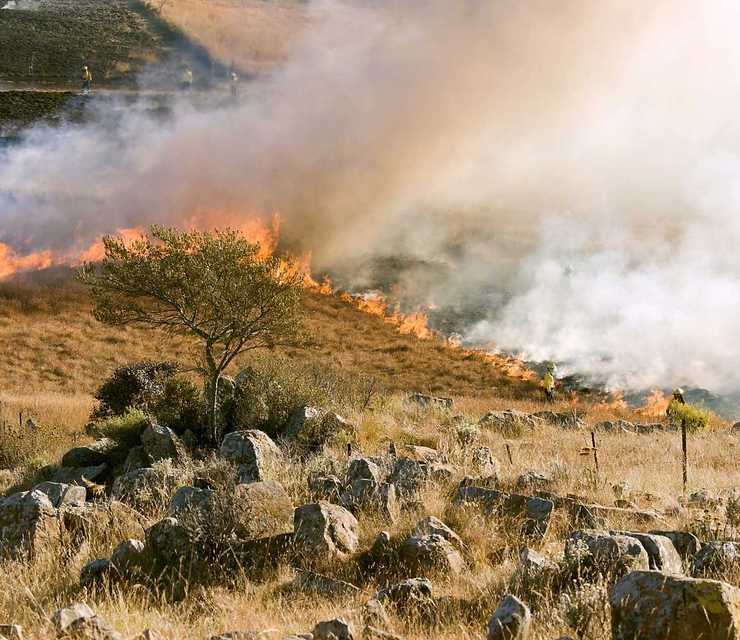
Although wildfires have been ravaging countries around the world for the last decade, many have recently seen their worst blazes in generations.
In 2020, Colorado and California made global headlines for recording their largest wildfires in history, collectively burning through almost 5 million acres of land. In a report from the National Interagency Coordination Center, the amount of land burned by wildfires in the western U.S reached 8.8 million acres—an area larger than the entire state of Maryland. Unfortunately, these disasters are not just occurring in the U.S.
Climate change exacerbates conditions that are favorable for wildfires, including hotter temperatures, longer droughts, and drier vegetation. Today, we’re experiencing these conditions in real-time as record high temperatures now occur twice as often as record lows across the United States.
As wildfires continue to increase in frequency and severity, we must be prepared for the next crisis that threatens to devastate lives.
Scientists are a crucial component of any large-scale response to a global emergency, and the current procedures around wildfire preparedness and prevention are not sufficient enough to successfully mitigate the issue.
Over the last decade, federal investments in wildfire research have been disproportionately lower than the amount spent on wildfire suppression. For example, the U.S. Forest Service spent nearly $2 billion towards putting out wildfires in 2016, yet only received $27 million to fund their National Fire Plan Research and Development Program that same year. More recently, the ongoing health crisis has led to researchers getting reduced financial support from federal and state government agencies to help address the magnitude of fire risk and preparedness.
Outside of the need for increased research investments, there is also a lack of cohesion between industry, academia, and government when it comes to wildfire prevention. Last year’s COVID-19 High-Performance Computing Consortium, an innovative public-private body that provided more than 600 petaflops of free computing power to the COVID-19 research effort, successfully proved that harnessing the power of industry and academia is the best way to flexibly address a future crisis.
This is why we’re recruiting scientists to join the International Science Reserve (ISR), a global network of experts working to accelerate solutions that will help mitigate global crises like wildfires. While there are existing organizations dedicated to crisis response, the ISR is specifically focused on mobilizing scientists to augment existing response organizations. This creates an engaged ‘crisis community’ which regularly participates in preparedness exercises and contributes to a better understanding of the role of science in crisis mitigation. In the long term, this could influence future policy regarding the role of science in crisis preparation and response.
The International Science Reserve will bring together an esteemed network of scientists to accelerate solutions to prepare for — and help mitigate — the impact of wildfires.
To help slow the rapid spread of wildfires, scientists in the International Science Reserve (ISR) will address the issue with a multitude of actions. These actions may include:
Integrating long-term climate modelling into scenario planning so national and international organizations can better prepare for when and where wildfires are likely to be a danger.
Collaborating with international scientists to examine long-term climate trends as well as organizations involved in short- and medium-term weather forecasting, such as the U.S. National Oceanic and Atmospheric Administration.
Partnering with the World Meteorological Organization to ensure that accessible and timely data are made available to determine impacts of smoke and air pollution stemming from the fires.
Conducting in-depth analyses of the responses of various organizations to wildfires, as well as highlighting best practices for actions which are known to be effective to help with future prevention.
If you or your organization are interested in learning more about the International Science Reserve and how you can get involved, please contact us at ISR@nyas.org. We need your partnership in this mission.
Meet Sea Saviors, the winning team of the Fall 2021 Junior Academy Challenge “Restoration of Aquatic Ecosystems.”
Published December 15, 2021
By Roger Torda
In the fall of 2021, six budding scientists entered the Junior Academy Challenge and teamed up online to address eutrophication in the Black Sea area and the Dnieper River that runs across Ukraine. Team members were Anzhelika-Mariia H. (Team Lead) (Ukraine), Kusum S. (Nepal), Aman Kumar F. (India), Manan P. (India), Ksheerja S. (India), and Viktoriia L. (Ukraine); the team worked under the mentorship ofPratibha Gupta (India).
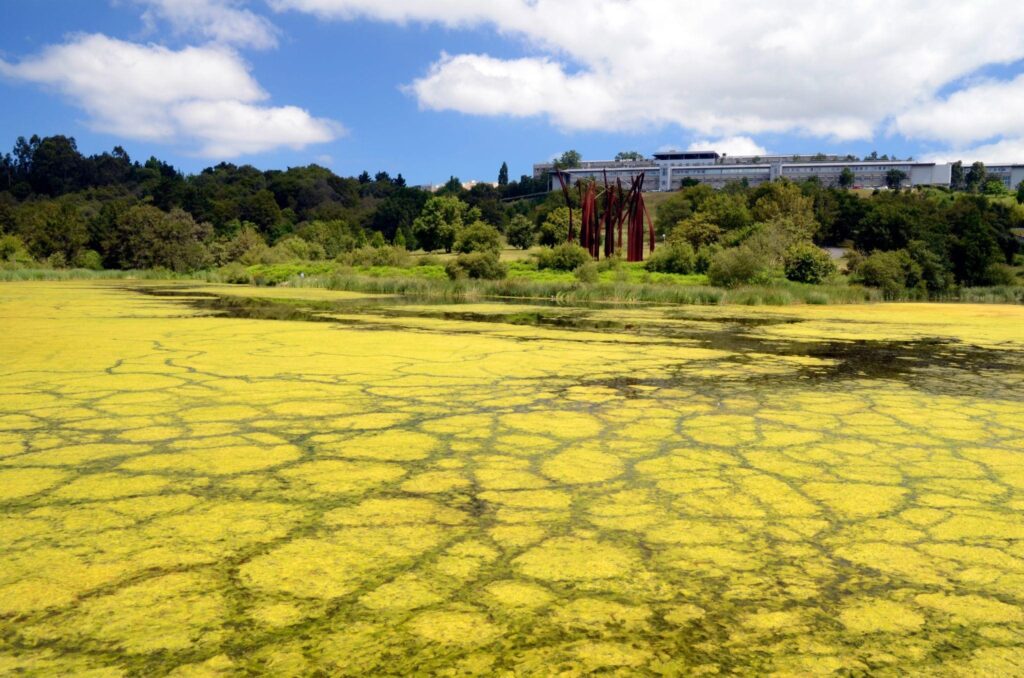
Eutrophication is a naturally-occurring process that affects the chemical composition of water bodies. When this process is accelerated by human factors like industrial waste, sewage and fertilizers from farms, it causes excessive growth of algae and phytoplankton, oxygen deficiency, and dead zones – thus threatening ecosystems, biodiversity, and public health.
As a first step, the Challenge participants conducted research to better understand the root causes of the problem in the Dnieper River basin.
“I got tons of insights on eutrophication and how it is destroying our planet’s life,” explains Aman Kumar.
Encouraged by their mentor Pratibha (a.k.a. “Power Girl”), the students also looked at existing solutions before brainstorming new approaches that could improve the aquatic environment.
“Our mentor’s enlightening advice and expertise showed me just how vital the role of mentor is,” says Manan. “Hopefully, some day, I can become a Junior Academy mentor!”
Focusing Ecological Ditches
The team eventually opted to focus on ecological ditches, a traditional drainage system that developed in Ukraine in the 1960s, when the country was still part of the Soviet Union. Located at the edge of fields, eco-ditches allow excess rainwater to be carried away. In their conventional form, the drainage channels are inefficient at filtering unwanted fertilizer or nutrients and the team sought ways to improve them with better engineering.
“The diversity of our group, not only geographical, but also the unique personality that each of us carried added immense value to our work,” says Kusum.
The students identified a potential solution of adding plants with strong filtration capacity to eco-ditches, and looked at hydraulic flow rate control.
“I met hardworking individuals who helped me improve my own skills and taught me many valuable lessons in teamwork and analytical thinking,” says Ksheerja.
Eco-ditches require regular maintenance to remove sediments. While polluting industries can be easily identified, farms are harder to locate – yet farms release nitrogen and phosphorus fertilizers that affect the delicate chemical balance of water bodies. The students saw a potential path to a sustainable solution: by mapping agricultural farms and existing canals, they could be linked into common drainage systems that could be monitored.
Raising Awareness Through Gaming
Raising awareness of the threats posed by eutrophication is also crucial. The Sea Saviors designed a web-based computer game aimed at children aged 8-13 to sensitize them to environmental issues.
“My role was to be a game designer and developer. Because of the Junior Academy, I found out about different ways of creating the video game and practiced one more game developing engine,” says Viktoriia.
In the two-level game, a friendly sea monster tries to make the aquatic environment more habitable for his fish buddies. In the process, Bob the Monster introduces young players to ecological ditches and the cultivation of oyster shells as ways of regulating the aquatic ecosystem.
“My team was tenacious and industrious from the beginning,” says Pratibha, thrilled with her mentees’ achievements. “Each member had faith in the other one to work diligently.”
For the winning team members, the project has been a stimulating learning experience that allowed them to form strong bonds.
“Working on this project boosted my motivation to continue my studies in the hope of becoming a scientist one day,” said Anzhelika-Mariia.
Sashti Balasundaram is a soil expert and worm lover who strives to grow better plants, vegetables, and flowers. The educator and entrepreneur shares his stories about composting and microorganisms.
Published December 8, 2021
By Roger Torda
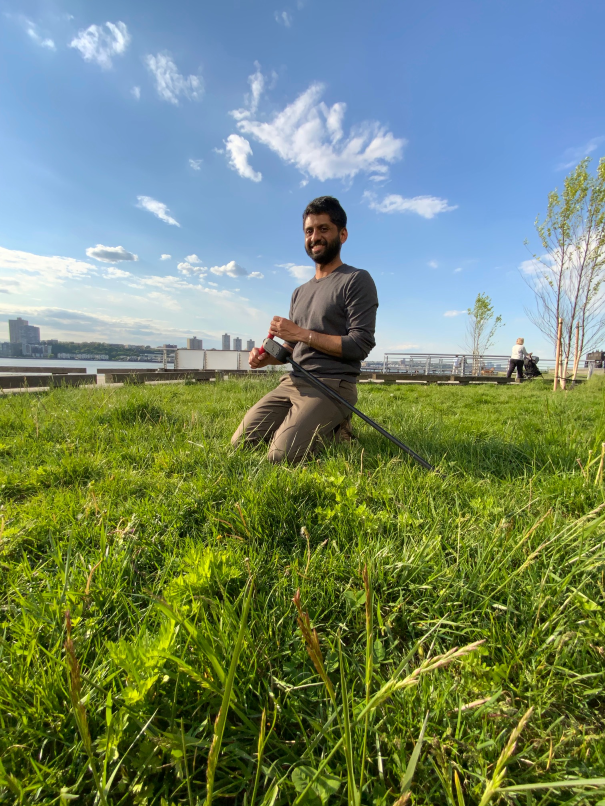
Sashti Balasundaram at work in Manhattan’s Riverside Park.
“It was magical when I saw food scraps break down in a worm bin,” recalls Sashti Balasundaram. “I thought to myself, worms are amazing.”
Sashti is a Master Composter, which means he is an expert at turning organic matter–like banana peels and apple cores and table scraps–into nutrient-rich compost. Mixed into soil, compost improves plant growth, enhances soil fertility, and reduces soil erosion. Results include healthy vegetables and flowers.
Sashti was amazed by worms when he worked in India with an organization that supports recycling. That fascination led to a passion for soil, and the microorganisms that are at the heart of composting. Now he heads an organization called WeRadiate that uses data and technology to improve soil health. He helps others learn how to create great compost, working with community gardens, schools, and urban farms.
The Importance of Compost
Sashti is just one of many experts in science and technology who share their stories in the Chat with a Scientist series of webinars, hosted by The New York Academy of Sciences’ Global STEM Alliance. In the 60 minute programs, scientists share their passion, explain how they got where they are, and take questions from curious students.
Sashti has taught at the Brooklyn Urban Garden School (known, of course, as “BUGS”), helped community gardeners across all five boroughs, and even helped the United Nations start composting at its General Assembly Building in Manhattan.
What does Sashti want kids to know about the importance of compost? “All the nutrients, the vitamins, and minerals that your family, your friends, and all humans consume each day come from soil,” he says. And there’s something else: “The environmental benefit is massive!” Compost helps soil capture carbon from the air and reduces the need for the transportation of organic waste. Composting also creates local jobs and saves communities the cost of moving garbage somewhere else.
There are many different ways to work toward a career in soil science, gardening, or agriculture. Sashti’s route was very indirect, with a background in biology, ecology, and public health. But it is easy to get started. Sashti says there are plenty of volunteer opportunities at botanical and community gardens.
The Blavatnik Awards for Young Scientists in Israel is one of the largest prizes ever created for early-career researchers in Israel. Given annually to three outstanding, early-career faculty from Israeli universities in three categories—Life Sciences, Physical Sciences & Engineering, and Chemistry—the awards recognize extraordinary scientific achievements and promote excellence, originality, and innovation.
On August 2, 2021, the New York Academy of Sciences celebrated the 2020 and 2021 Laureates at the Israel Academy of Sciences and Humanities in Jerusalem, Israel. The multidisciplinary symposium, chaired by Israel Prize winners Adi Kimchi and Mordechai (Moti) Segev, featured a series of lectures on everything from a new class of RNA to self-assembling nanomaterials.
In this eBriefing, you’ll learn:
The secret life of bats, and how the brain shapes animal behavior
How genetic information in unchartered areas of the human genome—known as long noncoding RNA—could be used to develop treatments for cancer, brain injury, and epilepsy
Creative ways of generating light, X-rays, and other types of radiation for practical applications such as medical imaging and security scanners
The intricate choreography of protein assembly within cells, and how this dance may go awry in disease
Speakers
Yossi Yovel, PhD Tel Aviv University
Igor Ulitsky, PhD Weizmann Institute of Science
Emmanuel Levy, PhD Weizmann Institute of Science
Ido Kaminer, PhD Israel Institute of Technology
Life Sciences of Tomorrow
Speakers
Yossi Yovel, PhD Tel Aviv University
Igor Ulitsky, PhD Weizmann Institute of Science
From Bat Brains to Navigating Robots
Yossi Yovel, PhD, Tel Aviv University
In this presentation, Yossi Yovel describes his studies on bats and their use of echolocation to perceive and navigate through the world. To monitor bats behaving in their natural environment, he has developed miniaturized trackers—the smallest in the world—capable of simultaneously detecting location, ultrasonic sounds, movement, heart rate, brain activity, and body temperature changes.
By attaching these small sensors to many individual bats, Yovel is able to monitor large groups of free-flying bats—a task which would be almost impossible in other mammals. His current and future studies include applying bat echolocation theory to engineering acoustic control of autonomous vehicles.
Further Readings
Yovel
Moreno, K. R., Weinberg, M., Harten, L., Salinas Ramos, V. B., Herrera M, L. G., Czirják, G. Á., & Yovel, Y.
Igor Ulitsky outlines his investigation of the biology of a subtype of genetic material—long non-coding RNA (lncRNA)—an enigmatic class of RNA molecules. Similar to other classes of RNA molecules, lncRNAs are transcribed from DNA and have a single-strand structure; however, lncRNAs do not encode proteins. Even though non-coding regions of the genome comprise over 99% of our genetic material, little is actually known about how these regions function.
Ulitsky’s work has shown dynamic expression patterns across tissues and developmental stages, which appear to utilize diverse mechanisms of action that depend on their sub-cellular positions. These discoveries have unlocked the potential of using lncRNAs as both therapeutic agents and targets with promising leads for the treatment of diseases such as cancer, brain injury, and epilepsy.
Further Readings
Ulitsky
H. Hezroni, D. Koppstein, M.G. Schwartz, A. Avrutin, D.P. Bartel, I. Ulitsky.
Chemistry and Physical Sciences & Engineering of Tomorrow
Speakers
Emmanuel Levy, PhD Weizmann Institute of Science
Ido Kaminer, PhD Israel Institute of Technology
Playing LEGO with Proteins: Principles of Protein Assembly in Cells
Emmanuel Levy, PhD, Weizmann Institute of Science
In this presentation, Emmanuel Levy describes how defects in protein self-organization can lead to disease, and how protein self-organization can be exploited to create novel biomaterials. Levy has amassed a database of protein structural information that helps him to predict, browse, and curate the structural features—charged portions, hydrophobic and hydrophilic pockets, and point mutations—within a protein that govern the formation of quaternary structures. By combining this computational approach with experimental data Levy is able to uncover new mechanisms by which proteins operate within cells.
Further Readings
Levy
H. Garcia-Seisdedos, C. Empereur-Mot, N. Elad, E.D. Levy.
M. Meurer, Y. Duan, E. Sass, I. Kats, K. Herbst, B.C. Buchmuller, V. Dederer, F. Huber, D. Kirrmaier, M. Stefl, K. Van Laer, T.P. Dick, M.K. Lemberg, A. Khmelinskii, E.D. Levy, M. Knop.
Shining Light on the Quantum World with Ultrafast Electron Microscopy
Ido Kaminer, PhD, Israel Institute of Technology
Ido Kaminer discusses his research on light-matter interaction that spans a wide spectrum from fundamental physics to particle applications. Part of his presentation addressed the long-standing question in quantum theory over the predictability of motions quantum particles. He also demonstrated the first example of using free electrons to probe the motion of photons inside materials. Finally, he talked about the potential applications of tunable X-rays generated from the compact equipment in his lab, for biomedical imaging and other applications.
Further Readings
Kaminer
R. Dahan, S. Nehemia, M. Shentcis, et al., I. Kaminer.
Unlike the pandemic, the impact of climate change has always been a much tougher sell.
Published June 29, 2021
By Nicholas B. Dirks
June 1 marked the official start of hurricane season and already tropical storms Ana, Bill and Claudette have made their respective debuts.
And while summer has only just officially started, early hot dry conditions in Arizona, California, Oregon, Utah and New Mexico are exacerbating enormous wildfires putting a strain on local first responder services. Severe drought conditions in the west is restricting the use of essential water supplies. Its impact on the nation’s food supply has yet to be determined.
In May, National Oceanic and Atmospheric Administration (NOAA) released revised temperature “normals” which show a significant shift towards warmer temperatures. We are far from the state of readiness required to deal with the inevitable outcomes.
Scientists have been sounding the alarm about the human impact upon climate change for well over a century. French mathematician and physicist Joseph Fourier, who is generally credited with the discovery of the greenhouse effect, wrote in an 1827 paper that: “The establishment and progress of human societies, the action of natural forces, can notably change, and in vast regions, the state of the surface, the distribution of water and the great movements of the air.”
But unlike the pandemic, which was a highly visible emergency with nightly news reports showing crowded ER’s and patients on ventilators, the impact of climate change has always been a much tougher sell. In addition, when proposed changes come up against “the pocketbook,” there is pushback.
Recent Research and “Crisis Fatigue”
A recent paper published in Annals of the New York Academy of Sciences — The distributional impact of climate change – discusses the various impacts of climate change from both a social and environmental perspective. As with many other global issues, the impacts of climate change will most certainly affect poorer countries even more severely, but that doesn’t let the rich ones like the United States off the hook.
Then there is the risk of “crisis fatigue”—the continual sounding of an alarm about something that is not immediately visible, to the point that the problem is so overwhelming that individual actions won’t help. But as we learned from Covid-19, there is no local crisis of this kind that doesn’t soon become a global crisis.
Science is an incremental process, and scientific knowledge is based on multiple arguments, experiments, and developments. However, the scientific consensus that climate change is not only real, but escalating faster than many scientists had predicted, is based on measurements and models that issue a clear and urgent warning. We need to act now, and fast, to drive effective policy to combat climate change.
Training scientists to be better communicators is a good step, but much more must and can be done to develop a public consensus that might mirror the scientific consensus. Climatologists, meteorologists and environmental scientists play an important role, but we need to enlist all the disciplines of the academy (including social scientists and humanists), all the agencies of government (domestically and internationally), and all the major sectors of the economy to help chart a way forward.
The Impediment of Knowledge Resistance
As Mikael Klintman, in his recent book, “Knowledge Resistance,” has argued, “it becomes crucial to ask what we as individuals and groups can do about knowledge resistance in cases where, in the long run, it is problematic to ourselves and to others – humans, animals, and the environment alike.”
Professionals from healthcare, insurance, business, as well as legal and financial sectors can help scientists and public officials “sell” appropriate actions and solutions. The average person may not pay much mind to the science behind reducing carbon emissions but put in the context of how much taxpayer money is used to treat patients who have respiratory conditions exacerbated by polluted air from auto emissions, and it’s a different conversation.
Policymakers supporting the development of wetlands or sensitive barrier islands might be more inclined to rethink such plans if voters are provided with data on how much it is likely to cost when severe storms hit, in terms of increased taxes to pay for emergency relief, rebuilding, and higher insurance rates. Like the warnings and recommendations about COVID-19, climate change has become a deeply partisan issue, but preparedness for the long-term impacts of climate change is not “hysterics” or “alarmist” as some would argue.
Ignoring the impact of COVID-19 cost millions their lives, and billions of dollars in healthcare costs and lost income. The economic cost of lost jobs and wages, as well as the cost of care of COVID patients, especially those who still have long-term health effects, has still to be tallied.
All the data are showing us what will happen if we are not ready. Science can deliver on the knowledge, but it will take genuine collective action to hone and sell the messages that can tread that fine line between preparation and panic.
An energy expert discusses his thoughts on the future of energy in America, the importance of community engagement, and future smart grid technologies that could truly re-shape the global economy.
Martin Keller, PhD, director of the National Renewable Energy Laboratory (NREL) and president of the Alliance for Sustainable Energy, which operates NREL for the U.S. Department of Energy, has a bold vision for the future—complete decarbonization of the United States energy sector by 2050—and he is charting an aggressive course for NREL toward this goal. We recently got a chance to sit down with Director Keller to discuss his thoughts on the future of energy in America, the importance of community engagement, and future smart grid technologies that could truly re-shape the global economy.
As the US transitions away from fossil fuels to a more sustainable energy economy, how do US efforts compare with those of other developed nations around the world?
If you look at the clean energy transition and towards deep decarbonization, the US is still at the forefront of innovations in this space. However, Germany is ahead of the US in the deployment of new renewable energy technologies. On-average, the percentage of renewable energy on Germany’s electric grid is significantly higher than what is available in the United States.
Japan is a little late to the game on renewable energy technologies like wind and solar, because historically, Japan put more emphasis on nuclear. There is a strong effort in the US to produce clean electricity by 2035 and completely decarbonize by 2050. So, the deployment of renewable technology will really accelerate over the next few years, especially since solar and wind are becoming the cheapest ways of producing electricity.
Over the next 30 years, is the US capable of transitioning to renewables?
NREL has conducted an interesting and comprehensive study with the Los Angeles Department of Water and Power, which is focused on this very question: What will it take to get to 100% renewable energy in the City of Los Angeles? The study modeled every LA building to understand where solar panels could be placed on rooftops.
It remodeled transmission lines, it modeled all future electric charging stations for transportation and worked with underserved communities to address issues around environmental justice. Results from this study show overwhelmingly that yes, a switch to 100% renewable energy can be done. It will be a challenge, but if the US commits to this effort and genuinely engages with local communities, I am optimistic this can be achieved on the timeline of 2035 or 2050.
There are a host of renewable energy technology solutions available. What will be the role of solar, wind, and other technologies in the future renewable energy economy?
Martin Keller, PhD
What is clear is that there was once a time when just one energy solution—fossil fuels—met all of our energy needs. This period in history is clearly over. It will no longer be a single technology. It will be a mix of different solutions. To fully decarbonize the US economy, it will require a hard look at all clean energy technologies, including nuclear. Cost will be a major driver. Right now, solar and wind are by far the cheapest and nuclear is still very expensive. But small, modular reactors or micro-reactors could change this dynamic in the future as potential energy storage devices. This is an area where we need innovation.
Renewable energy solutions will also look different by region—California will look different from New Hampshire, and Texas will look very different from Ohio. These regional differences will determine what renewable energy technologies will be brought into the mix. If the US wants to do this successfully, it will need to have an integrated plan across the United States.
A successful transition to renewable energy will require seamless integration into the US electric grid. How must the grid change to accommodate renewables?
The US electric grid will require a completely different architecture that is driven by smart, autonomous machine learning processes, which are secure and resilient. The main pillar for the US’s future energy needs will be electricity. The new grid will be bi-directional with electricity generated by solar panels on your roof, which can then be sold to your neighbor. Electric cars will be plugged into the grid for storage or charging. Electricity will even be used to create other hydrocarbon fuels for use in airplanes and ships.
The future US grid will be powered by millions of electronic devices. This will not happen only because more renewables will be on the grid. This will happen because consumers demand more flexibility. Consumers will want smart homes. They will want to control the house thermostat from their cars, and will run this all with an app. This alone will require a radically different grid, governed by autonomous energy systems and smart algorithms. It will be more integrated, much more distributed and almost self-healing. If done right, the future US electric grid system will be ultimately more resilient and less expensive.
A married research duo are studying ways to better predict the feasibility and potential economic benefits of adopting battery technologies for renewable energy.
Published May 13, 2021
By Roger Torda
(Left to Right) Graham Elliott and Shirley Meng at the 2019 Blavatnik National Awards Ceremony at the American Museum of Natural History
What can we learn from a marriage of physical and social sciences?
In an intriguing collaboration, they developed ways to better predict the feasibility and potential economic benefits of adopting battery technologies to integrate renewable energy, such as solar and wind energy, into energy grids. Together with their research team members, they published “Combined Economic and Technological Evaluation of Battery Energy Storage for Grid Applications” in the journal Nature Energy.
Meng is the Zable Chair Professor in Energy Technologies and Director of the Institute for Materials Design and Discovery at the University of California San Diego (UCSD). Elliott is also at UCSD, where he is Professor and Chair of the Department of Economics. We recently interviewed both to discuss this collaboration and what they learned through the process.
Can you tell us how this collaboration was initiated?
Meng: UCSD is a place where interdisciplinary and convergent research is not only highly valued but practiced. I founded the Sustainable Power and Energy Center (SPEC) at UCSD in 2015. SPEC reaches out beyond engineering and physical sciences to study economic and sociological issues that need to be addressed to create truly robust ecosystems for low-carbon electric vehicles and carbon-neutral microgrids. We won a competitive grant from the US Department of Energy, which provided the resources for this work.
Why did you choose to study batteries for energy grid applications? What question about batteries did you study?
Meng: With energy grids showing their age and continuing to distribute energy generated with high environmental costs, efforts that enable grids to distribute cleaner, renewable energy more efficiently would be a technological advance with a positive societal impact. While there have been exciting moves toward renewables, many problems lie ahead if we are to move from renewables being important to renewables being dominant.
Elliott: Grid energy storage remains a major challenge both scientifically and economically. Batteries, or energy storage systems, play critical roles in the successful operation of energy grids by better matching the energy supply with demand and by providing services that help grids function. They will not just transform the market for supplying energy but also transform consumer demand by lowering the prices of energy for households and businesses.
In this work, we studied the potential revenues that different battery technologies deployed in the grid will generate through models that consider market rules, realistic market prices for services, and the energy and power constraints of the batteries under real-world applications.
Bringing these together in an interactive way—examining the engineering and economic aspects as two parts of the problem together—allows for a complete look at the problem, and ultimately a better outcome for the economy.
Graham Elliott
What was the biggest finding of this collaboration? Were you surprised by your findings?
Meng: We found that while some battery technologies hold the greatest potential from an engineering perspective, the choice based on economics is less clear. The current rules of grid operations dictate which battery technologies are used for those particular grids—some of these rules may be out-of-date, and will be updated as the grids modernize. So even though we continue to see improvement in the energy/power performance of battery technologies and reduction in cost, policymakers are the ultimate decision-makers. Policymakers setting those rules have considerable influence on how fast and how successfully those battery technologies can be deployed, and therefore industry needs to work closely with policymakers to define the best practices for faster deployment of battery technologies.
We also found that there are a wide variety of factors that should be considered in choosing a battery technology. For instance, the battery recycling method is an important technical variable that determines the sustainability of a particular battery technology.
How could your findings eventually affect individual people and society? How can it help our economy?
Elliott: All gains in human welfare arise from what economists call productivity gains—people creating more with less effort, so there is more to go around. Technological advances in energy storage enable productivity gains. But for it to work, we need not only to be able to provide effective energy storage from an engineering perspective, but also it needs to be economically feasible. Different choices at the engineering stage mean differences in the economic feasibility, and how markets are arranged impacts engineering choices. Bringing these together in an interactive way—examining the engineering and economic aspects as two parts of the problem together—allows for a complete look at the problem, and ultimately a better outcome for the economy.
Meng: We are delighted to see to see that battery grid storage is starting to gain more momentum—policymakers are becoming informed about both economic and scientific, and engineering aspects of battery technologies.
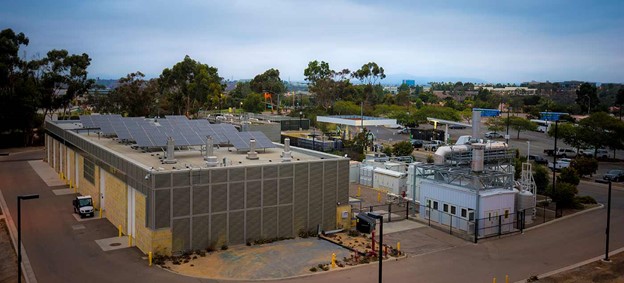
A small-scale energy grid at the University of California San Diego, consisting of a network of solar cells with battery storage (Credit: University of California San Diego)
What did you learn from this collaboration? Are there any tips you would like to share with other researchers who would like to pursue similar collaborations between physical and social sciences?
Meng: Perhaps the most important thing for the collaborative team to do is to build a common vocabulary so we can truly understand each other. In our case, we started by explaining the most basic symbols and units in engineering, like the energy unit Wh (Watt-hour) and the power unit W (Watt). Without understanding the differences between these symbols, we will make mistakes in constructing important parameters in our economic modeling.
Elliott: Another thing we learned is that different fields have very different understandings of the big picture. Collaboration across fields helps focus everyone’s efforts. For example, engineers typically view markets as fixed, and the engineering problem is to find something that works for the market. Economists tend to think of products (such as batteries) as fixed and design markets that work for the available products.
There is a whole research area waiting patiently for economists to understand which parts of the engineering problem are important and for scientists and engineers to understand from their perspective which parts of the market design are important.
Climate change has had catastrophic effects on ecosystems throughout the world and has created long lasting and potentially irreversible damage. In this eBriefing, experts discuss how rising temperatures have increased the number and intensity of forest fires and expedited global ice sheet melting.
In this eBriefing, You’ll Learn:
How climate change can cause an increase in droughts and forest fires while also accelerating ice sheet melting and sea level rise;
How climate change affects tree physiology, which may contribute to droughts and forest fires;
The latest technological advances in measuring climate change impact on ice sheet melting and sea level rise
Potential solutions to improve forest health and reduce forest fire damage
The public’s changing views on climate change, scientific trust, and environmental racism.
Speakers
William Anderegg, PhD The University of Utah
Eric Rignot, PhD University of California, Irvine
Fire and Ice: The Impact of Climate Change on Environmental Ecosystems
Eric Rignot, PhD
University of California, Irvine
Eric Rignot, PhD, combines satellite remote sensing, geophysical surveys, and numerical modeling to understand the impact of climate change on ice sheets and its repercussions on global sea levels. Dr. Rignot is a Donald Bren Professor at University of California, Irvine, a Senior Research Scientist at NASA’s Jet Propulsion Laboratory, and a Member of the National Academy of Sciences. He received his Engineer Degree at Ecole Centrale Paris and PhD at University of Southern California. He joined University of California, Irvine in 2007.
William Anderegg, PhD
The University of Utah
William Anderegg, PhD, centers his research around the intersection of ecosystems and climate change. In particular, his research focuses on how drought and climate change affect forest ecosystems, including tree physiology, species interactions, carbon cycling, and biosphere-atmosphere feedbacks. He is an Assistant Professor at the University of Utah. He received his BA and PhD at Stanford University and his postdoc at Princeton University. He joined the University of Utah in 2016.
Teams, made up of 28 students from 11 countries, win international challenges in Space Exploration, Smart Technology for Home and Health, Cybersecurity, Sustainable Transportation, and the battle against COVID-19.
Published August 12, 2020
By Roger Torda
Five international teams made up of 28 students from 11 countries have demonstrated they can solve challenges that vex the most experienced scientists and engineers. The students are among more than a thousand that competed in 2020 Challenges run by teams, made up of 28 students from 11 countries, won international challenges in various fields of science as part of The New York Academy of Sciences’ Global STEM Alliance. The teams collaborated across borders to develop solutions related to the coronavirus pandemic, routine healthcare monitoring, cybersecurity, lunar exploration, and sustainable transportation.
The Combating COVID-19 Challenge
“I didn’t want to stand by and passively wait for the pandemic to be over,” said Young Chen, explaining why he assembled a team to enter the Combating COVID-19 Challenge. “It was a combination of curiosity, risk-taking, and desire to help my community.” Chen, from Ashburn, Virginia, four other students from the United States, and another from New Delhi, India, won first place among 200 entries in the global competition. Their winning project, called GOvid-19, was a chatbot to provide users with information about government responses, emergency resources, and statistics on COVID-19, and ways they can help fight the pandemic.
The Academy’s goal with the competitions is to help students develop capabilities necessary for effective work and leadership in STEM fields. “Providing opportunities for students to build 21st-century skills like problem solving, collaboration and communication are core goals of our challenge programs,” said Hank Nourse, Senior Vice President & Chief Learning Officer for the Academy, in announcing the winners of the Challenges. This year, several of the Challenges were especially valuable as non-classroom projects for students whose schools had closed because of COVID-19. “Several of these teams completed their work during shutdowns due to the pandemic,” Nourse explained. “We are happy to know that our digital tools allowed students to continue working and learning without interruption.”
The Intelligent Homes & Health Challenge
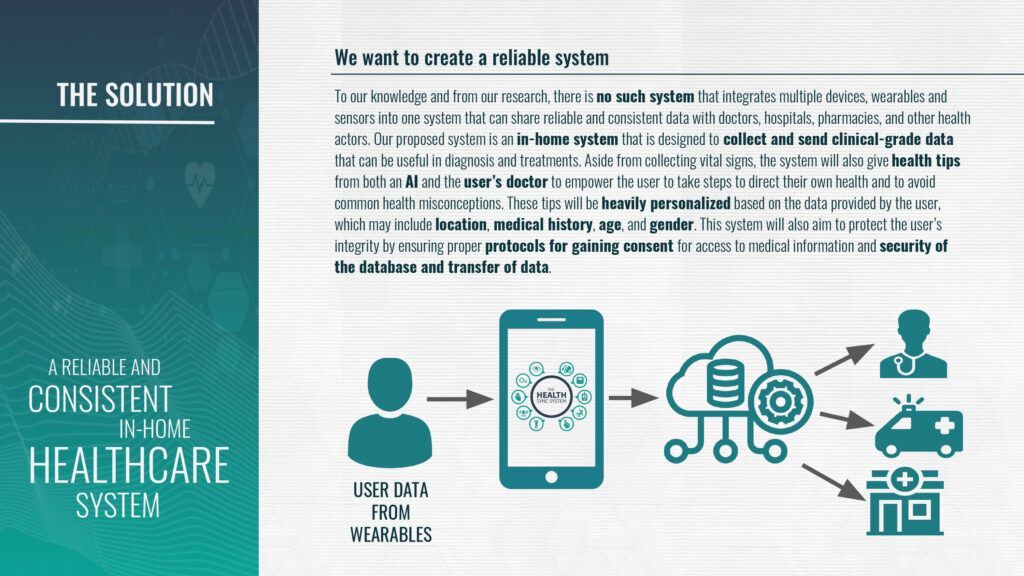
Zoe Piccirillo, leader for the team that won the Intelligent Homes & Health Challenge, described some of what she learned: “I have become a more open-minded, collaborative and creative individual from working with the motivated and bright members of our team… My team members also helped make our final solution more inclusive. The diversity of the group provided new perspectives regarding what values and concerns are prevalent across the world.” Zoe’s Health Sync team designed a secure, in-home health monitoring system connecting patients, doctors, and pharmacists. Zoe, from New York City, worked with another student from the United States, two from Sweden, and one each from the Philippines and Australia.
I have become a more open-minded, collaborative and creative individual from working with the motivated and bright members of our team.
Zoe Piccirillo
After assembling their teams, the students use the Academy’s Launchpad platform to connect with a volunteer mentor and then to reach out to other experts as they conduct research. “Mentors are often early career scientists, from academia and industry, who volunteer their time to help guide the students with their projects,” explained Kaari Casey, GSA program manager.
“I’m incredibly proud of my teams,” said Jessica Black, the mentor for Health Sync and a veteran of nine previous Challenges. “Often, the topics that are presented for these challenges are varied and out of the scope of what most students are studying in school,” Black continued. “They have to integrate their knowledge base with newly acquired information that must be obtained through research. It’s a new process for many of them. To see the resolutions and presentations they formulate by the end of the challenge is incredible.”
Black is a fellow in pediatric oncology at New York-Presbyterian/Weill Cornell Medical Center in New York City. “As a female in STEM I feel it’s really important to act as a role model not just for my female students, but for all of my students,” she added. The Intelligent Homes and Health Challenge was sponsored by the Royal Swedish Academy of Engineering Sciences, AstraZeneca, and Chalmers University of Technology.
The Cybersecurity in the Age of IoT Challenge
A team calling itself Cybercastle won the Cybersecurity in the Age of IoT Challenge, with a system that uses blockchain technology to encrypt medical records. Team lead Rasmus Häggkvist, from Norrbotten, Sweden, described his criteria for forming a team using Launchpad, saying he “was looking for kind, organized, diligent, and prudent perfectionists.” He found them in all corners of the world, including India, Morocco, Canada and the Philippines. The Cybersecurity Challenge was sponsored by the S&P Global Foundation, with 25 employees from S&P Global serving as mentors to student teams.
The Space Challenge
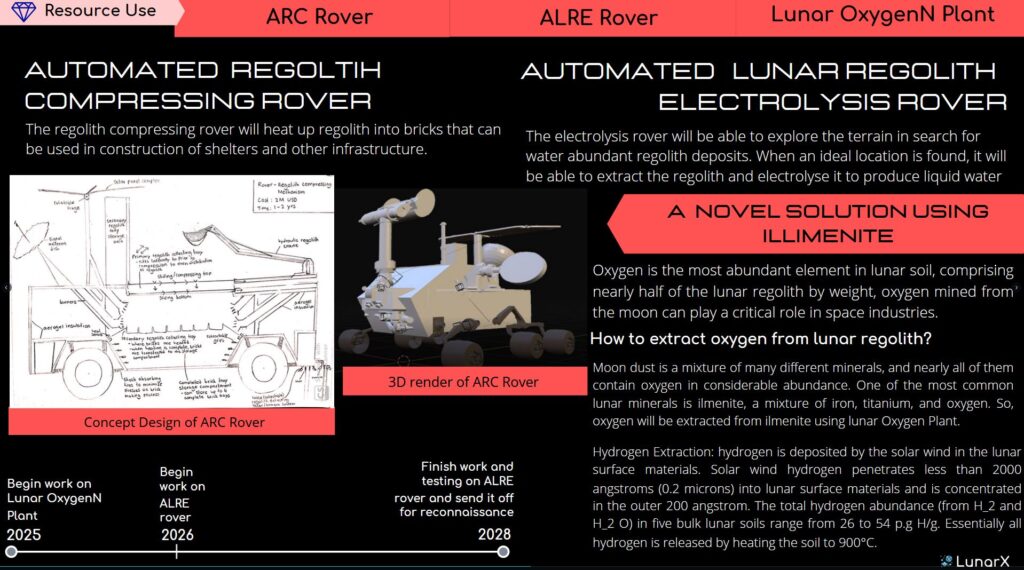
The LunarX team won the Space Challenge for its plan to colonize the Moon, including designs for shelters, sustainable food and water systems, and artificial intelligence tools for energy and mobile transport. Sachee Kachchakaduge, the team’s leader from Vancouver, Canada, pointed to the importance of using digital communications in a global project: “We used asynchronous collaboration to work on our own time. Distance and time zones did not prove to be issues, and we were able to work as if we were school friends or classmates.”
Sachee also pointed to opportunities to expand skills in sometimes unexpected ways: “At the surface, challenges seem like they only teach you about the topic at hand. However, in reality, you learn many other things. The team provides a safe space for everyone to try new software, and to learn from others and to test out your ideas.” Sachee’s teammates were from the United Arab Emirates, the Republic of Moldova, India, and the United States.
LunarX team mentor Garret Schneider, a retired aeronautical and astronautical engineer who worked in the Air Force and in industry, said the team worked hard to avoid becoming overwhelmed: “I think their biggest obstacles were digesting all the information and possibilities, and also deciding where to focus their energies…. [This] contributed to their success, as well as their dedication to tie all the elements of their solution together in a thorough, coherent manner.” Garret, who has volunteered with the Academy for close to 20 years, said he benefits as well as the students: “I have a renewed respect for the intelligence and capability and spirit of our youth – I feel pride to have been associated with them.”
The Chain of Transportation Challenge
A team calling itself LiFe won the Sustainable Chain of Transportation Challenge. The team designed a battery, a vehicle and an app to match specific transportation needs with the most efficient transportation solutions. Team member Abby Liang, from Troy, Michigan, said: “My new knowledge about the scientific research and design process, as well as both technical and creative skills from coding to policy frameworks to project management, will stay with me as I continue in my studies… I am so proud of our final comprehensive design.”
Members of the team were from Mexico, New Zealand, Egypt and the United States. The Sustainable Chain of Transportation Challenge was sponsored by the Royal Swedish Academy of Engineering Sciences and the Volvo Group.
Winning teams will receive a trip to New York City for next year’s annual GSA Summit, as this year’s Summit was postponed due to the coronavirus pandemic. In lieu of the in-person event this year, a virtual summit was held last month. Nicholas B. Dirks, the Academy’s President and CEO, addressed almost a thousand students and mentors, with a message about the importance of cross-discipline curiosity.
Laura Helmuth, Editor-In-Chief of Scientific American, delivered a keynote address, describing career pathways to science journalism and explaining the importance of good communication in the practice of science.
One of S&P Global’s 25 Challenge mentors echoed the belief that the exchange of ideas is a two-way process. “I wanted the chance… [to] get some exposure to what the next generation thinks about the problems the world is facing,” said Ryan Duve, a senior data scientist. Ryan worked with several teams and mentored a team called Symblot, which competed in the Cybersecurity Challenge. “I think the most important part of mentoring is just being a positive example of what you can be when you grow up,” he continued. “Too many young people only hear about different professions in articles and never really get a chance to do Q&A with a practitioner, which is a role I thought I could help fill.”
Winning Teams for the 2020 Global STEM Alliance Challenges
Combatting COVID-19
Abhay Sheshadri, Monroe Township, NJ, US; Anshul Mahajan, New Delhi, India; Regan Razon, Morrisville, NC, US; Tanush Swaminathan, Monroe Township, NJ, US; Young Chen, Asburn, VA, US.
Sachee Kachchakaduge, Vancouver, Canada; Sreenidhi Vijayaraghavan, Dubai, United Arab Emirates; Andreea Bujor, Ungheni, Republic of Moldova; Abhinav Agarwal, Jaipur, India; Arnav Hazra, San Francisco, CA, US; Naveen HV, Mysore, India.
Intelligent Homes & Health
Sara Rydell, Stockholm, Sweden; Jana Montanez, Parañaque City, Philippines; Ansh Gadodia, Princeton Junction, NJ, US; Sophia Li, Melbourne, Australia; Alice Forslund, Göteborg, Sweden; Zoe Piccirillo, New York, NY, US.
Sustainable Chain of Transportation
Cynthia Ramirez Meneses, Texcoco, Mexico; Izabela Zmirska, St. Augustine, FL, US; Evie Rose Grace, Dunedin, New Zealand; Ishita Bhimavarapu, Princeton, NJ, US; Abby Liang, Troy, MI, US.
On March 5, 2020, the New York Academy of Sciences celebrated the Laureates and Finalists and winners of the 2020 Blavatnik Awards for Young Scientists in the United Kingdom. The one-day symposium featured fast-paced, engaging research updates from nine scientists working in diverse fields within life sciences, chemistry, and physical sciences and engineering. This year’s Blavatnik UK honorees are probing the deepest mysteries ranging from the universe to the human mind, tackling longstanding questions that have occupied scientists and philosophers for millennia. Is there life beyond our Solar system? How is knowledge organized in the brain? What is the fundamental nature of gravity? Find out how this game-changing group of young scientists is working to answer these questions in this summary of the symposium.
Symposium Highlights
Environmental factors can influence the defense strategies bacteria use to fend off invading viruses. Insights into this process are advancing the potential for phage therapy as an alternative to antibiotics.
New analytical and computational tools are revealing the neural machinery that allows the brain to create models of the world and facilitates decision-making and behavior.
Chemists can exploit chirality to create novel molecules with a wide variety of applications in drug design, consumer electronics, and catalysis.
The scientific community is closer now than ever to realizing the commercial potential of nuclear fusion as a source of clean energy.
The first viable theory of massive gravity might help explain some of the biggest mysteries in physics, including the accelerated expansion of the universe.
Hosted By
Victoria Gill Science Correspondent BBC News
Speakers
Tim Behrens, DPhil University of Oxford and University College London
Ian Chapman, PhD UK Atomic Energy Authority
Matthew J. Fuchter, PhD Imperial College London
Stephen M. Goldup, PhD University of Southampton
Kirsty Penkman, PhD University of York
Claudia de Rham, PhD Imperial College London
Eleanor Stride, PhD University of Oxford
Amaury Triaud, PhD University of Birmingham
Edze Westra, PhD University of Exeter
Program Supporter
Changing the Game in Life Sciences
Speakers
Eleanor Stride, PhD University of Oxford
Edze Westra, PhD University of Exeter
Tim Behrens, DPhil University of Oxford & University College London
Engineering Bubbles
Mechanical engineer Eleanor Stride never planned to design drug delivery systems. She was “convinced I wanted to spend my career designing Aston Martins,” until a chance discussion with a supervisor piqued her interest in therapeutic applications of engineered microbubbles. Just two microns in diameter, microbubbles can be used as ultrasound contrast agents, but Stride sees a role for these tiny tools in the fight against cancer. “In many cases, the problem with cancer drugs [is] how we deliver them,” she said, explaining that systemic chemotherapy agents often cannot penetrate far enough into tumors to be effective. These drugs can also cause side effects and damage healthy tissues.
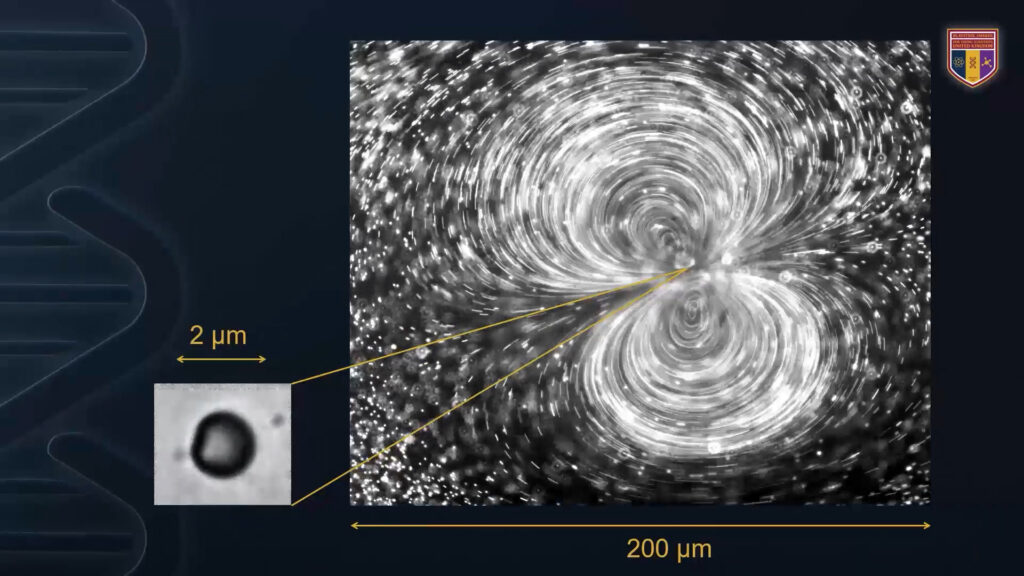
Microbubbles can help sidestep these challenges, safely encapsulating drug molecules within a stabilizing shell. The shell can be functionalized with magnetic nanoparticles, allowing clinicians to direct the bubbles’ aggregation at tumor sites and visualize them with ultrasound. As the bubbles compress and release in response to the ultrasound beam, the oscillation helps the bubbles penetrate into the surrounding tissue. “If we increase the ultrasound energy, we can destroy the bubble, allowing us to release the drugs on demand,” said Stride, noting that molecules released from a single 2-micron microbubble can circulate up to 100 times that diameter, pumping drugs deep into tumor tissues. This approach is highly localized—drugs are only released at the tumor site—which eliminates the potential for systemic toxic effects.
Ultrasound-stimulated oscillation of microbubbles creates a vortex in surrounding fluids. The vortex pumps drug molecules deep into tumor sites.
In 2019, Stride and a team of collaborators published the results of trials using oxygen-loaded magnetic microbubbles to treat malignant pancreatic tumors. In animal models, tumors treated with microbubble-delivered drugs showed dramatic spikes in cell death and also shrank in size, “which can mean the difference between a surgeon being able to remove a tumor or not,” said Stride. Additional experiments have helped hone techniques for external magnetic control of microbubbles within blood vessels to ensure precise, targeted drug delivery—a critical step toward tailoring this method for use in humans. Stride and her collaborators aim to launch a clinical trial in pancreatic cancer patients “in the very near future.”
Insights From Bacteria-Phage Interactions
As the fight against viruses dominates the news cycle, 2020 Blavatnik Awards UK Finalist Edze Westra shared an update from the front lines of a viral war billions of years in duration: the “evolutionary arms race” between bacteria and the viruses that infect them, called phages. The interactions between bacteria and phages—the most abundant biological entities on Earth—have profound implications for the development of phage-based therapies as alternatives to antibiotics.
Phages are often successful killers, but bacteria have evolved sophisticated immune strategies to resist attacks. Understanding how and when bacteria deploy each of these defensive tactics is key to designing phage therapies to treat bacterial infections.
Like humans, bacteria utilize both innate and adaptive immune responses to invading pathogens. In bacteria, innate immunity relies on the modification of surface structures to prevent phages from attaching. This system is effective, yet it creates no “record,” or memory, of which phages it encounters. The adaptive immune system, however, allows bacteria to build a database of previously encountered pathogens in the form of bits of genetic material snipped from invading phages and incorporated into the bacterium’s own DNA. The adaptive immune system, known as CRISPR immunity, forms the basis of CRISPR-Cas genome editing techniques. “There’s a critical balance between these two systems, and both are critical for survival,” said Westra, whose research aims to determine the factors that influence whether a bacterium mounts an innate or adaptive immune defense against a particular phage.
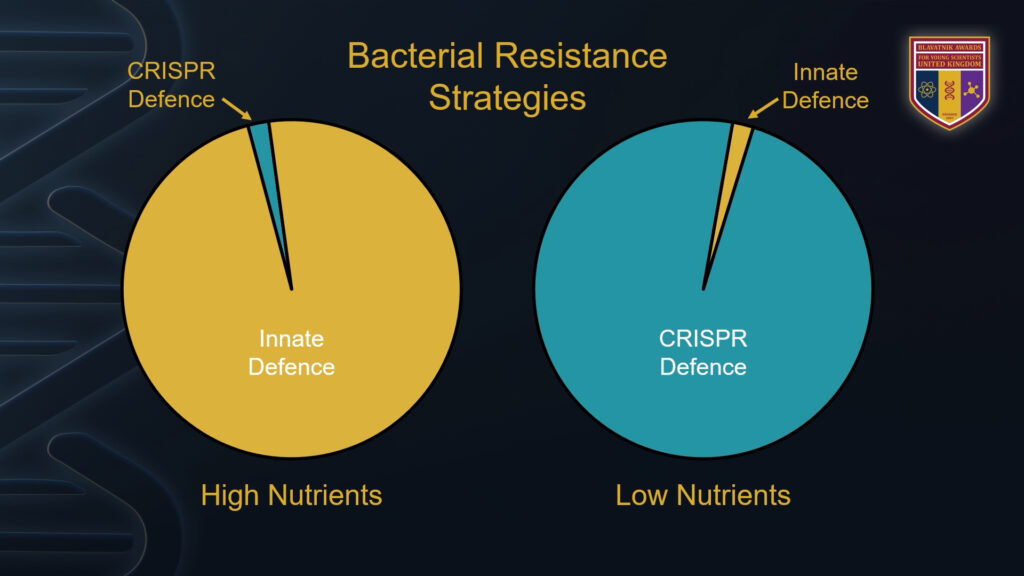
Using Pseudomonas aeruginosa, an antibiotic-resistant pathogen that often infects cystic fibrosis patients, Westra determined that a bacterium’s environment—specifically, the level of available nutrients—determined which defensive strategy was utilized. In high-nutrient environments, almost all bacteria deployed an innate immune response to phage attacks, whereas in lower nutrient settings, CRISPR immunity dominated.
The level of available nutrients influences which immune strategy bacteria use to defend against phage attacks.
In experiments using moth larvae, Westra discovered that infections were more severe when bacteria utilized CRISPR immunity, whereas bacteria that evolved innate immunity often caused less aggressive infections. “If we can manipulate how bacteria evolve resistance to phages, this could potentially revolutionize the way we approach antimicrobial resistance, with major benefits to our healthcare,” Westra said.
Building Models of the World
Computational neuroscientist Timothy Behrens is fascinated with the basic functions and decisions of everyday life—the process of navigating our home or city, the steps involved in completing household tasks, the near-subconscious inferences that inform our understanding of the relationships between people and things. Behrens designs analytical tools to understand how neuronal activity in the brain gives rise to these thought processes and behaviors, and his research is illuminating how knowledge is organized in the brain.
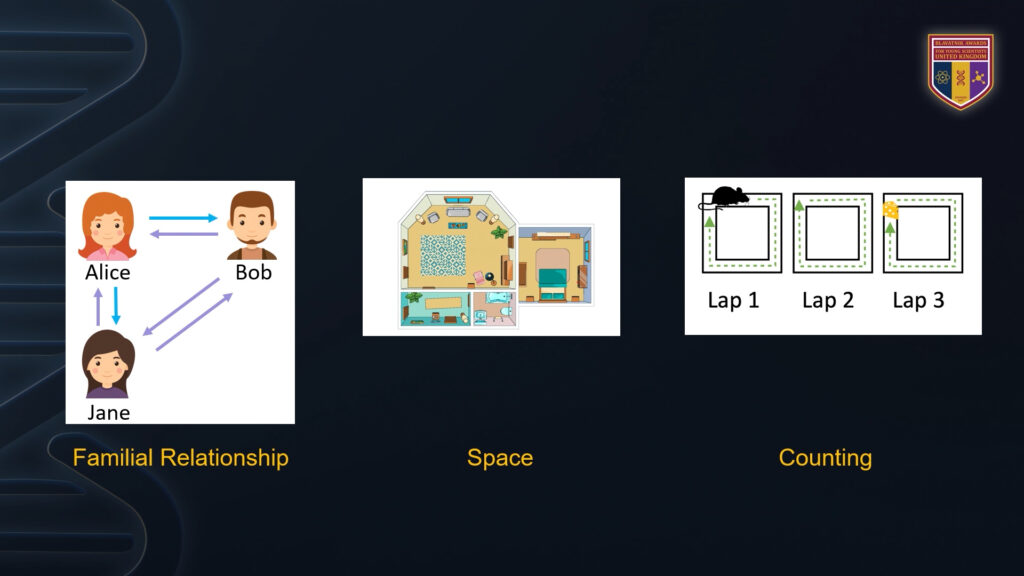
The activities of grid cells and place cells are well understood. By creating spatial maps of the world, grid and place cells allow us to navigate familiar spaces and locate items, such as car keys. Behrens explained that much less is known about how the brain encodes non-spatial, abstract concepts and sequence-based tasks, such as loading, running, and emptying a dishwasher. Over the past several years, Behrens and his collaborators have demonstrated that abstract information is similarly mapped as grid-like codes within the brain. “On some level, all relational structures are the same, and all are handled by the same neural machinery,” he said. This insight helps explain the effects of diseases like Alzheimer’s, which targets grid and place cells first and impacts both spatial and non-spatial knowledge.
Relational information is encoded by the same neural machinery that encodes spatial and navigational maps.
In another line of research, Behrens is probing a phenomenon called replay, during which the brain revisits recent memories as a means to consolidate knowledge about current events and anticipate future ones. Behrens illustrated the concept by showing patterns of neuronal activity as a rat runs around a track, then rests. Even at rest, the rat’s brain displays millisecond-long flashes of neuronal activity that mimic those that take place during running. “He’s not running down the track anymore, but his brain is,” said Behrens. Replay also underlies the human ability to understand a simple story even when it’s told in the wrong order. “Our knowledge of the world tells us…what the correct order is, and replay will rapidly stitch together the events in the correct order.”
Computational tools developed in Behrens’ lab have been shared with thousands of scientists around the globe as they pursue new hypotheses about the neural computations that control cognition and behavior. “It’s an exciting time to be thinking about the brain,” Behrens said.
Exploiting Molecular Shape to Develop Materials and Medicines
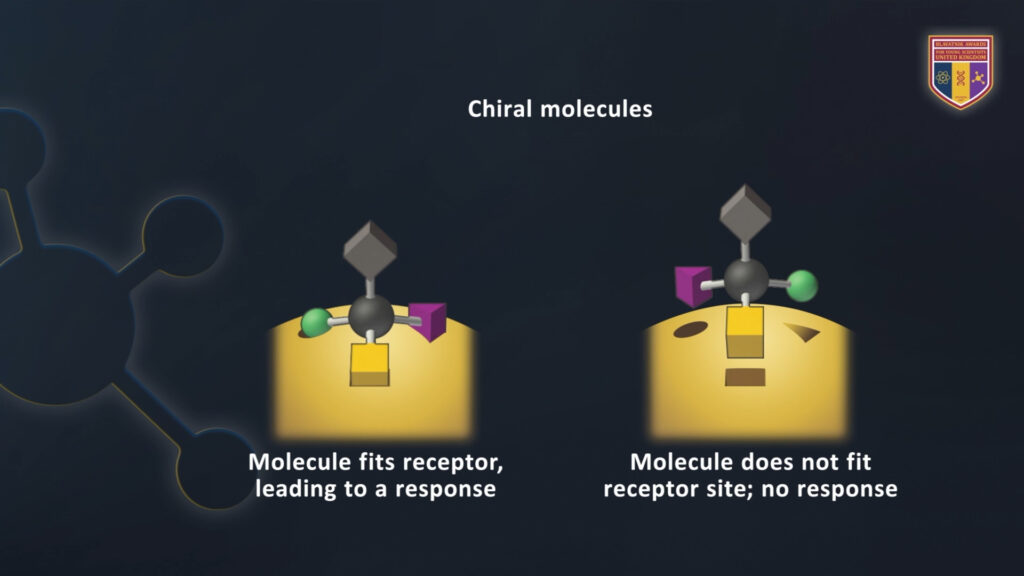
Consider the handshake: a greeting so automatic it takes place without thinking. Two right hands extend and naturally lock together, but as Matthew Fuchter explained, that easy connection becomes impossible if one party offers their left hand instead. The fumbling that ensues stems from a type of asymmetry called chirality. Chiral objects, such as hands, are mirror-image forms that cannot be superimposed or overlapped, and when one chiral object interacts with another, their chirality dictates the limits of their interaction. Chirality can be observed throughout nature, from the smallest biological molecules to the structures of skyscrapers.
In organic chemistry, molecular chirality can be exploited to tremendous advantage. Fuchter explained that the shape of molecules “is not only critical for their molecular properties, but also for how they interact with their environment.” By controlling subtle aspects of molecular shape, Fuchter is pioneering new strategies in drug design and devising solutions to technological problems that plague common electronic devices.
The notion of pairing complementary molecular geometries to achieve a specific effect is not unique to drug design—such synchronicities can be found throughout nature, including in the “lock and key” structure of enzymes and their substrates. Fuchter’s work aims to invent new drug molecules with geometries perfectly suited to bind to specific biological targets, including those implicated in diseases such as malaria and cancer.
Only one of these two chiral molecules has the correct orientation, or “handedness” to bind to the receptor site on the target protein.
Fuchter is also exploring applications for chirality in a field where the concept is less prominent—consumer electronics. Organic LED, or OLED, technology has “revolutionized the display industry,” allowing manufacturers to create ultra-thin, foldable screens for smartphones and other displays. Yet these features come at a steep efficiency cost—more than half of the light generated by OLED pixels is blocked by anti-glare filters added to the screens to minimize reflectiveness. A novel solution, in the form of chiral molecules bound to non-chiral OLED-optimized polymers, induces a chiral state of light called circularly polarized light. These circularly polarized, chiral light molecules are capable of bypassing the anti-glare filter on OLED screens. Fuchter noted that displays are far from the only technology that stands to be impacted by the introduction of chiral molecules. “Our research is generating new opportunities for chiral molecules to control electron transport and electron spin, which could lead to new approaches in data storage,” he said.
Making Use of the Mechanical Bond
Most molecules are bound by chemical bonds—strong, glue-like connections that maintain the integrity of molecules, which can be both simple, such as hydrogen, and highly complex, such as DNA. 2020 Blavatnik Awards UK Finalist Stephen Goldup’s work focuses on a less familiar bond. Mechanical bonds join molecules in a manner akin to an interconnected chain of links—the components retain movement, yet cannot separate.
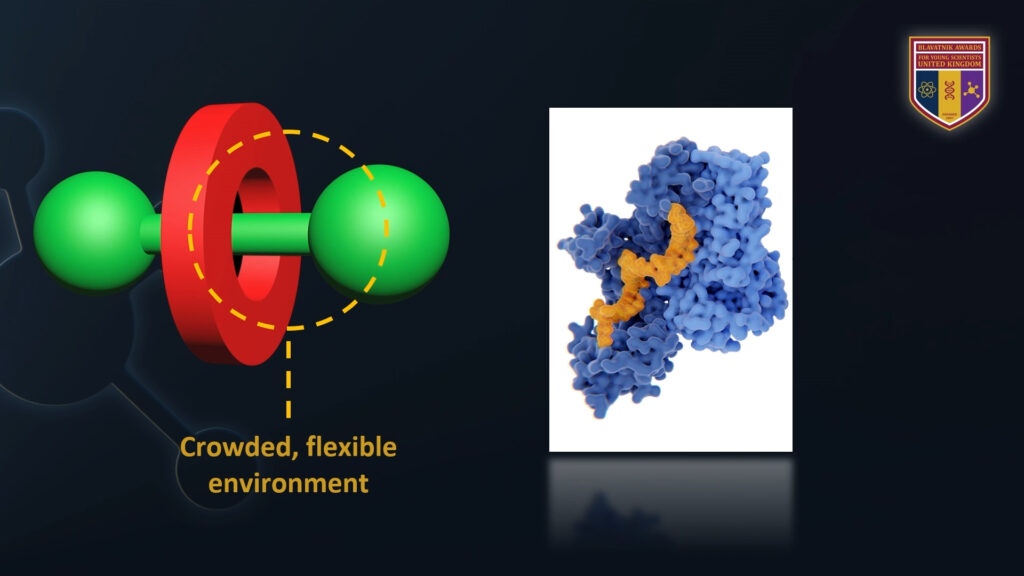
Mechanically interlocked molecules have the potential to yield materials with “exciting properties,” according to Goldup, but in the decades since they were first synthesized, they have largely been regarded as “molecular curiosities.” Goldup’s lab is working to push these molecules beyond the laboratory bench by characterizing the properties of interlocked molecules and probing their potential applications in unprecedented ways. His work focuses on two types of mechanically bound molecules—catenanes, in which components are linked together like a chain, and rotaxanes, which consist of a ring component threaded through a dumbbell-shaped axle.
Goldup’s lab has taken cues from nature to introduce additional elements into rotaxanes, resulting in novel molecules with a variety of potential applications. For example, much as enzymes contain “pockets” within which small molecules can bind, rotaxanes too contain a space that can trap a molecule or ion of interest. Rotaxanes that bind metal ions have unique magnetic and electronic properties that could be used in memory storage devices or medical imaging. Inspired by proteins and enzymes that bind DNA, Goldup’s lab has also designed rotaxanes in which DNA itself is the “axle.” In theory, these molecules can be used to effectively “hide” portions of DNA and alter its biological behavior.
Just as enzymes bind small molecules with their structures, rotaxanes can bind molecules in the cavity between the ring and the axle.
Perhaps most significantly, Goldup’s lab has solved a longstanding obstacle to studying rotaxanes: the difficulty of making them. The problem lies in the fact that rotaxanes can be chiral even when their components are not, making it extremely challenging to synthesize a distinct “hand,” or version, of the molecule. Recalling Matthew Fuchter’s example of how an awkward left-hand/right-hand handshake differentiates the “handedness” of two chiral objects, Goldup explained how his lab developed a technique for synthesizing distinctly “left” or “right” handed rotaxanes by utilizing a chiral axle to build the molecules. “Our insight was that by making the axle portion chiral on its own, when we thread the axle into the ring, the rotaxanes we make are no longer mirror-images of each other. They have different properties, and they can now be separated,” he said. Once separate, the chiral portion of the axle can be chemically removed and replaced with other functional groups.
Goldup’s lab is conducting experiments with new mechanically-locked molecules—including chiral rotaxane catalysts— to determine where they may outperform existing catalysts.
Amino Acids as a Portal to the Past
Scientists have multiple methods for peering into the history of Earth’s climate, including sampling marine sediment and ice cores that encapsulate environmental conditions stretching back millions of years. “But this is an incomplete picture—akin to a musical beat with no notes,” said Kirsty Penkman, the 2020 Blavatnik Awards UK Laureate in Chemistry. The records of life on land—fossil records—provide “the notes to our tune, and if we know the timing, that gives us the whole melody,” she said. Archaeologists, paleontologists, and climate scientists can harmonize fossil records with climate history to understand the past, yet their efforts stall with fossils older than 50,000 years—the limit of radiocarbon dating.
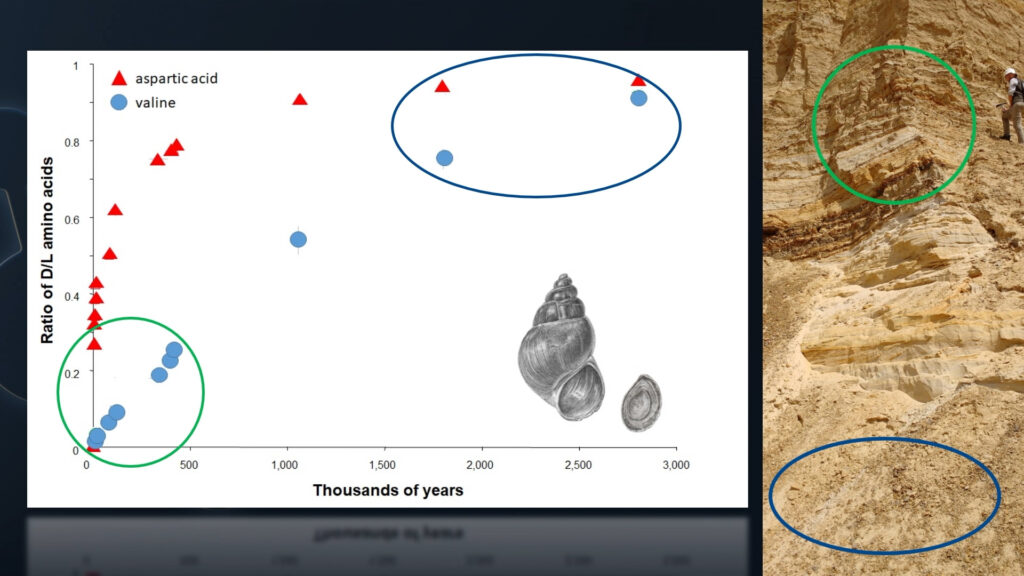
Penkman’s lab is developing dating methods for organic remains that reach far deeper into the history of life on Earth. Their strategy relies not on the decay of carbon, but the conversion of amino acid molecules from one form to another. Continuing the theme of chirality from previous presentations, Penkman explained that amino acids exist in two mirror-image forms. However, the body only synthesizes amino acids in the “left-handed,” or L-form. This disequilibrium shifts after death, when a portion of L-amino acids begins a slow, predictable conversion to the right-handed, or D-form. The older the fossil, the greater the balance between D and L isomers. This conversion process, called racemization, was first proposed as a dating method in the 1960s. Yet, it became clear that some of the fossil amino acids were vulnerable to environmental factors that impact the racemization rate, and therefore the date.
About 15 years ago, Penkman discovered that minute stores of proteins within the remains of snail shells are entrapped in intracrystalline voids. These tiny time capsules are unaffected by environmental factors. Studies have since confirmed that shells found in older horizons, for example deeper underground, contain higher ratios of D-amino acids versus those found at younger sites, thus validating the technique.
Calcitic snail shells found at older horizons have higher ratios of D-amino acids than those found at younger horizons.
Snail shells are often found in archeological sites, a serendipity that has led to astonishing findings about early human migration. Shells found alongside several Paleolithic tools “dated as far back as 700,000 years,” according to Penkman. “We’ve successfully shown that early humans were living in Northern Europe 200,000 years earlier than previously believed,” she said.
Penkman’s team has analyzed remains of ostrich eggshells at some of the earliest human sites in Africa, discovering fully preserved, stable sequences of proteins in shells dating back 3.8 million years. Mammalian remains are the next frontier for Penkman’s lab. They have analyzed amino acids in ancient tooth enamel—including that of a 1.7-million-year-old rhinoceros—and are developing microfluidic techniques to sample enamel from early human remains.
Changing the Game in Physical Sciences and Engineering
Speakers
Amaury Triaud University of Birmingham
Ian Chapman UK Atomic Energy Authority and Culham Centre for Fusion Energy
Claudia de Rham Imperial College London
Worlds Beyond Our Solar System
For millennia, humans have wondered whether life exists beyond our planet. Amaury Triaud, 2020 Blavatnik Awards UK Finalist believes we are closer to answering that question now than at any other time in history. The study of exoplanets—planets that orbit stars other than the Sun—offers what Triaud believes is “the best hope for finding out how often genesis happens, and under what conditions.”
The search for exoplanets has revealed remarkable variety among stars and planets in our galaxy. “The universe is far more surprising and diverse than we anticipated,” said Triaud. Astronomers have identified thousands of exoplanets since 1995, and now estimate that there are more planets in the Milky Way than stars—”something we had no idea about ten years ago,” Triaud said. Many exoplanets orbit stars so much smaller than the Sun that these stars cannot be seen with the naked eye. Yet these comparatively small stars provide “optimal conditions” for exoplanet hunters.
Exoplanets are often detected using the transit method—as an orbiting planet passes in front of a star, its shadow temporarily dims the star’s brightness. The larger the planet relative to the star, the greater its impact on the brightness curve and the easier for astronomers to detect. While monitoring a small star 39 light-years from Earth, TRAPPIST-1, a team of astronomers, including Triaud, discovered an exoplanet system comprised of seven rocky planets similar in size to Earth, Venus, and Mercury.
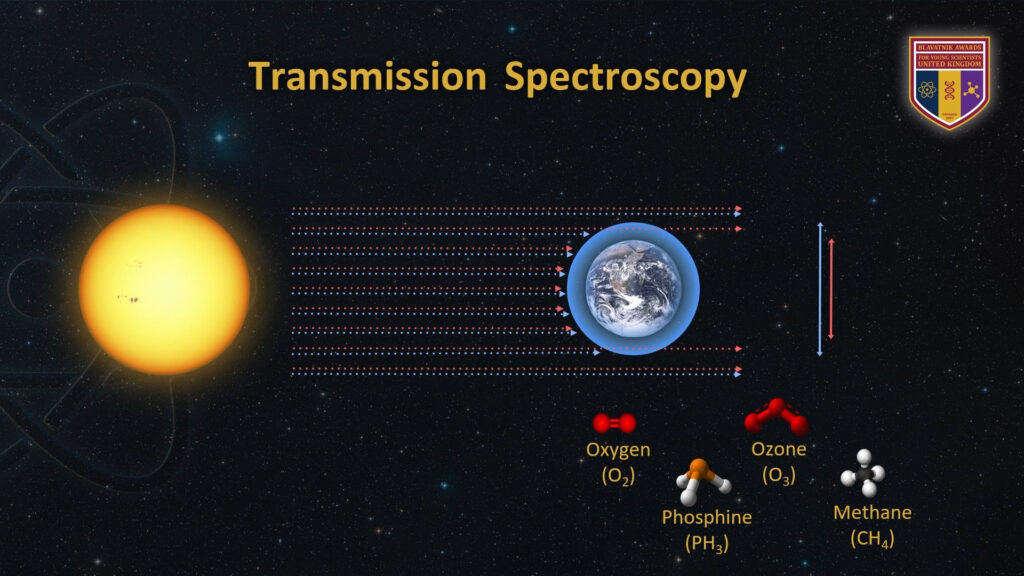
“The next question is to find out whether biology is happening out there,” said Triaud, joking that the biology of interest is not little green men, but rather green algae or microbes similar to the ones that fill our atmosphere with oxygen. The presence of oxygen “acts like a beacon through space, broadcasting that here on Earth, there is life,” said Triaud, explaining that the only way to gauge the presence of life on exoplanets is through atmospheric analysis. Using transmission spectroscopy, Triaud and other astronomers will look for exoplanets that possess an atmosphere and chemical signatures of life, such as oxygen, ozone, or methane, in the atmospheric composition of exoplanets.
Measurements of spectral signatures in a planet’s atmosphere can reveal the presence of gases associated with life, including oxygen and methane.
Such analyses will begin with the launch of the James Webb telescope in 2021. In the meantime, a land-based mission called Speculoos, based partially in Chile’s Atacama desert, is monitoring 1,400 stars in search of additional exoplanets. “It’s rather poetic that from one of the most inhospitable places on Earth, we are on the path to investigating habitability and the presence of life in the cosmos,” Triaud said.
The Path to Delivering Fusion Power
“There’s an old joke that nuclear fusion is 30 years away and somehow always will be,” said 2020 Blavatnik Awards UK Finalist Ian Chapman, but he insists that the joke will end soon. According to Chapman, the “ultimate energy source” is entering the realm of reality. “We’re now in the delivery era, where fusion lives up to its potential,” he said. Low-carbon, low-waste, capable of producing tremendous amounts of energy from an unlimited fuel source—seawater—and far safer than nuclear fission, fusion power has a long list of desirable qualities. Chapman is the first to acknowledge that fusion is “really hard,” but his work is helping to ease the challenges and bring a future of fusion into focus.
Nuclear fusion relies on the collision of two atoms—deuterium, or “heavy” hydrogen, and tritium, an even heavier isotope of hydrogen. Inside the Sun, these atoms collide and fuse, producing the heat and energy that powers the star. Replicating that process on Earth requires enough energy to heat the fuel. of deutrium and tritium gases to temperatures ten times hotter than the Sun, a feat that Chapman admits “sounds bonkers, but we do it every day.”
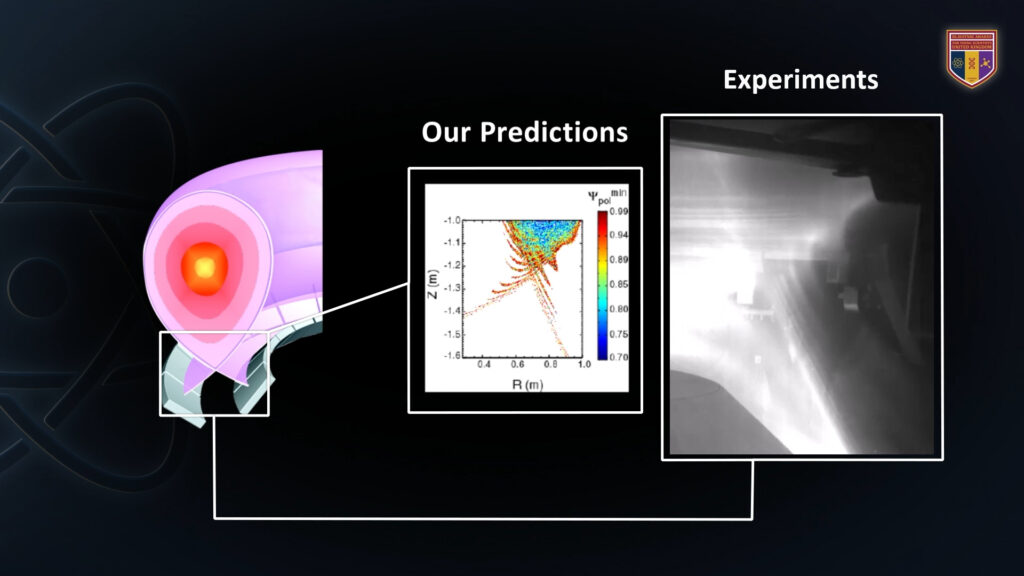
Within fusion reactors called tokamaks, this superhot fuel is trapped between arrays of powerful magnets that “levitate” the jet as it spins around a central magnetic core, preventing the fuel from melting reactor walls. Yet this is an imperfect process, explained Chapman, and due to fuel instabilities, eruptions akin to “throwing a hand grenade into the bottom of the machine” happen as often as once per second. Chapman devised a method based on his numerical calculations for preventing these eruptions using additional magnet arrays that induce three-dimensional perturbations, or “lobes” at the edge of the plasma stream. Just as a propped-open lid on a pot of boiling water allows steam to escape, these lobes provide a path to release excess pressure.
An array of magnets near the plasma edge creates perturbations in the fuel stream, allowing pressure to escape safely.
Chapman’s technique has been incorporated into the “the biggest scientific experiment ever undertaken by humankind”—a massive tokamak called ITER, roughly the size of a football stadium and equipped with a central magnet strong enough to lift an aircraft carrier. Scheduled to begin producing power in 2025, ITER aims to demonstrate the commercial viability of nuclear fusion. “We can put 50 megawatts of power into the machine, and it produces 500 megawatts of power out,” said Chapman. “That’s enough to power a medium-sized city for a day.”
Even before ITER’s completion, Chapman and others are setting their sights on designing less expensive fusion devices. Late last year, the UK committed to building a compact tokamak that offers the benefits of fusion with a smaller footprint, and Chapman is the leader of this project.
The Nature of Gravity
Claudia de Rham, the 2020 Blavatnik Awards UK Laureate in Physical Sciences and Engineering, concluded the day’s research presentations with an exploration of nothing less than “the biggest mystery in physics today.” For decades, cosmologists and physicists have grappled with discrepancies between observations about the universe—for example, its accelerated expansion— and Einstein’s general theory of relativity, which dictates that gravity should gradually slow that expansion. “The universe is behaving in unexpected ways,” said de Rham, whose efforts to resolve this question stand to profoundly impact all areas of physics.
Understanding the fundamental nature of gravity is key to understanding the origin and evolution of the universe. As de Rham explained, gravity can be detected in the form of gravitational waves, which are produced when two black holes or neutron stars rotate around each other, perturbing the fabric of spacetime and sending rippling waves outward like a stone tossed into a pond. But gravity can also be represented as a fundamental particle, the graviton, similar to the way light can be considered as a particle, the photon, or an electromagnetic wave. Unlike the other fundamental particles such as the photon, the electron, the neutrino, or even the famously elusive Higgs boson, the graviton has never been observed. In theory, the graviton would, like all fundamental particles, exist even in a perfect vacuum, a phenomenon known as vacuum quantum fluctuation. Unknown in Einstein’s day, vacuum quantum fluctuations, when factored into the general theory of relativity, do predict an accelerated expansion of the universe. “That’s the good news,” said de Rham. “The bad news is that the predicted rate of expansion is too fast by at least 28 orders of magnitude.”
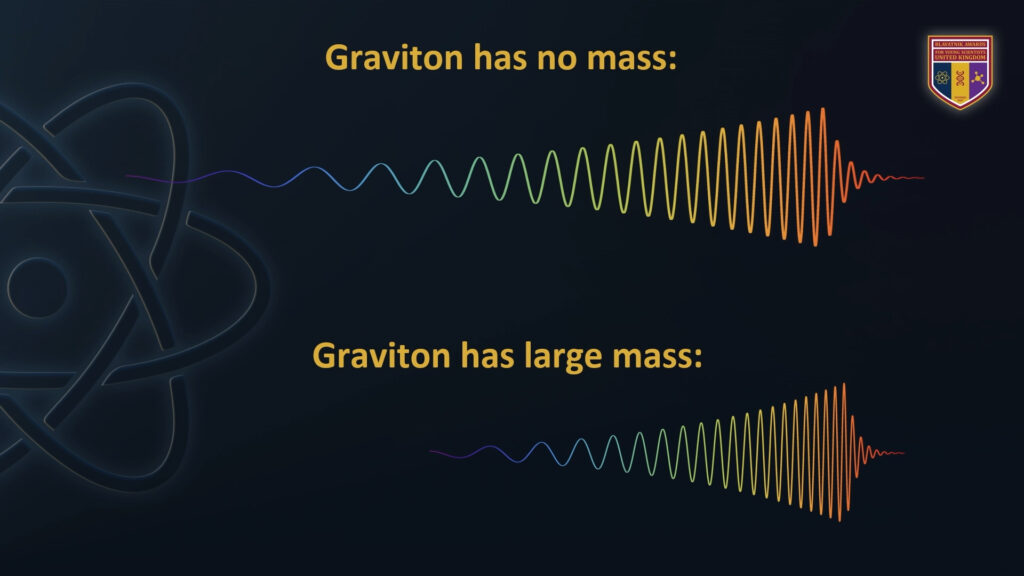
This raises the possibility that “general relativity may not be the correct description of gravity on large cosmological scales,” said de Rham. If the graviton had mass, however, it would impact the behavior of gravity on the largest scales and could explain the observed rate of expansion.
Signal patterns from gravitational wave events can serve as models for estimating the mass of the graviton. By comparing the expected signals produced by either a massless particle or a high-mass particle with actual signal patterns from detected events, physicists can place an upper and lower boundary on the graviton’s potential mass.
The idea of a massive graviton has been considered—and refuted—by physicists as far back as the 1930s. Several years ago, de Rham, along with collaborators Andrew Tolley and Gregory Gabadadze, “realized a loophole that had evaded the whole community.” Together, they derived the first theory of massive gravity. “Through gravity, we can now connect small vacuum fluctuations with the acceleration of the universe, linking the infinitely small with the infinitely large,” de Rham said.
Determining the mass of the graviton requires the most precise scale imaginable, and de Rham believes that gravitational wave observatories are perfectly suited to the task. Whether her theory will hold up in future tests remains to be seen, but when it comes to solving this epic mystery, “the possibility is now open.”
Several Laureates and Finalists of the 2020 Blavatnik Awards in the UK joined BBC science reporter Victoria Gill for the final session of the day, a wide-ranging panel discussion that touched on issues both current and future-looking.
Two themes—fear and opportunity— emerged as powerful forces shaping science and society, especially as it relates to climate change and the threat of emerging infectious disease. Gill noted that climate change is “the biggest challenge ever to face humanity,” and that many efforts to raise awareness of its impacts focus on bleak projections for the future. Asked for insights on shifting the tone of climate change communications, Kirsty Penkman acknowledged that “there needs to be a certain level of fear to get people’s attention.” She then advocated for a solutions-oriented plan rooted in the fast pace of scientific progress in clean energy, among other areas. “This is an amazing opportunity,” she said. “Humans are ingenious….in the last 120 years we’ve moved from a horse-drawn economy to a carbon-based economy, and in 5 or 20 years we could be in a fusion-based economy. We have the potential to open up a whole new world.” Eleanor Stride suggested combatting complacency by emphasizing the power of small changes in mitigating the impact of climate change. “One billion people making a tiny change has a huge impact,” she said.
The specter of a coronavirus pandemic had not yet become a reality at the time of the symposium. But Edze Westra presciently detailed the challenges of containing a highly contagious emerging pathogen in a “tightly connected world.” He commented that detecting and containing emerging diseases hinges on the development of new diagnostics, and that preventing future outbreaks will require cultural shifts to limit high-risk interactions with wildlife. For zoonotic diseases such as the novel coronavirus, “it’s all about opportunity,” Westra said.
Panelists also looked to the future of science, touching on issues of equality, discrimination, and diversity, and emphasizing the importance of raising the bar for science education. Stride noted that children are natural scientists, gravitating toward problem-solving and puzzles regardless of nationality or gender. “But something happens later,” she said, lamenting the drop in interest in science as children progress in school. “One of the things that gets lost is that creativity, which is what science really is—we’re coming up with a guess and trying to gather evidence for it—we’re not just learning a huge number of facts and regurgitating them,” she said.
In the wake of Brexit, panelists expressed concern about potential difficulties in attracting international students to their labs. “Diversity is so important,” said Penkman. “Getting ideas from all around the world from people with different backgrounds is essential to making science in the UK—and the world—the best it can be.” In her closing comments, Penkman said that ultimately, the trajectory of science comes down to the people in the field. “My eternal optimism is in the people I work with and the people I talk to when I visit schools—it’s that innate interest and curiosity. Whenever I see it, I feel that is the future of science,” she said.