The Hunter of Tyrosine Kinases

“The study of tumor viruses and their oncogenes really led to a revolution in our understanding of cancer.”

Published May 7, 2026

By Alan Dove, PhD

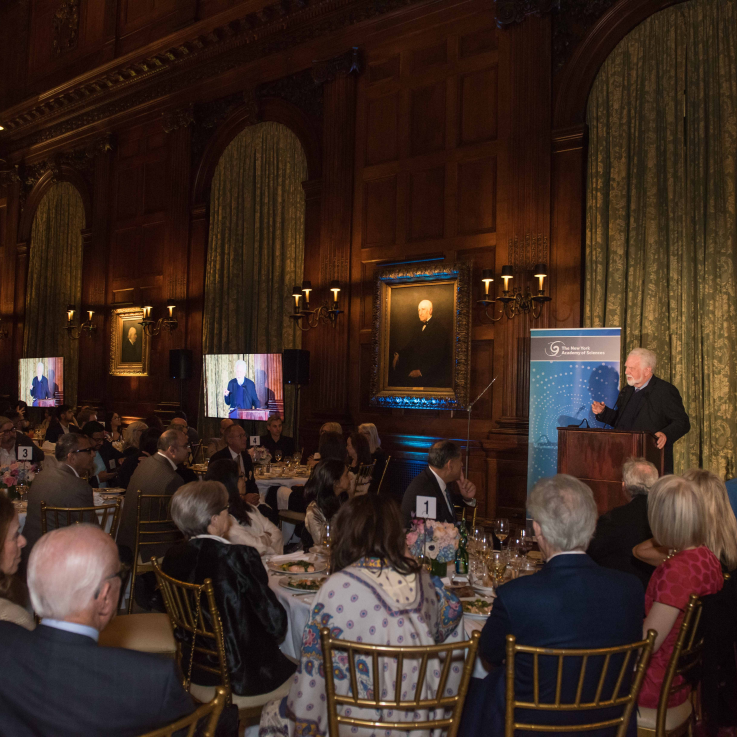
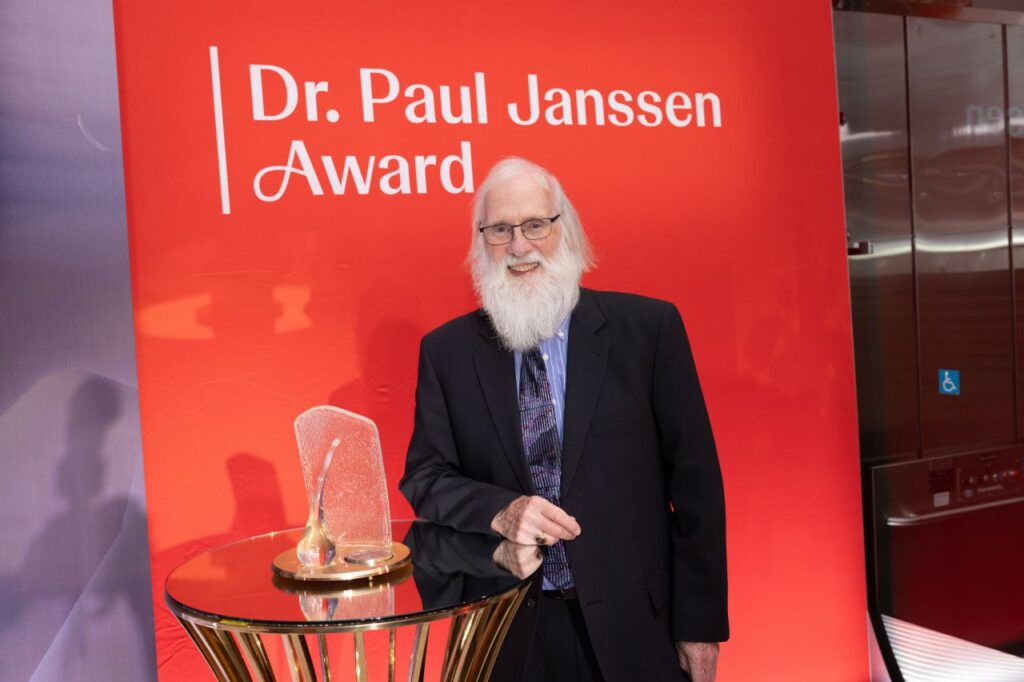
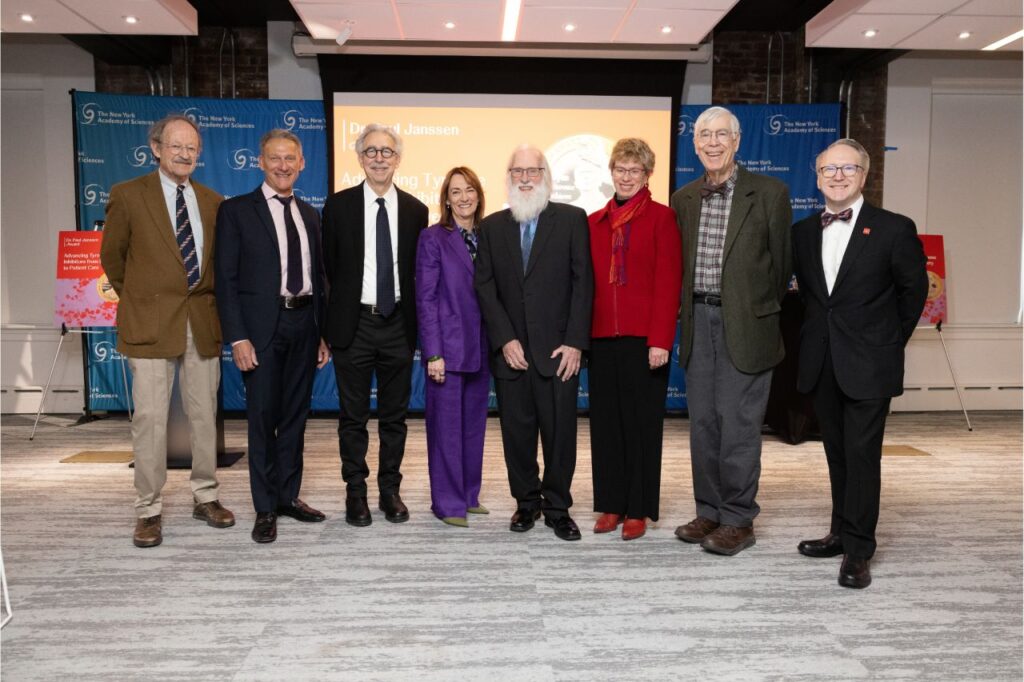
On March 2, 2026, The New York Academy of Sciences hosted a symposium honoring Tony Hunter, PhD, the recipient of the 2025 Dr. Paul Janssen Award for Biomedical Research. Bringing together leading scientists, clinicians, and patients, the event celebrated not only Hunter’s seminal 1979 discovery of tyrosine kinases, but also the lifetime of other breakthroughs he made afterward, work that has fundamentally transformed modern cancer treatment.

Created in 2004 and named after an exceptionally gifted scientist who revolutionized modern medicine, the Dr. Paul Janssen Award recognizes passion and creativity in biomedical research. Prof. Hunter is an excellent choice for the honor, having discovered tyrosine phosphorylation of proteins, a modification central to regulating cell division. In the 47 years since that finding, work on the phenomenon by Prof. Hunter and others has revolutionized cancer treatment. Introducing him, John Reed, MD, PhD, Executive Vice President of Innovative Medicine and R&D at Johnson & Johnson, said “Tony is a pioneer who is passionate, collaborative, and forever curious, and that curiosity led to a discovery that became a cornerstone of modern cancer biology.”

After the formal award presentation, Prof. Hunter told the story of his initial 1979 discovery. Having moved from the UK to become an assistant professor at the Salk Institute in La Jolla, Calif, he set about studying the middle T antigen protein of polyomaviruses. Previous work had shown that this protein alone could make cells become cancerous, but nobody knew how it worked. Suspecting that the protein was a kinase, capable of adding phosphate molecules to other proteins, Prof. Hunter used the latest biochemical techniques in 1979 to label and separate middle T antigens from different strains of the virus.

A Strong Affinity for Phosphorous

The wild-type virus showed a strong affinity for phosphorous, while mutant strains incapable of causing cancer transformation did not, “suggesting that this phosphorylation activity could be important for cell transformation,” said Prof. Hunter. He adds that “I knew that one of the questions we would [then] have to answer is which of the 20 natural amino acids is getting phosphorylated?”

Other researchers had found kinases that phosphorylated serine and threonine, but when Prof. Hunter and his colleagues analyzed middle T antigen’s activity, it seemed to be phosphorylating something in between the sizes of those two amino acids, producing a dark spot on the assay that they labeled “X.” “Because of my biochemical training in Cambridge, I knew there was another hydroxyamino acid that might be phosphorylated, namely tyrosine,” said Prof. Hunter. After developing a new assay for phosphorylated tyrosine, Prof. Hunter was able to confirm his hypothesis.

In the years that followed, Prof. Hunter’s lab and others have identified hundreds of tyrosine kinases in viruses and cells, and found that these enzymes are central to the regulation of cell growth and division. Indeed, aberrant tyrosine phosphorylation is a hallmark of many forms of cancer. Because tyrosine kinases are enzymes, they have also been excellent drug targets. Today, almost 90 tyrosine kinase inhibitors have been approved by regulatory agencies as cancer therapies.

Following his presentation, Prof. Hunter sat down for a discussion with Penny Heaton, MD, Global Head of the Office of the Chief Medical Officer at Johnson & Johnson. Opening the discussion, Heaton reflected on the parallels between Dr. Paul and Prof. Hunter: “Dr. Paul was guided by a deep commitment to improving patients’ lives. Dr. Hunter, that same spirit is evident in your work, which continues to profoundly influence your colleagues, the field of oncology, and countless patients who have benefited from your discovery.”

A Focus on Basic Research
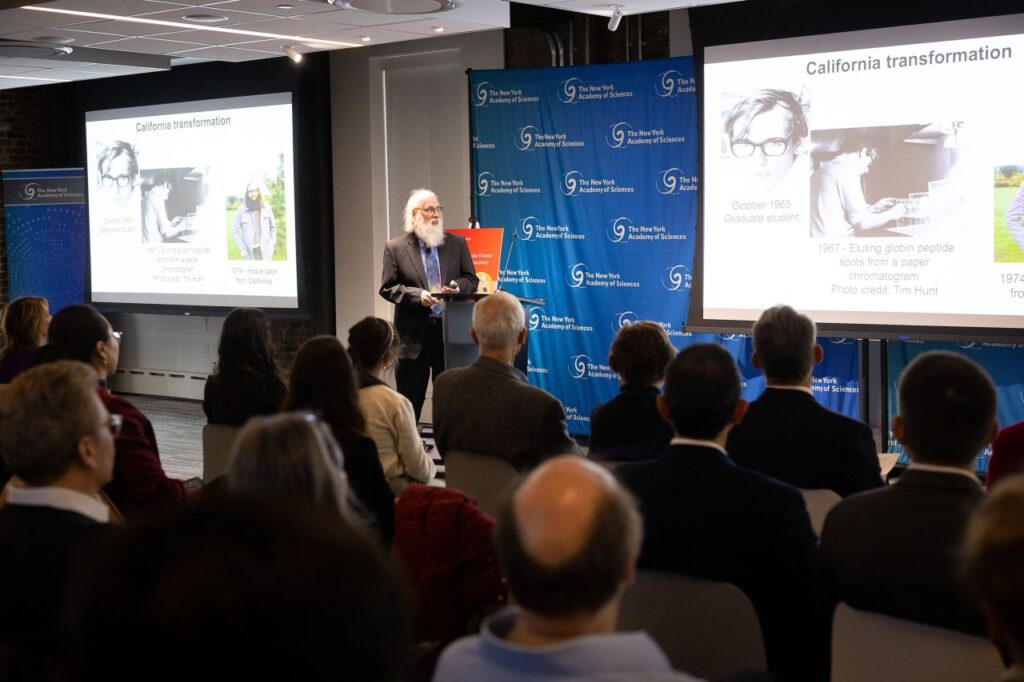
The conversation ranged across Prof. Hunter’s long career path. One recurring theme was his longstanding focus on basic research. “I didn’t have a burning ambition to cure cancer, I was a protein biochemist, and it turned out that my training was useful in studying these transforming proteins,” said Prof. Hunter.

He also emphasized that without curiosity-driven research like his 1979 experiments, the next generation of lifesaving therapies won’t exist. “In the current climate, getting funding to work on a chicken virus might not have been given a very high priority,” said Prof. Hunter, adding that “we need to do a better job of communicating with the public…how science is done.”

From an anomalous spot on a novel assay, Prof. Hunter’s discovery has yielded a deluge of modern cancer therapies, and the symposium next heard from one of the beneficiaries of that pipeline. In 2005, Brian Koffman, MDCM, DCFP, FCFP, DABFP, MSEd, who is now Director of the Chronic Lymphocytic Leukemia (CLL) Society, was enjoying his life. “We’d gotten our kids off to college, we were empty nesters for the first time and looking forward to our oldest getting married in a few months,” said Dr. Koffman. Then a routine blood test upended his world. “I got this diagnosis that I had this incurable and, in my case, very aggressive form of CLL,” he said.

A Grim Prognosis

The prognosis was grim. At the time, there were no approved therapies for his form of the disease that had even been shown to prolong life; he only had a one in 20 chance of surviving another five years. “It was the sense of not being able to meet my grandkids, not being able to enjoy the time with my wife, all of those things, seeing them disappear, [it was] an extraordinarily difficult time in my life,” said Dr. Koffman.

His condition deteriorated fast. After a failed bone marrow transplant and multiple hospitalizations, he found a clinical trial for an experimental drug now called ibrutinib. The small molecule works by binding irreversibly to a cellular protein called Bruton’s tyrosine kinase, inhibiting the B cell proliferation that defines CLL. The drug’s development grew directly from Prof. Hunter’s discovery of the centrality of tyrosine phosphorylation in cancer.

“I was hoping for a cure, I was hoping this would be it, [that] this drug would knock out and control the disease,” said Dr. Koffman. Indeed, the day after receiving his first dose of ibrutinib, he noticed that the swollen lymph nodes on his neck seemed to be getting smaller. “Three days later they felt softer, and by a week later they were unequivocally smaller. It almost tears me up with joy now to think of [that moment], it’s like ‘oh my God, I’ve got a chance I could actually live,’” he said.

Discoveries From the Field of Tyrosine Kinase Inhibition
Koffman’s disease did eventually return, but by then researchers and pharmaceutical companies had developed newer generations of tyrosine kinase inhibitors, allowing him to live a mostly normal life. “The greatest joy is holding your new grandkids; it’s incredible to be able to see your grandkids and…now to play a part in their lives as they’re growing up,” he said.

To keep those kinds of breakthroughs coming, researchers continue to mine a rich vein of discoveries from the field of tyrosine kinase inhibition, which now extends beyond cancer. David Kuter, MD, DPhil, Distinguished Physician at Massachusetts General Hospital and a Professor of Medicine at Harvard Medical School, led the audience through a summary of his own work on autoimmune cytopenias. In these diseases, an aberrant response by a patient’s B cells causes them to destroy the stem cells that give rise to different components of blood.

These conditions can cause everything from bleeding disorders to cognitive dysfunction, and there were no effective treatments for them. Because ibrutinib inhibits B cell proliferation, Dr. Kuter and his colleagues reasoned that it could work against autoimmune cytopenias. Their clinical results have validated that idea in one form of the disease, and they’re now evaluating it against others. “This has been a terrific new molecule to treat these disorders,” said Kuter.

A Revolution in Our Understanding of Cancer

Jennifer Brown, MD, PhD, Director of the CLL Center of the Division of Hematologic Malignancies at Dana-Farber Cancer Institute, returned the subject to CLL, starting with her involvement in Brian Koffman’s treatment. “We were the physicians who Brian called to say his lymph nodes were shrinking before his eyes,” said Dr. Brown.

She also discovered that while the patients were undergoing dramatic recoveries in their symptoms, their blood tests revealed that the disease had not gone away. “They’re mostly partial responses, there are still cells [cancerous B cells] circulating in the blood, they’re not completely eradicated yet,” she said. Fortunately, research in her lab and elsewhere has continued to identify novel ways to target tyrosine kinase inhibitors, allowing patients to keep their disease under control for decades.

The meeting concluded with Heaton and Prof. Hunter returning to the stage, along with Nobel laureate Harold Varmus, MD, for a wide-ranging discussion on the legacy of Prof. Hunter’s work and the importance of basic research. “The basic science enterprise to me is one of the most important things we need to be doing right now,” said Dr. Varmus, adding that “it’s so important to…not only the nation’s future, but the world’s future.”

Indeed, Prof. Hunter’s own work illustrates that principle powerfully. Driven by pure scientific curiosity, he investigated a puzzling dark spot on a biochemical assay, and discovered how an obscure viral protein functioned. That finding, and subsequent work by his lab and others, opened an entirely new field of research that has now launched dozens of targeted therapies for cancer and other diseases, saving many years of life that might otherwise have been lost. “The study of tumor viruses and their oncogenes really led to a revolution in our understanding of cancer,” said Prof. Hunter.
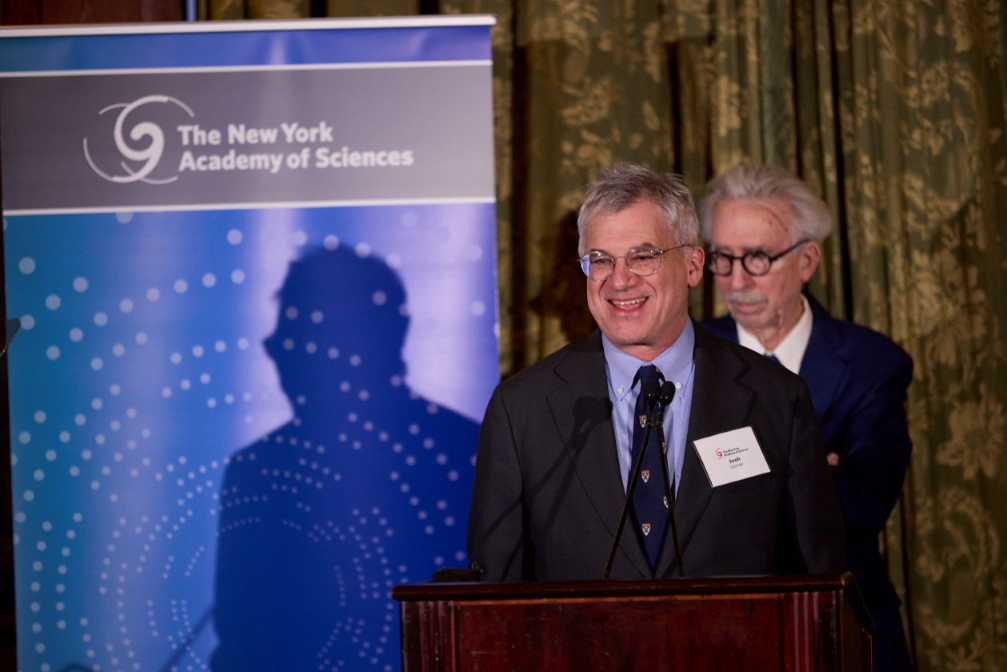
Harvard’s Josh Lerner Receives Constellation Award

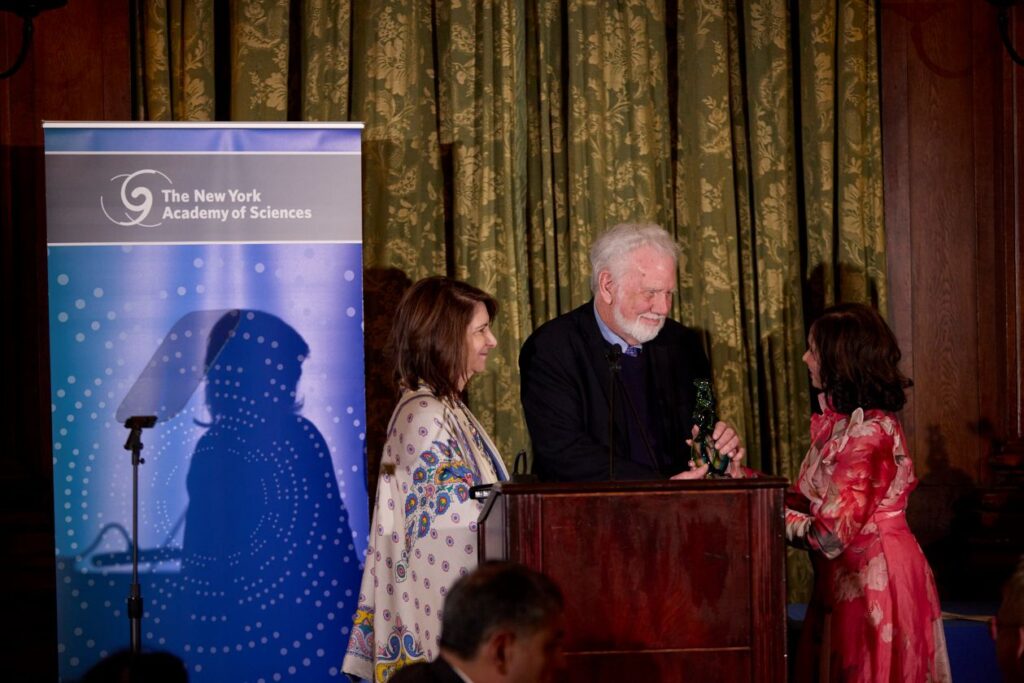
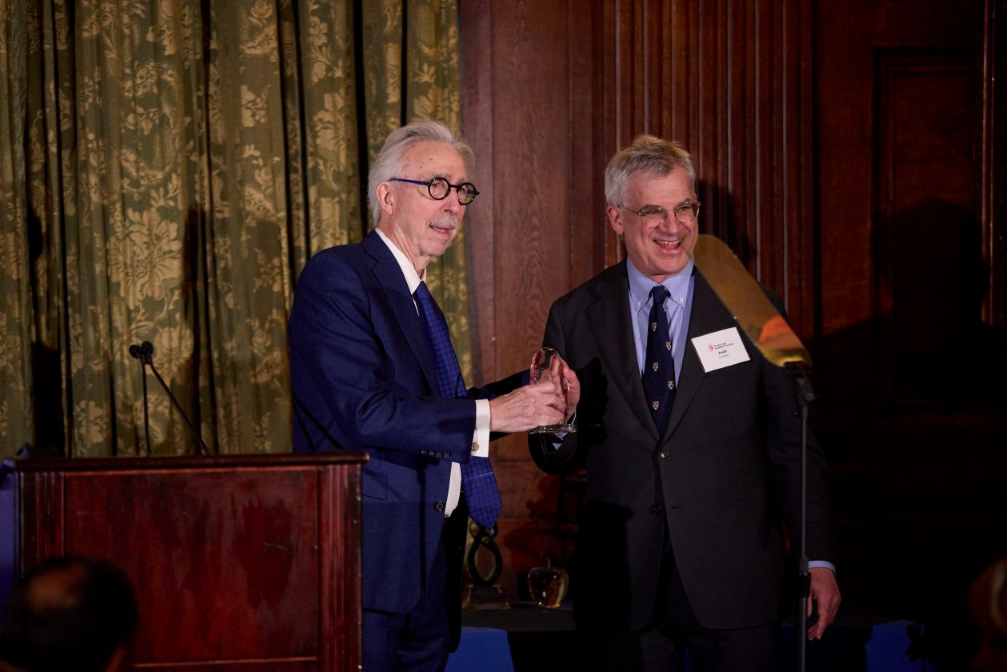
Nicholas Dirks (left) presents Josh Lerner with his trophy on stage during the 2026 Spring Soirée.

With expertise in venture capital, private equity, innovation policy, and entrepreneurial management, Josh Lerner’s work bridges the worlds of business and science.

Published May 4, 2026

By Nick Fetty

Scientific breakthroughs are increasingly reliant on private capital to transition from the lab to the market. Harvard Business School’s Josh Lerner, PhD, has just the expertise to make this transition possible.

Nicholas Dirks (left) presents Josh Lerner with his trophy on stage during the 2026 Spring Soirée.

The New York Academy of Sciences honored Prof. Lerner with its inaugural Constellation Award during the 2026 Spring Soirée. The Soirée was hosted on April 21st at the University Club in New York City.

“We believe that forging stronger relations between knowledge and capital has the potential to accelerate scientific breakthroughs, even as it provides absolutely critical funding for scientific research, especially at a time like this when federal support for science is so uncertain,” said Academy President and CEO Nicholas Dirks. “For recognizing exemplary leadership and synergy in driving transformative science for the benefit of society in collaboration with the Academy we are conferring on you tonight the Constellation Award. Josh, our hearty congratulations.”

Prof. Lerner then took the stage to accept his award and provide remarks.

“Clearly we’re at a time today where even though we here all collectively agree that science is a good thing and must be supported, there are more questions than ever about it,” said Prof. Lerner. “While we can talk about how ill-founded and problematic many of the critiques are, at the same time it’s worth acknowledging that the way in which the impact of science is both communicated, as well as the mechanisms by which it gets translated, could use some improvement.”

Driving Transformative Science for the Benefit of Society

Prof. Lerner has been instrumental in the “Private Capital and Discovery: Strategic Investing in Scientific Innovation” series, which concluded earlier this year. This four-part series, a collaboration between the Academy and the Private Capital Research Institute (PCRI), was launched in fall 2025. The series, sponsored by Ropes & Gray, focuses on fostering a broader understanding of the recent scientific and technological trends and their implications for private capital investors. The inaugural series covered four areas:

Due to the impact and response from the inaugural series, Prof. Lerner expressed interest in extending the partnership with the Academy to continue to advance research and public understanding of this field.

A Pioneering Researcher in Venture Capital and Private Equity

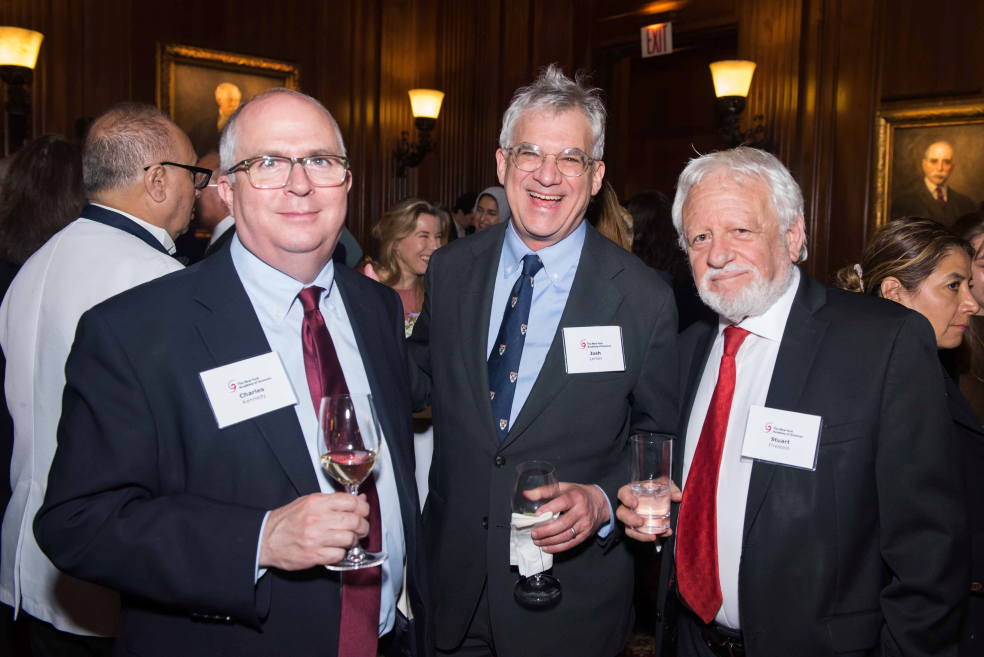
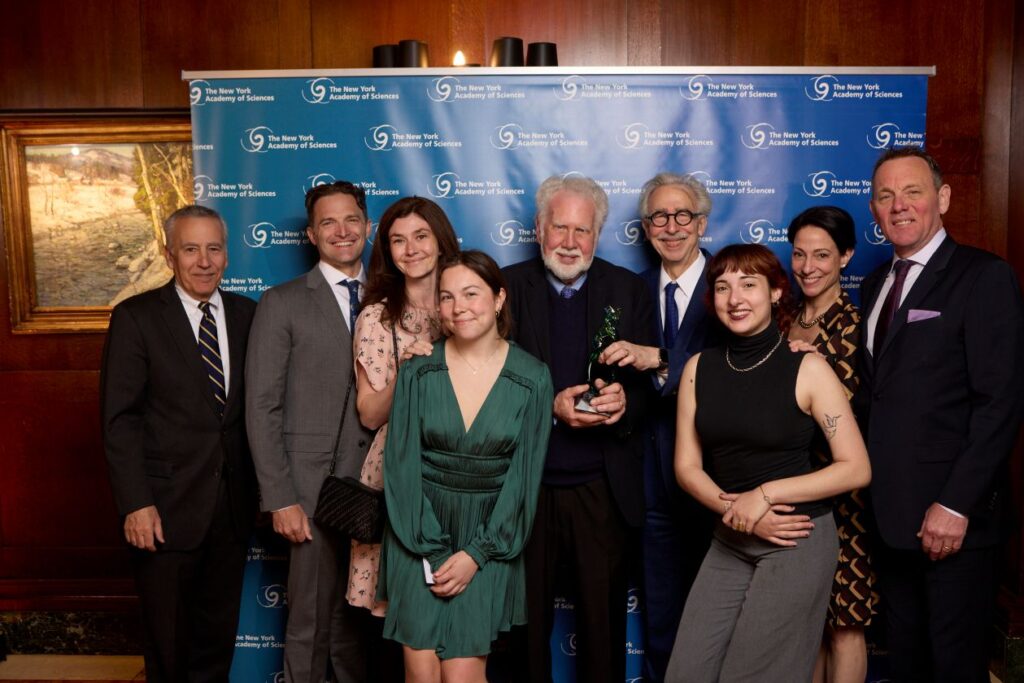
From left: Charles Kennedy, Josh Lerner, and Stuart Firestein.

Josh Lerner is the Jacob H. Schiff Professor at Harvard Business School and director of PCRI. Founded by Prof. Lerner in 2011, PCRI is a Massachusetts-based non-profit that seeks to further the understanding of private capital and its impact through independent academic studies.

His research focuses on venture capital, private equity organizations, and innovation policy. During the 1993-94 academic year he developed an elective course for second-year MBA students titled “Venture Capital and Private Equity.” The course, which “has consistently been one of the largest elective courses at Harvard Business School and whose teaching materials are used in business schools around the world,” has led to the publication of Venture Capital and Private Equity: A Casebook (now in its fifth edition) and the textbook Venture Capital, Private Equity, and the Financing of Entrepreneurship.

After completing his undergraduate studies at Yale University, Prof. Lerner worked in technological innovation and public policy, including at the Brookings Institution, before earning his PhD in economics from Harvard. He has authored more than a dozen books, including Boulevard of Broken Dreams: Why Public Efforts to Boost Entrepreneurship and Venture Capital Have Failed—and What to Do about It, as well as hundreds of journal articles, working papers, book chapters, and other reports.

“The work that [PCRI does] with the Academy, trying to bring together both some of the most thoughtful financiers and scientists, hopefully will be a very rich theme that we can continue to mine in the years to come,” concluded Prof. Lerner.

The Soirée is the Academy’s premiere fundraising event each year. Learn more about how your support can make a difference.

CNN’s Dr. Sanjay Gupta Honored for Science Communication

CNN’s Dr. Sanjay Gupta Honored for Science Communication

From war zones and natural disasters to medical marijuana and pandemics, Dr. Gupta’s career has covered the gambit of public health issues.

Published May 4, 2026

By Nick Fetty

In an era of misinformation and partisanship, CNN’s chief medical correspondent, Sanjay Gupta, MD, understands the importance of effective science communication.

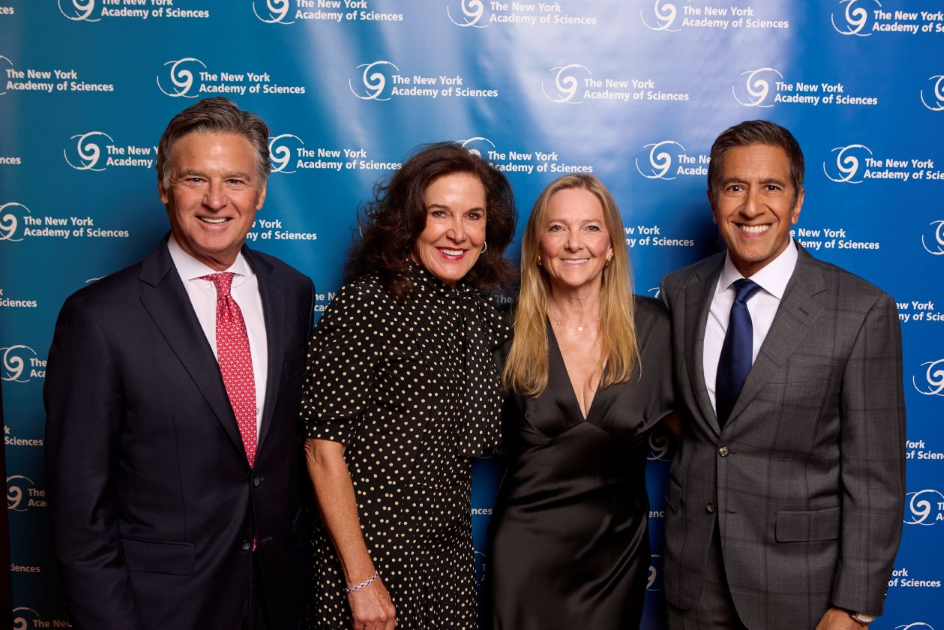
From left: Dan Barrow, Mollie Barrow, Rebecca Gupta, and Sanjay Gupta.

The New York Academy of Sciences honored Dr. Gupta with its 2026 Science Communicator Award during the second annual Spring Soirée, hosted on April 21st at the University Club in New York City. CNN was a Benefactor-level supporter for the event.

“For over twenty years, Sanjay has occupied a peculiar and precious space: where the lab meets the living room,” said Dan Barrow, MD, the Pamela R. Rollins Professor and chairman of the Department of Neurological Surgery at Emory University School of Medicine, as he introduced Dr. Gupta.

“He understood something that far too many science communicators never quite figure out. The goal isn’t to impress. It’s to illuminate,” Dr. Barrow concluded.

Dr. Gupta then took to the stage to accept the award and deliver his remarks.

“Many years ago when I first started doing television [my wife] Rebecca gave me the single best piece of advice I’d ever heard about being on camera. She said treat the lens as if it were a patient,” Dr. Gupta said. “It changed how I spoke, what I said, how much empathy I could transmit. The lens for me stopped being a piece of glass and started being something, someone that I really cared about.”

Dr. Gupta is just the third person to receive this honor after the inaugural award was bestowed upon documentarians Janet Tobias and Jared Lipworth during the 2025 Spring Soirée.

From the September 11 Attacks to the COVID-19 Pandemic

Sanjay Gupta credits his wife Rebecca for giving him the advice that enables him to be so comfortable in front of the camera.

A practicing neurosurgeon, Dr. Gupta has been with CNN since 2001. He broke stories about the threat of anthrax following the September 11 terrorist attacks. He’s reported from war-torn regions in Iraq, Kuwait, Lebanon, and Afghanistan, and has performed life-saving brain surgery for patients in desert operating rooms. He has also extensively covered natural and manmade disasters including:

  • Tsunamis in Sri Lanka (2004)
  • Hurricane Katrina in New Orleans (2005)
  • The Gulf of Mexico oil spill (2006)
  • Flooding in Pakistan (2010)
  • Earthquakes in Haiti (2010)
  • Earthquakes and tsunamis in Japan (2011)
  • The Ebola outbreak in West Africa (2014)
  • Earthquakes in Nepal (2015)
  • Hurricane Maria in Puerto Rico (2017)

This award from the Academy is just the latest on a shelf already full of accolades Dr. Gupta has to his name including the John F. Kennedy University Laureate award, PEOPLE magazine’s “Sexiest Men Alive” list, and multiple Emmy® awards. In 2019 he was elected to the National Academy of Medicine, “considered one of the highest honors in the medical field.”

In addition to his work with CNN, Dr. Gupta also serves as an associate professor of neurosurgery at Emory University Hospital and associate chief of neurosurgery at Grady Memorial Hospital in Atlanta.

Hail to the Victors

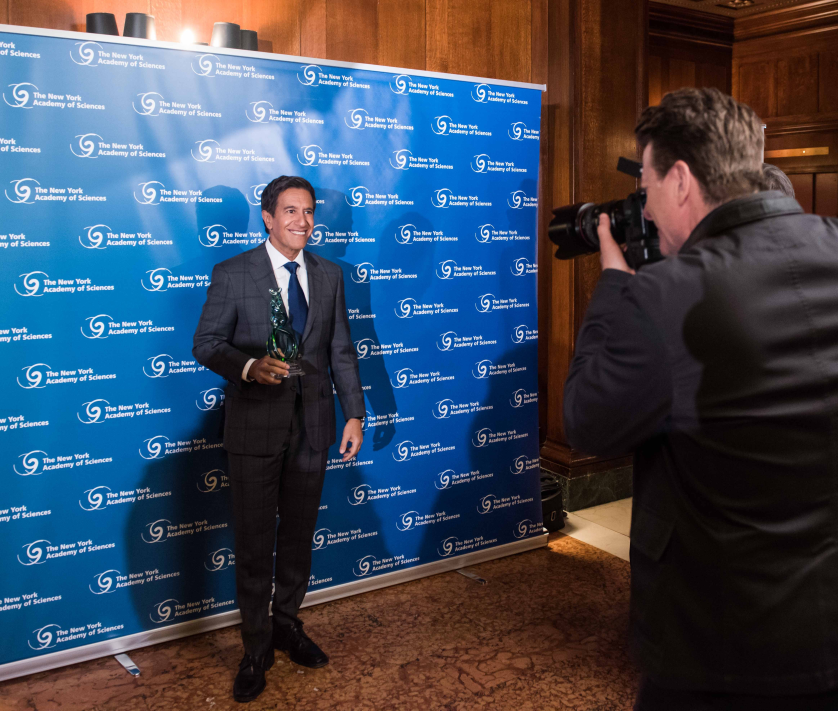
Sanjay Gupta (left) talks with Nicholas Dirks during the Soirée. The two have a mutual connection to the University of Michigan. While Dr. Gupta is an alum, Prof. Dirks was on faculty at Michigan in the 1990s.

The University of Michigan holds a special place in Dr. Gupta’s heart. Not only is it his alma mater (twice over), but his parents first met in Ann Arbor in the 1960s. He once delivered a rousing commencement address in Michigan’s historic “Big House.”

“If you ever cheer for another team in competition with the Wolverines, then some 500,000 alumni will hunt you down and paint you maize and blue,” Dr. Gupta said during the 2012 address.

Using his decades of on-camera experience, Dr. Gupta even tried his hand as a “‘sideline reporter’ of sorts” during Michigan’s 2018 championship run in men’s basketball. Though they fell short of the title in 2018, Dr. Gupta was proud to watch them best the UConn Huskies 69-63 to claim the 2026 championship.

“It only took us 37 years,” he said with a smile during a photoshoot after the Soirée’s program, referring to Michigan’s 1989 title run.

His fondness for his upbringing in the Wolverine State came through during his Soirée remarks. In an era when approximately 80 percent of Americans cannot cite a single living scientist, Dr. Gupta said he was grateful to be raised by one in his mother, Damyanti. At the age of 24, “she was designing cars as the first woman hired in the United States as an engineer at the Ford Motor Co.” Growing up, the word “impossible” was not allowed in the Gupta household.

“My mom to me was the first and best example of science and what it can do for mankind,” Dr. Gupta concluded. “[We’re living in a] time where science has never been more powerful and never more questioned. But that tension is why science communication matters. Not as an afterthought, once the real work is done, but as part of the work itself.”  

The Soirée is the Academy’s premiere fundraising event each year. Learn more about how your support can make a difference.

NYU President Emeritus Honored as Science “Trailblazer”

Education, humility, laughter, faith, and baseball are just some of the guiding principles in the life of scholar and leader John E. Sexton.

Published May 4, 2026

By Nick Fetty

An already accomplished legal scholar and education leader, John E. Sexton, PhD, has yet another award for his trophy case.

John Sexton, PhD, (center) is flanked by Linda G. Mills, PhD, (left) and Seema Kumar.

The New York Academy of Sciences honored Prof. Sexton with its 2026 Trailblazer Award during the second annual Spring Soirée, hosted on April 21st at the University Club in New York City. Linda G. Mills, PhD, current President of NYU, took to the stage to introduce Prof. Sexton and the award. NYU was an Academic Patron-level sponsor for the event.

“There are leaders who steer institutions, and then there are those who chart entirely new paths. Tonight, as we honor my dear friend and colleague John Sexton, we celebrate someone who didn’t just follow the trajectory of higher education, he redrew the map,” Prof. Mills said. “John has left an indelible mark on every corner of our beloved New York University.”

Sanctitas, Scientia, Sanitas

Prof. Sexton then took to the stage to accept the award. He recalled a commencement address he gave to his high school alma mater more than six decades ago. The address was about the Latin motto of the now-defunct Brooklyn Preparatory School in Crown Heights: Sanctitas, Scientia, Sanitas. He translated this to “Take care of the mind, the body, and the soul.”

“In those days we believed in a common. We believed in institutions. We believed in leaders. And we believed that it was worth sacrificing for that commonweal,” said Prof. Sexton. “We live in times when all of those things that we took for granted back when I gave those speeches, are under attack. [These are no longer] axioms of our society.”

During his five-year stint as Chair of the Academy’s Board of Governors, he said it was the intelligent and passionate individuals who made the extraordinary happen. He called the Academy’s current leadership, President Nicholas Dirks and Board Chair Peter Salovey, PhD, a “one-two punch.”

Prof. Sexton is just the second person to receive this honor after the inaugural award was bestowed upon AI pioneer Yann LeCun during the 2025 Spring Soirée.

A Legal Scholar and Academic Administrator

Academy Board Chair John Sexton (left) confers with Gov. Paterson and Academy President Ellis Rubinstein (right) during Paterson’s “new economy” announcement at the Academy in 2009.

Early in his career, Prof. Sexton served as a professor of religion at Saint Francis College in Brooklyn, which included chairing the department for six years. After completing his PhD in the History of American Religion from Fordham University, and a JD magna cum laude from Harvard Law School, he served as a Law Clerk to Chief Justice Warren Burger of the United States Supreme Court.

Much of his professional career has straddled law scholarship and academic administration. He joined the faculty of NYU’s Law School in 1981 and ascended to the rank of Dean in 1988. Prof. Sexton became the 15th president of NYU in 2002 and served in that role until 2015. He also served as Chair of the Academy’s Board of Governors between 2007 and 2011.

Baseball and Religion

Prof. Sexton remains committed to his Catholic faith, even though his late wife and children were raised Jewish. He is also a baseball fan and a devotee of the Yankees, though he was a Dodgers fan prior to the team leaving Brooklyn for Los Angeles in 1957. He combined his love of the game with his theological scholarship in an NYU course he taught called “Baseball as a Road to God.” He borrowed this title for a book he published in 2014.

“The real idea of the course,” he told The New York Times in 2012, “is to develop heightened sensitivity and a noticing capacity. So baseball’s not ‘the’ road to God. For most of us, it isn’t ‘a’ road to God. But it’s a way to notice, to cause us to live more slowly and to watch more keenly and thereby to discover the specialness of our life and our being, and, for some of us, something more than our being.”

John Sexton (center) poses with his trophy.

Prof. Sexton’s humility came through throughout the night at the Soirée. In his closing remarks, he joked that he receiving such an honor was like the classic Sesame Street segment One of These Things (Is Not Like the Others).

“It’s kind of fun not being the one that belongs with the others because I get to watch you people do miraculous things,” Prof. Sexton concluded. “There’s never been a time when thought has been more under challenge. And there’s never been a time when gathering as a community of thought has been more important.”

The Soirée is the Academy’s premiere fundraising event each year. Learn more about how your support can make a difference.

From the 2014 Blavatnik National Awards to the 2025 Soljačić Prize

A woman is presented with an award.

A former Blavatnik National Awards Laureate has paid it forward with a prize recognizing scientific excellence in his home country.

Published August 6, 2025

By Kamala Murthy

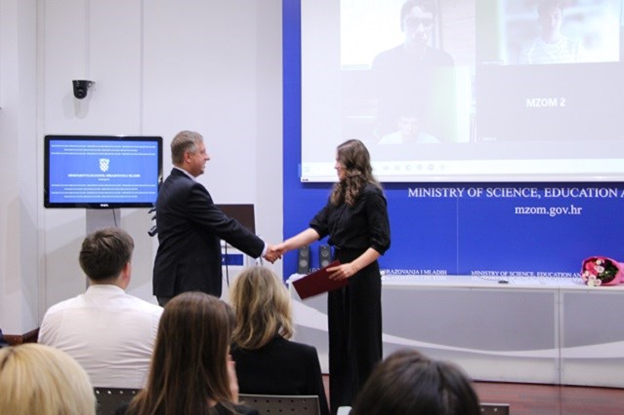
2014 Blavatnik National Awards Laureate, Marin Soljačić congratulates Pia Pilipović, winner of the 2025 Soljačić Prize. Credit: https://mzom.gov.hr/vijesti/7141

Massachusetts Institute of Technology physicist and 2014 Blavatnik National Awards Laureate Marin Soljačić established the Soljačić Prize in his home country of Croatia. He used part of his $250,000 unrestricted prize money from the Blavatnik Award to create a prize that recognizes exceptional Croatian high school graduates in mathematics and physics, awarding $5,000 annually to outstanding students.

 “When I established this prize, there were few such award programs in Croatia, especially for young students – in the USA they are much more common,” said Prof. Soljačić. “The Blavatnik Awards and other prizes played an important, encouraging role in my growth as a scientist, and I wanted to establish something like that for Croatian students. I also wanted to inspire other institutions and individuals to establish similar prizes in Croatia.”

The 2025 Soljačić Prize was awarded to Pia Pilipović, a graduating student from the XV Gymnasium, a school in Zagreb. The school has now produced seven Soljačić winners in the 11-year history of the award. Soljačić is also a graduate of the XV Gymnasium.

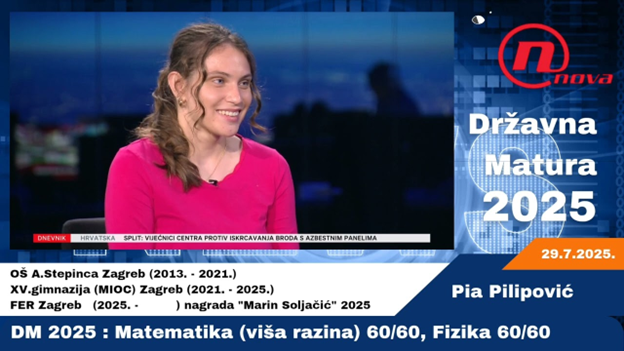
Pia interviewed for Croatian Television. Credit: DNEVNIK.HR (Croatia)

Pia delivered extraordinary results on the Croatian national high‑school exit exams (državna matura). She scored a perfect score on the physics and mathematics (A‑level) exams, while also achieving 91.82 % in Croatian language and 85.5 % in English. Her flawless performance in the most complex quantitative subjects earned her the Soljačić Prize.

The prize was formally presented during an award ceremony held at the Ministry of Science, Education and Youth in Zagreb on July 29, 2025. Pia stood among other top graduates receiving various honors.

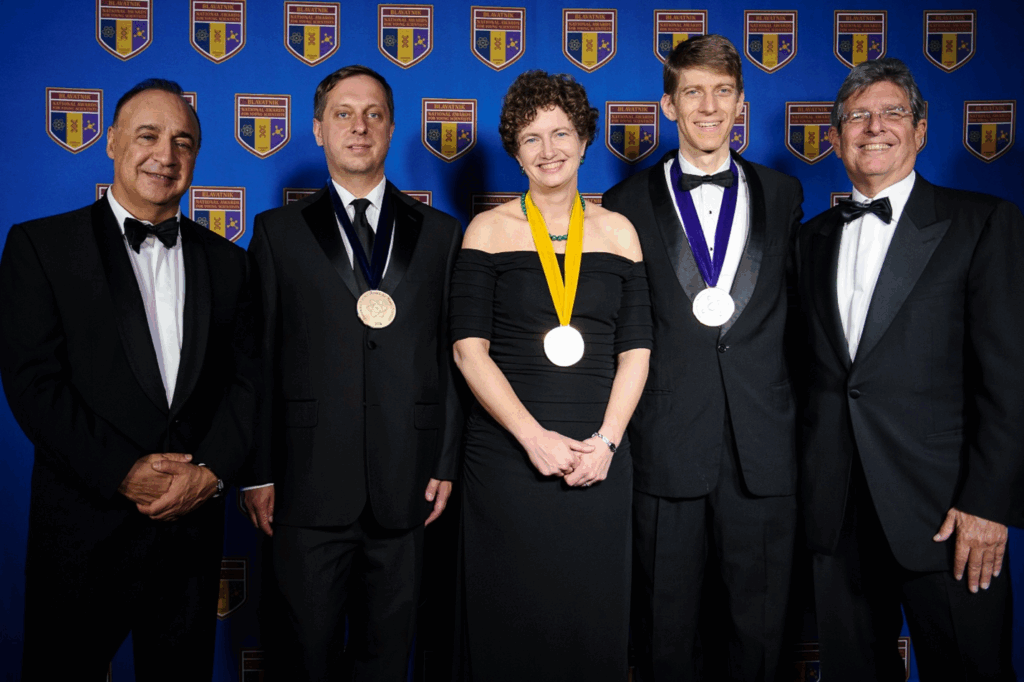
From left: Len Blavatnik, Founder of the Blavatnik Family Foundation; Marin Soljačić, 2014 Blavatnik National Awards Laureate; Rachel Wilson, 2014 Blavatnik National Awards Laureate; Adam Cohen, 2014 Blavatnik National Awards Laureate; and Ellis Rubinstein, President Emeritus of The New York Academy of Sciences.

The Academy Goes to the Movies to Advance Science

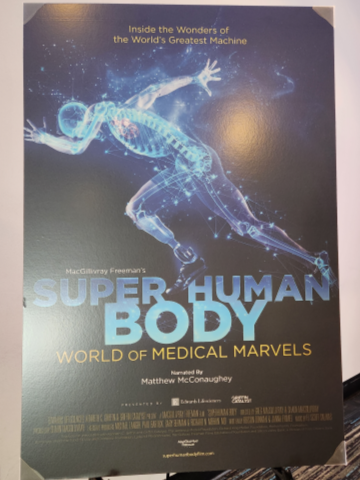
A poster for the movie "Super Human Body: World of Medical Marvels"

The New York Academy of Sciences (the Academy) partnered with MacGillivray Freeman Films to bring science, technology, and the wonders of the human body to students around New York City.

Published May 28, 2025

By Jennifer Atkinson

The movie poster for “Superhuman Body: World of Medical Marvels.”

Hundreds of eyes watched eagerly, shaded by 3D glasses, as simulated blood flowed through arteries, its race through the human body flying off screen. The students were transfixed, watching from each seat in a sold-out IMAX theater as “Superhuman Body: World of Medical Marvels” flashed before them. The screening was part of a series in a city-wide initiative occurring February through May, to connect school children with working scientists and to use the film to engage with STEM education.

Staff from the Academy’s Education and Operations teams travelled to the boroughs of Manhattan, Staten Island, Brooklyn, and the Bronx to facilitate screenings of the film. Mentor scientists, who are part of the Academy’s vast network of STEM mentorship programs, were present to discuss the film and encourage students to ask questions about the subject matter.

The film, produced by Academy Award-nominated filmmakers MacGillivray Freeman Films, covers innovations in medical science and biotechnologies and follows several stories about people who have faced serious illnesses such as cancer. Showcased in the film are the various technologies and treatments working in tandem with human biological processes. One narrative features a non-surgical procedure called TAVR where a person with heart disease is treated with an artificial heart valve replacement without invasive open-heart surgery. Also featured are a revolutionary T-Cell immunotherapy treatment utilized to re-engineer how the body fights leukemia, robotics used in medicine to help children with mobility issues, the life-changing benefits of cataract surgery, and bionic limbs or prosthetics that help amputees live life to the fullest.

Promoting Scientific Interest and Critical Thinking

Using a child-friendly perspective, the film allows young audiences to understand the depth and complicated implementation of the featured scientific research and technologies. It covers each story in digestible bursts while integrating the hard science and verbiage behind its subject matter – featuring key learnings through CGI depictions of biological processes, such as blood flowing through arteries or images of muscles and tendons.

This provides an invaluable learning tool for students of all ages to engage with material that promotes scientific interest and critical thinking. The film has also served as the first time some have encountered subject matter like blood in an educational and cinematic aspect, which has helped them to overcome their apprehensions of these subjects and instead, develop a curiosity or appreciation for them.

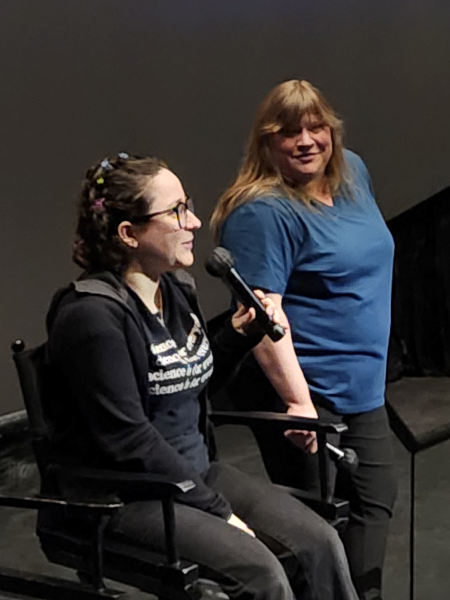
After each screening, scientists addressed the students and answered their questions in classic cinematic style, sitting in director’s chairs. In these question-and-answer sessions, students were fascinated by the content of the film and many of them asked questions specifically about cancer, its origins, and its impacts. Many students were also captivated by the type of work the mentor scientists do. At every screening, the question, “What inspired you to become a scientist?” was asked.

This gave the scientists the opportunity to reflect on their own passions for their work while instilling curiosity in the next generation. The scientists were also given questions to prompt the students and engage them with topics regarding the human body or even discussions about robots and if they would make a good friend.

 “Science is for everyone”

The event included a question-and-answer session with practicing scientists.

The scientists recalled their widely varied expertise in life sciences, ranging from cancer research and medicine, to marine biology, chemistry, and neuroscience, which complemented the content of the film. The whole experience provided a unique context and exposure to a variety of scientific mediums, providing students with inspiration for future careers in STEM.

“The students were so appreciative of the scientists spending time with them that some even asked for autographs,” said Lori Rick, Senior Director of Marketing and Communications at MacGillivray Freeman Films. “The arts and sciences have always complemented each other, and by pairing them together, can create highly experiential, impactful learning tools to impart inspiration and wisdom to the next generation of STEM change makers.”

At the last IMAX screening, one of the mentor scientists wore a shirt that featured the slogan in bubble letter text, “Science is for everyone.” Her partner mentor repeated this phrase as a rallying call to the students, until all were saying it in a cheerful chant. This effort with McGillivray Freeman Films, bringing Superhuman Body: World of Medical Marvels to students who otherwise may not have had access to this film, embodies that statement.

“It does not matter whether you are old, young, a Nobel-prize winner or a student with a passion; science impacts every aspect of our lives—from working in a research laboratory to watching the silver screen. Science brings about connection and a deeper understanding of ourselves,” said Meghan Groome, PhD, Senior Vice President of Education for the Academy. “Science is truly, for everyone.”

This screening program was offered by MacGillivray Freeman Films Educational Foundation and The New York Academy of Sciences and made possible by the generous support of Kenneth C. Griffin and Griffin Catalyst.

The Last Strand

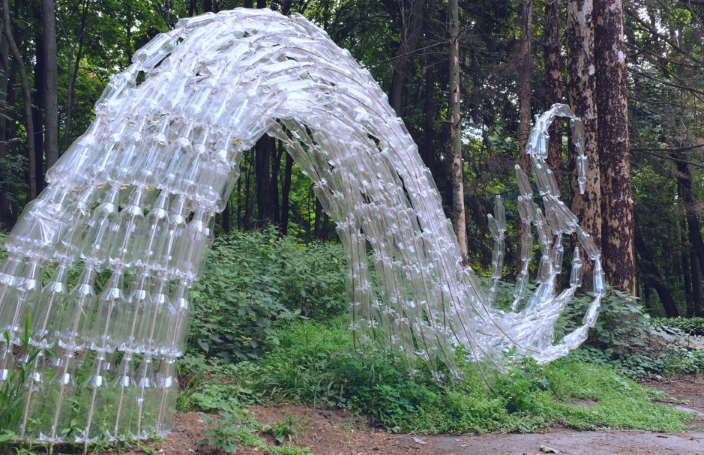
Public artwork to bring attention to waste management.

Winner of the Junior Academy Challenge – Fall 2024 “Upcycling & Waste Management”

Published May 16, 2025

By Nicole Pope

Sponsored by Royal Swedish Academy of Engineering Sciences (IVA)

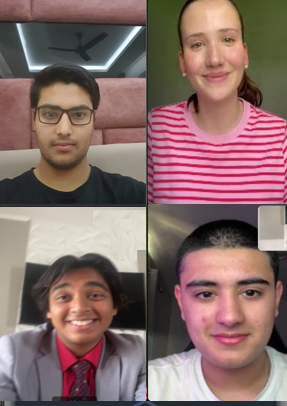
Team members: Vedeesh B. (Team Lead) (India), Livia G. (Sweden), Muhammad Q. (New Jersey, United States), Syed R. (Florida, United States)

Mentor: Christine Yu (Hong Kong)

Our world’s growing waste problem is largely driven by the production and disposal of short-lived products, creating a “use-and-dispose” culture. The mass manufacturing of new products consumes significant resources such as raw materials, water, and energy while generating greenhouse gasses, chemical emissions, and other pollutants. Even when products are recycled, the costs remain high due to the energy and processes needed for collection, sorting, and recycling. As a Fall 2024 Innovation Challenge, students were tasked with designing a solution to reduce waste generation by encouraging long-term product use and taking into account product design, business model, and societal behaviors.

Two Overlooked Sources of Pollution

This international team of high-school students collaborated online to address two sources of waste and pollution that are often overlooked: human hair and chicken feathers. Through their research, the Junior Academy challenge participants discovered that every year, hair salons and barbershops worldwide discard 300,000 tons of human hair while the poultry industry generates four billion kilograms of feathers. When discarded in landfills, hair releases methane, a gas 25 times more potent than carbon dioxide, while incineration of these waste products directly contributes to greenhouse gas emissions and increases CO2 levels. Yet both these materials are rich in keratin and offer largely untapped resources.

The students’ solution, The Last Strand, focuses on the considerable potential for upcycling hair and feathers by turning the rich biological elements they contain into high-quality, bio-derived amino acids supplements. “With our mentor Christine’s help, I developed better research techniques and uncovered valuable studies, allowing me to contribute more effectively to the project,” says team lead Vedeesh, who says he also honed his leadership skills in the course of this challenge.“ This process also deepened my understanding of genetic modification and the structure of human hair, concepts that were entirely new to me before this experience.”

The Growing Demand for Dietary Supplements

The team initiative responds to the growing demand for dietary supplements, particularly Branched-Chain Amino Acids (BCCAs), which are beneficial not only for athletes but also people who suffer from a decreased immune system, digestive problems, and various other health issues. In addition, it supports a circular economy that simultaneously reduces waste and turns discarded materials into a valuable resource.“At the core of this whole project lies the extraction of keratinases from hair, which combines, in beautiful ways, the precision of science with the principles of sustainability, and weaves together a powerful story of innovation and resourcefulness,” says team member Muhammad. “Hair is not a life byproduct, but a strong and intricate structure fully packed with keratin, one of those proteins which have great industrial and biological applications.”

The students outlined a process that first involves the collection of protein-rich hair and feathers from hair salons and poultry farms, and cleaning them to remove oils, dirt, and other contaminants. The next steps entail the use of sodium sulfide and enzymatic hydrolysis to break down the keratin and convert it into amino acids. Advanced filtration techniques are then employed to purify and separate essential amino acids like leucine, isoleucine, and valine before drying them. The method identified by the students proved cost-effective, potentially reducing the production cost of amino acid supplements by 50% and setup costs by up to 90% compared to existing systems, while the resulting products could be sold between $25 and $75 per kilogram, therefore offering a competitive alternative to current production systems. In addition, the team members also found that their process generates valuable byproducts, such as lipids, which could also be sold to industries like soap manufacturing. This could further offset costs and enhance the project’s sustainability. 

A Transformative Approach to a Global Waste Problem

“During this challenge and through our research I didn’t only learn about the technicalities of turning discarded hair into supplements, I also learned a lot about production costs, formulating a budget, and more,” says Livia. “I was also positively surprised by the receptiveness of the stakeholders in Florida. My fantastic teammate, Syed, was able to reach out to almost 15 hair salons in his local Florida and their impact was incredibly valuable to our project.” In addition, Syed reached out to 15 poultry farms in his state, who responded positively to the students’ project and declared their willingness to contribute to such an effort. Through these stakeholders, the project could collect approximately 30 tons of keratin waste monthly from local areas.

“From the initial brainstorming sessions to collaborating with teammates and our mentor, every step was a unique learning experience. I contributed by leveraging my background in (gene technology) CRISPR and gene editing to understand and refine the chemical and enzymatic processes for amino acid extraction,” says teammate Syed. “Engaging with stakeholders in Florida gave me a deeper appreciation for how science can drive real-world change. Most importantly, I’m proud of how we came together as a team to create something impactful, combining our strengths to address a critical global issue.”

The team members believe their solution could be fully implemented within five years. They are proud to have developed a project that promotes scientific innovation and sustainability. Their solution offers a transformative approach to a global waste problem that also contributes to human health and economic resilience.

Learn more about the Junior Academy.

Upgrading the Hydraulic System

Offshore wind turbines.

Winner of the Junior Academy Challenge – Fall 2024 “Remediation in South Brooklyn”

Published May 16, 2025

By Nicole Pope

Sponsored by The New York Academy of Sciences and Empire Wind 1

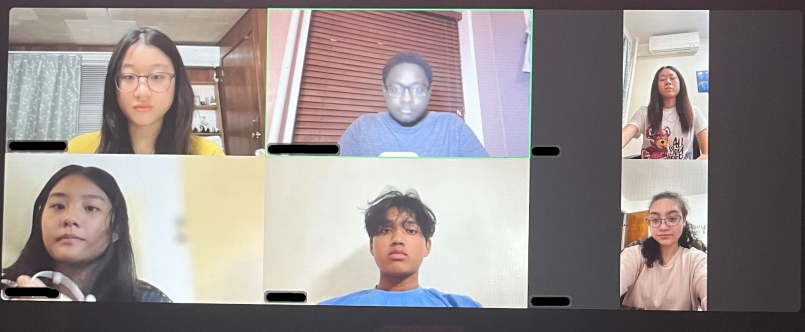
Team members: Cameron A. (Team Lead) (New York, United States), Ohee S. (New York, United States), Cindy W. (New York, United States), Ankea C. (New York, United States), Ayten A. (New York, United States), Annika C. (New York, United States)

Mentor: Xiwei Huang (New York, United States)

As part of its climate strategy to reach a fully renewable electricity grid by 2040, New York City is turning to offshore wind energy. However, the development of offshore wind structures present environmental and community challenges, including construction noise, air pollution, and marine disruption. As a Fall 2024 Innovation Challenge, the Junior Academy offered its New York City based students the opportunity to tackle these problems by designing solutions to remediate the impacts of offshore wind development, focusing on land and water preparation.

This team, composed of six high school students from New York, won the Junior Academy challenge on Remediation in South Brooklyn with a project to upgrade the hydraulic systems in the South Brooklyn port area. The students considered that, as the South Brooklyn Marine Terminal undergoes reconstruction, effective stormwater management will be crucial to manage stormwater and prevent flooding, block debris and pollutants from reaching the water, and protect the surrounding environment.

Current Issues that Impact South Brooklyn’s Water Systems

Team members had lengthy discussions while selecting the problem they wanted to tackle and developing their solution. “Respect and inclusivity were a big part of our success. We found that discussing our differences and voting on decisions helped keep things fair and balanced,” explains Ayten, one of the team members. “This project also changed the way I approach challenges. It taught me to think like an engineer focusing on finding solutions instead of getting discouraged by obstacles.” The team explored the hypothesis that integrating a scaled-up version of advanced filtration technologies into the existing sewer infrastructure would significantly enhance the hydraulic system’s effectiveness.

“Through my research I have learned more about hydraulic systems and the current issues that impact South Brooklyn’s water systems. Hydraulic separators are a type of stormwater management system used to ensure fresh water enters bodies of water without pollutants, similar to the function of water filters,” explains teammate Cindy. “Brooklyn’s hydraulic systems are in need of an upgrade to ensure that the port can have a fully functional vessel transportation system. For this the waters must be clear of debris.”

Designing a Filtration System

Their project focused on designing a filtration system prototype on CAD Fusion 360 (Computer-Aided Design) and then using Computational Fluid Dynamics (CFD) to test the prototype. “This project has strengthened my belief in teamwork and the importance of improving New York City’s old infrastructure,” explains team member Ankea. “One of my favorite aspects of this project was the opportunity to improve my CAD skills. I already had basic knowledge of CAD software like Onshape and Fusion but this project allowed me to learn more about CAD, especially computational fluid dynamics, from my peers and I was able to apply these new skills to my personal projects.”

The students developed a dual hydraulic separator system, consisting of two connected units, to address the specific filtration challenges posed by the unpredictable weather conditions typical of New York City. The primary separator operates under normal conditions and provides basic filtration, while the secondary separator is larger and designed to handle heavy runoff water during storm events. A sensor-controlled gate between the two detects water flow and automatically opens when high pressure is detected. In emergencies, the gate can also be operated manually.

The team equipped the two separators with advanced filtration systems to remove sediments, oil, debris and other pollutants before they enter the water. When they tested their solution, the team discovered that a filtration system with multiple small holes was more efficient than one with a single large hole. Not only was it able to filter out more debris but it also allowed for a faster flow of water, which is crucial during extreme weather events. Their aim was also to improve efficiency and reduce the need for frequent system maintenance, therefore optimizing performance while also cutting costs.

Breaking Down Complex Problems

“One significant takeaway from this experience is that solving complicated problems requires dissecting them into more manageable, connected tasks,” explains Bronx-resident Ohee. “Even though we focused on hydraulic system optimization, our work was part of a larger plan to restore the port as a hub for trade and transit. A solution that strikes a balance between environmental and human interests was shaped in large part by important variables including marine habitats, the demands of the local people, and the system’s sustainability.”

During the intense period they spent working together, the team members acquired new skills and a better understanding of teamwork. They also developed a new perspective on urban challenges. Among the major insights team member Annika gained through this challenge was “the broader implications of water treatment systems like hydraulic separators. These technologies extend beyond simply cleaning water—they prevent chemical runoff, safeguard marine ecosystems, and contribute to sustainable urban development,” she said. “Addressing New York City’s history of environmental challenges with innovative solutions is vital for both the city’s residents and its ecological future.”

Team lead Cameron felt that collaborating with the other participants on this challenge would help him in the future. “Working with my team over the last few months has allowed me to look at things from a new, more creative angle,” he said. “Being able to work on this project has been such a unique experience. I feel better prepared for when I start doing real research.”

Learn more about the Junior Academy.

fAIrify – Reducing BIAS in AI Models

Winner of the Junior Academy Challenge – Fall 2024 “Ethical AI”

Published May 16, 2025

By Nicole Pope

Sponsored by The New York Academy of Sciences

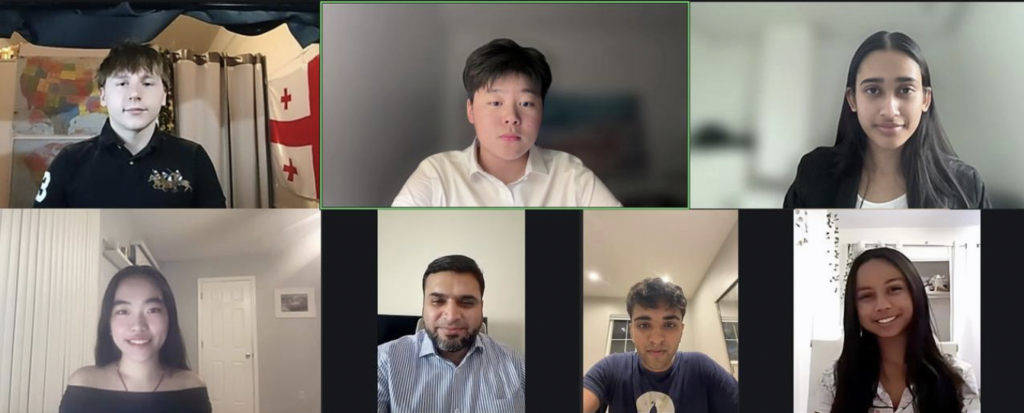
Team members: Emma L. (Team Lead) (New Jersey, United States), Shubh J. (California, United States), Darren C. (New York, United States), Aradhana S. (Pennsylvania, United States), Shreshtha B. (Kuwait), Jemali D. (New York, United States)

Mentor: Abdul Rauf (Pakistan)

Artificial Intelligence (AI) is evermore present in our lives and affects decision-making in government agencies, corporations, and small businesses. While the technology brings numerous opportunities to enhance productivity and pushes the boundaries of research, predictive AI models have been trained on data sets that contain historical data. As a result, they risk perpetuating and amplifying bias, putting groups who have traditionally been marginalized and underrepresented at a disadvantage.

Taking up the challenge of making AI more ethical and preventing the technology from harming vulnerable and underrepresented groups, this winning United States and Kuwait based team sought ways to identify and correct the inherent bias contained in large language models (LLM). “[The Ethical AI Innovation Challenge] helped me realize the true impact of bias in our society today, especially as predictive AI devices continue to expand their usage and importance,” acknowledged team lead Emma, from New Jersey. “As we transition into a future of increased AI utilization, it becomes all the more important that the AI being used is ethical and doesn’t place anyone at an unjustified disadvantage.”

The team conducted a thorough literature review and interviewed AI experts before devising their solution. In the course of their research, they came across real-life examples of the adverse effects of AI bias, such as an AI healthcare tool that recommended further treatment for white patients, but not for patients of color with the same ailments; a hiring model that contained gender bias, limiting opportunities for women; and a tool used to predict recidivism that incorrectly classified Black defendants as “high-risk” at nearly twice the rate it did for white defendants.

AI Bias

Team member Shreshthafrom Kuwait said she was aware of AI bias but “through each article I read, each interview I conducted, and each conversation I had with my teammates, my eyes opened to the topic further. This made me even keener on trying to find a solution to the issue.” She added that as the only team member who was based outside of the USA, “I ended up learning a lot from my teammates and their style of approaching a problem. We all may have had the same endpoint but we all had different routes in achieving our goal.”

The students came together regularly across time zones for intense working sessions to come up with a workable solution, with support from their mentor. “While working on this, I learned that my team shared one quality in common – that we are all committed to making a change,” explained teammate Shubh. “We had all unique skills, be it management, coding, design, etc., but we collaborated to form a sustainable solution that can be used by all.” In the end, the team decided to develop a customizable add-on tool that can be embedded in Google Sheets, a commonly used spreadsheet application.

The students wanted their tool, developed with Python programming, to provide cutting-edge bias detection while also being user friendly. “A key takeaway for me was realizing that addressing AI bias requires a balanced approach that combines technical fixes with ethical considerations—augmenting datasets while engaging directly with underrepresented groups,” stated New York-based teammate Darren, who initially researched and produced a survey while his teammates worked on an algorithm that could identify potential bias within a dataset.

More Ethical AI

The resulting add-on, which can be modified to fit any set of training data, utilizes complex statistical analysis to detect if AI training data is likely to be biased. The challenge participants also paired the add-on with an iOS app they created in UI/UX language and Swift, which gives users suggestions on how to customize the add-on for their specific data sets. The students were able to test their tool on a job applicant dataset provided by a company that chose to remain anonymous.

“By using an actual dataset from a company and analyzing it through our add-on, I was shocked to see that there could be gender bias if an AI model were trained on that dataset,” said team member Aradhana. “This experience highlighted how AI can continue societal discrimination against women.” The enterprising team members were able to refine and improve their solution further after conducting a survey and receiving feedback from 85 individuals from diverse backgrounds. 

Members of the winning team believe addressing AI bias is critical to mitigate the risk of adverse impacts and build trust in the technology. They hope their solution will spearhead efforts to address bias on a larger scale and promote future, more ethical AI. Summing up, team member Jemali explained that the project “significantly deepened my insights into the implications of AI bias and the pivotal role that we, as innovators, play in ensuring technology benefits all individuals.”

Learn more about the Junior Academy.

Bringing Science to Life with Artificial Intelligence

A boy wearing a VR headset, with a robotic hand in the foreground.

NYC teachers are using artificial intelligence (AI) to transform STEM education. The New York Academy of Sciences (the Academy) is supporting this effort.

Published May 14, 2025

By Meghan Groome, PhD

Since 2012, The New York Academy of Sciences’ Scientist-in-Residence (SiR) program has paired STEM professionals with public school teachers across New York City to co-design and lead inquiry-based projects in the classroom. Created in partnership with the NYC Department of Education, the program brings authentic, hands-on science learning to students from grades 3 through 12.

For the 2024–2025 school year, SiR is serving 50 classrooms across the five boroughs as well as five classrooms in Elizabeth, New Jersey. The program engages a diverse range of schools—80% Title I—and spans disciplines from biology and chemistry to physics and computer science. The teachers and their scientist partners are transforming the way science is taught and experienced, one classroom at a time.

This year, with support from pilot funding, the Academy launched a new initiative to explore how GenAI tools can elevate classroom projects. Through dedicated workshops, expert coaching, and a “sandbox” where educators can try out new tools, teachers began integrating AI into their existing projects, not for efficiency, but for enhancement. Rather than using AI to automate grading or lesson planning, teachers used it to elevate students’ engagement and understanding.

Tools and Trends from the AI in Classrooms Pilot

1. Elevation over Efficiency

Teachers are not turning to AI to save time—they’re using it to go deeper. By integrating AI into content-specific teaching, educators are enhancing students’ conceptual understanding and critical thinking. One physics class compared AI-generated simulations to actual physical laws, exploring both scientific accuracy and technological limitations.

2. Word of Mouth Matters

The most effective tool adoption happens through trusted networks. Our teacher working group acts as a grassroots recommendation engine. When a tool proves successful in one classroom, it’s shared, tested, and scaled by others.

3. Accessibility and Advocacy

Because many AI tools require approval at the school or district level, teachers are learning how to advocate for access. They share success stories and “tips and tricks” to help one another navigate approval processes—critical as federal AI-in-education guidance and local policies evolve.

4. Ethics as a First Filter

Teachers weigh tools through ethical lenses—considering intellectual property, bias in training data, and environmental impact—often mirroring their students’ own concerns. In the Academy’s high school programs, students consistently prioritize ethical considerations over convenience, a trend echoed by their teachers.

5. Data Analysis is a Gateway

Teachers working with large data sets—from air quality sensors to robot logs—are exploring AI-enabled data visualization tools like Tableau Public, PowerBI, and Google Colab (though the latter is difficult to use in-school). Even simple tools like Google Sheets + Explore are making an impact.

6. Image Analysis Expands Possibilities

From observing plant growth to studying telescope images, teachers are excited by how AI can quantify what once required hours of manual observation. Tools like NASA’s public image analysis platforms, QuPath, and Phyphox are transforming how visual data supports experimentation.

As the Scientist-in-Residence program evolves, it’s clear that NYC teachers are not just ready for the future of education—they’re building it. By fostering innovation, collaboration, and ethical engagement with AI, they’re giving their students the tools—and the inspiration—to become the next generation of scientific leaders.

Learn more about the Academy’s Scientist-in-Residence program.