The 2018 Blavatnik Awards for Young Scientists in the UK

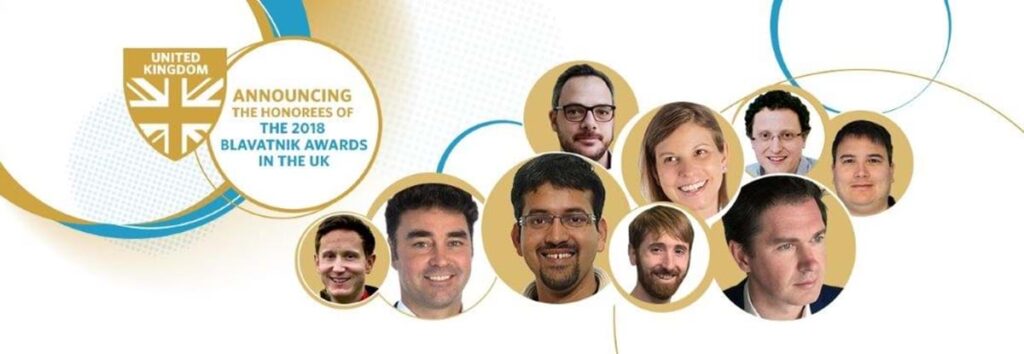
Meet the rising scientific stars taking center stage this year as part of the 2018 cohort for the Blavatnik Awards for Young Scientists in the United Kingdom.

Published January 16, 2018

By Kamala Murthy

Physical Sciences & Engineering Laureate
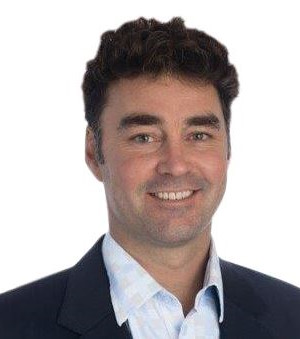
Henry Snaith, PhD
Professor of Physics, University of Oxford

Prof. Snaith has striven to develop new photovoltaic technologies based on simply processed materials, which have promised to deliver solar energy at a fraction of the cost of incumbent silicon modules.

Through a series of key discoveries, he found that metal halide perovskite materials, which had been overlooked for decades because of their very low photovoltaic energy efficiency, can be employed in highly efficient solar cells. He has developed a low-cost synthesis method for the perovskite solar cells, and significantly raised their energy efficiency from 10.9 percent in his first publication to over 22 percent in a single junction perovskite solar cell, and more recently to 25 percent by combining perovskites with silicon solar cells.

Currently, he is pushing the perovskite-on-silicon tandem cells to surpass the 30 percent efficiency mark, making them very promising for industrial applications. He has also significantly improved long-term stability of perovskite solar cells and discovered numerous key fundamental aspects of the perovskite semiconductors, which helped broaden the application range of these materials to include light emission, radiation detection, memory and sensing.

Prof. Snaith’s work toward a significant cost reduction in photovoltaic solar power could help propel society to a sustainable future.

Physical Sciences & Engineering Finalists
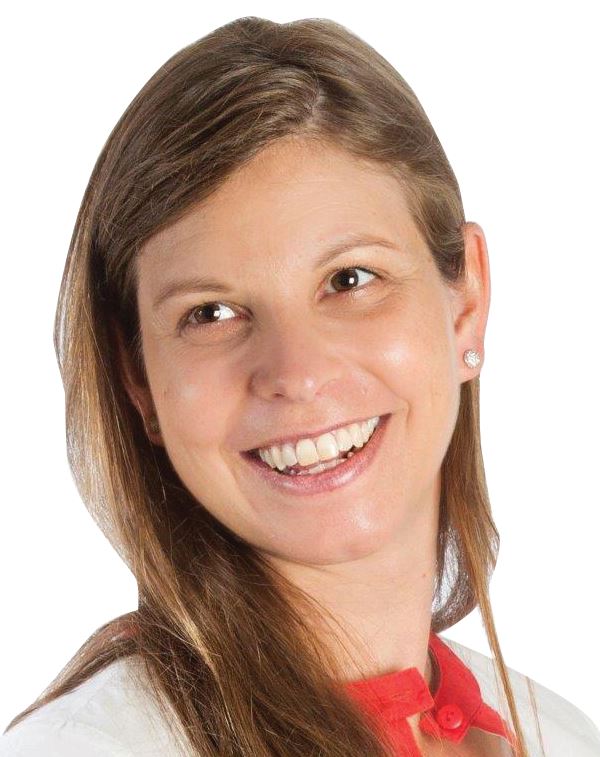
Claudia de Rham, PhD
Reader in Theoretical Physics, Imperial College London

Dr. de Rham has revitalized massive gravity theory, which is one way of modifying General Relativity to solve the open puzzles of cosmology. The early versions of massive gravity theory had been known for their dangerous pathologies, including a ghost mode and a discontinuity with General Relativity in the limit where the mass of a graviton goes to zero.

In 2010, Dr. de Rham solved such problems by constructing a nonlinear theory of massive gravity, which is ghost free and theoretically consistent. Since this breakthrough, Dr. de Rham has further established the effective quantum theory of massive gravity to describe the accelerated expansion of the universe as a purely gravitational effect, with the role of dark energy being played by massive gravitons.

Her work has continued to define the field beyond Einstein’s theories of gravity and cosmology, and revolutionized our understanding of the fundamental evolution of the universe and the quantum nature of gravity.
Andrew Levan, PhD
Professor of Astronomy, University of Warwick

Prof. Levan works on the observation of gamma-ray bursts (GRBs), which are the most luminous and energetic explosions in the universe. He has achieved a new understanding of the rich relativistic physics behind GRBs, and has deployed such phenomena as powerful probes that act as lighthouses to the distant universe.

For instance, a new type of GRB he discovered opened an entirely new window onto the properties of black holes at the center of galaxies. Most recently, Prof. Levan has also played a major role in the characterization of the first electromagnetic counterpart to a gravitational wave source, GW170817. This included the identification of the infrared counterpart and leading the first observations of this counterpart with the Hubble Space Telescope.

These events provide the astrophysics community with a completely new way to study the Universe, and explore new information from deep inside extreme events, places that cannot be seen with normal light.

Chemistry Laureate
Andrew Goodwin, PhD
Professor of Materials Chemistry, University of Oxford

Prof. Goodwin is a world leader in the study of the dual roles of mechanical flexibility and structural disorder in the chemistry and physics of functional materials.

Examples of materials that rely on localized disorder to enhance functionality include semiconductors and glass.  Goodwin’s laboratory utilizes advanced diffraction and modelling techniques to probe disordered materials and subsequently produce new, tailored materials that display unique properties. Most materials expand upon heating and shrink when compressed; however, Goodwin has discovered that by careful control of the disorder within the structure of a substance, the opposite can occur — materials will shrink upon heating (negative thermal expansion) and expand when compressed (negative linear compressibility).

These counterintuitive processes are useful in the design of heat-resistant materials, advanced pressure sensors, artificial muscles and even body armor. Goodwin has also played a key role in the structural analysis of amorphous materials using total scattering methods, which, in the case of amorphous calcium carbonate, the key structural component in bones and shell, led to a complete understanding of the ability of organisms to nucleate different crystalline structures from the same biomineral precursor.

Chemistry Finalists
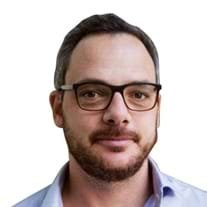
Philipp Kukura, PhD
Professor of Chemistry, University of Oxford

Prof. Kukura develops and applies novel spectroscopic and microscopic imaging techniques with the aim of visualizing and thereby studying biomolecular structure and dynamics.

Of particular importance are Prof. Kukura’s recent breakthroughs in scattering-based optical microscopy, where his group was the first to demonstrate nanometer-precise tracking of small scattering labels with sub-millisecond temporal resolution, which enables highly accurate measurements and mechanistic insight into the structural dynamics of biomolecules such as molecular motors and DNA. His group was also able to develop ultrasensitive label-free imaging and sensing in solution, down to the single molecule level, which has the potential to revolutionize our ability to study molecular interactions and self-assembly.

The Kukura group continues to challenge what we believe we can measure and quantify with light and use it to improve our understanding of biomolecular function. Ultimately, this technology has the potential to enable a variety of universally applicable and quantitative methods to probe molecular interactions at the sub-cellular level.
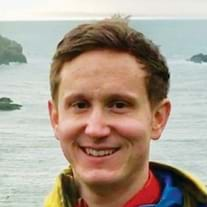
Robert Hilton, PhD
Reader, Department of Geography, Durham University

Dr. Hilton’s research has provided new insights on Earth’s long-term carbon cycle and the natural processes that transfer carbon dioxide (CO2) between the atmosphere and rocks. His research has uncovered how erosion of land in the form of geomorphic events (earthquakes and resulting landslides), weathering of organic carbon in rocks, and the export of carbon by rivers can impact atmospheric CO2 concentration. Dr. Hilton and colleagues have developed geochemical and river sampling methods which allow this to be done.

The release of CO2 into the atmosphere through the actions of humans burning fossil fuels has become a concern in recent decades.  Dr. Hilton’s research highlights that the natural rates of this process (by weathering and breakdown of rocks) is much, much slower. The planet is currently undergoing dramatic changes with respect to global climate, and it is crucially important to consider whether these aspects of the carbon cycle may amplify human impacts.

Life Sciences Laureate
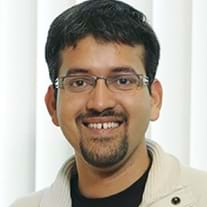
M. Madan Babu, PhD
Programme Leader, MRC Laboratory of Molecular Biology

Dr. Babu’s multi-disciplinary work employs techniques from data science, genomics and structural biology to analyze biological systems. Using this innovative approach, Dr. Babu has made important discoveries about proteins called G-protein-coupled receptors (GPCRs). These proteins are implicated in numerous human disorders, and drugs targeting GPCRs represent nearly 30 percent of all drug sales.

Dr. Babu has shown that many GPCRs targeted by common drugs can differ significantly from one person to another, so patients with different versions of the same GPCR are likely to have different responses to the same drug. These findings will begin to identify problematic treatments, and could potentially revolutionize personalized medicine. In a parallel body of work, Dr. Babu has also made fundamental discoveries in the role of so-called “disordered” proteins. About 40 percent of human proteins have a region where the protein becomes more flexible, less structured — these floppy, flexible parts of proteins have puzzled structural biologists for decades.

Dr. Babu and his team have helped to establish the roles of disordered proteins in health and disease. Together, these studies shed light on key types of proteins that are integral to human health.

Life Sciences Finalists
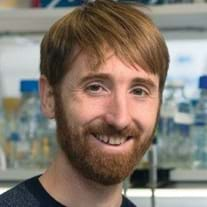
John Briggs, DPhil
Programme Leader, MRC Laboratory of Molecular Biology

Dr. Briggs uses and develops state-of-the-art techniques in electron microscopy to understand the structure and functions of biological molecules. He pioneered a technique called cryo-electron tomography (cryo-ET), which allows visualization of biological specimens at near-atomic resolution.

He has combined this technique with other types of microscopy to identify and image rare and dynamic cellular events. Dr. Briggs was the first to achieve pseudo-atomic resolution for visualization of a biological structure using cryo-ET by imaging the capsid domains of HIV. This remarkable achievement revealed the network of protein interactions governing the assembly of HIV particles, and provides new insights into viral function.

Dr. Briggs is at the forefront of structural biology, leading the search for higher resolution visualizations of cellular processes directly within their native environments. By turning these techniques to important biological questions, his work stands to have broad impact on our understanding of the biology of cells and viruses.
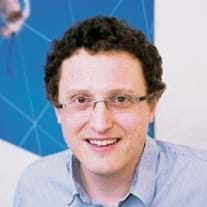
Timothy Behrens, DPhil
Professor of Computational Neuroscience, Nuffield Department of Clinical Neurosciences
Deputy Director, FMRIB Centre, University of Oxford
Honorary Lecturer, Wellcome Centre for Imaging Neuroscience, University College London

Prof. Behrens uses mathematical models, behavioral experiments and neural recordings to dissect the biological computations that underlie human behavior. He has uncovered key aspects of how we represent the world around us, make decisions and guide our behavior.

His group has shown that the neural structures used to represent physical space are also used to represent abstract concepts — the brain uses a similar mechanism to encode “maps” of abstract ideas. Such findings have impact on neural network computing and artificial intelligence, but also on our understanding of cognition and mental health. Prof. Behrens has also worked to map the precise anatomy of the human brain, and is leading a large-scale collaboration to map networks of neurons important for cognition.

Few fields are more intimately related to our sense of what it means to be human — and Prof. Behrens and his team are at the forefront of this understanding.
Talent Showcase: 2018 Blavatnik Awards for Young Scientists in Israel

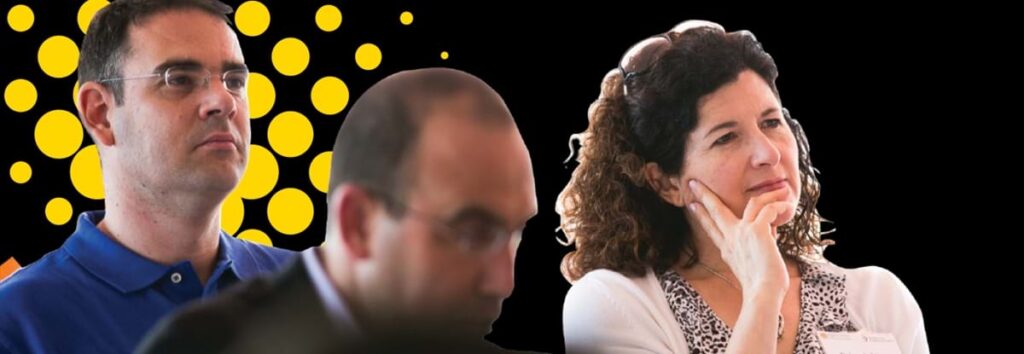
A group of researchers and executives pose together.

Meet the rising scientific stars taking center stage this year as part of the 2018 cohort for the Blavatnik Awards for Young Scientists in Israel.

Published May 1, 2018

By Kamala Murthy

Life Sciences Laureate

Oded Rechavi, PhD, Senior Lecturer, Department of Neurobiology, Tel Aviv University

Dr. Rechavi’s research upends the traditional laws of inheritance. The notion that traits acquired over the course of a lifetime could influence heredity was heresy until recently, when Dr. Rechavi showed how environmental conditions can imprint “molecular memories” that govern the passage of acquired traits to future generations.

DNA vs Small RNAs

Rechavi’s work in C. elegans, a species of small worms, illustrates how various stressors can induce heritable changes mediated not by DNA, but by small RNAs. By transferring small RNAs from the regular cells of the body that are impacted by the stressor, to the “germline” cells (eggs and sperm) that pass on traits to the next generation, the experiences of one generation can produce long-lasting impacts on gene regulation in multiple subsequent generations.

Rechavi’s lab published the first proofs of this effect, showing that exposing the parent worms to a virus confers immunity on the offspring through the transfer of small RNAs. He later showed that a similar mechanism allows the offspring of starved worms to live longer and to better survive periods of starvation. His group has identified the genes and determined the rules that govern which changes are heritable, as well as the potential duration of that inheritance.

Rechavi has hypothesized that similar mechanisms of small-RNA-based inheritance exist in mammals, including humans. Encompassing genetics, evolutionary biology and developmental biology, Rechavi’s research is fundamental to advancing understanding of the heritability of complex traits and diseases.

Chemistry Laureate

Charles Diesendruck, PhD, Assistant Professor of Chemistry, Technion — Israel Institute of Technology

Dr. Diesendruck works at the intersection of chemistry, physics and materials science, in the recently resurgent field of mechanochemistry. Diesendruck and his collaborators are using mechanically driven reactions to create novel molecules and new materials capable of responding to both physical and chemical stimuli.

As polymers and fiber-composites have become ubiquitous, the tendency of these materials to break, split or otherwise degrade under pressure have limited their application, especially in high-strain environments such as aircraft and automobiles. Diesendruck’s research seeks to better understand how mechanical forces can change molecular bonds and alter the properties of materials, using this knowledge to design resilient, responsive macromolecules for next-generation polymers.

Developing “Smart” Materials

In Diesendruck’s vision, these “smart” materials will be customized with specific stress conduction characteristics, respond productively to mechanical strain, and be able to detect and reinforce or repair structural damage. Diesendruck was among the research team that created the first autonomously “self-healing” fiber-composites, a key step toward producing materials that maximize the benefits of composites, including strength and weight, while minimizing the risks from damage and increasing the longevity of these materials in transportation and other applications.

Diesendruck’s group is also engaged in exploratory research probing difficult or previously inaccessible chemical transformations that may lead to new reactions and reactants.

Physical Sciences & Engineering Laureate

Anat Levin, PhD, Associate Professor, The Andrew & Erna Viterbi Faculty of Electrical Engineering, Technion — Israel Institute of Technology

Prof. Levin is a leader in the emerging field of computational photography, which blends computing with traditional imaging techniques to transcend the limitations of even the most advanced cameras, producing novel imaging results and capabilities. Levin’s work is rooted in discovering mathematical foundations and applying them to solve real-world challenges in imaging and optics.

She is the creator of a prototype computational camera specialized to capture moving objects and scenes, which introduces a constant, quantifiable degree of motion blur during exposure to allow for streamlined blur removal in post-processing. Prof. Levin has also worked to optimize the process of colorizing grayscale images and videos, simplifying a historically time-consuming and expensive process using a method that automatically propagates color among pixels based on the intensity of neighboring pixels.

Using Light Scatter to Study Chemical Composition

Advances in computational photography will have implications that extend well beyond digital photography, including improving medical, microscope and telescope imaging, and ultimately transforming videography. More recently, Levin has published methods for utilizing patterns of light scatter to determine the chemical composition of a material, a technique that could have implications for fields as diverse as ultrasound imaging and air quality assessment.

She has also developed dynamic digital displays that instantly adapt to changes in light and viewing angle, and prototype displays that may ultimately enable large-scale, glasses-free 3D movie viewing.

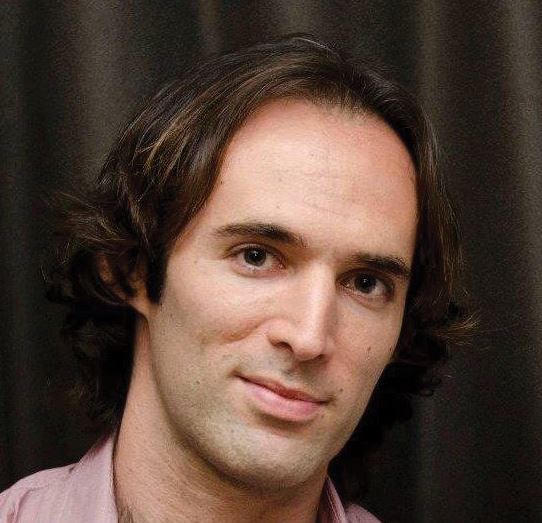
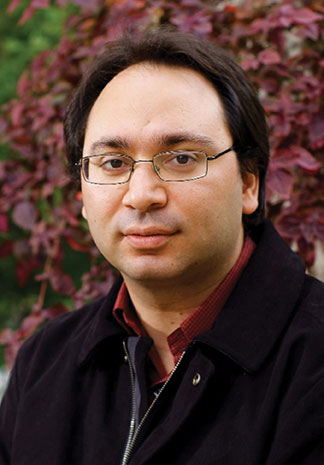
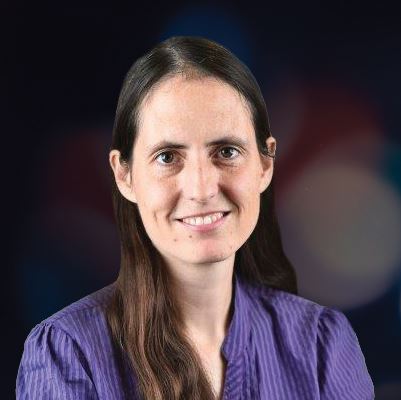
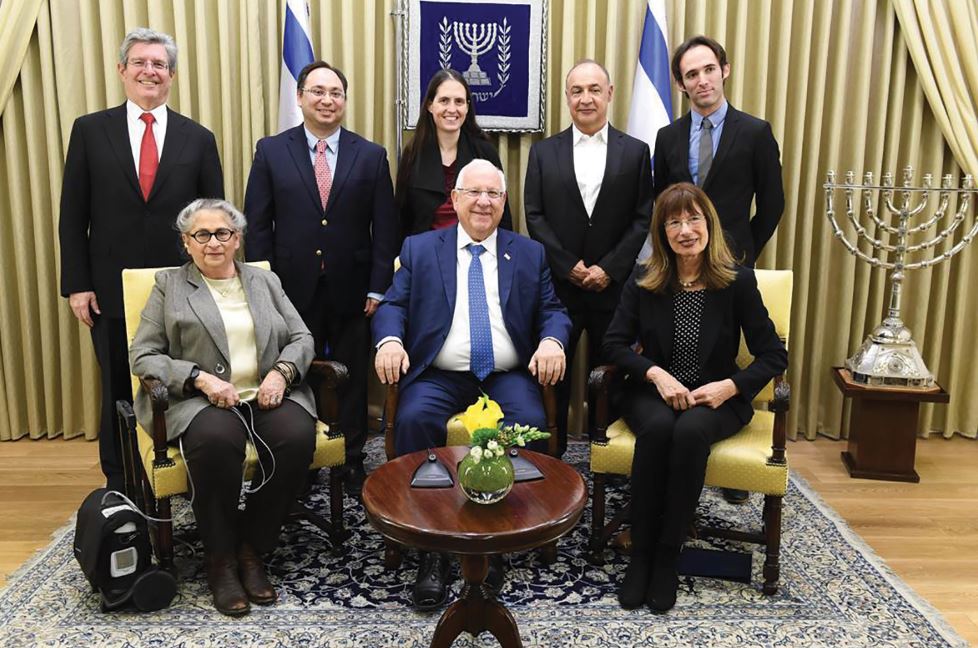
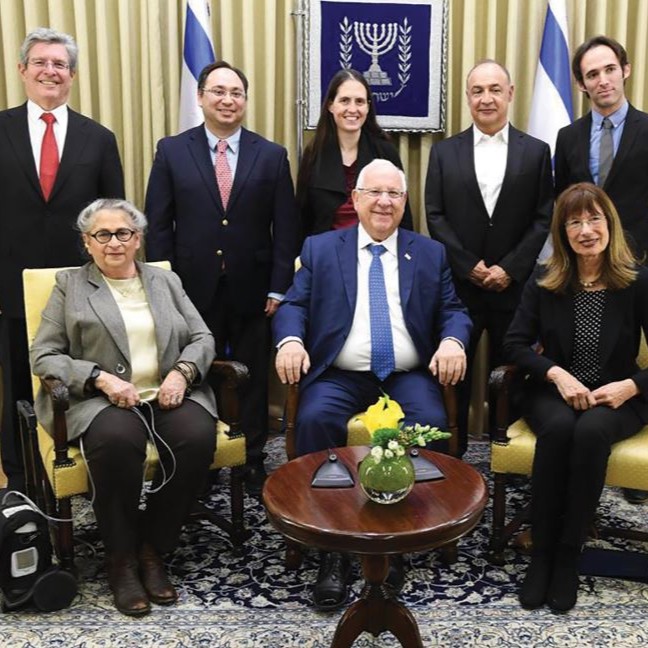
(Back Row L to R) Ellis Rubinstein, President and CEO, New York Academy of Sciences, Dr. Charles Diesendruck, Technion-Israel Institute of Technology, Prof. Anat Levin, Technion-Israel Institute of Technology, Len Blavatnik, Chairman, Access Industries/Blavatnik Family Foundation, Dr. Oded Rechavi, Tel Aviv University. (Front Row L to R) Nechama Rivlin, First Lady of Israel, Reuven Rivlin, President of Israel, Prof. Nili Cohen, President, Israel Academy of Sciences and Humanities.

Announcing the Honorees of the Inaugural Blavatnik Awards for Young Scientists in the United Kingdom

Nine outstanding scientists from six U.K. academic institutions receive a total of $480,000.

Published December 8, 2017

By Marie Gentile and Richard Birchard

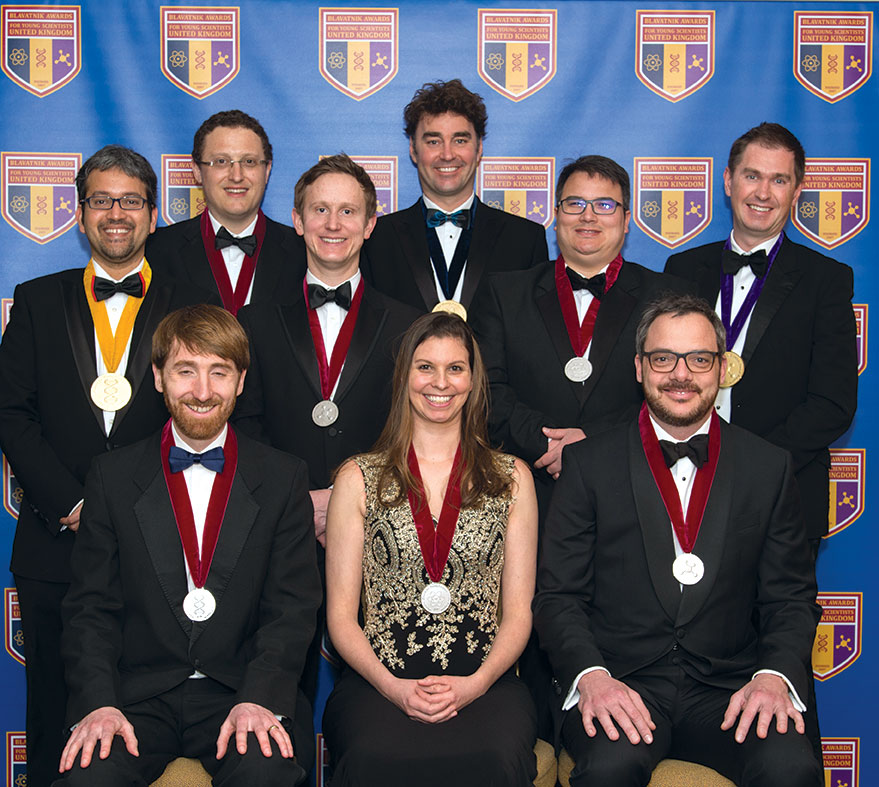
The New York Academy of Sciences and the Blavatnik Family Foundation announced the first Honorees of the Blavatnik Awards in the United Kingdom.

Three Laureates, in the categories of Life Sciences, Physical Sciences & Engineering, and Chemistry, will each receive an unrestricted prize of $100,000. In addition, two Finalists in each category will each receive an unrestricted prize of $30,000. To date, the Blavatnik Awards in the U.K. are the largest unrestricted cash awards available exclusively to young scientists.

The Blavatnik Awards, administered by the New York Academy of Sciences, were established by the Blavatnik Family Foundation in 2007. The awards honor and support exceptional early-career scientists and engineers under the age of 42 across the United States. In 2017, the Awards were launched in the U.K. and Israel. This recognized the first cohort of international Blavatnik Award recipients. To date, the Blavatnik Awards have conferred prizes totaling U.S. $5 million, honoring 220 outstanding young scientists and engineers.

In this inaugural year of the Blavatnik Awards in the U.K., 124 nominations were received from 67 academic and research institutions across England, Scotland, Wales, and Northern Ireland. A distinguished jury of leading senior scientists and engineers selected the Laureates and Finalists. The 2018 Laureates are:

The Finalists for the 2018 Blavatnik Awards in the U.K. are:

Life Sciences

Chemistry

Physical Sciences & Engineering

These inaugural Blavatnik Awards Laureates and Finalists in the U.K. will be honored at a gala dinner and ceremony at London’s Victoria and Albert Museum on March 7, 2018. In addition, the Award recipients will be invited to attend the annual Blavatnik Science Symposium at the New York Academy of Sciences this summer, which is an opportunity for former and current Blavatnik Awardees to exchange ideas and build cross-disciplinary research collaborations.

The Blavatnik U.K. honorees will become members of the Blavatnik Science Scholars community, currently comprising over 220 Blavatnik Award honorees from the decade-old U.S. program and three inaugural 2018 Laureates from Israel. Honorees will also receive Membership to The New York Academy of Sciences. 

Innovative Ideas for a Better Tomorrow Today

The 2017 Blavatnik Awards for Young Scientists Laureates exemplify the kind of fearless thinking that can make revolutionary ideas become reality.

Published October 1, 2017

By Hallie Kapner

As physicist Niels Bohr (among others) has said: “Prediction is very difficult, especially if it’s about the future.”

Just ten years ago, it would have been a stretch for even the most optimistic prognosticator to predict that the iPhone, then a newborn technology, would be in one billion hands or that the human genome could be sequenced affordably in 24 hours. These examples of the dizzying pace of progress are good reminders that while attempts to peer into the future of science and technology are essential for growth and inspiration, reality sometimes exceeds the wildest visions.

The 2017 winners of the Blavatnik National Awards for Young Scientists, materials scientist Yi Cui, chemist Melanie Sanford, and bioengineer Feng Zhang, are no strangers to vision. Chosen from a pool of more than 300 nominees from universities around the country, this year’s Laureates exemplify the kind of fearless thinking that upends norms and breaks boundaries, ultimately bringing revolutionary ideas and advances into reality.

Asking any of them to discuss their day-to-day research would provide a fascinating peek into some of the most cutting-edge work in their respective fields, yet just as intriguing are their thoughts on the future. When asked to fast-forward ten or twenty years to discuss what’s next in their fields, each readily dove headlong into the world to come, shedding light on achievements that are both probable and possible, then reaching further to describe potential advances that seem far-fetched today, but may be the ultimate achievements of tomorrow.

Deleting Disease

Feng Zhang

Ten years is a long time for Feng Zhang, as he recalls that the technology he helped pioneer, CRISPR-Cas9, didn’t exist a decade ago.

As Zhang, a Core Member of the Broad Institute at MIT and Harvard, talks excitedly about the rapid pace of advancement in the field of genome editing, he highlights that there’s still plenty of room for growth. Zhang was among the first to conceive of using CRISPR, an adaptive immune function native to bacteria, as a DNA-editing tool, a breakthrough that has turned the ability to quickly, cheaply, and precisely edit the genomes of plants and animals from science-fiction into an everyday occurrence.

From Zhang’s point of view, developing the tools was just the beginning — the work of the future is in refining and applying those tools to alleviate suffering and disease.

The advent of rapid, affordable genome sequencing has allowed researchers to identify many of the mutations that cause disease, which fall into two categories: monogenetic diseases, such as Huntington’s, caused by a single mutation, and polygenetic diseases, which comprise the majority of illnesses, wherein multiple mutations are implicated.

Today, most of the work being done with CRISPR targets monogenetic diseases. Even in those cases, a fix is far more complex than simply cutting and replacing.

“The major issue is that we don’t know how to repair the mutation efficiently, nor what exactly needs to be done to have a therapeutic consequence,” said Zhang. “I think we’ll develop techniques for delivering gene therapy to the right tissues, which is still a big challenge.”

Advancing CRISPR technologies

Zhang also projects a future where CRISPR technologies can be adapted to treat patients with diseases so rare that they are often overlooked by the therapeutic pipeline.

“The economics don’t work for drug companies to focus on rare diseases, but as gene editing becomes more mature, we could feasibly create individualized therapies that would circumvent the typical drug development process,” he explained.

But the ultimate CRISPR application — editing multiple genes to treat complex polygenetic diseases — remains the stuff of fantasy. Two decades from now, Zhang expects we’ll be much closer.

“Even if we have the technology to make multiple genetic changes, we don’t know enough about how multiple genes interact in disease at this point,” he said, noting that the interplay of different gene variations can produce effects we don’t fully understand. “There are variations known to protect people from HIV, but they increase susceptibility to West Nile Virus,” he said. “That’s just one example — we need a much better understanding of these connections in order to achieve these bigger goals.”

Big Ideas from the Smallest Structures

Yi Cui

For Yi Cui, professor of materials science and engineering at Stanford University, the buzzword of the future is energy.

Specifically, inexpensive, widely-available clean energy, along with new battery technologies that will transform cars and other consumer products as well as the electrical grid itself. Cui, whose research focuses on using nanoscale materials to tackle environmental and energy issues, has several breakthrough technologies to his credit — including a water filtration technology that uses electrified silver nanostructures to puncture viral and bacterial membranes, purifying water faster and more cheaply than chemical treatments, and designs for ultra-long life, low-cost batteries that may pave the way for what Cui sees as the major potential achievement of the next two decades: grid-scale energy storage.

Solar cells have become more efficient and renewable energy costs are dropping, yet energy storage remains the major hurdle for scientists, who recognize both the economic and environmental advantages of a future dominated by clean power. Continual improvements in the energy density of today’s batteries will yield rewards in the relatively near term, says Cui, who sides with experts who predict mass adoption of electric vehicles over the next 10-15 years.

“I wouldn’t be surprised if we’re seeing cars that can run 400 miles on a single charge,” he said, but the greatest gains in clean energy won’t be achieved until batteries can store enough energy to allow for the integration of solar, wind and other renewable power sources into the mainstream electrical grid. “Energy storage is the missing link,” Cui said, “and if we can solve that, it will be the most extraordinary achievement we can hope to have in this field in the next 20 or 30 years.”

The potential for nanomaterials to help mitigate the impacts of environmental pollution also looms large for Cui. As the global population grows and resource needs increase, he predicts a starring role for nanoscale structures in efforts to purify water and remediate soil pollution, and is developing a nano-driven “desalination battery,” which removes salt from seawater using less energy than reverse-osmosis, as well as air and water purification technologies that use nanostructures to capture particulates and pollutants with remarkable speed and efficiency.

The Best Molecule for the Job

Melanie Sanford

In a future envisioned by Melanie Sanford, there will be no compromise to designing molecules for some of the most important chemical tasks in the world, namely medical imaging, drug development, energy production and fields where the characteristics of a chemical reaction, or the process by which a molecule is made or utilized, can mean the difference between mediocre performance and excellence.

Sanford is making this vision a reality, developing customized approaches for the goals of various industries.

“Depending on the target for the reaction we’re developing, the dreams for the future are different,” she said.

The pharmaceutical and medical industries are two areas where Sanford believes that astonishing advances will be realized in the coming decade. Among them, the ability to customize the tracer molecules that are crucial to obtaining quality images in positron emission tomography, or PET, scans used in cancer, cardiac and brain diagnostics.

“Right now, the tracers used aren’t the best or the most appropriate, they’re the ones we can make with the limited set of reactions we have for adding a radioactive tag to a molecule,” said Sanford. “Ten or twenty years from now, the only constraint will be our imaginations — the reactions and catalysts in development now will allow us to ask, ‘What molecule do I want to make to get the best result for this application?’ and then be able to make it.”

Customization plays an equally important role in another field Sanford sees poised for transformation through the design of novel reactions — agricultural chemicals. Using reactions that yield the desired result, but do so using readily available materials with minimal energy consumption or waste production, would represent significant improvement and a major sustainability overhaul of some of the largest-scale chemical processing activities on earth.

“These syntheses are being performed at such a massive scale that waste really matters,” said Sanford.

The ability to make the best molecule for the job will be key to making Cui’s grid-scale energy storage a reality through new battery technologies. Sanford animatedly described the potential for developing new molecules to store energy, as well as tools for understanding and predicting the behavior and characteristics of those molecules.

“It’s going to be very exciting to both develop molecules with huge storage capability, but also to be able to use them to balance various needs and parameters — high storage capacity with high solubility — so we can really understand how to modify structures to yield the best performance for an application,” she said.

Zhang, Cui and Sanford harbor no delusions of ease when it comes to the dreams they’ve set forth. Rather, they greet the challenges ahead with equal measures of determination and hope.

“We have an enormous amount of work to do in the coming decades,” said Cui. “But everything we’re working towards is so important for the sustainable growth of the world and for the health and future of our children. I’m confident we can do it.”

Celebrating 10 Years of the Blavatnik Awards

Blavatnik Awardees advance the breakthroughs in science and technology that will define how our world will look tomorrow.

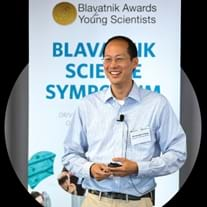
Chris Chang presents at the Blavatnik Science Symposium

Published May 1, 2017

By Victoria Cleave, PhD

The scientific equivalent of magic can happen when you put outstanding researchers together in a room. At the 2016 Blavatnik Science Symposium, a neuroscientist met a physicist, and they realized that the tool the neuroscientist needed to further his work was being developed within the physicist’s lab. Both were Blavatnik honorees, and they might never have met had it not been for the Blavatnik Awards for Young Scientists.

The Blavatnik Science Symposium is just one aspect of this distinctive awards program, established with the vision of Len Blavatnik, founder and Chairman of Access Industries and head of the Blavatnik Family Foundation, now celebrating its tenth anniversary.

The New York Academy of Sciences has administered the Awards since their inception, when they focused on the New York, New Jersey and Connecticut tri-state area. The basic tenets of the awards are simple: find brilliant researchers age 42 or under in chemistry, physical sciences and engineering, and life sciences, and award them financial support and exposure for their work.

“The Future of Scientific Thought”

Len Blavatnik explained the significance of that vision, “Young scientists represent the future of scientific thought. By honoring these young individuals and their achievements we are helping to promote the breakthroughs in science and technology that will define how our world will look in 20, 50, 100 years.”

In 2014, the Foundation supported the expansion from a regional to a national program, recognizing academic researchers across the United States every year with awards of $250,000, one of the largest unrestricted prizes ever created for researchers under the age of 42.

After seeing the success of the current Awards the Foundation was keen to support even more young innovators, so the program will expand with two new sets of Awards in the United Kingdom and Israel in early 2017. The Academy is delighted to be partnering with the Israel Academy of Sciences and Humanities to manage the Awards in Israel. Nominations for both new Awards will open in May 2017 and the first Blavatnik UK and Israel laureates will be honored in early 2018.

Amit Singer and Deborah Silver listen to a presentation during the 2016 Blavatnik Science Symposium

“World-Changing Discoveries”

“We know that this kind of recognition is particularly important because of the focus on scientists at the crucial juncture of their career when they are transitioning from trainee to independent researcher,” said Ellis Rubinstein, President and Chief Executive Officer at The New York Academy of Sciences. “Such recognition not only rewards past successes, it directly enables continued research—the kind of research that leads to world-changing discoveries.”

During the Awards’ first decade, more than 2,000 scientists and engineers were nominated from more than 200 institutions, with prizes totaling more than $4 million.

Michal Lipson, 2010 Blavatnik Awards Faculty winner and Given Foundation Professor at Cornell University, explained: “There are a few awards for young scientists, but almost all of them are based on proposals that you submit, and not on the actual work that you do as a young scientist. The Blavatnik Awards program is true recognition of the work of young scientists; it is unique in that sense. There is no equivalent.”

But it is the honorees themselves that are the most remarkable part of the Blavatnik Awards for Young Scientists. Chosen for both their achievements to date and the potential of what’s yet to come in their careers, the Awards aim to recognize truly outstanding scientists and engineers forging creative paths in research.

Trailblazing Science

Yueh Lynn Loo enjoying a networking break at the 2016 Blavatnik Science Symposium

Beyond accolades, these brilliant young men and women carry out their trailblazing science across the breadth of the Awards categories. From deciphering how memories are formed and stored in the brain, to targeting genetic mutations that drive the growth of aggressive cancers. They have probed the complex physics of dark matter pulling galaxies apart, and designed nano-devices that can purify water or detect disease in low-resource settings.

The downstream impact of supporting such exceptional honorees is clear. As Anthony Guiseppi-Elie, Professor and Division Director at Texas A&M University, who serves on the jury for the Awards, said, “We are, in fact, just touching the lives of a few, but those few have the capacity to influence whole new vistas of enquiry, and so the ripple effect is quite substantial.”

Indeed, some immediate effects of the awards have arisen thanks to the generosity of two of the inaugural Blavatnik National Awards Laureates, who chose to donate part of their prize winnings to support even younger scientists: Adam Cohen and Marin Soljačić have established prizes of their own for talented students at Hunter College and high-schoolers in Croatia, respectively.

An Environment for Ideas and Collaborations

And of course, the Blavatnik Science Symposium has proven to be a fertile environment for ideas and collaborations, with almost 200 scientists and engineers in the Blavatnik community, and many nationalities represented.

“There are too few opportunities for scientists to actually come together and share the really big ideas. One of the really great things that we get out of the annual Blavatnik Symposium is that you have this community of young scientists that come together in many different fields,” said David Charbonneau, 2016 Blavatnik National Laureate and Professor of Astronomy at Harvard University.

“The best scientific research is collaborative and we want our Blavatnik Scholars to be able to tap into the best talent around the world,” said Len Blavatnik. “I look forward to the next ten years of finding and supporting exceptional young researchers and helping to promote transformative scientific discoveries.

Advances in Molecular Medicine Led to Better Cancer Treatment

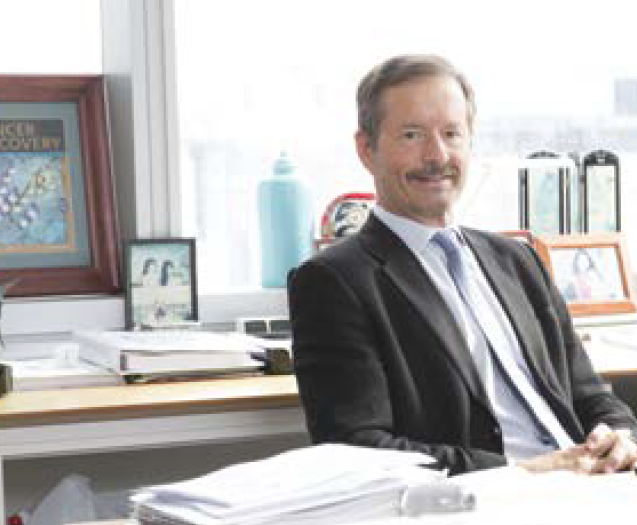
A doctor wearing a suit and tie poses for the camera while seated behind his desk.

Lewis Cantley’s discoveries in the laboratory are changing the way we think about and treat cancer.

Published June 1, 2015

By Siobhan Addie, PhD

Lewis C. Cantley, PhD

The 2015 Ross Prize in Molecular Medicine was awarded to Lewis C. Cantley, PhD, who serves as the Margaret and Herman Sokol Professor in Oncology Research and the Meyer Director of the Sandra and Edward Meyer Cancer Center at Weill Cornell Medical College and New York-Presbyterian Hospital. Dr. Cantley received the award at a scientific symposium held at the Academy on June 8, 2015, in his honor.

Early in his career, Dr. Cantley discovered phosphatidylinositol-3-kinase (PI-3K), an enzyme that is important for cell growth, insulin signaling, and immune cell function. Dr. Cantley’s discovery has led to one of the most promising avenues for the development of personalized medicine. Currently, Dr. Cantley’s lab is investigating new treatments for diseases that result from defects in PI-3K and other genes in this important metabolic pathway. He shared his thoughts on this prestigious award as well as the past, present, and future of cancer treatment.

What is the current focus of your laboratory?

My laboratory is trying to understand why cancer cells have altered metabolism and take up significantly more glucose than normal cells. I initially became interested in this area following our discovery of phosphoinositide-3-kinase (PI-3K), an enzyme that is important for cell growth. We came to the realization that when PI-3K is activated, cells consume glucose at significantly higher rates, which is consistent with the Warburg Effect, first described decades earlier by Otto Heinrich Warburg. [The Warburg Effect is the observation that cancer cells produce the majority of their energy by glycolysis and lactic acid fermentation, as opposed to oxidation of pyruvate in mitochondria, as is observed in healthy cells.]

Mutations in PI-3K and other metabolic genes can cause cancer cells to take up increased amounts of glucose, and understanding this process will hopefully reveal new targets for cancer therapies. Together with Craig Thompson and Tak Mak, I co-founded a company called Agios Pharmaceuticals to further explore this concept. Independent of Agios Pharmaceuticals, my lab continues to investigate the mechanisms of altered cancer cell metabolism, and it is our goal to develop cancer drugs for the targets that we discover.

Who were your role models in science and how did they inspire you?

Harold Varmus and Michael Bishop were two of my major role models because of their elegant studies on how viruses cause cancer. It was this work that led to the realization that cancer is caused by mutations in human genes. It was paradigm-shifting science because it made us understand that cancer is driven by sporadic mutations in DNA and that the changes in metabolism that Otto Warburg originally observed were a consequence of mutations in genes (like PI-3K) that control metabolism through complex signaling networks.

What led to your discovery of PI-3K?

The discovery of the Warburg Effect made scientists examine changes in cancer cell metabolism. Much of the 20th century was spent trying to understand how cancers change their metabolism, specifically how they perform anabolic processes at a higher rate. In the late 1970s and early 1980s, work from a number of labs led to the discovery of important oncogenes. In our early work we used viral oncogenes to discover PI-3K.

By immunoprecipitating oncoproteins we were able to isolate PI-3K, and at first we believed PI-3K was producing the well-known lipids, PI(4,5)P2 or PI(4)P. However, once we characterized the product, we found out it was chemically distinct from the two well-known phospholipid forms in that the phosphate was on the 3 position of the inositol ring rather than the 4 or 5 position. We were extremely excited since this species had never previously been described.

Upon your discovery of PI-3K, did you realize how complex the signaling cascades were?

Our work revealed that PI-3K phosphorylates the 3 position of phosphatidylinositol; however, after that initial discovery we realized that many other phosphorylation combinations could be generated by PI-3K. Sure enough, in subsequent years, a whole new group of lipids was discovered, including PI(3)P, PI(3,4)P2, PI(3,5)P2 and PI(3,4,5)P3, although at the time it was not clear what they were doing. Now we know that many of these lipids are important in cells for controlling protein kinase cascades and actin rearrangement, which is critical for cell movement.

I was extremely excited by the importance of PI-3K for human disease. Initially our team was mainly focused on insulin signaling rather than on cancer, but soon we realized that there were commonalities between insulin signaling and the evolution of cancers. The story of PI-3K has certainly turned into a bigger story than I could have ever anticipated.

PI-3K inhibitors work quite well in blood cancers, but show more variable results in solid tumors. Why do you think that is?

The PI-3K gene that is mutated in solid tumors (PIK3CA) encodes the same enzyme that insulin activates so inhibitors of this enzyme cause insulin resistance resulting in hyperglycemia, which limits the dose of drug that can be used for therapy. In contrast the PI-3K inhibitor that was approved for treating B cell lymphomas, idelalisib, targets the enzyme encoded by PIK3CD, which does not mediate insulin responses. Thus there is less toxicity and higher doses of drug can be achieved, allowing more effective killing of tumor cells.

I also think that the total number of cancer cells in the body at the time a patient goes on therapy has a major role in explaining resistance to therapy. We now know that there is tremendous heterogeneity in the mutational events in most solid tumors and the more cells present, the more likely that a few cells in the tumor will be resistant to the therapy. That is why we are exploring the usefulness of neo-adjuvant therapy, the delivery of an anticancer drug prior to surgery. Another option for improving patient outcome is adjuvant therapy, the delivery of an anticancer drug immediately following surgery, even before recurrence is detected.

Generally, when metastatic cancer is diagnosed, the total number of cells in the body can be massive. Bert Vogelstein aptly pointed out that every time a cell divides there is a chance for an error in DNA replication, resulting in genetic aberrations, and the more times that happens the greater the diversity of mutations in the tumor and the lower the probability that a single agent will kill all cells in the tumor. Initial clinical trials in solid tumors are typically done in patients who have metastatic disease and have failed multiple therapies—it’s a high bar to achieve complete responses in this setting.

Why do certain cancer drugs look quite promising in pre-clinical models yet do not perform as well in humans?

New cancer drugs are often tested in mice that have a single, small tumor. Since the tumors in mice contain relatively few cells, the odds that we can kill all those cells are rather good. The clinical setting with human patients is far more challenging and complex because, as I indicated before, human cancer cells have greater genetic diversity and there are at least 100 times more cells than in a mouse tumor.

That is not to say that mouse models are bad, but we need to pay better attention to the mathematics. In normal preclinical studies we give seven mice the experimental drug and seven mice receive the placebo. As pointed out by Bert Vogelstein, these numbers are far too low. We need to increase the number of animals used in preclinical studies and focus on therapies that cure all the mice, then we are far more likely to find drugs or drug combinations that are also effective in humans.

If you had a crystal ball that showed you the future of cancer research and treatment, what would you like to know right now?

That’s a tough question! One of the things I would like to know is whether we will have technologies available in the future to detect circulating mutant DNA at very early stages of disease. I think it would be great to have a test that would allow us to intervene with therapies potentially even before a tumor can be felt by a patient or detected by standard imaging techniques.

A test like this would have to be extremely sensitive so that we could detect extremely low levels of circulating mutant DNA. We know that we can pick up circulating mutant DNA in the case of metastatic disease, but it would be fantastic to do this for very early stages of cancer.

Your clinical test sounds like a fantastic idea—what are the pros and cons?

If we were able to develop a test like this and it were cost-effective, it could very well become a routine clinical procedure that takes place during the annual physical every year after the age of 50. If people are at high risk for cancer, they could have the test done starting at age 30. These test results could potentially tell you that you have circulating copies of oncogenic mutant DNA. I believe that if clinicians administered targeted cancer therapy at these early stages of disease, we would have a much higher likelihood of a cure.

The success of this whole plan depends on the development of targeted cancer drugs that are safe and have few off-target effects. Developing these drugs and testing their safety could take as long as 5–10 years. Most of the drugs we currently use for cancer therapy would not be acceptable to use in this setting since they could cause more harm than good and even cause new cancers to occur.

Another caveat to this blood test is the possibility of false positive results, where patients may show the mutant DNA but never actually progress to full-blown disease. I think that personalized medicine is the future. If we truly want to cure cancer, we need to target the cancer cells more effectively and hit them earlier with safe, non-toxic drugs.

PI-3K is at the interface of insulin signaling and cancer; what is the relationship between these two?

Many types of cancer cells express higher levels of insulin receptor (IR) or insulin-like growth factor 1 receptor (IGF1R) than the tissue from which they evolved. If a patient with this type of cancer becomes insulin-resistant, as could happen from a high-sugar, high-carbohydrate diet, there will be high levels of circulating insulin and IGF1in the blood.

his is a very dangerous situation because if the tumor expresses IR or IGF1R, it will be getting a strong signal for activating PI-3K all the time, even if PI-3K is not mutated. This will drive tumor growth and may render the tumor less vulnerable to chemotherapy. If I had a cancer that expressed high levels of IR or IGF1R I would go on a low-carbohydrate diet the very next day.

High levels of dietary sugar can cause insulin-resistance, which results in near-constant elevation of circulating insulin. We know that insulin activates PI-3K, which is almost certainly driving a large fraction of cancer growth. In the United States there is a very high fraction of people who are insulin-resistant, but many of them are undiagnosed. It is a frightening possibility that we will retrospectively regret making sugar cheap and broadly added to foods the same way we now regret making cigarettes cheap and broadly available 70 years ago.

What does winning the Ross Prize in Molecular Medicine mean to you?

I am tremendously honored and excited to win the Ross Prize. I am particularly grateful for this award because it is not given for a single discovery, but rather a body of work where a discovery has been translated into a clinical outcome. That is difficult to do; but I certainly did not do that alone. Hundreds of people collaborated with me at various stages—from the mouse models, to the biochemistry, all the way to carrying out a clinical trial. I have been very fortunate in my career to work closely with passionate people who are focused on a common goal of identifying new cellular targets for cancer drugs.

About the Ross Prize in Molecular Medicine

The annual Ross Prize in Molecular Medicine was established in conjunction with the Feinstein Institute for Medical Research and Molecular Medicine. The winner is an active investigator who has produced innovative, paradigm-shifting research that is worthy of significant and broad attention in the field of molecular medicine. This individual is expected to continue to garner recognition in future years, and their current accomplishments reflect a rapidly rising career trajectory of discovery and invention. The winner receives an honorarium of $50,000.

Research Leads to New Treatments for Immune Diseases

Models of different atoms and molecules.

John O’Shea turned his passion for clinical care into a successful research career focusing on understanding the molecular basis of cytokine action, with the aim of providing better treatment options for patients.

Published June 1, 2014

By Diana Friedman

John O’Shea, MD, Director, National Institute of Arthritis and Musculoskeletal and Skin Diseases Intramural Research Program, NIH, has pushed the frontiers of molecular medicine during his career through research that has led to new treatments for immune diseases. He was named the 2014 winner of The Ross Prize in Molecular Medicine, which honors researchers whose discoveries change the way medicine is practiced.

How did you get involved in studying immunology?

I was drawn to immunology after admitting a veteran to the hospital, who had vasculitis and, sadly, died of this illness. At the time, the NIH was the center for research on vasculitis, so that’s what ultimately led me to join the NIH for training beyond internal medicine.

I initially worked on complement receptors and then the T cell receptor in my postdoctoral training at the NIH. When I set up my own lab, the importance of tyrosine phosphorylation as a first step in signal transduction was becoming increasingly apparent. We therefore set out to find kinases expressed in lymphocytes and cloned one of the Janus kinases, right around the time it was becoming clear that this family of kinases was critical for cytokines.

Why are cytokines so exciting as a research focus?

Cytokine signaling is of particular interest to me because it is a very basic problem: how cells respond to external cues. What is exciting is that the pathway is an evolutionarily ancient one employed by Dictyostelium and everything from insects to mammals. Advances from all these diverse organisms and models are valuable in understanding the basic problem. Equally, though, these insights often are directly relevant to patients with immune-mediated disease.

What questions are you currently trying to answer?

We remain very interested in how cytokine signals cause cells to grow and differentiate. What that means to us now is how external cues impact epigenetic changes and how this relates to control of gene expression. Of course, “genes” means more than just classical protein coding genes, so we are also interested how microRNAs, lncRNAs, and eRNA are all regulated by cytokines.

We are also interested in how Jak inhibitors do or do not work in patients with autoimmune disease. Will second generation selective inhibitors be as effective and be safer or not? What is the best way to use these new drugs, and for which diseases?

How has the field of molecular immunology changed since you started—and how will it continue to change?

Image courtesy of alice_photo via stock.adobe.com.

What is most different about doing science now versus a decade or two ago is that today many experiments are set up in a way that the denominator is often the entire genome or products of the entire genome. More and more this will be the case, and as such the analysis of the data becomes increasingly complex. We will be perturbing cells in many of the same ways, but the analysis will be vastly more complex and comprehensive. We will also use single cells and not heterogenous populations of cells, adding yet more complexity to the analysis.

But the basic question we are still trying to answer—how cell behavior is changed by external cues—is not so different from the one we began asking decades ago. What is astonishing is how these questions can now be answered.

How important is collaboration in the field of molecular medicine?

I have had very edifying interactions with industry scientists over the last 20 years with the outcome that patients with rheumatoid arthritis have a new treatment option. These people are experts in making treatments a reality and they are essential to moving the field forward.

Additionally, the NIH has been an extraordinary place to work. From my first experiences, the support from so many colleagues has been astonishing. One really feels like the only limitation to discovery is one’s creativity and ability. It is troubling at a time when so much could be done to really understand basic biological processes and mechanisms of human disease that funding is limited. This is a loss on many levels, but most of all a loss for patients with debilitating diseases.

The other big plus of place like the NIH is the ability to move from very basic problems directly to the bedside and back again. This was a common occurrence during my training—physicianscientists moved from one realm to the other.

Do you think that medical education currently has enough of an emphasis on research?

I worry that at a time like this, when there is so much opportunity, that we are not doing everything we can to foster the development of physician-scientists and translational basic researchers. At the same time, physicians-in-training have so much to learn these days—the amount of knowledge that students in medical school have access to now, and need to absorb, is just astronomical compared to what it was in my day; not to mention there is also the technology they have had to become proficient in using, and complex societal changes that have taken place. So working as a team, with people with different specialties and knowledge sets becomes increasingly important.

What does winning The Ross Prize mean to you?

Being that the prize is focused on molecular medicine, it is very gratifying—this is exactly how I think about myself in terms of my career focus. It’s very humbling, but also very exciting because that’s sort of what I was hoping to accomplish from the start —to make discoveries that are important scientifically, but also directly help people. For me, it doesn’t really get any better than that.

About The Ross Prize in Molecular Medicine

The Ross Prize in Molecular Medicine was established in conjunction with the Feinstein Institute for Medical Research and Molecular Medicine. The Ross Prize recognizes biomedical scientists whose discoveries have changed the way medicine is practiced. The prize is awarded to midcareer scientists who have made a significant impact in the understanding of human disease pathogenesis and/or treatment and who hold significant promise for making even greater contributions to the general field of molecular medicine.

Read more about the Academy and the Ross Prize.

Advancing Medical Research: From T Cells to Therapies

A man wearing a suit and tie talks into a microphone.

Following his new award, renowned immunologist Dan Littman, MD, PhD, explains his fascination with the immune system, as well as his hopes for the future of molecular medicine.

Published June 1, 2013

By Diana Friedman

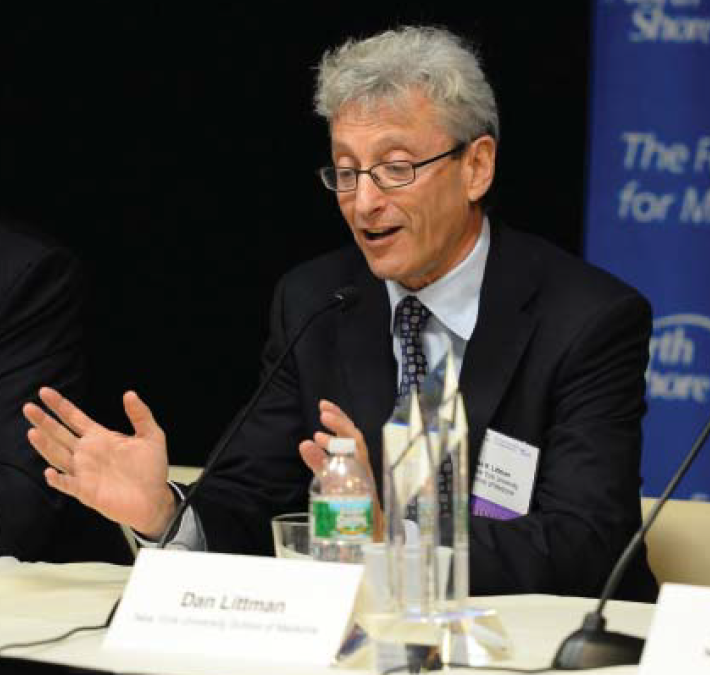
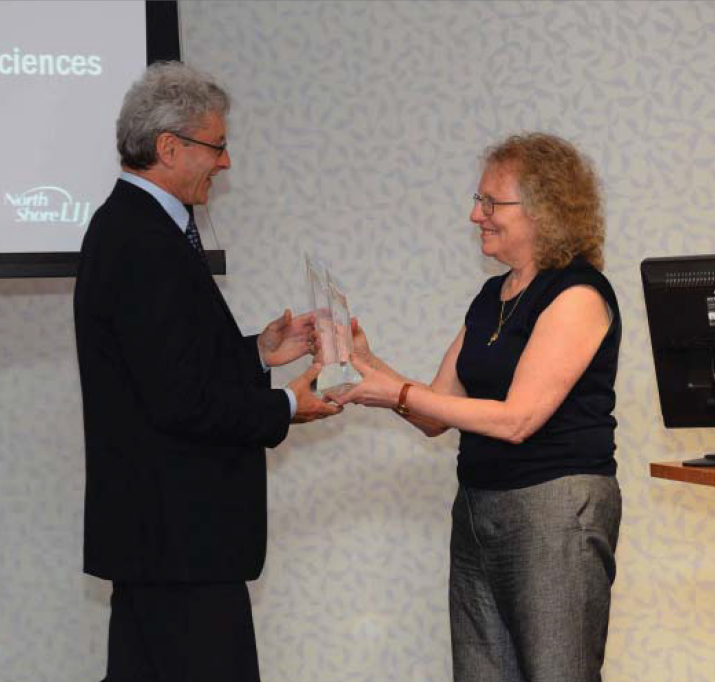
Dan Littman, MD, PhD, received the Inaugural Ross Prize in Molecular Medicine from Betty Diamond, MD, a member of the Ross Prize Committee, and investigator & head, Center for Autoimmune and Musculoskeletal Diseases, The Feinstein Institute for Medical Research.

According to the committee for the Ross Prize in Molecular Medicine, Littman is an active investigator who produces innovative, paradigm-shifting research. He was recognized for his early discoveries, as well as his ongoing research to better understand viral, immune, and inflammatory diseases.

Below, Dr. Littman discusses his research, as well as his predictions and aspirations for the field of molecular medicine.

What drew you to the field of molecular biology?

I grew up during a time when molecular biology was in its infancy. I was interested in biology in general and I became interested in studying the immune system in college where we had a fantastic course that exposed us to new ideas in this area. We didn’t know, at the time, about T cell antigen receptors, and how they specified. So it was around that time that these really fascinating questions that could be addressed by molecular biology techniques started cropping up. In the late ‘70s and ‘80s the progress in molecular biology techniques started leading to breakthroughs in many fields, including immunology and virology.

How did you get involved in studying the molecular mechanisms of HIV infection?

I got interested in it because of a molecule called CD4 that I discovered in my postdoc. It became clear that it was a receptor for HIV, so we wished to understand how it is exploited by the virus to enter the cell and whether it might be possible to block its function to prevent infection and viral spread. We discovered that CD4 is not sufficient for the virus to enter the cell, but that a second molecule, CCR5, is also required on the cell surface for virus infection.

A drug that binds to CCR5 and blocks HIV infection has been developed. It’s not widely used today because it’s not the most effective therapy, but it can be used for those patients whose infection is refractory to the commonly used anti- retroviral drugs.

Our interest has shifted over the years as we try to understand how the virus depletes the cells of the immune system. Most people with HIV can mount an anti-viral immune response, but it’s not sufficient to eradicate the virus. Even people who are controlled with medication have a residual reservoir of HIV-infected cells. That reservoir often becomes reactivated once people go off therapy. The question is whether we could get rid of the reservoir, thereby curing patients of HIV.

Can there be a protective vaccine?

We are still interested in contributing to this important goal, and our work has been focused recently on trying to understand how the virus evades a branch of the immune system called the innate immune response. The virus does have an Achilles heel, but this Achilles heel is very well concealed as far as it is recognized by the innate immune system. We want to understand how to uncover it in people who are already infected with the virus or are given a prophylactic vaccine. If we can do that, we may be able to elicit much stronger anti-viral immunity.

What is your current research focus?

Dan Littman participates in a press briefing following his reception of the Ross Prize in Molecular Medicine.

The problems that are energizing me the most have to do with how the immune system is shaped to be able to deal with various environmental stresses and microbial challenges. We are trying to understand how the different branches of the immune system are kept in a homeostatic state in which they are ready to handle any kind of environmental threat, but at the same time, avoid being overly activated— as occurs in autoimmunity or inflammation.

The way we got to this is through our research of T lymphocytes, which are needed for establishing an adaptive microbial response to pathogens. We discovered a particular type of T cell in the intestine, where there is an enormous number of microbes that are required for these cells to appear. We have co-evolved with this commensal microbiota, which provides many benefits to us. There must be a balance where there is no threat to the host or to the microbiota. This evolutionary pas de deux is what we are interested in, from the point of view of the immune system.

What did your research on T cells teach you about autoimmune diseases and their relation to the microbiota?

In the process of studying T lymphocytes we found that there is a particular type that can be especially inflammatory and can cause tissue damage. These T cells are involved in autoimmune diseases, like rheumatoid arthritis (RA), multiple sclerosis (MS), and inflammatory bowel diseases like Crohn’s disease, but they are also important for protecting the mucosal barrier. It’s important that these T cells be kept in balance. If there is a shift in the microbiota, called dysbiosis, it can result in these T cells becoming harmful to the host.

This theory has been fully established in animal models, and now there’s some evidence in humans. We now have some hints that RA is associated with dysbiosis and that there may be particular bacteria that may be responsible for eliciting T cells that attack our own cells (within the joints, in RA). We think that there is a good possibility that this is precipitated by an imbalance in the intestinal microbiota.

How could further research on the microbiota impact disease treatment?

Right now, we’re at a very early stage. We have over 1,000 different types of bacteria that compose our intestinal microbiota and we know the functions of only a handful of them. Is it possible to rebalance the microbiota? Interventions like fecal transplantation do so, and are actually a highly effective way of treating certain types of infection and may also be effective in treating inflammatory diseases.

The hope is that in the future we will have a much better definition of the components of the microbiota and how they interact with the epithelial barrier and the immune system. This would allow us to essentially create and deliver a formula of specific bacteria to target certain diseases.

We think of the impact of this on classical autoimmune diseases, like MS and type 1 diabetes, but it’s very likely that this extends much further to other diseases that can be impacted by inflammatory processes, like Alzheimer’s disease, atherosclerosis, and possibly even behavioral disorders. We think that this type of research could have far-reaching implications.

What pressing question has yet to be answered in the field of molecular biology?

We still don’t understand fundamentally how the development of an organism occurs. Stem cell research is a huge exciting field these days, and it pertains to how an entire organism can be derived from a single cell (a zygote). The mechanisms by which organisms regulate their size and their function throughout a lifetime are things we don’t yet have a great grasp on.

One of the interests in our lab, and to biologists in general, is how interaction with the environment affects developmental and physiological processes, such as the onset of chronic diseases that can be precipitated by infection or induced stress. We want to know how the environment changes the expression of genes.

The big advances in the past 30 years have come from cell biology and understanding how genes work, but whole organism physiology has taken a backseat, and for good reason—we haven’t yet had the tools to study it in the ways that we can study cell biology.

Where do you see the field of molecular medicine in 20 years?

I think the technology is moving forward very fast with regard to genomics and detecting and identifying molecules relevant to disease processes. There will be much more rapid and precise molecular diagnosis, through both genetic approaches (identifying genetic lesions) and metabolomics, and hopefully better interventions as we better understand how these relate to disease.

Also read: A Pioneer in Inflammation Resolution Research

A New Approach to Treating HIV/AIDS in Iran

The flag for Iran.

The recipients of the 2009 Heinz R. Pagels Human Rights of Scientists Award are a widely acclaimed brother duo known for their successful HIV/AIDS prevention and treatment work.

Published September 17, 2009

By Adrienne J. Burke

Image courtesy of stu-khaii via stock.adobe.com.

Two Iranian physicians, brothers long involved in fighting HIV/AIDS in that country and tried and sentenced to prison in January 2009, have been named recipients of the 2009 Heinz R. Pagels Human Rights of Scientists Award from The New York Academy of Sciences (the Academy).

Drs. Arash and Kamiar Alaei “have worked tirelessly and selflessly for the prevention and treatment of HIV/AIDS in Iran over a period of many years,” the Academy’s Board of Governors Committee on Human Rights of Scientists said in issuing the award.

“Their work has been successful in diminishing the spread of this serious illness in Iran and in publicizing concrete and specific ways to move forward in the struggle to achieve this goal…They have persisted against opposition within Iran at great personal cost.”

The Alaeis’ work “has been recognized by major international organizations, including the 2008 report by the UNAIDS organization, which referred to their activities as a model for other developing nations,” the committee said.

The award was presented this evening at the Academy’s 191st Annual Meeting by Henry Greenberg, chair of the Human Rights of Scientists Committee. Ladan Alomar, Executive Director of the Centro Civico of Amsterdam, Inc., accepted the award on behalf of the doctors.

Dr. Arash Alaei is the former Director of the International Education and Research Cooperation of the Iranian National Research Institute of Tuberculosis and Lung Disease. His brother, Kamiar, is a Fellow of the Asia Society and doctoral candidate at the SUNY Albany School of Public Health.

Helping the Ostracized and Stigmatized

In addition to their work in Iran, the Alaeis have held training courses for Afghan and Tajik medical workers. Their work with drug addicts and prostitutes in Tehran was featured in a 2004 BBC television documentary, Mohammed and the Matchmaker, in which Kamiar Alaei said: “We face a huge potential HIV problem in Iran, and in order to start to confront it we need to talk about the root causes…Many people are still afraid to talk about it. Some people with HIV are ostracized and stigmatized, and they are often very isolated.”

Despite the Alaeis’ success – Iran’s response to HIV/AIDS has won international acclaim and World Health Organization recognition as a model of best practice – the government of President Mahmoud Ahmadinejad has not been supportive.

Arash Alaei was arrested by Iranian security forces in June 2008, his brother the next day. Iranian authorities accused the two, and two other defendants, of “communications with an enemy government” and of seeking to overthrow the Iranian government. The brothers, who have no history of political activism, were tried, convicted and sentenced to prison in January 2009.

The Alaeis’ imprisonment has drawn protests from numerous international human rights groups, including Physicians for Human Rights, Human Rights Watch, and the International Campaign for Human Rights in Iran. The American Medical Association has lent its support as well, including sending a letter to Secretary of State Hillary Clinton in which it strongly urged “that discussions of human rights, justice and respect for the medical profession (and the Alaei brothers specifically) must be a part of any opening dialogue with Iran.”

Also read: Promoting Science, Human Rights in the Middle-East

Promoting Human Rights through Science

A black fist and white fist risen in solidarity.

An imprisoned Cuban physician and a Guatemalan forensic scientist are the Academy’s 2008 Human Rights Award recipients.

Published September 18, 2008

By Bill Silberg

Image courtesy of Manpeppe via stock.adobe.com.

An imprisoned Cuban physician and a Guatemalan forensic scientist have been awarded The New York Academy of Sciences Heinz R. Pagels Human Rights of Scientists Award for 2008.

The Academy’s Human Rights Committee bestowed the awards on Oscar Elias Biscet, MD, and Fredy Peccerelli. The presentation took place during the Academy’s September 18 Annual Meeting. Dr. Angel Garrido of the Lawton Foundation for Human Rights, of which Dr. Biscet is president, accepted the award on his colleague’s behalf.

Dr. Biscet, a 46-year-old community organizer and human rights advocate, is a widely known Cuban political prisoner who began serving a 25-year term in 2002. He is the founder of the Lawton Foundation, a human rights organization that peacefully promotes the rights of Cubans through nonviolent civil disobedience. In 1998, Dr. Biscet and his wife, Elsa Morejon, a nurse, were both fired from the Havana Municipal Hospital for his open criticism of the Cuban government. In 2007, President George W. Bush awarded Dr. Biscet the Medal of Freedom, one of many honors he has received for his human rights work.

Peccerelli is a founding member of the Guatemalan Forensic Anthropology Foundation. Since 1992 his Foundation has carried out exhumations of unmarked mass graves containing the remains of individuals murdered during that country’s 36-year armed conflict. Despite repeated threats against him and his family, Peccerelli has continued to carry out their work. This work has provided forensic investigation teams with crucial scientific evidence in the few cases where perpetrators of human rights abuses have been convicted in Guatemala.

About the Award

The Pagels Awards were conferred on the two honorees by Henry Greenberg, chair of the Human Rights Committee. Greenberg, associate director of cardiology at St. Luke’s Roosevelt Hospital and associate professor of clinical medicine at the Columbia University College of Physicians and Surgeons, says the committee has been aware of the work of the two honorees for several years and selected them for the award this year based to recognize their heroism and “to raise the noise level in their support.”

First presented in 1979 to Russian physicist Andrei Sakharov, the award has gone to such imminent scientists as Chinese dissident Fang Li-Zhi, Russian Nuclear Engineer Alexander Nikitin, and Cuban Economist Martha Beatriz Roque Cabello. The 2005 Pagels awards went to Zafra Lerman, distinguished professor of Science and Public Policy and head of the Institute for Science Education and Science Communication, Columbia College, Chicago; and Herman Winick, assistant director and professor emeritus of the Stanford Synchrotron Radiation Laboratory, Stanford University.

Also read: Academy Aids Effort to Release Political Prisoner