A More Scientific Approach to Artificial Intelligence and Machine Learning

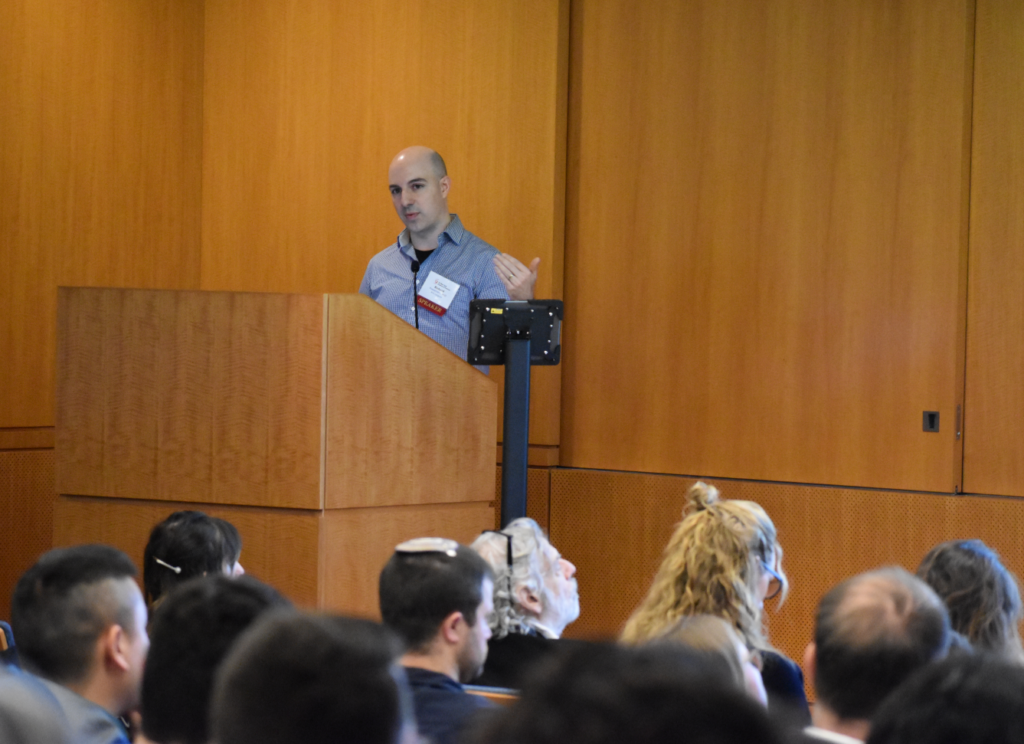
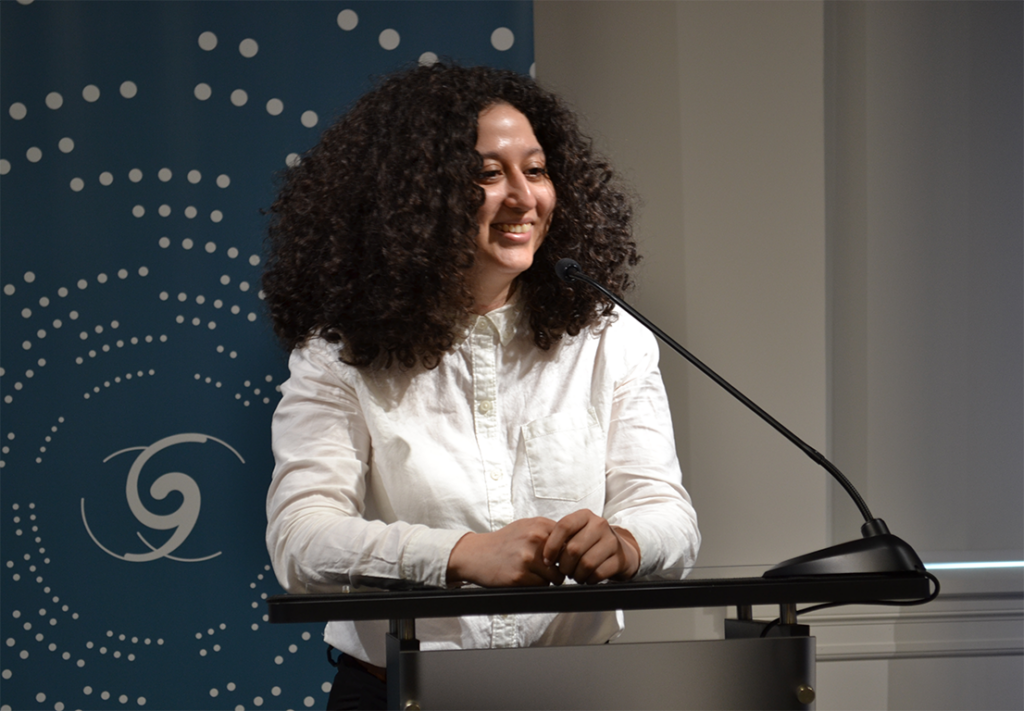
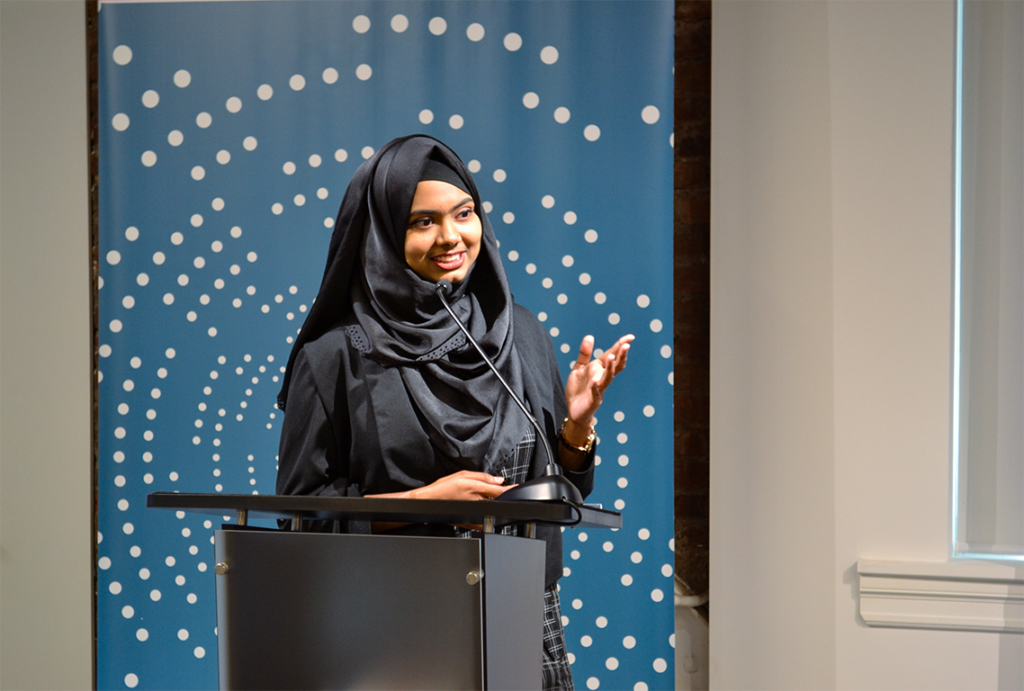
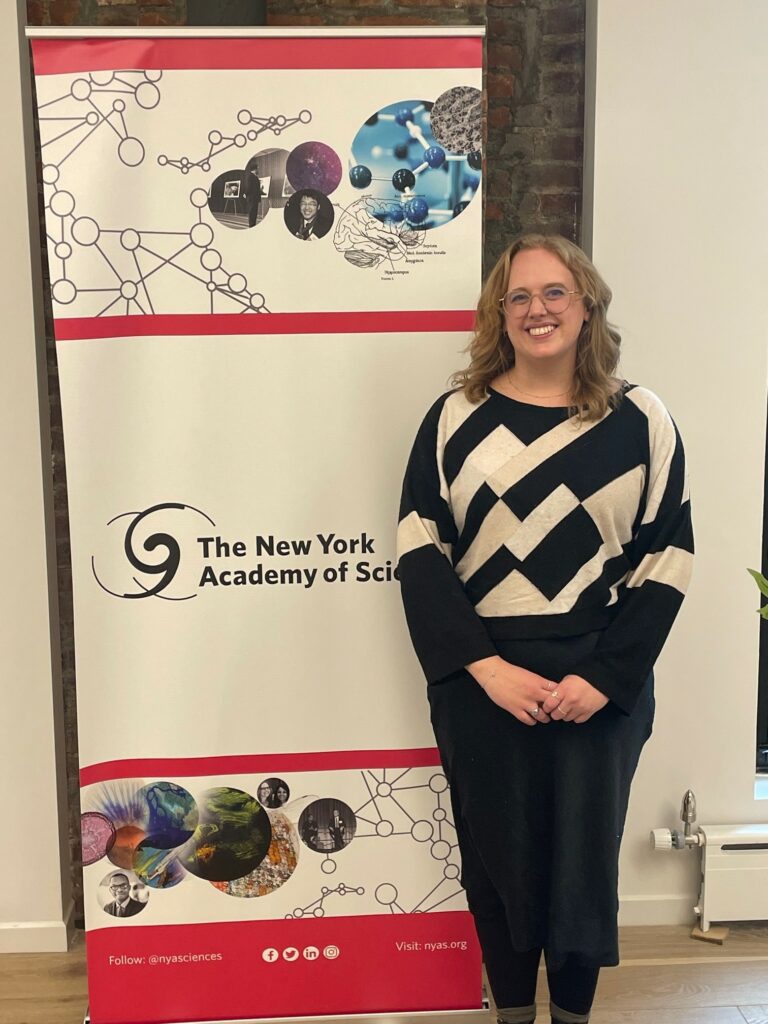
A researcher poses next to a vertical banner with the text "The New York Academy of Sciences."

Taking a more scientific perspective, while remaining ethical, can improve public trust of these emerging technologies.

Published August 13, 2024

By Nitin Verma, PhD

Savannah Thais, PhD, is an Associate Research Scientist in the Data Science Institute at Columbia University with a focus on machine learning. Dr. Thais is interested in complex system modeling and in understanding what types of information is measurable or modelable and what impacts designing and performing measurements have on systems and societies.

*This interview took place at The New York Academy of Sciences on January 18, 2024. This transcript was generated using Otter.ai and was proofread for corrections. Some quotes have been edited for length and clarity*

Tell me about the big takeaways from your talk?

The biggest highlight is that we should be treating machine learning and AI development more scientifically. I think that will help us build more robust, more trustworthy systems, and it will help us better understand the way that these systems impact society. It will contribute to safety, to building public trust, and all the things that we care about with ethical AI.

In what ways can the adoption of scientific methodology make models of complex systems more robust and trustworthy?

I think having a more principled design and evaluation process, such as the scientific method approach to model building, helps us realize more quickly when things are going wrong, and at what step of the process we’re going wrong. It helps us understand more about how the data, our data processing, and our data collection contributes to model outcomes. It helps us understand better how our model design choices contribute to eventual performance, and it also gives us a framework for thinking about model error and a model’s harm on society.

We can then look at those distributions and back-propagate those insights to inform model development and task formulation, and thereby understand where something might have gone wrong, and how we can correct it. So, the scientific approach really just gives us the principles, and a step-by-step understanding of the systems that we’re building. Rather than, what I see a lot of times, a hodgepodge approach where the only goal is model accuracy, in which something goes wrong, we don’t necessarily know why or where.

You have a very interesting background, and your work touches on various academic disciplines, including machine learning, particle physics, social science, and law. How does this multidisciplinary background inform your research on AI?

I think being trained as a physicist really impacts how I think about measurements and system design. We have a very specific idea of truth in physics. And that isn’t necessarily translatable to scenarios where we don’t have the same kind of data or the same kind of measurability. But I think there’s still a lot that can be taken from that, that has really informed how I think about my research in machine learning and its social applications.

This includes things like experimental design, data validation, uncertainty, propagation in models. Really thinking about how we understand the truth of our model, and how accurate it is compared to society. So that kind of idea of precision and truth that’s fundamental physics, has affected the research that I do. But my other interests and other backgrounds are influential as well. I’ve always been interested in policy in particular. Even in grad school, when I was doing a physics PhD, I did a lot of extracurricular work in advocacy in student government at Yale. That impacted a lot how I think about understanding how systems affect society, resource access, and more. It really all mixes together.

And then the other thing that I’ll say here is, I don’t think one person can be an expert in this many things. So, I don’t want it to seem like I’m an expert at law and physics and all this stuff. I really lean a lot on interdisciplinary collaborations, which is particularly encouraged at Columbia. For example, I’ve worked with people at Columbia’s School of International and Public Affairs as well as with people from the law school, from public health, and from the School of Social Work. My background allows me to leverage these interdisciplinary connections and build these truly collaborative teams.

Is there anything else you’d like to add to this conversation?

I would reemphasize that science can help us answer a lot of questions about the accuracy and impact of machine learning models of societal phenomena. But I want to make sure to emphasize at the same time that science is only ever going to get us so far. And I think there’s a lot that we can take from it in terms of experimental design, documentation, principles, model construction, observational science, uncertainty, quantification, and more. But I think it’s equally important that as scientific researchers, which includes machine learning researchers, we really make an effort to both engage with other academic disciplines, but also to engage with our communities.

I think it’s super important to talk to people in your communities about how they think about the role of technology in society, what they actually want technology to do, how they think about these things, and how they understand them. That’s the only way we’re going to build a more responsible, democratic, and participatory technological future. Where technology is actually serving the needs of people and is not just seen as either a scientific exercise or as something that a certain group of people build and then subject the rest of society to, whether it’s what they actually wanted or not.

So I really encourage everyone to do a lot of community engagement, because I think that’s part of being a good citizen in general. And I also encourage everyone to recognize that domain knowledge matters a lot in answering a lot of these thorny questions, and that we can make ourselves better scientists by recognizing that we need to work with other people as well.

Also read: From New Delhi to New York
Cancer Metabolism and Signaling in the Tumor Microenvironment

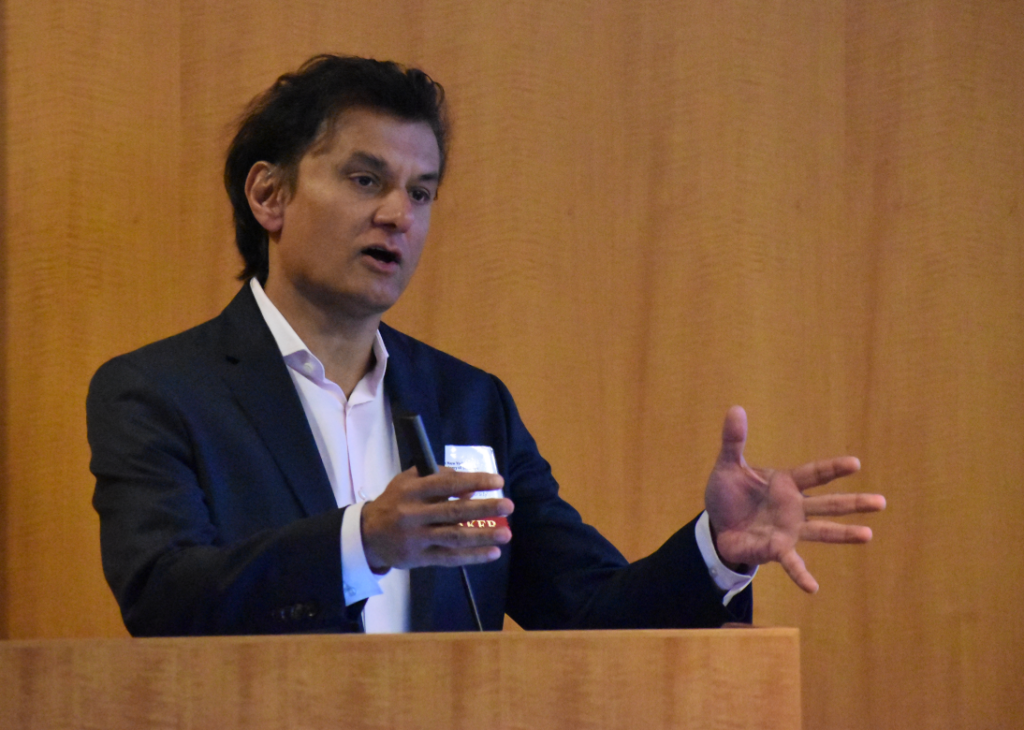
A man presents during a research symposium.

From metabolic reprogramming in cancer cells to creating nucleotide imbalances. These experts are advancing the field of medical research and cancer treatment.

Published August 6, 2024

By Megan Prescott, PhD

What causes a normal cell to become a cancer cell? How do cancer cells cooperate to form a tumor?  How can we interrupt these processes to inhibit cancer growth? Can nutrients directly modulate disease progression and therapeutic response?

These and related questions were the focus of a conference held on April 17, 2024. The conference was presented by The New York Academy of Sciences and NYU Langone Health. The program held at the NYU Medical Center, included presentations by world renowned researchers in the field of cancer metabolism. The goal was to understand how these findings can be translated into therapies that will impact the lives of patients.

Metabolic pathways represent a powerful, yet underappreciated set of therapeutic targets for cancer. They play a crucial role in tumorigenesis, the transformation of normal cells into cancerous ones. Oncogenic mutations may alter these metabolic pathways, enabling cells to extract energy from their surroundings. Additionally, they manipulate signaling pathways to drive tumor development and advancement.

Mitochondrial Adaptations and Signaling in Tumors

Navdeep Chandel, PhD.
Photo by Nick Fetty/The New York Academy of Sciences

Opening speaker, Navdeep Chandel, PhD, David W. Cugell, MD Professor at Northwestern University, described how metabolic reprogramming in cancer cells is directly triggered by oncogenes. Some of the metabolic genes important for oncogenesis include those found in the electron transport chain (ETC) of mitochondria.

Since mitochondria are a biosynthetic and bioenergetic hub inside of cells, many types of cancer cells, which proliferate quickly and have high energy demands, rely heavily on mitochondria for their survival. Electron transport chain function is responsible for providing metabolites linked to the tricarboxylic acid cycle (TCA). This provides the building blocks for cell proliferation. Dr. Chandel has shown that the widely used anti-diabetic drug metformin has anti-tumor effects through inhibition of Mitochondrial Complex I of the ETC within cancer cells.

Immune-dependent attenuation of tumor growth was seen in work from Pere Puigserver, PhD. Dr. Puigserver is a professor of cell biology at Harvard Medical School and the Dana-Farber Cancer Institute. Mitochondrial Complex I inhibition in tumors triggered by deletion of the subunit Ndufs4, increases the activation status of CD8+ T Cells and Natural Killer cells within the tumor environment. This finding has potential implications in the field of immunotherapy.

Oxygen, Iron, and Vitamins in the Tumor Microenvironment

Electron Transfer Reactions in the mitochondria are facilitated by iron-sulfur containing proteins. Isha Jain, PhD, assistant professor in biochemistry and biophysics in the School of Medicine at the University of California, San Francisco, showed how these proteins are damaged in high oxygen (hyperoxic) conditions. While researchers have studied the detrimental effects of low oxygen on the body for a long time, Dr. Jain’s work focuses on discovering why too much oxygen is toxic in some cases.

“We found that certain proteins that contain iron, basically rust in high oxygen, and that’s why things go wrong,” she explained. Her work opens the question of whether treatments that can be developed to protect or repair these proteins.

Richard Possemato, PhD
Photo by Nick Fetty/The New York Academy of Sciences

Research from Richard Possemato, PhD, associate professor in pathology at the NYU Grossman School of Medicine, showed that iron-sulfur clusters are important for tumor growth in breast cancer. DNA Polymerase Epsilon (POLE) contains an iron-sulfur cluster, and inhibition of POLE by disrupting its iron-sulfur cluster eradicates tumors in a mouse model of triple negative breast cancer. Furthermore, tumor eradication by this method induces adaptive immunity, and researchers were unable to grow tumors in these mice again.

Recent work has emphasized that the stressful conditions of the tumor microenvironment. Parts of the tumor periodically experience limited availability of primary nutrients and oxygen. This also affects the metabolism of cancer cells. Cell proliferation, the hallmark of cancer, is metabolically demanding. It requires energy and cellular ‘building blocks’ in the form of amino acids for proteins, fatty acids for lipids, and nucleotides for DNA and RNA.

How Cells Rewire Their Metabolism

Gerta Hoxhaj, PhD, assistant professor in the Children’s Medical Center Research Institute at the University of Texas Southwestern Medical Center, described how cells rewire their metabolism to fuel the growth and survival of cancer cells. Cells need a constant supply of nucleotides to grow, proliferate, and function.

Cells can either get their supply of purine nucleotides from simple molecules like amino acids by de novo synthesis or can recover purines from the breakdown of DNA and RNA through the salvage pathway. While de novo synthesis and salvage pathways contribute similarly to purine pools in tumors, the salvage pathway is critical for tumor growth in mouse models of liver cancer, among others.

Research from Celeste Simon, PhD, the Arthur H. Rubenstein, MBBCh Professor at the University of Pennsylvania, demonstrates that metabolic crosstalk is also important in Pancreatic Ductal Adenocarcinoma (PDAC), the second leading cause of cancer related death in 2023. Fibroblasts help PDAC cells survive by supplying these tumor cells with unsaturated fatty acids for the maintenance of lipid homeostasis in low oxygen (hypoxic) and nutrient-poor environments. Finding drugs to disrupt this cross-talk could be a novel metabolic target in PDAC treatment.

Cancer Cell Intrinsic and Extrinsic Determinants of Tumor Metabolism

The tumor microenvironment of PDAC has abundant fibroblasts of different lineages and functions according to Mara Sherman, PhD, head of the Mara Sherman lab at Memorial Sloan Kettering Cancer Center. “We identified one lineage that promotes pancreatic cancer metastasis and seems to do so along nerves,” she said.

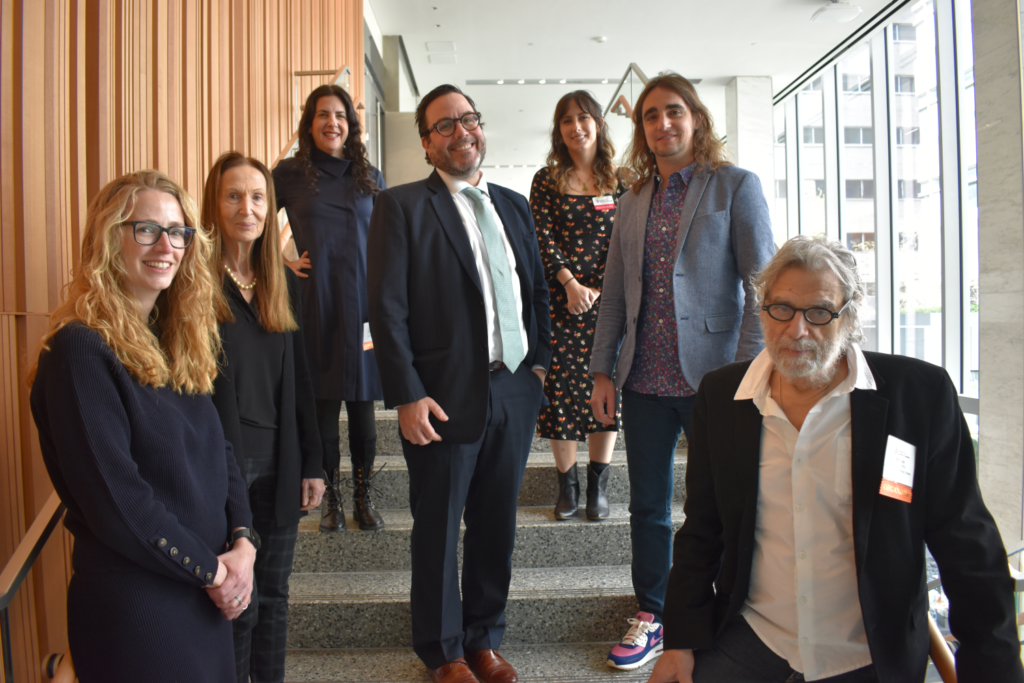
Lydia Finley, PhD, Geoffrey Beene Junior Faculty Chair, Memorial Sloan Kettering Cancer Center; Dafna Bar-Sagi, PhD, Executive Vice President and Vice Dean for Science, Chief Scientific Officer, NYU Langone Health; Melanie Brickman Borchard, PhD, Director of Life Sciences Conferences for the Academy; Alec Kimmelman, MD, PhD, Director, Laura and Isaac Perlmutter Cancer Center, NYU Langone Health; Megan Prescott, PhD, Program Manager of Life Sciences for the Academy; Costas Lyssiotis, PhD, Maisel Research Professor of Oncology, University of Michigan; and Steven Gross, PhD, Professor of Pharmacology, Weill Cornell Medical College.

Social interactions between cancer cells, such as competition and cooperation, is an interest of Carlos Carmona-Fontaine, PhD, associate professor of biology at NYU. “The key currency for this cell-cell interaction is nutrients and other metabolites including oxygen,” he noted. Specifically, his presentation asked how amino acids become cooperative goods in low oxygen environments.

Amino acid starved cells cooperate to digest extracellular peptides: Both low, and high density, populations die without glutamine, but high-density populations recover when it is added back. The essential enzyme in this process is CNDP2. Inhibition of this form of cooperation impaired tumor growth.

The Impact of Blocking Adenosine Uptake in T-cells

Matthew Vander Heiden, PhD, Lester Wolfe Professor of Molecular Biology at MIT and director of the Koch Institute for Integrative Cancer Research, found that the nucleotide precursor adenosine suppresses anti-cancer immune responses. He presented work that showed blocking adenosine uptake in T-cells rescues proliferation and partially rescues cytokine production in these cells through salvaging pyrimidine nucleotides. Environmental conditions promoting nucleotide imbalance in T cells can regulate immune response, showing that if you can create nucleotide imbalances, then you can change cell fate.

This conference provided insight into metabolic changes, genes and pathways that support tumor growth and proliferation, and how this knowledge can inform new treatments that disrupt the strategies cancer cells depend on to survive.

Supporting Scientists in the South Bronx

A man smiles for the camera.

Nayem Haque not only wants to inspire tomorrow’s scientists, but also to motivate the next generation of mentors who train these aspiring science professionals.

Published July 17, 2024

By Nicole Pope

A mentor for The New York Academy of Sciences is motivated to inspire tomorrow’s scientists as a result of his own positive classroom experience nearly a decade and a half ago.

“Walking through the doors of my old school as an adult, I was overwhelmed with gratitude. The sight of bustling classrooms, dedicated teachers, and supportive community members highlighted just how much had changed since I attended the school 14 years ago,” says Nayem Haque, a PhD student in biomedical science at Albert Einstein College of Medicine, who has returned to his elementary school in the South Bronx to provide after-school mentoring in science.

Nayem is one of more than 1,500 mentors that the Academy has placed in over 800 area classrooms since 2010 as part of its highly regarded Afterschool STEM Mentoring Program (ASMP).

Creating “a self-sustaining loop”

The young scientist hopes his engagement will inspire the children he teaches to embrace science and, eventually, follow in his footsteps and help others around them.

“Maybe they will come back to their old school like I did, and create a self-sustaining loop,” he says.

The mentors – most of them students and early career scientists – are placed in after school classrooms at schools to increase STEM instruction for students. When Nayem was in elementary school, his exposure to science was minimal.

He only discovered his passion as an undergraduate student studying biological sciences when he had an opportunity to work with one of his professors, in a research lab. From then on, Nayem’s path was set: the young man opted to pursue a career in biomedical sciences.

“I like research. I like the independence of having your own project but also being part of a team,” he says.  “I’ve been able to travel to attend conferences and present my research.”

After obtaining a BSc in biological sciences from the University at Buffalo, Nayem is now studying for a doctorate. When he heard about the ASMP program, he jumped at the opportunity.

“I’m giving back to the community I grew up in. When I was in school, a lot of the other students were smarter than me, but growing up in the South Bronx, it’s very easy to get mixed up with the wrong people – easy for people to end up in less-than-ideal situations,” he says. “I feel that if students had the opportunities and the exposure, they could end up in higher education and it could have a big impact on their lives.”

Effective Engagement Begins at an Early Age

Getting children interested in science at an early age is important because it allows them to pursue opportunities to join special science programs or camps at the elementary or middle school level, Nayem believes. He finds second and third graders particularly inquisitive: they display a genuine interest by asking a lot of questions in class, Nayem has observed. By fifth grade, students can get more distracted, but he deploys proven techniques to keep them engaged.

“We work with a site mentor – an after-school specialist, who helps us prepare the lessons and keep the class focused,” says Nayem.

These specialists work with the students both during and outside of ASMP programming and assist mentors with strategies to manage the dynamics of an informal classroom environment.

In addition, two scientist mentors are often paired up to teach, which makes it easier to work with individual children and ensure that all students are engaged with the lessons.

“If kids don’t get the concepts we teach and we move on, they lose interest and won’t learn,” Nayem says.

The mentors are given a 10-week curriculum and the resources necessary to conduct high quality, hands-on experiments in the classroom.

“This semester, students are learning about the properties of light,” explains Nayem, who enjoys co-mentoring with a friend he recruited for the ASMP program. “We teach them about lasers, microscopes, and optical illusions. Depending on their age group, some kids prefer a lectured approach; but younger ones prefer a hands-on approach and experiments.”

An Important Resource

After-school science classes can have a transformative effect on young school children.

“The ASMP program is a step in the right direction. It’s a program that can foster a lot of interest in STEM in places where there aren’t many resources,” Nayem says. “It is really critical for students to have this head start.”

But mentors, too, benefit from the program. Aside from the satisfaction of serving the community, Nayem says that mentoring school children of different ages and having to adapt his teaching approach and vocabulary has helped him develop his communication skills.

“It has helped me with professional presentations, when I present my research to the school and faculty,” Nayem says, adding that he is considering a teaching career. “I try to break down my presentation as much as possible, so I usually get good feedback.”

Now in the second year of his PhD program, the young man plans to remain an ASMP mentor until he completes his doctorate. To other young scientists who, like him, want to help the next generation discover STEM, he strongly advocates joining the ASMP.

“It’s a really fulfilling opportunity. It is especially rewarding to see the switch that happens several weeks into the program in students who may not have been very engaged at the beginning,” he says. “You see you’re making a tangible change.”

Big Time Research from the Junior Academy

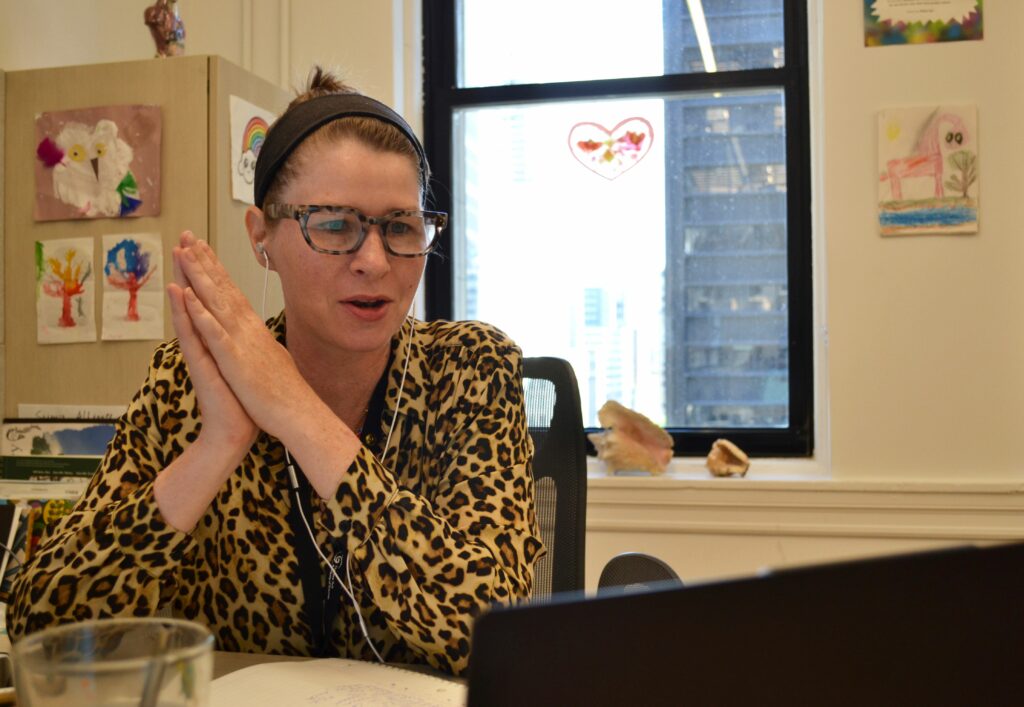
A woman in her office presenting as part of a virtual event.

Rising young stars in science are celebrated for their innovative ideas in artificial intelligence and sustainability applications.  

Published July 11, 2024

By Kaitlin Green

The New York Academy of Sciences’ Junior Academy celebrated the hard work and dedication of students from the 2023-24 academic year on June 27th, 2024, during the annual Virtual Student Symposia.

More than 80 students, mentors, coaches, sponsors and partners, in 29 countries, were invited to celebrate a successful year of innovation. Meghan Groome, PhD, Senior Vice President of Education at the Academy, opened the proceedings with an inspiring address.

Meghan Groome, PhD, Senior Vice President of Education at The New York Academy of Sciences, presents during the live streamed Virtual Student Symposia on June 27, 2024.
Photo by Nick Fetty/The New York Academy of Sciences.

“The Junior Academy was formed to provide a pathway for students and scientist mentors to begin a journey together – to do research together. As you give your first scientific talks today at The Academy, know that we’re so proud of your game changing research.” she said, reflecting on its history.

The strong bond between working scientists and students provides insights into the real-world scientific workplace to ensure a future pipeline of qualified STEM professionals.

“Science is about working together – working across differences, and we know that diversity drives innovation,” Dr. Groome concluded.

The Junior Academy proudly embodies that scientific diversity and creativity, which is evidenced by the creative solutions proposed by this year’s winners. The projects were judged on their overall presentation quality, scientific quality, innovation and design thinking, sustainability, potential, and collaboration.

The Winning Ideas

In order to hone their presentation skills, winning teams work with a communication coach to shape their presentations into five-minute informational speeches. As a result, the students delivered succinct team research project summaries.

Team: AI4Access: Redefining Accessible Classrooms

In the Cognitive Classrooms Challenge students were asked to consider potential applications of artificial intelligence (AI) and virtual reality/augmented reality (VR/AR) towards creating a more inclusive, equitable, and efficient classroom environment. The six person AI4Access team from Qatar, India and the United States developed a tool that not only enriched the students’ education towards achieving an individualized learning experience, but also improved the workload and efficiency of the educator in maintaining a harmonious and well-managed environment where everyone can thrive. Mentor: Aryan C.

Team: Destination: Green

In the Green Homes, Green Schools, Green Communities Challenge, students were given the opportunity to think critically about environmental challenges that impact their lives and what they could do to improve those challenges. As a result, the six person Green team from Poland, Slovakia, Kazakhstan, Ukraine, and Tunisia designed a solution to enhance access and education to sustainable farming practices. Their solution can be applied both to large-scale and at-home farming practices, making it an excellent solution to improve environmental problems at all levels of a community. Mentor: Adeola A.

Team: MINnovators

Students were tasked with designing an innovative approach to secure the supply of critical minerals in the transition to a fossil-free society in the Minerals of Technology Challenge. The six person MINnovators team from India and the United States researched the feasibility of using asteroid mining to reduce carbon emissions. Their solution has the potential to support a more environmentally sustainable ecosystem when compared to conventional mining practices. Mentor: Ilayda G.

Team: VisionXcelerate

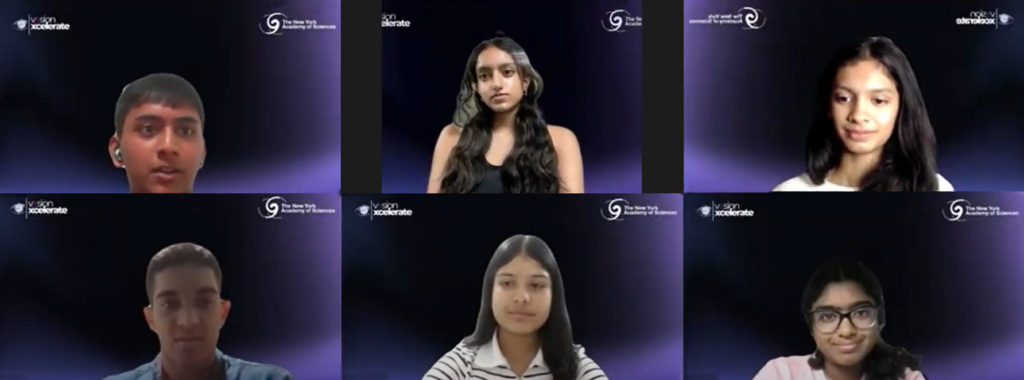
In the spring Wearables Challenge, students were required to design or employ a wearable technology, or network of wearables, that can be utilized to address either public health issues surrounding non-communicable diseases or natural or manmade disaster response. The six person VisionXcelerate team from the United States and India focused on helping individuals with dementia by developing a pair of smart glasses integrated with AI and AR technologies to assist with daily tasks such as medication reminders and person recognition, along with fall detection systems and GPS tracking to assist caretakers.

The VisionXcelerate team during their presentation.

Team: EcoFashion

Students in the Circular Textiles challenge were tasked with choosing one aspect of the “take-make-waste” textile supply chain, and to design an innovative adaptation to fit the circular textile model. The six person EcoFashion team from India, Colombia, Ukraine, Kazakhstan, and the United States developed an innovative approach to the Circular Textile model by developing a synthetic cellulose fiber using agricultural waste, sustainable color dye methods, and an app to educate users on sustainable fashion practices. Mentor: Xanthhi C.

Each team presentation was followed up by an audience Q&A.

The Immeasurable Impact of Mentors

What sets the Junior Academy apart from similar STEM education programs are the international professionals, graduate students, PhD candidates, and postdocs who understand the importance of mentorship and offer their time and expertise to the program. This year’s event included two distinguished mentors: Tomaz Maria Suller and Katherine Wert, PhD.

Tomaz joined the Junior Academy as a secondary student in 2018, participating in many challenges on the online platform Launchpad. He earned his bachelor’s in computer engineering at Poli-USP in Brazil and is currently pursuing a master’s in computer science and engineering at Politecnico di Milano in Italy. He became a Junior Academy mentor in the winter of 2023, advising five teams in four challenges. One of his teams, ZynoFiber, was recognized as a finalist in the Spring 2024 Circular Textiles challenge.

“Why are we here today?” Tomaz asked, reflecting on his time as both a Junior Academy student and now as a mentor. “We want to create a community of engineers, scientists, and innovators who will shape our future – and shape our present.”

Dr. Katherine Wert discovered the impactful mentoring opportunities at the Academy in 2012 during her time as a PhD student at Columbia University. She joined the Junior Academy in 2016 as one of the first cohorts of mentors onto Launchpad and has since mentored over 25 teams. 

“I love that this program works hard to include anyone who has a true motivation toward STEM and does not simply focus on their global location or what resources they’ve had available to them,” Dr. Wert said.

Dr. Wert ended her address by advising both students and mentors to take advantage of the Junior Academy community, emphasizing the importance of communication and networking.

“You never know when someone’s crazy idea will mesh with others. The most successful teams I’ve worked with let everyone’s voices be heard – even the most out-of-the-box ideas. You are part of a very special and unique community of passionate STEM professionals and peers,” she said.

Looking Forward

As the 2023-24 academic year ends, Dr. Groome and the Education Team expressed their pride in this incredible community of innovators. They recognize that support for these programs is made possible because of the Academy’s generous partners and sponsors. These supporters’ belief in our mission of “science for the public good” ensures the Junior Academy opportunity is free for all students.

“To our mentors, your support, volunteerism, and deep understanding of the importance of STEM role models in our global community is unmatched. Thank you,” said Dr. Groome. “The Junior Academy students never cease to amaze us with their creativity, innovation, and willingness to connect with peers from around the world. Together, we create a truly special and welcoming environment. Cheers to a fantastic year.”

Showcasing The New York Academy of Sciences’ Spring 2024 Interns

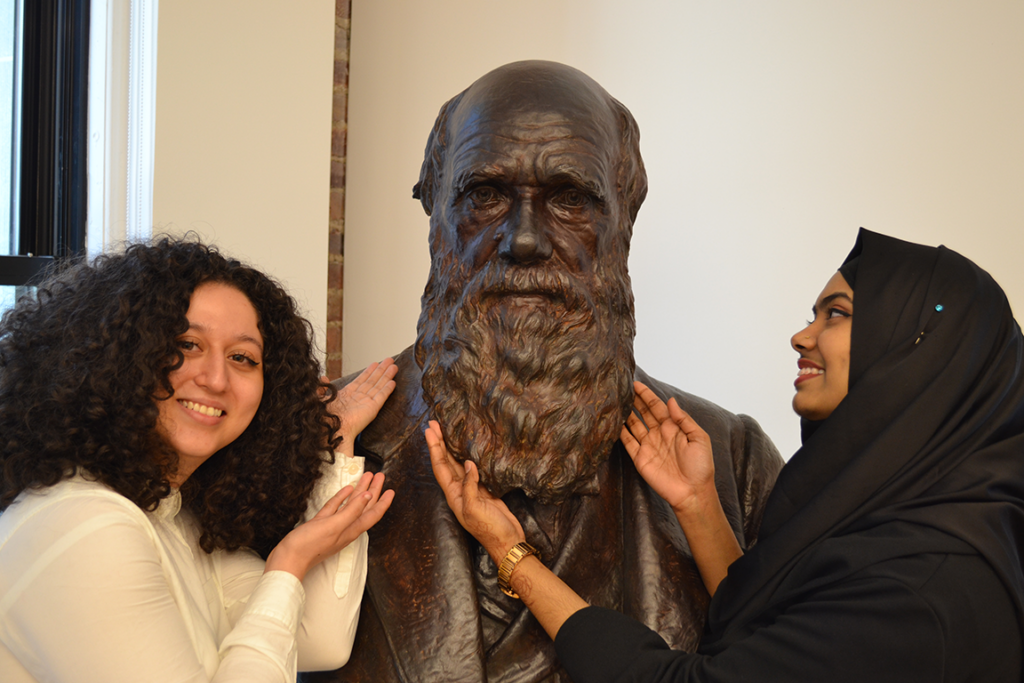
Two interns pose with the Academy's bronze bust of Charles Darwin.

Throughout the year, The New York Academy of Sciences welcomes student interns who join staff teams to gain valuable firsthand experience working on practical projects that help to advance the Academy’s mission of “science for the public good.”

Published May 23, 2024

By Zamara Choudhary

The New York Academy of Sciences has a long history of supporting aspiring young professionals through its broad portfolio of education initiatives. And this spring, the Academy continues that legacy as a participant in the CUNY Spring Forward Internship Program which connects students with opportunities to further their professional development, apply their academic skills outside of the classroom, explore careers and gain critical work experience.

Founded in 2022, the Program covers four key areas: healthcare; marketing and communications; community service, non-profit, or social services; and STEM, all generously funded by the Research Foundation at CUNY. The Education team at the Academy hosts two interns through the STEM priority area. Rosemary Puckett, Program Manager, Mentored Research Programs and Kaitlin Green, Senior Program Manager, Virtual Programs, oversaw the work of Isabella Alfaro and Sumaiya Sultana in spring 20204.

Isabella Alfaro, Mentor and Data Intern

Photo by Nick Fetty/The New York Academy of Sciences

A student at LaGuardia Community College studying computer science, Isabella came to the Academy seeking to improve her communication skills, learn more about professional collaboration and become more comfortable in a professional work environment.

Most of her time was devoted to the Clifford Chance Cornerstone initiative. This initiative engages students in Kigali, Rwanda by equipping them with the knowledge and skills needed to develop innovative solutions that address food scarcity and the effects of climate change in their communities. She provided key technical, administrative, and programmatic support, enriching the program with her expertise and perspectives.

Isabella’s long-term goal is to become a researcher in AI, and her internship at the Academy helped support and inform this interest. She attended AI & Society seminars and other Academy programming, which helped broaden her network and expose her to new ideas.

“My biggest takeaway from this internship experience was the importance of effective communication,” said Isabella. “By fostering open communication, we aligned our goals, addressed issues promptly, and completed the project efficiently. This experience taught me how to navigate and contribute to a collaborative environment, a skill that will be invaluable in my future career.”

Sumaiya Sultana, The Junior Academy Intern

Photo by Nick Fetty/The New York Academy of Sciences

Sumaiya is studying chemical engineering at The City College of New York. She was excited to gain new skills, further her professional development and discover new interests through an internship at the Academy. She worked closely with Kaitlin Green and Sabrina Debler, Program Assistant, Education to support The Junior Academy, a global community of young people, ages 13-17, who work together under the guidance of STEM experts to devise solutions for STEM Open Innovation Challenges.

Sumaiya was an incredible asset to The Junior Academy team in Education, preparing and fine-tuning multiple materials and taking advantage of opportunities for learning and personal growth. She intends to pursue internships and other opportunities that would allow her to broaden her technical knowledge and gain on-site training in engineering.

“The biggest take way from the internship was gaining valuable experience in navigating multiple projects in an office environment. I developed several key skills such as time management, adaptability, and effective communication,” Sumaiya said.

“Exceeded our Expectations”

The culmination of Isabella’s and Sumaiya’s internships was The Academy Intern and Volunteer Showcase, where they developed their public speaking skills by sharing their accomplishments and insights about their internship experience to Academy staff. This was the first time both interns had given a group presentation, and they collaborated extremely well, highlighting each other’s strengths and finding the commonalities in their experiences.

“Isabella and Sumaiya both exceeded our expectations and contributed immensely to the Academy. This was their first internship experience, and it was a pleasure and a privilege to support them in this early part of their careers. We look forward to following their next steps and hosting more interns in the future,” said Meghan Groome, PhD, Senior Vice President of Education for the Academy.

Isabella (left) and Sumaiya pose with the bust of Charles Darwin, the renowned evolutionary biologist and an honorary member of the Academy, located in the Academy’s office at 115 Broadway. Photo by Nick Fetty/The New York Academy of Sciences

Exploring the Age-Old Question of “Why We Die?”

A man presents during an event at The New York Academy of Sciences.

Nobel Laureate Venki Ramakrishnan, world-renowned molecular biologist, presents the science about why humans die.

Published May 7, 2024

By Nick Fetty

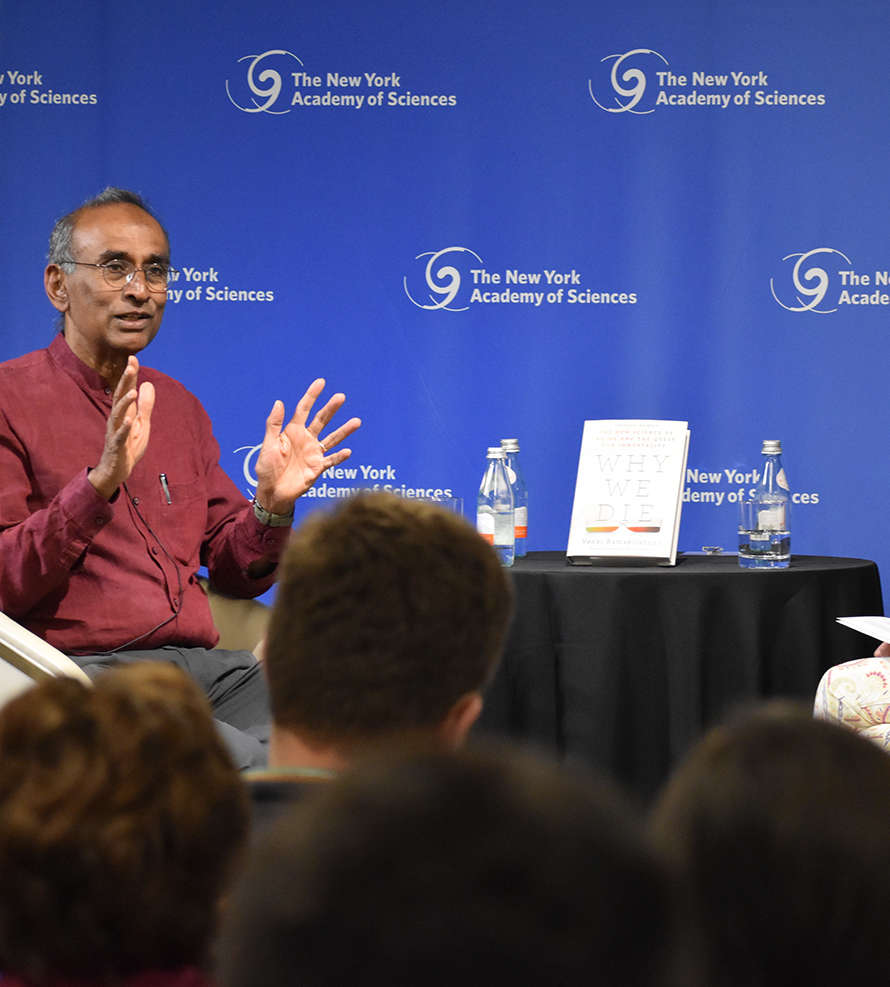
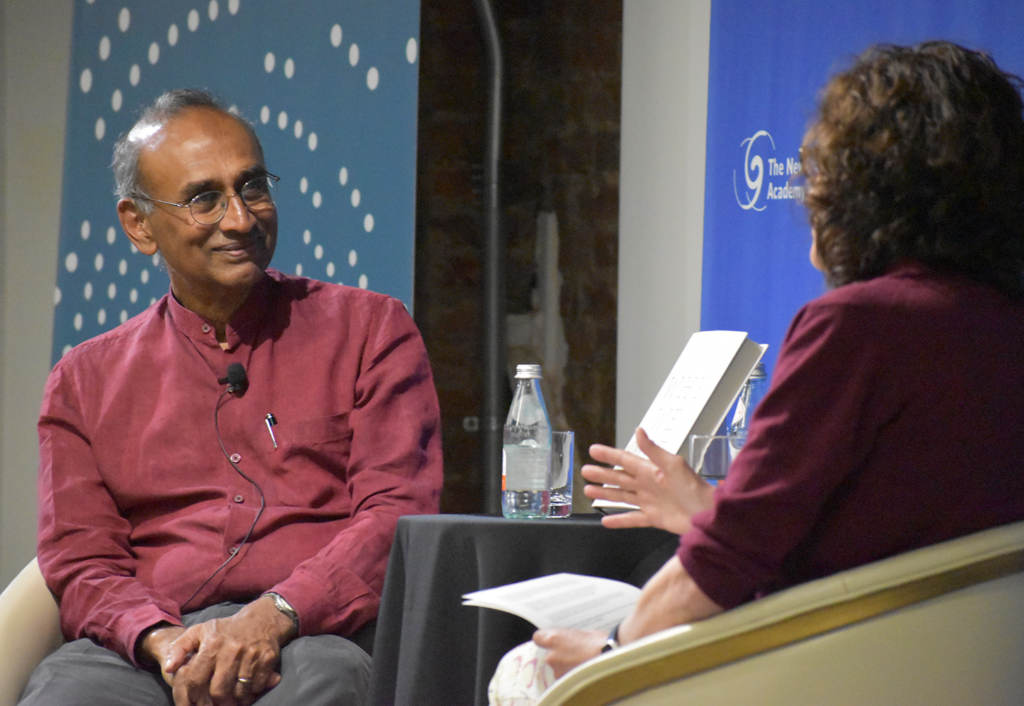
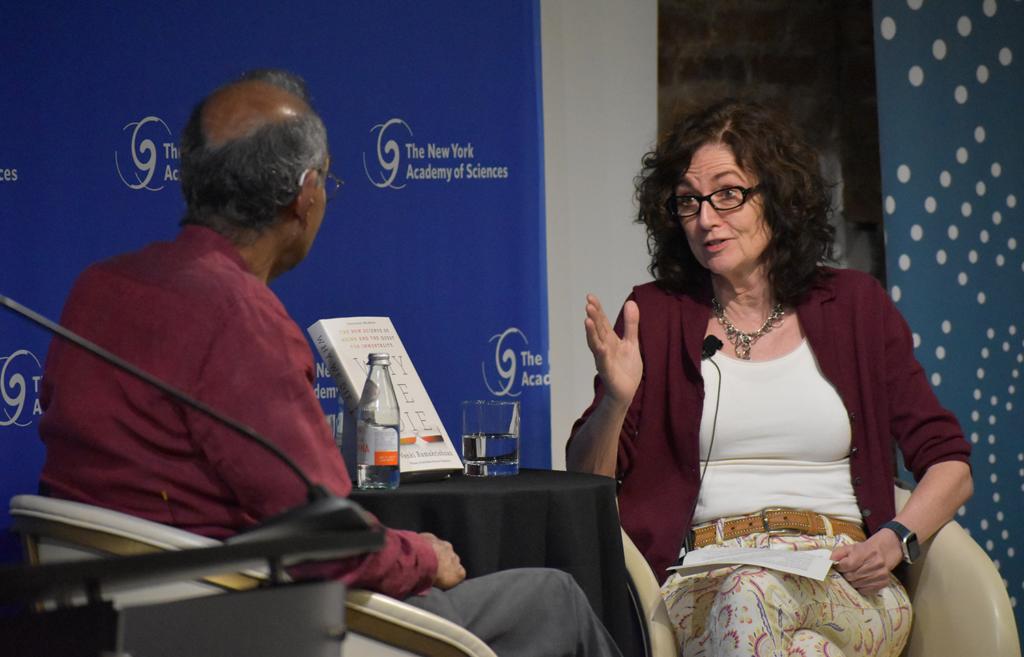
Nobel Prize winner Venki Ramakrishnan is interviewed by Titia de Lange, Director of The Rockefeller University’s Anderson Center for Cancer Research, at The New York Academy of Sciences on April 16, 2024. Photo by Nick Fetty/The New York Academy of Sciences

Why do we die? This age-old question is the topic of Nobel Prize-winning author Venki Ramakrishnan’s book Why We Die: The New Science of Aging and the Quest for Immortality.

Photo by Nick Fetty/The New York Academy of Sciences

Ramakrishnan discussed his new book with Titia de Lange, Director of The Rockefeller University’s Anderson Center for Cancer Research, during the “Authors at the Academy” event at The New York Academy of Sciences on April 16, 2024. He began by suggesting that humans may be the only species aware of its own mortality.

While societies have long focused on both the philosophical and the scientific dimensions of mortality, Ramakrishnan pointed out that aging research was considered “something of a backwater in molecular biology for a long time.” It’s only been over the past half-century that this field of research has become more mainstream.

“[While there have been advances in the research], because this is an area that people are concerned about, and they’re anxious about, there’s also a lot of hype,” said Ramakrishnan, who is also a member of the Academy’s President’s Council.

As a molecular biologist, Ramakrishnan avoided speculation, focusing instead on researching an objective, scientifically-based case about aging and mortality.

Evolution and Mortality

Ramakrishnan said there is a wide range in lifecycles of different creatures, from a mayfly which can live for just a day, to certain species of sharks and whales that may live for more than a century.

“A giant tortoise might be around today that could have encountered [Charles] Darwin,” Ramakrishnan said, with a nod to the renowned evolutionary biologist who was an honorary member of the Academy more than a century ago.

Photo by Nick Fetty/The New York Academy of Sciences

Researchers believe that evolution is largely focused on fitness, which, in this context, Ramakrishnan defined as “maximizing the ability to successfully pass on your genes.” Part of this fitness is tied to physical size. He pointed out that creatures like mice tend to have shorter lifespans than an elephant or a whale.

“You might ask, why is that?” Ramakrishnan said. “Well, aging is an accumulation of chemical damage which manifests itself from the molecular level all the way to the entire organism. To repair such damage takes lots of resources and lots of energy. So, this has a cost because animals are always trying to get energy.”

From an evolutionary standpoint, to maximize fitness it’s more advantageous for a creature like a mouse to allocate its resources to features such as rapid growth, rapid maturation, and producing many offspring. Conversely, larger animals allocate resources to repairing and maintaining natural chemical damage because such creatures need to live longer to raise their offspring to full maturity, Ramakrishnan argued.

This is what evolutionary biologists call the Antagonistic Pleiotropy theory. Based on this theory, genes that involve rapid growth or rapid maturation often turn out to be detrimental later in life and contribute to aging.

Photo by Nick Fetty/The New York Academy of Sciences

The Metabolic Rate Theory of Aging

According to Ramakrishnan, the metabolic rate theory states that “if you have increased metabolism then you’re generating byproducts…like free radicals and reactive species which can cause damage. So, the faster your metabolism is, the more likely the higher the rate at which you’re going to age.”

Generally, a faster metabolism means a shorter lifespan, but Ramakrishnan said this is not always the case. He used the example of some species of smaller bats, that are similar in size to mice, but because of the bat’s ability to fly, are less likely to be targets of predators, and can live for as long as 40 years.

“I think biologists would say it’s really about evolutionary choice and how each species has been selected for optimizing that choice,” said Ramakrishnan. “That choice could be, yes there’s damage but you can also repair the damage, so how much do you spend on repairing the damage?”

Researchers who study aging are divided about the potential maximum lifespan of humans. Some believe that 115 is the top of the range, while others feel that the first person to live to 150 has already been born. Ramakrishnan said he thinks the current natural limit is around 120 years, citing the fact that the number of centenarians (those who live to the age of 100) has increased in recent decades, but the number of people who live past the age of 110 has not.

“That suggests that those people who reach 110, are hitting some natural limit of our biology, of our species,” said Ramakrishnan, adding that he feels that those who think the upper limit is 150 are being “excessively optimistic.”

Societal Impacts of Expanded Lifespans

Photo by Nick Fetty/The New York Academy of Sciences

Science aside, what are the societal impacts of expanded lifespans? Several private sector tech billionaires have shown interest in extending lifespans. As Ramakrishnan points out, the issue has also been on the radar of government agencies such as NIH’s National Institute on Aging in the US or the Medical Research Council in the UK.

“So, the question is how do we keep people healthy for as long as possible so people can stay productive?” asked Ramakrishnan.

The answer may well lie with the next generation of scientists who will bring in innovative ideas and fresh perspectives. While Ramakrishnan remains productive, he concedes it may be time to retire next year.

“I think there are lots of roles we can play without taking away resources from the younger people,” said Ramakrishnan, citing examples like serving on editorial boards or as mentors. “Generational turnover is good for society and good for science.”

For on-demand video access to the full event, click here.

Check out the other events from our 2024 Authors at the Academy Series

Full video of these events is available, please visit nyas.org/ondemand

From New Delhi to New York
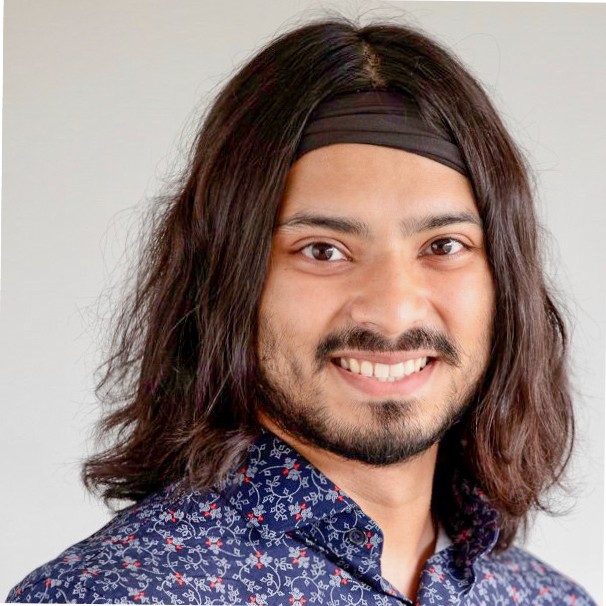
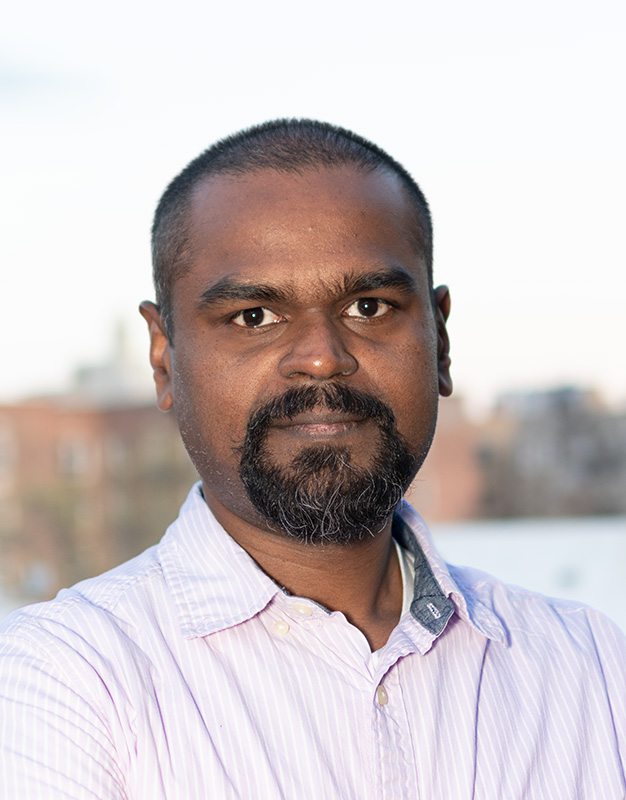
Headshot of Nitin Verma

Academy Fellow Nitin Verma is taking a closer look at deepfakes and the impact they can have on public opinion.

Published April 23, 2024

By Nick Fetty

Nitin Verma’s interest in STEM can be traced back to his childhood growing up in New Delhi, India.

Verma, a member of the inaugural cohort for the Artificial Intelligence (AI) and Society Fellowship, a collaboration between The New York Academy of Sciences and Arizona State University’s School for the Future of Innovation in Society, remembers being fascinated by physics and biology as a child. When he and his brother would play with toys like kites and spinning tops, he would always think about the science behind why the kite stays in the sky or why the top continues to spin.

Later, he developed an interest in radio and was mesmerized by the ability to pick up radio stations from far away on the shortwave band of the household radio. In the early 1990s, he remembers television programs like Turning Point and Brahmānd (Hindi: ब्रह्मांड, literally translated to “the Universe”) further inspired him.

“These two programs shaped my interest in science, and then through a pretty rigorous school system in India, I got a good grasp of the core concepts of the major sciences—physics, chemistry, biology—and mathematics by the time I graduated high school,” said Verma. “Even though I am an information scientist today, I remain absolutely enraptured by the night sky, physics, telecommunication, biology, and astronomy.”

Forging His Path in STEM

Verma went on to pursue a bachelor’s in electronic science at the University of Delhi where he continued to pursue his interest in radio communications while developing technical knowledge of electronic circuits, semiconductors and amplifiers. After graduating, he spent nearly a decade working as an embedded software programmer, though he found himself somewhat unfulfilled by his work.

“In industry, I felt extremely disconnected with my inner desire to pursue research on important questions in STEM and social science,” he said.

This lack of fulfillment led him to the University of Texas at Austin where he pursued his MS and PhD in information studies. Much like his interest in radio communications, he was also deeply fascinated by photography and optics, which inspired his dissertation research.

This research examined the impact that deepfake technology can have on public trust of photographic and video content. He wanted to learn how people came to trust visual evidence in the first place and what is at stake with the arrival of deepfake technology. He found that perceived, or actual, familiarity with content creators and depicted environments, contexts, prior beliefs, and prior perceptual experiences guide public trust in the material deemed trustworthy.

“My main thesis is that deepfake technology could be exploited to break our trust in visual media, and thus render the broader public vulnerable to misinformation and propaganda,” Verma said.

A New York State of Mind

Verma captured this image of the historic eclipse that occurred on April 8, 2024.

After completing his PhD, he applied for and was admitted into the AI and Society Fellowship. The fellowship has enabled him to further his understanding of AI through opportunities such as the weekly lecture series, collaborations with researchers at New York University, presentations he has given around the city, and by working on projects with Academy colleagues such as Marjorie Xie and Akuadasuo Ezenyilimba.

Additionally, he is part of the Academy’s Scientist-in-Residence program, in which he teaches STEM concepts to students at a Brooklyn middle school.

“I have loved the opportunity to interact regularly with the research community in the New York area,” he said, adding that living in the city feels like a “mini earth” because of the diverse people and culture.

In the city he has found inspiration for some of his non-work hobbies such as playing guitar and composing music. The city provides countless opportunities for him to hone his photography skills, and he’s often exploring New York with his Nikon DSLR and a couple of lenses in tow.

Deepfakes and Politics

In much of his recent work, he’s examined the societal dimensions (culture, politics, language) that he says are crucial when developing AI technologies that effectively serve the public, echoing the Academy’s mission of “science for the public good.” With a polarizing presidential election on the horizon, Verma has expressed concerns about bad actors utilizing deepfakes and other manipulated content to sway public opinion.

“It is going to be very challenging, given how photorealistic visual deepfakes can get, and how authentic-sounding audio deepfakes have gotten lately,” Verma cautioned.

He encourages people to refrain from reacting to and sharing information they encounter on social media, even if the posts bear the signature of a credible news outlet. Basic vetting, such as visiting the actual webpage to ensure it is indeed the correct webpage of the purported news organization, and checking the timestamp of a post, can serve as a good first line of defense against disinformation, according to Verma. Particularly when viewing material that may reinforce one’s beliefs, Verma challenges them to ask themselves: “What do I not know after watching this content?”

While Verma has concerns about “the potential for intentional abuse and unintentional catastrophes that might result from an overzealous deployment of AI in society,” he feels that AI can serve the public good if properly practiced and regulated.

“I think AI holds the promise of attaining what—in my opinion—has been the ultimate pursuit behind building machines and the raison d’être of computer science: to enable humans to automate daily tasks that come in the way of living a happy and meaningful life,” Verma said. “Present day AI promises to accelerate scientific discovery including drug development, and it is enabling access to natural language programming tools that will lead to an explosive democratization of programming skills.”

Read about the other AI and Society Fellows:

The Adventures of the Nutritional Kingdom Project

Bowls containing fruits, nuts, and other super foods.

Winners of the Junior Academy Innovation Challenge Spring 2023: “Healthy Snacks”

Published February 27, 2024

By Nicole Pope

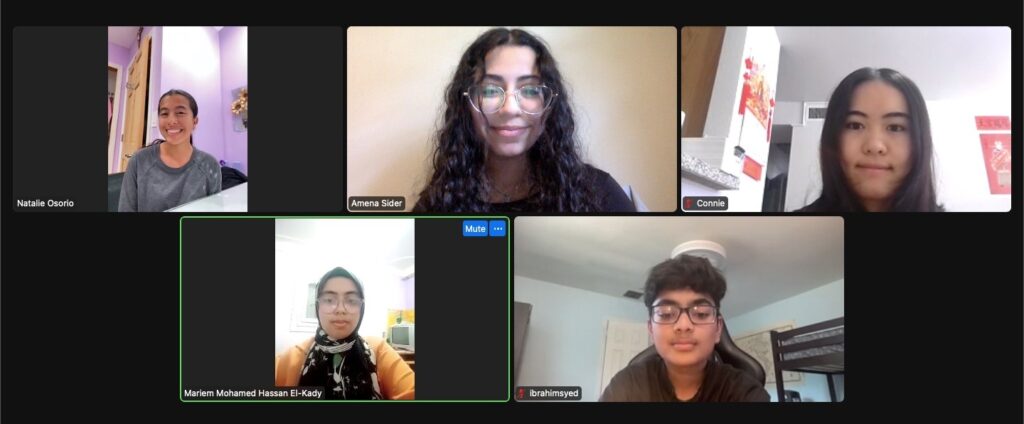
Team members: Natalie O. (Team Lead) (United States), Lara K. (Jordan), Connie H. (United States), Mariem M. (Egypt), Ibrahim S. (United States), Amena S. (Jordan)

Mentor: Leticia Mendoza-Martínez (Mexico)

Childhood obesity has become a major public health issue around the world. In the United States alone, 1 in 5 children is overweight or obese– a particularly prevalent issue in the Hispanic community, where lack of access to affordable, healthy food along with other socioeconomic factors create major disadvantages.

For the Junior Academy’s 2023 Spring Innovation Challenge on “Healthy Snacks”, six students formed an international team to develop “The Adventures of the Nutritional Kingdom”– a campaign to encourage healthy eating aimed specifically at Hispanic children in the southern U.S. Collaborating across continents and time zones, the students met online to create the winning project. “Cooperation enhances the goal because when a group from different countries of the world gathers to work on one goal, this undoubtedly confirms its importance,” Meriem says.

According to the CDC, 26.2% of Hispanic youth are obese. Childhood obesity can have broad consequences, from long-term health implications like Type 2 diabetes, high blood pressure, and heart disease, to psychological impacts like anxiety, depression, and low self-esteem, (often related to bullying). Before devising their solution, the team conducted a survey of Hispanic families in both Spanish and English to help them identify a novel approach.

Natalie assumed the role of Team Lead. “I was in charge of overseeing everyone’s collaboration efforts, notifying team members of their weekly tasks, and was the head website developer for the team. It was a surreal experience being a leader of such intelligent and motivated students. Our ideas were productive, and our final results are absolutely spectacular,” she says. “I learned valuable leadership and time management skills that will help me in future years to come.”

To reach the target audience, the team created an interactive, kid-friendly website with a vibrant jungle theme and gender-neutral animal characters, as well as a series of articles providing useful information on healthy nutrition and eating disorders. They also explored recipes, recreating a popular snack using alternative, healthier ingredients, and created an app with 13 different games that incorporated important nutritional information.

Meriem worked for hours on developing the games, using vivid colors attractive to young users. “I contributed by writing four articles on healthy eating habits and summarizing the problem and background of our solution,” explains Connie. “I also researched (former First Lady) Michelle Obama’s ‘Let’s Move’ campaign, alternatives to unhealthy snacks and previous initiatives introducing healthy snacks.”

Ibrahim conducted research and contributed extensive data on physical exercise and hydration. “I read articles and answered questions such as how people got their nutrients during the Great Depression, foods that can be cooked at low temperatures as well as foods that keep hydration in your body and more,” he says. Among her many contributions, Amena focused on how to reach the target audience for the app. “I provided my knowledge and skills in business and marketing the product to help us reach children, whether they were high or low-income children, as well as designing the product’s packaging,” she explains.

The team is excited to see their carefully considered, multi-faceted project create social impact, hoping to find ways to even further reduce mental stress and health problems among Hispanic children. In particular, they want to make their website available in Spanish as well as English to expand its reach. “This experience has fostered a deeper understanding of the power of teamwork and its capacity for optimizing collaborative efforts between human agents,” says Lara. “Future pursuits will undoubtedly involve enhanced focus on cooperation among individuals to promote more effective outcomes.”

The Junior Academy was supported by the Stevens Initiative, which is sponsored by the U.S. Department of State, with funding provided by the U.S. Government, and is administered by the Aspen Institute.

A New Generation of Scientific Sustainability in Rwanda

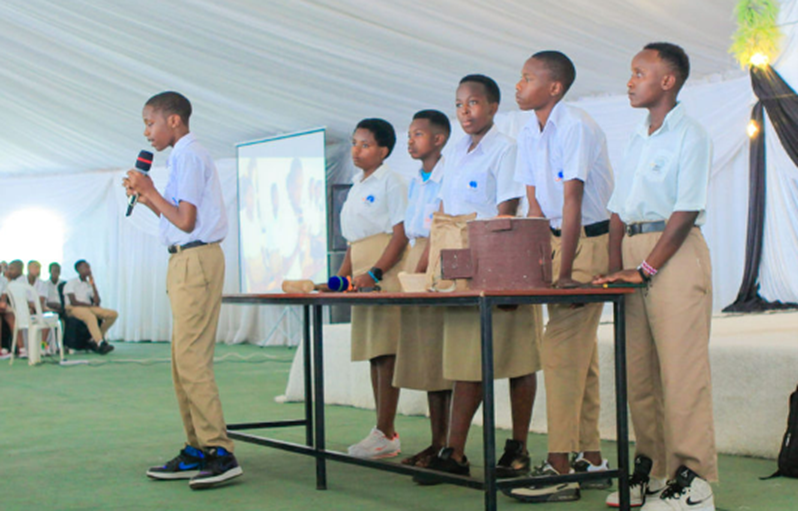
A group of students present their school project in front of onlookers.

Young Scientists in Rwanda are Leaders of Environmental Sustainability Movement with STEM Innovation Challenge, Sponsored by Clifford Chance Cornerstone Initiative

Published January 29, 2024

By Nicole Pope

The New York Academy of Sciences “Green Schools, Green Homes, Green Communities” Innovation Challenge in Rwanda was a great success, engaging the participation of 909 local secondary school students from across Kigali, working in 163 teams to create research-driven solutions to environmental problems faced in their community. The Spring 2023 Innovation Challenge, organized by the New York Academy of Sciences in partnership with Association Mwana Ukundwa (AMU), encouraged young scientists aged 13-17 in Rwanda’s capital city of Kigali to design an innovative, sustainable approach to address an environmental challenge in the places where they live and study. Sponsored by the Clifford Chance Cornerstone Initiative, and building off the widespread enthusiasm for the Spring 2022 Innovation Challenge on Urban Gardens in Rwanda, this challenge latest green challenge called for creative, practical solutions that could be implemented in Rwandan schools, homes, and communities to turn environmental challenges into sustainable growth.

The students from 12 public schools in Kigali who took part in the Green Schools, Green Homes, Green Communities Innovation Challenge contributed to raising awareness of the environmental challenges facing Rwanda and the rest of the world. They researched problems related to environmental sustainability, brainstormed with teammates to design and test creative solutions, and created scientific presentations to communicate their ideas to their peers and community. Each team was guided in their efforts by dedicated teachers from the twelve participating schools who served as Mentors to the students and supported them through developing their research projects.

Young Scientists Innovate Practical Solutions through Research and Creativity

Over the past two decades, Rwanda has become a global leader in sustainable development after adopting economic growth strategies that incorporate environmental protection and climate change adaptation. As a small, landlocked country, Rwanda faces numerous challenges due to climate change, the unequal distribution of potable water and the over-exploitation of natural resources.

A growing number of individuals, young people in particular, are exploring innovative ways to address these problems and create meaningful change at the local and community level. As emerging leaders in the movement to prevent environmental degradation and promote sustainability, the young scientists participating in the challenge demonstrated that through ingenuity and hard work, practical solutions can be found to make homes, schools and communities greener and reduce the pressure on precious natural resources and the environment.

The Winning Team and selected Runner-Up Teams were invited to present their innovative solutions at the Open Day celebration for the challenge held at AMU. They showcased their projects to an audience of over a thousand people including their families, all of the students in the challenge, educators and school leaders from the participating schools, and government officials, including the Coordinator of the Joint Action Development Forum from the Office of the Mayor in Kigali and the Director of Education for the entire Kicukiro district. The scientific solutions from these students have been taken up and used by residents across Rwanda to improve wellbeing, public health, and economic and environmental sustainability.

Winning Team: Sustainable Resource Management and Conservation for Achieving Green Homes and Green Communities

Team Members: Clarisse (Team Lead), Leandre, Joyeuse, Mucyo, Ayubu, Jolie
Mentor: Nizeyimana Bonaventure

The winning team tackled the environmental and socioeconomic impacts of traditional cooking methods, which rely heavily on firewood. The widespread use of wood for cooking contributes to deforestation and produces harmful gas emissions. Wood burning also causes air pollution within the home, which has a detrimental impact on human health and is linked to pneumonia, lung cancer and other severe health conditions.

The team members’ solution was to build an innovative stove, using affordable materials, to reduce fuel consumption. After conducting research to come up with an optimal design, the students crafted a stove made of iron sheeting and lined with clay. They incorporated an electronic fan, which enhances combustion efficiency. After testing their prototype, the team found that their device significantly reduces fuel consumption, thus limiting the impact on the environment. Shorter cooking times and better heat control also improve indoor air quality while easing the cooking burden for household members. The team won first place for this original project, which helps combat deforestation, the health impacts of air pollution and the inefficient use of natural resources.

Runner-Up Team: Green Surrounding Us

Team Members: Emerance (Team Lead), Leogad, Diane, Solange, Alliance
Mentor: Baseka Didier

Many people in Rwanda suffer from the searing summer heat and lack of cool air indoors, whether in houses or at school where it affects students and administration employees. In the course of their research, the team members found out that a majority of people around the world experience lack of access to indoor fresh, cool air. “I was very interested in this project. We had fun and did hard work in the group, brainstorming and searching for a solution,” says team member Alliance. After collecting information online and interviewing local environmental experts, the team members designed and produced a light, portable fan with blades made of discarded cardboard. Powered by a rechargeable battery and equipped with an on/off switch, the fan provides hours of cool relief, and the reused cardboard does not end up in landfill.

Runner-Up Team: Amazing Green

Team Members: Nice (Team Lead), Jeannette, Ange Scovia, Chanisse, Rosine, Beatrice
Mentor: Baseka Didier

The students in this team focused on improving their school environment by tackling two challenges at once: reducing waste and creating storage to improve order in the classroom. “Me and my teammates have gained many things from this project,” says team leader Nice. “Working together, we have learned to be part of society and care about others’ attitudes.” Collecting plastic bottles and old cardboard to prevent them from littering the environment, the team members upcycled these materials by crafting shelf racks to store documents and other school supplies. The students applied their math and science skills to design the racks and used the plastic bottles to prop up cardboard shelves. “I was given the responsibility to find cardboard in my group and I really studied to create teamwork in the group,” says team member Ange Scovia. “I had fun and laughed a lot during this project.” The sturdy shelf racks were designed to bear a weight of up to 4 kilograms and last 3 to 5 years. As proof of concept, the team produced a prototype, demonstrating that their model is both easy and inexpensive to replicate.

Runner-Up Team: Sustainable Life in the Green Community from Discarded Material

Team Members: Jean-Marie (Team Lead), Fils, Anna Jali, Emmanuel, Naomi, Amani
Mentor: Rubarema Maurice

The six team members first studied the impact of waste on the environment by observing the evolution of different types of waste on two small plots of land: they saw that organic kitchen waste decayed and turned into compost that contains important nutrients for plants, but plastic containers and plastic bags remained intact, cluttering the ground and preventing plant growth by blocking access to carbon dioxide and sunlight. After consulting experts, the team came up with three practical uses for recycled plastic containers. First, they used old jerrycans to grow plants, particularly vegetables — an approach that enables households with limited access to land to supplement their diet with healthy, home-grown food. The jerrycans were also utilized as composting receptacles to turn kitchen waste into nutrient-rich fertilizer and as containers for smaller plastic waste. “Before doing this challenge, I was not good at working collaboratively in a team,” explains team member Emmanuel. “This challenge made me realize that working together leads to the best solutions because different ideas are collected together to create the main idea.”

Runner-Up Team: Terracing to Prevent Soil Erosion

Team Members: Ally (Team Lead), Anaclet, Nelly Chanella, Jean-Baptiste, Fabrice, Fidele
Mentor: Karangwa Adiel

Soil erosion is a problem caused by rainwater and human activities such as agriculture and deforestation. The members of this team were inspired to tackle this pressing issue largely because soil erosion caused by an inadequate drainage system threatens their school. “With the team I found new friends and I did my best to give ideas and contribute to the design of the solution,” says team member Jean Baptiste. After visiting the site and building model terraces on the hillside, the students found that terracing reduces the steepness of the slope and slows down the water flow, preventing rain from washing away the topsoil and crucial nutrients. In addition, planting fruit trees and crops on the terraces contributes to a greener school environment and provides healthy food. In the course of the project, participants acquired both knowledge and self-confidence. “I was very shy at the beginning of the project,” says team member Nelly Chanella, “but now I can engage in constructive discussions.”

Runner-Up Team: Green Operation

Team Members: Liliane (Team Lead), Yvan, Zainah, Djuma, Elisaa, Diane
Mentor: Musenge Hosiane

This team focused on the water pollution caused by the ever-growing use of plastic bottles, which are almost indestructible and often end up in the ocean. When the bottles do eventually decompose, the plastics break down into micro-particles that seep into the soil and drift into the waterways, causing harm to humans and other animals. To reduce waste and water pollution, the six team members sought innovative ways to reuse plastic bottles and jerrycans while also improving their school environment. They turned used plastic containers into pencil holders and receptacles for school supplies to keep classrooms well organized and clean. Their efforts also showed their fellow students how to recycle effectively to reduce water pollution and protect the environment. “Being a first-year member of the New York Academy Innovation Challenge has been an unforgettable journey that has helped me hone my skills and make friends that will last a lifetime,” says team leader Liliane, adding, “I met hardworking individuals who helped me improve my own skills and taught me many valuable lessons in teamwork and analytical thinking.”

Improving Cyber Security through Research and Policy

An abstract graphic representing cybersecurity.

Winners of the Junior Academy Innovation Challenge Spring 2023: “Cybersecurity”

Published January 11, 2024

By Nicole Pope

Sponsored by NEOM

Team members: Jessica K. (Team Lead) (United States), Ritwik D. (United States), Neha B. (United States), Bhavya D. (United States), Farah M. (Jordan)

Individuals, businesses, and governments increasingly operate in a digital landscape. But as homes, medical systems, banking services, and key infrastructure connect via complex online networks, cyberattacks have increased exponentially. Developing strong protections against various forms of cyberthreats has become critical.

Enter Cybersafe, the 5-student American/Jordanian collaboration that formed the winning team in the Spring 2023 Cybersecurity Innovation Challenge.

“I’ve been thinking about two things: collaborating with cybersecurity experts and conducting user research,” says Bhavya.

A Focus on Phishing

After thorough research on various cyberthreats, the team evolved to focus on “phishing”, an illegal practice that uses fraudulent emails to manipulate recipients into divulging private information– information used for blackmail, identity theft, embezzlement, and even resale to other criminals.

Email remains the hackers’ easiest route to breaching online security and obtaining sensitive data. The scale of this cyberthreat is staggering: Every day, 3.4 billion fraudulent spam emails are sent around the world, using fake sender addresses to deceive individuals into revealing sensitive information. The consequences for victims can be devastating.

In 2022 over 300,000 phishing claims were filed in the United States alone. This is a 61% increase compared to the previous year– with costs estimated at $2.7 billion. Cybercriminals are often hard to trace, particularly because they tend to select victims carefully, focusing on vulnerable, often elderly people. Phishing perpetrators often avoid attracting attention by launching large numbers of small attacks. To coerce and deceive their victims, they keep in touch with trends and constantly adjust their messages and tactics.

A Two-Pronged Solution

Through brainstorming and effective teamwork, the students came up with a two-pronged solution to curb this global scourge.

“I gained a lot of insights from this experience and learned how to work with someone rather than under someone,” says Farah. “I took on various tasks so we could share the workload evenly and efficiently.”

First, they focused on developing software that enables Artificial Intelligence (AI) to interact with and enhance testing systems on smartphones, tablets, and laptops. These systems can automatically analyze emails and attachments in order to detect malicious content.

“One of the most valuable things I learned from this experience was the importance of open communication and collaboration,” says Neha. “I found that by working together and sharing our ideas, we were able to create a stronger end product than we could have individually.”

Advocating for Policy Changes

In addition to this technological solution, the team members advocated for policy changes to better protect the public from cyberhackers. In particular, they suggested new legislation to prevent tactics such as impersonation of co-workers or relatives in order to coerce victims into soliciting private information, clicking on malware links, or downloading harmful attachments.

The law would impose tougher penalties on cybercrime perpetrators, increasing fines and the likelihood of imprisonment. It would also require the most frequently targeted companies and organizations (in 2020: financial services, payment platforms, and webmail) to update their security protocols on a regular basis, implement two-factor authentication, and increase funding for cybersecurity research and development.

The students felt confident in their twofold solution to combat phishing and improve the security of personal devices: 1. With the help of AI, identify and filter harmful emails and alert potential victims, and 2. Enact new legislation to improve cybersecurity and impose harsher punishments on online criminals.

A Dual Approach

Developing this dual approach involved hard work for the Cybersafe team. This was particularly evident when it required coordinating the time zones of two separate continents. It also offered them opportunities to discover new fields and acquire new skills.

“Normally my project revolves around nature and ecologic science, so this was a nice time to try something new and test my recently developed skills,” says Ritwik. “Although I have a very busy schedule outside the Academy, I tried to make the best of my free time and dedicated myself to this project.“

After successfully completing the challenge, the students felt enriched by the experience and proud of their joint achievement– made even sweeter by learning they were the winning team.

“I learned a lot of collaborative skills from this project, including how to lead and participate in a team setting,” says Team Lead Jessica. “Working with this team was a wonderful experience and I look forward to future collaborations.”