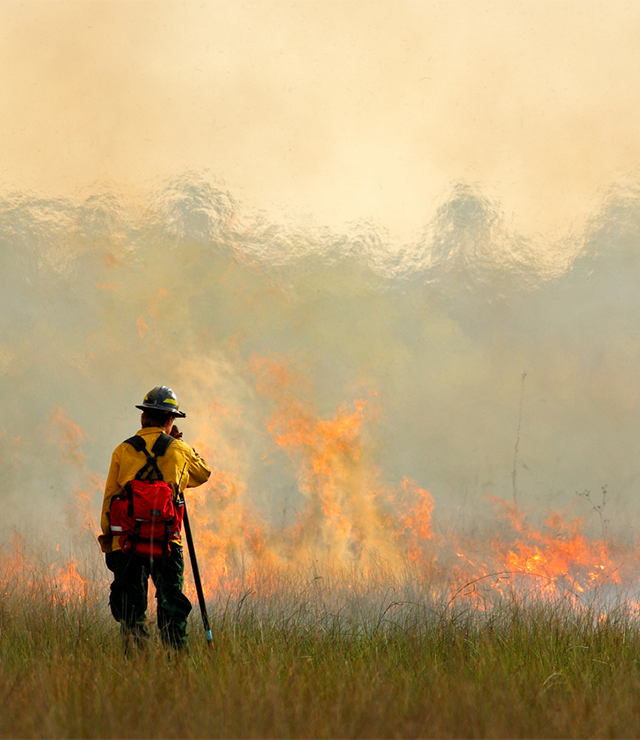
Prolonged droughts, caused by climate change, have amplified the risks of forest fires around the globe– making blazes bigger, more frequent, and more intense.
These fires devastate vast swathes of forests and often spread into residential areas, threatening lives and housing. Research by the University of Maryland suggests that fires cause forests to lose 3 million more hectares annually than in 2001. Furthermore, the UN Environment Program estimates that by 2100, the number of forest fires will increase by 50%.
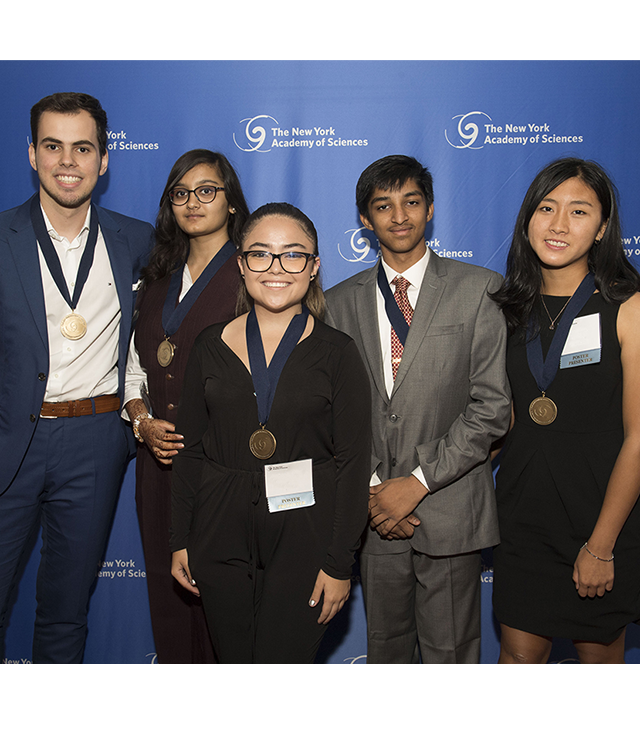
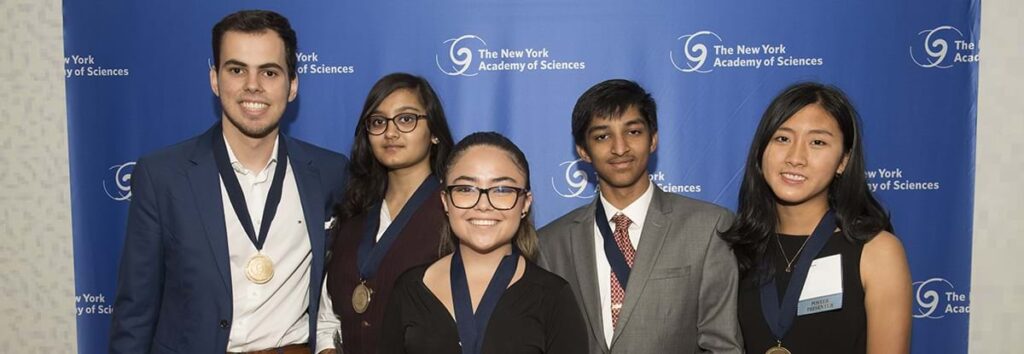
The team Intelligent Forest — Chinmay R. (India, Team Lead), Rohan S. (India), and Soumik P. (India) — worked under the guidance of their mentor Malarvizhi Arulraj (United States) to tackle this critical issue as part of the “Forestry for a Sustainable Future” Fall 2022 Junior Academy Challenge, sponsored by the Royal Swedish Academy of Engineering Sciences (IVA). Intelligent Forest bested the field among 175 competitors. Their innovative method to predict the risk of fire helped them to win.
“It was great taking on real world problems and using our intellect to solve them. I learned various things throughout the course of the challenge such as AI, weather patterns, machine learning applications and much more,” says Rohan. “We worked hard as a team and came up with a solution in the end together.”
Understanding Forest Fires
Forest fires can be triggered by natural factors, such as lightning, or by human factors, such as the careless dropping of a cigarette or the lighting of an unnecessary fire in severe drought conditions. Crown fires burn the entire length of the trees while surface fires only scorch dried leaves and grass.
In some cases, fire can rage under the ground. As the team discovered over the course of their research, climatic conditions play a critical role– the hotter and drier the weather, the more destructive the fire is likely to be.
Finding ways to mitigate the impact of these now-frequent infernos required hard work, but the team members worked collaboratively to achieve results.
“There were times when I was uncertain as to whether we would even reach the end, but here we are,” says Soumik. “It was a fun experience working with my team members, and I had the opportunity to add and develop my skills. My main contribution was helping with the research side of things and suggesting ideas and edits.”
Utilizing Artificial Intelligence
With support from their mentor, the students decided to focus on harnessing the power of Artificial Intelligence (AI) to analyze forest and temperature data, in the hope that it would be possible to predict the risk of fires.
“I was impressed by the plans and ideas the team put together and was absolutely delighted to mentor the team,” says their mentor, Malarvizhi. “They chose a problem and approach that was hard and challenging. Especially, finding the best dataset and creating working machine-learning algorithms needs a lot of effort.”
Using data on fire alerts and meteorological information (minimal and maximal temperatures, rainfall, solar radiation and daily evaporation) collected in the Brisbane area in Australia between 2012 and 2022, the team tested two different AI approaches: Decision Tree and Random Forest.
The Results
The goal was to create four categories: no risk, low risk, medium risk or high risk of fire. The results provided the proof-of-concept the team expected. With the Decision Tree approach, they were able to predict fire risk with 70% accuracy, while the accuracy was 79% using the Random Forest approach.
These findings demonstrated that with the help of AI, it is possible to predict the risk of forest fires with 70–80% accuracy, which, in turn, allows for increased preparedness and limited impact.
“The project was a great learning experience for me,” says Team Lead Chinmay. “I had taken Artificial Intelligence as a subject in high school and this project taught me how I could apply what I had learned in a real-life situation.”
Winners of the Junior Academy Innovation Challenge Spring 2022: “Flexible Use of Electricity”
Published July 1, 2022
By Roger Torda
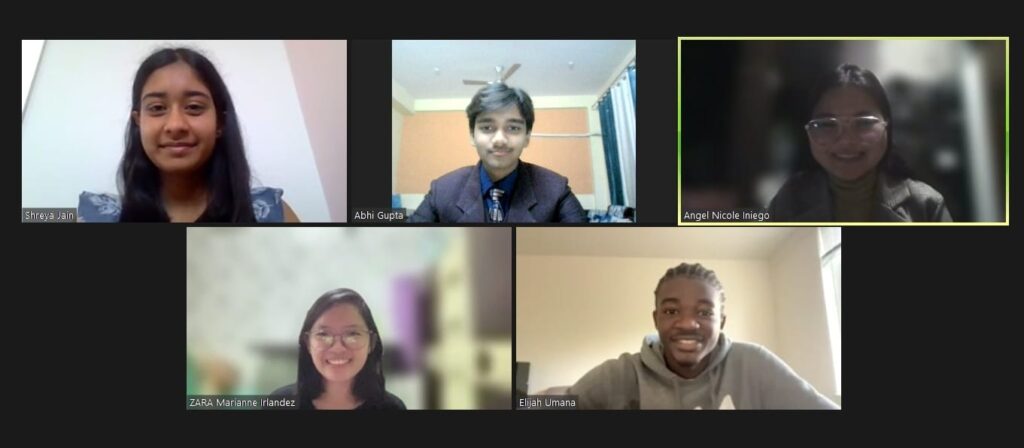
Team Members: Abhi G. (Team Lead) (India), Marianne I. (Philippines), Shreya J. (Canada), Angel I. (Philippines), Elijah U. (Nigeria)
Mentor: Muhammad Mahad Malik (Pakistan)
For this Junior Academy challenge on Flexible Use of Electricity, the five Power On team members chose to address a thorny issue: the energy deficit in the Philippines, where electricity demand is growing rapidly, and supply falls short of demand– leaving close to 30% of the population without electricity or facing significant fluctuations in electricity supply known as brownouts. Constraints on access to power are especially acute in rural areas and on the country’s numerous islands.
“The flexible electricity challenge is one of the most complex research projects I’ve ever worked on as it took quite a while for me to decipher the exact problems that needed to be tackled,” explains Elijah. “However, this pushed me to engage more in extensive readings, and actively be a part of reaching out to and interviewing numerous experts.”
After conducting a survey in nine countries, consulting their mentor and experts, and brainstorming through the Academy’s Launchpad platform, the team members narrowed down potential solutions to focus on three approaches.
“Asking questions and making sure that we understood the concepts fueled me to keep on collecting more knowledge,” says Marianne. “Interviewing different experts from different fields gave us new perspectives when we dealt with this challenge. Because a problem has deep roots, it is important to look at it from different angles.”
Raising Public Awareness
First, based on the results of their survey, the students determined it was important to raise public awareness of electricity issues such as peaks/non-peaks, flexible use of electricity, and supply, storage and distribution. They’ve addressed this need for awareness with an entertaining game designed to educate consumers.
“I had to meet experts from around the globe to hear their perspectives on flexible electricity,” explains Angel. “It made me realize that people may have different geographies and have various living standards, but what we have in common is that we face similar problems, such as balancing the demand and supply of electricity.”
The second pillar of the students’ project is Demaflex, an app to forecast demand and improve the response. The app would analyze data to predict times of high demand and encourage consumers to reduce the pressure on the power grid by scheduling their use of various appliances (such as dishwashers or washing machines) during off-peak periods. By sending recommendations to power users, the app would promote flexible use of electricity.
Finally, the team focused on developing Electrade, an app-based, decentralized, user-friendly energy trading platform that would allow people to buy energy and sell excess electricity back to the grid. The enterprising students will be working with the Department of Science and Technology (DOST) and the Philippine Council for Industry, Energy, and Emerging Technology Research and Development (PCIEERD), which have created a partnership program to grant startup funding towards commercializing their solutions.
An Eye-Opening Experience
Seeing their project take shape has given the team members a great sense of achievement.
“Electricity, in particular, always seemed like an intimidating challenge to tackle, but now, I’ve learned so much,” says Shreya. “I’m proud of the solution that we created and the work we’ve done to create, test, innovate, and communicate our project to the world.”
Participating in the Junior Academy challenge has been an intense learning experience and the students are delighted that their hard work has paid off– winning the challenge is merely the icing on the cake.
“The Flexible Electricity Challenge, for me personally, was quite an eye-opener. From all the research done by everyone on the team, I’ve learned quite a few things about the grid, electricity supply, and the demand response system,” says Team Lead Abhi. “The late nights and the sheer amount of work each and every one put in on our project is something I’ll always remember and be grateful for.”
Meet Sea Saviors, the winning team of the Fall 2021 Junior Academy Challenge “Restoration of Aquatic Ecosystems.”
Published December 15, 2021
By Roger Torda
In the fall of 2021, six budding scientists entered the Junior Academy Challenge and teamed up online to address eutrophication in the Black Sea area and the Dnieper River that runs across Ukraine. Team members were Anzhelika-Mariia H. (Team Lead) (Ukraine), Kusum S. (Nepal), Aman Kumar F. (India), Manan P. (India), Ksheerja S. (India), and Viktoriia L. (Ukraine); the team worked under the mentorship ofPratibha Gupta (India).
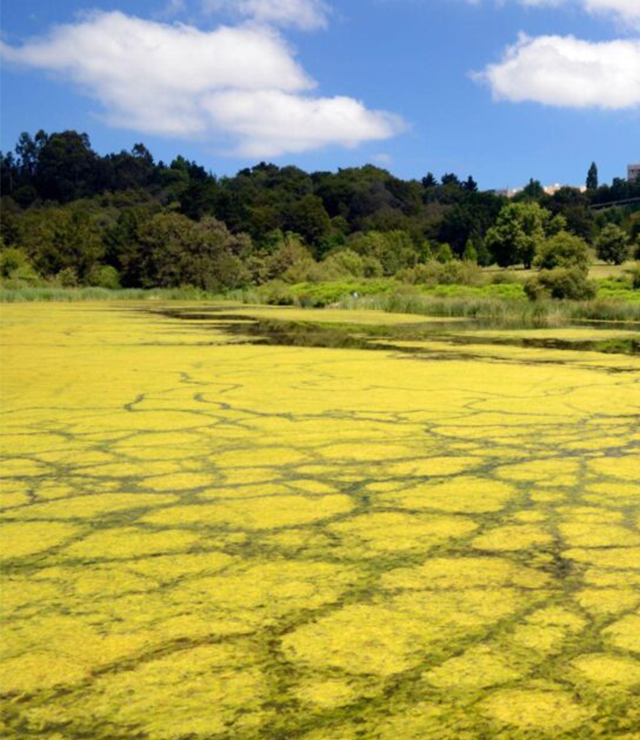
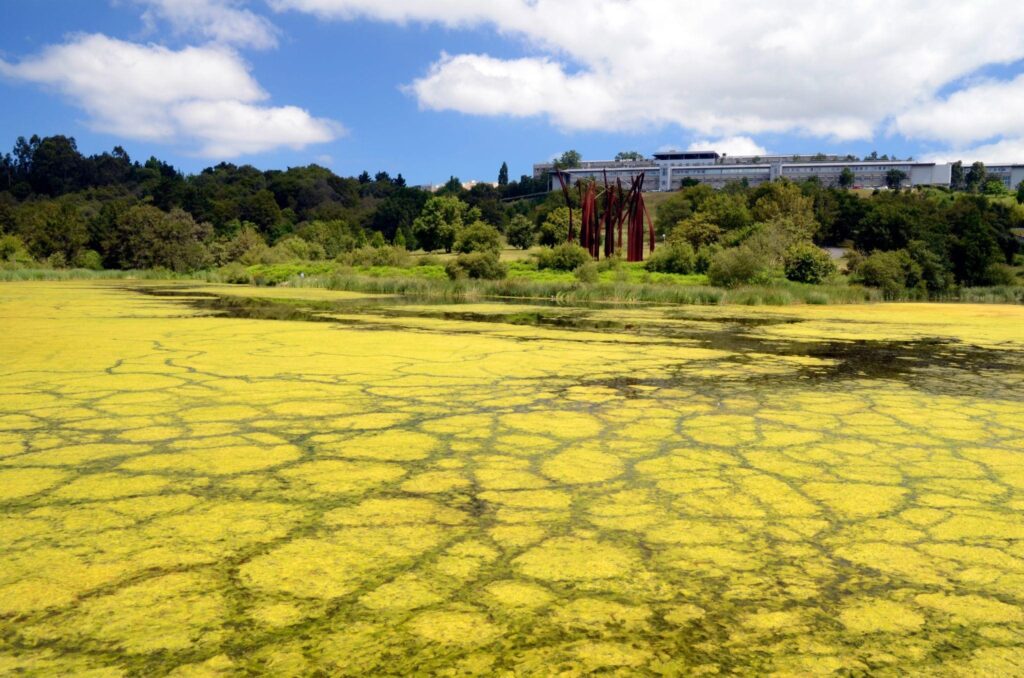
Eutrophication is a naturally-occurring process that affects the chemical composition of water bodies. When this process is accelerated by human factors like industrial waste, sewage and fertilizers from farms, it causes excessive growth of algae and phytoplankton, oxygen deficiency, and dead zones – thus threatening ecosystems, biodiversity, and public health.
As a first step, the Challenge participants conducted research to better understand the root causes of the problem in the Dnieper River basin.
“I got tons of insights on eutrophication and how it is destroying our planet’s life,” explains Aman Kumar.
Encouraged by their mentor Pratibha (a.k.a. “Power Girl”), the students also looked at existing solutions before brainstorming new approaches that could improve the aquatic environment.
“Our mentor’s enlightening advice and expertise showed me just how vital the role of mentor is,” says Manan. “Hopefully, some day, I can become a Junior Academy mentor!”
Focusing Ecological Ditches
The team eventually opted to focus on ecological ditches, a traditional drainage system that developed in Ukraine in the 1960s, when the country was still part of the Soviet Union. Located at the edge of fields, eco-ditches allow excess rainwater to be carried away. In their conventional form, the drainage channels are inefficient at filtering unwanted fertilizer or nutrients and the team sought ways to improve them with better engineering.
“The diversity of our group, not only geographical, but also the unique personality that each of us carried added immense value to our work,” says Kusum.
The students identified a potential solution of adding plants with strong filtration capacity to eco-ditches, and looked at hydraulic flow rate control.
“I met hardworking individuals who helped me improve my own skills and taught me many valuable lessons in teamwork and analytical thinking,” says Ksheerja.
Eco-ditches require regular maintenance to remove sediments. While polluting industries can be easily identified, farms are harder to locate – yet farms release nitrogen and phosphorus fertilizers that affect the delicate chemical balance of water bodies. The students saw a potential path to a sustainable solution: by mapping agricultural farms and existing canals, they could be linked into common drainage systems that could be monitored.
Raising Awareness Through Gaming
Raising awareness of the threats posed by eutrophication is also crucial. The Sea Saviors designed a web-based computer game aimed at children aged 8-13 to sensitize them to environmental issues.
“My role was to be a game designer and developer. Because of the Junior Academy, I found out about different ways of creating the video game and practiced one more game developing engine,” says Viktoriia.
In the two-level game, a friendly sea monster tries to make the aquatic environment more habitable for his fish buddies. In the process, Bob the Monster introduces young players to ecological ditches and the cultivation of oyster shells as ways of regulating the aquatic ecosystem.
“My team was tenacious and industrious from the beginning,” says Pratibha, thrilled with her mentees’ achievements. “Each member had faith in the other one to work diligently.”
For the winning team members, the project has been a stimulating learning experience that allowed them to form strong bonds.
“Working on this project boosted my motivation to continue my studies in the hope of becoming a scientist one day,” said Anzhelika-Mariia.
The New York Academy of Sciences empowers young women to pursue STEM-related careers.
Published November 10, 2020
By Roger Torda
The New York Academy of Sciences and its Global STEM Alliance partners want to grow the STEM pipeline, and engage and retain more young women in STEM-related careers. Our programs connect motivated, enthusiastic female mentors with smart, STEM-focused high school girls from around the world to help them develop essential 21st century skills.
In this video meet some of the amazing girls in the 1000 Girls, 1000 Futures program committed to a future in STEM.
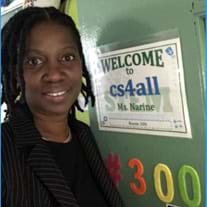
Servena Narine, who teaches at a New York City public school in Brooklyn, uses science, technology, engineering, and math (STEM) skills to help her elementary school students master their social studies curriculum.
Published November 2, 2020
By Roger Torda
This summer, Narine used time made available because of the COVID-19 shutdown to take The New York Academy of Sciences’ online course STEM Education in the 21st Century. During the eight-week course, she designed a curriculum for fourth-grade students. One of the units called for students to use data analytics in creating an infographic to “tell a story about the effects of immigration on New York City’s industrial growth in the 1900s.”
The Seven Essential STEM Skills
Servena Narine outside her classroom at PS 307 in Brooklyn
“It was a course where we incorporated seven essential STEM skills into our teaching,” Narine said in a recent phone interview. “I think sometimes as teachers we do that naturally, but through the course I was able to more deeply integrate the STEM skills into my lesson plans.”
Narine was referring to seven skills Identified by the Academy’s STEM Education Framework. critical thinking, problem solving, creativity, communication, collaboration, data literacy, and digital literacy and computer science. These skills form the foundation of the course.
“The Academy developed its Framework back in 2016 as a research-based tool that can be used to ensure students receive high-quality STEM learning,” said Chris Link, the Academy’s Director of Education. “Our online course coaches teachers on strategies they can use to help their students build critical 21st-century skills.”
“Eight years ago, my school became a magnet school for STEM studies,” Narine explained, referring to PS 307, which serves pre-K through fifth grade in the Vinegar Hill neighborhood of Brooklyn. “I’m always looking to learn more about what it means to be a STEM school, and what it means to integrate the principles of STEM into the classroom. When I saw that this course was available, and that it was free, and that I had time on my hands because everyone was self-isolating because of COVID-19, I jumped right into it.”
Continuing Teacher and Leader Education
Narine was one of 100 New York City teachers enrolled in the course through the sponsorship of Medidata, which has supported several Academy STEM programs. Narine and other teachers who completed the course received 30 Continuing Teacher and Leader Education (CTLE) credits required by New York State to maintain certification.
“I loved that the course was asynchronous, so I could set a schedule for myself,” Narine said. “The participants, the other teachers, all reviewed each others’ work, and offered feedback. That was a great benefit. And I loved that for each of the seven skills there was an expert in the field who was able to share information.
Narine’s course not only incorporated STEM skills, but aligned closely with the state’s Passport to Social Studies curriculum. To develop critical thinking skills, one of her units calls on students to analyze documents from the Colonial and Revolutionary War periods. A unit on problem solving asks students to develop solutions to clashes between Native Americans and colonists.
Cross-Interdisciplinary Skills for Students
A unit on the geography of New York calls for creativity in designing maps to promote tourist destinations. Yet another unit is designed to promote collaboration skills as teams make a game to test knowledge of material covered in earlier units. These cross-disciplinary skills serve students in their social studies classes, their STEM classes, and beyond.
“The curriculum asks students to look at Native Americans as the first inhabitants of New York State,” Narine said, explaining how she started thinking about a unit that would focus on communication skills, another area of focus in the Academy’s online course.
“I remember thinking that we’d be learning about Native Americans in the region around the time we’d be celebrating Thanksgiving,” she continued. “And I thought it would be nice to have the children create a public service announcement to give thanks to Native Americans for the contributions they have made to New York State and to our society, rather than the other way around, where we pretty much look at the European influence and teach that it is because of the Europeans that we have Thanksgiving. I said, ‘Let’s turn it around and say thank you to the first inhabitants of New York for their contributions.’”
Teams, made up of 28 students from 11 countries, win international challenges in Space Exploration, Smart Technology for Home and Health, Cybersecurity, Sustainable Transportation, and the battle against COVID-19.
Published August 12, 2020
By Roger Torda
Five international teams made up of 28 students from 11 countries have demonstrated they can solve challenges that vex the most experienced scientists and engineers. The students are among more than a thousand that competed in 2020 Challenges run by teams, made up of 28 students from 11 countries, won international challenges in various fields of science as part of The New York Academy of Sciences’ Global STEM Alliance. The teams collaborated across borders to develop solutions related to the coronavirus pandemic, routine healthcare monitoring, cybersecurity, lunar exploration, and sustainable transportation.
The Combating COVID-19 Challenge
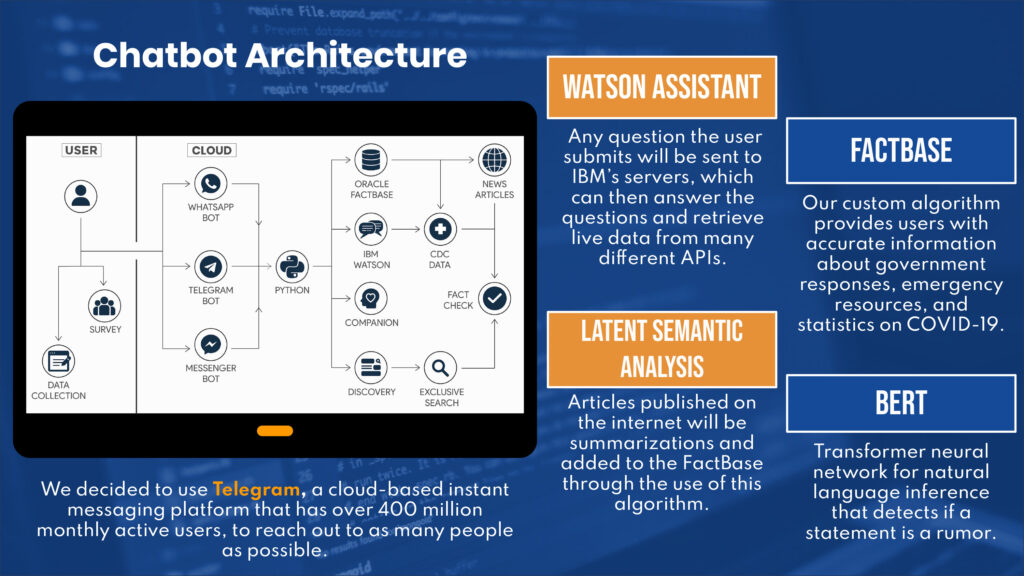
“I didn’t want to stand by and passively wait for the pandemic to be over,” said Young Chen, explaining why he assembled a team to enter the Combating COVID-19 Challenge. “It was a combination of curiosity, risk-taking, and desire to help my community.” Chen, from Ashburn, Virginia, four other students from the United States, and another from New Delhi, India, won first place among 200 entries in the global competition. Their winning project, called GOvid-19, was a chatbot to provide users with information about government responses, emergency resources, and statistics on COVID-19, and ways they can help fight the pandemic.
The Academy’s goal with the competitions is to help students develop capabilities necessary for effective work and leadership in STEM fields. “Providing opportunities for students to build 21st-century skills like problem solving, collaboration and communication are core goals of our challenge programs,” said Hank Nourse, Senior Vice President & Chief Learning Officer for the Academy, in announcing the winners of the Challenges. This year, several of the Challenges were especially valuable as non-classroom projects for students whose schools had closed because of COVID-19. “Several of these teams completed their work during shutdowns due to the pandemic,” Nourse explained. “We are happy to know that our digital tools allowed students to continue working and learning without interruption.”
The Intelligent Homes & Health Challenge
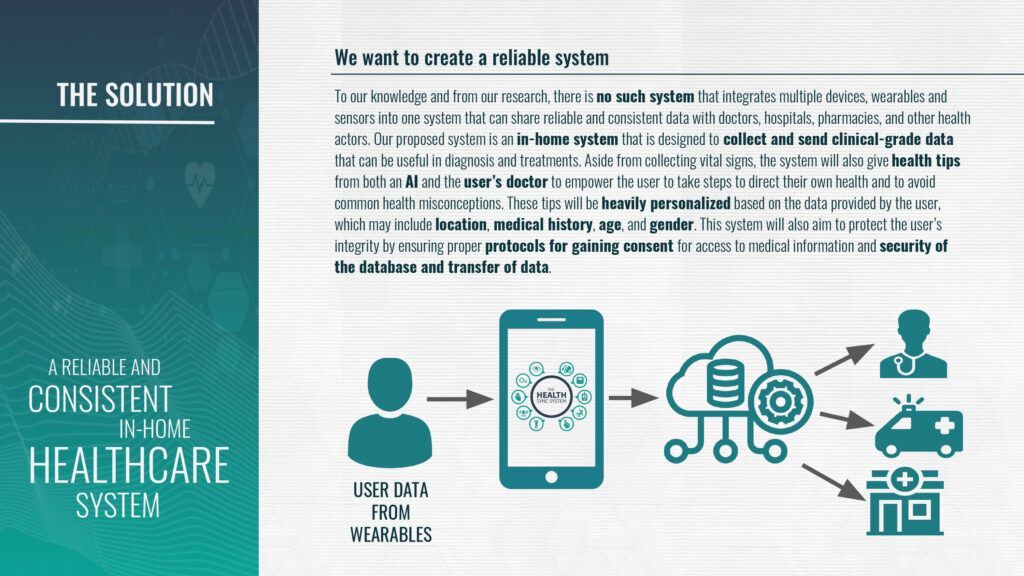
Zoe Piccirillo, leader for the team that won the Intelligent Homes & Health Challenge, described some of what she learned: “I have become a more open-minded, collaborative and creative individual from working with the motivated and bright members of our team… My team members also helped make our final solution more inclusive. The diversity of the group provided new perspectives regarding what values and concerns are prevalent across the world.” Zoe’s Health Sync team designed a secure, in-home health monitoring system connecting patients, doctors, and pharmacists. Zoe, from New York City, worked with another student from the United States, two from Sweden, and one each from the Philippines and Australia.
I have become a more open-minded, collaborative and creative individual from working with the motivated and bright members of our team.
Zoe Piccirillo
After assembling their teams, the students use the Academy’s Launchpad platform to connect with a volunteer mentor and then to reach out to other experts as they conduct research. “Mentors are often early career scientists, from academia and industry, who volunteer their time to help guide the students with their projects,” explained Kaari Casey, GSA program manager.
“I’m incredibly proud of my teams,” said Jessica Black, the mentor for Health Sync and a veteran of nine previous Challenges. “Often, the topics that are presented for these challenges are varied and out of the scope of what most students are studying in school,” Black continued. “They have to integrate their knowledge base with newly acquired information that must be obtained through research. It’s a new process for many of them. To see the resolutions and presentations they formulate by the end of the challenge is incredible.”
Black is a fellow in pediatric oncology at New York-Presbyterian/Weill Cornell Medical Center in New York City. “As a female in STEM I feel it’s really important to act as a role model not just for my female students, but for all of my students,” she added. The Intelligent Homes and Health Challenge was sponsored by the Royal Swedish Academy of Engineering Sciences, AstraZeneca, and Chalmers University of Technology.
The Cybersecurity in the Age of IoT Challenge
A team calling itself Cybercastle won the Cybersecurity in the Age of IoT Challenge, with a system that uses blockchain technology to encrypt medical records. Team lead Rasmus Häggkvist, from Norrbotten, Sweden, described his criteria for forming a team using Launchpad, saying he “was looking for kind, organized, diligent, and prudent perfectionists.” He found them in all corners of the world, including India, Morocco, Canada and the Philippines. The Cybersecurity Challenge was sponsored by the S&P Global Foundation, with 25 employees from S&P Global serving as mentors to student teams.
The Space Challenge
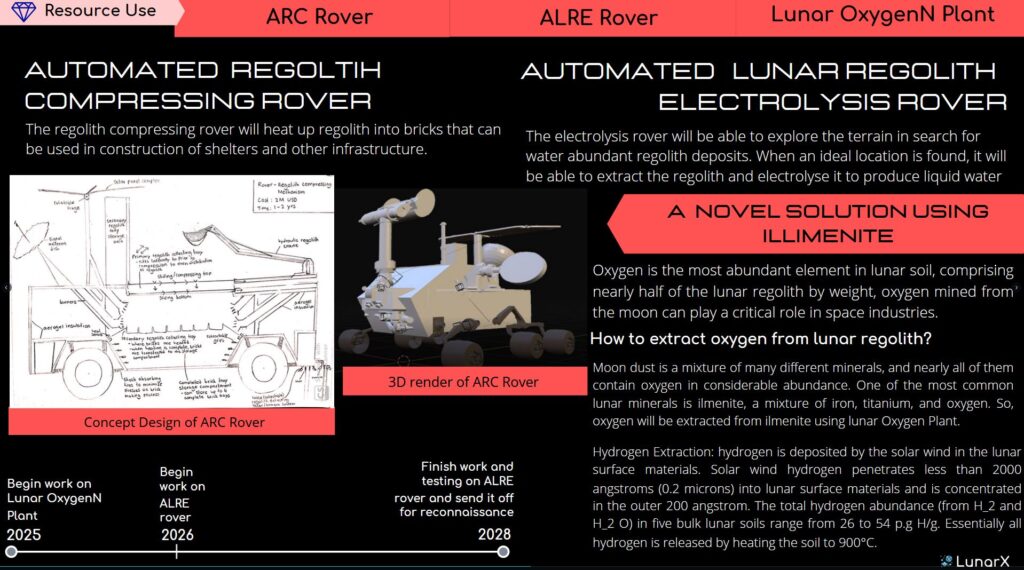
The LunarX team won the Space Challenge for its plan to colonize the Moon, including designs for shelters, sustainable food and water systems, and artificial intelligence tools for energy and mobile transport. Sachee Kachchakaduge, the team’s leader from Vancouver, Canada, pointed to the importance of using digital communications in a global project: “We used asynchronous collaboration to work on our own time. Distance and time zones did not prove to be issues, and we were able to work as if we were school friends or classmates.”
Sachee also pointed to opportunities to expand skills in sometimes unexpected ways: “At the surface, challenges seem like they only teach you about the topic at hand. However, in reality, you learn many other things. The team provides a safe space for everyone to try new software, and to learn from others and to test out your ideas.” Sachee’s teammates were from the United Arab Emirates, the Republic of Moldova, India, and the United States.
LunarX team mentor Garret Schneider, a retired aeronautical and astronautical engineer who worked in the Air Force and in industry, said the team worked hard to avoid becoming overwhelmed: “I think their biggest obstacles were digesting all the information and possibilities, and also deciding where to focus their energies…. [This] contributed to their success, as well as their dedication to tie all the elements of their solution together in a thorough, coherent manner.” Garret, who has volunteered with the Academy for close to 20 years, said he benefits as well as the students: “I have a renewed respect for the intelligence and capability and spirit of our youth – I feel pride to have been associated with them.”
The Chain of Transportation Challenge
A team calling itself LiFe won the Sustainable Chain of Transportation Challenge. The team designed a battery, a vehicle and an app to match specific transportation needs with the most efficient transportation solutions. Team member Abby Liang, from Troy, Michigan, said: “My new knowledge about the scientific research and design process, as well as both technical and creative skills from coding to policy frameworks to project management, will stay with me as I continue in my studies… I am so proud of our final comprehensive design.”
Members of the team were from Mexico, New Zealand, Egypt and the United States. The Sustainable Chain of Transportation Challenge was sponsored by the Royal Swedish Academy of Engineering Sciences and the Volvo Group.
Winning teams will receive a trip to New York City for next year’s annual GSA Summit, as this year’s Summit was postponed due to the coronavirus pandemic. In lieu of the in-person event this year, a virtual summit was held last month. Nicholas B. Dirks, the Academy’s President and CEO, addressed almost a thousand students and mentors, with a message about the importance of cross-discipline curiosity.
Laura Helmuth, Editor-In-Chief of Scientific American, delivered a keynote address, describing career pathways to science journalism and explaining the importance of good communication in the practice of science.
One of S&P Global’s 25 Challenge mentors echoed the belief that the exchange of ideas is a two-way process. “I wanted the chance… [to] get some exposure to what the next generation thinks about the problems the world is facing,” said Ryan Duve, a senior data scientist. Ryan worked with several teams and mentored a team called Symblot, which competed in the Cybersecurity Challenge. “I think the most important part of mentoring is just being a positive example of what you can be when you grow up,” he continued. “Too many young people only hear about different professions in articles and never really get a chance to do Q&A with a practitioner, which is a role I thought I could help fill.”
Winning Teams for the 2020 Global STEM Alliance Challenges
Combatting COVID-19
Abhay Sheshadri, Monroe Township, NJ, US; Anshul Mahajan, New Delhi, India; Regan Razon, Morrisville, NC, US; Tanush Swaminathan, Monroe Township, NJ, US; Young Chen, Asburn, VA, US.
Sachee Kachchakaduge, Vancouver, Canada; Sreenidhi Vijayaraghavan, Dubai, United Arab Emirates; Andreea Bujor, Ungheni, Republic of Moldova; Abhinav Agarwal, Jaipur, India; Arnav Hazra, San Francisco, CA, US; Naveen HV, Mysore, India.
Intelligent Homes & Health
Sara Rydell, Stockholm, Sweden; Jana Montanez, Parañaque City, Philippines; Ansh Gadodia, Princeton Junction, NJ, US; Sophia Li, Melbourne, Australia; Alice Forslund, Göteborg, Sweden; Zoe Piccirillo, New York, NY, US.
Sustainable Chain of Transportation
Cynthia Ramirez Meneses, Texcoco, Mexico; Izabela Zmirska, St. Augustine, FL, US; Evie Rose Grace, Dunedin, New Zealand; Ishita Bhimavarapu, Princeton, NJ, US; Abby Liang, Troy, MI, US.
Junior Academy team works together to solve the problem of the lack of refrigeration in rural Tanzania.
Published March 3, 2020
By Marie Gentile and Roger Torda
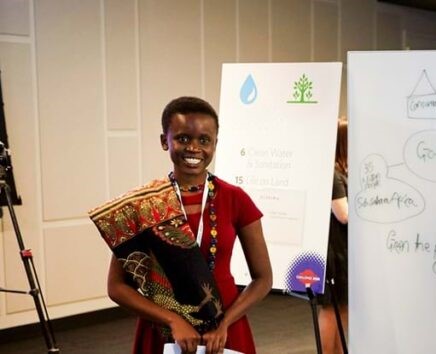
Belinda Baraka Boniphace, 17, of Tanzania, runs an online market connecting sellers to buyers.
She noticed that high temperatures in her area and a lack of cold storage options were significantly impacting the quality of produce available in her town of Dar es Salaam and nationwide. Vegetables would start to spoil 6-24 hours post-harvest.
Luckily, Belinda is part of the Junior Academy, which brings together teams of students from around the world to collaborate on solutions for real-world problems. Belinda told her fellow teammates about the problem her country was facing, and together they were inspired to do something about it.
Developing a No-Power Fridge
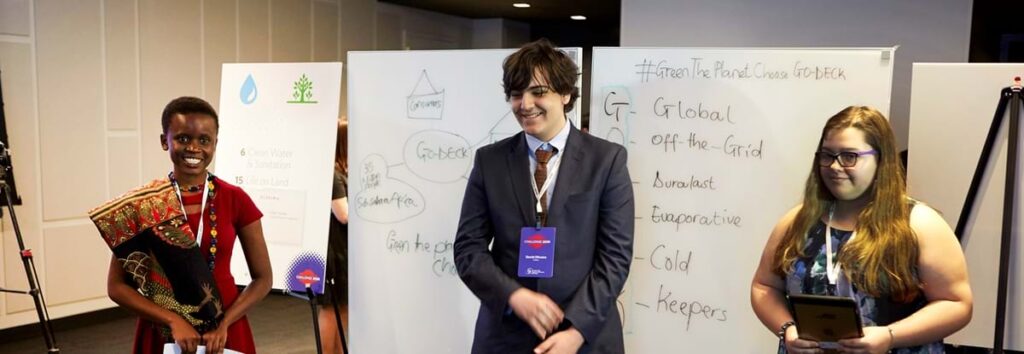
The team developed a no-power fridge, Global Off-the-Grid Duralast Evaporative Cold Keepers (GO-DECK), made locally from landfill-bound materials such styrofoam that reduce temperatures and also regulates humidity during storage and transport. The food transport/storage system uses water instead of electricity to keep vegetables cool.
They experimented with six different models improve upon their refrigeration system, inspired in part by Zeer pot designs. A Zeer pot, also known as a pot-in-pot refrigerator, is used in rural regions that have limited access to electricity. The technology works by cooling through evaporation.
After experimenting, the team landed on an end product that is made from 100 percent recycled materials and can be easily distributed to local farmers. The team believes the system has the potential to save millions of metric tons of food per year, all for a nominal cost.
Building upon the success of their first solution, Belinda and one of her teammates, Talar Terzian, are now developing an online market for farmers. They are expanding on the Go-Deck Unit to offer hand washing machines, and their latest water carrier, to local women in Tanzania.
“I wish to help local farmers and women take advantage of their agriculture and gain the best profit for their hard labor,” Belinda says.
Overcoming Obstacles
However, Belinda has had to overcome many hurdles in order to accomplish her goal. She’s faced technical difficulties with internet and power outages due to weather and flooding in her area.
Also, her local school system is limited and not able to support the research that Belinda wants to pursue. Therefore, Talar and her mother, who live in Gainsville, Fla., helped Belinda prepare for SAT exams and complete scholarship applications so that she can go to university. Belinda says she’s been able to thrive because of the connections she’s made through The Junior Academy.
“By developing global connections like those I made with Talar in the US, I will be able to improve my business and help others,” Belinda adds.
This amazing endeavor is one of many innovative collaborations occurring all over the world through the Junior Academy.
A natural disaster inspired one high school student to use science to help others.
Published October 1, 2019
By Mandy Carr
Luis G. Alvarez
Luis G. Alvarez, 17, is a member of the Junior Academy at Colegio Integral Mesoamericano Patzicia in Guatemala; a volatile environment that is subject to earthquakes, tropical storms and volcanic eruptions. And on June 3, 2018, he experienced the eruption of Volcan de Fuego.
“I remember hearing something like rain falling on the leaves,” said Alvarez. “At first, I didn’t recognize what it was, but then I realized it was ashes and sand, not rain. I told my parents, and we quickly got into the car and left.”
According to Reuters, more than 190 people were killed, many of whom died in their homes because they were unable to escape. That prompted Alvarez to do something about it.
“This event had a pretty big impact on me. I wanted to do something so that more people would survive and recover from these traumatic experiences,” he said.
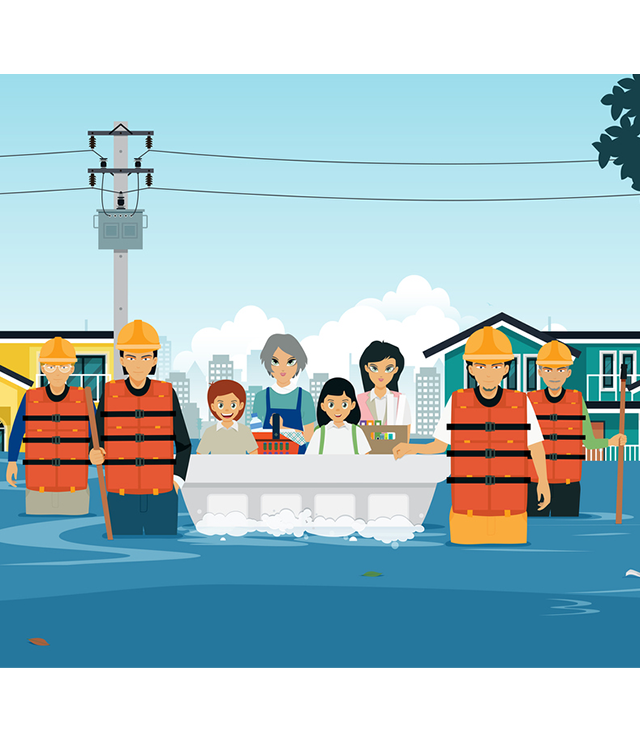
The Junior Academy’s Natural Disasters: Relief & Recovery Challenge
Alvarez came across The Junior Academy’s Natural Disasters: Relief & Recovery Challenge sponsored by the S&P Foundation from a Facebook ad, and saw an opportunity. He promptly completed the application form on Launchpad, the Academy’s collaboration platform and was selected by the project team leader to work on the Challenge with three other students from Hungary, Vietnam and the United States.
Using Hurricane Katrina as their case study, the students noticed that mental health was a serious side effect of the hurricane, and largely went untreated.
To address this deficit in disaster relief, the team created a smartphone-based community survey app to gather critical information in high-risk and disaster-prone areas that would provide a useful baseline for responders during a crisis.
The survey collects information such as residents’ financial and employment status, mindset, living habits and mental health. The information is then used to help tailor recovery efforts when a disaster strikes.
Studying the Physiological Damage
Like his team found in the Hurricane Katrina case study, many residents in Alvarez’s community suffered physiological damage following the volcanic eruption. He also found that his community wasn’t prepared because they underestimated the devastation caused by the eruption and there was a lack of information surrounding the event.
“We had radio service and a cellphone signal,” he said, “yet we were never made aware that the volcano had high levels of activity. All these factors combined to shape my contributions and suggestions during the project.”
According to Alvarez, while the survey solution is based on the Hurricane Katrina situation, its principles can be applied to all natural disaster preparation.
“Natural disasters are often socially and economically disastrous for communities,” said Carolyn C. Cavicchio, Director, Corporate Responsibility; Vice President, S&P Global Foundation.
“The type of solution that these students developed has the potential to reduce valuable time and resources when disasters strike. Moreover, Challenges like this help young people to develop and refine important problem-solving skills that are crucial in today’s workplace,” she says.
Learn more about The New York Academy of Sciences’ Innovation Challenges.
Meet the winning team of the 2019 Junior Academy Genomics Challenge.
Published October 18, 2019
By Marie Gentile, Richard Birchard, and Mandy Carr
According to the World Health Organization, there are 5,000 to 8,000 rare diseases, most of them with a genetic basis. But errors in diagnosis can delay the implementation of proper treatments, especially for those in poor areas of the world where access to healthcare is limited.
Now, six high school students who participated in the Junior Academy’s Genomics Challenge, sponsored by Regeneron and Medidata, have developed a prototype for a better way to test the genetic code and thereby improve the diagnosis of rare diseases.
The students (Evangelos Kassos, 18, from Karditsa Greece; Ana Stratan, 18, from Bucharest, Romania; Aditi Gupta, 18, from Delhi, India; Monish Singhal, 14, from Bengaluru, India; Athena Yao, 17, from Wantagh, New York, USA; and Ana Bonavides-Aguilar, 17, from Cuernavaca, Morelos, México) impressed the Challenge judges with their comprehensive four-step approach, which addressed rare disease diagnosis, access to consultation, patient privacy, and knowledge distribution.
An Innovative Approach
Their innovative “iDNA Protocol” utilizes blockchain technology to ensure patient privacy, while increasing data sharing across research entities through their Doc2Doc platform model. Better data sharing facilitates collaboration between researchers, doctors, and patients, leading to more efficient and personalized diagnosis and treatment.
A “Prion Detection Kit” will help patients identify neurodegenerative disorders through at-home urine tests. This early detection kit complements the “GenePack” testing and treatment protocol, which tests newborns for genetic diseases and connects people living in isolated areas with research centers.
For their solution, the team received an all-expenses-paid trip to New York City to attend the 2019 Global STEM Alliance Summit.
Here, the students share their thoughts on the project and why they’re excited about its potential impact on medically underserved communities:
“Most of all, we thought about who we could help. We fashioned our project to cater to the needs of underserved communities.”
Ana Stratan
Diverse Perspectives
“I had no idea what was waiting for me when I posted ‘Wanna be the next Watson?’ on Launchpad. Five amazing people from around the world joined me in taking on the Genomics Challenge,” explains Evangelos Kassos. “Along with our mentor, we created a fantastic space full of creativity, where we could all thrive.”
Multidisciplinary Focus
“All of us had a focus—biology, technology, informatics—and we thought about the Challenge through these different lenses. Most of all, we thought about who we could help. We fashioned our project to cater to the needs of underserved communities,” says Ana Stratan. “Periodically we asked for input from people outside of the project to better understand our target audience.”
People Aren’t Numbers
“Our mentor explained to us how dire situations could get. We realized that while everyone was looking at the numbers, no one was realizing that these numbers are people,” laments Aditi Gupta. “I have lived in both a first world country and a third world country. I’m thankful for having access to the American healthcare system because India is still developing theirs.”
A Diagnosis-Focused Solution
”We realized that treatment is a different problem. The mere diagnosis of the disease can be troublesome,” says Monish Singhal. “We spoke with Prasanna Shirol, the co-founder and board director of the Organization for Rare Diseases India (ORDI), whose daughter suffers from Pompe disease. His daughter was diagnosed inaccurately several times. This example led to our diagnosis-focused solution, which emphasizes early identification of a disease.”
“We realized that while everyone was looking at the numbers, no one was realizing that these numbers are people.”
A Unified Approach
“Our solution has the potential to improve lives and be implemented effectively in existing communities globally, in a cost-effective manner,” says Athena Yao. “Our approach involves changes in the rare disease diagnosis and treatment process, addressing the different aspects of the problem. We employed our knowledge, resources, and understanding of global perspectives to create a solution that is viable for various areas.”
Achievable Impact
”The ideas we are proposing are groundbreaking, innovative, and achievable,” concludes Ana Bonavides-Aguilar. “Even though some are more challenging to attain (like creating the iDNA Protocol) there are others that if research begins, they could change the way genetic diseases are being detected, like the Antibody Testing Kit. Therefore, people suffering from rare diseases could—and will—have a chance at a high quality of life.”
Want to tackle global problems like this one? Learn more about the Junior Academy.
The Academy works with partners in industry, academia and government to develop solutions for everyday challenges.
Published October 1, 2019
By Robert Birchard
Matthew Friedman
For more than a decade the Academy has worked with partners in industry, academia and government to identify solutions to every day challenges through its innovation challenges.
“These challenges provide a platform for people to hone their STEM skills on a level playing field — no lab, credentials or financial commitment required — and apply them in an interdisciplinary, real world environment,” explains Chenelle Bonavito Martinez, MS, Vice President, STEM Talent Programs.
Challenges are not just about working on a solution to a problem. They also provide an opportunity for students to practice time and project management, as well as communication and presentation skills.
Lessening the Impact of Wildfires
In one such challenge, a team of five students from The Junior Academy in five different countries devised a solution to lessen the impact of wildfires.
Not only do [wildfires] destroy homes, they also halt local economies, raze whole habitats, injure and kill many, send carcinogens into the air, and so much more,” says Matt Friedman, 16, United States, a member of the winning Wildfire team. “Understanding the factors related to real-world problems can help us solve them.”
Rubi Lopez
The team looked at how to best counter the wildfire embers and maintain adequate water supply in pumping stations without electricity. In addition to the scientific and engineering questions, the group also grappled with questions of cost-effectiveness and how to implement their solution in already existing communities.
“I think it is really easy to fall into the trap of putting science into neat little boxes where each idea or development belongs in its own discipline,” says Wildfire team member Isabelle Robertson, 18, New Zealand. “But the real world isn’t like that and global problems require us to use collaborative approaches and tie aspects of different disciplines into one solution.”
Devising Healthier Snack Options
Rubi Lopez, Monterrey Institute of Technology and Higher Education and Bianka Martinez, Technological Institute of Morelia were completing their undergraduate degrees, when they won the Pepsico Healthy Snack Challenge, devising a healthy snack that would appeal to children. Their solution required not just extensive nutrition research, but also thorough market research.
Bianka Martinez
“My experience with this challenge expanded my vision of the food industry and focused my attention on creating bigger impact in the world,” says Martinez, a biochemical engineer who recently finished a Master’s degree in Food Technology and Innovation at the Polytechnic School of Design in Milan, Italy.
“The best way to solve worldwide problems is by applying scientific skills combined with creative and design skills. Science lays the foundations, the procedures and the means to solve problems, while the design thinking helps us create innovative and unique solutions by focusing on people,” says Martinez.
“Scientific skills are like a yellow brick road that lead you to the truth. You don’t know if Oz is near or far, but you know you’re on the right path,” echoes Lopez an international business major. “I participated in this challenge despite it not being directly related to my major. I thought my skills could be useful and that this challenge offered the opportunity to learn new things. It’s not necessary to have a science degree to generate solutions to real problems, but critical thinking and constant curiosity are always necessary to make a positive change.”
Isabelle Robertson
“The tools and techniques of science helps people make breakthrough discoveries in understanding phenomena,” says Bhavna Mehra, General Manager, Infosys Science Foundation. “Therefore, science and its pursuers and practitioners have the responsibility, along with the vision, to solve these problems.”
A Real-World Scenario
This belief in the responsibilities of a scientist led to the development of the Infosys Science Foundation Nutrition Challenge. Originally envisioned as a way to raise awareness about the number of deaths attributed to malnutrition in children under the age of five, the challenge also gave participants a platform to develop.
“The skills of observing, experimenting, data collection and applying a concept in a real-world scenario were all tested as the solvers worked on the nutrition challenge,” explains Mehra.
The top two teams — team Podible and team Nutri-APP — came up with their own hypotheses, collected data and applied the results to come up with executable plans to tackle malnutrition.
“Cultivating an understanding and practice of scientific thinking in all fields will go a long way in helping solve social, economic and civic issues, says Mehra.”