The Hunter of Tyrosine Kinases

“The study of tumor viruses and their oncogenes really led to a revolution in our understanding of cancer.”

Published May 7, 2026

By Alan Dove, PhD

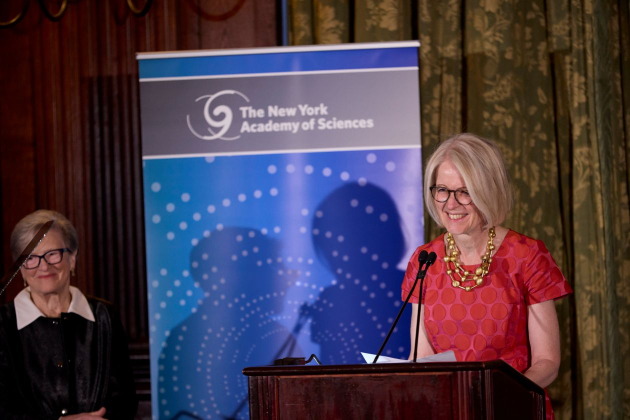
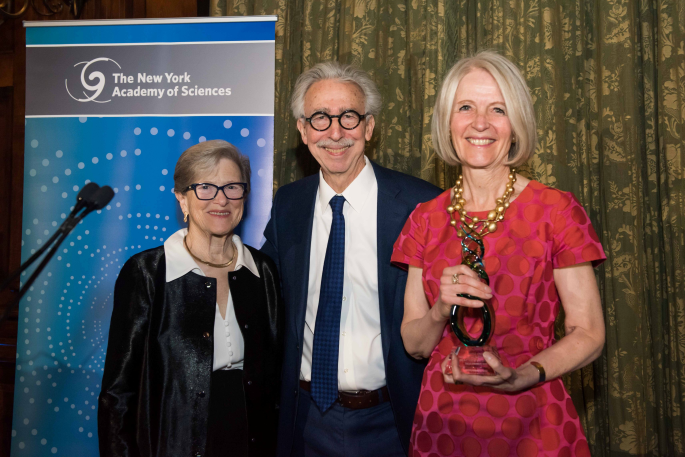
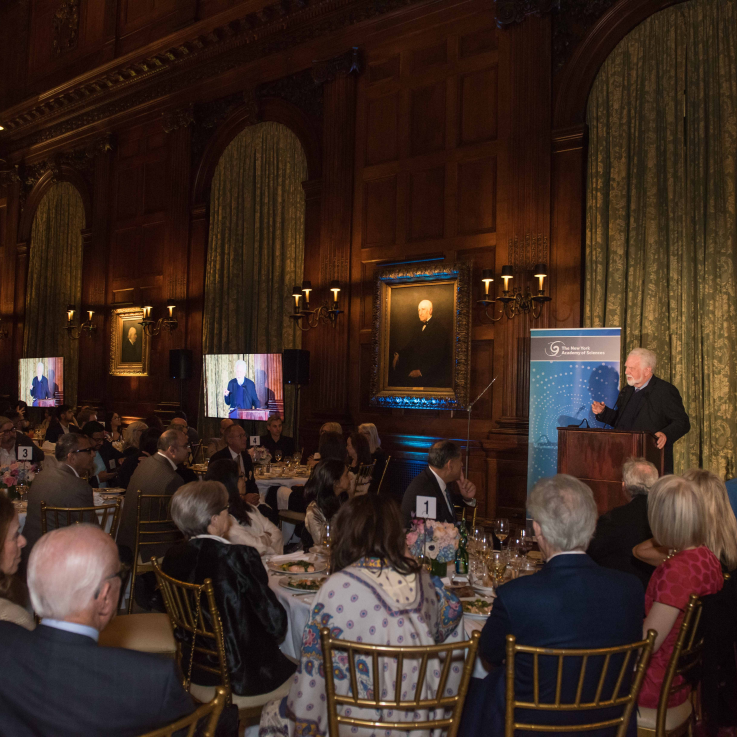
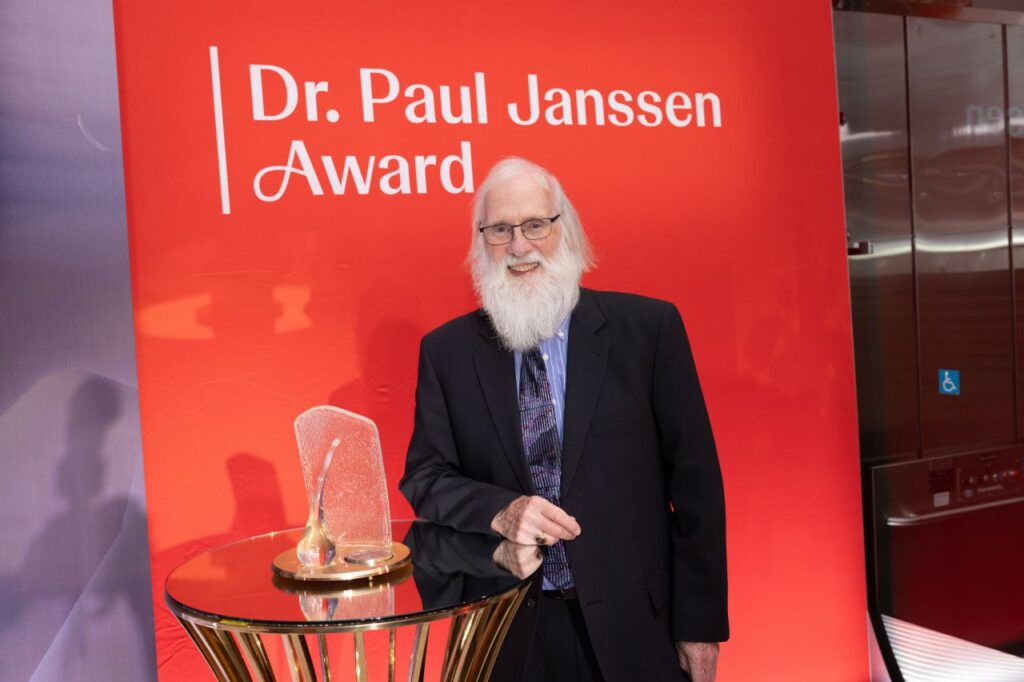
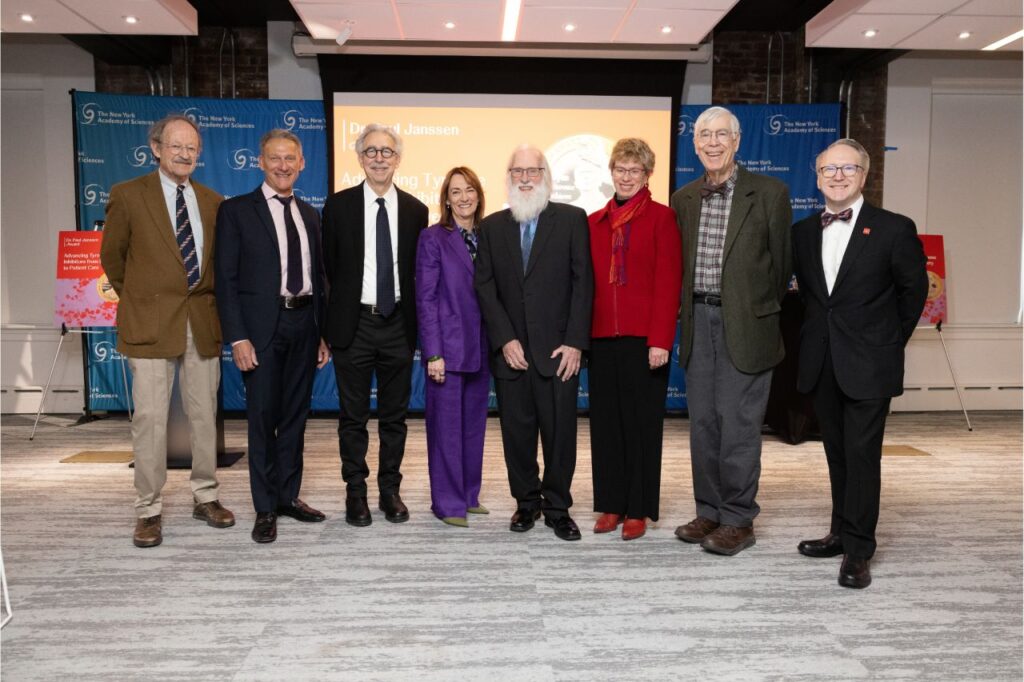
On March 2, 2026, The New York Academy of Sciences hosted a symposium honoring Tony Hunter, PhD, the recipient of the 2025 Dr. Paul Janssen Award for Biomedical Research. Bringing together leading scientists, clinicians, and patients, the event celebrated not only Hunter’s seminal 1979 discovery of tyrosine kinases, but also the lifetime of other breakthroughs he made afterward, work that has fundamentally transformed modern cancer treatment.

Created in 2004 and named after an exceptionally gifted scientist who revolutionized modern medicine, the Dr. Paul Janssen Award recognizes passion and creativity in biomedical research. Prof. Hunter is an excellent choice for the honor, having discovered tyrosine phosphorylation of proteins, a modification central to regulating cell division. In the 47 years since that finding, work on the phenomenon by Prof. Hunter and others has revolutionized cancer treatment. Introducing him, John Reed, MD, PhD, Executive Vice President of Innovative Medicine and R&D at Johnson & Johnson, said “Tony is a pioneer who is passionate, collaborative, and forever curious, and that curiosity led to a discovery that became a cornerstone of modern cancer biology.”

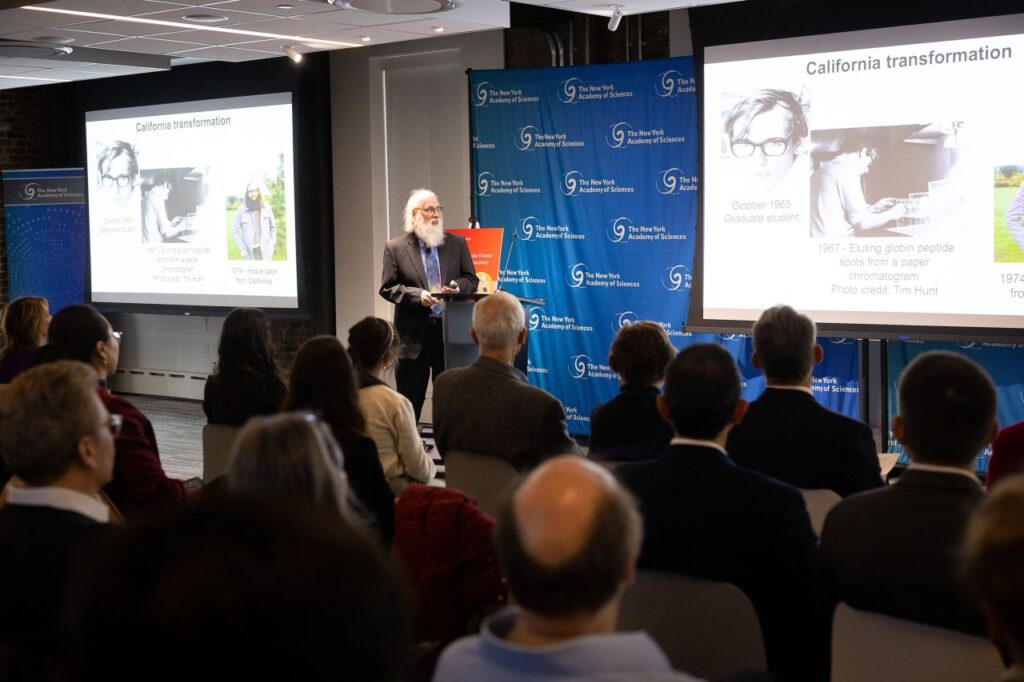
After the formal award presentation, Prof. Hunter told the story of his initial 1979 discovery. Having moved from the UK to become an assistant professor at the Salk Institute in La Jolla, Calif, he set about studying the middle T antigen protein of polyomaviruses. Previous work had shown that this protein alone could make cells become cancerous, but nobody knew how it worked. Suspecting that the protein was a kinase, capable of adding phosphate molecules to other proteins, Prof. Hunter used the latest biochemical techniques in 1979 to label and separate middle T antigens from different strains of the virus.

A Strong Affinity for Phosphorous

The wild-type virus showed a strong affinity for phosphorous, while mutant strains incapable of causing cancer transformation did not, “suggesting that this phosphorylation activity could be important for cell transformation,” said Prof. Hunter. He adds that “I knew that one of the questions we would [then] have to answer is which of the 20 natural amino acids is getting phosphorylated?”

Other researchers had found kinases that phosphorylated serine and threonine, but when Prof. Hunter and his colleagues analyzed middle T antigen’s activity, it seemed to be phosphorylating something in between the sizes of those two amino acids, producing a dark spot on the assay that they labeled “X.” “Because of my biochemical training in Cambridge, I knew there was another hydroxyamino acid that might be phosphorylated, namely tyrosine,” said Prof. Hunter. After developing a new assay for phosphorylated tyrosine, Prof. Hunter was able to confirm his hypothesis.

In the years that followed, Prof. Hunter’s lab and others have identified hundreds of tyrosine kinases in viruses and cells, and found that these enzymes are central to the regulation of cell growth and division. Indeed, aberrant tyrosine phosphorylation is a hallmark of many forms of cancer. Because tyrosine kinases are enzymes, they have also been excellent drug targets. Today, almost 90 tyrosine kinase inhibitors have been approved by regulatory agencies as cancer therapies.

Following his presentation, Prof. Hunter sat down for a discussion with Penny Heaton, MD, Global Head of the Office of the Chief Medical Officer at Johnson & Johnson. Opening the discussion, Heaton reflected on the parallels between Dr. Paul and Prof. Hunter: “Dr. Paul was guided by a deep commitment to improving patients’ lives. Dr. Hunter, that same spirit is evident in your work, which continues to profoundly influence your colleagues, the field of oncology, and countless patients who have benefited from your discovery.”

A Focus on Basic Research
The conversation ranged across Prof. Hunter’s long career path. One recurring theme was his longstanding focus on basic research. “I didn’t have a burning ambition to cure cancer, I was a protein biochemist, and it turned out that my training was useful in studying these transforming proteins,” said Prof. Hunter.

He also emphasized that without curiosity-driven research like his 1979 experiments, the next generation of lifesaving therapies won’t exist. “In the current climate, getting funding to work on a chicken virus might not have been given a very high priority,” said Prof. Hunter, adding that “we need to do a better job of communicating with the public…how science is done.”

From an anomalous spot on a novel assay, Prof. Hunter’s discovery has yielded a deluge of modern cancer therapies, and the symposium next heard from one of the beneficiaries of that pipeline. In 2005, Brian Koffman, MDCM, DCFP, FCFP, DABFP, MSEd, who is now Director of the Chronic Lymphocytic Leukemia (CLL) Society, was enjoying his life. “We’d gotten our kids off to college, we were empty nesters for the first time and looking forward to our oldest getting married in a few months,” said Dr. Koffman. Then a routine blood test upended his world. “I got this diagnosis that I had this incurable and, in my case, very aggressive form of CLL,” he said.

A Grim Prognosis

The prognosis was grim. At the time, there were no approved therapies for his form of the disease that had even been shown to prolong life; he only had a one in 20 chance of surviving another five years. “It was the sense of not being able to meet my grandkids, not being able to enjoy the time with my wife, all of those things, seeing them disappear, [it was] an extraordinarily difficult time in my life,” said Dr. Koffman.

His condition deteriorated fast. After a failed bone marrow transplant and multiple hospitalizations, he found a clinical trial for an experimental drug now called ibrutinib. The small molecule works by binding irreversibly to a cellular protein called Bruton’s tyrosine kinase, inhibiting the B cell proliferation that defines CLL. The drug’s development grew directly from Prof. Hunter’s discovery of the centrality of tyrosine phosphorylation in cancer.

“I was hoping for a cure, I was hoping this would be it, [that] this drug would knock out and control the disease,” said Dr. Koffman. Indeed, the day after receiving his first dose of ibrutinib, he noticed that the swollen lymph nodes on his neck seemed to be getting smaller. “Three days later they felt softer, and by a week later they were unequivocally smaller. It almost tears me up with joy now to think of [that moment], it’s like ‘oh my God, I’ve got a chance I could actually live,’” he said.

Discoveries From the Field of Tyrosine Kinase Inhibition
Koffman’s disease did eventually return, but by then researchers and pharmaceutical companies had developed newer generations of tyrosine kinase inhibitors, allowing him to live a mostly normal life. “The greatest joy is holding your new grandkids; it’s incredible to be able to see your grandkids and…now to play a part in their lives as they’re growing up,” he said.

To keep those kinds of breakthroughs coming, researchers continue to mine a rich vein of discoveries from the field of tyrosine kinase inhibition, which now extends beyond cancer. David Kuter, MD, DPhil, Distinguished Physician at Massachusetts General Hospital and a Professor of Medicine at Harvard Medical School, led the audience through a summary of his own work on autoimmune cytopenias. In these diseases, an aberrant response by a patient’s B cells causes them to destroy the stem cells that give rise to different components of blood.

These conditions can cause everything from bleeding disorders to cognitive dysfunction, and there were no effective treatments for them. Because ibrutinib inhibits B cell proliferation, Dr. Kuter and his colleagues reasoned that it could work against autoimmune cytopenias. Their clinical results have validated that idea in one form of the disease, and they’re now evaluating it against others. “This has been a terrific new molecule to treat these disorders,” said Kuter.

A Revolution in Our Understanding of Cancer

Jennifer Brown, MD, PhD, Director of the CLL Center of the Division of Hematologic Malignancies at Dana-Farber Cancer Institute, returned the subject to CLL, starting with her involvement in Brian Koffman’s treatment. “We were the physicians who Brian called to say his lymph nodes were shrinking before his eyes,” said Dr. Brown.

She also discovered that while the patients were undergoing dramatic recoveries in their symptoms, their blood tests revealed that the disease had not gone away. “They’re mostly partial responses, there are still cells [cancerous B cells] circulating in the blood, they’re not completely eradicated yet,” she said. Fortunately, research in her lab and elsewhere has continued to identify novel ways to target tyrosine kinase inhibitors, allowing patients to keep their disease under control for decades.

The meeting concluded with Heaton and Prof. Hunter returning to the stage, along with Nobel laureate Harold Varmus, MD, for a wide-ranging discussion on the legacy of Prof. Hunter’s work and the importance of basic research. “The basic science enterprise to me is one of the most important things we need to be doing right now,” said Dr. Varmus, adding that “it’s so important to…not only the nation’s future, but the world’s future.”

Indeed, Prof. Hunter’s own work illustrates that principle powerfully. Driven by pure scientific curiosity, he investigated a puzzling dark spot on a biochemical assay, and discovered how an obscure viral protein functioned. That finding, and subsequent work by his lab and others, opened an entirely new field of research that has now launched dozens of targeted therapies for cancer and other diseases, saving many years of life that might otherwise have been lost. “The study of tumor viruses and their oncogenes really led to a revolution in our understanding of cancer,” said Prof. Hunter.
Harvard’s Josh Lerner Receives Constellation Award

With expertise in venture capital, private equity, innovation policy, and entrepreneurial management, Josh Lerner’s work bridges the worlds of business and science.

Published May 4, 2026

By Nick Fetty

Scientific breakthroughs are increasingly reliant on private capital to transition from the lab to the market. Harvard Business School’s Josh Lerner, PhD, has just the expertise to make this transition possible.

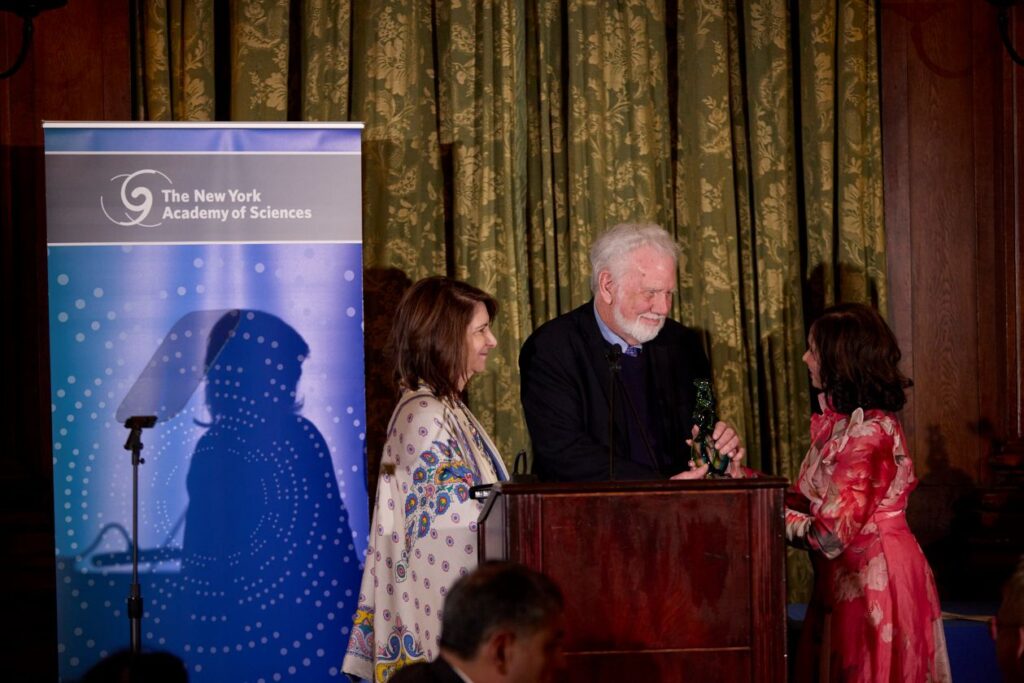
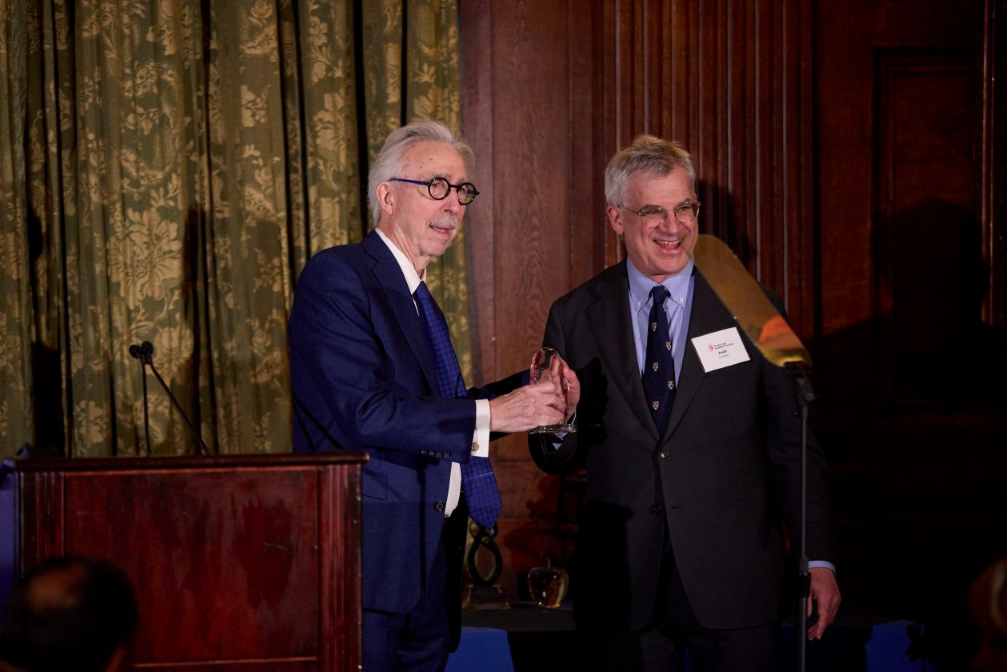
Nicholas Dirks (left) presents Josh Lerner with his trophy on stage during the 2026 Spring Soirée.

The New York Academy of Sciences honored Prof. Lerner with its inaugural Constellation Award during the 2026 Spring Soirée. The Soirée was hosted on April 21st at the University Club in New York City.

“We believe that forging stronger relations between knowledge and capital has the potential to accelerate scientific breakthroughs, even as it provides absolutely critical funding for scientific research, especially at a time like this when federal support for science is so uncertain,” said Academy President and CEO Nicholas Dirks. “For recognizing exemplary leadership and synergy in driving transformative science for the benefit of society in collaboration with the Academy we are conferring on you tonight the Constellation Award. Josh, our hearty congratulations.”

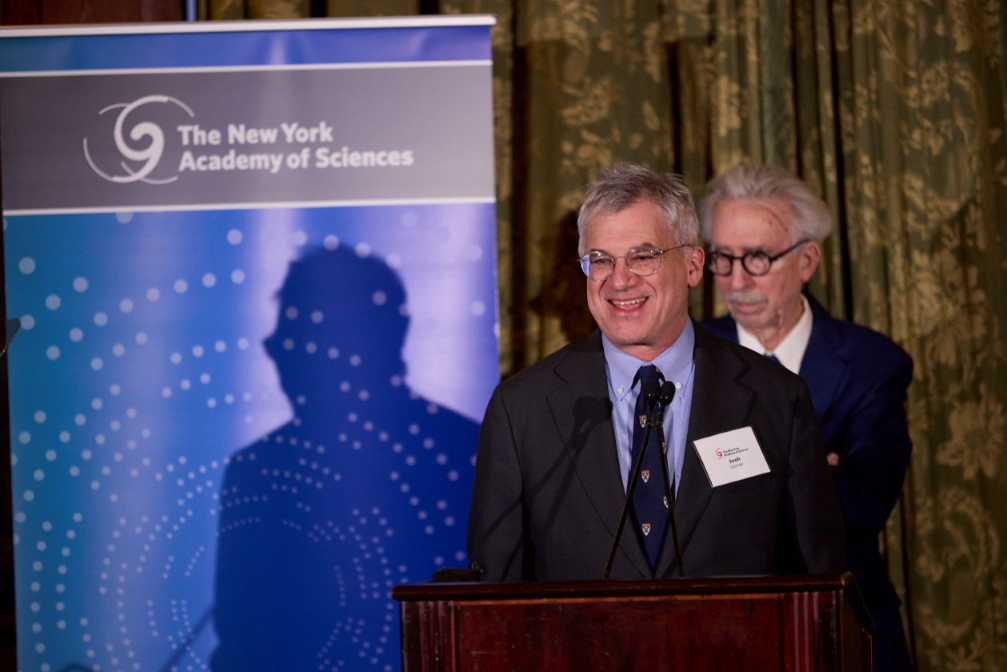
Prof. Lerner then took the stage to accept his award and provide remarks.

“Clearly we’re at a time today where even though we here all collectively agree that science is a good thing and must be supported, there are more questions than ever about it,” said Prof. Lerner. “While we can talk about how ill-founded and problematic many of the critiques are, at the same time it’s worth acknowledging that the way in which the impact of science is both communicated, as well as the mechanisms by which it gets translated, could use some improvement.”

Driving Transformative Science for the Benefit of Society

Prof. Lerner has been instrumental in the “Private Capital and Discovery: Strategic Investing in Scientific Innovation” series, which concluded earlier this year. This four-part series, a collaboration between the Academy and the Private Capital Research Institute (PCRI), was launched in fall 2025. The series, sponsored by Ropes & Gray, focuses on fostering a broader understanding of the recent scientific and technological trends and their implications for private capital investors. The inaugural series covered four areas:
Due to the impact and response from the inaugural series, Prof. Lerner expressed interest in extending the partnership with the Academy to continue to advance research and public understanding of this field.

A Pioneering Researcher in Venture Capital and Private Equity

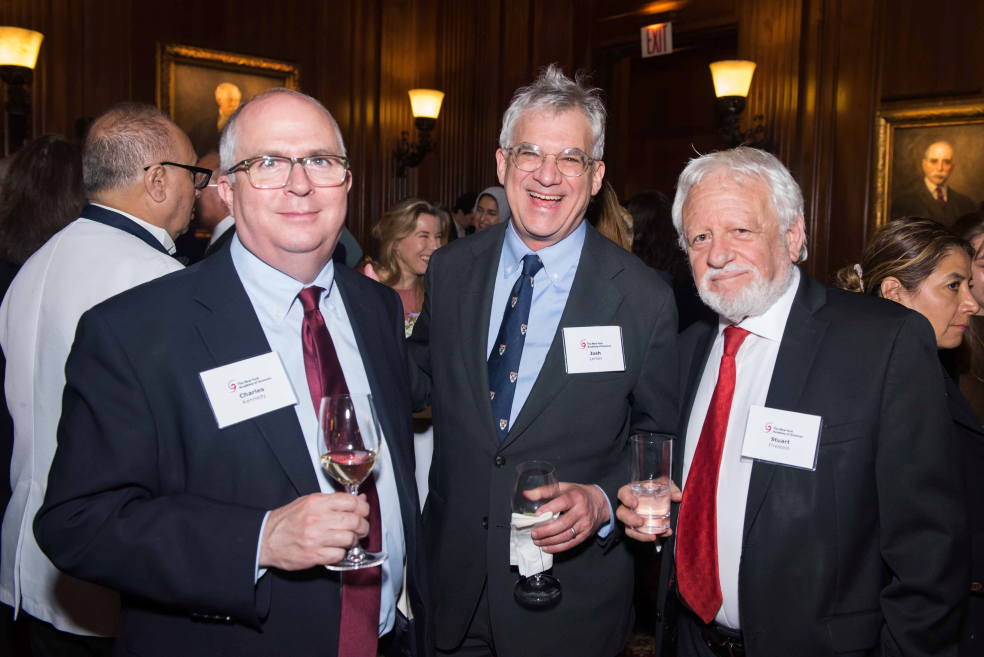
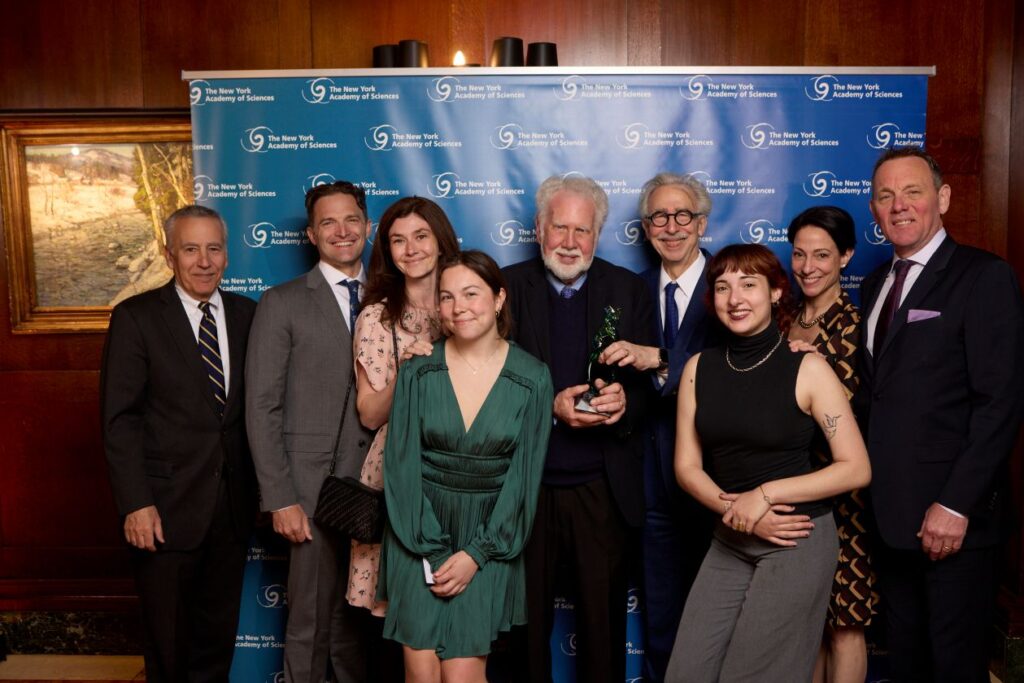
From left: Charles Kennedy, Josh Lerner, and Stuart Firestein.

Josh Lerner is the Jacob H. Schiff Professor at Harvard Business School and director of PCRI. Founded by Prof. Lerner in 2011, PCRI is a Massachusetts-based non-profit that seeks to further the understanding of private capital and its impact through independent academic studies.

His research focuses on venture capital, private equity organizations, and innovation policy. During the 1993-94 academic year he developed an elective course for second-year MBA students titled “Venture Capital and Private Equity.” The course, which “has consistently been one of the largest elective courses at Harvard Business School and whose teaching materials are used in business schools around the world,” has led to the publication of Venture Capital and Private Equity: A Casebook (now in its fifth edition) and the textbook Venture Capital, Private Equity, and the Financing of Entrepreneurship.

After completing his undergraduate studies at Yale University, Prof. Lerner worked in technological innovation and public policy, including at the Brookings Institution, before earning his PhD in economics from Harvard. He has authored more than a dozen books, including Boulevard of Broken Dreams: Why Public Efforts to Boost Entrepreneurship and Venture Capital Have Failed—and What to Do about It, as well as hundreds of journal articles, working papers, book chapters, and other reports.

“The work that [PCRI does] with the Academy, trying to bring together both some of the most thoughtful financiers and scientists, hopefully will be a very rich theme that we can continue to mine in the years to come,” concluded Prof. Lerner.

The Soirée is the Academy’s premiere fundraising event each year. Learn more about how your support can make a difference.

CNN’s Dr. Sanjay Gupta Honored for Science Communication

From war zones and natural disasters to medical marijuana and pandemics, Dr. Gupta’s career has covered the gambit of public health issues.

Published May 4, 2026

By Nick Fetty

In an era of misinformation and partisanship, CNN’s chief medical correspondent, Sanjay Gupta, MD, understands the importance of effective science communication.

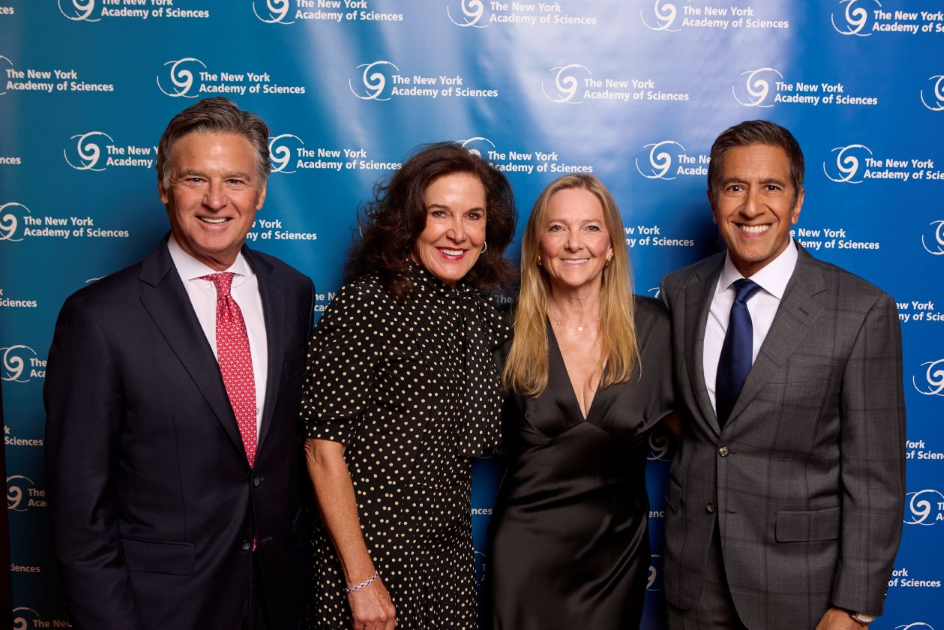
From left: Dan Barrow, Mollie Barrow, Rebecca Gupta, and Sanjay Gupta.

The New York Academy of Sciences honored Dr. Gupta with its 2026 Science Communicator Award during the second annual Spring Soirée, hosted on April 21st at the University Club in New York City. CNN was a Benefactor-level supporter for the event.

“For over twenty years, Sanjay has occupied a peculiar and precious space: where the lab meets the living room,” said Dan Barrow, MD, the Pamela R. Rollins Professor and chairman of the Department of Neurological Surgery at Emory University School of Medicine, as he introduced Dr. Gupta.

“He understood something that far too many science communicators never quite figure out. The goal isn’t to impress. It’s to illuminate,” Dr. Barrow concluded.

Dr. Gupta then took to the stage to accept the award and deliver his remarks.

“Many years ago when I first started doing television [my wife] Rebecca gave me the single best piece of advice I’d ever heard about being on camera. She said treat the lens as if it were a patient,” Dr. Gupta said. “It changed how I spoke, what I said, how much empathy I could transmit. The lens for me stopped being a piece of glass and started being something, someone that I really cared about.”

Dr. Gupta is just the third person to receive this honor after the inaugural award was bestowed upon documentarians Janet Tobias and Jared Lipworth during the 2025 Spring Soirée.

From the September 11 Attacks to the COVID-19 Pandemic

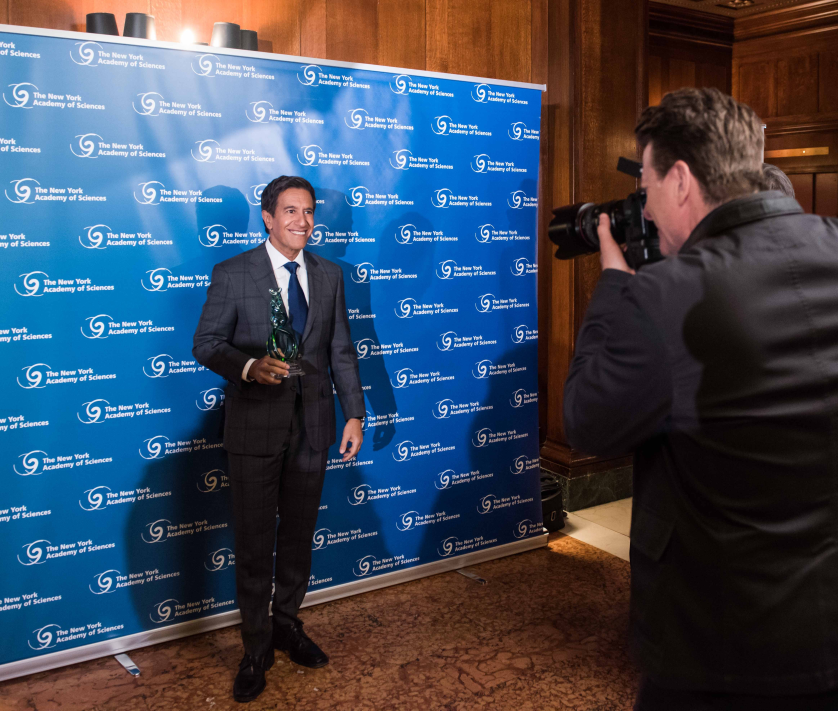
Sanjay Gupta credits his wife Rebecca for giving him the advice that enables him to be so comfortable in front of the camera.

A practicing neurosurgeon, Dr. Gupta has been with CNN since 2001. He broke stories about the threat of anthrax following the September 11 terrorist attacks. He’s reported from war-torn regions in Iraq, Kuwait, Lebanon, and Afghanistan, and has performed life-saving brain surgery for patients in desert operating rooms. He has also extensively covered natural and manmade disasters including:

  • Tsunamis in Sri Lanka (2004)
  • Hurricane Katrina in New Orleans (2005)
  • The Gulf of Mexico oil spill (2006)
  • Flooding in Pakistan (2010)
  • Earthquakes in Haiti (2010)
  • Earthquakes and tsunamis in Japan (2011)
  • The Ebola outbreak in West Africa (2014)
  • Earthquakes in Nepal (2015)
  • Hurricane Maria in Puerto Rico (2017)

This award from the Academy is just the latest on a shelf already full of accolades Dr. Gupta has to his name including the John F. Kennedy University Laureate award, PEOPLE magazine’s “Sexiest Men Alive” list, and multiple Emmy® awards. In 2019 he was elected to the National Academy of Medicine, “considered one of the highest honors in the medical field.”

In addition to his work with CNN, Dr. Gupta also serves as an associate professor of neurosurgery at Emory University Hospital and associate chief of neurosurgery at Grady Memorial Hospital in Atlanta.

Hail to the Victors

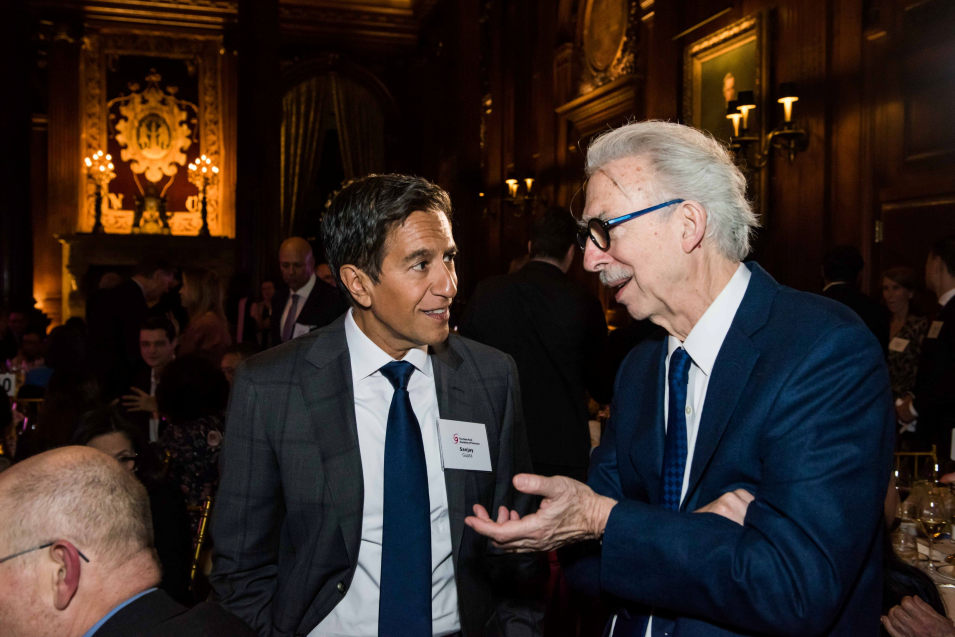
Sanjay Gupta (left) talks with Nicholas Dirks during the Soirée. The two have a mutual connection to the University of Michigan. While Dr. Gupta is an alum, Prof. Dirks was on faculty at Michigan in the 1990s.

The University of Michigan holds a special place in Dr. Gupta’s heart. Not only is it his alma mater (twice over), but his parents first met in Ann Arbor in the 1960s. He once delivered a rousing commencement address in Michigan’s historic “Big House.”

“If you ever cheer for another team in competition with the Wolverines, then some 500,000 alumni will hunt you down and paint you maize and blue,” Dr. Gupta said during the 2012 address.

Using his decades of on-camera experience, Dr. Gupta even tried his hand as a “‘sideline reporter’ of sorts” during Michigan’s 2018 championship run in men’s basketball. Though they fell short of the title in 2018, Dr. Gupta was proud to watch them best the UConn Huskies 69-63 to claim the 2026 championship.

“It only took us 37 years,” he said with a smile during a photoshoot after the Soirée’s program, referring to Michigan’s 1989 title run.

His fondness for his upbringing in the Wolverine State came through during his Soirée remarks. In an era when approximately 80 percent of Americans cannot cite a single living scientist, Dr. Gupta said he was grateful to be raised by one in his mother, Damyanti. At the age of 24, “she was designing cars as the first woman hired in the United States as an engineer at the Ford Motor Co.” Growing up, the word “impossible” was not allowed in the Gupta household.

“My mom to me was the first and best example of science and what it can do for mankind,” Dr. Gupta concluded. “[We’re living in a] time where science has never been more powerful and never more questioned. But that tension is why science communication matters. Not as an afterthought, once the real work is done, but as part of the work itself.”  

The Soirée is the Academy’s premiere fundraising event each year. Learn more about how your support can make a difference.

Business Executive Maria Gotsch named “Visionary” Awardee

Maria Gotsch’s acumen combines her economic expertise with a focus on improving New York City by advancing science.

Published May 4, 2026

By Nick Fetty

While the mission of The New York Academy of Sciences is to advance science for the benefit of society, the Partnership Fund for New York City (the Fund) similarly aims to advance economic and business interests for the betterment of the city.

From left: Kathy Wylde, Nicholas Dirks, and Maria Gotsch.

The Academy honored Maria Gotsch, MBA, President and Chief Executive Officer of the Fund, with its 2026 Trailblazer Award during the second annual Spring Soirée, hosted on April 21st at the University Club in New York City. The Fund was a Benefactor-level sponsor for the event.

Kathy Wylde, the longtime leader of the Partnership for New York City who announced her retirement last year, took to the stage to introduce the award. She discussed how Gotsch’s early career straddled “two iconic New York industries:” the Broadway stage and Wall Street. Gotsch found success in banking prior to transitioning to the non-profit sector, “where she could make maximum impact in the city she loved.”

“At the Fund Maria has excelled at mobilizing private sector resources both investment capital and expertise, to create jobs, strengthen communities, and support the innovators and entrepreneurs who are defining New York’s place in a rapidly changing economy,” said Wylde.

The Power of Pink and Yellow Flowers

Wylde then called Gotsch to the stage to present her with the glass trophy.

“Being an advocate for the last 15 years for scientists and the translation of their work into commercial products has been a pleasure,” Gotsch said.

Gotsch traced her interest in biomedical science to when she was six years old. When her beloved grandmother Mildred passed away from cancer, she wrote a letter to then President Richard Nixon advocating for the United States government to fund cancer research. She noted that the stationary she used to pen the note was etched in “little pink and yellow flowers.”

“Today annual federal funding for cancer research is four times higher than it was in 1970 and there have been stunning breakthroughs in treatment and early detection. So never underestimate the power of little pink and yellow flowers,” Gotsch said with a smile, as those in attendance laughed along.

Gotsch is just the second person to receive this honor after the inaugural award was given to Albert Bourla, DVM, PhD, Chairman and CEO of Pfizer, during the 2025 Spring Soirée.

Advancing Economics for the Benefit of NYC

Gotsch joined the Fund in 1999 after stints with BT Wolfensohn (now part of Deutsche Bank), LaSalle Partners, and Merrill Lynch. She holds an MBA from Harvard Business School and a BA from Wellesley College.

During her time with the Fund, she has spearheaded the creation and operation of several of her organization’s strategic initiatives, including:

  • FinTech Innovation Lab
  • New York Digital Health Accelerator
  • NYCSeed
  • BioAccelerate Prize NYC
  • Arts Entrepreneurial Loan Fund
  • ReStart Central and Financial Recovery Fund

In addition to leading the Fund, Gotsch serves advisory roles at Columbia University, ProPublica, and Sonepar. She’s also been honored for her business acumen by top industry outlets like Crain’s, City & State, and Institutional Investor.

Founded in 1996, investor and philanthropist Henry Kravis wanted to create a “corporate civic investment fund” to benefit the city and its people. Kravis was largely influenced by David Rockefeller who rallied the private sector to overcome the city’s financial crisis in the mid-1970s. To date, the fund has invested over $200 million and has built a network of top experts from the investment and corporate communities who help identify and support New York City’s most promising entrepreneurs in both the for-profit and non-profit sectors.

“At its core the mission is clear. New York City needs to live up to its potential. We have world class science at our universities and the companies that are developing the world class cures should also be in New York City, not in Boston,” Gotsch concluded, with many in attendance cheering on her subtle dig at New York’s rival city. “We are all lucky to spend time in the community of the curious and the creative.”

The Soirée is the Academy’s premiere fundraising event each year. Learn more about how your support can make a difference.

NYU President Emeritus Honored as Science “Trailblazer”

Education, humility, laughter, faith, and baseball are just some of the guiding principles in the life of scholar and leader John E. Sexton.

Published May 4, 2026

By Nick Fetty

An already accomplished legal scholar and education leader, John E. Sexton, PhD, has yet another award for his trophy case.

John Sexton, PhD, (center) is flanked by Linda G. Mills, PhD, (left) and Seema Kumar.

The New York Academy of Sciences honored Prof. Sexton with its 2026 Trailblazer Award during the second annual Spring Soirée, hosted on April 21st at the University Club in New York City. Linda G. Mills, PhD, current President of NYU, took to the stage to introduce Prof. Sexton and the award. NYU was an Academic Patron-level sponsor for the event.

“There are leaders who steer institutions, and then there are those who chart entirely new paths. Tonight, as we honor my dear friend and colleague John Sexton, we celebrate someone who didn’t just follow the trajectory of higher education, he redrew the map,” Prof. Mills said. “John has left an indelible mark on every corner of our beloved New York University.”

Sanctitas, Scientia, Sanitas

Prof. Sexton then took to the stage to accept the award. He recalled a commencement address he gave to his high school alma mater more than six decades ago. The address was about the Latin motto of the now-defunct Brooklyn Preparatory School in Crown Heights: Sanctitas, Scientia, Sanitas. He translated this to “Take care of the mind, the body, and the soul.”

“In those days we believed in a common. We believed in institutions. We believed in leaders. And we believed that it was worth sacrificing for that commonweal,” said Prof. Sexton. “We live in times when all of those things that we took for granted back when I gave those speeches, are under attack. [These are no longer] axioms of our society.”

During his five-year stint as Chair of the Academy’s Board of Governors, he said it was the intelligent and passionate individuals who made the extraordinary happen. He called the Academy’s current leadership, President Nicholas Dirks and Board Chair Peter Salovey, PhD, a “one-two punch.”

Prof. Sexton is just the second person to receive this honor after the inaugural award was bestowed upon AI pioneer Yann LeCun during the 2025 Spring Soirée.

A Legal Scholar and Academic Administrator

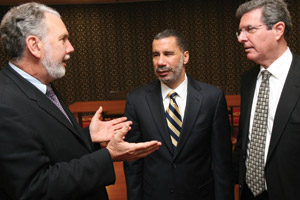
Academy Board Chair John Sexton (left) confers with Gov. Paterson and Academy President Ellis Rubinstein (right) during Paterson’s “new economy” announcement at the Academy in 2009.

Early in his career, Prof. Sexton served as a professor of religion at Saint Francis College in Brooklyn, which included chairing the department for six years. After completing his PhD in the History of American Religion from Fordham University, and a JD magna cum laude from Harvard Law School, he served as a Law Clerk to Chief Justice Warren Burger of the United States Supreme Court.

Much of his professional career has straddled law scholarship and academic administration. He joined the faculty of NYU’s Law School in 1981 and ascended to the rank of Dean in 1988. Prof. Sexton became the 15th president of NYU in 2002 and served in that role until 2015. He also served as Chair of the Academy’s Board of Governors between 2007 and 2011.

Baseball and Religion

Prof. Sexton remains committed to his Catholic faith, even though his late wife and children were raised Jewish. He is also a baseball fan and a devotee of the Yankees, though he was a Dodgers fan prior to the team leaving Brooklyn for Los Angeles in 1957. He combined his love of the game with his theological scholarship in an NYU course he taught called “Baseball as a Road to God.” He borrowed this title for a book he published in 2014.

“The real idea of the course,” he told The New York Times in 2012, “is to develop heightened sensitivity and a noticing capacity. So baseball’s not ‘the’ road to God. For most of us, it isn’t ‘a’ road to God. But it’s a way to notice, to cause us to live more slowly and to watch more keenly and thereby to discover the specialness of our life and our being, and, for some of us, something more than our being.”

John Sexton (center) poses with his trophy.

Prof. Sexton’s humility came through throughout the night at the Soirée. In his closing remarks, he joked that he receiving such an honor was like the classic Sesame Street segment One of These Things (Is Not Like the Others).

“It’s kind of fun not being the one that belongs with the others because I get to watch you people do miraculous things,” Prof. Sexton concluded. “There’s never been a time when thought has been more under challenge. And there’s never been a time when gathering as a community of thought has been more important.”

The Soirée is the Academy’s premiere fundraising event each year. Learn more about how your support can make a difference.

Recognizing Excellence in Teaching and Mentoring

Five formally dressed people pose together on stage.

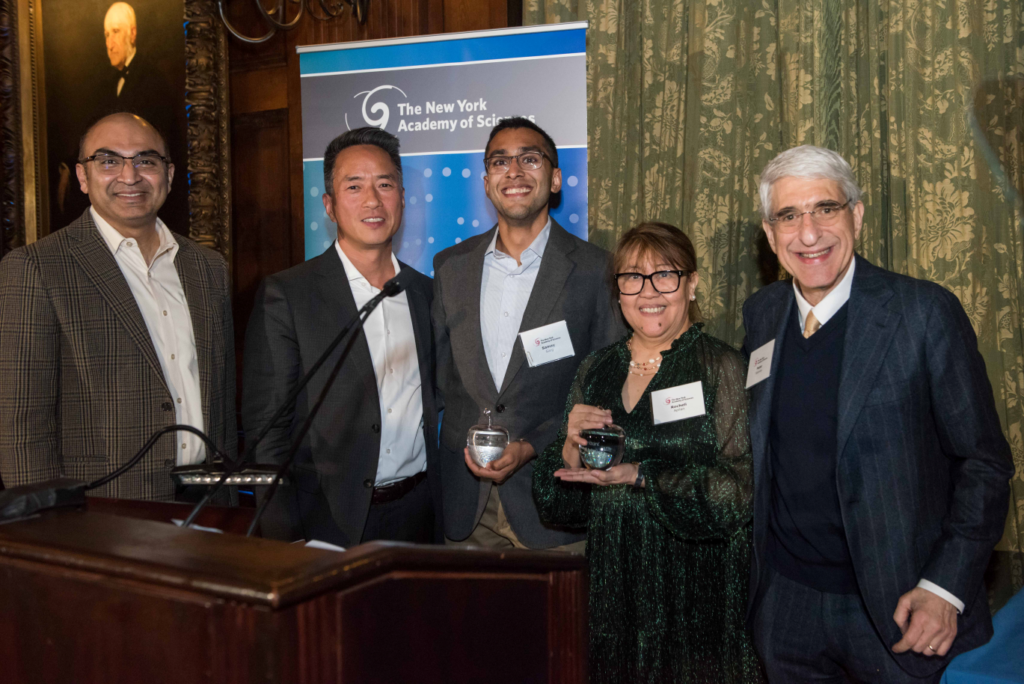
Rocheli Apilan and Samay Garg, PhD, are the recipients of the 2026 Cognizant STEM Teacher of the Year and the Cognizant STEM Mentor of the Year.

Published April 30, 2026

By Nick Fetty

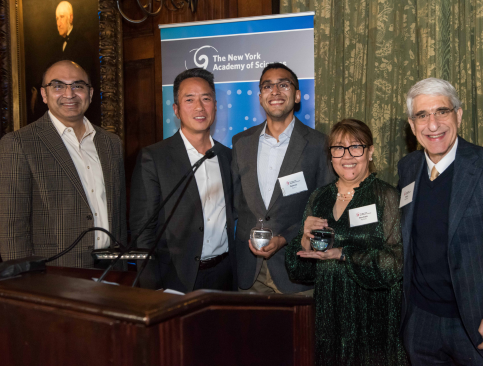
From left: Jatin Dalal, Cognizant CFO; John Kim, Cognizant CLO; Samay Garg, PhD, 2026 Cognizant STEM Mentor of the Year; Rocheli Apilan, 2026 Cognizant STEM Teacher of the Year; and Peter Salovey, PhD, Chair of the Academy’s Board of Governors.

The New York Academy of Sciences’ STEM education initiatives are a foundational pillar of the Academy’s mission to advance science for the benefit of society.

Two inspiring participants in the Academy’s STEM programs were recently recognized for their achievements during the Academy’s second annual Spring Soirée, held at the University Club in New York City.

Rocheli Apilan, a teacher at the High School for Health Professions & Human Services, was the 2026 recipient of the Cognizant STEM Teacher of the Year, while the 2026 Cognizant STEM Mentor of the Year award went to Samay Garg, PhD, a mentor at P.S./M.S. 37 Children’s Arts & Science Workshop in the Bronx.

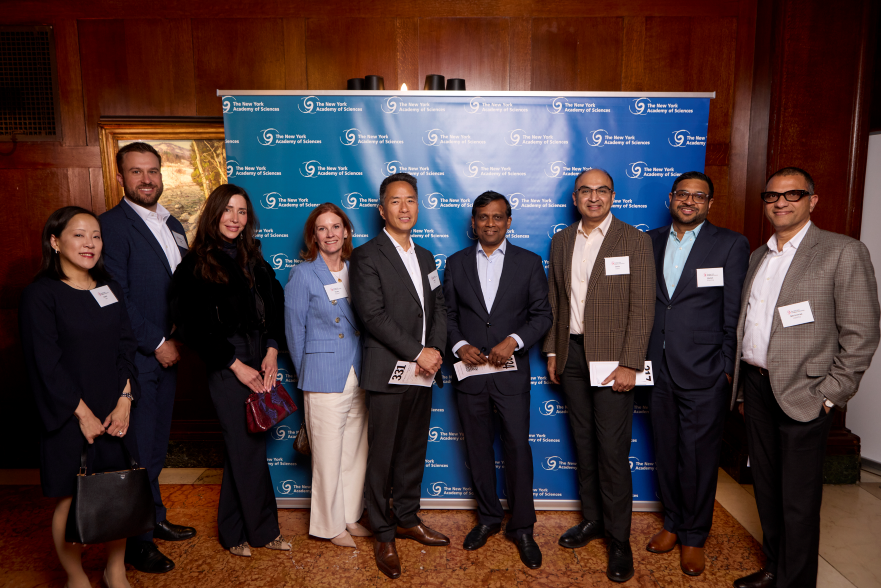
Cognizant executive team attending the Soirée.

This year’s awards are sponsored by Cognizant, which also served as Mission Partner for the Soirée. Cognizant aims to “[engineer] modern business to improve everyday lives” through work that transforms experiences, reimagines processes, and modernizes technology. Over the past 30 years, the company has generated more than $21 billion in revenue and has grown to more than 350,000 employees across the globe. Ravi Kumar S, a member of the Academy’s Board of Governors, has served as Cognizant’s CEO since 2023.

“We know how essential it is to grow the talent pipeline and forge new pathways for the next generation of scientists for the good of humanity,” said Peter Salovey, PhD, Chair of the Academy’s Board of Governors, when introducing the awardees. “This year we’re delighted and grateful that Cognizant is playing a leadership role in supporting these awards.”

Jatin Dalal, Cognizant CFO, and John Kim, Cognizant CLO, both joined Prof. Salovey on stage to congratulate the winners. This marks the second time the Academy has bestowed this recognition. Last year’s recipients were teacher Brittany Beck and mentor Megan C. Henriquez. Beck was in attendance at the 2026 event.

The 2026 Cognizant STEM Teacher of the Year

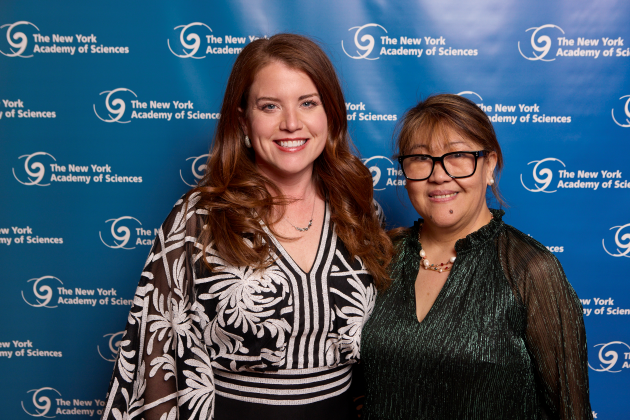
Rocheli Apilan (right), 2026 Cognizant STEM Teacher of the Year poses with Brittany Beck, recipient of the 2025 prize.

For Apilan, one of the most rewarding parts of her job is watching the students “shift from memorizing facts to genuinely thinking like scientists, asking questions, challenging ideas, and making sense of the world around them.” Once a concept “clicks” with her students she can see the boost in their confidence.

“My job isn’t to teach students what to think, but to help them think like scientists long after they leave my classroom,” she said.

She was “shocked” when she heard the news and had to read the email multiple times before she truly processed it. While the award was personally enriching, she acknowledged it was a strong support system around her that made it happen. The award “reflects the hard work and curiosity of [her] students and the support of [her] colleagues, school, and the Scientist-in-Residence program.”

“It was a humbling reminder that the work we do in the classroom truly matters and is being seen and recognized,” she said. “Ultimately, this award motivates me to keep growing, innovating, and advocating for meaningful STEM education for all students.”

The 2026 Cognizant STEM Mentor of the Year

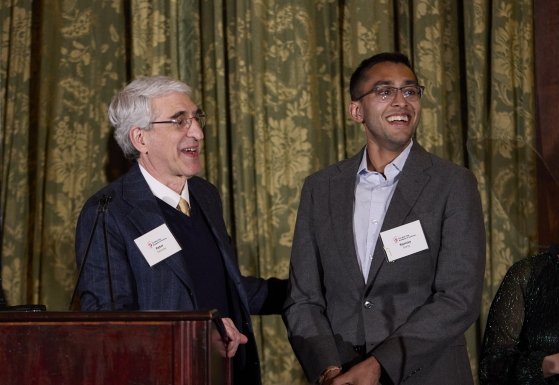
Samay Garg, PhD (left), is recognized by Peter Salovey, PhD, on stage at the Soirée.

Dr. Garg, a recipient of the NSF Graduate Research Fellowship, holds a BS in chemical engineering from the University of California, Berkeley where he studied water electrolysis and fuel cells at the Lawrence Berkeley National Laboratory. He also holds an MS and PhD in chemical engineering from Columbia University. His work in the Chen Research Group focused on developing electrocatalytic processes for chemical synthesis. He was recently a co-first author on a paper published in the journal Nature Chemical Engineering focused on converting CO2 into carbon nanomaterials.

This spring he worked with a 5th grade class on their marble runs curriculum. He’s been a part of the Academy’s Afterschool STEM Mentoring Program (ASMP) since 2023. Much like Apilan, Dr. Garg said one of the most rewarding parts of this work is when students truly grasp a science or engineering concept for the first time.

“Even if it’s something like friction or gravity that I would consider very basic, seeing them develop an understanding of how these forces work through hands-on experiments reminds me why I love being a scientist and why I wanted to pursue a career in research,” said Dr. Garg, adding that the opportunity has allowed him to develop critical skills in teaching, mentoring, and communication.

Small Actions, Outsized Impact

Dr. Garg, who’s an active runner and cyclist in his free time, will now join the Tarpeh Research Group at Stanford University for postdoctoral research focused on electrocatalytic wastewater remediation. While his west coast move means he will no longer formally be involved with the Academy’s ASMP program, he reiterated that these programs are enriching for all involved.

“I just want to encourage other PhD students to engage in STEM outreach programs,” he said. “The activation barrier is relatively small, but this award is a reminder that even small actions can have an outsized impact on the students we work with.”

The Soirée is the Academy’s premiere fundraising event each year. Learn more about how your support can make a difference.

Academy Recognizes N. Chandrasekaran as Life Governor

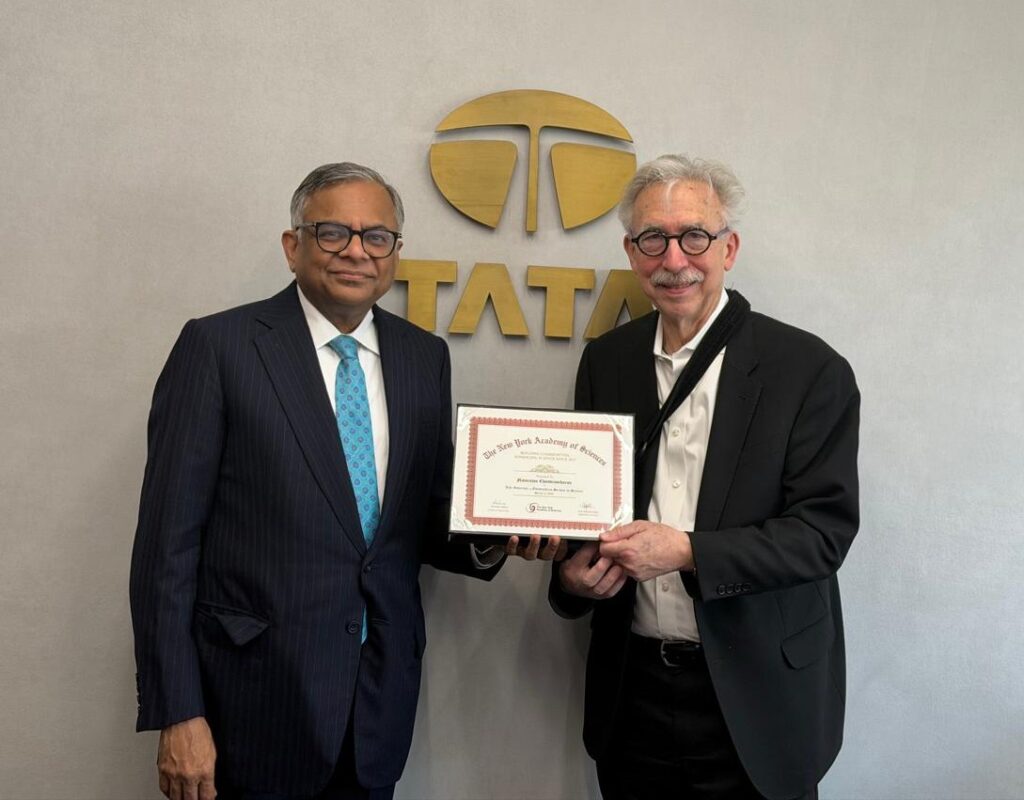
Two men pose together with a certificate.

The New York Academy of Sciences is proud to recognize the Tata Sons Chairman as its most recent Life Governor.

Published December 5, 2025

By Nick Fetty

Nicholas B. Dirks (right), President and CEO of The New York Academy of Sciences, presents a Life Governor certificate to Natarajan Chandrasekaran, Chairman of Tata Sons, during the Tata Transformation Prize ceremony in India on Dec. 5.

Natarajan Chandrasekaran (Chandra), Chairman of India-based Tata Sons, joins a distinguished group of changemakers who serve as Life Governors for the Academy.

The Academy’s Board of Governors approved Chandra’s appointment earlier this year. He was presented with a certificate recognizing the honor by Academy President and CEO Nicholas B. Dirks during a ceremony in Mumbai, India on December 5.

Prior to his appointment as a Life Governor, Chandra served on the Academy’s Board of Governors where he lent his expertise to help guide the Academy on strategic and business matters. With more than three decades of science and leadership experience, he’s overseen revenues that have exceeded $100 billion across more than 100 Tata operating companies. He promotes the “One Tata” strategy, which focuses on themes like simplification, scale, synergy, and sustainability.

This recognition adds to a long list of accolades for Chandra which also include:

In collaboration with Tata Sons, the Academy launched the Tata Transformation Prize in 2023. The Prize recognizes and supports the implementation at scale of high-impact research that drives innovation in scientific disciplines of importance to India’s societal needs and economic competitiveness. Tata Sons also support the Academy’s Shaping Science podcast.

Learn more about the Tata Transformation Prize and check back for more updates from the 2025 ceremony!

2025 Tata Transformation Prize Recognizes Three Indian Scientists Driving Global Solutions for People and the Planet

The logo for The New York Academy of Sciences.

Media Contact
Tata Sons
Harsha Ramachandra harsha.r@tata.com

The New York Academy of Sciences
Kamala Murthy kmurthy@nyas.org

From cancer-targeting nanorobots to sustainable biomanufacturing and climate-smart rice, this year’s Winners embody India’s transformational scientific spirit.

Mumbai, India | November 18, 2025 – The New York Academy of Sciences and Tata Sons today announced the Winners of the 2025 Tata Transformation Prize. Established to advance innovation and support visionary scientists in India developing breakthrough technologies to address India’s most significant societal challenges in Food Security, Sustainability, and Healthcare, the Tata Transformation Prize aims to generate improved quality-of-life outcomes and scale up the implementation of high-reward research for India and beyond.

Selected from a competitive pool of 212 nominations spanning 27 Indian states, the three Winners were chosen by an international jury of eminent scientists, clinicians, technologists, and engineers. Each Winner will receive INR 2 crores (approximately USD 228,000) to advance their research and scale its real-world impact. The Winners will be celebrated at an awards ceremony in Mumbai in December 2025. The jury, consisting of experts from leading academic, industrial, and governmental institutions across India, the U.S., Europe, Asia, and Australia, included representatives from IBM Research, Biocon, the Bill & Melinda Gates Foundation, the University of Messina (Italy), Murdoch University (Australia), the Indian Institute of Management Bangalore, the National Institute of Advanced Studies, and the CSIR – Central Drug Research Institute.

2025 Tata Transformation Prize Winners

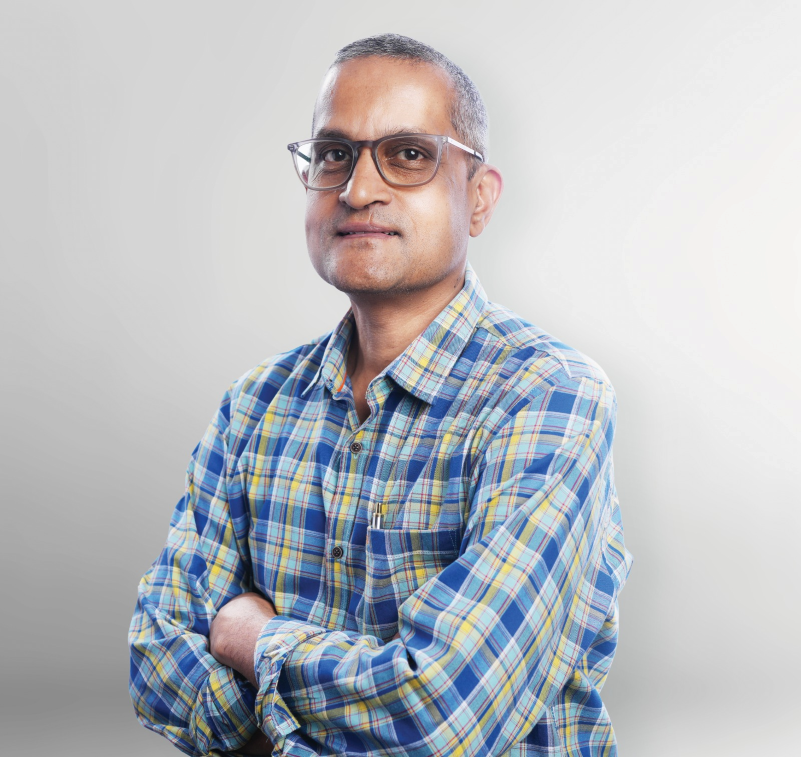
Food Security Winner: Padubidri V. Shivaprasad, PhD, National Centre for Biological Sciences  

Padubidri V. Shivaprasad, PhD, addresses one of India’s greatest challenges: feeding a population projected to reach 1.5 billion by 2050 amid shrinking farmland and worsening climate stress. His groundbreaking work uses epigenetic engineering and small RNA–based modifications in rice, India’s primary staple crop, to enhance stress tolerance and nutritional quality.  By precisely altering the expression of key genes, Prof. Shivaprasad’s approach surpasses the limits of conventional plant breeding, which can be slow and unpredictable. His engineered rice varieties promise to reduce fertilizer and pesticide dependence, lower production costs, and improve nutrition for millions. Beyond India, this innovation offers a sustainable blueprint for staple crops worldwide in the face of global climate change.

Sustainability Winner: Balasubramanian Gopal, PhD, Indian Institute of Science 

India’s growing biomanufacturing sector urgently needs cleaner, cost-effective alternatives to traditional energy-intensive chemical synthesis methods. Balasubramanian Gopal, PhD, has developed a green chemistry platform that harnesses bioengineered E. coli bacteria to produce key chemicals used in pharmaceuticals, cosmetics, and agriculture. Integrating artificial intelligence with experimental biology, his lab rapidly designs efficient enzymes and optimizes microbial strains for high yields, without antibiotics or harmful additives. This sustainable technology can replace traditional chemical manufacturing, thus reducing pollution, enhancing domestic production, and positioning India as a global leader in environmentally responsible biomanufacturing.

Healthcare Winner: Ambarish Ghosh, PhD, Indian Institute of Science 

Ambarish Ghosh, PhD, is pioneering a breakthrough in cancer treatment using magnetic nanorobots – tiny, helical devices that can be safely guided through the body using magnetic fields. These nanorobots are designed to navigate complex biological environments, deliver drugs directly to tumors, and distinguish cancerous tissue from healthy cells. His team is also creating real-time imaging tools to track and steer the nanorobots during treatment. This technology promises more precise, less invasive cancer therapies with fewer side effects, with the potential to revolutionize cancer care worldwide and make advanced treatments more accessible and affordable in India and other low- and middle-income countries.

“The scientific advancements achieved by this year’s winners—creating climate-resistant crops, sustainable bio-manufacturing, and targeting cancer with fewer side effects—are the result of years of dedication and sacrifice. Their work is significant for India, and for humanity at large,” said N. Chandrasekaran, Chairman of Tata Sons. “The Tata Group has long believed that science and technology pave the way for larger human progress, and we are proud to support this year’s winners in their endeavour to push the frontiers of excellence.”

“The Tata Transformation Prize celebrates scientific breakthroughs with the power to address pressing societal challenges while fostering economic progress and global impact. The 2025 Winners exemplify the power of Indian science to drive meaningful global change,” said Nicholas B. Dirks, President and CEO of The New York Academy of Sciences. “Their innovations span biology, engineering, and sustainability, reflecting the spirit of creativity and social purpose that this prize was designed to honour.”

About the Tata Transformation Prize

The Tata Transformation Prize was established in 2022 by Tata Sons, powered by The New York Academy of Sciences, to support breakthrough, innovative technologies that address India’s most significant challenges. By recognizing and supporting the implementation at scale of high-risk, high-reward research, the Prize will drive impactful innovation in scientific disciplines of importance to India’s societal needs and economic competitiveness. The Prize will leverage the exceptional potential of scientists in India to address critical national challenges in three categories—Food Security, Sustainability, and Healthcare—and generate improved life quality outcomes across India and beyond. The Tata Transformation Prize recognizes one Winner in each category, with INR 2 crores (approximately USD 228,000) for each Winner. Click here for more information about the Tata Transformation Prize.

About the Tata Group

Founded by Jamsetji Tata in 1868, the Tata Group is a global enterprise, headquartered in India, comprising 31 companies across multiple verticals. The group operates in more than 100 countries across six continents, with a mission ‘To improve the quality of life of the communities we serve globally, through long-term stakeholder value creation based on Leadership with Trust’.  

Tata Sons is the principal investment holding company and promoter of Tata companies. Sixty-six percent of the equity share capital of Tata Sons is held by philanthropic trusts, which support education, health, livelihood generation and art and culture.  

In 2024-25, the aggregate revenue of Tata companies was more than $180 billion. These companies collectively employ over 1 million people.  

Each Tata company or enterprise operates independently under the guidance and supervision of its own board of directors. There are 26 publicly listed Tata companies with an aggregate market capitalisation of more than $328 billion as on March 31, 2025. 

Finalists Announced for the 2025 Blavatnik National Awards for Young Scientists

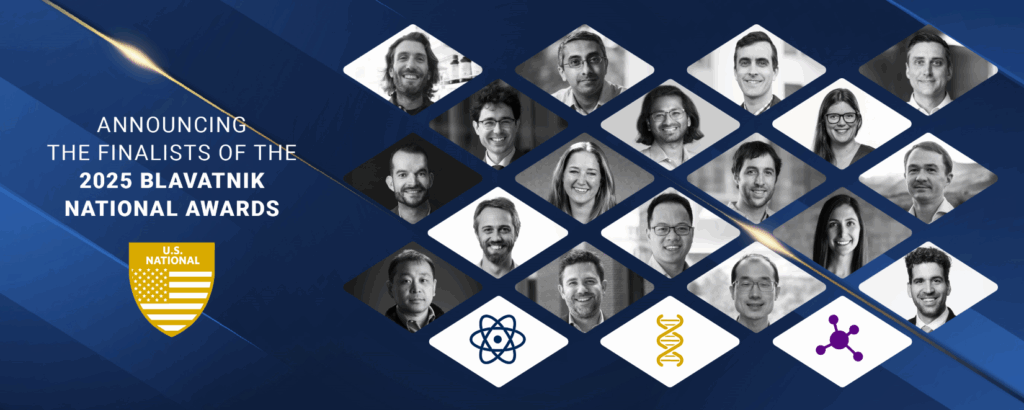
A graphic of award winners.

Three will be named Laureates and receive a $250,000 prize at a Gala Ceremony in New York City on October 7, 2025.

September 9, 2025 – New York – The Blavatnik Family Foundation and The New York Academy of Sciences today announced the Finalists for the 2025 Blavatnik National Awards for Young Scientists. The Awards recognize scientific advances made by researchers in the United States across the following disciplines: Life Sciences, Chemical Sciences, and Physical Sciences & Engineering.

Subra Suresh, ScD, Former Director of the National Science Foundation and current President of the Global Learning Council in Switzerland, will announce the three 2025 Laureates at an October 7th awards ceremony at the American Museum of Natural History.

Each Laureate will receive an unrestricted award of $250,000, the world’s largest unrestricted science prize, available for early-career scientists in the U.S. The remaining 15 Finalists will each receive $15,000.

An independent jury of expert scientists selected this year’s Finalists from a pool of 310 nominees representing 161 academic and research institutions across 42 U.S. states. The 2025 Finalists are: 

LIFE SCIENCES

Headshot of Daniele Canzio

Daniele Canzio, PhD, University of California, San Francisco (Neuroscience) – Recognized for uncovering how 3D genome folding generates unique identities for neurons, revealing new principles of brain wiring, and advancing our understanding of neurodevelopmental disorders.

Headshot of Kaiyu Guan

Kaiyu Guan, University of Illinois Urbana-Champaign (Agriculture & Animal Sciences) – Recognized for developing breakthrough technologies of remote sensing, modeling, and AI to drive sustainable farming, shape national policies, and power industry decarbonization in agriculture.

Headshot of Philip Kranzusch

Philip J. Kranzusch, PhD, Dana-Farber Cancer Institute; Harvard Medical School (Microbiology) – Recognized for discovering that human innate immunity evolved from ancient pathways in bacteria, explaining the molecular basis for how human cells defend against infections and cancer.

Headshot of Elizabeth Nance

Elizabeth Nance, PhD, University of Washington (Biomedical Engineering & Biotechnology) – Recognized for engineering nanoparticles for brain delivery, pioneering living brain tissue models, and defining design principles to develop targeted, safe therapies for newborn and pediatric brain injury.

Headshot of Tomasz Nowakowski

Tomasz Nowakowski, PhD, University of California, San Francisco (Neuroscience) – Recognized for mapping how human brain cells grow and specialize during development, offering critical insights into early brain formation and the origins of neurological disease.

Headshot of Samuel Sternberg

Samuel H. Sternberg, PhD, Columbia University/Howard Hughes Medical Institute (Molecular & Cellular Biology) – Recognized for discovering programmable, RNA-guided enzymes from mobile genetic elements and pioneering their use in genome editing, gene regulation, and synthetic biology across diverse organisms.

CHEMICAL SCIENCES

Headshot of Song Lin

Song Lin, PhD, Cornell University (Organic Chemistry) – Recognized for advancing electrochemical techniques that enable efficient, sustainable synthesis of complex organic molecules, accelerating drug development, and materials innovation.

Headshot of Joseph Cotruvo, Jr.

Joseph Cotruvo, Jr., PhD, The Pennsylvania State University (Biochemistry & Structural Biology) – Recognized for discovering and engineering proteins that selectively extract rare earth elements, enabling sustainable recycling and purification of metals critical to technology supply chains.

Headshot of Frank Leibfarth

Frank Leibfarth, PhD, The University of North Carolina at Chapel Hill (Polymer Chemistry) – Recognized for pioneering approaches to upcycle plastic waste and remove toxic ‘forever chemicals’ from water by developing reactions and catalysts that selectively control the structure and function of polymers.

Headshot of Ryan Lively

Ryan Lively, PhD, Georgia Institute of Technology (Chemical Engineering) – Recognized for pioneering scalable membrane and separation technologies that will reduce industrial carbon emissions and energy use, transforming carbon capture and chemical purification worldwide.

Headshot of Leslie Schoop

Leslie M. Schoop, PhD, Princeton University (Inorganic & Solid-State Chemistry) – Recognized for pioneering quantum materials discovery by linking chemical bonding to unique electronic and magnetic behaviors, enabling breakthroughs in energy-efficient electronics, data storage, and quantum technology.

Headshot of Yogesh Surendranath

Yogesh Surendranath, PhD, Massachusetts Institute of Technology (Inorganic & Solid-State Chemistry) – Recognized for pioneering molecular-level control of catalyst surfaces and electrostatic environments to revolutionize chemical reactions, enabling sustainable fuel production and significant reductions in carbon emissions.

PHYSICAL SCIENCES & ENGINEERING

Headshot of Charlie Conroy

Charlie Conroy, PhD, Harvard University (Astrophysics & Cosmology) – Recognized for advancing our understanding of the history of our galaxy’s formation, providing insight into how the Milky Way’s dark matter distribution is linked to its early history.

Headshot of Nathaniel Craig

Nathaniel Craig, PhD, University of California, Santa Barbara (Theoretical Physics) – Recognized for deepening our understanding of what gives particles mass, and for paving the way forward for next-generation particle colliders.

Headshot of Matthew McDowell

Matthew McDowell, PhD, Georgia Institute of Technology (Materials Science & Nanotechnology) – Recognized for transformative developments in the understanding of solid-state battery internal interfaces, enabling key innovations and addressing challenges in their design.

Headshot of Prateek Mittal

Prateek Mittal, PhD, Princeton University (Computer Science) – Recognized for pioneering work powering the security and privacy of the internet, generating over 2.5 billion cryptographic certificates and securing more than 350 million websites.

Headshot of Elaina Sutley

Elaina J. Sutley, PhD, University of Kansas (Civil Engineering) – Recognized for comprehensive, systematic computer modeling and engineering to address disaster mitigation and recovery, informing building codes and disaster readiness policies across the country. This is the first year the Blavatnik Awards Finalists include a researcher from the University of Kansas.

Headshot of Zhongwen Zhan

Zhongwen Zhan, PhD, California Institute of Technology (Physical Earth Sciences) – Recognized for revolutionizing observational seismology through a unique utilization of fiber optic cables, enabling studies of tectonic, volcanic, glacial, and oceanic processes at unprecedented resolution.

Internationally recognized by the scientific community, the Blavatnik Awards for Young Scientists have been instrumental in expanding the engagement and recognition of young scientists and providing the support and encouragement needed to drive scientific innovation for the next generation. By the close of 2025, the Blavatnik Awards will have recognized over 500 scientists from 120 international research institutions and awarded prizes totaling nearly $20 million.

“The goal of the Blavatnik Awards is to recognize early-career scientists conducting bold and creative work, support their professional growth and development, and accelerate scientific discovery to improve lives and drive innovation,” said Len Blavatnik, Founder of Access Industries and Head of the Blavatnik Family Foundation.

Nicholas B. Dirks, President and CEO of The New York Academy of Sciences and Chair of the Awards’ Scientific Advisory Council, noted, “Congratulations to these 18 exceptional Finalists. From new tools and technologies for environmental sustainability and climate resiliency to novel therapies to cure disease and insights into the fundamental physics underpinning the world around us, their research is advancing science and protecting our planet.”

Since launching in 2014, scientists honored by the Blavatnik National Awards have received over $9 million in prize money.

Blavatnik scholars are driving economic growth globally by embarking on new scientific trajectories to pursue high-risk, high-reward scientific research. To date, Blavatnik Awards honorees have founded 50 companies after receiving the award, six of which are publicly traded and collectively valued at over $10 billion.

About the Blavatnik Awards for Young Scientists
The Blavatnik Awards for Young Scientists, established by the Blavatnik Family Foundation in 2007 and independently administered by The New York Academy of Sciences, began by identifying outstanding post-doctoral scientists in New York, New Jersey and Connecticut. In 2014, the Blavatnik National Awards were created to recognize faculty-rank scientists throughout the United States. In 2017, the Awards were further expanded to honor faculty-rank scientists in the UK and Israel.

For updates about the Blavatnik Awards for Young Scientists, please visit blavatnikawards.org or follow us on X and Facebook @BlavatnikAwards.

About the Blavatnik Family Foundation 
The Blavatnik Family Foundation provides many of the world’s best researchers, scientists and future leaders with the support and funding needed to solve humankind’s greatest challenges. Led by Len Blavatnik, founder of Access Industries, the Foundation advances and promotes innovation, discovery and creativity to benefit the whole of society. Over the past decade, the Foundation has contributed over US$1.3 billion to more than 250 organizations. See more at blavatnikfoundation.org.