Distinguished University Professor at Washington University School of Medicine in St. Louis (2022 Senior Scientist Award Winner)
This award is a wonderful recognition of the excitement and promise that the field of microbiome research offers, and of the collective efforts of the inspiring group of talented students, staff, and collaborators who I’ve been privileged to work with as we strive to better understand how the gut impacts our health.
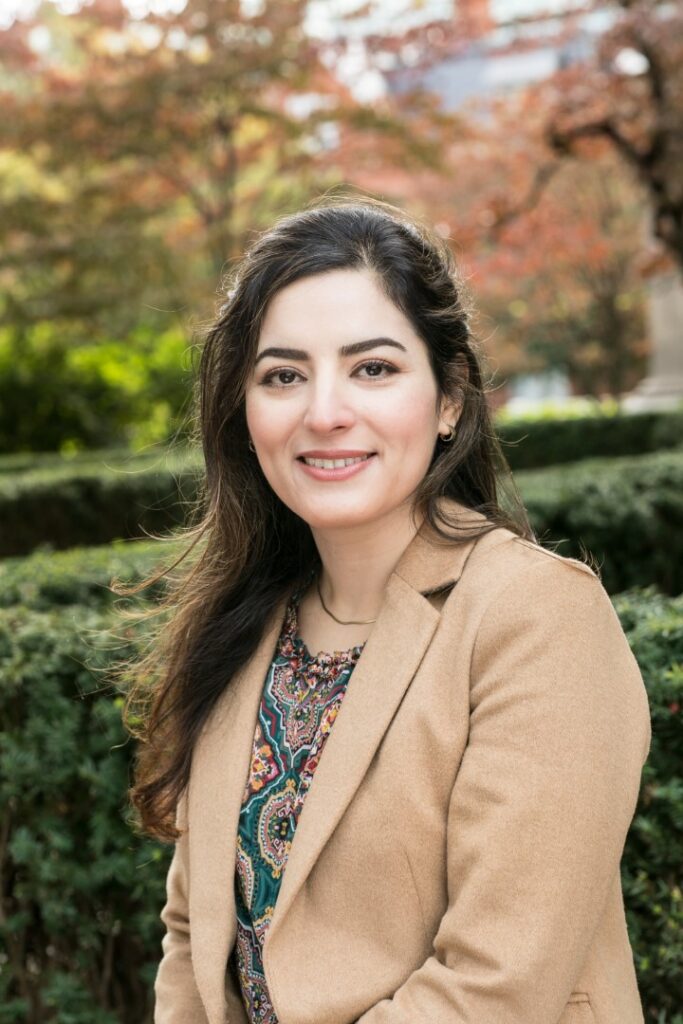
Assistant Professor of Cancer Data Research at Columbia University (2024 Early-Career Scientist Award Winner)
The Innovators in Science Award motivates me, my team and the broader community to continue on the path of blending multiple fields to find creative cancer immunology solutions. This award will allow me and my team to forge new collaborations and explore high-risk and ambitious directions in our mission to help patients.
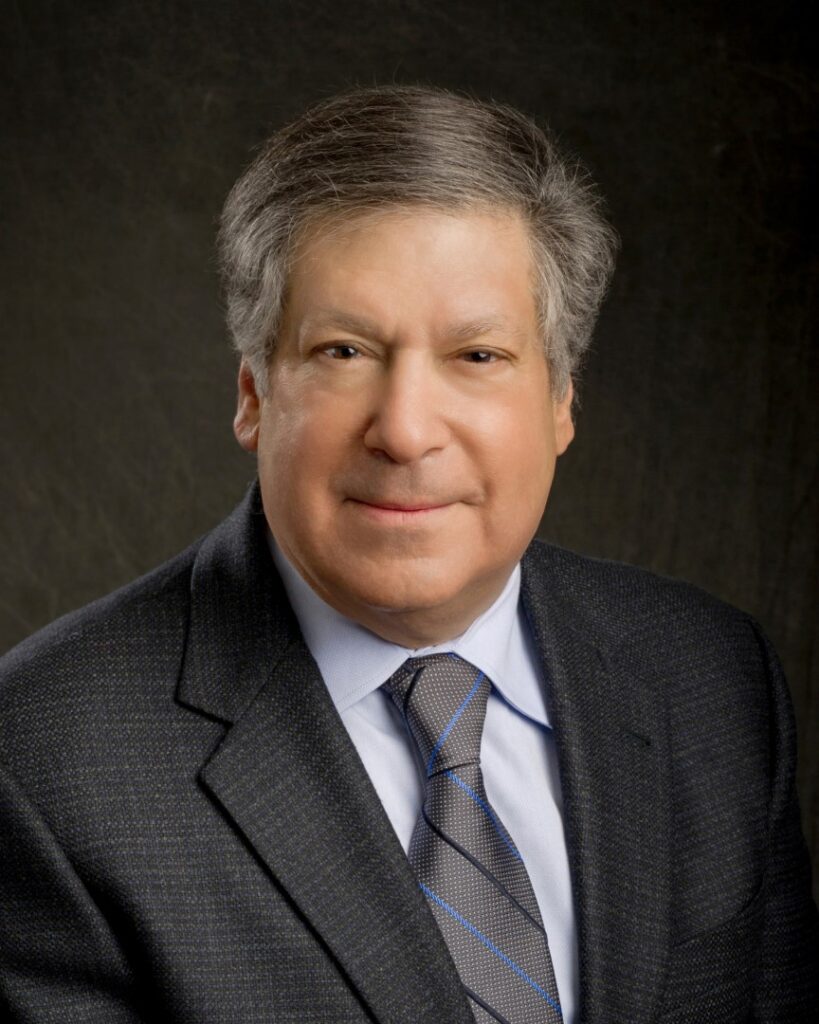
Director of The Bursky Center for Human Immunology and Immunotherapy at Washington University in St. Louis (2024 Senior Scientist Award Winner)
I began researching the connection between the immune system and cancer more than 40 years ago…Scientific research is rewarding even when it takes decades to see results, which is why this award is so meaningful to me.
The 2024 Innovators in Science Awards recognize innovative science that has significantly advanced the field of research in cancer immunology.
2024 Award Celebrates Outstanding Research in Cancer Immunology
Winners Discovered Novel Connections Between the Immune System and Cancer
Recipients Each Receive Unrestricted USD 200,000 Awards
OSAKA, Japan, and CAMBRIDGE, Massachusetts | December 5, 2023 – Takeda (TSE:4502/NYSE:TAK) and The New York Academy of Sciences today announced the winners of the 2024 Innovators in Science Award for their excellence in, and commitment to, innovative science that has significantly advanced the field of research in cancer immunology. Each winner receives an unrestricted prize of USD 200,000.
Senior Scientist Winner: Robert D. Schreiber, Ph.D.
The 2024 Senior Scientist winner is Robert D. Schreiber, Ph.D., the Andrew M. and Jane M. Bursky Distinguished Professor of Pathology and Immunology and director of The Bursky Center for Human Immunology and Immunotherapy at Washington University in St. Louis. Dr. Schreiber is an international leader in the fields of tumor immunology and cytokine biology. His early work was foundational in characterizing the role of cytokines in promoting immune responses to cancer. Dr. Schreiber pioneered the concept of “cancer immunoediting,” which describes how the immune system can induce, promote and prevent cancer. He also identified a novel subset of immune cells that interfere with cancer immunotherapy.
“I began researching the connection between the immune system and cancer more than 40 years ago. Along the way my research has benefitted from the contributions of more than 70 colleagues, technicians and trainees who have helped build on both our small discoveries and setbacks to make connections that are now transforming cancer research and treatment,” said Dr. Schreiber. “Scientific research is rewarding even when it takes decades to see results, which is why this award is so meaningful to me.”
Early-Career Scientist Winner: Elham Azizi, Ph.D.
The 2024 Early-Career Scientist winner is Elham Azizi, Ph.D., assistant professor of biomedical engineering, and the Herbert and Florence Irving Assistant Professor of Cancer Data Research at Columbia University. Dr. Azizi is recognized for developing a suite of computational tools and models that leverage artificial intelligence and machine learning to characterize immune profiles in the tumor microenvironment. Her novel machine learning algorithms are applied to data from genomic and imaging technologies, guiding improved and personalized cancer therapies. Dr. Azizi’s work has helped identify immune components involved in anti-tumor responses and characterize immune states that promote tumor progression and response to immunotherapy. Her innovative models have identified, for the first time, determinants of immunotherapy response in leukemia.
“This award is a significant recognition of our efforts to push the boundaries of cancer immunology through innovations in statistical machine learning,” said Dr. Azizi. “The Innovators in Science Award motivates me, my team and the broader community to continue on the path of blending multiple fields to find creative cancer immunology solutions. This award will allow me and my team to forge new collaborations and explore high-risk and ambitious directions in our mission to help patients.”
Treating Cancer with Immunotherapies
“We are inspired by the groundbreaking work of Dr. Schreiber and Dr. Azizi to deepen our understanding of both the immune response to cancer and immunotherapies,” said Andrew Plump, M.D., Ph.D., president of research & development at Takeda. “There has been remarkable progress in treating cancer with immunotherapies, thanks to the advances of these researchers and others. Takeda proudly supports the Innovators in Science Award to honor researchers who share in our goal to improve lives through the relentless pursuit of science.”
“Cancer is the second-leading cause of death worldwide. We are proud to join Takeda to champion pioneering medical researchers around the world who seek to harness the power of the body’s own immune system to fight cancer,” said Nicholas B. Dirks, President and CEO of The New York Academy of Sciences. “The 2024 Innovators in Science Award winners are using AI, computational tools and groundbreaking methods to fight cancer and advance the field of cancer immunology. We congratulate the winners and eagerly await their future discoveries.”
The 2024 winners will be honored at the Innovators in Science Award ceremony and symposium in April 2024 in Boston. For more information, visit TakedaInnovators.com.
About the Innovators in Science Award
Established in 2016, the Innovators in Science Award grants two unrestricted prizes of USD 200,000 each award cycle: one to an early-career scientist and the other to a well-established senior scientist who have distinguished themselves for the creative thinking and impact of their research. The Innovators in Science Award is a limited submission competition in which research universities, academic institutions, government, or non-profit institutions, or equivalent from around the globe with a well-established record of scientific excellence are invited to nominate their most promising early-career scientists and their most outstanding senior scientists.
The therapeutic focus rotates each year. The 2024 focus is cancer immunology. Prize winners are determined by a panel of judges, independently selected by The New York Academy of Sciences, with expertise in these disciplines. The New York Academy of Sciences administers the Award in partnership with Takeda. For more information, visit TakedaInnovators.com.
About Takeda
Takeda is focused on creating better health for people and a brighter future for the world. We aim to discover and deliver life-transforming treatments in our core therapeutic and business areas, including gastrointestinal and inflammation, rare diseases, plasma-derived therapies, oncology, neuroscience and vaccines. Together with our partners, we aim to improve the patient experience and advance a new frontier of treatment options through our dynamic and diverse pipeline.
As a leading values-based, R&D-driven biopharmaceutical company headquartered in Japan, we are guided by our commitment to patients, our people and the planet. Our employees in approximately 80 countries and regions are driven by our purpose and are grounded in the values that have defined us for more than two centuries. For more information, visit www.takeda.com.
The Junior Academy has been named a Finalist in the Education, Art, & Culture category in the Third Annual Anthem Awards, which recognizes mission-driven work.
New York, NY | December 5, 2023 – The New York Academy of Sciences announced today that its highly regarded Junior Academy has been named a Finalist in the Education, Art, & Culture category in the Third Annual Anthem Awards. The Anthem Awards, launched by The Webby Awards in 2021, honors the purpose and mission-driven work of people, companies, and organizations worldwide.
“The New York Academy of Sciences is thrilled that our esteemed Junior Academy was selected from the more than 2,000 entries from over 30 countries worldwide as a Finalist for the 2024 Anthem Awards,” said Nicholas Dirks, president and chief executive officer of The New York Academy of Sciences. “Since 2016, over 15,000 students from 100+ countries have participated in the Junior Academy, gaining knowledge but also learning to apply STEM to real-world challenges such as combatting climate change, breeches in cybersecurity, and identifying ways to reduce bias in AI successfully. We thank our sponsors for making the Junior Academy possible.”
As an Anthem Awards Finalist, the Junior Academy will be considered by the International Academy of Digital Arts and Sciences (IADAS) for the Gold, Silver, and Bronze Anthem Award and the Anthem Community Voice Award, supported by the online public vote. From December 5th to December 21st, fans can support the Junior Academy on the Anthem Awards’ public voting page HERE. The Third Annual Anthem Awards winners will be announced on Tuesday, January 30th, 2024.
The Relaunch of the Junior Academy
The New York Academy of Sciences Junior Academy was relaunched in 2016 as an online community and collaboration platform. It currently has over 2,500 members from over 80 countries. The platform is designed to directly address the opportunity gap between young people who love STEM but have limited opportunities to participate in work-ready programs such as research experiences and internships. The Junior Academy recruits thousands of high school students worldwide who self-assemble into virtual teams through a custom-designed virtual platform called Launchpad to solve real-world problems using STEM (science, technology, engineering, math).
Using technology to reach students traditionally shut out of science and STEM careers, ensures that any student with internet access can participate in this world-class science program. The goal is to identify and connect the students and give them the tools to solve growing local and global problems. By solving real-world problems, students will build both the technical and soft skills needed for the workforce of the future. These students have not only gained new content knowledge but applied it in a way that shows them the importance of STEM education. In addition to technical skills, they also learn critical work-ready skills such as collaboration, communication, and problem solving.
“Since launching the Anthem Awards in 2021, we’ve seen incredible change and growth in the impact sector,” said Anthem Awards General Manager, Patricia McLoughlin. “The work that we have received in the 3rd Annual Anthem Awards is game-changing. From innovative projects fighting climate change to impactful calls for equal rights across the globe and best-in-class CSR and ESG efforts – the Anthem Community is a bright light in our uncertain world.”
About The Anthem Awards
Launched in 2021 by The Webby Awards, The Anthem Awards honors the purpose and mission-driven work of people, companies and organizations worldwide. The Anthem Awards was launched in response to the prevalence social good has taken within the national conversation and cultural zeitgeist in recent years. By amplifying the voices that spark global change, we’re defining a new benchmark for impactful work that inspires others to take action in their own communities. The Anthem Awards honors work across seven core causes: Diversity; Equity & Inclusion; Education; Art & Culture; Health; Human & Civil Rights; Humanitarian Action & Services; Responsible Technology; and Sustainability, Environment & Climate. Founded in partnership with the Ad Council, Born This Way Foundation, Feeding America, Glaad, Mozilla, NAACP, NRDC, WWF, and XQ.
About The Webby Awards
Hailed as the “Internet’s highest honor” by The New York Times, The Webby Awards is the leading international awards organization honoring excellence on the Internet, including Websites; Video; Advertising, Media & PR; Apps, Mobile, and Voice; Social; Podcasts; and Games. Established in 1996, The Webby Awards received more than 13,500 entries from all 50 states and 70 countries worldwide this year. The Webby Awards are presented by the International Academy of Digital Arts and Sciences (IADAS). Sponsors and Partners of The Webby Awards include Verizon, WP Engine, YouGov, Brandlive, Canva, NAACP, KPMG, Fast Company, Wall Street Journal, MediaPost, Podcast Movement, and AIGA.
Three scientists were selected from 169 entries by an international jury of renowned experts for their innovations in food security, sustainability, and healthcare. Each winner will receive INR 2 crores (approximately US$240,000) and will be honoured at a ceremony in Mumbai in December 2023. The jury included distinguished scientists, clinicians, technologists, and engineers spanning six continents from a variety of organizations, including IBM Research, Indian Institute of Science Bangalore, Indian Institute of Technology Madras, International Centre for Genetic Engineering and Biotechnology, Public Health Foundation of India, and UN-Habitat.
The 2023 Tata Transformation Prize Winners are:
Food Security Winner: Shilpi Sharma, PhD, Indian Institute of Technology Delhi Professor Shilpi Sharma was selected by the jury for her work in the engineering of the soil microbiome using synthetic microbial communities, called microBIOme-based soil TRANSFORMation (BIOTRANSFORM). Plant diseases threaten crop productivity and, consequently, the global economy. Unlike conventional farming that uses agrochemicals and synthetic fertilizers, soil amended organically has the natural ability to suppress a wide range of plant pathogens. Starting from naturally suppressive soil, Shilpi will catalog the active microbial players and their mechanism of suppression of a range of phytopathogens. Her work will be the first to map the natural suppressive potential of soil across six states of India and to harness this potential by microbiome engineering to facilitate sustainable agriculture in the country and beyond.
Sustainability Winner: Purnananda Guptasarma, PhD, Indian Institute of Science Education and Research Mohali Professor Purnananda Guptasarma was selected by the jury for his breakthrough methods to degrade polyethylene terephthalate (PET), a common plastic pollutant, using enzymes. PET is currently produced and used at unsustainable levels, creating worldwide plastic pollution and micro-plastic contamination in the air, water, and soil, as well as in animal and human bodies. Only 9% of PET is actually recycled worldwide. Guptasarma’s enzyme-driven strategy uses engineered thermostable enzymes and reactions to demonstrate that solid PET can be broken up into its smallest molecular building blocks with high yield and ultra-high purity to enable PET’s degradation and recycling into virgin plastic. Building on this proof of concept at the laboratory-scale, Guptasarma will further identify and improve enzymatic reagents and reactions for PET degradation and attempt to produce the best enzymes in quantities allowing pilot-scale PET-waste degradation and recycling.
Healthcare Winner: Anurag S. Rathore, PhD, Indian Institute of Technology Delhi Professor Anurag S. Rathore is a healthcare pioneer aiming to reduce the manufacturing cost of biotherapeutics for treating cancer and autoimmune diseases, thus enabling equal access to these top-tier, expensive treatments currently out of reach for 90% of the Indian population. Rathore has established a state-of-the-art drug manufacturing facility with continuous processing that incorporates novel methods for real-time process monitoring and control. Rathore’s innovation is projected to reduce manufacturing costs by 50-75%, making best-in-class biotherapeutics for complex diseases significantly more affordable for Indian populations in need and further advancing India’s position at the forefront of global medical innovation.
N. Chandrasekaran, Chairman of the Board of Tata Sons, said, “We are extremely delighted to announce the first cohort of Tata Transformation Prize winners and their groundbreaking innovations aimed at solving India’s national problems in the areas of food security, sustainability, and healthcare. On behalf of Tata Sons, we are pleased to provide these scientists a global stage to take their technologies from India to the rest of the world.”
Nicholas Dirks, President and CEO of The New York Academy of Sciences, said, “Congratulations to the first Winners of the 2023 Tata Transformation Prize. From developing new soil enhancements to improve crop yield, creating methods to make critical medicines available to all, and developing techniques to tackle plastic pollution, these scientists are making important contributions to Indian society and the world. We also thank the jury for sharing their time and expertise in reviewing the submissions in the first year of the Tata Transformation Prize.”
About the Tata Transformative Prize
The Tata Transformation Prize was established in 2022 by Tata Sons and The New York Academy of Sciences to support breakthrough, innovative technologies that address India’s most significant challenges. By recognizing and supporting the implementation at scale of high-risk, high-reward research, the Prize will drive impactful innovation in scientific disciplines of importance to India’s societal needs and economic competitiveness. The Prize will leverage the exceptional potential of scientists in India to address critical national challenges in three categories—Food Security, Sustainability, and Healthcare—and generate improved life quality outcomes across India and beyond. The Tata Transformation Prize recognizes one Winner in each category, with INR 2 crores (approximately US$240,000) for each Winner. Click here for more information about the Tata Transformation Prize.
About the Tata Group
Founded by Jamsetji Tata in 1868, the Tata Group is a global enterprise, headquartered in India, comprising 30 companies across ten verticals. The group operates in more than 100 countries across six continents, with a mission ‘To improve the quality of life of the communities we serve globally, through long-term stakeholder value creation based on Leadership with Trust’.
Tata Sons is the principal investment holding company and promoter of Tata companies. Sixty-six percent of the equity share capital of Tata Sons is held by philanthropic trusts, which support education, health, livelihood generation and art and culture.
In 2022-23, the revenue of Tata companies, taken together, was $150 billion (INR 12 trillion). These companies collectively employ over 1 million people. Each Tata company or enterprise operates independently under the guidance and supervision of its own board of directors. There are 29 publicly listed Tata enterprises with a combined market capitalisation of $300 billion (INR 24 trillion) as on July 31, 2023. Companies include Tata Consultancy Services, Tata Motors, Tata Steel, Tata Chemicals, Tata Consumer Products, Titan, Tata Capital, Tata Power, Tata Communications, Indian Hotels, Tata Digital, Air India and Tata Electronics. Website: https://www.tata.com
The Tata Transformation Prize is the latest in a series of prominent awards and scholarship programs The New York Academy of Sciences and its partners present each year to accomplished early-career and established scientists worldwide. These initiatives, along with education and professional development programs for students and young scientists, reflect the Academy’s broader commitment to strengthening and diversifying the pipeline for skilled and talented scientists globally. Please visit us online at nyas.org.
“Scientists who make up this community aren’t just achieving incredible things in isolation; they’re also inspiring and nurturing the next generation of scientists.”
Published October 2, 2023
By Kamala Murthy
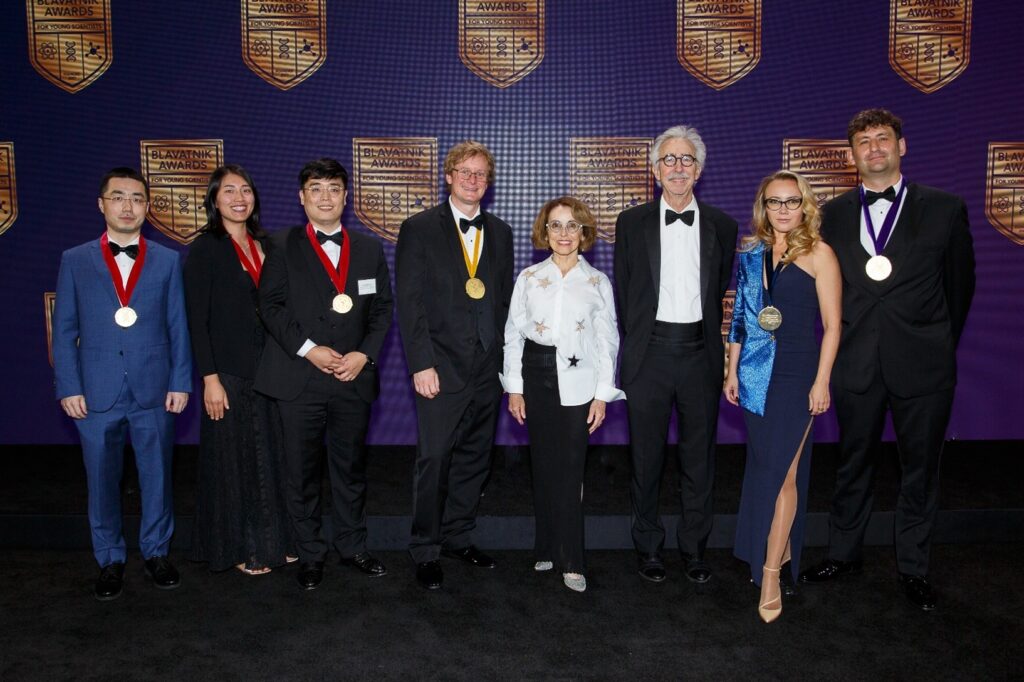
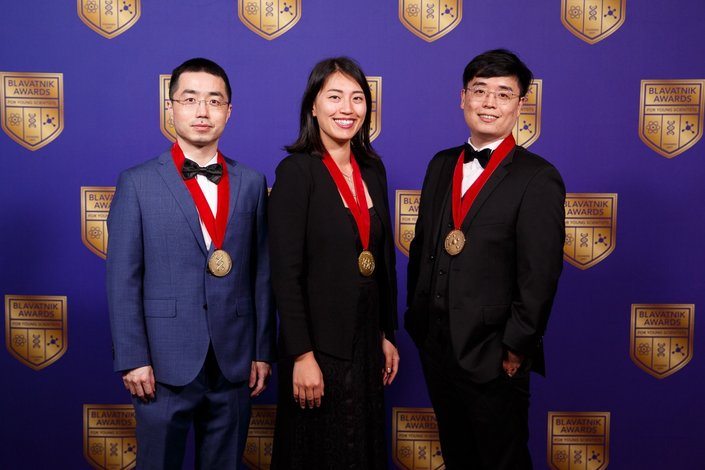
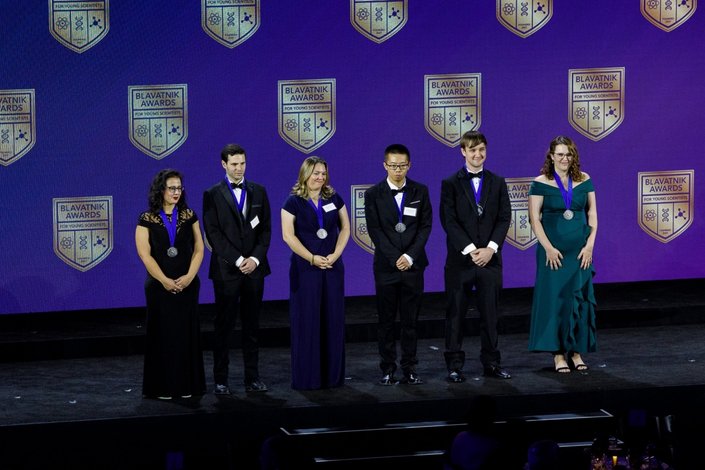
From left: 2023 Blavatnik Regional Awards Laureates: Yanxiang Deng, Zoe Yan, Joonho Lee; 2023 Blavatnik National Awards Laureate William Anderegg; Presenter of Ceremonies, France A. Córdova; President and CEO of The New York Academy of Sciences, Nicholas Dirks; 2023 Blavatnik National Awards Laureates Svitlana Mayboroda and Shannon Boettcher.
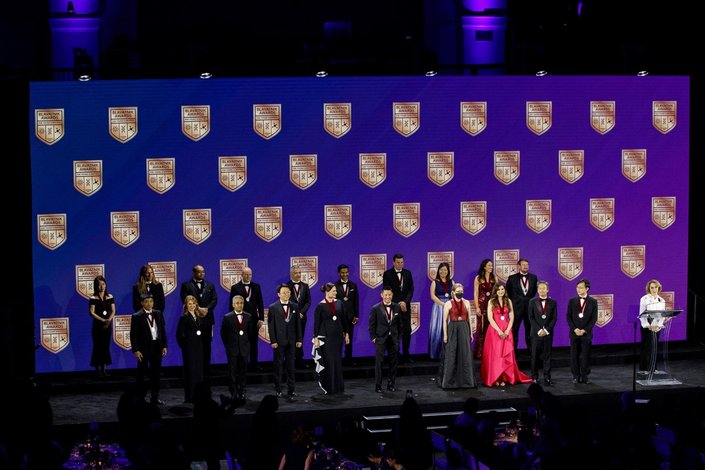
The Blavatnik Family Foundation and The New York Academy of Sciences hosted the 2023 Blavatnik Awards for Young Scientists Ceremony at the American Museum of Natural History in New York City on September 19, 2023. The event honored the 2023 Blavatnik National Awards Laureates and Finalists as well as the 2023 Blavatnik Regional Awards Laureates and Finalists.
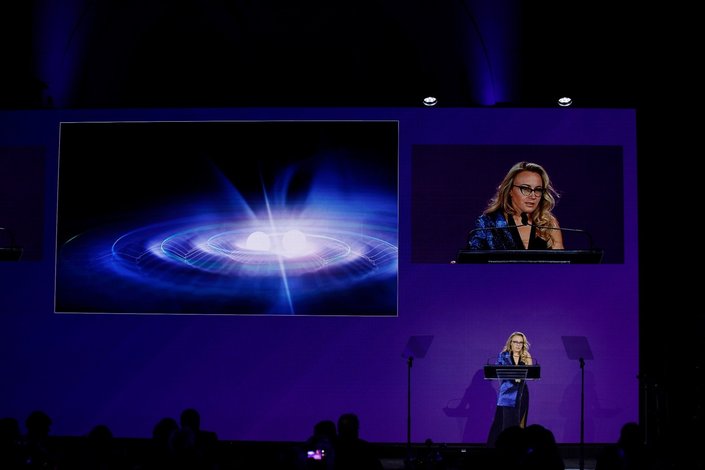
France Anne Córdova, President of the Science Philanthropy Alliance, former director of the National Science Foundation, and the first woman to be chief scientist for NASA, served as presenter. A distinguished group of leaders from the worlds of philanthropy, academia, science, and technology was joined at the event by notable members from New York’s artistic community including Carnegie Hall’s artistic director Sir Clive Gillinson, Robert Kyncl, CEO of Warner Music, Lyor Cohen, YouTube’s global head of music; and Lauren Selig of Shake and Bake Productions.
During her opening remarks, Córdova spoke about the impact the Blavatnik Awards have made on scientists’ careers: “A recent survey of Blavatnik honorees showed that in the two years following their first recognition, more than half reported feeling validation and increased confidence after receiving a Blavatnik Award. These awards help recipients progress in their careers and increase their visibility. They also give honorees the courage to pursue high-risk, high-reward research. After recognition, 75% started a new research direction and many started a new collaboration with another Blavatnik Awards honoree.”
Next, Córdova introduced the 31 Blavatnik National Awards Finalists who each came on stage, receiving a standing ovation from the audience.
The ceremony then turned its spotlight on the talented young scientists being recognized as part of the 2023 Blavatnik Regional Awards–nine postdoctoral fellows selected from among 121 outstanding nominees from 28 academic institutions in New York, New Jersey, and Connecticut. Córdova called each Regional Finalist to the stage who received a round of applause. Short videos featuring each of the three Regional Laureates were then presented. Córdova called the Regional Laureates to the stage and awarded each with a medal in their award category:
Chemistry (Regional)
2023 Blavatnik Regional Awards Laureate in Chemistry, quantum chemist Joonho Lee, nominated by Columbia University and currently at Harvard University.
Physical Sciences & Engineering (Regional)
2023 Blavatnik Regional Awards Laureate in Physical Sciences & Engineering, physicist Zoe Yan, nominated by Princeton University and currently at The University of Chicago.
Life Sciences (Regional)
2023 Blavatnik Regional Awards Laureate in Life Sciences, biomedical engineer Yanxiang Deng, nominated by Yale University and now at the University of Pennsylvania.
Nicholas B. Dirks, President and CEO of The New York Academy of Sciences, led the next part of the evening’s ceremony. Prof. Dirks commented on the power of community within the Blavatnik Awards program. “Scientists who make up this community aren’t just achieving incredible things in isolation; they’re also inspiring and nurturing the next generation of scientists. In addition, they’re collaborating. In doing so, they’re making discoveries beyond what they might have been able to do on their own.”
Prof. Dirks gave a presentation featuring numerous collaborations that came about through the Blavatnik Awards community. He then highlighted other innovations that have had a direct impact on humankind and fostered economic growth. “With the confidence and financial support provided by the Blavatnik Awards, our community of Blavatnik Scholars has founded more than 50 companies, some publicly traded today on the New York Stock Exchange and the NASDAQ. There is no question that together–and as individuals–they are driving economic growth at home and abroad while using science to advance the public good.”
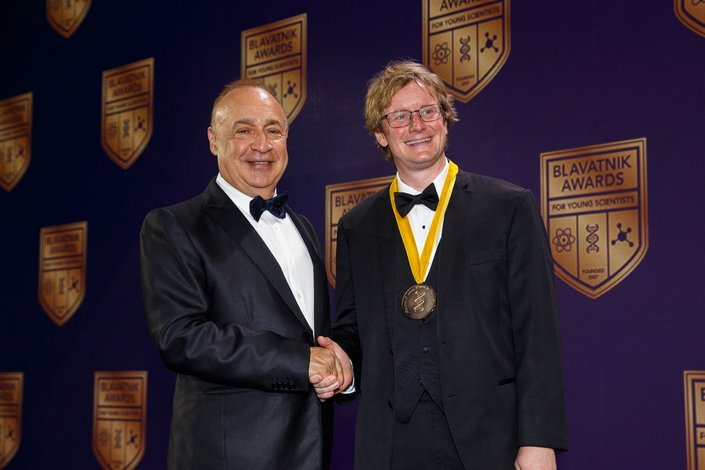
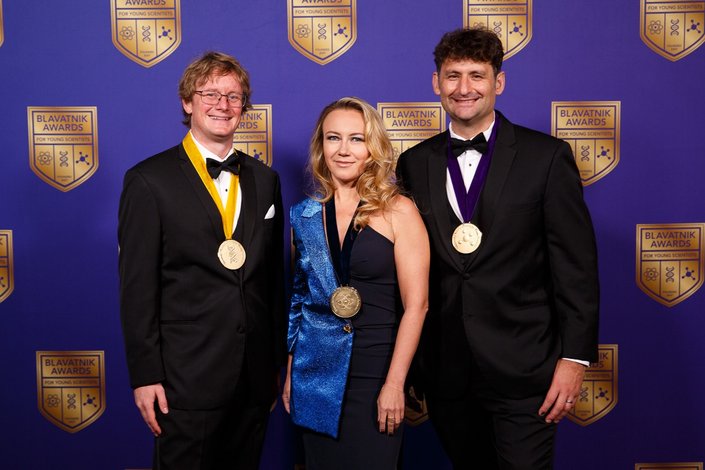
Córdova announced the 2023 Blavatnik National Awards Laureates by introducing a video profile of each Laureate. Len Blavatnik, Founder and Chairman, Access Industries and the Blavatnik Family Foundation, then conferred the medals to each of the Laureates, who went on to deliver brief presentations showcasing their prize-winning research.
Chemistry (National)
2023 Blavatnik National Awards Laureate in Life Sciences, forest ecologist expert William Anderegg, from the University of Utah, spoke about his research on how climate change is impacting the earth’s forests.
Physical Sciences & Engineering (National)
2023 Blavatnik National Awards Laureate in Physical Sciences & Engineering, mathematician Svitlana Mayboroda, University of Minnesota, gave a talk on her discoveries in mathematics that are unlocking the potential of electronic waves – ideas that can lead to crucial new 21st-century technologies.
Life Sciences (National)
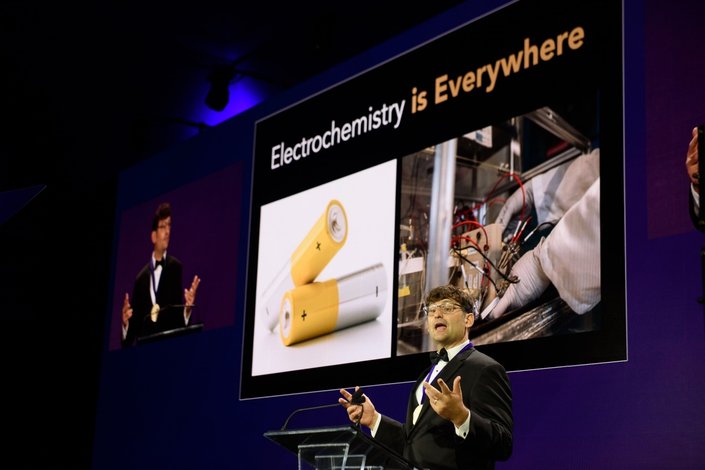
2023 Blavatnik National Awards Laureate in Chemistry, materials chemist Shannon Boettcher, from the University of Oregon, spoke about his discoveries in electrochemistry which are enabling new sustainable methods to create fuels, plastics, fertilizers, and other important chemicals.
The ceremony concluded with the Blavatnik Awards tradition of making a “Toast to Science.”
To learn more about the Blavatnik Awards for Young Scientists, visit blavatnikawards.org.
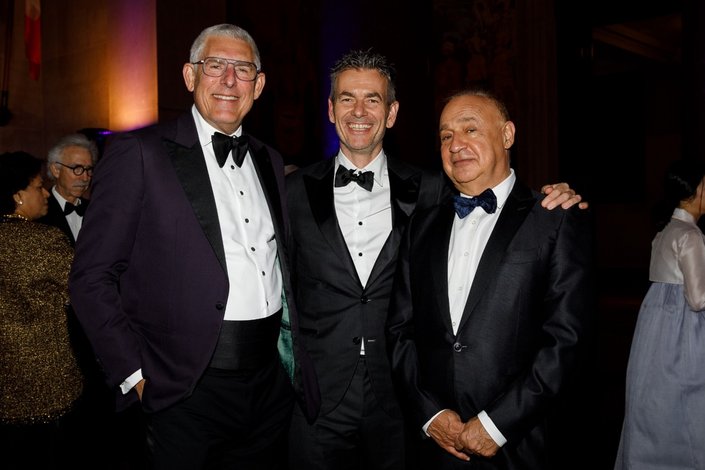
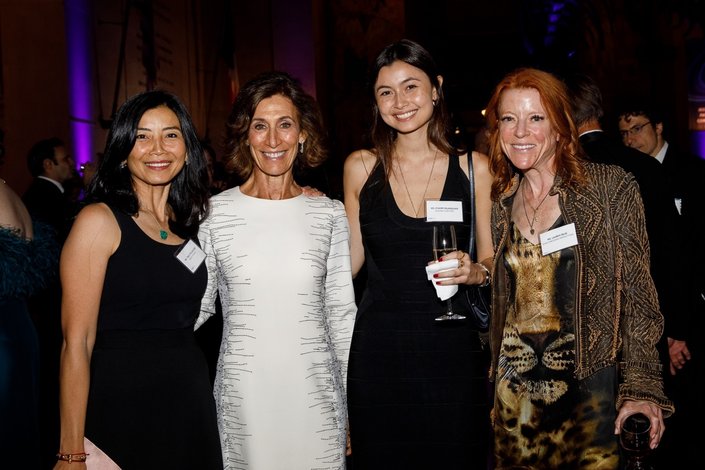
Program Supporters: Len and Emily Blavatnik.From left: Lyor Cohen, Robert Kyncl, and Len Blavatnik.Len Blavatnik (left) with Prof. William Anderegg.Prof. Shannon Boettcher.From left: Yanxiang Deng, Zoe Yan, and Joonho Lee.The 2023 Blavatnik Regional Awards Finalists.Prof. Svitlana Mayboroda.From left: Tracey Palandjian, Emily Blavatnik, Charis Palandjian, and Laura Selig.William Anderegg, Svitlana Mayboroda, and Shannon Boettcher.
Explore tumor metastasis prediction, RNA’s role in cold-resistant plants, quantum internet technologies, extraterrestrial life detection, computer-aided molecule design, and enzyme engineering in this interactive lecture series by 2024 Blavatnik Award winners. Discover cutting-edge insights across Life Sciences, Physical Sciences & Engineering, and Chemical Sciences, suitable for science enthusiasts of all ages. Join us to witness UK scientists’ transformative innovations shaping the future.
This one-day symposium will bring together researchers, physicians, industry professionals, and patient advocates to exchange new knowledge on novel research approaches, expanding our understanding of disease development, novel paths to treatment, and ways to improve the lives of those living with GI and liver disease.