Talent Showcase: 2018 Blavatnik Awards for Young Scientists in Israel

Meet the rising scientific stars taking center stage this year as part of the 2018 cohort for the Blavatnik Awards for Young Scientists in Israel.

Published May 1, 2018

By Kamala Murthy

Life Sciences Laureate
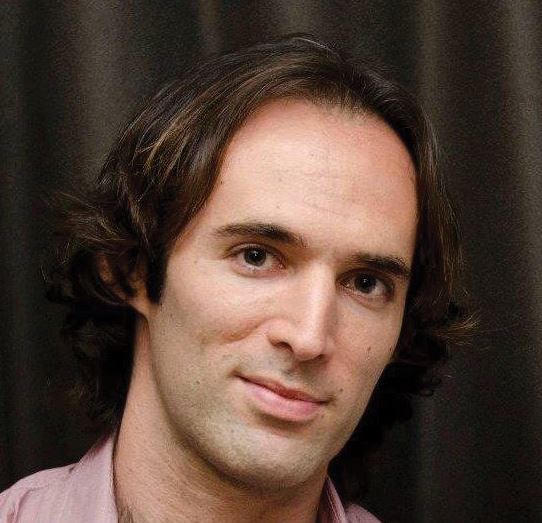
Oded Rechavi, PhD, Senior Lecturer, Department of Neurobiology, Tel Aviv University

Dr. Rechavi’s research upends the traditional laws of inheritance. The notion that traits acquired over the course of a lifetime could influence heredity was heresy until recently, when Dr. Rechavi showed how environmental conditions can imprint “molecular memories” that govern the passage of acquired traits to future generations.

DNA vs Small RNAs

Rechavi’s work in C. elegans, a species of small worms, illustrates how various stressors can induce heritable changes mediated not by DNA, but by small RNAs. By transferring small RNAs from the regular cells of the body that are impacted by the stressor, to the “germline” cells (eggs and sperm) that pass on traits to the next generation, the experiences of one generation can produce long-lasting impacts on gene regulation in multiple subsequent generations.

Rechavi’s lab published the first proofs of this effect, showing that exposing the parent worms to a virus confers immunity on the offspring through the transfer of small RNAs. He later showed that a similar mechanism allows the offspring of starved worms to live longer and to better survive periods of starvation. His group has identified the genes and determined the rules that govern which changes are heritable, as well as the potential duration of that inheritance.

Rechavi has hypothesized that similar mechanisms of small-RNA-based inheritance exist in mammals, including humans. Encompassing genetics, evolutionary biology and developmental biology, Rechavi’s research is fundamental to advancing understanding of the heritability of complex traits and diseases.

Chemistry Laureate
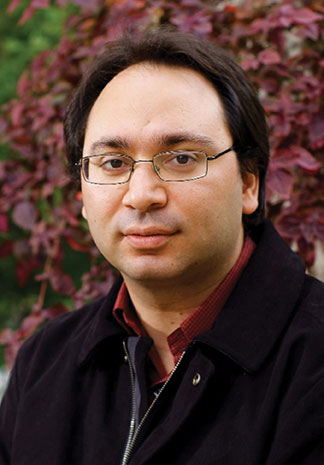
Charles Diesendruck, PhD, Assistant Professor of Chemistry, Technion — Israel Institute of Technology

Dr. Diesendruck works at the intersection of chemistry, physics and materials science, in the recently resurgent field of mechanochemistry. Diesendruck and his collaborators are using mechanically driven reactions to create novel molecules and new materials capable of responding to both physical and chemical stimuli.

As polymers and fiber-composites have become ubiquitous, the tendency of these materials to break, split or otherwise degrade under pressure have limited their application, especially in high-strain environments such as aircraft and automobiles. Diesendruck’s research seeks to better understand how mechanical forces can change molecular bonds and alter the properties of materials, using this knowledge to design resilient, responsive macromolecules for next-generation polymers.

Developing “Smart” Materials

In Diesendruck’s vision, these “smart” materials will be customized with specific stress conduction characteristics, respond productively to mechanical strain, and be able to detect and reinforce or repair structural damage. Diesendruck was among the research team that created the first autonomously “self-healing” fiber-composites, a key step toward producing materials that maximize the benefits of composites, including strength and weight, while minimizing the risks from damage and increasing the longevity of these materials in transportation and other applications.

Diesendruck’s group is also engaged in exploratory research probing difficult or previously inaccessible chemical transformations that may lead to new reactions and reactants.

Physical Sciences & Engineering Laureate
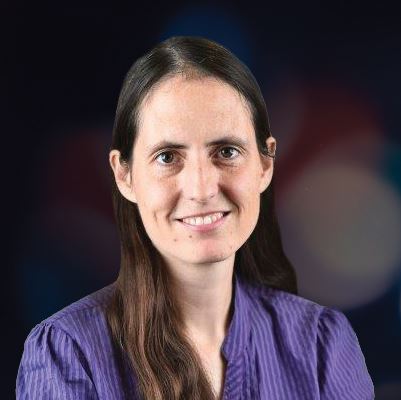
Anat Levin, PhD, Associate Professor, The Andrew & Erna Viterbi Faculty of Electrical Engineering, Technion — Israel Institute of Technology

Prof. Levin is a leader in the emerging field of computational photography, which blends computing with traditional imaging techniques to transcend the limitations of even the most advanced cameras, producing novel imaging results and capabilities. Levin’s work is rooted in discovering mathematical foundations and applying them to solve real-world challenges in imaging and optics.

She is the creator of a prototype computational camera specialized to capture moving objects and scenes, which introduces a constant, quantifiable degree of motion blur during exposure to allow for streamlined blur removal in post-processing. Prof. Levin has also worked to optimize the process of colorizing grayscale images and videos, simplifying a historically time-consuming and expensive process using a method that automatically propagates color among pixels based on the intensity of neighboring pixels.

Using Light Scatter to Study Chemical Composition

Advances in computational photography will have implications that extend well beyond digital photography, including improving medical, microscope and telescope imaging, and ultimately transforming videography. More recently, Levin has published methods for utilizing patterns of light scatter to determine the chemical composition of a material, a technique that could have implications for fields as diverse as ultrasound imaging and air quality assessment.

She has also developed dynamic digital displays that instantly adapt to changes in light and viewing angle, and prototype displays that may ultimately enable large-scale, glasses-free 3D movie viewing.
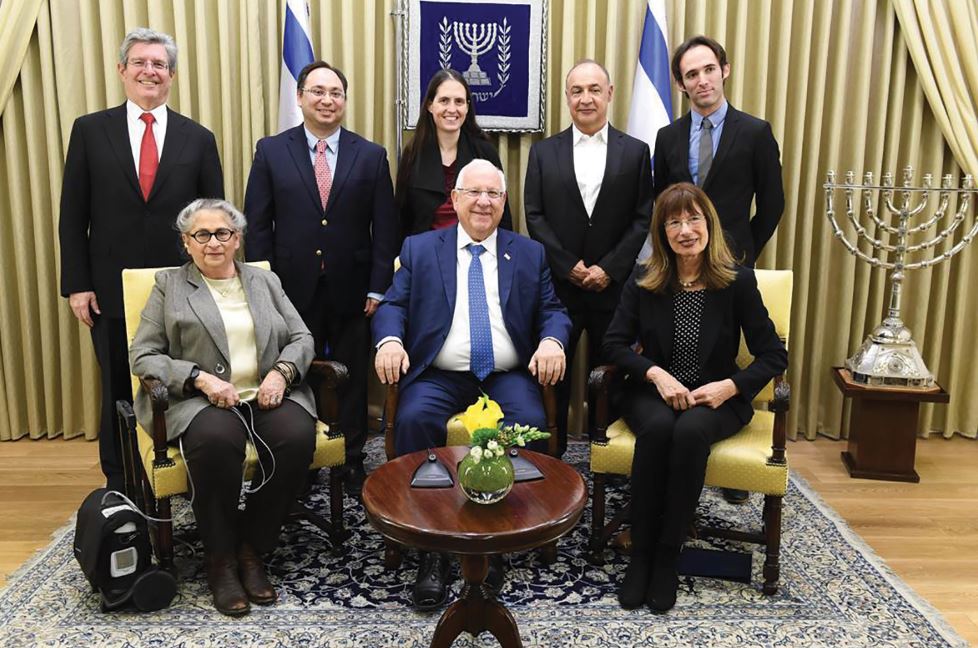
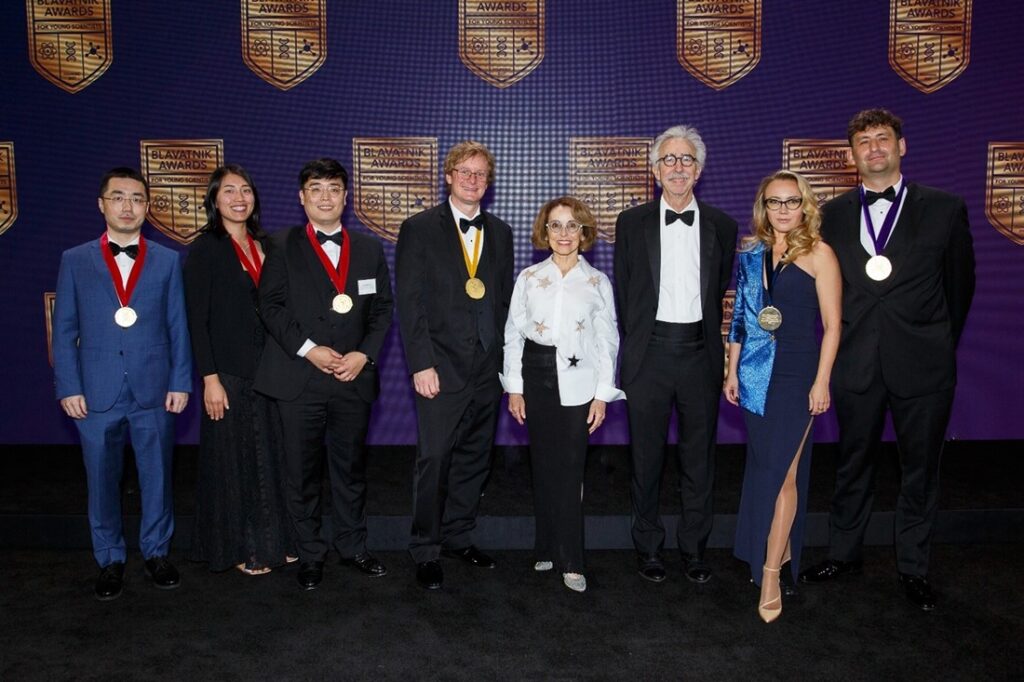
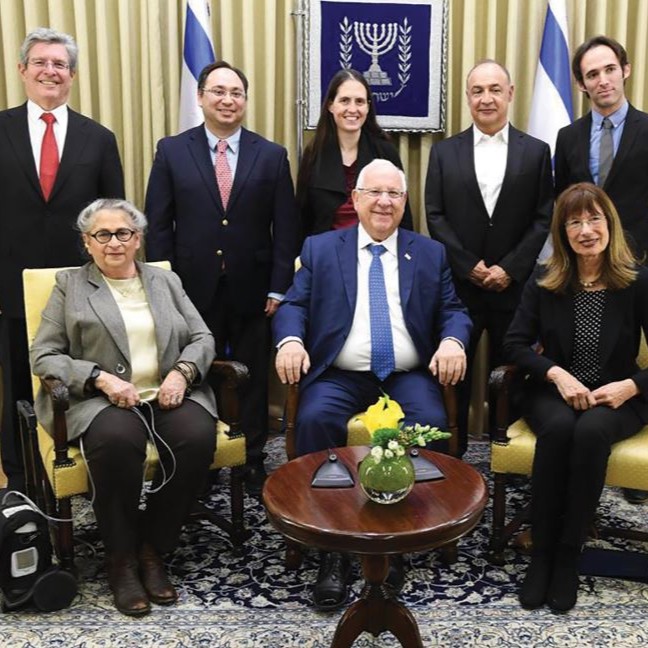
(Back Row L to R) Ellis Rubinstein, President and CEO, New York Academy of Sciences, Dr. Charles Diesendruck, Technion-Israel Institute of Technology, Prof. Anat Levin, Technion-Israel Institute of Technology, Len Blavatnik, Chairman, Access Industries/Blavatnik Family Foundation, Dr. Oded Rechavi, Tel Aviv University. (Front Row L to R) Nechama Rivlin, First Lady of Israel, Reuven Rivlin, President of Israel, Prof. Nili Cohen, President, Israel Academy of Sciences and Humanities.

5 Reasons Scientific Prizes Are Good for the World

If athletes and celebrities can be recognized for their achievements, why can’t scientists?

Published December 11, 2017

By Brooke Grindlinger, PhD

Every October, the world learns who will be the newest members of a very elite circle known as Nobel Laureates.

Whether or not you agree with the selection committee’s choices, the Nobel Prize is considered a career pinnacle of success and the annual announcement continues to captivate the media and general public in addition to the scientific community. This in part is due to the hefty prize purse, roughly $1.1 million, but also because of the body of work that the winners represent and its contributions to societal advances.

At the New York Academy of Sciences, we believe prizes like the Nobel and others help to advance scientific discovery, which in turn is good for the world. And if athletes and celebrities can be recognized for their achievements why shouldn’t scientists? But we also believe that acknowledgement of early-career work is equally important.

We administer two scientific prizes that in the past 15+ years have helped boost the careers of more than 450 young scientists pursuing unconventional ideas and new directions with the fearlessness and creativity of youth: the Blavatnik Awards for Young Scientists and the Innovators in Science Award. While many people may be familiar with the concept of a science grant, the purpose of a scientific prize—such as the Nobel or the Blavatnik Awards—may be less clear. Here are just a few of the reasons scientific prizes are important to the pursuit of science, the scientific community, and the public, at large.

1. Recognition

In addition to receiving cash and prestige, awardees receive recognition for their instrumental role in making key advances in areas of science in the service of humanity. This type of recognition can lead to acceptance of a paradigm-shifting idea, allocation of funding and resources to a particular area of research, and increased awareness of a research topic. For rising young talent, it can cement the shift from local player to the global stage. And while not every discipline’s importance may be readily understood by lay audiences, such as Astrophysics or Mathematics, the attention drawn from the award can still confirm the importance of the achievement.

2. Platform

Scientists are not always the most proactive advocates for their own work. So a nomination for an award, typically made by nominees’ respective institutions and/or colleagues, is itself a validation of their work. Being one’s own spokesperson also involves flexing a set of communication skills, not often utilized in the lab. Whether it is vying for a nomination, distilling complex ideas for a broader audience or giving TV or radio interviews about the research—these experiences help scientists fine-tune their skills in communicating science, not only to other scientists and stakeholders, but to funders and the general public.

3. Public Awareness and Engagement

Media buzz around awards can boost public awareness and engagement in science. Scientific innovation continues to shape the nature of modern life as we know it: from antibiotics and vaccination to the internet and smartphones. Actively promoting the role of science, and scientists, in the development of the tools and technologies we often take for granted today, reinforces the need for continued public funding of science. The voices of scientists and a scientifically literate public are equally important in the critical ongoing dialogue on science and evidence-based policy-making.

4. Role Models

Awards create positive role models in the scientific community. These men and women, drawn from across the globe, inspire young students to pursue careers in science, and drive current scientists to strive for excellence. Both are key to maintaining a strong pipeline of talent in STEM and essential if America is to remain competitive in a global economy.

5. Flexibility

As the funding climate for scientific research continues to grow increasingly challenging, awards can help ease financial tensions, whether personal or in the lab. More stable funding allows scientists to take on additional or high-risk, high-return projects not otherwise supported by traditional avenues of funding.

By recognizing and honoring those individuals that have made significant contributions to science, through the presentation of scientific awards, we continue to elevate the bar of scientific progress and its positive impact on humanity and promote the breakthroughs in science and tech that will define how our world will look over the next century.

This post was originally published on LinkedIn and has been updated.

Announcing the Honorees of the Inaugural Blavatnik Awards for Young Scientists in the United Kingdom

Nine outstanding scientists from six U.K. academic institutions receive a total of $480,000.

Published December 8, 2017

By Marie Gentile and Richard Birchard

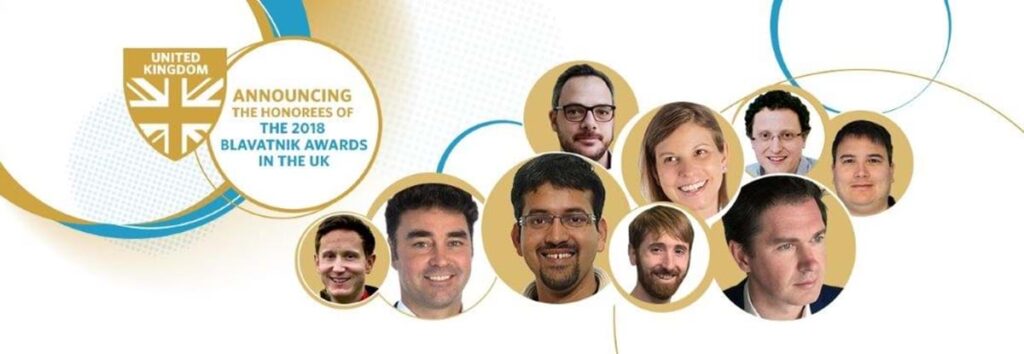
The New York Academy of Sciences and the Blavatnik Family Foundation announced the first Honorees of the Blavatnik Awards in the United Kingdom.

Three Laureates, in the categories of Life Sciences, Physical Sciences & Engineering, and Chemistry, will each receive an unrestricted prize of $100,000. In addition, two Finalists in each category will each receive an unrestricted prize of $30,000. To date, the Blavatnik Awards in the U.K. are the largest unrestricted cash awards available exclusively to young scientists.

The Blavatnik Awards, administered by the New York Academy of Sciences, were established by the Blavatnik Family Foundation in 2007. The awards honor and support exceptional early-career scientists and engineers under the age of 42 across the United States. In 2017, the Awards were launched in the U.K. and Israel. This recognized the first cohort of international Blavatnik Award recipients. To date, the Blavatnik Awards have conferred prizes totaling U.S. $5 million, honoring 220 outstanding young scientists and engineers.

In this inaugural year of the Blavatnik Awards in the U.K., 124 nominations were received from 67 academic and research institutions across England, Scotland, Wales, and Northern Ireland. A distinguished jury of leading senior scientists and engineers selected the Laureates and Finalists. The 2018 Laureates are:

The Finalists for the 2018 Blavatnik Awards in the U.K. are:

Life Sciences

Chemistry

Physical Sciences & Engineering

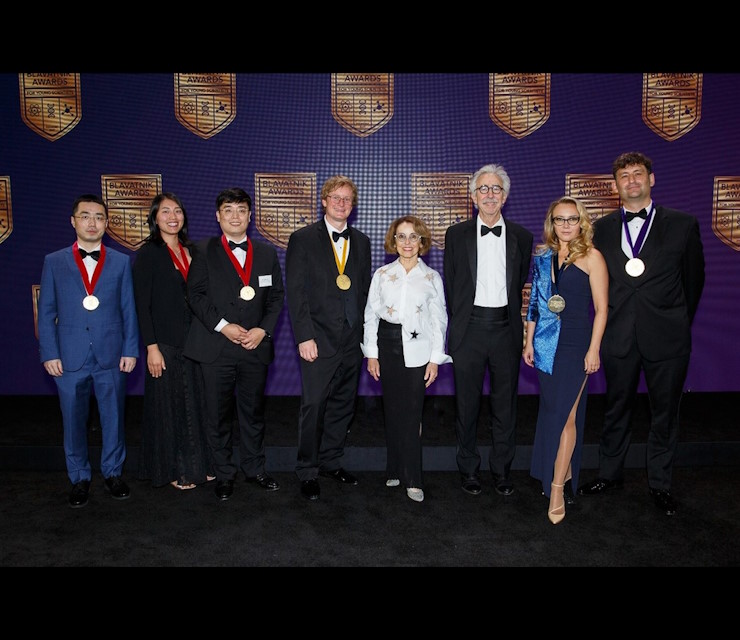
These inaugural Blavatnik Awards Laureates and Finalists in the U.K. will be honored at a gala dinner and ceremony at London’s Victoria and Albert Museum on March 7, 2018. In addition, the Award recipients will be invited to attend the annual Blavatnik Science Symposium at the New York Academy of Sciences this summer, which is an opportunity for former and current Blavatnik Awardees to exchange ideas and build cross-disciplinary research collaborations.

The Blavatnik U.K. honorees will become members of the Blavatnik Science Scholars community, currently comprising over 220 Blavatnik Award honorees from the decade-old U.S. program and three inaugural 2018 Laureates from Israel. Honorees will also receive Membership to The New York Academy of Sciences. 

Innovative Ideas for a Better Tomorrow Today

The 2017 Blavatnik Awards for Young Scientists Laureates exemplify the kind of fearless thinking that can make revolutionary ideas become reality.

Published October 1, 2017

By Hallie Kapner

As physicist Niels Bohr (among others) has said: “Prediction is very difficult, especially if it’s about the future.”

Just ten years ago, it would have been a stretch for even the most optimistic prognosticator to predict that the iPhone, then a newborn technology, would be in one billion hands or that the human genome could be sequenced affordably in 24 hours. These examples of the dizzying pace of progress are good reminders that while attempts to peer into the future of science and technology are essential for growth and inspiration, reality sometimes exceeds the wildest visions.

The 2017 winners of the Blavatnik National Awards for Young Scientists, materials scientist Yi Cui, chemist Melanie Sanford, and bioengineer Feng Zhang, are no strangers to vision. Chosen from a pool of more than 300 nominees from universities around the country, this year’s Laureates exemplify the kind of fearless thinking that upends norms and breaks boundaries, ultimately bringing revolutionary ideas and advances into reality.

Asking any of them to discuss their day-to-day research would provide a fascinating peek into some of the most cutting-edge work in their respective fields, yet just as intriguing are their thoughts on the future. When asked to fast-forward ten or twenty years to discuss what’s next in their fields, each readily dove headlong into the world to come, shedding light on achievements that are both probable and possible, then reaching further to describe potential advances that seem far-fetched today, but may be the ultimate achievements of tomorrow.

Deleting Disease

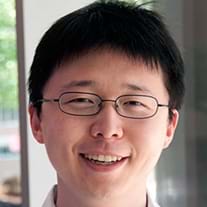
Feng Zhang

Ten years is a long time for Feng Zhang, as he recalls that the technology he helped pioneer, CRISPR-Cas9, didn’t exist a decade ago.

As Zhang, a Core Member of the Broad Institute at MIT and Harvard, talks excitedly about the rapid pace of advancement in the field of genome editing, he highlights that there’s still plenty of room for growth. Zhang was among the first to conceive of using CRISPR, an adaptive immune function native to bacteria, as a DNA-editing tool, a breakthrough that has turned the ability to quickly, cheaply, and precisely edit the genomes of plants and animals from science-fiction into an everyday occurrence.

From Zhang’s point of view, developing the tools was just the beginning — the work of the future is in refining and applying those tools to alleviate suffering and disease.

The advent of rapid, affordable genome sequencing has allowed researchers to identify many of the mutations that cause disease, which fall into two categories: monogenetic diseases, such as Huntington’s, caused by a single mutation, and polygenetic diseases, which comprise the majority of illnesses, wherein multiple mutations are implicated.

Today, most of the work being done with CRISPR targets monogenetic diseases. Even in those cases, a fix is far more complex than simply cutting and replacing.

“The major issue is that we don’t know how to repair the mutation efficiently, nor what exactly needs to be done to have a therapeutic consequence,” said Zhang. “I think we’ll develop techniques for delivering gene therapy to the right tissues, which is still a big challenge.”

Advancing CRISPR technologies

Zhang also projects a future where CRISPR technologies can be adapted to treat patients with diseases so rare that they are often overlooked by the therapeutic pipeline.

“The economics don’t work for drug companies to focus on rare diseases, but as gene editing becomes more mature, we could feasibly create individualized therapies that would circumvent the typical drug development process,” he explained.

But the ultimate CRISPR application — editing multiple genes to treat complex polygenetic diseases — remains the stuff of fantasy. Two decades from now, Zhang expects we’ll be much closer.

“Even if we have the technology to make multiple genetic changes, we don’t know enough about how multiple genes interact in disease at this point,” he said, noting that the interplay of different gene variations can produce effects we don’t fully understand. “There are variations known to protect people from HIV, but they increase susceptibility to West Nile Virus,” he said. “That’s just one example — we need a much better understanding of these connections in order to achieve these bigger goals.”

Big Ideas from the Smallest Structures

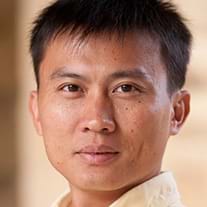
Yi Cui

For Yi Cui, professor of materials science and engineering at Stanford University, the buzzword of the future is energy.

Specifically, inexpensive, widely-available clean energy, along with new battery technologies that will transform cars and other consumer products as well as the electrical grid itself. Cui, whose research focuses on using nanoscale materials to tackle environmental and energy issues, has several breakthrough technologies to his credit — including a water filtration technology that uses electrified silver nanostructures to puncture viral and bacterial membranes, purifying water faster and more cheaply than chemical treatments, and designs for ultra-long life, low-cost batteries that may pave the way for what Cui sees as the major potential achievement of the next two decades: grid-scale energy storage.

Solar cells have become more efficient and renewable energy costs are dropping, yet energy storage remains the major hurdle for scientists, who recognize both the economic and environmental advantages of a future dominated by clean power. Continual improvements in the energy density of today’s batteries will yield rewards in the relatively near term, says Cui, who sides with experts who predict mass adoption of electric vehicles over the next 10-15 years.

“I wouldn’t be surprised if we’re seeing cars that can run 400 miles on a single charge,” he said, but the greatest gains in clean energy won’t be achieved until batteries can store enough energy to allow for the integration of solar, wind and other renewable power sources into the mainstream electrical grid. “Energy storage is the missing link,” Cui said, “and if we can solve that, it will be the most extraordinary achievement we can hope to have in this field in the next 20 or 30 years.”

The potential for nanomaterials to help mitigate the impacts of environmental pollution also looms large for Cui. As the global population grows and resource needs increase, he predicts a starring role for nanoscale structures in efforts to purify water and remediate soil pollution, and is developing a nano-driven “desalination battery,” which removes salt from seawater using less energy than reverse-osmosis, as well as air and water purification technologies that use nanostructures to capture particulates and pollutants with remarkable speed and efficiency.

The Best Molecule for the Job

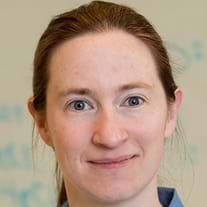
Melanie Sanford

In a future envisioned by Melanie Sanford, there will be no compromise to designing molecules for some of the most important chemical tasks in the world, namely medical imaging, drug development, energy production and fields where the characteristics of a chemical reaction, or the process by which a molecule is made or utilized, can mean the difference between mediocre performance and excellence.

Sanford is making this vision a reality, developing customized approaches for the goals of various industries.

“Depending on the target for the reaction we’re developing, the dreams for the future are different,” she said.

The pharmaceutical and medical industries are two areas where Sanford believes that astonishing advances will be realized in the coming decade. Among them, the ability to customize the tracer molecules that are crucial to obtaining quality images in positron emission tomography, or PET, scans used in cancer, cardiac and brain diagnostics.

“Right now, the tracers used aren’t the best or the most appropriate, they’re the ones we can make with the limited set of reactions we have for adding a radioactive tag to a molecule,” said Sanford. “Ten or twenty years from now, the only constraint will be our imaginations — the reactions and catalysts in development now will allow us to ask, ‘What molecule do I want to make to get the best result for this application?’ and then be able to make it.”

Customization plays an equally important role in another field Sanford sees poised for transformation through the design of novel reactions — agricultural chemicals. Using reactions that yield the desired result, but do so using readily available materials with minimal energy consumption or waste production, would represent significant improvement and a major sustainability overhaul of some of the largest-scale chemical processing activities on earth.

“These syntheses are being performed at such a massive scale that waste really matters,” said Sanford.

The ability to make the best molecule for the job will be key to making Cui’s grid-scale energy storage a reality through new battery technologies. Sanford animatedly described the potential for developing new molecules to store energy, as well as tools for understanding and predicting the behavior and characteristics of those molecules.

“It’s going to be very exciting to both develop molecules with huge storage capability, but also to be able to use them to balance various needs and parameters — high storage capacity with high solubility — so we can really understand how to modify structures to yield the best performance for an application,” she said.

Zhang, Cui and Sanford harbor no delusions of ease when it comes to the dreams they’ve set forth. Rather, they greet the challenges ahead with equal measures of determination and hope.

“We have an enormous amount of work to do in the coming decades,” said Cui. “But everything we’re working towards is so important for the sustainable growth of the world and for the health and future of our children. I’m confident we can do it.”

Celebrating 10 Years of the Blavatnik Awards

Blavatnik Awardees advance the breakthroughs in science and technology that will define how our world will look tomorrow.

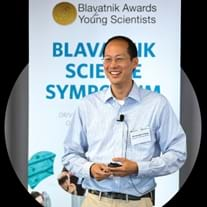
Chris Chang presents at the Blavatnik Science Symposium

Published May 1, 2017

By Victoria Cleave, PhD

The scientific equivalent of magic can happen when you put outstanding researchers together in a room. At the 2016 Blavatnik Science Symposium, a neuroscientist met a physicist, and they realized that the tool the neuroscientist needed to further his work was being developed within the physicist’s lab. Both were Blavatnik honorees, and they might never have met had it not been for the Blavatnik Awards for Young Scientists.

The Blavatnik Science Symposium is just one aspect of this distinctive awards program, established with the vision of Len Blavatnik, founder and Chairman of Access Industries and head of the Blavatnik Family Foundation, now celebrating its tenth anniversary.

The New York Academy of Sciences has administered the Awards since their inception, when they focused on the New York, New Jersey and Connecticut tri-state area. The basic tenets of the awards are simple: find brilliant researchers age 42 or under in chemistry, physical sciences and engineering, and life sciences, and award them financial support and exposure for their work.

“The Future of Scientific Thought”

Len Blavatnik explained the significance of that vision, “Young scientists represent the future of scientific thought. By honoring these young individuals and their achievements we are helping to promote the breakthroughs in science and technology that will define how our world will look in 20, 50, 100 years.”

In 2014, the Foundation supported the expansion from a regional to a national program, recognizing academic researchers across the United States every year with awards of $250,000, one of the largest unrestricted prizes ever created for researchers under the age of 42.

After seeing the success of the current Awards the Foundation was keen to support even more young innovators, so the program will expand with two new sets of Awards in the United Kingdom and Israel in early 2017. The Academy is delighted to be partnering with the Israel Academy of Sciences and Humanities to manage the Awards in Israel. Nominations for both new Awards will open in May 2017 and the first Blavatnik UK and Israel laureates will be honored in early 2018.

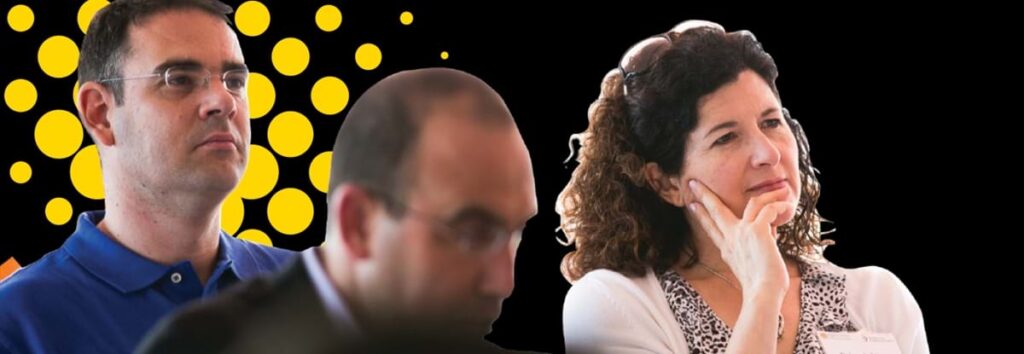
Amit Singer and Deborah Silver listen to a presentation during the 2016 Blavatnik Science Symposium

“World-Changing Discoveries”

“We know that this kind of recognition is particularly important because of the focus on scientists at the crucial juncture of their career when they are transitioning from trainee to independent researcher,” said Ellis Rubinstein, President and Chief Executive Officer at The New York Academy of Sciences. “Such recognition not only rewards past successes, it directly enables continued research—the kind of research that leads to world-changing discoveries.”

During the Awards’ first decade, more than 2,000 scientists and engineers were nominated from more than 200 institutions, with prizes totaling more than $4 million.

Michal Lipson, 2010 Blavatnik Awards Faculty winner and Given Foundation Professor at Cornell University, explained: “There are a few awards for young scientists, but almost all of them are based on proposals that you submit, and not on the actual work that you do as a young scientist. The Blavatnik Awards program is true recognition of the work of young scientists; it is unique in that sense. There is no equivalent.”

But it is the honorees themselves that are the most remarkable part of the Blavatnik Awards for Young Scientists. Chosen for both their achievements to date and the potential of what’s yet to come in their careers, the Awards aim to recognize truly outstanding scientists and engineers forging creative paths in research.

Trailblazing Science

Yueh Lynn Loo enjoying a networking break at the 2016 Blavatnik Science Symposium

Beyond accolades, these brilliant young men and women carry out their trailblazing science across the breadth of the Awards categories. From deciphering how memories are formed and stored in the brain, to targeting genetic mutations that drive the growth of aggressive cancers. They have probed the complex physics of dark matter pulling galaxies apart, and designed nano-devices that can purify water or detect disease in low-resource settings.

The downstream impact of supporting such exceptional honorees is clear. As Anthony Guiseppi-Elie, Professor and Division Director at Texas A&M University, who serves on the jury for the Awards, said, “We are, in fact, just touching the lives of a few, but those few have the capacity to influence whole new vistas of enquiry, and so the ripple effect is quite substantial.”

Indeed, some immediate effects of the awards have arisen thanks to the generosity of two of the inaugural Blavatnik National Awards Laureates, who chose to donate part of their prize winnings to support even younger scientists: Adam Cohen and Marin Soljačić have established prizes of their own for talented students at Hunter College and high-schoolers in Croatia, respectively.

An Environment for Ideas and Collaborations

And of course, the Blavatnik Science Symposium has proven to be a fertile environment for ideas and collaborations, with almost 200 scientists and engineers in the Blavatnik community, and many nationalities represented.

“There are too few opportunities for scientists to actually come together and share the really big ideas. One of the really great things that we get out of the annual Blavatnik Symposium is that you have this community of young scientists that come together in many different fields,” said David Charbonneau, 2016 Blavatnik National Laureate and Professor of Astronomy at Harvard University.

“The best scientific research is collaborative and we want our Blavatnik Scholars to be able to tap into the best talent around the world,” said Len Blavatnik. “I look forward to the next ten years of finding and supporting exceptional young researchers and helping to promote transformative scientific discoveries.