Cultivating Better Health with Science

Researchers across the globe are doing their part to both fuel and sustain a healthy planet.

Published May 1, 2018

By Hallie Kapner
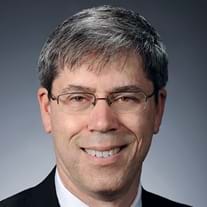
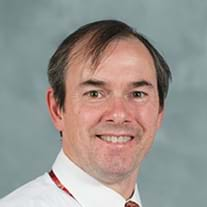
Patrick Schnable

To the untrained eye, the black dots speckling the corn leaves in the greenhouses at Iowa State University’s Plant Sciences Institute could be anything — blight, mold, rot. But to Patrick Schnable, the Institute’s director and the C.F. Curtiss Distinguished Professor and Iowa Corn Endowed Chair in Genetics at ISU, the dots are the future of precision irrigation — a simple and inexpensive window into how plants use a precious global resource: water.

Dubbed the “plant tattoo,” the dots are bits of graphene oxide deposited on a gas-permeable tape to form an easily applied sensor that precisely measures transpiration — water loss — on an individual-leaf basis. As leaves lose water, the moisture changes graphene’s electrical conductivity. By measuring those changes, Schnable and his collaborators can observe transpiration in real time.

“If you have a plant under drought stress and you water it or it rains, you can track water moving up through the plant,” Schnable said. “For the first time ever, we can observe plants reacting to an irrigation event as it happens.”

The plant tattoo is one of countless research initiatives underway worldwide that aim to conserve and maximize natural resources, improve access to nutrition, prevent and treat disease, and boost the health and well-being of the planet’s people and wildlife.

Schnable and his collaborator, Liang Dong, associate professor of electrical and computer engineering at ISU, envision a day when farmers can use plant sensors to guide irrigation decisions and breeders can use them to create drought-resistant varietals. The researchers are already adapting the technology for use beyond the Iowa cornfields. While the current version requires connection to a control box to provide both voltage and transpiration rate analysis, plant tattoo 2.0 will be wireless and smartphone-compatible. Such refinements will drop the cost of the system even further, making the sensors accessible for areas of the developing world where every drop of water counts.

Cultivating “Black Rice”

Ujjawal Kr. S. Kushwaha

Maximizing efficiencies in breeding and irrigation of agricultural crops is one key part of meeting the global goals related to hunger, nutrition and stewardship of the land. Equally critical are efforts to identify and promote staple crops that pack maximum nutrition, explained Ujjawal Kr. S. Kushwaha, PhD Scholar in Genetics and Plant Breeding at G.B. Pant University of Agriculture and Technology in Pantnagar, India.

More than half of the world’s population relies on rice for at least 20 percent of their daily calories. If Kushwaha had his way, the typical white rice of subsistence would be replaced by black rice, an heirloom variety sometimes called “forbidden” rice, and one of nature’s nutritional powerhouses.

“No other rice has higher nutritional content,” Kushwaha said. “It’s high in fiber, anthocyanins and other antioxidants, vitamins B and E, iron, thiamine, magnesium, niacin and phosphorous. Consumed at scale, it could have a significant impact on malnutrition.”

Decades of effort to boost the nutritional content of rice have yielded biofortified varietals rich in iron, zinc and provitamin A. While addressing these highly prevalent micronutrient deficiencies is critical, Kushwaha contends that black rice could address both a broad spectrum of nutritional deficiencies as well as provide anti-inflammatory and anti-atherogenic benefits.

However, black rice is not widely cultivated outside of China, and most varietals are relatively low-yield, which drives the crop’s high cost. Kushwaha is working to shift that equation, spreading the black rice gospel with the hope of boosting demand and incentives for farmers to develop higher-yield varietals, which could make a crop once reserved for royalty as affordable as white rice.

Anticipating the potential hurdles of acceptance — factors such as taste and color often determine whether new varietals are adopted or rejected — Kushwaha and others cultivating nutrient-rich rices have determined that black rice could be bred to minimize color while preserving much of its nutritional value. “Some of the qualities could be reduced, but it’s still far better than white rice,” he noted.

Plant Power

Plants already do far more than just feed the world — we derive fuel, fabrics, medicinal compounds and much more from them. Yet over the past two decades, a new role for plants has emerged — one that may revolutionize one of the most important pipelines for global health: vaccine production.

Conventional vaccine manufacturing relies on primary cells — like chicken eggs — mammalian cell lines, yeast cells or bacteria. These approaches have well-known limitations, such as long production times, variable yields and risk of contamination by other human pathogens. As Kathleen Hefferon, a virologist and Fulbright Canada Research Chair of Global Food Security at the University of Guelph explained, plants are not merely viable alternative bioreactors for many types of vaccines — they are production superstars.

First-generation plant-made biopharmaceuticals were derived from transgenic crops, but public concerns about GMOs, as well as variability in the amount of vaccine protein produced per plant, drove the development of a second — and now dominant — production method. Plant virus expression vectors are used to deliver genes for producing vaccine proteins into the leaves of plants such as tobacco and potato, turning common crops into factories capable of churning out huge quantities of vaccine protein faster and more cheaply than any other method.

Plant-made vaccine proteins carry no risk of contamination with mammalian pathogens, and better still, plants can produce similar post-translational modifications to human cells, which increases biocompatibility. Hefferon believes plant-made biopharmaceuticals will grow exponentially over the next five years, due in part to increased interest in stockpiling vaccines against pandemic flu and other diseases.

“It’s hard to stockpile vaccines produced in mammalian systems, and it’s very hard to produce enough vaccine in time to be helpful in an outbreak,” she said. “Plants offer a clear advantage here.”

Several pharmaceutical companies have plant-made vaccines and therapeutics in clinical trials, but the public is already familiar with one experimental drug that made headlines in 2015 — ZMapp, which was used to treat several Ebola-infected healthcare workers in West Africa. Hefferon is also quick to emphasize that the lower-cost profile of plant-made vaccines has special relevance for cancer prevention in the developing world, where rates of cancers linked to vaccine-preventable viruses, including HPV, are skyrocketing.

“We’re already in the running to advance the science toward pharmaceutical production in plants,” she said. “The current systems have so many limitations and plants are an incredible alternative.”

On Land and Sea

Just as human health is inextricably tied to the health of the air, soil, water and environment, so too is the health of the animals we rely on for work and food. In the tropical regions of Mexico, scientists including veterinarians Felipe Torres-Acosta and Carlos Sandoval-Castro, and organic chemist Gabriela Mancilla, of Universidad Autonoma de Yucatan (UADY), are studying how sheep and goats regulate their own health through diet.

The team at UADY has been devising strategies to improve the health of ruminants in tropical environments for 30 years. One of their standout findings is that malnourished animals are less resilient to native parasites, and while farmers can boost resilience with supplemental food, access to native flora is critical for keeping the host-parasite relationship in balance.

The UADY team showed that sheep and goats left to forage on their own in the Mexican jungle feast on an astonishing 60 different plant species per day, adjusting their food choices based on seasonal availability. Diving deeper into the connection between diet and immune resistance, Torres-Acosta’s team collected samples of ruminants’ preferred foods, analyzing them for nutritional content and the presence of anthelmintic activity.

Stephen Frattinii
Photo: Hudson Rivers Fisheries Unit Staff

Analysis reveals that most local flora do contain anti-parasitic compounds, and Mancilla is working to discover the mechanisms by which they act to control parasite load. The team is investigating whether animals intentionally seek a diet rich in plants that naturally limit parasite infection. This work, as well as similar research in sheep and goats around the world, is already impacting how some small farmers treat infections.

“If animals have access to their native foods, they can keep parasites in check, which reduces the need for medication and allows farmers to treat only the sickest animals,” Torres-Acosta said. “The most interesting things we’re learning come directly from observing the animals — given the choice, animals know what they need to eat to stay healthy, and we can learn so much from their innate wisdom.”

Off the shores of Long Island, New York, Stephen Frattini, founder of the Center for Aquatic Animal Research and Management (CFAARM), is trying to bring a similar sensibility to the seafood industry, which supplies three billion people worldwide with their primary source of protein. Frattini, a veterinarian, focuses not just on how fisheries and aquaculture operations could improve fish welfare, though his passion for that subject runs deep.

His goals are bigger, and include uniting experts in animal welfare, engineering, health management, feed development and consumer psychology to transform the seafood industry from a profoundly siloed one, rife with inefficiencies and transparency issues, to an integrated one that places the health of the environment, people and fish front and center. Frattini believes that a more integrated seafood industry could revitalize coastal communities both in the United States and developing countries, as well as advance production strategies already known to improve fish health, such as emphasizing diversity over monoculture.

“We still need a much better understanding of fish behavior in captivity and what we can do to create happier, healthier animals, but I’m convinced we can increase efficiencies while increasing fish contentment, which is a win for animals, the environment and the industry,” he said.

A Matter of Will
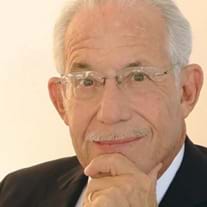
William Haseltine

Decades of fast-paced discovery in medical research, coupled with high-tech advances in equipment, procedures and information technologies have yielded many of the solutions necessary to provide high-quality healthcare to all. No cohort in history has been better equipped than ours to identify problems, connect patients with preventative and acute care and measure and understand the outcomes. Yet nations around the globe, from the most developed to the least, struggle to manage the cost, logistics and delivery of basic human health services.

A desire to identify best practices and help spread their adoption drove William Haseltine, a biologist and former professor at Harvard Medical School, known for his pioneering research on HIV/AIDS and the human genome, to found the nonprofit ACCESS Health International 10 years ago.

ACCESS Health has since partnered with nations in every region of the world to better understand the systems that improve primary care, lower maternal and child mortality, and meet the needs of an aging population while maintaining affordability. From a revolutionary emergency-response system in India that serves 700 million people each year with greater efficiency and lower cost than any system in the West, to hospitals using information technology to implement radical transparency and accountability systems that are improving patient safety, Haseltine and the ACCESS Health team have found no shortage of strategies that save and improve lives within budget. Bringing them to bear on the global problem of healthcare access is mainly a matter of will.

“We have a lot of knowledge that can be deployed broadly across the globe, but there has to be a desire and incentive to change,” Haseltine said.

The 17 SDGs can be viewed as a tally of ways people and planet can suffer and struggle. But they can also be viewed as vision of hope, a commitment by 193 nations to alleviate pain and work toward a healthier, more equal future.

“We have come to the point where we have the ability to dramatically improve health outcomes, whether it’s in environmental health, or improving maternal and infant mortality,” said Haseltine. “It all comes down to the question: do we have the will to do it? When the answer is yes, it’s transformative.“

Drone Delivery Takes Off In Rwanda

Delivering goods via drones is not a new idea, but it’s providing an important sustainable lifeline to rural communities in Rwanda that are benefiting from the technology.

California-based automated logistics company, Zipline and the Government of Rwanda have collaborated on the world’s first national drone delivery service for on-demand emergency blood deliveries to transfusion clinics across the country. Since its launch in October, 2016, Zipline has flown more than 7,500 flights covering 300,000 km, and delivered 7,000 units of blood to physicians and medical workers in Rwandan villagers nationwide.

Zipline’s technology was developed for longer-haul flights than typical drones and have a round trip range of 160 kilometers. The drones can carry 1.5 kilos of cargo and cruise at 110 kilometers an hour.

More importantly the craft are built to handle the challenges of Rwanda’s mountainous terrain and extreme weather conditions. They look more like fixed wing airplanes than the typical quadcopter image, but it is one of the reasons why they are capable of flying faster and farther than standard craft; imperative for speeding-up the delivery of life-saving medical supplies to remote communities.

The airplanes are powered by lithium-ion battery packs. Two twin electric motors provide reliability at a low operating cost. Redundant motors, batteries, GPS and other electronics provide the safety features, in addition to a parachute-enabled landing system. The planes fly on predetermined routes and are monitored by a Zipline operator.


Also see: Innovation Challenge in Rwanda on “Green Schools, Green Homes, Green Communities”

Tech’s Messy Challenge: Finding the Rx for Global E-Waste

The components that were state-of-the-art two years ago are now obsolete in today’s world.

Published May 1, 2018

By Charles Cooper

In the decade following the debut of the first iPhone in 2007, Apple has released 18 different models of its iconic smartphone, some major, some minor — all designed with the idea of appealing to buyers thirsting for the latest and the greatest technology from Silicon Valley’s most iconic brand.

That’s the way our gadget-addicted economy works. Products rarely remain in their original owners’ hands for longer than a few years. Planned obsolescence is the rule as slick marketing campaigns encourage consumers to trade up to faster, cheaper and smaller devices that roll off assembly lines, because yesterday’s state-of-the-art technology won’t hold a candle to what’s coming tomorrow.

“The problem we run into in the IT industry is profound because the functionality of these devices advances so quickly,” said Dr. Matthew Realff, a professor of chemical and biomolecular engineering at the Georgia Institute of Technology.   “The components that were state-of-the-art two years ago are now obsolete in today’s world. This is not a technological problem but a societal one. Replacing your phones every six months or every year or two, may not, from a sustainability perspective, be needed. The problem is that the industry wants to drive functionality at every step.”

So as digitization transforms how society communicates and does business, there are now billions of smartphones, personal computers and connected devices in use worldwide. But what happens when these and other high-tech appliances — televisions, printers, scanners, fax machines and other technology peripherals — reach the end of their useful lives? That darker side of the digital revolution is having a major impact on the lives of millions of people and their environment every day.

The Fastest-Growing Stream of Municipal Solid Waste

Electronic waste (e-waste) now constitutes the fastest-growing stream of municipal solid waste in the world, according to the National Institute of Environmental Health Sciences. People now generate some 40 million tons of e-waste each year — up 20 percent in just two years, leading the United Nations to warn of a veritable “tsunami of e-waste” inundating the Earth.

The toxic threat to health is so severe that scientists warn of a global safety threat linked to the release of harmful substances such as lead, mercury, cadmium and arsenic, in discarded electrical devices and equipment. The implications are particularly acute for developing nations where older products often get dumped in  landfills. As more e-waste winds up in landfills, the exposure to environmental toxins creates health hazards for workers and residents, including greater risks of cancer and neurological disorders.

Alarm over the public health challenge has forced the issue onto the global agenda. In fact, one of the U.N.’s Sustainable Development Goals (#12) is a pledge to “substantially reduce waste generation through prevention, reduction, recycling and reuse” by 2030. The success of that initiative will be closely intertwined with progress made battling e-waste.

Given the magnitude of the challenge, it’s too early to handicap the outcome. Experts in the field are guardedly optimistic, saying it will take a combination of smart engineering and equally smart public policies to help reverse a years-in-the-making problem paradoxically created by the very technology used to solve so many other societal problems.

Don’t Expect A Quick Fix

“Originally, you had a paradigm in which these products were never considered from an end-of-life cycle perspective,” said Nancy Gillis, Chief Executive Officer of the Green Electronics Council. “In fact, the IT sector was treated no differently from any other products in our consumer society. So when people asked the question, `What do we do with this stuff later on?’ the response was `We know … we’ll stick it all in a hole.’ Then we became aware of the fact that we don’t have enough holes. They’re not big enough and they’re costing us.”

Compounding the challenge, she said, is the incessant churn of new technology into the market. Projections vary, but tens of billions of IoT devices will be online by the end of this decade.

“When you start putting sensors in your shirts and shoes or when toys become as much IT as IT is considered, then we’re ill prepared for that also becoming part of the [e-waste] stream,” Gillis added. “It’d be great if technology just evolved along the same timeline as our understanding of its impact … we wouldn’t have a problem. But it’s not. This is a development cycle made up of many players and it involves an extremely complex supply chain.”

High-Tech Alternatives in Flux

Realff has thought a lot about how supply chain management could make a difference in controlling e-waste. One area where he sees potential is in the application of advanced computational methods, such as machine learning and mathematical programming to improve product tracking as materials flow through supply chains. By adding smart tags to products, companies will soon be able to wirelessly track items flowing through supply chains to customers to get a comprehensive picture.

“We’re getting to the point where our ability to label individual items and keep track of them is about to increase exponentially,” he said. “With the availability of inexpensive embedded sensors and ubiquitous wireless networks, we’ll know how long they are in use and when they eventually get retired.”

Big Data and the Internet of Things

As these and other technologies, including Big Data and IoT improve supply chain visibility, it should also clear the way for companies to do a better job retrieving value from discarded e-waste. There’s money to be made cleaning up e-waste as many products contain valuable materials — including gold, silver, copper and palladium — that can be resold. The International Telecommunication Union put the estimated value of recoverable material generated by e-waste in 2016 at $55 billion.

However, only 20 percent of that e-waste was found to have been collected and recycled despite the presence of those high-value recoverable materials. In other cases, perfectly fine machines still capable of productive service are getting discarded. That’s where better analytical insights into the data can give them a second life.

“We need to figure out how to reuse those systems in ways in which they benefit the less fortunate parts of the world,” said Realff. “We may not need top-of-the-line servers to do certain tasks, but how do we take servers that may not be used in a Google warehouse and use them where they could still have value? It’s less a technology issue, than an organizational issue.”

The Emergence of Nanotechnology and Synthetic Biology

From a sustainable development goal perspective, nanotechnology and synthetic biology are two emerging fields of science and technology that have attracted interest due to their broad applicability and their potential as alternative solutions.

Bart Kolodziejczyk, co-author of a recent paper on recycling standards to handle nanowaste, pointed to the history of polymers and plastic, which were originally hailed as game-changing developments. But they also led to unintended consequences.

“Not only are we surrounded by plastic waste that take decades to decompose in the environment, but only recently have we reached the point when the very first plastic waste finally starts degrading,” he said. “While we should be happy, there is another problem … the degradation of polymeric materials is incomplete; partially degraded plastic nanoparticles can be currently found in 83 percent of the world’s tap water, including most U.S. cities. You can imagine that these plastic fibers are not good for your health, cannot be easily digested and build up in your body.”

Similarly, he said there are still unanswered safety questions around nanowaste and synthetic biology waste.

“We certainly don’t know how to deal with hazards associated with these two very promising technologies. I am even more skeptical when I attend different workshops and conferences organized by international organizations because policy makers simply don’t know how to deal with this type of a threat.”

“Nanowaste disposal will be a big issue because different nanoparticles will require different and tailored waste treatment protocols,” Kolodziejczyk added. “While most organic nanoparticles, such as polymers, can be potentially digested by flame, inorganic nanoparticles, such as oxides known for high thermal stability will require more sophisticated methods.”

Reasons for Optimism

Despite the clear challenges, Gillis says that growing recognition of the e-waste problem is reason enough for optimism that things can improve.

“We’re starting to think seriously about end of life while designing products and there’s also a recognition that there’s money involved in getting those core resources back,” she said. “Companies are leaving money on the table which is foolish.”

As we wait for market forces and new technologies to come to the rescue, the easiest way to reduce the amount of e-waste would be for people and businesses to resist the urge to discard perfectly usable older products just because a newer, more robust version hit the market.

But is it reasonable to expect users to resist the siren call of advertising and change age-old consumption patterns? Maybe that’s asking for too much. For Realff, however, it’s a question that needs to get asked — if only to avoid the inevitable consequences of continuing along the current path.

“Maybe we can’t all have the latest and greatest,” he said. “And I’m not just referring to consumers here in the West but also to the billions of consumers in the rest of the world. We will not be talking about tsunamis of e-waste; we will be talking about a planet full of e-waste — which obviously is not feasible.”

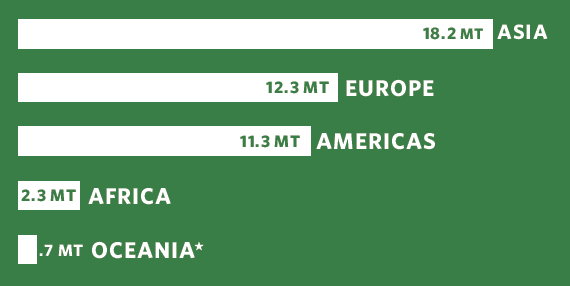
Who Generates the Most E-Waste?

According to The Global E-waste Monitor 2017, a publication produced by the Global E-waste Statistics Partnership, Asia takes the lead followed by Europe and the Americas.

The Global E-waste Partnership is a collaborative effort of the United Nations University (UNU), represented through its Vice-Rectorate in Europe hosted Sustainable Cycles (SCYCLE) Programme, the International Telecommunication Union (ITU) and the International Solid Waste Association (ISWA).


Also see:


Charles Cooper is a Silicon-valley based technology writer and former Executive Editor of CNET.

The Academy’s Lyceum Society: A “Think Tank”

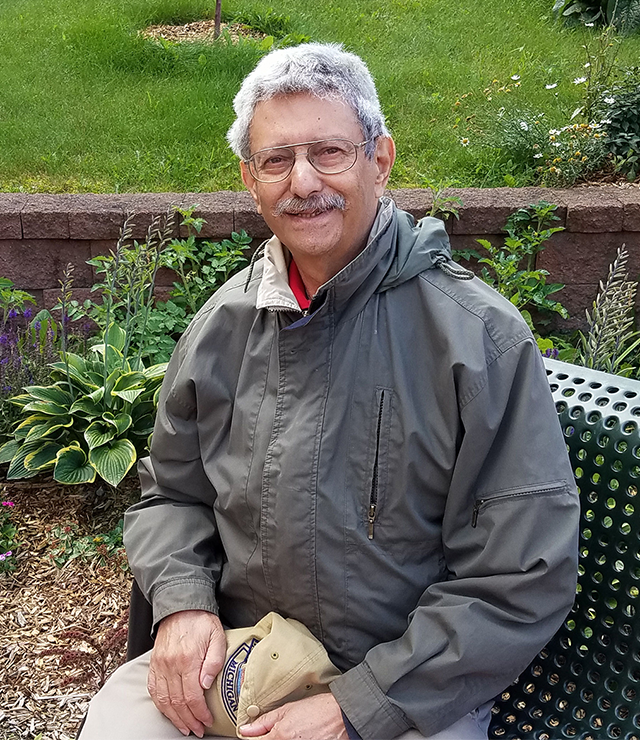
Herb Klitzner sits on a bench and poses outside for the camera.

A Lyceum Society member follows his research across decades and finds a second wind among friends and colleagues.

Published February 12, 2018

By Marie Gentile, Mandy Carr, and Richard Birchard

When you’re a 200 year-old organization there are limitless stories to tell about the distant past. But we also love to share tales from our much more recent past, particularly when told by some of our members who have been with the Academy for decades.

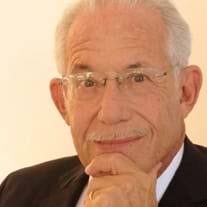
Today, we want to share the insights and perspective of long-time Member Herb Klitzner, who joined the Academy in 1970, just as he was beginning his graduate studies. He went on to work on computer-based projects with a variety of organizations, from the Port Authority of New York to Nabisco to the City University of New York (CUNY).

Tell us a little bit about what you were doing around the time you first joined the Academy.

I began my doctoral studies at CUNY Graduate Center in an innovative hybrid program combining Computer Science and Educational Psychology. I joined the then-existing Linguistics Section (because of my interest in cognition and developmental psycholinguistics) and was invited to participate in their Advisory Committee, as a graduate student representative.

A couple of particularly interesting things came up during my doctoral research. When I started in 1970, I was engrossed with the possibility of using mathematical quaternion group theory in cognitive models. I talked with Jean Piaget in 1971 at a conference and learned he had used them “from the very beginning” of his career. I experimented with these ideas for about three months and then put it aside for lack of finding local faculty knowledgeable in both quaternions and psychology to work with.

Then, in 1977, as a later part of my doctoral research and project development, I designed an innovative computer center for the blind at CUNY/Baruch College. The center still exists today, having served thousands of people for 40 years now.

I understand that your interest in quaternions, in particular, has continued for some time. Can you tell us a little bit more about the developments of this number system, which has proven very useful in understanding mechanics in three-dimensional space? 

Roughly 30 years after I first became interested in the subject, Ben Goertzel, an internationally-based artificial intelligence (AI) and mathematical researcher took up the same question with a research group he organized, and wrote an elegant theoretical paper representing working memory by using “mirrorhouses,” including reflected triangles and tetrahedra represented by quaternions and octonions

And more recently, I became fascinated with the quaternion field having a Phoenix-like nature, from a historical/developmental point of view. After initially giving a talk to the Academy’s Lyceum Society and publishing the talk, I was contacted by a number of researchers interested in the subject. One of them asked me to write a book chapter for Multisensor Attitude Estimation, which I did, describing the little-known but dramatic proliferation of research and application of quaternions starting in 1985, and continuing to the present day, which rescued quaternions from their obscure reputation.

Subsequently, I published a paper with Terry Marks-Tarlow and Martin Hay, describing the potential of quaternions to model trade exchange processes in a special way, and perhaps to model perspective-shifting processes in the brain.

You’ve worked across industries and have a wide-ranging curiosity, which we’ve only gotten a small taste of here. What helps keep you interested in pursuing such rigorous topics? 

My supportive matrix for this recent research came from the members of the Lyceum Society, which I joined in 2007. I joined because the Lyceum was presenting interesting programs at a monthly informal brown-bag lunch gathering at the Academy headquarters. As things turned out, joining gave me a second wind.

At the moment, I’m working on a book that grew out of a series of talks I gave at the Lyceum from 2009 through 2017. The Members of the Lyceum have offered much encouragement, advice, and humor, and many have become friends.

You’ve spent a lot of time now in the Lyceum Society. Why is it so valuable to you? 

In my personal story, the success of this human chain of involvement and development began with the nurturing “think tank” atmosphere of the Lyceum Society, which increasingly functions as an imaginative and talented community within the Academy and a source of new perspectives. More of these Lyceum-catalyzed creative interactions and personal development stories can be expected to come in the future.

Established in 1993, the Lyceum Society is comprised of the Academy’s retired and semi-retired Members from diverse backgrounds and professions. Meetings feature lectures and discussions with scientists from around the world and also provide participating Members with the opportunity to give self-directed presentations and seminars based on their own specialties or new research interests. Learn more about the Lyceum Society and how you can join here

The Crucial Need for Ethics in Space Exploration

An image taken from the moon looking at planet Earth.

Dr. Lucianne Walkowicz is determining the ethics of exploring Mars.

Published January 19, 2018

By Marie Gentile, Mandy Carr, and Richard Birchard

Lucianne Walkowicz, PhD

While generations of stargazers have dreamt of the fantastic possibilities inherent in space exploration and colonization, few have concerned themselves with the ethics of such endeavors.

Lucianne Walkowicz, PhD, astronomer at the Adler Planetarium and Baruch S. Blumberg NASA/Library of Congress Chair in Astrobiology in the John W. Kluge Center at the Library of Congress, is devoting this year to generating an ethical framework for interplanetary exploration. During her residency at the Library of Congress, her project, titled “Fear of a Green Planet: Inclusive Systems of Thought for Human Exploration of Mars,” will call upon lessons from human colonization on Earth as a foundation for our expeditions into space.

Dr. Walkowicz is adamant that space exploration has much to learn from the spread of humanity. Past mistakes should not be repeated.

“When we look at how we’ve explored this planet and, for example, our treatment of either indigenous people or indigenous species in places that we have explored, we haven’t exactly been exemplars in our treatment of those people or species. That’s resulted in damage to our relationships in new lands, and also to the lands themselves.”

Without current evidence for life on Mars, some view it as open territory, and therefore unencumbered by these considerations. Dr. Walkowicz disagrees, and advocates for the protection of Mars’ environment, living or not.

“In Mars’ case, we know that it used to be a habitable planet in the past, and that doesn’t mean that it had life, but it certainly means that there could’ve been a history of life there, and it is an environment that is sovereign in and of itself,” she said. “I think we can look at some of the behaviors that we have engaged in on Earth, and some of the choices we’ve made in the past that have, for example, compromised the environment, and ask ourselves how we can do that differently on Mars?”

Preserving Other Planets

We can start by ensuring that environments like Mars remain intact, and Dr. Walkowicz clarified who exactly is the “we” in this context, “This is complicated by the changing nature of exploration, which will no longer solely consist of nations, but companies within those nations.” Ensuring that both public and private interests are performing responsibly will be difficult to regulate.

As an example Dr. Walkowicz offered, “We have to determine how we might clean our spacecraft to explore Mars without contaminating it and extending that to not just organizations like NASA, but also private spaceflight companies that are engaging in their own activities on Mars … how do we protect Mars from ourselves?” She added, “If we want to send humans to Mars, then that’s an entirely different and more challenging problem than sending just spacecraft.”

The question of sending humans to other planets is so complex that Dr. Walkowicz believes it should not be left exclusively to members of the scientific community.

“That’s fine if what you’re talking about doing is science experiments on other worlds. But if actually what we are talking about is becoming humans that live on another world, we have to take into account that we have a human culture. And in order for us to think about how we might do that correctly, that requires us to think about how we choose our lives on Earth and what that might mean in its space iteration.” She finished, “Certainly, the history of Earth is full of a lot of mistakes and intentional actions that resulted in the massive inequality and some of the social problems we have today. If we want to live in space, how can we do that without necessarily reproducing a lot of the inequalities and injustices off Earth as well?”

Keeping the Public Engaged

The need for public input is a two-way street and Dr. Walkowicz wants scientists to keep the greater public engaged. Outside of the fact that the public has a right to know about the research they fund,.

“Science is a human undertaking in the same way that literature or art or music is a human undertaking. And I think we have a responsibility to share those scientific discoveries and the benefits that are created by them … People should be able to enjoy [these benefits] and it shouldn’t require being an actual scientist to do so. We certainly don’t tell people they can only enjoy music if they’re musicians. Science is a product of human activity that should be shared with all humanity.”

Whatever we find, and share, from our travels beyond Earth, Dr. Walkowicz sees planetary exploration as an opportunity to move beyond our relatively narrow breadth of experience.

“When we study astrobiology, I think one of the things we’re really limited by is that we only have one example of a planet that has life on it, so being able to study life in other environments is incredibly important scientifically, but can also help us understand what our greater relationship is to the universe,” she said.

The Latest Advances in Pediatric Cancer Research

An infant being examined by a physician.

Dr. Richard Gilbertson discusses his inspiration and the latest advances in pediatric cancer research.

Published January 8, 2018

By Marie Gentile and Richard Birchard

Dr. Richard Gilbertson

Richard Gilbertson, MD, PhD, Li Ka Shing Chair of Oncology and director of the Cancer Research UK Cambridge Centre, did not initially set out for a career in pediatric cancer — the leading cause of death by disease past infancy for children and adolescents in the United States and Europe.

He “somewhat randomly,” as he says, chose to do his second-year research project on medulloblastoma, the most common malignant brain tumor in children. He was inspired early on by a caring mentor who went above and beyond in attention and enthusiasm and was further determined to pursue this path while getting to know the family of a child with brain cancer.

“One day I went onto the ward, and it was very dark, and all the curtains were closed, and I was told that this child was dying. After inquiring about available treatments, I was told there was nothing to be done. I was incredibly angry with the system that wasn’t able to offer a child a curative treatment.”

Deeply affected by this child’s death, when a friend and fellow medical student challenged him to produce a 15% reduction in mortality of any disease over beers at a pub, Dr. Gilbertson made it his career goal to “produce a 15% reduction in mortality, at least of medulloblastoma in pediatric cancer.”

Discoveries in Medulloblastoma

To that end, Dr. Gilbertson and his lab have made some profound discoveries in medulloblastoma. During the 1980s, medulloblastoma was considered a single disease, with a singular treatment, but “we’ve demonstrated that it is multiple diseases, and those diseases actually have different origins in the nervous system from very specific cell types, and they behave differently.”

This understanding has allowed treatments to be tailored to disease type, resulting in a reduction in the use of radiation therapy, the introduction of new treatments that target the signaling pathways of some forms of medulloblastoma, and insights into other brain tumors including Ependymoma and choroid plexus carcinoma.

His latest research is driven by the question of why cancer is so much less prevalent in children than expected, given that as they grow they have a large burden of cellular proliferation.

“Whereas one in two adults will get cancer eventually, only one in 600 children will, and the math doesn’t add up because children are growing faster than at any other point in their lives,” says Gilbertson.

Understanding the Mechanisms of Cancer Protection

Researchers have long suspected that children’s tissue provides protection against cancer to accommodate this growth, but they lacked definitive evidence or a mechanism for how this works. In a landmark paper published in Cell, Dr. Gilbertson’s lab mapped the functions of cells in numerous organs across the lifetime of mice and introduced tumor-inducing mutations to those cells.

They found that neonatal mouse cells are less likely to undergo tumorigenic transformation compared to adult cells with the same stem cell capacity, supporting the hypothesis that neonatal cells are somehow resistant to forming tumors — extrapolating to humans, this may explain why cancer rates are lower in children than adults.

Understanding the mechanism of this cancer protection has the potential to lead to better treatments not only for pediatric cancers, but adult cancers as well. “That’s critically important because if I can understand (how pediatric cells are protected from cancer), and then we can reactivate that in adult tissues, you’d have a very potent cancer preventative. If we could reactivate the mechanism in pediatric cells to allow them to grow and repair, but not cause cancer — imagine what we could do in adults. You could actually reactivate that pharmacologically with a medicine.”

Dr. Gilbertson is adamant about the need to develop innovative treatments that are proactive and integrated.

“My passion is to see cancers diagnosed as early as possible. Obviously, if you diagnose a cancer earlier, and this is particularly important for children, the required treatment is much less intense. The heroes of future cancer care may not so much be the life scientists, but the physicists, chemists, engineers, and mathematicians. They will be the people who generate innovative and inexpensive devices to detect cancer in its very earliest stages across the population,” he says.

The Need for International Collaboration

Dr. Gilbertson presented his groundbreaking work during the opening Keynote Lecture at the 2018 Sohn Conference: Accelerating Translation of Pediatric Cancer Research, which brought together the leaders in the field of pediatric oncology, and allowed interactions between more established scientists and clinicians with the next generation of graduate students, post-docs, and other young investigators from around the world. This was particularly exciting because due to the rarity of pediatric cancer, clinical trials to develop new treatments require international collaboration. “This disease is life threatening, there’s an imperative to do the best possible research.”

Also read: Improving Survival Rates of Neuroblastoma

Reevaluating Clinical Trial Design

Clinical trials to evaluate new drugs are typically built around one design, the randomized controlled trial, but this method has come under scrutiny in recent years for being expensive, lengthy, and cumbersome. In this podcast you’ll hear from experts asking if alternative designs would be better for determining the safety and efficacy of new therapies. 

This podcast was produced following a conference on this topic held in partnership between the NYU School of Medicine and The New York Academy of Sciences. It was made possible with support from Johnson & Johnson. 

Innovative Contributions for the Betterment of STEM

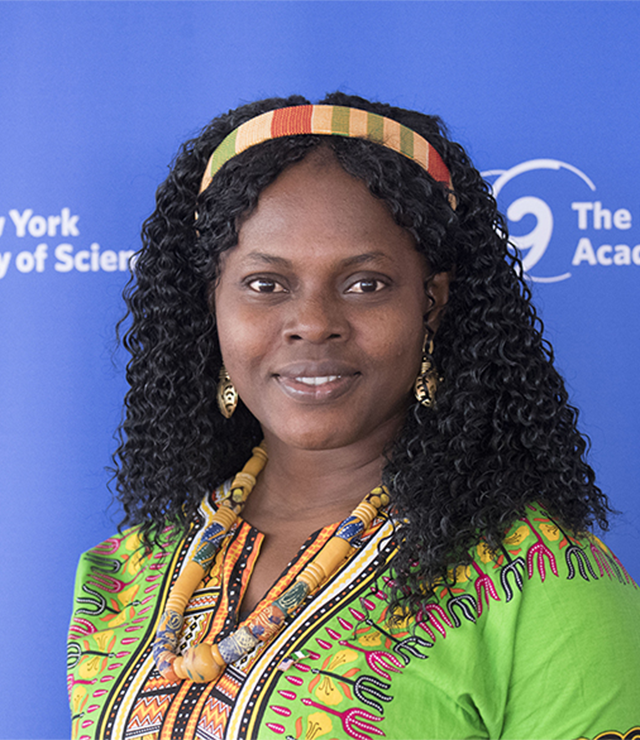
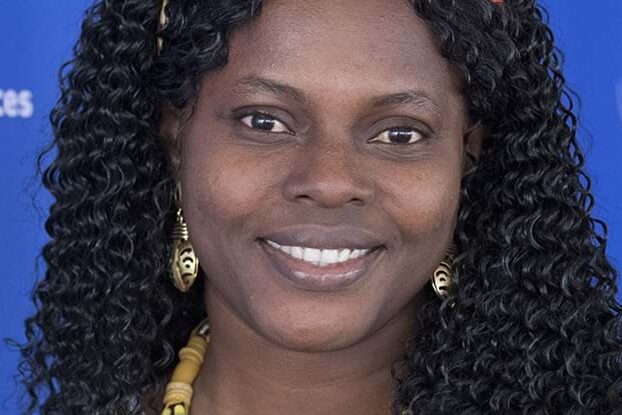
A woman smiles for the camera.

Academy Member NseAbasi NsikakAbasi Etim, PhD is promoting science beyond boundaries. Read on to learn about her work in our virtual mentoring programs.

Published October 27, 2017

By Marie Gentile and Richard Birchard

Each mentor in our network has their own personal reasons for giving back. For Academy Member NseAbasi NsikakAbasi Etim, PhD, serving as a mentor in our virtual programs fulfils her dream of contributing to the success of science around the world.

A busy lecturer and researcher at Akwa Ibom State University in Nigeria, Dr. Etim makes the time to mentor multiple students in our virtual programs designed to advance young women’s pursuit of STEM careers. Her dedication to her mentees is remarkable and requires coordination across multiple time zones (not to mention persevering through power and internet outages which, she reports, are quite common in her country). What makes it all worth it? Knowing that her mentees are inspired and fulfilled.

We recently caught up with Dr. Etim at the 2017 Global STEM Alliance Summit, where she met some her virtual mentees in person for the first time. Read on to learn more about Dr. Etim and her inspiring work in the Academy’s mentoring programs.

Tell us about the path that led you to where you are today?

I have always had a strong passion for the development of my nation [Nigeria] and the world at large through discoveries, inventions, and empirical research that can solve both national and international problems. This led me to choose my science education and career.

I have wanted to be a scientist since my childhood because I love everything about science—the discoveries and inventions, the ability of scientists to proffer solutions to real life problems. I love that science is able to unravel mysteries. I love the fact that science is everywhere: in the food we eat, the clothes we wear, the air we breathe, and the way our body works. Science is a tool that has been able to serve humanity and the universe as a whole.

What projects are you currently working on?

I, along with the other members of my research team, am currently investigating the physiological responses of Oryctolagus cuniculus (rabbits) to Justicia schimperi (hunters weed) which is a forage commonly consumed by animals as well as humans. This research is led by a renowned professor of Veterinary Medicine, Prof. Jarlath Udoudo Umoh. We want to examine the effect of consuming this forage on rabbit growth, blood profile, and organs in order to ascertain its safety. We also want to determine whether the forage is a growth-promoting agent and whether it has adverse effect on reproduction.

I was also recently nominated by the Academy and was selected to participate in the 14th Annual Meeting of the STS forum in Kyoto, Japan, as part of their Future Leaders Network and their Dialogue Between Future Leaders and Nobel Laureates. I joined other outstanding scientists, industrialists, and policy makers in an exchange of ideas on how to strengthen the success of science and technology and how to bring lasting solutions to the problems that arise from the application of science and technology. Together, we brainstormed how to strengthen the lights and control the shadows of science and technology.

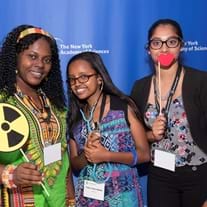
Dr. Etim with her mentees in the GSA Summit photo-booth.

Have you ever encountered any roadblocks along the way?

Coming from a developing country, I have encountered too many obstacles in the course of pursuing my career. These range from financial constraints, inadequate research equipment or facilities, and a lack of mentors to guide me and expose me to opportunities earlier in life.

I have also encountered poor power and water supply as well as a lack of internet connectivity. And, even though the successes of the few resilient and resolute scientists do benefit society, many scientists are neither applauded nor celebrated.

All this would have been enough to extinguish my passion but I still forge ahead towards my goal of becoming a great scientist.

What do you do for fun?

When I am not working, I love watching movies and reading novels. I also love singing and dancing.

Why do you mentor with the Academy?

I choose to mentor with the Academy in their Next Scholars and 1000 Girls, 1000 Futures programs because I want to live my dream of contributing to the success of science globally. I wanted to actualize and hone my inborn mentoring skills and to be the mentor that I did not have.

I want to be a part of the success stories of the next generation of scientists; to inspire and motivate them towards becoming the future of science. I also want to provide proper career guidance to the students in the Academy. I want to train, advise and guide the students to develop self-confidence to be able to face their daily challenges without wavering. I mentor in order to help students in the Academy’s programs achieve their life goals.

Being an Academy mentor is one of the best things that has happened to me recently. I now have a formal platform where I can contribute to the future of science by inspiring students to be the next generation of scientists. My three mentees in Academy programs are from the United States, from Ethiopia, and from South Africa. Considering my daily hectic schedule as a lecturer and researcher, wife and mother, meeting my mentees involves a lot of commitment, sacrifice, and hard work. But because of my strong passion, I enjoy everything I do.

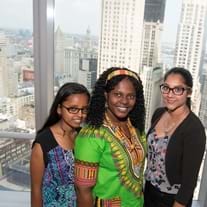
Dr. Etim with her mentees and the view from the Academy.

When I meet with my mentees and we discuss their academic experiences and future career, I usually find myself remembering the experiences I had in school and the choices I made that brought me where I am. This way, I’m always able to suggest practical solutions to their challenges.

What was it like meeting your mentees in person at the GSA Summit for the first time?

It was really an exciting moment of my life. After spending months mentoring them in a virtual space, I was really looking forward to meeting them in person. I was planning a surprise for them by dressing very formally—different from the casual look in which they usually see me during our virtual meetings. I later changed my mind and wore African attire on the first day of the Summit to make it easy for them and other people to recognize me on that day without any introduction.

It was a great meeting between me and two of my mentees who were able to make it to the Summit. I so much admired the bond that I noticed between the two of them soon after I introduced them to each other. They immediately united like sisters and were caring for me like their mum. My mentee that resides in New York City even took us out to many places for sight-seeing.

Together, we all participated in the various activities at the Summit. I also want to extend my gratitude to the Academy for awarding a scholarship to one my mentees who won the 1000 Girls, 1000 Futures Monthly Mentee Highlight Award. This made it possible for her and her mum to travel all the way from Ethiopia to attend the Summit in New York City. It also made it possible for me to meet her in person for the first time.

What is it like to mentor students in a virtual program?

It is a great experience to be connected to students online. Through the virtual platform, I am able to communicate, share ideas, listen to their dreams, opinions, fears and concerns, and I reassure them that success is possible when they believe and work hard.

From a distance, I am able to encourage students miles apart towards becoming great future scientists. Mentoring in a virtual program has helped me to promote science beyond boundaries. My greatest reward is the smiles on the faces of my inspired and fulfilled mentees.


Peruse our mentorship opportunities, and sign up today!

Flexibility Is Key to the Successful Future of Higher Ed

An exterior shot of a college campus.

The technological advances of the past few decades have triggered a conversation about the future of higher education.

Published October 1, 2017

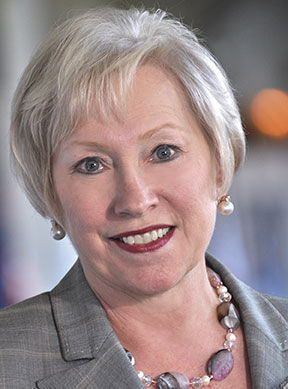
By Nancy L. Zimpher

The technological advances of the past few decades have ushered in an era of distance-learning capability that has triggered a conversation about what, exactly, the future of higher education will look like.

Speculation ranges across the extremes: On the one hand, that the ability to earn entire credentials online, from certificates to PhDs, will inevitably force the extinction of brick-and-mortar campuses, to the other, in which critics argue that courses taken online are so much less rich than the traditional campus and classroom experience that they are “junk degrees.”

The truth, of course, lies somewhere in between. Importantly though, the determination of higher ed’s future is not an exercise in theory but rather a practical one with real-world outcomes that affect millions of people.

Every university and college leader today must be wide awake to this fact and accept the responsibility eagerly with both hands. In doing so they must do two things simultaneously: they need to know exactly who their students are and never take their eyes off the changing, fast-emerging needs of the world and workforce. With both of these things in sight, heads of colleges and universities need to create institutions or systems that can respond to the needs of students and sectors.

Closing the Gap

It will come as no surprise to this publication’s readership that today about 65 percent of jobs in the United States require a degree beyond high school.1 Moreover, the jobs that earn a middle-class living or better almost certainly, increasingly, require advanced education. New York State is even more competitive than average: nearly 70 percent of jobs will soon require a college degree, but right now only 46 percent of adult New Yorkers have one. This wide gap between the current reality and the projected need for educated, skilled citizens has created a fault line upon which we cannot expect to build stable, competitive, thriving economy and communities.

To close the gap we need to know who today’s students are. Unlike eras past, in which the picture of the typical college student was a young, white, male student living on campus and attending classes full time, today’s student profile is very different.2 Forty percent of college students are age 25 or older. Fifty-six percent are female. Twenty-eight percent are raising families while they earn their degree. Sixty-three percent of students are enrolled full-time, and 36 percent of students work part-time while taking classes and another 26 percent work full-time.

Today, 41 percent of students live on campus. The remainder, owing to their life obligations — juggling jobs, families, and expenses — commute. Fifty-eight percent of college students today are white; 17 percent are Hispanic and 15 percent are black — the fastest growing segments of the U.S. population and also the most underserved.

Expanding Options

The world has changed, and higher education needs to not only change with it but stay ahead of the curve, ready to receive the students who come to us. The future of higher education is flexibility.

This means expanding our operations so that we can meet students where they are, on their time. It means providing an array of avenues by which to earn a degree and support to ensure they complete. High-quality online learning opportunities are a critical piece of this.

One out of three New Yorkers who earn a college degree do it at The State University of New York. In the last three years, more than 320,000 of our students have taken online classes, and 8,000 have received a SUNY degree by taking the majority of their classes online. Our online learning platform, launched in 2014, is the largest in the world. But for SUNY it is not enough to be the biggest, we need to be the best. This is our commitment to New York: to prepare students by any and every high-quality means possible to earn a college degree and to build their best life.

About the Author

Nancy L. Zimpher served as the twelfth chancellor of The State University of New York from 2009 to 2017, during which time she was also chair of the New York Academy of Sciences Board of Governors from 2011 to 2016. In January 2018 Dr. Zimpher will become a senior fellow at the Rockefeller Institute of Government, where she will also be the founding director of the nation’s first Center for Education Pipeline Systems Change.

  • A. P. Carnevale, N. Smith, & J. Strohl. Recovery: Job Growth and Education Requirements through 2020. Washington, DC: Georgetown University Center on Education and the Workforce, McCourt School of Public Policy (2013).
  • Among many, The Bill & Melinda Gates Foundation has done excellent work compiling college student demographics, including information that can be found here.

Imagining the Next 100 Years of Science and Technology

A woman interacts with technology.

As the Academy approaches its third century, we asked our members about the scientific discoveries they think might be made in the next 100 years.

Published October 1, 2017

By Marie Gentile and Robert Birchard

A woman interacts with technology.

As The New York Academy of Sciences approaches its third century, we started thinking about the scientific discoveries that might be made in the next 100 years.

So, we invited some of our most extraordinary young and senior scientist members, to offer their thoughts about what they believe could be the next generation of discoveries or the greatest challenge that science or technology must solve in the decades to come. The following is a selection of the many responses we received. They have been edited to fit space restrictions. All opinions cited are those of the authors named and do not necessarily reflect those of the editorial or scientific staff of The New York Academy of Sciences. We thank all those who contributed content and hope you enjoy reading these “imaginings.”

Cures, Holograms and World Peace

I imagine we will find vaccines to prevent the onset of diseases, allowing us to extend the average human lifespan by at least 20 years. We will be able to reverse global warming and secure the future of the planet. New modes of terrestrial transportation will be invented that will allow us to travel many times the speeds we are currently accustomed to.

People and companies will produce their own electricity using reusable energy sources, making power plants and the use of fossil fuels obsolete. Space travel will become a common mode of transport, allowing us to travel to places such as colonies on solar planets, and planetary moons. Quantum computing will make computers so powerful and network connectivity so fast that a small data center will be enough to serve the needs of all humanity. Television and phones will become obsolete and holography will replace them. Sense of touch and smell will further complement this technology, making it as real as the physical world.

“Lyf-Fi”

We can’t imagine being without “Wi-Fi connectivity” — our need for information, communication and entertainment makes us dependent on the internet and the technology to access it. We also need plants to promote life. Imagine how incredibly accessible and lush our world would be if we could manage to genetically engineer each of the millions of plant species to give off Wi-Fi. The economic and technological advancements would be huge. Regardless of the scientific credibility of this idea, I strongly believe that our future generations will embrace this innovation.

A Physical Internet and the Fifth Mode of Transport

Pipenet is a project started 15 years ago by researchers at CIRIAF-University of Perugia (Italy) proposing an innovative vision of a new transportation system. It consists of a low-cost, environmentally sustainable network of pipes with linear electrical frictionless engines powered by renewable energy sources where encapsulated goods are transported at a velocity >1500 km/h with a transportation capability equal to 1 ton/sec (see ciriaf.it/pipenet). This creates a physical internet consisting of a real network where products can be quickly transported from one location to another in real time. The last km of delivery can be implemented by drones.

Several Possible Futures

George Church

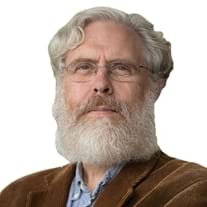
Humans are possibly the only species that can comprehend events 13.8 billion years ago and 100 trillion years from now — and successfully execute multi-century plans. Since my group works on transformative technologies (genome reading and writing, aging reversal, mirror life, molecular computing, synthetic neurobiology and immunology), we might be able to see possible futures (emphatically plural) a bit earlier than most people — and hence have a responsibility to discuss, far in advance, potential extreme outcomes (mixtures of positive and negative).

Next-generation sequencing arrived in six years, not the Moore’s law estimate of six decades. If all transtechs above are similarly super-exponential, and if trends toward non-violence and caring continue, then we may see an end to poverty, physical and mental disease and significantly augmented thought and compassion. Like our recently vast spectrum of physical and cultural artifacts, neural diversity may expand — de-pathologized and embraced — far exceeding current imagination. If the universe beyond earth seems uninhabited, we may seek sufficient practical understanding of our divergent goals, dignities and ethics, that we can send these as compact physical packages at relativistic speeds to other star systems (and capable of replication and phoning home).

This may be our Darwinian response to existence crises that could destroy all life on earth. We may experiment with small, intentionally isolated and self-sufficient colonies on earth — in stark contrast to our growing economic and cultural interdependence. Instead of issues of population explosion or excess-leisure, we may be collectively tackling the greatest challenge ever — survival — at a cosmic scale of time and space.

Creating Yonger Versions of Ourselves

William Haseltine

Our lives began with the first living form that arose 4 billion years ago, a single celled microorganism that appeared when our planet was still being shaped by bombardment from the heavens. Inheritance is a fundamental characteristic of life. The DNA molecule in that primordial organism has been replicating itself with variation for more than 3.5 billion years. As we look to the future, a central question persists: can we tie the transient existence of our individual lives to the immortality of the DNA molecule that defines us?

The promise of regenerative medicine is developing more slowly than I had hoped 18 years ago when I first coined the term. We know there are substances in a fertilized egg that can turn back the genetic clock. Additionally, we know how to take newly created embryo like cells and develop them into adult tissues.

We are close to producing cells that can restore muscle function to damaged hearts and create neurons that can replace parts of the brain. What we lack is the medical science that allows these fresh cells to be systematically implanted into our tissues. An enormous amount of work remains to be done to understand the signals that direct a specific tissue to become what it is. In this we are underinvested.

The most powerful medicine is a younger form of oneself. Any country could become a world leader in this field, with proper investment in the fusion of cell biology and transplantation medicine. Whether it happens in my lifetime, or my children’s lifetime, or my grandchildren’s lifetime, this is a promise science can fulfill. When it does, it will be a gift to the future of mankind.

Space Elevators, Thought to Text and Energy-based Paint

With recent interest in space tourism, I think it’s worth speculating about the creation of “space elevators” — structures that will allow rockets to launch at the edge of the atmosphere, rather than from the surface. While the concept may seem far-fetched, rapid developments in space-based civil and mechanical engineering, have sparked numerous innovations.

I’m also excited about brain-computer interfacing, especially noninvasive devices that allow users to accurately detect activity within their brain. Companies like Neurolink and Facebook have been investing in research to enhance the speed of translating thought to text, and while the technology is developing, research is already being done such as OpenBCI’s open-sourced toolkit and the Muse headband.

Finally, the development of new renewable energy sources — from paint-on solar cells to microgrids — are soon going to provide a democratization of energy to all corners of the world. It’s incredibly exciting to be living in a generation where we’ll have the opportunity to contribute to such innovative research!

Shaking Hands Across a Virtual Divide

Humfrey Kimanya

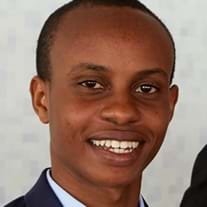
In the next century there will be unimaginable advancements in communication to link people all over the world. For example, video conferences where we can actually communicate tangibly. A person in Tanzania in an online meeting will be able to shake hands with another person in Belgium!

Now, the questions are: “Is it really possible? How does this happen? Won’t that violate the laws of physics and nature?” Currently by wearing special gadgets we can simulate the feeling of shaking hands with another person through a computer, much like video game technology.

But in the future, people will be able to put their hands through the computer screen to shake hands with someone. This will mean that the relativity theory of Einstein, and others, will have to be rephrased or at least obeyed in the technological sense. It is also possible that, by then, people will not only physically communicate with each other using computers but also travel in computers! In simple terms, teleportation, a puzzle that researchers can surely solve in this century.

Greater Human Collaboration with Other Species

Forecasting across 100 years becomes more manageable when seen in stages of successive possibilities. I imagine three such stages of development:

By 2050: Each person will be able to scientifically understand himself/herself from a unique attribute mix point of view. Individuals will use available analytical tools and personal knowledge, to determine the meaning of their respective combinations of facts. Data used in determining this meaning will include the personal genome (a recent entity), the Myers-Briggs Type Indicator (MBTI, a 100-year-old instrument based on a theory of Carl Jung), and unlimited other measures. People will also sometimes interpret data for their dependents to help make needed decisions in health and other fields.

By 2085: This Personal Science-based information and activities opens the door for individuals to begin to understand members of other species in terms of their own defining attributes and to move toward collaborative behavior where appropriate. This will be the Age of Interspecies Personal Encounter and will engender greater compassion toward other species. We don’t need aliens arriving or communicating with us in order to experience a interspecies moment.

By 2120: This experience will lead researchers to raise a fundamental question — can the chemistry and behavior of animals in the wild be altered so that animals will not eat other animals and yet thrive and reach their Aristotelian actualization? Experiments will be done on a small scale and begin to influence general thinking.

Early Mars Settlers May Not Necessarily Be Human

Sir Martin Rees

Robotic and AI advances are eroding the need for humans to venture into space. Nonetheless, I hope people will follow the robots, though it will be as risk-seeking adventurers rather than for practical goals. The most promising developments are spearheaded by private companies: they can tolerate higher risks than a western government could impose on publicly-funded civilian astronauts, at a lower cost than NASA or ESA.

By 2100 thrill-seekers in the mold of (say) Felix Baumgartner, who broke the sound barrier in free fall from a high-altitude balloon, may establish “bases” on Mars, or maybe on asteroids. Elon Musk of Space-X has said he wants to die on Mars, but not on impact. But don’t expect a mass emigration from Earth. It’s a delusion to think that space offers an escape from Earth’s problems. Nowhere in our Solar System offers an environment even as clement as the Antarctic or the top of Everest. There’s no “Planet B” for ordinary risk-averse people.

But we (and our terrestrial progeny) should cheer on the brave space adventurers. Precisely because space is an inherently hostile environment for humans, these pioneers will have far more incentive than us on Earth to re-design themselves. They’ll harness the super-powerful genetic and cyborg technology that will be developed in coming decades. These techniques will be heavily regulated on Earth, but the Martians will be far beyond the clutches of the regulators.

So it’s these robotic spacefarers, not those of us comfortably adapted to life on Earth, who will spearhead the post-human era. Moreover, if post-humans make the transition to fully inorganic intelligences, they won’t need an atmosphere. And they may prefer zero g — especially for constructing massive artifacts. So it’s in deep space that non-biological “brains” may develop powers that humans can’t even imagine.

Uncovering the Depths of Earth’s Final Frontier

Emily Lau

Humankind has traveled through treacherous currents, the driest deserts, howling winds and precarious storms to explore our world. However, there is one significant portion yet to be fully explored — the deep sea. The oceans house mystically magical organisms: bioluminescent organisms, venomous snails, shocking jellyfish, brilliantly colored fish, large mammals and clever cephalopods to name a few.

Organisms in the depths of the ocean are subjected to extreme conditions such as intense pressure and frigid temperatures. Deep sea ecological research explains how organisms have adapted to these extremes and has many implications in the improvement of conservation biology and the understanding of evolutionary biology.

Current scientific advancements and production of deep-sea vessels have allowed for limited deep sea exploration. It would be wonderful, in the upcoming years, for both scientists and the public to gain knowledge about the biodiversity housed thousands of meters below the Earth’s surface. The advancement of deep sea exploration relays the passion and natural curiosity of humans in the preservation of our wondrous planet.

More Women in STEM

Sarah Olson

At this year’s New York Academy of Sciences’ Global STEM Alliance Summit 2017, attendees witnessed the future STEM workforce — bright young women working with their peers to engineer solutions for some of the world’s biggest problems, including clean water and sustainable energy. These young women are part of the next generation of scientists, who will change the world with their research.

Developments in technology are enabling us to make discoveries in previously inaccessible places, from the depths of the ocean to the furthest reaches of space. While we cannot predict that we will find life on other planets or how many species are still left to discover, there is one thing that we do know: that women in STEM will continue to change the world through their research.

Broccoli by Bach, Melons by Mozart, and Apricots by Abba

How and why plants communicate bio-acoustically is not well understood nor documented, however it is known that they do so to relay information about the conditions of their environment (such as drought and predator threat) to each other. My work utilizes the research of evolutionary biologist Monica Gagliano, at the University of Western Australia, who studies their communication and records and analyzes both the sounds they make and their responses to sounds they hear or feel through vibrations. Scientific studies have documented that plants grow and bend specifically toward 220 hz sound, which can also be used in agriculture as a virtual fertilizer.

I plan to create a 3D animated interactive art installation incorporating holographic flower imagery, a bio-acoustic soundscape (using a laser doppler vibrometer or acoustic camera) and dancers (who become the flowers and ‘vibrate’ in tune with each other), with enhanced viewing via Microsoft’s wearable holographic headsets. I imagine that this blending of music and the arts with botanical science will enable greater yields of food sources that we will need to feed a hungry world as well as creating a whole new art form!

The Coming Revolution in Smart Electric Power

Yu Zhang

The way we generate and consume electricity in the early 22nd century will look a lot different than the way we do it in the early 21st century. Advanced sensor capabilities and smart internet-capable devices along with high-penetration renewable energy will transform the nation’s aging power infrastructure. This is starting to happen with power companies hooking up their networks to the burgeoning “internet of things.”

But that is just a precursor to a vastly more energy-efficient smart grid, where it will be common to find homes that generate much of their own power. Individual houses will have photovoltaic devices and small storage units so every home becomes an energy “prosumer,” producing electricity and selling it back to the grid. Those carbon-free and zero-energy homes will form networked microgrids, which feature a higher level of resilience if there’s ever a blackout in the main grid, they’ll be unaffected.

Power systems will be interconnected via the internet to allow consumers to optimize their electricity consumption. Dishwashers, refrigerators and electric vehicles will be automatically adjusted to real-time pricing signals. This will not only reduce energy bills, but also will significantly improve the efficiency and reliability of the whole grid.


You can be among this group of changemakers. Get involved with The New York Academy of Sciences today!

Two New York Startup Companies Envision a Waste-Free Future

A shot of the New York City skyline.

Bringing bold, transformative technologies from the lab into the world.

Published October 1, 2017

By Hallie Kapner

Small companies throughout New York State are bringing bold, transformative technologies from the lab into the world thanks to support from the New York State Energy Research and Development Authority (NYSERDA).

Together with The New York Academy of Sciences, NYSERDA is supporting visionary early-stage startups through proof-of-concept centers that foster the growth and development of clean tech businesses. The two centers, PowerBridgeNY and Nexus-NY, have provided critical financial support, mentorship, and guidance for dozens of startups that are shaping the future of clean energy. Two companies, Allied Microbiota and Dimensional Energy, are tackling waste remediation and reuse with novel techniques that are being tested and proven today.

Tackling Toxic Waste with Nature’s Warriors

Amid some of the most expensive real estate in the world, on the waterfronts of Manhattan and Brooklyn, lay the remnants of disaster.

Epifluorescent photomicrograph of bacteria (green rods) on soil (orange-red particles). Particles were stained with a fluorescent dye.

The waters of the East River, Newtown Creek and the Gowanus Canal are among the local sites where benzene and oil residues mingle with persistent pollutants, such as polychlorinated biphenyls (PCBs), to form a stubbornly toxic soup that resists remediation. For environmental microbiologist Ray Sambrotto, Lamont Associate Professor at the Lamont–Doherty Earth Observatory at Columbia University, the solution for cleaning up such sites may be as simple as a common soil bacterium isolated from a compost pile in the 1990s.

Allied Microbiota, the company Sambrotto and a cohort of Columbia colleagues founded in 2017, is commercializing the use of this bacterial strain, aiming to reclaim polluted areas by simply allowing the microbes to do what they do best: break down environmental contaminants. The scientific community has long been aware that common microbes can degrade some pollutants — indeed, dozens of bacterial species are credited with dispatching of much of the oil dumped into the Gulf of Mexico during the Deepwater Horizon explosion.

The class of contaminants that includes PCBs, polyaromatic hydrocarbons and dioxins are less susceptible to natural attenuation, however, and these so-called recalcitrant pollutants require expensive, logistically challenging remediation techniques.

“The idea of using bacteria for bioremediation of recalcitrant pollutants isn’t a new one,” said Sambrotto, noting that research interest has waxed and waned over several decades.

Advances in Biotechnology

As advances in biotechnology have moved into the environmental field, the notion of deploying nature’s soldiers against a decidedly unnatural group of pollutants has gained momentum. Sambrotto and his Allied Microbiota co-founder Frana James describe their approach as “augmentation,” as it uses specialized bacteria to amplify the work of native microbes, a process they believe can be done safely and at low cost.

“Our bacteria are thermophiles, and they only reproduce when conditions are ideal,” Sambrotto said, adding that if temperatures drop below 40 degrees Celsius, the bacteria enter a dormant state.

When active, they are powerhouses of bioremediation, eliminating recalcitrant pollutants at breakneck speeds relative to other bacterial breakdown methods. Sambrotto credits this speed to the fact that the microbes are aerobic, rather than anaerobic, like most strains used in remediation.

“Aerobic enzymes have much more rapid degradation rates,” he said. “Oxygen is just a better hammer to hit these things with.”

Testing Their Technique

With support from PowerBridgeNY, a proof-of-concept center that commercializes cleantech spinning out of universities, Sambrotto and James are pilot testing their technique on polluted soil and sediment samples from the Hudson River and other sites.

“People are more than happy to send us samples, and they’re especially interested in hearing about the speed of remediation, as that’s what drives costs,” he said. Experiments on samples containing a mix of PCBs and chlorobenzene reveal breakdown rates of 25–40 percent per day under optimal conditions, versus 1 percent with anaerobic bioremediation. “When we hit that sweet spot to maintain optimum growth of the organism, breakdown rates are orders of magnitude faster than anything we’ve seen,” said Sambrotto.

While more pilot tests are needed — and the company is on the lookout for such projects — the promising early results have inspired the team to think about the future. Sambrotto described his vision of eliminating the financial barriers to remediating desirable but toxic spots along the Hudson River and restoring their utility.

“Hopefully, we can bring the cost down enough to address these areas,” he said. “Rather than digging up sediments and moving them elsewhere for treatment, I can envision a portable system that allows us to bring bacteria to the site and treat it right there. It’s incredible to think that we could reclaim properties that have been fallow for decades.”

Turning Carbon Dioxide Emissions into Tomorrow’s Fuels

Most people don’t often think about combustion — the fundamental chemical reaction that converts a fuel source into energy, leaving water and carbon dioxide as waste products. Jason Salfi is the opposite. As CEO and co-founder of Dimensional Energy, along with David Erickson, Tobias Hanrath and Clayton Poppe, he spends his days talking about ways to reverse combustion, which may sound like a tall order, “but it’s what plants do all the time,” Salfi said, describing the process his company is working to commercialize: a form of artificial photosynthesis that uses sunlight, water and waste carbon dioxide to create fuel.

Dimensional Energy was born from serendipity, when Erickson and Hanrath, two faculty scientists from Cornell University, unknowingly submitted complimentary applications to NEXUS-NY, a clean energy business accelerator for which Salfi serves as an advisor. Noting the ties between the professors’ technologies, which tapped sunlight and catalytic materials to convert waste carbon dioxide (CO2) into hydrocarbon fuels, the NEXUS-NY team played matchmaker, suggesting the two join forces with Salfi to form a company.

Since 2016, the team has refined their core technology and begun laying plans for an industrial partnership to test their capabilities at increasingly larger scales. Although the technology is still in its early stages, the team envisions a scalable reactor that uses sunlight as an energy source, along with novel nanocatalysts and fiber optic waveguides developed in Hanrath and Erickson’s labs, to convert waste CO2 into methanol or syngas for use in a broad range of industrial processes.

“We’re not just sequestering carbon dioxide, we’re creating something useful,” said Erickson.

The Dimensional Energy technology is “plug-in” compatible with established carbon capture systems. The schematic illustrates how waveguide and catalyst concepts are integrated to enhance light exposure to the surface of nanostructured catalysts.

Carbon Conversion Technologies

As a semi-finalist in the Carbon X-PRIZE, a $20 million competition accelerating the development of carbon conversion technologies, the Dimensional Energy team is testing the feasibility of situating their reactor at point sources of CO2 emissions, such as natural gas or coal-fired power plants, although Salfi says such co-location isn’t crucial for the system to be successful at scale.

“Ultimately, it’s up to the industrial customer whether we capture the carbon on site or use sequestered carbon,” he said. “For now, we’re just aiming to create a reactor that fits within the current industrial infrastructure, with a few novel modifications.”

This level of attention to design schemes that work well in industrial settings is a distinguishing factor of Dimensional Energy’s approach to tackling what is, by all measures, a challenging end goal. Carbon conversion technologies are viewed as a critical component of efforts to rebalance the carbon landscape, but the field is still relatively new and most technologies are early-stage.

CO2 Sequestration and Transportation

At present, the cost of sequestering and transporting CO2 makes many potential applications cost-prohibitive at scale, and new sequestration technologies, including those that capture CO2 directly from the air, are not fully commercialized. Erickson believes the company’s pragmatic approach to design and functionality will ease the process toward scalability.

“We’re pursuing traditional methods of building small prototypes and learning how to optimize and grow,” said Erickson, “But since day one we have looked at major chemical plants to understand what works in that setting, and we’ve modeled our reactors on proven designs that we know can scale.”

Salfi and his team are realistic about the timeline for carbon conversion to have a measurable impact — easily 30 years by many estimates — but they, like most others working in the renewable energy field, are undeterred by the long time horizon.

“This is hard work, and I can tell you that there are easier ways to make money,” Salfi said. “But there are so many pioneers and passionate people excited to build businesses around these technologies, and our mission to make a difference drives what we’re doing and how we approach the challenges we face.”


Also see: