New Age Therapeutics: Cannabis and CBD

CBD has become the ingredient driving a billion-plus dollar market of consumer products — researchers are sorting the hype from the hope.

Published May 1, 2020

By Sonya Dougal, PhD

Image courtesy of Gelpi via stock.adobe.com.

Enter any drugstore, vitamin chain, big box store, e-commerce site, gas-station convenience store or street corner bodega and you’ll find CBD products — in shampoos, oils, vapes, gummies and even treats for people and pets. Many of these products come with creative claims of the therapeutic benefits of CBD, true or not.

Such mass market hype and wishful thinking aside, Epidiolex®, an FDA-approved breakthrough treatment for rare drug-resistant epilepsies, is currently the only CBD product (cannabidiol) demonstrated to be effective by controlled studies in people.

CBD was previously known as the non-intoxicating sibling of the psychoactive intoxicant THC (tetrahydrocannabinol) — both cannabinoids produced in the marijuana plant. Traditional medicines have used cannabis for millennia, yet the United States first placed legal restrictions on its use in the 1920s and 1930s. In 1970, marijuana became illegal under Schedule I of the U.S. Controlled Substances Act.

CBD, though, received an enormous boost when the Farm Act of 2018 allowed the legal growth and sale of hemp products which include CBD. However, THC remained illegal, along with CBD produced from marijuana. These changes have only added to the ambiguity of CBD’s status from the perspectives of both law and science.

Imagine You’re a Caveman: The Human Endocannabinoid System

In the 1980s and 1990s, researchers identified cannabinoid receptors in humans (CB1 for THC and CB2 for CBD). What they were uncovering was the human body’s own endocannabinoid system (ECS).

“It’s a system as ancient as our immune system and our central nervous system. They co-evolved and our endocannabinoid system acts as a bridge between the two,” says Yuval Cohen, CEO and Director of Corbus Pharmaceuticals. “It’s designed to help us recover from trauma and is absolutely essential to life.”

To illustrate his point, Cohen said: “Imagine you’re a caveman and you just got mauled by a saber-toothed tiger. You are injured, you’re bleeding, you’re going into shock, you’re scared, you’re in a ton of pain; the wound is swollen and tender. You’re a hot mess. And that is where your endocannabinoid system kicks in. Without it, you’re going to die in that cave. It’s that simple.”

He is describing what many CBD promoters claim as general benefits of CBD in any form: pain management, seizure control, physical and psychological trauma relief, and tissue healing. Cohen, himself, sees the endocannabinoid system as an increasingly more explored therapeutic target for new treatments of disease.

Corbus is rationally designing synthetic signaling molecules to target the human ECS receptor molecule CB2 more selectively than a plant molecule could. Corbus’ lead product candidate, lenabasum, is designed to resolve chronic inflammation and fibrotic processes without interfering with the central nervous system.

Patient-Driven Advances
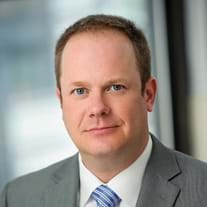
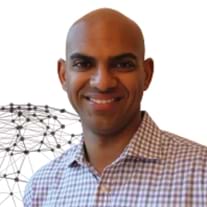
Yuval Cohen, Ph.D.
CEO and Director, Corbus Pharmaceuticals, Inc.
Photo: Corbus Pharmaceuticals

Elizabeth Thiele, M.D., Ph.D., Director of the Pediatric Epilepsy Program at Massachusetts General Hospital, has firsthand experience with the pain and courage of parents who have exhausted existing medical options for treating extremely ill children. “I think what has really set this whole CBD story apart is that it was the patient community that drove the interest. It wasn’t big pharma saying ‘Here’s this drug we had in trials’,” she said.

Dr. Thiele has direct knowledge of a couple of related cases. One family moved from Maine to Colorado so they could access a CBD product for their daughter’s debilitating, treatment-resistant

epilepsy. A second family, from California, became interested in medical marijuana when their son had trouble with the restrictions of dietary therapy. But they encountered the same difficulty many experience with extracts: consistency of the product. Eventually, the California boy became patient one for Epidiolex in the United States.

“When I first got involved with this, one of my colleagues told me I was risking my career and another that I was wasting my time,” said Thiele. “But my approach has always been that I get parents who are desperate for treatments for their child and I need to support them.”

Still, Thiele firmly warns against trying CBD products whose contents you cannot confirm: “Right now, the only data we have is that purified CBD can be effective in helping children with refractory epilepsy. Parents should be very leery of claims of CBD curing or being good for everything.”

Above and Beyond Caveat Emptor
Margaret Haney, Ph.D.
Professor of Neurobiology at Columbia University Medical Center

When states legalize something, people assume it is safe. But experts at government agencies and university-affiliated research institutes continue to seek accurate data about potential health risks associated with cannabinoids, especially for people who may be more vulnerable because of age, neurological development, pregnancy, or interactions with other medications.

THC can affect fetal and adolescent neurological development, but CBD’s effects are still being determined. Data  collected during studies of Epidiolex, for example, revealed that CBD affected availability levels of the antiepileptic clobazam, requiring dosage adjustments.

Scientists are actively studying the therapeutic potential of CBD with the removal of hemp from Schedule I.

Among her responsibilities, Susan Weiss, Ph.D., National Institute on Drug Abuse, Director, Division of Extramural Research, represents NIDA in talks on cannabis, marijuana and CBD. “Our goal is to get a better understanding, to get more knowledge and to be able to present evidence in an unbiased fashion,” she said. “We are also interested in developing therapeutics for cannabis use disorder.”

The Legal Hurdles

But NIDA research is not immune to legal ambiguity, jurisdictional conflicts, and their consequential impact on science. “Our researchers can’t actually purchase products from dispensaries because they would be in violation of federal law,” Weiss said. “As a result, NIDA must depend on people self-reporting what they’re using. But we don’t have access to those products to get a good sense of their dangers.”

Margaret Haney, Ph.D., Professor of Neurobiology, Columbia University Medical Center, is a leading researcher on cannabis use disorder but also explores the science behind specific areas of therapeutic value for THC and CBD. “I feel like there’s an anti-science moment right now where people are just believing,” she said. “They’re distrustful of pharma but not of the person selling them CBD at the farmer’s market. People aren’t aware that it’s just snake oil all over again.”

According to Haney, what most stands in the way of large-scale rigorous clinical studies is the DEA Schedule I status for cannabis and cannabinoids, which essentially shuts down the ability to conduct these studies. “If scientists could treat cannabis and its constituents as Schedule II, that would open things up tremendously,” she said.

The Entourage Effect

Ziva Cooper, Ph.D., Research Director of the UCLA Cannabis Research Initiative and Associate Professor in the Jane and Terry Semel Institute for Neuroscience and Human Behavior, understands the strong arguments for the purity, precision and predictability that synthesized THC or CBD molecules can provide in a rationalized drug design approach. But as a pharmacologist she wonders if potential benefits may be lost the further away a drug molecule moves from the whole plant.

“You want to know what the individual constituents do, but then there is this idea that the whole plant can offer greater therapeutic potential because it has all these different chemical components — some call this the entourage effect,” said Cooper.

“This hypothesis hasn’t really been tested in the clinic yet. We’re hoping to begin studying that very soon to determine if these different molecules in the plant work together to improve the potential therapeutic effects of cannabis. Will the combination of these chemicals be effective? What can we expect it will do? What are the risks we should be aware of? I’m confident that over the next 10 to 15 years we’ll actually be able to answer some of these questions,” said Cooper.

Dan Zenowich, a freelance health writer, contributed to this story.

Also read: What Near-Death and Psychedelic Experiences Reveal about Human Consciousness

A Professional Case for Effective Networking

An illustration of a woman networking with people on the computer.

Networking is a skill that needs to be practiced. Here’s how to overcome the self-imposed barriers that may be standing in the way of becoming good at it.

Published May 1, 2020

By Srikant Iyer, PhD

Srikant Iyer, Ph.D.

No one knows who first coined the popular saying “It’s not what you know that counts so much as who you know …” although there is some evidence it was first used in 1914 in The Electrical Worker, a publication of the International Brotherhood of Electrical Workers union. Origins aside, there is a good deal of truth behind these words, and most career guidance experts will agree that the most effective way to advance one’s career is by leveraging a network of contacts.

Networking helps cultivate relationships that pave the path for our future. However, many STEM professionals just starting out find the idea of networking daunting. Thoughts like “I don’t feel comfortable asking for help”, “I don’t want to bother people”, “My research is very niche and I can’t dumb it down” become self-imposed barriers towards shaping one’s career journey and often prevent individuals from exploring new career opportunities and connecting to potential colleagues.

Make It Easy for People to Remember You

Networking is defined as the exchange of information and ideas among people with a common profession or special interest, usually in an informal social setting. Shruti Sharma, Program Manager at Stony Brook University moved from India to the U.S. for her Ph.D.

“In the U.S. the culture of being a self-promoter felt foreign to me,” she said. “I was raised in a culture where one’s work is supposed to speak for itself.”

She identified networks like the Academy’s Science Alliance Leadership Training (SALT) where she found the safe space to navigate the cultural differences.

“I realized that for my work to speak, I needed to communicate my skills and achievements to build a community of allies and advocates,” adds Sharma. This helped her leverage both the individualistic and community-based cultures to her advantage.

Satish Rajaram (SALT Alum), Engineer and Scientist at TRI Austin, says, “It is important to articulate your story for your personality to show, and to separate yourself from others with similar backgrounds.” As a Graduate Writing Consultant and mentor to undergraduate students, Rajaram recommends the value of being specific about one’s experience — it provides context to conversations and makes you more marketable — an important trait when applying for a job.

Success Takes Time and Effort

Effective networking requires strategic preparation and being mindful of leveraging assertive ways to succeed when building relationships. Arthee Jahangir, Assistant Director, Postdoctoral Affairs at New York University School of Medicine, believed that by being a consistent high performer the merit based system would reward her, and her gender would not be a hindrance. But despite being a lead entrepreneur, Jahangir, like many women in science, experienced systemic barriers of being overlooked in favor of her male colleagues at networking events and pitches.

“I started to become [aware of] unconscious bias and micro-aggression that permeated the bubble I lived in, and learned strategies to counteract it by controlling my own narrative,” says Jahangir.

Getting others to talk about their own career path facilitates conversations and builds relationships. Monika Buczek (SALT Alum), Business Development Manager and Scientific Project Leader at Champions Oncology Inc., used the “identify common ground approach” to connect with, and cold contact, individuals on LinkedIn. In her informational conversations Monika would ask such questions as: “If you could change anything about your path what would you change?” and “What would you tell yourself at the beginning of your journey?” to cultivate relationships.

Networking is a skill that needs to be practiced. Regardless if you are an introvert or an extrovert, practicing talking to your immediate circle, e.g. friends, colleagues, supervisors and even vendors, is a first step to building your network.

Join professional associations and attend conferences to build a portfolio of people you’d like to meet. Cultivate your narrative to feel confident about approaching people. Email leaders in your field you admire and request a meeting. You may not always get a positive response, but it’s a “no” if you don’t ask!

A Promising Yield: Seeds Banks and Field Stations

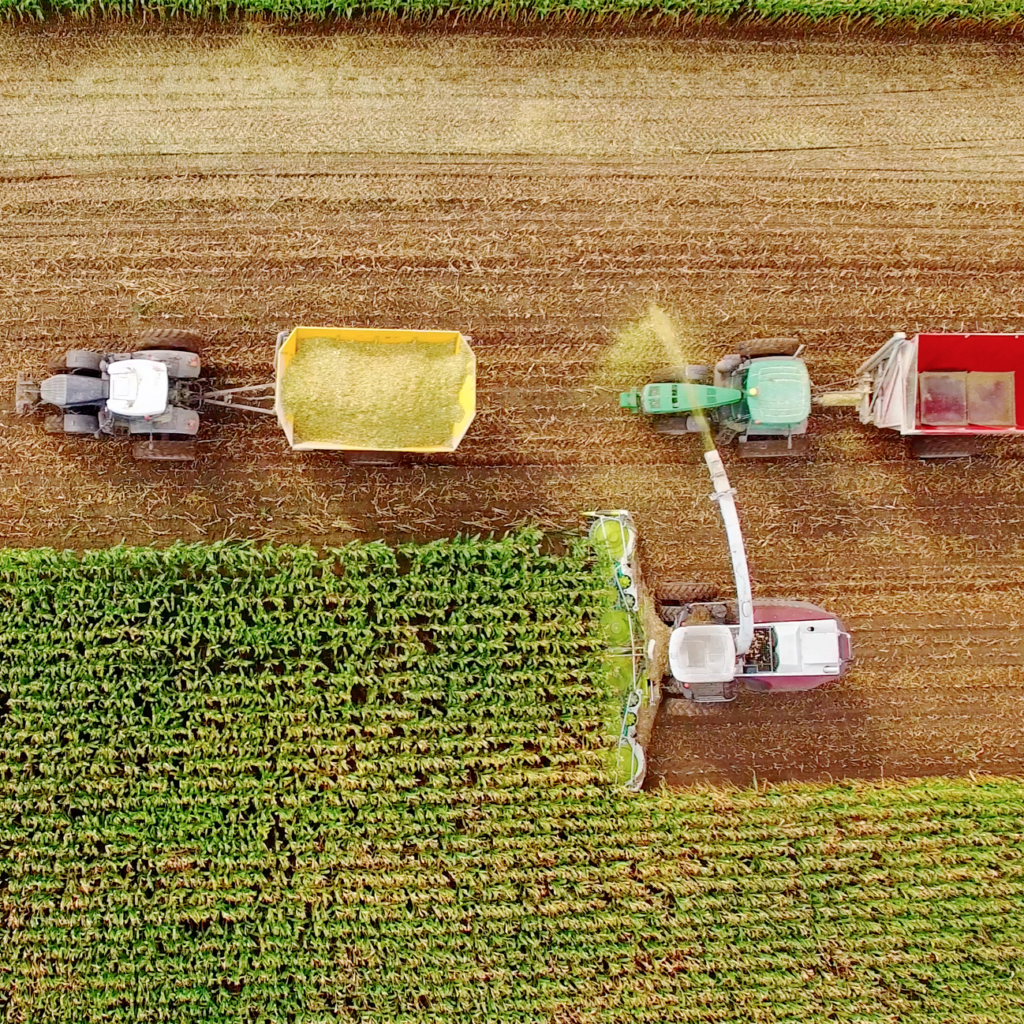
A bird's eye view of tractors and combines working in a farm field.

Researchers are improving crop traits by conserving their undomesticated relatives.

Published May 1, 2020

By Carina Storrs, PhD

In the 1960s, some wild beans were collected from the sides of roads and other patches of wild land in Mexico and stored in aluminum pouches in freezers at one of the seed banks maintained by the United States Department of Agriculture (USDA), in Pullman, Wash. There they stayed for the next four decades until 2012 when Paul Gepts, Ph.D., a professor of plant sciences who had just taken over the grain legume breeding program at the University of California, Davis, exhumed them.

Gepts reasoned that the archival beans, originating from plants growing in dry regions, might be more drought tolerant than their domestic cousins, an important trait considering that most of the farmed beans in the world face drought stress. After growing the seedlings in a greenhouse in the dead of winter to simulate the long nights where the plants grow in Mexico — and crossing the wild plants with domestic varieties — Gepts and his colleagues hit upon a new line that thrived and produced high levels of seed even under the stingiest of irrigation conditions.

An “Insurance” Policy

It’s just one example of the desirable traits that food crops we depend on can derive from the wild relatives they descended from. But much depends on collecting and properly preserving those wild relatives in one of the nearly 2,000 seed banks around the world. “I call it insurance. You don’t know when you are going to need [a crop wild relative], but once you have it you are pretty glad,” says Gepts.

Paul Gepts, Ph.D., in the greenhouse at UC Davis. 

In another example, during the 1980’s, scientists at CIAT, a research organization in Colombia that also maintains a seed bank, realized that wild beans collected from a different part of Mexico in the 1960s, harbored resistance to weevils, a serious pest that can decimate dried bean seeds. “When you put these kinds of stories together … it paints a picture of diversity that is still present in the wild types, but that has been left behind in the domesticated types,” Gepts says.

Farmers have been selecting plants for qualities such as high crop yield for thousands of years. Exactly what kind of diversity a wild relative has is impossible to know until researchers working with the seed banks start growing it, and examining such traits as crop yield, drought resistance or taste. Increasingly in recent decades, researchers have also been studying the seeds using single nucleotide polymorphism (SNP) analysis.

Deposits to the Seed Bank

To bring more diversity into those seed banks, the USDA and governments of many countries with high agricultural production, as well as international groups, fund trips to collect crop wild relatives, often targeting parts of the world that have not been well explored. In many cases, they are racing to get there before plant habitat is lost to development and climate change related threats.

Although collection trips have been widespread since the 1960s, researchers have typically focused on locating wild ancestors and taking a few individual specimens from accessible areas — hence the popularity of roadside collections. In the early 1990s, Gepts participated in a USDA-sponsored trip to collect wild beans in Bolivia, but the team was forced to leave some terrain un-sampled because it was too difficult to traverse. “In many parts of the world, researchers need to return to the same locations repeatedly to do more thorough collections of plant tissue as well as study the impact of local environments upon the plants,” said Gepts.

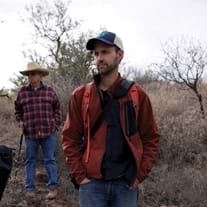
Colin Khoury, Ph.D., participates in a trip to document wild chile peppers in southern Arizona.
Photo: The Lexicon and the Global Crop Diversity Trust

Researchers have put some rough numbers on how well crop wild relatives are represented in seed banks, and generally they support the assertion that we need to collect more. Out of the approximately 1,000 taxa, or broad categories, of wild ancestors in the world, an estimated 30 percent of relatives of a total of 63 crops cannot be found in any of the plant repositories; another 24 percent are only represented by samples from fewer than 10 different populations.

An Unexpected Silver Lining

An unexpected silver lining of the research, however, is the finding that crop wild relatives might be a bit better conserved in nature than in seed banks because much of their habitat is within national parks and other protected areas. “[But] a plant being in a protected area does not actually mean that a particular type of plant is all that protected. [Unless these plants are managed], people not paying attention to them, might think they are weeds [and] try to eradicate them,” says Colin Khoury, Ph.D., who studies crop diversity for CIAT, (International Center for Tropical Agriculture) part of an international agriculture research network called CGIAR, (Consultative Group for International Agricultural Research).

Khoury was involved in studies estimating conservation of crop ancestors. Along with stepping up efforts to collect and store plant materials in seed banks, Khoury says that we need active management programs to ensure conservation of crop wild relatives in protected areas.

Fewer Farmers Growing Fewer Crops

Another source of crop diversity is the crops themselves, both the commonly farmed varieties that acquire mutations as they grow and the so-called landraces, or ancestral varieties of domesticated crops that some farmers still cultivate. Unlike their wild relatives, many of these varieties have been stored in seed banks by researchers and farmers, as their importance for breeding crops with new traits has long been recognized, whereas the traits that wild relatives can lend crops is comparatively unchartered territory.

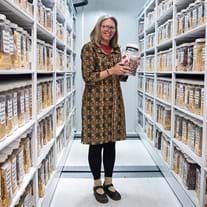
Denise Costich, Ph.D., in the CIMMYT vault where they store the corn seeds.
Photo: Teake Zuidema

Although it might seem reasonable that farmers could handle conservation of these crops just by growing them in the field season after season, seed banks play an important role because there are “fewer farmers growing a smaller number of plants,” says Denise Costich, Ph.D., a senior scientist and head of the maize collection at the germplasm bank, which archives seeds and other plant tissue, at International Maize and Wheat Improvement Center (CIMMYT), a Mexico-based CGIAR center.

Research by Costich and her colleagues found that many farmers in Morelos, a state in central Mexico, stopped cultivating landrace varieties of corn over the last half century in favor of hybrid varieties, which are less genetically diverse but often produce higher yield and have other economically advantageous traits. In addition to conserving germplasm, CIMMYT and the other CGIAR seed banks, as well as certain government-operated seed banks including the USDA system, share plant materials internationally with academic researchers and private companies working to breed varieties with new traits.

The Need for Seed Banks and Experimental Field Stations

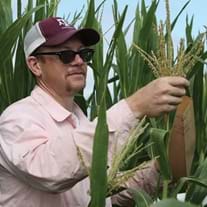
Seth Murray, Ph.D., harvests new inbred lines of maize with his undergraduate and graduate student researchers. These inbred lines have been selected directly from corn varieties from South and Central America (tropical varieties) and from crosses with germplasm from elite varieties from the Midwestern U.S. (temperate varieties).
Credit: Texas A&M AgriLife Research.
Photo: Beth Ann Luedeker

As important as it is to collect germplasm from crops and their wild relatives and maintain them in seed banks, it is only half the story. It is critical to grow these seeds in experimental field stations and characterize them so researchers know which ones have desirable traits and have them at the ready to breed with crops, in case of an emergency such as southern corn leaf blight, which wiped out much of the U.S. corn in 1970, says Seth Murray, Ph.D., professor of soil and crop sciences at Texas A&M University.

“Otherwise it’s just like having a library where nobody is reading the books,” he says. These efforts are happening to some extent. For instance, Costich’s team at CIMMYT has characterized most of the corn samples they have added to the germplasm bank vault in the last decade. The USDA does some characterization, but “given the value of agriculture and crop diversity, there is definitely not enough money spent on that,” Murray says.

Computer Algorithms to Study Corn

The work of trying to breed new varieties can quickly grow to an unmanageable scale. In his applied breeding program, Murray crosses U.S. corn varieties with crops that were collected in Mexico and South America, but then has to test their progeny in many different field conditions over several years to understand how they behave under different environments before they are ready for farmers.

In research that earned him the recognition of Finalist for the 2019 Blavatnik National Awards for Young Scientists, Murray and his collaborators have been using drones to photograph plants as they grow, and developing computer algorithms to analyze the images to make predictions about the crop’s yield and other properties. According to Gepts, who has also turned to drone surveillance to monitor bean plant traits, it is not enough to have an ever-expanding font of crop genetic diversity to scour for new traits.

“The other trend is making breeding more efficient whether it is through the use of drones or different ways of phenotyping progenies,” he says.

Also see: Better Data Mean Betters Food

Finding New, Sustainable Uses for Food Waste

A "super flour" product displayed on a table.

According to the EPA, organic waste is the largest component of landfills. Researchers are working with businesses to develop innovative ways to reduce this problem.

Published May 1, 2020

By Charles Ward

Bertha Jimenez wasn’t a beer drinker when she came across spent grain for the first time.

A mechanical engineer by training and now the CEO of Rise Products, Jimenez recounted her tour of Brooklyn Brewery, a craft beer brewery located in the Williamsburg section of Brooklyn, N.Y.

“I’m interested in how waste from one industrial activity is usable in another,” she said. “So as we walked around the plant, I wanted to know what happened to the source grains after the beer was made.”

Within a year, Jimenez founded Rise, a start-up that converts spent grain into specialty flours sold directly to bakeries. Rise developed a proprietary conversion process, slogged through prototypes and proof-of-concepts, and learned about food safety standards. She built a regional B2B customer base, secured grants, raised private capital, and signed a Service Provider Agreement with Anheuser-Busch.

“People like to feel like they’re doing something sustainable, something good,” she said. “But at the end of the day we don’t eat ideology, you know?”

The Challenge of Food Waste

Jimenez is just one example of the way the scientific community has deeply engaged with the challenge of food waste: as entrepreneurs, researchers, academics, regulatory policy specialists, or NGO advisors.

The U.S. Department of Agriculture (USDA) estimates 31 percent of food produced in the U.S. is loss, with an annual economic value of $161.6 billion. Globally, the U.N. Food and Agricultural Organization (FAO) estimates 1.3 billion tons of food are lost every year in agricultural production, post-harvest storage, processing and distribution, and consumption.

New policy priorities reflect an emerging consensus among food production experts that these are unacceptable numbers for a global food system already stressed by a growing population and climate change. Goal number 12 of the U.N.’s Sustainable Development Agenda is to “ensure sustainable food consumption and production patterns.” Targets include cutting per-capita global food waste in half at the retail and consumer level by 2030, and reducing food loss from production and supply chains. The U.S. Environmental Protection Agency (EPA) and USDA share a similar goal, to cut food loss and waste in half, also by 2030.

Multiple Missions

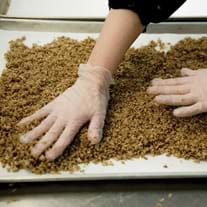
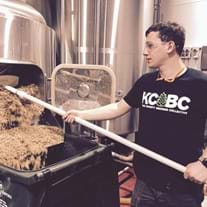
Upcycling spent grain from breweries.
Photo credit: Rise Products, Inc

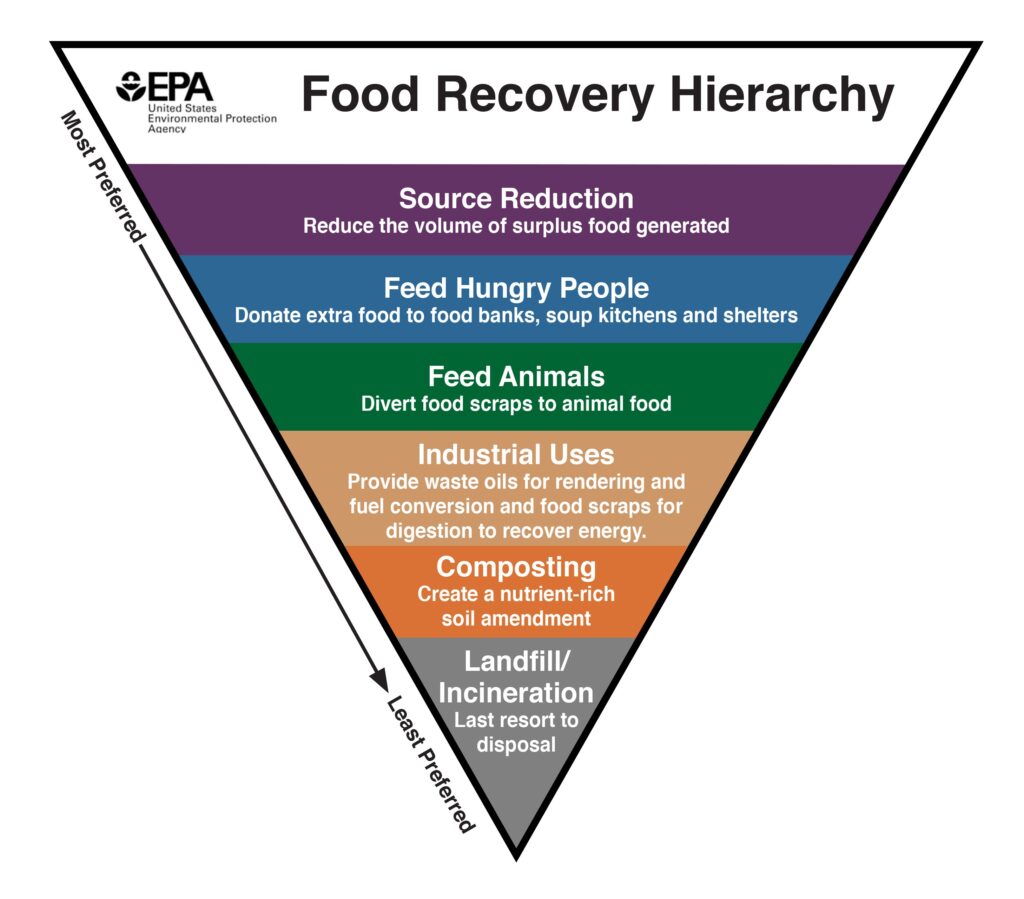
For Elise Golan, Ph.D., Director of Sustainable Development for the USDA, food waste is a resource efficiency challenge. She works closely with colleagues at the EPA, and references the EPA’s well-known “Food Recovery Hierarchy” inverted pyramid, which visually represents the flow of food from “upstream” agriculture source to “downstream” table, and the parallel opportunities to conserve resources at every stage of the chain.

“We look at reasons for waste, and ask if there are cost-effective ways to reduce it,” she explained. “If we’re producing food that is wasted, [by reducing it] we can conserve the land, water, chemical- and non-chemical inputs that go into that food.”

The USDA’s more active food recovery interventions, Golan notes, are prompted by opportunities to create efficiency all along the value chain. As one relatively upstream example, she points to a pilot collaboration between the USDA’s Agricultural Research Service and The Wonderful Company, a California-based producer of pistachios. The project has the potential to turn mountains of discarded pistachio shells into “carbon black” for use in plastics as an alternative to petroleum-based compounds.

“They’ve done it in a very cost-effective, energy saving way,” said Golan. “It is really is a big win for the environment.”

Food Waste as an Economic Catalyst

If the USDA is working on food waste from the top down, Juan Guzman, Ph.D., is working from the bottom up. Guzman is the head of Capro X, a Cornell University spin-off that uses bioconversion technology to turn the acid whey left over from Greek yogurt production into specialty chemicals. In commercial terms, Capro X is what is classically called a “category creator.”

Guzman thinks of himself first as an entrepreneur, and speaks in terms of business cases: return-on-investments, stakeholder buy-in, and use of science-based innovation to create entirely new markets. When he started Capro X, the commercial imperatives were self-evident: New York yogurt manufacturers needed cheaper ways to get rid of large quantities of acid whey, which they had to truck long-distance for waste-water treatment.

Alternative Sourcing for Industrial Products

At the same time, dairy farmers, generally, were under pressure to develop new products as milk consumption declined. And global agribusiness giants, like Nestlé, Archer Daniels Midland and Cargill, are always seeking alternative sourcing for industrial products, like commercially farmed palm oil, which Capro X intends to produce.

“I just see so much opportunity in using biology to extract value out of things that people are willing to pay to get rid of,” said Guzman, pointing to the historic precedent of ethanol, which made the planting of corn on previously surplus or marginal farm acreage a hugely viable commercial proposition. “For yogurt manufacturers, we’re talking about waste streams measured in the millions of pounds, with one facility alone generating a quarter of a million pounds a day of pure lactose sugar for conversion,” Guzman continued. “And there are hundreds of plants in the U.S.“

For the market to scale, investor interests will have to see the opportunity, and put in capital. In the meantime, Guzman is building his new market one customer at a time. Capro X’s value proposition includes installing the acid whey treatment equipment at dairy farms. He keeps the specialty products, and farmers are spared the expense of trucking away waste. Guzman said he has learned that farmers like the idea of sustainable waste practices, but they are not necessarily willing to pay a price premium for them.

Identify, Measure, Attempt to Solve

Mary Muth, Ph.D., is an agricultural economist who serves as the Director of Food, Nutrition, and Obesity Policy Research at RTI, a not-for-profit organization dedicated to using science for good. Muth has conducted food waste research from every angle: malnutrition, resource efficiency, economic impact, and ethical imperative. She believes that scientific interest in the problem of food-waste is still cresting.

She also points out that that commercial application of food-waste research is still largely voluntary. Some companies see it as a reputation management opportunity, a way to promote corporate social responsibility. A few others have developed niche products. Seismic economic incentives for waste-aware practice don’t yet exist.

“It will probably take some significant disruption in the food supply to bring around big scale change,” Muth said.

Christine Beling, a project engineer and New England regional director of Brownfields and Sustainable Materials Management at the EPA, is as good a witness as any to what seems to be an incremental and steady advance towards reduced food waste. The EPA prefers composting as an alternative to landfills for food waste, and Beling says that a sign of progress is landfill bans of organic waste by four of the six New England states in her region. She notes that in 2015, the EPA calculated that just 5.3 percent of 39 million tons of food waste was diverted for composting; two years later, the figure was 6.3 percent.

“That’s a relatively big jump,” she observed. “If you go back to the late ’90s or early 2000s, it was one percent. I think you can see the trend.”

Entering the Mainstream Conversation

Beling points to a variety of legislative, academic, and NGO attention on food waste and recovery. In 1996, President Bill Clinton signed the Bill Emerson Good Samaritan Food Donation Act, which provides liability protections to nonprofit organizations when they donate food. In 2019, Harvard University launched its Food Law & Policy Clinic, which trains students in the use of legal and policy tools to address food system issues.

Beling also calls attention to the birth of new NGOs like ReFed, founded in 2015, to bring data- and economics-driven tools to help solve food waste problems. And in 2016, the Ad Council and the Natural Resources Defense Council co-sponsored the “Save the Food” national public service campaign.

“The emphasis may be different depending on what part of the world you’re in, but overall there’s a whole shift,” said Beling. “Ten years ago, people didn’t want to deal with food waste. Now, everybody’s dealing with it because it’s in the mainstream conversation.”


Read more:

What Science Tells Us About the New Coronavirus

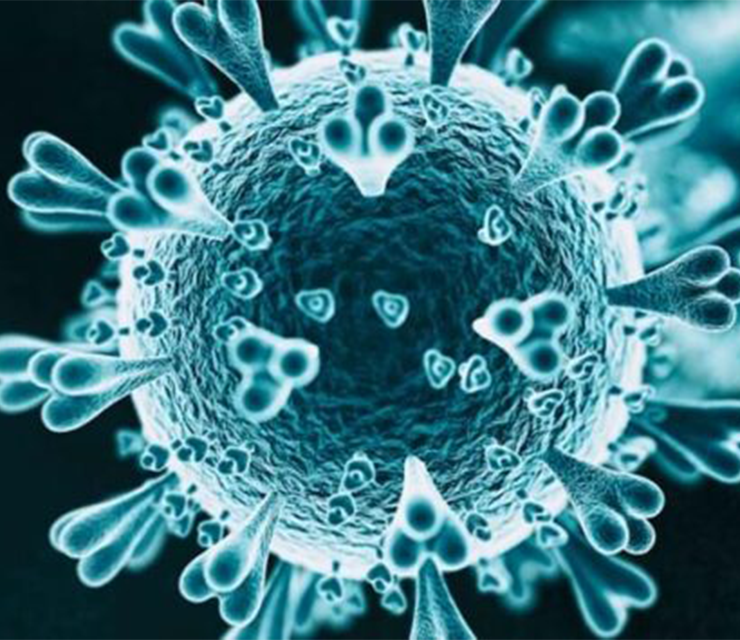
A graphic illustration of the COVID virus

It’s important to focus on evidence-based information about the disease, and their remedies.

Published March 19, 2020

By Roger Torda

As the new coronavirus continues its spread in the United States and worldwide, elected officials, healthcare providers, and private citizens are grappling with the wide-reaching implications of the pandemic. In uncertain times, it’s important to focus on evidence-based information about the disease, efforts to mitigate its spread, and prospects for a vaccine or treatments.

In an effort to provide a topline view of what the public needs to know about the virus, the Academy brought together Julie Gerberding, MD, MPH, Executive Vice President and Chief Patient Officer, Strategic Communications, Global Public Policy, and Population Health at Merck & Co. and former Director of the Centers for Disease Control and Prevention, and Michael Osterholm, PhD, MPH, Director of the Center for Infectious Disease Research and Policy at the University of Minnesota, to share insights from their extensive experience, as well as from the latest research.

In a webinar held on March 12, 2020, both Gerberding and Osterholm addressed the challenges ahead and the opportunities for action.

Perspective and Preparedness

Key Takeaways

  • The global health community has successfully addressed multiple pandemics over the past two decades, including the coronaviruses SARS and MERS, H1N1 influenza, and Zika virus.
  • The new coronavirus is highly transmissible and challenging to contain. Public health efforts are focused on slowing the spread within communities.
Julie Gerberding

Dr. Gerberding began the webinar with a reminder that while this strain of coronavirus is new, it is not the first disease to threaten the global population. “We have a lot to learn about how this virus spreads and how we can intervene in that process…but we have a foundation of experience in previous outbreaks,” Gerberding said. “Each time we have one of these new outbreaks, we learn things, our preparedness takes a step forward, and we need to…develop some confidence that we’re going to figure this one out too.”

Limits to Testing

While the new coronavirus was detected quickly in China and reported to global health authorities, limited access to testing, both in China and around the world—including in the United States—have hampered efforts to understand the scope of infections worldwide. Gerberding explained that China’s “extraordinary measures” to contain the virus limited spread within the country and delayed transmission to other countries.

Despite these containment efforts, the new coronavirus has spread to more than 110 countries in just three months, a fact Gerberding deems “unsurprising” given its high transmissibility.

With containment no longer a priority, countries and communities worldwide are enacting measures to slow the spread of the virus.

The New Coronavirus: Origin, Transmission, Vulnerable Populations

Key Takeaways

  • The new coronavirus spreads primarily through person-to-person contact.
  • Most cases are mild. Older individuals and those with underlying medical conditions are at greatest risk of developing serious complications.
  • Much remains unknown about the new coronavirus. The case fatality rate is likely to evolve as the disease spreads, and these numbers may vary by country.

Origin and Transmission

Coronaviruses, named for the characteristic “crown” of protein spikes that jut from the viral surface, commonly infect humans, causing mild cold symptoms. The new coronavirus strain, SARS-CoV2 (commonly referred to now as the “new coronavirus” or “COVID-19″), originated in bats, evolved to infect small mammals, and ultimately “spilled over” into the human population. Because the virus is not native to humans, “we have no reason to believe anyone is immune to this,” Gerberding said.

Michael Osterholm

The new coronavirus is highly transmissible. Dr. Osterholm explained that the reproduction number, or the R0, is estimated to be between 2 and 3—meaning that without precautionary measures, each infected person will pass the infection to at least two others. Comparatively, pandemic influenza has a R0 of about 1.2.

The new coronavirus spreads primarily from person-to-person through aerosolized droplets released when an infected person coughs or sneezes. Masks can help prevent spread when worn only by sick individuals, as can isolation and covering sneezes and coughs. Osterholm noted that “we have very little data” on the viability of the new coronavirus on surfaces.

“I don’t want to downplay the importance of handwashing…but surface contamination is not something people should be preoccupied with,” he said. [Update: According to a March 17, 2020, study by the NIH, “Scientists found that severe acute respiratory syndrome coronavirus 2 (SARS-CoV-2) was detectable in aerosols for up to three hours, up to four hours on copper, up to 24 hours on cardboard and up to two to three days on plastic and stainless steel.”]

Vulnerable Populations

Approximately 80 percent of coronavirus infections are mild, causing fever, dry cough, and fatigue that resolve with no complications. However, older patients, and those with pre-existing medical conditions including cardiovascular disease, diabetes, or lung disease are at higher risk of potentially severe complications. These include shortness of breath and pneumonia, which may require medical intervention and intensive respiratory support.

The World Health Organization (WHO) estimates the case fatality rate of the new coronavirus at 3.4 percent, although some studies found fatality rates between 1 and 2 percent. “That’s still 10 to 20 times higher than seasonal flu,” Osterholm said. He noted that case fatality varies among countries, a trend he anticipates will evolve as the disease spreads worldwide. Factors such as the overall age of the population, along with rates of cigarette smoking and comorbidities such as obesity, are likely to influence the fatality rate.

Slowing the Spread in Communities

Key Takeaways

  • Slowing the spread of the new coronavirus is critical for minimizing impacts on the healthcare system and protecting vulnerable populations.
  • Common sense measures can significantly impact community spread, including minimizing large group gatherings and staying home when ill.
  • Testing is critical for understanding the extent of community spread; prevalence of testing will increase in the coming weeks.

Drastic Action

Osterholm emphasized that coronavirus will be a concern for months, rather than days or weeks. “It’s very important that we understand what we’re talking about today is a long haul,” he said. He also cast doubt on the prospect that that the new coronavirus may decrease in prevalence as the weather warms, noting that the earlier coronavirus MERS emerged in the Middle East, in temperatures as high as 110°F. “Of the previous 10 pandemics, 2 started in the winter, 3 started in the spring, 2 started in the summer, and 3 started in the fall,” he said.

Widespread closures and social distancing measures enacted in China did help to slow disease spread, and other countries are enacting similar restrictions, such as cancelling large gatherings, limiting travel, closing schools and houses of worship, and encouraging telecommuting when possible. Although, Osterholm did note that little is known about the potential for the disease to resurface once restrictions are eased, and such measures are deeply disruptive to everyday life, often having downstream consequences for families, businesses, and essential services. Osterholm explained that while children appear to be largely unaffected by the new coronavirus, little is known about the role of children in spreading the illness.

Gerberding acknowledged the difficulties of balancing disease suppression efforts with maintenance of basic services. “We also have to concentrate on keeping our societies functioning—people need goods and services,” she said.

Reducing Healthcare Burden

Slowing disease spread is essential to reducing the burden on healthcare systems, which have neither space, staff, nor equipment to manage large numbers of critically ill patients. “If 100 cases of infection occur today, and they need high-intensity medical care, that’s a very stressful situation for any healthcare system,” Osterholm said. “If you are able to stretch them out, 10 new cases every week for 10 weeks…that may very well have a big impact on the overall outcome for patients.” Shortages of personal protective equipment, including respirator masks, contribute to the urgency surrounding moves to stanch spread of coronavirus.

Testing Availability

Gerberding addressed the lack of widespread testing in the United States, noting that in addition to large medical diagnostics companies, some medical institutions are also developing coronavirus tests. “Over the next few days, we’re no longer going to see testing as the bottleneck that it was in the early phase,” she said.

Increased testing access is likely to usher in a “catch-up period,” where, according to Gerberding, the public may “feel like the outbreak is moving faster than it really is.” Widespread testing is critical to “filling the gaps” in understanding both the prevalence of the virus in communities as well as the range of disease presentations. “The important thing…is that we get the broadest understanding of who is infected with disease, who is infected with mild symptoms, who is exposed and infected but not symptomatic, and who has been exposed but didn’t get sick,” Gerberding said.

Both Gerberding and Osterholm believe it’s likely that community spread is more prevalent than current testing has indicated, mainly because testing has focused on patients with severe disease. “We’re looking at the tip of an iceberg, but we really don’t know how big the iceberg is,” she said.

The Future: Vaccines and Treatment

Key Takeaways

  • More than 40 companies are working on a coronavirus vaccine and treatments.
  • Treatment options will likely emerge before a vaccine, which is expected to take 1-2 years.

A vaccine to prevent the new coronavirus is “the holy grail,” said Osterholm, but it’s a vision unlikely to be realized in the near term. Since the SARS outbreak in 2003, “biotech and biopharmaceutical capabilities have moved ahead by light years,” Gerberding said, and more than 40 companies are working to develop a coronavirus vaccine and treatments. Despite a strong start to the vaccine development process—Gerberding said there are “many more candidate vaccines than we’ve ever had at the beginning of a new infectious disease outbreak”—experts anticipate that development, testing, and widespread vaccine availability will take 1-2 years.

Treatment options are likely to emerge in the near-term, although Gerberding doesn’t expect “anything to miraculously come into the medicine chest” to impact the sickest patients. “Once people have pneumonia caused by this virus, what’s going on isn’t due to the virus per se… but to the inflammatory response and the damage that creates,” she said. Gerberding hopes to see treatments emerge that prevent severe complications in patients already exposed to the virus. Recovered patients, who are believed to have some immunity to the disease, may offer clues to guide the search for antibody-based coronavirus treatments.

Gerberding concluded with a note of hope and resilience. “It’s normal to be concerned and frightened about something this new and potentially this serious,” she said. “Concentrate on how you can protect yourself, how you can prepare yourself and your family, and convert that energy and concern into action, not panic. We can work together to slow down the spread of this virus and I’m confident, based on what I’ve seen through many outbreaks in the past, that we’re up to this as Americans and as global citizens.”

So, You Want to Publish a Scientific Paper?

An open notebook.

Learning how to craft a scientific paper so that it is accepted for publication takes practice. An expert provides his perspective.

Published October 1, 2019

By Douglas Braaten, PhD

Learning how to craft a scientific paper so that it is accepted for publication takes practice. It also requires attention to details across many domains. Many advice resources are available, and I encourage any young scientist to carve out time to focus on what to do — and what to avoid — when writing scientific papers.

Before starting to write, give some thought to preparation, process, attitude and goal. Some key points I’ve learned from reading and editing hundreds of papers at Annals of the New York Academy of Sciences and Nature Immunology follow.

These two journals have very different aims, scope and readership, but similar goals of publishing well-written, well-constructed papers for the sake of readers’ understanding and clarity. Note the points below are not presented in order of importance or temporality — all are useful.

Preparation

Part of the preparation is learning as much as possible about scientific publishing in general which will help to make the process both more enjoyable and successful.

The writing of a scientific paper begins when a lot of hard work has been done already. Completion of a series of experiments that demonstrate a statistically relevant discovery is the foundation of all good scientific papers.

That’s not to suggest that one can’t have a reasonably clear picture of what a paper might look like along the way of performing experiments. Indeed, designing experiments — the order and what’s required — is often critically informed by one’s experience in crafting a good scientific paper.

However, it’s never a good idea to start before a complete set of experimental results has been gathered. Doing so can reverse the circle from “now that I have a set of data how best can it be presented?” to “what experiments do I need to do to finish my paper?” the latter being the wrong way around.

Don’t get caught in the trap of needing to do an experiment in order to finish a paper. Instead, set out to perform the complete set of experiments necessary for readers (in particular peer reviewers!) to agree with you that the conclusions are supported by the data. And then write.

Process

Consider who will need to read your paper before it is accepted for publication.

Among the best papers I’ve read are those that have been prepared for a particular journal and its readership. Writing to achieve those goals may not seem as important as simply describing the data. It’s critical, however, to write for readers and to prepare a paper with specific audiences in mind. These two points are often ignored. The journal editors must find it suitable for their journal, believe a given paper presents good data, and does so clearly enough to send it out for peer review. Next, while the process of peer review can vary among journals, papers at most journals are sent to at least two external peer reviewers. These individuals — very busy scientists, often pressed for time and overloaded with work — volunteer their time to comment on papers.

More than anything, peer reviewers hate papers that are overly long, vague and not crafted for readers. By accepting to review a paper, reviewers by and large give benefit to any doubt that it presents interesting information and data. Give them what they want without distractions.

Reviewers and editors are busy individuals — don’t hobble yourself by ignoring the fact that they can be easily put off by sloppy and careless writing.

Attitude

Some of the above considerations of process are also considerations of attitude. It’s critical for authors to set and maintain a level of respect and collegiality for everyone involved when preparing and submitting a scientific paper — from submission, to peer review, production and every step through publication.

In my experience, the most successful authors are those whose attitude reflects the ideals of both achievement of work and an earnest, genuine desire to share important new information with the scientific community.

In contrast to that, an attitude of entitlement to be published is immediately noticeable to editors and, especially, to peer reviewers. I have seen good papers that may have only needed minor improvements as recommended by reviewers, upended by rejection because the authors believed they were in the right and didn’t need to make changes.

Even the most experienced scientists know it’s their responsibility to maintain an open, respectful attitude during the publishing process. Ignoring this imperils your aims for little more than an overly needy ego. Consider it a privilege to have your scientific paper evaluated and published.

Goal

Much of the above could have been included in a discussion of scientific author goals. The right preparation, a well-considered process, and a collegial and respectful attitude are certainly worthy goals.

Less obvious, yet equally important is considering the audience from the perspective of readers who want Open Access (OA). The interest in scientific papers to be OA is now so intense that it’s important for authors to consider OA for every one of their papers.

Indeed, so many funders are pushing for not only OA, but for other forms of pre- and post-publication access to scientific data that it behooves every author to consider both the laudable goals of OA and the ramifications for scientific publishing. Fortunately, many online forums present extensive discussions — e.g. oaspa.org.

As the OA movement grows — and there’s no doubt that it will — authors must consider whether they will submit only to OA journals to support the goal of open information. At the same time, they should consider that publishers of OA journals will feel increasing pressure to seek more and more submissions to cover their publication costs as subscription revenue declines. Authors will surely experience this increasing pressure, as it will undoubtedly affect the publishing process.

For example, more papers to evaluate increases the burdens on everyone involved — editors, reviewers, production staff. Ensuring you do all that you can as a responsible scientific author will likely help achieve your personal aims of publishing and of contributing openly to scientific progress. And while much more can be said about how to publish successfully, keeping in mind preparation, process, attitude and your goal should help.

Collaboration Is Key to Breaking New Ground in Genomics

Two researchers interact inside a lab.

Dr. Kastner brings people together to leverage complementary strengths and achieve a common goal.

Published October 1, 2019

By Marie Samanovic Golden, PhD

Daniel L. Kastner, MD, PhD, Scientific Director for the Intramural Research Program at the National Human Genome Research Institute (NHGRI), received the 2019 Ross Prize in Molecular Medicine — an honor established by The Feinstein Institutes for Medical Research and the Springer Nature journal Molecular Medicine — for his pioneering work on the genomics of auto-inflammatory diseases.

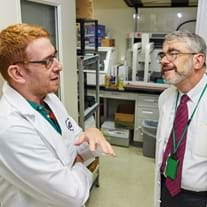
Dr. Daniel Kastner (right) with colleague Dr. David Beck (left)

“The Ross Prize is the most memorable, exciting, rewarding prize that I have ever received,” declared Kastner.

In the 1990s, Dr. Kastner led an international consortium that identified the gene responsible for familial Mediterranean fever (FMF), a rare inherited disorder characterized by recurrent fevers and severe inflammation.

What makes Dr. Kastner unique is that he is a master in bringing people together, helping them to leverage complementary strengths and achieve a common goal. This manifested in the international FMF consortium, comprising six groups with a total of 46 collaborators located in Israel, Australia and four centers around the United States.

“Ideal collaborations are win-win propositions,” said Kastner, and “trust is the currency of the realm.”

Advances in Autoinflammatory Disease Research

The endeavor was a resounding success. It also laid the groundwork for the identification of the tumor necrosis factor receptor-associated periodic syndrome (TRAPS), a second periodic fever syndrome beside FMF, which led to the novel concept of an emerging family of autoinflammatory diseases.

Inflammation is now thought to play an important role in a number of rare monogenic diseases akin to FMF and TRAPS, as well in more common and genetically complex diseases like gout.

Colleagues of Dr. Kastner, like Dr. Luke O’Neil from Trinity College Dublin, take the bold position that addressing inflammation could impact any number of ailments. Certainly it is the case that inflammation plays an important role in several common diseases such as atherosclerosis and cancer. However, “the inflammatory process is a double-edged sword” warned Kastner.

Indeed, dampening patients’ autoinflammatory diseases with anti-inflammatory agents brings them to a normal, base-level of immunity — and may even be protective against other inflammation-mediated disorders. But in most individuals, a blanket prescription of anti-inflammatories could prevent their immune systems from performing its most basic and necessary function: fighting off microbial infections.

Developing the Clinical Infrastructure

Looking ahead, Dr. Kastner developed a clinical infrastructure at the National Institutes of Health (NIH) to examine patients with undiagnosed inflammatory diseases, using genetics to identify the cause of rare diseases and autoinflammatory disorders. As of 2019, the inflammatory diseases section has seen over 2,000 patients, referred from around the world. This prolific program led to the identification of more than 15 new diseases, and over half of them now have effective therapies.

Treatments for these diseases, such as cytokine inhibitors or JAK-kinase inhibitors, target the molecular pathways involved, but are only effective for as long as patients take them. Thus, curative measures such as bone-marrow transplants, or potentially gene therapy, are attractive to patients and their families. But these are not without risk, advised Kastner.

For inflammatory diseases caused by mutations in white blood cells, bone marrow transplants are appealing and logical in lieu of a lifetime of treatment. However, depending on the clinical circumstances, this measure may come with a significant mortality rate, he explained.

Weighing the Risk-Benefits

It is difficult to justify such risk if patients are responding to effective drugs such as colchicine (for the control of FMF), with no reported long-term side effects in the last 50 years. Dr. Kastner is constantly working to weigh these risk-benefits with his patients.

Dr. Kastner shared that he owes a debt of gratitude to Dr. Robert Rich, his first research mentor at Baylor College of Medicine, who not only allowed him, but also expected him to follow his interests independently as a young scientist. Dr. Rich also urged him to go back to medical school after his PhD, to apply his new knowledge to the care of patients.

Kastner continues this tradition, constantly moving between the bench and the bedside in his continued quest to understand inflammatory disease.


Read more about the Ross Prize and past awardees:

The Challenge of Keeping Women in STEM

A woman conducts research in a science lab.

Efforts to close the gender gap in STEM by encouraging girls to study science have resulted in more young women considering careers in science. Yet systemic biases in academia create an uncertain future.

Published October 1, 2019

By Sonya Dougal, PhD

Many women who earn PhDs in life sciences choose to pursue non-academic careers during the critical period between receiving their doctoral degree and becoming an independent investigator. This gender specific phenomenon, described as a “leaky pipeline,” is a significant source of brain drain for academic and biomedical research.

Anne L. Taylor, MD, Columbia University Vagelos College of Physicians and Surgeons

A Biased Culture

Overt bias against women in the sciences is less common today than in decades past, but implicit bias remains a major challenge for male and female scientists alike.

According to Virginia Valian, distinguished professor at Hunter College and CUNY Graduate Center and director of the Hunter College Gender Equity Project, bias, whether conscious or not, shapes attitudes and behavior.

“The traits that are perceived to be better for science are those we often ascribe to men, such as independence and a focus on the task at hand, while women are nurturant, communal and express their feelings,” Valian said. “These gender schemas can impact reality, such that women’s achievements are systematically slightly under-acknowledged and men’s are slightly over-acknowledged.”

The Impact of Implicit Bias on Hiring Decisions

A slew of research studies examining the impact of implicit bias on hiring decisions and career advancement, conference presentations, manuscript authorship and grant funding, confirm Valian’s assertion. For example, in a 2012 study from Yale University, 100 male and female faculty members at top research institutions reviewed an identical resume for a hypothetical lab position with one change — the applicant was either a man or a woman. The resume bearing a man’s name was favored over the same resume with a woman’s name. Male candidates were perceived as more competent and offered higher salaries, while female candidates were rated as more likeable.

Navigating the transition from graduate school or postdoctoral researcher to independent investigator hinges largely on funding, and this too is an area rife with inequalities. While women receive grants from the National Institutes of Health (NIH) at about the same rate as their male peers, first-time female PIs are funded at comparatively lower levels.

A further consequence of implicit bias is that female professors do more of the service work within departments — taking on additional teaching responsibilities and serving on committees. While this work is essential, it does not support the attainment of federal and foundation grant funding needed to advance to academic leadership positions, nor is it valued during tenure review.

Not Just Women’s Work

The difficulties of juggling career and family demands have especially stark repercussions in the scientific workforce. A surprising 43 percent of women scientists — and nearly 25 percent of men — transition to part-time employment or leave their careers altogether after having their first child, according to Cech & Blair-Loy’s 2019 study of the impact of parenthood on STEM careers. In response, some institutions have implemented policies to address retention of both women and men.

“Having children should not be a permanent impediment to advancement,” said Ann Taylor, MD, vice dean of academic affairs at the Columbia University Vagelos College of Physicians and Surgeons. “Yet when women lessen their workload to accommodate their family responsibilities, we don’t do a good job putting them back on the path to leadership.”

Taylor believes that gender-neutral policies at Columbia, such as 13 weeks of paid leave for primary caregivers and an extra year on the tenure clock for each child, “really help support careers,” but acknowledges that some difficulties are harder to address. Grant funds often come with strict timelines, posing challenges for women and men who temporarily trim their work responsibilities during the early years of family life.

“You don’t have the luxury of saying, ‘I’m going to take this three-year grant and make it a six-year grant,’” Taylor said. “These are problems we have to solve, and we are actively thinking about how to do that.”

Creating the systemic, institutional change that Taylor and others envision requires support from male STEM professionals as well. Neuroscientist Paul Greengard — who was Vincent Astor Professor at The Rockefeller University until his death last year — was an early advocate for gender equality in academia.

“There’s absolutely no evidence one way or another as to whether there’s a difference between the sexes in terms of creativity, the most important parameter of scientific discovery,” Greengard said in an interview with The Rockefeller University in 2016.

Establishing a Preeminent Annual Prize for Women in STEM

When he won the Nobel Prize in 2000, Greengard donated his share of the honorarium to establish the preeminent annual prize for women in science — The Pearl Meister Greengard Prize. Named for Dr. Greengard’s mother, the prize sparked a robust program of advocacy and fundraising to support women scientists at Rockefeller. Aaron Mertz, director of the Aspen Institute Science & Society Program and a former postdoctoral fellow at Rockefeller, served as the vice president of the professional development group WISeR (Women in Science at Rockefeller).

“Men must be active contributors to discussions about gender equality, and have a significant role in creating a scientific environment in which women can flourish,” he said. “I firmly believe that women’s issues are men’s issues.”

Without men at the table, institutional change will not happen.

The New York Academy of Sciences is committed to a diverse balance of program speakers.

If You Can’t See It, You Can’t Be It

A culture of mentoring is vital in business — including guidance on salary negotiation, self-promotion and other skills necessary to advance in competitive fields — yet this type of support is a relative newcomer to academia. For early and mid-career women scientists, direction from senior colleagues can mean the difference between choosing an alternative career path and advancing to leadership positions.

Critically, Taylor highlighted that “the nature of mentorship can vary. Women are more likely to have mentorship that involves psychosocial support and are not provided with tactical career development strategies.” Columbia recently augmented their leadership and management programs to address the needs of women and diverse faculty by making both types of mentoring available for all faculty members, along with initiatives to ensure salary parity and timely promotions.

Men have so outnumbered women in scientific conference programs that a new word — manels — to describe all-male panels has entered the scientific lexicon. Feminist and activist Marie Wilson popularized the notion “if you can’t see it, you can’t be it” to encourage women’s leadership as role models.

To raise the visibility of women scientists, the New York Academy of Sciences requires gender parity among conference speakers. Forty-five percent of the speakers in the Academy’s 2018-2019 programming cycle were women, with an organizational goal of reaching 50 percent in the coming year.

Recently, NIH director Francis Collins released a statement indicating that he would decline participation at scientific conferences where “inclusiveness was not evident in the agenda,” writing that these parameters should include women and underrepresented groups. Conference organizers striving to meet that mandate may turn to Request a Woman Scientist, a database created by the 500 Women Scientists initiative — an organization galvanizing public support for STEM diversity and equality. In less than one year, more than 9,000 women scientists from 133 countries have added their profiles.

The Challenge Ahead

A 2018 paper by Lerchenmueller & Sorenson of the Yale School of Management noted that, “Rather than women dripping out of the STEM career pipe every centimeter along the way, they appear to pour out at one of the critical junctures.” This metaphor suggests that the first step to gender equality is raising awareness of the pressure points in women scientists’ careers such as the transition between trainee and independent investigator.

The path forward will require collective action between universities, government agencies and funders to remove systemic barriers and biases. Momentum is building for those willing to make the effort. As Taylor emphasized, “Equity and justice is work every single day.”

Non-STEM Skills Give an Edge to STEM Professionals

A woman video records herself giving a presentation.

Today’s employers want workers who have “soft skills,” such as being a good listener or thinking critically.

Published October 1, 2019

By Pinelopi Kyriazi

Joseph Borrello, Sinai Bio-Design, Ichan School of Medicine at Mount Sinai

According to a new report from Cengage, an educational technology and services company, employers want college graduates who have “soft skills,” such as being a good listener or thinking critically, but they have difficulty finding such candidates.

Such so-called “soft” skills are highly sought after by employers, yet they tend to be given short shrift in academic settings. As a result, while science, technology, engineering and mathematics (STEM) professionals receive extensive training on technical skills, their non-STEM skills tend to be underdeveloped.

Nevertheless, a growing body of evidence shows that soft skills are an indicator for future employment and earnings compared to technical and manual skills. Hence, a gap has been created between which skills employers are looking for, and which skills STEM job candidates provide. From running a productive lab to leading a research team, a successful career for scientists hinges on their ability to communicate and collaborate, often with teams that may be in other departments, other institutions or even other countries.

Developing Skills in Persuasive Writing, Management

Take grant writing. Competition for a shrinking pool of funding is fierce, so academic scientists need to tell a cohesive and evidence-based story from complicated data to grab the attention of reviewers and secure funding.

Translating complex content in a simple and easy to understand manner is not a skill frequently practiced until scientists earn their first academic job. By this point, stress is high as job security often rests on their ability to earn grants to continue their research.

Similarly, managing a team of graduate students or post-doctoral trainees is a daunting task for a new professor. On top of all that, many have a heavy teaching load, making their time and project management skills essential to their productivity.

Nida Rehmani
Lotus STEMM

Technical Skills: The Great Decline

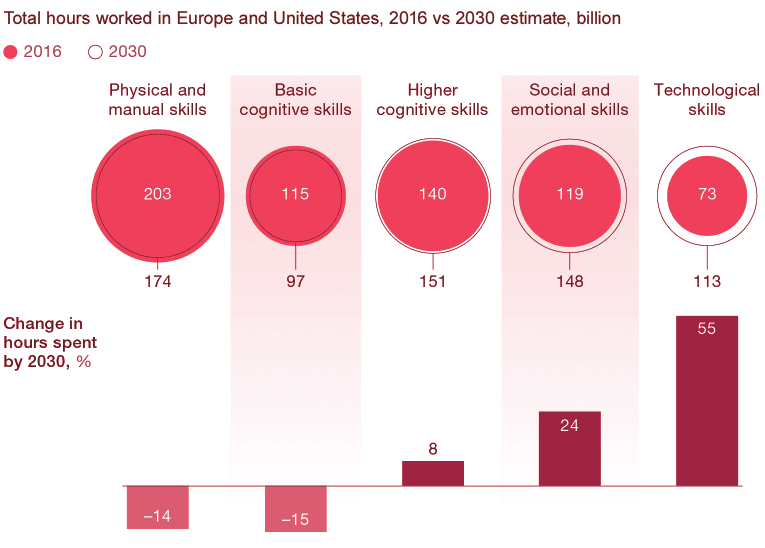
A recent report by the McKinsey Global Institute, explored the shifting demand for workforce skills from now until 2030. They found that technological advancements, including automation and artificial intelligence, are changing the types of tasks employees are performing.

As people increasingly interact with machines, there is a greater need for technological skills, social and emotional skills and higher cognitive skills. These include creativity, complex information processing, empathy, critical thinking and communication. People are still outperforming machines on such skills, but machines are generally much better at repetitive tasks with explicit rules requiring physical or manual labor.

The Impact of Automation

Historically, technological advancement has created new types of work while some occupations become outdated. According to the McKinsey report, while the internet eliminated many jobs, new positions emerged in computer programming, application development, social media marketing and search engine optimization.

Science is undergoing a similar pattern, with mundane tasks such as repetitive data collection and replication becoming more dependent on automation. Scientists are improving their technological skills such as coding complex algorithmic models, interpreting multi-dimensional data and managing big data sets.

Social skills are also becoming more prevalent as teamwork and communication required for intricate experiments is growing. Lab sizes are increasing and scientists at various training levels — from undergraduate students to early career researchers — must work together to complete large scale projects.

Scientists in Academia and Industry Possess Many Non-STEM Skills

Graduate training for scientists is heavily focused on acquiring technical skills and scientific acumen. But a vital aspect of scientific research is sharing the knowledge acquired through experimentation in a meaningful and comprehensible manner. Hence communication of scientific data becomes the cornerstone of research.

Joseph Borrello, a PhD candidate and Prototyping Fellow at Sinai Bio-Design at Icahn School of Medicine at Mount Sinai, highlights the need to attend scientific conferences and share his work.

“Part of communication is going to places where you can communicate,” he says, “and knowing that you have something to share even if it is not completed into a polished publication or presentation.”

Conferences are a great way to interact with other scientists, but also attending events for a broader audience can make you a better communicator.

“It is hard to condense everything down into an elevator pitch format,” says Borrello. But he emphasizes that “doing it once is not necessarily enough.” Building up to a confident elevator pitch takes practice and repetition, just like a good science experiment.

Skills in Effective Communication

Savitri Sharma
Nike Sport Research La

Communication doesn’t only include oral presentations. Scientists must master communicating science through writing as well.

Nida Rehmani, who completed her PhD in Biochemistry and M.Ed. in STEM, worked on her writing skills after graduate school as a content/blog editor at Lotus STEMM, a non-profit organization for South Asian women in STEMM (the second M stands for medicine).

“Activities like writing scientific blogs is a great way to develop one of the soft skills and should be inculcated in the next STEM generation,” she says.

Academics are not the only scientists who need excellent communication skills. Those in industry require both scientific and business acumen to get ahead. Savitri Sharma, a biochemist leading the Apparel Research division of Nike Sport Research Lab, emphasizes that scientists need to develop their story-telling skills; especially when sharing results with team members of different backgrounds.

“Bottom line up front,” she says, “being able to connect your work straight to what is happening at the company will set you apart.”

It’s important to grab the audience’s attention and communicate why someone should care. Additionally, she underscores that what sets scientists apart in business, is that they can dive into the details when needed.

“Don’t shy away from being the expert that you are, don’t feel embarrassed or ashamed, be proud,” she says.

The Power of Networking

Another important non-STEM skill is networking. Regularly attending both external and internal conferences, receptions and symposia can help scientists improve their research by making new connections leading to collaborations. As Borrello explains, networking is a stochastic process and can feel awkward at first.

“All the rules of chemistry and chemical reactions that apply to solutions, apply to people also,” he says. “Sometimes the randomness in networking can enable positive relationships to develop. The only way to meet a new collaborator or connect with a potential employer is by attending many networking opportunities and speaking up.”

In industry, networking plays an important role in advancing your career. Sharma leveraged this skill to land her current role as a researcher at Nike. Further she emphasized this as one of the essential skills for her mentees during her tenure as Chair of Women of STEM network at Nike.

After working in various business functions, she declared her intent to pursue a career in research and development at one of the events. As a result of a connection she made, one of the other attendees helped her apply for the position. Navigating large organizations is difficult, but effective networking skills can ameliorate the stress and propel your scientific career forward.

Other “Soft” Skills

Other soft skills include time and project management, team work, listening and social skills. Many of these are often underestimated, but they are all important elements in today’s work environment and can give you an edge to land the job of your dreams.

“Understanding your own potential and skills is important in time management,” says Rehmani.

Knowing and articulating your value can make a difference in the productivity of a lab or a team setting. Scientists already possess many of these skills — continually refining and practicing them will help researchers to become more valued employees, and, as a result, advance their careers.

Automation and Artificial Intelligence Will Accelerate the Shift in Skills that the Workforce Needs

Projections of the future workforce into 2030 indicate that the number of work hours spent on soft skills and technological skills will rise, while hours on physical, manual and basic cognitive skills will drop.
Source: McKinsey Global Institute Workforce Skills Model; McKinsey Global Institute analysis

Also read: So, You Want to Publish a Scientific Paper?

How Can Humans Compete with Artificial Intelligence?

A graphic illustration of a human brain, meant to represent artificial intelligence.

The Intelligence Revolution raises fundamental questions about what it means to be human.

Published October 1, 2019

By Jerry Hultin

Machine learning. Advanced manufacturing. Autonomous vehicles. Robotics. Drones. Welcome to the rise of smart machines! This revolution — let’s call it the Intelligence Revolution — offers the world benefit and harm at a scale exceeding that of the three earlier Industrial Revolutions. But it also raises fundamental questions about what it means to be human.

Will science and technology of the 21st century make us irrelevant? Will this lead to massive social unrest when smart machines take worker’s jobs? More fundamentally, how will a world operate where everyone may have the luxury of leisure, but not the economic resources to enjoy it?

In 2017, I chaired a study into the impact of artificial intelligence and automation on the Pentagon’s “business processes.” Based on what corporations in America have already achieved, we estimated that the U.S. Department of Defense could save nearly $60 billion a year by using the existing tools of automation and artificial intelligence.

The Growing Role of Automation in the Workplace

In addition, the quality and speed of decision-making in the Pentagon would be quantitatively better. Conversely we cautioned that the job losses and the redistribution of work functions would be huge. Thus the Pentagon would face a major challenge in finding jobs and providing training for the thousands of displaced employees.

According to a recent McKinsey Global Institute report on the growing role of automation in the workplace, at least 30 percent of the predominantly repetitive, routine and physical activities in 60 percent of current jobs can be automated. With efficiency gains and cost reduction of such magnitude the commercial, industrial, healthcare and construction industries will see AI and the automation that springs from AI, as compelling.

So how will the accelerating application of AI play out around the world? Here in the United States, the people most at risk include 14.7 million young workers, 11.5 million workers over age 50 and 11.9 million Hispanic and African-American workers. This accounts for more than 20 percent of the full-time employees in the United States. Amazon, which attributes the success of its one-day shipping to AI, is now committing some $700 million to retrain or up-skill its workers for the increasing technical demands of new jobs that will help them stay ahead of displacement by AI.

Automation Implications in India, Africa

But what about a country like India? With a population over 1.3 billion, nearly 750 million young people under the age of thirty, and an overall literacy rate of 71 percent, India is striving to radically increase jobs and reduce its level of poverty. But India may not get this chance if automated technologies supplant available jobs.

Much the same can be said about the future fate of Africa as its population of approximately 1 billion people grows to 2 billion by 2050. If Africa only has access to the educational and economic tools available today, the likelihood that it can match the growth rates of China and other Asian nations is remote.

The challenges presented by AI require a fundamental reworking of key components of how we learn and live. A recent Atlantic Monthly “conversation” between Henry Kissinger, Eric Schmidt and Dan Huttenlocher about the future of AI concluded with the following:

The three of us differ in the extent to which we are optimists about AI. But we agree that it is changing human knowledge, perception, and reality — and, in so doing, changing the course of human history. We seek to understand it and its consequences, and encourage others across disciplines to do the same.

Looking Ahead

Fortunately, the Academy under Ellis Rubinstein’s leadership has taken seriously the importance of increasing scientific and technological skills among young people around the world. Propelled by his concerns about their future prosperity and security, Ellis enlisted the business community, NGOs and philanthropists, in an unprecedented series of cooperative programs designed to increase skills. Through the collective action of our partners, benefactors and Members, we can lead a global conversation to better understand, develop and employ the power of AI.