In this special issue, tools to predict the impacts, costs, and cost-effectiveness of micronutrient intervention programs, with a focus on low- and middle-income countries, are applied to address policy questions related to micronutrient fortification of bouillon in West African countries, a common seasoning used there and novel candidate for multi-micronutrient fortification. Using national survey data from several countries in West Africa, the papers analyze (1) potential impacts of bouillon fortification on dietary adequacy of women and young children, and on functional outcomes such as child lives saved; (2) the costs of these new programs; and (3) cost-effectiveness of fortified bouillon for achieving various nutrition and health outcomes. These analyses are applied to inform the design of potential bouillon fortification standards, as well as to consider how bouillon compares with other micronutrient intervention programs (which may be implemented well or poorly, depending on the program and country). Stephen A. Vosti, Katherine P. Adams, and Reina Engle-Stone (all from University of California, Davis) are guest editors.
Blog Archives
HPAI A(H5N1) Transmission Among Cattle in the U.S.

While the risk to the public remains low, the highly pathogenic avian influenza (HPAI) A(H5N1) is on the radar of those in sectors like livestock breeding, animal sciences and food production.
Published May 28, 2024
By Syra Madad, D.H.Sc., M.Sc., MCP, CHEP; Jason Kindrachuk, PhD; and Rick A. Bright, PhD
Recent observations on highly pathogenic avian influenza (HPAI) A(H5N1) have highlighted the virus’s transmission among dairy cattle in the United States. Key findings include ongoing detection and transmission of H5N1 among cattle, a second human case of H5N1 infection in a farmworker; mixed virus receptor distribution in mammary gland tissue of cattle, genetic evolution of H5N1 with onward transmission, evaluation of pasteurization effectiveness for virus inactivation, and a clinical description of HPAI H5N1 influenza A virus infection in a U.S. dairy farm worker.
Genomic and Epidemiologic Insights
In May 2024, investigators at the U.S. Department of Agriculture (USDA) reported genomic and epidemiologic data showing HPAI A(H5N1) spillover to, and transmission among, cattle. While prior data on Influenza A virus in cattle is scarce, the current geographic expansion of HPAI H5N1 among herds across multiple U.S. states demonstrates clade 2.3.4.4b’s affinity for cattle.
Reduced food intake, milk production, and shifting milk quality was first noted in January 2024, followed by detection of influenza A virus, specifically H5N1 clade 2.3.4.4b genotype B3.13, by the National Animal Health Laboratory Network and National Veterinary Services Laboratories. Subsequent analysis suggested movement of genotype B3.13 between dairy cattle farms and domestic poultry.
The study’s authors suggested a single spillover event from wild birds with limited cattle-to-cattle transmission around December 2023. Additional spillovers were identified from infected cattle to poultry and other nearby mammals, with the virus potentially shedding from infected cattle for 14-21 days. Genome sequencing indicated ongoing evolution, possibly linked to mammalian adaptation.
Viral Receptor Distribution
Sialic acid receptors utilized by influenza A viruses for cellular attachment, are found in multiple cattle tissues, including the respiratory tract, mammary glands, and brain. Though all type of sialic acid receptors could be found in each of these areas, the types and concentration of sialic acid receptors varied by tissue; those used by human and duck viruses were more prominent in the mammary gland and to a lesser degree in the respiratory tract, while those used by chicken viruses were more prominent in the respiratory tract and to a lesser degree in the mammary glands.
These findings provide insights into HPAI A(H5N1)’s tissue tropism in cattle and its transmission patterns. The presence of multiple types of species-specific receptors for influenza A viruses located throughout the dairy cattle also permits hypotheses on potential for them to serve as a mixing vessel for accelerated reassortment of influenza viruses, increasing a potential for the evolution of an influenza A virus with human pandemic potential.
Pasteurization and Food Safety
On May 1, 2024, the U.S. Food and Drug Administration confirmed that pasteurization inactivates H5N1 virus in a variety of milk products. No infectious H5N1 virus was found in nearly 300 retail dairy samples that were positive for viral nucleic acid by quantitative PCR. Additionally, neither viral nucleic acid nor infectious virus was found in retail powdered infant formula and powdered milk. This supports pasteurization’s effectiveness in inactivating concentrations of H5N1 virus found in the milk supply among samples collected in April. Advisories against consuming raw/unpasteurized milk or milk products remain in place.
Clinical Case in a Dairy Farm Worker
A recent study reported on the first reported human case of H5N1 infection in a U.S. dairy farm worker who experienced ocular discomfort without respiratory symptoms or fever. The worker had close contact with symptomatic dairy cows from farms with confirmed H5N1 infections. Personal protective equipment included gloves but no ocular protection. Swab specimens from the conjunctiva and nasopharynx confirmed H5N1 through RT-PCR and viral genome sequencing. Home isolation and oral oseltamivir were recommended, leading to resolution of conjunctivitis.
No secondary infections were reported among household contacts. Importantly, viral sequences showed no mutations suggesting changes in receptor binding or antiviral susceptibility. However, a mutation in the internal PB2 gene showed a change that is more commonly associated with human adaptation and warrants close monitoring.
Implications and Recommendations
These reports underscore the need for comprehensive HPAI A(H5N1) surveillance in agricultural settings. While cattle infections have been reported by the USDA to be generally transient with mild symptoms, the potential impact on milk production and food security is significant. The risk of ongoing viral evolution and broad transmission among cattle could lead to further mammalian adaptation. Although human infections from cattle seem to be rare at this time, the burden of infection necessitates detailed assessments of human spillovers, especially in areas with current or prior outbreaks. This includes serology to establish spillover rates to humans and monitor for changes in spillover frequency.
While the general public’s risk remains low, those at higher risk include individuals with routine or frequent contact with potentially infected birds, livestock, other animals or contaminated animal products and environments (e.g., farmers, livestock workers, animal handlers, employees of milk and meat processing facilities, milk or carcass transport drivers, and veterinarians).
Human infections with H5N1 can occur when the virus enters the eyes, nose, or mouth, or is inhaled. This can happen through airborne droplets, small aerosol particles, or dust that settles on mucous membranes. Infection can also occur if a person touches a contaminated surface and then touches their mouth, eyes, or nose. Exposed individuals should monitor for symptoms within 10 days, including fever (100°F [37.8°C] or higher), chills, cough, sore throat, difficulty breathing/shortness of breath, eye tearing, redness, or irritation, headaches, runny or stuffy nose, muscle aches, and diarrhea.
About the Co-Authors
Jason Kindrachuk, PhD is an Associate Professor, Canada Research Chair, Department of Medical Microbiology & Infectious Diseases, University of Manitoba, Winnipeg, MB, Canada.
Rick A. Bright, PhD is CEO, Bright Global Health and Former Deputy Assistant Secretary for Preparedness and Response, U.S. Department of Health and Human Services.
Read more from Dr. Madad on the Academy blog:
Public Health Peril: The Fungus Among Us
Think fungal infections are just annoying skin irritations like athlete’s foot and jock itch? Think again. The rise of antifungal resistance means the game has changed. What was once a surefire treatment is now uncertain, and severe, life-threatening fungal diseases are on the rise.
Published May 22, 2024
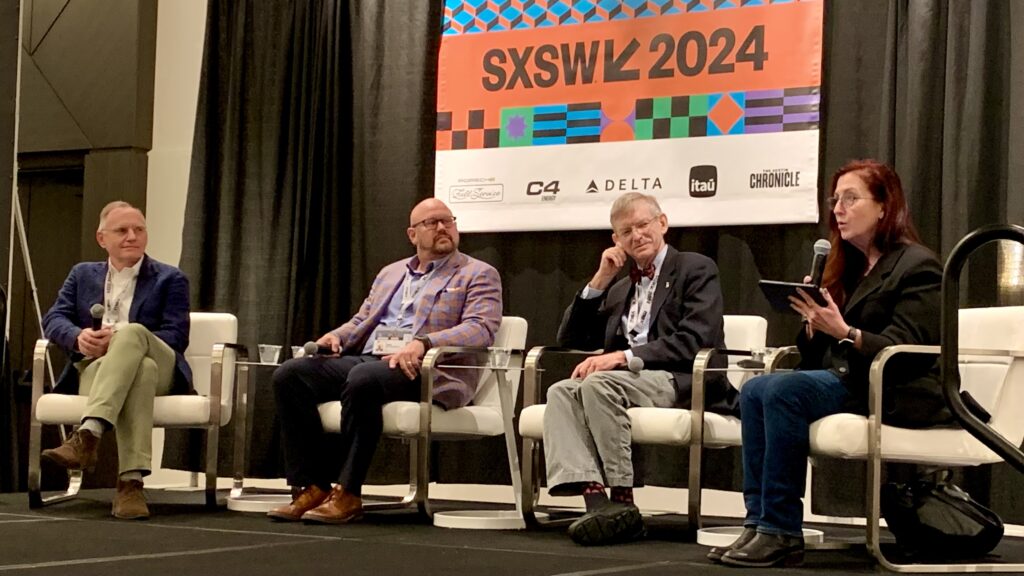
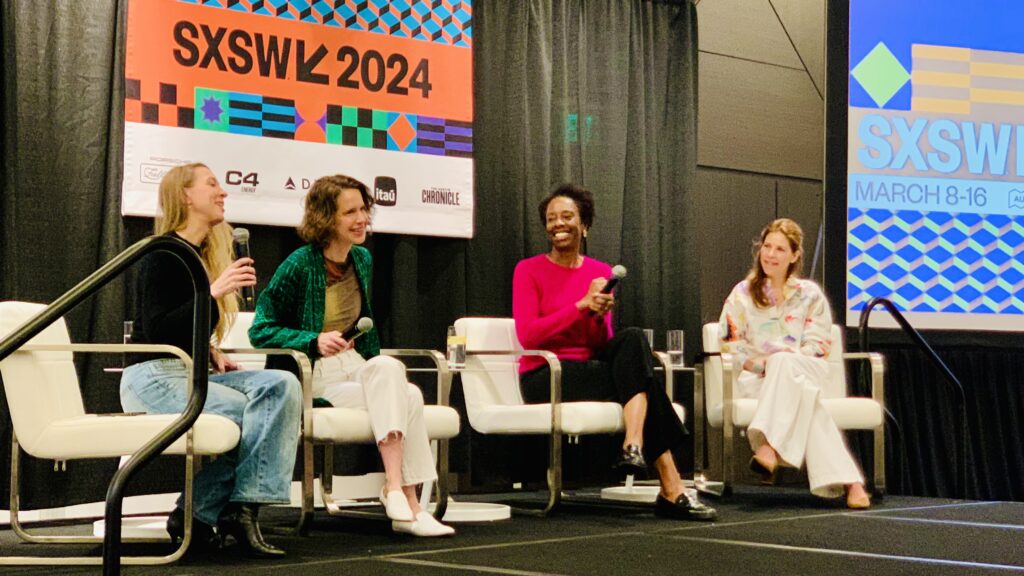
Fungi are everywhere: in the soil, on our skin, and in the air we breathe. They give us the cheese on our burgers and the beer and wine we love. Despite their benefits, fungi aren’t always our friends. Every day, we inhale up to 100,000 or more fungal spores—our immune system usually keeps infections at bay. Yet, out of the estimated 2-11 million fungal species, about 200 can make us sick. On March 11, 2024, the South by Southwest Conference panel “Will Fungi Be the Last of Us?,” moderated by public health journalist and author Maryn McKenna, explored how fighting harmful fungal species is a growing public health challenge.
The Agricultural Connection: How Fungicides Fuel Drug Resistance
While we may inhale numerous fungi, our primary defense against fungal infections is our body temperature—most fungi can’t survive the heat of our lungs and prefer cooler environments. However, certain fungal species like Candida auris and Aspergillus thrive at human body temperature and can cause severe disease in hospitalized patients with weakened immune systems. Panelist Paul Verweij, MD, FECMM, Professor of Clinical Mycology at Radboud University Medical Center of Expertise for Mycology, highlighted the threat of Candida auris: “This is a new yeast, which is emerging, and has spread all over the world since 1996. One of the problems with (it) is that it is drug resistant.”
Dr. Verweij explained that exposure to agricultural azoles, chemical fungicides used on food crops, has driven this fungus to develop resistance to azoles. “The problem we face in hospitals is that we use the same type of drugs to treat our patients,” Verweij lamented.
The panel highlighted the urgent need for a comprehensive approach to the development of agricultural fungicides that do not have harmful ramifications for human health. Panelist John Rex, MD, FACP, Chief Medical Officer at the antifungal biotech F2G, Ltd., cited a 2023 concept paper issued by the US Environmental Protection Agency and developed in collaboration with the US Department of Health and Human Services, the US Department of Agriculture, and offices within the White House Executive Office of the President.
The paper, titled Concept for a Framework to Assess the Risk to the Effectiveness of Human and Animal Drugs Posed by Certain Antibacterial or Antifungal Pesticides, sought public feedback on potential solutions, research, or mitigation approaches to reduce the spread of antimicrobial resistance (AMR). Panelist Tom Chiller, MD, MPHTM, Chief of the Mycotic Diseases Branch at the Centers for Disease Control and Prevention added, “The key is that we’re bringing groups together that don’t traditionally talk. We need to recognize that we each have problems that are going to be solved with these medicines. But how do we do it together so that we don’t affect that critical treatment [for a] patient with a fungal disease?”
Rising Temperatures, Rising Threats: Fungi in a Changing Climate
Dr. Chiller also emphasized the impact of climate change on the evolution of fungal species. “Fungi live out in the environment. If the environment changes—and climate change is causing environmental changes—the fungi have to adapt. They are going to try to tolerate higher temperatures. We need to understand that more.” Chiller pointed to Valley Fever, caused by the soil-based fungus Coccidioides: “It’s mainly in the Southwest [of the US], but now we know that the geographic area of this fungus is spreading. I have to think that climate change is playing a role.”
Closer Cousins Than You Think
Dr. Rex highlighted a critical difference in treating bacterial versus fungal infections. “You’ve heard of things like penicillin, sulfa [drugs], and erythromycin. There are at least a dozen completely different kinds of treatments for bacterial infections.” In contrast, Rex noted, “for fungi, there are only three major classes. The reason …. is that, believe it or not, one of your closest cousins is the fungi. We’re quite closely related, genetically. To find something that just kills the fungus and not the person, that’s hard. There are very few novel classes [of antifungal drugs] and each one we find is a precious jewel.”
Rapid diagnosis of fungal infection also remains challenging. Patient symptoms are often non-specific, and the sensitivity and specificity of available tests vary widely. Dr. Verweij shared his clinical experiences: “With only two classes of drug treatment available for Aspergillus infection, resistance to one treatment leaves the physician with just one drug to administer to the patient.” He highlighted the severe toxic side effects and the limited reach of these drugs. “If the infection spreads from the lung to the brain, then it’s extremely difficult to treat, and you can end up with an untreatable infection.”
Reviving Antimicrobial Development: The Promise of the PASTEUR Act
“Over the past decade, we’ve had several new antibiotics get approved, and then the companies go bankrupt,” Dr. Rex noted. He emphasized the importance of creating a sustainable financial model for developing and distributing new antimicrobials. “I’m very concerned that the ecosystem of people who know how to invent these drugs is drying up,” he warned. Dr. Rex shared his 15-year involvement in the development of the Pioneering Antimicrobial Subscriptions To End Upsurging Resistance Act of 2023 (PASTEUR Act).
This bill, re-introduced in the US Senate in April 2023, aims to stimulate innovative drug development, improve the appropriate use of antibiotics, and ensure domestic availability of critical need antimicrobial medicines to prevent AMR from becoming the next global pandemic. The PASTEUR Act proposes an innovative payment model where the US federal government invests $6 billion over 10 years in novel antibiotics and antifungals through installment payments. In return, developers would provide their drugs free of charge to government programs once available. This initiative is designed to foster much-needed investment and prepare the nation’s health care system for the increasing threat of antibiotic- and antifungal-resistant infections.
Antifungal Development in the AI Era
Conference discussion also centered on the pervasive influence of artificial intelligence (AI) across diverse industries and its role in antifungal development naturally emerged. Dr. Rex emphasized the immense potential of AI tools in assessing the toxicity risks associated with promising molecules identified during drug development. He noted, “That has, so far, evaded all simple prediction tools.”
Learn more about the dual nature of fungi—beneficial allies and deadly foes—at the July 18, 2024 hybrid Academy event featuring a conversation with mycologist, immunologist, and author Arturo Casadevall, MD, PhD, about his new book, What if Fungi Win?
Using AI and Neuroscience to Transform Mental Health

With a deep appreciation for the liberal arts, neuroscientist Marjorie Xie is developing AI systems to facilitate the treatment of mental health conditions and improve access to care.
Published May 8, 2024
By Nick Fetty
As the daughter of a telecommunications professional and a software engineer, it may come as no surprise that Marjorie Xie was destined to pursue a career in STEM. What was less predictable was her journey through the field of artificial intelligence because of her liberal arts background.
From the City of Light to the Emerald City
Marjorie Xie, a member of the inaugural cohort of the AI and Society Fellowship, a collaboration between The New York Academy of Sciences and Arizona State University’s School for the Future of Innovation in Society, was born in Paris, France. Her parents, who grew up in Beijing, China, came to the City of Light to pursue their graduate studies, and they instilled in their daughter an appreciation for STEM as well as a strong work ethic.
The family moved to Seattle, Washington in 1995 when her father took a job with Microsoft. He was among the team of software engineers who developed the Windows operating system and the Internet Explorer web browser. Growing up, her father encouraged her to understand how computers work and even to learn some basic coding.
“Perhaps from his perspective, these skills were just as important as knowing how to read,” said Xie. “He emphasized to me; you want to be in control of the technology instead of letting technology control you.”
Xie’s parents gifted her a set of DK Encyclopedias as a child, her first serious exposure to science, which inspired her to take “field trips” into her backyard to collect and analyze samples. While her parents instilled in her an appreciation for science and technology, Xie admits her STEM classes were difficult and she had to work hard to understand the complexities. She said she was easily intimated by math growing up, but certain teachers helped her reframe her purpose in the classroom.
“My linear algebra teacher in college was extremely skilled at communicating abstract concepts and created a supportive learning environment – being a math student was no longer about knowing all the answers and avoiding mistakes,” she said. “It was about learning a new language of thought and exploring meaningful ways to use it. With this new perspective, I felt empowered to raise my hand and ask basic questions.”
She also loved reading and excelled in courses like philosophy, literature, and history, which gave her a deep appreciation for the humanities and would lay the groundwork for her future course of studies. Xie designed her own major in computational neuroscience at Princeton University, with her studies bringing in elements of philosophy, literature, and history.
“Throughout college, the task of choosing a major created a lot of tension within me between STEM and the humanities,” said Xie. “Designing my own major was a way of resolving this tension within the constraints of the academic system in which I was operating.”
She then pursued her PhD in Neurobiology and Behavior at Columbia University, where she used AI tools to build interpretable models of neural systems in the brain.
A Deep Dive into the Science of Artificial and Biological Intelligence
Xie worked in Columbia’s Center for Theoretical Neuroscience where she studied alongside physicists and used AI to understand how nervous systems work. Much of her work is based on the research of the late neuroscientist David Marr who explained information-processing systems at three levels: computation (what the system does), algorithm (how it does it), and implementation (what substrates are used).
“We were essentially using AI tools – specifically neural networks – as a language for describing the cerebellum at all of Marr’s levels,” said Xie. “A lot of the work understanding how the cerebellar architecture works came down to understanding the mathematics of neural networks. An equally important part was ensuring that the components of the model be mapped onto biologically meaningful phenomena that could be measured in animal behavior experiments.”
Her dissertation focused on the cerebellum, the region of the brain used during motor control, coordination, and the processing of language and emotions. She said the neural architecture of the cerebellum is “evolutionarily conserved” meaning it can be observed across many species, yet scientists don’t know exactly what it does.
“The mathematically beautiful work from Marr-Albus in the 1970s played a big role in starting a whole movement of modeling brain systems with neural networks. We wanted to extend these theories to explain how cerebellum-like architecture could support a wide range of behaviors,” Xie said.
As a computational neuroscientist, Xie learned how to map ideas between the math world and the natural world. She attributes her PhD advisor, Ashok Litwin-Kumar, an assistant professor of neuroscience at Columbia University, for playing a critical role in her development of this skill.
“Even though my current research as a postdoc is less focused on the neural level, this skill is still my bread and butter. I am grateful for the countless hours Ashok spent with me at the whiteboard,” Xie said.
Joining a Community of Socially Responsible Researchers
After completing her PhD, Xie interned with Basis Research Institute, where she developed models of avian cognition and social behavior. It was here that her mentor, Emily Mackevicius, co-founder and director at Basis, encouraged her to apply to the AI and Society Fellowship.
The Fellowship has enabled Xie to continue growing professionally through opportunities such as collaborations with research labs, the winter academic sessions at Arizona State, the Academy’s weekly AI and Society seminars, and by working with a cohort of like-minded scholars across diverse backgrounds, including the other two AI and Society Fellows Akuadasuo Ezenyilimba and Nitin Verma.
During the Fellowship, her interest in combining neuroscience and AI with mental health led her to develop research collaborations at Mt. Sinai Center for Computational Psychiatry. With the labs of Angela Radulescu and Xiaosi Gu, Xie is building computational models to understand causal relationships between attention and mood, with the goal of developing tools that will enable those with medical conditions like ADHD or bipolar disorder to better regulate their emotional states.
“The process of finding the right treatment can be a very trial-and-error based process,” said Xie. “When treatments work, we don’t necessarily know why they work. When they fail, we may not know why they fail. I’m interested in how AI, combined with a scientific understanding of the mind and brain, can facilitate the diagnosis and treatment process and respect its dynamic nature.”
Challenged to Look Beyond the Science
Xie says the Academy and Arizona State University communities have challenged her to venture beyond her role as a scientist and to think like a designer and as a public steward. This means thinking about AI from the perspective of stakeholders and engaging them in the decision-making process.
“Even the question of who are the stakeholders and what they care about requires careful investigation,” Xie said. “For whom am I building AI tools? What do these populations value and need? How can they be empowered and participate in decision-making effectively?”
More broadly, she considers what systems of accountability need to be in place to ensure that AI technology effectively serves the public. As a case study, Xie points to mainstream social media platforms that were designed to maximize user engagement, however the proxies they used for engagement have led to harmful effects such as addiction and increased polarization of beliefs.
She is also mindful that problems in mental health span multiple levels – biological, psychological, social, economic, and political.
“A big question on my mind is, what are the biggest public health needs around mental health and how can computational psychiatry and AI best support those needs?” Xie asked.
Xie hopes to explore these questions through avenues such as journalism and entrepreneurship. She wants to integrate various perspectives gained from lived experience.
“I want to see the world through the eyes of people experiencing mental health challenges and from providers of care. I want to be on the front lines of our mental health crises,” said Xie.
More than a Scientist
Outside of work, Xie serves as a resident fellow at the International House in New York City, where she organizes events to build community amongst a diverse group of graduate students from across the globe. Her curiosity about cultures around the world led her to visit a mosque for the first time, with Muslim residents from I-House, and to participate in Ramadan celebrations.
“That experience was deeply satisfying.” Xie said, “It compels me to get to know my neighbors even better.”
Xie starts her day by hitting the pool at 6:00 each morning with the U.S. Masters Swimming team at Columbia University. She approaches swimming differently now than when she was younger and competed competitively in an environment where she felt there was too much emphasis on living up to the expectations of others. Instead, she now looks at it as an opportunity to grow.
“Now, it’s about engaging in a continual process of learning,” she said. “Being around faster swimmers helps me learn through observation. It’s about being deliberate, exercising my autonomy to set my own goals instead of meeting other people’s expectations. It’s about giving my full attention to the present task, welcoming challenges, and approaching each challenge with openness and curiosity.”
Read about the other AI and Society Fellows:
Exploring the Age-Old Question of “Why We Die?”
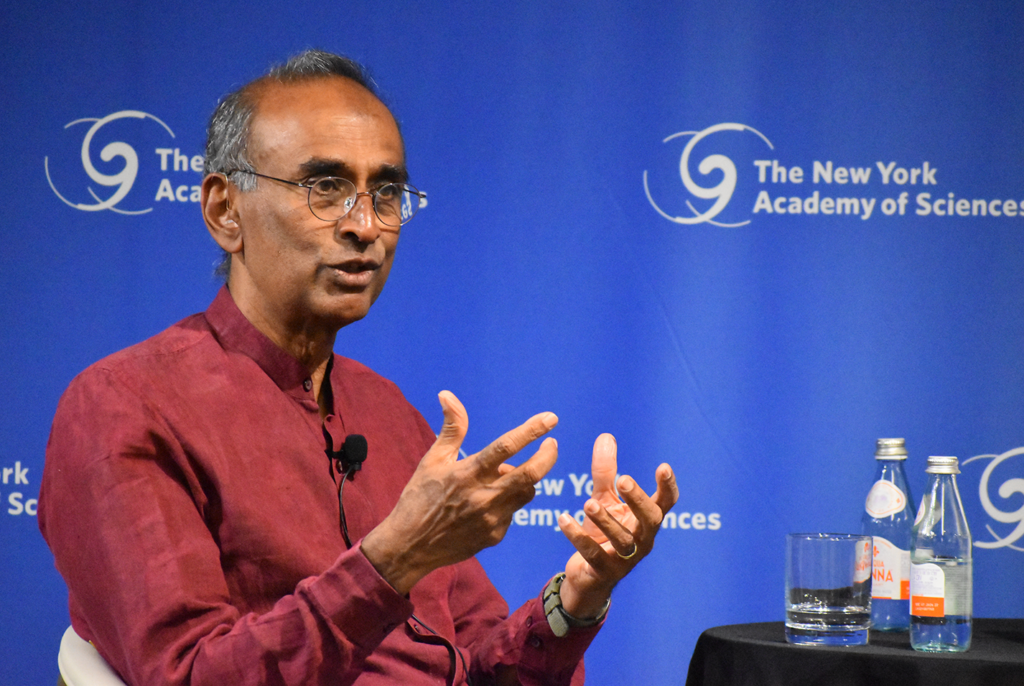
Nobel Laureate Venki Ramakrishnan, world-renowned molecular biologist, presents the science about why humans die.
Published May 7, 2024
By Nick Fetty
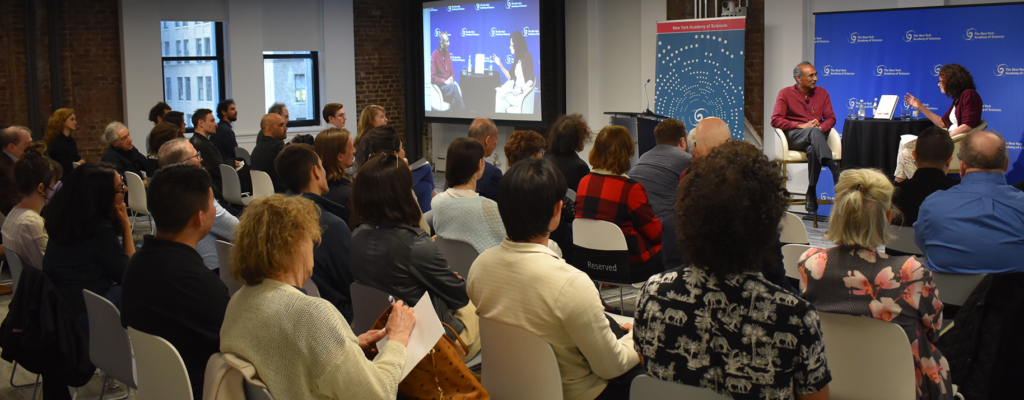
Why do we die? This age-old question is the topic of Nobel Prize-winning author Venki Ramakrishnan’s book Why We Die: The New Science of Aging and the Quest for Immortality.
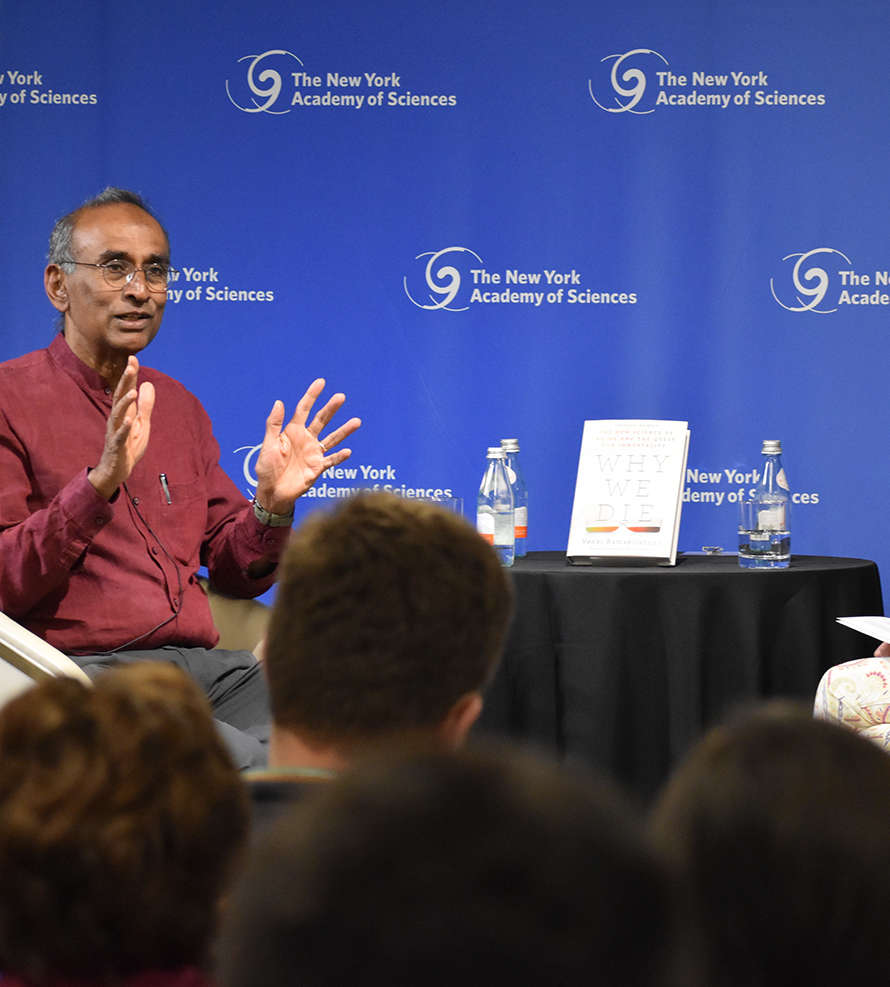
Ramakrishnan discussed his new book with Titia de Lange, Director of The Rockefeller University’s Anderson Center for Cancer Research, during the “Authors at the Academy” event at The New York Academy of Sciences on April 16, 2024. He began by suggesting that humans may be the only species aware of its own mortality.
While societies have long focused on both the philosophical and the scientific dimensions of mortality, Ramakrishnan pointed out that aging research was considered “something of a backwater in molecular biology for a long time.” It’s only been over the past half-century that this field of research has become more mainstream.
“[While there have been advances in the research], because this is an area that people are concerned about, and they’re anxious about, there’s also a lot of hype,” said Ramakrishnan, who is also a member of the Academy’s President’s Council.
As a molecular biologist, Ramakrishnan avoided speculation, focusing instead on researching an objective, scientifically-based case about aging and mortality.
Evolution and Mortality
Ramakrishnan said there is a wide range in lifecycles of different creatures, from a mayfly which can live for just a day, to certain species of sharks and whales that may live for more than a century.
“A giant tortoise might be around today that could have encountered [Charles] Darwin,” Ramakrishnan said, with a nod to the renowned evolutionary biologist who was an honorary member of the Academy more than a century ago.
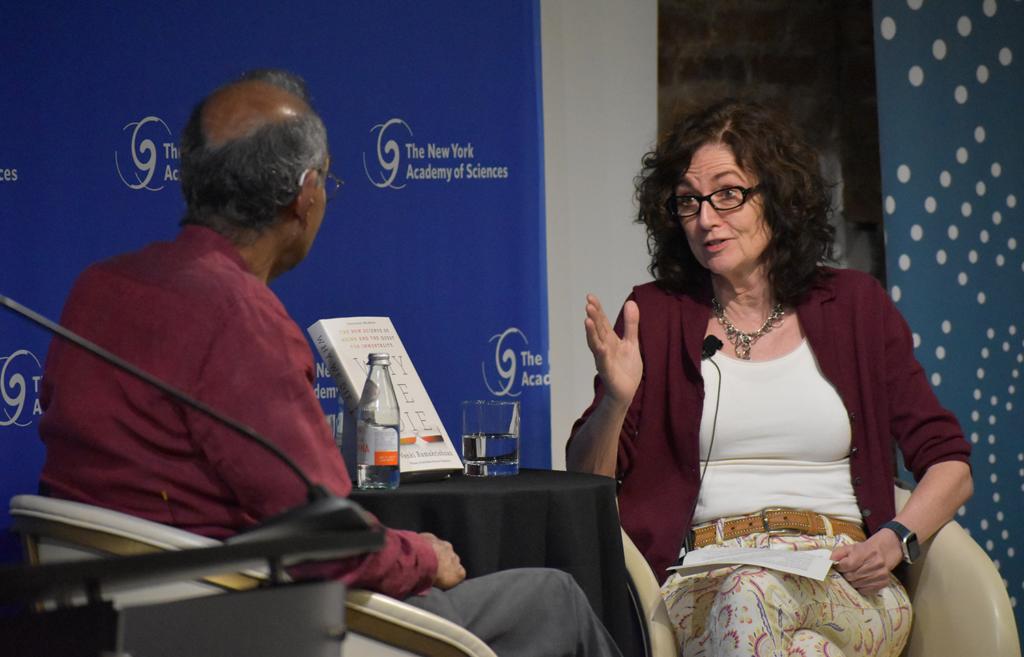
Researchers believe that evolution is largely focused on fitness, which, in this context, Ramakrishnan defined as “maximizing the ability to successfully pass on your genes.” Part of this fitness is tied to physical size. He pointed out that creatures like mice tend to have shorter lifespans than an elephant or a whale.
“You might ask, why is that?” Ramakrishnan said. “Well, aging is an accumulation of chemical damage which manifests itself from the molecular level all the way to the entire organism. To repair such damage takes lots of resources and lots of energy. So, this has a cost because animals are always trying to get energy.”
From an evolutionary standpoint, to maximize fitness it’s more advantageous for a creature like a mouse to allocate its resources to features such as rapid growth, rapid maturation, and producing many offspring. Conversely, larger animals allocate resources to repairing and maintaining natural chemical damage because such creatures need to live longer to raise their offspring to full maturity, Ramakrishnan argued.
This is what evolutionary biologists call the Antagonistic Pleiotropy theory. Based on this theory, genes that involve rapid growth or rapid maturation often turn out to be detrimental later in life and contribute to aging.
The Metabolic Rate Theory of Aging
According to Ramakrishnan, the metabolic rate theory states that “if you have increased metabolism then you’re generating byproducts…like free radicals and reactive species which can cause damage. So, the faster your metabolism is, the more likely the higher the rate at which you’re going to age.”
Generally, a faster metabolism means a shorter lifespan, but Ramakrishnan said this is not always the case. He used the example of some species of smaller bats, that are similar in size to mice, but because of the bat’s ability to fly, are less likely to be targets of predators, and can live for as long as 40 years.
“I think biologists would say it’s really about evolutionary choice and how each species has been selected for optimizing that choice,” said Ramakrishnan. “That choice could be, yes there’s damage but you can also repair the damage, so how much do you spend on repairing the damage?”
Researchers who study aging are divided about the potential maximum lifespan of humans. Some believe that 115 is the top of the range, while others feel that the first person to live to 150 has already been born. Ramakrishnan said he thinks the current natural limit is around 120 years, citing the fact that the number of centenarians (those who live to the age of 100) has increased in recent decades, but the number of people who live past the age of 110 has not.
“That suggests that those people who reach 110, are hitting some natural limit of our biology, of our species,” said Ramakrishnan, adding that he feels that those who think the upper limit is 150 are being “excessively optimistic.”
Societal Impacts of Expanded Lifespans
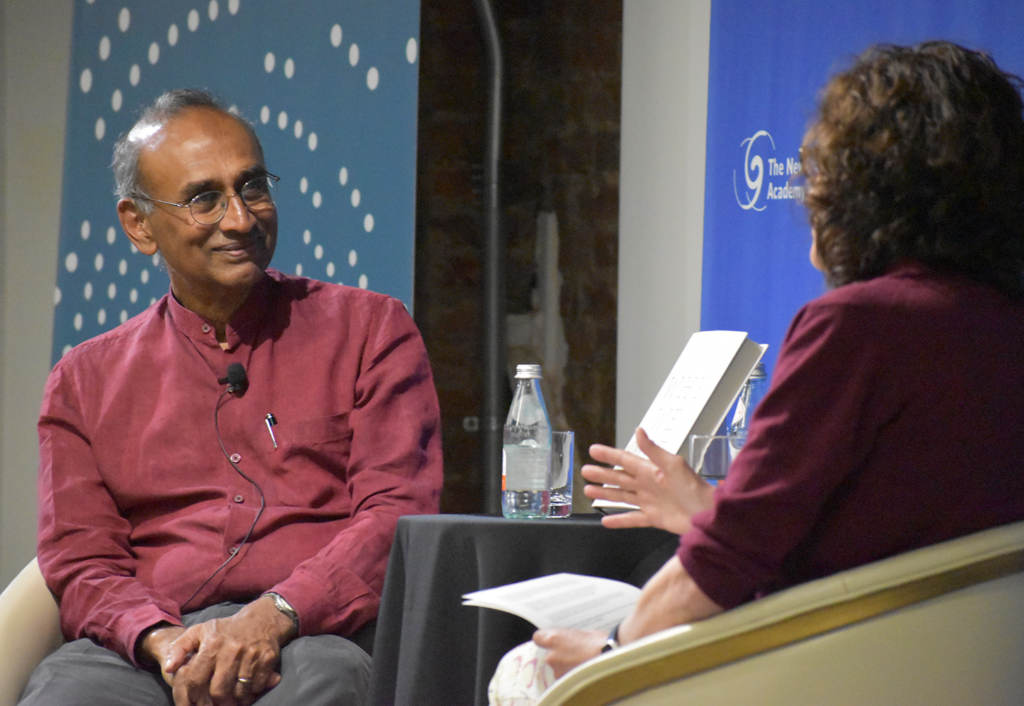
Science aside, what are the societal impacts of expanded lifespans? Several private sector tech billionaires have shown interest in extending lifespans. As Ramakrishnan points out, the issue has also been on the radar of government agencies such as NIH’s National Institute on Aging in the US or the Medical Research Council in the UK.
“So, the question is how do we keep people healthy for as long as possible so people can stay productive?” asked Ramakrishnan.
The answer may well lie with the next generation of scientists who will bring in innovative ideas and fresh perspectives. While Ramakrishnan remains productive, he concedes it may be time to retire next year.
“I think there are lots of roles we can play without taking away resources from the younger people,” said Ramakrishnan, citing examples like serving on editorial boards or as mentors. “Generational turnover is good for society and good for science.”
For on-demand video access to the full event, click here.
Check out the other events from our 2024 Authors at the Academy Series
- Reid Hoffman – Impromptu: Amplifying Our Humanity Through AI
- Erika Nesvold – Off-Earth: Ethical Questions and Quandaries for Living in Outer Space
- Claudia de Rham – The Beauty of Falling: A Life in Pursuit of Gravity
- Arthuro Casadevall – What if Fungi Win?
Full video of these events is available, please visit nyas.org/ondemand
Extreme Animal Physiology and Implications for Human Health
This collection of papers explores how the understanding of animals with unique and extreme physiologies can provide insight into human health, such as tissue regeneration, psychological distress, metabolism, and hypoxia. Animals that are explored include prairie voles, dwarf lemurs, axolotl salamanders, and more. The novel experimental findings, timely reviews, and unique perspectives will not only further our understanding of animal physiology but also have the potential to advance human healthcare. This virtual issue is edited by Elena Gracheva (Yale University) and Slav Bagriantsev (Yale University).
The Rising Threat of H5N1 Bird Flu in the U.S.

The CDC recently confirmed a human case of HPAI A (H5N1) in Texas. Renowned epidemiologist Syra Madad and distinguished virologist Jason Kindrachuk offer tips to farmers, animal caretakers, and the general public on how to avoid contracting and spreading this strain of avian influenza.
Published April 16, 2024
By Syra Madad, D.H.Sc., M.Sc., MCP, CHEP, and Jason Kindrachuk, PhD
Avian influenza H5N1, commonly known as bird flu, is a viral infection that affects both domestic and wild birds, along with a wide array of other animals. First identified in 1996, H5N1 has recently re-emerged in a significant panzootic form, specifically clade 2.3.4.4.b, impacting a broad spectrum of wildlife and domestic animals, including more than 200 mammal species.
Concerningly, this has included confirmed infections among numerous species not previously known to be susceptible to H5N1, including marine mammals, as well as in agricultural mammalian species such as cattle and goats. The rapid geographic expansion to all continents except Australia is also concerning. This notable spread across species is particularly alarming due to the potential for severe illness and death in humans as well as economic and food security impacts. This includes both within the agriculture industry as well as among communities reliant on wild game as a food source.
Confirmed Case in Texas
In March, the CDC confirmed a human case of HPAI A(H5N1) in Texas, related to contact with infected dairy cattle, marking the first recorded instance of probable mammal-to-human transmission in the U.S., and the second human case since 2022. Although human infections are rare and no sustained human-to-human transmission has been reported in the U.S., this event underlines the real risk H5N1 poses to individuals in close proximity to infected animals or contaminated environments.
Of note, a single mutation previously found to be associated with adaptation to mammalian hosts was identified within the viral genome sequence isolated from the recent U.S. case (PB2 E627K). However, while this demonstrates the need for continued surveillance and analysis of H5N1 genome sequences, there is no current evidence suggestive of altered human-to-human transmission for the virus or increased antiviral resistance. The CDC currently deems the risk to the broader U.S. populace as low; nevertheless, people with unprotected, extended exposure to infected birds or animals, or to contaminated areas, are at an elevated risk of contracting the virus.
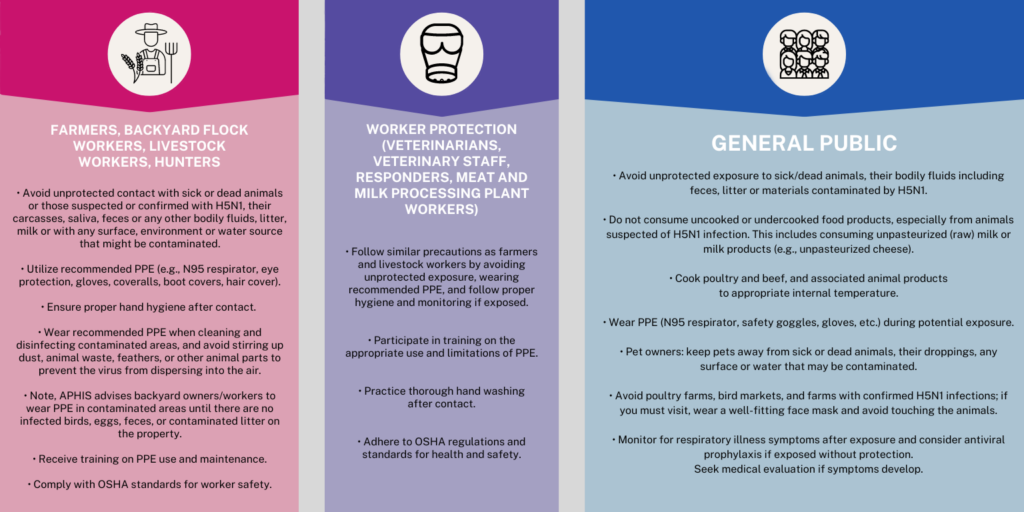
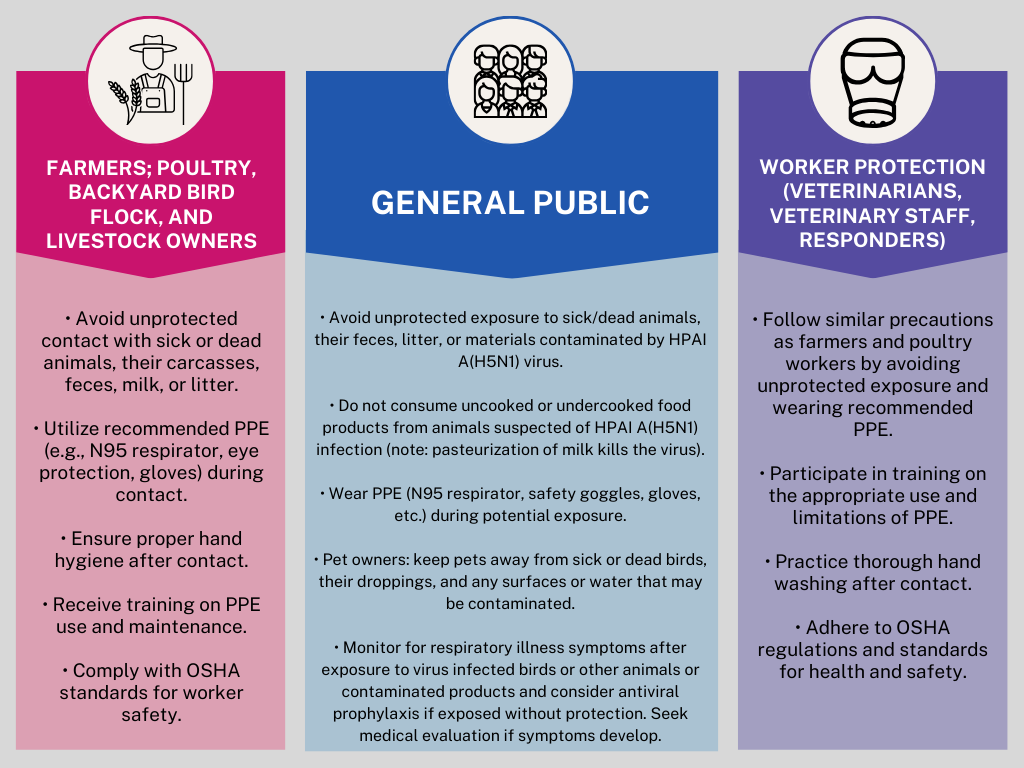
The table below outlines recommended preventive measures for both the general public and those at heightened risk due to their work or recreational activities, aiming to reduce the likelihood of H5N1 infection.
About the Co-Author
Jason Kindrachuk, PhD is an Associate Professor, Canada Research Chair, Department of Medical Microbiology & Infectious Diseases, University of Manitoba, Winnipeg, MB, Canada
Stay connected with Dr. Madad:
Instagram
Twitter/X
LinkedIn
Facebook
Women’s Health 2.0: The Artificial Intelligence Era
Charting the evolution of women’s healthcare in the AI era, illuminating the promise and challenges of predictive tech to close the health gender gap.
Published April 12, 2024
Less than 2% of global healthcare research and development is dedicated to female-specific conditions beyond cancer, as was starkly revealed in the January 2024 World Economic Forum and McKinsey Health Institute report, “Closing the Women’s Health Gap: A $1 Trillion Opportunity to Improve Lives and Economies.” Rectifying this disparity holds the potential to inject over $1 trillion annually into the global economy by 2040 through bolstered female workforce participation.
In February 2024, America’s First Lady Jill Biden unveiled a $100 million federal funding initiative for women’s health research, marking a significant milestone for the White House Initiative on Women’s Health Research intended to fundamentally change how the US approaches and funds research in this area. On March 9, 2024, the South by Southwest Conference hosted a pivotal panel discussion titled “Can AI Close the Health Gender Gap?” moderated by Sara Reistad-Long, a Healthcare Strategist at Empowered. This gathering of clinicians, digital health tech executives, and investors delved into the transformative potential of artificial intelligence (AI) and predictive technology in mitigating gender disparities in healthcare.
Women’s Health Beyond Reproduction
The panelists began by establishing a shared definition of ‘women’s health.’ Historically, women’s health has been narrowly defined as reproductive health, primarily concerning the female reproductive organs such as the uterus, ovaries, fallopian tubes, and to some extent, breasts. Yet, as panelist Christina Jenkins, MD, General Partner at Convergent Ventures, aptly pointed out, the scope of women’s health transcends this narrow scope.
“There’s so much more to women’s health than that,” she emphasized, advocating for a broader understanding. “We consider ‘women’s health’ as a specific practice… focused on things that are unique to women, which are those reproductive organs and [associated conditions], but also conditions that disproportionately… or differently affect women.” She elaborated with examples ranging from autoimmune diseases to conditions like migraine, colon cancer, and variances in women’s reactions to asthma medications.
Overlooked and Underserved: Women’s Health Blind Spots
The historical exclusion of women from health research and clinical trials has perpetuated the flawed assumption that women’s bodies and health outcomes mirror those of men, neglecting their unique biological and medical complexities. “Women were not included in medical research until 1993. Women are diagnosed later in over 700 conditions. Some of our most pressing chronic conditions that are on the rise take 5-7 years to be diagnosed—like autoimmune conditions—and 80% of them occur in women,” observed panelist Robin Berzin, MD, Founder and CEO of digital health company Parsley Health.
AI’s Promise in Closing the Research to Practice Gap
Alicia Jackson, PhD, Founder and CEO of digital health company Evernow, which is focused on women’s health at ages 40+, has spearheaded groundbreaking research that has yielded one of the most extensive and diverse datasets on menopause and perimenopause. This dataset encompasses a multifaceted understanding, ranging from the manifestation of bodily symptoms during these life stages to the impact of variables such as race, ethnicity, income levels, hysterectomy status, and concurrent medications on patient outcomes.
Furthermore, Jackson and her team have identified treatment protocols associated with both short-term relief and long-term health benefits. Despite possessing this wealth of information, Jackson posed a critical question: “I now have this massive dataset, but how do I actually get it into clinical practice to impact the woman that I am seeing tomorrow?” “There’s a huge opportunity for us to leverage clinical data in new ways to give us insights to personalize care,” added Berzin.
From Data Deluge to Personalized Care
Despite the increasing availability of rich research data on women’s health, significant challenges persist in promptly translating this data into effective patient care. With over a million new peer-reviewed publications in biomedicine added annually to the PubMed database, the sheer volume overwhelms individual healthcare providers. “That’s an impossible sum of research for any individual doctor…to digest and use,” observed Berzin. “New information takes 17 years to make its way from publication into medical education, and then even longer into clinical practice,” she lamented. “What I’m excited about when it comes to AI and closing the gender gap is the opportunity for us to close the research gap.
What AI will let all of us do is take in a lot of the data sets that have been unwieldy in the past and leverage them to personalize care. The rapidity and pace at which we can begin to gain insights from the data, which is otherwise like drinking from a fire hose, represents an opportunity for us to catch up [on] that gender gap.” Jackson added, “AI gives me a time machine…to immediately take those results and apply them and impact women today.”
AI Nurse Anytime, Anywhere
The conversation shifted to AI’s potential to address the critical shortage of healthcare providers in the United States. Berzin highlighted the systemic issues, stating, “We don’t have enough doctors. We are not training enough doctors. Nor are we importing enough doctors. We have really big disparities in terms of where the doctors are.” Jackson expanded on the role of AI beyond tackling the provider shortfall and fast-tracking diagnostic processes, emphasizing its potential to facilitate culturally sensitive care.
She emphasized that AI could go beyond delivering data and outcomes; it’s about understanding the nuances of cultural preferences in healthcare delivery. Jackson noted that women want more than just symptom discussion; they want to delve into the emotional and relational impacts of navigating the healthcare system. “Right now, no traditional healthcare system has time beyond that 15-minute appointment to listen and to understand.” However, AI offers the possibility of unlimited time for patients to share their experiences.
With the assistance of AI, patients can access personalized care on their terms, allowing for a more enriching and fulfilling healthcare experience. Jackson continued, “If you have a $9 per hour AI nurse that can take that entire [patient] history, that [the patient can] call up in the middle of the night, on your commute to work, and just continue to add to that [history]…now you’ve created this very, very rich experience. Suddenly, it’s healthcare on your terms.”
Women’s Patient Empowerment Through AI
In addition to its potential to enhance healthcare accessibility and availability, AI emerged as a catalyst for empowering women to take charge of their healthcare journey. Jackson underscored a prevalent issue in women’s healthcare: the need for multiple doctor visits before receiving a correct diagnosis. She highlighted AI’s transformative potential in bridging this gap by empowering women to input their symptoms into AI platforms like ChatGPT, potentially integrating data from wearable devices, and receiving informed guidance—such as urgent care recommendations—immediately. This represents a significant stride in patient empowerment.
AI’s Achilles’ Heel
However, Jenkins cautioned against the pitfalls of AI, citing the case of Babylon Health, a UK-based digital health service provider. She recounted a troubling incident where the Babylon Health AI platform, during a system test, misdiagnosed a woman experiencing symptoms of a heart attack as having an anxiety attack, while advising a man with the same symptoms and medical history to seek immediate medical attention for a heart attack.
“This is what happens when you build something well-meaning on top of bad data,” cautioned Jenkins. She went on to emphasize the critical need to use real-world evidence to mitigate gender biases entrenched in clinical research data. “There is an imperative, not just for the algorithms to eliminate bias, but to make sure that the data sources are there. That’s why we have to use real-world evidence instead of clinical research.”
Learn more about the opportunities and challenges surrounding the integration of AI-driven technologies into the healthcare system at the upcoming Academy conference: The New Wave of AI in Healthcare 2024, May 1-2, 2024 in New York.
Neural Representation—Perspectives from Neuroscience
On September 15-16, 2023, the Autonomous University of Barcelona hosted a workshop on the topic of neural representation. The conference comprised talks by keynote speakers followed by short talks by guest discussants. Contributions from the speakers and discussants were invited for submission to this special virtual issue. Guest editor for the issue is Oscar Vilarroya, Department of Psychiatry, Autonomous University of Barcelona, Barcelona, Spain.
The Academy’s Role in Asbestos Abatement
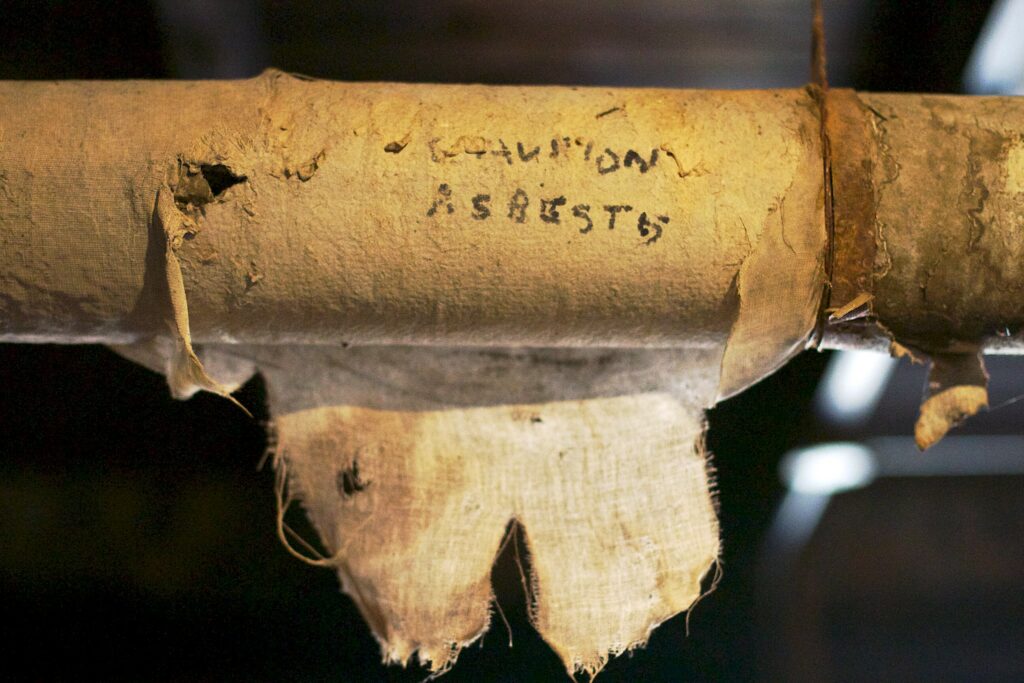
While the United States recently took formal action to ban the use of chrysotile asbestos, experts with The New York Academy of Sciences have voiced concern about this dangerous carcinogen for more than half a century.
Published April 5, 2024
By Nick Fetty
Image courtesy of Alan Levine/Flickr.
In March 2024, the U.S. Environmental Protection Agency issued a regulation prohibiting “the use, manufacture and import of chrysotile asbestos,” a source of mesothelioma and the last known raw form of asbestos used in the United States.
While banning this dangerous substance has been a work in progress for more than half a century, The New York Academy of Sciences was one of the first organizations to voice concerns by expert scientists.
What is Asbestos?
Asbestos is a mineral fiber naturally occurring in rock and soil. Use of asbestos in the United States dates back more than two centuries, though it was during the Industrial Revolution (around the middle of the 19th century) that asbestos imports began taking off.
Throughout much of the 20th century, asbestos was used in different ways, but it wasn’t until around the 1930s that it began commonly being used in the construction of homes and buildings. Asbestos was used in an array of construction materials from insulation and pipe wraps to flooring and roofing. The first instances of asbestos-related diseases were reported in the 1920s and 1930s, though it would take nearly another half century before the U.S. government would begin regulating the use of the substance.
The Academy’s Involvement
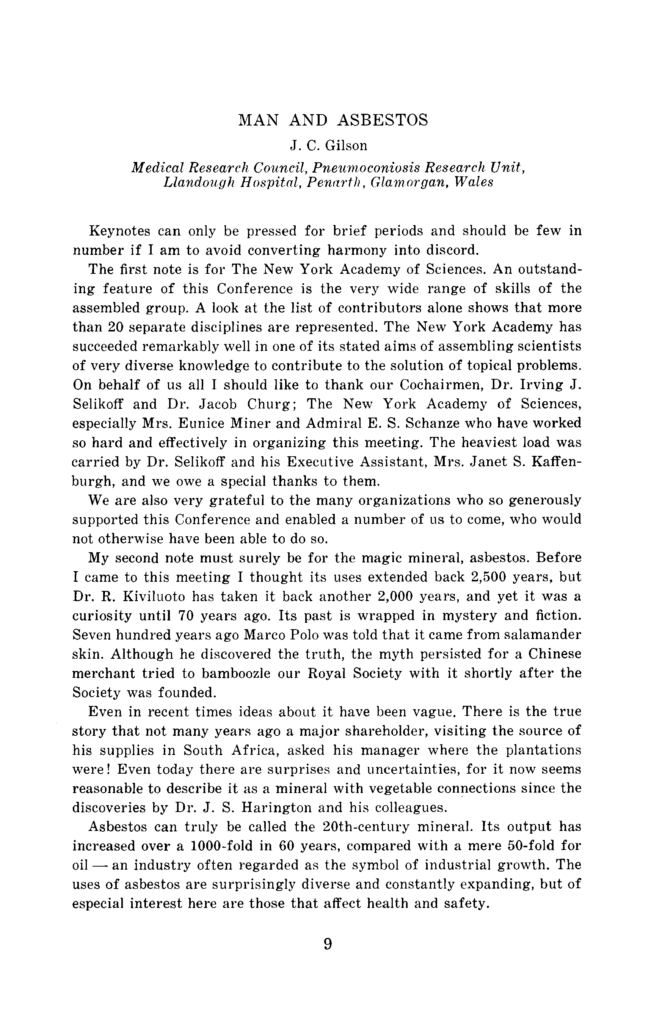
It was during the annual meeting of the American Public Health Association convened at The New York Academy of Sciences in 1964 (then headquartered on the Upper East Side) where researchers began to engage in a serious dialogue about the negative public health effects associated with asbestos.
These researchers pointed to a study in Africa, in which there were 33 reported cases of mesothelioma in a particular region where asbestos is mined. Another study in New York City, examining workers exposed to asbestos during construction, found that of the nearly 307 construction trade union member deaths between 1943 and 1964, 10 were linked to mesothelioma. The report stated this was “an extraordinary high incidence for a tumor generally so rare.”
While researchers at the time admitted they did not have direct evidence, they were noticing linkages between occupational asbestos exposure and increased rates of cancers like mesothelioma. Another troubling aspect, as noted by the researchers, was that it can take a worker a latent period of 20 years or more between the time they are initially exposed to when they are diagnosed with cancer.
“It would appear that mesothelioma must be added to the neoplastic (cancer) risks of asbestos inhalation and joins lung cancer (53 out of 307 deaths) and probably cancer of the stomach and colon (34 out of 307 deaths) as a significant complication of such industrial exposure in the United States,” the Associated Press reported.
Regulating Asbestos
The first asbestos restrictions in the United States occurred in 1973, followed by other concerted efforts throughout the 1970s. The EPA attempted a complete ban on asbestos in 1989; however this effort was overturned by the First Circuit Court of Appeals in 1991. A 2022 rule by EPA was aimed at overturning this decision.
In March 2024, the Biden administration finalized the ban on chrysotile or white asbestos, the last remaining type of asbestos used in the United States. Companies will have up to 12 years to phase out the use of asbestos in their manufacturing processes.
The December 1965 issue of Annals that first reported these findings remains one of the most “sought and referenced” today, according to Douglas Braaten, PhD, Chief Scientific Officer for the Academy and Editor-in-Chief of Annals of the New York Academy of Sciences. A subsequent Annals issue published in 1979 extended the reporting of hazards associated with asbestos exposure.