Combining Science and Entrepreneurship to Help Others

A young woman wearing a green dress poses for the camera.

Junior Academy participant Sebsa wants to pursue a career that enables her to combine science and entrepreneurship.

Published September 7, 2023

By Nicole Pope

For Sebsa, a 14-year-old student living in Amman, Jordan, it all began with an ad on social media via the Royal Health Awareness Society, urging teens interested in science and innovation to apply for the Junior Academy Challenge.

Sebsa’s curiosity was triggered, but she hesitated at first. Few of her schoolmates shared her passion for science and she had never embarked on a virtual collaborative project.

Yet taking this first step has launched the teen on an exciting new path. Accepted as a Challenge participant, Sebsa teamed up with four other students (one from Jordan, three from the U.S.) to address The Impact of COVID-19 on Non-Communicable Diseases.

“We were all a bit nervous when we first met online,” Sebsa says, adding that it took no time for their initial shyness to evaporate. “I immediately realized: this is the type of people I want to connect with.”

For three months, the teenagers collaborated closely via the online Launchpad platform. They chose to focus on diabetes, a condition that affects millions around the world. First, they had to gain better knowledge of the disease. Sebsa’s primary role was to collect data on diabetes in the Middle East.

“Our mentor helped us identify good resources,” she says.

Mitigating the Impact of COVID

The team then discussed innovative ways to mitigate the negative impact of COVID-related lockdowns and restrictions on the treatment of diabetes, eventually opting to create an application that would enable doctors to monitor their diabetic patients remotely. App development was a new field for Sebsa, who feels she learned a lot from the interaction with her teammates.

Completing the challenge required hard work and pressure felt intense at times, Sebsa says. One of four sisters, she enjoyed strong support at home from her family. The end result justified all her efforts.

“I am very proud of what we have achieved,” Sebsa says, delighted that her team’s project was named one of the finalists with their contribution. “But the proudest person was my mom, because she works in healthcare, and is my science teacher.”

Submitting the Junior Academy project marked the completion of Sebsa’s first international collaboration, but the teen’s journey into science and innovation is just beginning. At school, she was invited to create a 45-minute presentation about her team’s project and talk about her Junior Academy experience with her classmates, who were impressed with her spirit of initiative and newfound knowledge.

Many expressed a wish to follow in her footsteps. Working across borders with like-minded students has boosted Sebsa’s self-confidence.

“She is reaching for the stars and the moon,” jokes her 19-year-old sister Sina.

Building Upon Past Success

Inspired by this first success, Sebsa is constantly seeking new opportunities to learn and shine. In partnership with her 17-year-old sister Simaza and four other participants, she entered a National Competition for Young Entrepreneurship, organized by Entro Gate, and won first place.

After enrolling in a robotics and technology course, Sebsa decided to test her new teamwork skills in a nationwide tournament in Jordan, coming in third in the competition. She has signed up for yet another science program with Jordan’s Abdul Hameed Shoman Foundation that focuses on applying science to real-life problem solving.

The Junior Academy Challenge has taught Sebsa important skills such as organization, efficiency, and teamwork. Above all, the experience has fueled her desire to keep pushing her personal boundaries and explore the wide world of science.

“I want to study science, but also entrepreneurship,” says the teenager. “I want a career that links the two and doesn’t just benefit me but enables me to help others.”

The Junior Academy was supported by the Stevens Initiative, which is sponsored by the U.S. Department of State, with funding provided by the U.S. Government, and is administered by the Aspen Institute. A version of this story was originally published on the Stevens Initiative’s website here.

Q&A: Meet ISR’s First Science Community Manager 

A man in a suit smiles for the camera.

The ISR created a community to engage in interdisciplinary collaboration across borders to support disaster preparedness.

Published August 17, 2023

By ISR Staff

Earlier this year, the ISR launched a Beta version of a free, digital hub for the 4,000+ scientists in the ISR network. The ISR Community builds on the learnings from our first readiness exercise in 2022, a test case around wildfires, where we asked scientists to submit proposals for how they would manage a cross-border wildfire crisis and consider what tools and resources they would need.   

Jadson Jall

In the wildfire test readiness exercise and throughout our ongoing conversations, ISR members were clear about the need for interdisciplinary, cross-geographic collaboration, and for easier and faster ways to engage in preparedness. We heard you. That’s why we built the ISR Community and have been working closely with Beta testers to ensure it is effective across disciplines and regions. A full, network-wide launch is expected in Fall 2023.  

Recently, we sat down with Jadson Jall, the ISR’s first Science Community Manager to learn more about the digital hub’s progress. Jall is a geneticist from Brazil and has a passion for bringing scientists together to unlock the power of scientific collaboration as a key to solving humanity’s greatest challenges.  

Why do you think the global science community needs a network like the ISR now? 

The global science community needs a network like the ISR because we live in a world with many compounding crises, such as pandemics and climate-related disasters. These crises are huge, affecting people and the environment in different countries and regions, and they are complex. That means they need lots of different kinds of responses and resources. So, one country’s scientific capabilities, or a single national science policy, can’t begin to resolve crises at that scale. An open, global network of scientists, such as the ISR, means individuals and institutions can pool resources and solve problems together, leading to faster and more effective responses to crises. Furthermore, the network’s principles, such as bringing together Scientists Without Borders and ensuring fair resource access, promoting collaboration, and including different voices, make it a much-needed platform for the current global scientific community. 

What would you like the ISR’s digital hub to look like a year from now, and how would scientists be using it?  

In my dream world, a year from now, the International Science Reserve (ISR) hub would be a globally recognized and effectively functioning platform facilitating seamless personal connections and collaboration among scientists worldwide. It would have grown beyond its current network, and its resources would be even more diverse and plentiful. Scientists would use the hub to conduct and participate in readiness exercises and explore crisis scenarios, helping them prepare for various kinds and aspects of disasters and emergencies. The hub would also be a place where scientists would know where to go and how to apply to connect to different scientific and technical resources in different situations. Ideally, the hub would have a track record of successful crisis response efforts. That will demonstrate its effectiveness and reinforce its value, most importantly, by having a positive impact. 

Can you share more about how you see early adopters using the online community, and their feedback? What do they want to see more of?  

Active community pioneers – our earliest testers – engaged in discussions on diverse topics, from climate change crisis simulations to challenges in research collaboration. Our testers from varied locations and research backgrounds provided invaluable feedback, helping us to consistently refine our virtual environment to better foster scientific engagement and collaboration. For example, they helped us figure out which formats could work for the ISR’s Readiness Exercises and helped us try out various types of activities and collaborations. During the current Beta phase of the ISR Community, we continue to learn from our early adopters. It is clear that our community is eager to collaborate across borders, and I am doing my best as Community Manager to facilitate these connections and collaborations. 

Why did the ISR choose to use “serious games” as an approach to crisis readiness? And how will the readiness exercises work in the ISR Community? 

The ISR chose to use serious games as part of crisis readiness because it’s a fun way to learn about and improve the decision-making process, so that participants can feel they are undertaking the process themselves. Role-playing puts the participant in the position of learning about the crisis in real time and actively experiencing the dilemmas and decisions of how to respond, rather than learning about it afterward. These scenario-based simulation exercises allow researchers and decision-makers to practice analyzing available, often limited, information and making the best decisions, as quickly as possible.  

Serious games will help members of the ISR Community explore decision making around issue areas such as water resource management, climate change adaptation, weather disasters, public health crises, and urban planning. These games serve as a hands-on and immersive way to understand the complexities and nuances of various crises and try different strategies for dealing with them. 

The ISR’s serious games will be conducted online, in a collaborative, interactive format. These exercises will simulate various real-world crisis scenarios, and participants will devise and implement strategies to manage these crises. The activities are being designed to help participants better understand how resources will be deployed and managed in future crises and explore related decisions, helping to prepare us for scientific work in times of global crisis. 

What kinds of resources are available to researchers in the ISR Community

 The ISR Community offers a rich suite of resources to its community of researchers and other stakeholders. They can be organized around two main areas. The first of these consists of specialized scientific resources such as high-performance computing, remote sensing, geospatial-temporal mapping, and databases. The ISR partners with organizations like IBM, UL Solutions, Google, Pfizer, and the National Science Foundation, offering various technical tools, data, and other resources. During a declared crisis, researchers will be able to log on to the ISR Community to gain access to resources like IBM’s Geospatial Discovery Network

The other key resource of the ISR Community is our global network of over 4,000 scientists who have come together around a common goal. The ISR Community provides a space for this growing network to prepare, learn, collaborate, and be ready for crises. We will be offering different types of preparedness activities to help facilitate some of the community’s collaborations, and we are also planning special features for the fall based on the interests of the community. 

One last question: why should your fellow scientists join you on the ISR Community?  

I recommend that my fellow scientists join me in the ISR Community for a multitude of reasons, including: 

  • Joining is completely free, and you will receive global exposure and appreciation for your contributions to crisis resolution. Being part of the ISR is a unique opportunity to apply your research in a real-world context, contributing to tangible crisis solutions. 
  • As a member of the ISR Community, you will be part of a borderless network of experts, allowing for valuable collaborations and exchanges of ideas. It’s also an excellent space for professional development, offering opportunities for knowledge sharing, networking, and building community connections. 
  •  Being part of the ISR Community ensures that you stay in the loop, with critical crisis communication updates.  

So, the ISR Community is not only an opportunity to contribute to global crisis resolution but also a chance to grow professionally and expand our scientific horizons. 

The New York Academy of Sciences Announces First Cohort of Post-Doctoral Fellows in Inaugural Artificial Intelligence and Society Fellowship Program with Arizona State University

The logo for The New York Academy of Sciences.

The AI & Society Fellowship was developed to address the unmet need for scholars who are trained across technical AI and social sciences and the humanities.

New York, NY | August 14, 2023 – Three post-doctoral scholars have been named as the first cohort of Fellows for the Artificial Intelligence and Society Fellowship program.

Launched by The New York Academy of Sciences and Arizona State University in April 2023, the fellowship was developed to address the unmet need for scholars who are trained across technical AI and social sciences and the humanities. This innovative training program will produce the next generation of scholars and public figures who are prepared to shape the future use of AI in ways that will advance the public good.

The Fellows are:

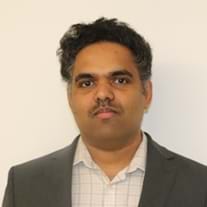
Nitin Verma, PhD, University of Texas at Austin, School of Information

Nitin studies the ethical, societal, and legal impacts of deepfakes and other generative AI technologies. His multidisciplinary research interests include misinformation, trust, human values, and human-computer interaction. He is a native of India, and attended the University of Delhi, graduating with a B.Sc. in electronic science.

Akuadasuo Ezenyilimba, PhD, Arizona State University (ASU), The Polytechnic School; Human Systems Engineering

As a National Science Foundation Research Trainee, Akuadasuo has worked on citizen-centered solutions for real-world problems. Currently, she is researching the relationship between human-computer interaction and traumatic brain injury, executive function, and traumatic brain injury rehabilitation.

Marjorie Xie, PhD, Columbia University Medical Center, Center for Theoretical Neuroscience

Marjorie’s work combines AI, mental health, and education. She interned at Basis Research Institute, building AI tools for reasoning about collaborative intelligence in animals. Marjorie completed her Ph.D. in Neurobiology & Behavior at Columbia University, where she used AI tools to build interpretable models of neural systems in the brain.

Developing the Next Generation of AI Researchers

“AI now permeates every facet of our society,” said Nicholas Dirks, Ph.D., President and CEO, The New York Academy of Sciences. “The technology holds extraordinary promise. It is crucial that researchers have the training and capacity to bring an ethical perspective to its application, to ensure it is used for the betterment of society. That’s why our with partnership with Arizona State University, where much of the pioneering research in AI and society is being conducted, is so imperative.”

“ASU is very excited to join with The New York Academy of Sciences for this fellowship,” said David Guston, professor and founding director of ASU’s School for the Future of Innovation in Society, with which the post-docs will be affiliated. “Our goal is to create a powerhouse of trainees, mentors, ideas, and resources to develop the next generation of AI researchers poised to produce ethical, humanistic AI applications and promote these emerging technologies for the public interest” he added.

Beginning in August 2023, the promising young researchers will participate in a curated research program and professional development training at the Academy’s headquarters in New York City, Arizona State University, and on-site internships, with seasoned researchers from academia, industry, or public policy organizations.

About Arizona State University

Arizona State University, ranked the No. 1 “Most Innovative School” in the nation by U.S. News & World Report for eight years in succession, has forged the model for a New American University by operating on the principles that learning is a personal and original journey for each student; that they thrive on experience and that the process of discovery cannot be bound by traditional academic disciplines. Through innovation and a commitment to accessibility, ASU has drawn pioneering researchers to its faculty even as it expands opportunities for qualified students.

As an extension of its commitment to assuming fundamental responsibility for the economic, social, cultural and overall health of the communities it serves, ASU established the Julie Ann Wrigley Global Futures Laboratory, the world’s first comprehensive laboratory dedicated to the empowerment of our planet and its inhabitants so that all may thrive. It is designed to address the complex social, economic and scientific challenges spawned by the current and future threats from the degradation of our world’s systems.

This platform lays the foundation to anticipate and respond to existing and emerging challenges and use innovation to purposefully shape and inform our future. It includes the College of Global Futures, home to four pioneering schools including the School for the Future of Innovation in Society that is dedicated to changing the world through responsible innovation. For more information, visit globalfutures.asu.edu.

2023 Blavatnik Regional Awards for Young Scientists Honorees Announced

The logo for The New York Academy of Sciences.

The Awards honor postdoctoral scientists from tri-state academic and research institutions in chemistry, physical sciences & engineering, and life sciences.

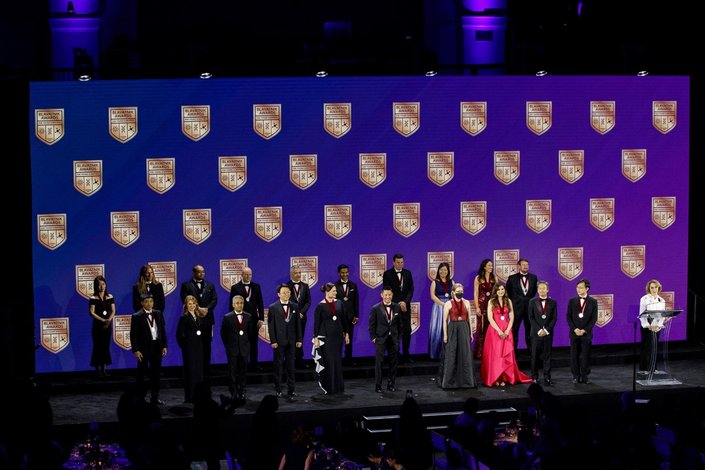
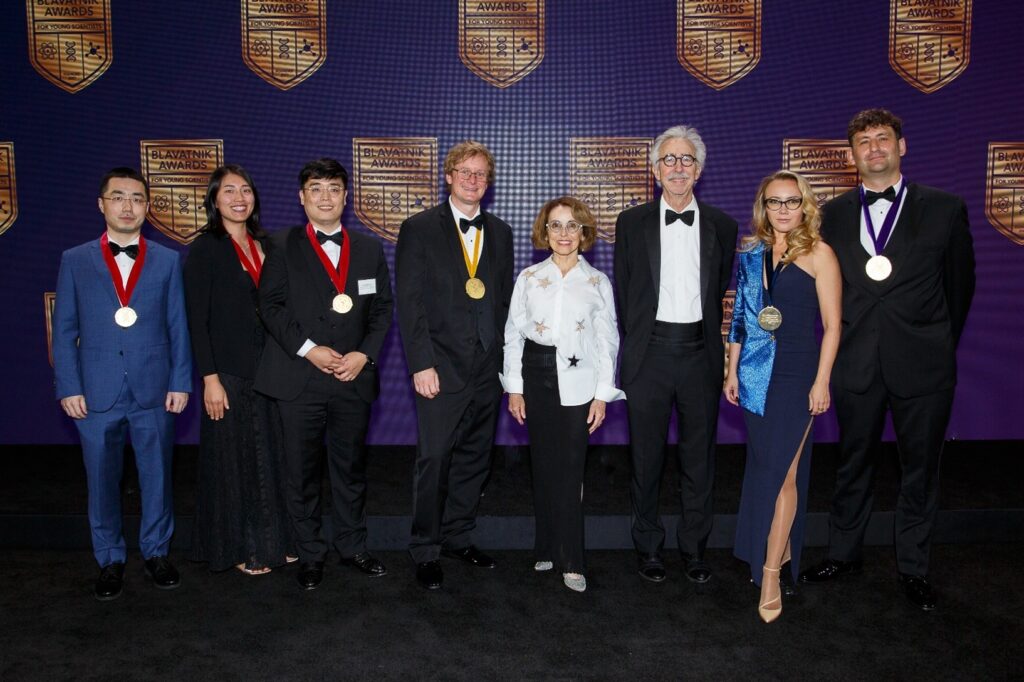
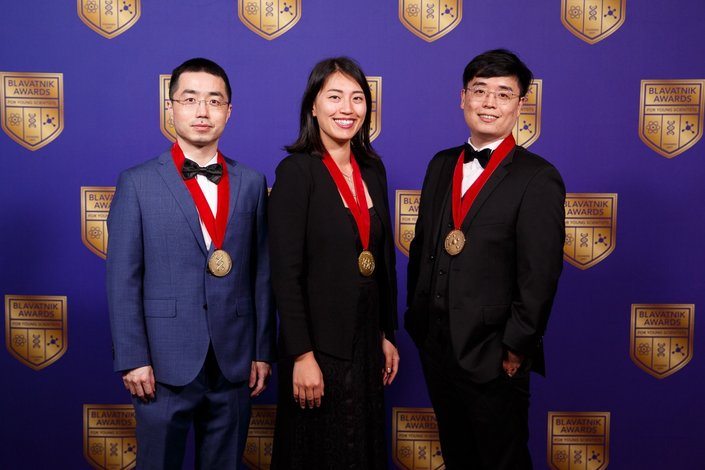
New York, NY | August 9, 2023 – The Blavatnik Family Foundation and The New York Academy of Sciences today announced the three Laureates and six Finalists of the 2023 Blavatnik Regional Awards for Young Scientists. The Awards honor outstanding postdoctoral scientists from academic research institutions across New York, New Jersey, and Connecticut in three disciplinary categories: Chemistry, Physical Sciences & Engineering, and Life Sciences.

The Blavatnik Regional Awards jury, consisting of distinguished scientists and engineers from across the New York Tri-State region, selected one Laureate in each of the three categories who will receive a $30,000 unrestricted prize and two Finalists in each category who will be awarded $10,000 each. In the 2023 competition, there were 121 outstanding nominations from 28 academic institutions in the New York metropolitan region (Tri-State Area). The 2023 Blavatnik Regional Awards Laureates and Finalists will be honored during National Postdoctoral Appreciation Week, which recognizes the significant contributions that postdoctoral scholars make to U.S. research and discovery. The 2023 Ceremony of the Blavatnik Awards for Young Scientists, will take place at the American Museum of Natural History in New York on September 19, 2023.

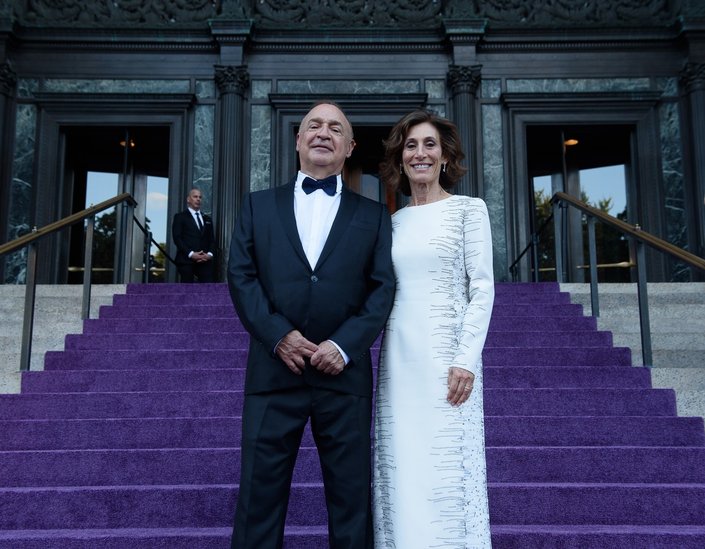
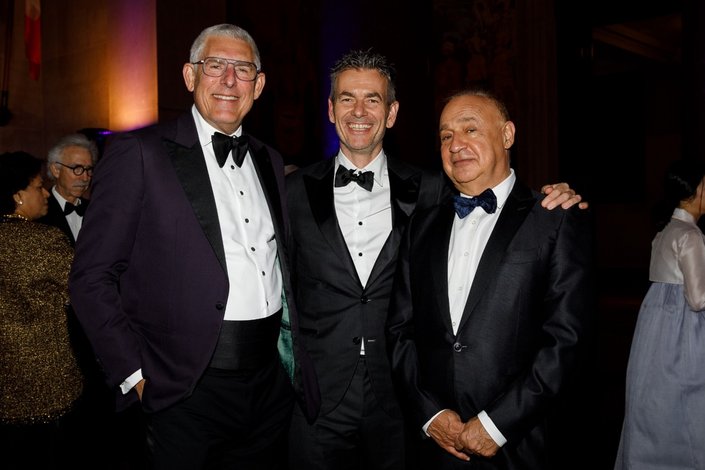
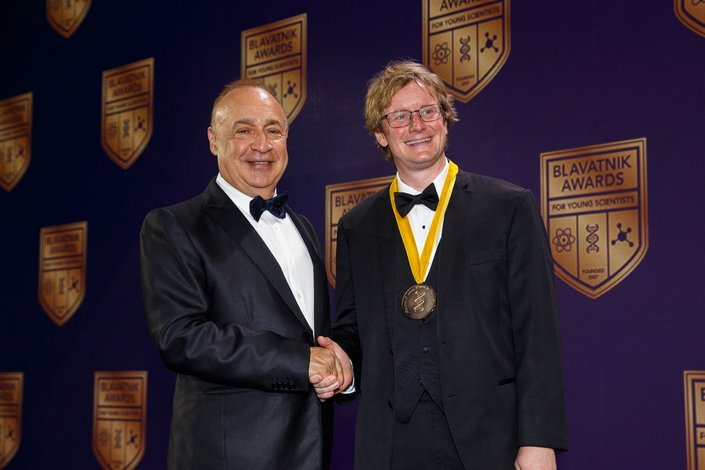
“Congratulations to this year’s Regional Awards Laureates and Finalists. We look forward to their future significant discoveries,” said Len Blavatnik, Founder and Chairman of Access Industries, head of the Blavatnik Family Foundation.

Nicholas B. Dirks, The New York Academy of Sciences’ President and CEO, said, “Congratulations to the 2023 Blavatnik Regional Awards Laureates and Finalists. This year’s Regional honorees are driving cutting-edge research, making important contributions to the area’s current and future scientific excellence. Many are publishing research at rapid speed, taking creative risks in their research, while actively working to create a more diverse STEM workforce. These are the young scientific superstars we should be watching.”

The 2023 Blavatnik Regional Awards Laureates in the three award categories are:

Chemistry

Joonho Lee, PhD, (quantum chemist) nominated by Columbia University— was recognized for the development of state-of-the-art quantum chemistry algorithms for classical and quantum computers. Lee’s work aims to provide a microscopic understanding of emergent functional materials, including solar cells, electrocatalysts for the hydrogen economy, and optoelectronics. Lee has recently joined the faculty at Harvard University.

Physical Sciences & Engineering

Zoe Yan, PhD, (physicist) nominated by Princeton University — was recognized for developing the first quantum gas microscope on single, ultracold molecules and applying this technique to explore important phenomena relevant to high-temperature superconductors and other quantum materials. Yan’s work opened a new venue to study complex quantum phenomena previously inaccessible by other instruments and holds great potential in future quantum technologies. Yan has recently joined the faculty at The University of Chicago.

Life Sciences

Yanxiang Deng, PhD, (biomedical engineer) nominated by Yale University — was recognized for developing a novel microfluidic method for “spatial-omics” to profile expression of RNA, proteins, and epigenetic markers across spatially organized groups of cells in tissues. Deng’s work has allowed us to construct a map of how RNA, proteins, and epigenetic markers are expressed across groups of cells with respect to cells’ relative positions. This work provides critical insight about how cells in different regions change their behavior during processes like development and disease. Deng has recently joined the faculty at the University of Pennsylvania.

The following postdoctoral researchers have been named Finalists in their respective categories:

Chemistry

Elena Meirzadeh, PhD, (materials chemist), nominated by Columbia University — was recognized for synthesizing a molecular two-dimensional form of carbon that has opened up a new class of materials with enormous potential applications in energy storage and tunable optoelectronics. Her new carbon crystals are formed from superatoms—large molecules made from many atoms—and they have a higher thermal conductivity than other forms of molecular carbon, making them uniquely able to dissipate heat. Meirzadeh has recently joined the faculty at the Weizmann Institute of Science in Israel.

Brittany M. White-Mathieu, PhD, (chemical biologist) nominated by Cornell University

was recognized for advancing the field of chemical imaging to further our understanding of lipids and their role in cellular function and disease, including cancer. She has created a revolutionary method, Lipid Expansion Microscopy, that enables super-resolution imaging of lipids within cells using widely available instrumentation. White-Mathieu’s work enables direct study of these compounds in cellular membranes where critical cell signaling events and nutrient exchange occur. White-Mathieu will begin a new faculty position at the University of New Hampshire in late August 2023.

Physical Sciences & Engineering

Micah Goldblum, PhD, (computer scientist) nominated by New York University — was recognized for substantial contributions to various aspects of deep learning—a leading technique of artificial intelligence. His work has not only transformed our understanding of the foundations of deep learning, but also improved its data security. Goldblum also broadened the application of deep learning in data-scarce situations, such as leveraging large volumes of diagnostic data for common diseases to improve diagnoses on rare ones.

Adam Overvig, PhD, (applied physicist) nominated by CUNY Graduate Center — was recognized for developing a new paradigm for manipulating light and thermal radiation using metasurfaces—surfaces of artificial materials with nanoscale structures. Overvig’s metasurface designs enable new ways to control the behavior of light with unprecedented precision and efficiency, and are promising for a wide range of applications including electronic communications, medical imaging, quantum computing, and more.

Life Sciences

Valerie A. Tornini, PhD, (developmental biologist) nominated by Yale University — was recognized for identifying roles for novel micropeptides hidden in the vertebrate genome and chromatin regulators that tell early brain cells which kind of cell to become, to then regulate behavior of the whole organism. Tornini showed that these micropeptides and chromatin regulators have crucial roles in early neurodevelopment using zebrafish models. Furthermore, Tornini identified links between mutations in chromatin modifier genes, the resulting behaviors, and autism, informing our understanding of how to therapeutically manipulate these behaviors to treat developmental disorders.

Qiancheng Zhao, PhD, (neuroscientist) nominated by Yale University — was recognized for exploring how our brain senses internal states, such as blood pressure fluctuations, food digestion, and breathing rhythms in a process called interoception. Zhao has characterized the vagal sensory neurons, a key body-brain axis in interoception, responsible for sensing numerous and diverse body signals and relaying them to the brain with incredible precision. Zhao’s work has demonstrated that vagal sensory neurons employ a combinatorial strategy to code the essential features of an interoceptive signal, including the ‘visceral organ’, ‘tissue layer’, and ‘sensory modality’, thus facilitating effective body-to-brain communications.


About the Blavatnik National Awards for Young Scientists

The Blavatnik Awards for Young Scientists, established by the Blavatnik Family Foundation in 2007 and independently administered by The New York Academy of Sciences, began by identifying outstanding scientific talent in New York, New Jersey, and Connecticut. In 2014, the Blavatnik National Awards were created to recognize faculty-rank scientists throughout the United States. In 2017, the Awards were further expanded to honor faculty-rank scientists in the United Kingdom and Israel. For updates about the Blavatnik Awards for Young Scientists, please visit www.blavatnikawards.org or follow us on Twitter and Facebook @BlavatnikAwards.

About the Blavatnik Family Foundation

The Blavatnik Family Foundation supports world-renowned educational, scientific, cultural, and charitable institutions in the United States, the United Kingdom, Israel, and across the globe. Led by Len Blavatnik, founder and chairman of Access Industries, the Foundation advances and promotes innovation, discovery, and creativity to benefit the whole of society. Over the past decade, the Foundation has contributed more than $1 billion to over 250 organizations. See more at www.blavatnikfoundation.org.

Biology of Social Behavior

The logo for The New York Academy of Sciences.

This collection of papers explores the biological underpinnings of social behavior through a series of experiments, reviews, and perspectives. These papers include a wide range of species ranging from ants to monkeys and analyzes the biology of social behavior in relation to their epigenetic, ecological, evolutionary, and neuromolecular mechanisms and influences. The novel experimental findings, timely reviews, and unique perspectives will provide important contributions to advance the field of the biology of social behavior. The virtual issue is edited by Karen L. Bales (University of California, Davis) and Sara M. Freeman (Utah State University).

See https://nyaspubs.onlinelibrary.wiley.com/doi/toc/10.1111/(ISSN)1749-6632.biology-of-social-behavior.

2023 Blavatnik National Awards for Young Scientists Announced

The logo for The New York Academy of Sciences.

The Blavatnik Family Foundation and the New York Academy of Sciences announce the 2023 laureates of the Blavatnik National Awards for Young Scientists.

New York, NY | July 26, 2023 – The Blavatnik Family Foundation and The New York Academy of Sciences announced today the 2023 laureates of the Blavatnik National Awards for Young Scientists.

Each will receive $250,000, the largest unrestricted scientific award for America’s most innovative, faculty-ranked scientists and engineers who are under the age of 42. The winners and their distinguished research:

2023 Laureate in Life Sciences:

William AndereggPh.D., The University of Utah (Ecology & Evolutionary Biology)—Revealing how trees absorb and release carbon dioxide amidst a changing climate

William Anderegg examines the interaction of plant ecology and climate change, from the scale of cells to forest ecosystems. Specifically, he addresses how drought and climate change affect the plant-soil-atmospheric systems, including tree physiology, species interactions, and biosphere-atmosphere feedbacks. His work overturns a 40-year foundational theory on how stomata—pores on leaves that facilitate photosynthesis—behave in order to improve carbon gain and minimize water loss, and in turn, how this affects global forests’ response to climate change. As a leading voice in the field of climate change, Anderegg’s discoveries are already informing climate solutions, global policies, and public health. He is the first ever winner of the Blavatnik Regional Awards to be awarded the Blavatnik National Award.

2023 Laureate in Chemistry:

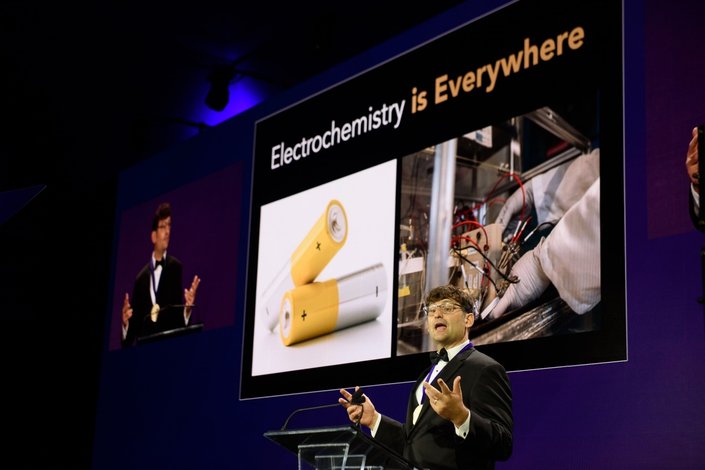
Shannon BoettcherPh.D., University of Oregon (Inorganic & Solid-State Chemistry)—Discovering novel methods and materials to harness electrochemistry for sustainability

Shannon Boettcher is creating sustainable, electrochemical methods central to transforming simple mixtures of water and atmospheric gases into fuels, plastics, fertilizers, and other chemicals. Boettcher’s work is grounded in the mechanistic science of understanding electrochemical reactions on the surfaces of electrified solids, particularly under practical conditions where catalysts change in structure and composition. His work builds a foundation for the development of new technologies by addressing key knowledge gaps in understanding and controlling the rates of ion- and electron-transfer across interfaces. Discoveries made in Boettcher’s laboratory are now being applied to improve industrial processes for hydrogen production and carbon capture, establishing him both as a global leader in research and in society’s transition to a green future.

2023 Laureate in Physical Sciences & Engineering:

Svitlana MayborodaPh.D., University of Minnesota (Applied Mathematics)—Developed elegant new mathematical theory to understand electronic waves

Svitlana Mayboroda is using applied mathematics to provide physicists with a new fundamental understanding of the behavior of matter at nanometer scales—insights that are relevant for today’s ability to control and manipulate atomic structures. Mayboroda and her collaborators have invented an elegant technique known as localization landscape theory, which solves some long-standing problems in condensed matter physics. This mathematical framework reveals hidden structures that guide the behavior of waves at the atomic level, explaining why waves do not propagate in complex or disordered materials. Mayboroda’s ground-breaking work is leading to improvements in crucial 21st-century technologies like LED lighting, semiconductors, and solar cells.

“I congratulate all the laureates and finalists whose outstanding research gives us hope for the future,” said Len Blavatnik, founder and chairman of Access Industries. He is head of the Blavatnik Family Foundation and a member of the President’s Council of the New York Academy of Sciences.

Nicholas B. Dirks, president and CEO of The New York Academy of Sciences, said, “On behalf of the Academy, we are excited to honor our first laureate who was previously a Regional Award-winner, our first laureate in applied mathematics, and the first laureates from these three public universities. This year’s laureates are working to address major societal challenges—including problems related to energy and sustainability, climate change and forest fires, and transforming solid-state physics and semi-conductor physics—demonstrating the great significance of science for advancing the public good.”

The 2023 Blavatnik National Awards received 267 nominations from 134 institutions in 38 U.S. states. Nominees must be faculty-level scientific researchers, 42 years of age or younger.

Three independent juries —one each for life sciences, chemistry, and physical sciences and engineering —were composed of some of America’s most distinguished scientists. The juries selected three winning laureates and 28 finalists.

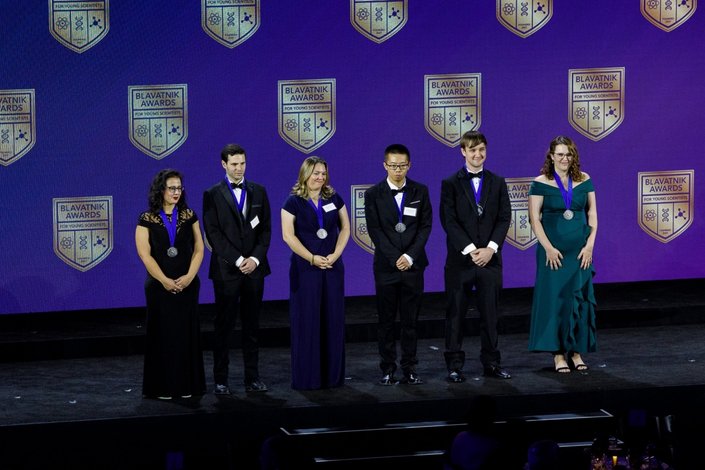
The Blavatnik National Awards for Young Scientists will celebrate the 2023 laureates and finalists in a ceremony on Sept. 19 at the American Museum of Natural History in New York.

FINALISTS

Life Sciences 

Kivanç BirsoyPh.D.The Rockefeller University (Molecular & Cellular Biology), developed genetic tools to study mechanisms by which human cells alter their uptake and use of nutrients to adapt to the genetic and environmental stresses observed in disease states such as cancer.

Weizhe HongPh.D.University of California, Los Angeles (Neuroscience), is advancing our understanding of prosocial behavior in animals and how it is regulated by specific neural circuits in the brain. Further, he finds that neural activities between socially interacting animals become correlated, developing a multi-brain framework for social interaction.

Cigall KadochPh.D.Dana-Farber Cancer Institute & Harvard Medical School (Molecular & Cellular Biology), examines large human genetics studies to identify a group of disease-causing mutations in a multi-protein complex called mSWI/SNF. Kadoch combined biochemistry and genetics to define the structure and function of mSWI/SNF, providing a mechanistic understanding of how mutations can disrupt normal function and cause disease.

Ian Maze, Ph.D.Icahn School of Medicine at Mount Sinai (Neuroscience), is finding that covalent binding of monoamine neurotransmitters to DNA-bound histone proteins informs neural transcriptional plasticity and function. Maze also discovered and characterized numerous brain-enriched chromatin regulatory proteins, which have led to significant improvements in our understanding of, and potential treatments for, neuropsychiatric diseases.

Noah W. PalmPh.D.Yale University (Immunology), is developing new approaches to deconvolute the complex interactions between our immune system and gut microbiota: the trillions of microorganisms that colonize and protect the gastrointestinal tract. Palm is transforming these insights into novel strategies to prevent allergies, autoimmunity, and cancer.

Sergiu P. PașcaM.D., Stanford University (Neuroscience), is pioneering the use of instructive signals to develop three-dimensional cultures of neural tissue known as organoids, and build functioning human neural circuits in preparations he named assembloids. These platforms led to a better understanding of human neural development, and subsequently, potential treatments for brain disorders.

Lei Stanley QiPh.D.Stanford University (Biomedical Engineering & Biotechnology), is making significant developments in CRISPR technologies for gene regulation, epigenome editing, chromatin imaging, and gene therapy. Qi has applied this technology to understand how gene and enhancer networks govern cancer and cell fate determination, and to combat COVID-19.

David VeeslerPh.D.University of Washington (Immunology), characterized the structure of the SARS-CoV-2 spike protein and identified the ACE2 receptor responsible for the virus’s entry into a cell. His research played a key role in the development of COVID-19 vaccines.

Harris H. WangPh.D.Columbia University (Biomedical Engineering & Biotechnology), developed methods for studying the spatiotemporal organization of a microbiome and editing the metagenome of the microbiome. Using these approaches, Wang mapped the spatial arrangement of microbes in complex communities and programmed them with new functions.

Chemistry 

Eric S. FischerPh.D.Dana-Farber Cancer Institute (Chemical Biology), is understanding how small molecules selectively degrade proteins and is converting that knowledge into a road map for new therapeutic interventions.

Danna FreedmanPh.D.Massachusetts Institute of Technology (Inorganic & Solid-State Chemistry), is elevating molecules to the cutting edge of quantum information technology, having achieved record stability and optical read-out from a molecular quantum bit.

Prashant K. JainPh.D.University of Illinois Urbana-Champaign (Physical Chemistry), is using synchronized vibrations of electrons within nanoparticles to trap light and harness its energy, for sustainable manufacturing of chemicals and zero-carbon fuels such as ammonia and hydrogen.

Jeremiah A. JohnsonPh.D.Massachusetts Institute of Technology (Polymer Chemistry), is achieving breakthrough control over the synthesis of organic polymers, unlocking real world applications ranging from more easily recycled plastics to the delivery of cancer therapeutics.

Han LiPh.D.University of California, Irvine (Chemical Engineering), is creating new tools to control the biochemical reactions in living cells with unparalleled precision, turning cells into bio-factories to manufacture a wide range of useful molecules for food, medicine, or energy.

Garret MiyakePh.D.Colorado State University (Polymer Chemistry), is harnessing light in the pursuit of sustainability, from discovering new light-driven reactions of molecules and polymers in order to create coatings that can reduce energy needs by making windows more heat reflective.

Alison NarayanPh.D.University of Michigan (Organic Chemistry), is pioneering the use of protein engineering tools to uncover new bio-catalyzed reactions for synthesis of complex molecules used in therapies or drugs.

Kerri A. Pratt, Ph.D.University of Michigan (Environmental Chemistry & Geochemistry), uses novel measurement techniques to redefine our understanding of the chemical interactions in the atmosphere of Arctic and urban winter environments, tackling the global challenges of climate change and air quality.

Yogesh SurendranathPh.D.Massachusetts Institute of Technology (Inorganic & Solid-State Chemistry), is transforming the field of electrochemistry with his development of tunable graphite-based catalysts, which he is using to reveal new molecular-level insights into electrochemical reaction mechanisms.

Physical Sciences & Engineering

Kaushik ChowdhuryPh.D.Northeastern University (Electrical Engineering), is addressing the global need of telecommunications spectrum scarcity, as well as improve connectivity by designing next generation wireless systems and machine learning-based network operations.

Ivan Z. CorwinPh.D.Columbia University (Applied Mathematics), is developing probabilistic mathematical models of interacting particle systems. Such models are important for understanding phenomena as diverse as crystal growth, traffic flow, noisy data, and the spread of disease within a population.

Jennifer A. DionnePh.D.Stanford University (Materials Science & Nanotechnology), is pioneering the development of new imaging techniques that enable direct visualization of chemical and biological processes in real time, and with nano-to-atomic scale spatial resolution.

Asegun HenryPh.D.Massachusetts Institute of Technology (Mechanical & Aeronautical Engineering), is creating sustainable energy technologies, including ultra-low-cost and efficient grid-scale energy storage systems utilizing high-temperature liquid metals as heat transfer fluids.

Shirley HoPh.D.Flatiron Institute (Astrophysics & Cosmology), is translating what deep neural networks have learned from computational simulations and astronomical data into astrophysical insights through a combination of deep learning and other statistical techniques.

Patrick E. HopkinsPh.D.University of Virginia (Mechanical & Aeronautical Engineering), is revolutionizing the design of materials to create energy-efficient devices, including ultrahigh and ultralow thermal conductivity materials, dynamically tunable thermal switches that operate like light bulbs, and thermal diodes that couple heat, light and charge.

Maryam M. Shanechi, Ph.D.University of Southern California (Electrical Engineering), is pioneering brain-machine interfaces that can model, decode, and control complex neural activity patterns by the intersection of engineering, computing, and neuroscience.

Jessica K. WerkPh.D.University of Washington (Astrophysics & Cosmology), is working with both astrophysical observations and simulations to build a comprehensive theory of galaxy evolution that includes the physics of their gaseous atmospheres—key structures that can fuel star formation for billions of years.

Sheng XuPh.D.University of California San Diego (Materials Science & Nanotechnology), is advancing wearable electronics with integrated deep-tissue sensors, multilayered configurations, and novel photovoltaic power sources, enabling continuous-monitoring technology for future healthcare.

Guihua YuPh.D.The University of Texas at Austin (Materials Science & Nanotechnology), is addressing energy and environmental challenges with innovative nanomaterials called “energy gels,” with wide-ranging applications from fast-charging batteries and electrocatalysts, to seawater desalinization and solar-powered water-harvesters for sustainable agriculture.

About the Blavatnik National Awards for Young Scientists

The Blavatnik Awards for Young Scientists, established by the Blavatnik Family Foundation in 2007 and independently administered by The New York Academy of Sciences, began by identifying outstanding scientific talent in New York, New Jersey, and Connecticut. In 2014, the Blavatnik National Awards were created to recognize faculty-rank scientists throughout the United States. In 2017, the Awards were further expanded to honor faculty-rank scientists in the United Kingdom and Israel. For updates about the Blavatnik Awards for Young Scientists, please visit blavatnikawards.org or follow us on Twitter and Facebook @BlavatnikAwards.

About the Blavatnik Family Foundation

The Blavatnik Family Foundation supports world-renowned educational, scientific, cultural, and charitable institutions in the United States, the United Kingdom, Israel, and across the globe. Led by Len Blavatnik, founder and chairman of Access Industries, the Foundation advances and promotes innovation, discovery, and creativity to benefit the whole of society. Over the past decade, the Foundation has contributed more than $1 billion to over 250 organizations. See more at blavatnikfoundation.org

Blavatnik Awards in Israel celebrate the 2023 Israel Laureates

Award winners stand on stage together and raise their glasses in a toast to science.

“The world needs science and scientists. And we need scientists everywhere to be working together to tackle the world’s growing list of challenges.”

Published July 12, 2023

By Kamala Murthy

From left: Israel Academy of Sciences and Humanities President David Harel, Chemistry Laureate Rina Rosenzweig, Michal Herzog and Israel President Isaac Herzog, Len Blavatnik, PS&E Laureate Zvika Brakerski, Life Sciences Laureate Shai Carmi, The New York Academy of Sciences President and CEO Nicholas Dirks.

The New York Academy of Sciences, in collaboration with the Israel Academy of Sciences and Humanities and the Blavatnik Family Foundation, hosted the fifth ceremony for the Blavatnik Awards for Young Scientists in Israel on June 7, 2023. The gala event was held at the Peres Center for Peace & Innovation in Tel Aviv for the second year and was attended by Israel’s top leaders in business, academia and industry. Israeli TV News Anchor, Tamar Ish-Shalom, from Reshet 13, served as Presenter of Ceremonies. Renowned Israeli chef, Yossi Shitrit, catered the ceremony.

Israel’s President Isaac Herzog attended the ceremony in-person and in his remarks reflected on Israel’s historical investment in science by the first President of Israel, Chaim Weizmann, who saw great promise in science to bringing prosperity to the region. David Harel, President of the Israel Academy of Sciences and Humanities, congratulated the Laureates and thanked the jury and the Scientific Advisory Council.

Academy President and CEO, Nicholas Dirks, spoke about how the Blavatnik Awards honorees are improving our world: “The world needs science and scientists. And we need scientists everywhere to be working together to tackle the world’s growing list of challenges. These awards are so important, for they support the work of scientists who look beyond the walls of their labs, and beyond geographical borders to think creatively and take risks in their research. This is where solutions will be found”.

Physical Sciences & Engineering

In the category of Physical Sciences & Engineering, Zvika Brakerski from the Weizmann Institute of Science was recognized for developing the first efficient encryption algorithm that allows cloud computers to perform computations on encrypted data without the need to first decrypt them. His algorithm has enormous potential to improve the security of cloud computing. In addition, he has also developed new cryptography algorithms to verify the output of quantum computations.

Chemistry

Also, from the Weizmann Institute of Science, Rina Rosenzweig received the Blavatnik Award in Chemistry for discovering the regulatory mechanism by which a particular class of proteins, “chaperone” proteins, drive the innate ability of our cells to prevent and reverse protein aggregation—a phenomena associated with many neurodegenerative conditions including Alzheimer’s, Parkinson’s, and Huntington’s diseases. Harnessing and amplifying natural methods to reverse protein aggregation in cells paves the way to treatments for these conditions.

Life Sciences

In Life Sciences, the first Laureate from The Hebrew University of Jerusalem, Shai Carmi, was honored for his fundamental contributions to the fields of population and medical genetics. In medical genetics, he has reported the first evaluations of a new technology for genetic testing of preimplantation embryos for complex (adult) diseases and traits. Through his groundbreaking work in population genetics, he has rewritten the demographic history of medieval Ashkenazi Jews.

Each Laureate came to the stage to receive their Blavatnik Awards medal from Nicholas Dirks. Afterwards, the Laureates each gave a ten-minute presentation on their award-winning discoveries to the audience. The evening also featured the all-female classical instrumental group, Havriot, who composed a song in honor of the 550th anniversary of Copernicus’s discovery of the sun being the center of the solar system, not the earth as was previously thought.

Ceremony presenter Tamar Ish-Shalom, closed the evening’s festivities with the Blavatnik Awards in Israel tradition of gathering the Academies’ Presidents and the Laureates on stage to make a toast to science in Hebrew, “L’Chaim; To Science!”

To learn more about the Blavatnik Awards for Young Scientists, visit blavatnikawards.org.

The Sciences

The logo for The New York Academy of Sciences.

Articles, news, and commentary on scientific developments of social and cultural interest…, “a continuing feast for the mind and the eye,” The Sciences magazine was a unique forum for examining issues in all areas of science. Winner of seven National Magazine Awards, The Sciences was published from 1961 to 2001. All 41 volumes are available online; access through the Wiley Online Library is free for Academy Members and subscribing libraries and available on a pay-per-view basis for others. Tables of contents and abstracts may be viewed by all.

Beginning in 2022, the virtual issue content published below has been commissioned in the spirit of the The Sciences magazine for publication as a front-half section of Annals of the New York Academy of Sciences. Each article — book review/excerpt, essay, commentary, perspective, or concise report — in this front-half “The Sciences” section is branded with The Sciences logo, thereby paying homage to the original award-winning magazine. Thought leaders in various diverse fields are invited to submit papers.

Ideas for submissions can be sent to Douglas Braaten.

International Science Reserve Honored as a Fast Company World Changing Idea

The logo for The New York Academy of Sciences.

Fast Company honored the ISR as a World Changing Idea for its ongoing work to create a global scientific network focused on rapid crisis response.

New York, NY | May 2, 2023 – The International Science Reserve (ISR), an initiative of the New York Academy of Sciences, today announced that Fast Company honored the ISR as a World Changing Idea for its ongoing work with private and public partners to create a global scientific network focused on rapid crisis response.

The initiative was honored under the annual awards’ new “Rapid Response” category.

“Scientists from around the world want to contribute when there is a global crisis – from climate-related disasters to pandemics. The International Science Reserve is a hub for solutions, connecting scientists to collaborate across borders. That way, we can make sure that solutions are informed by the expertise and insights of researchers in lower-resource contexts, equipping them with cutting-edge tools so that they can better respond to emerging threats,” said Dr. Mila Rosenthal, Executive Director of the International Science Reserve.

This year’s World Changing Ideas Awards were chosen by a panel of Fast Company editors and reporters, who selected winners and finalists from a pool of more than 2,200 entries across urban design, education, nature, politics, technology, corporate social responsibility, and more.

Dr. Rosenthal added, “We are grateful that Fast Company recognized the ISR as a ‘World Changing Idea,’ and we encourage scientists from every discipline to join the ISR network to help tackle the next crisis, together.”

A Network of Over 2,000 Scientists from Over 90 Countries

The New York Academy of Sciences launched ISR in 2022 with partners and collaborators including IBM, Google, Pfizer, UL Solutions, and the National Science Foundation.

Since 2022, the International Science Reserve has seeded a network of over 2,000 scientists from over 90 countries. The ISR has worked with its public and private partners to map and make resources more accessible to their network’s researchers, including high-performance computing, geospatial-temporal data sets, and machine learning or AI for terrain mapping and visualization.

In January, the ISR launched a first-of-its-kind partnership with IBM to increase access during crisis to real-time, complex data sets and modeling that will allow for a more effective and systematic global approach to emerging disasters and threats.

About the International Science Reserve

The International Science Reserve is an open network of scientists and scientific institutions, bringing together specialized technical resources for scientists to collaborate on preparing and responding to complex and urgent global crises. In transnational health emergencies and climate-related disasters, researchers in the ISR network will work together to help people and protect communities. Learn more about the initiative Fast Company named a “World Changing Idea” in 2023: www.isr.nyas.org

About Fast Company’s World Changing Ideas Awards

World Changing Ideas is one of Fast Company’s major annual awards programs and is focused on social good, seeking to elevate finished products and brave concepts that make the world better. A panel of judges from across sectors choose winners, finalists, and honorable mentions based on feasibility and the potential for impact. With the goals of awarding ingenuity and fostering innovation, Fast Company draws attention to ideas with great potential and helps them expand their reach to inspire more people to start working on solving the problems that affect us all.

The New York Academy of Sciences Launches New Post-Doctoral Fellowship in Artificial Intelligence and Society with Arizona State University

The logo for The New York Academy of Sciences.

Merging technical AI research with the social sciences and humanities, the program aims to inform the future use of AI for the benefit of humankind.

In response to the urgent need to incorporate ethical and humanistic principles into the development and application of artificial intelligence (AI), The New York Academy of Sciences has partnered with Arizona State University’s School for the Future of Innovation in Society to launch an AI and Society post-doctoral fellowship program. Merging technical AI research with perspectives from the social sciences and humanities, the program’s goal is to develop a new generation of multidisciplinary scholars prepared to inform the future use of AI in society for the benefit of humankind.

“The New York Academy of Sciences is thrilled to launch this unique partnership with Arizona State University, where much of the pioneering research in this field is being conducted,” said Nicholas B. Dirks, President and CEO of The New York Academy of Sciences. “AI is transforming our society at lightning speed. It is essential, however, that we work to better understand the range and nature of AI’s impact and what we can do to anticipate, and then navigate, the many ethical, regulatory, and governance questions that we have only recently begun to comprehend and debate, even as we press forward with leveraging AI’s benefits,” he added.

“ASU is very excited to join with The New York Academy of Sciences for this fellowship,” said David Guston, professor and founding director of the School for the Future of Innovation in Society. “Our goal is to create a powerhouse of trainees, mentors, ideas, and resources to develop the next generation of AI researchers poised to produce ethical, humanistic AI applications to promote science for the greater good” he added.

Recruiting Promising Young Researchers

Beginning in September 2023, this program will recruit promising young researchers from disciplines spanning computer science, the social sciences, and the humanities to participate in a curated research program housed at the Academy. Fellows’ time will be shared between New York City, Arizona State University, and on-site internships, with seasoned researchers who are well-versed in academia, industry, or policy work.

To qualify, candidates must have a PhD in a relevant field such as computer science, artificial intelligence, psychology, philosophy, sociology, ethics, law (JD), or a related field. Strong research background and expertise in the field of AI and Society, including publications in leading academic journals, is recommended.

To learn more, click here.