First Winners of the Tata Transformation Prize Announced Today, Celebrating Pathbreaking Innovation in India

The logo for The New York Academy of Sciences.

Three rising stars in science are recognized for their cutting-edge solutions to food security, sustainability, and healthcare.

Mumbai, India | 7 November 2023 – Tata Sons and The New York Academy of Sciences today announced the first Winners of the Tata Transformation Prize. The prize recognizes and supports visionary scientists in India who are developing innovative solutions to critical societal challenges.

Three scientists were selected from 169 entries by an international jury of renowned experts for their innovations in food security, sustainability, and healthcare. Each winner will receive INR 2 crores (approximately US$240,000) and will be honoured at a ceremony in Mumbai in December 2023. The jury included distinguished scientists, clinicians, technologists, and engineers spanning six continents from a variety of organizations, including IBM Research, Indian Institute of Science Bangalore, Indian Institute of Technology Madras, International Centre for Genetic Engineering and Biotechnology, Public Health Foundation of India, and UN-Habitat.

The 2023 Tata Transformation Prize Winners are:

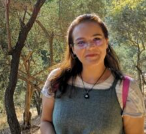
A woman in pearls smiles for the camera.

Food Security Winner: Shilpi Sharma, PhD, Indian Institute of Technology Delhi
Professor Shilpi Sharma was selected by the jury for her work in the engineering of the soil microbiome using synthetic microbial communities, called microBIOme-based soil TRANSFORMation (BIOTRANSFORM). Plant diseases threaten crop productivity and, consequently, the global economy. Unlike conventional farming that uses agrochemicals and synthetic fertilizers, soil amended organically has the natural ability to suppress a wide range of plant pathogens. Starting from naturally suppressive soil, Shilpi will catalog the active microbial players and their mechanism of suppression of a range of phytopathogens. Her work will be the first to map the natural suppressive potential of soil across six states of India and to harness this potential by microbiome engineering to facilitate sustainable agriculture in the country and beyond.

Sustainability Winner: Purnananda Guptasarma, PhD, Indian Institute of Science Education and Research Mohali
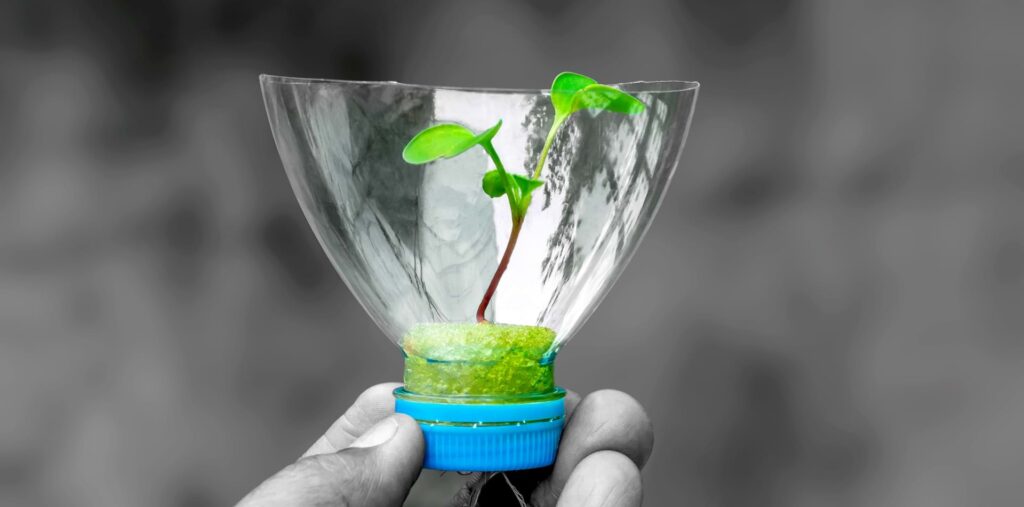
Professor Purnananda Guptasarma was selected by the jury for his breakthrough methods to degrade polyethylene terephthalate (PET), a common plastic pollutant, using enzymes. PET is currently produced and used at unsustainable levels, creating worldwide plastic pollution and micro-plastic contamination in the air, water, and soil, as well as in animal and human bodies. Only 9% of PET is actually recycled worldwide. Guptasarma’s enzyme-driven strategy uses engineered thermostable enzymes and reactions to demonstrate that solid PET can be broken up into its smallest molecular building blocks with high yield and ultra-high purity to enable PET’s degradation and recycling into virgin plastic. Building on this proof of concept at the laboratory-scale, Guptasarma will further identify and improve enzymatic reagents and reactions for PET degradation and attempt to produce the best enzymes in quantities allowing pilot-scale PET-waste degradation and recycling.

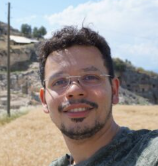
A man poses for the camera.

Healthcare Winner: Anurag S. Rathore, PhD, Indian Institute of Technology Delhi
Professor Anurag S. Rathore is a healthcare pioneer aiming to reduce the manufacturing cost of biotherapeutics for treating cancer and autoimmune diseases, thus enabling equal access to these top-tier, expensive treatments currently out of reach for 90% of the Indian population. Rathore has established a state-of-the-art drug manufacturing facility with continuous processing that incorporates novel methods for real-time process monitoring and control. Rathore’s innovation is projected to reduce manufacturing costs by 50-75%, making best-in-class biotherapeutics for complex diseases significantly more affordable for Indian populations in need and further advancing India’s position at the forefront of global medical innovation.

N. Chandrasekaran, Chairman of the Board of Tata Sons, said, “We are extremely delighted to announce the first cohort of Tata Transformation Prize winners and their groundbreaking innovations aimed at solving India’s national problems in the areas of food security, sustainability, and healthcare. On behalf of Tata Sons, we are pleased to provide these scientists a global stage to take their technologies from India to the rest of the world.”

Nicholas Dirks, President and CEO of The New York Academy of Sciences, said, “Congratulations to the first Winners of the 2023 Tata Transformation Prize. From developing new soil enhancements to improve crop yield, creating methods to make critical medicines available to all, and developing techniques to tackle plastic pollution, these scientists are making important contributions to Indian society and the world. We also thank the jury for sharing their time and expertise in reviewing the submissions in the first year of the Tata Transformation Prize.”

About the Tata Transformative Prize

The Tata Transformation Prize was established in 2022 by Tata Sons and The New York Academy of Sciences to support breakthrough, innovative technologies that address India’s most significant challenges. By recognizing and supporting the implementation at scale of high-risk, high-reward research, the Prize will drive impactful innovation in scientific disciplines of importance to India’s societal needs and economic competitiveness. The Prize will leverage the exceptional potential of scientists in India to address critical national challenges in three categories—Food Security, Sustainability, and Healthcare—and generate improved life quality outcomes across India and beyond. The Tata Transformation Prize recognizes one Winner in each category, with INR 2 crores (approximately US$240,000) for each Winner. Click here for more information about the Tata Transformation Prize.

About the Tata Group

Founded by Jamsetji Tata in 1868, the Tata Group is a global enterprise, headquartered in India, comprising 30 companies across ten verticals. The group operates in more than 100 countries across six continents, with a mission ‘To improve the quality of life of the communities we serve globally, through long-term stakeholder value creation based on Leadership with Trust’.

Tata Sons is the principal investment holding company and promoter of Tata companies. Sixty-six percent of the equity share capital of Tata Sons is held by philanthropic trusts, which support education, health, livelihood generation and art and culture.

In 2022-23, the revenue of Tata companies, taken together, was $150 billion (INR 12 trillion). These companies collectively employ over 1 million people. Each Tata company or enterprise operates independently under the guidance and supervision of its own board of directors. There are 29 publicly listed Tata enterprises with a combined market capitalisation of $300 billion (INR 24 trillion) as on July 31, 2023. Companies include Tata Consultancy Services, Tata Motors, Tata Steel, Tata Chemicals, Tata Consumer Products, Titan, Tata Capital, Tata Power, Tata Communications, Indian Hotels, Tata Digital, Air India and Tata Electronics. Website: https://www.tata.com

The Tata Transformation Prize is the latest in a series of prominent awards and scholarship programs The New York Academy of Sciences and its partners present each year to accomplished early-career and established scientists worldwide. These initiatives, along with education and professional development programs for students and young scientists, reflect the Academy’s broader commitment to strengthening and diversifying the pipeline for skilled and talented scientists globally. Please visit us online at nyas.org.

Media Contact

Tata Sons
Harsha Ramachandra
harsha.r@tata.com

2023 Blavatnik National and Regional Awards Ceremony

A large group of awardees pose on stage together.

“Scientists who make up this community aren’t just achieving incredible things in isolation; they’re also inspiring and nurturing the next generation of scientists.”

Published October 2, 2023

By Kamala Murthy

From left: 2023 Blavatnik Regional Awards Laureates: Yanxiang Deng, Zoe Yan, Joonho Lee; 2023 Blavatnik National Awards Laureate William Anderegg; Presenter of Ceremonies, France A. Córdova; President and CEO of The New York Academy of Sciences, Nicholas Dirks; 2023 Blavatnik National Awards Laureates Svitlana Mayboroda and Shannon Boettcher.

The Blavatnik Family Foundation and The New York Academy of Sciences hosted the 2023 Blavatnik Awards for Young Scientists Ceremony at the American Museum of Natural History in New York City on September 19, 2023. The event honored the 2023 Blavatnik National Awards Laureates and Finalists as well as the 2023 Blavatnik Regional Awards Laureates and Finalists.

France Anne Córdova, President of the Science Philanthropy Alliance, former director of the National Science Foundation, and the first woman to be chief scientist for NASA, served as presenter. A distinguished group of leaders from the worlds of philanthropy, academia, science, and technology was joined at the event by notable members from New York’s artistic community including Carnegie Hall’s artistic director Sir Clive Gillinson, Robert Kyncl, CEO of Warner Music, Lyor Cohen, YouTube’s global head of music; and Lauren Selig of Shake and Bake Productions.

During her opening remarks, Córdova spoke about the impact the Blavatnik Awards have made on scientists’ careers: “A recent survey of Blavatnik honorees showed that in the two years following their first recognition, more than half reported feeling validation and increased confidence after receiving a Blavatnik Award. These awards help recipients progress in their careers and increase their visibility. They also give honorees the courage to pursue high-risk, high-reward research. After recognition, 75% started a new research direction and many started a new collaboration with another Blavatnik Awards honoree.”

Next, Córdova introduced the 31 Blavatnik National Awards Finalists who each came on stage, receiving a standing ovation from the audience.

The ceremony then turned its spotlight on the talented young scientists being recognized as part of the 2023 Blavatnik Regional Awards–nine postdoctoral fellows selected from among 121 outstanding nominees from 28 academic institutions in New York, New Jersey, and Connecticut. Córdova called each Regional Finalist to the stage who received a round of applause. Short videos featuring each of the three Regional Laureates were then presented. Córdova called the Regional Laureates to the stage and awarded each with a medal in their award category:

Chemistry (Regional)

2023 Blavatnik Regional Awards Laureate in Chemistry, quantum chemist Joonho Lee, nominated by Columbia University and currently at Harvard University.

Physical Sciences & Engineering (Regional)

2023 Blavatnik Regional Awards Laureate in Physical Sciences & Engineering, physicist Zoe Yan, nominated by Princeton University and currently at The University of Chicago.

Life Sciences (Regional)

2023 Blavatnik Regional Awards Laureate in Life Sciences, biomedical engineer Yanxiang Deng, nominated by Yale University and now at the University of Pennsylvania.

Nicholas B. Dirks, President and CEO of The New York Academy of Sciences, led the next part of the evening’s ceremony. Prof. Dirks commented on the power of community within the Blavatnik Awards program. “Scientists who make up this community aren’t just achieving incredible things in isolation; they’re also inspiring and nurturing the next generation of scientists. In addition, they’re collaborating. In doing so, they’re making discoveries beyond what they might have been able to do on their own.”

Prof. Dirks gave a presentation featuring numerous collaborations that came about through the Blavatnik Awards community. He then highlighted other innovations that have had a direct impact on humankind and fostered economic growth. “With the confidence and financial support provided by the Blavatnik Awards, our community of Blavatnik Scholars has founded more than 50 companies, some publicly traded today on the New York Stock Exchange and the NASDAQ. There is no question that together–and as individuals–they are driving economic growth at home and abroad while using science to advance the public good.” 

Córdova announced the 2023 Blavatnik National Awards Laureates by introducing a video profile of each Laureate. Len Blavatnik, Founder and Chairman, Access Industries and the Blavatnik Family Foundation, then conferred the medals to each of the Laureates, who went on to deliver brief presentations showcasing their prize-winning research.

Chemistry (National)

2023 Blavatnik National Awards Laureate in Life Sciences, forest ecologist expert William Anderegg, from the University of Utah, spoke about his research on how climate change is impacting the earth’s forests.

Physical Sciences & Engineering (National)

2023 Blavatnik National Awards Laureate in Physical Sciences & Engineering, mathematician Svitlana Mayboroda, University of Minnesota, gave a talk on her discoveries in mathematics that are unlocking the potential of electronic waves – ideas that can lead to crucial new 21st-century technologies.

Life Sciences (National)

2023 Blavatnik National Awards Laureate in Chemistry, materials chemist Shannon Boettcher, from the University of Oregon, spoke about his discoveries in electrochemistry which are enabling new sustainable methods to create fuels, plastics, fertilizers, and other important chemicals.

The ceremony concluded with the Blavatnik Awards tradition of making a “Toast to Science.”

To learn more about the Blavatnik Awards for Young Scientists, visit blavatnikawards.org.

Science Unusual: R&D for Global Crisis Response

The logo for the International Science Reserve.

This International Science Reserve online event was hosted by The New York Academy of Sciences. It was of particular interest to those interested in risk management, as well as crisis and disaster preparedness and response—including the 1000+ members of the ISR science community.

Sparking Innovation: UK Scientists Changing Our World

An abstract graphic.

Explore tumor metastasis prediction, RNA’s role in cold-resistant plants, quantum internet technologies, extraterrestrial life detection, computer-aided molecule design, and enzyme engineering in this interactive lecture series by 2024 Blavatnik Award winners. Discover cutting-edge insights across Life Sciences, Physical Sciences & Engineering, and Chemical Sciences, suitable for science enthusiasts of all ages. Join us to witness UK scientists’ transformative innovations shaping the future.

Science and Society: 2022 Blavatnik Awards for Young Scientists in Israel Symposium

This exciting, free symposium features a series of short talks from three brilliant young scientists recognized as the Laureates of the 2022 Blavatnik Awards for Young Scientists in Israel. Their award-winning research will be on display as we learn about new materials that rival the photosynthetic efficiency of plants, mathematical equations that are transforming how we approach large data sets, and the different strategies that SARS-CoV-2 and other viruses use to hijack cells.

2022 Ross Prize Symposium

An abstract scientific illustration.

The Ross Prize in Molecular Medicine was established in conjunction with the Feinstein Institute for Medical Research and Molecular Medicine. The 2022 virtual symposium celebrates the work of award winners—Katalin Karikó, PhD, and Drew Weissman, MD, PhD for their pioneering mRNA research. Presentations will also be delivered by other leaders in the field.

Course: Science Mentorship: Building Inclusivity in STEM

An illustration of various hands coming together in unity.

Mentorship is a collaborative learning relationship that supports mentees at all stages of their career. In order to proactively build a more inclusive STEM field, the mentorship model must move beyond the dyad mentor-mentee relationship.  A productive reframing of one-to-one mentorship to a “village of mentors” mentality can more comprehensively support mentees as they explore their various identities and foster a strong sense of self in STEM. This expansion of mentorship is especially important to support those who are underrepresented within the larger science community.

Join the Academy and Hudson River Park as we hear from a panel of diverse STEM experts who will talk about their professional evolution and the role that mentorship played in getting them to where they are today. The panelists will share some of the many opportunities available for students interested in exploring a STEM career, and the importance of mentors and role models in creating a STEM ecosystem where diverse identities thrive.

This panel discussion is designed to cater to high school and college students interested in STEM careers, as well as graduate students and postdocs. Audience members are encouraged to engage with the panelists by asking questions during the Q&A segment.

During this webinar, you’ll hear from a panel of Scientists on the following topics:

  • The importance of mentorship in cultivating a diverse and inclusive STEM workforce
  • How to get the most out of a mentoring relationship
  • What opportunities to look for to be successful in STEM

Hudson River Park’s River Project conducts research and offers hands-on environmental education and scientific programming with the purpose of communicating the ecological importance of the Park’s 400-acre Estuarine Sanctuary. Additionally, the River Project’s student internship programs provide field science experience, mentorship and networking opportunities within NYC’s environmental field.

Explorations in Consciousness: Death, Psychedelics, and Mystical Experience

An abstract graphic depicting a human brain.

Throughout the arc of history, humans have been fascinated with death, as well as mystical or peak experiences and other non-ordinary states of awareness — each with the potential to influence our understanding of the nature of consciousness. With recent advances in neuroscience and resuscitation medicine, millions of people have come close to, or even entered, what is now considered a gray zone of death by cardiopulmonary criteria, before being resuscitated back to life.

Near-death experiences (NDEs) have been reported throughout the world, often associated with long-term growth and psychological transformation. Occurring cross-culturally and since antiquity, these phenomena —along with the recent scientific investigation of psychedelic-occasioned mystical-type experience — often include an enhanced sense of personal meaning, purpose, existential and spiritual well-being.

What is consciousness?  Why are humans seemingly wired for these transcendent and meaning-making experiences?  What happens to consciousness upon physical death?  Are there common features in the variety of altered states of consciousness? This special one-day event features a notable group of international experts in consciousness research, neuroscience, psychedelics, mystical and near-death experience research, the history of comparative religion and mythology, along with a first-hand account of a near-death experience.

Ethical Considerations in Research for Pediatric Populations

An illustration of various hands coming together in unity.

There is an urgent need for new drugs and treatments to address a range of illnesses in infants, children, and adolescents, yet including these vulnerable populations in clinical research raises a number of ethical issues that are important to address. This event will explore key ethical considerations regarding the research participation of those who have not attained the legal age for consent to treatments or procedures involved in biomedical studies. Discussions will center on addressing consent, assent, and privacy in pediatric research, study design and regulatory issues, small sample size studies in genomics and rare disease research, health disparities, Covid-19 research in children, broad population-based disease prevention efforts, and will close with a look to the future of pediatric research.

Colloquium Conflict Management

The New York Academy of Sciences is a neutral convener of scientific symposia. We adhere to Accreditation Council for Continuing Medical Education (ACCME) principles for all of our programming. Please note that Johnson & Johnson is a sponsor of this convening, and The New York Academy of Sciences and NYU Grossman School of Medicine exercise full control over the planning of the program’s content, the selection of speakers and all enduring materials.