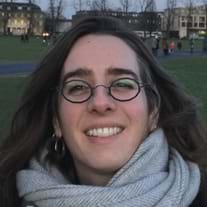
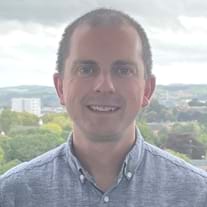
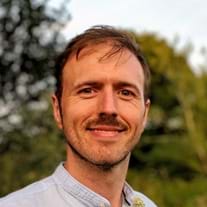
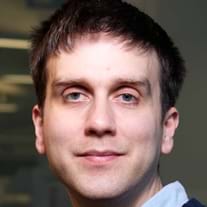
Researchers using ancient DNA to tackle future challenges, uncovering the mystery of dark energy, and understanding the origin of cell life through liquids.
Using ancient DNA to learn how to tackle challenges of the future
Uncovering the mystery of dark energy; one of the biggest challenges in modern cosmology
Using liquids to understand the origin of cellular life
Top prize in each category awarded to a woman scientist
January 18, 2023—London, UK: Today, the Blavatnik Family Foundation and The New York Academy of Sciences have announced the recipients of the 2023 Blavatnik Awards for Young Scientists in the United Kingdom. Now in its sixth year, the Awards are the largest unrestricted prize available to UK scientists aged 42 or younger. Internationally recognized among the scientific community, the Blavatnik Awards are instrumental in expanding the engagement and recognition of young scientists, and are providing the support and encouragement needed to drive scientific innovation for the next generation.
This year’s Laureates, who will each receive £100,000 ($121,500.00) in unrestricted funds, are:
It is the first time in the history of the Blavatnik Awards in the UK that all three Laureates are women scientists.
In each of the three categories—Chemistry, Physical Sciences & Engineering, and Life Sciences—a jury of leading scientists from across the UK also selected two Finalists, who will each receive £30,000 ($24,676.50).
The honorees are recognized for their research, which is already transforming technology and our understanding of the world.
“I am proud to recognize and support these outstanding young scientists,” said Sir Leonard Blavatnik, Founder and Chairman of Access Industries and head of the Blavatnik Family Foundation. “Their pioneering research leads the way for future discoveries that will improve the world and benefit all humankind,” Blavatnik said.
Professor Nicholas B. Dirks, President and CEO of The New York Academy of Sciences and Chair of the Awards’ Scientific Advisory Council noted, “From our former Academy leaders, eminent academics including Charlotte Friend and Margaret Mead, to other renowned Academy members over the years such as Marie Curie, Barbara McClintock, Rosalyn Yallow and Gertrude Elion, our Academy has always supported the representation and success of women in science. We are accordingly so very proud to see these three women scientists named as the 2023 Laureates. On behalf of the Academy, we are delighted to administer the Blavatnik Awards in the UK in its sixth year and pleased to see new UK institutions represented among this year’s honored institutions.”
About the Laureates
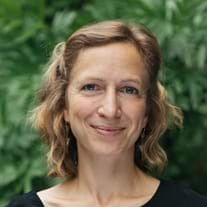
Professor Susan Perkin, a physical chemist from the University of Oxford, has been named the Chemistry Laureate for experiments performed with a custom instrument called a Surface Force Balance (SFB) that enables the study of liquid matter, soft matter, and ionic liquids and their interactions; helping chemists comprehend the mechanical, optical, electrostatic, and dynamic properties of fluids.
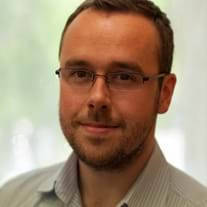
Professor Clare Burrage, a cosmologist at the University of Nottingham, was named Laureate in Physical Sciences & Engineering. She studies questions and phenomena around dark energy in the Universe, one of the biggest challenges in modern cosmology. Her research has allowed cosmologists to get one step closer to detecting dark energy, and to revealing its nature for the first time.
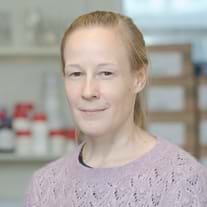
Dr Katie Doores, a virologist from King’s College London was named the Life Sciences Laureate. She studies how the immune system responds to infection to inform the development of vaccines against biomedically important viruses. Through this research she aims to aid our preparedness for potential future pandemics.
Further details of this year’s Laureates and Finalists are available below.
The 2023 Blavatnik Awards for Young Scientists in the UK received 77 nominations from 43 academic and research institutions across the UK. The Blavatnik Awards in the UK sit alongside their global counterparts, the Blavatnik National Awards and the Blavatnik Regional Awards in the United States and the Blavatnik Awards in Israel, all of which honor and support exceptional early-career scientists. By the close of 2023, the Blavatnik Awards will have awarded prizes totaling US$15.4 million. About 60 percent of all recipients are immigrants to the country in which they were recognized; honorees hail from 52 countries across six continents, reflecting the Blavatnik Family Foundation’s recognition that important science is a global enterprise.
The 2023 Blavatnik Awards in the UK Laureates and Finalists will be honored at a black-tie gala dinner and award ceremony at Banqueting House in Whitehall, London, on February 28, 2023; Professor Irene Tracey, the incoming Vice-Chancellor at the University of Oxford, will serve as ceremony presenter. The following day, on March 1, 2023 from 11:00 a.m. to 6:00 p.m. GMT, the honorees will present their research with a series of short, interactive lectures at a free public symposium at the RSA House located at 8 John Adam St, London. To attend the symposium, click HERE to register.
Notes to Editors
To follow the progress of the Blavatnik Awards, please visit blavatnikawards.org or follow us on Facebook and Twitter(@BlavatnikAwards).
For further details about the 2023 Blavatnik Awards in the UK Laureates and Finalists, the Blavatnik Family Foundation, and the New York Academy of Sciences, please see below.
As Professor of Physical Chemistry at the University of Oxford, Susan Perkin studies the intersection of physical chemistry, liquid matter, electrolytes, interfaces, and interaction forces.
She was recognized for experimental observations using a custom-built instrument that she modified, called the Surface Force Balance, to determine the mechanical, optical, electrostatic, and dynamic properties of fluids. Her findings reveal important information about liquids, leading to a range of outcomes from creating better grid storage for renewable energy to understanding the origin of cellular life.
Looking at the universe, galaxies are not only re-collapsing, but they are beginning to fly apart with ever increasing speed. Whilst the solution to this mystery is almost unknown, nearly all attempts at an explanation introduce – dark energy. Professor of Physics at the University of Nottingham, Clare Burrage examines cosmology, dark energy, modified gravity, and new physics. She was recognized for theoretical predictions that have guided the development of entirely new experiments to probe the nature of dark energy—one of the biggest challenges in modern cosmology—in a compact, laboratory setting.
As a Reader in Molecular Virology at King’s College London, Virologist and Immunologist Katie Doores specializes in virology, immunology, and glycobiology (the study of the structure, biosynthesis, and biology of carbohydrates). She was recognized for paradigm-shifting discoveries in the characterization of antibody responses to viral infections, including the persistent and acute human infections HIV-1, hantaviruses, phleboviruses, and SARS-CoV-2.
Roughly 60% of all FDA-approved medicines are natural products or variations of them, including antibiotics and anti-cancer drugs. Natural products are chemicals produced by living organisms. Structural Biochemist Jesko Köhnke is Professor of Biological Chemistry at the University of Glasgow, where he investigates how life performs the complex chemical reactions leading to the formation of natural products. Professor Köhnke was recognized for using biochemistry and structural biology to study and exploit the biosynthesis of these valuable compounds. This research could be applied to make new molecules, which can be used to create diagnostics, smart materials, and therapies.
Organic chemist and Professor of Organic Synthesis at The University of Edinburgh, Andrew L. Lawrence studies the crossroads of synthetic chemistry and the chemistry of biosynthetic pathways. He was recognized for elegant and efficient total syntheses of naturally occurring, bio-active molecules that hold promise for the development of treatments for various diseases.
Computer scientist Jade Alglave works in the area of concurrency (executing multiple communications simultaneously) and semantics (which is the rigorous mathematical study of the meaning of computer programming languages). Alglave serves as Professor of Computer Science at UCL and is a Distinguished Engineer at ARM. She was recognized for her methodology to develop mathematical models of concurrent systems with the aid of a set of practical software tools (in tandem with Luc Maranget, INRIA), which has had significant impact on computer chips and operating systems.
Climate scientist James A. Screen studies atmosphere, ocean, and sea ice. At the University of Exeter, where he is a Professor of Climate Science, his research is transforming our understanding of the rapid climate warming in the Arctic and its effects on the global climate. The Arctic is warming three to four times faster than the global average, with potential impacts on weather patterns in places far-away from the Arctic. His work informs the United Nations and governments on these topics.
Theoretical Neuroscientist Andrew Saxe serves as Joint Group Leader at the Gatsby Computational Neuroscience Unit & Sainsbury Wellcome Centre at UCL where his area of research focuses on neuroscience, deep learning, and psychology. Dr Saxe has made fundamental contributions to the study of deep neural networks that provide insight into representation learning—the method by which systems discover and organize knowledge—in artificial and natural systems.
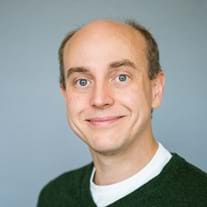
Learning about how evolution responded to challenges such as climate change and infectious disease in the past might help scientists develop biomedicine for the future. As Group Leader at The Francis Crick Institute, Evolutionary Geneticist Pontus Skoglund studies ancient genomics, evolutionary, and human genetics. He was recognized for discoveries in the field of ancient and evolutionary genomics, including the development of methods to improve the quality of genetic information from archaeological remains and evidence used to determine when and where dogs were domesticated.
About the Blavatnik Awards for Young Scientists
The Blavatnik Awards for Young Scientists, established by the Blavatnik Family Foundation in the United States in 2007 and independently administered by The New York Academy of Sciences, began by identifying outstanding regional scientific talent in New York, New Jersey, and Connecticut. The Blavatnik National Awards were first awarded in 2014, and in 2017 the Awards were expanded to honor faculty-rank scientists in the United Kingdom and in Israel. For updates about the Blavatnik Awards for Young Scientists, please visit blavatnikawards.org or follow us on Twitter and Facebook(@BlavatnikAwards).
About the Blavatnik Family Foundation
The Blavatnik Family Foundation is an active supporter of world-renowned educational, scientific, cultural, and charitable institutions in the United States, the United Kingdom, Israel, and throughout the world. The Foundation is headed by Sir Leonard Blavatnik, a global industrialist and philanthropist and the founder and chairman of Access Industries, a privately held industrial group based in the US with broad strategic interests. See more at blavatnikfoundation.org.
Around the world, flooding is wreaking havoc on people’s daily lives with increasing magnitude and frequency. Communities in Nigeria, Chad, Niger, Burkina Faso, Mali, and Cameroon are experiencing some of the worst floods in a decade, as they sweep across western and central African borders.
In Pakistan, the Philippines, Vietnam, Australia, and the United States—such as in Florida and Kentucky—communities have faced multiple dangerous and deadly floods in 2022. These unprecedented flood events have killed thousands of people, displaced millions, decimated farms and businesses, and destroyed homes and habitats.
The World Bank reports that about one and a half billion people are at risk from flooding, one-third of whom are living in poverty, making them more vulnerable to migration pressures and economic insecurity. While flooding can be a natural phenomenon that can help provide fertile soil and sustain wetlands, today’s floods are becoming more frequent, dangerous, and deadly, as a result of human-caused climate disruption and development in urban, coastal areas.
When flood water crosses national borders, “transboundary floods” can be even more catastrophic without international cooperation around emergency management, such as early warning systems. In a recent Science Unusual webinar, hosted by the International Science Reserve, a group of panelists explored the role scientific and technical experts can play in large-scale, international flood prediction, prevention, preparation and response.
Speaking on the panel were:
Nora El-Gohary, Professor of Construction Engineering and Management, The Grainger College of Engineering, University of Illinois Urbana-Champaign
Njoki Mwarumba, Assistant Professor of Emergency Management and Disaster, University of Nebraska Omaha
Anthony Torres, Chief Meteorologist and Head of Global Science Operations, Currently weather service
Campbell Watson, Senior Research Scientist – IBM Research, Global Lead, Accelerated Discovery—Climate & Sustainability
Ugochi Anyaka-Oluigbo, Environment and Conservation Journalist, Nigeria (Moderator)
Here are three big takeaways from the discussion:
1. Breaking down borders between social scientists and other types of scientists who study floods will lead to better outcomes for people and communities.
Njoki Mwarumba kicks off the discussion on why we need to break down siloes.
Nora El-Gohary on how scientists can help reduce the impacts of floods on infrastructure.
2. Using atmospheric data to predict flooding impacts is just the beginning. Protecting the most vulnerable requires a stronger analysis on how the atmosphere interacts with oceanic and local land systems, and human habitats.
Anthony Torres on where meteorology interacts with other disciplines and AI to predict floods.
3. Scientists should work to understand indigenous knowledge in order to better collaborate on early warning systems that save lives.
Njoki Mwarumba discusses the impact of leaving entire regions out of advances in technology, like early warning systems.
Anthony Torres on building two-way streets of communication between communities and scientists.
4. Artificial intelligence is enhancing our ability to predict and prepare for floods. But we must simplify access to increasingly complex data processes and improve their usage across borders.
Campbell Watson shares his thoughts on AI and its impact on flood modeling.
Campbell Watson discusses how IBM is researching and responding to global floods.
Recent progress in the understanding of human disease has led to an explosion in the number of new medicines and therapeutics available for adults — however, significantly fewer drugs are developed and evaluated specifically for children due to complex ethical and logistical issues. Listen to this podcast addressing topics on how to provide children with evidence-based treatments while protecting them from inappropriate research.
This podcast highlights discussions from the Ethical Considerations in Research for Pediatric Populations symposium presented by The New York Academy of Sciences and NYU Grossman School of Medicine and is made available thanks to funding provided by Johnson & Johnson.
“The freedom to take risks, asking big, complicated or leftfield questions without worrying about failure; and being able to do this near the beginning of your career…that is exactly the spirit behind these awards.”
Published October 13, 2022
By Kamala Murthy
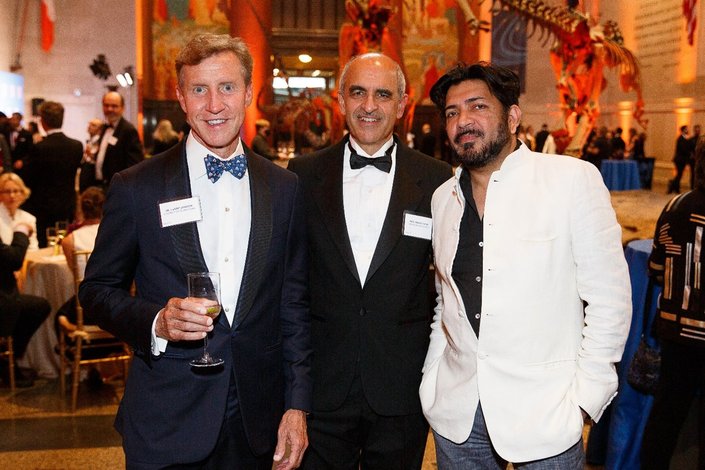
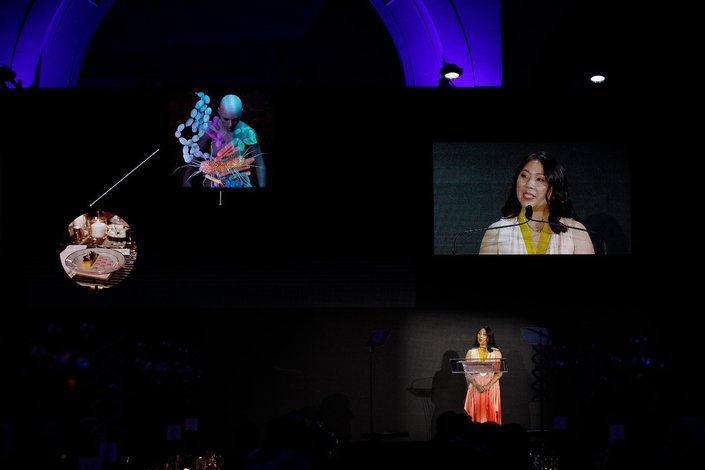
The Blavatnik Family Foundation and The New York Academy of Sciences hosted the eighth annual Blavatnik National Awards for Young Scientists Ceremony at the American Museum of Natural History in New York City on September 19, 2022. This event honored the 2022 Blavatnik National Awards Finalists and Laureates. Professor Michael W. Young, 2017 Nobel Prize Laureate from the Rockefeller University, served as ceremony presenter. Some of New York’s leading figures in science, academia, and philanthropy attended the ceremony including author and Pulitzer Prize winner, Siddhartha Mukherjee and Executive and Artistic Director of Carnegie Hall Sir Clive Gillinson.
During his opening remarks, Prof. Young called the Blavatnik Awards essential to risk-taking, innovative science: “Do we want our freshest minds playing it safe? Or exercising their creativity and scientific imaginations without limits and at their full capacity? The freedom to take risks, asking big, complicated or leftfield questions without worrying about failure; and being able to do this near the beginning of your career… that is exactly the spirit behind these awards. Which is why I said earlier, the Blavatnik Awards are not only valuable – they are essential.” He concluded by introducing the President of The New York Academy of Sciences, Professor Nicholas B. Dirks.
The Influence of the Blavatnik Awards for Young Scientists
Prof. Dirks remarked on the influence the Blavatnik Awards have made since their inception in 2007. “With the program in its 16th year, I would like to take this moment to reflect on its extraordinary reach and impact – which extends far beyond the walls of laboratories and universities. In fact, I’d say the work of Blavatnik honorees has personally touched the lives of each of us here tonight, in ways we may not even realize.”
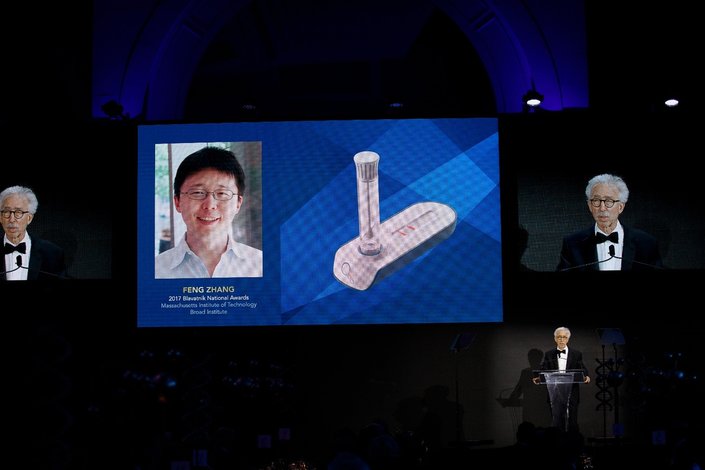
He reflected with a short slide presentation on the contributions of fifteen past Blavatnik Awardees’ research that have gone on to produce groundbreaking discoveries—from improving COVID testing to consulting on blockbuster motion picture films and designing therapeutic video games that treat ADHD, to developing new fabrics that reduce the need for air conditioning.
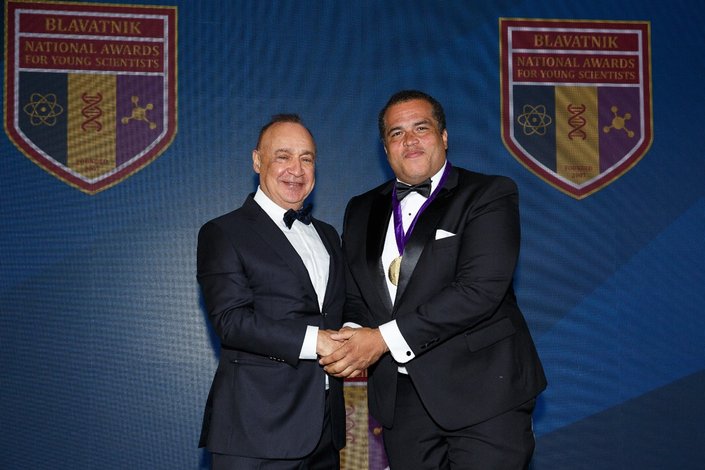
Young returned to the stage to announce the 2022 Blavatnik National Awards Laureates by introducing a film on each Laureate, followed by calling them to the stage to receive their medal from Mr. Len Blavatnik, Founder and Chairman, Blavatnik Family Foundation. Then each Laureate gave a scientific presentation at the podium.
Life Sciences
2022 Laureate in Life Sciences, Elaine Y. Hsiao, Ph.D., a neurobiologist at the University of California, Los Angeles, gave a talk on the connection between the gut microbiome and the nervous system, and how her discoveries could help improve maternal-fetal health and predict risk for neurodevelopmental disorders.
Chemistry
Hosea M. Nelson, Ph.D., a synthetic chemist at the California Institute of Technology, spoke about his technique that helps organic chemists design and synthesize new molecules. Nelson has pioneered microcrystal electron diffraction (MicroED) as a tool to determine the positions of atoms within small molecules with unprecedented detail. Resulting insights can help accelerate development of new drugs and commercial chemicals.
Physical Sciences & Engineering
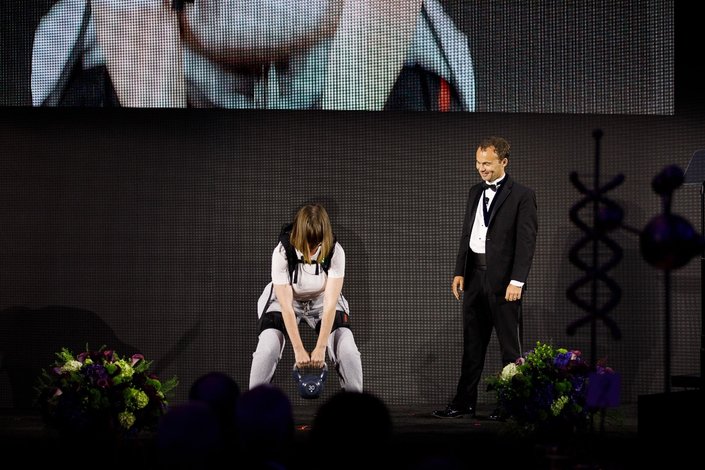
Conor Walsh, Ph.D., a biomedical and mechanical engineer at Harvard University, shared his research in the development of a new class of lightweight, flexible and soft wearable robot technologies. This could dramatically improve mobility for disabled people, including people with ALS and those who have experienced a stroke.
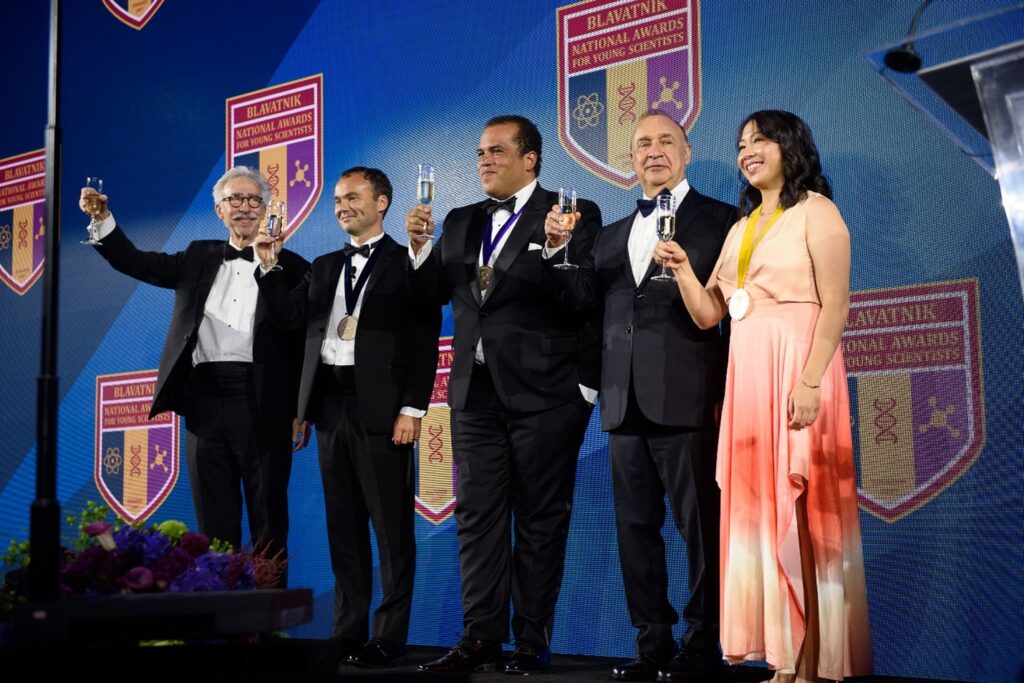
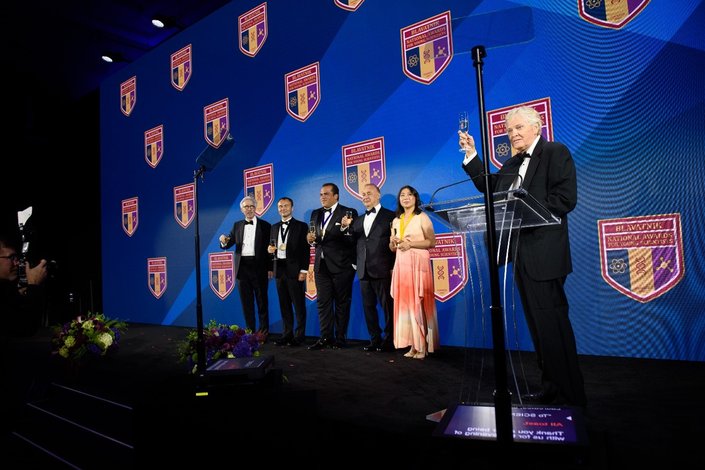
The ceremony concluded with the Blavatnik Awards tradition of making a “Toast to Science”
To learn more about the Blavatnik Awards for Young Scientists, visit blavatnikawards.org.
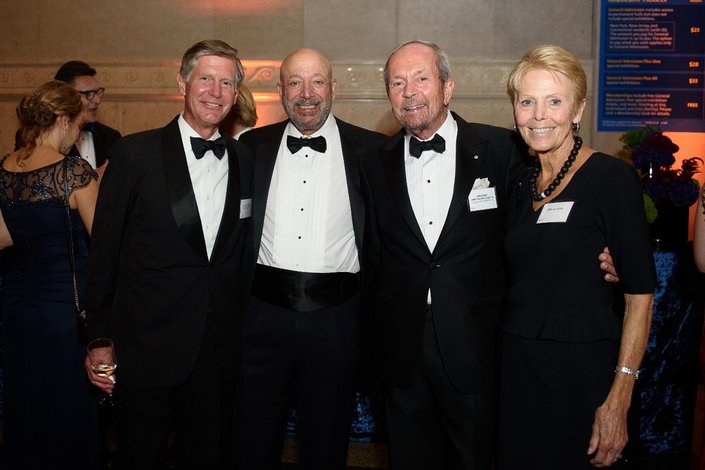
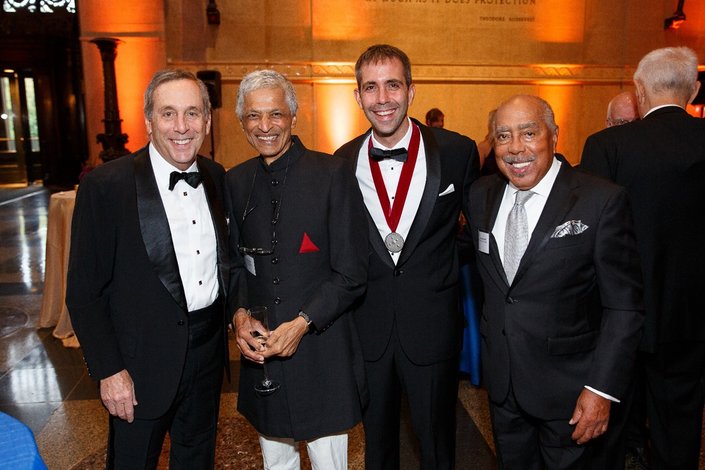
Prof. Nicholas Dirks highlights the research of 2017 National Awards Laureate Feng Zhang.From left: J. Larry Jameson, Srikant Datar, and Siddhartha Mukherjee.Len Blavatnik congratulating 2022 Chemistry Laureate Hosea Nelson.Prof. Elaine Y. Hsiao.From left: Peter Thorén, Paul Horn, Jerry Hultin, and Jill Hultin.A demonstration of the award-winning soft-robotic exosuit designed by 2022 Physical Sciences & Engineering Laureate Conor Walsh.From left: Larry Bacow, Amar Bhide, Jacob Hooker, and Walter Massey.Carnegie Hall’s Executive and Artistic Director Sir Clive Gillinson and his wife Anya Gillinson.The 2022 Blavatnik National Awards “Toast to Science”.
From the COVID-19 pandemic to climate change, it’s no longer a question whether effective science communication is necessary to deal with crisis and avert further disaster. The way the scientific community communicates urgent messages can make or break how the public responds to a crisis. Ineffective communications result in inertia or skepticism – and have reduced our collective ability to respond to and reduce the impacts of crisis.
Dr. Sweta Chakraborty understood the importance of strategic communications early in her career as a scientist, long before many researchers began to reckon with the ways disinformation and misinformation are weaponized across the globe to prevent action on crises such as climate change.
Today, Dr. Chakraborty’s work is motivated by the need for clear, credible, science communication to urgently and proactively manage the risks that threaten human security and well-being. She is currently the US President of Operations at We Don’t Have Time, and a globally recognized risk and behavioral scientist. She is a trusted authority on proactive preparedness to mitigate against the impacts of climate change.
Dr. Chakraborty is an advisor to the International Science Reserve and strengthens the ISR with lessons she has gained from advising scientists, policymakers, and other experts on science communications.
Dr. Chakraborty recommends that scientists who care about responding to the multitude of crises our world faces must strengthen their ability to effectively communicate. Experts who are clear and pitch their messages for the audiences they need to reach will ultimately have stronger results. And we will all be better off for it.
Strong networks, open data sharing, and building public trust are key to addressing future global crises.
August 18, 2022
By Mila Rosenthal, PhD
Since our launch in early 2022, the International Science Reserve (ISR) has rapidly expanded a network of scientists who are poised to respond to the next big crisis. The ISR aims to take action on crises that are complex, international, and where science and technology can effectively respond.
The ISR works in two ways, one through preparing for crisis by helping scientists in the community practice how they would respond during a crisis and understand what resources they need. And two, through a coordinated response to a declared crisis where the ISR will add to existing networks and support access to specialized human and technological resources.
With these goals in mind, the ISR brings together colleagues from a range of disciplines around the world for discussions to learn from each other in a semi-monthly webinar series: Science Unusual: R&D for Global Crisis Response.
The first webinar in this series was “Science Unusual: Gearing up for the Next Global Crisis.” The recording is now available on-demand through The New York Academy of Science. I was honored to moderate the discussion, and our esteemed panelists included:
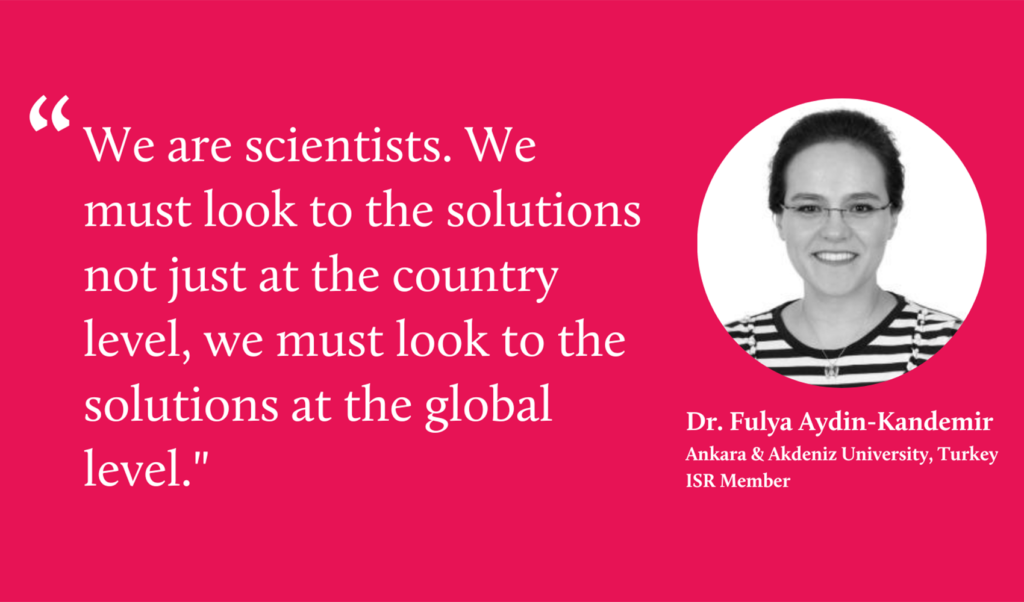
Dr. Fulya Aydin-Kandemir, Hydropolitics Association at Ankara & Akdeniz University (Turkey)
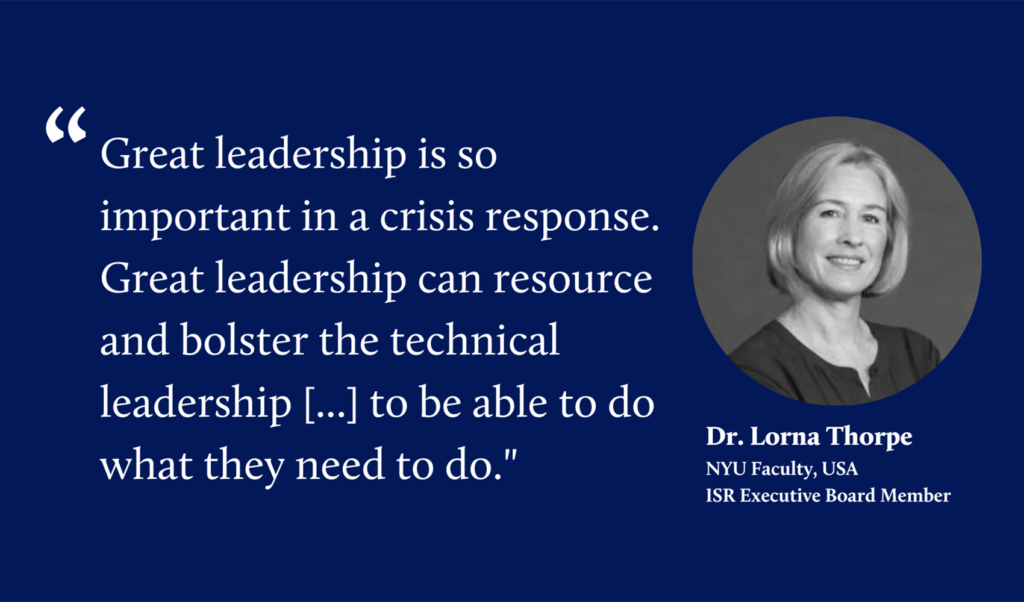
Dr. Lorna Thorpe, Professor and Director of the Division of Epidemiology, NYU Grossman School of Medicine in the Department of Population Health (United States of America)
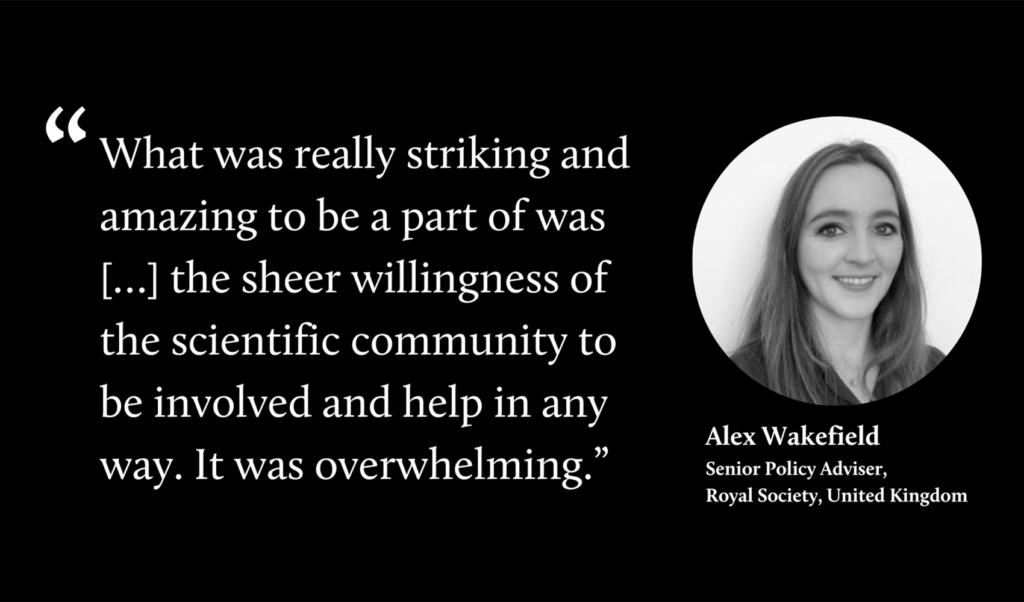
Alex Wakefield, Senior Policy Adviser, Royal Society (United Kingdom)
It’s hard to narrow down all the lessons I gleaned from this panel, but I have three big takeaways on what the panelists learned through their own experience preparing for and responding to crises in public health and climate change.
1) Scientists Need Stronger Networks to Connect and Coordinate Crisis Response
Alex Wakefield began her career in science policy to help governments use evidence and science to make stronger policy decisions. When the COVID-19 crisis hit in 2020, the UK government needed scientific evidence – but like many governments around the world – they didn’t have the luxury of time to do long-term research. Ms. Wakefield worked under the government’s chief scientist to run scientific advisory groups that convened experts to quickly provide evidence for policymaking decisions. That mechanism existed before COVID-19 to help deal with emergencies, like major flooding events and public health emergencies, and Ms. Wakefield believes it was a real advantage of the UK’s response that this was already in place.
Dr. Lorna Thorpe added that the energy of scientists wanting to get involved locally, nationally, and globally was one of the most important components of the COVID-19 response. She saw a robust convening and collaboration among institutions and researchers in New York City’s response, and she believes that the ISR can play a big role in facilitating these connections during the next major crisis.
2) Open Data Sharing is Essential to Effective Analysis During a Crisis
Dr. Fulya Aydin-Kandemir shared her own story of facilitating research during massive wildfires in Greece and Turkey in 2021. In her view, crisis research needs stronger access to public data, in her case satellite imagery, in order to respond faster and effectively to natural disasters across borders. That way, she could share her results with stakeholders, like firefighters, to help them understand real-time distribution of fires and how to stop outbreaks that can damage communities and ecosystems.
Dr. Thorpe added that we need more coordination of networks that allow research institutions to work together, no matter what their focus issues are, on issues like data sharing. Access to data like satellite imagery is not only important to issues of wildfires caused by climate change, but can also be important for real-time public health issues, like the urban heat effect or migration patterns.
3) To Build Public Trust, Leadership and Communication is Key
Research shows that the public will generally trust the government to do the right thing in a crisis. However, if there is ambiguity in leadership, Dr. Thorpe shared that she has seen the public lose trust – which makes it harder for technical leaders, like public health researchers, to do their job.
Dr. Thorpe reinforced how important great leadership is in a time of crisis, especially among local officials like mayors or health officials. During COVID-19, there was ambiguity around data that mired the United States and caused delays. She believes that some of that can be attributed to the erosion of institutions in America, but it is really about trusting your local leaders to make the right choices.
Ms. Wakefield believes that another way to build public trust ahead of an emergency is to consult with the public about what types of crisis responses are acceptable. Now at the Royal Society in the UK, she recently held a public dialogue series on different emergencies, like flooding and pandemics. The researchers found that the public had an expectation around government use of data – and they expressed concerns about when the emergency ends, what the data will be used for. The researchers plan to take these results and advocate for setting up stronger processes and policies for future responses.
Do you want to watch the whole webinar? Here are three steps to rewatch Science Unusual on-demand:
The Blavatnik Awards for Young Scientists in the United Kingdom are the largest unrestricted prize available to early career scientists in the Life Sciences, Physical Sciences & Engineering, and Chemistry in the UK. The three 2021 Laureates each received £100,000, and two Finalists in each category received £30,000 per person. The honorees are recognized for their research, which pushes the boundaries of our current technology and understanding of the world. In this event, held at the historic Banqueting House in London, the UK Laureates and Finalists had a chance to explain their work and its ramifications to the public.
Victoria Gill, a Science and Environment Correspondent for the BBC, introduced and moderated the event. She noted that “Science has saved the world and will continue to do so,” and stressed how important it is for scientists to engage the public and share their discoveries at events like this. This theme arose over and over again over the course of the day.
Symposium Highlights
Single-cell analyses can reveal how multicellular animals develop and how our immune systems deal with different pathogens we encounter over the course of our lives.
Viruses that attack bacteria—bacteriophages—may help us fight antibiotic resistant bacterial pathogens.
Fossils offer us a glimpse into what life on Earth was like for the millennia in which it thrived before mammals took over.
Stacking layers of single-atom-thick sheets can make new materials with desired, customizable properties.
Memristors are electronic components that can remember a variety of memory states, and can be used to build quicker and more versatile computer chips than currently used.
The detection of the Higgs boson, which had been posited for decades by mathematical theory but was very difficult to detect, confirmed the Standard Model of Physics.
Single molecule magnets can be utilized for high density data storage—if they can retain their magnetism at high enough temperatures.
When examining how life first arose on Earth, we must consider all of its requisite components and reactions in aggregate rather than assigning primacy to any one of them.
Speakers
Stephen L. Brusatte The University of Edinburgh
Sinéad Farrington The University of Edinburgh
John Marioni European Bioinformatics Institute and University of Cambridge
David P. Mills The University of Manchester
Artem Mishchenko The University of Manchester
Matthew Powner University College London
Themis Prodromakis University of Southampton
Edze Westra University of Exeter
Innovating in Life Sciences
Speakers
John Marioni, PhD European Bioinformatics Institute and University of Cambridge, 2021 Blavatnik Awards UK Life Sciences Finalist
Edze Westra, PhD University of Exeter, 2021 Blavatnik Awards UK Life Sciences Finalist
Stephen Brusatte, PhD The University of Edinburgh, 2021 Blavatnik Awards UK Life Sciences Laureate
How to Build an Animal
John Marioni, PhD, European Bioinformatics Institute and University of Cambridge, 2021 Blavatnik Awards UK Life Sciences Finalist
Animals grow from one single cell: a fertilized egg. During development, that cell splits into two, and then into four, and so on, creating an embryo that grows into the billions of cells comprising a whole animal. Along the way, the cells must differentiate into all of the different cell types necessary to create every aspect of that animal.
Each cell follows its own path to arrive at its eventual fate. Traditionally, the decisions each cell has to make along that path have been studied using large groups of cells or tissues; this is because scientific lab techniques have typically required a substantial amount of starting material to perform analyses. But now, thanks in large part to the discoveries of John Marioni and his lab group, we have the technology to track individual cells as they mature into different cell types.
Marioni has created analytical methods capable of observing patterns in all of the genes expressed by individual cells. Importantly, these computational and statistical methods can be used to analyze the enormous amounts of data generated from the gene expression patterns of many individual cells simultaneously. In addition to furthering our understanding of cell fate decisions in embryonic development, this area of research—single cell genomics—can also be applied to many other processes in the body.
One relevant application is to the immune system: single cell genomics can detect immune cell types that are activated by exposure to a particular pathogen. To illustrate this, Marioni showed many gorgeous, colorized images of individual cells, highlighting their unique morphology and function. Included in these images was histology showing profiles of different types of T cells elicited by infection with SARS-CoV-2 (the virus that causes COVID-19).
The cells were computationally grouped by genetic profile and graphed to show how the different cell types correlated with disease severity. There are many other clinical applications of his research into genomics. For instance, he said, if we know exactly which cell types in the body express the targets of specific drugs, we will be better able to predict that drug’s effects (and side effects).
In addition to his lab work, Marioni is involved in the Human Cell Atlas initiative, a global collaborative project whose goal it is to genetically map all of the cell types in healthy human adults. When a cell uses a particular gene, it is said to “transcribe” that gene to make a particular protein—thus, the catalog of all of the genes one cell uses is called its “transcriptome.” The Human Cell Atlas is using these single cell transcriptomes to create the whole genetic map.
This research is currently completely redefining how we think of cell types by transforming our definition of a “cell” from the way it looks to the genetic profile.
Bacteria and Their Viruses: A Microbial Arms Race
Edze Westra, PhD University of Exeter, 2021 Blavatnik Awards UK Life Sciences Finalist
All organisms have viruses that target them for infection; bacteria are no exception. The viruses that infect bacteria are called bacteriophages, or phages.
Edze Westra’s lab studies how bacteria evolve to defend themselves against infection by phage and, specifically, how elements of their environment drive the evolution of their immune systems. Like humans, bacteria have two main types of immune systems: an innate immune system and an adaptive immune system. The innate immune system works similarly in both bacteria and humans by modifying molecules on the cell surface so that the phage can’t gain entry to the cell.
In humans, the adaptive immune system is what creates antibodies. In bacteria, the adaptive immune system works a little bit differently—a gene editing system, called CRISPR-Cas, cuts out pieces of the phage’s genome and uses it as a template to identify all other phages of the same type. Using this method, the bacterial cell can quickly discover and neutralize any infectious phage by destroying the phage’s genetic material. In recent years, scientists have harnessed the CRISPR-Cas system for use in gene editing technology.
Westra wanted to know under what conditions do bacteria use their innate immune system versus their adaptive immune system: How do they decide?
In studies using the bacterial pathogen Pseudomonas aeruginosa, his lab found that the decision to use adaptive vs. innate immunity is controlled almost exclusively by nutrient levels in the surrounding environment. When nutrient levels are low, the bacteria use the adaptive immune system, CRISPR-Cas; when nutrient levels are high, the bacteria rely on their innate immune system. He recognized that this means we can artificially guide the evolution of bacterial defense by controlling elements in their environment.
When we need to attack pathogenic bacteria for medical purposes, such as in a sick or infected patient, we turn to antibiotics. However, many strains of bacteria have developed resistance to antibiotics, leaving humans vulnerable to infection.
Additionally, our antibiotics tend to kill broad classes of microbes, often damaging the beneficial species we harbor in our bodies along with the pathogenic ones we are trying to eliminate. Phage therapy—a medical treatment where phages are administered to a patient with a severe bacterial infection—might be a good way to circumvent antibiotic resistance while also attacking bacteria in a more targeted manner, harming only those that harm us and leaving the others be.
Although it is difficult to manipulate bacterial nutrients within the context of a patient’s body, we can use antibiotics to direct this behavior. Antibiotics that are shown to limit bacterial growth will induce the bacteria to use the CRISPR-Cas strategy, mimicking the effects of a low-nutrient environment; antibiotics that work by killing bacteria will induce them to use their innate defenses. In this way, it may be possible to direct the evolution of bacterial defense systems in order to reveal their weaknesses and target them with phage therapy.
The Rise and Fall of the Dinosaurs
Stephen Brusatte, PhD The University of Edinburgh, 2021 Blavatnik Awards UK Life Sciences Laureate|
Stephen Brusatte is a paleontologist, “and paleontologists”, he says, “are really historians”. Just as historians study recorded history to learn about the past, paleontologists study prehistory for the same reasons.
The Earth is four and a half billion years old, and humans have only been around for the last three hundred and fifty thousand of those years. Dinosaurs were the largest living creatures to ever walk the earth; they started out around the size of house cats, and over eighty million years they evolved into the giant T. rexes, Stegosauruses, and Brontosauruses in our picture books.
They reigned until a six-mile-wide asteroid struck the Earth sixty-six million years ago at the end of the Cretaceous period, extinguishing them along with seventy-five percent of the other species on the planet. Brusatte called this day “the worst day in Earth’s history.” However, the demise of dinosaurs paved the way for mammals to take over.
Fossils can tell us a lot about how life on this planet used to be, how the earth and its occupants respond to climate and environmental changes, and how evolution works over long timescales. Particularly, fossils show how entirely new species and body plans emerge.
Each fossil can yield new knowledge and new discoveries about a lost world, he said. It can teach us how bodies change and, ultimately, how evolution works. It is from fossils that we know that today’s birds evolved from dinosaurs.
Life Sciences Panel Discussion
Victoria Gill started the life sciences panel discussion by asking all three of the awardees if, and how, the COVID-19 pandemic changed their professional lives: did it alter their scientific approach or were they asking different questions?
Westra replied that the lab shutdown forced different, non-experimental approaches, notably bioinformatics on old sequence data. He said that they found mobile genetic elements, and the models of how they moved through a population reminded him of epidemiological models of COVID spread.
Marioni shared that he was inspired by how the international scientific community came together to solve the problem posed by the pandemic. Everyone shared samples and worked as a team, instead of working in isolation as they usually do. Brusatte agreed that enhanced collaboration accelerated discoveries and should be maintained.
Questions from the audience, both in person and online, covered a similarly broad of a range of topics. An audience member asked about where new cell types come from; Marioni explained that if we computationally look at gene transcription changes in single cells over time, we can make phylogenetic trees showing how cells with different expression patterns arise.
A digital attendee asked Brusatte why birds survived the asteroid impact when other dinosaurs didn’t. Brusatte replied that the answer is not clear, but it is probably due to a number of factors: they have beaks so they can eat seeds, they can fly, and they grow fast. Plus, he said, most birds actually did not survive beyond the asteroid impact.
Another audience member asked Brusatte if the theory that the asteroid killed the dinosaurs was widely accepted. He replied that it is widely accepted that the impact ended the Cretaceous period, but some scientists still argue that other factors, like volcanic eruptions in India, were the prime mover behind the dinosaurs’ demise.
Another viewer asked Westra why the environment impacts a bacterium’s immune strategy. He answered that in the presence of antibiotics that slow growth, infection and metabolism are likewise slowed so the bacteria simply have more time to respond. He added that the level of diversity in the attacking phage may also play a role, as innate immunity is better able to deal with multiple variants.
To wrap up the session, Victoria Gill asked about the importance of diversity and representation and wondered how to make awards programs like this more inclusive. All three scientists agreed that it is hugely important, that the lack of diversity is a problem across all fields of research, that all voices must be heard, and that the only way to change it is by having hard metrics to rank universities and departments on the demographics of their faculty.
Innovating in Physical Sciences & Engineering
Speakers
Artem Mishchenko, PhD The University of Manchester, 2021 Blavatnik Awards UK Physical Sciences & Engineering Finalist
Themis Prodromakis, PhD University of Southampton, 2021 Blavatnik Awards UK Physical Sciences & Engineering Finalist
Sinead Farrington, PhD The University of Edinburgh, 2021 Blavatnik Awards UK Physical Sciences & Engineering Laureate
Programmable van der Waals Materials
Artem Mishchenko, PhD The University of Manchester, 2021 Blavatnik Awards UK Physical Sciences & Engineering Finalist
Materials science is vital because materials define what we can do, and thus define us. That’s why the different eras in prehistory are named for the materials used: the Stone Age, the Bronze Age, the Iron Age, the Copper Age. The properties of the materials available dictated the technologies that could be developed then, and the properties of the materials available still dictate the technologies that can be developed now.
Van der Waals materials are materials that are only one or a few atoms thick. The most well-known is probably graphene, which was discovered in 2004 and is made of carbon. But now hundreds of these two-dimensional materials are available, representing almost the whole periodic table, and each has different properties. They are the cutting edge of materials innovation.
Mishchenko studies how van der Waals materials can be made and manipulated into materials with customizable, programmable properties. He does this by stacking the materials and rotating the layers relative to each other. Rotating the layers used to be painstaking, time-consuming work, requiring a new rig to make each new angle of rotation. But his lab developed a single device that can twist the layers by any amount he wants. He can thus much more easily make and assess the properties of each different material generated when he rotates a layer by a given angle, since he can then just reset his device to turn the layer more or less to devise a new material. Every degree of rotation confers new properties.
His lab has found that rotating the layers can tune the conductivity of the materials and that the right combination of angle and current can make a transistor that can generate radio waves suitable for high frequency telecommunications. With infinite combinations of layers available to make new materials, this new field of “twistronics” may generate an entirely new physics, with quantum properties and exciting possibilities for biomedicine and sustainability.
Memristive Technologies: From Nano Devices to AI on a Chip
Themis Prodromakis, PhD University of Southampton, 2021 Blavatnik Awards UK Physical Sciences & Engineering Finalist
Transistors are key elements in our electronic devices. They process and store information by switching between on and off states. Traditionally, in order to increase the speed and efficiency of a device one increased the number of transistors it contained. This usually entailed making them smaller. Smartphones contain seven billion transistors! But now it has become more and more difficult to further shrink the size of transistors.
Themis Prodromakis and his team have been instrumental in developing a new electronic component: the memristor, or memory resistor. Memristors are a new kind of switch; they can store hundreds of memory states, beyond on and off states, on a single, nanometer-scale device. Sending a voltage pulse across a device allows to tune the resistance of the memristor at distinct levels, and the device remembers them all.
One benefit of memristors is that they allow for more computational capacity while using much less energy from conventional circuit components. Systems made out of memristors allow us to embed intelligence everywhere by processing and storing big data locally, rather than in the cloud. And by removing the need to share data with the cloud, electronic devices made out of memristors can remain secure and private. Prodromakis has not only developed and tested memristors, he is also quite invested in realizing their practical applications and bringing them to market.
Another amazing application of memristors is linking neural networks to artificial ones. Prodromakis and his team have already successfully connected biological and artificial neurons together and enabled them to communicate over the internet using memristors as synapses. He speculates that such neuroprosthetic devices might one day be used to fix or even augment human capabilities, for example by replacing dysfunctional regions of the brain in Alzheimer’s patients. And if memristors can be embedded in a human body, they can be embedded in other environments previously inaccessible to electronics as well.
What Do We Know About the Higgs Boson?
Sinead Farrington, PhD The University of Edinburgh, 2021 Blavatnik Awards UK Physical Sciences & Engineering Laureate
In the Standard Model of particle physics, the bedrock of modern physics, fermions are the elementary particles comprising all of the stable matter in the universe, while bosons—the other collection of elementary particles—are the ones that transmit forces. The Higgs boson, whose existence was theoretically proposed in 1964, is a unique particle; it gives mass to the other particles by coupling with them.
Sinéad Farrington led the group at CERN that further elucidated the properties of the Higgs boson and thus bolstered the Standard Model. The Standard Model “effectively encapsulates a remarkably small set of particles that make up everything we know about and are able to create,” explained Farrington.
“The Higgs boson is needed to maintain the compelling self-consistency of the Standard Model. It was there in theory, but the experimental observation of it was a really big deal. Nature did not have to work out that way,” Farrington said.
Farrington and her 100-person international team at the Large Hadron Collider demonstrated that the Higgs boson spontaneously decays into two fermions called tau leptons. This was experimentally challenging because tau is unstable, so the group had to infer that it was there based on its own degradation products. She then went on to develop the analytical tools needed to further record and interpret the tau lepton data and was the first to use machine learning to trigger, record, and analyze the massive amounts of data generated by experiments at the LHC.
Now she is looking to discover other long-lived but as yet unknown particles beyond the Standard Model that also decay into tau leptons, and plans to make more measurements using the Large Hadron Collider to further confirm that the Higgs boson behaves the way the Standard Model posits it will.
In addition to the satisfaction of verifying that a particle predicted by mathematical theorists actually does exist, Farrington said that another consequence of knowing about the Higgs boson is that it may shed light on dark matter and dark energy, which are not part of the Standard Model. Perhaps the Higgs boson gives mass to dark matter as well.
Physical Sciences & Engineering Panel Discussion
Victoria Gill started this session by asking the participants what they plan to do next. Farrington said that she would love to get more precise determinations on known processes, reducing the error bars upon them. And she will also embark on an open search for new long-lived particles—i.e. those that don’t decay rapidly—beyond the Standard Model.
Prodromakis wants to expand the possibilities of memristive devices, since they can be deployed anywhere and don’t need a lot of power. He envisions machine-machine interactions like those already in play in the Internet of Things as well as machine-human interactions. He knows he must grapple with the ethical implications of this new technology, and mentioned that it will also require a shift in how electricity, electronics, and computational fabrics are taught in schools.
Mishchenko is both seeking new properties in extant materials and making novel materials and seeing what they’ll do. He’s also searching for useful applications for all of his materials.
A member of the audience asked Farrington if, given all of the new research in quantum physics, we have new data to resolve the Schrӧedinger’s cat conundrum? But she said no, the puzzle still stands. That is the essence of quantum physics: there is uncertainty in the (quantum) world, and both states exist simultaneously.
Another wondered why she chose to look for the tau lepton as evidence of the Higgs boson’s degradation and not any other particles, and she noted that tau was the simplest to see over the background even though it does not make up the largest share of the breakdown products.
An online questioner asked Prodromakis if memristors could be used to make supercomputers since they allow greater computational capacity. He answered that they could, in principle, and could be linked to our brains to augment our capabilities.
Someone then asked Mishchenko if his technology could be applied into biological systems. He said that in biological systems current comes in the form of ions, whereas in electronic systems current comes in the form of electrons, so there would need to be an interface that could translate the current between the two systems. Some of his materials can do that by using electrochemical reactions that convert electrons into ions. But the materials must also be nontoxic in order to be incorporated into human tissues, so he thinks this innovation is thirty to forty years away.
The last query regarded whether the participants viewed themselves as scientists or engineers. Farrington said she is decidedly a physicist and not an engineer, though she collaborates with civil and electrical engineers and relies on them heavily to build and maintain the colliders and detectors she needs for her work.
Prodromakis was trained as an engineer, but now works at understanding the physics of devices so he can design them to reliably do what he wants them to do. And Mishchenko summarized the difference between them by saying the engineering problems are quite specific, while scientists mostly work in darkness. At this point, he considers himself an entrepreneur.
Innovating in Chemistry
Speakers
David P. Mills, PhD The University of Manchester, 2021 Blavatnik Awards UK Chemistry Finalist
Matthew Powner, PhD University College London, 2021 Blavatnik Awards UK Chemistry Finalist
Building High Temperature Single-Molecule Magnets
David P. Mills, PhD The University of Manchester, 2021 Blavatnik Awards UK Chemistry Finalist
David Mills’ lab “makes molecules that have no right to exist.” He is specifically interested in the synthesis of small molecules with unusual shapes that contain metal ions, and using these as tiny molecular magnets to increase data storage capacity to support high-performance computing. Mills offers a bottom-up approach to this problem: he wants to make new molecules for high density data storage. This could ultimately make computers smaller and reduce the amount of energy they use.
Single-Molecule Magnets (SMMs) were discovered about thirty years ago. They differ from regular magnets, which derive their magnetic properties from interactions between atoms, but they still have two states: up and down. These can be used to store data in a manner similar to the bits of binary code that computers currently use. Initially, SMMs could only work at extremely cold temperatures, just above absolute zero. For many years, scientists were unable to create an SMM capable of operation above −259oC, only 10oC above the temperature of liquid helium, which makes them decidedly less than practical for everyday use.
Mills works with a class of elements called the lanthanides, sometimes known as the rare-earth metals, that are already used in smartphones and hybrid vehicles. One of his students utilized one such element, dysprosium, in the creation of an SMM that was dubbed, dysprosocenium. Dysprosocenium briefly held its magnetic properties even at a blistering −213oC, the warmest temperature at which any SMM had ever functioned. This temperature is starting to approach the temperature of liquid nitrogen, which has a boiling point of −195.8°C. If an SMM could function indefinitely at that temperature, it could potentially be used in real-world applications.
When developing dysprosocenium, the Mills group and their collaborators learned that controlling molecular vibrations is essential to allowing the single-molecule magnet to work at such high temperatures. So, his plan for the future is to learn how to control these vibrations and work toward depositing single-molecule magnets on surfaces.
The Chemical Origins of Life
Matthew Powner, PhD University College London, 2021 Blavatnik Awards UK Chemistry Finalist
The emergence of life is the most profound transition in the history of Earth, and yet we don’t know how it came about. Earth formed four-and-a-half billion years ago, and it is believed that the earliest life-forms appeared almost a billion years later. However, we don’t know what happened in the interim.
Life’s Last Universal Common Ancestor (LUCA) is believed to be much closer to modern life forms than to that primordial originator, so although we can learn about life’s common origins from LUCA, we can’t learn about the true Origin of Life. Where did life come from? How did the fundamental rules of chemistry give rise to life forms? Why did life organize itself the way that it did?
Matthew Powner thinks that to answer these vital existential questions, which lie at the nexus of chemistry and biology, we must simultaneously consider all of life’s components—nucleic acids, amino acids and peptides, metabolic reactions and pathways—and their interactions. We can’t just look at any one of them in isolation.
Since these events occurred in the distant past, we can’t discover it—we must reinvent it. To test how life came about, we must build it ourselves, from scratch, by generating and combining membranes, genomes, and catalysis, and eventually metabolism to generate energy.
In this presentation, Powner focused on his lab’s work with proteins. Our cells, which are highly organized and compartmentalized machines, use enzymes—proteins themselves—and other biological macromolecules to synthesize proteins. So how did the first proteins get made? Generally, the peptide bonds linking amino acids together to make proteins do not form at pH 7, the pH of water and therefore of most cells. But Powner’s lab showed that derivatives of amino acids could form peptide bonds at this pH in the presence of ultraviolet light from the sun, and sulfur and iron compounds, all of which were believed to have been present in the prebiotic Earth.
Chemistry Panel Discussion
Victoria Gill started this one off by asking the chemists how important it is to ask questions without a specific application in mind. Both agreed that curiosity defines and drives humanity, and that the most amazing discoveries arise just from trying to satisfy it. Powner says that science must fill all of the gaps in our understanding, and the new knowledge generated by this “blue sky research” (as Mills put it) will yield applications that will change the world but in unpredictable ways. Watson and Crick provide the perfect example; they didn’t set out to make PCR, but just to understand basic biological questions. Trying to drive technology forward may be essential, but it will never change the world the same way investigating fundamental phenomena for its own sake can.
One online viewer wanted to know if single-molecule magnets could be used to make levitating trains, but Mills said that they only work at the quantum scale; trains are much too big.
Other questions were about the origin of life. One wanted to know if life arose in hydrothermal vents, one was regarding the RNA hypothesis (which posits that RNA was the first biological molecule to arise since it can be both catalytic and self-replicating), and one wanted to know what Powner thought about synthetic biology. In terms of hydrothermal vents, Powner said that we know that metabolism is nothing if not adaptable—so it is difficult to put any constraints on the environment in which it arose.
He said that the RNA world is a useful framework in which to form research questions, but he no longer thinks it is a viable explanation for how life actually arose since any RNA reactions would need a membrane to contain them in order to be meaningful. And he said that synthetic biology—the venture of designing and generating cells from scratch, and even using non-canonical nucleic acids and amino acids beyond those typically used by life forms—is a complementary approach to the one his lab takes to investigate why biological systems are the way they are.
The Future of Research in the UK: How Will We Address the Biggest Challenges Facing Our Society?
Contributors
Stephen Brusatte, PhD The University of Edinburgh, 2021 Blavatnik Awards UK Life Sciences Laureate
Sinead Farrington, PhD The University of Edinburgh, 2021 Blavatnik Awards UK Physical Sciences & Engineering Laureate
Victoria Gill moderated this discussion with the Blavatnik laureates, Stephen Brusatte and Sinead Farrington. First, they discussed how COVID-19 affected their professional lives. Both of them spoke of how essential it was for them to support their students and postdocs throughout the pandemic. These people may live alone, or with multiple roommates, and they may be far from family and home, and both scientists said they spent a lot of time just talking to them and listening to them. This segued into a conversation about how the rampant misinformation on social media about COVID-19 highlighted the incredible need for science outreach, and how both laureates view it as a duty to communicate their work to the public by writing popular books and going into schools.
Next, they tackled the lack of diversity in STEM fields. Farrington said that she has quite a diverse research group—but that it took effort to achieve that. This led right back to public outreach and schooling. She said that one way to increase diversity would be to develop all children’s’ analytical thinking skills early on to yield “social leveling” and foment everyone’s interest in science. Brusatte agreed that increased outreach and engagement is an important way to reach larger audiences and counteract the deep-seated inequities in our society.
Lastly, they debated if science education in the UK is too specialized too early, and if it should be broader, given the interdisciplinary nature of so many breakthroughs today. Brusatte was educated under another system so didn’t really want to opine, but Farrington was loath to sacrifice depth for breadth. Deep expert knowledge is important.
“It is this global collaboration we must nurture if we are to tackle our other global challenges.”
Published June 22, 2022
By Kamala Murthy
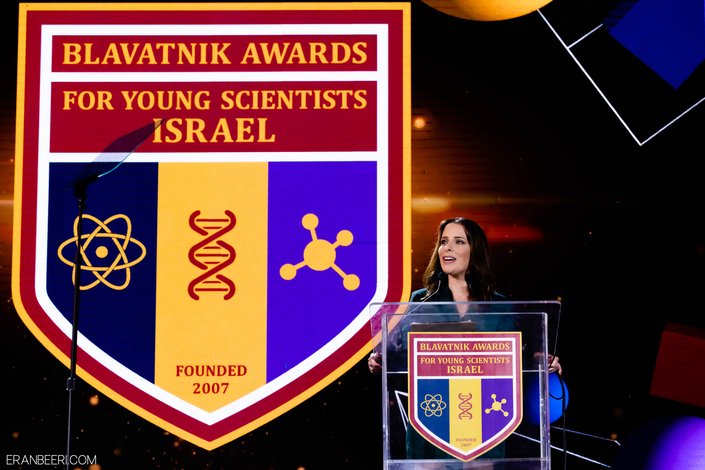
The Peres Center for Peace & Innovation served as the backdrop for the 2022 Blavatnik Awards in Israel Ceremony.
The New York Academy of Sciences, in collaboration with the Israel Academy of Sciences and Humanities and the Blavatnik Family Foundation, hosted the fourth Ceremony for the Blavatnik Awards for Young Scientists in Israel on June 8, 2022. The event moved this year from Jerusalem to the spectacular Peres Center for Peace & Innovation in Tel Aviv. The event was attended by Israel’s top leaders in business, academia and philanthropy. Michelin-starred TV celebrity chef, Assaf Granit, catered the Ceremony.
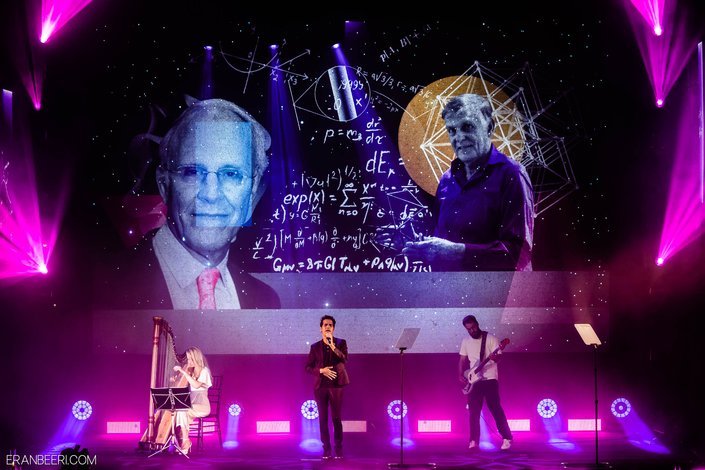
Israeli TV News Anchor, Tamar Ish-Shalom, from Reshet 13, served as Presenter of Ceremonies. The evening began with an inspired visual journey through science accompanied by a vocal performance by Israeli singer and actress Ester Rada. It was followed by a short film on the history of the Blavatnik Awards and an explanation of the Blavatnik Awards selection process.
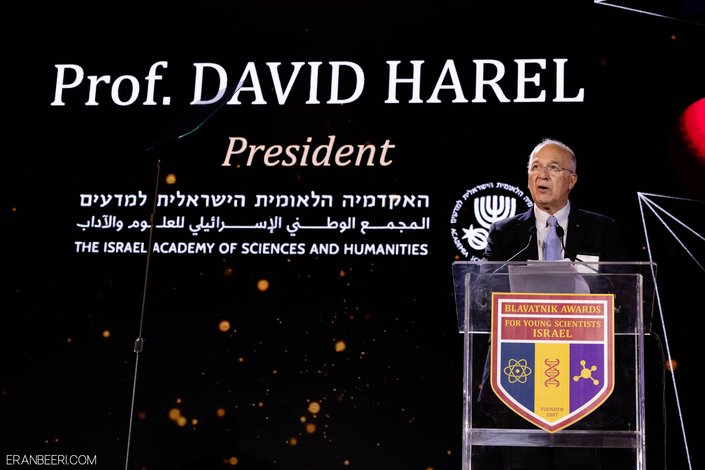
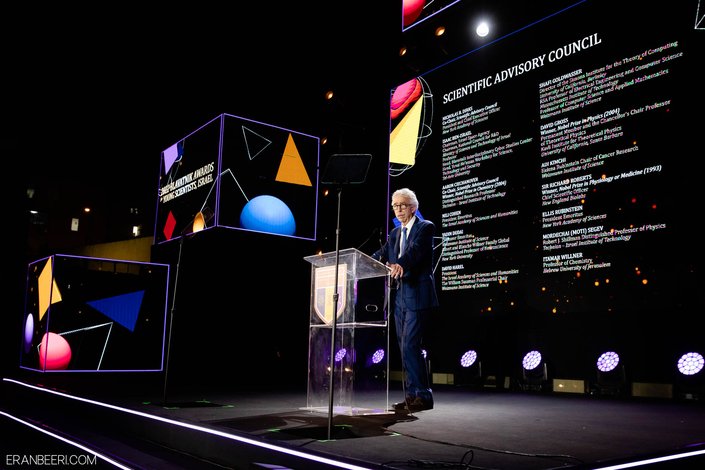
The President of Israel, Isaac Herzog, gave a video speech congratulating the Laureates, and Prof. David Harel, President of the Israel Academy of Sciences and Humanities, gave opening remarks. Prof. Nick Dirks, President of The New York Academy of Sciences, also spoke, and commented on the importance of scientific collaboration across national borders. “It is this global collaboration we must nurture if we are to tackle our other global challenges, especially the warming of our planet.” Prof. Dirks added “…another reason these Awards are so important, for they support the work of scientists who look beyond the walls of their labs, and beyond geographical borders.”
Three of Israel’s leading young scientists were honored during the evening as Laureates of the 2022 Blavatnik Awards for Young Scientists in Israel.
Life Sciences
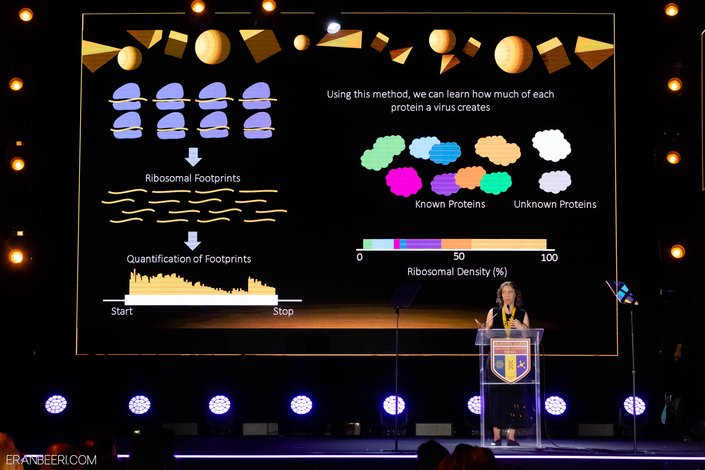
In Life Sciences, Prof. Noam Stern-Ginossar from the Weizmann Institute of Sciencewas recognized for developing groundbreaking analytical tools to study viral gene regulation in cytomegalovirus. These tools include the use of ribosome profiling to generate high resolution maps of the genome, and have also been applied to characterize the genome of SARS-CoV-2, the virus that causes COVID-19.
Chemistry
In Chemistry, Prof. Menny Shalom, the first Blavatnik Awards in Israel Laureate from Ben-Gurion University of the Negev has developed new types of advanced materials for alternative energy sources. These low-cost materials are stable under harsh conditions and can be utilized in the development of solar cells, batteries, and fuel cells.
Physical Sciences & Engineering
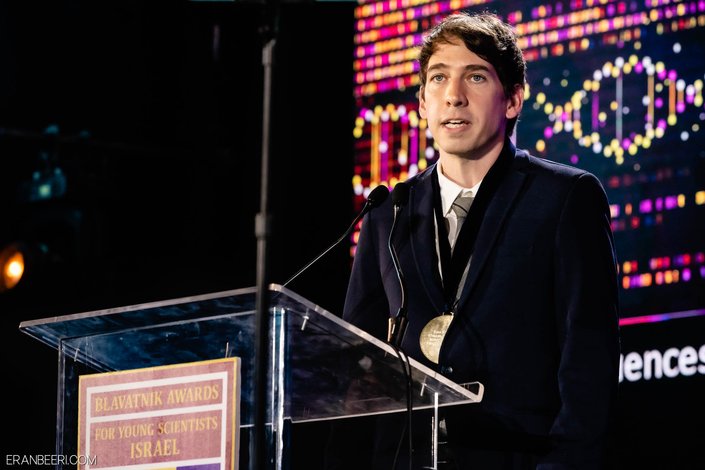
In Physical Sciences & Engineering, Prof. Ronen Eldan from the Weizmann Institute of Science has made groundbreaking contributions to high-dimensional probability, a mathematical subject that deals with datasets with a very large number of variables. He has solved long-standing, open conjectures in this area, and has developed techniques that have found wide applications across the fields of statistics and computer science. Prof. Eldan traveled to the event from Princeton, NJ, where he is currently on sabbatical at the Institute for Advanced Study.
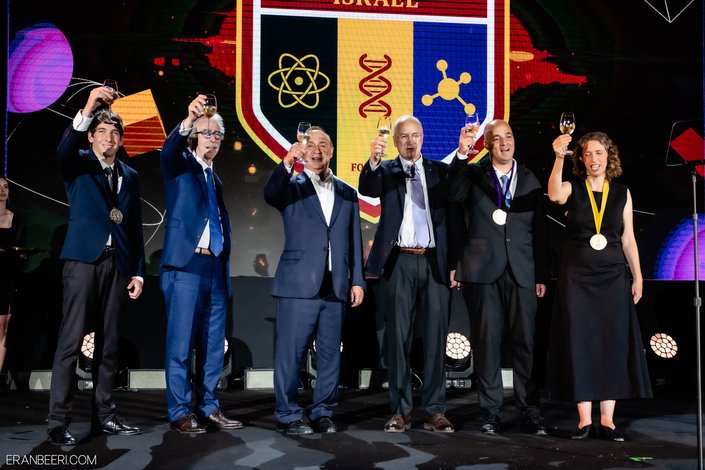
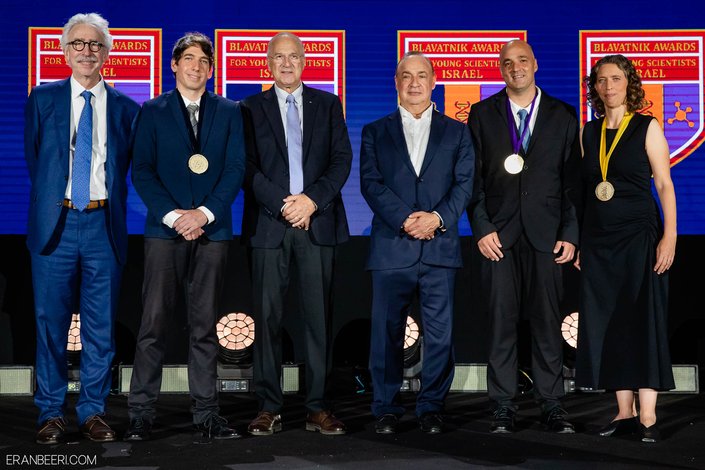
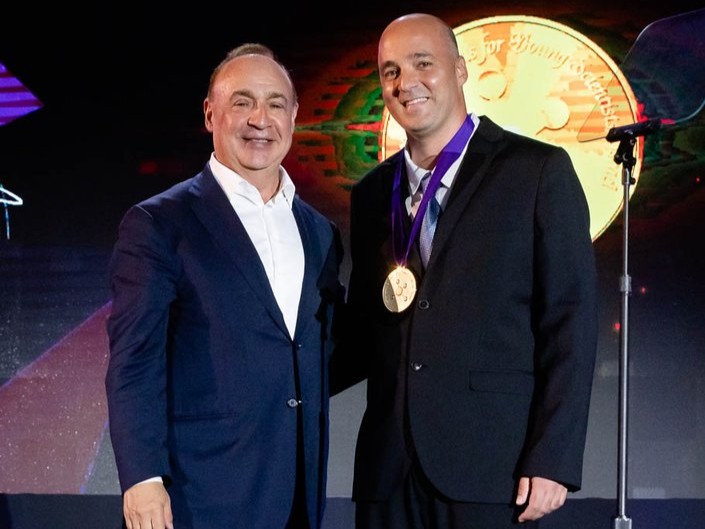
Blavatnik Family Foundation Founder and Chairman, Mr. Len Blavatnik, came to the stage to congratulate and award each scientist with their medal. The Laureates each gave presentations on their work, explaining their award-winning discoveries to the audience. The evening also featured a performance by renowned Israeli rock singer and music producer, Aviv Geffen, who sang a modern rendition of the 1979 Supertramp hit, “The Logical Song”. Ceremony presenter, Tamar Ish-Shalom, closed the Ceremony with the Blavatnik Awards in Israel tradition of gathering the Academy Presidents, Laureates and Mr. Blavatnik on stage to make a toast to science in Hebrew, “L’Chaim; To Science!”
To learn more about the Blavatnik Awards for Young Scientists, visit blavatnikawards.org.
Prof. David Harel.Prof. Noam Stern-Ginossar.Prof. Ronen Eldan.Israeli rock musician Aviv Geffen sings the “The Logical Song”.News Anchor, Tamar Ish-Shalom from Israel’s TV channel Reshet 13 served as Presenter at the Ceremony.Prof. Nick Dirks.From left: Prof. Nicholas Dirks, Prof. Ronen Eldan, Prof. David Harel, Sir Len Blavatnik, Prof. Menny Shalo, and Prof. Noam Stern-Ginossar.Len Blavatnik congratulates 2022 Chemistry Laureate, Prof. Menny Shalom from Ben Gurion University of the Negev.“L’Chaim” a Toast to Science!
One lesson from the COVID pandemic was the importance of preparation.
Published June 9, 2022
By Nicholas B. Dirks
My journey leading the New York Academy of Sciences roughly coincides with the global calamity of SARS-CoV-2. As I reflect on my two-year anniversary, I cannot help but consider how much we have depended on scientists for the development of vaccines and therapeutics. Even though we are still experiencing the long tail of the pandemic, we are beginning to feel the worst may be behind us. One consequence is that we can more fully turn our attention to other crises, especially the very real dangers of climate change.
The Academy convenes experts for the exchange of scientific knowledge. Photo: Roger Torda
The global response to the COVID-19 pandemic was remarkable, but there were shortfalls, too. One lesson was the importance of preparation, and it is to improve scientific preparation for the next global crisis—no matter what it might be—that we are making great strides with the International Science Reserve. It’s an ambitious program to pre-position resources that scientists will need—and to ready scientists themselves—to conduct research and find evidence-based solutions to global emergencies.
That’s a big part of our mission, along with improving science literacy, promoting interdisciplinary and innovative science, and supporting the training of new generations of scientists. While the Academy is 200 years old, as we head toward the mid-21st century we are fulfilling our mission in new, forward-looking ways. Let me provide some updates, and ask for your continued support for our critically-important work.
The International Science Reserve
We have just completed our first readiness exercise for the International Science Reserve (ISR). Scientists in our ISR Member Network—which stands a thousand strong, with representation from 90 countries—submitted research proposals in response to simulated wildfire emergencies in the U.S., Greece, and Indonesia. We are analyzing the proposals to learn:
What data, data-gathering resources, equipment, facilities, and personnel are needed to support scientists in crisis response;
What resources transcend specific types of crises and thus can be put in place now;
What systems for resource matching and the mobilization of scientists should be in place for quick responses to global emergencies.
The Academy supports early-career scientists through a variety of programs, including the Interstellar Initiative.
Early-Career Science
We are working on the ISR with IBM, UL, Google, Pfizer and other partners. But we need your support to run additional readiness exercises, and to use our findings in building an operations plan. The goal is nothing less than to maximize the power of science to save lives, livelihoods, and the environment.
The Academy is helping young scientists at the most critical stage of their careers, as they transition from graduate school toward success in professional research.
K-12 STEM
The Academy works with younger scientists too. We nurture early interest in science among ever more diverse groups of young people. With the support of EnCorps, for example, we’re placing scientists in in classrooms across New York City’s five boroughs. In a partnership with the Clifford Chance law firm and Ericcson, we’ve enrolled more than 500 students in Rwanda and Oman in STEM innovation challenges. We are working to diversify and expand STEM education in scores of countries around the world, including with a new program in Colombia.
Mentorship
We are helping scientists give back, across all levels of education. Our Mentors Program places experienced scientists with young people in classrooms and alongside student teams working on extracurricular projects. Our mentors also advise older students as they enter the workforce and our programs support scientists who may wish to change careers, to work as teachers themselves.
With this letter, I am announcing our partnership with the Leon Levy Foundation to support neuroscience post docs at universities and medical centers across the New York metropolitan area. The plan is to help remove barriers to advancement and provide significant support for the best and brightest young minds in the field.
Our Science Alliance brings graduate students and post docs together to gain communications and management skills, and to learn about professional opportunities and career strategies, including ways to fight bias in the workplace.
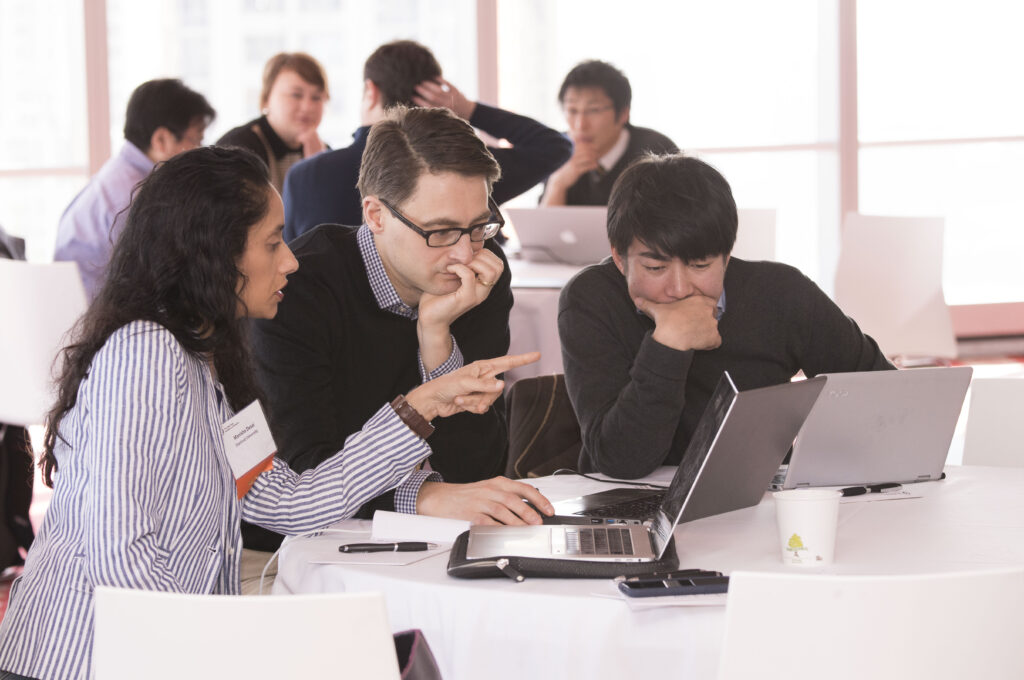
To support our belief that the best science takes place when problems are attacked with interdisciplinary perspectives by people from diverse backgrounds, we run the Interstellar Initiative with the Japan Agency for Medical Research and Development. It is a 6-month workshop to support teams of young scientists from around the world in developing innovative research proposals in the life sciences.
Our awards programs focus on early career scientists, to help them advance to become leaders in their fields.
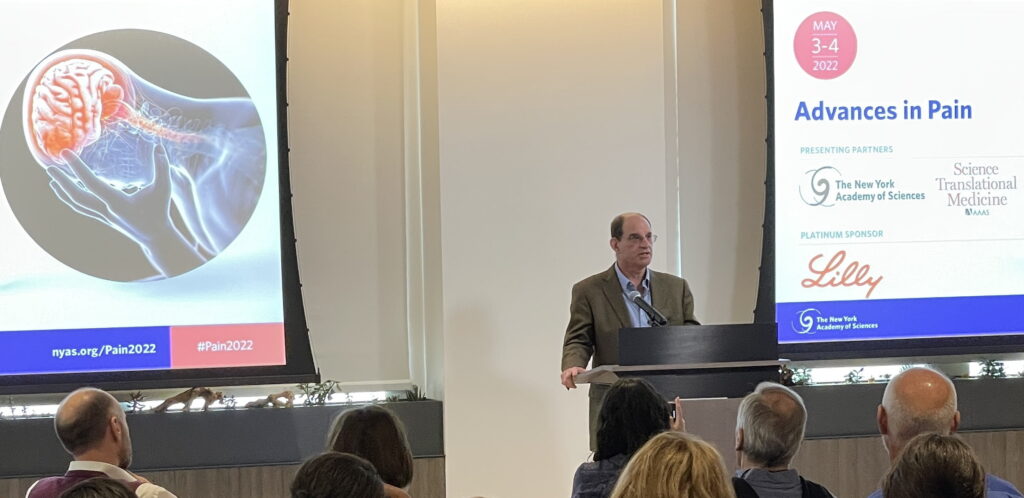
Recent Nobel Prize laureate David Julius presents at the Academy’s Advances in Pain conference in May. Photo: Roger Torda
Scientific Convenings
Of course, we continue to convene scientists and policy experts for the exchange of scientific knowledge. Each year, our conferences feature Nobel Prize laureates and dozens of other researchers at the leading edge of their fields. We help specialists work together, and we tackle topics that grab the attention of broader audiences. Examples include a series on new evidence for the therapeutic value of psychedelics, ways to recognize and reduce bias in the health sciences, and continuing reports on SARS-CoV-2.
Annals of the New York Academy of Sciences
Our multidisciplinary science journal, Annals of the New York Academy of Sciences, publishes research of current interest for the broad scientific community and society at large. Recent articles have presented work on mathematics anxiety and performance, the benefits of micronutrients during pregnancy, and the biodiversity and composition of bat communities.
We are an independent, democratic organization, open to all who want to help advance science. Now, more than ever, we believe that this commitment is critically important for the lives of our children and grandchildren. Geopolitical forces continue to drive us apart in ways that not only fracture the world but also the practice and advancement of science. We work to bridge those divides, and to foster collaboration, innovation, and the imagination we need to solve our global challenges.
We receive no government funding, and your support plays a critical role in helping science—and scientists—work toward a better, safe, and prosperous world. Please continue your valuable support for the New York Academy of Sciences.
The Blavatnik Awards for Young Scientists seek to identify and honor exceptional young scientists and engineers 42 years of age and younger. Honorees are selected based on the quality, novelty, and impact of their research and their potential for further significant contributions to science. For previous issues of awardee papers, see Ann NY Acad Sci (2012) 1260 and Ann NY Acad Sci (2013) 1293. Or click https://nyaspubs.onlinelibrary.wiley.com/doi/toc/10.1111/(ISSN)1749-6632.blavatnik-awards.