Spring Soirée 2025

Attendees listen to a presenter during a dinner party.

April 22, 2025 | 6:00 PM ET

The University Club of New York | One West 54th Street, New York, NY 10019

Reception: 6:00 PM
Program & Dinner: 7:00 PM
Dress Code: Festive or Business Attire (jacket and collared shirt for men required)

Join us for the Academy’s premiere fundraising event of the year, an unforgettable evening of innovation and discovery at our Spring Soirée, hosted by Academy President and CEO, Nicholas Dirks.

Together, we will celebrate the exceptional achievements of accomplished figures who have expanded the frontiers of knowledge and are shaping the future of science.

We will also honor the accomplishments of STEM Teacher of the Year, Brittany Beck, Biology Teacher at the High School of Telecommunication Arts and Technology; STEM Mentor of the Year, Megan C. Henriquez of the CUNY Graduate Center; and five Emerging Student Researchers in our Education Programs, as well as outstanding contributions among our Board of Governors. 

The Soirée promises to be an inspiring evening, filled with engaging conversations and captivating stories of scientific triumph. This event will offer a wonderful opportunity for you to network with scientific leaders from companies, universities and research institutes, and philanthropic organizations.

Honorees

Dr. Albert Bourla
Chairman & CEO, Pfizer

Yann LeCun
VP & Chief AI Scientist, Meta

Janet Tobias
Emmy Award-Winning Director, Writer and Producer

Jared Lipworth
Head of Studio,
HHMI Tangled Bank Studios

Dinner Chair

Chandrika K. Tandon
Academy Board Member,
Grammy Award-Winning Artist,
and Humanitarian

Sponsors

Underwriter


Mission Partner


Benefactors

Chandrika K. Tandon


Patrons

HHMI and Tangled Bank Studios Logo

Thomas C. Franco


Soirée Partner

Laurie M. Tisch Illumination Fund logo

Friends of the Soirée

AKA Strategy

Brooklyn Botanical Garden

City University of New York Advanced Science Research Center

Club Quarters

Eisner Amper

Liberty Science Center

Mercer Labs

Mushett Family Foundation

National Museum of Mathematics

New York Botanical Garden

US ORT Operations

The New York Academy of Sciences’ Scientist-in-Residence Program Honored as a Finalist in the Education, Art, & Culture category for The 4th Annual Anthem Awards

Cast your vote today to help the Academy be an Anthem Awards winner for the second year in a row.

New York, NY | October 21, 2024The New York Academy of Sciences announced that its Scientist-in-Residence program was named an Anthem Awards Finalist in the Education, Art, & Culture category in The 4th Annual Anthem Awards. In the Anthem Awards’ most competitive year, Scientist-in-Residence was short-listed from over 2,300 entries submitted from 34 countries worldwide.

“Through access to real-life scientists, the Scientist-in-Residence program at The New York Academy of Sciences has inspired public school students and their teachers across New York City, for the past 12 years, to experience how science works beyond traditional textbooks and lessons,” said Nicholas Dirks, President and Chief Executive Officer of The New York Academy of Sciences. “Under the expert mentorship of volunteer scientists, classrooms become research labs, giving students hands-on learning experiences and access to actual scientific tools to conduct a year-long science research project. Scientist-in-Residence nurtures a deep enthusiasm and curiosity for the wonders of science, technology, engineering, and math that exist all around us.”

From now until October 31st, fans can support Scientist-in-Residence by voting on the Anthem Awards Community Voice Celebration page HERE. All Finalists are also running to win a Gold, Silver, or Bronze Anthem Award selected by Anthem judges. All Winners for the 4th Annual Anthem Awards will be announced on Tuesday, November 19th, 2024.


About Scientist-in-Residence

Created in cooperation with the New York City Department of Education and The New York Academy of Sciences in 2012, the Scientist-in-Residence program matches scientists with New York City public school teachers to bring scientific inquiry to life in the classroom. By combining their research and pedagogical expertise, each scientist-teacher pair develops and implements a year-long science project that prepares students to engage in authentic research involving data collection and analysis that sparks their interest in STEM learning. The Scientist-in-Residence program also supports students toward a career in STEM by providing an avenue to find the inspiration that builds their curiosity and connects them with other scientists and STEM-inspired students across New York City. Each year, the Academy hosts a student showcase where group representatives from each class present posters and samples of their work, sharing their findings with fellow students. This event allows students to identify their peers building a support system as they continue their STEM career; it teaches students that success in a research project is not about failure or lack thereof but collecting information that can be shared with others; it also introduces students to scientists from various backgrounds that they may also see as part of their career support system.

“The Finalists of this year’s Anthem Awards are truly inspiring, and I am honored to help elevate their impact,” said Anthem Awards General Manager Patricia McLoughlin. “At this moment, there is a lot of uncertainty in our world, but the tireless and extraordinary efforts of the Anthem Awards community provide hope that a better tomorrow is possible. Thank you to everyone doing this work and making an impact.”

About The Anthem Awards

Launched in 2021 by The Webby Awards, The Anthem Awards honors the purpose & mission-driven work of people, companies and organizations worldwide. By amplifying the voices that spark global change, we’re defining a new benchmark for impactful work that inspires others to take action in their own communities. The Anthem Awards honors work across seven core causes: Diversity; Equity & Inclusion; Education; Art & Culture; Health; Human & Civil Rights; Humanitarian Action & Services; Responsible Technology; and Sustainability, Environment & Climate. This season’s partners include Ms. Magazine, The Female Quotient, Sustainable Brands, NationSwell, and TheFutureParty. The Awards were founded in partnership with the Ad Council, Born This Way Foundation, Feeding America, Glaad, Mozilla, NAACP, NRDC, WWF, and XQ.

Adipose Health and Obesogenic Memory

Join leading experts at the forefront of adipose biology, genetics, metabolism, and metabolic memory research for a one-day event on April 3, 2025, in New York City. The New York Academy of Sciences invites you to “Adipose Health and Obesogenic Memory” where top basic, translational, and clinical scientists will explore the most current adipose biology studies and their relevance to obesity and cardiometabolic disease.

Emerging evidence indicates that adipose tissue plays a pivotal role in regulating the metabolic memory of obesity. Gaining deeper insights into the biology of adipose tissue is crucial for understanding how its health impacts metabolic diseases. This knowledge could also guide the development of innovative therapies aimed at improving metabolic outcomes.

Take part in this exciting conference to explore the latest advancements in adipose tissue research and its crucial role in metabolic health. Don’t miss the chance to engage with renowned experts, uncover groundbreaking studies, and discuss innovative therapeutic strategies.

Sponsors

Presented By

The New York Academy of Sciences
Biochemical Pharmacology Discussion Group

Sponsored By

Lead Supporters: Biochemical Pharmacology Discussion Group

Supporter: Biochemical Pharmacology Discussion Group

Deepfakes and Democracy in the Digital Age

A woman presents during a panel event.

Combatting misinformation in the 2024 U.S. Presidential Election is crucial to ensuring democracy. It falls to science to address this challenge.

Published October 8, 2024

By Nick Fetty

From left: Nicholas Dirks; Joshua Tucker, PhD, Maya Kornberg, PhD; and Luciano Floridi, PhD. Photo by Nick Fetty/The New York Academy of Sciences.

The complexities of artificial intelligence were discussed during the Deepfakes and Democracy in the Age of AI event, presented by The New York Academy of Sciences and Cure on September 17, 2024.

Seema Kumar, Chief Executive Officer of Cure, a healthcare innovation campus in New York City, set the stage for the discussion by emphasizing the impact of AI on healthcare. She cited a survey of nearly 2000 physicians who expressed concern about changes in behavior they’ve observed in patients as we move into a more digital age.

Nicholas Dirks. Photo by Nick Fetty/The New York Academy of Sciences.

“Patients are coming to them with misinformation and they’re not trusting physicians when physicians correct them,” said Kumar, who also serves on the Academy’s Board of Governors. “In healthcare, too, this is becoming an issue we have to tackle and address.”

Nicholas Dirks, president and CEO of the Academy introduced the panel of experts:

  • Luciano Floridi, PhD: Founding Director of the Digital Ethics Center and Professor in the Practice in the Cognitive Science Program at Yale University. His expertise covers the ethics and philosophy of AI.
  • Maya Kornberg, PhD: Senior Research Fellow and Manager, Elections & Government, at NYU Law’s Brennan Center for Justice. She leads work around information and misinformation in politics, congress, and political violence.
  • Joshua Tucker, PhD: Professor of Politics, Director of the Jordan Center for the Advanced Study of Russia, and Co-Director of the NYU Center for Social Media and Politics. His recent work has focused on social media and politics.

The Role of Deepfakes

Professor Tucker suggested that research can be an effective way to better protect information integrity.

“The question is, and I don’t know the answer to this yet, but this is something we want to get at with research,” he said. “Is there a meaningful difference across modes of communication?” adding that modes include text, images, and video.

Professor Tucker argued that the most impactful video so far in this U.S. election cycle wasn’t a deepfake at all. Instead, it was the unedited footage of President Joe Biden’s performance in the debate on June 27, 2024.

Not A New Phenomenon

Luciano Floridi, PhD. Photo by Nick Fetty/The New York Academy of Sciences.

Dr. Kornberg agreed that misinformation is not a new phenomenon. However, she does recognize that because of the often-realistic nature of deepfakes, it may be more difficult for people today to differentiate fact from fiction. The lack of regulation in the tech sector in this regard further complicates the issue. She posed the example of an AI generated phone call impersonating an election official sent to misinform potential voters.

“It can be difficult to determine if this is a real call or a fake call,” said Dr. Kornberg. “It’s extremely important, I think, as a society for us to be doubling down in civic listening and civic training programs.”

The ease of producing realistic AI-generated content is also contributing to the issue, according to Professor Floridi. He cautioned that media can become so oversaturated with this content, that consumers begin questioning the legitimacy of everything.

Professor Floridi cited a research project that he and his team are currently working on with the Wikimedia Foundation. The team hopes to release their findings prior to the U.S. election, but at this point, they have not observed anything particularly worrisome in terms of deepfakes.

Maya Kornberg, PhD. Photo by Nick Fetty/The New York Academy of Sciences

“What we do see is call it ‘shallowfakes.’ The tiny little change [to otherwise authentic content],” Professor Floridi said. He added that these “shallowfakes” can almost be more dangerous than deepfakes because the slight manipulations are generally less obvious.

The Issue of Credibility

Dirks then shifted the focus of the conversation to credibility. With first order effects, a person sees something untrue, then forms an opinion based on that misinformation. Dirks invited Professor Tucker to talk about his research on second order effects, in which the political consequences can be more salient and destabilizing.

Professor Tucker and his lab studied the Russian misinformation on Twitter during the 2016 U.S. Presidential Election. However, counter to popular belief, the researchers did not observe a significant correlation to indicate that exposure to such misinformation influenced American voter opinion.

“Yet, we spent years talking about how the Russians were able to change the outcomes of the election. It was a convenient narrative,” said Professor Tucker. “But it worried me. And I wondered for a long time after this, did that sow the seeds of doubt in people’s minds?”

With the current hype surrounding generative AI as we enter the 2024 election, Professor Tucker expressed concern that it can be a new tool to further spread misinformation.

Combatting Voter Suppression

Dr. Kornberg and her colleagues at the Brennan Center study the impact of voter suppression efforts. The researchers are studying ways to debunk, or “pre-bunk,” certain misconceptions that may be on the minds of voters. She said that purveyors of misinformation deliberately focus on simple themes like malfunctioning voter machines, distrust of election officials, and dead people voting.

Joshua Tucker, PhD. Photo by Nick Fetty/The New York Academy of Sciences.

“We saw that in 2020. We saw that in 2022. There’s a lot of reason to believe we’re going to see that in 2024,” said Dr. Kornberg. “So, we’re working to proactively get resources out to election administrators [so they can better counteract these threats].”

She cited the role of AI in further amplifying misinformation, which will make deciphering fact from fiction even more difficult for the average voter. Dr. Kornberg and her colleagues aim to get ahead of these issues by offering training and other resources for election administrators. She also advocates for experts with technical expertise in AI to advise local election official offices, municipalities, state legislatures and even congress.

“There’s a lot of demystifying for the workers themselves that we’re trying to do with our trainings about how to deal with AI,” said Dr. Kornberg. “This will help us to come up with some intelligent and timely solutions about how to combat this.”

Academy members can access an on-demand video recording of the event. Click here to listen to or watch the full conversation.

Not a member? Sign up today.

Ready, Set, Respond: How Playing an Outbreak Simulation Game Helps Scientists Prepare for the Next Pandemic

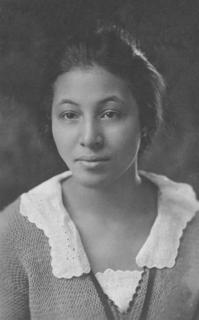
A black and white headshot of a woman.

The International Science Reserve’s new “serious game” puts players in the hot seat to test their decision-making skills.

Published October 3, 2024

By Mila Rosenthal, PhD

Since COVID-19 hit in 2020, there have been hundreds of articles in journals and mainstream news outlets analyzing the shortcomings in the global response to the pandemic, and how we can learn from our collective mistakes. One of those articles last year, an op-Ed by Bill Gates for The New York Times, called on the world to think about what we can do now to better prepare the world for future outbreaks.  

His advice? Prepare for outbreaks like firefighters tackle blazes: run drills, have dedicated teams of volunteers on standby, and build on existing expertise across institutions and specialties. The International Science Reserve (ISR), an initiative of The New York Academy of Sciences, has been working to build this exact model.

We have spent the last few years cultivating a reserve of over 11,000 scientists across 100 countries in nearly three dozen specialties who want to prepare and act when the next big crisis hits. We support them for future crises by building tools that break down borders and help them collaborate before the fire starts.

Gaming for Good

This August, we proudly launched a new digital game that simulates a pathogen outbreak, just like a fire drill. The Pathogen Outbreak Game, available with free membership to the ISR, puts our network in the hot seat. In the game scenario, players act as a public health director as an unknown pathogen emerges. The game asks you to consider: What would you do differently if we experienced a crisis of the same scale and scope? What decisions would you make if you could call the shots during the next pandemic?

“The Pathogen Outbreak Game offers a compelling exploration of crisis management, challenging me to think critically, much like real-world situations.”

Hazm Talab, ISR Community Member

Developed in partnership with the Center for Advanced Preparedness and Threat Response Simulation (CAPTRS), the game challenges players to navigate an evolving, hypothetical public health crisis, evaluating new information that is shared as the game progresses. When a crisis hits, there are complex decisions that leaders must make to protect people and reduce the impact on society and the environment. To simulate real-world situations, players are presented with dynamic information and surveillance data about an unknown pathogen outbreak.

In a series of game rounds, players are asked to practice their decision-making skills using data to identify outbreak trends and better prepare for and reduce the public health threat. This trailer demonstrates the basics of the Pathogen Outbreak Game:

The Next Pandemic and Building a “Culture of Readiness”

So, why games? Our research found that simulating real-life scenarios or drills can improve the capacity to collaborate, communicate, and make informed decisions in high-pressure crisis situations. Gamification also makes the experience of learning crisis preparedness skills more engaging for participants, encouraging wider participation and contributing towards a culture of readiness.

“I learned the importance of carefully evaluating the credibility of information before making decisions. The game highlighted how my conclusions could change drastically based on the reliability of the sources, demonstrating the critical need to assess information accurately to identify the correct virus.”

Yury Lebedev, ISR Community Member

Our gamification-related literature review found that points, badges, and leadership boards are the best way to turn these drills into games. After they complete the game exercise, players are then encouraged to discuss their experiences with fellow scientists and experts in the ISR’s network and promote their achievements through digital badging on social media.

We do not know when another outbreak will happen, so in the meantime we need to quickly learn and grow from our mistakes, and better collaborate across disciplines and borders to save lives and reduce harm. The digital pathogen game can help build a “culture of readiness” and accustom policymakers to assessing different sources of scientific information to make decisions. It can also help scientists explore how their research could be prioritized and adapted when most needed. Together, we could build a more resilient future, one game at a time.

Are You Ready for the Challenge?

Ready to jump in? Then join us and play the ISR’s new Pathogen Outbreak Game! Earn badges, climb the leaderboard, and be recognized as a top player and top contributor in a global scientific community.  

Not a member of this inclusive and impactful community? Join the ISR today.

Beyond the Beaches: Revealing the Real Puerto Rico II

A map of the West Indies from the early 20th century.

Part Two: A Lasting Impact

What started off as a discovery excursion with many unknowns quickly yielded promise and proved to be one of The New York Academy of Sciences’ greatest early 20th century achievements.

Published October 1, 2024

By Nick Fetty

From The Scientific Survey of Porto Rico and the Virgin Islands

While celebrating its centennial in 1917, The New York Academy of Sciences also celebrated the success of one of its early scientific endeavors that still resonates today.

The Academy started planning a scientific expedition to Puerto Rico in 1912 and by 1914 the first groups of scientists were traveling to the island to begin conducting research. The findings from this field work were published in a 19-volume series titled The Scientific Survey of Porto Rico and the Virgin Islands. Much of the research was conducted and published in the early half of the 20th century, when relatively little was known about the region.

A researcher poses next to a limestone slab with a human face carving. From The Scientific Survey of Porto Rico and the Virgin Islands

Expanding the Breadth of the Survey

Because of the success of the initial endeavor, the survey eventually expanded beyond the island of Puerto Rico to also include the Virgin Islands. Academy scientists observed “the physiography of the region was remarkably uniform,” according to historian Simon Baatz in the 2017 update to his seminal history of the Academy published in 1988.

The scientists reported three cycles of erosion in the area including Puerto Rico and the Virgin Islands. Baatz wrote: “The first cycle, which formed the ‘upper peneplane of Porto Rico’ was ended by uplift; the second cycle destroyed the earlier peneplane and ‘produced an old erosional surface approximately 700 feet below the first’; while the third cycle, which was terminated by submergence, resulted in the formation of a lower peneplane.” These fundamental geological structures are estimated to have been created during the conclusion of the Tertiary period.

Howard Meyeroff, a geology professor at Smith College, made several trips to the region in the 1920s. In The Scientific Survey of Porto Rico and the Virgin Islands he reported “the entire Porto Rico-Saint Croix-Virgin Islands area developed as a unit until the late Tertiary dissection of the coastal plain.” During this same era, other researchers would study the region’s mammalogy (mammals), mycology (fungi), and ornithology (birds).

“A 10,000-Acre Swamp Below Sea Level”

H.A. Gleason studied wetlands in Puerto Rico as part of the Academy’s expedition. Gleason was the curator of the New York Botanical Garden and was a pupil of Academy Fellow Nathanial Lord Britton as a doctoral student in taxonomy at Columbia University.  While scientific in nature, Gleason’s Puerto Rican research also had an economic component.

Gleason studied a swamp along the north shore of Arecibo, largely surrounded by fertile cane fields. With sugarcane as a major export for the island, Gleason suggested draining the swamp so that the entire area could be used to cultivate this cash crop.

However, with the swamp being at sea level Gleason stated it cannot be drained using “ordinary means,” as reported by the Yonkers Herald. Instead, he suggested they’d need to follow the example of the Hollanders by “[building] dikes to keep out the sea, and then [draining] the swamp by means of pumps,” which could be powered by windmills because of near constant “trade winds.”

Gleason also observed differences in the island’s topography between the north and south. While the north is swampier and saw greater rainfall, the south is semi-desert, arid and is subject to “long periods of drought.”  

Along with co-author Mel T. Cook, Puerto Rico’s government botanist and plant pathologist, this research was published in The Scientific Survey of Porto Rico and the Virgin Islands.

“Curious Habits of Birds”

The Smithsonian Institute’s Alexander Wetmore studied birds in the region in the late 1920s. He observed that the stomachs of the Antillean grebe would often “contain masses of their own feathers, plucked and swallowed, which are regularly ground up and passed on into the intestines,” he wrote in The Scientific Survey of Porto Rico and the Virgin Islands.

Wetmore also studied the honey-creeper. He didn’t have to travel far as the bird would often fly into the parlor of his hotel “to search the blossoms of cut flowers in vases,” according to reporting from the Roanoke World-News.

During these excursions into the hotel room, the bird became puzzled upon seeing its own reflection in the mirror. Wetmore wrote “As it fluttered before the glass, the bird on the opposite side always rose to meet it, and after several attempts to evade the reflection, first on one side and then on the other, it would drop down, baffled, and scold its image sharply with quickly flitting wings.”

Additionally, it was observed that female honey-creepers didn’t always appreciate the company of their male counterparts, particularly during nest building. As Wetmore wrote, “he brings materials only when the female is absent, for when she catches him in the nest, she immediately drives him out.”

Lastly, and perhaps most morbidly, Wetmore uncovered an interesting trait of the brown pelican, also referred to as an alcatraz. After speaking with locals, he discovered that “when the alcatraz grows old and feeble, rather than suffer death by starvation it commits suicide by hanging itself by the head from the fork of a mangrove or the crevice between two stones.”

Advancing the Archeology

Researchers under the auspices of the Academy continued to conduct impactful archeological research in the region, eventually expanding to also cover other islands such as Cuba, Jamaica, the Dominican Republic, Haiti, the Bahamas and more by the 1930s.

On Puerto Rico, researchers in 1940 noted “[two] periods of prehistoric occupation on the island were distinguishable in clearly stratified deposits of culture refuse found on the north and south coasts.”

Done in multiple excavations across various parts of the island, the artifacts that researchers collected included decorative bowls, shell chisels, and carved stone figures.

The Puerto Rican Influence in NYC Today

Much of the success of this effort is attributed to Academy president Nathanial Lord Britton. What started as a four-year project in 1912, continued into the mid-1940s.

Britton controlled nearly every aspect of the survey until his death in 1934. Not only was he lauded for his organizational and administrative efforts, but he led what “proved to be the most ambitious project ever undertaken by The New York Academy of Sciences” so successfully that it became “an almost routine affair,” according to Baatz.

While Britton and other researchers from New York helped to influence the scientific culture in Puerto Rico, Puerto Ricans have influenced the culture in the city and other parts of the United States in various ways.

More than 1.1 million Puerto Ricans live in the New York Metropolitan Region, according to 2022 data. This influence has contributed to the city’s rich culture in everything from theatre (West Side Story, Hamilton) to music (Jennifer Lopez, Mark Anthony) to sports (Bernie Williams, Yankees; Carlos Beltrán, Mets).

This is the second article in a two-part series examining the Academy’s past expeditions to Puerto Rico. The series is part of National Hispanic Heritage Month.

Read: Part 1 – Into the Unknown.

The New Age of the United States of Science

A man presents during a panel event.

Scientists, engineers, educators, policymakers, and the public must work together to ensure the United States remains globally competitive.

Published September 23, 2024

By Nick Fetty

Photo by Nick Fetty/The New York Academy of Sciences.

A panel of experts took a deep dive into science education, policy, economics, and more during the United States of Science event, hosted by The New York Academy of Sciences (the Academy) and the Science & Technology Action Committee (STAC) on September 16, 2024.

From left: Keith Yamamoto, PhD,; Mary Woolley; Jo Craven McGinty; Nicholas Dirks; and Darío Gil, PhD. Photo by Nick Fetty/The New York Academy of Sciences.

Moderator Jo Craven McGinty, science bureau chief for The Wall Street Journal, introduced the discussion by citing STAC’s State of Science Report in which more than 75 percent of respondents indicated that the United States is losing, or has lost, the competition to lead the world in science and technology. Furthermore, 60 percent predicted that in six years, China will be the leader.

She posed the question to Keith Yamamoto, PhD, vice chancellor for Science Policy and Strategy at the University of California San Francisco and co-chair of STAC if these perceptions reflect reality.

“The results reflect the fact that there’s been an erosion of trust in science. A lack of understanding of the societal impact of science,” said Dr. Yamamoto, calling it “disappointing.”

Darío Gil, PhD, IBM Senior Vice President and Director of Research, added that in terms of “absolute dollars spent,” the United States continues to lead the way. While the U.S. leads in funding, Dr. Gil did acknowledge that for the first time, the U.S. has been surpassed by China for the number of PhDs awarded, patents issued, and papers published.

Panelist Darío Gil, PhD (right). Photo by Nick Fetty/The New York Academy of Sciences.

Areas of Strength, Room for Growth

“We have extraordinary strengths across the science and engineering enterprise, but we have areas of significant concern as well,” said Dr. Gil, who also serves on the Academy’s Board of Governors and the Executive Board for the International Science Reserve.

Craven McGinty, then shifted the focus to the potential cause of this perceived diminishment of science in the U.S. She asked Mary Woolley, president of Research!America and co-chair of STAC, whether it’s complacency on the part of Americans, or if the nature of competition has changed. Woolley stated that it’s a combination of the two.

“We’re taking science and technology for granted, and progress for granted, and we have for many years,” said Woolley. She added that while government officials are cutting budgets each year with little foresight to the future, private industry is leading the way.

Panelist Mary Woolley. Photo by Nick Fetty/The New York Academy of Sciences.

Dr. Gil said it’s important to understand the historical context to better comprehend how the nature of the competition has changed in recent years. He cited that 20 years ago the United States spent $300 billion annually in research and development. One-third came from the federal government, while the remainder came from the business sector. Fast forward 20 years, that number rises to $800 billion annually with $600 billion from the business sector.

Another contributing factor, according to Dr. Gil, is that the international scene has become more competitive as other countries have effectively imitated the success of U.S. institution building. He said China is perhaps the greatest example of this success. 

The Role of Higher Education in Research

Nicholas Dirks, president and CEO of the Academy, offered an education perspective. Prior to his role at the Academy, Dirks spent his career in higher education, first on faculty and later in administration. He said that historically, higher education has been reliant on the model set up by 20th century governmental investments in science.

This includes research funded by agencies like the National Institutes of Health (NIH) and the National Science Foundation (NSF). This funding framework was made possible because of the “efflorescence of great research universities,” according to Dirks, that occurred in the U.S. in the early 20th century, particularly after World War II.

“I worry that if you both look at basic research, but even applied research that’s done within the context of a university where the incentives are not necessarily short-term incentives around building usable products or medicines, you begin to lose the real dynamism that underlies the whole system of research in this country,” Dirks cautioned.

The Importance of Fundamental Research

Keith Yamamoto, PhD. Photo by Nick Fetty/The New York Academy of Sciences.

Electrical engineer Vannevar Bush was the nation’s first presidential science advisor, serving in the Franklin D. Roosevelt administration. When World War II ended, the president asked Bush about the role the federal government should continue to play in supporting science. In his report, Science —The Endless Frontier, Bush stated that the federal government should continue to support scientific advancement.

“[According to the report], the way that [the federal government] should stay involved is to support fundamental research, basic research, in universities and medical schools. And to support the training of the next generation of scientists,” said Dr. Yamamoto. “Which is really still the framework for federal science policy in this country.”

This fundamental research is crucial to support, according to Dr. Yamamoto, because through further investigation, scientists can discover practical applications for something that started as novel research. While this is important in theory, Dr. Yamamoto was critical that a commitment to this practice from the federal government has not been thoroughly maintained.

“The peak in federal research for science and technology in this country was reached in 1964, and it’s been sort of dribbling down ever since, from 1.9 percent to under 0.7 percent of GDP,” stated Dr. Yamamoto. He added that scientific research is “now a multisector enterprise that, in order to succeed, is going to need support across the board.”

The United States as a World Leader

From left: Keith Yamamoto, PhD,; Mary Woolley; Jo Craven McGinty; Nicholas Dirks, PhD; and Darío Gil, PhD. Photo by Nick Fetty/The New York Academy of Sciences.

Building off Dr. Yamamoto’s GDP statistics, moderator Craven McGinty went deeper into the data. She cited that microchip production in the U.S., has declined from 37 percent 30 years ago, to 12 percent today. In particular, demand “has grown exponentially in the last decade.” Furthermore, the 2023 International Student Assessment, which evaluates the academic performance of 15-year-old students, ranked the U.S. 28th out of 37 participating countries in math, 12th in science, and 6th in reading. She then asked the panelists how we got to this point.

Dr. Gil explained the complexities of this issue from an economic standpoint. He indicated that recent changes in globalization and supply chains are part of the reason the U.S. lost its status as a major manufacturer of microchips. Dirks then weighed in. While his professional career has been in higher education, he acknowledges that the issue must be addressed at the K-12 level for American students.

“We are not producing enough K through 12 students with requisite STEM skills to work at the highest level of what we’re going to need for the workforce of the future,” Dirks said. He expressed concern about neglecting STEM skill development in American K-12 schools and overly relying on international students to pursue STEM degrees from American universities.

Moderator Jo Craven McGinty. Photo by Nick Fetty/The New York Academy of Sciences.

Taking Action

Woolley emphasized the pervasiveness of these issues. She said it isn’t just scientists and industry leaders who have expressed concern about the strength of the STEM pipeline. It’s also the broader public, such as parents.

She cited data from STAC, which found that people generally gave low rankings when assessing the quality of education in their state. However, when asked about areas that they value most in their state, education ranks high. With K-12 education in the U.S. being largely unfederated, she suggests that action at the local policy level can be the catalyst to make these necessary changes.

“There’s plenty of room for not only improvement but figuring out what each individual already in the science community, or associated with it, universities for example, what can you do?” Wooley asked. “Can you personally encourage a science-trained friend to run for the local school board? Think of the difference that would make.”

Academy members can access an on-demand video recording of the event. Click here to listen to or watch the full conversation.

Not a member? Sign up today.

Ethical AI

Overview

AI is changing the landscape of the world as we know it. It offers opportunities to impact humanity in positive ways by minimizing human error, streamlining data analysis and decision-making, as well as lowering risk to human lives – to name a few benefits. At the same time, with deep-fakes, biased algorithms and the ethical questions around AI such as art generators and chat-gpt, we as a society must grapple with the challenges of AI. How can we maximize the benefits of AI while also implementing useful boundaries to minimize the disadvantages and dangers? Can we create systems or implement new technology to address ethical issues surrounding AI? In this challenge, you will develop a solution to address one specific issue that AI poses.

Challenge

Design a technical solution that addresses and considers one clearly outlined and defined issue that AI poses in our global society.

Consider the following when designing your solution:

  • What are some of the issues that AI poses in our society? What are the impacts or implications of those issues?
  • Focus on one specific issue that AI poses. How could your solution be used by society at large? How would you propose governments use your solution?
  • Are there any downsides to your solution? What else would you and your team have to consider to create an ethical solution?
  • Who is your solution calling upon to act or implement? How does your data or solution support that societal change or law?
  • How can you integrate community co-design into your solution?

See the challenge course syllabus.

Success Evaluation Criteria

Solutions will be judged based on the following criteria:

  • Innovation and Design Thinking: Is the design and approach unique and/or innovative? Does the design show a high degree of originality and imagination?
  • Scientific Quality: Are the appropriate references and analytical methods used and are the insights derived correctly?
  • Presentation Quality: Is this concept concisely and clearly explained? Are the findings/recommendations communicated clearly and persuasively?
  • Commercial Viability/Potential: Does the solution have the potential to make a difference?
  • Sustainability: What is the social impact on local communities? How does the solution incorporate positive environmental or social objectives? Is the solution in line with a sustainable or justice focused future?
  • Teamwork and collaboration: Was the experience a collaborative endeavor? Was the knowledge gained from the experience reflected upon and tied back to a civic engagement mindset? (From Personal Reflections)

See the challenge rubric.

Winners

The winning team, Reducing BIAS in AI models, had a futuristic approach in designing a technical solution that addresses and considers one clearly outlined and defined issue that AI poses in our global society.

Team members:

  • Emma L. (Team Lead) (New Jersey, United States)
  • Shubh J. (California, United States)
  • Darren C. (New York, United States)
  • Aradhana S. (Pennsylvania, United States)
  • Shreshtha B. (Kuwait)
  • Jemali D. (New York, United States)

Mentor: Abdul Rauf (Pakistan)

Sponsor

Remediation in South Brooklyn

Overview

Offshore wind has the potential to reimagine the cityscape of New York City. With increased summer temperatures and the heavy reliance on an overworked cooling system, New York City will be the new home to a wind farm right in our backyard. The South Brooklyn Marine Terminal will be the new hub for Empire Wind 1 and Equinor’s wind farm. In this challenge you are asked to design solutions that remediate the building of offshore wind renewable energy infrastructure in New York City through the lens of STEM and the community, focusing on land and water preparation.

Challenge

At the South Brooklyn Marine Terminal in Sunset Park, there are areas on land and in the water that call for immediate remediation to prepare for the new offshore Empire Wind complex.

Focus on one of the following areas and design a comprehensive solution for remediation:

  • Preparation for building on land
    • Noise/traffic/actual construction/air monitoring
    • Current buildings from 1970s
    • Regrade hydraulics separator for run-off stormwater
  • Preparation in the water

Integrate the following into your solution:

  • Social justice 
    • A concept that asserts every person should have the same rights and opportunities, and that wealth and resources should benefit everyone – is not always integrated into remediation, making already disadvantaged communities even more vulnerable to negative impacts of climate change.
    • Think about how social justice can be included in your solution, looking at racial, urban, identity, accessibility, and/or environmental justice.
  • Community co-design
    • The shared mapping of a problem, identifying shared priorities, and designing, implementing and evaluating a potential solution together with those most affected by the issue (in this Challenge, residents of Sunset Park).
  • New or adapted technologies (AI, AR/VR, nanotechnology, materials, robotics),
  • Processes, steps (such as detecting seafloor anomalies/seafloor mapping, underwater sea vehicles) that are preliminary to your solution.

Innovative solutions may be completely new ideas or solutions that have worked in other regions but are adapted for New York’s unique needs and people. Solutions need to be tested to ensure they are effective for community needs as offshore wind infrastructure is built up in the near future.

See the challenge course syllabus.

Success Evaluation Criteria

Solutions will be judged based on the following criteria:

  • Innovation and Design Thinking: Is the design and approach unique and/or innovative? Does the design show a high degree of originality and imagination?
  • Scientific Quality: Are the appropriate references and analytical methods used and are the insights derived correctly?
  • Presentation Quality: Is this concept concisely and clearly explained? Are the findings/recommendations communicated clearly and persuasively?
  • Commercial Viability/Potential: Does the solution have the potential to make a difference?
  • Sustainability: What is the social impact on local communities? How does the solution incorporate positive environmental or social objectives? Is the solution in line with a sustainable or justice focused future?
  • Teamwork and collaboration: Was the experience a collaborative endeavor? Was the knowledge gained from the experience reflected upon and tied back to a civic engagement mindset? (From Personal Reflections)

See the challenge rubric.

Winners

The winning team, Remediation in South Brooklyn: Upgrading the Hydraulic System, had an innovative approach of finding ways to remediate the areas on land and in the water to prepare for the new offshore Empire Wind complex.

Team members:

  • Cameron A. (Team Lead) (New York, United States)
  • Ohee S. (New York, United States)
  • Cindy W. (New York, United States)
  • Ankea C. (New York, United States)
  • Ayten A. (New York, United States)
  • Annika C. (New York, United States)

Mentor: Xiwei Huang (New York, United States)

Sponsor

Academy’s Past – A Need for More Space

A black and white photo of the 19th century New York Dispensary building.

The Lyceum’s third home served as a placeholder until funds were raised for a standalone facility.

Published September 16, 2024

By Nick Fetty

New York Dispensary | White Street and Center Street | 1831 – 1836

The Lyceum of Natural History in the City of New York (“the Lyceum”) called the New York Dispensary home from 1831 to 1836. The Lyceum – which would rename itself The New York Academy of Sciences in 1876 – procured space on the third floor to house its cabinets and library, in addition to meeting rooms and office space. The lease dictated an annual rental rate of $150 (more than $5000 today) to be paid in quarterly installments.

Unlike cannabis-selling dispensaries that have popped up recently in various cities in the U.S., the New York Dispensary in the early 19th century was more akin to a religion-affiliated hospital that served those without financial means. It dispensed vaccines and other medical drugs to improve public health for the city’s most vulnerable populations. According to the Dispensary’s 1837 annual report, “The Institution is founded for, and dispenses its assistance only to the poor.”

An Immediate Need for More Space

Almost immediately upon moving into the new facility, Lyceum officials pursued a plan to purchase a piece of land on which to erect a new building and home. When attempts to collaborate on a building project with related institutions like the New York College of Pharmacy and the Mechanics’ Institute proved fruitless, the Lyceum decided to go it alone.

In 1834, John C. Jay, a curator for the Lyceum, led a successful effort to raise funds to purchase land and, eventually, construct a new building. Jay recommended the purchase of a 50- by 100-foot plot of land on Broadway between Houston and Prince Streets for approximately $22,000 (nearly $800,000 today). Individual contributors to the project funding were granted Lyceum membership that included access to the Lyceum’s library, as well as free admission to its museum and lectures for donors and their families.

Despite the success of the fundraising campaign, some members expressed concern about the Lyceum’s ability to pay off the debt that would be incurred. Nevertheless, the Lyceum proceeded with the project, which was “speedily completed,” and it moved into the new facility in May 1836.

This is the third piece in an eleven-part series exploring the Academy’s past homes. Read: