Marine Life Sustaining Wind Farms

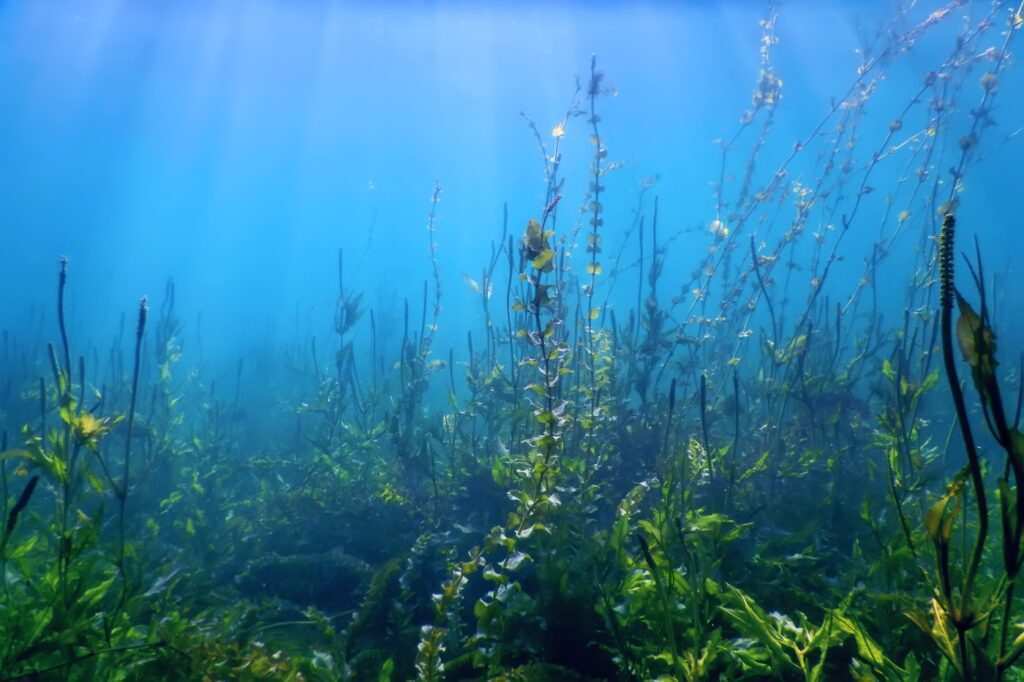
An underwater shot.

As cities like New York expand offshore wind energy to meet renewable power goals, concerns remain about the impact windfarm infrastructure can have on marine ecosystems. In the Fall 2025 Junior Academy Challenge, one team proposed transforming wind turbines into reef-like living ecosystems that support marine animals and help them thrive rather than causing harm.

Published May 8, 2026

By Nicole Pope

An underwater shot.

Winner of the Junior Academy Challenge – Fall 2025

“Marine Biodiversity”

Sponsored by The New York Academy of Sciences and Empire Wind 1

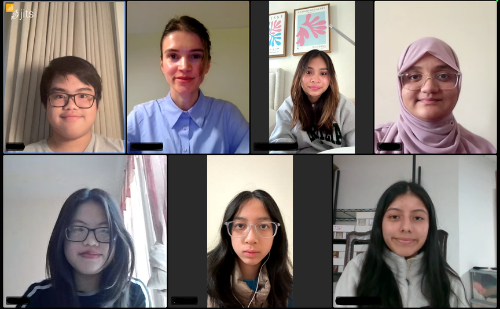
Team members: Dakila G. (Team Lead) (New York, United States), Aizah Z. (New York, United States), Lucy L. (New York, United States), Biying L. (New York, United States), Mikaela V. (New York, United States), Anna L. (New York, United States)

Mentor: Krenare Bruqi (France)
Renewable energy enables societies around the world to meet growing demand for electricity without further exacerbating the effects of climate change. The teams of high-school students who participated in the Fall 2025 Junior Academy Challenge discovered, however, that while the benefits of renewable energy are undeniable, building the infrastructure for renewable energy sources such as windfarms and operating them can still impact the environment and local marine life.

“I learned that the overall establishment of a supposed environmentally friendly structure can have significant effect on the local ecosystem,” says Team Lead Dakila G. “This challenge taught me about the various ecological effects of offshore windfarms in marine biodiversity. Marine animals tend to dramatically decrease in number during construction due to noise and trawling effects.” As New York City plans to introduce new offshore windfarms to meet its commitment to achieving a fully renewable electricity grid within the next 15 years, challenge participants were tasked with finding innovative solutions to ensure that offshore wind farms can offer a truly sustainable energy source, allowing marine life to thrive.

A Wide Range of Marine Biodiversity

“Our community in New York City is home to a wide range of marine biodiversity, from fish and birds to marsh plants and shellfish,” explains team member Lucy L. “It is essential to find solutions to protect these habitats and ecosystems since they play a major role in keeping our environment clean.” Wind is an abundant resource, which peaks in the afternoon and evening, just when energy demands rise and wind farms form an important part of the city’s energy development plans.

As a first step toward developing their BioTurbine Collective solution, the team researched the various aspects of offshore windfarms that can disturb or damage the marine environment. “During construction, noise, habitat destruction, and displacement force marine animals to migrate, disrupt communication, and increase the risk of biodiversity loss, which harms the ecosystem’s balance,” says team member Mikaela V. “Furthermore, I realized how strongly the ocean is affected by human actions and how important it is to design wind farms efficiently to reduce all the negative impacts to try to protect our ocean, therefore, our planet.”

Real World Problem Solving

The disruption is not limited to the construction stage. The rotating wind turbines can alter currents and water movement and impact the distribution of plankton and other nutrients that marine species rely on. The noise the wind farms emit can affect navigation and communication among marine life while cables generate electromagnetic fields.

“This topic required real world problem solving skills and strong collaboration skills with my peers,” explains Anna L. “We had to analyze all the layers interconnected within a single topic, as a group we had to consider the scientific, social and environmental factors to our solution. We had to research, collaborate and bring our utmost creativity skills.” The brainstorming among team members paid off, and they focused their efforts on a novel solution: Turning the wind turbines into reef-like, living ecosystems that support marine animals and enable them to thrive, rather than harming them. 

To achieve this result, their design incorporates several innovative elements. Turbine foundations are built of eco-friendly materials such as limestone and recycled concrete to create safe homes for fish, bivalves, crabs, shrimps and other sea creatures. Bubble curtains reduce construction noise by up to 95%, protecting sensitive species like marine birds and pelagic fish. Water is kept clean by shellfish reefs and kelp forests that remove nitrogen and phosphorus, while also providing shelter and nutrition to marine species.

The team also envisages blocking trawl fishing around the turbines to prevent overfishing and support the recovery of fish populations. The BioTurbine Collective team added smart technology components to their project with underwater cameras and eDNA monitoring systems to provide visuals and data on the animals and their behavior. The students envisaged using 3-D printers to craft the artificial reefs that will add more shellfish habitats.

Testing Their Approach

The team members tested their approach, using an environmental simulation model, Ecopath. The results were exciting and showed clear signs of biodiversity improvements. Reef fish (+40%), bivalves (+30%) and crustaceans in particular increased in number significantly. They also found that trawl exclusion produced strong gains, especially for bottom-dwelling species. Noise and electromagnetic field reduction had more limited effects but still contributed to protecting sensitive species like sharks and birds.

“My teammates were really dedicated people and had a genuine interest in marine biodiversity,” says team member Biying L., explaining that participants had varying interpretations of the problem at first. Through intense and convivial discussions, they arrived at a solution. “We had diverse and meaningful ideas that came together well.” For the students, the challenge offered a valuable opportunity to apply their skills to real-world problems while learning and collaborating with their peers.

“Throughout this challenge, I have been exposed to various new topics and have been able to expand my knowledge with regard to marine biodiversity and how we can help encourage it,” says team member Aizah Z. “Overall, this project has allowed me to develop new skills such as thinking outside of the box by teaching me a significant amount about marine biodiversity and also assisting with collaboration.”

Radiantis: Solar in Structure

Solar panels.

As rising global energy demand increases pressure to expand renewable power sources, in particular solar power, the winning team in the Fall 2025 Junior Academy Innovation Challenge developed an automated system to keep solar panels clean and operating efficiently.

Published May 8, 2026

By Nicole Pope

Solar panels.

Winner of the Junior Academy Challenge – Fall 2025

“Energy Infrastructure: Solar Power”

Sponsored by The New York Academy of Sciences

Team members: Hosila K. (Team Lead) (Uzbekistan), Yifan (Trevor) X. (China), Mohammed A. (Egypt), Nazli M. (Azerbaijan), Ruiheng (Ryan) W. (China), Lowri P. (United Kingdom)

Mentor: Ranjit Sahu (Virginia, United States)

Demand for energy keeps growing around the world, boosted in part by power-intensive new technologies like artificial intelligence (AI). Increasing energy production from renewable sources – solar power, in particular – is an obvious choice to curb greenhouse emissions and reduce dependence on fossil fuels. But issues like aging power grids designed for fossil fuels or fluctuations in solar energy output still hinder the adoption of renewable energy in some countries.

The teams participating in the Fall 2025 Junior Academy Innovation Challenge were asked to design an innovative and scalable solution to address infrastructure and storage issues, andmake solar energy use more reliable, efficient, and economical. The six international members of the winning team, from China, Uzbekistan, Egypt, Azerbaijan, and the United Kingdom, focused on developing automatic systems to keep solar panels clean, thus ensuring they can function at maximum capacity.

Initial Research

The team’s initial research revealed that solar panels can lose 10-15% of their efficiency, and up to 25% in arid regions, in just a few weeks. This translates into up to $10 billion losses annually for the industry. To promote wider adoption of solar power, the participants decided to tackle the maintenance of solar panels, an often overlooked but crucial aspect of solar energy. “I was shocked to learn that ‘soiling’ dust building up on panels is actually a multi-billion-dollar problem that can slash efficiency by more than 25%,” explains Team Lead Hosila H. “That showed me maintenance and technical issues are just as important as affordability in the clean energy transition.”

Collaborating online through the Launchpad platform, the participants designed the Distributed Predicted Reflex System (DPR), a sophisticated, self-operating device that keeps solar panels clean without human intervention and thus optimizes power generation. “Through mutual collaboration, we transitioned from initially working independently to making progress as a group, supporting each other with a clear division of labor,” says Ruiheng (Ryan) W., who offers a reminder that ensuring access to  “affordable and clean energy like solar power, and ensuring people benefit from technological convenience and harmonious communities” is one of the 17 Sustainable Development Goals (SDG) of the UN 2030 Agenda.

A Fully Autonomous Solution

Internally, their 3D model includes a processor, the system’s brain, which monitors dust buildup, as well as DC motors and relays to activate the cleaning mechanisms. The exterior design features two antennas (a short-range Zigbee for local mesh networking and a long-range LoRaWN for cloud communication). A waterproof casing integrates power inputs from the solar panels, environmental sensor ports, and nozzle outlets for targeted air-jet cleaning. The system can be mounted securely to solar panel frames and draws power directly from the host panel. When sensors detect levels of soiling that disrupt power generation, compressed air travelling through the tubes is released to remove accumulated dust.

To make their solution fully autonomous, the team members gave their system three core attributes or functions. They made it “distributed”, which means that devices form a local network that works even if central communication fails. The DPR is also “predictive” and can forecast coming dust storms using weather data and act in advance. The DPR was given a “reflex” function, using sensors and smart algorithms to detect dust and activate air-based cleaning automatically. “The most important lesson I learned is that innovation is not only about having a big idea, but also about smart execution, strong team spirit, solid research, and the dedication of all team members,” says team member Mohammed A.

An Ambitious Project

With this ambitious project, the team aimed to turn solar panels into fully responsive assets that can maintain peak efficiency while supporting grid stability. Team member Yifan (Trevor) X. was already interested in solar power before working on this project with his international teammates. “Previously, I independently completed a prototype design for a solar cleaning vessel,” he explains. “This team collaboration made me realize that regular discussions and phased progress can achieve research goals more effectively. This further strengthened my belief in international scientific cooperation.”

While designing their project, the high school students also focused closely on sustainability and environmental impact. They estimated that the DPR, deployed in a 1 MW solar farm, could save 1 million liters of water annually, or the equivalent of drinking water for 2,500 people, while the energy recovered through cleaning would be sufficient to power an additional 200 homes.

“Academically, I realized that for a project to be successful, you have to consider an array of factors and consequences, even if they go against what you are trying to propose,” says team member Lowri P. The device they conceived has a modular design, which makes it easy to repair, and is built to last at least seven years. More than 90% of the components can be recycled at the end of its life.

“Working together with others helps you see the world through different perspectives and appreciate the power of teamwork in achieving meaningful outcomes,” says team member Nazli M. “This experience taught me that innovation is not about having access to the best resources — it’s about creativity, collaboration, and determination. Even with limited resources, it’s possible to create something truly significant.”

The Roller Coaster of Climate Tech Investing

Solar panels.

January 22, 2026 | 12:00 PM – 1:00 PM ET

Investment in companies offering technologies and services that enable decarbonization recently faced increased headwinds. Despite the urgent need for innovation in this area, it remains unclear whether we are seeing the development of economically viable new ventures or a repeat of the boom and bust associated with “cleantech” in the late 2000s and early 2010s. This session will explore these critically important issues.

Series Moderator

Josh Lerner

The Jacob H. Schiff Professor, Harvard Business School; Director, Private Capital Research Institute

Panelists

Emily A. Carter

Princeton University

Patrick Lynch

Featherlight Capital

Ron Gonen, MBA

Closed Loop Partners

Reuben Munger

Vision Ridge

Sponsors

Series Sponsor

Presented By

The New York Academy of Sciences logo

Pricing

All: Free

About the Series

The “Private Capital and Discovery: Strategic Investing in Scientific Innovation” series is brought to you by The New York Academy of Sciences and The Private Capital Research Institute. Through expert panels and thought-provoking discussions, the series examines how private equity is uniquely positioned to drive transformative advancements—while also exploring the ethical and strategic dilemmas that can arise when financial incentives influence the trajectory of science. Learn more about the series.

Wild Hope: Mission Impossible

An array of alternative meat options.

November 6, 2025 | 6:00 PM – 7:30 PM ET

115 Broadway, 8th Floor, New York, NY 10006

The movie screening will be available exclusively to in-person attendees. Both nonmembers and Academy members can attend.

Join us for a special screening of Wild Hope: Mission Impossible. This compelling film highlights the late-career epiphany of renowned scientist Pat Brown, who abandoned his academic career to fight global warming and biodiversity collapse. Against all odds, he developed the revolutionary and delicious plant-based Impossible Burger, which has had a profound impact on the global food industry.

You won’t want to miss this unique look into one of the most impactful scientific breakthroughs of our time. Jared Lipworth, Executive Producer at HHMI Tangled Bank Studios, will open the event with a brief introduction. After the 40-minute screening, stay for a Q&A with Pat Brown and Jared, moderated by Academy President and CEO Nick Dirks.

Sponsored by

HHMI and Tangled Bank Studios Logo

Pricing

All: Free

Food Waste

Organic composting.

Eligibility

  • This challenge is only open to Junior Academy students from the USA and countries in the MENA (Middle East and North Africa) region. Mentors can be from any country.
  • Maximum of six (6) students per team, plus one (1) mentor.

Overview

Nearly one third of all food worldwide goes to waste somewhere in the journey from farm to plate. The issue is not limited to wealthier countries, but causes of the waste vary by country and region, and the impact is not equitable. Preventing the billion metric tons of food wasted each year could reduce world hunger, minimize greenhouse gasses, and prevent habitat and biodiversity loss across the globe. In this challenge, you are asked to design innovative technological and social solutions that reduce food waste with an eye towards promoting sustainability, equity, and responsible consumption.

Challenge

Design an innovative, scalable solution that helps reduce food waste at the local level (household, local restaurants, retail) or at the regional level (agriculture), while promoting sustainability, equity, and responsible consumption.

Consider the following when designing your solution:

  • What type of food waste will your solution address?
    • Household waste? Restaurant or grocery waste?
    • Specific foods such as fresh vegetables? Meat? Dry goods?
    • Specific harvests or regions?
    • Something else?
  • How can your solution be available to and adopted by the entire community?
  • How will you approach the problem? Will you take a technology approach or a social approach?
  • How can your solution address equity issues in food availability?
    • How might you integrate community co-design into your solution?
    • How might your solution be scaled to impact other regions or other countries?
  • How can you keep the cost of your solution low enough to encourage implementation?
  • How sustainable is your solution? 
  • What region or community might your solution impact the most?
  • What public policy might be needed to support or implement your solution?

See the challenge course syllabus.

Success Evaluation Criteria

Solutions will be judged based on the following criteria:

  • Innovation and Design Thinking: Is the design and approach unique and/or innovative? Does the design show a high degree of originality and imagination?
  • Scientific Quality: Are the appropriate references and analytical methods used and are the insights derived correctly?
  • Presentation Quality: Is this concept concisely and clearly explained? Are the findings/recommendations communicated clearly and persuasively?
  • Commercial Viability/Potential: Does the solution have the potential to make a difference?
  • Sustainability: What is the social impact on local communities? How does the solution incorporate positive environmental or social objectives? Is the solution in line with a sustainable or justice focused future?
  • Teamwork and collaboration: Was the experience a collaborative endeavor? Was the knowledge gained from the experience reflected upon and tied back to a civic engagement mindset? (From Personal Reflections)

See the challenge rubric.

Winners

The winning team, Save2Serve, had a creative and innovative approach of designing an innovative, scalable solution that helps reduce food waste at the local level (household, local restaurants, retail) or at the regional level (agriculture), while promoting sustainability, equity, and responsible consumption.

Team members: 

  • Jana H. (Team Lead) (Egypt)
  • Louay C. (Tunisia)
  • Tiffany G. (Massachusetts, United States)
  • Neev H. (Virginia, United States)
  • Adam A. (Egypt)
  • Salwa A. (Egypt)

Mentor: Brisa Torres (Germany)

Sponsors

The Junior Academy is implemented by The New York Academy of Sciences and is supported by the J. Christopher Stevens Virtual Exchange Initiative (JCSVEI). JCSVEI is a U.S. Department of State’s Bureau of Educational and Cultural Affairs program administered by the Aspen Institute.

Marine Biodiversity

An underwater shot.

Eligibility

  • This challenge is open to Junior Academy students who are residents of one of the 5 boroughs of New York City.
  • Maximum of six (6) students per team, plus one (1) mentor.

Overview

Offshore wind farms can offer a renewable energy source to meet the growing demand for energy of coastal communities and cities around the world, but there are also some environmental drawbacks. The construction and presence of wind turbines can disrupt marine life behavior, damage sensitive marine habitats, and reduce biodiversity in marine communities. This challenge asks you to design and plan offshore wind farms with the least negative impact on marine life that support and even increase biodiversity. How could you make offshore wind energy truly sustainable?

Challenge

Design an innovative solution that supports marine biodiversity by creating or improving marine habitats within or around offshore wind farms, while also minimizing disruption and damage to the ocean floor and water column during installation and operation.

Consider the following when designing your solution:

  • How could your solution also incorporate strategies for ongoing environmental monitoring and mitigation to ensure long-term ecosystem health?
  • What will motivate industry to implement your solution?
  • What policies might need to be implemented at the government level to fully realize your solution?
  • How will materials be sourced? Will there be a downstream environmental impact?
  • What will your solution cost? Will it be a practical choice?

See the challenge course syllabus.

Success Evaluation Criteria

Solutions will be judged based on the following criteria:

  • Innovation and Design Thinking: Is the design and approach unique and/or innovative? Does the design show a high degree of originality and imagination?
  • Scientific Quality: Are the appropriate references and analytical methods used and are the insights derived correctly?
  • Presentation Quality: Is this concept concisely and clearly explained? Are the findings/recommendations communicated clearly and persuasively?
  • Commercial Viability/Potential: Does the solution have the potential to make a difference?
  • Sustainability: What is the social impact on local communities? How does the solution incorporate positive environmental or social objectives? Is the solution in line with a sustainable or justice focused future?
  • Teamwork and collaboration: Was the experience a collaborative endeavor? Was the knowledge gained from the experience reflected upon and tied back to a civic engagement mindset? (From Personal Reflections)

See the challenge rubric.

Winners

The winning team, BioTurbine Collective (Marine Life Sustaining Wind Farms), had an innovative approach of finding ways to support marine biodiversity by creating or improving marine habitats within or around offshore wind farms, while also minimizing disruption and damage to the ocean floor and water column during installation and operation.

Team members: 

  • Dakila G. (Team Lead) (New York, United States)
  • Aizah Z. (New York, United States)
  • Lucy L. (New York, United States)
  • Biying L. (New York, United States)
  • Mikaela V. (New York, United States)
  • Anna L. (New York, United States)

Mentor: Krenare Bruqi (France)

Sponsor

Energy Infrastructure: Solar Power

Solar panels.

Eligibility

  • This challenge is open to all Junior Academy students.
  • Maximum of six (6) students per team, plus one (1) mentor.

Overview

In an increasingly electrified world, shifting from fossil fuel dependence to renewable energy is necessary to sustainably meet the growing demand. Making this transition will require 2 areas of innovation:

  1. Retrofitting current infrastructure, building new solar-ready infrastructure, and/or replacing aging power grids originally built to rely on fossil fuels.
  2. Technology that allows for the efficient and reliable distribution of solar power from areas and times of high solar input to areas and times of high electricity demand.

What innovative solution could you design to make the shift from traditional energy sources to renewable solar energy a reality?

Challenge

Design an innovative and scalable solution to improve electrical infrastructure and/or energy storage technology in order to make solar energy use more reliable, efficient, and economical for meeting the energy demands of technology and society.

Consider the following when designing your solution:

  • What level will you focus your solution on? Individual households or buildings? City infrastructure? Regional power grids? Agriculture? Nomadic communities?
  • What geographical or governmental region will you focus your solution on? What are the most urgent energy challenges in this region? How can your solution be scaled to other regions?
  • What are the supply, demand, distribution needs, and storage capabilities of electricity for your specific territory or geographical location?
  • What might be the cost of your solution? Will it be affordable for your focus audience?
  • How might retrofitting be part of your solution?
  • How could Artificial Intelligence (AI) be incorporated into your solution? Identifying ideal locations for retrofitting existing infrastructure? Managing energy flow? Managing energy use and storage? Through machine learning? Diagnosing and/or responding to system or grid fluctuations? Something else?
  • How can you use available data and research to inform or test your solution?
  • How will you prototype your solution?
  • Could your solution be expanded to other renewable energy sources such as wind or geothermal?

See the challenge course syllabus.

Success Evaluation Criteria

Solutions will be judged based on the following criteria:

  • Innovation and Design Thinking: Is the design and approach unique and/or innovative? Does the design show a high degree of originality and imagination?
  • Scientific Quality: Are the appropriate references and analytical methods used and are the insights derived correctly?
  • Presentation Quality: Is this concept concisely and clearly explained? Are the findings/recommendations communicated clearly and persuasively?
  • Commercial Viability/Potential: Does the solution have the potential to make a difference?
  • Sustainability: What is the social impact on local communities? How does the solution incorporate positive environmental or social objectives? Is the solution in line with a sustainable or justice focused future?
  • Teamwork and collaboration: Was the experience a collaborative endeavor? Was the knowledge gained from the experience reflected upon and tied back to a civic engagement mindset? (From Personal Reflections)

See the challenge rubric.

Winners

The winning team, Radiantis Solar in Structure, had a futuristic approach in designing an innovative and scalable solution to improve electrical infrastructure and/or energy storage technology in order to make solar energy use more reliable, efficient, and economical for meeting the energy demands of technology and society.

Team members: 

  • Hosila K. (Team Lead) (Uzbekistan)
  • Yifan (Trevor) X. (China)
  • Mohammed A. (Egypt)
  • Nazli M. (Azerbaijan)
  • Ruiheng (Ryan) W. (China)
  • Lowri P. (United Kingdom)

Mentor: Ranjit Sahu (Virginia, United States)

Sponsor

Combating Extreme Heat Environments through Technology Architecture Infrastructure and Urbanization

A woman hiking, looking at a series of structures that appear to be from an old civilization.
Winner of the Junior Academy Challenge – Spring 2025
“Living in the Extremes”

Sponsored by The New York Academy of Sciences

Published August 5, 2025

By Nicole Pope

Team members: Katelyn G. (Team Lead) (California, United States), Rishab S. (India), Adham M. (Egypt), Youssef I. (Egypt), Shravika S. (Virginia, United States)
Mentor: Anavi Jain (Tennessee, United States)

As record-breaking temperatures due to the climate crisis become more common around the world, especially in vulnerable regions like the Middle East, South Asia, and the southwestern United States, more than 1.2 billion people are at risk of heat stress. Areas that were already hot — such as Death Valley in California — are now experiencing conditions that regularly exceed historical records, with temperatures soaring above 134°F (56.7°C). The five international members of the winning team set themselves a clear objective: finding an innovative approach to improve the housing and living environment for communities living in scorching heat.

To devise their creative project – a housing and living concept they called Technology Architecture Infrastructure Urbanization (TAIU) – the high-school students, from the United States, Egypt, and India, held multiple online discussions, exchanging ideas across borders and time zones. In the course of their research, they learned that modern infrastructure and architecture have not kept pace with climate change. In fact, urban settings often amplify the impact of high temperatures – with asphalt and buildings made of concrete, steel, and glass retaining heat rather than deflecting it.

The team explored various building techniques and cooling methods. Historically, communities living in hot climates used passive designs, such as thick, breathable walls, shaded courtyards, and reflective surfaces to keep living spaces cool. “While my teammates leaned towards modern solutions, I advocated for a blend of traditional methods with contemporary technologies,” explains teammate Shravika S. Discussions were at times intense but always collegial while the students were developing their concept. They reached decisions democratically, under the supervision of the team’s mentor.

A Vision Emerges

From their brainstorming, a vision emerged: a sustainable project that creates a safer and more comfortable environment for people living in hot climates, without resorting to costly and energy-intensive technologies that put further strain on the planet. “By fusing ancient wisdom with future-ready innovation, TAIU offers not just shelter from the heat but a blueprint for thriving in it. With each structure we build, we’re not only cooling homes — we’re restoring hope, equity, and the possibility of a livable future for the world’s hottest regions,” the students explained in their presentation.

Inspired by Nubian architecture, their project rests on four pillars:

  • 1. Smart technology – an adaptive roof that tilts and rotates to optimize ventilation, glass that tints in response to sunlight, and phase change materials that regulate indoor temperature;
  • 2. Indoor design that blends Nubian pottery materials with passive cooling techniques to improve air flow and create breathable spaces;
  • 3. The TAIU App – a smart home system that controls the roof and provides real-time climate and energy updates; and
  • 4. Outdoor features, such as shaded areas, hydration stations, and solar-powered resilience centers that provide services and spaces where the community can gather.

“I gained valuable insight into the needs and challenges faced by the community we studied — Death Valley — where living in extreme heat demands both modern and traditional solutions,” explains teammate Adham M. “One of my biggest takeaways is realizing that blending smart technologies like smart windows and smart roofs with time-tested methods like clay construction can offer sustainable, effective ways to adapt to harsh environments.”

Conducting a Survey

To test their approach, the team consulted architects, engineers and environmental experts. A survey conducted among 248 people living in hot regions yielded useful suggestions that the team applied to finetune their design, such as expanding the use of clay insulation and rerouting cooling pipes within wall cavities. Early results from laboratory and field tests of traditional pottery composites confirmed that special clay blends can reduce indoor peak temperatures by up to 5oF.

While working on their project, the students gained new insights into the devastating effects of climate change. “I realized that air conditioning is affecting not only my life but also those who are yet to come,” says team member Rishab S. “I adopted several measures to reduce the use of air-conditioners. I started wearing lighter clothes, consuming drinks that cool down our bodies, and using windows for proper ventilation.”

Team member Youssef I. feels he has acquired new knowledge and skills, including a deeper understanding of modelling since he was responsible for producing the 3D housing model. But he also emphasizes many other benefits, such as communicating with people from different communities and cultural backgrounds and forming new friendships. For team leader Katelyn G., this Junior Academy Challenge was more than an academic experience. “It was a glimpse into the kind of changemaker I strive to become,” she explains. “From the very beginning, we weren’t just building a climate resilience solution; we were building trust across time zones, merging perspectives, and learning to lead with both head and heart.”

Learn more about the Junior Academy.

Eco-twisters

A woman wearing a facemask looks out from her balcony to a hazy, air polluted city skyline.
Winner of the Junior Academy Challenge – Spring 2025
“Air Quality & Health”

Sponsored by Stevens Initiative

Published August 5, 2025

By Nicole Pope

Team members: Kelsey M. (Team Lead) (California, United States), Hana H. (Egypt), Zoha H. (North Carolina, United States), Islam H. (Saudi Arabia), Sanaya M. (New Jersey, United States), Kavish S. (North Carolina, United States)
Mentor: Brisa Torres (Germany)

Indoor air pollution, caused largely by volatile organic compounds (VOCs) and carbon dioxide (CO2), presents major risks for human health. Globally 2.6 billion people are exposed to household air pollution, mostly from cooking with kerosene, solid fuels like wood, charcoal, coal or dung, and inefficient stoves. As a result, they face the risk of respiratory or heart diseases, cancer, and damage to organs like the liver, kidneys, or central nervous system.

When they joined the spring 2025 Air Quality and Health Junior Academy Challenge, this team of six high school students from the United States, Egypt and Saudi Arabia chose to address this often-neglected threat. “I learned so much about indoor air pollution and how it often gets overlooked, especially in communities that use kerosene or other fuel-based cooking methods,” says team member Islam H. “The more we researched, the more I realized how widespread this issue is, and how it’s especially harmful in areas with limited access to clean energy solutions.”

Before developing their winning Eco-Twister Air Filter device, the team members conducted research and brainstormed extensively online to define their approach and whether to prioritize cost, portability, or advanced technology. Their project draws on their varied skillsets and perspectives: one team member had experience in public health research, others excelled in experimental design or robotics, or brought an interest in coding or data analysis.

“We all had different ways we wanted to make the air filter at first: some suggesting we use high technology and equipment, others saying we should stick with everyday home materials,” explains teammate Zoha H. “Later on, we debated on how to redesign our filter and decided to cater towards low-income communities more and made it smaller as well as cheaper.”

Reducing VOCs and CO2

To reduce the levels of harmful indoor gases like VOCs and CO2 that stem mostly from cooking emissions, the winning team opted to design an affordable, do-it-yourself (DIY) air filter. Commercially available filters, costing between $200-$400, are out of reach for families with limited income. “Equity and inclusivity were central to our project,” says team leader Kelsey M. “We designed the filter to be affordable, our second prototype cost about $41.10, and DIY, targeting low-income communities disproportionately affected by air pollution.”

The Eco-Twister combines the capabilities of a MERV 13 filter to capture dust, pollen and tiny particles, and activated charcoal to absorb VOCs and CO2 and reduce both odors and harmful gases. They added sphagnum moss as a third, natural, component to boost the effectiveness of their innovative filter. Moss traps larger particles, heavy metals, and enhances sustainability by metabolizing VOCs. 

After producing an initial prototype, the team went on to improve their design, making a second version of the device 95% smaller as well as lighter and cheaper. “We realized what would be the most achievable and which items would be easiest to source, as our project is affordable and easy for anyone to make by themselves,” says team member Sanaya M. “When redesigning our solution, we prioritized accessibility and eco-friendliness and ended up reducing the size.”

Greater Portability and Promising Findings

This meant using one filter instead of four, which resulted in much greater portability. The team conducted tests to measure the reduction in harmful emissions their revised Eco-Twister Air Filter achieved. They were delighted when results showed that the Eco-Twister reduced peak VOC concentration by 40.8% and also accelerated VOC removal and air recovery, competing favorably with more expensive devices.

The team also conducted a survey in their communities, which revealed that 95% of the 40 respondents would be interested in using the 14-inch x 16-inch x 2-inch Eco-Twister device, which weighs 5.5lbs. Over three quarters of those surveyed found the team’s ingenious air filter affordable and more than 80% stated they would use it daily.

For the participating students, the project has been a valuable learning experience. Discussions within the group exposed them to different points of view and taught them to reach an optimal outcome by weighing multiple requirements. “My teammates who pushed for portability for low-income families got me thinking about who’d actually use it,” explains teammate Kavish S. “Also, the eco-friendly folks opened my eyes to using sustainable stuff like moss, which I hadn’t thought about before.”

The team has plans for future iterations of the Eco-Twister filter, which would use bamboo-based charcoal and biodegradable materials for enhanced sustainability. “I used to figure that air pollution was someone else’s issue, but seeing that 100% of our survey folks thought our filter could help, opened my eyes,” reflects team member Hana H. “People in poorer areas are getting sick from bad air with no good options.”

Learn more about the Junior Academy.

The Last Strand

Public artwork to bring attention to waste management.

Winner of the Junior Academy Challenge – Fall 2024 “Upcycling & Waste Management”

Published May 16, 2025

By Nicole Pope

Sponsored by Royal Swedish Academy of Engineering Sciences (IVA)

Team members: Vedeesh B. (Team Lead) (India), Livia G. (Sweden), Muhammad Q. (New Jersey, United States), Syed R. (Florida, United States)

Mentor: Christine Yu (Hong Kong)

Our world’s growing waste problem is largely driven by the production and disposal of short-lived products, creating a “use-and-dispose” culture. The mass manufacturing of new products consumes significant resources such as raw materials, water, and energy while generating greenhouse gasses, chemical emissions, and other pollutants. Even when products are recycled, the costs remain high due to the energy and processes needed for collection, sorting, and recycling. As a Fall 2024 Innovation Challenge, students were tasked with designing a solution to reduce waste generation by encouraging long-term product use and taking into account product design, business model, and societal behaviors.

Two Overlooked Sources of Pollution

This international team of high-school students collaborated online to address two sources of waste and pollution that are often overlooked: human hair and chicken feathers. Through their research, the Junior Academy challenge participants discovered that every year, hair salons and barbershops worldwide discard 300,000 tons of human hair while the poultry industry generates four billion kilograms of feathers. When discarded in landfills, hair releases methane, a gas 25 times more potent than carbon dioxide, while incineration of these waste products directly contributes to greenhouse gas emissions and increases CO2 levels. Yet both these materials are rich in keratin and offer largely untapped resources.

The students’ solution, The Last Strand, focuses on the considerable potential for upcycling hair and feathers by turning the rich biological elements they contain into high-quality, bio-derived amino acids supplements. “With our mentor Christine’s help, I developed better research techniques and uncovered valuable studies, allowing me to contribute more effectively to the project,” says team lead Vedeesh, who says he also honed his leadership skills in the course of this challenge.“ This process also deepened my understanding of genetic modification and the structure of human hair, concepts that were entirely new to me before this experience.”

The Growing Demand for Dietary Supplements

The team initiative responds to the growing demand for dietary supplements, particularly Branched-Chain Amino Acids (BCCAs), which are beneficial not only for athletes but also people who suffer from a decreased immune system, digestive problems, and various other health issues. In addition, it supports a circular economy that simultaneously reduces waste and turns discarded materials into a valuable resource.“At the core of this whole project lies the extraction of keratinases from hair, which combines, in beautiful ways, the precision of science with the principles of sustainability, and weaves together a powerful story of innovation and resourcefulness,” says team member Muhammad. “Hair is not a life byproduct, but a strong and intricate structure fully packed with keratin, one of those proteins which have great industrial and biological applications.”

The students outlined a process that first involves the collection of protein-rich hair and feathers from hair salons and poultry farms, and cleaning them to remove oils, dirt, and other contaminants. The next steps entail the use of sodium sulfide and enzymatic hydrolysis to break down the keratin and convert it into amino acids. Advanced filtration techniques are then employed to purify and separate essential amino acids like leucine, isoleucine, and valine before drying them. The method identified by the students proved cost-effective, potentially reducing the production cost of amino acid supplements by 50% and setup costs by up to 90% compared to existing systems, while the resulting products could be sold between $25 and $75 per kilogram, therefore offering a competitive alternative to current production systems. In addition, the team members also found that their process generates valuable byproducts, such as lipids, which could also be sold to industries like soap manufacturing. This could further offset costs and enhance the project’s sustainability. 

A Transformative Approach to a Global Waste Problem

“During this challenge and through our research I didn’t only learn about the technicalities of turning discarded hair into supplements, I also learned a lot about production costs, formulating a budget, and more,” says Livia. “I was also positively surprised by the receptiveness of the stakeholders in Florida. My fantastic teammate, Syed, was able to reach out to almost 15 hair salons in his local Florida and their impact was incredibly valuable to our project.” In addition, Syed reached out to 15 poultry farms in his state, who responded positively to the students’ project and declared their willingness to contribute to such an effort. Through these stakeholders, the project could collect approximately 30 tons of keratin waste monthly from local areas.

“From the initial brainstorming sessions to collaborating with teammates and our mentor, every step was a unique learning experience. I contributed by leveraging my background in (gene technology) CRISPR and gene editing to understand and refine the chemical and enzymatic processes for amino acid extraction,” says teammate Syed. “Engaging with stakeholders in Florida gave me a deeper appreciation for how science can drive real-world change. Most importantly, I’m proud of how we came together as a team to create something impactful, combining our strengths to address a critical global issue.”

The team members believe their solution could be fully implemented within five years. They are proud to have developed a project that promotes scientific innovation and sustainability. Their solution offers a transformative approach to a global waste problem that also contributes to human health and economic resilience.

Learn more about the Junior Academy.