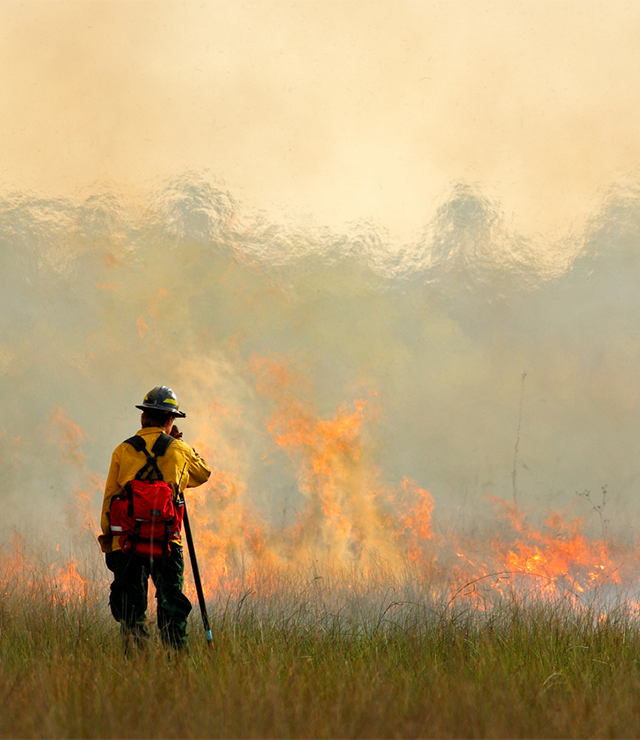
Prolonged droughts, caused by climate change, have amplified the risks of forest fires around the globe– making blazes bigger, more frequent, and more intense.
These fires devastate vast swathes of forests and often spread into residential areas, threatening lives and housing. Research by the University of Maryland suggests that fires cause forests to lose 3 million more hectares annually than in 2001. Furthermore, the UN Environment Program estimates that by 2100, the number of forest fires will increase by 50%.
The team Intelligent Forest — Chinmay R. (India, Team Lead), Rohan S. (India), and Soumik P. (India) — worked under the guidance of their mentor Malarvizhi Arulraj (United States) to tackle this critical issue as part of the “Forestry for a Sustainable Future” Fall 2022 Junior Academy Challenge, sponsored by the Royal Swedish Academy of Engineering Sciences (IVA). Intelligent Forest bested the field among 175 competitors. Their innovative method to predict the risk of fire helped them to win.
“It was great taking on real world problems and using our intellect to solve them. I learned various things throughout the course of the challenge such as AI, weather patterns, machine learning applications and much more,” says Rohan. “We worked hard as a team and came up with a solution in the end together.”
Understanding Forest Fires
Forest fires can be triggered by natural factors, such as lightning, or by human factors, such as the careless dropping of a cigarette or the lighting of an unnecessary fire in severe drought conditions. Crown fires burn the entire length of the trees while surface fires only scorch dried leaves and grass.
In some cases, fire can rage under the ground. As the team discovered over the course of their research, climatic conditions play a critical role– the hotter and drier the weather, the more destructive the fire is likely to be.
Finding ways to mitigate the impact of these now-frequent infernos required hard work, but the team members worked collaboratively to achieve results.
“There were times when I was uncertain as to whether we would even reach the end, but here we are,” says Soumik. “It was a fun experience working with my team members, and I had the opportunity to add and develop my skills. My main contribution was helping with the research side of things and suggesting ideas and edits.”
Utilizing Artificial Intelligence
With support from their mentor, the students decided to focus on harnessing the power of Artificial Intelligence (AI) to analyze forest and temperature data, in the hope that it would be possible to predict the risk of fires.
“I was impressed by the plans and ideas the team put together and was absolutely delighted to mentor the team,” says their mentor, Malarvizhi. “They chose a problem and approach that was hard and challenging. Especially, finding the best dataset and creating working machine-learning algorithms needs a lot of effort.”
Using data on fire alerts and meteorological information (minimal and maximal temperatures, rainfall, solar radiation and daily evaporation) collected in the Brisbane area in Australia between 2012 and 2022, the team tested two different AI approaches: Decision Tree and Random Forest.
The Results
The goal was to create four categories: no risk, low risk, medium risk or high risk of fire. The results provided the proof-of-concept the team expected. With the Decision Tree approach, they were able to predict fire risk with 70% accuracy, while the accuracy was 79% using the Random Forest approach.
These findings demonstrated that with the help of AI, it is possible to predict the risk of forest fires with 70–80% accuracy, which, in turn, allows for increased preparedness and limited impact.
“The project was a great learning experience for me,” says Team Lead Chinmay. “I had taken Artificial Intelligence as a subject in high school and this project taught me how I could apply what I had learned in a real-life situation.”
For a United Nations discussion of the role of science in solving the world’s most urgent problems, the International Science Reserve (ISR) convened a panel of experts from the ISR network, across academic, private and public sectors. The recording is now available on-demand (viewing instructions below).
The panel was moderated by Mila Rosenthal, Executive Director of the International Science Reserve, and included:
Nicholas Dirks, President & CEO, New York Academy of Sciences, ISR Executive Board Co-chair
Erwin Gianchandani, Assistant Director for Technology, Innovation and Partnerships National Science Foundation, Federal Liaison to the ISR
Tracy Marshall, University of the West Indies St. Augustine Campus. Trinidad and Tobago, ISR Science Community Member
Philip Nelson, Director, AI for Social Good, Google AI, ISR Executive Board Member
The webinar was part of the United Nations General Assembly’s Science Summit, where we discussed how the ISR can help in fast-moving climate and health-related crises to protect progress on the UN Sustainable Development Goals – the Global Goals – and limit the damage to communities and habitats.
Mila Rosenthal (ISR) introduces the Sustainable Development Goals (SDGs) and their relationship to crises.
When a crisis hits, the International Science Reserve will help scientists in our network get additional access to specialized human and technical resources, like remote sensing, geospatial mapping and high-performance computing, so that they can apply their research for crisis response.
Here are two big takeaways from the discussion:
1. Human networks are key, and they need to include everyone to make sure that science and technology is aimed at helping the most vulnerable people and most fragile environments.
Erwin Gianchandani (NSF) on how the ISR democratizes access to resources.
Philip Nelson (Google AI) on the power of coming together.
Tracy Marshall (University of the West Indies – St. Augustine Campus) on how the ISR will support her work as a scientist.
2. You can’t just throw money at a crisis and expect rapid response solutions. You have to learn from previous experiences and prepare in advance.
For example, the ISR is keeping the life-saving public-private connections made during COVID-19 alive in order to prepare for the next crisis.
Erwin Gianchandani (NSF) on why networks are just as important as money in times of crisis research.
Nicholas Dirks (NYAS) on collaboration between the public and private sector during crisis.
Tracy Marshall (University of the West Indies – St. Augustine) on valuing local contexts in disaster management research.
Philip Nelson (Google AI) on solving crisis-related problems in an open environment.
—
Do you want to watch the whole webinar? Here are three steps to rewatch the panel through the ISR Science Unusual series on-demand:
In August, wildfires ripped through the Córdoba Province in central Argentina, leaving economic damage and scorched forests and pastureland in its wake. Argentina is no stranger to wildfires, but climate change is making the fires more frequent, widespread and complex – and the impacts of drought and fires are stretching across borders.
After thousands of acres in northern Argentina burned in February of 2022, ash clouds flew into Argentina’s neighbor, Paraguay, harming local residents’ health with smog-filled air. The country made international headlines just two years prior when another set of fires in Córdoba burned 60,000 hectares of flora, fauna, grassland, forests, and homes.
Studying Changes to Soil Properties
Healthy farmland and soil are critical to the region, given that it relies heavily on its agricultural industry, like cattle farming. Crisis after crisis has forced the region’s leading scientists to rethink how fire-driven changes to soil properties implicates vegetation, plant regeneration and ecosystem services. And it has pushed them to work together across borders and scientific disciplines.
“In late September 2020, it was easy to see from the Córdoba City the thick black plumes of smoke rising from the ranges, while hellish images were shown on TV and social media,” said Dr. Maria Gabriela Garcia, International Science Reserve community member and a geologist based in Córdoba. “This situation led me to wonder to what extent the fires have altered the chemical and physical properties of the soils, and ultimately, impacted their fertility and runoff control capacity.”
After the 2020 fires, Argentina’s National Council of Science and Technology (CONICET) called researchers together from different disciplines to propose actions and lines of research that deal with different aspects of this crisis. Today, geologists, mineralogists, chemists, microbiologists and ecologists, are all working all together to rapidly characterize the dynamics of post-fire recovery.
On the Hunt for Stronger Data
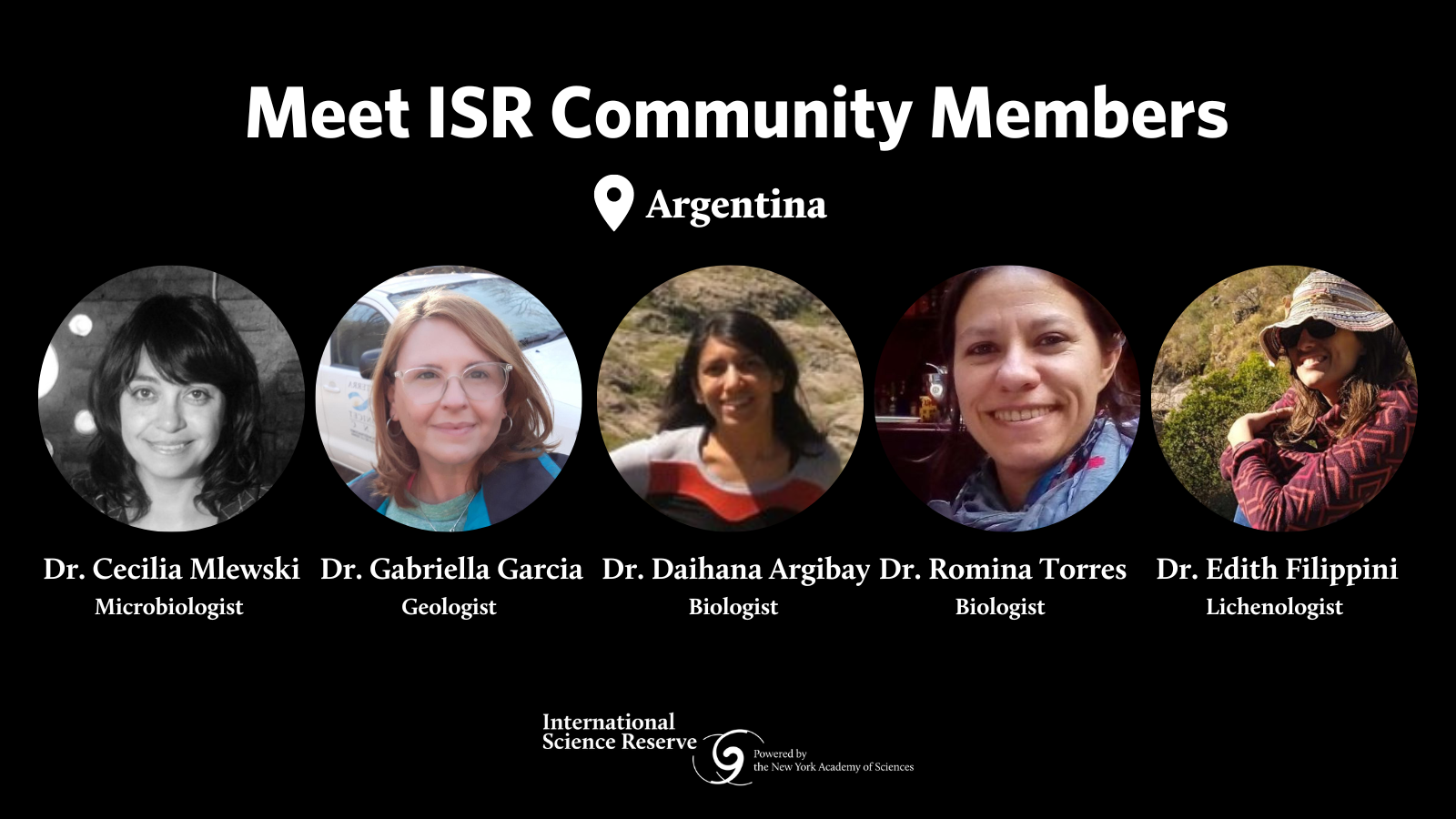
One unique collective of Argentinian scientists are on the hunt for stronger data about the soil in the aftermath of extreme wildfires. Through the NCST, Dr. Estela Cecilia Mlewski, a microbiologist, met Dr. Garcia, a professor at the National University of Córdoba.
The team also brought on Edith Filippini, a lichenologist focused on ecological studies and biomonitoring of environments affected by fire; Romina Cecilia Torres – a specialist in postfire regeneration by resprouting and seedlings; and Daihana Argibay – a specialist in satellite image analysis.
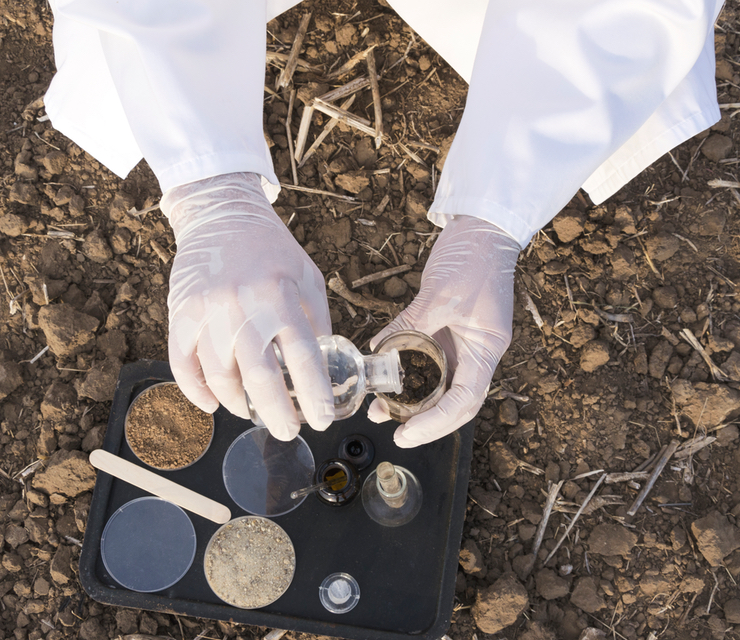
The group’s collected data will be fundamental to understanding the geochemical and microbiological disturbances that occur in soils of a semi-arid mountainous area of southern South America affected by forest fires, and help researchers design effective strategies for remediation of the affected ecosystems across the region. If their research can find the presence of microorganisms, for example, there is an opportunity for regrowth and regeneration of local flora – which could lessen the fires’ impact on farming or other ecological or economic activities.
The Utility of the International Science Reserve
The group recently worked together on the International Science Reserve’s readiness exercise on wildfires. The ISR conducts readiness exercises – or scenarios – to bring scientists from across borders and disciplines together to prepare for crisis. The Argentinian scientists believe that the International Science Reserve can be useful for giving researchers the tools for fire prevention and support through much needed resources to predict fire behavior, and help in control and monitoring tasks against a crisis.
“The ISR is an excellent opportunity to know researchers around the world working on similar aspects to us. It gives us the potential to generate collaborations between foreign groups and enrich our knowledge. The ISR’s readiness exercises can improve existing tools and more importantly, expand our ideas,” Dr. Mlewski recently told the ISR team in an interview.
If you are interested in joining the International Science Reserve network and collaborating with scientists like the Argentinian group, please visit our sign-up page to learn more about becoming a member of the ISR community.
The Blavatnik Awards for Young Scientists in the United Kingdom are the largest unrestricted prize available to early career scientists in the Life Sciences, Physical Sciences & Engineering, and Chemistry in the UK. The three 2021 Laureates each received £100,000, and two Finalists in each category received £30,000 per person. The honorees are recognized for their research, which pushes the boundaries of our current technology and understanding of the world. In this event, held at the historic Banqueting House in London, the UK Laureates and Finalists had a chance to explain their work and its ramifications to the public.
Victoria Gill, a Science and Environment Correspondent for the BBC, introduced and moderated the event. She noted that “Science has saved the world and will continue to do so,” and stressed how important it is for scientists to engage the public and share their discoveries at events like this. This theme arose over and over again over the course of the day.
Symposium Highlights
Single-cell analyses can reveal how multicellular animals develop and how our immune systems deal with different pathogens we encounter over the course of our lives.
Viruses that attack bacteria—bacteriophages—may help us fight antibiotic resistant bacterial pathogens.
Fossils offer us a glimpse into what life on Earth was like for the millennia in which it thrived before mammals took over.
Stacking layers of single-atom-thick sheets can make new materials with desired, customizable properties.
Memristors are electronic components that can remember a variety of memory states, and can be used to build quicker and more versatile computer chips than currently used.
The detection of the Higgs boson, which had been posited for decades by mathematical theory but was very difficult to detect, confirmed the Standard Model of Physics.
Single molecule magnets can be utilized for high density data storage—if they can retain their magnetism at high enough temperatures.
When examining how life first arose on Earth, we must consider all of its requisite components and reactions in aggregate rather than assigning primacy to any one of them.
Speakers
Stephen L. Brusatte The University of Edinburgh
Sinéad Farrington The University of Edinburgh
John Marioni European Bioinformatics Institute and University of Cambridge
David P. Mills The University of Manchester
Artem Mishchenko The University of Manchester
Matthew Powner University College London
Themis Prodromakis University of Southampton
Edze Westra University of Exeter
Innovating in Life Sciences
Speakers
John Marioni, PhD European Bioinformatics Institute and University of Cambridge, 2021 Blavatnik Awards UK Life Sciences Finalist
Edze Westra, PhD University of Exeter, 2021 Blavatnik Awards UK Life Sciences Finalist
Stephen Brusatte, PhD The University of Edinburgh, 2021 Blavatnik Awards UK Life Sciences Laureate
How to Build an Animal
John Marioni, PhD, European Bioinformatics Institute and University of Cambridge, 2021 Blavatnik Awards UK Life Sciences Finalist
Animals grow from one single cell: a fertilized egg. During development, that cell splits into two, and then into four, and so on, creating an embryo that grows into the billions of cells comprising a whole animal. Along the way, the cells must differentiate into all of the different cell types necessary to create every aspect of that animal.
Each cell follows its own path to arrive at its eventual fate. Traditionally, the decisions each cell has to make along that path have been studied using large groups of cells or tissues; this is because scientific lab techniques have typically required a substantial amount of starting material to perform analyses. But now, thanks in large part to the discoveries of John Marioni and his lab group, we have the technology to track individual cells as they mature into different cell types.
Marioni has created analytical methods capable of observing patterns in all of the genes expressed by individual cells. Importantly, these computational and statistical methods can be used to analyze the enormous amounts of data generated from the gene expression patterns of many individual cells simultaneously. In addition to furthering our understanding of cell fate decisions in embryonic development, this area of research—single cell genomics—can also be applied to many other processes in the body.
One relevant application is to the immune system: single cell genomics can detect immune cell types that are activated by exposure to a particular pathogen. To illustrate this, Marioni showed many gorgeous, colorized images of individual cells, highlighting their unique morphology and function. Included in these images was histology showing profiles of different types of T cells elicited by infection with SARS-CoV-2 (the virus that causes COVID-19).
The cells were computationally grouped by genetic profile and graphed to show how the different cell types correlated with disease severity. There are many other clinical applications of his research into genomics. For instance, he said, if we know exactly which cell types in the body express the targets of specific drugs, we will be better able to predict that drug’s effects (and side effects).
In addition to his lab work, Marioni is involved in the Human Cell Atlas initiative, a global collaborative project whose goal it is to genetically map all of the cell types in healthy human adults. When a cell uses a particular gene, it is said to “transcribe” that gene to make a particular protein—thus, the catalog of all of the genes one cell uses is called its “transcriptome.” The Human Cell Atlas is using these single cell transcriptomes to create the whole genetic map.
This research is currently completely redefining how we think of cell types by transforming our definition of a “cell” from the way it looks to the genetic profile.
Bacteria and Their Viruses: A Microbial Arms Race
Edze Westra, PhD University of Exeter, 2021 Blavatnik Awards UK Life Sciences Finalist
All organisms have viruses that target them for infection; bacteria are no exception. The viruses that infect bacteria are called bacteriophages, or phages.
Edze Westra’s lab studies how bacteria evolve to defend themselves against infection by phage and, specifically, how elements of their environment drive the evolution of their immune systems. Like humans, bacteria have two main types of immune systems: an innate immune system and an adaptive immune system. The innate immune system works similarly in both bacteria and humans by modifying molecules on the cell surface so that the phage can’t gain entry to the cell.
In humans, the adaptive immune system is what creates antibodies. In bacteria, the adaptive immune system works a little bit differently—a gene editing system, called CRISPR-Cas, cuts out pieces of the phage’s genome and uses it as a template to identify all other phages of the same type. Using this method, the bacterial cell can quickly discover and neutralize any infectious phage by destroying the phage’s genetic material. In recent years, scientists have harnessed the CRISPR-Cas system for use in gene editing technology.
Westra wanted to know under what conditions do bacteria use their innate immune system versus their adaptive immune system: How do they decide?
In studies using the bacterial pathogen Pseudomonas aeruginosa, his lab found that the decision to use adaptive vs. innate immunity is controlled almost exclusively by nutrient levels in the surrounding environment. When nutrient levels are low, the bacteria use the adaptive immune system, CRISPR-Cas; when nutrient levels are high, the bacteria rely on their innate immune system. He recognized that this means we can artificially guide the evolution of bacterial defense by controlling elements in their environment.
When we need to attack pathogenic bacteria for medical purposes, such as in a sick or infected patient, we turn to antibiotics. However, many strains of bacteria have developed resistance to antibiotics, leaving humans vulnerable to infection.
Additionally, our antibiotics tend to kill broad classes of microbes, often damaging the beneficial species we harbor in our bodies along with the pathogenic ones we are trying to eliminate. Phage therapy—a medical treatment where phages are administered to a patient with a severe bacterial infection—might be a good way to circumvent antibiotic resistance while also attacking bacteria in a more targeted manner, harming only those that harm us and leaving the others be.
Although it is difficult to manipulate bacterial nutrients within the context of a patient’s body, we can use antibiotics to direct this behavior. Antibiotics that are shown to limit bacterial growth will induce the bacteria to use the CRISPR-Cas strategy, mimicking the effects of a low-nutrient environment; antibiotics that work by killing bacteria will induce them to use their innate defenses. In this way, it may be possible to direct the evolution of bacterial defense systems in order to reveal their weaknesses and target them with phage therapy.
The Rise and Fall of the Dinosaurs
Stephen Brusatte, PhD The University of Edinburgh, 2021 Blavatnik Awards UK Life Sciences Laureate|
Stephen Brusatte is a paleontologist, “and paleontologists”, he says, “are really historians”. Just as historians study recorded history to learn about the past, paleontologists study prehistory for the same reasons.
The Earth is four and a half billion years old, and humans have only been around for the last three hundred and fifty thousand of those years. Dinosaurs were the largest living creatures to ever walk the earth; they started out around the size of house cats, and over eighty million years they evolved into the giant T. rexes, Stegosauruses, and Brontosauruses in our picture books.
They reigned until a six-mile-wide asteroid struck the Earth sixty-six million years ago at the end of the Cretaceous period, extinguishing them along with seventy-five percent of the other species on the planet. Brusatte called this day “the worst day in Earth’s history.” However, the demise of dinosaurs paved the way for mammals to take over.
Fossils can tell us a lot about how life on this planet used to be, how the earth and its occupants respond to climate and environmental changes, and how evolution works over long timescales. Particularly, fossils show how entirely new species and body plans emerge.
Each fossil can yield new knowledge and new discoveries about a lost world, he said. It can teach us how bodies change and, ultimately, how evolution works. It is from fossils that we know that today’s birds evolved from dinosaurs.
Life Sciences Panel Discussion
Victoria Gill started the life sciences panel discussion by asking all three of the awardees if, and how, the COVID-19 pandemic changed their professional lives: did it alter their scientific approach or were they asking different questions?
Westra replied that the lab shutdown forced different, non-experimental approaches, notably bioinformatics on old sequence data. He said that they found mobile genetic elements, and the models of how they moved through a population reminded him of epidemiological models of COVID spread.
Marioni shared that he was inspired by how the international scientific community came together to solve the problem posed by the pandemic. Everyone shared samples and worked as a team, instead of working in isolation as they usually do. Brusatte agreed that enhanced collaboration accelerated discoveries and should be maintained.
Questions from the audience, both in person and online, covered a similarly broad of a range of topics. An audience member asked about where new cell types come from; Marioni explained that if we computationally look at gene transcription changes in single cells over time, we can make phylogenetic trees showing how cells with different expression patterns arise.
A digital attendee asked Brusatte why birds survived the asteroid impact when other dinosaurs didn’t. Brusatte replied that the answer is not clear, but it is probably due to a number of factors: they have beaks so they can eat seeds, they can fly, and they grow fast. Plus, he said, most birds actually did not survive beyond the asteroid impact.
Another audience member asked Brusatte if the theory that the asteroid killed the dinosaurs was widely accepted. He replied that it is widely accepted that the impact ended the Cretaceous period, but some scientists still argue that other factors, like volcanic eruptions in India, were the prime mover behind the dinosaurs’ demise.
Another viewer asked Westra why the environment impacts a bacterium’s immune strategy. He answered that in the presence of antibiotics that slow growth, infection and metabolism are likewise slowed so the bacteria simply have more time to respond. He added that the level of diversity in the attacking phage may also play a role, as innate immunity is better able to deal with multiple variants.
To wrap up the session, Victoria Gill asked about the importance of diversity and representation and wondered how to make awards programs like this more inclusive. All three scientists agreed that it is hugely important, that the lack of diversity is a problem across all fields of research, that all voices must be heard, and that the only way to change it is by having hard metrics to rank universities and departments on the demographics of their faculty.
Innovating in Physical Sciences & Engineering
Speakers
Artem Mishchenko, PhD The University of Manchester, 2021 Blavatnik Awards UK Physical Sciences & Engineering Finalist
Themis Prodromakis, PhD University of Southampton, 2021 Blavatnik Awards UK Physical Sciences & Engineering Finalist
Sinead Farrington, PhD The University of Edinburgh, 2021 Blavatnik Awards UK Physical Sciences & Engineering Laureate
Programmable van der Waals Materials
Artem Mishchenko, PhD The University of Manchester, 2021 Blavatnik Awards UK Physical Sciences & Engineering Finalist
Materials science is vital because materials define what we can do, and thus define us. That’s why the different eras in prehistory are named for the materials used: the Stone Age, the Bronze Age, the Iron Age, the Copper Age. The properties of the materials available dictated the technologies that could be developed then, and the properties of the materials available still dictate the technologies that can be developed now.
Van der Waals materials are materials that are only one or a few atoms thick. The most well-known is probably graphene, which was discovered in 2004 and is made of carbon. But now hundreds of these two-dimensional materials are available, representing almost the whole periodic table, and each has different properties. They are the cutting edge of materials innovation.
Mishchenko studies how van der Waals materials can be made and manipulated into materials with customizable, programmable properties. He does this by stacking the materials and rotating the layers relative to each other. Rotating the layers used to be painstaking, time-consuming work, requiring a new rig to make each new angle of rotation. But his lab developed a single device that can twist the layers by any amount he wants. He can thus much more easily make and assess the properties of each different material generated when he rotates a layer by a given angle, since he can then just reset his device to turn the layer more or less to devise a new material. Every degree of rotation confers new properties.
His lab has found that rotating the layers can tune the conductivity of the materials and that the right combination of angle and current can make a transistor that can generate radio waves suitable for high frequency telecommunications. With infinite combinations of layers available to make new materials, this new field of “twistronics” may generate an entirely new physics, with quantum properties and exciting possibilities for biomedicine and sustainability.
Memristive Technologies: From Nano Devices to AI on a Chip
Themis Prodromakis, PhD University of Southampton, 2021 Blavatnik Awards UK Physical Sciences & Engineering Finalist
Transistors are key elements in our electronic devices. They process and store information by switching between on and off states. Traditionally, in order to increase the speed and efficiency of a device one increased the number of transistors it contained. This usually entailed making them smaller. Smartphones contain seven billion transistors! But now it has become more and more difficult to further shrink the size of transistors.
Themis Prodromakis and his team have been instrumental in developing a new electronic component: the memristor, or memory resistor. Memristors are a new kind of switch; they can store hundreds of memory states, beyond on and off states, on a single, nanometer-scale device. Sending a voltage pulse across a device allows to tune the resistance of the memristor at distinct levels, and the device remembers them all.
One benefit of memristors is that they allow for more computational capacity while using much less energy from conventional circuit components. Systems made out of memristors allow us to embed intelligence everywhere by processing and storing big data locally, rather than in the cloud. And by removing the need to share data with the cloud, electronic devices made out of memristors can remain secure and private. Prodromakis has not only developed and tested memristors, he is also quite invested in realizing their practical applications and bringing them to market.
Another amazing application of memristors is linking neural networks to artificial ones. Prodromakis and his team have already successfully connected biological and artificial neurons together and enabled them to communicate over the internet using memristors as synapses. He speculates that such neuroprosthetic devices might one day be used to fix or even augment human capabilities, for example by replacing dysfunctional regions of the brain in Alzheimer’s patients. And if memristors can be embedded in a human body, they can be embedded in other environments previously inaccessible to electronics as well.
What Do We Know About the Higgs Boson?
Sinead Farrington, PhD The University of Edinburgh, 2021 Blavatnik Awards UK Physical Sciences & Engineering Laureate
In the Standard Model of particle physics, the bedrock of modern physics, fermions are the elementary particles comprising all of the stable matter in the universe, while bosons—the other collection of elementary particles—are the ones that transmit forces. The Higgs boson, whose existence was theoretically proposed in 1964, is a unique particle; it gives mass to the other particles by coupling with them.
Sinéad Farrington led the group at CERN that further elucidated the properties of the Higgs boson and thus bolstered the Standard Model. The Standard Model “effectively encapsulates a remarkably small set of particles that make up everything we know about and are able to create,” explained Farrington.
“The Higgs boson is needed to maintain the compelling self-consistency of the Standard Model. It was there in theory, but the experimental observation of it was a really big deal. Nature did not have to work out that way,” Farrington said.
Farrington and her 100-person international team at the Large Hadron Collider demonstrated that the Higgs boson spontaneously decays into two fermions called tau leptons. This was experimentally challenging because tau is unstable, so the group had to infer that it was there based on its own degradation products. She then went on to develop the analytical tools needed to further record and interpret the tau lepton data and was the first to use machine learning to trigger, record, and analyze the massive amounts of data generated by experiments at the LHC.
Now she is looking to discover other long-lived but as yet unknown particles beyond the Standard Model that also decay into tau leptons, and plans to make more measurements using the Large Hadron Collider to further confirm that the Higgs boson behaves the way the Standard Model posits it will.
In addition to the satisfaction of verifying that a particle predicted by mathematical theorists actually does exist, Farrington said that another consequence of knowing about the Higgs boson is that it may shed light on dark matter and dark energy, which are not part of the Standard Model. Perhaps the Higgs boson gives mass to dark matter as well.
Physical Sciences & Engineering Panel Discussion
Victoria Gill started this session by asking the participants what they plan to do next. Farrington said that she would love to get more precise determinations on known processes, reducing the error bars upon them. And she will also embark on an open search for new long-lived particles—i.e. those that don’t decay rapidly—beyond the Standard Model.
Prodromakis wants to expand the possibilities of memristive devices, since they can be deployed anywhere and don’t need a lot of power. He envisions machine-machine interactions like those already in play in the Internet of Things as well as machine-human interactions. He knows he must grapple with the ethical implications of this new technology, and mentioned that it will also require a shift in how electricity, electronics, and computational fabrics are taught in schools.
Mishchenko is both seeking new properties in extant materials and making novel materials and seeing what they’ll do. He’s also searching for useful applications for all of his materials.
A member of the audience asked Farrington if, given all of the new research in quantum physics, we have new data to resolve the Schrӧedinger’s cat conundrum? But she said no, the puzzle still stands. That is the essence of quantum physics: there is uncertainty in the (quantum) world, and both states exist simultaneously.
Another wondered why she chose to look for the tau lepton as evidence of the Higgs boson’s degradation and not any other particles, and she noted that tau was the simplest to see over the background even though it does not make up the largest share of the breakdown products.
An online questioner asked Prodromakis if memristors could be used to make supercomputers since they allow greater computational capacity. He answered that they could, in principle, and could be linked to our brains to augment our capabilities.
Someone then asked Mishchenko if his technology could be applied into biological systems. He said that in biological systems current comes in the form of ions, whereas in electronic systems current comes in the form of electrons, so there would need to be an interface that could translate the current between the two systems. Some of his materials can do that by using electrochemical reactions that convert electrons into ions. But the materials must also be nontoxic in order to be incorporated into human tissues, so he thinks this innovation is thirty to forty years away.
The last query regarded whether the participants viewed themselves as scientists or engineers. Farrington said she is decidedly a physicist and not an engineer, though she collaborates with civil and electrical engineers and relies on them heavily to build and maintain the colliders and detectors she needs for her work.
Prodromakis was trained as an engineer, but now works at understanding the physics of devices so he can design them to reliably do what he wants them to do. And Mishchenko summarized the difference between them by saying the engineering problems are quite specific, while scientists mostly work in darkness. At this point, he considers himself an entrepreneur.
Innovating in Chemistry
Speakers
David P. Mills, PhD The University of Manchester, 2021 Blavatnik Awards UK Chemistry Finalist
Matthew Powner, PhD University College London, 2021 Blavatnik Awards UK Chemistry Finalist
Building High Temperature Single-Molecule Magnets
David P. Mills, PhD The University of Manchester, 2021 Blavatnik Awards UK Chemistry Finalist
David Mills’ lab “makes molecules that have no right to exist.” He is specifically interested in the synthesis of small molecules with unusual shapes that contain metal ions, and using these as tiny molecular magnets to increase data storage capacity to support high-performance computing. Mills offers a bottom-up approach to this problem: he wants to make new molecules for high density data storage. This could ultimately make computers smaller and reduce the amount of energy they use.
Single-Molecule Magnets (SMMs) were discovered about thirty years ago. They differ from regular magnets, which derive their magnetic properties from interactions between atoms, but they still have two states: up and down. These can be used to store data in a manner similar to the bits of binary code that computers currently use. Initially, SMMs could only work at extremely cold temperatures, just above absolute zero. For many years, scientists were unable to create an SMM capable of operation above −259oC, only 10oC above the temperature of liquid helium, which makes them decidedly less than practical for everyday use.
Mills works with a class of elements called the lanthanides, sometimes known as the rare-earth metals, that are already used in smartphones and hybrid vehicles. One of his students utilized one such element, dysprosium, in the creation of an SMM that was dubbed, dysprosocenium. Dysprosocenium briefly held its magnetic properties even at a blistering −213oC, the warmest temperature at which any SMM had ever functioned. This temperature is starting to approach the temperature of liquid nitrogen, which has a boiling point of −195.8°C. If an SMM could function indefinitely at that temperature, it could potentially be used in real-world applications.
When developing dysprosocenium, the Mills group and their collaborators learned that controlling molecular vibrations is essential to allowing the single-molecule magnet to work at such high temperatures. So, his plan for the future is to learn how to control these vibrations and work toward depositing single-molecule magnets on surfaces.
The Chemical Origins of Life
Matthew Powner, PhD University College London, 2021 Blavatnik Awards UK Chemistry Finalist
The emergence of life is the most profound transition in the history of Earth, and yet we don’t know how it came about. Earth formed four-and-a-half billion years ago, and it is believed that the earliest life-forms appeared almost a billion years later. However, we don’t know what happened in the interim.
Life’s Last Universal Common Ancestor (LUCA) is believed to be much closer to modern life forms than to that primordial originator, so although we can learn about life’s common origins from LUCA, we can’t learn about the true Origin of Life. Where did life come from? How did the fundamental rules of chemistry give rise to life forms? Why did life organize itself the way that it did?
Matthew Powner thinks that to answer these vital existential questions, which lie at the nexus of chemistry and biology, we must simultaneously consider all of life’s components—nucleic acids, amino acids and peptides, metabolic reactions and pathways—and their interactions. We can’t just look at any one of them in isolation.
Since these events occurred in the distant past, we can’t discover it—we must reinvent it. To test how life came about, we must build it ourselves, from scratch, by generating and combining membranes, genomes, and catalysis, and eventually metabolism to generate energy.
In this presentation, Powner focused on his lab’s work with proteins. Our cells, which are highly organized and compartmentalized machines, use enzymes—proteins themselves—and other biological macromolecules to synthesize proteins. So how did the first proteins get made? Generally, the peptide bonds linking amino acids together to make proteins do not form at pH 7, the pH of water and therefore of most cells. But Powner’s lab showed that derivatives of amino acids could form peptide bonds at this pH in the presence of ultraviolet light from the sun, and sulfur and iron compounds, all of which were believed to have been present in the prebiotic Earth.
Chemistry Panel Discussion
Victoria Gill started this one off by asking the chemists how important it is to ask questions without a specific application in mind. Both agreed that curiosity defines and drives humanity, and that the most amazing discoveries arise just from trying to satisfy it. Powner says that science must fill all of the gaps in our understanding, and the new knowledge generated by this “blue sky research” (as Mills put it) will yield applications that will change the world but in unpredictable ways. Watson and Crick provide the perfect example; they didn’t set out to make PCR, but just to understand basic biological questions. Trying to drive technology forward may be essential, but it will never change the world the same way investigating fundamental phenomena for its own sake can.
One online viewer wanted to know if single-molecule magnets could be used to make levitating trains, but Mills said that they only work at the quantum scale; trains are much too big.
Other questions were about the origin of life. One wanted to know if life arose in hydrothermal vents, one was regarding the RNA hypothesis (which posits that RNA was the first biological molecule to arise since it can be both catalytic and self-replicating), and one wanted to know what Powner thought about synthetic biology. In terms of hydrothermal vents, Powner said that we know that metabolism is nothing if not adaptable—so it is difficult to put any constraints on the environment in which it arose.
He said that the RNA world is a useful framework in which to form research questions, but he no longer thinks it is a viable explanation for how life actually arose since any RNA reactions would need a membrane to contain them in order to be meaningful. And he said that synthetic biology—the venture of designing and generating cells from scratch, and even using non-canonical nucleic acids and amino acids beyond those typically used by life forms—is a complementary approach to the one his lab takes to investigate why biological systems are the way they are.
The Future of Research in the UK: How Will We Address the Biggest Challenges Facing Our Society?
Contributors
Stephen Brusatte, PhD The University of Edinburgh, 2021 Blavatnik Awards UK Life Sciences Laureate
Sinead Farrington, PhD The University of Edinburgh, 2021 Blavatnik Awards UK Physical Sciences & Engineering Laureate
Victoria Gill moderated this discussion with the Blavatnik laureates, Stephen Brusatte and Sinead Farrington. First, they discussed how COVID-19 affected their professional lives. Both of them spoke of how essential it was for them to support their students and postdocs throughout the pandemic. These people may live alone, or with multiple roommates, and they may be far from family and home, and both scientists said they spent a lot of time just talking to them and listening to them. This segued into a conversation about how the rampant misinformation on social media about COVID-19 highlighted the incredible need for science outreach, and how both laureates view it as a duty to communicate their work to the public by writing popular books and going into schools.
Next, they tackled the lack of diversity in STEM fields. Farrington said that she has quite a diverse research group—but that it took effort to achieve that. This led right back to public outreach and schooling. She said that one way to increase diversity would be to develop all children’s’ analytical thinking skills early on to yield “social leveling” and foment everyone’s interest in science. Brusatte agreed that increased outreach and engagement is an important way to reach larger audiences and counteract the deep-seated inequities in our society.
Lastly, they debated if science education in the UK is too specialized too early, and if it should be broader, given the interdisciplinary nature of so many breakthroughs today. Brusatte was educated under another system so didn’t really want to opine, but Farrington was loath to sacrifice depth for breadth. Deep expert knowledge is important.
Winners of the Junior Academy Innovation Challenge Spring 2022: “Flexible Use of Electricity”
Published July 1, 2022
By Roger Torda
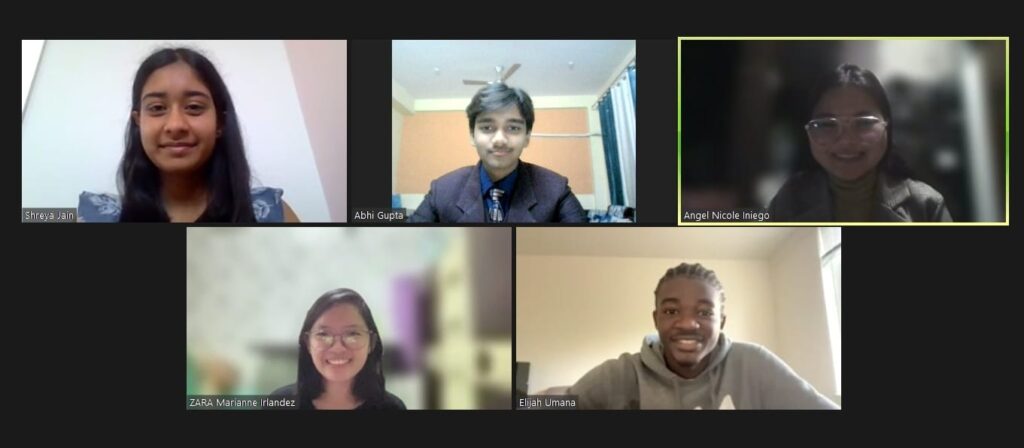
Team Members: Abhi G. (Team Lead) (India), Marianne I. (Philippines), Shreya J. (Canada), Angel I. (Philippines), Elijah U. (Nigeria)
Mentor: Muhammad Mahad Malik (Pakistan)
For this Junior Academy challenge on Flexible Use of Electricity, the five Power On team members chose to address a thorny issue: the energy deficit in the Philippines, where electricity demand is growing rapidly, and supply falls short of demand– leaving close to 30% of the population without electricity or facing significant fluctuations in electricity supply known as brownouts. Constraints on access to power are especially acute in rural areas and on the country’s numerous islands.
“The flexible electricity challenge is one of the most complex research projects I’ve ever worked on as it took quite a while for me to decipher the exact problems that needed to be tackled,” explains Elijah. “However, this pushed me to engage more in extensive readings, and actively be a part of reaching out to and interviewing numerous experts.”
After conducting a survey in nine countries, consulting their mentor and experts, and brainstorming through the Academy’s Launchpad platform, the team members narrowed down potential solutions to focus on three approaches.
“Asking questions and making sure that we understood the concepts fueled me to keep on collecting more knowledge,” says Marianne. “Interviewing different experts from different fields gave us new perspectives when we dealt with this challenge. Because a problem has deep roots, it is important to look at it from different angles.”
Raising Public Awareness
First, based on the results of their survey, the students determined it was important to raise public awareness of electricity issues such as peaks/non-peaks, flexible use of electricity, and supply, storage and distribution. They’ve addressed this need for awareness with an entertaining game designed to educate consumers.
“I had to meet experts from around the globe to hear their perspectives on flexible electricity,” explains Angel. “It made me realize that people may have different geographies and have various living standards, but what we have in common is that we face similar problems, such as balancing the demand and supply of electricity.”
The second pillar of the students’ project is Demaflex, an app to forecast demand and improve the response. The app would analyze data to predict times of high demand and encourage consumers to reduce the pressure on the power grid by scheduling their use of various appliances (such as dishwashers or washing machines) during off-peak periods. By sending recommendations to power users, the app would promote flexible use of electricity.
Finally, the team focused on developing Electrade, an app-based, decentralized, user-friendly energy trading platform that would allow people to buy energy and sell excess electricity back to the grid. The enterprising students will be working with the Department of Science and Technology (DOST) and the Philippine Council for Industry, Energy, and Emerging Technology Research and Development (PCIEERD), which have created a partnership program to grant startup funding towards commercializing their solutions.
An Eye-Opening Experience
Seeing their project take shape has given the team members a great sense of achievement.
“Electricity, in particular, always seemed like an intimidating challenge to tackle, but now, I’ve learned so much,” says Shreya. “I’m proud of the solution that we created and the work we’ve done to create, test, innovate, and communicate our project to the world.”
Participating in the Junior Academy challenge has been an intense learning experience and the students are delighted that their hard work has paid off– winning the challenge is merely the icing on the cake.
“The Flexible Electricity Challenge, for me personally, was quite an eye-opener. From all the research done by everyone on the team, I’ve learned quite a few things about the grid, electricity supply, and the demand response system,” says Team Lead Abhi. “The late nights and the sheer amount of work each and every one put in on our project is something I’ll always remember and be grateful for.”
Published since 2020, The Year in Climate Science Research is a rolling submission series covering diverse topics in climate science. The editor is Dr. Luis Gimeno, University of Vigo, Spain.
Published since 2008, this series includes scholarly review articles in ecology and conservation biology. The series is currently edited by Richard Ostfeld (Cary Institute) and Allison Power (Cornell).
Articles include Un-yielding: Evidence for the agriculture transformation we need; Herbivores in Arctic ecosystems: Effects of climate change and implications for carbon and nutrient cycling; From island biogeography to landscape and metacommunity ecology: A macroecological perspective of bat communities; Prioritizing actions: spatial action maps for conservation; and, A review of carbon farming impacts on nitrogen cycling, retention, and loss.
The Blavatnik Awards for Young Scientists seek to identify and honor exceptional young scientists and engineers 42 years of age and younger. Honorees are selected based on the quality, novelty, and impact of their research and their potential for further significant contributions to science. For previous issues of awardee papers, see Ann NY Acad Sci (2012) 1260 and Ann NY Acad Sci (2013) 1293. Or click https://nyaspubs.onlinelibrary.wiley.com/doi/toc/10.1111/(ISSN)1749-6632.blavatnik-awards.
The ISR is designed to mobilize and use different kinds of knowledge from across borders, sectors, and disciplines.
Published May 11, 2022
By Nicholas B. Dirks
Crossing the streams has always been part of my academic career. As a historian and cultural anthropologist, my own research and writing has been rooted in the value of interdisciplinary thought. I have been fortunate to draw together insights from colleagues who largely work in separate if contiguous worlds. When bridging disciplines as separate as those in the humanities and social sciences with the sciences, however, the efforts we make to connect must be even more strenuous. At the same time, the rewards that can come from this kind of exchange are even greater.
I strongly believe we need to create new ways to learn from differing perspectives and disciplines. This means more than interdisciplinary inquiry, as it can also be about linking traditional forms of knowledge with those that come from cutting edge research and analysis.
This kind of capacious thinking lies at the heart of our commitment at The New York Academy of Sciences to promote science-based solutions to global challenges through our International Science Reserve (ISR), which is designed to mobilize and use different kinds of knowledge from across borders, sectors, and disciplines.
In my own areas of expertise, I know that the decades between the 1970s and end of the 20th century saw the disciplines of history and anthropology draw closer together, with historians paying more attention to social and cultural factors and the significance of everyday experience in the study of the past.
The people, rather than elites, became the focus of their inquiry—anthropological insights into agriculture, kinship, ritual, and folk customs enabled historians to develop richer and more inclusive narratives about social structures and relationships, as well as about human relationships with the environment over the long period of time we now call the Anthropocene. In the same way, the ISR will aim to bring together not only cutting-edge scientific expertise but also past knowledge that may come from an era when we were more attuned to natural rhythms and processes than we are today, when industrialization and technological development have created new levels of autonomy from the natural world.
The ISR recently launched its first scenario planning exercise—focusing on how scientific expertise and resources can be mobilized to combat wildfire emergencies. Wildfires are not new environmental phenomena; human civilization has lived alongside the risk of wildfires for thousands of years. And so, as wildfires increase in both frequency and magnitude due to climate change, we can learn from indigenous communities and traditional forms of knowledge when it comes to environmental stewardship.
In California, which saw a record-breaking season of devastating wildfires in 2020, local knowledge from the Yurok and Karuk Northern California tribes may hold the key to managing wildfires through ‘cultural burns.’ This is a practice which involves
intentional burning designed to cultivate biodiverse landscapes, remove excess fire fuel, and ensure that the ecosystem is more resilient overall. Indigenous preparation of the land has been practiced for thousands of years but it is only recently being recognized as an effective tool to control fire risk.
After a century of fire suppression, enforced by laws which prevented cultural burning, the Yosemite and Sequoia-Kings Canyon National Parks in California’s Sierra Nevada initiated programs to manage wildfires through burning programs. A recent UC Berkeley Study of the Illilouette Creek Basin in Yosemite showed that where traditional fire regimes were restored, there were multiple positive effects: greater landscape and species diversity, increased soil moisture, decreased drought-induced tree mortality, and more landscape fire resistance due to a reduced forest cover.
Decreased forest cover during the managed wildfire period means that when an unintended fire is started (by lightning strike for instance), the more varied landscapes – with trees, shrubland, bushes all at different heights – were more resilient to fire. In contrast, when the crowns of trees catch fire in a homogenous forest canopy, a blaze can spread rapidly along the top of the uniform tree canopy, helping the fire spread more quickly.
The view that indigenous burning can benefit forest ecosystems is gaining growing acceptance among policy makers in different parts of the world as evidenced by the Aboriginal burning regimes in Kakadu national park in Australia and Pilanesberg National Park in South Africa. Meanwhile in the US, the federal Forest Service increasingly partners with Tribes to improve wildfire resilience and protect cultural resources through the Tribal Relations Program. In California, fire suppressing laws have been reversed with a new California law, effective January 1, 2022, affirming the right to cultural burns, reducing the layers of liability and permission needed to set fire to the land for the purposes of controlled forest management.
Recognizing indigenous knowledge benefits our understanding of wildfire management in the 21st century and provides insights into other challenges such as biodiversity loss, including even the hunt for new drugs such as antibiotics. This is reinforced in the findings of the IPBES Global Assessment Report on Biodiversity and Ecosystem Services that indigenous and local knowledge plays a large part in preventing wildfire and other crises.
For habitats in which indigenous people and local communities can manage their land, there is less loss of biodiversity and ecosystem function. For example, in the Amazon (region of Bolivia, Brazil and Colombia): wherever indigenous people have secure tenure, the deforestation rates are two-to-three times lower than in similar forests where they don’t have control over the forests.
Increased recognition of such knowledge will also help retain traditional culture and inform land management policy, which has historically excluded indigenous voices and banned indigenous practices.
This is why the ISR and The New York Academy of Sciences proudly aligns with ‘Open Science’ principles and welcomes involvement from everyone – regardless of discipline or geography – within our community of experts. Everyone may register to encourage project proposal submissions in relation to ISR identified crisis areas, so that we are able to benefit from the rich and diverse forms of knowledge that in some cases have been part of our heritage for centuries – particularly in terms of environmental stewardship.
Indeed, our first call for proposals on the topic of wildfires included submissions from a range of countries including Brazil and the Philippines as well as the US and Australia. I strongly support the incorporation of different sources of knowledge in the service of a larger, shared culture of enquiry and practice, ultimately adapting modern and traditional modalities of knowledge for the work of science in developing appropriate and effective solutions for tackling the global challenges that we all face today.
Earlier this month, the International Panel on Climate Change (IPCC) released its latest report, Climate Change 2022: Mitigation of climate change, and issued a stark warning: “The evidence is clear: the time for action is now.” To limit global warming to around 1.5°C (2.7°F) and secure a livable future, the world needs to reduce global greenhouse gas emissions by 43 percent by 2030.
On Earth Day 2022, this call to action resonates loudly. As extreme weather events and other environmental impacts multiply, climate change feels like a ticking time bomb. But there is a risk that, faced with an existential challenge and gloomy predictions, individuals and communities—particularly young people—become overwhelmed by a sense of hopelessness.
At The New York Academy of Sciences, we want to use our convening power and our status as an independent, democratic, multi-disciplinary and cross-sectoral institution to contribute to the public conversation about climate change. We can harness the expertise of our 20,000 member-strong global network of scientists—from our young high school students in the Junior Academy to the Nobel Laureates on our President’s Council—to broaden our understanding of various aspects of climate change and explore ways to support the transition to a low-carbon future.
As an independent body, the Academy can use its unique platform to raise difficult questions. In the months and years ahead, we intend to organize a series of conferences to address the complexities of climate change and the science around it. How do scientists make their discoveries, and how do they evaluate discrepant data as they seek to better understand complex systems?
Science operates in ways that often appear mysterious to non-scientists who want to hold to a fixed truth. While science has made enormous progress in our understanding of so many aspects of the world, science continuously evolves through a process of debate, peer review, revision, and experimentation. In the end, it is this process rather than any particular finding on its own that makes scientific knowledge so authoritative and reliable.
Climate change is a source of growing concern for many people who wonder what they can do at an individual level. We need therefore to examine the role of individual behavior and collective action in the transition to a more sustainable way of life. The Academy promotes Science, Technology, Engineering and Mathematics (STEM), but also deeply values the social sciences and arts and culture. We aim to contribute to a healthy public debate on possible pathways to reliance and sustainability, which will involve collective action at national and global levels along with individual contributions of many kinds.
Preparation and Mitigation
In partnership with IBM, we recently launched the International Science Reserve (ISR) whose mission it is to help us prepare for complex global crises, so we can limit their negative impact on individuals as well as on societies. The COVID-19 pandemic has shown that when disaster hits, science needs to react quickly and decisively to save lives, ensure the continuity of services, and support recovery.
Scientists worldwide, contributing their knowledge and resources, are already participating in ISR readiness exercises to address specific threats. Our first such exercise focused on wildfires, which have increased in intensity and frequency around the world, in large part the result of climate change and its myriad and complex effects on our weather. The ISR will tap the expertise of scientists across disciplines to tackle other risks, many of them related to the global environmental crisis.
Inspiring a Global Generation
The New York Academy of Sciences is deeply committed to a global approach. The pandemic demonstrated the importance of international collaboration across the scientific community. At a time when globalization appears in retreat, we believe in a planetary approach to foster innovation and produce solutions. By teaming up with our peers around the world, scientists at all levels—including the STEM students who participate in our international educational programs—will generate the energy and creativity needed to limit the damage of global crises and help us chart a path forward that will lead to greater resilience and a shared sense of control over our collective future.
Environmental issues feature heavily in our STEM educational programs for middle and high school students as participants from around the world display a great interest in climate-related issues. Our mentoring and educational projects nurture their passion for science but also show these young people that they can make a difference and contribute to averting environmental disaster, even if problems cannot be solved overnight. The future may be full of peril, but if we work together, we believe it is also full of great promise.
Despite the sobering projections contained in its latest assessment, the IPCC stressed that the goal of halving greenhouse gas emissions by 2030 is still within reach. One of the missions of The New York Academy of Sciences is to catalyze collective action to address global challenges. None is as complex, daunting and urgent as climate change. By supporting scientific education and collaboration—and by bringing together individuals, organizations, private sector companies and decision makers—the Academy aims to contribute to a brighter and more sustainable future.