In this special edition of Science Unusual, we bring you the International Science Reserve’s session from the Science Summit at the 2023 United Nations General Assembly.
Presented By
In this special edition of Science Unusual, we bring you the International Science Reserve’s session from the Science Summit at the 2023 United Nations General Assembly.
In collaboration with the Academy, the Windreich Department of Artificial Intelligence and Human Health at the Icahn School of Medicine at Mount Sinai, is organizing the second annual symposium: “The New Wave of AI in Healthcare 2024.” This event aims to showcase the latest advancements in AI- and data-driven technologies in healthcare.
The symposium will feature keynote and plenary lectures by industry leaders, as well as poster presentations from early career investigators and students, highlighting the latest innovations in the field. Additionally, it will provide networking opportunities for researchers across disciplines and sectors to collaborate and advance their work. The venue, located in New York City, is designed to facilitate dialogue and collaboration, driving progress in the field of healthcare AI.
Rapidly evolving digital technologies are changing modern healthcare in unprecedented ways. Novel digital health solutions are embracing machine learning and artificial intelligence (AI) tools that empower patients and healthcare providers alike. However, given the speed of innovation, it can be challenging to stay abreast of the latest technological advances.
To showcase the latest advances in AI- and data-driven technologies in healthcare, the Windreich Department of Artificial Intelligence and Human Health at the Icahn School of Medicine at Mount Sinai and the New York Academy of Sciences will convene multi-disciplinary scientists and clinicians working at the intersection of computer science and medicine for a 2-day, in-person symposium in New York City entitled “The New Wave of AI in Healthcare”.
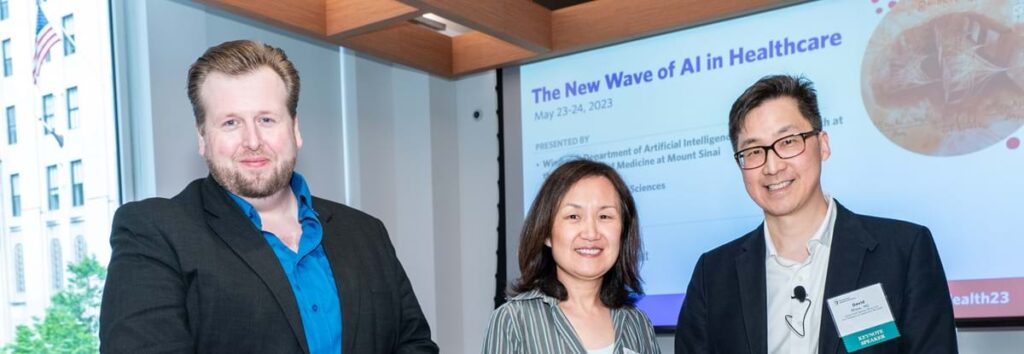
This symposium will feature a keynote presentation by David C. Rhew, MD, Global Chief Medical Office and Vice President of Healthcare at Microsoft. In addition, leaders in the field will present plenary lectures, and there will be poster presentations by early career investigators, students, and postdocs. The New Wave of AI in Healthcare will provide a forum for the exchange of novel scientific research and expertise among multi-sector scientists and provide ample networking opportunities.
Presentation topics include:

The AI & Society Fellowship was developed to address the unmet need for scholars who are trained across technical AI and social sciences and the humanities.
New York, NY | August 14, 2023 – Three post-doctoral scholars have been named as the first cohort of Fellows for the Artificial Intelligence and Society Fellowship program.
Launched by The New York Academy of Sciences and Arizona State University in April 2023, the fellowship was developed to address the unmet need for scholars who are trained across technical AI and social sciences and the humanities. This innovative training program will produce the next generation of scholars and public figures who are prepared to shape the future use of AI in ways that will advance the public good.
Nitin Verma, PhD, University of Texas at Austin, School of Information
Nitin studies the ethical, societal, and legal impacts of deepfakes and other generative AI technologies. His multidisciplinary research interests include misinformation, trust, human values, and human-computer interaction. He is a native of India, and attended the University of Delhi, graduating with a B.Sc. in electronic science.
Akuadasuo Ezenyilimba, PhD, Arizona State University (ASU), The Polytechnic School; Human Systems Engineering
As a National Science Foundation Research Trainee, Akuadasuo has worked on citizen-centered solutions for real-world problems. Currently, she is researching the relationship between human-computer interaction and traumatic brain injury, executive function, and traumatic brain injury rehabilitation.
Marjorie Xie, PhD, Columbia University Medical Center, Center for Theoretical Neuroscience
Marjorie’s work combines AI, mental health, and education. She interned at Basis Research Institute, building AI tools for reasoning about collaborative intelligence in animals. Marjorie completed her Ph.D. in Neurobiology & Behavior at Columbia University, where she used AI tools to build interpretable models of neural systems in the brain.
“AI now permeates every facet of our society,” said Nicholas Dirks, Ph.D., President and CEO, The New York Academy of Sciences. “The technology holds extraordinary promise. It is crucial that researchers have the training and capacity to bring an ethical perspective to its application, to ensure it is used for the betterment of society. That’s why our with partnership with Arizona State University, where much of the pioneering research in AI and society is being conducted, is so imperative.”
“ASU is very excited to join with The New York Academy of Sciences for this fellowship,” said David Guston, professor and founding director of ASU’s School for the Future of Innovation in Society, with which the post-docs will be affiliated. “Our goal is to create a powerhouse of trainees, mentors, ideas, and resources to develop the next generation of AI researchers poised to produce ethical, humanistic AI applications and promote these emerging technologies for the public interest” he added.
Beginning in August 2023, the promising young researchers will participate in a curated research program and professional development training at the Academy’s headquarters in New York City, Arizona State University, and on-site internships, with seasoned researchers from academia, industry, or public policy organizations.
Arizona State University, ranked the No. 1 “Most Innovative School” in the nation by U.S. News & World Report for eight years in succession, has forged the model for a New American University by operating on the principles that learning is a personal and original journey for each student; that they thrive on experience and that the process of discovery cannot be bound by traditional academic disciplines. Through innovation and a commitment to accessibility, ASU has drawn pioneering researchers to its faculty even as it expands opportunities for qualified students.
As an extension of its commitment to assuming fundamental responsibility for the economic, social, cultural and overall health of the communities it serves, ASU established the Julie Ann Wrigley Global Futures Laboratory, the world’s first comprehensive laboratory dedicated to the empowerment of our planet and its inhabitants so that all may thrive. It is designed to address the complex social, economic and scientific challenges spawned by the current and future threats from the degradation of our world’s systems.
This platform lays the foundation to anticipate and respond to existing and emerging challenges and use innovation to purposefully shape and inform our future. It includes the College of Global Futures, home to four pioneering schools including the School for the Future of Innovation in Society that is dedicated to changing the world through responsible innovation. For more information, visit globalfutures.asu.edu.
Published May 25, 2023
By Stephen Treffinger
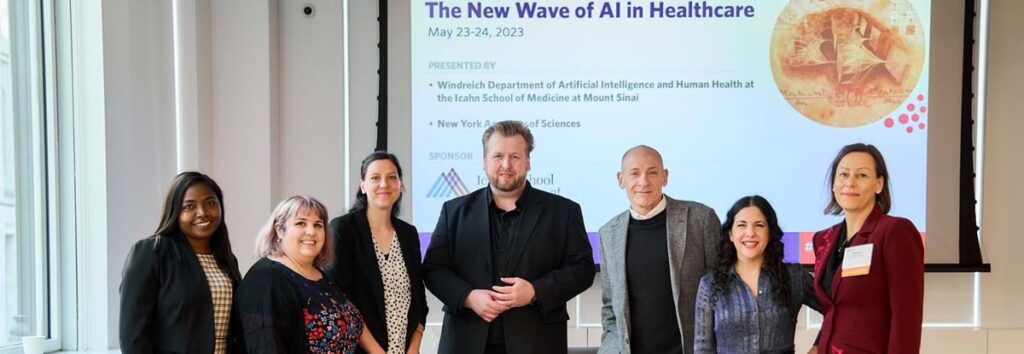
Appearing on the front page of news outlets nearly every day, artificial intelligence (AI) is already transforming the world. And it’s doing so at a staggering pace. In the healthcare field, it has the potential to improve everything from workflow efficiency to patient outcomes. But sifting through the hype can be a tremendous challenge.
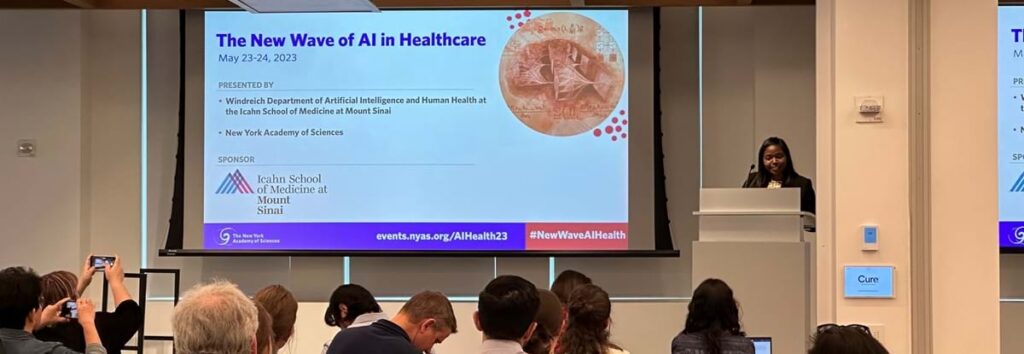
The Windreich Department of Artificial Intelligence and Human Health at the Icahn School of Medicine at Mount Sinai and the New York Academy of Sciences hosted the ‘New Wave of AI in Healthcare’ symposium as a “call to action.” This brought together experts and leaders across the field to tackle this challenge through innovation, exchange, and collaboration.
The symposium took place over the course of two days: May 23 and 24, 2023. Researchers, academics, and industry leaders presented and discussed innovative research. They also focused on clinical solutions with the potential to advance the capabilities of AI. The goal is to better serve patients and clinicians from diagnostics to long-term care.
Opening remarks were delivered by, Nicholas Dirks, President and CEO of The New York Academy of Sciences, and Dr. Dennis Charney, Dean of the Icahn School of Medicine and President for Academic Affairs for the Mount Sinai Health System. They challenged attendees to identify ways to utilize the enormous amounts of health data available. If utilized properly, this can help predict, prevent, and develop more robust treatments for disease.
The two-day symposium featured sessions on foundational models that revolutionize diagnostics processes, infrastructural challenges to facilitate large-scale models and innovative deep learning solutions to deal with the petabytes of data generated in healthcare. Also, the symposium addressed ethical considerations for AI research in healthcare to eliminate bias and ensure its application is equitable as well as impactful.
“Today, patients are dying not because of AI, but because of the lack of it,” stated Thomas J. Fuchs, Dr. Sc, Dean for AI and Human Health at Mount Sinai, lead member of the scientific organizing committee in opening the symposium, Dr. Fuchs further emphasized that although machine learning has already led to significant achievements across the field of healthcare, we are only at the beginning of an AI revolution in healthcare.
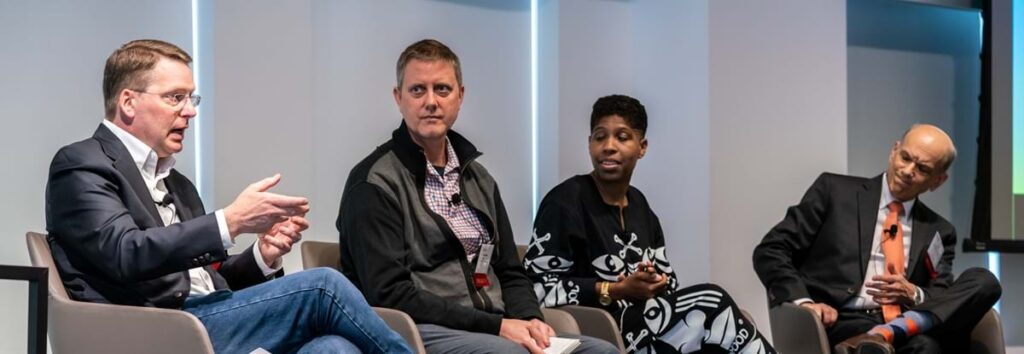
Despite the immense hype around AI (as Dr. Fuchs remarked, “If you haven’t talked about ChatGPT, you’re probably living under a rock.”) and excitement in the start-up scene (including 14,000 healthcare startups in the AI realm), the reality is not quite as dramatic. There are only a few AI applications that practitioners currently use in the clinical setting to benefit patients. “While the FDA cleared hundreds of systems in radiology, in pathology, for example, there’s one single system that has proven to be safe and effective.”
Dr. Fuchs stated that AI gives us the possibility to truly democratize access to healthcare for the first time in history. “The AI we’re developing here and you’re developing at your fabulous institutions can be used in community clinics throughout the U.S. and throughout the world.”
The fact that clinicians are burned out and leaving practices has, according to several of the speakers, resulted in a deep crisis in healthcare. But AI is able to help combat this trend by automating workflows. One of the keynote speakers at the symposium was David C. Rhew, MD, Global Chief Medical Officer and VP of Healthcare at Microsoft. He presented developments in Ambient Clinical Intelligence. This system can, among other things, capture clinician-patient conversations and bring the information into the medical record.
“We have an ability now to pull data about individuals from every aspect. We can look at the perspective of what EHR [Electronic Health Record] data we have, what genomics data we have, and real-time data collection through remote monitoring.” This creates a 360-degree view of a person and one that changes as they evolve. “Now imagine having that at a population level,” he says. “That’s where the real power comes.”
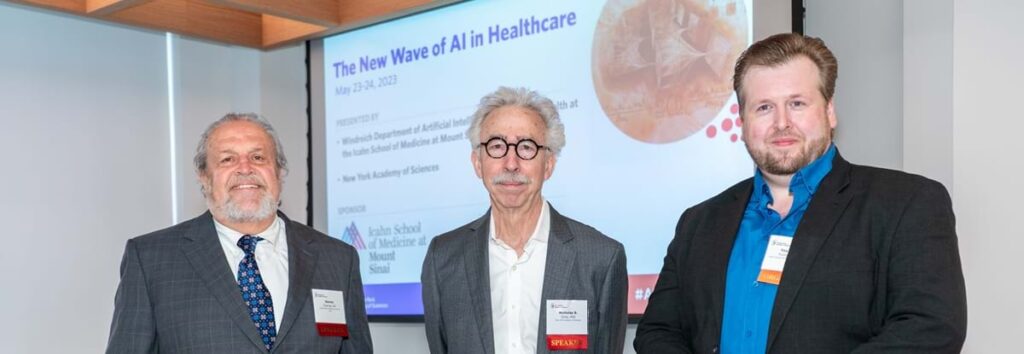
Will more data and data-driven models yield better patient outcomes? This was a central theme throughout the symposium. Speakers utilizing foundational models in research and clinical diagnostic support tools to create deep learning models. Researchers develop these across heterogenous data modalities to improve patient outcomes.
The conference’s second keynote was delivered by Jianying Hu, PhD, from IBM Research. Dr. Hu is also an adjunct professor at the Icahn School of Medicine at Mount Sinai. In addition to IBM’s use of AI to drive accelerated discovery, she discussed what it means to go beyond large language models to apply foundational models to healthcare and life sciences research.
“In our view, [it’s] really all about enabling the journey from data to impact. AI can be used to help with the development of new molecular entities through novel generative methods, as well as computational screening tools [that] can be used to also identify new indications for drugs that are already approved,” says Dr. Hu. In addition to drug repurposing, AI is critical, she says, for being able to identify multimodal biomarkers.
Moving from the theoretical to the practical and harnessing the full power of AI will require a change in approach, especially as it pertains to data: how much of it is required, how it needs to be treated, and how to maximize its effects. Abundant medical data is playing an important role, as precision medicine tries to determine the right treatment for the right patient at the right time.
“When we think about precision medicine and AI in medicine, we think about the health state of a patient and how we can model that health state of a patient,” says Gunnar Rätsch, PhD, ETH Zürich, who is currently conducting research as a visiting scientist within Mount Sinai’s AI Department.
Evidence of the health state comes from heterogeneous data modalities such as EHRs, pathology images, genomic profiles, drugs, and mobile health data. Integrating this data into computational representation enables practitioners to access a patient’s health state. This requires new advances in AI approaches to exploit the specifics in the medical data, which requires genuine partnership between clinicians and machine learning/AI researchers.
Increasing the speed by which researchers can process and analyze vast amounts of data is an ongoing challenge in AI. The exponential growth of healthcare data, genomics, electronic records, and imaging can overload systems and slow the path to progress.
But processing capacity and speed aren’t the only issues. Another challenge is to better merge clinical medicine and data science, the two being mutually beneficial. Anthony Chang, MD, from the Children’s Hospital of Orange County, thinks this is an essential—albeit largely absent—duality. Few people understand both sides of the equation.
Dr. Chang also sees the need for a shift to a new paradigm of databases, i.e. graph databases. “These are more three-dimensional and much more accommodating of the complexities of healthcare data. […] I can’t imagine we’re going to get a lot more dividends using deep learning healthcare without a change in how we look at databases, which is relational databases.”
In the detection of breast cancer, to cite one example, having very large scan sizes is advantageous, but dealing with these enormous images efficiently can be problematic due to the amount of memory in the GPU and other factors. Krysztof J. Geras, PhD, NYU Langone Health, discussed the particulars of multiple instance learning. “We have this ability to indicate those parts of the image that are important. We can actually look at this image with greater detail with a higher capacity network, but just at a certain region of it, and then we can fuse this information. And that works amazingly well.”
The Mount Sinai Health System is dedicated to leading an AI-driven transformation of healthcare. This is done through innovative research, pioneering clinical care, and personalization for each patient. The aim is to have a wide-reaching impact on human health. In 2021, Mount Sinai established the Windreich Department of Artificial Intelligence and Human Health. This is the first department focused on AI and Human Health in any medical school in the United States.
As a leader in the AI in healthcare space, researchers at Mount Sinai are building an “intelligent fabric” of AI that will underpin all interdisciplinary efforts. They are combining AI, computer science, machine learning, and data science across the Health System to support every individual who comes through the hospital doors for care. It will also support nurses, physicians, scientists, hospital operations and leadership,
Several Mount Sinai researchers presented their AI-integrated research during the symposium. They highlighted the various ways in which this new technology can benefit researchers, clinicians, and patients. This ranges from diagnosis to treatment, as they are developing some of the most exciting advances in the field.
The use of massive amounts of patient data for AI naturally raises key governance and ethics issues. This includes data privacy, transparency, regulatory compliance, and bias screening to ensure fair representation. These issues and more were covered in a panel discussion moderated by Dean Eric Nestler, MD, PhD, Icahn School of Medicine at Mount Sinai.
The role of bias in large healthcare data models can take many forms. This is especially thru when it comes to populations of color and members of underrepresented communities. One of the panelists, Emma Benn, DrPH, is a biostatistician at Mount Sinai, applies her training to health equity research. She addressed the governance and ethics of the topic. In terms of race, she posed the question of whether the algorithms and technology are just describing racial and ethnic differences versus being able to operationalize race in a way that gets closer to identifying mutable targets for intervention.
“If we’re not operationalizing things correctly, we’re not going to be able to use AI to reduce health inequalities,” says Benn.
Another panelist, Dr. Erik Lium, PhD, discussed the importance of data privacy. Dr. Lium is the Chief Commercial Innovation Officer for the Mount Sinai Health System and the President of Mount Sinai Innovation Partners. One question posed by the audience was which processes a hospital uses to protect a patient’s personal health data. The answer depends on who is going to use said data, be it internally for research or with an external partner. Internally, an institutional review board decides acceptable usage. For use with external partners, it involves legal agreements with copious protections. These protections bar anyone from taking, for instance, de-identified data and attempting to re-identify the data.
“You can use the data for a stated purpose that we think is ultimately beneficial to patients. If you go outside of that purpose, then you’re doing something that’s inappropriate,” says Dr. Lium.
Keynote speaker Dr. David Rhew ended his address on a key philosophical and ethics-focused note. He brought up the idea of AI taking a pause to prevent potentially harmful aspects like the spreading of misinformation. “If the good actors pause on this, that doesn’t mean that the bad actors are going to pause.”
Throughout the symposium, speakers were able to address successes, challenges, and future initiatives. This is needed to further the development of new AI technology in the field and how it can be implemented to better patient outcomes. Some of the key takeaways from the symposium’s sessions include:
Finally, these developments will need to be carefully and continuously filtered through the lenses of equitability and security to ensure that every patient receives the highest level of care no matter the setting. The ‘New Wave of AI in Healthcare’ symposium was an important step towards this equitable, AI-integrated future, with more advancements and discussions to come.
Merging technical AI research with the social sciences and humanities, the program aims to inform the future use of AI for the benefit of humankind.
In response to the urgent need to incorporate ethical and humanistic principles into the development and application of artificial intelligence (AI), The New York Academy of Sciences has partnered with Arizona State University’s School for the Future of Innovation in Society to launch an AI and Society post-doctoral fellowship program. Merging technical AI research with perspectives from the social sciences and humanities, the program’s goal is to develop a new generation of multidisciplinary scholars prepared to inform the future use of AI in society for the benefit of humankind.
“The New York Academy of Sciences is thrilled to launch this unique partnership with Arizona State University, where much of the pioneering research in this field is being conducted,” said Nicholas B. Dirks, President and CEO of The New York Academy of Sciences. “AI is transforming our society at lightning speed. It is essential, however, that we work to better understand the range and nature of AI’s impact and what we can do to anticipate, and then navigate, the many ethical, regulatory, and governance questions that we have only recently begun to comprehend and debate, even as we press forward with leveraging AI’s benefits,” he added.
“ASU is very excited to join with The New York Academy of Sciences for this fellowship,” said David Guston, professor and founding director of the School for the Future of Innovation in Society. “Our goal is to create a powerhouse of trainees, mentors, ideas, and resources to develop the next generation of AI researchers poised to produce ethical, humanistic AI applications to promote science for the greater good” he added.
Beginning in September 2023, this program will recruit promising young researchers from disciplines spanning computer science, the social sciences, and the humanities to participate in a curated research program housed at the Academy. Fellows’ time will be shared between New York City, Arizona State University, and on-site internships, with seasoned researchers who are well-versed in academia, industry, or policy work.
To qualify, candidates must have a PhD in a relevant field such as computer science, artificial intelligence, psychology, philosophy, sociology, ethics, law (JD), or a related field. Strong research background and expertise in the field of AI and Society, including publications in leading academic journals, is recommended.
To learn more, click here.

Published September 21, 2022
By Roger Torda
Science in 1945 was big science at big labs, with lots of barriers—including the barriers of national borders.
The New York Academy of Sciences (the Academy) has a history that goes back over twice as far. But it is a 200-year-old institution that is not doing old fashioned science. Instead, the Academy is striving to meet the needs of the 21st century.
Academy President and CEO Nicholas Dirks spoke recently with SVP and Director of IBM Research Dario Gil about how science is changing.
The two leaders have been instrumental in the launch the International Science Reserve (ISR), a network designed to help scientists meet many of the big challenges we are facing today. It is an ambitious program to facilitate evidence-based solutions to global crises.
Nick started the conversation by asking Dario to describe what he thinks characterizes the best contemporary science.
Computer science is at the heart of many of the rapid developments we are witnessing in science, medicine, engineering, and technology. Dario and Nick discussed these achievements, as well as challenges in balancing those against threats to individual rights and the public good.
The pandemic placed many new demands on science and scientists. IBM stepped up in many important ways, including by setting up a system to provide computing resources to scientists, clinical researchers, and drug developers. Those efforts pointed to future opportunities for the sharing of computing and other resources in times of global need. In his conversation with Nick, Dario explained how this experience set the stage for the International Science Reserve.
The ISR recently completed an important milestone, its first “readiness” exercise. This featured three wildfire scenarios–a crown fire in the conifer forests of the Northwestern United States, a rapidly moving brush fire in Greece, and a slow burning peatland fire in Indonesia. The exercise demonstrated success in building an international network of scientists willing and able to contribute their skills to crisis response. The exercise also yielded important information about how to assemble resources those scientists could call upon to support their research when disaster strikes.
Do you want to be part of this impactful network of scientists? Join the ISR today
The Blavatnik Awards for Young Scientists in the United Kingdom are the largest unrestricted prize available to early career scientists in the Life Sciences, Physical Sciences & Engineering, and Chemistry in the UK. The three 2021 Laureates each received £100,000, and two Finalists in each category received £30,000 per person. The honorees are recognized for their research, which pushes the boundaries of our current technology and understanding of the world. In this event, held at the historic Banqueting House in London, the UK Laureates and Finalists had a chance to explain their work and its ramifications to the public.
Victoria Gill, a Science and Environment Correspondent for the BBC, introduced and moderated the event. She noted that “Science has saved the world and will continue to do so,” and stressed how important it is for scientists to engage the public and share their discoveries at events like this. This theme arose over and over again over the course of the day.
Stephen L. Brusatte
The University of Edinburgh
Sinéad Farrington
The University of Edinburgh
John Marioni
European Bioinformatics Institute and University of Cambridge
David P. Mills
The University of Manchester
Artem Mishchenko
The University of Manchester
Matthew Powner
University College London
Themis Prodromakis
University of Southampton
Edze Westra
University of Exeter
John Marioni, PhD
European Bioinformatics Institute and University of Cambridge, 2021 Blavatnik Awards UK Life Sciences Finalist
Edze Westra, PhD
University of Exeter, 2021 Blavatnik Awards UK Life Sciences Finalist
Stephen Brusatte, PhD
The University of Edinburgh, 2021 Blavatnik Awards UK Life Sciences Laureate
John Marioni, PhD, European Bioinformatics Institute and University of Cambridge, 2021 Blavatnik Awards UK Life Sciences Finalist
Animals grow from one single cell: a fertilized egg. During development, that cell splits into two, and then into four, and so on, creating an embryo that grows into the billions of cells comprising a whole animal. Along the way, the cells must differentiate into all of the different cell types necessary to create every aspect of that animal.
Each cell follows its own path to arrive at its eventual fate. Traditionally, the decisions each cell has to make along that path have been studied using large groups of cells or tissues; this is because scientific lab techniques have typically required a substantial amount of starting material to perform analyses. But now, thanks in large part to the discoveries of John Marioni and his lab group, we have the technology to track individual cells as they mature into different cell types.
Marioni has created analytical methods capable of observing patterns in all of the genes expressed by individual cells. Importantly, these computational and statistical methods can be used to analyze the enormous amounts of data generated from the gene expression patterns of many individual cells simultaneously. In addition to furthering our understanding of cell fate decisions in embryonic development, this area of research—single cell genomics—can also be applied to many other processes in the body.
One relevant application is to the immune system: single cell genomics can detect immune cell types that are activated by exposure to a particular pathogen. To illustrate this, Marioni showed many gorgeous, colorized images of individual cells, highlighting their unique morphology and function. Included in these images was histology showing profiles of different types of T cells elicited by infection with SARS-CoV-2 (the virus that causes COVID-19).
The cells were computationally grouped by genetic profile and graphed to show how the different cell types correlated with disease severity. There are many other clinical applications of his research into genomics. For instance, he said, if we know exactly which cell types in the body express the targets of specific drugs, we will be better able to predict that drug’s effects (and side effects).
In addition to his lab work, Marioni is involved in the Human Cell Atlas initiative, a global collaborative project whose goal it is to genetically map all of the cell types in healthy human adults. When a cell uses a particular gene, it is said to “transcribe” that gene to make a particular protein—thus, the catalog of all of the genes one cell uses is called its “transcriptome.” The Human Cell Atlas is using these single cell transcriptomes to create the whole genetic map.
This research is currently completely redefining how we think of cell types by transforming our definition of a “cell” from the way it looks to the genetic profile.
Edze Westra, PhD University of Exeter, 2021 Blavatnik Awards UK Life Sciences Finalist
All organisms have viruses that target them for infection; bacteria are no exception. The viruses that infect bacteria are called bacteriophages, or phages.
Edze Westra’s lab studies how bacteria evolve to defend themselves against infection by phage and, specifically, how elements of their environment drive the evolution of their immune systems. Like humans, bacteria have two main types of immune systems: an innate immune system and an adaptive immune system. The innate immune system works similarly in both bacteria and humans by modifying molecules on the cell surface so that the phage can’t gain entry to the cell.
In humans, the adaptive immune system is what creates antibodies. In bacteria, the adaptive immune system works a little bit differently—a gene editing system, called CRISPR-Cas, cuts out pieces of the phage’s genome and uses it as a template to identify all other phages of the same type. Using this method, the bacterial cell can quickly discover and neutralize any infectious phage by destroying the phage’s genetic material. In recent years, scientists have harnessed the CRISPR-Cas system for use in gene editing technology.
Westra wanted to know under what conditions do bacteria use their innate immune system versus their adaptive immune system: How do they decide?
In studies using the bacterial pathogen Pseudomonas aeruginosa, his lab found that the decision to use adaptive vs. innate immunity is controlled almost exclusively by nutrient levels in the surrounding environment. When nutrient levels are low, the bacteria use the adaptive immune system, CRISPR-Cas; when nutrient levels are high, the bacteria rely on their innate immune system. He recognized that this means we can artificially guide the evolution of bacterial defense by controlling elements in their environment.
When we need to attack pathogenic bacteria for medical purposes, such as in a sick or infected patient, we turn to antibiotics. However, many strains of bacteria have developed resistance to antibiotics, leaving humans vulnerable to infection.
Additionally, our antibiotics tend to kill broad classes of microbes, often damaging the beneficial species we harbor in our bodies along with the pathogenic ones we are trying to eliminate. Phage therapy—a medical treatment where phages are administered to a patient with a severe bacterial infection—might be a good way to circumvent antibiotic resistance while also attacking bacteria in a more targeted manner, harming only those that harm us and leaving the others be.
Although it is difficult to manipulate bacterial nutrients within the context of a patient’s body, we can use antibiotics to direct this behavior. Antibiotics that are shown to limit bacterial growth will induce the bacteria to use the CRISPR-Cas strategy, mimicking the effects of a low-nutrient environment; antibiotics that work by killing bacteria will induce them to use their innate defenses. In this way, it may be possible to direct the evolution of bacterial defense systems in order to reveal their weaknesses and target them with phage therapy.
Stephen Brusatte, PhD The University of Edinburgh, 2021 Blavatnik Awards UK Life Sciences Laureate|
Stephen Brusatte is a paleontologist, “and paleontologists”, he says, “are really historians”. Just as historians study recorded history to learn about the past, paleontologists study prehistory for the same reasons.
The Earth is four and a half billion years old, and humans have only been around for the last three hundred and fifty thousand of those years. Dinosaurs were the largest living creatures to ever walk the earth; they started out around the size of house cats, and over eighty million years they evolved into the giant T. rexes, Stegosauruses, and Brontosauruses in our picture books.
They reigned until a six-mile-wide asteroid struck the Earth sixty-six million years ago at the end of the Cretaceous period, extinguishing them along with seventy-five percent of the other species on the planet. Brusatte called this day “the worst day in Earth’s history.” However, the demise of dinosaurs paved the way for mammals to take over.
Fossils can tell us a lot about how life on this planet used to be, how the earth and its occupants respond to climate and environmental changes, and how evolution works over long timescales. Particularly, fossils show how entirely new species and body plans emerge.
Each fossil can yield new knowledge and new discoveries about a lost world, he said. It can teach us how bodies change and, ultimately, how evolution works. It is from fossils that we know that today’s birds evolved from dinosaurs.
Victoria Gill started the life sciences panel discussion by asking all three of the awardees if, and how, the COVID-19 pandemic changed their professional lives: did it alter their scientific approach or were they asking different questions?
Westra replied that the lab shutdown forced different, non-experimental approaches, notably bioinformatics on old sequence data. He said that they found mobile genetic elements, and the models of how they moved through a population reminded him of epidemiological models of COVID spread.
Marioni shared that he was inspired by how the international scientific community came together to solve the problem posed by the pandemic. Everyone shared samples and worked as a team, instead of working in isolation as they usually do. Brusatte agreed that enhanced collaboration accelerated discoveries and should be maintained.
Questions from the audience, both in person and online, covered a similarly broad of a range of topics. An audience member asked about where new cell types come from; Marioni explained that if we computationally look at gene transcription changes in single cells over time, we can make phylogenetic trees showing how cells with different expression patterns arise.
A digital attendee asked Brusatte why birds survived the asteroid impact when other dinosaurs didn’t. Brusatte replied that the answer is not clear, but it is probably due to a number of factors: they have beaks so they can eat seeds, they can fly, and they grow fast. Plus, he said, most birds actually did not survive beyond the asteroid impact.
Another audience member asked Brusatte if the theory that the asteroid killed the dinosaurs was widely accepted. He replied that it is widely accepted that the impact ended the Cretaceous period, but some scientists still argue that other factors, like volcanic eruptions in India, were the prime mover behind the dinosaurs’ demise.
Another viewer asked Westra why the environment impacts a bacterium’s immune strategy. He answered that in the presence of antibiotics that slow growth, infection and metabolism are likewise slowed so the bacteria simply have more time to respond. He added that the level of diversity in the attacking phage may also play a role, as innate immunity is better able to deal with multiple variants.
To wrap up the session, Victoria Gill asked about the importance of diversity and representation and wondered how to make awards programs like this more inclusive. All three scientists agreed that it is hugely important, that the lack of diversity is a problem across all fields of research, that all voices must be heard, and that the only way to change it is by having hard metrics to rank universities and departments on the demographics of their faculty.
Artem Mishchenko, PhD
The University of Manchester, 2021 Blavatnik Awards UK Physical Sciences & Engineering Finalist
Themis Prodromakis, PhD
University of Southampton, 2021 Blavatnik Awards UK Physical Sciences & Engineering Finalist
Sinead Farrington, PhD
The University of Edinburgh, 2021 Blavatnik Awards UK Physical Sciences & Engineering Laureate
Artem Mishchenko, PhD The University of Manchester, 2021 Blavatnik Awards UK Physical Sciences & Engineering Finalist
Materials science is vital because materials define what we can do, and thus define us. That’s why the different eras in prehistory are named for the materials used: the Stone Age, the Bronze Age, the Iron Age, the Copper Age. The properties of the materials available dictated the technologies that could be developed then, and the properties of the materials available still dictate the technologies that can be developed now.
Van der Waals materials are materials that are only one or a few atoms thick. The most well-known is probably graphene, which was discovered in 2004 and is made of carbon. But now hundreds of these two-dimensional materials are available, representing almost the whole periodic table, and each has different properties. They are the cutting edge of materials innovation.
Mishchenko studies how van der Waals materials can be made and manipulated into materials with customizable, programmable properties. He does this by stacking the materials and rotating the layers relative to each other. Rotating the layers used to be painstaking, time-consuming work, requiring a new rig to make each new angle of rotation. But his lab developed a single device that can twist the layers by any amount he wants. He can thus much more easily make and assess the properties of each different material generated when he rotates a layer by a given angle, since he can then just reset his device to turn the layer more or less to devise a new material. Every degree of rotation confers new properties.
His lab has found that rotating the layers can tune the conductivity of the materials and that the right combination of angle and current can make a transistor that can generate radio waves suitable for high frequency telecommunications. With infinite combinations of layers available to make new materials, this new field of “twistronics” may generate an entirely new physics, with quantum properties and exciting possibilities for biomedicine and sustainability.
Themis Prodromakis, PhD University of Southampton, 2021 Blavatnik Awards UK Physical Sciences & Engineering Finalist
Transistors are key elements in our electronic devices. They process and store information by switching between on and off states. Traditionally, in order to increase the speed and efficiency of a device one increased the number of transistors it contained. This usually entailed making them smaller. Smartphones contain seven billion transistors! But now it has become more and more difficult to further shrink the size of transistors.
Themis Prodromakis and his team have been instrumental in developing a new electronic component: the memristor, or memory resistor. Memristors are a new kind of switch; they can store hundreds of memory states, beyond on and off states, on a single, nanometer-scale device. Sending a voltage pulse across a device allows to tune the resistance of the memristor at distinct levels, and the device remembers them all.
One benefit of memristors is that they allow for more computational capacity while using much less energy from conventional circuit components. Systems made out of memristors allow us to embed intelligence everywhere by processing and storing big data locally, rather than in the cloud. And by removing the need to share data with the cloud, electronic devices made out of memristors can remain secure and private. Prodromakis has not only developed and tested memristors, he is also quite invested in realizing their practical applications and bringing them to market.
Another amazing application of memristors is linking neural networks to artificial ones. Prodromakis and his team have already successfully connected biological and artificial neurons together and enabled them to communicate over the internet using memristors as synapses. He speculates that such neuroprosthetic devices might one day be used to fix or even augment human capabilities, for example by replacing dysfunctional regions of the brain in Alzheimer’s patients. And if memristors can be embedded in a human body, they can be embedded in other environments previously inaccessible to electronics as well.
Sinead Farrington, PhD The University of Edinburgh, 2021 Blavatnik Awards UK Physical Sciences & Engineering Laureate
In the Standard Model of particle physics, the bedrock of modern physics, fermions are the elementary particles comprising all of the stable matter in the universe, while bosons—the other collection of elementary particles—are the ones that transmit forces. The Higgs boson, whose existence was theoretically proposed in 1964, is a unique particle; it gives mass to the other particles by coupling with them.
Sinéad Farrington led the group at CERN that further elucidated the properties of the Higgs boson and thus bolstered the Standard Model. The Standard Model “effectively encapsulates a remarkably small set of particles that make up everything we know about and are able to create,” explained Farrington.
“The Higgs boson is needed to maintain the compelling self-consistency of the Standard Model. It was there in theory, but the experimental observation of it was a really big deal. Nature did not have to work out that way,” Farrington said.
Farrington and her 100-person international team at the Large Hadron Collider demonstrated that the Higgs boson spontaneously decays into two fermions called tau leptons. This was experimentally challenging because tau is unstable, so the group had to infer that it was there based on its own degradation products. She then went on to develop the analytical tools needed to further record and interpret the tau lepton data and was the first to use machine learning to trigger, record, and analyze the massive amounts of data generated by experiments at the LHC.
Now she is looking to discover other long-lived but as yet unknown particles beyond the Standard Model that also decay into tau leptons, and plans to make more measurements using the Large Hadron Collider to further confirm that the Higgs boson behaves the way the Standard Model posits it will.
In addition to the satisfaction of verifying that a particle predicted by mathematical theorists actually does exist, Farrington said that another consequence of knowing about the Higgs boson is that it may shed light on dark matter and dark energy, which are not part of the Standard Model. Perhaps the Higgs boson gives mass to dark matter as well.
Victoria Gill started this session by asking the participants what they plan to do next. Farrington said that she would love to get more precise determinations on known processes, reducing the error bars upon them. And she will also embark on an open search for new long-lived particles—i.e. those that don’t decay rapidly—beyond the Standard Model.
Prodromakis wants to expand the possibilities of memristive devices, since they can be deployed anywhere and don’t need a lot of power. He envisions machine-machine interactions like those already in play in the Internet of Things as well as machine-human interactions. He knows he must grapple with the ethical implications of this new technology, and mentioned that it will also require a shift in how electricity, electronics, and computational fabrics are taught in schools.
Mishchenko is both seeking new properties in extant materials and making novel materials and seeing what they’ll do. He’s also searching for useful applications for all of his materials.
A member of the audience asked Farrington if, given all of the new research in quantum physics, we have new data to resolve the Schrӧedinger’s cat conundrum? But she said no, the puzzle still stands. That is the essence of quantum physics: there is uncertainty in the (quantum) world, and both states exist simultaneously.
Another wondered why she chose to look for the tau lepton as evidence of the Higgs boson’s degradation and not any other particles, and she noted that tau was the simplest to see over the background even though it does not make up the largest share of the breakdown products.
An online questioner asked Prodromakis if memristors could be used to make supercomputers since they allow greater computational capacity. He answered that they could, in principle, and could be linked to our brains to augment our capabilities.
Someone then asked Mishchenko if his technology could be applied into biological systems. He said that in biological systems current comes in the form of ions, whereas in electronic systems current comes in the form of electrons, so there would need to be an interface that could translate the current between the two systems. Some of his materials can do that by using electrochemical reactions that convert electrons into ions. But the materials must also be nontoxic in order to be incorporated into human tissues, so he thinks this innovation is thirty to forty years away.
The last query regarded whether the participants viewed themselves as scientists or engineers. Farrington said she is decidedly a physicist and not an engineer, though she collaborates with civil and electrical engineers and relies on them heavily to build and maintain the colliders and detectors she needs for her work.
Prodromakis was trained as an engineer, but now works at understanding the physics of devices so he can design them to reliably do what he wants them to do. And Mishchenko summarized the difference between them by saying the engineering problems are quite specific, while scientists mostly work in darkness. At this point, he considers himself an entrepreneur.
David P. Mills, PhD
The University of Manchester, 2021 Blavatnik Awards UK Chemistry Finalist
Matthew Powner, PhD
University College London, 2021 Blavatnik Awards UK Chemistry Finalist
David P. Mills, PhD The University of Manchester, 2021 Blavatnik Awards UK Chemistry Finalist
David Mills’ lab “makes molecules that have no right to exist.” He is specifically interested in the synthesis of small molecules with unusual shapes that contain metal ions, and using these as tiny molecular magnets to increase data storage capacity to support high-performance computing. Mills offers a bottom-up approach to this problem: he wants to make new molecules for high density data storage. This could ultimately make computers smaller and reduce the amount of energy they use.
Single-Molecule Magnets (SMMs) were discovered about thirty years ago. They differ from regular magnets, which derive their magnetic properties from interactions between atoms, but they still have two states: up and down. These can be used to store data in a manner similar to the bits of binary code that computers currently use. Initially, SMMs could only work at extremely cold temperatures, just above absolute zero. For many years, scientists were unable to create an SMM capable of operation above −259oC, only 10oC above the temperature of liquid helium, which makes them decidedly less than practical for everyday use.
Mills works with a class of elements called the lanthanides, sometimes known as the rare-earth metals, that are already used in smartphones and hybrid vehicles. One of his students utilized one such element, dysprosium, in the creation of an SMM that was dubbed, dysprosocenium. Dysprosocenium briefly held its magnetic properties even at a blistering −213oC, the warmest temperature at which any SMM had ever functioned. This temperature is starting to approach the temperature of liquid nitrogen, which has a boiling point of −195.8°C. If an SMM could function indefinitely at that temperature, it could potentially be used in real-world applications.
When developing dysprosocenium, the Mills group and their collaborators learned that controlling molecular vibrations is essential to allowing the single-molecule magnet to work at such high temperatures. So, his plan for the future is to learn how to control these vibrations and work toward depositing single-molecule magnets on surfaces.
Matthew Powner, PhD University College London, 2021 Blavatnik Awards UK Chemistry Finalist
The emergence of life is the most profound transition in the history of Earth, and yet we don’t know how it came about. Earth formed four-and-a-half billion years ago, and it is believed that the earliest life-forms appeared almost a billion years later. However, we don’t know what happened in the interim.
Life’s Last Universal Common Ancestor (LUCA) is believed to be much closer to modern life forms than to that primordial originator, so although we can learn about life’s common origins from LUCA, we can’t learn about the true Origin of Life. Where did life come from? How did the fundamental rules of chemistry give rise to life forms? Why did life organize itself the way that it did?
Matthew Powner thinks that to answer these vital existential questions, which lie at the nexus of chemistry and biology, we must simultaneously consider all of life’s components—nucleic acids, amino acids and peptides, metabolic reactions and pathways—and their interactions. We can’t just look at any one of them in isolation.
Since these events occurred in the distant past, we can’t discover it—we must reinvent it. To test how life came about, we must build it ourselves, from scratch, by generating and combining membranes, genomes, and catalysis, and eventually metabolism to generate energy.
In this presentation, Powner focused on his lab’s work with proteins. Our cells, which are highly organized and compartmentalized machines, use enzymes—proteins themselves—and other biological macromolecules to synthesize proteins. So how did the first proteins get made? Generally, the peptide bonds linking amino acids together to make proteins do not form at pH 7, the pH of water and therefore of most cells. But Powner’s lab showed that derivatives of amino acids could form peptide bonds at this pH in the presence of ultraviolet light from the sun, and sulfur and iron compounds, all of which were believed to have been present in the prebiotic Earth.
Victoria Gill started this one off by asking the chemists how important it is to ask questions without a specific application in mind. Both agreed that curiosity defines and drives humanity, and that the most amazing discoveries arise just from trying to satisfy it. Powner says that science must fill all of the gaps in our understanding, and the new knowledge generated by this “blue sky research” (as Mills put it) will yield applications that will change the world but in unpredictable ways. Watson and Crick provide the perfect example; they didn’t set out to make PCR, but just to understand basic biological questions. Trying to drive technology forward may be essential, but it will never change the world the same way investigating fundamental phenomena for its own sake can.
One online viewer wanted to know if single-molecule magnets could be used to make levitating trains, but Mills said that they only work at the quantum scale; trains are much too big.
Other questions were about the origin of life. One wanted to know if life arose in hydrothermal vents, one was regarding the RNA hypothesis (which posits that RNA was the first biological molecule to arise since it can be both catalytic and self-replicating), and one wanted to know what Powner thought about synthetic biology. In terms of hydrothermal vents, Powner said that we know that metabolism is nothing if not adaptable—so it is difficult to put any constraints on the environment in which it arose.
He said that the RNA world is a useful framework in which to form research questions, but he no longer thinks it is a viable explanation for how life actually arose since any RNA reactions would need a membrane to contain them in order to be meaningful. And he said that synthetic biology—the venture of designing and generating cells from scratch, and even using non-canonical nucleic acids and amino acids beyond those typically used by life forms—is a complementary approach to the one his lab takes to investigate why biological systems are the way they are.
Stephen Brusatte, PhD
The University of Edinburgh, 2021 Blavatnik Awards UK Life Sciences Laureate
Sinead Farrington, PhD
The University of Edinburgh, 2021 Blavatnik Awards UK Physical Sciences & Engineering Laureate
Victoria Gill moderated this discussion with the Blavatnik laureates, Stephen Brusatte and Sinead Farrington. First, they discussed how COVID-19 affected their professional lives. Both of them spoke of how essential it was for them to support their students and postdocs throughout the pandemic. These people may live alone, or with multiple roommates, and they may be far from family and home, and both scientists said they spent a lot of time just talking to them and listening to them. This segued into a conversation about how the rampant misinformation on social media about COVID-19 highlighted the incredible need for science outreach, and how both laureates view it as a duty to communicate their work to the public by writing popular books and going into schools.
Next, they tackled the lack of diversity in STEM fields. Farrington said that she has quite a diverse research group—but that it took effort to achieve that. This led right back to public outreach and schooling. She said that one way to increase diversity would be to develop all children’s’ analytical thinking skills early on to yield “social leveling” and foment everyone’s interest in science. Brusatte agreed that increased outreach and engagement is an important way to reach larger audiences and counteract the deep-seated inequities in our society.
Lastly, they debated if science education in the UK is too specialized too early, and if it should be broader, given the interdisciplinary nature of so many breakthroughs today. Brusatte was educated under another system so didn’t really want to opine, but Farrington was loath to sacrifice depth for breadth. Deep expert knowledge is important.
The Blavatnik Awards for Young Scientists seek to identify and honor exceptional young scientists and engineers 42 years of age and younger. Honorees are selected based on the quality, novelty, and impact of their research and their potential for further significant contributions to science. For previous issues of awardee papers, see Ann NY Acad Sci (2012) 1260 and Ann NY Acad Sci (2013) 1293. Or click https://nyaspubs.onlinelibrary.wiley.com/doi/toc/10.1111/(ISSN)1749-6632.blavatnik-awards.
Published April 15, 2022
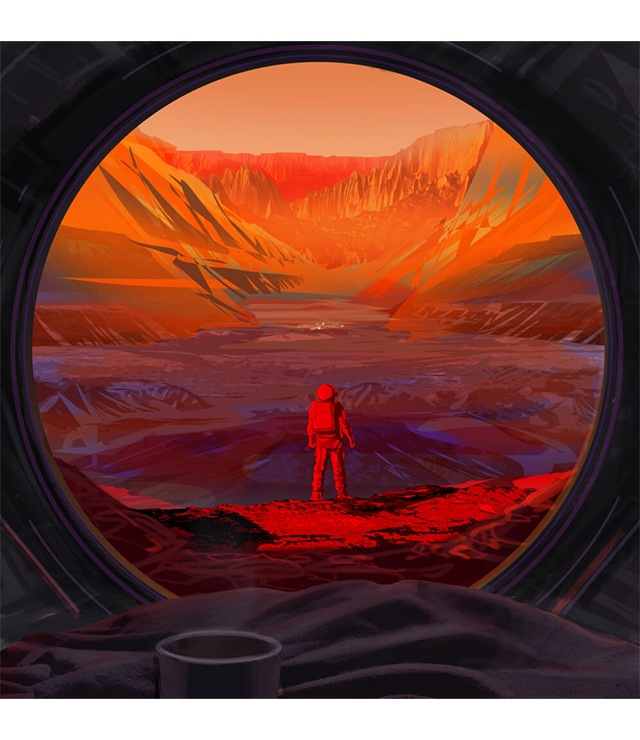
At this year’s South by Southwest Festival, I had the pleasure of asking a panel of experts some big questions about travel to Mars. The journey will push limits of the human body and may take us to the edge of ethical behavior – or beyond. Here are my top 10 questions and takeaways from the conversation.
Two hazards astronauts will face during a trip to Mars—and a stay there—are DNA-breaking radiation and the effects of weightlessness and microgravity.
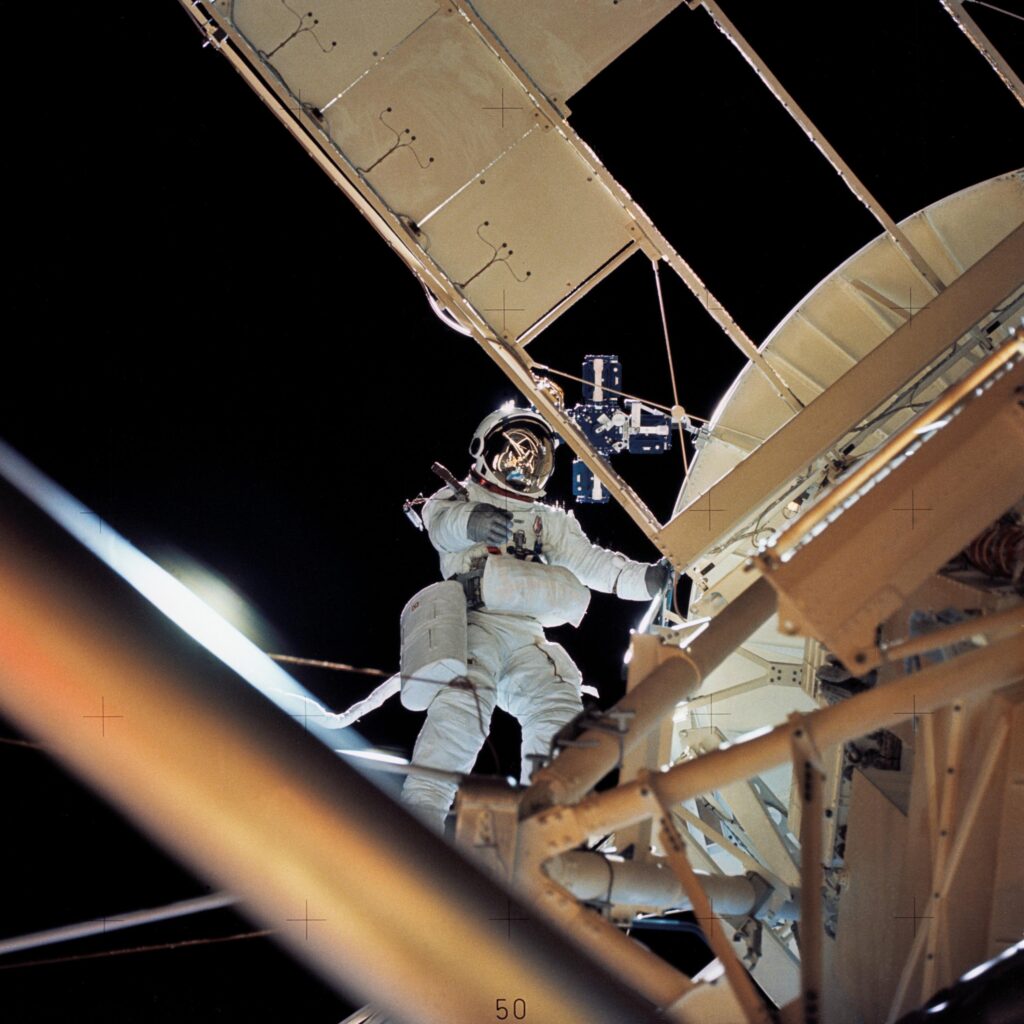
“Imagine you’re lying off the side of your bed when you’re a kid, and all the blood is rushing to your head. In microgravity, the result of increased pressure that builds up in the head, pressing against the brain and against the eyes, can cause changes in vision—Spaceflight Associated Neuro-Ocular Syndrome,” explained Eliah Overbey, PhD, a NASA space biology postdoctoral fellow and postdoctoral associate in computational biomedicine of physiology and biophysics at Weill Cornell Medicine. “Over 50% of astronauts will experience some sort of vision change when they’re in space. Some of that does reverse when they return to Earth and some of it does not, some of it persists.”
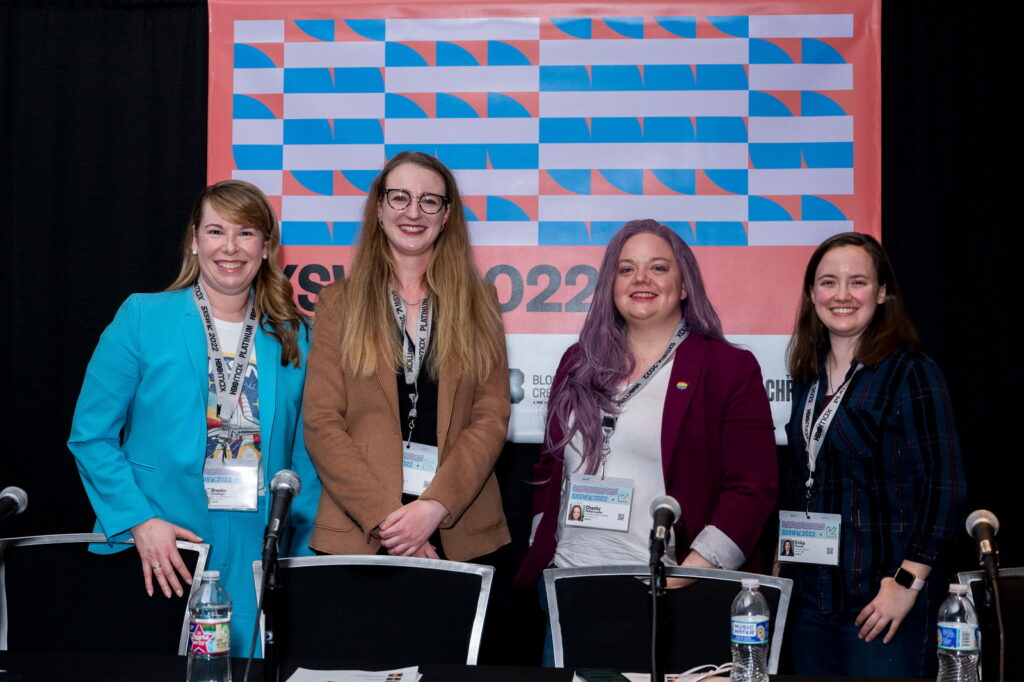
“Right now, it looks like Mars’ surface is probably pretty inhospitable to microbes. So, the evidence that we’re looking for at the surface is really focused more on past life, life in the geologic record. But it’s a completely different story in the subsurface,” reported Charity Phillips-Lander, PhD, a senior research scientist in astrobiology at the Southwest Research Institute who studies the habitability and possible bio-signatures of planetary bodies.

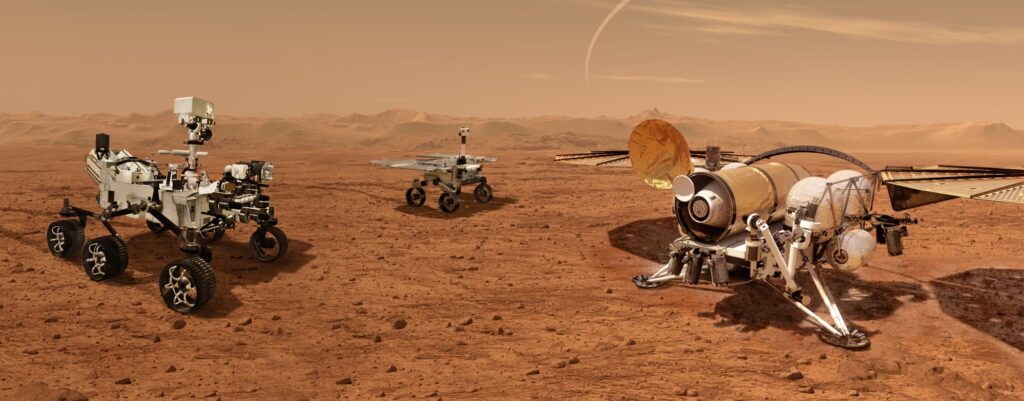
“We see manganese oxides—what you would call ‘desert varnish’—that show up in some of the rocks in Hale Crater on Mars and also on Earth. Those are typically precipitated by microorganisms. Jezero Crater and Gale Crater show really low carbon isotopic values that might be indicative of methanotrophs—microbes that eat methane for a living. We’ve seen methane in Mars’ atmosphere.” That’s possible evidence, Phillips-Lander said, of evidence of life on Mars in the past. “But we need more evidence, and that’s what Perseverance is rolling around looking for right now,” she added, referring to the robot that is now roaming the planet.
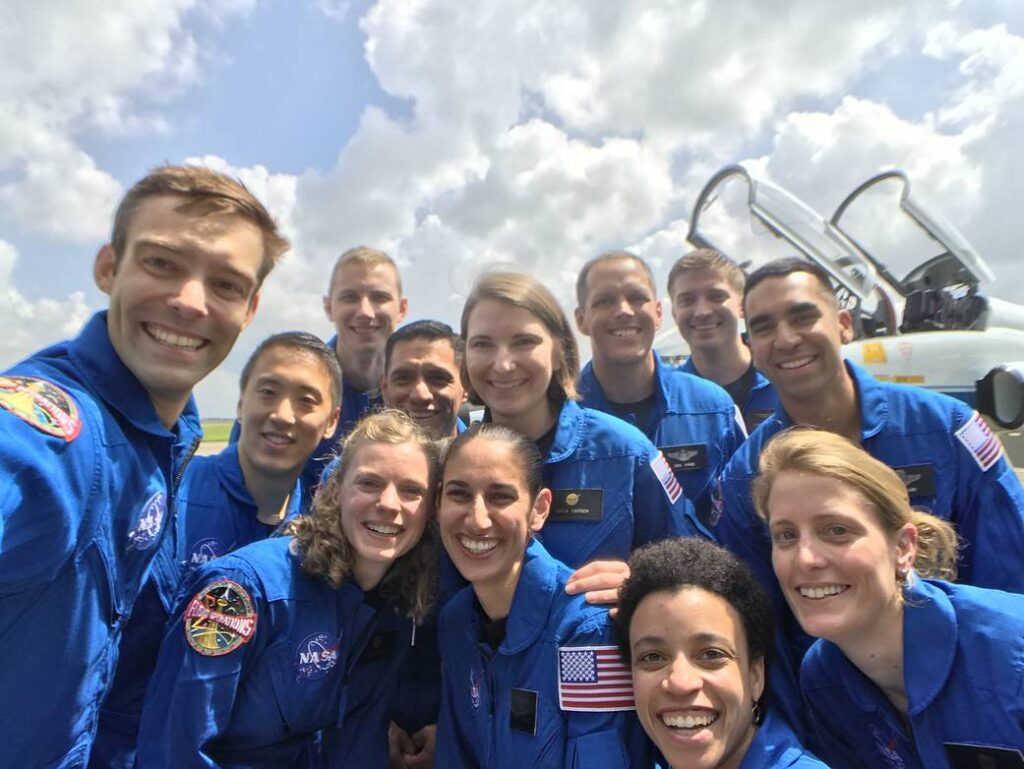
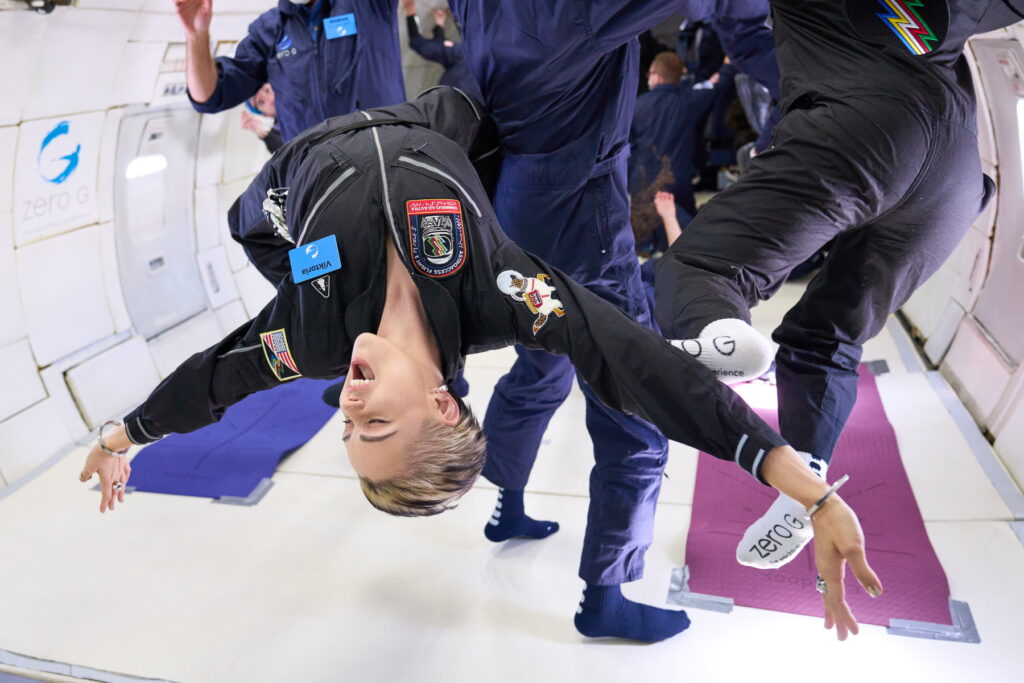
“Deciding who among the 8 billion of us gets to go up into space, and even go to Mars, is a tough question,” said Erika Nesvold, PhD, a co-founder of the JustSpace Alliance, which advocates for a more ethical, inclusive future in space. “Until now, the people who are able to go to space were the people selected by agencies like NASA, or more recently, people who have been able to afford space tourism flights. If you wanted to go to space, you need to be able to pass the astronaut selection, including a really strict health screening. This means that the people who have gone to space so far have primarily been very healthy, able-bodied people, which leaves out a huge portion of our population who are disabled. Why don’t we have disabled astronauts? What would it look like to redesign our space technology, to make it more accessible to people with disabilities?” Nesvold highlighted projects such as AstroAccess, which has just started launching disabled scientists, veterans, athletes, students, and artists on parabolic flights to experience weightlessness and low gravity conditions. A key goal is to investigate how space vehicles can be modified so that all astronauts and explorers—regardless of disability on Earth—can thrive in space.
NASA is hoping to put astronauts on Mars by 2035. It’s not difficult to conceive that, in the years to follow, others may arrive on Mars as migrants or as refugees. “Even now, we can see the huge human rights issues that come up when one group of people moves to a new place, especially if there are already people in that place,” reflected Nesvold. “Suppose we manage to get a population of humans living on Mars and then a second group wants to go there too. How will the original inhabitants feel about that immigration?” Nesvold said the response might vary, for example, depending on whether the new arrivals are fleeing strife, or if they have something to offer economically. “It’s worth getting some historians in the room… [How can we] learn from what’s happened here on Earth, to protect all of those groups in the future?”
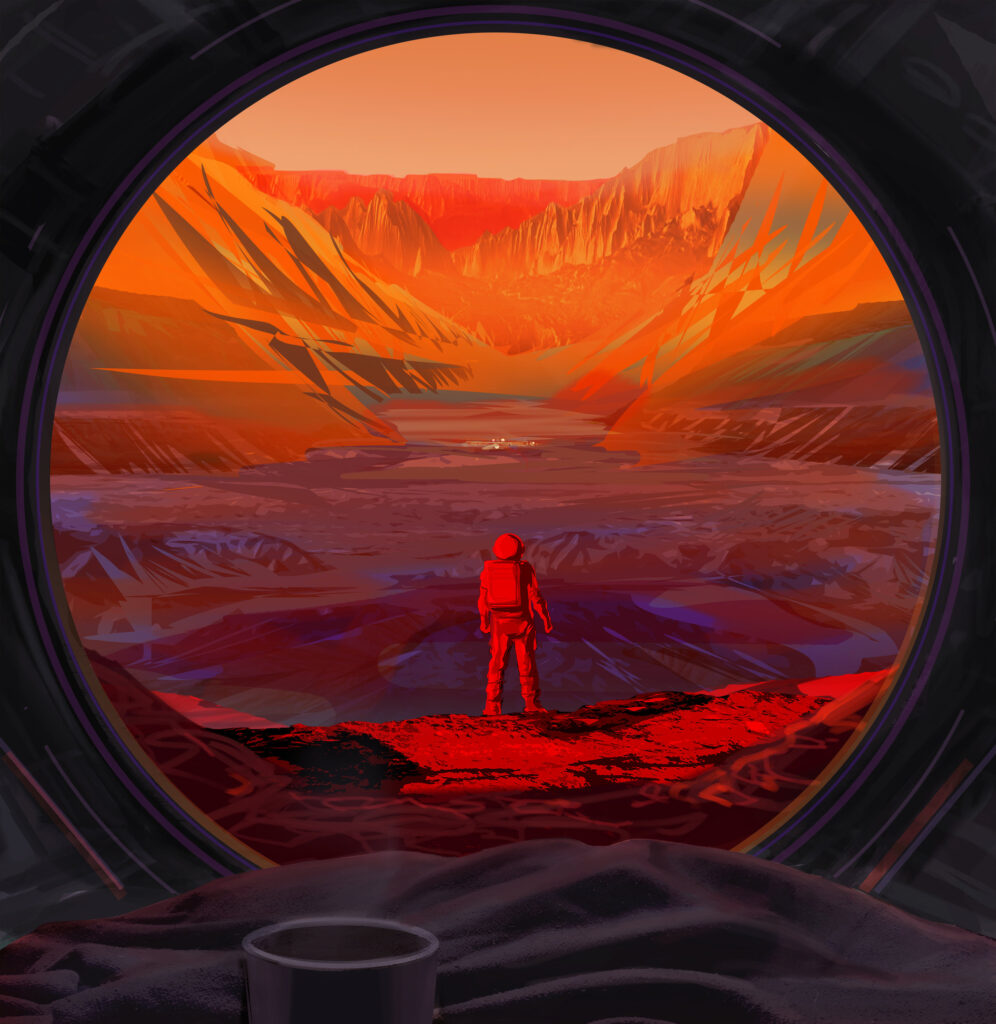
“One of the things that we need to focus on is sustainability, because for every ounce of material you take with you, you also have to provide fuel to get it there,” Phillips-Lander pointed out. “Through NASA’s biological and physical science programs, we’re experimenting with things like growing food on the moon. How do we do that, and how do we assess and prospect for the resources we might need? How do we print bricks, because we’re going to need to build a habitat? Can we create bioregenerative habitats that take CO2 and turn it back into oxygen, either through plants or microbes? We’re also looking at developing synthetic microbes that can carry out specific processes that might be beneficial to humans.”
Opportunities to protect and prepare the human body in advance of space travel, and for longer-term survival on Mars, are now on the horizon with bioengineering technologies like CRISPR gene editing and immunotherapy. “Is there some way that we can engineer astronauts to be more radiation-resistant or to overcome the fluid shifts that are going to cause different sorts of cognitive effects?” asked Overbey. “There’s an ethical question, really under debate on Earth: how much should we be editing the genome? Should you be editing cells that are going to pass on to your children? Can we justify gene editing in these contexts to overcome some of these limitations? Are we actually now morally obligated to do genetic engineering in order to adapt to those environments?” Overbey continued, “If we’re changing our genetic code, making permanent changes, are we changing how we define humans as a species, and making changes to genomes that will affect future generations?” Nesvold expanded on these ethical conundrums: “If we want to have self-sustaining human settlements in space, we have to figure out whether human reproduction is possible in space, with all the weightlessness and the radiation. At some point, even if you’ve done studies on animals, we’re going to have to try it, and that involves experimenting on pregnant people and fetuses… It’s a big ethical barrier to getting to the point of having self-sustaining human populations in space.”

Might we terraform Mars, turning it from a red planet to a green one, or a blue one like Earth, in an effort to make it more hospitable? “If we just go in and whole-scale terraform Mars right off the bat, then we defeat one of the scientific goals of human exploration, which is to figure out if there was life on Mars, or if there is life on Mars today,” warned Phillips-Lander. “So, initial missions are going to focus on minimizing the risk of contamination. We’ve established areas of Mars that are categorized as special regions because they have the highest potential for life. And so those areas are mostly off limits,” Nesvold said, referring to policies developed by the Committee on Space Research of the International Council for Science. She added: “The problem is that any terraforming we do to make Mars more like Earth, makes Mars less like Mars.” She paraphrased a question of scientific ethics raised in the film Jurassic Park: “We need to work really hard to make sure that no one eventually says about us, that we were so busy thinking about whether we could, that we didn’t think about whether we should.”
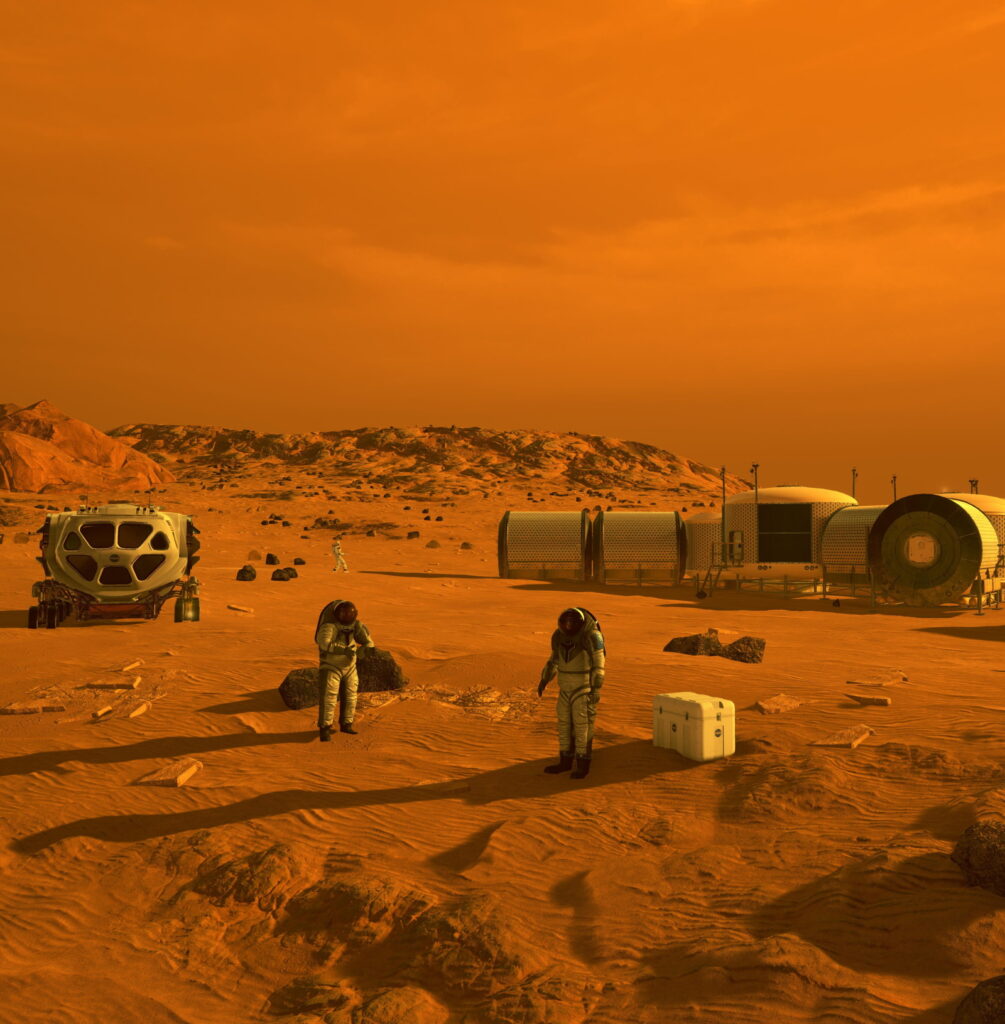
Before we become too wrapped up in our own self-preservation as a species, we should remember an alien invasion is about to take place. But this time, we will be the aliens. The Outer Space Treaty of 1967 outlines a series of planetary protections that govern space and space travel, but many questions remain about the scope and enforceability of the treaty. “For every planetary mission that we undertake, part of the evaluation process for mission selection is planetary protection,” explained Phillips-Lander. She said mission planners must develop “a viable burden limit”—a maximum number of organisms that a spacecraft is allowed to carry. “For a special region like a lava tube on Mars that might be a habitable environment for life, that’s basically zero, which is really challenging to achieve,” she said. “We have a whole suite of clean rooms on Earth that are designed for that, and back planetary protection, so that we’re not bringing novel organisms back to Earth and releasing them, because that would obviously be potentially bad. We’re trying to do it both ways.” Nesvold took the conversation on the protection of Mars astrobiology further: “What rights do the microbes have to not be exterminated if we want to move up there with our Earth microbes and potentially wipe them out? We all use Lysol, and we’re all really trying to kill a certain virus right now. But this would be a really unusual population of microbes. Are they special because they come from another planet? And there are people who argue that even an environment that has no life in it has some kind of intrinsic rights to its own integrity.”
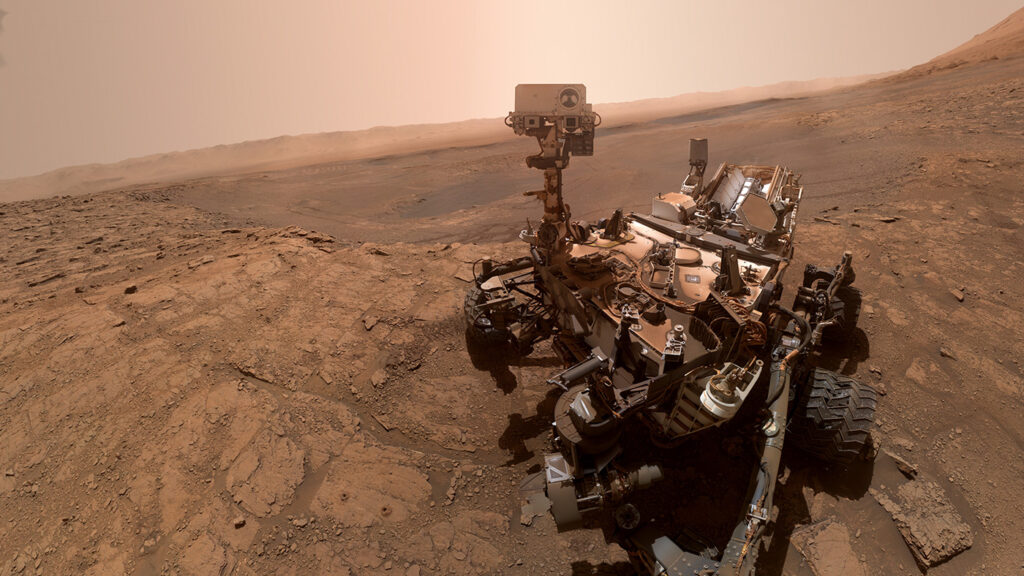
Numerous ethical, sociological, and even psychological questions must be considered for space travel. “As we’re trying to figure out how we will live in this space environment, we also have to figure out how we’ll live with each other in the space environment, because sometimes the other humans in your group are your biggest problem or your most important asset as you’re facing a really extreme environment,” Nesvold said. “We’re going to have to figure out how to self-organize and have some self-governance, the way that small groups have throughout history. We’ll need to be able to answer questions like: How do we handle conflicts between people living in space or between the people living in space and the ones back on Earth? What happens if you move to Mars to take a job and then you lose that job—do you have to pay for water, food, and air in space? Do you get a free ticket back to Earth or are you just on your own in a deadly environment? We’re certainly capable of bringing our inequalities with us into space, and I’m very confident we’re capable of inventing new ones in space. We need to be deliberate about this and think about what kind of future we want for ourselves, wherever it is, and make sure that we’re taking steps to protect that future for our descendants in space.”
Why should we be spending so much money to explore Mars? Will the benefit warrant the costs?
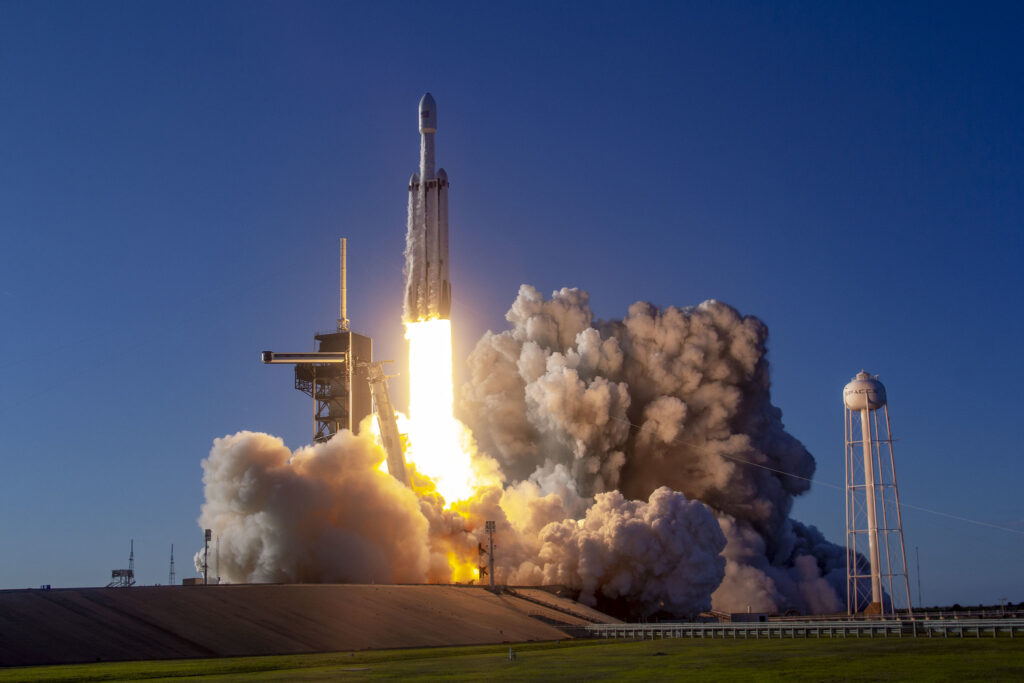
“The return on investment is worth it because we’re going to get new technologies or access to resources that you don’t have here on Earth,” posited Nesvold. “But you have to make sure that those benefits are actually being distributed equitably.” When asked to comment on the billionaire-driven space ecosystem that we see flourishing today, Nesvold responded: “A big issue with the space program since its creation has been that it had to survive off of taxpayer money. If you can make the space sector profitable it becomes self-sustaining…. Profit-seeking is a big part of what’s supporting this industry and helping it move forward. Capitalism brings innovation, and innovation is what we need for space. The problem is that capitalism also roots a lot of misery and inequality. The trick is figure out how to get the innovation without increasing inequality and environmental destruction.”
One partial solution, Overbey said, are public-private partnerships that establish “guardrails” against out-of-control self-interest in space exploration. In her closing remarks, she described one big-picture view of why we should take on the challenge of space exploration: “We may think the Earth will end at some point, maybe millions, billions of years in the future. Or there’s always the threat that something could go horribly wrong on Earth within our lifetimes. Right now, where we’re at, we don’t have the science with our technology to sustain ourselves in space or on another planet indefinitely. So, when we think about return on investment, is it numbers and dollar signs for medicine, for a new technology?” Or, Oberbey asked, “What is the cost of [saving] the human race?”
Minor edits have been made to quotes for clarity.
Photos and illustrations courtesy NASA, unless noted otherwise.