The Blavatnik Awards for Young Scientists in Israel is one of the largest prizes ever created for early-career researchers in Israel. Given annually to three outstanding, early-career faculty from Israeli universities in three categories—Life Sciences, Physical Sciences & Engineering, and Chemistry—the awards recognize extraordinary scientific achievements and promote excellence, originality, and innovation.
On August 2, 2021, the New York Academy of Sciences celebrated the 2020 and 2021 Laureates at the Israel Academy of Sciences and Humanities in Jerusalem, Israel. The multidisciplinary symposium, chaired by Israel Prize winners Adi Kimchi and Mordechai (Moti) Segev, featured a series of lectures on everything from a new class of RNA to self-assembling nanomaterials.
In this eBriefing, you’ll learn:
The secret life of bats, and how the brain shapes animal behavior
How genetic information in unchartered areas of the human genome—known as long noncoding RNA—could be used to develop treatments for cancer, brain injury, and epilepsy
Creative ways of generating light, X-rays, and other types of radiation for practical applications such as medical imaging and security scanners
The intricate choreography of protein assembly within cells, and how this dance may go awry in disease
Speakers
Yossi Yovel, PhD Tel Aviv University
Igor Ulitsky, PhD Weizmann Institute of Science
Emmanuel Levy, PhD Weizmann Institute of Science
Ido Kaminer, PhD Israel Institute of Technology
Life Sciences of Tomorrow
Speakers
Yossi Yovel, PhD Tel Aviv University
Igor Ulitsky, PhD Weizmann Institute of Science
From Bat Brains to Navigating Robots
Yossi Yovel, PhD, Tel Aviv University
In this presentation, Yossi Yovel describes his studies on bats and their use of echolocation to perceive and navigate through the world. To monitor bats behaving in their natural environment, he has developed miniaturized trackers—the smallest in the world—capable of simultaneously detecting location, ultrasonic sounds, movement, heart rate, brain activity, and body temperature changes.
By attaching these small sensors to many individual bats, Yovel is able to monitor large groups of free-flying bats—a task which would be almost impossible in other mammals. His current and future studies include applying bat echolocation theory to engineering acoustic control of autonomous vehicles.
Further Readings
Yovel
Moreno, K. R., Weinberg, M., Harten, L., Salinas Ramos, V. B., Herrera M, L. G., Czirják, G. Á., & Yovel, Y.
Igor Ulitsky outlines his investigation of the biology of a subtype of genetic material—long non-coding RNA (lncRNA)—an enigmatic class of RNA molecules. Similar to other classes of RNA molecules, lncRNAs are transcribed from DNA and have a single-strand structure; however, lncRNAs do not encode proteins. Even though non-coding regions of the genome comprise over 99% of our genetic material, little is actually known about how these regions function.
Ulitsky’s work has shown dynamic expression patterns across tissues and developmental stages, which appear to utilize diverse mechanisms of action that depend on their sub-cellular positions. These discoveries have unlocked the potential of using lncRNAs as both therapeutic agents and targets with promising leads for the treatment of diseases such as cancer, brain injury, and epilepsy.
Further Readings
Ulitsky
H. Hezroni, D. Koppstein, M.G. Schwartz, A. Avrutin, D.P. Bartel, I. Ulitsky.
Chemistry and Physical Sciences & Engineering of Tomorrow
Speakers
Emmanuel Levy, PhD Weizmann Institute of Science
Ido Kaminer, PhD Israel Institute of Technology
Playing LEGO with Proteins: Principles of Protein Assembly in Cells
Emmanuel Levy, PhD, Weizmann Institute of Science
In this presentation, Emmanuel Levy describes how defects in protein self-organization can lead to disease, and how protein self-organization can be exploited to create novel biomaterials. Levy has amassed a database of protein structural information that helps him to predict, browse, and curate the structural features—charged portions, hydrophobic and hydrophilic pockets, and point mutations—within a protein that govern the formation of quaternary structures. By combining this computational approach with experimental data Levy is able to uncover new mechanisms by which proteins operate within cells.
Further Readings
Levy
H. Garcia-Seisdedos, C. Empereur-Mot, N. Elad, E.D. Levy.
M. Meurer, Y. Duan, E. Sass, I. Kats, K. Herbst, B.C. Buchmuller, V. Dederer, F. Huber, D. Kirrmaier, M. Stefl, K. Van Laer, T.P. Dick, M.K. Lemberg, A. Khmelinskii, E.D. Levy, M. Knop.
Shining Light on the Quantum World with Ultrafast Electron Microscopy
Ido Kaminer, PhD, Israel Institute of Technology
Ido Kaminer discusses his research on light-matter interaction that spans a wide spectrum from fundamental physics to particle applications. Part of his presentation addressed the long-standing question in quantum theory over the predictability of motions quantum particles. He also demonstrated the first example of using free electrons to probe the motion of photons inside materials. Finally, he talked about the potential applications of tunable X-rays generated from the compact equipment in his lab, for biomedical imaging and other applications.
Further Readings
Kaminer
R. Dahan, S. Nehemia, M. Shentcis, et al., I. Kaminer.
Growing up in Romania, Mircea Dincă’s was first exposed to science. Now he’s engineering an electric Lamborghini.
Published October 1, 2021
By Roger Torda
Mircea Dincă (left) poses with Nick Dirks, President and CEO of The New York Academy of Sciences.
Mircea Dincă creates materials in the lab with surface features that can’t be found in nature. He then makes variants with electrical properties that other scientists once thought impossible. This is groundbreaking basic research with many emerging applications. One is particularly exciting: a supercapacitor to power a Lamborghini supercar.
Dincă, a professor of chemistry at MIT, is this year’s Blavatnik National Awards for Young Scientists Laureate in Chemistry. He heads a lab that synthesizes novel organic-inorganic hybrid materials and manipulates their electrochemical and photophysical properties.
Dincă and his students work with metal-organic frameworks, or MOFs. “These are basically what I like to call sponges on steroids because they are enormously porous,” Dincă told the Academy in a recent interview. “They have fantastically high surface areas, higher than anything that humanity has ever known.”
Metal-Organic Frameworks (MOFs)
MOFs have a hollow, crystalline, cage-like structure, consisting of an array of metal ions surrounded by organic “linker” molecules. Scientists can “tune” their porosity, creating MOFs that can capture molecules of different properties and size.
To help conceptualize the large surface area of MOFs, Dincă says a gram of the material would, if flattened out, cover an entire football field. This means their pores can hold an almost unimaginably large number of molecules. One application capitalizing on this capacity is gas storage. For example, a canister filled with MOFs would hold nine times more CO2 than an empty canister. Other emerging uses have included devices to manage heat, antimicrobial products, gas separation, and devices for scrubbing emissions and carbon capture.
Dincă first encountered MOFs as a graduate student. Several years later, after considerable research on the electronic structure of materials, he started envisioning MOFs with properties that had not been widely considered before. “Previously, people thought that metal-organic frameworks are just ideal insulators,” Dincă said. “But we realized that there are certain types of building blocks that, when put together, would allow the free flow of electrical charges.” This was something of a paradigm shift in the field.
A Partnership with Lamborghini
Dincă and his students started synthesizing MOFs with a variety of organic ligands and metal combinations to create materials that are both porous and conducting. They also developed ways to grow MOF crystals so they can be more easily studied with imaging tools, permitting analysis of their structure, atom-by-atom. The new techniques and materials have led to MOFs that might prove valuable for batteries, fuel cells, and energy storage. Dincă’s lab and MIT have signed a partnership with Lamborghini to use MOF supercapcitors in the company’s planned Terzo Millennio sportscar.
Dincă and his students also study the use of MOFs as catalysts, and as chemical sensors. They explore how these materials interact with light, which could lead to smart windows that lighten or darken automatically. Better solar cells are yet another possible application.
More efficient air conditioning, with considerable environmental benefit, is another goal. Dincă has co-founded a start-up called Transaera to build MOF-based cooling equipment that pulls water molecules out of air so that the AC doesn’t work as hard. The key is tuning the pores of the MOFs to just the right size to capture water at just the right humidity.
Scaling up remains a challenge for many of these applications. “It’s one thing to make a few grams in a laboratory, it’s quite another to make hundreds of kilograms so you can take them out into the real world,” Dincă said.
“Thirsty for Knowledge”
Dincă grew up in Romania, and says he got his first taste of chemistry in 7th grade. An MIT departmental biography playfully suggests “that having a dedicated teacher that did spectacular demonstrations with relatively limited regard for safety” was the initial influence. One imagines awe-inspiring, semi-controlled explosions in the front of a classroom of 12 year olds. In the following years, Dincă started participating in the Chemistry Olympiads, and in 1998, when he was in high school, he won first place at an international competition in Russia.
At the time, Dincă found he was running up against limits to his education. “I think the biggest challenges to my becoming a scientist were, early on in Romania where I grew up, that we just didn’t have access to labs, to books,” Dincă said. “That made me thirsty for knowledge.” So Dincă was eager to travel to the U.S. when he was offered a scholarship for undergraduate studies at Princeton. He then earned a Ph.D. from UC Berkeley. He has been teaching and conducting research at MIT since 2008.
Dincă met his wife, who is also from Romania, while they were both students at Princeton. She is a lawyer, and the couple have two children, Amalia and Gruia. Dincă’s father is a retired Romanian Orthodox priest, and his mother, a retired kindergarten teacher.
When he is not with his family or at work, Dincă might be running, hiking, or taking photographs.
Constant Exposure to the Unknown
Dincă enjoys teaching, including freshmen chemistry. For his more advanced students and postdocs, Dincă says he fosters original thinking by giving them as much responsibility as possible. “As a Principal Investigator myself, I tend to be very hands-off,” Dincă explained. “And that’s good because it allows students to take ownership of their projects and become creative themselves. In fact, most of the best ideas in my lab come from the students, not myself.”
One of the best things about being a scientist, Dincă said, is constant exposure to the unknown, and he is pleased when his commitment to basic research is recognized. “Being a Blavatnik National Award Laureate is, of course, fantastic recognition of my research, of my group’s efforts,” Dincă said. “But also, most importantly for me, it is recognition of the fact that curiosity-driven research is still appreciated.”
While curiosity may drive Dincă’s scientific inquiries, he believes applied research with new classes of MOFs will help address important environmental challenges. At the same time, there can be no doubt that one application may prove especially thrilling. “Never in my wildest dreams did I believe that just thinking about electrical current in porous materials would take me on a path to helping make an electric Lamborghini,” Dincă said. “But that is where our research has led us.”
Andrea Alù is challenging the laws of physics to improve data transmission. Oh yeah, he’s working on an invisibility cloak, too!
Published October 1, 2021
By Roger Torda
Andrea Alù
Andrea Alù isn’t satisfied with how light waves and sound travel through objects and space. So he engineers new materials that appear to violate some well-established laws of physics. Enhanced wireless communication and computing technologies, improved bio-medical sensors, and invisibility cloaks are just some of the achievements of his lab.
“We create our own materials, engineered at the nanoscale,” explained Alù, who is Director of the Photonics Initiative at the Advanced Science Research Center at the City University of New York (CUNY). “We call them metamaterials, which push technologies forward, to realize optical properties, electromagnetic properties, or acoustic properties that go well beyond what nature and natural materials offer us.”
In a recent interview with The New York Academy of Sciences (the Academy), Alù explained a core behavior of light that is at the heart of his research:
One of the most basic phenomena in optics is light refraction, which describes the change in direction of propagation of an optical beam as it enters a material. We can understand this as the collective excitation of molecules and charges in the material, produced by light. In metamaterials, we make up our own molecules—we call them metamolecules.
Metamaterials feature many different geometries of at the nanoscale. Some can be engineered to interact with light in such a way that they may actually make objects disappear from sight. It is a phenomenon called “cloaking.” Alù continued:
Engineering at the Nanoscale
This engineering at the nanoscale allows us to change the ways in which light refracts as it enters a metamaterial. By bending light in unusual ways, we can actually realize highly unusual optical phenomena, like enhancing or suppressing the reflections and scattering of light from an interface, making a small object appear much larger, or conversely, even disappear altogether, by hiding it from the impinging electromagnetic waves.
“Invisibility” has long been part of our popular imagination and science fiction, from H.G. Wells’ novels to Star Trek and Harry Potter. A pioneering theoretical step dates back to 1968, when a Russian physicist wondered if a phenomenon called “negative refraction” might be possible. But no materials featuring this property were known, and some scientists believed none would be found because negative refraction might violate widely-used equations describing the propagation of light. Thirty years later, in 2000, a team of scientists was able to demonstrate negative refraction in a metamaterial for a certain frequency of electromagnetic radiation. A few years later, experiments demonstrated actual metamaterial cloaking, and Scientific American proclaimed: “Invisibility Cloak Sees Light of Day.”
Alù started working on metamaterials in 2002, when he spent a year at the University of Pennsylvania as a visiting student. He has conducted pioneering research in the field ever since. A major achievement came in 2013. Alù, then at the University of Texas at Austin, and his collaborators, demonstrated the cloaking of a three-dimensional object using radio waves. The work showed that antennas, like the ones in our cell phones, could be made transparent to radio-waves, a finding of potential commercial and military value, as it eliminates interference between closely-spaced transmitters.
A Childhood Fascination
Alù’s interest in light and other electromagnetic waves began as a child in Italy when he was fascinated by how our radios and television sets receive broadcast information without wiring. His interest intensified in high school when he realized a “beautiful common mathematical framework” describes the propagation of light, radio signals, and sound, and the fact that no information can be transmitted faster than the speed of light.
Alù went on to study at the University of Roma Tre, where he earned a Ph.D. in electronic engineering. After a postdoctoral fellowship at the University of Pennsylvania, he joined the faculty of UT Austin in 2009, and moved to CUNY in 2018.
Nanomaterials being developed in Alù’s lab may also improve near-field microscopy for better biomedical imaging, and lead to optical computers, enabling faster and more efficient PCs that use light instead of electric signals.
Yet another area of intense research for Alù and his research team has been “breaking reciprocity,” with implications for improved transmission of sound as well as radio waves and light. “Light, sound, and radio waves, typically travel with symmetry between two points in space,” Alù explained. “If you hear me, I can hear you back. If you can see me, typically you can see me back. This property is rooted into the time reversal symmetry of the wave equations.”
Connecting Basic and Applied Research
Alù said his lab’s work in breaking this symmetry with metamaterials is a good illustration of the connection between basic and applied research:
Interestingly, making materials that transmit waves one way and not the other started as a curiosity, but it has rapidly become extremely useful, from improving data rates with which our cell phones or WiFi technologies operate to protecting sensitive lasers from reflections. This has been a very exciting quest, from basic research to applications.
Alù began his research and teaching career in the U.S. only after he earned his Ph.D. in Italy and, as a result, he found he initially had a smaller professional network than many of his peers. But Alù says the U.S. was very welcoming, and he quickly caught up:
I come from Italy and I did all my undergraduate and graduate studies there. So, coming to the U.S. first as a postdoc, then as a faculty member, I didn’t have a large support network around me, I didn’t initially have a lot of connections…. But at the same time, I have to say, the United States offers tremendous opportunities, in particular to young scientists, to help build up their research groups, and to thrive.
Alù continued: “The U.S. is an amazing country in welcoming young people, new talent, and supporting them in the broadest possible terms… An excellent example of this is the Blavatnik National Awards program, and the broad range of scientists it recognizes.”
Shruti Puri, PhD, helps explain the challenges and the potential computational power this exciting new technology may bring about.
Published March 22, 2021
By Liang Dong, PhD
Shruti Puri, PhD, Yale University
Quantum computing is a radically new way to store and process information based on the principles of quantum mechanics. While conventional computers store information in binary “bits” that are either 0s or 1s, quantum computers store information in quantum bits, or qubits. A qubit can be both 0 and 1 at the same time, and a series of qubits together remember many different things simultaneously.
Everyone agrees on the huge computational power this technology may bring about, but why are we still not there yet? To understand the challenges in this field and its potential solutions, we recently interviewed Shruti Puri, PhD, who works at the frontier of this exciting field. Puri is an Assistant Professor in the Department of Applied Physics at Yale University, and a Physical Sciences & Engineering Finalist of the 2020 Blavatnik Regional Awards for Young Scientists, recognized for her remarkable theoretical discoveries in quantum error correction that may pave the way for robust quantum computing technologies.
What is the main challenge you are addressing in quantum computing?
Thanks to recent advances in research and development, there are already small to mid-sized quantum computers made available by big companies. But these quantum computers have not been able to implement any practical applications such as drug and materials discovery. The reason is that quantum computers at this moment are extremely fragile, and even very small noise from their working environment can very quickly destroy the delicate quantum states. As it is almost impossible to completely isolate the quantum states from the environment, we need a way to correct quantum states before they are destroyed.
At a first glance, quantum error correction seems impossible. Due to the measurement principle of quantum mechanics, we cannot directly probe a quantum state to check if there was an error in it or not, because such operations will destroy the quantum state itself.
Fortunately, in the 1990s, people found indirect ways to faithfully detect and correct errors in quantum states. They are, however, at a cost of large resource overheads. If one qubit is affected by noise, we have to use at least five additional qubits to correct this error. The more errors we want to correct, the larger number of additional qubits it will consume. A lot of research efforts, including my own, are devoted to improving quantum error correction techniques.
What is your discovery? How will this discovery help solve the challenge you mention above?
In recent years, I have been interested in new qubit designs that have some in-built protection against noise. In particular, I developed the “Kerr-cat” qubit, in which one type of quantum error is automatically suppressed by design. This reduces the total number of quantum errors by half! So, quantum computers that adopt Kerr-cat require far fewer physical qubits for error correction than the other quantum computers.
Kerr-cat is not the only qubit with this property, but what makes the Kerr-cat special is that it is possible to maintain this protection while a user tries to modify the quantum state in a certain non-trivial way. As a comparison, for ordinary qubits, the act of the user modifying the state automatically destroys the protection. Since its discovery, the Kerr-cat has generated a lot of interest in the community and opened up a new direction for quantum error correction.
As a theoretician, do you collaborate with experimentalists? How are these synergized efforts helping you?
Yes, I do collaborate quite closely with experimentalists. The synergy between experiments and theory is crucial for solving the practical challenges facing quantum information science. Sometimes an experimental observation or breakthrough will provide a new tool for a theorist with which they can explore or model new quantum effects. Other times, a new theoretical prediction will drive experimental progress.
At Yale, I have the privilege to work next to the theoretical group of Steve Girvin and the experimental groups of Michel Devoret and Rob Schoelkopf, who are world leaders in superconducting quantum information processing. The theoretical development of the Kerr-cat qubit was actually a result of trying to undo a bug in the experiment. Members of Michel’s group also contributed to the development of this theory. What is more, Michel’s group first experimentally demonstrated the Kerr-cat qubit. It was just an amazing feeling to see this theory come to life in the lab!
Are there any other experimental developments that you are excited about?
I am very excited about a new generation of qubits that are being developed in several other academic groups, which have some inherent protection against noise. Kerr-cat is one of them, along with Gottesman-Kitaev-Preskill qubit, cat-codes, binomial codes, 0−π qubit, etc. Several of these designs were developed by theorists in the early 2000s, and were not considered to be practical. But with experimental progress, these have now been demonstrated and are serious contenders for practical quantum information processing. In the coming years, the field of quantum error correction is going to be strongly influenced by the capabilities that will be enabled by these new qubit designs. So, I really look forward to learning how the experiments progress.
We’re going to the Moon—again! In the next decade, NASA’s Artemis program will first orbit and then land on the lunar surface. What may seem like a rerun from the 1960s is designed to establish a more permanent human presence on the Moon. This will be used for both scientific and private aims, and it may serve as a stepping-stone to Mars. In this eBriefing, we’ll learn more about what’s planned, what we gain from human space exploration, and how we establish international agreements off-planet.
In this eBriefing, You’ll Learn:
NASA’s plans for the Artemis mission
Open research questions that will be addressed through exploration in deep space
Which international agreements are currently in place to help navigate governance in space
How space exploration affects life on Earth
Speakers
Timiebi Aganaba-Jeanty, PhD, LLM Arizona State University
Dina Contella NASA
Dorit Donoviel, PhD Translational Research Institute for Space Health, Baylor College of Medicine
Moderator:
Kari Fischer, PhD The New York Academy of Sciences
Our Lunar Future
Timiebi Aganaba-Jeanty, PhD, LLM
Arizona State University
Timiebi Aganaba, PhD, LLM, is an assistant professor in the School for the Future of Innovation in Society with a courtesy appointment at the Sandra Day O’Connor College of Law. She is a fellow at the Centre for International Governance Innovation (CIGI) based in Waterloo, Ontario, Canada. Dr. Aganaba was previously executive director of the World Space Week Association, coordinating the global response to the United Nations 1999 declaration that World Space Week should be celebrated from Oct 4-10 annually. Dr. Aganaba was a space industry consultant for the leading space analyst firm in Montreal, Canada, a teaching associate at the International Space University in France, an associate at the Nigerian law firm Kayode Sofola and Associates, and a trainee legal officer at the Nigerian Space Research and Development Agency. In 2017, Dr. Aganaba was the recipient of a Space Leaders Award from the International Astronautical Federation (IAF). Her doctorate received the George and Ann Robinson Award for advanced research capabilities.
Dina Contella
NASA
Dina Contella’s tenure at NASA began while she was still in school through the cooperative education program in 1990. After graduating from Texas A&M University, Contella worked as an astronaut instructor specializing in the Shuttle onboard computers and software, as well as entry and landing navigation aids. Beginning in 1995, she served as a space shuttle and space station flight controller and instructor responsible for planning, training, and executing spacewalks. She subsequently served as the lead Extravehicular Activity Officer (EVA) liaison to Russia during early station construction. After the Columbia accident, she was instrumental in developing shuttle Thermal Protection System (TPS) repair tools and techniques. And in her nine years as Mission Control Flight Director, Contella oversaw the well-being of the International Space Station, space shuttles, and their crews for a host of missions, leading teams of people operating vehicle systems and guiding astronauts building the space station, performing research, and maintaining it both inside and out. Now the Gateway Program’s manager for operations integration and utilization, she uses her experience in operational leadership and risk management to develop how to best use the Gateway’s capabilities and plan for astronaut missions on the Moon.
Dorit Donoviel, PhD
Translational Research Institute for Space Health Baylor College of Medicine
As director for the Translational Research Institute for Space Health (TRISH), Dorit Donoviel, PhD, leads a $0.25B NASA-funded innovation R&D program that finds, funds, and facilitates disruptive human health and performance solutions for astronauts traveling in deep space. In her previous role as deputy chief scientist of the National Space Biomedical Research Institute (NSBRI), Dr. Donoviel led both domestic and international research programs that bridged academic, industry, and government resources to deliver fast and cost-effective tangible results. She is the recipient of multiple honors, including recognition from NASA and the NSBRI Pioneer Award. A published research scientist and invited speaker, Dr. Donoviel is Associate Professor in the Department of Pharmacology and Chemical Biology and the Center for Space Medicine at Baylor College of Medicine (BCM). Before joining BCM, she led metabolism drug discovery programs at Lexicon Pharmaceuticals for eight years. Dr. Donoviel completed a Human Frontiers postdoctoral fellowship at Mount Sinai Hospital in Toronto, Canada; holds a Biochemistry doctorate from the University of Washington in Seattle, WA; and received her baccalaureate degree in Biochemistry and Cell Biology from the University of California, San Diego in La Jolla, CA.
Kari Fischer, PhD
New York Academy of Sciences
Kari Fischer, PhD, is a Senior Program Manager for Life Sciences at the Academy, facilitating the planning and execution of both scientific symposia and programming for the general public. Her portfolio of programming spans biomedicine—from microsatellite DNA expansions to hearing restoration to cancer metabolism. Kari has also led several events on the interface between science and society, including a series of bioethics colloquia on randomized controlled trials, big data in healthcare, and conflict of interest; and several programs on science misinformation and science engagement with the public. Her contributions were featured at South by Southwest 2019 in the panel, “Preventing the Cambridge Analytica of Health Data.” Her science writing has appeared in The Washington Post, The Scientist, and The New York Academy of Sciences Magazine. Dr. Fischer joined the Academy in 2016 after completing her PhD in Cell and Developmental Biology at Weill Cornell Medicine, where she studied breast cancer metastasis and the lung tumor microenvironment. For her work in lung cancer, she was awarded the Ruth L. Kirchstein National Research Service Award Individual Predoctoral Fellowship by the National Institutes of Health. She received the Julian R. Rachele Prize for Outstanding Graduate Student Research for her breast cancer metastasis study in Nature, an article with over 500 citations since its publication. Dr. Fischer’s undergraduate degree in Biochemistry and Molecular Biology is from the University of Massachusetts, Amherst.
Previous conferences and workshops covering artificial intelligence (AI) for Materials Science have mainly focused on introducing AI into materials simulations, which is only the first step in new materials discovery. These efforts have largely ignored AI’s promise for materials synthesis and translating research into high-volume industrial production.
On October 6-7, 2020, the New York Academy of Sciences hosted the AI for Materials symposium to provide a broader perspective on leveraging the benefits of AI in material simulations, experiments, and development efforts for high volume production. The symposium brought together materials scientists, industry experts, and AI researchers to cover the application of AI throughout the entire life cycle of new materials, from lab discovery to industrial production. These leaders also shape future research directions, identify urgent issues in this rising field, and foster interdisciplinary collaboration opportunities.
In This eBriefing, You’ll Learn
How machine learning is being applied to understand the physical processes behind materials science
Approaches to improve the data infrastructures used in materials science research to facilitate easier integration and promote a better data sharing environment
How AI is being applied to address industry-related issues in materials science, including the scalability of materials production from the lab to the factory and the synthetic and catalytic routes of new materials
Speakers
Muratahan Aykol, PhD Toyota Research Institute
Léon Bottou, PhD Facebook AI Research
Carla Gomes, PhD Cornell University
Philipp Harbach, PhD Merck KGaA
Michael Helander, PhD OTI Lumionics
Phillip M. Maffettone, DPhil Brookhaven National Laboratory
Nobuyuki N. Matsuzawa, PhD Panasonic Corporation
Greg Mulholland Citrine Informatics
Elsa Olivetti MIT
Rampi Ramprasad, PhD Georgia Institute of Technology
Tim Robertson, PhD Schrödinger, Inc.
Sam Samdani, PhD McKinsey & Company
Matthias Scheffler, PhD The Fritz Haber Institute
Rama Vasudevan, PhD Oak Ridge National Laboratory
James Warren, PhD National Institute of Standards and Technology
Léon received a Ph.D. in Computer Science from Université de Paris-Sud. His research career has taken him to AT&T Bell Laboratories, AT&T Labs Research, NEC Labs America, Microsoft, and now Facebook AI Research. The long-term goal of Léon’s research is to understand and replicate human-level intelligence. Because this goal requires conceptual advances that cannot be anticipated, Léon’s research has followed many practical and theoretical turns, including neural networks applications, stochastic gradient learning algorithms, statistical properties of learning systems, computer vision applications with structured outputs, and theory of large-scale learning. Léon’s research aims to clarify the relation between learning and reasoning, with focus on the many aspects of causation.
Carla Gomes, PhD
Cornell University
Carla is the Ronald C. and Antonia V. Nielsen Professor of Computing and Information Science and the Director of the Institute for Computational Sustainability at Cornell University. She received a Ph.D. from the University of Edinburgh. Her research area is artificial intelligence with a focus on Computational Sustainability. Computational Sustainability aims to develop computational methods to help solve some of the key challenges concerning environmental, economic, and societal issues to help put us on a path towards a sustainable future. Carla is a Fellow of the Association for the Advancement of Artificial Intelligence (AAAI), a Fellow of the Association for Computing Machinery (ACM), and a Fellow of the American Association for the Advancement of Science (AAAS).
Rama Vasudevan, PhD
Oak Ridge National Laboratory
Rama is the Research and Development Associate at the Center for Nanophase Materials Sciences, Oak Ridge National Laboratory. His research focuses on utilizing scanning probe microscopy (SPM) at the mesoscopic and atomic level to unearth structure-property relations in various systems, including ferroics, manganites, and others. In parallel, as vast amounts of imaging and spectroscopic data are gathered, he develops and implements tools from existing computational science literature towards tackling materials science problems and unearthing physics from deep data analysis of SPM-acquired datasets. Rama received his PhD in Materials Science from the University of New South Wales.
Rampi Ramprasad, PhD Georgia Institute of Technology
Matthias Scheffler, PhD The Fritz Haber Institute
Elsa Olivetti MIT
Muratahan Aykol, PhD Toyota Research Institute
Rampi Ramprasad, PhD
Georgia Institute of Technology
Rampi is the Michael E. Tennenbaum Family Chair and Georgia Research Alliance Eminent Scholar in Energy Sustainability at Georgia Tech. His area of expertise is developing and utilizing computational and data-driven (machine learning) methods to design and discover new materials. Materials classes under study include polymers, metals, and ceramics (mainly dielectrics and catalysts), and application areas include energy production and energy storage. Rampi received his B Tech in Metallurgical Engineering at the Indian Institute of Technology, Madras, India, and a PhD in Materials Science & Engineering at the University of Illinois, Urbana-Champaign.
Matthias Scheffler, PhD
The Fritz Haber Institute
Matthias is Director of the NOMAD Laboratory at the Fritz Haber Institute of the Max Planck Society. His research focuses on understanding fundamental aspects of physical and chemical properties of surfaces, interfaces, clusters, nanostructures, and bulk based on electronic-structure theory. In recent years, Matthias developed neural-network and compressed-sensing methods to detect structure and patterns in “big data of materials,” to create “maps of materials properties,” and identify “materials genes” that affect or even actuate materials properties. His “big-data” activities also include creating a FAIR data infrastructure (data are findable and AI-ready) and the largest data store for computational materials science data.
Elsa Olivetti, PhD
Massachusetts Institute of Technology
Elsa is the Esther and Harold E. Edgerton Associate Professor in Materials Science and Engineering at MIT. She received her PhD from the same department in 2007. Elsa’s research focuses on improving the environmental and economic sustainability of materials in the context of rapid-expanding global demand. Her research addresses two major problems where solutions could yield significant environmental benefit: first, improving the sustainability of materials through increased use of recycled and renewable materials, recycling-friendly material design, and intelligent waste disposition; and second, understanding the implications of substitution, dematerialization, and waste mining on materials markets. Her research spans three levels of materials production: operational-level, industrial network-level, and market-level strategies.
Muratahan Aykol, PhD
Toyota Research Institute
Muratahan is a Senior Research Scientist in Accelerated Materials Design and Discovery at the Toyota Research Institute. Before that, he was a postdoctoral research fellow at Lawrence Berkeley National Laboratory, working on materials informatics and infrastructure. He received his BS and MS degrees from the Middle East Technical University and a PhD in Materials Science from Northwestern University. His research focuses on machine-learning, material computations, and network science for materials discovery.
Phillip M. Maffettone, DPhil Brookhaven National Laboratory
Nobuyuki N. Matsuzawa, PhD
Panasonic Corporation
Nobu obtained his PhD in computational materials science in 1994 from The University of Tokyo. He started his career at Sony in 1987, developing various organic materials for electronic devices and lithography processes for semiconductor manufacturing. He served as a visiting research scientist at DuPont Central Research and Development in Wilmington, Delaware, and was the Senior Manager of Material Science Laboratories of Sony Europe from 2001-2004. In 2005, Nobu was named a Distinguished Engineer at Sony. Since 2016, he has been working for Panasonic, designing materials used in various electronic devices produced by Panasonic.
Michael Helander, PhD
OTI Lumionics
Michael is co-founder and CEO of OTI Lumionics, an advanced materials company he co-founded while pursuing his PhD at the University of Toronto in 2011. The company commercializes disruptive materials and process technology for OLED displays from headquarters in Toronto and offices in Asia. OLED is the leading display technology used in virtually all high-end consumer electronics and is the next generation of design-driven lighting. Dr. Helander received a BSc in Engineering Science and a PhD in Materials Science & Engineering from the University of Toronto. He has over 100 patents and peer-reviewed publications related to OLED materials, process, equipment, and displays.
Phillip M. Maffettone, DPhil
Brookhaven National Laboratory
Phil is currently a Research Associate in Computational Science at Brookhaven National Laboratory, where he focuses on developing the laboratory of the future using artificial intelligence to combine simulation and autonomous experimentation. During his career, Phil has developed a healthy disregard for disciplinary boundaries by working at the intersection of physical and computational sciences. He earned a BS in Chemical Engineering at the University at Buffalo (2014), researching silicon nanoparticle synthesis and applications. After receiving a Marshall Scholarship, he completed his DPhil in Inorganic Chemistry at the University of Oxford (2018), focused on simulating disorder in diffraction where Bragg’s law breaks down in hard and soft matter. Phil recently returned home to New York from a role at the University of Liverpool, where he developed the AI for an autonomous mobile robotic scientist searching for new photocatalytic materials.
James Warren, PhD National Institute of Standards and Technology
Greg Mulholland Citrine Informatics
Tim Robertson, PhD Schrödinger, Inc.
Sam Samdani, PhD
McKinsey & Company
Sam is a senior industry expert in the Global Chemicals & Agriculture Practice at McKinsey & Company, a global management consulting firm. His responsibilities include providing thought leadership across a range of complex knowledge domains in advanced/engineered materials, pharmaceutical ingredients, and specialty chemicals for the top management of many multinational chemical, pharmaceutical, and petroleum companies as well as government agencies and NGOs worldwide. Before joining McKinsey, Sam worked at McGraw-Hill as an Associate Editor with Chemical Engineering, a monthly technical publication. He received his BS in chemical engineering from Yale University and his PhD in chemical engineering from the University of Rochester.
Philipp Harbach, PhD
Merck KGaA
Philipp is the Head of In Silico Research in the Digital Organization of Merck KGaA. There he focuses on the digitalization of chemical and experimental processes in R&D, production, and analytics with the help of modern computational modeling and data analytics methods. He is specifically interested in applying quantum mechanical methods to industrial problems and is leading first initiatives to adapt these algorithms to noisy intermediate-scale quantum computers as part of the Merck Quantum Computing Task Force.
James Warren, PhD
National Institute of Standards and Technology
Since 2010, Jim has been focusing his energies on the US Materials Genome Initiative, a multi-agency initiative designed to create a new era of policy, resources, and infrastructure that supports US institutions to discover, manufacture, and deploy advanced materials twice as fast a fraction of the cost. As Director of the NIST Materials Genome Program, he works with a government-wide team to build out the materials innovation infrastructure need to realize the initiative’s goals. He is also one of the co-founders and the current Director of the NIST Center for Theoretical and Computational Materials Science. Jim has a PhD in physics from the University of California, Santa Barbara.
Greg Mulholland
Founder and CEO, Citrine Informatics
Greg is the co-founder and CEO of Citrine Informatics and a recognized leader in the use of digital tools and digitization practices in the development of next-generation materials and chemicals products and the creation of next-generation business models. Under his leadership, Citrine has been recognized as a WEF Technology Pioneer, a member of the Cleantech 100, the World Materials Forum Startup of the Year, and CB Insights AI 100 in 2017 and 2020. Greg holds a BS in Electrical Engineering and a BS in Computer Engineering from NC State University, an MPhil in Materials Science from Cambridge University, and an MBA from Stanford University.
Tim Robertson, PhD
Schrödinger, Inc.
Tim is a full-stack software engineer with a doctorate in computational biology and extensive experience in applied machine learning. He worked as a data scientist for companies such as Twitch and Yelp and founded two YCombinator-funded startups. Currently, Tim is Principal Scientist at Schrödinger, where he works in a hybrid scientist/engineer role, developing and applying deep learning and other AI techniques to problems in rational drug design. He has a PhD in Computational Biology (Biochemistry) from the University of Washington.
Artificial intelligence is quickly becoming a ubiquitous part of our daily lives. What can we expect as this technology continues to grow? And how will it impact you?
Published September 14, 2020
By Liang Dong
Alexandra Boltasseva, PhD
From virtual assistants like Siri to self-driving cars and computer-aided medical diagnoses, artificial intelligence (AI) affects our lives with unprecedented speed. Slowly but steadily, scientists in a broad range of fields have started to embrace AI in their research, hoping to significantly reduce the time needed to achieve new discoveries. This trend has become more obvious in the physical sciences, and in the field of materials science in particular, which is focused on the discovery and production of new, advanced materials imbued with desirable properties or functions. Think: screens of foldable smartphones; batteries that power electric cars; or materials that bend light around them, rendering them invisible.
How exactly could AI help materials scientists? We recently interviewed three honorees of the Blavatnik Awards for Young Scientists, Alexandra Boltasseva, PhD, Professor of Electrical and Computer Engineering at Purdue University; Léon Bottou, PhD, Principal Researcher at Facebook AI Research; and Sergei V. Kalinin, PhD, Corporate Fellow at Oak Ridge National Laboratory, who are contributing to an upcoming virtual symposium on October 6 and 7, AI for Materials: From Discovery to Production. Here’s what they had to say about the opportunities, as well as the challenges, in this rising field.
It is only recently that researchers in the physical sciences, like materials scientists, have begun to incorporate AI techniques into their work. Why do we need to take advantage of AI for this field? What benefits may AI offer materials science?
Kalinin
Sergei V. Kalinin, PhD
AI offers a set of powerful tools to explore large volumes of multidimensional data in the physical sciences, and promises to uncover hidden functional relationships between the physical properties that we can observe. As such, AI methods are poised to become an inseparable part of all physical sciences, to enable discovery and hypothesis-driven research and to guide planning of experiments. We can take advantage of a broad range of AI techniques—from multivariate statistics to convolutional networks, unsupervised and semi-supervised methods, Gaussian processing, and reinforcement learning.
In addition, the proliferation of laboratory automation in areas from materials synthesis to imaging of materials’ molecular structures opens up broad opportunities for AI-driven experiments. For example, we will be able to adopt large-scale robotic systems or the microscale lab-on-a-chip platforms in our experiments, producing thousands or more materials in a single process.
Boltasseva
My own field, photonics, has truly been transformed by the concept of “inverse design,” meaning scientists input desired performances of photonic systems into computers and run physics-informed algorithms to figure out the best possible optical designs. The daunting challenge of this field lies in the inconceivably high computational power required for an exhaustive search within the extremely large, hyper-dimensional space of optical design parameters and constituent materials. Merging AI techniques with photonics is expected to not only enhance and enrich the design space, but, most importantly, to unlock novel functionalities and bring about disruptive performance improvements.
As compared to life sciences and pharmaceutical sciences, the application of AI in physical sciences is at least 10 years behind. What do you think is the biggest challenge for applying AI in physical sciences? How could the AI and physical sciences communities work together to address these challenges?
Bottou
Léon Bottou, PhD
Using machine learning in physical sciences is not an obvious proposition. Recent advances in AI have shown how tasks in computer science, such as computer vision and machine translation, can be achieved using big data. Yet it would be unwise to claim that this success can be replicated in all scientific fields. Big data only reveal statistical correlations that are not always indicative of the causal relations that physicists often seek. To solve this question, the AI and physics communities may take the strategy of defining a hierarchy of problems for which one could envision using AI, such as:
Visualizing or measuring an ongoing physical phenomenon. These problems are the most accessible to AI/machine learning because they can directly leverage recent advances in computer vision and signal analysis in collecting data from physical experiments and computations.
Explaining a physical phenomenon. These problems belong to the next rung of difficulty because we need AI/machine learning systems that incorporate enough of our current knowledge of physics, and can then clarify the phenomenon of interest by constructing something interpretable on top of our current knowledge.
Designing a physical system that leverages a certain phenomenon in new ways. These are by far the most difficult problems, because they require AI/machine learning systems to accurately predict how the physical phenomenon will be affected by changes that are not included or prominent in the experimental data on which AI models have been trained.
Boltasseva
The physical sciences community should ultimately build extensive databases to unleash the power of AI. We should even set up an ‘optical structures and materials genome’ project to construct a comprehensive dataset of photonic concepts, architectures, components, and photonic materials to enable hierarchical machine learning algorithms that could provide ultimate-efficiency devices.
Kalinin
I agree with Alexandra. AI tends to proliferate in the communities that adopt the model of open sharing of codes and data. While some areas of physics research have undergone this transformation, many more require both enabling tools and proof-of-benefit to accelerate this process.
I also want to add on to Léon’s comment on the fundamental difference between the AI and physics communities. AI starts with purely correlative models, and tends to rely on big data. In comparison, research in physical sciences is strongly based on prior knowledge to explore the cause and effect relationships, and often assumes the presence of simple rules or descriptors that can give rise to complex behaviors in macroscopic systems. Experiments in physical sciences can give rise to huge data volumes, but these data can pertain only to one specific situation of the system and hence are not “big.”
In order to further leverage the benefits of AI in physical sciences, researchers have to possess both sufficient domain knowledge in physical sciences and expertise in machine learning, or forge robust interdisciplinary collaborations. Conferences like AI for Materials will help researchers in both fields form these kinds of interdisciplinary teams.
Teams, made up of 28 students from 11 countries, win international challenges in Space Exploration, Smart Technology for Home and Health, Cybersecurity, Sustainable Transportation, and the battle against COVID-19.
Published August 12, 2020
By Roger Torda
Five international teams made up of 28 students from 11 countries have demonstrated they can solve challenges that vex the most experienced scientists and engineers. The students are among more than a thousand that competed in 2020 Challenges run by teams, made up of 28 students from 11 countries, won international challenges in various fields of science as part of The New York Academy of Sciences’ Global STEM Alliance. The teams collaborated across borders to develop solutions related to the coronavirus pandemic, routine healthcare monitoring, cybersecurity, lunar exploration, and sustainable transportation.
The Combating COVID-19 Challenge
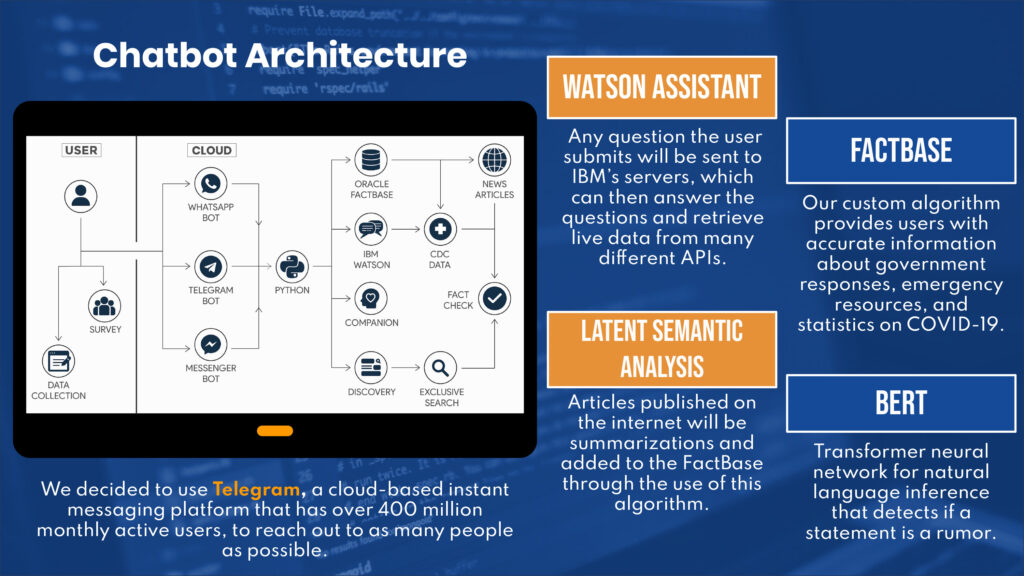
“I didn’t want to stand by and passively wait for the pandemic to be over,” said Young Chen, explaining why he assembled a team to enter the Combating COVID-19 Challenge. “It was a combination of curiosity, risk-taking, and desire to help my community.” Chen, from Ashburn, Virginia, four other students from the United States, and another from New Delhi, India, won first place among 200 entries in the global competition. Their winning project, called GOvid-19, was a chatbot to provide users with information about government responses, emergency resources, and statistics on COVID-19, and ways they can help fight the pandemic.
The Academy’s goal with the competitions is to help students develop capabilities necessary for effective work and leadership in STEM fields. “Providing opportunities for students to build 21st-century skills like problem solving, collaboration and communication are core goals of our challenge programs,” said Hank Nourse, Senior Vice President & Chief Learning Officer for the Academy, in announcing the winners of the Challenges. This year, several of the Challenges were especially valuable as non-classroom projects for students whose schools had closed because of COVID-19. “Several of these teams completed their work during shutdowns due to the pandemic,” Nourse explained. “We are happy to know that our digital tools allowed students to continue working and learning without interruption.”
The Intelligent Homes & Health Challenge
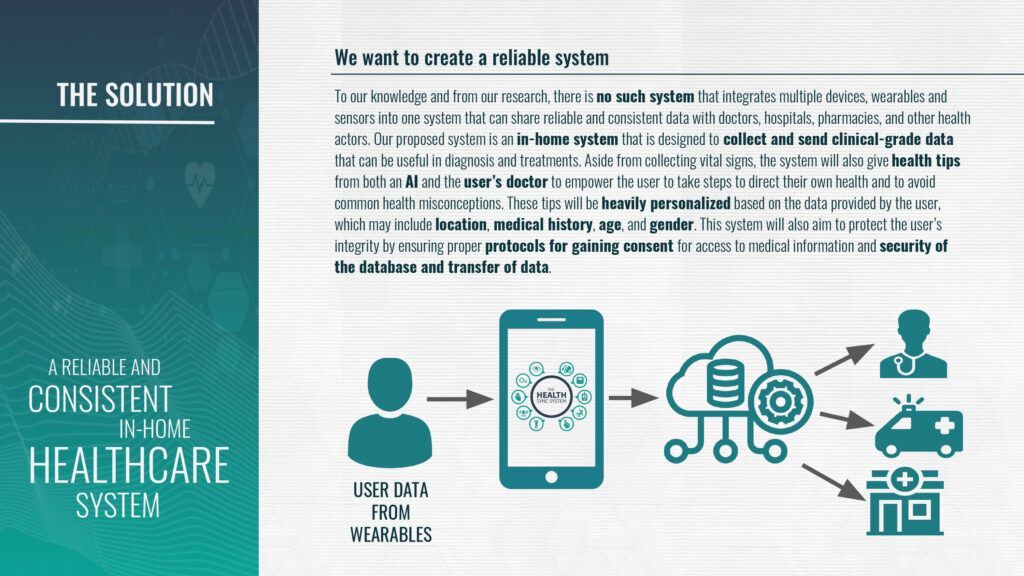
Zoe Piccirillo, leader for the team that won the Intelligent Homes & Health Challenge, described some of what she learned: “I have become a more open-minded, collaborative and creative individual from working with the motivated and bright members of our team… My team members also helped make our final solution more inclusive. The diversity of the group provided new perspectives regarding what values and concerns are prevalent across the world.” Zoe’s Health Sync team designed a secure, in-home health monitoring system connecting patients, doctors, and pharmacists. Zoe, from New York City, worked with another student from the United States, two from Sweden, and one each from the Philippines and Australia.
I have become a more open-minded, collaborative and creative individual from working with the motivated and bright members of our team.
Zoe Piccirillo
After assembling their teams, the students use the Academy’s Launchpad platform to connect with a volunteer mentor and then to reach out to other experts as they conduct research. “Mentors are often early career scientists, from academia and industry, who volunteer their time to help guide the students with their projects,” explained Kaari Casey, GSA program manager.
“I’m incredibly proud of my teams,” said Jessica Black, the mentor for Health Sync and a veteran of nine previous Challenges. “Often, the topics that are presented for these challenges are varied and out of the scope of what most students are studying in school,” Black continued. “They have to integrate their knowledge base with newly acquired information that must be obtained through research. It’s a new process for many of them. To see the resolutions and presentations they formulate by the end of the challenge is incredible.”
Black is a fellow in pediatric oncology at New York-Presbyterian/Weill Cornell Medical Center in New York City. “As a female in STEM I feel it’s really important to act as a role model not just for my female students, but for all of my students,” she added. The Intelligent Homes and Health Challenge was sponsored by the Royal Swedish Academy of Engineering Sciences, AstraZeneca, and Chalmers University of Technology.
The Cybersecurity in the Age of IoT Challenge
A team calling itself Cybercastle won the Cybersecurity in the Age of IoT Challenge, with a system that uses blockchain technology to encrypt medical records. Team lead Rasmus Häggkvist, from Norrbotten, Sweden, described his criteria for forming a team using Launchpad, saying he “was looking for kind, organized, diligent, and prudent perfectionists.” He found them in all corners of the world, including India, Morocco, Canada and the Philippines. The Cybersecurity Challenge was sponsored by the S&P Global Foundation, with 25 employees from S&P Global serving as mentors to student teams.
The Space Challenge
The LunarX team won the Space Challenge for its plan to colonize the Moon, including designs for shelters, sustainable food and water systems, and artificial intelligence tools for energy and mobile transport. Sachee Kachchakaduge, the team’s leader from Vancouver, Canada, pointed to the importance of using digital communications in a global project: “We used asynchronous collaboration to work on our own time. Distance and time zones did not prove to be issues, and we were able to work as if we were school friends or classmates.”
Sachee also pointed to opportunities to expand skills in sometimes unexpected ways: “At the surface, challenges seem like they only teach you about the topic at hand. However, in reality, you learn many other things. The team provides a safe space for everyone to try new software, and to learn from others and to test out your ideas.” Sachee’s teammates were from the United Arab Emirates, the Republic of Moldova, India, and the United States.
LunarX team mentor Garret Schneider, a retired aeronautical and astronautical engineer who worked in the Air Force and in industry, said the team worked hard to avoid becoming overwhelmed: “I think their biggest obstacles were digesting all the information and possibilities, and also deciding where to focus their energies…. [This] contributed to their success, as well as their dedication to tie all the elements of their solution together in a thorough, coherent manner.” Garret, who has volunteered with the Academy for close to 20 years, said he benefits as well as the students: “I have a renewed respect for the intelligence and capability and spirit of our youth – I feel pride to have been associated with them.”
The Chain of Transportation Challenge
A team calling itself LiFe won the Sustainable Chain of Transportation Challenge. The team designed a battery, a vehicle and an app to match specific transportation needs with the most efficient transportation solutions. Team member Abby Liang, from Troy, Michigan, said: “My new knowledge about the scientific research and design process, as well as both technical and creative skills from coding to policy frameworks to project management, will stay with me as I continue in my studies… I am so proud of our final comprehensive design.”
Members of the team were from Mexico, New Zealand, Egypt and the United States. The Sustainable Chain of Transportation Challenge was sponsored by the Royal Swedish Academy of Engineering Sciences and the Volvo Group.
Winning teams will receive a trip to New York City for next year’s annual GSA Summit, as this year’s Summit was postponed due to the coronavirus pandemic. In lieu of the in-person event this year, a virtual summit was held last month. Nicholas B. Dirks, the Academy’s President and CEO, addressed almost a thousand students and mentors, with a message about the importance of cross-discipline curiosity.
Laura Helmuth, Editor-In-Chief of Scientific American, delivered a keynote address, describing career pathways to science journalism and explaining the importance of good communication in the practice of science.
One of S&P Global’s 25 Challenge mentors echoed the belief that the exchange of ideas is a two-way process. “I wanted the chance… [to] get some exposure to what the next generation thinks about the problems the world is facing,” said Ryan Duve, a senior data scientist. Ryan worked with several teams and mentored a team called Symblot, which competed in the Cybersecurity Challenge. “I think the most important part of mentoring is just being a positive example of what you can be when you grow up,” he continued. “Too many young people only hear about different professions in articles and never really get a chance to do Q&A with a practitioner, which is a role I thought I could help fill.”
Winning Teams for the 2020 Global STEM Alliance Challenges
Combatting COVID-19
Abhay Sheshadri, Monroe Township, NJ, US; Anshul Mahajan, New Delhi, India; Regan Razon, Morrisville, NC, US; Tanush Swaminathan, Monroe Township, NJ, US; Young Chen, Asburn, VA, US.
Sachee Kachchakaduge, Vancouver, Canada; Sreenidhi Vijayaraghavan, Dubai, United Arab Emirates; Andreea Bujor, Ungheni, Republic of Moldova; Abhinav Agarwal, Jaipur, India; Arnav Hazra, San Francisco, CA, US; Naveen HV, Mysore, India.
Intelligent Homes & Health
Sara Rydell, Stockholm, Sweden; Jana Montanez, Parañaque City, Philippines; Ansh Gadodia, Princeton Junction, NJ, US; Sophia Li, Melbourne, Australia; Alice Forslund, Göteborg, Sweden; Zoe Piccirillo, New York, NY, US.
Sustainable Chain of Transportation
Cynthia Ramirez Meneses, Texcoco, Mexico; Izabela Zmirska, St. Augustine, FL, US; Evie Rose Grace, Dunedin, New Zealand; Ishita Bhimavarapu, Princeton, NJ, US; Abby Liang, Troy, MI, US.
Screens were ubiquitous before, but during the COVID-19 pandemic they became a lifeline for everyone’s professional and personal lives. Children spend more time on electronic devices than ever before—with virtual school, video streaming, social media, and multiplayer games. Many parents are concerned about the impact excessive screen time might have on the developing brain. In this e-Briefing experts discuss the pros and cons of screen time as well as its effects on the developing brain, and give practical tips for parents navigating the digital world with their children during the COVID-19 pandemic.
In this eBriefing, You’ll Learn:
The content of digital media matters; parents should differentiate between types of screen time.
Shared engagement with digital media is important.
There are resources available to help parents navigate the digital world.
“Real-world” parenting strategies can and should be extended into the digital world.
Speakers
Sonia Livingstone, DPhil London School of Economics and Political Science
Michael Preston, PhD Sesame Workshop
Jenny Radesky, MD Department of Pediatrics, University of Michigan Medical School
Michael Robb, PhD Common Sense Media
COVID-19: Screen Time and the Developing Brain
Sonia Livingstone, DPhil
London School of Economics and Political Science
Dr. Livingstone is a Professor of Social Psychology in the Department of Media and Communications at the London School of Economics and Political Science. She received her DPhil in Psychology from the University of Oxford. She has published 20 books on media, especially children’s rights, risks, and opportunities in the digital world and media literacy, including “The Class: Living and Learning in the Digital Age” (New York University Press, with Julian Sefton-Green) and most recently “Parenting for a Digital Future: How hopes and fears about technology shape children’s lives” (Oxford University Press, with Alicia Blum-Ross). Recipient of many honors, she has advised the UK and European government and the United Nations on children’s internet safety and rights in the digital environment. Dr. Livingstone currently directs the Digital Futures Commission (with the 5Rights Foundation) and the Global Kids Online project (with UNICEF). She is Deputy Director of the UKRI-funded Nurture Network and leads work packages for two European H2020-funded projects: ySKILLS (Youth Skills) and CO:RE (Children Online: Research and Evidence). Founder of the EC-funded 33 country EU Kids Online research network, she is a #SaferInternet4EU Ambassador for the European Commission.
Michael Preston, PhD
Joan Ganz Cooney Center at Sesame Workshop
Michael Preston is the Executive Director of the Joan Ganz Cooney Center at Sesame Workshop, a research and innovation lab that focuses on the challenges of educating children in a rapidly changing media landscape. The Cooney Center conducts original research on emerging education technologies and collaborates across sectors to put this research into action. Prior to joining Sesame Workshop, Michael’s work focused on using technology to improve teaching and learning, drive student agency and interest, and create models for systemic change in K-12 and university contexts. He is a co-founder of CSforALL, the hub for the national Computer Science for All movement. He designed and led digital learning initiatives at the NYC Department of Education and at Columbia University’s Center for Teaching and Learning. He earned a PhD in Cognitive Science in Education from Teachers College, Columbia University and a BA in East Asian Studies from Harvard University.
Jenny Radesky, MD
University of Michigan
Dr. Radesky is a Developmental Behavioral Pediatrician and Assistant Professor of Pediatrics at the University of Michigan Medical School. She received her M.D. from Harvard Medical School, trained at Seattle Children’s Hospital and Boston Medical Center, and her clinical work focuses on developmental and behavioral conditions in low-income and underserved populations. Her NIH-funded research focuses on the use of mobile/interactive technology by parents and young children and how this relates to child self-regulation and parent-child interaction. She was the lead author of the American Academy of Pediatrics (AAP) policy statements Media and Young Minds in 2016 and Digital Advertising to Children in 2020.
Michael Robb, PhD
Common Sense Media
Michael Robb is senior director of research at Common Sense, overseeing the research program, evaluation of organization impact, and program development research. Dr. Robb has been involved in issues involving media and children for over 20 years. He has published research on the impact of electronic media on young children’s language development, early literacy outcomes, and problem-solving abilities in a variety of academic journals. He also has supervised community educational outreach efforts, helping parents and teachers make the most of quality children’s programming. His work has been featured in the New York Times, Washington Post, Wall Street Journal, Huffington Post, and many other news outlets. Dr. Robb received his B.A. from Tufts University and M.A. and Ph.D. in psychology from UC Riverside
On March 5, 2020, the New York Academy of Sciences celebrated the Laureates and Finalists and winners of the 2020 Blavatnik Awards for Young Scientists in the United Kingdom. The one-day symposium featured fast-paced, engaging research updates from nine scientists working in diverse fields within life sciences, chemistry, and physical sciences and engineering. This year’s Blavatnik UK honorees are probing the deepest mysteries ranging from the universe to the human mind, tackling longstanding questions that have occupied scientists and philosophers for millennia. Is there life beyond our Solar system? How is knowledge organized in the brain? What is the fundamental nature of gravity? Find out how this game-changing group of young scientists is working to answer these questions in this summary of the symposium.
Symposium Highlights
Environmental factors can influence the defense strategies bacteria use to fend off invading viruses. Insights into this process are advancing the potential for phage therapy as an alternative to antibiotics.
New analytical and computational tools are revealing the neural machinery that allows the brain to create models of the world and facilitates decision-making and behavior.
Chemists can exploit chirality to create novel molecules with a wide variety of applications in drug design, consumer electronics, and catalysis.
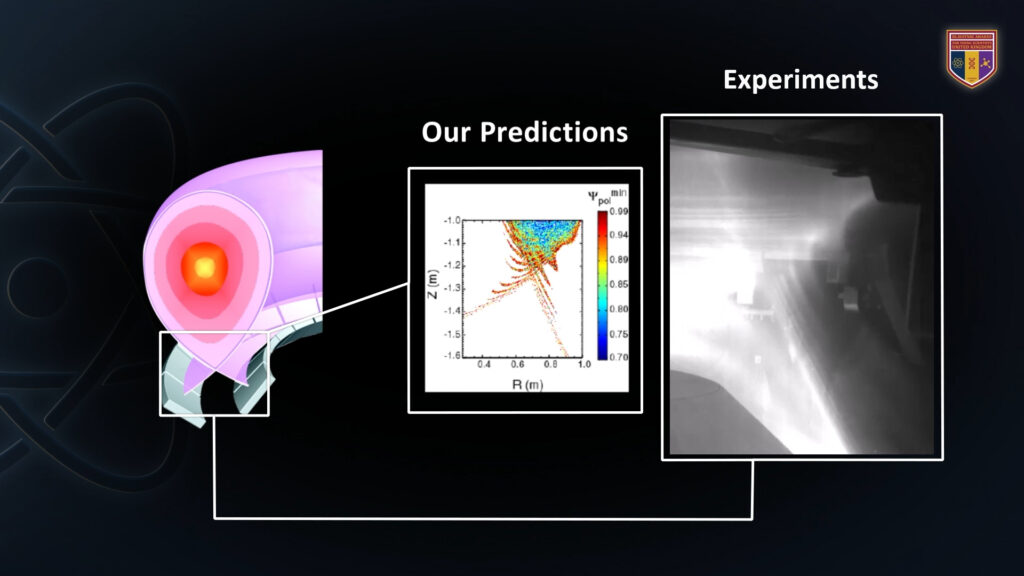
The scientific community is closer now than ever to realizing the commercial potential of nuclear fusion as a source of clean energy.
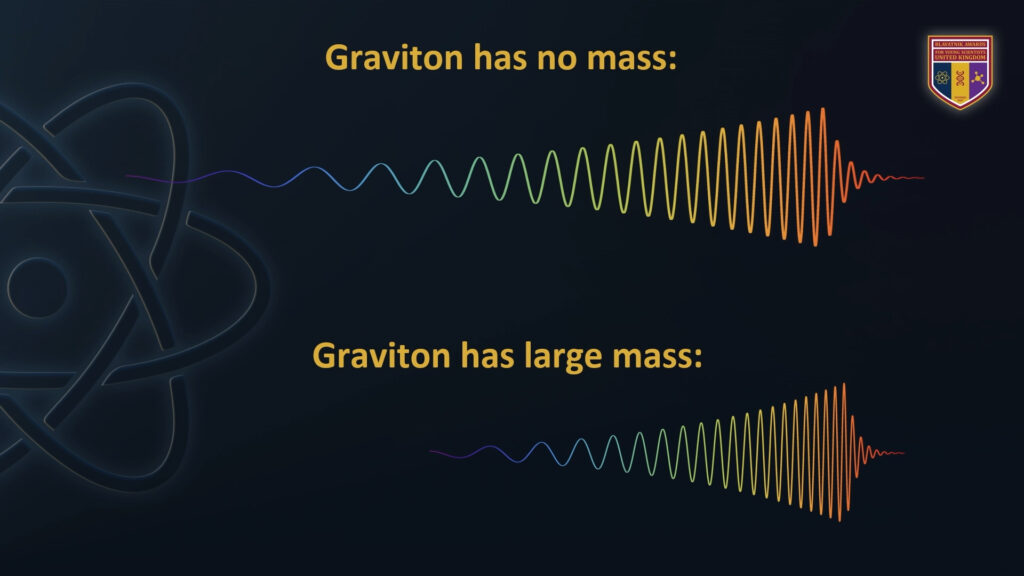
The first viable theory of massive gravity might help explain some of the biggest mysteries in physics, including the accelerated expansion of the universe.
Hosted By
Victoria Gill Science Correspondent BBC News
Speakers
Tim Behrens, DPhil University of Oxford and University College London
Ian Chapman, PhD UK Atomic Energy Authority
Matthew J. Fuchter, PhD Imperial College London
Stephen M. Goldup, PhD University of Southampton
Kirsty Penkman, PhD University of York
Claudia de Rham, PhD Imperial College London
Eleanor Stride, PhD University of Oxford
Amaury Triaud, PhD University of Birmingham
Edze Westra, PhD University of Exeter
Program Supporter
Changing the Game in Life Sciences
Speakers
Eleanor Stride, PhD University of Oxford
Edze Westra, PhD University of Exeter
Tim Behrens, DPhil University of Oxford & University College London
Engineering Bubbles
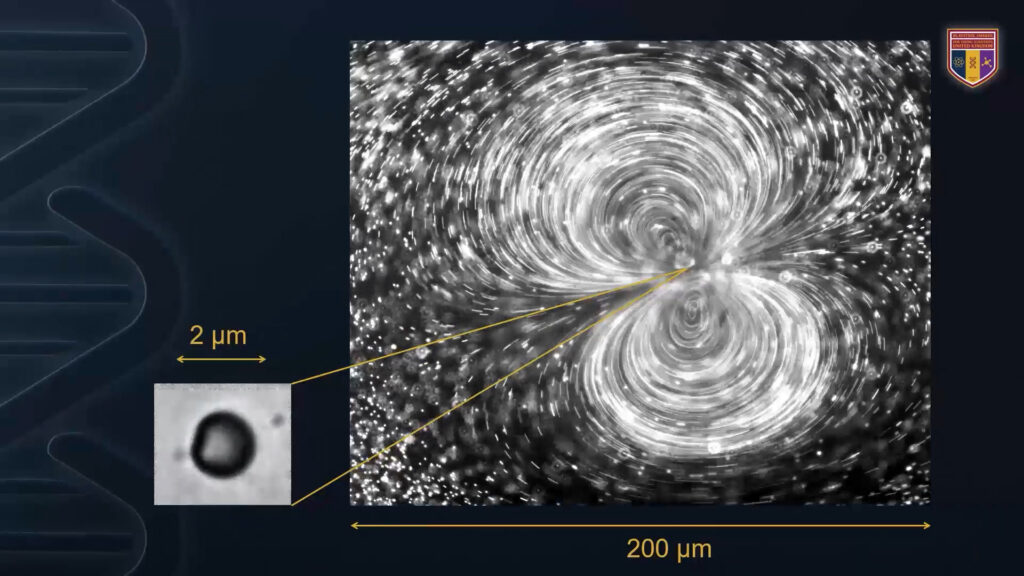
Mechanical engineer Eleanor Stride never planned to design drug delivery systems. She was “convinced I wanted to spend my career designing Aston Martins,” until a chance discussion with a supervisor piqued her interest in therapeutic applications of engineered microbubbles. Just two microns in diameter, microbubbles can be used as ultrasound contrast agents, but Stride sees a role for these tiny tools in the fight against cancer. “In many cases, the problem with cancer drugs [is] how we deliver them,” she said, explaining that systemic chemotherapy agents often cannot penetrate far enough into tumors to be effective. These drugs can also cause side effects and damage healthy tissues.
Microbubbles can help sidestep these challenges, safely encapsulating drug molecules within a stabilizing shell. The shell can be functionalized with magnetic nanoparticles, allowing clinicians to direct the bubbles’ aggregation at tumor sites and visualize them with ultrasound. As the bubbles compress and release in response to the ultrasound beam, the oscillation helps the bubbles penetrate into the surrounding tissue. “If we increase the ultrasound energy, we can destroy the bubble, allowing us to release the drugs on demand,” said Stride, noting that molecules released from a single 2-micron microbubble can circulate up to 100 times that diameter, pumping drugs deep into tumor tissues. This approach is highly localized—drugs are only released at the tumor site—which eliminates the potential for systemic toxic effects.
Ultrasound-stimulated oscillation of microbubbles creates a vortex in surrounding fluids. The vortex pumps drug molecules deep into tumor sites.
In 2019, Stride and a team of collaborators published the results of trials using oxygen-loaded magnetic microbubbles to treat malignant pancreatic tumors. In animal models, tumors treated with microbubble-delivered drugs showed dramatic spikes in cell death and also shrank in size, “which can mean the difference between a surgeon being able to remove a tumor or not,” said Stride. Additional experiments have helped hone techniques for external magnetic control of microbubbles within blood vessels to ensure precise, targeted drug delivery—a critical step toward tailoring this method for use in humans. Stride and her collaborators aim to launch a clinical trial in pancreatic cancer patients “in the very near future.”
Insights From Bacteria-Phage Interactions
As the fight against viruses dominates the news cycle, 2020 Blavatnik Awards UK Finalist Edze Westra shared an update from the front lines of a viral war billions of years in duration: the “evolutionary arms race” between bacteria and the viruses that infect them, called phages. The interactions between bacteria and phages—the most abundant biological entities on Earth—have profound implications for the development of phage-based therapies as alternatives to antibiotics.
Phages are often successful killers, but bacteria have evolved sophisticated immune strategies to resist attacks. Understanding how and when bacteria deploy each of these defensive tactics is key to designing phage therapies to treat bacterial infections.
Like humans, bacteria utilize both innate and adaptive immune responses to invading pathogens. In bacteria, innate immunity relies on the modification of surface structures to prevent phages from attaching. This system is effective, yet it creates no “record,” or memory, of which phages it encounters. The adaptive immune system, however, allows bacteria to build a database of previously encountered pathogens in the form of bits of genetic material snipped from invading phages and incorporated into the bacterium’s own DNA. The adaptive immune system, known as CRISPR immunity, forms the basis of CRISPR-Cas genome editing techniques. “There’s a critical balance between these two systems, and both are critical for survival,” said Westra, whose research aims to determine the factors that influence whether a bacterium mounts an innate or adaptive immune defense against a particular phage.
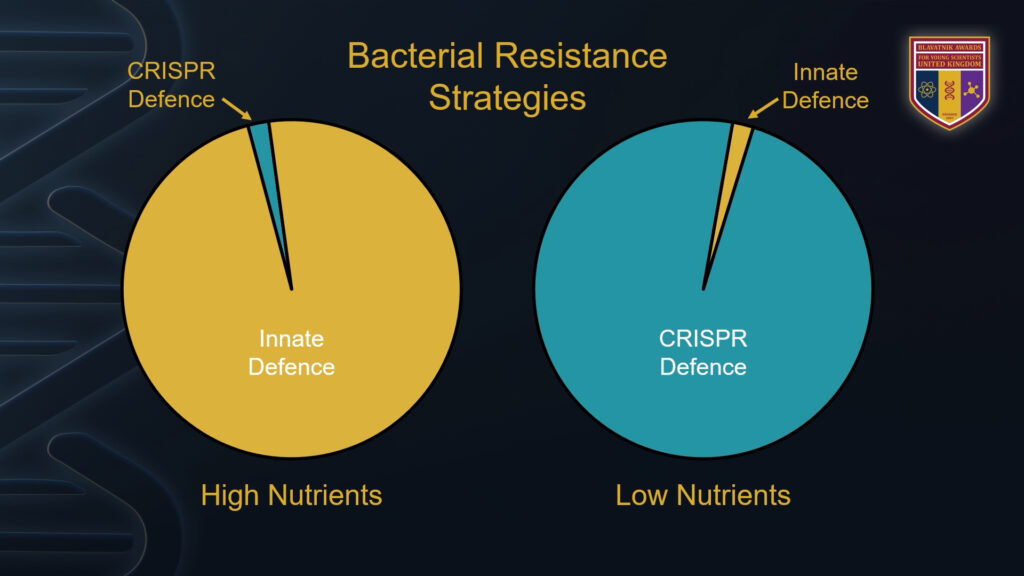
Using Pseudomonas aeruginosa, an antibiotic-resistant pathogen that often infects cystic fibrosis patients, Westra determined that a bacterium’s environment—specifically, the level of available nutrients—determined which defensive strategy was utilized. In high-nutrient environments, almost all bacteria deployed an innate immune response to phage attacks, whereas in lower nutrient settings, CRISPR immunity dominated.
The level of available nutrients influences which immune strategy bacteria use to defend against phage attacks.
In experiments using moth larvae, Westra discovered that infections were more severe when bacteria utilized CRISPR immunity, whereas bacteria that evolved innate immunity often caused less aggressive infections. “If we can manipulate how bacteria evolve resistance to phages, this could potentially revolutionize the way we approach antimicrobial resistance, with major benefits to our healthcare,” Westra said.
Building Models of the World
Computational neuroscientist Timothy Behrens is fascinated with the basic functions and decisions of everyday life—the process of navigating our home or city, the steps involved in completing household tasks, the near-subconscious inferences that inform our understanding of the relationships between people and things. Behrens designs analytical tools to understand how neuronal activity in the brain gives rise to these thought processes and behaviors, and his research is illuminating how knowledge is organized in the brain.
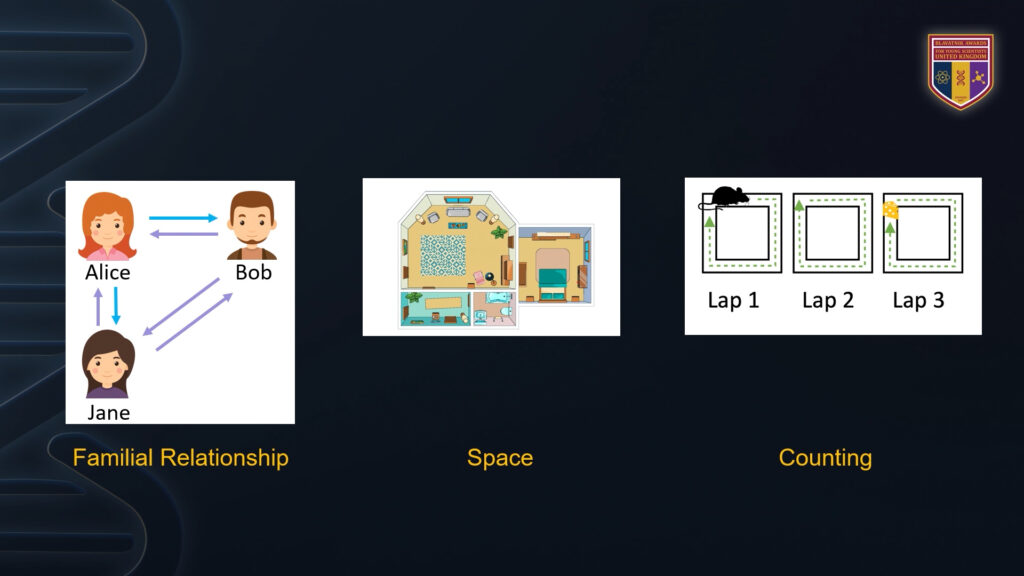
The activities of grid cells and place cells are well understood. By creating spatial maps of the world, grid and place cells allow us to navigate familiar spaces and locate items, such as car keys. Behrens explained that much less is known about how the brain encodes non-spatial, abstract concepts and sequence-based tasks, such as loading, running, and emptying a dishwasher. Over the past several years, Behrens and his collaborators have demonstrated that abstract information is similarly mapped as grid-like codes within the brain. “On some level, all relational structures are the same, and all are handled by the same neural machinery,” he said. This insight helps explain the effects of diseases like Alzheimer’s, which targets grid and place cells first and impacts both spatial and non-spatial knowledge.
Relational information is encoded by the same neural machinery that encodes spatial and navigational maps.
In another line of research, Behrens is probing a phenomenon called replay, during which the brain revisits recent memories as a means to consolidate knowledge about current events and anticipate future ones. Behrens illustrated the concept by showing patterns of neuronal activity as a rat runs around a track, then rests. Even at rest, the rat’s brain displays millisecond-long flashes of neuronal activity that mimic those that take place during running. “He’s not running down the track anymore, but his brain is,” said Behrens. Replay also underlies the human ability to understand a simple story even when it’s told in the wrong order. “Our knowledge of the world tells us…what the correct order is, and replay will rapidly stitch together the events in the correct order.”
Computational tools developed in Behrens’ lab have been shared with thousands of scientists around the globe as they pursue new hypotheses about the neural computations that control cognition and behavior. “It’s an exciting time to be thinking about the brain,” Behrens said.
Exploiting Molecular Shape to Develop Materials and Medicines
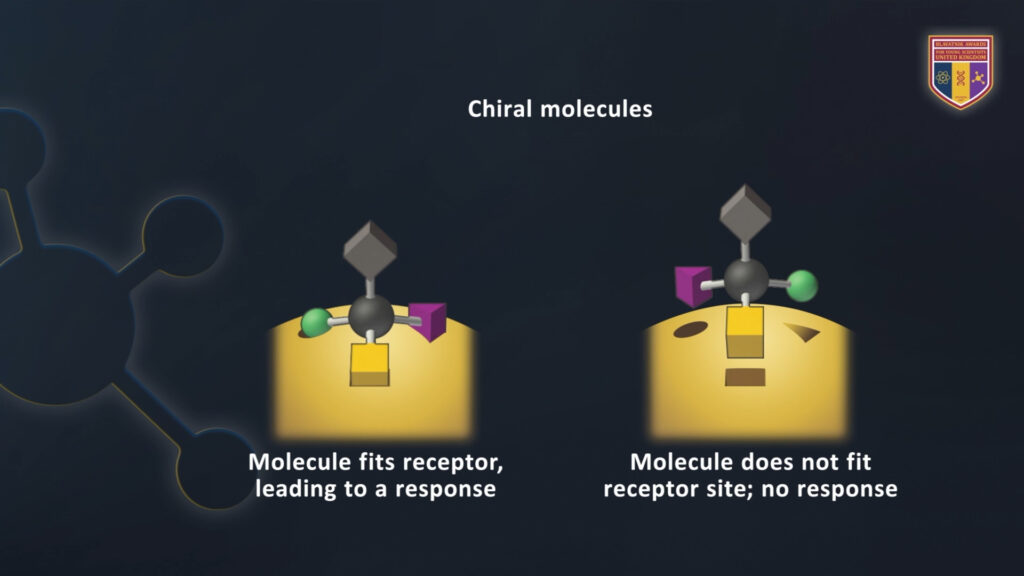
Consider the handshake: a greeting so automatic it takes place without thinking. Two right hands extend and naturally lock together, but as Matthew Fuchter explained, that easy connection becomes impossible if one party offers their left hand instead. The fumbling that ensues stems from a type of asymmetry called chirality. Chiral objects, such as hands, are mirror-image forms that cannot be superimposed or overlapped, and when one chiral object interacts with another, their chirality dictates the limits of their interaction. Chirality can be observed throughout nature, from the smallest biological molecules to the structures of skyscrapers.
In organic chemistry, molecular chirality can be exploited to tremendous advantage. Fuchter explained that the shape of molecules “is not only critical for their molecular properties, but also for how they interact with their environment.” By controlling subtle aspects of molecular shape, Fuchter is pioneering new strategies in drug design and devising solutions to technological problems that plague common electronic devices.
The notion of pairing complementary molecular geometries to achieve a specific effect is not unique to drug design—such synchronicities can be found throughout nature, including in the “lock and key” structure of enzymes and their substrates. Fuchter’s work aims to invent new drug molecules with geometries perfectly suited to bind to specific biological targets, including those implicated in diseases such as malaria and cancer.
Only one of these two chiral molecules has the correct orientation, or “handedness” to bind to the receptor site on the target protein.
Fuchter is also exploring applications for chirality in a field where the concept is less prominent—consumer electronics. Organic LED, or OLED, technology has “revolutionized the display industry,” allowing manufacturers to create ultra-thin, foldable screens for smartphones and other displays. Yet these features come at a steep efficiency cost—more than half of the light generated by OLED pixels is blocked by anti-glare filters added to the screens to minimize reflectiveness. A novel solution, in the form of chiral molecules bound to non-chiral OLED-optimized polymers, induces a chiral state of light called circularly polarized light. These circularly polarized, chiral light molecules are capable of bypassing the anti-glare filter on OLED screens. Fuchter noted that displays are far from the only technology that stands to be impacted by the introduction of chiral molecules. “Our research is generating new opportunities for chiral molecules to control electron transport and electron spin, which could lead to new approaches in data storage,” he said.
Making Use of the Mechanical Bond
Most molecules are bound by chemical bonds—strong, glue-like connections that maintain the integrity of molecules, which can be both simple, such as hydrogen, and highly complex, such as DNA. 2020 Blavatnik Awards UK Finalist Stephen Goldup’s work focuses on a less familiar bond. Mechanical bonds join molecules in a manner akin to an interconnected chain of links—the components retain movement, yet cannot separate.
Mechanically interlocked molecules have the potential to yield materials with “exciting properties,” according to Goldup, but in the decades since they were first synthesized, they have largely been regarded as “molecular curiosities.” Goldup’s lab is working to push these molecules beyond the laboratory bench by characterizing the properties of interlocked molecules and probing their potential applications in unprecedented ways. His work focuses on two types of mechanically bound molecules—catenanes, in which components are linked together like a chain, and rotaxanes, which consist of a ring component threaded through a dumbbell-shaped axle.
Goldup’s lab has taken cues from nature to introduce additional elements into rotaxanes, resulting in novel molecules with a variety of potential applications. For example, much as enzymes contain “pockets” within which small molecules can bind, rotaxanes too contain a space that can trap a molecule or ion of interest. Rotaxanes that bind metal ions have unique magnetic and electronic properties that could be used in memory storage devices or medical imaging. Inspired by proteins and enzymes that bind DNA, Goldup’s lab has also designed rotaxanes in which DNA itself is the “axle.” In theory, these molecules can be used to effectively “hide” portions of DNA and alter its biological behavior.
Just as enzymes bind small molecules with their structures, rotaxanes can bind molecules in the cavity between the ring and the axle.
Perhaps most significantly, Goldup’s lab has solved a longstanding obstacle to studying rotaxanes: the difficulty of making them. The problem lies in the fact that rotaxanes can be chiral even when their components are not, making it extremely challenging to synthesize a distinct “hand,” or version, of the molecule. Recalling Matthew Fuchter’s example of how an awkward left-hand/right-hand handshake differentiates the “handedness” of two chiral objects, Goldup explained how his lab developed a technique for synthesizing distinctly “left” or “right” handed rotaxanes by utilizing a chiral axle to build the molecules. “Our insight was that by making the axle portion chiral on its own, when we thread the axle into the ring, the rotaxanes we make are no longer mirror-images of each other. They have different properties, and they can now be separated,” he said. Once separate, the chiral portion of the axle can be chemically removed and replaced with other functional groups.
Goldup’s lab is conducting experiments with new mechanically-locked molecules—including chiral rotaxane catalysts— to determine where they may outperform existing catalysts.
Amino Acids as a Portal to the Past
Scientists have multiple methods for peering into the history of Earth’s climate, including sampling marine sediment and ice cores that encapsulate environmental conditions stretching back millions of years. “But this is an incomplete picture—akin to a musical beat with no notes,” said Kirsty Penkman, the 2020 Blavatnik Awards UK Laureate in Chemistry. The records of life on land—fossil records—provide “the notes to our tune, and if we know the timing, that gives us the whole melody,” she said. Archaeologists, paleontologists, and climate scientists can harmonize fossil records with climate history to understand the past, yet their efforts stall with fossils older than 50,000 years—the limit of radiocarbon dating.
Penkman’s lab is developing dating methods for organic remains that reach far deeper into the history of life on Earth. Their strategy relies not on the decay of carbon, but the conversion of amino acid molecules from one form to another. Continuing the theme of chirality from previous presentations, Penkman explained that amino acids exist in two mirror-image forms. However, the body only synthesizes amino acids in the “left-handed,” or L-form. This disequilibrium shifts after death, when a portion of L-amino acids begins a slow, predictable conversion to the right-handed, or D-form. The older the fossil, the greater the balance between D and L isomers. This conversion process, called racemization, was first proposed as a dating method in the 1960s. Yet, it became clear that some of the fossil amino acids were vulnerable to environmental factors that impact the racemization rate, and therefore the date.
About 15 years ago, Penkman discovered that minute stores of proteins within the remains of snail shells are entrapped in intracrystalline voids. These tiny time capsules are unaffected by environmental factors. Studies have since confirmed that shells found in older horizons, for example deeper underground, contain higher ratios of D-amino acids versus those found at younger sites, thus validating the technique.
Calcitic snail shells found at older horizons have higher ratios of D-amino acids than those found at younger horizons.
Snail shells are often found in archeological sites, a serendipity that has led to astonishing findings about early human migration. Shells found alongside several Paleolithic tools “dated as far back as 700,000 years,” according to Penkman. “We’ve successfully shown that early humans were living in Northern Europe 200,000 years earlier than previously believed,” she said.
Penkman’s team has analyzed remains of ostrich eggshells at some of the earliest human sites in Africa, discovering fully preserved, stable sequences of proteins in shells dating back 3.8 million years. Mammalian remains are the next frontier for Penkman’s lab. They have analyzed amino acids in ancient tooth enamel—including that of a 1.7-million-year-old rhinoceros—and are developing microfluidic techniques to sample enamel from early human remains.
Changing the Game in Physical Sciences and Engineering
Speakers
Amaury Triaud University of Birmingham
Ian Chapman UK Atomic Energy Authority and Culham Centre for Fusion Energy
Claudia de Rham Imperial College London
Worlds Beyond Our Solar System
For millennia, humans have wondered whether life exists beyond our planet. Amaury Triaud, 2020 Blavatnik Awards UK Finalist believes we are closer to answering that question now than at any other time in history. The study of exoplanets—planets that orbit stars other than the Sun—offers what Triaud believes is “the best hope for finding out how often genesis happens, and under what conditions.”
The search for exoplanets has revealed remarkable variety among stars and planets in our galaxy. “The universe is far more surprising and diverse than we anticipated,” said Triaud. Astronomers have identified thousands of exoplanets since 1995, and now estimate that there are more planets in the Milky Way than stars—”something we had no idea about ten years ago,” Triaud said. Many exoplanets orbit stars so much smaller than the Sun that these stars cannot be seen with the naked eye. Yet these comparatively small stars provide “optimal conditions” for exoplanet hunters.
Exoplanets are often detected using the transit method—as an orbiting planet passes in front of a star, its shadow temporarily dims the star’s brightness. The larger the planet relative to the star, the greater its impact on the brightness curve and the easier for astronomers to detect. While monitoring a small star 39 light-years from Earth, TRAPPIST-1, a team of astronomers, including Triaud, discovered an exoplanet system comprised of seven rocky planets similar in size to Earth, Venus, and Mercury.
“The next question is to find out whether biology is happening out there,” said Triaud, joking that the biology of interest is not little green men, but rather green algae or microbes similar to the ones that fill our atmosphere with oxygen. The presence of oxygen “acts like a beacon through space, broadcasting that here on Earth, there is life,” said Triaud, explaining that the only way to gauge the presence of life on exoplanets is through atmospheric analysis. Using transmission spectroscopy, Triaud and other astronomers will look for exoplanets that possess an atmosphere and chemical signatures of life, such as oxygen, ozone, or methane, in the atmospheric composition of exoplanets.
Measurements of spectral signatures in a planet’s atmosphere can reveal the presence of gases associated with life, including oxygen and methane.
Such analyses will begin with the launch of the James Webb telescope in 2021. In the meantime, a land-based mission called Speculoos, based partially in Chile’s Atacama desert, is monitoring 1,400 stars in search of additional exoplanets. “It’s rather poetic that from one of the most inhospitable places on Earth, we are on the path to investigating habitability and the presence of life in the cosmos,” Triaud said.
The Path to Delivering Fusion Power
“There’s an old joke that nuclear fusion is 30 years away and somehow always will be,” said 2020 Blavatnik Awards UK Finalist Ian Chapman, but he insists that the joke will end soon. According to Chapman, the “ultimate energy source” is entering the realm of reality. “We’re now in the delivery era, where fusion lives up to its potential,” he said. Low-carbon, low-waste, capable of producing tremendous amounts of energy from an unlimited fuel source—seawater—and far safer than nuclear fission, fusion power has a long list of desirable qualities. Chapman is the first to acknowledge that fusion is “really hard,” but his work is helping to ease the challenges and bring a future of fusion into focus.
Nuclear fusion relies on the collision of two atoms—deuterium, or “heavy” hydrogen, and tritium, an even heavier isotope of hydrogen. Inside the Sun, these atoms collide and fuse, producing the heat and energy that powers the star. Replicating that process on Earth requires enough energy to heat the fuel. of deutrium and tritium gases to temperatures ten times hotter than the Sun, a feat that Chapman admits “sounds bonkers, but we do it every day.”
Within fusion reactors called tokamaks, this superhot fuel is trapped between arrays of powerful magnets that “levitate” the jet as it spins around a central magnetic core, preventing the fuel from melting reactor walls. Yet this is an imperfect process, explained Chapman, and due to fuel instabilities, eruptions akin to “throwing a hand grenade into the bottom of the machine” happen as often as once per second. Chapman devised a method based on his numerical calculations for preventing these eruptions using additional magnet arrays that induce three-dimensional perturbations, or “lobes” at the edge of the plasma stream. Just as a propped-open lid on a pot of boiling water allows steam to escape, these lobes provide a path to release excess pressure.
An array of magnets near the plasma edge creates perturbations in the fuel stream, allowing pressure to escape safely.
Chapman’s technique has been incorporated into the “the biggest scientific experiment ever undertaken by humankind”—a massive tokamak called ITER, roughly the size of a football stadium and equipped with a central magnet strong enough to lift an aircraft carrier. Scheduled to begin producing power in 2025, ITER aims to demonstrate the commercial viability of nuclear fusion. “We can put 50 megawatts of power into the machine, and it produces 500 megawatts of power out,” said Chapman. “That’s enough to power a medium-sized city for a day.”
Even before ITER’s completion, Chapman and others are setting their sights on designing less expensive fusion devices. Late last year, the UK committed to building a compact tokamak that offers the benefits of fusion with a smaller footprint, and Chapman is the leader of this project.
The Nature of Gravity
Claudia de Rham, the 2020 Blavatnik Awards UK Laureate in Physical Sciences and Engineering, concluded the day’s research presentations with an exploration of nothing less than “the biggest mystery in physics today.” For decades, cosmologists and physicists have grappled with discrepancies between observations about the universe—for example, its accelerated expansion— and Einstein’s general theory of relativity, which dictates that gravity should gradually slow that expansion. “The universe is behaving in unexpected ways,” said de Rham, whose efforts to resolve this question stand to profoundly impact all areas of physics.
Understanding the fundamental nature of gravity is key to understanding the origin and evolution of the universe. As de Rham explained, gravity can be detected in the form of gravitational waves, which are produced when two black holes or neutron stars rotate around each other, perturbing the fabric of spacetime and sending rippling waves outward like a stone tossed into a pond. But gravity can also be represented as a fundamental particle, the graviton, similar to the way light can be considered as a particle, the photon, or an electromagnetic wave. Unlike the other fundamental particles such as the photon, the electron, the neutrino, or even the famously elusive Higgs boson, the graviton has never been observed. In theory, the graviton would, like all fundamental particles, exist even in a perfect vacuum, a phenomenon known as vacuum quantum fluctuation. Unknown in Einstein’s day, vacuum quantum fluctuations, when factored into the general theory of relativity, do predict an accelerated expansion of the universe. “That’s the good news,” said de Rham. “The bad news is that the predicted rate of expansion is too fast by at least 28 orders of magnitude.”
This raises the possibility that “general relativity may not be the correct description of gravity on large cosmological scales,” said de Rham. If the graviton had mass, however, it would impact the behavior of gravity on the largest scales and could explain the observed rate of expansion.
Signal patterns from gravitational wave events can serve as models for estimating the mass of the graviton. By comparing the expected signals produced by either a massless particle or a high-mass particle with actual signal patterns from detected events, physicists can place an upper and lower boundary on the graviton’s potential mass.
The idea of a massive graviton has been considered—and refuted—by physicists as far back as the 1930s. Several years ago, de Rham, along with collaborators Andrew Tolley and Gregory Gabadadze, “realized a loophole that had evaded the whole community.” Together, they derived the first theory of massive gravity. “Through gravity, we can now connect small vacuum fluctuations with the acceleration of the universe, linking the infinitely small with the infinitely large,” de Rham said.
Determining the mass of the graviton requires the most precise scale imaginable, and de Rham believes that gravitational wave observatories are perfectly suited to the task. Whether her theory will hold up in future tests remains to be seen, but when it comes to solving this epic mystery, “the possibility is now open.”
Several Laureates and Finalists of the 2020 Blavatnik Awards in the UK joined BBC science reporter Victoria Gill for the final session of the day, a wide-ranging panel discussion that touched on issues both current and future-looking.
Two themes—fear and opportunity— emerged as powerful forces shaping science and society, especially as it relates to climate change and the threat of emerging infectious disease. Gill noted that climate change is “the biggest challenge ever to face humanity,” and that many efforts to raise awareness of its impacts focus on bleak projections for the future. Asked for insights on shifting the tone of climate change communications, Kirsty Penkman acknowledged that “there needs to be a certain level of fear to get people’s attention.” She then advocated for a solutions-oriented plan rooted in the fast pace of scientific progress in clean energy, among other areas. “This is an amazing opportunity,” she said. “Humans are ingenious….in the last 120 years we’ve moved from a horse-drawn economy to a carbon-based economy, and in 5 or 20 years we could be in a fusion-based economy. We have the potential to open up a whole new world.” Eleanor Stride suggested combatting complacency by emphasizing the power of small changes in mitigating the impact of climate change. “One billion people making a tiny change has a huge impact,” she said.
The specter of a coronavirus pandemic had not yet become a reality at the time of the symposium. But Edze Westra presciently detailed the challenges of containing a highly contagious emerging pathogen in a “tightly connected world.” He commented that detecting and containing emerging diseases hinges on the development of new diagnostics, and that preventing future outbreaks will require cultural shifts to limit high-risk interactions with wildlife. For zoonotic diseases such as the novel coronavirus, “it’s all about opportunity,” Westra said.
Panelists also looked to the future of science, touching on issues of equality, discrimination, and diversity, and emphasizing the importance of raising the bar for science education. Stride noted that children are natural scientists, gravitating toward problem-solving and puzzles regardless of nationality or gender. “But something happens later,” she said, lamenting the drop in interest in science as children progress in school. “One of the things that gets lost is that creativity, which is what science really is—we’re coming up with a guess and trying to gather evidence for it—we’re not just learning a huge number of facts and regurgitating them,” she said.
In the wake of Brexit, panelists expressed concern about potential difficulties in attracting international students to their labs. “Diversity is so important,” said Penkman. “Getting ideas from all around the world from people with different backgrounds is essential to making science in the UK—and the world—the best it can be.” In her closing comments, Penkman said that ultimately, the trajectory of science comes down to the people in the field. “My eternal optimism is in the people I work with and the people I talk to when I visit schools—it’s that innate interest and curiosity. Whenever I see it, I feel that is the future of science,” she said.