Come, New York has long beckoned: come achieve your dreams and create what has never existed before—come build America’s first department store and largest stock exchange, her first pizzeria and first public brewery. Come make New York City the nation’s capital of finance and media and fashion, and come invent the inventions that change the way we live (air conditioning, toilet paper), the way we remember (photographic film), and the way we sing (folk rock).
Immerse yourself in neighborhoods filled with other artists and writers and thinkers who will nurture and challenge your ideas, producing the critical mass that will enable you to achieve what you cannot in isolation. Change the way an entire nation thinks, as when the abolition movement put down roots in Rochester in the mid-1800s.
Even as New York City and State have called the world’s doers and dreamers to their shores for centuries, scientists became almost an afterthought by the mid-20th century. Yes, Nikola Tesla did pioneering experiments on alternating current in lower Manhattan during the Golden Era for New York science in the late 19th century; biologists at The Rockefeller University discovered in the 1940s that DNA is the molecule of heredity; and physicists using particle accelerators at Brookhaven National Lab on Long Island in the 1960s, 1970s, and 1980s discovered some of the basic building blocks of the universe and the magical rules that govern them.
But by the post-war era, science and technology had become less central to the life, commerce, and the very identity of New York than the rising commercial behemoths of advertising, finance, law, and business.
Exulting in a Science Renaissance
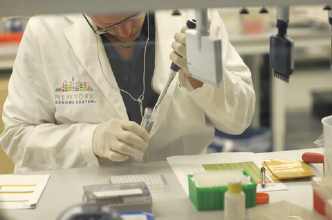
Now, New York is exulting in a science renaissance. You can measure it in glass and steel, like the $350 million Advanced Science Research Center that The City University of New York is building on St. Nicholas Park in Upper Manhattan and which, when it is completed next year, will house scientists whose work will be driven by a revolutionary new way of organizing research. You can measure it in bold new collaborations, such as the New York Structural Biology Center in Harlem or the $50 million New York Genome Center in SoHo, both of which attract researchers from around the country and around the world.
You can measure it in the ways that long-established institutions are expanding their research footprint: in West Harlem, Columbia University is building an entirely new campus, allowing it to increase the size of its engineering faculty by 50%. “Never before in our city’s history has there been…so much scientific investment,” said then-Mayor Michael Bloomberg in his 2013 State of the City address.
And you can measure it in the ways that New York is hanging up “Science Wanted” signs, such as its offer of land on Roosevelt Island and up to $100 million to induce world-class institutions to build a state-of-the-art applied sciences and engineering campus. Welcome, Cornell Tech, a collaboration between the Ithaca, NY, university and Technion-Israel Institute of Technology, which has been hailed as “the most exciting economic development project our city has ever undertaken.”
“[R]eclaiming our title as the world’s capital of technological innovation.”
Only a decade ago, New York, the city as well as the state, were behind other regions with relatively well-educated populations and leading universities in attracting scientists and research funding. That began to change when Bloomberg vowed that the city would rise from the ashes of the 9/11 attacks with a more diversified economy, one in which science would take its rightful place alongside other creative, forward-looking fields. The city’s “ultimate goal,” Bloomberg said in a 2009 speech, is “reclaiming our title as the world’s capital of technological innovation.”
Just as Wall Streeters and Mad Men, as well as denizens of the diamond and garment districts, draw much of their energy and hone their competitive instincts from sheer proximity to one another in the neighborhoods where they cluster, so too have scientists formed a critical mass in New York, both upstate and downstate.
New York City is home to more students than any other city in the country. Attracted by the city’s dynamism and culture, to say nothing of the access to capital, ideas, and the growing presence of others like them, young people are streaming into New York to study, to invent, and to start technology companies; welcome, Silicon Alley. For sheer creative and intellectual energy, Paris in the 1920s has nothing on New York City in the 2010s.
In Upper Manhattan, CUNY’s Advanced Science Research Center will be welcomed to the neighborhood by the five-year old CUNY Energy Institute, the new CUNY Hub for Innovation and Entrepreneurship, and a new City College science building. A subway ride away is Columbia University’s new Mortimer B. Zuckerman Mind Brain Behavior Institute.
Spawning Science Startups
Continue downtown to the three-year-old Alexandria Center for Life Science on the East River, which has already drawn such tenants as Kadmon Pharmaceuticals, ImClone Systems, and Pfizer’s Centers for Therapeutic Innovation, and has spawned dozens of life sciences startups. With NYU Langone School of Medicine and Bellevue Hospital close by, Midtown East is as dense with biologists and physicianscientists as 6th Avenue in the 20s is with wholesale florists.
Global organizations that could have chosen headquarters in Beijing, Boston, Baltimore, or anyplace else with an abundance of science talent are lately choosing New York, including The Global Alliance for TB (tuberculosis) Drug Development and the International AIDS Vaccine Initiative’s (IAVI) AIDS Vaccine Design and Development Lab. Both leverage New York City’s status as the crossroads of the world—and the international hub of finance and communications—to carry out their ambitious missions.
New arrivals have long brought new energy and new ideas to the city, starting well before a soaring copper-and-wrought-iron lady with a torch welcomed them in its harbor. The scientific groups putting down stakes today are doing the same, igniting a research renaissance that is rejuvenating well-established institutions. The Rockefeller University, established in 1901, recently launched a Center for Genomic Medicine—which is barely two years old. And Mount Sinai Medical Center, whose roots go back to the 1850s, expanded its clinical and research space by nearly 30% last year with the completion of the Hess Center for Science and Medicine, which promotes a trans-disciplinary approach to patient-centered care.
A State-Wide Effort
The research renaissance doesn’t peter out once you leave the five boroughs. New York State, spurred in part by the need to replace lost manufacturing jobs, is making its own big bets on science and technology, and drawing national support. A dozen years after its founding in 2001, the College of Nanoscale Science and Engineering (CNSE) of the State University of New York (SUNY) has attracted more than 3,100 scientists, engineers, students, and faculty to its world-class labs, drawing researchers from IBM, Intel, Samsung, Toshiba, and many others.
Albany has not only CNSE but, as of 2010, The RNA Institute, also part of SUNY, which in turn taps the expertise of faculty at the University at Albany School of Business to develop and commercialize new biotechnology in the Capital Region. On Long Island, the Advanced Energy Research and Technology Center is leveraging $45 million from the state to bring together 14 universities, Brookhaven National Laboratory, and telecom companies—among others—to accelerate and commercialize research on solar and wind energy, fuel cells, and the efficiency and security of the electric grid.
A Scientific Powerhouse
In a collaboration that fuses upstate with downstate and medicine with engineering, the Icahn School of Medicine at Mount Sinai Medical Center in Manhattan and Rensselaer Polytechnic Institute (RPI) in Troy signed an agreement last May to build on the institutions’ respective strengths—Mount Sinai’s in biomedical research and patient care, and RPI’s in engineering and invention prototyping.
It’s clear from just a quick dive that New York has indeed reclaimed its place as a scientific powerhouse. These scientific institutions are truly astounding—and will no doubt have implications far beyond the local area.
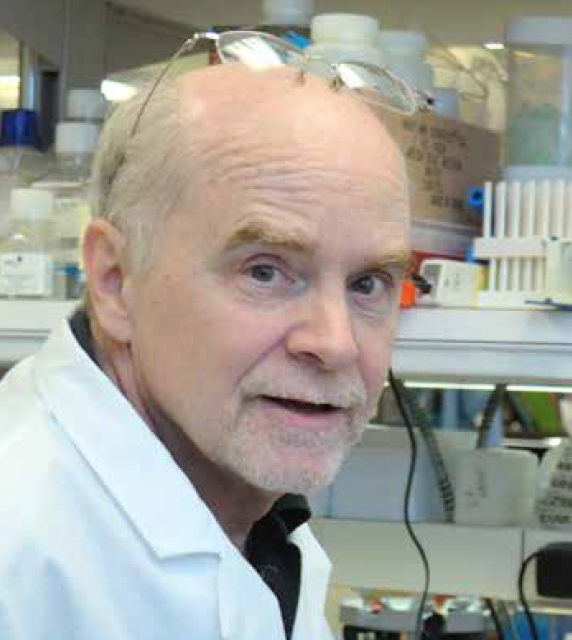
John O’Shea turned his passion for clinical care into a successful research career focusing on understanding the molecular basis of cytokine action, with the aim of providing better treatment options for patients.
Published June 1, 2014
By Diana Friedman
John O’Shea, MD, Director, National Institute of Arthritis and Musculoskeletal and Skin Diseases Intramural Research Program, NIH, has pushed the frontiers of molecular medicine during his career through research that has led to new treatments for immune diseases. He was named the 2014 winner of The Ross Prize in Molecular Medicine, which honors researchers whose discoveries change the way medicine is practiced.
How did you get involved in studying immunology?
I was drawn to immunology after admitting a veteran to the hospital, who had vasculitis and, sadly, died of this illness. At the time, the NIH was the center for research on vasculitis, so that’s what ultimately led me to join the NIH for training beyond internal medicine.
I initially worked on complement receptors and then the T cell receptor in my postdoctoral training at the NIH. When I set up my own lab, the importance of tyrosine phosphorylation as a first step in signal transduction was becoming increasingly apparent. We therefore set out to find kinases expressed in lymphocytes and cloned one of the Janus kinases, right around the time it was becoming clear that this family of kinases was critical for cytokines.
Why are cytokines so exciting as a research focus?
Cytokine signaling is of particular interest to me because it is a very basic problem: how cells respond to external cues. What is exciting is that the pathway is an evolutionarily ancient one employed by Dictyostelium and everything from insects to mammals. Advances from all these diverse organisms and models are valuable in understanding the basic problem. Equally, though, these insights often are directly relevant to patients with immune-mediated disease.
What questions are you currently trying to answer?
We remain very interested in how cytokine signals cause cells to grow and differentiate. What that means to us now is how external cues impact epigenetic changes and how this relates to control of gene expression. Of course, “genes” means more than just classical protein coding genes, so we are also interested how microRNAs, lncRNAs, and eRNA are all regulated by cytokines.
We are also interested in how Jak inhibitors do or do not work in patients with autoimmune disease. Will second generation selective inhibitors be as effective and be safer or not? What is the best way to use these new drugs, and for which diseases?
How has the field of molecular immunology changed since you started—and how will it continue to change?
What is most different about doing science now versus a decade or two ago is that today many experiments are set up in a way that the denominator is often the entire genome or products of the entire genome. More and more this will be the case, and as such the analysis of the data becomes increasingly complex. We will be perturbing cells in many of the same ways, but the analysis will be vastly more complex and comprehensive. We will also use single cells and not heterogenous populations of cells, adding yet more complexity to the analysis.
But the basic question we are still trying to answer—how cell behavior is changed by external cues—is not so different from the one we began asking decades ago. What is astonishing is how these questions can now be answered.
How important is collaboration in the field of molecular medicine?
I have had very edifying interactions with industry scientists over the last 20 years with the outcome that patients with rheumatoid arthritis have a new treatment option. These people are experts in making treatments a reality and they are essential to moving the field forward.
Additionally, the NIH has been an extraordinary place to work. From my first experiences, the support from so many colleagues has been astonishing. One really feels like the only limitation to discovery is one’s creativity and ability. It is troubling at a time when so much could be done to really understand basic biological processes and mechanisms of human disease that funding is limited. This is a loss on many levels, but most of all a loss for patients with debilitating diseases.
The other big plus of place like the NIH is the ability to move from very basic problems directly to the bedside and back again. This was a common occurrence during my training—physicianscientists moved from one realm to the other.
Do you think that medical education currently has enough of an emphasis on research?
I worry that at a time like this, when there is so much opportunity, that we are not doing everything we can to foster the development of physician-scientists and translational basic researchers. At the same time, physicians-in-training have so much to learn these days—the amount of knowledge that students in medical school have access to now, and need to absorb, is just astronomical compared to what it was in my day; not to mention there is also the technology they have had to become proficient in using, and complex societal changes that have taken place. So working as a team, with people with different specialties and knowledge sets becomes increasingly important.
What does winning The Ross Prize mean to you?
Being that the prize is focused on molecular medicine, it is very gratifying—this is exactly how I think about myself in terms of my career focus. It’s very humbling, but also very exciting because that’s sort of what I was hoping to accomplish from the start —to make discoveries that are important scientifically, but also directly help people. For me, it doesn’t really get any better than that.
About The Ross Prize in Molecular Medicine
The Ross Prize in Molecular Medicine was established in conjunction with the Feinstein Institute for Medical Research and Molecular Medicine. The Ross Prize recognizes biomedical scientists whose discoveries have changed the way medicine is practiced. The prize is awarded to midcareer scientists who have made a significant impact in the understanding of human disease pathogenesis and/or treatment and who hold significant promise for making even greater contributions to the general field of molecular medicine.
Biophysicist Mark Kaplan explores a fast-track to bring innovation to patients.
Published June 1, 2014
By Hannah Rice
Image courtesy of Sebastian Kaulitzki via stock.adobe.com.
For Mark Kaplan, a biophysicist who chose industry after his postdoc, the appeal of science lies in its predictability. From an early realization that he could position the stars and planets by studying astronomy—and check his predictions peering through his own telescope—to his work in drug discovery, his interest has drawn on a fascination with tracing the logic behind phenomena and harnessing it to answer questions.
“There are those who are more motivated by ideas and those more motivated by problems; there’s a relationship between the two, but I found myself more attracted to solving problems than to exploring ideas,” Kaplan says. “That’s what motivated me to take a leap and get my first job in industry.”
Kaplan is now a senior principal scientist at Pfizer’s Centers for Therapeutic Innovation (CTI) New York, a new facility at the Alexandria Center for Life Sciences, where he works with academic research labs to design drugs in several disease areas. In December 2012 Kaplan brought his work on myocardial infarction (i.e., heart attack) to The New York Academy of Sciences, co-organizing a successful Hot Topics in Life Sciences symposium that explored investigational treatments such as cell-based therapies and strategies to preempt heart damage.
Finding Drug Discovery
But when Kaplan tried to organize an astronomy club in junior high school, he was disappointed by the response: “Being the nerd that I was, I couldn’t understand why that many other people weren’t interested,” he says.
“One particular aspect that always struck me is that when you look at the stars you’re also looking back in time: the light that you’re seeing was emitted hundreds or thousands of years ago. The star that you’re looking at could have blown up and given the vast distances of space you won’t know it.”
Despite this vastness, we can study the stars and watch as their movements validate our models. In high school, Kaplan was drawn to this same predictability in the periodic table of elements. And eventually, as he began searching for patterns that govern life, he became interested in understanding “life as a chemical reaction,” explaining how biochemistry can “give life, make things alive, and give you memory and emotion.” Although Kaplan recognizes that this depiction is perhaps too reductionist, it’s a quest that intrigues him.
Kaplan studied biochemistry at Harvard as an undergraduate and pursued a PhD in biophysics with a focus on radiation biology at the University of California, San Francisco. As a postdoc studying the genetic basis of cancer at the University of Wisconsin–Madison, he looked at what happens when a specific DNA repair mechanism is inhibited. Cells repair DNA after it is damaged by exposure to environmental insults such as radiation, and errors in DNA that are not corrected can lead to cell growth abnormalities. This time, Kaplan could design experiments to target a particular section of DNA in the lab, and then find out how the modifications affect a living animal using gene-knockout technology.
A Career in Industry
After completing his postdoc, Kaplan decided to work in industry because of its focus on translating research into solutions for patients. He says he realized that “if your motivation is to solve problems, then industry is probably a better place for you.”
Today, Kaplan works with a staff of 25 at CTI-NY, which is not intended to replace the traditional pharmaceutical model, with thousands of researchers on a campus shepherding medicines from inception to large-scale clinical trials and rollout. Instead, it serves as a bridge between academia and industry, and its scientists look for ways to speed the transition from “a really interesting scientific discovery [to] a new compound and a new medicine.”
Although his background is in oncology, Kaplan is leading a team of scientists to develop drugs for cardiovascular disease, and he says that this flexibility is central to the CTI strategy. CTI is “disease agnostic,” meaning that researchers are not focused on a specialization but are instead searching for agents that seem particularly promising for medical uses.
Their approach involves working closely with experts in the field at research institutions, and CTI-NY is designed to be conducive to such collaboration—it’s centrally located in NYC, it provides lab space on-site, and project leadership is shared between a university PI (a professor) and principal scientist at Pfizer. The idea is to create an equal partnership, so intellectual property is also co-owned and academics can present results in medical journals.
A Shift Toward Greater Openness
The pharmaceutical industry has shifted away from a “closed system” toward greater openness; a “striking emphasis on external innovation” now prevails, Kaplan says. Previously, companies pursued therapies created by their own scientists, but they are now seeking to “access the scientific breakthroughs that are occurring in the wider world,” which he thinks is an exciting change. The CTI model is replicated in other cities (Boston, San Francisco, and San Diego), bringing Pfizer staff into proximity with academic medical centers in these local areas. Kaplan explains that “being able to meet face to face is important for building trust and for making sure that goals are aligned.”
Drug discovery as a field is always racing to find new therapies: to contend with internal competition, to meet patient demand, and to keep up with itself by replacing drugs whose patents are ending. Although Kaplan wonders whether the “easy drugs” that can keep up with the growing costs of R&D have been found, he answers his own query by saying that if he thought so, he’d be in a different business. Kaplan thinks that large molecules such as monoclonal antibodies and antibody-drug conjugates hold the greatest promise for therapeutic advances in coming years, as well as cell-based therapies (stem cells), which when fully realized will be a “quantum leap in terms of what we can do for patients.”
Building Networks
Kaplan says, with a tinge of irony, that it’s “an interesting time to be a scientist in New York,” pointing in the next breath to the old Chinese curse, May you live in interesting times. There are fewer industry jobs in New Jersey, where big pharmaceuticals have traditionally been based in the metro area. But New York City is home to innovation that is driving research in new directions, with projects like CTI leading this effort. There is also a strong research base at universities, and smaller biotech companies and nonprofits are in vogue: “If you are actively managing your career and looking for exciting opportunities they’re absolutely there.”
The ability to take new directions often depends on leadership, and Kaplan is quick to acknowledge the role mentors have played in his career. He is particularly grateful to those who gave him independence to take on projects that didn’t always match his qualifications, allowing him to “go out and fail,” as he jokingly describes it. Indeed, Kaplan’s career is defined by adaptability. He calls his transition to new research areas at Pfizer “a great learning opportunity” and talks with enthusiasm about his experiences interacting with other scientists in CTI and academia. The Academy too serves as an important venue for cross-sector and cross-organization interaction, Kaplan points out; you could “run into professors you might want to collaborate with.”
In our hyper-connected world where sharing is the it verb, it’s perhaps no surprise that science has followed suit, with scientists from every sector and discipline looking for new ways to team up to find solutions for some of our most challenging diseases.
Presenting science updates on Australian public radio helps to bridge the gap between continents, and spark scientific interest among people half a world away.
Published June 1, 2014
By Jennifer Henry
I am passionate about communicating science, basically to anyone who is interested. Every two months I do a call-in radio segment on a weekly science program called “Einstein A Go Go,” on public radio station 3RRR-FM in Melbourne, Australia (which happens to be my home country).
The station is not unlike The New York Academy of Sciences (the Academy)—it is a membership-based, not-for-profit organization that is supported by community sponsors and 12,000 subscribers. “Einstein A Go Go,” which airs on Sunday mornings (Melbourne time) is headed up by Dr. Shane Huntington. Huntington has a background in physics, with a specialty in photonics and imaging. The five or so other panelists on the show are equally accomplished scientists and science communicators, holding PhDs in areas spanning infectious diseases, chemistry, engineering, and quantum mechanics. The show’s aim is to discuss science and science-related issues in a friendly and accessible manner.
My brief is to cover “What’s Hot in New York Science.” I have covered such diverse topics as:
the fascinating ginkgo fruit, including ginkgo recipes;
the work of the Office of the Chief Medical examiner, particularly their analysis of the biological samples at Ground Zero;
the arrival of the once-every-17-years periodical cicada;
scientific highlights from Obama’s 2nd inauguration speech;
how Hurricane Sandy hit various research labs in NYC; and
changing pitches and frequencies in NYC’s emergency response sirens.
Preparation Is Key
When I am preparing for a show, I spend about two months looking at research breakthroughs, current affairs, or interesting presentations that I have heard at the Academy—basically seeking anything that catches my attention through the eyes of a science-interested citizen. This process starts the minute I’m off the call from the previous show. I spend a few hours researching the topic and preparing a few pages of notes, at which point I usually find I have way too much information for a 10-minute segment, then spend a while distilling it down into a page or two of bullet points.
Once show time rolls around, I tune in via streaming radio and listen to the first half hour of the show so I can be sure not to repeat any material already discussed, including breaking news stories that the other panelists may have seen in Science or Nature that week. Due to the fact that we are multiple time zones apart, the show goes to air at 11am on Sunday morning (east coast Australia time), which is either 7pm or 9pm on Saturday night in New York (depending on daylight savings).
I therefore also need to get “in tune” with the Sunday morning vibe of the show and be cognizant of any major events that took place the night before in Melbourne, such as the aftermath of a federal election, cuts to Australian science budgets, or a football grand final (equivalent to the Superbowl). If Huntington’s team (Essendon) and mine (Collingwood) have recently played each other, a few jokes usually fly…
Live from New York…
Jennifer Henry
With the words “…and after the break, we will be joined by Dr. Jennifer Henry, live from New York…,” they cut to a track, and I call in via Skype. Huntington picks up my call, we have a quick chat to test the sound quality, and he puts me on hold until the track finishes. He then says “…and joining us now on the phone from New York, we have Dr. Jennifer Henry, director of Life Sciences at the New York Academy of Sciences. What’s happening over there, Dr. Jennifer?”
And off I go. I try to make my segment as natural, chatty, and conversation-like as possible. I talk my way through the topic using my prepared bullet point notes to keep the facts straight. After a few minutes, the other panelists contribute their thoughts (which gives me the chance to catch my breath, and gives me guidance on what angles they, as representatives of the citizen-science community, find interesting about the topic). It can be rather like an exam, as the panelists throw in unexpected questions and I have to hope that my preparation was sufficiently broad to get me through this phase of the segment.
Answering the Right Questions
“How does the life span of the periodical cicada differ from those of the cicadas we see every summer in Australia?”
“How did the coroner’s office handle processing the remains of the terrorists alongside those of the victims?”
“Is there evidence that New Yorkers no longer take emergency response sirens seriously?”
This is where my notes come in handy—hopefully the panelists’ questions touch upon issues that I have researched. At times, however, I am caught by surprise if they ask an unexpected question or one from way out of left field. All I can do then is make an educated guess, or ask the panelists if they have an opinion (which they invariably do).
Advancing Science for the Public Good
We then wrap up the segment, vow to do it all again in two months, and I get off the call with a huge sigh of relief. I walk to the other end of the apartment, where my husband has usually been hiding out in the bedroom to give me some privacy on the call, and he says “How did it go?” My response is almost always “Fine…I think.” It takes at least half an hour to get over the ordeal.
So why do I subject myself to this grueling mini-exam every two months? Wouldn’t I rather spend my Saturday evening relaxing? Yes, it’s work, and it’s often difficult to find the free time to select and research a topic, but, like all things that require effort, the feeling of achievement when it’s all over makes it well worth it. I love the feeling of international science connectivity. Furthermore, I love that, even though my fellow panelists, the listeners, and I can all read the same material in Science or Nature, I can hopefully bring an extra, more personal dimension to the issues with an on-the-ground New York perspective.
I also love spreading the word about the Academy’s mission, and hope that this might propel listeners to visit our fabulous website, listen to our extensive range of eBriefings and podcasts, read our regularly-updated blog and archive of Annals, and possibly also become a member of our truly international network.
At today’s White House Science Fair, The New York Academy of Sciences pledges to positively impact the STEM education crisis through innovative, impactful, and inspiring programming.
Published May 27, 2014
By Diana Friedman
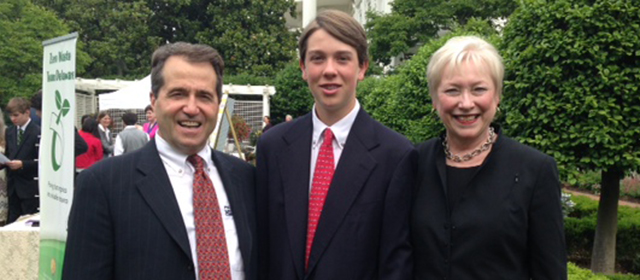
Attending the White House Science Fair, (left to right) Rocket21 CEO Mark Grayson, student Thompson Whiteley, and Academy Board Chair and SUNY Chancellor of Education Nancy Zimpher.
At the White House Science Fair on May 27, 2014, The New York Academy of Sciences (the Academy) pledged to positively impact the STEM education crisis through innovative programming that inspires students to see science as an exciting conduit to solve local and global challenges.
Today’s students are tomorrow’s workforce. Such a fact is not lost on the Academy, which today, along with its partners in The Global STEM Alliance, is tackling the science, technology, engineering, and math (STEM) education crisis head on-by creating opportunities for inter-generational mentoring and engagement in STEM subjects.
By joining the White House in making a formal commitment to STEM education today, the day of the White House Science Fair, the Academy is joining with a group of like-minded organizations, and the federal government.
“It is essential that the nation’s classrooms, from the earliest stages of education through college, utilize technology and critical thinking as we strive to meet increasing demand for STEM graduates in today’s competitive, global economy,” says Nancy L. Zimpher, Academy board chair and State University of New York chancellor, who is attending today’s event. “We are thankful to have the support of the White House as the New York Academy of Sciences’ Global STEM Alliance continues to help educate and train a technologically-savvy, innovative workforce for the future.”
Why Target STEM?
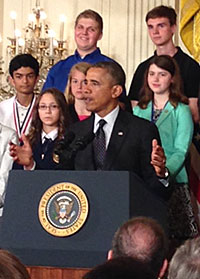
President Obama addresses the audience at the White House Science Fair.
The world needs a workforce of skilled science and technology innovators to address the most pressing global challenges of the coming century-climate change, food shortages, increases in chronic diseases, energy shortages, and more. In the U.S. alone, it is estimated that by 2018, some 75% of occupations will be middle- or high-skilled, with the majority of these jobs requiring an education in STEM subjects. And yet, students are dropping out of STEM at alarming rates, in the U.S. and in countries the world over, from China to South Africa, due to lack of engagement.
How Will We Solve the Crisis?
Enter a new initiative: The Global STEM Alliance, launched by the New York Academy of Sciences and its partners. The Alliance is designed to connect students from around the world with each other and scientific role models, through a mix of site-based programs, a collaborative digital platform, and a social learning network.
The initiative will begin with students in the United States, Malaysia, Australia, and the City of Barcelona, with other countries and regions expected to join. Working with sophisticated Telepresence capabilities and additional tools from fellow founding partner Cisco, the virtual platform allows students to interact and discuss STEM with counterparts in other countries; participate in mentoring relationships with brilliant, young scientists; elect to participate in cutting-edge science courses, challenges, games, and other activities; learn about a day in the life of a scientist; and seek advice and network with science-minded peers for life.
Additional members of the Alliance include GALXYZ, a game-based intergalactic science adventure, and Rocket21, an online youth innovation platform, with more to come.
Connecting Science and Community Service
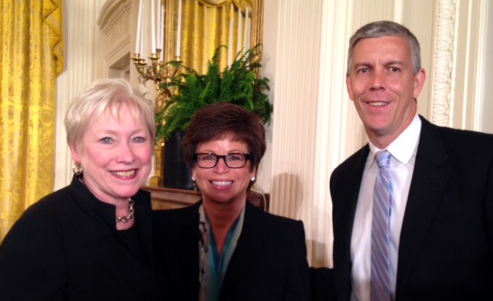
Academy Board Chair and SUNY Chancellor of Education Nancy Zimpher, Senior Advisor to the President of the United States Valerie Bowman Jarrett, and United States Secretary of Education Arne Duncan, at the White House Science Fair.
Rocket21’s Dream Green Innovation Winner, 14-year-old budding environmentalist Thompson Whiteley from Easton, Conn., is attending today’s White House Science Fair. Whiteley created a winning plan to capture and repurpose plastic from The Great Pacific Garbage Patch in the North Pacific.
“Students like Whiteley make clear the connection between engagement in STEM subjects and the ability to solve problems in local communities, and beyond. Such is the premise of the Academy and Rocket21’s Dream Big for the World initiative, which we are excited to launch with the Academy,” says Mark Grayson, CEO of Rocket21.
Dream Big for the World is a series of STEM challenges designed to immerse middle and high school students in the pressing global issues raised in the USAID Grand Challenges. Planned for launch during the 2014-2015 academic year, the challenges will invite students, working independently or in teams, to develop innovative solutions to their choice of Grand Challenges, with opportunities to connect virtually with content experts, as well as provide resources to teachers.
The ultimate goal: The Global STEM Alliance seeks to scale the experience of humanizing science and providing students with real-world STEM role models through technology. By connecting students with the best scientists and engineers, with each other, and with innovative curriculum and educational challenges, the Alliance will foster engagement, mitigate STEM drop-out, and create the next generation of STEM leaders and innovators.
Nobel laureate and Academy Chairman Emeritus Torsten Wiesel maps receptive field properties within the visual cortex, etching a singular vision for his own life.
Published December 1, 2013
By Marci A. Landsmann
Torsten Wiesel
When examining the life of a Nobel laureate, what generally emerge are clear bends in the path: chance situations, meetings, and discoveries that serve as critical signposts to lead an intellectual down the road to greatness. In the same way, our brain provides a complex circuitry of form and function—chemical processes not fully understood, yet acting precisely, as stoplights do, to spark a desired action at just the right time.
Torsten Wiesel’s own fascination with the inner workings of the brain led him to trace the pathways of how the mind “sees” and “perceives” the world. His research, exploring the role of receptive field properties of neurons in the visual cortex, earned him and colleague David Hubel the honor of the 1981 Nobel Prize in Physiology or Medicine (an honor also shared with Roger W. Sperry, for independent research). Their research elucidated how light and patterns move from the retina and organize into neural columns within the cortex. They identified a neural hierarchy within the striate cortex, where images are processed. By blocking the vision of one eye in cats and then monkeys, these investigators also established how gaps in visual stimulation at a critical time period during infancy could lead to permanent and irreversible blindness.
When asked about his early influences, Wiesel points out the often serendipitous nature of life, much the same way a researcher might describe lab work: “It is difficult to say. You often move forward and try to find a way,” he says. “Afterwards, it seems logical what you did, but the process, while you are going through it, is actually much more complex.”
Following in His Father’s Footsteps
Wiesel, the youngest of five children, spent much of his childhood in Beckomberga Hospital, one of the largest psychiatric hospitals in Europe. His father, chief psychiatrist Fritz S. Wiesel, lived with his family on the campus of the large hospital, located on the outskirts of Stockholm, Sweden. While Wiesel went to a private school in Stockholm each day, he was also exposed, from an early age, to different types of people on the hospital campus. Wiesel describes himself as a mischievous child and teenager who was far more interested in sports than his studies. After his parents divorced and his brother became ill, he, at age 17, suddenly took stock of his own life’s direction. “All of these things worked together and made me want to understand human behavior and the mind,” he says.
Despite not having a close relationship with his father, Wiesel followed in his father’s footsteps, and earned a medical degree.
He graduated from Karolinska Institute in Stockholm in 1954. He worked first with adults and then children in psychiatric settings for a year and a half after graduation. During that time, he realized the limiting nature of psychiatric treatments, including electro-shock therapy and insulin shock therapy. “It was before the pharmacologic revolution, you must remember,” he says. “And I became frustrated that there was so little we could do,” Wiesel recalls.
Wiesel turned his efforts to the lab, where he would spend the next 40 years. He returned to his early college mentor, Carl Gustaf Bernhard, a professor of neuroscience at Karolinska Institute, and began doing basic neurophysiologic research.
A Chance Inquiry
At that point, a chance inquiry would change Wiesel’s future path. Stephen Kuffler, now referred to as “the Father of Modern Neuroscience,” asked Bernhard for a promising post-doctorate fellow to work with him at the Wilmer Institute at Johns Hopkins Medical School in Baltimore, MD. When he accepted the position, Wiesel was, first and foremost, looking forward to exploring the culture of the United States. But he became immediately intrigued when he read over Kuffler’s research papers of the receptive field arrangements of cat retinal ganglion cells—research that would eventually spur his own discoveries.
Wiesel never worked in the lab with Kuffler, but he credits the researcher for fueling his career in those early days of his ophthalmology lab fellowship. “Stephen had an informal style. He hated pomposity and could be very critical of facts. But you never felt threatened or not accepted. His style of mentoring certainly affected my way of being,” Wiesel recalls. The two would take long walks and discuss science and life in general, he says.
Kuffler had a hands-off approach. He left his postdocs, Wiesel and David Hubel, another neurobiologist, alone to carry out and explore their findings. Using Kuffler’s research on the retina as a start, the young investigators studied central vision and pinned down its neural beginnings.
Establishing a Department of Neurobiology
When Kuffler was offered a position at the Department of Pharmacology at Harvard Medical School in 1959, he brought four promising investigators, including Wiesel and Hubel, with him. After a few years, these young investigators became part of the faculty of a new Department of Neurobiology, which Kuffler founded. “Neuroscience in those days was pretty much rooted in anatomy and physiology,” Wiesel recalls. But Kuffler’s interests in neurochemistry changed that. Kuffler brought chemists and physiologists together to pursue answers to the brain’s illusive questions—and Harvard’s neurobiology department would soon come to be considered one of the most esteemed in the country.
Wiesel, ironically, never completed his PhD. “It never really occurred to me until people started to ask where I got my PhD [that this was strange],” he recalls. “In some ways, it saved me some time so I could get right to my research. It’s interesting; a formal education is very important, but, at the same time, it is possible to function [without it]. If someone is doing well in research, formalities are less important sometimes.”
At the age of 68, an age when most think of retiring, Wiesel assumed the role of president at The Rockefeller University, a New York-based institution known for allowing independent and self-directed laboratory study. When he became president in 1991, the university was in financial trouble and needed re-direction. Wiesel quickly built up morale and financial backing. “There is nothing like doing an experiment, but to be part of rebuilding an institution was a special challenge,” he says.
From Research to Administration
During his 7-year tenure as president, Wiesel took pride in recruiting 16 bright and forward-thinking faculty members. He also established six interdisciplinary research centers, including the Center for Studies in Physics and Biology. In addition, he formed the University’s collaborative relationship with the Aaron Diamond AIDS Research Center, of which he was chairman.
Wiesel applied these same leadership skills to The New York Academy of Sciences (the Academy) during a difficult time in its history. Wiesel suggested delaying the sale of the Academy’s office building, since the real estate was severely undervalued at the time. This decision led to about an extra $10 million in revenue for the Academy when the building was sold a few years later.
The key to Wiesel’s administrative success at the Academy came, in part, from his ability to shift the Academy’s mission back to scientific discovery and conversation, instead of political activism. “Think-tanks serve an important purpose, but they belong in Washington. We returned to our roots to become part of the scientific community.”
Supporting Scientific Discovery
In recent years, Wiesel’s passion for removing roadblocks to scientific discovery has only grown. In 2000, Wiesel became involved with the Human Frontier Science Program, an organization headquartered in Strasbourg, France, that stresses international and interdisciplinary collaboration, with its focus on life sciences. Wiesel served as secretary general for 9 years and helped to introduce a grant program for young investigators, a career development award for post-doctoral fellows who go back to their home countries, and a post-doctoral program for physicists and chemists who want to study biology.
For 10 years, up until 2004, Wiesel also served as the chair of the Committee of Human Rights, sponsored by the National Academy of Sciences, the National Academy of Engineering, and the Institute of Medicine. The committee writes appeals on behalf of unjustly imprisoned scientists, engineers, and health professionals, as well as personal letters of encouragement.
While he clearly is an advocate for human rights, Wiesel takes issue with the designation of “activist,” despite serving on several activist-oriented boards, including the Pew Center on Global Climate Change. His focus has been, and will always be, science, he says.
“I do think it’s important to keep science and politics separate,” Wiesel says, “But as a member of society, you have a responsibility to ensure that laws and justice are respected. I’ve always believed when people do something wrong, we have a responsibility to tell them and to advocate for justice.”
Breaking Down Boundaries
Wiesel is also interested in breaking down boundaries. He chairs the Board of Governors of the Okinawa Institute of Science and Technology (OIST), an international graduate university offering a 5-year PhD program in science, which is supported by the Japanese government. “One important feature is that there are no departments in physics, chemistry, biology, mathematics, computer science, or engineering, so the scientists and the students are free to explore.” says Wiesel.
“We have a mixture of scientists with different disciplines and different cultures, so it’s a way of trying to create a kind of ‘university of the future’.” The future, and progress, of science is a concept Wiesel embraces—viewing life as a welcome series of challenges and discoveries.
About the Author
Marci A. Landsmann is a medical writer in Philadelphia.
Global leaders of business and philanthropy are contributing to a scientific resurgence, the likes of which New York, and the world, has never before seen.
The year was 1924 and Albert Einstein was desperately in need of funding. And so he did what legions of scientists, emerging and renowned alike, would later do in his footsteps: he turned to philanthropists.
In his case, Einstein wrote a letter to the Rockefeller Foundation. The executive leadership had no guarantees of future breakthroughs from Einstein, but they took a chance on the “unknown scholar”—awarding him $1,000.
“He may be on to something,” John D. Rockefeller said when instructing his top lieutenant to double Einstein’s initial request of $500.
With that gift, comically small by today’s standards, the Rockefeller Foundation not only demonstrated its commitment to Einstein himself, but it solidified its place in the pantheon of powerful philanthropic institutions emerging in New York City at the time—a network fueled by a common desire to foster a better world; a network whose ripple effect would eventually extend well beyond the Big Apple.
This institutional mindset was arguably pioneered by the formation of the Carnegie Corporation of New York, which Andrew Carnegie seeded with $125 million in 1911 and 1912, making it the largest philanthropic trust ever established. Within a decade, the Corporation had begun channeling its resources to the natural and social sciences, part of a great effort to improve “scientific management” in the U.S.
This trend continues today, with foundations and individual philanthropists—whose potential beneficiaries are virtually limitless— placing a premium on furthering science through financial support. According to the most recent national report from the nonprofit Foundation Center, which tracks global philanthropic giving, the health industry was the number one recipient of foundation dollars in 2008, receiving nearly 23% of the pie.
The Epicenter of Targeted Giving
The volume of philanthropic monies awarded today is staggering, and it is only logical that New York, an axis of power, wealth, and creativity— and the birthplace of large-scale philanthropy—remains the epicenter of targeted giving. Based on a list of the top donors in America—who each gave over $1 million—published by The Chronicle of Philanthropy, foundations and individuals in New York State gave close to $1.5 billion in 2012. So far in 2013, the amount from New York-based donors has already exceeded $2.2 billion.
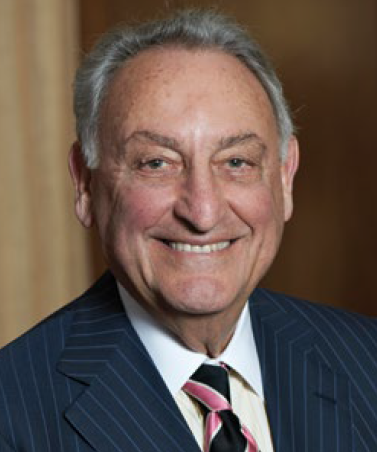
Sanford I. Weill
Financier Sanford Weill, who endowed the Weill Cornell Medical College with a $250 million gift in 2007, is often near the top of The Chronicle of Philanthropy’s annual list. Continuing to break his own records for philanthropy—his total giving is now approaching $1 billion—Weill and his wife Joan, and the Weill Family Foundation, gave an additional $100 million to Weill Cornell Medical College in the fall of 2013 to boost the school’s research endeavors.
With New York having become such a hotbed of health and technology- related innovation, Weill says there is no shortage of scientists who are “easy to give money to.”
“What they do is not based on how much money they’re going to make for themselves,” Weill explained recently in his office overlooking Central Park, “but how they’re going to help make the world a better place.”
Supporting Scientific Innovation
And in that sentiment, Weill is hardly alone. In equally grand offices across Manhattan, moguls of finance, media, real estate, and investment are recognizing the profound importance, and future potential, of the scientific innovation that is emerging from New York. Like Weill, they are leveraging their great professional success and personal contacts to endow local laboratories, medical centers, and nonprofits with financial support that is unparalleled in science-centered philanthropic circles. Many are firm believers, and pioneers, in “transformative philanthropy,” a more engaged, lean-forward approach in which donors seek out high-value ROIs while still allowing the scientific innovators to innovate the way they know best.
This new generation of funders, whose names now grace the facades of leading global institutions across New York and beyond, are furthering the health-related causes long championed by proven powerhouses like the Carnegie Corporation and the Rockefeller, Ford, and Alfred P. Sloan Foundations, each established before the Second World War. Together, they have created a robust philanthropic landscape that is quickly propelling New York toward achieving the city’s “ultimate goal,” as vocalized by Mayor Michael Bloomberg in a 2009 speech: “Reclaiming our title as the world’s capital of technological innovation.”
It is only logical that Jan Vilcek would feel indebted to the field of science and to the institution that helped him turn his capacity for it into a wildly lucrative career.
After escaping the crushing grips of Czechoslovakian Communism in the mid-1960s, Vilcek, then a pioneering young researcher, was rewarded with a faculty post at New York University’s School of Medicine, where he remains today. In the course of his research, Vilcek contributed to the development of Remicade, a blockbuster therapeutic drug that would treat untold multitudes of patients suffering from Crohn’s disease, rheumatoid arthritis, and dozens of other inflammatory disorders.
Promoting Basic Research
“We expected the royalty income would grow,” Vilcek recently said, “but we had no idea it would become as successful as it actually has.” And so Vilcek and his wife, Marica, formed the Vilcek Foundation as a way to support the sciences and the arts. And beyond their foundation, they decided to channel a portion of their Remicade earnings to NYU.
One gift alone, donated to NYU in 2005, totaled $105 million. The funding has largely promoted basic research, which Vilcek sees as the building blocks of scientific discovery.
“A decade ago it seemed like there was much more going on in the Boston area and in California,” he says of scientific research outside of the five boroughs. But New York, he adds, is rapidly catching up, with charitable giving serving as a core driver of the innovation.
“Philanthropy is really essential, especially in the times we witness today, when government spending is down,” Vilcek notes. “Without philanthropy, there would be complete stagnation.”
Jim & Marilyn Simons
Likewise, James (Jim) Simons built his financial career on the back of science and technology and he, too, saw fit to pay it forward. His hedge fund, Renaissance Technologies, rose to the top of its field by using complex mathematical models to evaluate and execute trades.
“All the sciences have a beauty to them—a well-conceived experiment, a dramatic new finding,” even intricate financial algorithms, Simons says. “And I think science needs all the help it can get.”
Studying the Human Brain and the Origin of Life
About 20 years ago, Simons and his wife Marilyn formed the Simons Foundation, which focuses its energies on funding basic science and mathematics research. Among his proudest achievements is the foundation’s Autism Research Initiative, which, since 2007, has awarded grants to more than 150 researchers across the globe. Along with a myriad of other programs, the foundation created a novel initiative called Math+X to generate highly competitive challenge grants fostering collaboration between mathematicians and those in science and engineering.
The Simons Foundation is also devoting substantial resources to studying the overall functionality of the human brain and the origin of life.
Asked about his interest in the latter, Simons shrugs and smiles: “It’s interesting! Wouldn’t you like to know?”
“We look at the stars and wonder how this whole thing got here,” he says.
Indeed, in over a dozen interviews with leaders in business and science philanthropy over the summer of 2013, a common personality trait quickly emerged: visionaries like Simons, and those with names like Appel, Soros, and Allen, appear to possess an unbridled curiosity, which motivates them to channel their money to those capable of answering some of life’s greatest questions and solving some of its most dire challenges.
Robert Appel
“When you’re in Wall Street everyone else looks good,” Robert Appel likes to joke. “The Wall Street people make good money and if they’re smart they’ll support other things. But in the medical field, if you do good you’re saving somebody or you’re making them better, and that’s a very refreshing approach.”
A Link Between the Arts and Sciences
Appel, a private investor and financier at his namesake money management firm, Appel Associates, is a self-described futurist who believes that “technology will make it better for all of us.” As Chairman of the Board of Jazz at Lincoln Center, he also sees a direct creative link between the arts and science.
Appel admits that philanthropists might initially support the science and medical fields out of a desire to care for their own families, should the need inevitably arise.
“But what happens is it becomes broader than that,” he says, “once you meet these people and you see the work that they’re doing.” Philanthropists, Appel explains, quickly realize the immensity of change that their financial support can create for those well beyond their bloodline.
To that end, Appel was instrumental in raising the funds to build Weill Cornell Medical College’s new Belfer Research Building, which will become a hub, on East 69th Street, for translational research initiatives. He and his wife, Helen, also endowed Weill Cornell Medical College’s Appel Institute for Alzheimer’s Research, as a means to encourage cross-disciplinary research into the study of Alzheimer’s disease and other neurodegenerative conditions.
“The things that are going on are extraordinary,” Appel says. “And to be involved where extraordinary things are being done by extraordinary people is a very exciting way to spend your life.”
Kickstarting Silicon Alley
Sanford Weill hates the sight of blood. But in 1982, the financier and former chief executive and chairman of Citigroup found himself on the board of Cornell University with no time to commute to Ithaca for meetings.
“They had this operation in New York that was just a fair kind of a place,” Weill said of the University’s medical college, “so I figured that might be some fun.”
In 1998, Weill and his wife, Joan, endowed the medical school with a $100 million gift intended to “create the greatest medical complex in the world,” Weill said at the time.
And in a more recent quest to make New York the greatest technological center in the world, Weill helped orchestrate the newly formed partnership between Cornell University and the Technion-Israel Institute of Technology. Their collaboration will form the basis of the revolutionary Cornell Tech campus, set to open on Manhattan’s Roosevelt Island in 2017. The institute, born of a $350 million gift from Atlantic Philanthropies and its founding chairman, Charles Feeney, has been heralded as an NYC-Silicon Valley equalizer, with Mayor Bloomberg comparing it to an “Eerie Canal of the 21st Century,” according to Weill.
“The best kind of philanthropy is when you get somebody to make a contribution and they see results…and they give again and again and again.”
Weill cites a “can-you-top-this?” attitude that he stresses is integral to philanthropic success. At the foundational level, such a strategy often takes the shape of so-called challenge grants—employed with great success by the Simons Foundation—which seek to inspire others to offer a matching gift.
Investing in Health Sciences
Such a phenomenon is evident in the increasing number of business icons investing in the health sciences, from Facebook’s Mark Zuckerberg to retired hedge fund manager Julian Robertson and Carlyle Group co-founder David Rubenstein.
It’s all about “teamwork rather than individual superstars,” Weill explains. “Together, there’s no telling the good we can do.”
Mortimer Zuckerman
If anyone should be given a free pass to use a real estate pun at his leisure, it is Mortimer Zuckerman.
And the real estate and media tycoon does just that when he describes the sheer joy and sense of purpose he derives from giving, which he considers to be “another form of public service.” Zuckerman’s latest such service to make headlines was a $200 million gift to Columbia to endow the Mortimer B. Zuckerman Mind Brain Behavior Institute, which, upon opening in 2016, will become a nerve center for what Zuckerman believes is “the most exciting frontier in medicine.”
The institute sits at a crossroads of pure genius and talent, he says, “and to be involved on the ground floor—pardon the pun—on something like this is, for me, just an opportunity to make a contribution that might have a real consequence.”
“It’s certainly an opportunity to make a lot of medical science come to fruition a lot earlier,” he adds.
But despite Zuckerman’s hope for, and expectation of, a big impact, he explains that patience is a key factor in scalability. “The whole idea is to create a platform initially. It’s not going to be the be-all, end-all of everything,” he says.
An Obligation to Empower
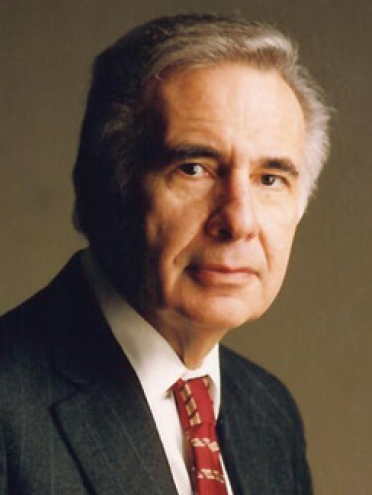
What most people might not know about Carl Icahn is that he could have been a doctor.
Carl Icahn
His medical school stint may have been short-lived—“I didn’t like it,” Icahn says, bluntly—but his interest in science never left him. He would go on to become an enormously successful investor and today remains the majority shareholder of Icahn Enterprises, the diversified holding company.
Icahn’s strategy throughout his myriad of business and philanthropic endeavors has had one core principle in common: he looks for “secular change” in the industries and opportunities to which he devotes his attention and resources. One of those sectors is genomics, or the study of the human genome.
“The change that’s going on is amazing,” Icahn says of the field. “I wish I were younger so I could really enjoy watching what happens.”
But Icahn is doing all he can while he is still around, having recently endowed a genomics laboratory to Princeton, his alma mater. His financial support extends into other realms, too: the Mount Sinai School of Medicine was recently renamed in his honor based on gifts totaling $200 million, and Icahn has been a staunch supporter of charter schools in New York.
Through it all, he has learned to stay on the sidelines, cautioning that it would be “absurd and presumptuous” for a businessman like himself to tell the science or education experts how to do their jobs.
“Don’t think because you made a lot of money that you’re so damn smart and you can tell these guys what to do,” he says with a laugh. “That’s my advice. Don’t micromanage them.”
He continues: “People who make a lot of money start believing that they’re geniuses. But they’re not. I can attest to that one.”
How Yong Talent can Flourish
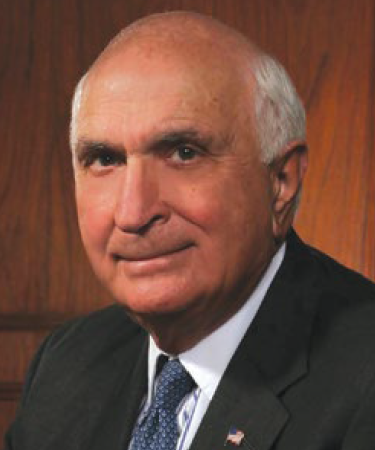
Kenneth Langone
Similarly, Kenneth Langone, the venture capitalist and financial backer of Home Depot—and chair of NYU Langone Medical Center—knows full well the value of a well-placed investment, and he emphasizes that he does not “believe in managed progress.”
He references Jonas Salk and Albert Bruce Sabin—“two Jewish kids that grew up in New York and New Jersey” and pioneered the first polio vaccines—as a powerful example of how young talent can flourish, and change the world, when uninhibited.
Of Salk and Sabin’s science descendants, Langone adds, “These kids who could be making lots of money as lawyers or in finance are making major sacrifices by going into science. Their treasure is time; mine is money. So I want to give my money to make their time well spent.”
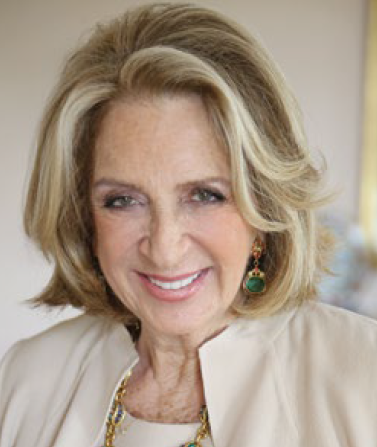
In the same fashion, Daisy Soros, who together with her late husband formed the Paul and Daisy Soros Fellowships for New Americans, calls philanthropy her “raison d’être.” Paul, a shipping innovator, “defected to the U.S. with $17 in his pocket,” Soros says, in explaining their decision to support immigrant graduate students through their fellowship. Soros has been told by past awardees, many of whom have gone on to careers in science and medicine, that the fellowship she started with Paul “has heart.”
Meeting the Challenges of World Interdependence
Daisy Soros
It was Soros’ personal eagerness to learn about the latest medical innovations that led her to agree to participate on the board of overseers at Weill Cornell Medical College 20 years ago. But for Soros, who once considered a career in medicine, simple interest in a cause is not enough: “I do my research and I want to understand where the money goes. I don’t want [to] waste money by giving it to organizations that don’t spend it on the people who need it. I believe in due diligence.”
Of course, Soros’ ties to philanthropy run deep: her brother-in-law, George Soros, is legendary for the global vision with which he approaches philanthropy through his Open Societies Foundation and the wide array of grants and fellowships it offers. And no talk of global philanthropic empowerment is complete without mention of the Clinton Foundation, which, from its office in Midtown Manhattan, works to meet the challenges of world interdependence, much of them health-oriented.
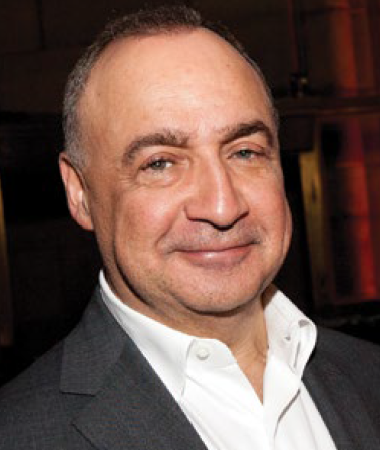
On a more local level, Len Blavatnik, the founder and chairman of holding company Access Industries, places a similar emphasis on creating exposure, and financial support, for the challenges being tackled by young innovators in the New York area. Along with The New York Academy of Sciences (the Academy), for which he serves as a board governor, his Blavatnik Family Foundation supports the Blavatnik Awards for Young Scientists, which provides monetary awards to scientists under the age of 42 who are performing groundbreaking research in science, engineering, and mathematics.
Len Blavatnik
As Carl Icahn says, “Give where your money does the most good.”
Success Breeds Success
To say that Larry Silverstein enjoys a world-class view from his office would be a gross understatement. The Manhattan-based real estate developer sits in a sprawling, glass-walled space on the 38th floor of 7 World Trade Center, a building he built in 2006 after the original structure collapsed following the 9/11 attacks. Silverstein can practically reach out and touch One World Trade Center, his most iconic, and important, creation to date, which soars past his office in a shimmer of shiny blue.
As one of the world’s most influential landlords, it is only fitting that Silverstein has a lofty perch from which to watch over the city of New York, his birthplace, which is currently undergoing what he considers a renaissance of ingenuity. Silverstein can tell you all about Wall Street’s forthcoming rebound and the plum opportunities for real estate development, but he’s just as bullish about science, which, he says, “is at the basis of everything.”
Larry Silverstein
“I believe the city is going to experience enormous growth in the sciences, in research of all kinds, in technology, in creativity, in communications,” Silverstein said over iced coffee in his office recently. “The growth here is phenomenal today, and it’s going to become even more so tomorrow.”
Silverstein is a man with a seemingly endless list of philanthropic pursuits, from NYU’s Real Estate Institute and Medical Center to the United Jewish Appeal. But he grows most animated when talk turns to Cornell Tech and all it will do for the city that buzzes hundreds of feet below.
“What they’re going to create here in New York—wow!” Silverstein remarks. “Powerful, powerful draw, powerful magnet. The sciences, the scientists that will come here to participate in it—phenomenal. Absolutely phenomenal.”
New York’s Role as a Cultural Center
Paul L. Joskow, who helms the Alfred P. Sloan Foundation—which been supporting science for the better part of a century—couldn’t agree more. Sloan gives $75 million annually in support of science, but Joskow says that because New York is home to so many world-class researchers, Sloan spends one out of every five dollars here.
“We put money where the talent is,” says Joskow, “and the scientific talent in New York is staggering.” Recently, Sloan has turned its attentions to the promise and perils of the data avalanche unleashed by information technology and the Internet, partnering with the Moore Foundation in a $7.5 million initiative to turn NYU’s Center for Data Science into a national leader in big data management.
But, perhaps surprisingly, Joskow says it’s New York’s influential role as a cultural center that may hold the most promise for research. “We won’t have a society that adequately funds research until we have a society that fully appreciates researchers.” Sloan acts on this insight by partnering with NYC artistic institutions—from the Metropolitan Opera to the Tribeca Film Festival—to raise the visibility of science and educate the public about the value of research.
“Science deserves a seat at the cultural table,” says Joskow. “New York can give it one.”
Of course a large part of the reason that science is becoming intertwined with New York culture like never before, is the city’s fortunate status as home to many of the world’s most active science-promoting philanthropists and foundations. Close to a century after Albert Einstein received that first auspicious check from the Rockefeller Foundation, it’s fitting that science-related philanthropy is reaching a groundswell moment in and around New York, hand-in-hand with groundbreaking research.
In its quest for creating new products as one of the world’s leading food and beverage companies, there’s hard science at work behind PepsiCo’s research and development initiatives. For instance, in the area of flavors, PepsiCo scientists have enlisted a high-tech company robot, encased in a clear glass box and hardwired to the genetic sequences of human taste buds.
The robot might taste 100,000 assays ranging from roots, plants, and fruits per day; and the payoff could be huge. PepsiCo, based in Purchase, NY, sees the use of this technology as one of the many ways to continue building upon its success of offering a highly diversified portfolio that ranges from treats to healthy eats. Today, that success includes 22 $1 billion brands.
“The robot is a tool to help us look into nature more efficiently, faster, and actually with greater sensitivity,” says Mehmood Khan, PepsiCo’s executive vice president and chief scientific officer of Global Research and Development, adding that the taste quest then shifts into higher gear: “How do we take a leaf and find the ingredient inside it? That’s the bridge between modern science, robotics, and the culinary arts.”
A Veritable Hotbed of Corporate Activity
PepsiCo’s advanced technological taster is not only a unique capability; it symbolizes the innovation inherent in corporate research and development (R&D) in the New York metro area. Corporate research ranks among the most important sources of discovery, whether seeking solutions to problems—from everyday ills to major global challenges; improving quality of life; or even extending life itself. And the New York tri-state area is a veritable hotbed of corporate activity.
Hundreds of company labs provide the area with considerable scientific clout stemming from a significant investment in everything from basic scientific research to applied technology development, and grease the wheels of the mega-region’s $2 trillion-plus economy. From the food we eat, to the medicines we rely on, to the electronics we use, and the energy sources that power them—corporate research is constantly pushing the envelope of “new and improved.” Here, we take a look at just a few of the corporate research initiatives driving scientific and technological innovation in the New York-metro area, and the resulting products and services that are changing our world, both near and far.
Targeting the Big C
Scores of world-class biopharmaceutical companies are creating the therapies of the future, right now, in the New York region. Called the “nation’s medicine chest,” the New York tri-state area is home to the biggest concentration of life sciences companies in the world. It has long been home to major industry players like Bayer, which invented aspirin in 1897, and is now conducting research in oncogenomics—a field of research that identifies and characterizes genes associated with cancer—to develop therapeutic agents that selectively target cancer genome alterations.
Further moving the needle in oncology research, Johnson & Johnson’s Janssen Pharmaceutical Companies is advancing a cancer interception initiative aimed at developing a new paradigm in cancer diagnosis and treatment. Johnson & Johnson is the world’s largest healthcare company, and Janssen is one of the largest pharmaceutical companies and the sixth largest biotech in the world. Janssen, based in New Jersey, is striving to achieve a more robust understanding of the mechanisms underlying the initiation of normal cells to a pre-malignant state. Its goal is to develop products capable of interrupting the carcinogenic process—eventually allowing clinicians to diagnose and intercept cancer at its earliest stages, when pre-malignancies are less complex and less resistant to therapy.
Driving Breakthrough Therapeutics
Among Janssen’s recent successes is SIRTURO™, a medicine for multi-drug resistant tuberculosis (TB). SIRTURO was granted accelerated approval by the U.S. Food and Drug Administration in 2012. It is the first medicine for pulmonary multi-drug resistant TB with a novel mechanism of action in more than 40 years. TB, second only to HIV/AIDS as one of the greatest killers worldwide, infected 8.6 million people last year, and more than 1.3 million died.
Eli Lilly & Company is also tackling a notoriously tough foe: Alzheimer’s disease. This year marks the company’s 25-year commitment to investing in Alzheimer’s disease R&D. “Our R&D approaches and expertise in Alzheimer’s disease have resulted in a strong pipeline encompassing both potential diagnostics and therapeutics for amyloid and tau pathways,” says Jan Lundberg, president of Lilly Research Laboratories, which has a significant presence in New York.
However, because for every 10,000 compounds researched in laboratories, only 100 are tested, and perhaps only one will become an actual medicine, Lilly developed a five-part Timely Valued Medicines strategy to improve the odds of success. Part of this strategy involves better disease understanding and validated disease targets or mechanisms; for example: Lilly developed Amyvid, an imaging agent that allows researchers to image the brains of patients for detection of amyloid plaques, a key characteristic of Alzheimer’s disease.
Pfizer—the world’s largest research-based pharmaceutical company, with an annual R&D budget approaching $7 billion—also has a robust commitment to innovation, with the end-goal of significantly improving patients’ lives.
“We believe that over time precision medicine—delivering the right drug, to the right patient, at the right time—will result in superior clinical outcomes for patients and enable more efficient clinical development,” says Mikael Dolsten, president of worldwide R&D at Pfizer, which is based in New York.
Committed to Patient Outcomes
One example of this is Pfizer’s Xalkori (crizotinib), which is designed for a specific group of lung cancer patients with a defect in the ALK gene. In 2011, Pfizer received U.S. FDA approval for this first-in-class therapy. Pfizer researchers continue to apply precision medicine R&D to advance future therapies for patients with difficult-to-treat cancers.
Similarly committed to patient outcomes, Acorda Therapeutics is invested in restoring function to and improving the lives of people with multiple sclerosis (MS), spinal cord injury, and neurological conditions. It was founded in 1995 by a physician who operated the company out of a bedroom with the motto, “Therapies or bust!” Today the company, based in Ardsley, NY, manufactures and markets Ampyra, the first and only MS therapy that has been specifically approved to improve walking in people with MS.
Acorda’s neurology pipeline encompasses five separate products at the clinical or pre-New Drug Application stage. The company is now exploring the use of extended release dalfampridine in new disease areas: post-stroke deficits and cerebral palsy. Initial data show improved walking in people with post-stroke deficits—a potentially huge boon to the more than 7 million stroke survivors in the U.S.
With names like Bausch & Lomb, Bristol-Myers Squibb, Kadmon, Merck, Novartis, and Regeneron, dotting the local map, the New York tri-state region is an incredible source for groundbreaking diagnostics, treatments, and cures.
Advancing the Digital Realm
Perhaps no other company has a research legacy quite like Armonk, NY-based IBM. With 12 laboratories in 10 countries, the company has generated more patents than any other company for 20 consecutive years. IBM Research aided Apollo moon landings, was crucial to the discovery of fractals, and invented the technology behind laser eye surgery. IBM Research is also responsible for a series of technologies and products that have transformed day-to-day living: the automated teller machine, the hard disk drive, the magnetic stripe card, the Universal Product Code, and the Sabre central reservation system, which revolutionized the travel industry and served as precursor for the entire universe of e-commerce.
Now, IBM Research is embarking on a new frontier: cognitive computing, which the company expects to dramatically change our relationships with computers.
“The most exciting dynamic in technology and business today is the confluence of four massive trends—big data, the cloud, social media, and the instrumented, connected world we call the Smarter Planet,” says John E. Kelly III, director of Research at IBM.
“This environment drives completely new thinking and is driving the emergence of a third ‘cognitive’ era of computing. We believe cognitive systems that learn, reason, and interact naturally with people will become the biggest opportunity in our industry over the next few decades.”
Reinventing Virtually Every Aspect of Computing
The first cognitive computer was IBM’s Watson, which debuted in 2011 in a televised Jeopardy! challenge and beat the show’s two greatest champions. Today, Watson is working with doctors, insurers, and customer service professionals to transform the outcomes that can be achieved. But that vision will require computer scientists to reinvent virtually every aspect of computing, from how we think about applications and data, to the nature of computer hardware.
IBM scientists want to eventually create computing systems that emulate the brain’s capacity to adapt. As a result, cognitive computers will not be programmed; they will be trained using enormous volumes of data that no single human could ever process.
“Research is central to IBM because we are continuously shifting to higher value,” says Kelly. “It’s important to have the courage to disrupt yourself—based on deep insight and fueled by powerful ideas brought to life by very unique skills.”
Powering Our World
The cities and towns that make up the New York-metro area are home to a staggering number of businesses, and one thing they all have in common is a thirst for more and more energy. New York City’s commercial and industrial sectors consumed more than 42% of power usage in 2011, and their energy needs are growing.
Perhaps surprisingly, New York is among the nation’s most energy-efficient cities due to its reliance on public transportation (two of every three users of mass transit in the U.S. live in Greater New York) and its sheer density (1 million buildings crammed into 300 square miles). Even so, energy concerns abound as demand grows, and area companies are seeking novel ways to reduce carbon footprints while increasing the reliability and efficiency of energy delivery.
Con Edison, a utility whose electric and steam businesses date back to the days of Thomas Edison, has new plans to meet tomorrow’s energy needs. Among its consumer-focused programs is one that allows New Yorkers with room air conditioners to remotely control their thermostats using a device called a Modlet. In addition, the modern electrical outlet allows engineers to remotely control window units on the hottest days.
With 6 million room air conditioners in its service territory, Con Edison sees great potential in the device.
Con Edison Development and Con Edison Solutions—competitive energy businesses—are looking heavily to clean energy development, with a $500 million investment in solar projects, making it one of the top five solar producers in North America.
Meanwhile, Connecticut-headquartered General Electric is picking up the pace of its product development cycle by using a Rapid Prototyping Center. The center’s 3D printer, which creates products by printing them layer upon layer, reduces part development time by 80% on average.
Better Together
While the sheer range of companies involved in R&D in the New York region is astounding, there is increasing overlap, both within and outside of the corporate sector. PepsiCo, which is planning the future of food, cites a need for 40% more food productivity on the planet by 2050 due to population growth. While industry has to take up the cause, “because 90% of the world’s population buys its food from the private sector,” says Khan, “food companies, academia, governments, NGOs—all of us— must come together to work collaboratively. Ultimately, we need to deliver this food.”
The focus on the greater good—and major global challenges—is apparent in medicine too. Biomarker experts at Johnson & Johnson’s Janssen are collaborating with academic centers to develop and commercialize next-generation circulating tumor cell technology for capturing, counting, and characterizing tumor cells found in a patient’s blood. The cross-sector work is not usual for the company.
“In total, I think we do 100 collaborations per year in early science and technology,” says Paul Stoffels, chief scientific officer, Johnson & Johnson, and worldwide chairman, Janssen Pharmaceutical Companies of Johnson & Johnson. This includes work that comes out of the company’s new research hubs, one of which is based in New York, that foster R&D collaborations with entrepreneurs, emerging companies, and leading academic centers.
Immeasurable Value
Pfizer’s Center for Therapeutic Innovation, which co-locates industry scientists with academic researchers in major bio-innovation clusters, including New York City, aims to transform the biopharmaceutical R&D model—making it speedier and more creative. “We seek to be a nodal player at the center of a thriving ecosystem that includes academic scientists, patient foundations, government researchers, and other innovators. We recognize that science requires extensive and open collaboration,” says Dolsten.
The idea—that working together leads to bigger gains—is one that in the past might have been dismissed as a barrier to the all-important competitive edge, but is today part and parcel of New York’s booming research industry mindset. The companies that call New York home see such close quarters in terms of benefits, not just concessions. And to be sure, New York derives immeasurable value from the industry tenants that help to shape its status as a region always looking to the future.
The scientists, engineers, and organizations that call New York home are increasingly interacting with citizens and governments in cities and towns across the world, working together to solve some of humanity’s most challenging problems.
Published November 1, 2013
By Hallie Kapner
Vials from the Global Alliance for TB Drug Development.
On an inner city Johannesburg street, a new mother’s cell phone registers a text message. It reminds her to breastfeed her baby, and to give him antiretroviral syrup daily to reduce his risk of contracting HIV.
At a rural school in Kenya, the lights are on. It’s no small feat considering the scarcity of fuel, and the fact that most residents can’t afford to buy it. The school, along with a neighboring maternity clinic, runs on dung power—something that’s never in short supply.
Half a continent apart, the new mom and the school are connected by a thread that runs to the other side of the globe, to the place where the programs that are improving—and even saving—lives are created and supported: New York.
New York has rightfully been called the meeting place of the world—the United Nations alone justifies the title—but it is not only a city where people gather. It’s one of the greatest launching-off points in the world, home to dozens of nonprofits, universities, and foundations that export ideas, technologies, business practices, and innovative health measures to places as far as Madagascar and as close as Queens.
The Most Vexing Issues Around the Globe
At any moment, tens of thousands of New Yorkers are addressing some of the most vexing issues around the globe. By leveraging the most developed medical infrastructure in the country, 110 local colleges and universities, and a highly developed network of donors, local citizens are creating synergies and implementing programs to improve health, strengthen cities, and expand education, globally.
Such is New York’s legacy as a truly global city; from the early, and continuing, contributions of immigrants and local foundations in shaping the city’s major industries, to the present, when its Mayor, Michael Bloomberg, is asked to chair a council of 40 cities interested in sharing best practices for sustainability, and its resident science academy—The New York Academy of Sciences (the Academy)—is asked by the President of Russia, the Prime Minister of Malaysia, and the Mayors of Barcelona and Mexico City to share wisdom around science and policy.
1,000 Days and Counting
For organizations engaged in solving global health problems, the clock is ticking. With fewer than 1,000 days left to achieve the United Nations’ Millennium Development Goals, many local institutions are turning up the heat on what has already been considerable progress. These days, New York isn’t known as a hotbed of tuberculosis (TB). Following an outbreak in the 1990s, local TB rates have been in steady decline.
Yet in 2000, when global health stakeholders gathered in Cape Town to found a new organization dedicated to making treatment breakthroughs for a disease that takes a life every 25 seconds, the consensus was to locate it in New York. Since then, the Global Alliance for TB Drug Development, known as the TB Alliance, has catalyzed the field of tuberculosis research. As a product development partnership, it serves as a critical point of connection between pharmaceutical companies, academic researchers, funders, and the communities around the world where tuberculosis is a daily threat.
Along with managing the largest TB drug pipeline in history, the Alliance has brokered the kinds of collaborative partnerships among competing corporations—notably in the pharmaceutical industry—that are rare. By improving researchers’ access to both novel and established drug compounds, the Alliance and its partners are speeding a path to improved treatment. They aim to drastically shorten the treatment course from what is currently as long as two years to fewer than two weeks, by developing new, affordable regimens to combat all forms of TB. “A wonderful drug that’s too expensive for the developing world doesn’t do much good sitting on the shelf,” says Alliance spokesperson Derek Ambrosino.
A Promising New Multi-drug Regimen
The Alliance currently has three drug candidates in clinical development and is awaiting results of Phase III clinical trials of a promising new multi-drug regimen.
“We’re bringing innovation to a field that’s been stagnant,” says TB Alliance CEO Mel Spigelman. “It’s possible in part because of our access to the incredible human capital in this area—the people, the intellect, the proximity to the pharma companies and the research groups. This couldn’t happen in Washington.”
What’s happening in Brooklyn—or more specifically, the Brooklyn Army Terminal—may change the world. The Terminal is the site of the International AIDS Vaccine Initiative’s (IAVI) AIDS Vaccine Design and Development Lab, a place where research outcomes from around the world are analyzed in the quest to design an effective, affordable vaccine for HIV.
Through partnerships with dozens of academic, pharmaceutical, and governmental institutions in 25 countries, IAVI is among the world’s leading forces advancing the ultimate solution in HIV prevention. Filling gaps in the drug discovery and development process, IAVI directs clinical trials and community engagement efforts in countries hardest hit by HIV/AIDS, as well as funds high-risk and proof-of-concept work of promising early-stage technologies.
Working with partners around the world and at its Brooklyn lab, IAVI has contributed significant findings to the field. Among them is the identification of nearly 20 broadly neutralizing antibodies—molecules capable of binding to and marking multiple variants of the virus for destruction by the immune system. Found only in a fraction of those infected with HIV, broadly neutralizing antibodies are believed to have strong potential in vaccine development, and efforts are underway to reverse engineer their mechanisms.
Solving Major Global Health Threats
In the late 1980s and early 1990s, New York City was the epicenter of the AIDS epidemic. More than 150 years before that, it was established as a major commercial center, a status that remains true to this day. Joining the two, and harnessing the power of the business community to impact the course of diseases like AIDS, is the work of the Global Business Coalition on Health (GBCHealth).
Since its founding in 2001 by former U.S. Ambassador to the United Nations Richard Holbrooke, GBCHealth has amassed a coalition of 200 companies in a mission to apply business practices to solve major global health threats. What started as a response to AIDS now includes campaigns against malaria, tuberculosis, and non-communicable illnesses including diabetes, cardiovascular disease, and cancer.
“There’s a public-private partnership behind most successful global health efforts, and every industry has a core expertise to apply,” says Eve Heyn, communications manager for GBCHealth. “In addition to the United Nations, New York also offers us the research and educational institutions to help our partners understand what’s needed, and the marketing and media firms who can help spread messages about medical compliance, sleeping under a net, or using condoms.”
Applying Business Skills
GBCHealth in action looks like this: A declaration from 40 CEOs of major companies—Levi Strauss & Co., which spearheaded the campaign with UNAIDS, along with Kenneth Cole Productions, The Coca-Cola Company, The National Basketball Association, Thomson Reuters, and others—demanding that 45 countries lift arcane travel restrictions on those living with HIV. It provides support and promotion of innovative partnerships like the Mobile Alliance for Maternal Action (MAMA), which uses text messaging to deliver critical health information to pregnant women and new mothers in developing countries and underserved areas.
“Business skills are readily applied to global health,” says Heyn. “Have you noticed you can find a Coke anywhere in the world? The same isn’t true with TB medicines. Coca-Cola is the master of the supply chain, and they’re working with African governments to improve drug delivery.” Similar private sector efforts by GBCHealth and its partners aim to save the lives of 4.4 million children and 200,000 mothers before the Millennium Development Goals clock winds down to zero.
Urban Testbed
More than half of the 7 billion people on Earth live in urban environments—a first in human history. As one of the world’s largest metropolitan areas, New York is the ultimate urban testbed for the engineers, ecologists, urban planners, and environmental health specialists developing solutions to strengthen the world’s cities.
A family fills water jugs in North Gujarat.
When Edwin Torres, associate director of the Rockefeller Foundation, talks about Jamaica Bay, he doesn’t sugar coat matters. “It was basically a dumping ground for New York City for about a century,” he told a group at the Municipal Arts Society Summit for New York in 2012. Torres, who runs the Foundation’s NYC Opportunities Fund, is among those involved in a first-of-its-kind initiative to rehabilitate a damaged urban ecosystem, taking notes for the rest of the world’s coastal cities along the way.
The Rockefeller Foundation is one of the founding supporters of the recently announced Science and Resilience Institute in Jamaica Bay, the 10,000-acre wetland estuary that touches parts of Brooklyn, Queens, and Long Island. The storm surge during Hurricane Sandy devastated both the natural environment and the densely populated neighborhoods surrounding the bay, highlighting the vulnerability of coastal cities as climate volatility increases.
The Institute will ultimately serve as a hub for research on making cities more resilient—able to survive, adapt, and grow amid climate and population stress. “Eighty percent of the world’s coastal cities are on estuaries,” Torres says, mentioning some of the more populous places on the planet, like Mumbai, Tianjin, and Lagos. “Solutions developed here will be shared for global gain.”
Tackling Flooding
Flooding is only one subject tackled by Upmanu Lall and his colleagues at the Columbia Water Center, one of the 30 research centers that comprise Columbia University’s Earth Institute. Powered by more than 850 scientists pursuing a sustainable future, the Institute’s global programs address poverty, health, energy, climate change, and, of course, water.
Founded in 2008, the Center’s approach “inverted the way people view water,” says Lall, the Water Center’s director and a professor of engineering at Columbia University. “Many water projects fail because people don’t look at the entire chain. If you can secure the resource itself and its quality, then you can impact access—not the other way around.” The shift in strategy has served the Water Center, and millions of people on four continents, well. Its engineers and scientists have taken on some of the world’s toughest water-related challenges, navigating fierce politics and life-or-death resource issues. They have achieved measurable, positive outcomes in a field often marked by failure.
Providing Governments with Reliable Data
In the Brazilian state of Ceará, a place Lall calls “the poster child for drought,” an advanced system of climate forecasting has helped stabilize a tug of war over water that put the region’s farmers at contentious odds with urban dwellers and the government. The Center designed algorithms for predicting rainfall and river flow levels, allowing the government to plan water allocation accordingly and helping subsistence farmers determine when—and if—conditions would be favorable for planting.
Likewise, in India, where groundwater depletion from agriculture is so severe that no city gets more than a few hours per day of water flow, the Center devised a strategy to preserve farmers’ staple crops while dramatically decreasing water and energy usage. Working with local scientists, Water Center staff deployed soil moisture sensors at farms throughout the Punjab region. The results were significant—a 22% water and 24% energy savings. A project that began with 525 farmers has more than quadrupled today.
Closer to home, the Water Center is training its expertise on New York’s water needs, conducting an in-depth study of the history of drought in the Upper Delaware River Basin. The team is eyeing the possible impacts of a series of droughts on the Northeast. “We’re trying to determine how much water New York City really needs, and how we should be managing supply today based on what we’re learning about the past,” says Lall.
A Global College Town
The SUNY Korea campus, as it will look when construction is complete.
Forty miles south of Seoul, South Korea, is the Songdo International Business District in the Incheon Free Economic Zone. A “smart city” conceived and built by the Korean government, it is high-tech, sustainable, and designed to incorporate signature features of cities around the world. It’s also the site of the only outpost of an American university in Korea, SUNY Korea.
“Songdo is considered the global education city in the region,” says Samuel Stanley, president of the State University of New York at Stony Brook. “The innovative idea the Korean government had was to invite foreign universities to set up programs in their areas of excellence. In our case, it’s been more than just a program.”
Expertise in Computer Science and Engineering
SUNY has transported its nationally recognized expertise in computer science and engineering to SUNY Korea, with 84 graduate and undergraduate students—mostly in these two fields— enrolled for the spring 2013 semester. SUNY Korea is also home to a branch of the university’s Center of Excellence in Wireless and Information Technology, conducting state-of-the-art research at what Stanley attests is an equally advanced facility in Songdo. Students spend two years in Korea and one at SUNY’s home campus on Long Island. The first class from Korea will arrive on campus in fall of 2013.
If SUNY’s other campuses abroad will serve as level-setters for Korea, the outcomes will be impressive. Among other international centers, SUNY runs the Turkana Basin Institute in Kenya, home to Richard, Maeve, and Louise Leakey. Working alongside the renowned paleontologists and anthropologists—whose findings include such landmark discoveries as identifying new species of our own genus—are a team of environmental scientists applying new solar and wind technologies to solve local energy issues. The dung-powered school in Kenya is one of several facilities benefitting from the work of SUNY scientists to improve the energy applications of biogas generators.
From the Cradle of Human Civilization to the “Cradle of Modern Western Society”
New York’s university network abroad stretches from Africa, the cradle of human civilization, to the “cradle of modern Western society,” as David McLaughlin, provost of New York University, refers to the Middle East when he discusses the importance of having a presence in the region. NYU Abu-Dhabi (NYUAD) opened its doors in 2008, and has grown from a study abroad site into a full-fledged member of the NYU network of research campuses. The inaugural undergraduate class of students from 39 countries has given way to a spectacularly diverse student body hailing from 100 countries, and both the campus and its population are set to grow quickly in the coming years.
The advantages of expanding NYU’s presence abroad are numerous, according to McLaughlin. “We certainly think New York is the greatest city in the world, but not everyone of talent wants to travel here,” he says. “By having these campuses, we are able to recruit outstanding faculty and students who might otherwise have never been a part of our university.”
It also creates possibilities for collaborative research that couldn’t happen on anything less than a global scale. The Center for Global Sea Level Change, a joint project between NYUAD and NYU’s Courant Institute in New York, aims to produce quantitative estimates of future sea-level changes, combining the physical theory capabilities of Courant with observational data and new modeling techniques pioneered in Abu Dhabi. The multidisciplinary Neuroscience of Language Lab, straddling two major world cities where many languages are spoken, investigates the neural basis of language use and production.
This year also marks another major expansion in the NYU network—campuses in Shanghai, China, and Sydney, Australia.
The Grand Challenges
A synergy between New York and Qatar is yielding something more than results on paper—it’s creating doctors. New York’s Weill Cornell Medical College, which has a full campus in the state, taught the first students to ever attend medical school in Qatar in 2002. The initial class of 22 students and eight faculty members, housed temporarily at a Doha high school while the medical school facility was constructed, has grown to 265 students from 30 countries today.
And while the curriculum is identical to that of the Weill Cornell Medical College in New York—even down to the exams—the faculty and students in Doha are engaged in a suite of projects all their own, including original research on genetic disorders and stem cells, and a high school engagement program to build enthusiasm for a new generation of native physicians.
In 2011, the government of Qatar made a commitment to advancing sustainability and establishing the State as a center for research and development. There was only one problem—they had neither the local expertise nor the capacity to identify the actions needed to achieve these goals. Enter The New York Academy of Sciences (the Academy). With members spanning the globe, the Academy has considerable reach, along with a history of assisting international leaders in identifying science and technology priorities.
Six Grand Challenges
In cooperation with the Qatar Foundation for Education, Science and Community Development (QF), the Academy facilitated communication between stakeholders across multiple sectors in Qatar, ultimately arriving at six Grand Challenges spanning secure and sustainable natural resources, healthcare, information and computing technology, human capacity development, and urbanization. “When Qatar turns to New York for guidance, it signals something interesting,” says Academy President and CEO Ellis Rubinstein. “We don’t have all the answers, but this is the best international city to pull the right people together to address big challenges.”
Rubinstein and a team from the Academy will continue to advise QF on creating partnerships and implementing programs to address the Challenges.
The Academy has similarly partnered with Malaysia, after being asked by the country’s Prime Minster to help form the country’s Global Science and Innovation Advisory Council (GSIAC) to bring best practices from around the globe to bear on Malaysia’s economic growth and sustainability efforts—with many of the meetings taking place at the Academy’s headquarters in New York City. The Academy, along with its GSIAC partners, made a series of recommendations to advance Malaysia’s goal of becoming a high-income country. One of the more exciting elements for Academy CEO Rubinstein is a program to boost science, technology, engineering, and math (STEM) education in Malaysia, modeled on the Academy’s own successful Afterschool STEM Mentoring Program.
Seamless Telepresence Technology
Another way the students will be connected—not only to each other but to Nobel laureates, working scientists, and teachers worldwide—is through seamless telepresence technology, provided through a generous new gift from Cisco Systems Inc. By bolstering local resources and talent, and then connecting them with other local resources around the globe, the Academy and its partners are creating a Global STEM Alliance that seeks to extend STEM excitement and engagement to the next generation.
The outcomes of such outreach—from New York to points all over the globe, and back again—strengthen both New York’s science community and those abroad. As Rubinstein says, “The major global challenges facing our world today will require a global response. We will not solve the problems of malnutrition or energy sustainability or chronic disease in isolation—we will solve them together, with science and technology as our common language.”
From the New York Genome Center to the New York Stem Cell Foundation, the New York science scene has, through unique alliances and partnerships, become greater than the sum of its parts.
Published November 1, 2013
By Hallie Kapner
A New York Genome Center researcher works with a sample.
As Willa Appel, chief executive officer of the New York Structural Biology Center (NYSBC), shares the story of the city’s first major collaborative life science research center, which opened in 2002, she still marvels at the good fortune that landed the NYSBC at the abandoned South Campus of the City University of New York on Convent Avenue in Harlem. The gymnasium’s lower level, complete with an empty swimming pool sunk deep into the Manhattan schist, turned out to be an ideal site for housing the city’s most advanced nuclear magnetic resonance spectrometers—exquisitely sensitive equipment unable to tolerate the nonstop vibration of millions of New Yorkers and the subways that move them.
The NYSBC—along with dozens of universities, research institutions, nonprofit organizations, and start-ups that comprise New York’s burgeoning science sector—is a true product of the city: wildly ambitious, visionary, and undaunted by the challenges of the island E.B. White called “the greatest human concentrate on earth.”
The major players in New York’s science industry almost universally view what most residents perceive as obstacles—population density, intense competition, and premium real estate—as assets. They’ve succeeded not in spite of, but because of, the city’s singular makeup and layout. The secret behind the success of what has become one of the world’s best funded and most productive multidisciplinary science sectors is the kind of mold-breaking collaboration that is uniquely possible in a place like New York.
New York as a “Science Hub”
Speaking from the new downtown headquarters of the New York Genome Center, Bill Fair, vice president of strategic operations, recalls a time when joining the terms “New York” and “science hub” was more likely to generate questions than answers. As recently as 2002— despite having the most advanced medical infrastructure and largest healthcare workforce in the country—New York City was struggling to attract science talent and the funding dollars that often followed. At the first meeting to discuss what would become the NYSBC, Appel remembers, one participant joked that “the best recruiting tool in New York was a subway token and a bus pass. People weren’t moving here to work in science.”
The town long known as the capital of finance, media, and fashion took a turn toward technology when Mayor Bloomberg zeroed in on life sciences and entrepreneurship as ways to revitalize and diversify the post-9/11 economy. What would transpire over the following decade would vault New York into an elite position among bioscience and technology hubs, uniting the city in a way that would draw the attention of the world.
From Competition to a Competitive Edge
An employee at the New York Structural Biology Center collects data on a dual beam and scanning electron microscope.
“When we first proposed the idea of the Structural Biology Center in 1997, nobody believed this kind of collaboration could happen,” says Appel, describing the circumstances that prompted its nine founding institutions to put their competitive concerns aside and form a consortium. Structural biology—the study of the three-dimensional shape of biological macromolecules and how changes in shape can affect their function in both health and disease—was a hot field that required access to highly specialized research equipment no one institution could afford alone.
Pooling their resources, the consortium initially purchased four high- field nuclear magnetic resonance spectrometers at 800 megahertz—the most advanced instrumentation in the field—housing them at the renovated NYSBC facility and alternating access much like a time- share. On opening day, the NYSBC was the most advanced facility of its kind in the country, and it has since added cryoelectron microscopes, synchrotron beamlines for x-ray crystallography, and high throughput protein production facilities. Today, it’s the most advanced structural biology facility in the world.
A Transformative Paradigm
A new and transformative paradigm for New York’s research institutions and universities was born.
By 2004, the city was gaining competitive ground, garnering close to $1 billion in National Institutes of Health (NIH) funding. By 2007, New York’s colleges and universities would well surpass that number, leading the nation in NIH funding.
Despite that progress, the city was still home to, what one researcher quipped, “a lot of R, but almost no D.” Pharmaceutical giants like Pfizer had a presence limited to sales in New York City, but the crucial behind-the-scenes work took place in the kind of lab space that seemed unattainable in the five boroughs. Many researchers who made breakthroughs with commercial promise had to weigh the possibility of leaving academia to bring an innovation to market. Finding a solution that would allow them to translate local research into reality would be the next crucial step in New York’s transformation.
“A Complete Cultural Shift”
A New York Stem Cell Foundation researcher at work.
Private labs were one way to, as Susan L. Solomon says, “leave the politics at the door and take the science as far as the researchers were able to go.” Solomon, who founded the New York Stem Cell Foundation (NYSCF) in 2005 and serves as CEO, saw the potential for New York—with its 50 hospitals and diverse population— to become a leader in stem cell research. “Young researchers were being counseled out of pursuing stem cell work,” she says. “The thinking was that the real work wasn’t happening here.”
With a roster of healthcare luminaries as an advisory board and $1.1 million in private seed funding, Solomon and her team opened a lab in less than four months. “There was very exciting diabetes research coming out of Harvard, but too much red tape preventing it from moving forward. We brought the work here, and built the lab faster than the researchers could collect patient samples.”
Since then, NYSCF scientists, including 45 postdocs from New York’s elite research centers, have done “high-risk, high-reward” work, turning out five top medical breakthroughs including the first personalized bone intended for transplant. The organization has also designed software to automate the labor-intensive process of generating stem cell lines, producing a degree of uniformity that is key to advancing therapeutics. “We’ve saved years of time and millions of dollars through the openness of our scientists and partners, who go so far as to share pre-publication work at our conferences,” Solomon says. “It’s a complete cultural shift. At our first meeting, most of the researchers in the room—and they were the best in their fields—had never met each other.”
Testing and Breaking Barriers of Convention
The shift Solomon noted occurs several dozen times a year at the lower Manhattan offices of the New York Academy of Sciences. Jennifer Henry, director of life sciences at the Academy, presides over a program for local scientists that tests—and often breaks—the barriers of convention. “We set out to create a more united community of scientists working in New York—to introduce them to each other before they meet at major conferences,” Henry explains.
For nearly 50 years, scientists from across the region and around the world have convened at the Academy to attend one-off conferences and recurring Discussion Group symposia. Formalized as Frontiers of Science 12 years ago, this program unites academia, industry, nonprofits, and government to discuss progress and challenges in science, medicine, and technology. The Academy hosts over 60 such events each year, each with a different focus. “Everyone is on equal footing at these events,” says Henry. “It’s a neutral environment where people who don’t typically get together can interact in a personal way. It’s also an incredible opportunity for younger scientists to network with major players.”
The Discussion Groups bring sought-after speakers and smaller gatherings of scientists together in New York throughout the year. “Networking is a major benefit, but these groups have become so much more than that,” Henry explains. “The Discussion Groups are now safe spaces where what are, essentially, competing researchers have been known to enlist the group’s feedback on their work in progress. Can you imagine?”
Inspiring New Ventures
A research image of induced pluripotent stem cell neuron precursors from the New York Stem Cell Foundation.
The success of New York’s academic collaborations continues to embolden and inspire new ventures, continually expanding the city’s science capabilities. Manhattan’s foothold in the emerging field of genomics and bioinformatics lies in SoHo at the New York Genome Center. Ten local institutions founded the facility, which operates as an independent nonprofit, to speed advances in genomics and commercialize breakthroughs. Researchers gain access to valuable wet lab space and latest generation sequencing equipment, along with technical support. Demand for the Genome Center’s services—which include full human genome sequencing, bioinformatics analysis, and data storage— has been so high that it had to establish a 3,000 square- foot temporary lab at The Rockefeller University during construction of the new headquarters.
The Genome Center’s founding institutions are reaping more than scientific benefit from their investment. It has been a powerful recruiting tool, helping attract top-level talent to the area. “You can’t get this kind of genomics experience just anywhere,” says Fair. “New York has the most diverse patient population in the world.”
Cooperation and technology are transforming the region’s hospitals, too, offering a glimpse into a future of fully connected care. The New York eHealth Collaborative is leading the movement to make electronic health records for any patient available to any physician, anywhere in the state, instantly. Currently under development is a portal that will also allow New York’s patients to access their own records electronically.
In less than a decade, New York’s scientific community norm moved from competition to collaboration, with positive results on the bench and at the bedside. Asked to describe the interactions of the Genome Center founders, Fair laughs. “Every Board meeting is like a 14-way pingpong match.”
A Contagious Collaboration
Two of the city’s premier science museums, the American Museum of Natural History (AMNH) and New York Hall of Science collectively host more than a million pairs of exploring young hands each year, drawing school groups and families with programs that are now, more importantly than ever, helping turn curiosity into careers. AMNH’s much-lauded science-enrichment initiative, the Urban Advantage Network, started in New York middle schools and is now serving as a model for schools across the country to partner with local science institutions.
Taking in the many vibrant organizations comprising New York’s current science scene, it’s clear that what began as an experiment among an elite group of New York’s research institutions has spawned a contagious collaboration that has touched every sector of the city, changing it for the better. This drive toward togetherness has inspired members of the scientific community to see the limitless possibilities for invention in this extraordinary city.
Today, the subway token has been replaced by the Metrocard, and much like the transit system that runs beneath them, New York’s science players are more connected than ever. As Appel says, in a sentiment that also characterizes New York itself, “in science, you can’t sit still for half a second.”