The Road to Discovery in 20th Century Science

A black and white photo of a 20th century female scientist reviewing paperwork.

For author Alan Lightman, reading landmark scientific papers provides a window into the lives and intellectual adventures of the men and women behind the 20th century’s most influential ideas.

Published April 14, 2006

By Karen Hopkin

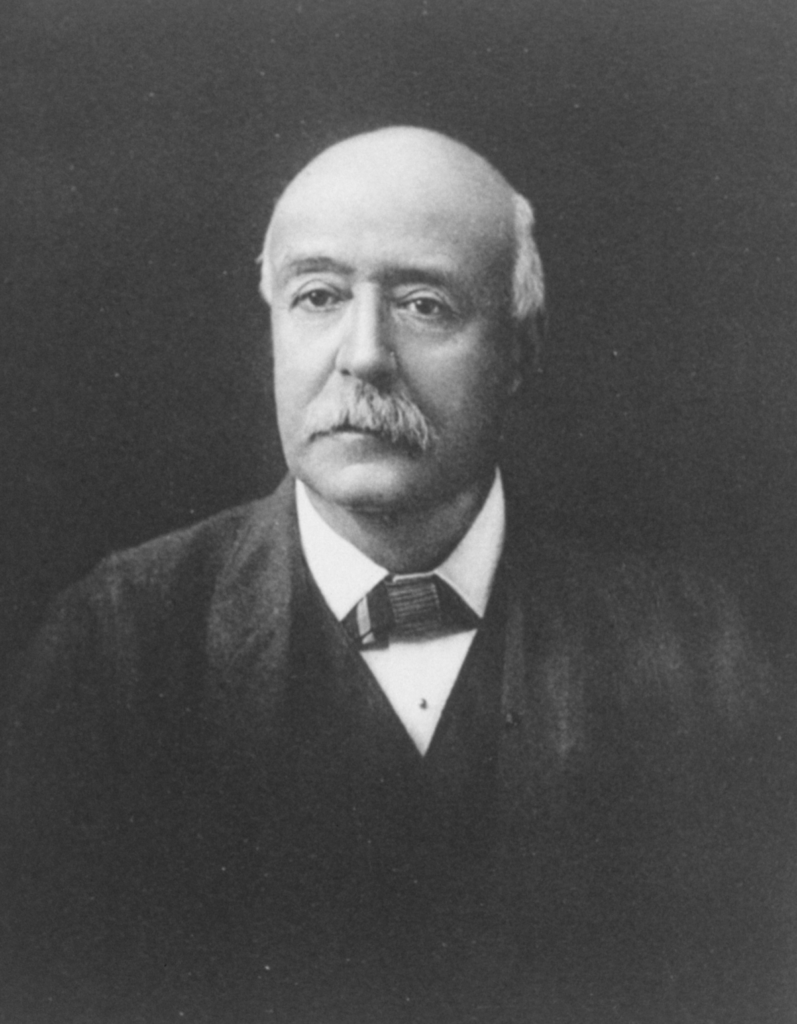
Otto Loewi. Image courtesy of Institute of Pharmacology, Graz, CC-BY-SA-3.0-DE, via Wikimedia Commons.

The key experiment came to him in a dream. It was 1921 and Otto Loewi, a German pharmacologist, was looking for a way to determine how nerve cells communicate. Was the signal conveyed from one neuron to the next—or from a neuron to a muscle or organ—electrical? Or was it chemical?

The scientist awoke, jotted down his musings on a slip of paper, and went back to sleep. “It occurred to me at six o’clock in the morning that during the night I had written down something most important,” he later recalled, “but I was unable to decipher the scrawl.”

From Dream to Nobel Prize

Fortunately, the idea returned the following night. That time, Loewi must have written more legibly, because he was able to carry out his Nobel Prize-winning experiment that day. He dissected the hearts from two frogs and placed them, still beating, into separate dishes of saline solution. Loewi then stimulated the vagus nerve he’d left attached to the first heart. As expected, the heart slowed its beating.

Now here’s the elegant part. Loewi took some of the solution bathing the first heart and poured it over the second heart, from which he’d stripped the vagus nerve. This heart, too, slowed, proving that the message transmitted by the vagus nerve was chemical in nature. The compound, which Loewi called “Vagusstuff,” turned out to be acetylcholine, a neurotransmitter found widely throughout the nervous system.

For Loewi, the experience suggested that “we should sometimes trust a sudden intuition without too much skepticism.” And for Alan Lightman, physicist and author of The Discoveries: Great Breakthroughs in 20th Century Science, the story illustrates how scientists think, and reminds us that science is a process of exploration carried out by human beings.

Hearing the Scientist’s Voice

Over the years, Lightman has come to realize that scientists rarely read original research papers, perhaps because they view science as being all about the bottom line. “If science is an explanation of the way that the world behaves, then you don’t need to know how you got to that understanding,” says Lightman. “You just need to know the facts, ma’am. And that’s all that matters.”

That view, although valid, is limited, Lightman told an audience at The New York Academy of Sciences (the Academy) on January 31, 2006. “You can read a textbook on the theory of relativity and you can understand relativity,” he says. “But you don’t understand the mind of Einstein. You don’t hear his voice.”

To remedy that loss, Lightman assembled The Discoveries, a handpicked collection of 22 of the greatest ideas and experiments in 20th century science. Lightman asked his scientist pals—physicists, chemists, astronomers, biologists—for recommendations and then winnowed down the resulting list to the two dozen stories he presents in the book. For each discovery—from Werner Heisenberg’s enumeration of the uncertainty principle to Barbara McClintock’s revelation that genes can jump from one chromosome to another—Lightman provides a guided tour to the original paper along with an essay on the life and times of the scientists involved.

Measuring the Distance of Stars

Henrietta Leavitt. Image via Wikimedia Commons.

Among Lightman’s favorite tales is that of Henrietta Leavitt’s development of a method for measuring the distance to the stars. Leavitt was hired in the late 1800s by Edward Pickering, director of the Harvard College Observatory, to pore over photographic plates and calculate the positions and brightness of thousands of stars. As one of the cadre of women that formed Pickering’s low-paid battalion of human “computers,” Leavitt was expected to “work, not think,” says Lightman. “But some of the women disobeyed him, and Henrietta Leavitt was one of those.”

Through painstaking measurements, Leavitt uncovered a relationship between the periodicity and luminosity of the Cepheids, a group of stars that brighten and dim in predictable cycles that vary between three and 50 days. Leavitt found that the longer a star’s period, the greater its intrinsic luminosity, and that knowing how bright a star is allows one to calculate how far away from Earth it lies. Thus the Cepheids, which are scattered throughout the night sky, could serve as cosmic beacons by which astronomers could gauge distances in space.

Leavitt’s work laid the foundation for many of the astronomical discoveries that would follow, including Hubble’s determination that the universe is expanding. Yet the scientist remained uncelebrated in her lifetime. “Even today there are very few people who’ve heard of her,” notes Lightman. In 1925, a representative of the Swedish Academy of Sciences wrote to Leavitt to propose nominating her for a Nobel Prize. Unfortunately, Leavitt had been dead for three years by then, rendering her ineligible for the honor.

Passion and Obsession

The most satisfying stories, Lightman says, are the ones in which the researchers’ personalities drive the discovery. Take, for example, Arno Penzias and Robert Wilson’s detection of the cosmic background radiation—the persistent hum left over from the Big Bang. “Both men were incredibly meticulous experimentalists,” says Lightman. “If they hadn’t been so anal compulsive about the details then they wouldn’t have been so certain that this residual hiss in their antenna was something worth investigating.”

But, he adds, “they were so fastidious, so picky, and so careful” that they methodically chased after the source of the noise. And after they eliminated every possible thing they could think of, Penzias and Wilson concluded “this was something worth writing about,” says Lightman. Indeed, their almost comically understated paper, entitled “A measurement of excess antenna temperature at 4080 Mc/s,” formed the basis of their 1978 Nobel Prize.

In the end, Lightman himself discovered a thing or two in putting together the book. Although he did not uncover any particular scientific temperament—scientists’ personalities run the regular human gamut—Lightman did find that, regardless of the field in which they worked or how they came to their discoveries, all the scientists he profiled “were really passionate about what they do. All loved to solve puzzles. They all loved to challenge authority. All were independent thinkers. And all were really obsessed with science.”

And though all didn’t necessarily dream about their work, they did labor tirelessly to solve their favorite puzzles, leaving behind them tales that are certainly worth telling.

About the Speaker

Alan Lightman, PhD, is adjunct professor of humanities at the Massachusetts Institute of Technology. As a novelist, essayist, physicist, and lecturer, Lightman is committed to making science accessible and understandable to a wide audience. His writings cover a range of topics dealing with science and the humanities, particularly the relationship between science, art, and literature. Lightman’s short fiction, essays, and reviews have appeared in numerous popular magazines and publications, including Discover, Harper’s, Nature, and The New Yorker.

He is the author of four novels, including the international bestseller Einstein’s Dreams, which was runner-up for the 1994 PEN New England/Boston Globe Winship Award, has been translated into 30 languages, and is the basis for more than two dozen independent theatrical and musical productions. In addition to his novels, Lightman is the author of several science books, drawing on his research in the areas of gravitational theory, accretion disks, stellar dynamics, radiative processes, and relativistic plasmas.

Lightman holds a PhD in theoretical physics from the California Institute of Technology, and an Honorary Doctorate of Letters from Bowdoin College. He served a postdoctoral fellowship at Cornell University before becoming assistant professor of astronomy at Harvard University and research scientist at the Harvard-Smithsonian Center for Astrophysics. In 1989 Lightman joined the faculty of MIT, and in 1995 was appointed John E. Burchard Professor of Humanities, a position he resigned in 2001 to allow more time for his writing.

For his contributions to physics, Lightman was elected fellow of the American Physical Society and the American Association for the Advancement of Science, both in 1989. In 1996 he was elected fellow of the American Academy of Arts and Sciences, and that same year, was recipient of the American Institute of Physics Andrew Gemant Award for linking science to the humanities.

The Science and Cinema of the Brain

An empty movie theater, facing from the front stage to the projector on the backwall, with red theater seats in the foreground.

Sloan Foundation gets cerebral at the Sundance Film Festival, going into the science and psychology of motion pictures.

Published February 5, 2006

By Adrienne J. Burke

Image courtesy of Svitlana via stock.adobe.com.

How is your mind like a movie? Will new technologies enhance the way films convey cognitive experience? How will the ancient human capacity for processing emotions keep pace with rapidly accelerating cognitive experiences?

These and other questions were tackled by a panel of four scientists and three filmmakers recently at the Sundance Film Festival in Park City, Utah. An audience of 250 filmmakers, journalists, and film enthusiasts attended the event called “What’s on Your Mind? The Science and Cinema of the Brain,” hosted by New York’s Alfred P. Sloan Foundation on January 27, to engage in a discussion about how movies can be tools for exploring the mind, for fulfilling the human need to vicariously experience emotion, or for mimicking the editing process in which our brains engage.

Meet the Panel

Moderating the panel was John Underkoffler, an MIT-trained engineer who has consulted as a science and technology advisor on films such as Steven Spielberg’s “Minority Report” and “The Hulk,” in which Nick Nolte plays a mad scientist.

Panelists, in order of appearance, were:

  • Lynn Hershman Leeson, artist and director of the films “Conceiving Ada,” about the contributions of the Countess of Lovelace to early computer science, and “Teknolust,” which won the Sloan Award at the 2002 Hamptons Film Festival;
  • Hal Haberman and Jeremy Passmore, the directing and writing team that created a film screened this year at Sundance called “Special,” about a man who enters a clinical trial and suffers a breakdown and thinks he is a superhero;
  • Antonio Damasio, a neurologist and neuroscientist who directs the University of Southern California Institute for the Study of the Brain and Creativity;
  • Martha Farah, director of the University of Pennsylvania’s Center for Cognitive Neuroscience; and
  • Kay Jamison, professor of psychiatry at Johns Hopkins University School of Medicine and author of several books on manic depression and bipolar disorder, including her autobiography, An Unquiet Mind.

Storytelling and Technology

Underkoffler kicked off the discussion pointing out that new technologies such as functional MRI are enabling neuroscientists to see where in the operating mind different activities are taking place, and to address for the first time questions that were previously the domain of philosophers, only answerable through intuitive thought, not scientific analysis. Considering that film is a unique vehicle for conveying states of mind, Underkoffler asked, “Is film privileged as a tool for exploring these ideas of mind and brain?”

*Here is an abridged version of the conversation that followed.*

Leeson: The technology always has some kind of way of altering the way we think. Some people have said that iPods are restructuring the way we create narratives. The advent of multidimensional possibilities with DVDs or other aspects of Internet use has created varying levels of how we communicate and what stories we tell and how we develop ideas of fractured intelligence, identity, and even artificial intelligence as characters and character subplots.

Haberman: For me, technology influences how we make movies, but in terms of changing the actual stories we’re telling and the structure of the stories we’re telling, I don’t think those are much different from the way I would have told the story in a movie if I had been alive to make one 30 years ago.

Passmore: I’d agree with that. The film doesn’t happen on the screen or in the speakers; the film happens when it’s synthesized by your brain when you’re sitting in the audience. Film is inherently the medium by which you experience alternate realities. As the technology evolves, whatever is after cinema is going to become even more so.

Frames in the Mind

Damasio: Film, and before it theatre and literature in general, have been historically means of inquiry into the human mind. Greek theatre was doing things similar to what filmmakers are doing today: using narrative you’re looking into the human mind and human behavior.

There’s something privileged about cinema that is different from the other modalities, [because] it’s probably so far the closest we can have to the kind of subjective experience we have of our own mind. It has to do with the fact that there is a frame in our minds when we’re looking at the world, whether we’re looking at the actual world, or into our minds with our eyes closed. The visual and the auditory are very powerful and are the bread and butter of film making. They bring us much closer to the experience of our own mind.

It’s as if film has [copied] some of the characteristics of the human mind. Editing is something we do all the time when we apportion attention differently to one image or another. We are constantly running an editing machine in our own mind by bringing a character into focus more strongly, by reframing it, or by the duration for which we allow the image of that character to linger.

It’s quite interesting that there are very close connections between the mind process and what our eyes are doing. John Huston might have been the first to point out that you cut on the blink in filmmaking. It’s something that shows film to be very privileged in its connection to brain and mind science, far more so than literature or theatre of any kind I can think of.

Simulating Experiences

Farah: I think the film “Being John Malkovich” illustrates your point well — that through film we can simulate the subjective experience of another person. “Special” does the same thing with this ambiguity between Les’s perception of what is going on and the reality. It’s a seemingly unbridgeable gulf that cognitive neuroscientists are continually trying to bridge, between subjective mental experience and objective observable things.

Haberman: “Being John Malkovich” is interesting also because it shows how you can illustrate things cinematically for a broader audience than scientists. A lot of people probably don’t know what a feedback loop is, but when they walk down the tunnel and there are John Malkoviches everywhere, I think intuitively [the audience] understands what’s happening. It illustrates a scientific principle without feeling like it’s telling or explaining to you.

Redefining Film

Leeson: I think the whole definition of film is radically changing right now, in a way that we haven’t seen in the last hundred years. We’re developing different options for how we look at moving images and therefore the whole definition of what film is and dealing with possibilities for entering virtual realities … We’ve never been able to have these possibilities before.

Jamison: If you’re trying to convey mood or desolation or despair or psychosis, or madness or ecstasy or expansive mood, it’s so much in the acting and directing and writing. The technology is not my bailiwick, but it seems to me that tremendous portrayal has been done so well since the beginning of film. If you’re trying to convey a mood such as desolation or despair, what is it in the technology recently that has made any difference in how well that would come across now to an audience as opposed to 30 years ago?

Underkoffler: Technologically, it seems like nothing. The digital resolution, sound, would have no bearing.

Leeson: Some artists are using PDAs to create environments that do alter moods when one goes there. They create installations and environments that are addressing these very particular issues.

A Wider Domain

Haberman: I think the most obvious example is video games that are so popular right now. That experience couldn’t have happened 10 years ago. They’re playing a narrative. It’s a whole way of watching a story.

Passmore: It’s kind of like antidepressants. It’s our version of “we don’t really know what the long term effects of it will be.”

Leeson: We’ve never had the connectedness that we have now. We’re able to interpret and hear so many points of view that it seems like we’re congealing things beyond a particular culture to a wider domain.

Haberman: But that’s something people have been thinking has been going on for years and years. Even if you look at things people were writing in the 1960s, it was all about connectedness and different cultures coming together. And all the poststructuralist film theory from the 1980s is the same thing: People always want to feel they’re more and more connected with each other and that technology does that, but I’m not convinced it does.

Transhumanists Thinking Like Bats

Underkoffler: I’m also interested in technologically expanded options for what cinema might become. It’s interesting to wonder what else is possible. Peter Greenway famously and cantankerously said sometime in the early 1990s that film had done nothing but produce illustrated 19th century novels in the sense that they follow a comprehensible narrative. What else could film do to map our cognitive or mental states onto other possibly even nonhuman or transhuman artifacts or situations? Might we elicit some kind of state that is impossible to elicit in any other way?

Farah: Well, it’s like the famous article “What Is It Like to Be a Bat?” by the philosopher Thomas Nagel, who ends up concluding that you can’t know what it’s like to be a bat because you don’t have a bat brain, you don’t have a bat experience.

Underkoffler: And you don’t have a bat body.

Passmore: What we need is a bat filmmaker.

The Essence of the Subjective Experience

Farah: How close could you get to a bat experience by watching a film? I’m going to say not very. If you can’t get the essence of the subjective experience of being a bat by walking around in the world having light impinge on your retina because it’s reflecting off surfaces around us, I don’t see how having light impinge on your retina because it’s coming from a movie screen is going to make a difference.

But one thing that might make a difference is a sort of wacky idea that Ray Kurzweil describes in his new book The Singularity is Near: When Humans Transcend Biologyall about how changes in computer- and nanotechnology are going to increasingly be incorporated into our bodies, including our central nervous systems. Eventually we’ll gradually transform ourselves into these cyborg creatures that won’t resemble much the humanity version 1.0, which is what we are sitting around here today.

One interesting scenario he describes is the use of nanotechnology to penetrate our nervous systems. We would first use nanotechnology to get a highly detailed, three-dimensional image of the state of somebody else’s brain. A nanobot would go into John’s ear and infiltrate his brain and get the picture and then I could inhale them into my brain and they could simulate the same state and thereby let me know what it’s like to be John Underkoffler. And maybe they could do the same thing with a bat.

The Cyborgian Age

Leeson: I think we already are posthuman and we’ve already entered the cyborgian age. More and more symbiosis with technology is altering the way we’re thinking. And as far as projections into the future, I think one that’s very close is how we distribute narratives, not just only on screens in dark rooms, but on computers and through software programs that incorporate moving images and build memory.

Damasio: I think with the Kurzweil scenario, there’s no need for immediate worry. It’s far into the distant future. If the Kurzweil scenario comes to pass it will lead to different relationships within ourselves and with technology, and I don’t know if it will illuminate our experience with nonhuman species, but I don’t think it will affect film as it is in itself. Film could portray all of this, but it doesn’t follow that it will alter it necessarily and change that fundamental technique.

How Movies Nourish Emotions

Passmore: My opinion is that this technology is great, it will help bring new ways of telling stories to people, but I think there’s a reason the narrative structure hasn’t changed over 1,000 years. It’s because we want to experience someone else’s life, someone else’s reality. We want to see a character and view the world through that character’s eyes and I think that’s the basis of narrative and I don’t see that changing anytime soon.

At the end of the day, you have an audience that wants someone they can identify with. There are always going to be people trying to beat their heads against the wall trying new things, but eventually the strength of the narrative in its current form is going to carry on forever.

Damasio: That has a lot of do with our own needs to experience vicariously emotional states. There are a lot of things going on in movies traditionally and in classical novels and theatre that is a way to experience emotion we would like to have and sometimes experience emotions that we would not like to have.

I don’t think anybody would choose to be in situations that cause extreme horror and terror and so on, but the fact is that people flock to movies that have suspense and show fear and that lead you to experience enormous horror sometimes. I think there’s one reason that continues, and that is that we rehearse. In some way we get rid of the need to worry about them, because we are going through that experience in a way that we know once the lights come up we’re not going to get killed or nothing terrible is going to happen to us.

Our Own Mortality

Passmore: It tricks us into thinking that we’ve dealt with our own mortality.

Damasio: Exactly. We need to have nourishment for our own emotions. And here I would point out biology. There is a big disconnect between the way our brain and our organism processes emotions, and the way our organism processes what people call straight cognition. Cognition is like lightning. Cognition is very rapid, and has the potential to become more rapid.

It’s quite likely that people in the world who are growing up with new technologies are going to have even more rapid cognition. But that doesn’t mean that they’re going to have faster emotional processes, because the emotional processes are very old, in terms of evolution, and they’re probably much more rigid and difficult to change at least over a course of a relatively limited period of time.

Leeson: Do you think there’s a difference in generational cognition and that it’s changing?

Jamison: I would address the emotional side, which is the more ancient side, and that probably is not changing nearly so rapidly. The thinking process probably is, but the moods and the fears and so forth are not changing so rapidly, so it’s a fascinating time in human evolution.

Also read: Music on the Mind: A Neurologist’s Take
The Genius of Quantum Physicist Richard Feynman

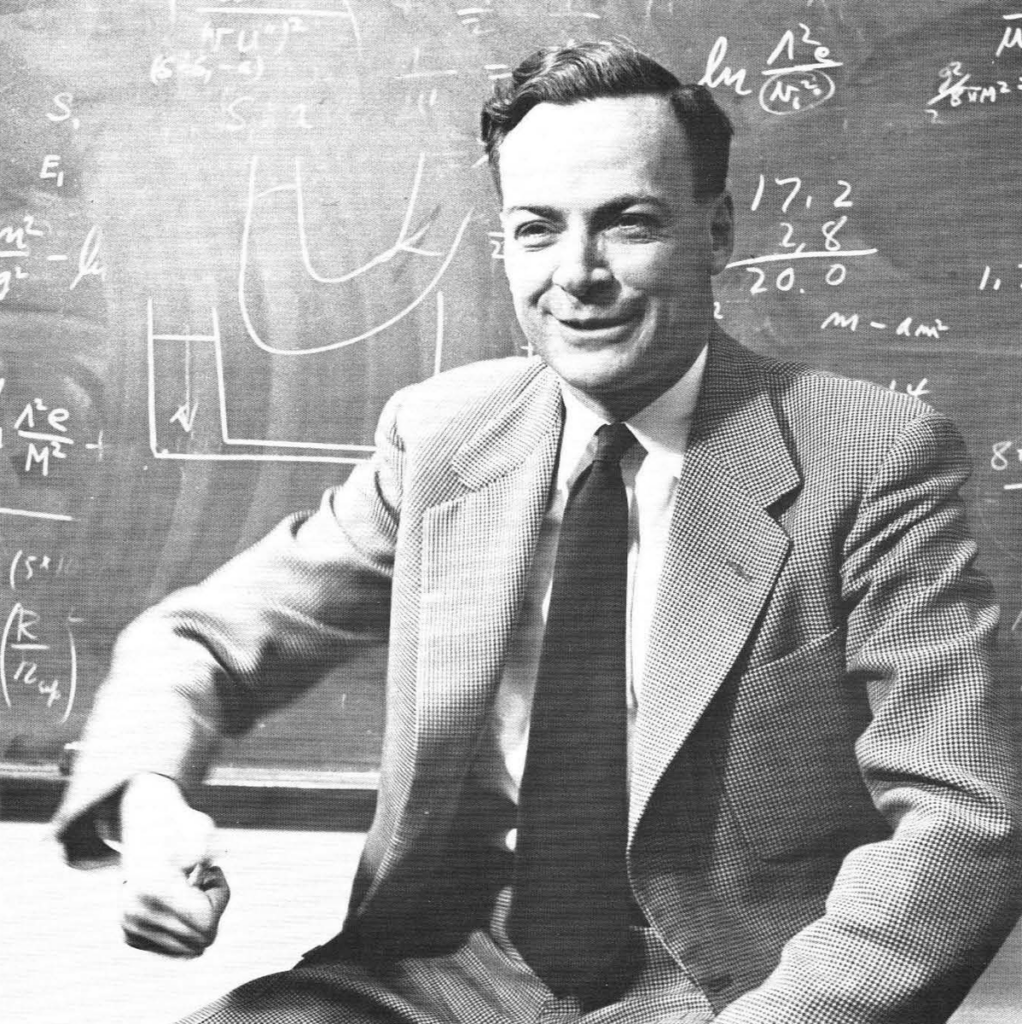
A black and white photo of a man in a suit and tie, with math formals scribbled on the blackboard in the background.

Missives from Feynman in Perfectly Reasonable Deviations from the Beaten Track, a book of his letters edited by daughter Michelle Feynman, reveal his genius and wit. What was his contribution to the canon of 20th-century quantum physics?

Published February 3, 2006

By Chris H. Greene

Richard Feynman in 1959. Image via Wikimedia Commons.

“Science alone of all the subjects contains within itself the lesson of the danger of belief in the infallibility of the greatest teachers in the preceding generation … Learn from science that you must doubt the experts. As a matter of fact, I can also define science another way: Science is the belief in the ignorance of experts.”
— Richard Feynman, 1981

We all know the stories of Richard Feynman. He was at times a showman and a clown. He expressed irreverence toward prestigious, hoary organizations like the National Academy of Sciences and the Royal Swedish Academy of Sciences. The tragic death of his young wife during the time of the Manhattan Project became familiar to millions through the touching Matthew Broderick film, Infinity. But behind his public persona lay one of the truly independent and innovative minds of the 20th century. Richard Feynman felt an intense, personal need to see physical phenomena in his own terms, and from his own perspectives, using theories that he generated himself.

At the same time, Feynman’s theoretical constructs did not arrive on the planet like a bolt from nowhere. His most important contributions were ideas that were in some sense already “in the wind,” but his way of developing them into consistent theoretical descriptions of nature differed dramatically from methods popular at the time.

Paradoxical Infinities

It may seem surprising, but the theoretical program that resulted in Feynman’s 1965 Nobel Prize (also awarded that year to Julian Schwinger and Sin-Itiro Tomonaga) was not aimed so much at explaining the result of any particular experiment, as it was an attempt to resolve some of the apparently self-contradictory aspects of both classical and quantum electrodynamics theory. If you shake an electron, it radiates light waves, whose electric fields must in turn act back on the electron to lower its energy. But attempts to calculate this “radiative reaction force” led to infinities which were paradoxical and in clear contradiction with experience.

In Feynman’s doctoral thesis work with John Wheeler at Princeton, the two entertained fantastic possibilities in a desperate attempt to solve these paradoxical infinities. One peculiar notion that emerged was that if, in a certain sense, the classical fields are allowed to propagate backward in time, the paradoxes and the infinities appeared to be magically removed.

A variant of this idea survived when Feynman wrote down his quantum mechanical formulation of this problem, which he credits to Wheeler for originally tossing out: that the positron, the antiparticle of an electron, can be regarded as an ordinary electron moving backward in time. Surely you’re joking, Mr. Feynman! As fantastic and unbelievable as this idea seems when stated in words, when formulated mathematically it was found that a consistent theoretical framework emerged, without the troubling infinities.

Moreover, Feynman created a simple way for these complicated calculations to be carried out, which is still used today: first, draw lines that represent electrons, positrons, and photons moving forward and backward in time in different ways that can contribute to the process of interest. Then apply Feynman’s rules for translating each such Feynman diagram into a precise mathematical formula.

Quantum Electrodynamics

One of the most famous applications of Feynman’s quantum electrodynamics was his calculation of a tiny frequency difference between two nearly identical energy levels (2S1/2 and 2P1/2) of the simplest atom, hydrogen. Willis Lamb and Robert C. Retherford had caused a stir in 1947 when they measured this frequency difference to be 1057 million cycles per second (MHz), because the then-accepted theory of Paul Dirac suggested that this difference should be identically zero. The methods for calculating this interaction between an atomic electron and the “vacuum-fluctuating electric fields of free space” gave infinity, a useless result entirely irrelevant to the experiment.

Using the Feynman calculus, however, a result very close to the experimental frequency splitting (the so-called “Lamb shift”) was obtained. In the intervening decades, both experiment and theory have improved, and we now know this Lamb shift experimentally to be 1057.8447 (plus or minus 0.0034) MHz, while theory based on Feynman’s work predicts 1057.839 (plus or minus 0.006) MHz.

Within experimental uncertainties, and within theoretical uncertainties associated with our imperfect understanding of the proton’s nuclear structure, these agree. Nature thus confirms the remarkable synthesis of theoretical ideas into working quantum electrodynamics, achieved by Feynman, as well as by Schwinger and by Tomonaga.

Advancing the World of Theoretical Physics

And what are we to take from these strange notions? Are positrons really just electrons moving backward in time? Feynman tended to dismiss such queries as having no more relevance to physics than debates about how many angels fit on the head of a pin. Here is one more example where the equations developed by theoretical physicists, after extensive testing, are the bottom line. Seemingly bizarre philosophical implications, when those equations are stated in words (such as “particles moving backward in time”), do not matter a whit. What matters from the physicist’s perspective is the explanatory and predictive power of the resulting theory.

In the end, Feynman’s work parallels eerily the way the “luminiferous aether” was abandoned as irrelevant, once physicists accepted around the beginning of the 20th century that Maxwell’s equations by themselves adequately describe all classical phenomena of electricity and magnetism. And it is similar to the way Einstein’s equations of relativity, and the peculiar quantum theory, were accepted despite their troubling, almost nonsensical implications for how we think about time, space, and reality. As Niels Bohr wrote and was quoted in Wheeler and Feynman’s 1945 Reviews of Modern Physics article:

We must, therefore, be prepared to find that further advance…will require a still more extensive renunciation of features which we are accustomed to demand of the space time mode of description.

The world of theoretical physics is better today because Richard Feynman was brave enough to contemplate and develop ideas that required such a renunciation.

Also read: The Challenge of Quantum Error Correction

How the Maillard Reaction is Linked to Disease

Various cooks prepare a dish consisting of eggs and vegetables.

Scientists who study the chemistry of how food is cooked are exploring promising therapies to treat an array of diseases, from diabetes to Alzheimer’s.

Published January 20, 2006

By Jill Pope

Image courtesy of bernardbodo via stock.adobe.com.

It’s a chemical reaction central to daily life: the Maillard reaction browns our toast and makes roasted coffee smell wonderful. Oh yes, and it’s going on in our bodies all the time.

What happens when sugars and proteins are heated was first described in 1912, and it has intrigued food scientists for 50 years. Over the last 20 years, biomedical scientists have become fascinated as well. We now know that Maillard chemistry plays a role not just in normal aging, but also in a staggering array of age-related chronic conditions, among them atherosclerosis, diabetes, cardiovascular disease, and neurodegenerative diseases such as Alzheimer’s.

How are cooking and body processes related? Susan Thorpe, a prominent biochemist in the Maillard field who is based at the University of South Carolina, explains, “Much as we don’t like to think of our bodies this way, we are protein, sugar, and fat, and we are cooking at a low temperature.”

A Visionary’s Paper is Ignored

Louis Camille Maillard was a French physician and chemist who in 1912 wrote a paper, impressive in hindsight, describing a nonenzymatic browning reaction (that is, one not jump-started by enzymes) that occurred when he heated amino acids with sugars. His work suggested that the reaction might take place in the human body, and he even imagined the critical role we now know it plays in diabetes. At the time, the paper caused no stir.

It wasn’t until the late 1940s that food scientists became interested. For the next 25 years, they learned how the reaction improves the aroma, flavor, and texture of cooked foods. They also put some effort into finding ways to prevent this chemistry from causing undesirable changes in colors and flavors in foods that had to be stored a long time, such as powdered eggs and instant potatoes.

Then, in 1969, the reaction was recognized in the human body. Samuel Rahbar, now at the City of Hope National Medical Center and Beckman Research Institute, found while searching for a genetic marker for diabetes that his diabetic patients had glucose attached to their hemoglobin (the protein that carries oxygen). It had previously been assumed that the Maillard reaction required higher temperatures than those found in vivo.

Rahbar’s discovery of glycated hemoglobin had a major impact on diabetes management, giving doctors a better screening tool and patients a more reliable way to monitor blood sugar. It also opened dozens of research avenues. Once it was shown, in the late 1970s, that the reaction happened in all plasma proteins, biological research in this area took off.

Case in Point: A Lens Protein

The Maillard reaction is really a series of reactions. As an example, consider what happens when an eye protein encounters sugar. A long-lived protein, such as a lens protein, condenses with a sugar in a process called glycation. In subsequent reactions, the damaged lens protein is further abused by sugar as well as by oxidants (free radicals). When the chemistry is done, our lens protein has permanent glucose structures attached to it and appears brown under UV light. And it has a new name: advanced glycation endproduct (AGE).

AGEs accumulate with age and in age-related diseases. Many scientists believe they cause inflammation, loss of flexibility in tissues and organs, and ultimately, impaired function. In the case of our lens protein, the result could be cataracts.

Even the healthiest among us are accumulating AGEs in our tissues as we get older. But because of their elevated blood sugar, diabetic people accumulate AGEs much earlier in life than nondiabetic people. This buildup is seen in kidney disease, eye damage, and nerve damage—suggesting that AGEs are major contributors to diabetes complications. Tissues that depend on flexibility, such as the heart and blood vessels, are also affected.

Not everyone agrees with the theory that damaged protein accumulation causes aging and disease. It may turn out that AGEs simply correlate highly with life-threatening diseases in some other way. But debating that question is less important to many than stopping the damaging cycle.

Stop the Chemistry, I Want to Get Off

In light of the havoc Maillard chemistry can wreak in the body, there is considerable interest in finding ways to stop it, or at least slow it down.

Several Maillard inhibitors have been developed. One is Biostratum’s Pyridorin (pyridoxamine), a member of the vitamin B6 family that blocks AGE formation. Pyridorin is being tested in clinical trials for the treatment of diabetic kidney disease. Three Phase II clinical trials have been completed, and Phase III trials are planned. In the studies, scientists measured patients’ levels of serum creatinine, a widely accepted indicator of impaired kidney function. Treatment with Pyridorin significantly decreased the rate at which creatinine levels rose.

Another inhibitor now in preclinical (animal) trials at Biostratum, BST-4997, works by intervening at a different point, but appears to be even more effective. These drugs offer the potential to slow the progress of kidney disease, giving people more dialysis-free years.

Crosslinks: Reversing the Irreversible?

AGEs are notorious for forming protein crosslinks—becoming closely networked and resistant to being broken. Pimagedine (aminoguanadine, developed by Alteon), is a third kind of Maillard inhibitor for diabetic kidney disease that works by blocking the formation of protein crosslinks. The drug has been shown effective in clinical trials thus far, significantly reducing the amount of protein patients excreted in their urine.

Another substance moving through clinical trials may cause scientists to rethink AGEs entirely. Alagebrium (also by Alteon), the first AGE breaker, appears to work by cutting these protein crosslinks, and is being tested in patients with heart disease. Studies presented at the American Heart Association Scientific Session in November 2005 reported that it caused significant reduction in the mass of the left heart ventricle, a decrease in stiffening of the arteries, and improved function of the lining of the blood vessels. Alagebrium, and other crosslink breakers that may follow it, hold out a previously unimagined possibility—restoring function and flexibility to tissues and organs that have already sustained damage.

Treating Alzheimer’s by Blocking a Receptor

Alzheimer’s sufferers have been found to have three times the amount of AGEs in their brains as do healthy counterparts of the same age. But there is hope: a number of animal studies are looking at ways to treat Alzheimer’s by blocking the receptor for AGE (RAGE). Research suggests that the receptors that bind AGEs may also bind the proteins that accumulate in Alzheimer’s.

If the AGE receptor can be blocked, the accumulation of “senile plaques” in animal brains can also be limited. In one clever ploy, Yasuhiko Yamamoto of Kanazawa University, Japan and coworkers created a decoy receptor, called sRAGE, which they found trapped AGEs and competed with destructive RAGE-AGE communication.

A Role for Diet

What impact do browned foods have on our health? Maillard reaction products are mainly absorbed in the small intestine, and about 10% of dietary AGEs are absorbed in the bloodstream. According to Jennifer Ames, professor of human nutrition and health at the School of Biological and Food Sciences, Queen’s University, Belfast, Northern Ireland, most of the work on AGEs in diet has looked at how they affect atherosclerosis. Results suggest that a low-AGE diet is better for health—”especially for people who have, or who are at risk of developing, diseases related to inflammatory processes,” she says.

In light of these and other findings, Helen Vlassara of the Mount Sinai School of Medicine suggests that people reconsider the AGE content of common foods. Foods higher in fat and protein, such as meat and cheese, will give higher AGE levels. And in general, cooking at a higher temperature creates higher levels of AGEs. Sautéing, steaming, and poaching create fewer Maillard products than frying, grilling, and broiling.

Because oxidants contribute to Maillard chemistry, a diet rich in antioxidants may protect against disease. Toshihiko Osawa of Nagoya University and Yoji Kato of the University of Hyogo have found that antioxidative foods, such as turmeric, can prevent diabetic complications in rats. They also examined the role of glutathione (GSH), an antioxidant found in broccoli and pork, and found that it prevented diabetic kidney and nerve disease.

Eat Less, Live More

Like aging, Maillard chemistry seems inevitable. Drugs may soon help counter the damage. And, to the extent that we can fight it, eating more antioxidant-rich foods, and fewer char-broiled steaks, may help. But, at least in animal studies, only one thing has been shown to extend life—eating less. Most of us in America are eating too much, and an epidemic of type II diabetes is part of the price we pay. The best advice may sound familiar: eat a balanced diet, with lots of fresh fruits and vegetables, and don’t overeat.

Learn more about the Academy’s Nutrition Science program.


About the Author

Jill Pope writes about science and policy issues. She served as Senior Editor for The Cutting Edge: An Encyclopedia of Advanced Technologies (Oxford University Press, 2000).

Reef Madness and the Meaning of Coral

Colorful fish swim among a coral reef in the Ocean.

While the nineteenth century’s greatest scientific debate was that over Charles Darwin’s theory of evolution, the century’s other great scientific debate, almost forgotten now, posed problems even more vexing than the species question did.

Published November 11, 2005

By David Dobbs

Image courtesy of Chonlasub via stock.adobe.com.

The Other Debate of Darwin’s day

Asked to name the 19th century’s major scientific squabble, most people will correctly name the row over Darwinism. Few recall the era’s other great debate—regarding the coral reef problem—even though it was nearly as fierce as that over the species problem. The reef debate saw many of the same philosophical issues contested by many of the same players. These included Charles Darwin, the naturalist Louis Agassiz, and Alexander Agassiz, an admirer of the former and the son of the latter. Their tangled struggle is one of the strangest tales in science.

The clash over Darwin’s species theory was partly one between empiricism, as represented by Darwin’s superbly documented Origin of Species, and the idealist or creationist natural science dominant before then. Louis Agassiz, the Swiss-born naturalist who became the leading light of American science after moving to the United States in 1846, offered a particularly seductive articulation of creationist theory. He held huge audiences spellbound as he explained how nature’s patterned complexity could only have sprung from a single, divine intelligence. A species, he said, was “a thought of God.” His elegant description made him a giant of American science, the director of Harvard’s new Museum of Comparative Zoology, and a man of almost unrivaled fame.

But the publication of Origin, in 1859, confronted Agassiz’s idealist creationism with an empirically robust naturalistic description of species origin. Though Agassiz opposed Darwin’s theory vigorously, his colleagues increasingly took Darwin’s view, and by 1870, Louis Agassiz was no longer taken seriously by his peers. He could hardly have fallen further.

A Son

Louis’s only son, Alexander, came of age watching this fall. Smart and careful as child and man—he began his scientific career as an assistant at the Museum of Comparative Zoology and would manage it after his father died—Alexander seemed determined to avoid his father’s excesses. Where Louis was profligate, Alexander was frugal. Where Louis was expansive and extroverted, Alex was reserved and liked to work in private. And where Louis favored a creationist theory based on speculation, Alex preferred the empirical approach established by Darwin.

By the age of 35, Alexander Agassiz had created a happy life. He loved his work at the museum, his wife and three children, and by investing in and for 18 months managing a copper mine in Michigan, he had made himself quite rich. Yet his luck changed in 1873. Louis, then 63, died of a stroke two weeks before Christmas. Ten days later, Alex’s wife, Anna Russell Agassiz, died of pneumonia.

Alexander Agassiz. Image via Wikimedia Commons

Wanderings and Reefs

Devastated by this double blow, Alex spent three years mostly traveling, mortally depressed. He felt able to “get back in harness,” as he put it, only when, in 1876, he engaged the coral reef problem. How did these great structures, built from the skeletons of animals that could grow only in shallow water, come to occupy platforms rising from the ocean’s depths? Naturalists had discerned in the early 1800s how corals grew, but the genesis of their underlying platforms remained obscure.

The prevailing explanation, first offered in 1837, held that coral reefs formed on subsiding islands. The coral first grew along shore, forming fringing reefs. As the island sank and lagoons opened between shore and reef, fringing reef became barrier reef. When the island sank out of sight, barrier reef became atoll. Thus this subsidence theory, as it was known, explained all main reef forms.

Alex, drawn to this problem by his friend Sir John Murray, a prominent Scottish oceanographer, thought the subsidence theory was just a pretty story. The theory rested on little other than the reef forms, while considerable evidence, such as the geology of many islands and most reef observations made during the mid-1800s, argued against it. Now Murray, who had just returned from a five-year oceanographic expedition aboard the HMS Challenger, told Alex of an alternative possibility. Murray had discovered that enough plankton floated in tropical waters to create a rain of planktonic debris that, given geologic time, could raise many submarine mountains up to shallows where coral reefs could form.

Alex immediately liked this idea, for it rose from close observation rather than conceptual speculation and relied on known rather than conjectural forces. Inspired for the first time since his wife’s death three years before, he began designing an extensive field research program to prove it.

There was only one problem: the person who had authored the subsidence theory was Charles Darwin.

Thirty Years of Fieldwork

Darwin had posited the subsidence theory as soon as he returned from the Beagle voyage in 1837. Like his evolution theory, it was a brilliant synthesis that explained many forms as the result of incremental change. But it did not rest on the sort of careful, methodical accumulation of evidence that underlay his evolutionary theory. Darwin conceived it before he ever saw a coral reef and published it when he’d seen only a few.

Yet the theory explained so much that it had launched Darwin’s career. Since then, of course, Darwin had developed his evolution theory, destroyed Louis’s career, and become the most renowned and powerful man in science. Alex knew he was courting trouble when he decided to champion an alternate theory. But he couldn’t resist such an enticing problem. And he firmly believed that Darwin had muffed it.

Alex spent much of the next 30 years collecting evidence. He developed a complicated and nuanced theory holding that different forces, primarily a Murray-esque accrual, erosion, some uplift, and occasionally some subsidence, combined in different ways to create the world’s different reef formations. He found evidence in every major reef formation on the globe. And so as the century ended, an Agassiz again faced Darwin (or Darwin’s legacy, for Darwin had died in 1882). Only this time the Agassiz held the empirical evidence and Darwin the pretty story.

Yet Alex hesitated to publish, even after he completed his fieldwork in 1903. Every year, Murray would ask Alex about the reef book. Every year Alex would say the latest draft hadn’t worked, but that he had found a better approach and would soon finish.

The last time he told Murray this was in 1910, when they met in London before Alex sailed home to the U.S. after a winter in Paris. On the fifth night out of Southampton, he died in his sleep. Murray, hearing the news by cable a couple days later, was much aggrieved—and stunned to hear what followed. A thorough search had found no sign of the coral reef book. It was, Alexander’s son George later wrote, “an excellent example of his habit of carrying his work in his head until the last minute.”

One Irony Among Many

The coral reef debate didn’t end until 1951, when U.S. government geologists surveying Eniwetok, a Marshall Islands atoll, prior to a hydrogen bomb test there, finally drilled deep enough to resolve the mystery. If Darwin was right about reefs accumulating atop their sinking foundations, the drill should pass through at least several hundred feet of coral before hitting the original underlying basalt. If Agassiz was right, the drill would go through a relatively thin veneer of coral before hitting basalt or marine limestone.

It speaks of the power of Alexander’s work that the reef expert directing the drilling, Harry Ladd, expected to prove Agassiz right. But the power of Darwin’s work was such that as the drill spun deep, it passed through not a few dozen or even a few hundred feet, but through some 4,200 feet of coral before striking basalt. Darwin was right, Agassiz wrong.

How did Alex miss this? In retrospect, geologists can identify various observational mistakes Alexander made. But Alex’s bigger problem was his singular place in the profound changes science underwent in the 1800s. Natural science in particular was struggling to define an empirical theoretical method. Alex played by the rules that most scientists, including Darwin, swore to: a Baconian inductivism that built theory atop accrued stacks of observed facts.

In reality, most scientists come to their theories through deductive leaps, then try to prove them by amassing evidence. A theory’s value rests not on its genesis, but on its proof. Today this is accepted and indeed codified as the “hypothetico-deductive method,” and its resulting theories are considered empirical as long as their proof lies in replicable evidence. But in Alex’s day, when pretty stories built on leaps of imagination spoke of reactionary creationism rather than creative empiricism, such theorizing was called speculation, and it was a four-letter word.

Alexander Agassiz was keenly sensitive to the dangers of such work. Yet his singular position fated him to take up a question that not only lay beyond the tools of his time, but which trapped him in the era’s most confounding difficulties of method and philosophy. He sought a solution that belonged to another age.

About the Author

David Dobbs is author of Reef Madness: Charles Darwin, Alexander Agassiz, and the Meaning of Coral, from which this lecture is drawn. You can find more of his work at daviddobbs.net.

Landfill Diversion: Created from Consumerism

A man dribbles a basketball between his legs on an outdoor basketball court.

Brian Jungen reconstructs everyday materials into cultural and natural wonders in a modern art show that doubles as anthropology. Or paleontology.

Published October 21, 2005

By Adelle Caravanos

Image courtesy of Seventyfour via stock.adobe.com.

Walk into the New Museum of Contemporary Art, and you might think you’ve mistakenly stumbled into a natural history museum. After all, the first things you’ll see are three huge whale skeletons, suspended from the ceiling. Then there’s the collection of Aboriginal masks. Upon closer inspection, however …

You’ll see that the masks are made from Nike sneakers.

And those aren’t whale bones. They’re lawn chairs.

In fact, almost everything at the Brian Jungen exhibit is made from new, mass-produced items that the Canadian artist has reconfigured into something that looks, well, old and unique. The comprehensive exhibit features 35 sculptures, drawings and installations created by Jungen, who is best known for his Northwest Coast native masks made from sliced up Air Jordans. The complete collection of his masks, Prototypes for a New Understanding, is on display at this show for the first time.

With Prototypes, Jungen takes an everyday item from modern Western life – athletic sneakers – and reassembles it into a traditional indigenous item. The work is a comment on the commercialization of cultural heritage, as well as a comparison of the aesthetics of the two worlds. For instance, the trademark Air Jordans come in the same red, black and white color combination frequently used in Aboriginal masks.

Jungen’s reassembly of the sneakers — arguably the most sought after consumer products of the 90’s — literally gives them a human face, and their man-made material is refashioned into life-like ancient warriors: he renders the synthetic, organic.

The Natural Cycle of Materials

Jungen obtains a similar effect with the whale skeletons, comprised of chopped-up patio chairs: the stackable white plastic variety loved by suburbanites. Jungen worked with an assistant, bolting together the plastic pieces to form vertebrae, ribs, skulls and fins until each work became indistinguishable from the skeletal remains of a whale.

How many chairs make a whale? Jungen recalls midnight runs to the local home goods store to acquire some 300 for the three installations: Shapeshifter, named for a mythical creature with the ability to morph its form; Cetology, whose title refers to the zoological study of whales; and Vienna, titled in honor of the city where it was created. Although they loom large overhead in the gallery, ranging from 21 to 42 feet in length, Jungen says they’re on scale with baby whales.

By using plastic, which is derived from petroleum, which in turn comes from large animal fossils, Jungen draws attention to the natural cycle of materials on our planet – his fake whale skeletons are built using a by-product of the material that real whales leave behind.

Also in the collection: A series of “lava rocks” made from deconstructed soccer balls; wooden baseball bats carved with loaded words and phrases; and a set of neatly stacked cafeteria trays, inspired by a similar configuration of trays used by a Canadian prisoner to escape confinement.

Also read: Green is the New Black in Sustainable Fashion

Promoting Science, Human Rights in the Middle-East

A black fist and white fist risen in solidarity.

Two human rights activists are named winners of the Academy’s Human Rights Award for 2005.

Published October 17, 2005

By Fred Moreno

Image courtesy of Manpeppe via stock.adobe.com.

Two activists who have long fought for the rights of scientists-especially in the Middle East-received the 2005 Heinz R. Pagels Human Rights of Scientists Award at the Academy’s 187th Business Meeting held on September 29.

The 2005 winners are Zafra Lerman, distinguished professor of Science and Public Policy and head of the Institute for Science Education and Science Communication at Columbia College Chicago, and Herman Winick, assistant director and professor emeritus of the Stanford Synchrotron Radiation Laboratory at Stanford University.

Zafra Lerman

For more than a decade, in her role as chair of the Subcommittee on Scientific Freedom and Human Rights of the American Chemical Society’s Committee on International Activities, Zafra Lerman has stimulated human rights awareness in communities of chemists and is the American Chemical Society’s leading voice on behalf of the human rights of scientists throughout the world. She has traveled to the former Soviet Union, Russia, Cuba, China, and the Middle East, bringing encouragement to repressed scientists.

In 2003 she worked with the Israel Academy of Science, particularly in the case of allowing nine Palestinian scientists to attend a conference in Malta where scientists from ten nations in the Middle East met to tackle problems of research and education in the politically and economically troubled region.

Herman Winick

Herman Winick has been an extraordinarily effective and tireless scientist working on behalf of the Human Rights of Scientists for more than 25 years. He was one of the original supporters and founders of the Sakharov-Orlov-Scharansky (SOS) group in the 1980’s.

In the 1990s, he strongly supported the Human Rights activities of the American Physical Society (APS), on behalf of repressed scientists all around the world, first as a member, and then as the Chair of the APS Committee on International Freedom of Scientists. In the mid-1990’s he conceived the brilliant idea of creating a new synchrotron research facility in the Middle East, known as the SESAME project, which would be located in Jordan and actively solicit participants from other regional nations such as Egypt, The Palestinian Authority, Israel, Syria, and others; it is now operating.

For the past three years he has worked on behalf of an Iranian dissident physicist, Professor Hadizadeh, who has been imprisoned for his pro-democracy activities. Due in large part to efforts by Winick, Professor Hadizadeh is now carrying out research in the United States.

Pagels Award

The Academy’s first human rights award was given in 1979 to Russian physicist Andrei Sakharov. Renamed in 1988 in honor of former Academy president Heinz R. Pagels, the award has been bestowed on such imminent scientists as Chinese dissident Fang Li-Zhi, Russian Nuclear Engineer Alexander Nikitin, and Cuban Economist Martha Beatriz Roque Cabello. The 2004 award was presented to Dr. Nguyen Dan Que of Vietnam.

Also read: Promoting Human Rights through Science

Bringing a Scientific Perspective to Wall Street

The corner of Pearl Street and Wall Street in lower Manhattan.

Emanuel Derman was a pioneer in the now-established field of financial engineering, which was influenced by his background in theoretical physics.

Published October 6, 2005

By Adelle Caravanos

Image courtesy of helivideo via stock.adobe.com.

Emanuel Derman, director of the Columbia University financial engineering program, and Head of Risk at Prisma Capital Partners, will speak at the Academy on October 19. The self-described “quant” will discuss his unusual career path, from theoretical physics to Wall Street, where he became known for co-developing the Black-Derman-Toy interest-rate model at Goldman Sachs. His book, My Life As a Quant: Reflections on Physics and Finance, became one of Business Week’s Top Ten Books of 2004.

The Academy spoke with Derman in advance of his lecture.

*some quotes were lightly edited for length and clarity*

First, please tell our readers what a quant is!

Well, “quant” is short for quantitative strategist or quantitative analyst. It’s somebody who uses mathematics, physics, statistics, computer science, or any combination of these things at a technical level to try to understand the behavior of stock prices, auction prices, bonds, commodities, and various kinds of derivatives from a mathematical point of view — from a predictive view to some extent.

Is it safe to assume that most of the major banks employ quants?

Yes. When interest rates went up astronomically around [the time of], and even after, the oil crisis of ’73, [the hiring of quants] started in the fixed income business. Fixed income has always been a much more quantitative business historically than the rest of the securities business and people have always thought that bonds and fixed income investments were fairly non-volatile, stable, and safe. Once interest rates went up to around 15 percent and gold prices went up like crazy, investment banks and companies had a whole different range of problems to deal with than before.

They’d always known stocks were volatile, but not that bonds were. So, they started hiring people out of non-financial parts of universities, non-business schools — computer scientists, mathematicians, physicists, Bell Labs — to tackle these problems, partly because they involved more mathematics than people were used to and partly because they involved more computer science than people were used to.

If you had a whole portfolio of things, you couldn’t do them efficiently on paper anymore. You couldn’t take account of the changes or take account of what they were worth, so people started building computer programs to do these things. And so, there was an in-road there for a lot of quantitative people.

I think it was good to get in [to quantitative strategy] early because you could make a contribution with much less skill and talent. After 20 years everything gets so complicated mathematically that it’s much harder to do anything. It’s not impossible; people do it. But it was very exciting in the early ’80s because there were virtually no textbooks. You couldn’t get a degree in the field. Everybody was self-taught. It was exciting.

When you started at Goldman, were you one of the first of their quants?

They had maybe 10 or 20 people there. I was early, but I wasn’t the first.

You talk in your book about the difference between the way traders and quants approach problems.

I think the differences are less extreme now because quantitative methods have become much more ubiquitous all over Wall Street, particularly in hedge funds. But, yes, traders were impulsive, sharp, and gregarious. They liked meeting with people, and if you worked on the trading floor everybody was yelling and screaming. It’s exciting, but for people coming from an academic background, it is hard to concentrate! It’s chaotic. You have to multi-task a lot, which is very disturbing if you grew up wanting to do just one thing, like getting a PhD and working for six years solidly on it.

You also make the distinction between working on the mathematical models and the actual science or technology of working on the interfaces for the people. Which did you enjoy more?

I liked both. When I was in physics, we were always trying to do research and it was hard, lonely work. You shut yourself in an office and tried to make progress and when you couldn’t get anything done, or when things weren’t working, you had nothing else to do — it was really depressing.

What was nice about working at Goldman was that there were useful things you could do, like software, that didn’t take the same mental effort. They took talent and they took skill, but you didn’t have to discover something new to do them. So it was very nice to spend a quarter of your time doing research and half doing software and another quarter dealing with people. It was a much more balanced life.

Do you think that things are changing as far as academicians looking down at people going into the business world, and business people looking down at academicians?

I do think it goes both ways. I certainly looked down on people dropping out of PhDs and going into business. It felt like you were leaving the monastery before you’d become a monk. Academics brought you up to look down on anybody who copped out. And then business people always used “academic” as sort of a dirty word — “academic” in the sense of “not applied.”

About the Author

Professor Emanuel Derman is director of Columbia University’s program in financial engineering and Head of Risk at Prisma Capital Partners, a fund of funds. My Life as A Quant: Reflections on Physics and Finance was one of Business Week’s top ten books of the year for 2004. Derman obtained a PhD in theoretical physics from Columbia University in 1973. Between 1973 and 1980 he did research in theoretical particle physics, and from 1980 to 1985 he worked at AT&T Bell Laboratories.

In 1985 Derman joined Goldman Sachs’ fixed income division where he was one of the co-developers of the Black-Derman-Toy interest-rate model. From 1990 to 2000 he led the Quantitative Strategies group in the Equities division, where they pioneered the study of local volatility models and the volatility smile. He was appointed a Managing Director of Goldman Sachs in 1997. In 2000 he became head of the firms Quantitative Risk Strategies group. He retired from Goldman, Sachs in 2002.

Derman was named the IAFE/Sungard Financial Engineer of the Year 2000, and was elected to the Risk Hall of Fame in 2002.

Also read:What Happens When Innovative Scientists Embrace Entrepreneurship?

The Story of a 25 Year Collaboration

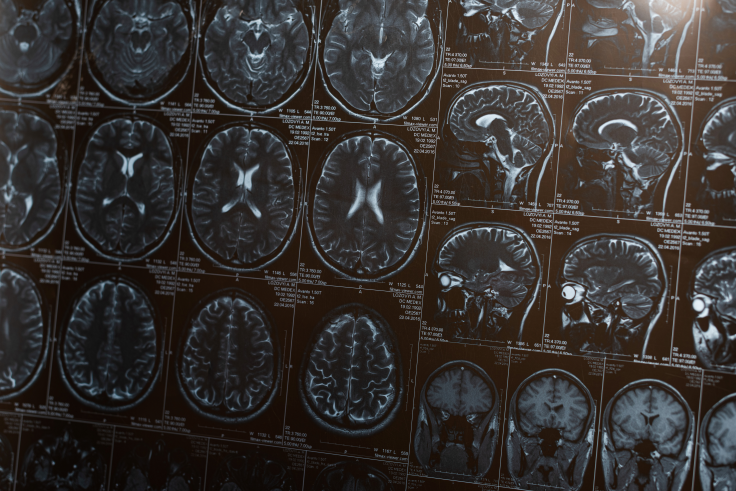
Xrays from a brain scan.

Scientific collaborators Torsten Wiesel and David Hubel made significant advances in our understanding of the brain and perception. Their achievements were a work in progress for roughly a quarter century.

Published August 23, 2005

By Dorian Devins

An air of camaraderie pervaded The New York Academy of Sciences (the Academy) on March 31, 2005 as scientific collaborators Torsten Wiesel and David Hubel were joined by fellow Nobelist Eric Kandel in celebration of Wiesel and Hubel’s recently-published book, Brain and Visual Perception: The Story of a 25-Year Collaboration. The full-to-capacity house included several scientific luminaries and at least one other Nobel Prize winner in the audience.

Kandel kicked off the evening with a vivid description of the pair’s groundbreaking work, characterizing it as “the most important advance in understanding the brain since Ramón y Cajal” at the turn of the 20th century. Santiago Ramón y Cajal won the Nobel Prize in Physiology or Medicine in 1906 in recognition of his work on the structure of the nervous system. While Cajal’s work centered on the morphological aspects of interconnections between different parts of the brain, Wiesel and Hubel’s work used modern cellular physiological techniques to show how these connections filter and transform sensory information both within and on the way to the primary visual cortex.

According to Kandel, “using imagination in addition to methodology is the key to the Hubel and Wiesel success.”

Hubel and Wiesel made several major contributions to our understanding of the brain and perception, including new insights into how the cerebral cortex functions in transforming sensory information. They also did work on binocularity, cellular organization in orientation and ocular dominance, and visual sensory deprivation.

Processing Visual Information

Our dominant sensory experiences are visual, and Wiesel and Hubel’s work showed how visual information is processed in the first few stages after it reaches the brain. They found that the part of the cortex devoted to the early stages of visual processing is arranged in columns, within which the nerve cells have common response properties. An analysis of the image is compiled from this information, and results in what we see.

In other experiments the team also investigated how visual deprivation affects development, which they tested by unilateral lid closure. Hubel and Wiesel found that when one of a newborn kitten or monkey’s eyelids is sutured shut for several weeks or months, the animal is found to be blind once the eye is reopened. When the eye closure is done in adult cats no such result is obtained. In both cats and monkeys there is thus a “critical period” of plasticity, following which sensitivity to deprivation declines and finally disappears.

Their work yielded profound findings, especially in the area of neural circuitry. Kandel described the cerebral cortex’s capability of carrying out novel kinds of transformation of a visual image. Hubel and Wiesel realized that the image is decomposed and then reconstructed later, and their findings influenced not just neuroscience but also areas like cognitive psychology, where they allowed practitioners to develop the idea that the brain creates an internal representation of the outside world. For this work, Hubel and Wiesel were awarded the Nobel Prize in Physiology or Medicine in 1981.

The People Behind the Science

As Kandel pointed out, however, Hubel and Wiesel’s science itself was just one aspect of the evening’s program. It was also an occasion to celebrate their book, a collection of their major papers along with biographical and historical information. But perhaps most importantly, Kandel and the audience were assembled to honor the long and productive collaboration and friendship of these two very different people.

Kandel characterized David Hubel as “whimsical and anti-authoritarian,” someone who “probably couldn’t run a grocery store,” a creative and musical person perhaps not most at home as an administrator. Torsten Wiesel, on the other hand, was a “quiet, humble person who has emerged as really one of the great scientific leaders in the academic community,” in Kandel’s words. “You name it, he runs it!”

As the evening progressed, Hubel and Wiesel reminisced about their partnership. Hubel spoke of the difficulty of working while they were at the Salk Institute in La Jolla. The lull of the surf and general air of relaxation there was not a great motivation to get to the lab. Of their time together overall, he said it was like a “half-century long trip on a roller coaster.”

A Brotherly Relationship

Working and travelling together in their younger days created a brotherly relationship between the two. “We didn’t want to tell people that this kind of work isn’t horribly tedious because we thought that would invite competition,” said Hubel. Much of their success was due to the luck of finding each other at just the right point in the science’s history and in their own careers, and in their hitting it off as they did.

Typically modest, Wiesel gave credit to Hubel for most of the work necessary to create their recent book. In terms of their work in science overall, he said, “You may have the technical skill and the imagination and so on, but you also need luck in life to really have success.”

Wiesel also attributed much of the success of their careers to Steve Kuffler, one of the leaders in the emerging field of neuroscience in the 1950s and ‘60s. Kuffler had been chairman of the department of neurobiology at Harvard while Wiesel and Hubel were there, and his respect was reserved for those who showed up in the lab, did the experiments, and wrote them up. Wiesel said that despite his many administrative accomplishments, “I feel Steve Kuffler would look at me [now] with some disdain and state, ‘Torsten, why did you leave the lab? You’re supposed to do experiments!’”

What Makes Scientists Tick

Wiesel reiterated that he and Hubel had worked very reclusively. From early morning until late at night, they performed every component of their own experiments, from preparation of the animals at the outset to washing the glassware afterwards. By maintaining this atmosphere of privacy, they were able to keep the “primacy of the thoughts and the ideas” from being diluted. Over the years they did not work with many graduate students and postdocs, but were fortunate in the quality of those they did have.

This strategy obviously paid off. Wiesel attributes their motivation and that of scientists in general to “random reinforcement,” like that of B.F. Skinner’s famous pigeons. Wiesel and Hubel’s early discoveries about the visual cortex a few months into their work made it seem to them that one thing naturally led to next. They began without a hypothesis; rather, they had set out to use the new technology of the microelectrode to record the cells in different parts of the brain and try to understand how the cells cooperate. According to Wiesel, “We were explorers of unknown territory.”

Wiesel cited some other important factors aside from luck that lead to success in the sciences, including choosing the right problem to tackle, being observant, and having the right attitude and mentor. As a young scientist who came from Sweden to the U.S to learn more about the brain, he was frustrated by the limited knowledge available in the area. If he and Hubel hadn’t met and formed such a productive relationship, he would have returned to Sweden. One thing Wiesel worries about is that the current academic system does nothing to redirect those who might be better suited to other careers.

The Evolution of Neuroscience

In a question-and-answer session, Wiesel explained that the initial phase of their work was explorative, followed by a period of asking questions. Hubel stated that there was a misconception that “to do proper science it should be done in the image of physics, or the way most people think of physics.” He and Wiesel got ideas and tested them, but “we never would’ve expressed it in such exalted terms of having a hypothesis. One shouldn’t make up rules as to how Science with the capital ‘S’ is done or should be done.”

What surprises might be ahead for neuroscience in the way that Hubel and Wiesel’s discovery of orientation-specific cells once were? According to Wiesel, insights come in stepped points and are quite unpredictable. The study of olfaction has yielded some profound insights, but, for instance, our understanding of hearing is comparatively primitive. It is now an area of great interest to neuroscientists. The next frontier is unknown.

The field of neuroscience has grown exponentially over the years. David Hubel and Torsten Wiesel’s groundbreaking work has been in no small way responsible for this. As it was best put by Eric Kandel, when we celebrate Wiesel and Hubel, “we’re not only celebrating science at its best, we’re not only celebrating two extraordinary people and a wonderful collaboration,” but we’re also celebrating “the reason science is exciting. We’re really celebrating the whole scientific enterprise in celebrating the two of them.”

Also read: Discovering Cancer Therapies through Neuroscience


About the Author

Dorian Devins is a New York-based radio producer whose programs have aired for over 10 years on WFMU, 91.1 FM in the greater metropolitan New York area. For three years she produced and hosted The Green Room, a weekly science radio program which was carried both on the radio and the Web. She currently hosts The Speakeasy, a weekly arts and cultural interview program. She has also conducted an ongoing series of interviews for the National Academy of Sciences’ Web site, does freelance writing, and works as an acquisitions editor of technical physics books.

Devins’ background has been mostly in the arts and publishing. She was founder and executive director of Science Matters, Inc., a nonprofit organization dedicated to the public understanding of science.

An Interview with NYU’s Peter D. Lax

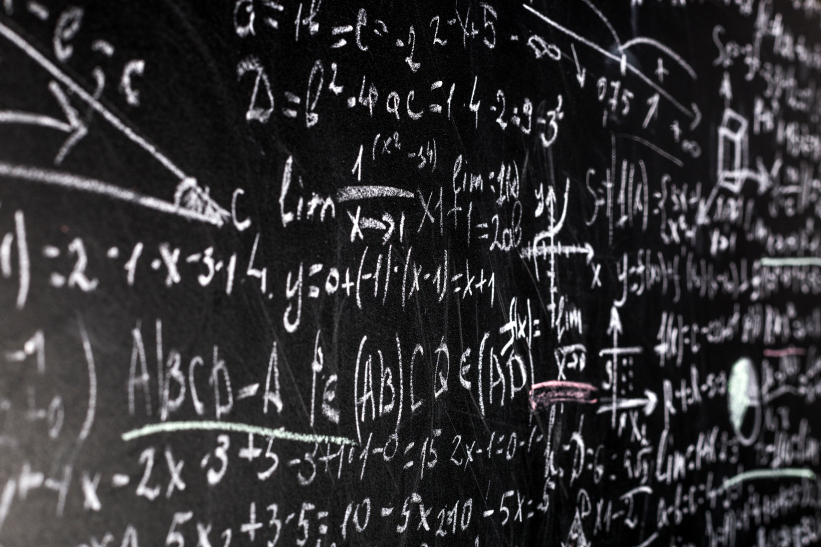
A blackboard with math equations scribbled on it.

The Abel Prize-winning mathematician talks about his life and career, from emigrating to the United States from Hungary to what he calls the “paradox of education.”

Published June 1, 2005

By Dorian Devins

Image courtesy of alesmunt via stock.adobe.com.

Peter D. Lax is professor in the Mathematics Department at the Courant Institute of Mathematical Sciences, New York University. At age 15 he traveled to the United States from Hungary with his family. His career at Courant began in 1950, and has been interspersed with work at Los Alamos National Laboratory. Dr. Lax’s efforts have concentrated in the area of partial differential equations, and he is recognized for significant contributions to nonlinear equations of hyperbolic systems and for the Lax Equivalence Theorem, among other contributions. He is a member of the National Academy of Sciences and the recipient of many honors and awards, most recently the 2005 Abel Prize, often referred to as the “Nobel Prize of Mathematics.”

Was coming to the U.S. a difficult transition?

I didn’t know much English at first. My parents chose NYU because of Courant, who had the reputation of being very good with young people. At 18 I was drafted into the Army and, thanks to Courant, sent to Los Alamos. I spent a fantastic year there. After finishing my Ph.D. in ‘49, I went back to Los Alamos for a year and thereafter almost every summer into the sixties. That’s where I got involved with computing.

One advisor was John von Neumann. He realized that you couldn’t design nuclear weapons by trial and error – you had to calculate to make sure the design worked. He understood that traditional tools of applied mathematics wouldn’t work; there had to be massive computation. Being von Neumann, he realized this would work for other big engineering designs and for scientific understanding.

You must’ve met a lot of characters there.

I knew Richard Feynman during the war. He was maybe 25, but already legendary. I met Teller and Hans Bethe, who was a wonderful man and a spokesman for science. Feynman could have become that, but he had this terrible illness and died. Others who did very important work were Niels Bohr and Leo Szilard. Szilard liked to operate behind the scenes, but was extremely intelligent and could foresee the future.

How did you end up choosing the path of partial differential equations?

My teachers had done studies in that field. It’s very broad. The word partial just means that it deals with functions of many variables. Most physical theories are expressed as differential equations, like the propagation of sound, flow of fluids, and the way elastic material bends.

Did you approach the problems through mathematics or think about the applications first?

When I was at Los Alamos I thought about the applications, but back here I follow the mathematics.

What is the work you’ve done that you’re most proud of and has been your most important?

I’ve worked on five or six different things. I couldn’t say which one is my favorite. The work on dispersive equations I like very much. The work on shock waves and in scattering worked out very well. I’ve done something very interesting in what can be called harmonic analysis. I did lots of things in functional analysis.

You work in applied and pure mathematics. Is there usually a pretty clear-cut line between the two?

No, everybody mingles. You have to have a balance. Mathematics is taught to children in a way that is very numbers oriented.

Shouldn’t there be a better way to get kids engaged and show the relevance and beauty of math?

Peter D. Lax

Many people think that mathematics theorems are something you memorize. One of the first things to impress on them is that mathematics is thinking. You don’t have to know anything; you can figure it out. Later you have to know a lot, but to get into it you can just figure it out in your head. I think once they get that, they lose their fear. There’s something I like to call the paradox of education: Science and mathematics evolve by leaps and bounds. But does that mean that what we teach in college and high school falls behind by leaps and bounds? The answer is not necessarily. New advances often simplify things tremendously, and whole branches of mathematics can be replaced by something much simpler.

What do you feel will be the most interesting or important areas of mathematics in the near future?

It’s hard to predict. Dispersive systems didn’t look so interesting until there was an astonishing discovery that nobody could have foreseen. Biologists are begging mathematicians to come in. The problems they have are somewhat different from the kinds that mathematicians have been working on before.

Is mathematics following other fields, in that the biological areas are booming?

Yes. I wish mathematics and computer science would move closer. It would be good for both.

On the connection between physics and mathematics: Was it Wigner who wrote the famous paper?

“The Unreasonable Effectiveness of Mathematics in the Natural Sciences.” It was a lecture held here, part of a series of lectures in honor of Courant. One could make a biological point: Why is our brain capable of doing mathematics? Being able to recognize saber-toothed tigers is an evolutionary advantage. But formulating and solving differential equations? These are big questions that evolution isn’t yet ready to answer.

Has winning the Abel Prize changed your life in any way?

It brings interviews, and I get more email about it than about cheap pharmaceuticals. I’ll be happy to go back to my life. Life is mathematics; it’s wonderful

Also read: An Interview with Scientist Dr. Cindy Jo Arrigo