A New Blueprint for Effective Green Architecture

From local sourcing of materials to utilizing renewable energy, the sustainable building design revolution has transformed the way that architects and engineers approach construction.

Published November 1, 2003

By Jeffrey Penn

Image courtesy of ArLawKa via stock.adobe.com.

As environmental awareness spreads around the globe, the so-called “greening” of architecture has ignited a revolution in the design and construction of buildings, according to one of the nation’s leading experts in the field.

“The concept of sustainable building design has led to a new architectural vocabulary – known as ‘green buildings’ – that is transforming the way we act and think about the environment and the buildings we construct,” said Hillary Brown. Titled “Visioning Green: Advances in High-Performance Sustainable Building Design,” Brown spoke at a August 26 2003, meeting, cosponsored by The New York Academy of Sciences (the Academy) and the Bard Center for Environmental Policy.

Former director of Sustainable Design for the New York City Department of Design and Construction, Brown now heads her own firm, New Civic Works, which specializes in helping local government, universities and the nonprofit sector incorporate sustainable design practices into their policies, programs, and operations.

“These new practices are beginning to catalyze not only the construction industry, but also the wider society” as people learn about the issues at stake, Brown said. “All sectors are mobilizing around sustainable building design.”

Paying Attention to Nature

“The increased recognition that buildings can contribute directly toward a healthy environment in which to live and work,” Brown said, provides the context for the architectural revolution.

Brown presented a blueprint for “green principles” in new buildings, including climate-responsive designs and an understanding of the relationship between the building and its location. “In this view, water, vegetation and climate are taken into account in the design of the building, with special attention paid to how the building’s infrastructure affects its surroundings,” she said.

“Nature and natural processes should be made visible in green buildings,” Brown added, noting that the form and shape of the building should take into account the interactions between the occupants and the building itself.

“Technology often displaces our connection to the natural world,” Brown contended. Green buildings, she pointed out, “help to improve a sense of health and well being as occupants are put in touch with their natural surroundings.”

According to Brown, studies show that “people are more comfortable in green buildings than conventional buildings.” She asserted that four factors have a substantive impact on performance and mood inside buildings: air quality, thermal comfort, amount of natural light, and appropriate acoustics.

Minimizing Waste of Resources

In addition to aesthetics and comfort, green buildings respond to ecological concerns by “minimizing the impact of human activity in lowering the levels of pollution during both the construction and maintenance of the building,” Brown said.

“Conventional methods of building design and construction leads to depletion of natural resources,” she added, “especially because carbon-based fuels are used extensively during construction and in the operation of the buildings’ infrastructure after completion. Green buildings attempt to minimize the waste of water, energy, and building materials,” Brown said. Within the construction industry, architects and builders have set goals to substantially reduce emission of carbon dioxide during construction and operation of buildings.

Brown noted that green buildings employ the use of daylight in combination with high-efficiency lighting. Use of horizontal “light shelves” and other well-designed building apertures, for example, can reflect daylight deeper into buildings, displacing the need for artificial lighting. Other passive comfort-control techniques include the use of natural ventilation and an improved building envelope to reduce dependence on mechanical systems. Still other green buildings are cooled/heated by utilizing the constant ground temperatures of the earth as a heat source or heat sink.

Designers of green buildings also seek to reduce or eliminate construction materials that contain unstable chemical compounds that, as they cure over time, are released into the environment – such as adhesives, sealants and artificial surfaces. “We need to think about eliminating these noxious chemicals from the building palette,” Brown said.

In addition, Brown said that architects are paying more attention to recycled and local materials in construction. “The selection of local and regional materials means a lower consumption of transportation energy during construction,” she noted. Brown also encouraged the increased use of renewable materials, woods – such as bamboo – or other wood products that are “certified” grown in renewable forests.

Improving Public Spaces

Although architects and builders have been slow to integrate “green principles” into most residential blueprints, Brown cited their incorporation into public buildings such as courthouses, libraries, and performance spaces and schools.

She cited a study from California that revealed elementary students in classrooms with the most daylight showed a 21% improvement in learning rates when compared to students with the least amount of daylight in their classrooms.

For businesses, Brown said improved air quality would likely result in reduced absenteeism from asthma and other respiratory diseases, may lower other health-related costs, and generally help to improve productivity in the workplace. Although she acknowledged that the average well-designed green building might have a slightly higher initial construction cost, up to 3%, she stressed that the long-term savings in operating expenditures can be as much as 33% or higher.

Brown also said urban streetscapes should employ sustainable design practices, including efforts to reduce the “heat-island affect” with increased planting of trees and use of light- or heat-reflective materials in sidewalks, streets, and roofing membranes. In addition, she cited opportunities for improved water resource management by recycling once-used tap water from sinks for irrigation and cleaning, and by installing green roofs or other systems that harvest usable storm water from the roofs of buildings.

‘Civic Environmentalism’

Brown said that although there are still some barriers to incorporating green principles in construction – such as increased costs, the difficulties of apportioning savings to both tenant and developer, and various regulatory disincentives – she noted that the federal government, several states, and many municipalities are beginning to demand or incentivize green buildings. She predicted that building and zoning codes would eventually more adequately reflect the interest in green buildings as society embraces what she called, “civic environmentalism.”

Also read: Green Buildings and Water Infrastructure

Science Education: The Why Behind the What

What is inquiry-based learning and why are some college instructors turning to it for teaching complicated scientific topics?

Published September 1, 2003

By Margaret Crane

Image courtesy of stokkete via stock.adobe.com.

The United States may be the world’s only superpower, but on the science and mathematics literacy front the U.S. remains very much a nation at risk, according to recent reports issued by the Office of Science Education of the National Institutes of Health (NIH), the National Commission on Excellence in Education, and the National Research Council. Each of these organizations cites an alarming gap between the state of science education in the U.S. and the stunning challenges the nation faces – hurdles that cannot be overcome by scholars and experts alone, but that require an educated citizenry.

In addition, the Organization for Economic Cooperation and Development (OECD) reports that grade-school students in the U.S. have fallen behind their counterparts in a number of other economically advanced countries. Meanwhile, the percentage of science majors at U.S. colleges and universities continues to dwindle. Asked why they shy away from science and math, many students reply that these subjects are simply “too hard.”

It is true that the sciences are more “content-heavy” than some other disciplines, but every student should be able to experience and understand science, at least up to a point, said Francine J. Wald, a speaker at the first of three meetings this spring entitled “Why Inquiry? New Models of College Teaching Science,” administered by The New York Academy of Sciences (the Academy). Wald, a physicist on the faculty of New York University’s School of Education, believes the onus for widespread science illiteracy is not on students but on science educators, who tend to privilege memorization over experiential learning.

No Misconceptions, Only Explanations

Dewey I. Dykstra, Jr., professor of physics at Boise State University and a fellow panelist at the March 21 meeting, seconded Wald’s argument: “It’s not about imparting knowledge and supplying the right answers, but inducing students to examine and reconstruct new, more effective understandings of their world.” In his view, there are no misconceptions, only explanations that don’t fit experience.

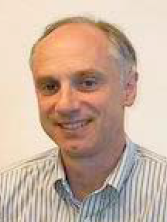
Fernand Brunschwig

Barbara Williams, an astrophysicist on the faculty of the University of Delaware, and Fernand Brunschwig, a physics “mentor” at New York City’s Empire State College, further explained that although the inquiry approach isn’t a panacea, it represents an advance over orthodox methods in its ability to stimulate critical thinking.

The essence of inquiry can be summed up as a process that aims at understanding the “why” behind the “what.”

An audience of physics teachers received a crash course in the method when asked to observe a demonstration, discuss their ideas with others at their table, and come up with possible answers to several pointed questions.

First, an old gooseneck lamp was placed on a surface. The lamp’s 40-watt bulb housed a five-sided filament with one side open. Then, Dykstra placed a lens between the lamp and the wall and turned on the light. The resulting projected image was clearly inverted.

Fifty percent of those present believed some property of the lens had caused the image to invert. In just 15 minutes, however, some of the meeting’s participants homed in on a working explanation for the inversion, which occurs as a natural consequence of many light rays going out in all directions from each point on the filament.

Simple, Hands-On Exercises

If they had been Dykstra’s students, they would have had more time to explore the limits of the ray theory and find their way to the wave, versus particle, theory of light and to the laws of refraction, diffraction, interference and reflection that were first postulated in the 17th century. In this way, a simple, hands-on exercise can become a window into a host of contending theories, including those of Huygens, Newton, and Einstein.

Moreover, inquiry is driven by student understanding. The teacher’s role is to engage students in a process of examining the world around them in ways that challenge their existing ideas.

Small groups of proactive students are another distinguishing feature in inquiry-based classrooms. So is the use of technology – especially for math teachers in their efforts to help students make the connection between mathematics and real-world experiences. The inquiry-based math classroom resembles a workshop, where students learn by doing, then reflect on what they’ve done.

At the Academy’s second inquiry meeting, held on April 2, Nancy Baxter Hastings, professor of mathematics at Dickinson College, projected a graph onto a large screen and used a motion detector to demonstrate the nature of functions. The x-axis was labeled “time,” and the y-axis represented “distance.”

After hitting the requisite button on the instructor’s laptop, an audience member was asked to move forward and backward several times, making the blue line on the graph depicting the relationship between time and distance rise and fall with each movement. Technology can make the study of mathematics engaging, relevant, and fun, said Baxter Hastings, especially for students who believe they lack mathematical ability.

Quantitative Reasoning

Frank Cerreto

To broaden and deepen the learning experience, said Stockton College’s Frank Cerreto, it’s important to show students how quantitative reasoning infuses virtually every discipline. “Students take a calculus class, then a business class where they study compound interest, and then a biology class where they study bacterial population growth, but they don’t realize that the latter two are about the same thing as calculus,” he said.

Judith McVarish, assistant professor at the Steinhardt School of Education at NYU, agreed with Cerreto’s emphasis on interdisciplinary learning as a way of encouraging students to think creatively. “School is usually about getting the right answers, not asking questions,” she said. The inquiry-oriented math teacher’s task, therefore, is to design activities that will help students think like mathematicians – that is, to explore, guess, learn from their errors, and share their ideas with peers. The aim is to nurture a community of learners, as opposed to an atomized group of students who are alternately bored, anxious, or simply going through the motions: a familiar state of affairs captured by the phrase, “Do we have to know that?”

If the word “science” provokes fear, boredom and dread in the hearts of young people, there’s something wrong with their perception – and with the origins of that perception in how science teachers teach. This was the core message of the Academy’s third session, held on May 12.

Merle S. Bruno, professor of biology at Hampshire College, embraces the inquiry approach as pivotal in changing student attitudes and educational outcomes: “We want students to be wowed and energized by science,” she said.

Innovations in Teaching Human Biology

At Hampshire, Bruno was instrumental in introducing an innovative human biology course using actual medical cases to guide students through human anatomy and physiology. “We give the students a little information about a case and let them go from there,” she said. Working in small groups of four or five, students develop three categories of questions:

– First, what do we know about the person?

– Second, what do we suspect?

– Third, what do we need to know?

Each student in the group takes responsibility for one piece of research, and after several rounds of what doctors call “differential diagnosis” – ruling out what is not happening – a diagnosis is reached. And it usually turns out to be the right one.

The Academy’s audience of science teachers had a chance to think together about a medical case, develop the three types of questions specified above, and take a shot at diagnosing the problem. It turned out to be celiac disease, a digestive condition triggered by an allergy to gluten.

Practical Problem-Solving

Along with her like-thinking colleagues in physics and mathematics, Bruno believes practical problem-solving helps students learn by upping their motivation and building self-confidence. Jeannie Drew, who heads the Science Department at Riverdale Country School in Riverdale, New York, is pioneering similar strategies in a grade-school setting. This year, her 7th-graders created a mock crime-scene lab and tested “urine” samples for excess sugar – a sure-fire way of identifying a criminal known to have diabetes.

It all sounds like great fun, skeptics may say, but is it science? Proponents of the inquiry approach respond to this query with an enthusiastic, if qualified, “yes.” They admit that the workshop-based classroom has its disadvantages. “Content always gets sacrificed,” said Drew. “Because thought and discovery come first, we spend a longer time on projects, which means we often can’t cover enough material to compete well on national tests.” But when it comes to long-term understanding and critical thinking, this approach can’t be beat.

It’s science when students learn to read studies, evaluate data, design experiments and think like scientists and mathematicians. That’s precisely what students do in an inquiry-based classroom, where a new foundation for an educated citizenry is being laid, one inquiring student at a time.

Also read:  Embracing Globalization in Science Education

Diabetes: Controlling the Uncontrolled with Science

Medical advances in recent years have enabled doctors and other health professionals to better understand the scientific mechanisms behind diabetes, which in turn is enabling them to better treat patients.

Published September 1, 2003

By Rosemarie Foster

Image courtesy of thodonal via stock.adobe.com.

A typical supper in Sunflower County Mississippi, might start with a basket of hot fried cornmeal hush puppies, followed by a heaping plate of spicy barbecued ribs or crispy fried catfish, topped off with a hefty slice of sticky pecan pie, and washed down with a frosty glass of generously sweetened iced tea. To many, this mouthwatering meal may sound like heaven, but for the tens of thousands of residents of this Mississippi Delta community, it could also be a recipe for diabetes.

Although the Delta is famed for its blues and gospel music, lush fields of cotton, and delectable culinary contributions, it also has the unfortunate distinction of having the highest per capita incidence of diabetes in the United States. Due to an ill-fated combination of genetics, ethnic factors, poverty, cultural obstacles, and a downright unhealthy diet, 10.3% of Mississippi’s population has diabetes, with 7.7% having the type 2 variety. In Sunflower County alone – home to some 40,000 people – one in five residents has diabetes.

But big changes are afoot in Sunflower County, noted Scott Nelson, MD, a family physician and Mississippi native. Nelson was one of five presenters who spoke at a meeting in June called Addressing the NEW Diabetes Epidemic: Uncontrolled Diabetes. The gathering – a conference for science writers – was supported by an educational grant from Aventis Pharmaceuticals Inc. and was hosted by The New York Academy of Sciences (the Academy).

Overcoming Cultural and Financial Obstacles

Public health programs have been started in an effort to overcome the cultural and financial obstacles that prevent many Sunflower residents from adequately controlling their diabetes. Moreover, these programs may serve as models for nationwide efforts to control the rapidly escalating epidemic of type 2 diabetes. The conference presenters addressed the physiological basis of type 2 diabetes, its potential complications, the importance of self-monitoring, the growing role of insulin in its treatment, and new approaches with a greater chance of helping people manage their disease.

Stephen N. Davis, MD, chief of the Division of Diabetes, Endocrinology and Metabolism at Vanderbilt University School of Medicine, described the differences between type 1 and 2 diabetes. Type 1, the type most commonly seen in children, is characterized by destruction of the insulin-secreting beta cells of the pancreas, and results in a lack of insulin. Type 2 – which is commonly called “adult-onset” diabetes, but is now also being detected in children – may feature resistance to insulin and result in insulin deficiency, with beta cells becoming progressively dysfunctional.

Of the 17 million Americans who are estimated to have diabetes, 90-95% have the type 2 variety, but some 5 to 6 million of them don’t know it. Millions more have impaired glucose tolerance, a form of “prediabetes” that can sometimes lead to diabetes if left unchecked. And the problem is only getting worse, with a five-fold increase in the incidence of type 2 diabetes noted during the latter half of the 20th century in the U.S. “You can appreciate what a large public health problem that is,” asserted Davis.

A Genetic Component

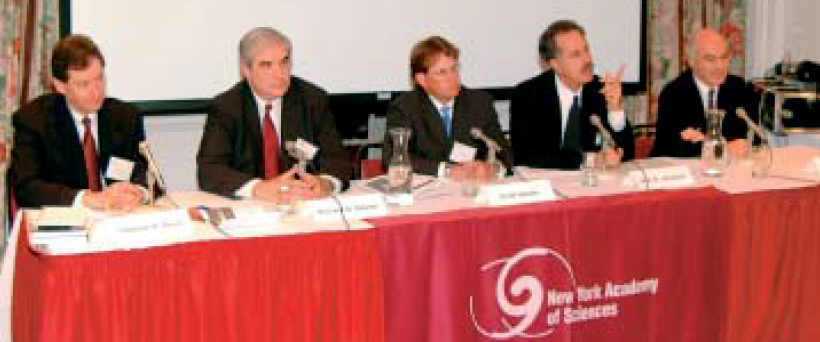
Doctors agree that treating diabetes requires a team approach. At a panel discussion, from left: Stephen N. Davis, Richard S. Beaser, Scott Nelson, Alan M. Jacobson, and Stephen Brunton. Photo by Michael Gaffney.

So what can we do about it? The disease has a strong genetic component, a risk factor that can be compounded by an unhealthy lifestyle. Exercise helps by moving glucose from the bloodstream into the muscles. Since fatty acids decrease glucose uptake by the muscles and increase glucose production by the liver, following a diet low in fat can reduce diabetes risk. And different medications work by helping the body to regulate blood glucose levels.

“Despite great advances over the last 10 years, and despite knowledge that if we can control blood glucose to normal levels we can reduce the complications and burden of diabetes, most people [with type 2 diabetes] do not have good glucose control,” said Davis. “We still have great challenges. We’ve got to understand what’s going on in the body so we can intervene appropriately.”

Although monitoring daily blood glucose is an integral part of diabetes management, it’s not the whole story. A more important number today is glycated hemoglobin, or hemoglobin A1C, which is commonly abbreviated as “A1C.” Blood A1C levels represent average glucose levels during the past two to three months. Combined with vigilant daily glucose monitoring, periodic A1C testing offers “a window into the metabolism,” said Richard S. Beaser, MD, a senior physician at the renowned Joslin Diabetes Center in Boston.

The American Diabetes Association recommends that people with diabetes aim for an A1C of less than 7%, while the American College of Endocrinology suggests an even tighter goal of 6.5%. (People without diabetes usually have an A1C level between 4% and 6%.) But getting people to that point isn’t easy, as demonstrated by the statistic that some 57% of people diagnosed with type 2 diabetes still have an A1C level of more than 7%.

A Host of Complications

That could be exposing them to a host of complications. People with type 2 diabetes may have increased blood clotting, high cholesterol and hypertension. If not adequately controlled, diabetes can cause retinopathy (degeneration of the blood vessels in the eye, leading to blindness), abnormal electrocardiogram readings, kidney disease (leading to the need for dialysis and sometimes kidney transplantation), nerve damage, coronary artery disease (which can result in a heart attack), peripheral vascular disease (resulting in leg and foot ulcers and even amputation in some patients), and stroke.

Even modest improvements in A1C can dramatically reduce the risk of diabetes complications. The United Kingdom Prospective Diabetes Study reported that every 1% decrease in A1C lowered the incidence of microvascular complications by 35%, diabetes-related mortality by 25%, myocardial infarction incidence and mortality by 18%, and total mortality by 7%.

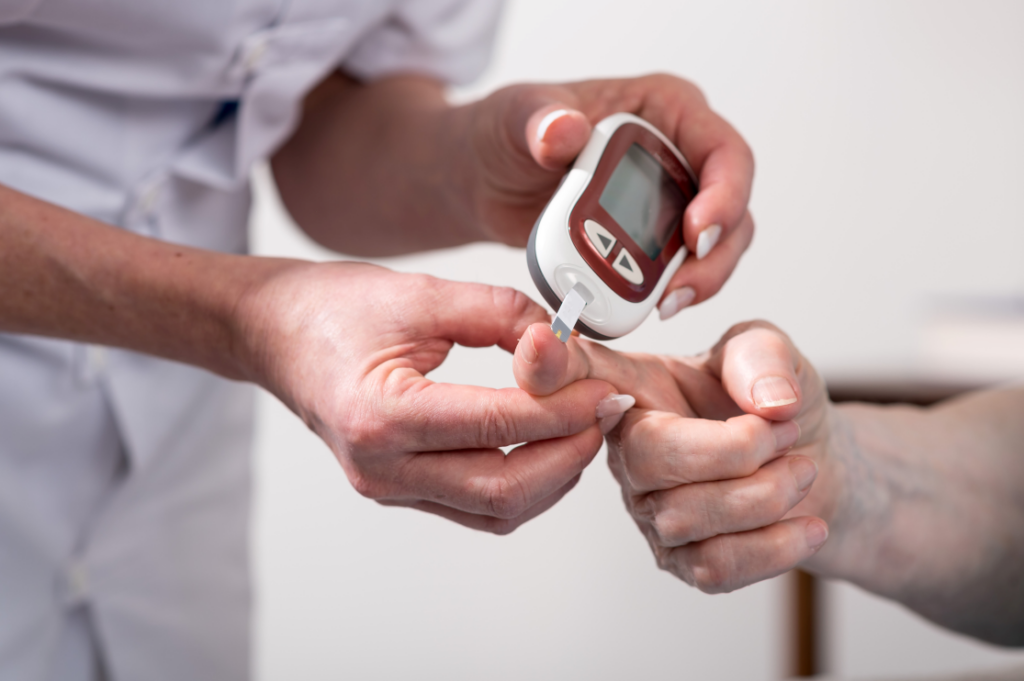
Patients can achieve optimal A1C levels by monitoring blood glucose levels several times a day, as directed by their doctors. This can be done using traditional finger-prick techniques, or newer digital blood glucose testers that enable the patient to draw blood from a less sensitive area, such as the arm, and store the information in the testing unit. Patients should share the results with their healthcare providers as well.

The payoff of such self-monitoring has been clinically proven: Beaser noted a study showing that 70% of people who tracked their blood glucose regularly achieved an A1C level below 8%, compared to only 18% of those who tested irregularly. “So clearly there’s a relationship between frequency of monitoring and results,” he contended.

A significant problem, noted Beaser, is that diagnosis happens too late. He explained that 18% of people with type 2 diabetes already have retinopathy at the time of diagnosis, a disorder that may have begun up to five years before.

“Missing the Boat”

“We’re really missing the boat in terms of diagnosis,” he emphasized. “We need to diagnose diabetes earlier, before it does its damage, and perhaps even diagnose insulin resistance before it causes diabetes.”

He encouraged doctors to screen all adults over age 45 for diabetes every 3 years, and to screen those at increased risk earlier or more frequently. Risk is greater among people with a family history of diabetes, the obese (those who are more than 20% above ideal body weight), those from certain ethnic groups (including Native Americans, Hispanics, and African-Americans), those with high blood pressure or cholesterol, and women who have had gestational diabetes or delivered a baby greater than 9 pounds.

Once type 2 diabetes is diagnosed, Beaser encouraged combination therapy, when necessary, to lower A1C levels. Different oral diabetes medications work through different mechanisms: Some increase insulin secretion by beta cells, others increase the body’s sensitivity to insulin, and a third group slows the breakdown and absorption of starches and sugars. As a result, many patients may need more than one drug to control their blood glucose. “These medications, used alone or in combination, can lead to important improvements in glucose control,” he asserted. Medication in combination with lifestyle changes would be optimal, but Beaser noted that it can take years for many patients to adopt healthier practices – years that may lead to potentially lethal complications.

“Our challenge is to allow people to have a lifestyle that is as normal as possible,” he concluded. “With the tools we have today, we can do that better than ever before.”

“This is Not Your Grandmother’s Insulin”

Despite oral diabetes drugs and lifestyle changes, blood glucose remains uncontrolled in many patients with type 2 diabetes. For these patients, insulin injections may be the answer. But insulin isn’t what it used to be: Today some patients can get by with a single dose of long-acting insulin each night, using a fine-gauge needle that causes little discomfort. “This is not your grandmother’s insulin,” emphasized Scott Nelson.

Some 25% of the patients in Nelson’s Mississippi practice have diabetes, and many of them have been helped by insulin therapy. Until recently, insulin for type 2 diabetes has had a bad rap among doctors, many of whom saw it as a last resort and an indication of treatment failure. But today’s long-acting insulins not only control blood glucose and match normal insulin secretion patterns, but also are easier for patients to take regularly.

Typically, patients with type 2 diabetes begin receiving insulin therapy some 10 to 15 years after their diagnosis, when diabetes complications may have already started. Nelson recommended insulin therapy earlier in the course of the disease, “before the proverbial train has run down the mountain and crashed into the village.” Recent studies have shown that early intervention with insulin therapy may not only control blood glucose in type 2 diabetes, but also may prevent or delay the progressive loss of beta cell function caused by the disease.

A Team Approach

Nelson also supported a team approach to controlling diabetes. The patient must monitor his or her blood glucose several times a day, take any medications as prescribed, and see a healthcare provider regularly. But doctors also need to step up to the plate, ensuring that their patients get the education they need and that those without diabetes are screened periodically to find the disease in its earliest stages. “If we put the team structure in place, there’s a lot that can be done,” stressed Nelson. In Mississippi, such an approach has resulted in programs that help impoverished patients obtain access to care they may not have otherwise been able to receive.

Alan M. Jacobson, MD, senior vice president of the Joslin Diabetes Center, underscored the importance of positive messages to encourage people to take charge of their health. “Changes in care over the last 25 years have changed the course of diabetes in some important ways,” he stated. “The challenge is to get this message out to the broadest audience.”

Patients need to know that better blood glucose control can pay off for them, and that such control needs to start early in the course of the disease. Many patients are fearful of starting the journey to such goals because they fear failure. Jacobson encouraged doctors to help patients separate their goals into “achievable bits,” rather than emphasizing the end result all at once. It’s easier to think of reducing A1C by 1% at a time, for example, rather than immediately going for a 3-4% decrease.

Overcoming Patient Fears

Stephen Brunton, MD, of Stamford Hospital/Columbia University Family Practice Residency Program in Stamford, Connecticut, agreed that there’s a need to overcome patients’ fears. “This disease is so fraught with misconceptions,” he said. “People may not only not want to discuss it, but they may not see their physicians when they need to.” He encouraged the development of programs that teach patients both how to control their glucose and how to maintain their quality of life.

Vital to those programs are resources that healthcare providers need to educate their patients effectively. Continuing medical education courses for doctors and simple tools for patients (such as flip charts, booklets, and videos) could facilitate the process. “Our goal as clinicians is to access patients who have less access to care, and to provide tools they may not have,” Brunton concluded. “This disease, like no other, needs to be managed by a team. As a team, we can get a handle on this epidemic.”

Also read: Challenges in Food and Nutrition Science

An Entertaining Approach to Science Education

Who said that science can’t be fun? These scientists let lose for the night to both entertain and educate their audience.

Published June 1, 2003

By Dennis Gaffney

Image courtesy of Chalabala via stock.adobe.com.

It’s about an hour before Helen Davies is scheduled to sing in the basement grotto at the Cornelia Street Café in New York’s Greenwich Village. The crowd hasn’t yet filtered into the long and narrow bohemian space, with its low ceilings, candle lighting, and tables the size of pizza pies.

By day, Davies is a professor of microbiology. Performing, though, as her stomach reminds her, is not the same as teaching. “I guess you’d say I have butterflies,” admits the professor, who is 77 years old. “That’s a gastro-entomological term.”

Davies is part of the February edition of the monthly “Entertaining Science” series, which aspires to mix a little science, the spoken word and some music in a café setting. Tonight, Davies does all three when she steps onto a stage not much larger than a hospital gurney and sings “Leprosy,” written to the tune of the Beatles hit “Yesterday:”

Leprosy…
Bits and pieces falling off of me.
But it isn’t the toxicity
It’s just neglect of injury.
Suddenly,
I’m not half the man I used to be
Can’t feel anything peripherally…

Davies, a professor at the University of Pennsylvania, usually uses such songs – “I have about 40, but I’m happiest with 12,” she says – to provide mnemonic devices to medical students who must memorize mountains of minutiae about infectious diseases.

Song as a Mnemonic Device for Medical Students

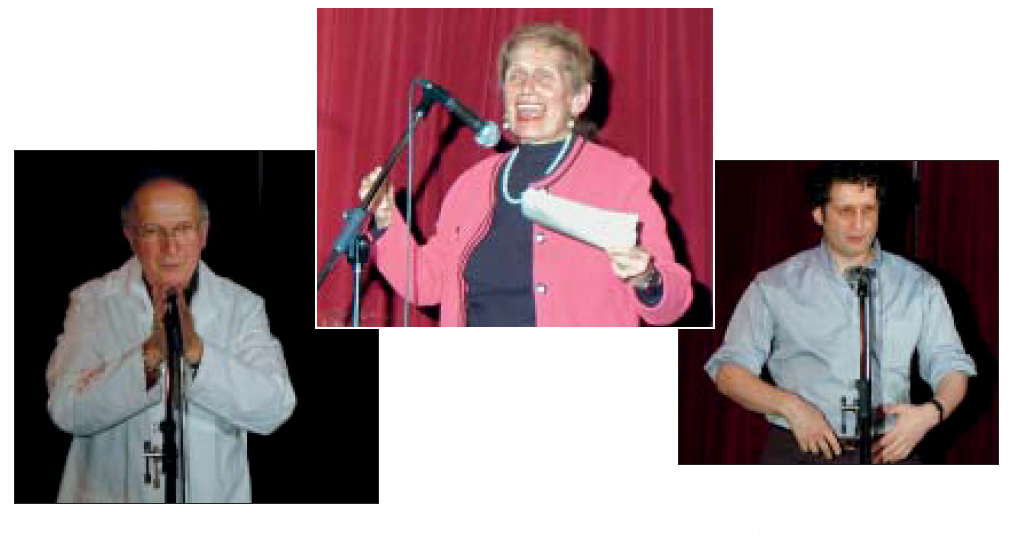
From left: Nobelist Roald Hoffman, Professor Helen Davies, and filmmaker Daniel Conrad.

A good example is “Gonococci,” a homage to bacteria that cause gonorrhea. Davies wrote the lyrics to the tune “She’ll be Comin Round the Mountain When She Comes.” This evening, Davies asks just the men in the audience to sing the second stanza from the song sheets she has distributed:

Let’s not clap for gonococcus named for Neisser
Which infects when to your life you add some spice sir.
Prostatitis, urethritis,
And Epididymitis
You can get it many times, not once or twice sir.

The audience breaks into laughter as often as it breaks into song. It’s just the kind of performance that Roald Hoffmann, the playful master of ceremonies for “Entertaining Science,” loves to schedule. “We’re not trying to teach science as much as we’re trying to have fun with science,” explains Hoffmann, who is a poet and a popularizer of science – as well as a Nobel Prize-winning chemist. “For me, the arts are a complementary way to understand this beautiful and terrible world around us.” Robin Hirsch, one of the café’s owners, has compared the combinations of art and science that Hoffmann has scheduled to “atomic particles colliding together.”

Benoit Mandelbrot, largely responsible for fractal geometry, told stories about fractals at the evening titled “The Smooth and the Wildly Rough,” held last September. “I discussed the eternal fight between the rough and the smooth,” says Mandelbrot, who is in attendance this evening. “There’s no good story without conflict.”

Poetry, Music, Film, and More

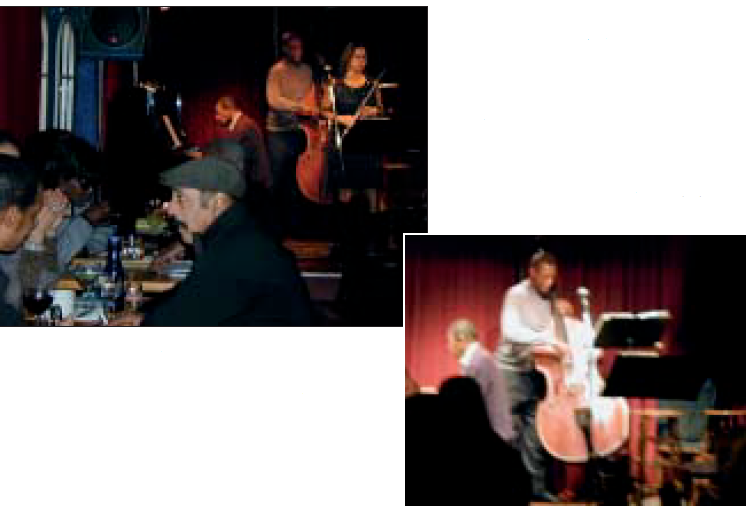
Food, wine, and…all that jazz.

Sharing the stage with him that September night was poet Emily Grosholz, who read poems sparked by high-level mathematics. Experimental musician Elliott Sharp played fractal-inspired music on his electric guitar. A program last December included a Columbia University chemist who described his research on the biochemistry of vision. A colleague then joined him on stage and the two each dazzled the crowd with magic tricks – hence the evening’s title, “Now You See It, Now You Don’t.”

“The evening must have two elements,” Hoffmann says. “It has to have a theme and then two or three performers who are loosely connected.” The connection this February evening is familial. The warm-up act to Davies is Daniel Conrad, a one-time molecular immunologist who has become an experimental filmmaker. He also happens to be Davies’ son.

The filmmaker began the evening by discussing how films are structured like organisms – pretty academic stuff. Then he showed two of his films, which featured the poetry of Rainer Maria Rilke, a classical music soundtrack, the buildings of Spanish architect Antonio Gaudi, views of Canada’s Queen Charlotte Islands, and super-imposed dancers who moved more like organisms than humans.

A Free Meal

Clearly, the films are more art than science. All the performers, regardless of their fame, are paid with only a free meal, which they eat upstairs in Cornelia Street Cafe’s restaurant after the show. While waiting for dinner, Mandelbrot explains why he regularly attends the series. “All my work is between fields, so the people I feel most at ease with don’t have a devotion to just one field,” he says. He’s referring to the dozen people at the dinner table, who, lubricated by a few complimentary bottles of wine, converse about the pianist Glenn Gould, Lyme disease, grandmothering, Tourette’s syndrome, and choreographer George Balanchine.

“People have told me we could fill Carnegie Hall with this series,” says Hirsch. “But there wouldn’t be the same sense of play. There would be too much at stake. Besides, Helen would have to worry about singing perfectly in tune.”

Also read: Neural Harmony: When Arts Meets Neuroscience

The Promise and Limitations of Carbon Capture

Advances in a new technique known as carbon capture will be critical as carbon-based energy supplies continue to be used around the world.

Published June 1, 2003

By Chris Michaud

Image courtesy of Leonid via stock.adobe.com.

How long can earth’s carbon-based energy supplies be sustained in the face of rising global demand? Can the environmental challenges that such energy sources pose be effectively mitigated?

To address these questions, Columbia University Professor Klaus S. Lackner told an April 17, 2003, Environmental Sciences Section gathering at The New York Academy of Sciences (the Academy) it is necessary “to destroy some preconceived notions.”

“Our problem is not that we are running out of energy,” Lackner told the audience. Rather, he posited that the problem lies in finding environmentally acceptable means of utilizing existing carbon resources to meet the world’s rising energy requirements. “Whether we like it or not,” he said, “we will have to look at carbon as a resource, see whether we have enough of it, and use that for the foreseeable future – in an environmentally acceptable manner.”

Now the Ewing-Worzel Professor of Geophysics at Columbia’s Earth Institute, Lackner’s opinion is based on 18 years of research at the Los Alamos National Laboratory, in New Mexico, where he worked on finding environmentally acceptable technologies for the use of fossil fuels. Fossil fuels provide 85 percent of all energy used in the world today. Contrary to common popular belief, Lackner said carbon-based resources continue to be both plentiful and relatively inexpensive.

Noting that the level of atmospheric carbon dioxide has risen from about 315 parts per million in 1958 to about 370 parts per million today, Lackner said the dilemma lies in the fact that “fossil carbon has caused environmental problems that need to be fixed,” adding that “we really cannot go on like that indefinitely.”

Demand for New Energy Innovations

Nevertheless, he noted that the continuing global desire for economic growth and development demands new energy innovations. Displaying a series of detailed charts and graphs showing historical energy consumption and GDP (gross domestic product) projections for the coming decades, Lackner said, “we are clearly creating an enormous shortage” by removing fossil carbon energy sources from the energy picture.

Due to increasing evidence of global climate change, Lackner said many people now believe the world must reduce its reliance on carbon energy sources. Adding credence to this argument is the “common wisdom,” which holds that “these are finite resources and we are bound to run out – it’s just a question of time.” Although “strong arguments have been made that we might run out of oil,” Lackner said, “that is not the same as running out of carbon,” and noted that coal reserves are plentiful.

The ultimate answer, Lackner said, lies in capturing carbon dioxide and utilizing the carbon resource without allowing excess carbon to escape into the atmosphere where it stays for about 100 years, possibly driving climate change.

The current challenge, he added, is “the technology issue of capturing carbon dioxide and putting it away, if for no other reason than there’s a huge resource sitting out there, and even if we try to be good about it and not use it, the temptation will be there until the day when we find another energy option that is even cheaper.”

Solutions

Prof. Klaus S. Lackner

Using the world’s oceans for carbon deposits is not feasible, Lackner added, because carbon dioxide, an acid, changes the oceans’ pH level. And energy conservation, while laudable and helpful, is not going to solve the energy problem alone. In addition, it is difficult and expensive to collect carbon dioxide emitted by mobile sources, such as cars and airplanes, which generate a significant proportion of it. “We have a gap,” Lackner said, and new ideas and technologies are needed soon – within the next two decades.

Lackner proposed a couple of solutions: one is an artificial tree, a giant carbon-capturing device that he amusingly described as looking like a goal post covered with Venetian blinds; the other one is designed as a huge cooling tower. While the designs are still in an “early exploratory stage,” with various versions looking vastly different from each other, he said they all essentially aim to collect carbon dioxide directly from the air using wind as the transport agent.

Capture from air is rarely considered a viable option because carbon dioxide in the air is very dilute, a seemingly huge obstacle, but Lackner believes the technologies capable of capturing more dilute substances can be developed. He hopes for a pilot demonstration of one of the devices, which could lead to its commercial manufacture and implementation.

A Radical Alternative

Carbon dioxide capture from the air would provide a radical alternative to currently debated options for mitigating climate change, Lackner said. He estimated that about 250,000 of the artificial trees would be needed to take care of all of the world’s carbon dioxide emissions. But time, he added, is of the essence. International accords such as the Kyoto Protocol are also key to the effort.

“We need to do it soon,” so that the carbon capturing devices could be put into use by about 2020. “The building blocks are all working now,” he said. “But we are under severe time pressure. There is enormous demand for growth in developing countries. And we are kidding ourselves if we think we can get carbon dioxide emissions to go down over the next 20 years…Sometime around 2050 we will hit a brick wall, effectively having doubled the CO2 in the atmosphere…People will be aware of that by 2020,” he predicted.

Also read: How One Mozambican Researcher Hopes to Mitigate the Climate Crisis through Coffee

Women Rising: The Science of Leadership

Women with science backgrounds are beginning to take more leadership positions in academia than ever before. These pioneers offer their tips for success.

Published April 1, 2003

By Rosemarie Foster

A view from Columbus, Ohio, home to The Ohio State University. Image courtesy of espiegle via stock.adobe.com.

Princeton. Rensselaer. Ohio State. What do they have in common? In addition to being among the nation’s most respected universities, they are all led by women with a common background: science.

As college presidents, women from science are in the minority. Of the 2,594 college and university presidents profiled by the American Council on Education (ACE) in their 2002 report The American College President, just 21 percent of them are women. But that’s also good news: that number has more than doubled since 1986, when 9.5 percent of presidents were women.

Moreover, very few college presidents have their highest awarded degree in the sciences. Just 3.2 percent have an advanced degree in the physical/natural sciences, while 2.1 percent have their highest degree in biological sciences. Those numbers pale in comparison to the 44 percent of college presidents whose highest degree is in education.

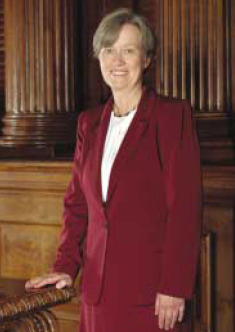
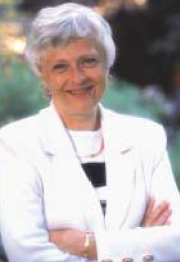
So what makes these women different, and what drives them? We asked three of them: Shirley Ann Jackson, president of Rensselaer Polytechnic Institute in Troy, New York, who assumed her post in July 1999; Shirley M. Tilghman, who became president of Princeton University in June 2001; and Karen A. Holbrook, who took the helm of The Ohio State University in July 2002.

To be sure, all three women have strong backgrounds in education, having spent many years teaching students both in the laboratory as well as the classroom and assuming major university faculty positions. But all began their careers in one place: the laboratory. And that’s where they believe they acquired some of the most important traits that now make them excellent university presidents.

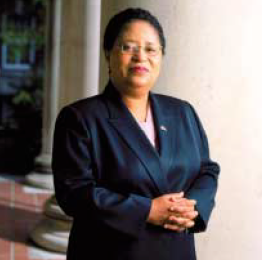
Shirley Ann Jackson

Shirley Ann Jackson

For Shirley Ann Jackson, a theoretical physicist from Washington, D.C., her career path began at the Massachusetts Institute of Technology, where she earned a bachelor’s degree in physics in 1968. In 1973 she became one of the first two African-American women in the U.S. to earn a doctorate in physics, and the first African-American to receive a doctorate from M.I.T. in any subject. Over the course of the next two decades, she conducted research in theoretical, solid state, quantum, and optical physics at AT&T Bell Laboratories in New Jersey.

She became a professor of physics at Rutgers University, where she taught from 1991 to 1995 while continuing to conduct her research. In 1995, President Clinton appointed her chair of the U.S. Nuclear Regulatory Commission – a post she held until 1999. Even in her early days in the lab, did she have her eye on such significant leadership?

“I’ve always been interested in science, technology, and public policy,” she explains. “I think there’s a natural evolution as one goes from doing research oneself, particularly as a theoretical physicist, to building a research group, having others work with one on one’s ideas and their ideas, and to teaching. Being a university president is a natural evolutionary point, because part of what a president does is enable others to learn and do research.”

Shirley Tilghman

Shirley Tilghman

Shirley Tilghman had no plans to lead an Ivy League university when she began her career as a developmental biologist. A native of Canada, she received an Honors BSc in chemistry from Queen’s University in Kingston, Ontario in 1968, and a PhD in biochemistry from Temple University. During post-doctoral studies at the National Institutes of Health, she participated in cloning the first mammalian gene.

She later led a lab as an independent investigator at the Institute for Cancer Research in Philadelphia, and taught human genetics, biochemistry, and biophysics at the University of Pennsylvania. In 1986 she joined the Princeton faculty as a professor in the life sciences, continuing her laboratory research and also directing Princeton’s Lewis-Sigler Institute of Integrative Genomics.

“Until I was about 45, I thought I wouldn’t do anything except science,” she recalls. “I thought it was the most interesting thing a person could possibly do. But as you become more senior in a field, you begin to assume more responsibilities, and you’re gradually weaned from the bench. As I started taking on these new roles, I found I enjoyed them. Rather than being annoying distractions from science, they were something I looked forward to. That was the beginning of my recognition that I might someday do something other than be a working scientist.”

Karen Holbrook

Karen Holbrook

Karen Holbrook recalls splitting her time between research and administration from the beginning of her days as a cell biologist. After receiving BS and MS degrees in zoology from the University of Wisconsin, Madison, she later earned a PhD in biological structure at the University of Washington School of Medicine in 1972. She stayed at Washington through 1993, running her laboratory in the morning, where she studied fetal skin development and genetic skin disease. Her afternoons were devoted to administrative responsibilities as the associate dean for Scientific Affairs.

“In both places, my job was to facilitate the goals of other people in science,” she says. “In my lab, I tried to do it through mentoring, working side-by-side with post docs and students. And my role in the Dean’s Office was to do the same thing – to facilitate programs and to bring people together to meet their goals and move forward in their scientific areas.” She continued in academic administration, moving to the University of Florida in 1993 to become vice president for Research and dean of the Graduate School. From 1998 to 2002, she served as provost at the University of Georgia, and then went to Ohio State to assume her current post.

The Scientific Method

To no one’s surprise, the ACE survey reported that university presidents face significant challenges. Relations with faculty, legislators, governing boards and alumni top the list. Planning, fundraising, budget issues and personnel issues occupy the most significant amount of a presidents’ time.

Jackson, Holbrook and Tilghman unanimously agreed that experience using the scientific method has made their jobs easier. “As a scientist, one is educated to attack complex problems, to think about the right questions that lead to solutions,” says Jackson. “In many ways, as a university president, one is always confronting complex issues that one needs to approach in a certain way.”

“In planning and in problem-solving – both in trying to understand what has happened in the past and what should happen going forward – it is helpful to have a science background, to be able to figure out what kind of data you want to gather, to know how to analyze it, and to know how to use it effectively,” adds Tilghman. “That’s been very helpful for me as a university president.”

Collaboration is Key

Collaboration is also an essential part of the scientific process. Likewise, a college president needs to know how to work with diverse personality types. Indeed, the ACE report noted that “the imperative of rapidly changing economic, demographic, and political conditions suggest the need for adaptability and diversity in education institutions and their leaders.” “In science, you build and value networks of people. Nobody does anything alone,” contends Holbrook. “Scientists also learn to work with diverse groups of people. When I left my own lab, I had people there from Turkey, Australia, Korea and China, all united by the love of the same thing: the science we were doing.”

Holbrook also likens the grant-writing process to the fundraising duties of university presidents. “You need to build a case and a story for what it is you want to accomplish,” she says, “and sell it to somebody whom you want to believe it and support it.”

Roadblocks to Success?

Is there a glass ceiling in science? In education? If there is, these three women broke through it. Jackson notes a few obstacles early in her career that she says were “rooted in the obstacles to women becoming senior scientists and having senior positions in academia and other places.” The wheels of her career were really set in motion once she became a tenured professor at Rutgers, she recalls.

While Holbrook says she didn’t see a lot of roadblocks in her way, she did feel she had to prove herself repeatedly. “As a woman we don’t always have the kinds of doors that are open just by the normal ways through which men typically interact,” she believes. “I do think you always have to sell yourself a little bit more as a woman. But I must say, I didn’t have huge obstacles.”

When it comes to obstacles, Shirley Tilghman claims she had blinders on. “I was never in a position where I felt that either my superiors or my colleagues were treating me differently than they treated their male colleagues,” she says. “As I’ve gotten older, I’ve come to believe that some of that was tunnel vision on my part. And I actually think that is one of the most important ingredients to succeeding in science – to be able to ignore or be unconscious of what could be perceived, and what may be intended to be slights and ways of putting you down because you’re a woman. If they happened, I didn’t see them.”

Do What You Love, Love What You Do

Today’s female college presidents stand as role models for all women in science. They advise young women to challenge themselves, find something they love, and pursue it fervently. “If you have a real passion for your science and what you do, do the very best you can. Get in, enjoy it, and don’t worry about the next step,” advises Holbrook. “The next steps come naturally if you’re doing something you enjoy and are absolutely committed to. There will be lots of doors that are opened.”

“My major advice these days is, ‘Don’t let anybody make you into a victim,’” says Tilghman. “Just don’t let it happen. If you don’t think of yourself as a victim, you won’t be a victim.”

“Scientific careers are full, rich, and challenging. They allow a person to use her intellect at the highest level,” adds Jackson. “I think there still are some obstacles, but the very fact that you now have women scientists in leadership positions at the highest levels in academia and in senior positions at other places should itself let young women know what is possible.”

The Future of Leadership

Will we see more women and more scientists ascend to university presidencies? There are certainly plenty of programs in place to make that happen. The American Council on Education has an Office of Women in Higher Education that provides national direction for women’s leadership development and career advancement through a variety of programs. For example, they sponsor national leadership forums to identify and promote women for senior-level positions, especially presidencies. Some 200 of the 1,000 women who have attended these forums have become college or university presidents.

Bryn Mawr College hosts a Summer Institute for Women in Higher Education, offering intensive training in education administration pertinent to the management and governance of colleges and universities. And the national Executive Leadership in Academic Medicine program offers executive training to expand the number of qualified women for leadership positions in academic medicine and dentistry. “These programs are preparing women just marvelously for leadership roles, and giving them the confidence and tools they may not have,” notes Holbrook. “The fact that they’re booked tells you that there are women who are interested in this as a career route.”

Taking the Lead

Tilghman hopes to see not only more women, but more scientists taking the lead at universities and colleges. She credits Bruce Alberts, president of the National Academy of Sciences and a scientist himself, with a sea change in which biologists are increasingly engaging in public affairs. “He set a tone that said a scientific career for people who want to do this can include public service,” she explains. “I’m hoping that the next generation will see these kinds of jobs not just as service – as in ‘Oh, it’s my turn to pay back’ – but as really enjoyable jobs.”

“The very fact that women have ascended to the presidencies of some of the major institutions in this country, and among those are women who happen to be scientists, I think hopefully portents some open doors that haven’t been,” concludes Jackson. “It certainly shows what women are capable of doing. And I think that’s the real message.”

Also read: Overcoming Imposter Syndrome to Empower Women in STEM

Technology Promises Faster Diagnostic Tests

The Doctor-on-a-Chip technology has potential to revolutionize the field of medicine by providing quick and accurate test results.

Published March 1, 2003

By Bruce Tobin

Image courtesy of Toowongsa via stock.adobe.com.

Sending medical specimens off to labs can mean lengthy waits for results needed to make or confirm diagnoses. But help is on the way in the form of a developing nanotechnology called Doctor-on-a-Chip (DoaC).

In broad terms, DoaC technology will allow a sample of bodily fluid to be processed to test for a disease’s DNA marker. Research teams at universities in the United Kingdom and the United States are working on such devices. DoaCs will allow clinicians to perform many more medical diagnostic tests in their offices and in the field, and promise delivery of results in as little as 5 to 10 minutes.

At Brunel University in London, Professor Wamadeva Balachandran (Bala) heads a six-member research team working on a DoaC. In the United States, a team of 70 researchers led by Professor Chad A. Mirkin, of Northwestern University, is working on a similar program.

Bala believes the system of taking a patient sample and sending it to a lab – where it may takes days for the results to be determined and communicated back to the doctor – can be dangerous. “In certain cases it could be a life-and-death situation,” he said. “The idea here (with DoaC devices) is that doctors can get the results while still talking with their patient.”

In the DoaC concept, the doctor places a drop of the patient’s blood on the front end of a polymer chip and waits 5 to 10 minutes for the chip to do its tests and display the results. The device will initially be the size of a credit card, Bala said, and eventually the size of a microprocessor chip.

Faster Diagnostic Tests

Prof. Wamadeva Balachandran (Bala)

Going into more detail, Mirkin explained, “A sample (blood, saliva or urine) is processed through microfluidics (micro- or nano-scale devices for manipulating fluids). Then the marker DNA (for the diseases of interest) is delivered to the reader portion of the chip. If marker DNA binds to this portion of the chip…nanoparticle probes are used to develop the chip (also through microfluidics).” The readout device will measure the conductivity of the particles between microelectrodes.

Bala said the idea behind his device involves the Electric Field Manipulation of DNA (characterizing DNA using electrical fields to move them and then to look at their properties). His original thinking, three or four years ago, was that if you could identify various characteristics you could confirm a particular virus in terms of its properties.

“But, of course, during this period the genome sequencing has moved on so fast,” Bala explained. “Various medical colleagues were all saying that if there were a system, which could be easily utilized to detect viruses by GPs (general practitioners) in their offices, that would speed up the process of diagnosis and save a lot of lives.” So he decided to work on it. Bala’s idea now is to use this technique to move DNA into a chamber to look for a particular type of DNA linked to a virus. Once confirmed as the suspect DNA type, “it comes out of that chamber and we again use electrical techniques to categorize the DNA: electrical impedance, for example.”

Results in 5-10 Minutes

Prof. Chad A. Mirkin

The technology involved in the tests is nothing new. “The challenge is to bring the technique down to the microscale, to put it on a single chip,” Bala said, “and we’re doing that now.”

Processing the sample involves attaching probes to the DNA. The type of virus that’s suspected determines the type of probe that is used. The sample then goes through a polymerase chain reaction (PCR) and then through the chamber with the medium for dielectrophoretic measurement. It then passes through various dielectrophoretic chambers. “In 5-10 minutes the doctor will be able to look at his computer screen and know whether you have hepatitis A or hepatitis B, for example, or whether you don’t have any virus,” he said.

Early models of Bala’s chip will check for various kinds of viral infections sequentially, one virus type after another being tried until a match is found. Eventually, he expects DoaCs to have the ability to run through a whole series of tests for various viruses.

“The (DoaC) potential,” concludes Mirkin, “is enormous.”

Also read: Building a Big Future from Small Things

A Scientific Explanation to the Demise of Dinosaurs

You may know that a meteoric collision likely led to the demise of dinosaurs, but did you know earth’s had at least five mass extinctions during its history?

Published March 1, 2003

By Jeffrey Penn

Image courtesy of Panupong via stock.adobe.com.

A growing body of evidence suggests that the history of life on earth has been significantly affected by the collision of comets, meteorites and asteroids, resulting in global catastrophe and mass extinctions.

“Prehistoric mass extinctions of life were much more affected by extraterrestrial events than had ever been thought,” Michael Rampino, PhD, of New York University and the NASA Goddard Institute for Space Studies, told a Nov. 4, 2002, gathering at The New York Academy of Sciences (the Academy). “Earth’s history has been marked by periodic mass extinctions of life.”

Although scientists who first theorized that explosive collisions had significantly altered life on earth were not always taken seriously, Rampino said the theory is now not only accepted, but is considered among the most exciting fields in the sciences. “Astronomers and paleontologists formerly didn’t have cause to engage in conversations,” he said. “Now they have come to understand that their worlds are intimately connected.”

Five Mass Extinctions

More than 99 percent of species that have ever lived on earth are now extinct, according to Rampino. Paleontologists have identified five major mass extinctions and 20 minor mass extinctions on the planet earth. “The largest mass extinction was approximately 250 million years ago,” he said, “when 95 percent of marine species were wiped out.”

A mass extinction about 65 million years ago has long been widely recognized by scientists, since it represents the time when dinosaurs became extinct. “Dinosaurs were successful for a period of nearly 135 million years and suddenly became extinct about 65 million years ago,” Rampino said. “As many as 50 theories have been offered to explain the extinction of the dinosaurs, but none of those theories was supported by physical evidence.”

In the past 20 years, however, physical evidence gathered from sites as far apart as Italy and Colorado revealed that a thin layer of clay separated the geological record into two distinct eras. Analysis of the clay revealed “elevated levels of the kind of metals that are rare in terrestrial settings, but abundant in asteroids and meteorites,” Rampino said. “A similar review of geological samples from more than 150 sites around the world revealed that there is a global layer of this clay.”

In addition, scientists discovered a “shock layer” of quartz crystals in the clay, indicating high-pressure shocks. “Meteorite craters are the only places on earth that show these quartz crystals,” Rampino said. Scientists also discovered tiny spheres of glass in the clay. They are thought to have formed by intense heat from the impact and then dispersed into the atmosphere, where they cooled into their spherical shapes and dropped back to the ground.

Where is the Crater?

Despite the mounting evidence that a meteoric collision had eliminated the dinosaurs, scientists initially could not identify any crater on the earth that would explain the mass extinctions. In 1990, however, the giant Chicxulub Crater – nearly 200 kilometers in diameter – was discovered buried in the shallow sea just off the coast of Mexico’s Yucatan Peninsula. Additional exploration in Mexico indicated a thick bed of course sand, likely washed to shore by a giant wave (tsunami), in the precise layer of the geological record thought to indicate the mass extinction 65 million years ago.

What happened when the meteor collided with the earth? According to Rampino, scientists have estimated the object was nearly 10 kilometers long, causing the crater nearly 200 kilometers in diameter.

Environmental Catastrophe

“Dust and shock material were thrown out of the impact site into the atmosphere, causing heat and fires all over the world,” Rampino said. “The impact would have a tremendous, catastrophic effect on the environment. A high level of dust and ash would have clouded the sky, leading to a cooling and darkening that may have prevented photosynthesis.”

The geologist said such an event could have resulted in an “impact winter” lasting six months or longer. “Such an abrupt impact would lead to nothing less than a world-ending destruction of life,” Rampino said. “Food chains in the ocean and on land were broken, and plants and animals died out.”

Whatever life survived the calamity would continue to evolve, but the earth would see major changes in the dominant forms of life that remained. “The impact would provide opportunities for survivors to expand into empty niches, so that they dominate the earth during the next geological period,” Rampino added.

Prior Mass Extinctions?

Now that scientific consensus has accepted an impact collision as the most likely explanation for the extinction of dinosaurs, geologists are trying to determine if such collisions can be linked to other major and minor mass extinctions identified in the geological record.

Scientists have identified approximately 150 large impact craters on the earth. A statistical analysis reveals that about every 100,000 years a 1-kilometer object collides with earth, creating a crater of about 20 kilometers in diameter. “Only about once every 100 million years is there an impact of the magnitude that is capable of causing the dust storms and global fires believed to have eliminated the dinosaurs,” Rampino said.

Final proof of a connection between the largest mass extinction on earth – about 200-250 million years ago – and an impact collision has yet to be found. Evidence of such a crater may have eroded, he said, or remain hidden, perhaps below deep ocean water.

Future Extinctions?

If past evidence is also prologue, an impact collision that might cause mass extinctions on earth is likely in the next 40 million years or so, Rampino pointed out. “Earth exists in a zone of many earth-crossing asteroids and comets,” he noted.

While such projections appear far removed from the present, Rampino left his audience with a sobering fact. Concerning the potentially dangerous approach of comets, asteroids and meteorites, he pointed out, “there are no stop signs in outer space.”

Also read: Prehistoric Sloth-Like Creatures May Have Roamed the US

Exploring Movement in Time and Space

Many of the dances choreographed by this MacArthur Foundation “genius” award winner brings in elements of science, such as the physics of kinetic sound.

Published March 1, 2003

By Garry D. Reigenborn

Image courtesy of Pixel-Shot via stock.adobe.com.

Elizabeth Streb is a genius. She has been certified as such by the MacArthur Foundation “genius” award she received in 1997. If “genius” implies exceptional intellectual or creative power, however, Streb didn’t require any certification to qualify for such an appellation.

A choreographer with an intense curiosity and willingness – no, need – to experiment and test the boundaries of movement, Streb’s passion has resulted in a body of work that takes “dance” into a new dimension. As The New York Times said in a recent article, “Streb’s rough and tumble dances are about velocity, physical stamina and an unwillingness to bow to gravity without a fight.”

For the past 20 years her work has been centered on challenging the laws of gravity, informed by a scientific inquiry into the physics of kinetic energy.

“I’d love to defy the laws of Newton, but I’m told that’s not possible,” she says. “But my battle cry is to at least try, and to keep asking questions about movement without being satisfied with first answers.”

Streb is currently the Dean’s Special Scholar at New York University, where she’s studying physics, mathematics, and philosophy and working toward a M.A. in Time and Space. She graduated from the State University of New York at Brockport in 1972 with a degree in modern dance – and quickly transformed much of what she learned.

“I soon discovered that traditional dance was deeply married to music, borrowing its compositional forms rather than playing by its own rules,” she says. “If dance is an art of movement, then it’s not okay just to be on your feet, on a horizontal surface transferring weight. That’s like ignoring space.”

Pop Action

Among her early teachers was the great American choreographer Merce Cunningham, from whom she learned the importance of timing, removing dance from music but retaining those rhythmic forces needed to get a dancer from here to there. She developed her own language to describe her work, “Pop Action.” In a sense, that’s what happens during performances, as the dancers’ bodies expand and contract.

“The muscles ‘pop,’ and this muscular action combines with aspects of time, space and precision to create multi-directional theatrical images,” she explains.

With the company she founded in 1985, STREB/Ringside, she devises what one writer called “essays on the human body’s interaction with Newton’s Laws.” In “Cannonball Drop,” for example, several cannonballs splash into tubs of water and then, in a reference to Galileo’s famous experiment, Streb casually walks onto the stage and drops a feather, watching it drift lazily downward.

In “Breakthru,” which Streb says is about the effect of action on substance, dancers wearing protective goggles dive headfirst through a panel of glass without hurting themselves. In “Fly,” described as her attempt to “destroy the tyranny of the floor,” a performer buckled into a 16-foot-long steel lever loaded with counterweights that can spin and soar through the air.

For one of her works, Streb collaborated with math and science professors at the University of California-Berkeley to develop a new piece of machinery, which she dubbed the “Catastrophic Realizer.” It looks like a seesaw that moves in circles as well as up and down, with one end that can touch the ground and another that can’t. Instead of seats at the ends of the beam, the machine features oval platforms attached by hinges, creating yet another element of instability.

Working Toward an Answer

Like Newton, who developed theories based on mathematics that made it possible for predictions to be confirmed by real-world experiments, Streb concocts possible scenarios for her actions and then devises ‘experiments’ that allow her to ratify the results. She acknowledges that her work is not a literal translation of her scientific studies, but that it reflects her efforts at reaching the core of a particular action problem.

“Studying math, physics and philosophy shows me the way, method-wise, to approach finding answers to my questions about movement,” she said. “It’s made me come back to my work and look at things like the fundamental theorems of calculus, or the application of the chain rule, and analyze the types of questions I’m asking about movement in a deeper way.”

She added that, in science “you work and work toward an answer, and then that moment comes when you master and understand it. I try to mimic that experience in the studio in order to solve the problem I’m encountering.”

An Obsession with Learning

Streb’s obsession with learning and searching for answers is reflected in her commitment to working with young people. She has long held classes for children and community residents and will extend that educational component in her new studio building, an old mustard factory in a working-class area of Brooklyn. She started teaching children from two local YMCA’s this year and has had discussions with the principals of 10 public and private schools in the area about classes for their students.

“Children are the ‘truth-sayers’ of movement,” she says. “They’re purely physical and unrestrained. That so often gets stripped away from them. I believe we shouldn’t censor movement but encourage it. Believe me, my dancers and I learn as much about energy and bravery and honesty of movement from the children as they learn from us.”

A local community leader supports Streb’s educational efforts because “physical activity helps kids mentally, physically and spiritually, and through dance they can express themselves, learn teamwork and increase their self-esteem.”

Einstein once said that Newton “combined the experimenter, the theorist, the mechanic and, not least, the artist, in exposition.” Much the same can be said for Elizabeth Streb.

Also read:The Intersection of Sports and STEM


About the Author

Garry Reigenborn is a choreographer and assistant professor of Dance at Bard College, New York. He has been affiliated with the Lucinda Childs Dance Company as a dancer and rehearsal director since 1982.

130 Years Later: Darwin’s Theories Stand

While Darwin theorized about it more than a century ago, scientists continue to study links between emotions in humans and in animals.

Published January 1, 2003

By Rosemarie Foster

Image courtesy of NPD stock via stocka.adobe.com.

Birds do it. Bees do it. Humans and chimpanzees do it. What do we have in common? Expressing our emotions, albeit in different ways. How we do it and why was the subject of a recent two-day conference called Emotions Inside Out, sponsored by The New York Academy of Sciences (the Academy) in November and held at The Rockefeller University.

The topic is not new: In his 1872 book The Expression of the Emotions in Man and Animals, Charles Darwin recounted his observations of animals, his own children and other people, linking particular expressions with specific emotions. His book was “radical for his time and for today,” explained Paul Ekman, PhD, of the University of California, San Francisco, and conference chair. “We all stand on the contributions this great man made in this extraordinary book.”

Face Value

The face is often our first encounter with another’s emotions. Frans B.M. de Waal, PhD, of Emory University’s Yerkes Primate Center, scrutinizes the facial expressions and gestures of chimpanzees and their cousins, the bonobos, and has found remarkable similarities with humans. They smile and laugh like we do. A chimp may even extend a hand to another chimp after having been fighting – as a sign of reconciliation.

Image courtesy of ballabeyla via stock.adobe.com.

At Yerkes, Lisa A. Parr, PhD, observes how chimpanzees respond to photographs and sound recordings of other chimps. She has found that they process both visual and auditory cues to interpret emotion, with certain facial expressions and sounds having more relevance than others.

The same goes for human infants. “The emotional signals of a mother influence her baby in very powerful ways, and some of those have long-lasting impact,” said Joseph J. Campos, PhD, of U.C., Berkeley. For example, a mother may use facial expressions and varying tones of voice to denote approval or disapproval of her young infant’s actions.

By 12 months, infants begin seeking out emotional information themselves as a means of interpreting what’s happening around them. Emotional sharing between the infant and the mother begins shortly thereafter.

Infants’ emotional expression also varies by culture. Linda A. Camras, PhD, of DePaul University, compares facial expressions and reactions among infants of different nationalities who are exposed to stimuli that elicit positive and negative emotions. She has found that European-American babies are more expressive than Chinese infants, with Japanese babies falling somewhere in between.

Liar, Liar?

“The face lies and the face leaks,” said Paul Ekman in his presentation on facial expressions and deception. He described the value of interpreting facial “micro-expressions,” which may only last 1/25th of a second but reveal a person’s true intent. Micro-expressions, and the messages they convey, become much more apparent when viewed using slow-motion video, though trained observers can spot them instantly. They are often involuntary muscular movements of which the speaker is unaware.

“Facial expressions that contain an involuntary movement that is difficult to make voluntarily are the most reliable,” added Ekman. Taken in context with the pitch of a person’s voice, micro-expressions are a “very real source of information.”

Such fleeting expressions were also addressed by Dacher Keltner, PhD, of U.C., Berkeley. In a study of the faces of women in Mills College yearbook photos taken more than 30 years ago, Keltner found that women who displayed strong, natural smiles in the photos later felt the happiest over the course of their lives, and had better marriages. “Very brief observations of the face can tell us a tremendous amount about life,” he concluded.

Calls of the Wild

Some animals rely more on auditory displays to express their emotions. Superb starlings, diana monkeys, and baboons of Botswana’s Okavango Delta all have a catalogue of alarm calls to differentiate airborne predators (such as an eagle) from those on the ground (such as a leopard), letting nearby animals know how to escape.

“These vocalizations are clearly emotional signals, given in highly emotionally charged situations,” explained Robert M. Seyfarth, PhD, of the University of Pennsylvania. The characteristic “wahoo” sound of the baboons also differentiates high- from low-ranking males, as well as young from old.

Jo-Anne Bachorowski, PhD, of Vanderbilt University, might argue that humans use laughter in a similar way, to influence the response of those who hear it. Her studies have shown that men laugh most strongly with other male friends, while women’s laughs are stronger in the presence of other males (friends as well as strangers). “Laughter is a tool to elicit affect, and thereby shape the behavior of the listener toward the laugher,” she concluded.

Blood, Sweat, and Fears

When we laugh or cry – and when we try to stifle those feelings – our bodies respond with measurable responses in the heart and brain.

“There is no single emotion center in the brain,” said Richard J. Davidson, PhD, of the University of Wisconsin. Rather, the seat of emotion stretches across several regions.

Much of emotion is regulated by various areas in the prefrontal cortex, a finding supported by Davidson’s functional MRI studies. Those investigations also demonstrated contractility in the heart in response to the threat of shock, as well as activation of the brain’s amygdala.

David G. Amaral, PhD, of U.C., Davis, has done studies in monkeys confirming the role of the amygdala as the fear-processing center of the brain. “The amygdala is a protection device that not only instills a fear response,” he explained, “but controls behavior so that an individual can evaluate a situation.”

In response to fear, some of us turn white. Robert W. Levenson, PhD, of U.C., Berkeley, explained how that response is regulated by the autonomic nervous system (ANS).

In addition to making us blush with embarrassment or turn red with anger, the ANS governs the physiological responses that occur when we try to suppress an emotion we are feeling. Levenson’s studies demonstrate that such suppression can cause increased heart rate and skin conductance.

Emotion in the Golden Years

We know our bodies begin to slow down as we age. But our emotional perception actually gets better. “Emotional experience and regulation improve with age, despite the losses that occur with aging,” noted Laura L. Carstensen, PhD, of Stanford University.

In the second half of life, people reprioritize their lives in pursuit of emotional balance and well-being. Her research shows they’re more likely to recall positive images and messages, and desire more time with their families. Concluded Carstensen, “As we age, we begin to focus on the positive, forget about the negative, and find a way to successfully navigate through life in our later years.” And that’s good news.

Also read: 165 Years of ‘On the Origin of Species’