The Impact of Climate Change on Urban Environments

An overhead shot of NYC's Central Park, looking south/toward downtown, with a sunset over New Jersey in the background.

New York City and the tri-state region provide a unique case study for examining the impact of climate change within the context of an urban environment.

Published November 1, 2002

By Margaret W. Crane

In Alaska the average temperature has risen by 5.4 degrees Fahrenheit over the past 30 years, and entire villages are being forced to move inland because of rising sea levels. El Niño – a disruption of the ocean-atmosphere system in the tropical Pacific – has been linked with multiple epidemics of dengue fever, malaria and cholera. Flowers in the northern hemisphere are blooming in January. Greenland’s glaciers are melting. The world’s ecosystems are in the throes of rapid transformation. And large, coastal cities are among the most vulnerable of all.

Global by definition, climate change has already begun to reshape the earth’s environment from pole to pole and from tundra to rainforest. But until recently few scientists had studied its impact on cities. Cynthia Rosenzweig, PhD, the lead author of a recent report titled Climate Change and a Global City, is among the first to look at cities – specifically New York and its environs – as distinct ecosystems that are being remodeled by global warming as relentlessly as are distant oceans, islands, forests and farmlands.

At the Forefront of Vulnerability to Climate Change

Rosenzweig and co-author William D. Solecki place global cities like New York, Sao Paulo, London and Tokyo at the forefront of vulnerability to climate change. As such, the world’s largest cities are charged with finding ways to adapt to changes that have already occurred and simultaneously reduce the greenhouse gases that are a major factor in heating up the globe in the first place.

“Global warming is on the cusp of becoming a mainstream issue,” said Rosenzweig, “an issue that’s being integrated into the day-to-day life of citizens.” This mainstreaming is emerging in tandem with a stronger-than-ever consensus among scientists that climate change has arrived and has two faces: an overall warming trend, and more frequent and severe droughts and floods. Moreover, instead of hypothesizing about global warming, researchers are now studying its effects and developing models to project the course and intensity of future changes.

To map the trajectory of projected climate change, scientists are using global climate models (GCMs), mathematical formulations of the processes – such as radiation, energy transfer by winds, cloud formation, evaporation and precipitation, and transport of heat by ocean currents – that comprise the climate system. These equations are then solved for the atmosphere, land surface, and oceans over the entire globe.

Because GCMs take into account increasing feedbacks from greenhouse gases, they project more dramatic temperature changes than do predictions based on current warming trends alone. New York’s GCM-projected temperature in the 2080s, therefore, will be from 4.4 to 10.2 degrees Fahrenheit higher. Rosenzweig and Solecki predict a more modest 2.5 F rise by the 2080s, based on current temperature trends alone minus any multiplier effect associated with greenhouse gases.

Interchange Between Scientists and Decision-Makers

The Climate Change report draws on a range of GCMs, but it also benefits from a rich interchange between scientists and decision-makers. In grappling with the complexity of the urban ecosystem, the two groups developed an innovative conceptual framework comprising three basic, intersecting elements: People, Place, and Pulse. These three P’s correspond to socio-economic conditions, physical and ecological systems, and decision-making and economic activities. “Pulse, a term we coined, is really about what makes a city a city,” said Rosenzweig. “In the past few years, I’ve gotten on familiar terms with New York’s pulse, defined roughly as the whole matrix of relationships that makes it run and hum.”

Rosenzweig’s focus on the New York region began when she was chosen to head up the Metropolitan East Coast (MEC) Regional Assessment, part of a national effort to assess the potential consequences of growing climatic instability and the engine behind the Climate Change report.

The New York metropolitan region is unique, Rosenzweig said, due to the extraordinary density and diversity of its population. Comprised of five boroughs and 26 adjacent counties in New York, New Jersey and Connecticut, it is home to a complex web of environmental problems and pressures. The area’s high demand for energy and clean water, along with its poor air quality, toxic waste dumps and threatened wetlands, are all interconnected, according to the Assessment, and call for a many-sided response.

Rising Seas Levels and Floods

For instance, New York will likely need to build higher seawalls and raise airport runways to protect against rising sea levels and increasingly severe and frequent floods. City and regional governments will be called upon to increase support for the poor and elderly, who suffer disproportionately from heat stress and respiratory ailments due to the effects of air pollution. Developers will be encouraged to disinvest from highly vulnerable coastal sites. Policymakers will need to think longer-term and learn to cooperate at the regional level. And they’ll have to get serious about reducing greenhouse gas emissions.

But it is New York’s greatest virtue – its diversity – that turns out to be its political stumbling block. The 20 million people who inhabit the area’s boroughs and neighboring counties often represent conflicting agendas. Rosenzweig believes it will take education, training and a good dose of political will to take on global warming.

In recent decades, the MEC region has experienced a marked increase in floods, droughts, heat waves, mild winters and early springs. Its annual average temperature has risen by nearly 2 degrees Fahrenheit, and precipitation levels have gone up slightly. The current rate of sea-level rise is about 0.1 inch per year, a number that is expected to increase with the further melting of glacial ice and the warming of the upper layers of the ocean. The study found that in many scenarios, the sea level is expected to rise faster than the accretion rate of wetlands, further accelerating their disappearance.

Growing Hydrologic Variability

Growing hydrologic variability is another expression of the climate change that has already begun to be felt in the region. This century, the New York area will be subject to more severe flooding during hurricanes and nor’easters. Some scientists have estimated that by the 2080s, as a worst-case scenario, a major coastal storm could occur every three to four years, compared with every 100 years in the past, while a 500-year flooding event could hit every 50 years.

It has long been the region’s default policy to place transportation and other necessary but unappealing infrastructure across and along the edges of wetlands, bays and estuaries. For example, the Hackensack Meadowlands in northern New Jersey, a low-elevation, degraded wetland, is home to an airport, port facilities, pipelines and highways. The region will need to move infrastructure inland – a matter of double urgency, Rosenzweig contends, for the sake both of the infrastructure itself and the vulnerable lands that are the first casualty of violent storms.

Climate change is, however, a bipolar phenomenon. During the summer of 1999, an intense summer drought may have contributed to the fatal outbreak of West Nile virus. More conspicuously, water conservation campaigns have become a regular feature of New York life. While the New York City water supply system – the largest in the region and one of the largest in the world – should accommodate expected hydrologic extremes, the report warns that smaller systems within the MEC region might buckle under stress. Increasingly, water distribution must be addressed intra- and inter-regionally, said Rosenzweig. Future protocols might include diverting Delaware River water from the west to reduce the impact of drought in the New York area, and vice versa.

Multiplicity of Environmental Problems

Demand for electricity also is expected to rise along with mounting temperature. No less than clean and abundant water, the area’s population requires a consistent supply of energy. But the distribution of energy continues to be far from equal. During the intense succession of heat waves over the past several summers, blackouts and brownouts plagued many of New York’s poorer neighborhoods, meaning a loss of air conditioning just when it was most critically needed.

With 27 days of temperatures above 90 degrees Fahrenheit in the summer of 1999 and 28 days over 90 degrees F (including two in September) in the summer of 2002, New Yorkers have had a recent foretaste of what’s in store. According to most climate change scenarios, the average number of days exceeding 90 degrees F (13 days in our present climate) will increase by two to three times by the 2050s.

Despite their multiplicity of environmental problems, Rosenzweig believes cities have an important role to play in shaping the earth’s future. “New York has an opportunity to rethink itself as an urban ecosystem,” she said. “For example, we can start to design buildings that are more energy-efficient. We’ll need to find ways to help people stay cooler as they adapt to a warmer environment and to reduce greenhouse gas emissions at the same time.”

The Missing Link

Although scientists haven’t yet been able to establish to an absolute certainty the causal link between human activity – especially the burning of fossil fuels – and climate change, they are largely in agreement that such change is under way. The Intergovernmental Panel on Climate Change has concluded that “there is a discernible anthropogenic signal in the climate,” and that this signal is growing. There are, however, many remaining uncertainties surrounding the rate and ultimate magnitude of the change.

By assessing its nature and extent, monitoring its trajectory, and forecasting its future impact on cities, scientists like Rosenzweig are informing a new public discussion that is just getting off the ground. But there’s no time to waste, she said: “The political and social responses to the global climate issue in cities should begin at once.”

Also read: Tales in New Urban Sustainability


About Dr. Cynthia Rosenzweig

Dr. Cynthia Rosenzweig is a research scientist at the Goddard Institute for Space Studies, where she is the leader of the Climate Impacts Group. She is an adjunct senior research scientist at the Columbia University Earth Institute and an adjunct professor at Barnard College. A recipient of a 2001 Guggenheim Fellowship, Dr. Rosenzweig led the Metropolitan East Coast Region for the U.S. National Assessment of the Potential Consequences of Climate Variability and Change.

She is a lead author of the Intergovernmental Panel on Climate Change Working Group II Third Assessment Report, and has worked on international assessments of climate change impacts, adaptation and vulnerability. Her research focuses on the impacts of environmental change, including increasing carbon dioxide, global warming, and the El Niño-Southern Oscillation, on regional, national and global scales.

‘Free-Radical’ Scientist Recalls Research Journey

A young person holds the hand of an elderly person to provide comfort.

Almost 50 years ago, Denham Harman’s theory of aging as a biochemical process started a chain reaction in theoretical medicine.

Published October 1, 2002

By Fred Moreno, Dan Van Atta, and Jennifer Tang

Image courtesy of Khunatorn via stock.adobe.com.

Louis Pasteur once noted: “Chance favors the prepared mind.” Denham Harman’s mind was unusually prepared to develop a notion that took well over a decade to attract any serious attention, but is now a driving force in biomedical research: the free-radical theory of aging, a phrase Harman coined in 1960.

Now professor emeritus at the University of Nebraska Medical Center and still spry at 86, Harman recently edited Annals of the New York Academy of Sciences volume 959, Increasing Life Span: Conventional Measures and Slowing the Innate Aging Process. The volume also includes a recent paper by Harman on Alzheimer’s Disease: Role of Aging in Pathogenesis.

Free radicals are molecules or atoms that feature an unpaired electron. Because electrons prefer to travel in pairs, free radicals can set off chain reactions – their loner electrons cut in on the dance of another molecule’s two electrons in an attempt to grab one. This move satisfies the original unpaired electron, but merely creates a new free radical bent on pairing up.

Thus, like bulls in the china shop of living cells, free radicals, especially the hydroxyl radical, damage delicate cell membranes and muck up proteins whose functions depend on their structure. And the cellular damage wrought by free radicals is the mechanism, according to Harman, of the natural process we take for granted as aging.

A Circuitous Route

Harman took a circuitous, but in retrospect necessary, route to this conclusion. He was born in 1916 in San Francisco, but did live briefly as a boy in New York City, where his father worked for a jewelry company located just blocks from the site of The New York Academy of Sciences (the Academy) on 63rd Street near Fifth Avenue. The family returned to the Bay area in 1932, and Harman graduated from Berkeley High School two years later. Jobs were scarce, but Harman’s father happened to meet the director of the Shell Development Company, the chemical research division of the Shell Oil Company, at a local tennis club. Harman began working for Shell as a lab assistant.

The position sparked a true interest in chemistry. Harman went on to receive his undergraduate degree and, in 1943, his doctoral degree from the University of California, Berkeley, in chemistry. He continued with Shell the entire time, at first working with lubricating oils. But he was fortunately transferred – to the reaction kinetics department, where much of the work concerned free-radical reactions. During seven years there, Harman was instrumental in gaining 35 patents for Shell, including work on the active ingredient of something designed to shorten, not extend, life: the famous “Shell No-Pest Strip.”

Time to Think

In December 1945, Harman’s wife Helen put a bee in his bonnet. “She showed me a magazine article she thought might be of interest. It was a well-written piece by William Lawrence of the New York Times about aging research in Russia,” he recalls. Harman knew a lot of chemistry, but not much biochemistry or physiology. And the idea of aging as a biochemical process so fascinated him that in 1949 he decided to attend medical school. Berkeley turned him down because of his advanced age – he was 33 – but Stanford accepted him.

After his internship, Harman became a research associate at the Donner Laboratory back at Berkeley. “Donner was great,” he remembers, “because I didn’t really have to do anything, other than a hematology clinic on Wednesday mornings. I could just think.” And what he thought about was aging. “One thing you learn in biology,” he notes, “is that Mother Nature has a tendency to use the same processes over and over. My impression was that since everything ages, there was probably a single, basic cause.”

Pondering the issue at first left him frustrated. “I thought perhaps there wasn’t even enough knowledge available at the time to solve the problem,” he says. “And then in November of 1954 I was sitting at my desk when all of a sudden the thought came to me: free radicals. In a flash, I knew it could explain things.”

He quickly discussed the idea with medical colleagues – most thought it was interesting but too simple to explain such a complex phenomenon. “I got encouragement from only two people, both of whom were organic chemists, not medical doctors,” he recalls.

The Ubiquitous Enzyme Superoxide Dismutase

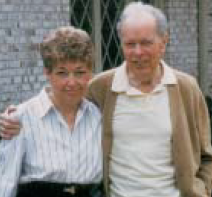
Helen and Denham Harman

Harman spent the next decade on virtually a lone research effort that produced circumstantial evidence for his idea. The limits of the instrumentation of that time made it difficult to even show that free radical species existed in living cells. Electron spin resonance studies found free radicals in yeast in 1954, but it was not until 1965 that free radicals were detected in human blood serum.

Then in 1967 biochemists discovered the ubiquitous enzyme superoxide dismutase, whose job it is to protect cells by sopping up free radicals formed during aerobic respiration in cells. The presence of a defense implies that free radicals are indeed a clear and very present danger to cells.

Ensuing research has implicated free radicals in cancer, heart disease, Alzheimer’s disease and other conditions. And observations of the animal kingdom are especially suggestive of the general aging theory. Harman points out that rats and pigeons, for example, have about the same body weights and metabolic rates. But pigeons produce far less hydrogen peroxide (formed from the superoxide radical) during cellular processes than do rats – and the birds live some 15 times longer than the rodents.

Judging by the sales of antioxidant supplements that scavenge free radicals, the American public has clearly subscribed to Harman’s ideas. Many physicians and scientists also have signed on to his view of aging, with the free-radical theory underlying much of current aging research.

“I think we’re now getting to a point where we may be able to actually intervene in the aging process,” Harman says. If his prediction proves true, our extra years will be owed to his many well-spent ones.

Also read: A New Approach to Studying Aging and Improving Health

Molecular Manufacturing for the Genomic Age

A computer chip and similar technology.

Researchers are making significant advances in nanotechnology which someday may help to revolutionize medical science for everything from testing new drugs to cellular repair.

Published October 1, 2002

By Fred Moreno, Dan Van Atta, and Jennifer Tang

When it comes to understanding biology, Professor Carl A. Batt believes that size matters – especially at the Cornell University-based Nanobiotechnology Center that he codirects. Founded in January 2000 by virtue of its designation as a Science and Technology Center, and supported by the National Science Foundation, the center seeks to fuse advances in microchip technology with the study of living systems.

Batt, who is also professor of Food Science at Cornell, recently presented a gathering – entitled Nanotechnology: How Many Angels Can Dance on the Head of a Pin? – with a tiny glimpse into his expanding nano biotech world. The event was organized by The New York Academy of Sciences (the Academy). “A human hair is 100,000-nm wide, the average circuit on a Pentium chip is 180 nm, and a DNA molecule is 2 nm, or two billionths of a meter,” Batt told the audience.

“We’re not yet at the point where we can efficiently and intelligently manipulate single molecules,” he continued, “but that’s the goal. With advances in nanotechnology, we can build wires that are just a few atoms wide.

“Eventually, practical circuits will be made up of series of individual atoms strung together like beads and serving as switches and information storage devices.”

Speed and Resolution

There is a powerful rationale behind Batt’s claim that size is important to the understanding of biology. Nanoscale devices can acquire more information from a small sample with greater speed and at better resolution than their larger counterparts. Further, molecular interactions such as those that induce disease, sustain life and stimulate healing all occur on the nanometer scale, making them resistant to study via conventional biomedical techniques.

“Only devices built to interface on the nanometer scale can hope to probe the mysteries of biology at this level of detail,” Batt said. “Given the present state of the technology, there’s no limit to what we can build. The necessary fabrication skills are all there.”

Scientists like Batt and his colleagues at Cornell and the center’s other academic partners are proceeding into areas previously relegated to science fiction. While their work has a long way to go before there will be virus-sized devices capable of fighting disease and effecting repairs at the cellular level, progress is substantial. Tiny biodegradable sensors, already in development, will analyze pollution levels and measure environmental chemicals at multiple sample points over large distances. Soon, we’ll be able to peer directly into the world of nano-phenomena and understand as never before how proteins fold, how hormones interact with their receptors, and how differences between single nucleotides account for distinctions between individuals and species.

The trick – and the greatest challenge posed by an emerging field that is melding the physical and life sciences in unprecedented ways – is to adapt the “dry,” silicon-based technology of the integrated circuit to the “wet” environment of the living cell.

Bridging the Organic-Inorganic Divide

Nanobiotechnology’s first order of business is to go beyond inorganic materials and construct devices that are biocompatible. Batt names proteins, nucleic acids and other polymers as the appropriate building blocks of the new devices, which will rely on chemistries that bridge the organic and inorganic worlds.

In silicon-based fabrication, some materials that are common in biological systems – sodium, for example – are contaminants. That’s why nano-biotech fabrication must take place in unique facilities designed to accommodate a level of chemical complexity not encountered in the traditional integrated-circuit industry.

But for industry outsiders, the traditional technology is already complex enough. Anna Waldron, the Nanobiotechnology Center’s Director of Education, routinely conducts classes and workshops for schoolchildren, undergraduates and graduates to initiate them into the world of nanotechnology, encourage them to pursue careers in science, and foster science and technology literacy.

In a hands-on presentation originally designed for elementary-school children, Waldron gives the audience a taste – both literally and figuratively – of photolithography, a patterning technique that is the workhorse of the semiconductor industry. Instead of creating a network of wells and channels out of silicon, however, Waldron works her magic on a graham cracker, a chocolate bar and a marshmallow, manufacturing a mouthwatering “nanosmore” chip in a matter of minutes.

Graham crackers are substituted for silicon substrate, while chocolate provides the necessary primer for the surface. Marshmallows act as the photoresist, an organic polymer that, when exposed to light, radiation, or, in this case, a heat gun, can be patterned in the desired manner. Finally, a Teflon “mask” is placed on top of the marshmallow layer and a blast from the heat gun transfers the mask’s design to the marshmallow’s surface – a result that appeared to leave a lasting impression on the Academy audience as well.

What’s Next?

According to Batt, it won’t be too long before the impact of the nanobiotech revolution will be felt in the fields of diagnostics and biomedical research. “Progress in these areas will translate the vast information reservoir of genomics into vital insights that illuminate the relationship between structure and function,” he said.

Prof. Batt

Also down the road, ATP-fueled molecular motors may drive a whole series of ultrasmall, robotic medical devices. A “lab-on-a-chip” will test new drugs, and a “smart pharmacist” will roam the body to detect abnormal chemical signals, calculate drug dosage and dispense medication to molecular targets.

Thus far, however, there are no manmade devices that can correct genetic mutations by cutting and pasting DNA at the 2-nanometer scale. One of the greatest obstacles to their development, Batt said, doesn’t lie in building the devices, but in powering them. Once the right energy sources are identified and channeled, we’ll have a technology that speaks the language of genomics and proteomics, and decodes that language into narratives we can understand.

Also read: Building a Big Future from Small Things


About Prof. Batt

Microbiologist Carl A. Batt is professor of Food Science at Cornell University and co-director of the Nanobiotechnology Center, an NSF-supported Science and Technology Center. He also runs a laboratory that works in partnership with the Ludwig Institute for Cancer Research.

Continuing the Legacy of a Cancer Research Pioneer

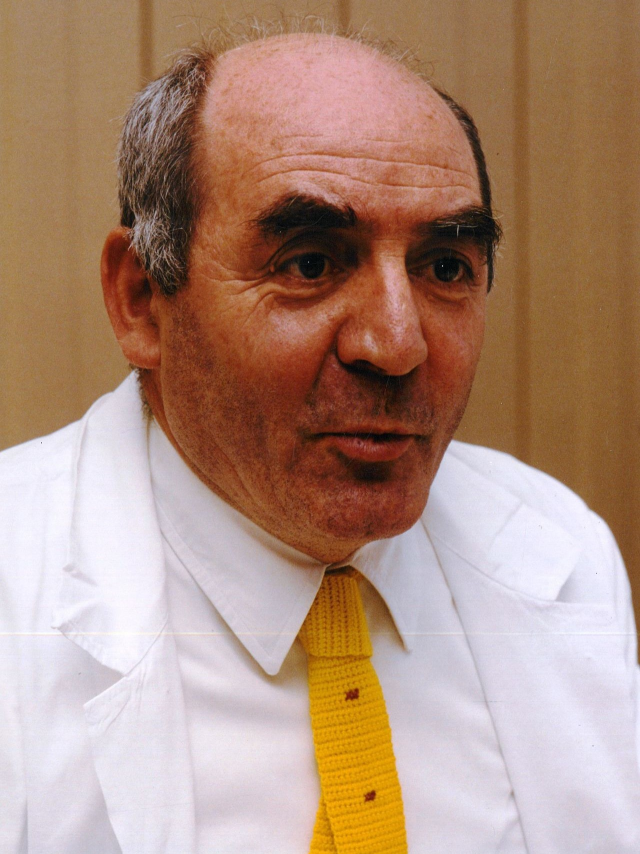
A man in white lab coat and yellow necktie poses for the camera.

Advancing the cancer research started by Casare Maltoni, the late Italian oncologist who advocated for industrial workplace safety.

Published August 1, 2002

By Fred Moreno, Dan Van Atta, Jill Stolarik, and Jennifer Tang

Cesare Maltoni. Image courtesy of Silvestro Ramunno, CC BY-SA 4.0, via Wikimedia Commons.

For decades, the “canary in the coal mine” approach has been used to test for potential carcinogens. Standing in for humans, mice and rats have ingested or been injected with various chemicals to help toxicologists determine if the substances would induce cancers. In the end, autopsy revealed whether the lab animals had developed tumors.

Today, new approaches are emerging. They stem from a variety of tools that are evolving from advances in molecular biology, microbiology, genomics, proteomics, novel animal models of carcinogenesis and computer technology.

These tools and approaches were the focus of an April conference commemorating the work of Italian researcher Cesare Maltoni, who died January 21. Renowned for his research on cancer-causing agents in the workplace, Maltoni was the first to demonstrate that vinyl choloride produces angiosarcomas of the liver and other tumors in experimental animals. Similar tumors later were found to be occurring among industrial workers exposed to vinyl chloride.

Maltoni also was the first to demonstrate that benzene is a multipotential carcinogen that causes cancers of the zymbal gland, oral and nasal cavities, the skin, the forestomach, mannary glands, liver, and hemolymphoreticular systems, i.e. leukemias.

Sponsored by the Collegium Ramazzini, the Ramazzini Foundation, and the National Toxicology Program of the National Institute of Environmental Health Sciences (NIEHS), the meeting was organized by The New York Academy of Sciences (the Academy).

Measuring More Than Pathological Changes

After reviewing the contributions of Maltoni and David Rall, an American giant in the same field, as well as providing an update on ongoing research in their respective groups, the speakers and attendees discussed the future of carcinogenesis testing. While new tools will not replace bioassays, most noted, they will make it possible to measure more than simply the pathological changes seen through the microscope.

J. Carl Barrett, head of the Laboratory of Biosystems and Cancer at the National Cancer Institute, cited four recent developments that are fundamentally changing the research to identify risk factors and biological mechanisms in carcinogenesis.

The four developments are: new animal models with targeted molecular features – such as mice bred with a mutated p53 oncogene – that make them very sensitive to environmental toxicants and carcinogens; a better understanding of the cancer process; new molecular targets for cancer prevention and therapy; and new technologies in genomics and proteomics.

New technologies in cancer research, like gene expression analyses, are revealing that cancers that look alike under the microscope are often quite different at the genetic level. “Once we can categorize cancers using gene profiles,” Barrett said, “we can determine the most effective chemotherapeutic approaches for each – and we may be able to use this same approach to identify carcinogenic agents.”

A Robust Toxicology Database

A related effort – to link gene expression and exposure to toxins – has recently been launched at the NIEHS. The newly created National Center for Toxicogenomics (NCT) focuses on a new way of looking at the role of the entire genome in an organism’s response to environmental toxicants and stressors. Dr. Raymond Tennant, director of the NCT, said the organization is partnering with academia and industry to develop a “very robust toxicology database” relating environmental stressors to biological responses.

“Toxicology is currently driven by individual studies, but in a rate-limited way,” Tennant said. “We can use larger volumes of toxicology information and look at large sets of data to understand complex events.” Among other benefits, this will allow toxicologists to identify the genes involved in toxicant-related diseases and to identify biomarkers of chemical and drug exposure and effects. “Genomic technology can be used to drive understanding in toxicology in a more profound way,” he said.

Using the four functional components of the Center (bioinformatics, transcript profiling, proteomics and pathology), Tennant believes that the NCT will be able “to integrate knowledge of genomic changes with adverse effects” of exposure to toxicants.

Current animal models of carcinogenesis are unable to capture the complexity of cancer causation and progression, noted Dr. Bernard Weinstein, professor of Genetics and Development, and director emeritus of the Columbia-Presbyterian Cancer Center.

Multiple factors are involved in the development of cancer, Weinstein said, making it difficult to extrapolate risk from animal models. Among the many factors that play a role in cancer causation and progression are “environmental toxins such as cigarettes, occupational chemicals, radiation, dietary factors, lifestyle factors, microbes, as well as endogenous factors including genetic susceptibility and age.”

Gene Mutation and Alteration

By the time a cancer emerges, Weinstein added, “perhaps four to six genes are mutated, and hundreds of genes are altered in their pattern of expression because of the network-like nature and complexity of the cell cycle. The circuitry of the cancer cell may well be unique and bizarre, and highly different from its tissue of origin.”

Research over the past decade has underscored the role that microbes play in a number of cancers: the hepatitis B and hepatitis C viruses in liver cancer along with cofactors alcohol and aflatoxin; human papilloma virus and tobacco smoke in cervical cancer; and Epstein Barr virus and malaria in lymphoma, said Weinstein. Microbes are likely to be involved in the development of other kinds of cancer as well, he speculated. “Microbes alone cannot establish disease, they need cofactors. But this information is important from the point of view of prevention, and these microbes and their cofactors are seldom shown in rodent models.”

When thinking of ways to determine the carcinogenicity of various substances, he concluded, “we have to consider these multifactor interactions, and to do this we need more mechanistic models” of cancer initiation and progression.

Christopher Portier, a mathematical statistician in the Environmental Toxicology Program at the NIEHS, is working to make exactly this type of modeling more widespread. He stressed the importance and advantages of complex analyses of toxicology data using a mechanism-based model – or “biologically based data.”

This model includes many more factors than just length of exposure and time till death of the animal. It can incorporate “the volume of tumor, precursor lesions, dietary and weight changes, other physiological changes, tumor location and biological structure, biochemical changes, mutations,” Portier said, and give a more complete picture of the processes that occur when an organism is exposed to a toxicant.

New Analytical and Biological Tools

With biologically based models, researchers would link together a spectrum of experimental findings in ways that allow them to define dose-response relationships, make species comparisons, and assess inter-individual variability, Portier said. Such models would allow researchers to quantify the sequence of events that starts with chemical exposure and ends with overt toxicity. However, he said “each analysis must be tailored to a particular question. They are much more difficult computationally and mathematically than traditional analyses, and require a team-based approach.

“Toxicology has changed,” Portier continued. “We now have new analytical and biological tools – including transgenic and knockout animals, the information we’ve gained through molecular biology, and high through-put screens. We need to link all that data together to predict risk, then we need to look at what we don’t know and test that.”

While most speakers focused on the future benefits of up and coming technologies and concepts, Philip Landrigan, director of the Mount Sinai Environmental Health Sciences Center at the Mount Sinai School of Medicine, reminded the group of the work on the ground that still needs to be accomplished. “We’ve made breathtaking strides in our understanding of carcinogens and cancer cells,” he said. “I am struck, though, by the divide in the cancer world – the elegance of the lab studies, but our inefficiency in applying that knowledge to cancer prevention.”

Thorough Testing Needed

One of the problems confronting researchers is the vast number of substances that are yet to be tested. About 85,000 industrial chemicals are registered with the U.S. Environmental Protection Agency for use in the United States. Although some 3,000 of these are what the EPA calls high-production-volume chemicals, Landrigan said, “only 10 percent of these have been tested thoroughly to see the full scope of their carcinogenic potential, their neurotoxicity and immune system effects.”

Landrigan also discussed other troubling issues. For example: Children, the population most vulnerable to the effects of toxins, are only rarely accounted for in testing design and analysis, he said, and the United States continues to export “pesticides, known carcinogens, and outdated factories to the Third World.” Landrigan said he believes the world’s scientific community needs to address these issues.

At the conclusion of the conference, Drs. Kenneth Olden and Morando Soffritti signed an agreement formalizing an Institutional Scientific Collaboration between the Ramazzini Foundation and the NIEHS in fields of common interest. Priorities of the collaboration will include: carcinogenicity bioassays on agents jointly identified; research on the interactions between genetic susceptibility and exogenous carcinogens; biostatistical analysis of results and establishment of common research management tools; and molecular biology studies on the basic mechanisms of carcinogenesis.

Detailed information presented in several papers will be included in the proceedings of the conference, to be published in the Annals of the New York Academy of Sciences later this year.

Also read: From Hypothesis to Advances in Cancer Research

Reducing Mercury Pollution in NY Harbor

A shot of lower Manhattan looking north.

The Academy and a handful of local and federal entities have teamed up on a multi-year effort to lessen pollution in this vital natural asset.

Published August 1, 2002

By Fred Moreno, Dan Van Atta, Jill Stolarik, and Jennifer Tang

Image courtesy of Tierney via stock.adobe.com.

New York harbor is a vital natural asset whose ecological health has been threatened by contamination from a host of sources since the dawn of the urban/industrial era. Despite substantial water quality improvements following environmental laws enacted over the past four decades and decreased industrial activity, much remains to be done.

The New York Academy of Sciences’ (the Academy) on-going Harbor Project was commissioned by the U.S. Environmental Protection Agency (USEPA) in 1998. Its goal is to identify practical solutions to the difficult issues that continue to plague this precious watershed. Called “Industrial Ecology, Pollution Prevention and the NY/NJ Harbor,” the project is focused on finding environmentally sound, economically feasible and realistically achievable strategies for combating specific contaminants that are polluting the harbor.

Mercury was identified as the first pollutant for study. Results of this study are now available in a recently published monograph entitled “Pollution Prevention and Management Strategies for Mercury in the NY/NJ Harbor.”

Conducted by scientists with particular knowledge of mercury in this watershed, the results were analyzed and synthesized by the Academy staff and reviewed and endorsed by the NY/NJ Harbor Consortium, a coalition of interested business, regulatory, labor, academic and environmental organizations that was launched in January 2000. Professor Charles W. Powers, chair of the Harbor Consortium, characterized the mercury study as “audacious in scope, rigorous in its scientific and analytic conclusions, and bold in its recommendations affecting a wide variety of institutional interests and practices.”

Health Sector Identified

The report’s recommendations, made public at a June 25 press conference in New York, contain a number of specific measures intended to prevent further pollution of the harbor. Primary emphasis was put on actions needed in the health care sector – especially dental facilities, hospitals and laboratories – to prevent mercury releases to the watershed.

Although contamination from atmospheric deposition and solid waste sources, such as landfills, also were analyzed and assessed, the Harbor Consortium chose wastewater strategies as its first priority. That’s because wastewater is both the largest direct source of mercury and the most significant source of methyl mercury in the NY/NJ Harbor. Landfills and wastewater treatment facilities provide ideal conditions for methylation – the process that chemically transforms inorganic mercury into methyl mercury under the right environmental conditions.

Specifically, the Academy report recommended that:

– Dentists and dental facilities implement a two-tiered approach that, first, institutes filtration, collection and recycling in the short term and, second, moves toward replacement of amalgams with safe, durable and cost-effective alternatives.

– Hospitals substitute non-mercury alternatives for mercury-containing products, like thermometers and blood pressure gauges, and that they prevent breakage of existing mercury-containing products through proper maintenance.

– Laboratories substitute non-mercury alternatives for mercury-containing products, and take steps to prevent mercury discharges to sewers. In addition, the report provided specific strategies for implementing its recommendations. One strategy suggested for the dental sector, for example, called for development of programs to promote economically feasible filtration technologies and encourage the collection and recycling of mercury in amalgam.

Laboratories are advised to implement a non-mercury purchasing policy and to install filter systems to reduce mercury discharges or capture all discharge solutions for recycling or treatment. The report also recommended phasing out the sale of all mercury thermometers, expanding educational campaigns to inform the public about the health risks associated with spills from broken thermometers and other devices, and implementing collection and take-back programs.

The Best of Science

Dr. Rashid Shaikh, director of Programs for the Academy, noted that one of the novel aspects of this project has been the involvement and commitment of participants from a wide variety of institutions and a wide range of backgrounds and experiences.

“The Academy has a long history of helping to illuminate environmental issues by bringing together the best of science to bear on analyses of solutions,” Shaikh said. “We believe this report adds significantly to the work being done to prevent further pollution of our Harbor through measures that are appropriate environmentally, economically and technologically.”

Evaluation and Risk Management

The project enables a group of experts – including scientists studying problems associated with mercury, regulatory agencies responsible for protecting the Harbor, and representatives from the industries and businesses whose livelihoods depend on the use of mercury – to discuss the issues and possible solutions in an open forum.

Referring to this process, Dr. Powers, who also heads a multi-university environmental research effort and is professor of Environmental and Community Medicine at the University of Medicine and Dentistry of New Jersey – Robert Wood Johnson Medical Center, called the report “a rare synthesis of evaluation and risk management.”

Funding for the mercury study was provided by the USEPA, the Port Authority of New York and New Jersey, the Abby R. Mauzé Trust, AT&T Foundation, The Commonwealth Fund, and J.P. Morgan. The 113-page document was written by Marta Panero and Susan Boehme, of the Academy staff, and Allison de Cerreño, previous director of the Harbor Project and currently co-director of the Rudin Center for Transportation at New York University.

Also read: The Environmental Impact of ‘Silent Spring’

A Case Against ‘Genetic Over-Simplification’

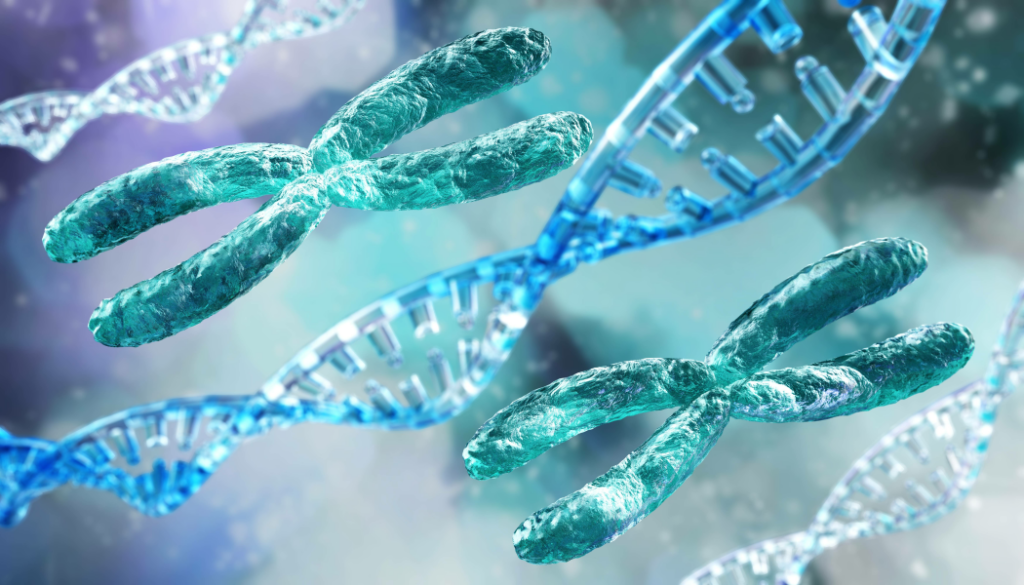
A graphical representation of a DNA helix and chromosomes.

Who are we? Why do we behave as we do? What explains why some die of illness at the age of 50 while others live past 100? How can we improve the human condition?

Published June 1, 2002

By Fred Moreno, Dana Van Atta, Jill Stolarik, and Jennifer Tang

Image courtesy of ustas via stock.adobe.com.

The answers to these questions are coded in our genes — or so the story goes in the popular media and in some corners of the scientific establishment.

“It’s a heroic story with a dark side,” said Garland E. Allen, Ph.D., Professor of Biology at Washington University and a specialist in the history and philosophy of biology, at a recent gathering at The New York Academy of Sciences (the Academy). Harking back to the eugenics movement of the early 20th century, modern genetic science is fraught with both promise and danger, Allen said, and “genomic enthusiasm” should be tempered with a good dose of historical awareness.

Eugenics in Context

Charles B. Davenport, the father of the eugenics movement in the United States, defined his fledgling field as “the science of human improvement by better breeding.” In attempting to apply Mendelian genetics to society’s ills, Davenport and his fellow eugenicists believed the problem — whether alcoholism, mental illness, or the tendency to simply “make trouble” — was in the person, not the system. The real culprit, therefore, was the individual’s defective biology, and biologists held the key to fixing the defect.

During the first four decades of the 20th century, eugenics gave credibility to American elites in their efforts to restrict the inflow of immigrants of “inferior biological stock” from southern and eastern Europe, culminating in the Immigration Restriction Act of 1924. The new science also provided a rationale for the compulsory sterilization of institutionalized individuals considered unfit for reproduction.

By 1935, 30 states had enacted sterilization laws that targeted habitual criminals, epileptics, the “feebleminded,” and “morally degenerate persons.” Their proponents saw them as preventive, not punitive. In their view, higher fertility rates among the less productive, genetically defective members of the population posed a threat to society, not least because of the high cost of maintaining them in prisons, in mental institutions, or on the dole.

“Social history in the United States between 1870 and 1930 was characterized by a search for order,” said Allen. “It was a period characterized by the maturation of the Industrial Revolution, rapid urbanization and growing social problem. There was a widespread sense of disorder, and many felt there was a need to do something about it.” This collective malaise made eugenics the “magic bullet” of its day.

As American as Apple Pie

Eugenics peaked during the 1930s, at the height of the Depression. Interestingly, the new science and its attendant policy program appealed to members of all social classes. Eugenics validated wealth and privilege as the birthright of the genetically superior. The rising union movement, arguably the greatest threat to the status quo, was rife with Italians and Jews, two of the groups deemed “socially inadequate.” At the same time, with competition over scarce jobs at an all-time high, eugenics fed into the anti-immigrant sentiments of the working class.

With their blatant racism, xenophobia, questionable ethics and tendency to blame the victim, eugenicists might impress us today as screwballs on the lunatic fringe of science. Actually, however, nothing could be further from the truth.

Theodore Roosevelt was just one of many highly regarded Americans who praised the science of eugenics. In his 1913 letter to Charles Davenport, Roosevelt wrote: “Any group of farmers who permitted their best stock not to breed, and let all the increase come from their worst stock, would be treated as fit inmates for an asylum.” Alexander Graham Bell himself served on the Board of Scientific Directors of the Eugenics Record Office, founded in 1910 as the country’s leading eugenics research and education center. In its day, the eugenics movement was mainstream and as American as apple pie.

Scientific Underpinnings

Taking its cue from advances in agriculture, eugenic science also emulated the efficiency movement in industry. “Eugenic reproductive scientists were the counterparts of the efficiency experts on the factory floor,” said Allen. In the early 20th century, farmers and industrialists alike turned to science for guidance in bringing about control and standardization.

If popular for the wrong reasons, eugenics nonetheless increased our understanding of human beings as genetic organisms. Davenport and other eugenically-minded human geneticists helped illuminate the genetic origins of a number of physical disabilities, for example, including color blindness, epilepsy and Huntington chorea. Instead of proceeding cautiously, however, Davenport and his colleagues applied the new genetic paradigm zealously and indiscriminately. All human intellectual and personality traits, they hypothesized, were ultimately reducible to heredity.

As it turns out, their methods were just as flawed as their theories. Commenting on a family study of epilepsy — rigorous for its time — Allen pointed to two methodological weaknesses: First, humans have small families compared to animals, which makes statistical modeling difficult at best. Second, research in the early 20th century was hampered by a lack of accurate information. Interviews, anecdotal accounts, and rumor were the stuff of scientific data at a time when medical record keeping was relatively haphazard.

Finally, the absolute privileging of heredity over environment trapped eugenicists in a form of circular thinking. If pellagra, a condition caused by vitamin B deficiency, was observed to run in a family, the disease must be genetically based, they thought, rather than rooted in poverty and shared nutritional deficits.

A Call for Balance

Allen warned that the genetic myopia of yesterday’s science is being recapitulated today. From shyness to homosexuality and from depression to infidelity, everything is in our genes, if we’re to trust the information in recent cover stories in Time, Business Week, and U.S. News & World Report, among other reputable publications. “These claims are as tenuously based now,” asserted Allen, “as they were in the 1920s.”

The most serious dangers of all, however, lie in the policy implications of the new genetic determinism. If a person is genetically predisposed to sensitivity to smog, why should the government commit itself to cleaning it up? Why should parents bother spending time and energy on raising a child who carries the criminality gene? And why should insurance companies pay for the care of those with genetic mutations that “cause” bipolar disorder, diabetes or cancer? We’ve seen this unhealthy marriage of scientific and political agendas before, Allen said.

Allen also argued for a more integrated approach to research. Social and biological scientists have been studying different groups, and never the twain shall meet. We’d gain a more complete picture of problems and their causation by funding integrated studies that join the perspectives of sociologists and biologists, he said. This approach would correct the current fixation on genes as bearers of the whole truth.

When it comes to the lessons of eugenics, Allen said the “that was then, this is now” attitude is worst of all. It can, indeed, happen today. He concluded by encouraging scientists who reject simplistic genetic ideas to step forward, articulate a balanced point of view and oppose the “geneticization” of the public discussion and its potentially dangerous consequences, sooner rather than later.

Also read:The Primordial Lab for the Origin of Life

The Primordial Lab for the Origin of Life

A colorful graphical representation of a DNA helix.

Exploring the role of RNA, DNA, nucleic acids, proteins and other elements that inform our understanding of the origins of life.

Published April 1, 2002

By Henry Moss, PhD

Image courtesy of issaronow via stock.adobe.com.

When Thomas Cech and Sidney Altman showed that the ribozyme, a form of RNA, could act in the same manner as a protein catalyst, i.e. enzyme, origin-of-life theorists believed the central piece of the puzzle of life had been found.

Enzyme creation normally requires RNA- or DNA-type templates, but these nucleotides themselves need enzymes to function. If RNA could be cut and spliced without the aid of proteins, however, there was a basis for self-replication: RNA molecules assisting each other, and eventually evolving into life as we know it.

The concept of a primordial replicator is at the center of most origin theories. So it seemed only a matter of time before researchers would show how the components of RNA became available under prebiotic conditions, and how they connected up.

But it has proven far from easy, and most researchers now agree that RNA itself is too complex and fragile to have formed entirely from abiotic processes. They are now looking for a simpler replicator, a pre-RNA, with RNA coming on the scene later.

Nonetheless, some scientists, including nucleic acid chemist Robert Shapiro of New York University, are convinced that this whole approach is misguided. Making his case before audience at The New York Academy of Sciences (the Academy) in February, Shapiro pointed to a growing number of skeptics who wonder if life started with a replicator at all.

At Least 3.5 Billion Years Old

It’s too difficult to conceive, Shapiro said, of all these sensitive organic ingredients coming together, hanging together and creating a replicator complex enough to build proteins –– and eventually cells –– under the earth’s early conditions. And, given the evidence that cellular life on earth is at least 3.5 billion years old, less time was available than once was imagined.

If one were to put pre-RNA ingredients together in a laboratory, without the helping hand of a chemist, and cook them with the other chemicals that were likely present on the early earth, Shapiro said, the outcome would be “a tarry mess.” It would be a near-miracle for these components to come together spontaneously to form a functioning replicator.

Shapiro prefers the work of a growing number of researchers looking at the possibility that small organic and inorganic molecules could organize themselves into self-catalyzing metabolic webs. These webs could recruit components into an increasingly complex organic matrix of reactions, and the simple compartments that held them could reproduce by the simple act of splitting. If a suitable energy source were available to drive the process, such systems could have multiplied and evolved. Accurate residue-by-residue replication would be an advance that was introduced later in evolution.

Primordial Laboratories

Günter Wächtershäuser has formulated scenarios involving molecular adhesion on the surface of iron pyrite, drawing chemicals such as iron, nickel and sulfur, and energy from deep sea vents. David Deamer, Doron Lancet and others have proposed that the chemistry of lipid vesicles –– growing and splitting and carrying around water and small molecules –– could have been the environment. These “little bags of dirty water” might have been primordial laboratories for the emergence of early life.

Shapiro urged support for these new ideas, many testable in the laboratory. He also urged support for space missions that might find environments that harbor, or once harbored, primordial life. We might glimpse this process at work, he suggested, or find evidence of primitive life forms. Most important, says Shapiro, we might prove that the emergence of life from non-living conditions is natural and common, that self-organizing principles exist in prebiotic chemistry.

Dr. Shapiro has written acclaimed books on this topic for the general reader, including, most recently, Planetary Dreams: The Quest to Discover Life Beyond Earth.

Also read: Cosmic Chemistry and the Origin of Life

Opportunities and Challenges in Biomedical Research

A woman examines a sample under a microscope in a science research lab.

While there have been major advances in biomedical research in recent years, this has also presented scientists with new challenges.

Published April 1, 2002

By Rosemarie Foster

Image courtesy of DC Studio via stock.adobe.com.

In Boston’s historic Fenway neighborhood, just beyond Back Bay, each spring heralds an annual ritual of renewed life. The Victory Gardens come abuzz with activity and abloom with burgeoning buds. Canoeists charge to the nearby Charles River. And sluggers at Fenway Park swing from their heels, cast in the spell of a 37-foot-high wall called the “Green Monster” that rises beyond the tantalizingly shallow left field.

Much history has been recorded inside the boundaries of Boston’s legendary baseball venue. But the seeds of a different kind of history –– that of 21st century biomedical science –– are being planted in the Fenway district this spring. Two important new scientific research facilities being built –– an academic addition to the Harvard Medical School and a commercial laboratory planned by pharmaceutical giant Merck & Co., Inc. –– will no doubt help shape biomedical advances for decades to come.

Merck is constructing its 11th major research site –– Merck Research Laboratories-Boston –– in the heart of the district. The company hails the facility as a multidisciplinary research center devoted to drug discovery. Covering an area of 300,000 square feet supporting 12 stories above ground and six stories below, Merck hopes its state-of-the-art structure will lure some 300 investigators to pursue studies within its walls. The building is scheduled for completion in 2004.

Harvard’s own new 400,000-squarefoot research building is under construction just 50 feet from the Merck site. With a design that fosters interactions between scientists, Harvard’s new facility will build on the university’s commitment to high throughput technologies. It’s expected to be operational in 2003.

The Interrelationship of Academic and Commercial Research

Although the two facilities are some way from completion, they’ve already exposed one of the major issues –– the interrelationship of academic and commercial research –– that continue to challenge biomedicine. Because of its close proximity to the Harvard Medical School, some scientists fear the new Merck facility may create some tension between nearby university investigators and industry researchers.

“The Merck laboratories, as a commercially driven research organization, may pay better salaries, have better equipment, have a better capacity for high-throughput screening and medicinal chemistry, and have other facilities that an academic medical center typically does not have available,” explained Charles Sanders, MD, former Chairman and CEO of Glaxo, Inc. and former Chairman of the Board of The New York Academy of Sciences (the Academy). “Whether this will create a source of problems for Harvard and its scientists remains to be seen. On the other hand, it could be a great resource if the academic-industrial relationship is managed well.”

Such tensions are likely to continue as emerging new trends in biomedical research offer investigators both greater opportunities and increasing challenges.  Academia and industry are partnering in ways they never have before. New high-throughput technologies are generating more data than previously thought possible. And scientists from a variety of fields must now cross interdisciplinary lines –– an approach some dub “systems biology” –– to make significant progress in conquering such diseases as cancer and AIDS.

New Approaches

A number of other biomedical research organizations have already set the stage for the new approaches to be incorporated into the Merck and Harvard facilities. In 1998, Stanford University launched an enterprise called “Bio-X” to facilitate interdisciplinary research and teaching in the areas of bioengineering, biomedicine and the biosciences. In January 2000, Leroy Hood, MD, PhD, created the Institute for Systems Biology in Seattle –– a research Environment that seeks to integrate scientists from different fields; biological information; hypothesis testing and discovery science; academia and the private sector; and science and society.

Some say it’s the “golden age” of biomedical investigation. The evolution that has led to this new age was the subject, along with related issues, of a gathering of biomedical researchers at the Academy last April. Hosted by the American Foundation for AIDS Research (amfAR), the symposium was called The Biotechnology Revolution in the New Millennium: Science, Policy, and Business.

“This meeting did an excellent job of showing how the nature of biomedical research has changed in the last 25 years,” explained Rashid Shaikh, PhD, the Academy’s Director of Programs, “not just quantitatively, in the amount of information we can generate, but also qualitatively, in the way the work is done. And this is a rapidly evolving process.”

A Quickened Pace

Much of the recent change in biomedical research is the result of a pace of investigation that has accelerated during the last quarter century – thanks in large part to recombinant DNA technology created in the 1970s. This Technology received a boost of support when the war on cancer was declared that same decade.

“Once recombinant DNA technology appeared, there was an enormous shift in molecular biology,” said David Baltimore, PhD, Nobel laureate and President of the California Institute of Technology, who chaired the amfAR symposium. “From a purely academic enterprise, it turned into one that had enormous implications for industry.”

Early on, the infant biotechnology enterprise focused on cloning to manufacture drugs, added Baltimore. The cloning was employed in the search for targets for a new generation of small molecule drugs. The need for chemical libraries soon developed, followed by a demand for high-throughput screening technologies. Add to that the wealth of information gleaned from the Human Genome Project.

Today investigators have more data than they ever did before. With the advent of high-throughput screening technologies, they also have speedier methods at their disposal to generate even more data. The nascent field of proteomics is expected to propel biomedicine even further. But with this heightened pace of research come new challenges.

For one thing, data are being generated faster than they can be analyzed and understood. Novel technologies have spawned a new field called bioinformatics: the analysis of all the data generated in the course of biomedical investigation. “We used to be able to look at the expression of one gene at a time,” said Shaikh. “But thanks to technologies (such as microarray systems), we can now analyze the expression of thousands of genes at once.”

High Demand, Low Supply of Bioinformatics Professionals

Bioinformatics professionals –– those who perform the data analysis –– are high in demand but short in supply, however, creating a problem for some research centers. Because they are so hard to come by, some institutions are sharing bioinformatics staff until a new generation of professionals can be educated and enter the workforce.

A second question that comes to mind is, “Who owns all these new data?” Is it the property of the individual researcher? The university he or she works for? The pharmaceutical company that sponsored the work or, if the studies were supported by public funds, is it the public?

Ownership issues apply to electronically published data as well. “Some of the data get published and made available to the scientific community, but some do not,” said Donald Kennedy, PhD, Editor-in-Chief of Science and President Emeritus of Stanford University. “Now that all data are stored electronically, there are major changes afoot in how data can be accessed in useful and efficient ways. But there are major unresolved questions regarding who owns the data: Do the publishers? Do the investigators?” These significant legal and policy issues will need to be resolved and, given the current rapid pace of study, resolved quickly.

A Blurred Line

In Europe, industrial support for universities has been an accepted and uncomplicated practice since the late 1800s, and this relationship continues to this day. But the relationship between academia and industry in the United States has had a quite different history, noted Charles Sanders.

As the American pharmaceutical industry began to develop in the last quarter of the 19th and early part of the 20th centuries, a relationship akin to the European model began to flower. By the early 1930s, however, the relationship between academia and industry in America began to sour. Disagreements arose over research discoveries and credit; there were disputes regarding the unauthorized use of pictures of some scientists in advertisements, implying endorsement of certain companies and products.

After World War II, the climate began to improve. With the advent of biotechnology in the 1970s, relations flourished even more, as witnessed by the founding of companies such as Genentech and Biogen by academic scientists. In addition, there are now countless examples of companies that support research programs at universities under a variety of arrangements.

On the face, these associations appear positive, because there is now a wealth of new sources for investigators to turn to for research funding. But these new opportunities also present certain challenges.

One of the most obvious concerns when industry supports a researcher is the investigator’s objectivity. Conflict of interest issues may arise. “Academic scientists who work with industry are generally very careful to retain their objectivity, yet appearances sometimes don’t allow that,” said Sanders. “The industry has to be very careful and make sure that its academic collaborators totally protect their objectivity and reputation.”

Intellectual Property Issues

Secondly, when academia partners with industry, intellectual property issues again surface. How does one determine who benefits financially from a research endeavor that goes on to produce a profitable product, such as a successful drug? How much does the scientist receive, and the university he or she works for, and how is that money used? “Academic institutions have become more sophisticated, and the scientists and organizations are demanding an ever larger part of the pie from their discoveries,” said Sanders.

Donald Kennedy noted that in industry-supported investigations a large proportion of research results that are of potential public value may be locked up in proprietary protections. Students at Yale University and the University of Minnesota recently demonstrated, for example, that their universities were collecting royalties on drugs that can benefit people suffering from HIV/AIDS in developing countries.

“Although the royalty slice of the drug price is minuscule in proportion to total revenues, it is very unattractive money to the students, and they make a passionate case,” said Kennedy. “Ironically, everybody involved in this process thought they were doing something good, and in a way everyone was. But this is the kind of problem that emerges when proprietary interests mix with the basic research function in a nonprofit institution.”

A Mixing of the Minds

Scientists are increasingly of the opinion that an integrated approach to biological investigation is essential for significant, meaningful progress to occur. This “systems approach” is bringing together biologists, chemists, physicists, engineers and computer scientists to coordinate research efforts and interpret the resulting data.

Such an approach is critical for understanding the inner workings of cells and how their functions go awry to create diseases such as cancer. The AIDS virus has proven to be an excellent model supporting the need for a multidisciplinary approach: When it was first discovered in the early 1980s, it was assumed that a vaccine was just around the corner. But that has obviously not been the case.

“It turned out that HIV was more difficult than anybody imagined, smarter and slipperier,” said David Baltimore. The cleverness of the virus has sent researchers back to their lab benches. Only by gathering together immunologists, structural biologists, biochemists and experts from other fields can we determine exactly what the virus does to the human immune system to deliver its lethal blow.

Is “Systems Biology” the Way to Go?

Not all investigators are convinced that “systems biology” –– as Hood describes it –– is the way to go. Many established researchers, for example, are used to working alone in conventional academic settings. “Traditional academic institutions have a difficult time fully engaging in systems biology, given their departmental organization and their narrow view of education and cross-disciplinary work,” explained Leroy Hood, President and Director of the Institute for Systems Biology. “The tenure system presents another serious challenge: Tenure forces people at the early stages of their careers to work by themselves on safe kinds of problems. However, the heart of systems biology is integration, and that’s a tough challenge for academia.”

“Specialization is often the enemy of cooperation,” added David Baltimore. “There are deep and important relationships between biology and other disciplines. To understand biology, we need chemists, physicists, mathematicians and computer scientists, as well as other people who can think in new ways.”

Future Challenges

Despite the presence of these as yet unresolved issues, biomedical research continues to hurdle forward, shedding light on the inner workings of organisms and yielding insights that will undoubtedly impact health and medicine. “The true applications (of biotechnology) to patient care have not really matured yet,” said Rashid Shaikh. “But there’s every reason to believe that we’re going to make very rapid progress in that direction.”

In addition to the challenges above, other issues include:

• Gathering political support. Although the budget of the National Institutes of Health has seen a significant increase in the last several years, other science-related agencies may not be as fortunate. “These agencies’ research budgets have not seen an increase, and we must pay attention to them,” said Baltimore.

• Educating the public. Hood touched on the distrust the public can have regarding science. “I am deeply concerned about society’s increasingly suspicious and often negative reaction to developments in science,” he said. “I sense an enormous uncertainty, discomfort and distrust. There is a feeling that we’re just making everything more expensive and more complicated. How do we advocate for opportunities in science? We have to be truthful about the challenges as well.”

• Educating today’s students. One of the best ways to garner support for a systems approach to biological investigation is to start educating students this way today. In Seattle, for example, the Institute for Systems Biology has pioneered innovative programs in an effort to transform the way science is taught in public schools.

“This is truly the golden age of biology,” said Sanders. There are unprecedented numbers of targets and compounds, for example. Research and development are very expensive, but funds will be available in abundance.

The Public’s Expectations

Still, he added, we need to handle the expectations of the public, which can be unrealistic when it comes to the speed with which basic science findings will result in new therapies. And academic institutions have to balance a commitment to both basic and translational research.

“Thousands of flowers will continue to bloom, driven by the lure of discovery and the opportunity to improve human health,” added Sanders. “Though not linear, the process is very creative, entrepreneurial, and clearly reflective of the American free enterprise system.”

Also read:Building the Knowledge Capitals of the Future


About the Author

Rosemarie Foster is an accomplished medical freelance writer and vice president of Foster Medical Communications in New York.

The Epidemiology of Depression: A Family Affair

A therapist comforts a patient by putting her hand on his knee in a supportive way.

Experts are beginning to better understand and mitigate the economic and social consequences of disabling psychiatric illnesses like depression.

Published March 1, 2002

By Henry Moss, PhD

Image courtesy of KMPZZZ via stock.adobe.com.

Health insurance reimbursement for mental disorders has still not achieved parity with traditional illness and the topic continues to be hotly debated in the U.S. Congress. The statistics seem clear, however, as studies document the enormous economic and social consequences of disabling psychiatric illnesses. Broken marriages, lost jobs and productivity, and the impact on children make mental illness one of the major sources of disability loss in the United States and the world.

Columbia University psychiatric epidemiologist Dr. Myrna Weissman made a powerful case for parity when she presented the cumulative results of major studies led by her and colleagues to an Academy audience in January. The talk was part of an ongoing program by the Academy on “Mind, Brain and Society.” Dr. Weissman, who is also associated with the New York State Psychiatric Institute, dealt specifically with unipolar, major depression, perhaps the most widespread and significant of these disorders, and one that now appears to amplify its effect by impacting families – young mothers and children in particular.

Perhaps the most significant finding is that, contrary to popular belief, depression is not a middle-aged, menopausal phenomenon. Recent studies show a substantial rise in the onset of depression at puberty and a peak that occurs between age 25 and 35, for both men and women, though incidence is substantially higher in women. Onset actually declines beyond age 35, implying that, as Weissman put it, “if you can make it to 50 you can pretty much look past depression and ahead to your dementias.” They also show that depression is most damaging in the sensitive child-bearing years of young women.

Depression and Other Health Complications

Dr. Myrna Weissman

Science is only now coming to grips with the significance of this data. Given depression’s early onset, we now recognize that people live with the debilitating disorder far longer than with heart disease, for example, or most diabetes. Indeed, the World Health Organization ranks unipolar depression number one in years of disability.

Weissman also noted that when women of child-bearing age are affected the impact is increased substantially. Children of depressed parents have a two to threefold increased risk for the illness, according to studies conducted by Weissman’s group. They also are more likely to experience earlier onset, around age 15, and to account for a major share of the small but significant number of cases among pre-pubescent children. They may then suffer the effects for a lifetime.

We’ve known that depression amplifies a number of general health problems, Weissman said, but it’s now becoming clear that the illness has a more devastating social impact than was previously thought. We can only imagine how it affects developing countries ravaged by AIDS and/or war. And it gets worse. The studies show that the effect remains robust across multiple generations; a grandparent with major depression may be an even stronger predictor for familial depression than is a parent.

The good news, according to Weissman, is that we’ve learned a lot about treating depression and other psychiatric conditions, with drugs and psychotherapy, and that outreach can overcome reluctance to seek treatment. But we need resources to conduct effective outreach and deliver treatment, and health insurance parity would certainly be a good start.

Myrna Weissman is a member of the National Academy of Science’s Institute of Medicine, and a Fellow of The New York Academy of Sciences.

Also read: Psychedelics to Treat Depression and Psychiatric Disorders

Landing on Eros Unearthed Even More Mysteries

A shot of the pot marked surface of the Moon.

Astronomers had never before found an asteroid that had left the main “belt” between Mars and Jupiter and approached earth’s orbit…until now.

Published March 1, 2002

By Robert Zimmerman

On ordinary days, the control room for a deep-space mission is rather sedate: data stream in, routine commands stream out, no one need raise his voice. But February 12, 2001, was no ordinary day for the technicians controlling NASA’s Near Earth Asteroid Rendezvous (NEAR)-Shoemaker spacecraft. Some punched calculators madly, while others ran from computer monitor to computer monitor, shouting numbers, trying to find out what was happening. Nearby, television crews aimed cameras at the scrambling engineers, capturing their every motion. Pandemonium had replaced the serene orderliness.

The NEAR team had brought this chaos on themselves. In a bold flourish to end their successful mission, the spacecraft’s science and engineering teams at the Johns Hopkins University Applied Physics Lab in Laurel, Maryland, sent NEAR-Shoemaker toward a landing on the surface of Eros, the asteroid it had circled for a year. Never mind that the probe had been built as an orbiter and had no landing mechanism of any kind. Even if NEAR wound up shattering into a thousand pieces, the images it would send in its final moments would make the stunt worthwhile.

Two members of NEAR’s imaging team, Joseph Veverka, professor of astronomy at Cornell University and Mark Robinson of Northwestern University, huddled in front of a computer to marvel at the high-resolution images coming from space. Veverka was amazed by the absence of craters in the close-up pictures of the asteroid’s surface, and Robinson was impressed at the numerous boulders of all shapes and sizes.

Hungrily Consuming Information

The spacecraft descended at a leisurely four miles per hour, and the images grew in detail and complexity. The investigators hungrily consumed each bit of information, fully expecting the data stream to end abruptly at the moment of impact. Several technicians watched as their computer programs counted the altitude down to zero. Then one of the flight engineers yelled, incredulously, “Totally nominal––we’ve got a signal!” Robert Farquhar, the mission director, shouted, “Hold that signal!”

NEAR-Shoemaker had not only touched the surface of Eros, it had come through the impact seemingly whole and in operation. It was as if the controllers had rolled an egg across a gravel field without even cracking the shell. Although no more images could be transmitted, NASA allowed the mission an extension of several weeks to enable the craft to gather and radio back additional data about the chemical make-up of the spacecraft’s landing site.

After accomplishing the first rendezvous with an asteroid, the first orbit of an asteroid and the first landing on an asteroid, the investigators in charge of the NEAR-Shoemaker mission now have compiled a wealth of information about a heretofore shadowy subject –– the bits of planetary debris that inhabit the middle reaches of the solar system.

The data and images from the mission have already helped answer innumerable questions about asteroids and how they figure in the birth and formation of the solar system. But more interesting, perhaps, was what NEAR-Shoemaker did not tell scientists. As extraordinary as the landing was, the last-second images paralleled many of NEAR-Shoemaker’s other discoveries. For every question that was settled, another conundrum was unexpectedly uncovered.

“These [images] leave us with mysteries that will have us scratching our heads for years to come,” Veverka said.

A Place in Space

Even before the NEAR-Shoemaker mission, Eros had been one of the most studied asteroids. Its orbit ranges from 165 million miles to 105 million miles from the sun; that means on occasion it comes within 10 million miles of the earth. Astronomers have long used those close approaches as a valuable measuring stick. The earth’s distance to the sun and the mass of the earth-moon system were measured using positions triangulated with the help of Eros. What’s more, the regular visits enable astronomers to study the asteroid from the earth with relative precision.

The first asteroid was discovered in 1801 by Giuseppe Piazzi, a professor of mathematics and astronomy at the University of Palermo in Sicily. Piazzi had been surveying a part of the solar system between Mars and Jupiter in hopes of spotting a planet thought to lie there. Those hopes were based upon the Titius-Bode Law, a simple mathematical routine that could produce the orbital distance of the first eight planets with surprising accuracy; that law predicted a planet at a distance of 275 million miles.

After tracking a bright object across the background stars for more than a month, Piazzi calculated its position and found that its orbit closely corresponded with the location of the “missing planet.” On February 12, 1801 –– 200 years to the day before NEAR’s landing on Eros –– Piazzi announced his discovery. A new planet had been found, one he called Ceres, after the Roman goddess of the harvest.

A Point in the Sky

Piazzi’s fame was short-lived. Once other astronomers began observing Ceres they discovered that, unlike other planets, this one presented no discernable disk. It was, like a star, a point in the sky. The name “asteroid” (meaning “starlike”) stuck. The next year the German astronomer Heinrich Olbers found another asteroid in much the same orbit as Ceres. Hundreds of asteroids had been spotted by the time the German Gustav Witt and the Frenchman Auguste Charlois independently discovered Eros on the same night in 1898.

Eros, however, marked a first: Astronomers had never before found an asteroid that had left the main “belt” between Mars and Jupiter and approached earth’s orbit. And it is large, measuring some 21 miles long and eight miles wide. Although the total number of known asteroids exceeds 10,000, astronomers have identified only 250 or so near-earth asteroids, as those with orbits like that of Eros’s are called.

No asteroid is known to be on a collision course with earth, but impacts have occurred throughout geological history –– asteroid impacts are implicated in large extinctions and with creating the craters that formed lakes in Canada and elsewhere. Very small bits of asteroids hit the earth all the time. They’re called meteorites once they land.

Geologists have collected thousands of meteorites. Some meteorites are composed of carbon-rich minerals and look like soot; others are almost pure iron. But the majority –– some 80 percent –– are what geologists call ordinary chondrites. Such rocks are stony in appearance and largely made up of silicate ores, such as olivine and pyroxene.

A Model Mission

Rather than get fleeting images of many asteroids, the NEAR mission, launched in 1996, was designed to gain an extraordinary amount of information about just one. (The name of the mission was changed to NEAR-Shoemaker to honor the planetary geologist Eugene Shoemaker, who died in 1997.) The mission also was to be a model of efficiency: rather than roar to the target asteroid in one quick arc, the spacecraft would swing past the earth to get a gravitational boost. Along the way, NEAR-Shoemaker zipped through the asteroid belt and past Mathilde, a C asteroid.

Mathilde proved to be a bit of a surprise: a jagged, irregularly shaped 33-mile-wide body, darker than charcoal, was found to be only slightly denser than ice. Since the carbon-rich material that the asteroid is thought to be made of is far denser than this, planetary geologists believe Mathilde is nothing more than a gravel pile of primordial material loosely stuck together. But the fly-by of Mathilde was too fast to obtain detailed spectra.

NEAR-Shoemaker approached Eros in December 1999, and controllers sent the command that would slow it enough to be captured in an orbit. With so little gravitational pull (an astronaut on the surface could throw a rock fast enough to reach escape velocity) Eros was more of a point to maneuver about than a world to orbit. But at the very moment the spacecraft was supposed to settle into orbit around Eros, an engine failed to burn and the probe shot past.

That could well have been the end of the mission. But engineers found a way to correct the engine problem and re-aim the spacecraft. NEAR made an extra orbit of the sun so its path could be brought back to Eros 14 months later, on February 14, 2000.

Unprecedented Challenge

After settling into an orbit around the 21-mile-long, peanut-shape asteroid, NEAR-Shoemaker kept a careful distance. It was a matter of wise discretion, since orbiting such a strangely shaped object with such a tiny gravitational field was in itself an unprecedented challenge. And because of Eros’s bent and elongated shape and its rotation through a five hour and 15 minute “day,” the relative speed between spacecraft and asteroid ranged between two and 15 miles per hour, and was never the same from orbit to orbit. If ground controllers were not careful, the spacecraft could get whacked as the nose of the asteroid swung by.

For about two months, then, the spacecraft circled more than 100 miles above the surface, employing its camera, laser altimeter, magnetometer, infrared, and x-ray/gamma-ray detectors to obtain a comprehensive view of the end pointed to the sun. In mid-April the spacecraft moved inward, spending the next five months in orbits as low as 22 miles. Then, in August, ground controllers lifted NEAR-Shoemaker upward to a higher orbit so that scientists could get global views of the other end, now in daylight.

Of the many intriguing and distinct geological features spotted during this orbital reconnaissance, the most notable was the giant saddle-like feature. Data from the laser altimeter suggests that the feature is actually a crater, though strangely shaped. A more normal-looking large crater –– some three miles in diameter and a half-mile deep — dominates the asteroid’s other side.

Few Small Craters

Indeed, the size of the large craters gouged into Eros’s surface was perhaps less surprising than the absence of small ones. Unlike the moon and other solar system bodies –– where the relative number of differently sized craters remains constant as you get closer –– Eros lacks many craters less than 100 yards in diameter. “I am amazed at how devoid the surface is of small craters,” Veverka said.

Instead of small craters, investigators saw just the opposite: boulders everywhere, in all sizes and shapes. Some are rounded. Others have sharp angular facets. In fact, the entire surface of the asteroid seems covered with a layer of pulverized dust and debris of unknown depth. In some areas, such as in the large saddle, the layer appears thick enough to  completely blanket and fill older craters. The photographs also revealed grooves, troughs, pits, ridges and fractures, similar to what was seen on Ida.

“These are generally very old features, and suggest the existence of fractures in the deep interior,” says Veverka. The ridges, one of which wraps one-third the way around the asteroid, average about 30-feet high and 300-feet wide. Their existence suggests that Eros has an internal structure and is therefore a consolidated body and not a rubble pile like Mathilde. In other words, if you gave Eros a push, it would move away from you as a unit, rather than dissolve into a cloud of gravel.

The strangest features spotted by the close-up photos were what appeared to be extremely smooth ponds of material at the base of some craters, as if the dust and dirt on the crater slopes had flowed downward and pooled at the bottom. “Some process we don’t understand seems to sort out the really fine particles and move them into the lowest spots,” notes Veverka.

New Conclusions

Not only is Eros a solid hunk, close-up views reveal that its composition is remarkably uniform and evenly distributed. In fact, Eros appears incredibly bland, with little color variation anywhere on its surface. “The very small color differences lend support to Eros being all the same composition,” says the planetary scientist Clark Chapman of the Southwest Research Institute in Boulder, Colorado, and a member of the NEAR-Shoemaker science team.

That means the ground-based spectroscopy suggesting that Eros was a differentiated body –– with hemispheres composed of minerals that had separated due to melting –– was wrong. In fact, the data NEAR-Shoemaker has collected calls into question many of the conclusions that have been made about the composition of asteroids. Astronomers believed that Eros and all other S-type asteroids were geologically distinct from ordinary chondrite meteorites; on close inspection, NEAR has shown Eros to be nothing more than one large ordinary chondrite.

Many investigators now believe that such S asteroids –– which make up the majority of asteroids in the inner part of the solar system –– might well be the source of most meteorites. In fact, the difference in spectra between S asteroids and ordinary chondrites might be more a function of rotation than substance: as asteroids rotate, their irregular surface distorts their spectrum.

A Daring Finish

Rather than simply shut NEARShoemaker off, mission director Robert Farquhar suggested a more daring finish: Why not try to land the orbiter on the surface of Eros? Not only would such a landing enable investigators to get some high-resolution images that would have been impossible to obtain otherwise, the feat would teach ground controllers the best techniques for landing spacecraft on such low-gravity objects, a skill that future space navigators will surely need.

On its way down, NEAR-Shoemaker snapped 69 high-resolution images of Eros’ surface, resolving details less than an inch across. Just before impact, the last two pictures caught the edge of one of the sand ponds. Though the pond appeared smooth –– as in more distant photographs –– small stones were seen peeking up through the fine dust. Those final photographs raised more questions than they answered.

NEAR-Shoemaker recorded 160,000 photographs –– imaging surface features as small as a foot. It will take years for the investigators working on the mission to digest it all. Just as the VIKING missions to Mars informed the study of that planet for a generation, it may take decades before planetary scientists get a set of asteroid data that is richer or more detailed. Even so, NEAR-Shoemaker gave astronomers a wealth of data on just one asteroid. Whatever conclusions astronomers may draw from NEAR must be tempered with the knowledge that asteroids come in many sizes, shapes and compositions. Any definitive conclusions can be said only of Eros.

The First Close and Detailed Look at an Asteroid

Nonetheless, this first close and detailed look at an asteroid gave humanity its first tantalizing glimpse at the very earliest birth pangs of a planet. The flow of material down the slopes of craters, the crumbling of boulders, and the pooling of material into sand ponds are merely the processes by which an irregularly shaped object slowly rounds itself off into a spherical planet.

Ancient and worn by its billion-year journey through the black emptiness of space, Eros has slowly been chiseled by impact after impact, then shaped by the slow, inexorable pull of its tiny gravity. In this dim, dark and silent environment, nature has –– like the seed in an oyster from which pearls will grow –– relentlessly built Eros up from nothing. From a similar seed grew our earth.

As things stand now, however, the best summary of what we really know about Eros and asteroids comes from Veverka, who spoke freely at a press conference immediately after the landing. Again and again, Veverka told reporters, “We really don’t understand what’s going on.”

Also read:To Infinity: The New Age of Space Exploration

About the Author

Robert Zimmerman is author of Genesis, the Story of Apollo 8, published by Four Walls Eight Windows, and The Chronological Encyclopedia of Discoveries in Space, published by Oryx Pres.