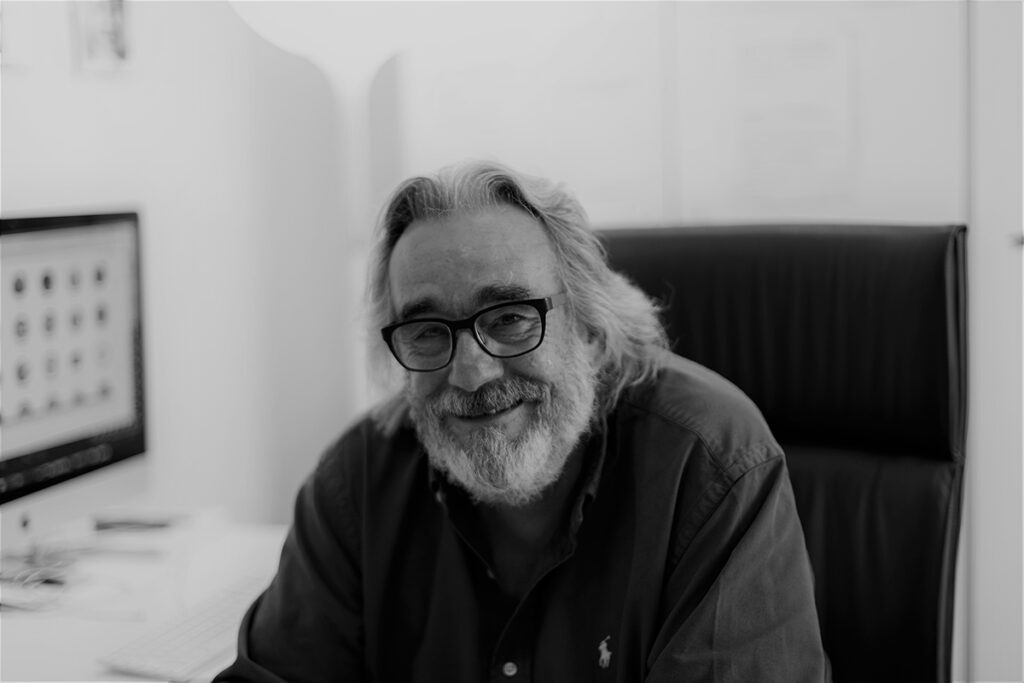
Michele De Luca, MD

University of Modena and Reggio Emilia (2019 Senior Scientist Award Winner)

Receiving this award for me is very important. Mainly because it comes from the scientific community. That your colleagues recognize your work is of particular value. And it’s going to push us hard to continue.

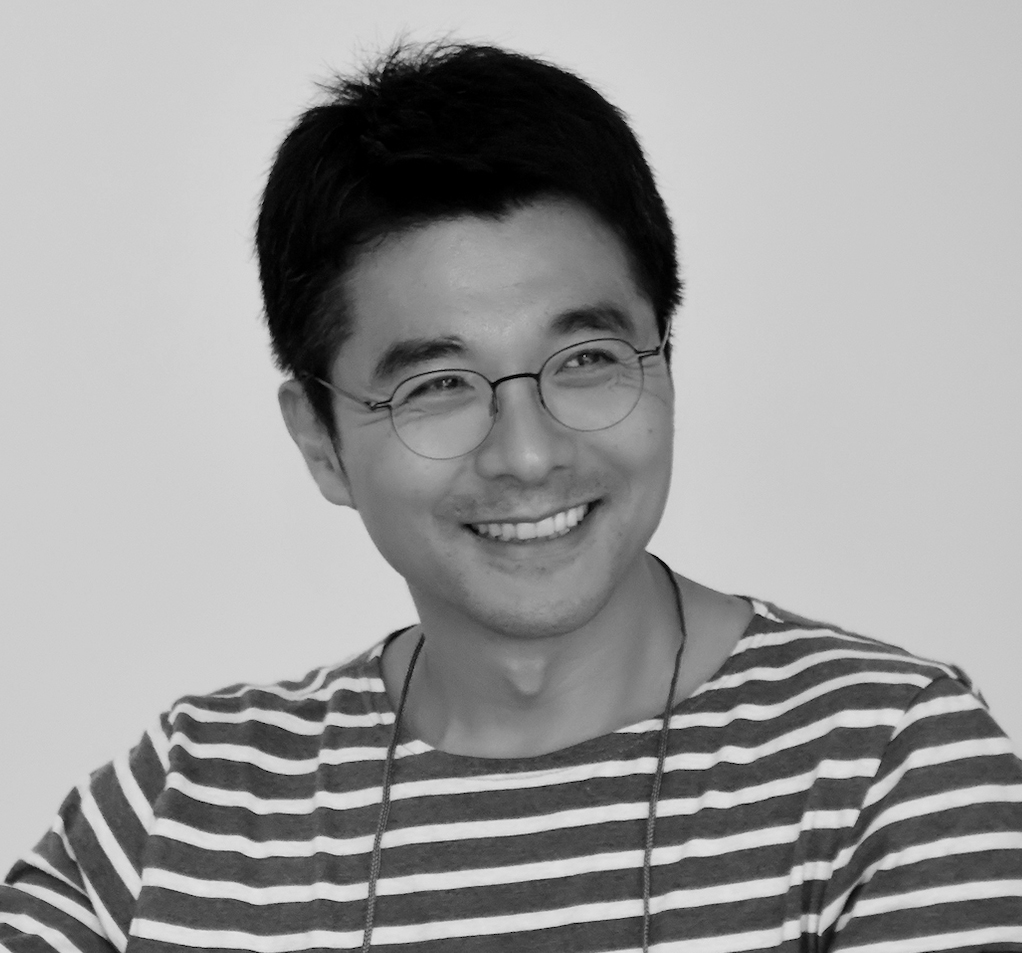
Jeong Ho Lee, MD, PhD

Associate Professor, Korea Advanced Institute of Science and Technology (KAIST) (2020 Early-Career Scientist Award Winner)

It is a great honor to be recognized by a jury of such globally respected scientists whom I greatly admire. More importantly, this award validates research into brain somatic mutations as an important area of exploration to help patients suffering from devastating and untreatable neurological disorders.

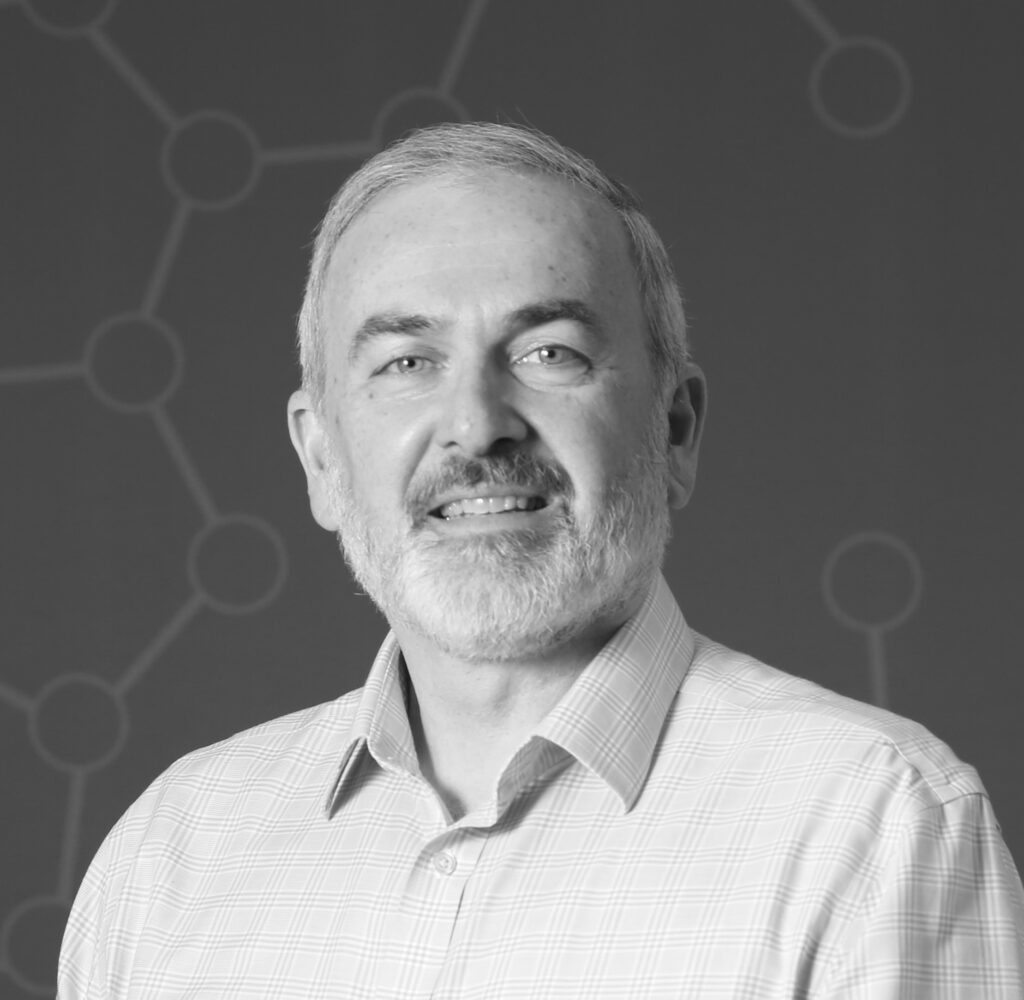
Adrian R. Krainer, PhD

St. Giles Foundation Professor at Cold Spring Harbor Laboratory (2020 Senior Scientist Award Winner)

I’m extremely honored to receive this recognition for research that my lab and our collaborators carried out to develop the first approved medicine for SMA.  As basic researchers, we are driven by curiosity and get to experience the thrill of discovery; but when the fruits of our research can actually improve patients’ lives, everything else pales in comparison.

Elaine Y. Hsiao, Ph.D.

Associate Professor of Biological Sciences at UCLA (2022 Early-Career Scientist Award Winner)

Winning the Innovators in Science Award is a great privilege for me as an early-career scientist. Not only does it signal a welcome to new researchers to help advance the field, it also recognizes the discoveries made possible by my talented and inspiring colleagues in the lab who share my dedication to uncovering interactions between the gut, its native microbes, and the brain. This award will continue to motivate me to go where science leads.

Jeffrey Gordon, MD

NYAS Swirl Logo

Distinguished University Professor at Washington University School of Medicine in St. Louis (2022 Senior Scientist Award Winner)

This award is a wonderful recognition of the excitement and promise that the field of microbiome research offers, and of the collective efforts of the inspiring group of talented students, staff, and collaborators who I’ve been privileged to work with as we strive to better understand how the gut impacts our health.

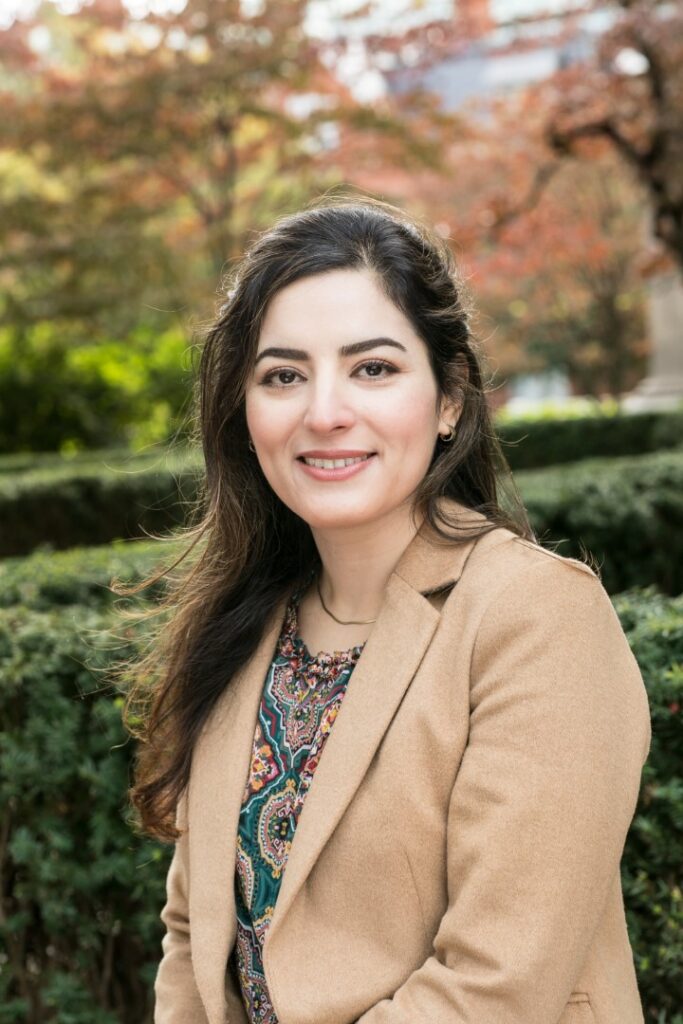
Elham Azizi, PhD

Assistant Professor of Cancer Data Research at Columbia University (2024 Early-Career Scientist Award Winner)

The Innovators in Science Award motivates me, my team and the broader community to continue on the path of blending multiple fields to find creative cancer immunology solutions. This award will allow me and my team to forge new collaborations and explore high-risk and ambitious directions in our mission to help patients.

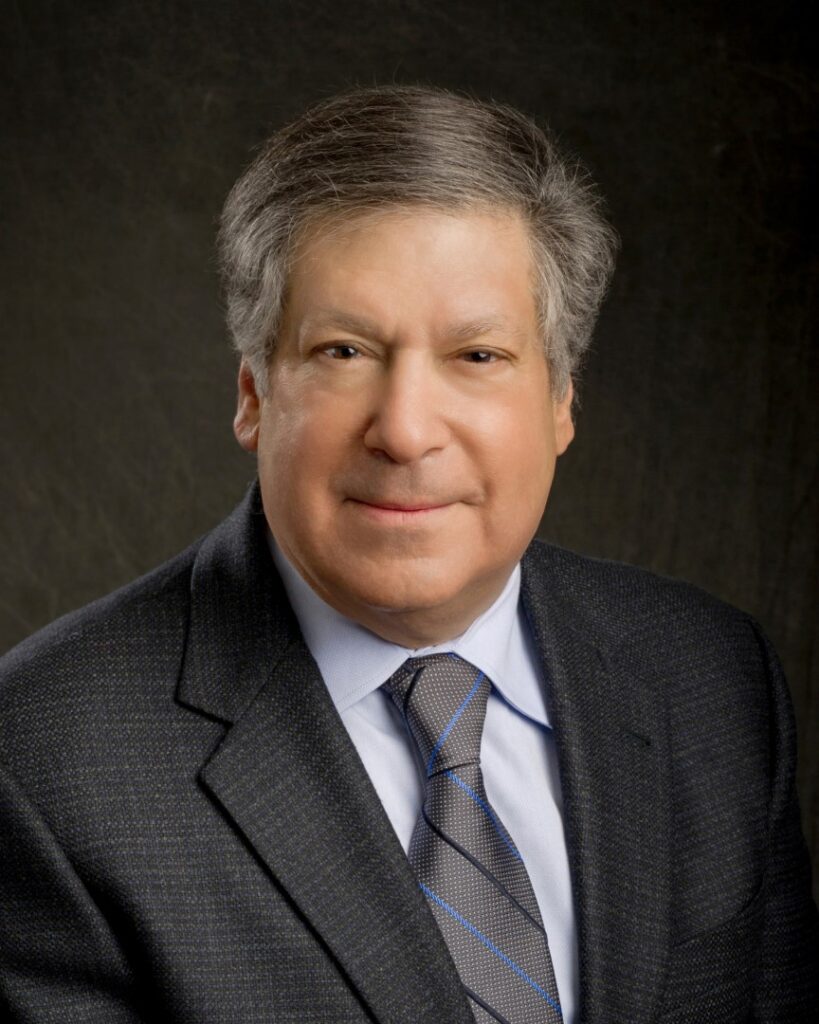
Robert D. Schreiber, PhD

Director of The Bursky Center for Human Immunology and Immunotherapy at Washington University in St. Louis (2024 Senior Scientist Award Winner)

I began researching the connection between the immune system and cancer more than 40 years ago…Scientific research is rewarding even when it takes decades to see results, which is why this award is so meaningful to me.

Takeda and The New York Academy of Sciences Announce 2024 Innovators in Science Award Winners

The 2024 Innovators in Science Awards recognize innovative science that has significantly advanced the field of research in cancer immunology.

  • 2024 Award Celebrates Outstanding Research in Cancer Immunology
  • Winners Discovered Novel Connections Between the Immune System and Cancer
  • Recipients Each Receive Unrestricted USD 200,000 Awards

OSAKA, Japan, and CAMBRIDGE, Massachusetts | December 5, 2023Takeda (TSE:4502/NYSE:TAK) and The New York Academy of Sciences today announced the winners of the 2024 Innovators in Science Award for their excellence in, and commitment to, innovative science that has significantly advanced the field of research in cancer immunology. Each winner receives an unrestricted prize of USD 200,000.

Senior Scientist Winner: Robert D. Schreiber, Ph.D.

The 2024 Senior Scientist winner is Robert D. Schreiber, Ph.D., the Andrew M. and Jane M. Bursky Distinguished Professor of Pathology and Immunology and director of The Bursky Center for Human Immunology and Immunotherapy at Washington University in St. Louis. Dr. Schreiber is an international leader in the fields of tumor immunology and cytokine biology. His early work was foundational in characterizing the role of cytokines in promoting immune responses to cancer. Dr. Schreiber pioneered the concept of “cancer immunoediting,” which describes how the immune system can induce, promote and prevent cancer. He also identified a novel subset of immune cells that interfere with cancer immunotherapy.

“I began researching the connection between the immune system and cancer more than 40 years ago. Along the way my research has benefitted from the contributions of more than 70 colleagues, technicians and trainees who have helped build on both our small discoveries and setbacks to make connections that are now transforming cancer research and treatment,” said Dr. Schreiber. “Scientific research is rewarding even when it takes decades to see results, which is why this award is so meaningful to me.”

Early-Career Scientist Winner: Elham Azizi, Ph.D.

The 2024 Early-Career Scientist winner is Elham Azizi, Ph.D., assistant professor of biomedical engineering, and the Herbert and Florence Irving Assistant Professor of Cancer Data Research at Columbia University. Dr. Azizi is recognized for developing a suite of computational tools and models that leverage artificial intelligence and machine learning to characterize immune profiles in the tumor microenvironment. Her novel machine learning algorithms are applied to data from genomic and imaging technologies, guiding improved and personalized cancer therapies. Dr. Azizi’s work has helped identify immune components involved in anti-tumor responses and characterize immune states that promote tumor progression and response to immunotherapy. Her innovative models have identified, for the first time, determinants of immunotherapy response in leukemia.

“This award is a significant recognition of our efforts to push the boundaries of cancer immunology through innovations in statistical machine learning,” said Dr. Azizi. “The Innovators in Science Award motivates me, my team and the broader community to continue on the path of blending multiple fields to find creative cancer immunology solutions. This award will allow me and my team to forge new collaborations and explore high-risk and ambitious directions in our mission to help patients.”

Treating Cancer with Immunotherapies

“We are inspired by the groundbreaking work of Dr. Schreiber and Dr. Azizi to deepen our understanding of both the immune response to cancer and immunotherapies,” said Andrew Plump, M.D., Ph.D., president of research & development at Takeda. “There has been remarkable progress in treating cancer with immunotherapies, thanks to the advances of these researchers and others. Takeda proudly supports the Innovators in Science Award to honor researchers who share in our goal to improve lives through the relentless pursuit of science.”

“Cancer is the second-leading cause of death worldwide. We are proud to join Takeda to champion pioneering medical researchers around the world who seek to harness the power of the body’s own immune system to fight cancer,” said Nicholas B. Dirks, President and CEO of The New York Academy of Sciences. “The 2024 Innovators in Science Award winners are using AI, computational tools and groundbreaking methods to fight cancer and advance the field of cancer immunology. We congratulate the winners and eagerly await their future discoveries.”

The 2024 winners will be honored at the Innovators in Science Award ceremony and symposium in April 2024 in Boston. For more information, visit TakedaInnovators.com.

About the Innovators in Science Award

Established in 2016, the Innovators in Science Award grants two unrestricted prizes of USD 200,000 each award cycle: one to an early-career scientist and the other to a well-established senior scientist who have distinguished themselves for the creative thinking and impact of their research. The Innovators in Science Award is a limited submission competition in which research universities, academic institutions, government, or non-profit institutions, or equivalent from around the globe with a well-established record of scientific excellence are invited to nominate their most promising early-career scientists and their most outstanding senior scientists.

The therapeutic focus rotates each year. The 2024 focus is cancer immunology. Prize winners are determined by a panel of judges, independently selected by The New York Academy of Sciences, with expertise in these disciplines. The New York Academy of Sciences administers the Award in partnership with Takeda. For more information, visit TakedaInnovators.com.

About Takeda

Takeda is focused on creating better health for people and a brighter future for the world. We aim to discover and deliver life-transforming treatments in our core therapeutic and business areas, including gastrointestinal and inflammation, rare diseases, plasma-derived therapies, oncology, neuroscience and vaccines. Together with our partners, we aim to improve the patient experience and advance a new frontier of treatment options through our dynamic and diverse pipeline.

As a leading values-based, R&D-driven biopharmaceutical company headquartered in Japan, we are guided by our commitment to patients, our people and the planet. Our employees in approximately 80 countries and regions are driven by our purpose and are grounded in the values that have defined us for more than two centuries. For more information, visit www.takeda.com.

Media Contacts
Takeda (Japanese Media)

Yuko Yoneyama
yuko.yoneyama@takeda.com

Takeda (U.S. and International Media)

Kerry Bryant
kerry.bryant@takeda.com

First Winners of the Tata Transformation Prize Announced Today, Celebrating Pathbreaking Innovation in India

Three rising stars in science are recognized for their cutting-edge solutions to food security, sustainability, and healthcare.

Mumbai, India | 7 November 2023 – Tata Sons and The New York Academy of Sciences today announced the first Winners of the Tata Transformation Prize. The prize recognizes and supports visionary scientists in India who are developing innovative solutions to critical societal challenges.

Three scientists were selected from 169 entries by an international jury of renowned experts for their innovations in food security, sustainability, and healthcare. Each winner will receive INR 2 crores (approximately US$240,000) and will be honoured at a ceremony in Mumbai in December 2023. The jury included distinguished scientists, clinicians, technologists, and engineers spanning six continents from a variety of organizations, including IBM Research, Indian Institute of Science Bangalore, Indian Institute of Technology Madras, International Centre for Genetic Engineering and Biotechnology, Public Health Foundation of India, and UN-Habitat.

The 2023 Tata Transformation Prize Winners are:

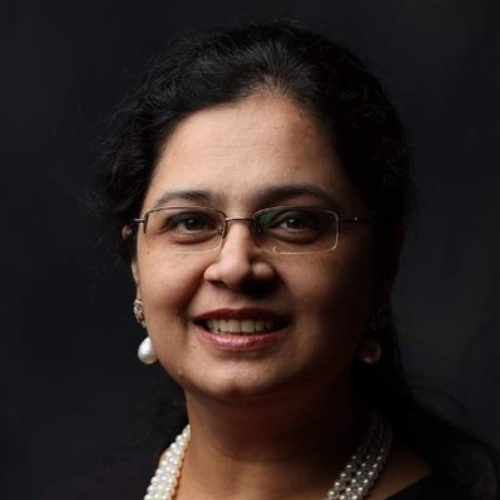
A woman in pearls smiles for the camera.

Food Security Winner: Shilpi Sharma, PhD, Indian Institute of Technology Delhi
Professor Shilpi Sharma was selected by the jury for her work in the engineering of the soil microbiome using synthetic microbial communities, called microBIOme-based soil TRANSFORMation (BIOTRANSFORM). Plant diseases threaten crop productivity and, consequently, the global economy. Unlike conventional farming that uses agrochemicals and synthetic fertilizers, soil amended organically has the natural ability to suppress a wide range of plant pathogens. Starting from naturally suppressive soil, Shilpi will catalog the active microbial players and their mechanism of suppression of a range of phytopathogens. Her work will be the first to map the natural suppressive potential of soil across six states of India and to harness this potential by microbiome engineering to facilitate sustainable agriculture in the country and beyond.

Sustainability Winner: Purnananda Guptasarma, PhD, Indian Institute of Science Education and Research Mohali
Professor Purnananda Guptasarma was selected by the jury for his breakthrough methods to degrade polyethylene terephthalate (PET), a common plastic pollutant, using enzymes. PET is currently produced and used at unsustainable levels, creating worldwide plastic pollution and micro-plastic contamination in the air, water, and soil, as well as in animal and human bodies. Only 9% of PET is actually recycled worldwide. Guptasarma’s enzyme-driven strategy uses engineered thermostable enzymes and reactions to demonstrate that solid PET can be broken up into its smallest molecular building blocks with high yield and ultra-high purity to enable PET’s degradation and recycling into virgin plastic. Building on this proof of concept at the laboratory-scale, Guptasarma will further identify and improve enzymatic reagents and reactions for PET degradation and attempt to produce the best enzymes in quantities allowing pilot-scale PET-waste degradation and recycling.

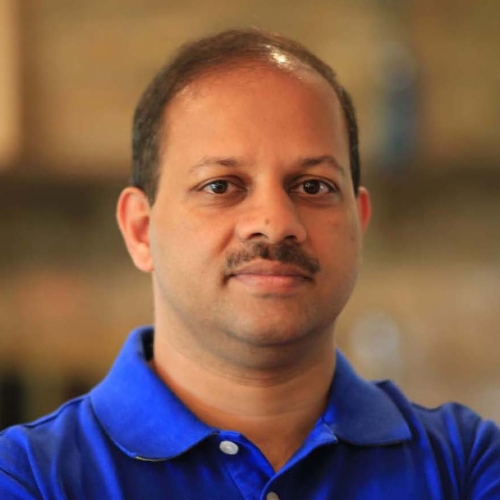
A man poses for the camera.

Healthcare Winner: Anurag S. Rathore, PhD, Indian Institute of Technology Delhi
Professor Anurag S. Rathore is a healthcare pioneer aiming to reduce the manufacturing cost of biotherapeutics for treating cancer and autoimmune diseases, thus enabling equal access to these top-tier, expensive treatments currently out of reach for 90% of the Indian population. Rathore has established a state-of-the-art drug manufacturing facility with continuous processing that incorporates novel methods for real-time process monitoring and control. Rathore’s innovation is projected to reduce manufacturing costs by 50-75%, making best-in-class biotherapeutics for complex diseases significantly more affordable for Indian populations in need and further advancing India’s position at the forefront of global medical innovation.

N. Chandrasekaran, Chairman of the Board of Tata Sons, said, “We are extremely delighted to announce the first cohort of Tata Transformation Prize winners and their groundbreaking innovations aimed at solving India’s national problems in the areas of food security, sustainability, and healthcare. On behalf of Tata Sons, we are pleased to provide these scientists a global stage to take their technologies from India to the rest of the world.”

Nicholas Dirks, President and CEO of The New York Academy of Sciences, said, “Congratulations to the first Winners of the 2023 Tata Transformation Prize. From developing new soil enhancements to improve crop yield, creating methods to make critical medicines available to all, and developing techniques to tackle plastic pollution, these scientists are making important contributions to Indian society and the world. We also thank the jury for sharing their time and expertise in reviewing the submissions in the first year of the Tata Transformation Prize.”

About the Tata Transformative Prize

The Tata Transformation Prize was established in 2022 by Tata Sons and The New York Academy of Sciences to support breakthrough, innovative technologies that address India’s most significant challenges. By recognizing and supporting the implementation at scale of high-risk, high-reward research, the Prize will drive impactful innovation in scientific disciplines of importance to India’s societal needs and economic competitiveness. The Prize will leverage the exceptional potential of scientists in India to address critical national challenges in three categories—Food Security, Sustainability, and Healthcare—and generate improved life quality outcomes across India and beyond. The Tata Transformation Prize recognizes one Winner in each category, with INR 2 crores (approximately US$240,000) for each Winner. Click here for more information about the Tata Transformation Prize.

About the Tata Group

Founded by Jamsetji Tata in 1868, the Tata Group is a global enterprise, headquartered in India, comprising 30 companies across ten verticals. The group operates in more than 100 countries across six continents, with a mission ‘To improve the quality of life of the communities we serve globally, through long-term stakeholder value creation based on Leadership with Trust’.

Tata Sons is the principal investment holding company and promoter of Tata companies. Sixty-six percent of the equity share capital of Tata Sons is held by philanthropic trusts, which support education, health, livelihood generation and art and culture.

In 2022-23, the revenue of Tata companies, taken together, was $150 billion (INR 12 trillion). These companies collectively employ over 1 million people. Each Tata company or enterprise operates independently under the guidance and supervision of its own board of directors. There are 29 publicly listed Tata enterprises with a combined market capitalisation of $300 billion (INR 24 trillion) as on July 31, 2023. Companies include Tata Consultancy Services, Tata Motors, Tata Steel, Tata Chemicals, Tata Consumer Products, Titan, Tata Capital, Tata Power, Tata Communications, Indian Hotels, Tata Digital, Air India and Tata Electronics. Website: https://www.tata.com

The Tata Transformation Prize is the latest in a series of prominent awards and scholarship programs The New York Academy of Sciences and its partners present each year to accomplished early-career and established scientists worldwide. These initiatives, along with education and professional development programs for students and young scientists, reflect the Academy’s broader commitment to strengthening and diversifying the pipeline for skilled and talented scientists globally. Please visit us online at nyas.org.

Media Contact

Tata Sons
Harsha Ramachandra
harsha.r@tata.com

Work-Life Balance is Key in the Hybrid Environment

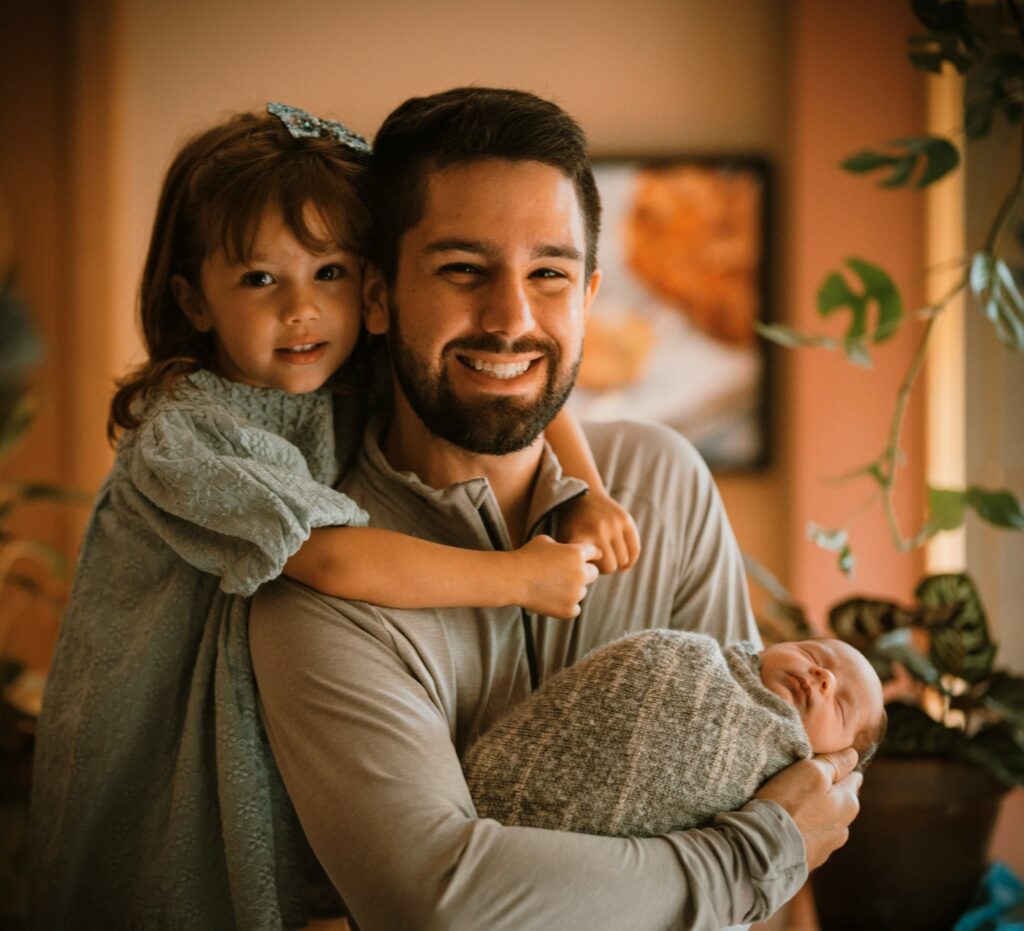
A man poses with his toddler daughter while holding a newborn baby.

Daniel Brandenburg, the 2022 Blavatnik Regional Awards Finalist in Physical Sciences & Engineering, offers tips on how to find a healthy work-life balance in the new age of hybrid work.

Published September 21, 2022

By Daniel Brandenburg

Daniel Brandenburg

For many of us, COVID ushered in an era of working from home. I was traveling for a scientific conference when Brookhaven National Laboratory first sent all employees home to work. It was an eerie experience returning from a trip and just never going back to my office. At first, I loved working from home, since every extra minute with my wife and two young daughters is a gift. As I tried to balance everything, I quickly realized that working from home is a double-edged sword. As much as I loved being seconds away from my family, I really benefit from a “work” routine—of getting out of the house and going to the office.

The change in external environment naturally helped change my internal focus, shifting it onto my research and work. Then, at the end of the day when I left my office, the change in environment helped my to-do list slip out of my mind. Working from home removed that routine overnight along with the environment switching that I relied on to kick-start my morning focus and my winding down each day. At first, I didn’t even have a home office, since we lived in a small apartment. So, I worked wherever I could find some peace and quiet. But when you train yourself to focus on work at your dinner table or in your living room, it is hard to ever forget about work in your own home.

If left unchecked, that turns into an unhealthy cycle: work, eat, sleep, work.

And that is not a good routine for life or for long-term quality and productivity. Whenever I catch myself getting too overwhelmed with my research or falling into a bad routine, my family is what helps me find balance. That help comes primarily in two ways:

1) Balance is hard work. My family gives me something outside of work I truly care about enough to invest the hard work needed to find balance.

2) They expect me to succeed in finding balance, and they celebrate with me when I do.

Daniel with his two children.

I think number one is easy to overlook. Anything that requires hard work needs to be compelled by something you value, otherwise it can be hard to stay motivated. Most scientists genuinely enjoy their research, so what is the harm in another hour or two? Having a daughter that is eagerly awaiting my free time puts that into sharp focus and gives me a reason to put healthy boundaries on my time. I enjoy physics and most of my daily work, so it’s even more important for me to recognize and remember that time spent on work, is time not spent on something else that’s important and good.

But number two is at least as important for me. “Balance” isn’t something that happens once; it is a process and a pattern with ups and downs at different periods. And academia is a competitive field. Even more, I work in a large scientific collaboration with over 700 members from across the globe—there’s really no concept of a nine-to-five. So sometimes I work a long day or, if a major conference is coming, maybe a long couple of weeks. Those are the times when it is easiest for it to become normal, to slip into an unhealthy work routine. But my family doesn’t operate on deadlines, so they are expecting me to make time for them every day, regardless of the day or week. And when I do, they are happier, and I am too. This expectation for successful balance is a kind of restorative force, preventing me from ever getting too unhealthy. I am glad for that kind of positive pressure in my life.

Daniel kayaking with his daughter.

So, practically speaking, I try to focus 100 percent on work when I am working. I set up my environment to remove distractions and unrelated interests. This lets me feel accomplished and honest with my time at the end of the day. Then, once the workday is done, I try to plan quality time with my family. For instance, my daughter and I have been making use of the hot summer to go kayaking together. She is still small enough to sit in my lap in a single kayak. We often spend hours together talking, exploring, and looking for fish. Even the more mundane parts of daily life can be planned for a better outcome. I acquired a love of cooking from my father, so often I’ll try to make dinner with my wife or daughter’s help. Since my older daughter is only three-and-a-half years old, I must find creative ways for her to help. Sometimes that means giving her an extra bowl and her own ingredients to mix. Sometimes it means making a mess—that’s my wife’s favorite 😉

These kinds of activities are my favorite because they engage my mind, they help me relax, and they often provide teachable moments for my daughters.

This piece was originally published on the National Postdoctoral Association member blog as part of 2022 National Postdoc Appreciation Week. Current Academy Members can receive a 20% discount on a National Postdoctoral Association postdoc individual membership by emailing info@nyas.org and requesting the NPA membership discount code

Learn more about the 2022 Blavatnik Regional Awards for Young Scientists


About the Author

Daniel Brandenburg is a Finalist in Physical Sciences & Engineering for the 2022 Blavatnik Regional Awards for Young Scientists. You can learn more about him and the Blavatnik Awards at Blavatnikawards.org