Immunology, Atomic Structures, and the Origin of Life

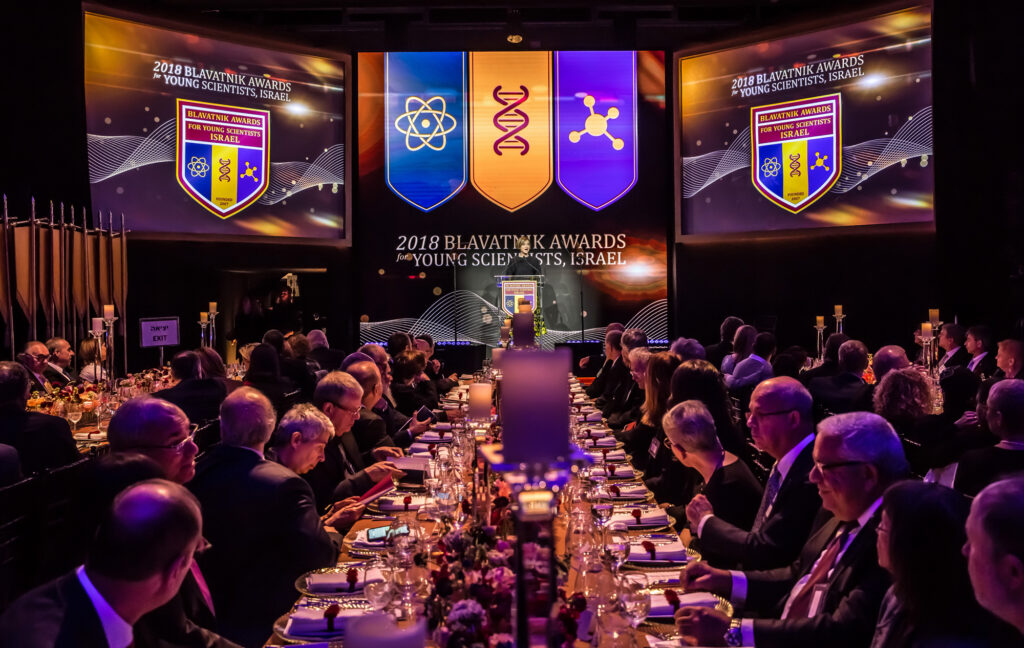
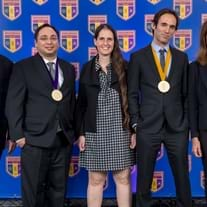
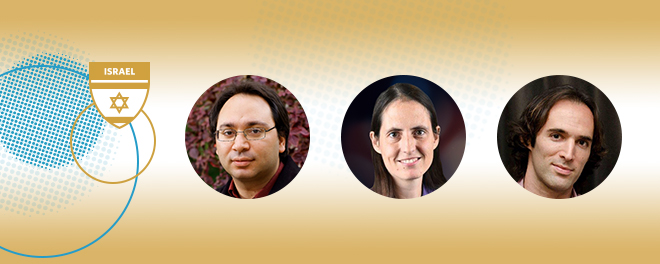
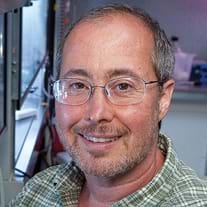
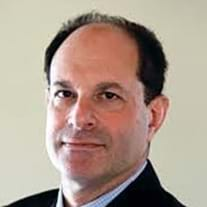
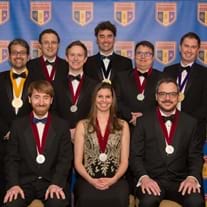
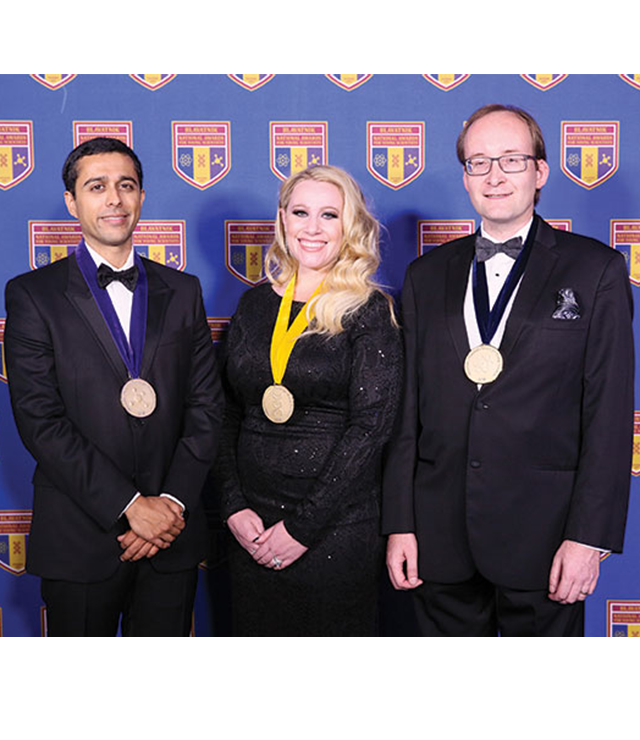
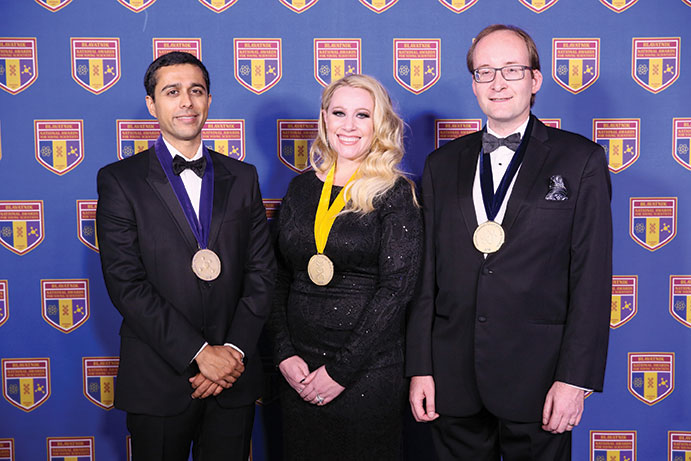
Three award winning scientists pose for the camera.

Meet the inspiring young 2018 Blavatnik Award laureates being recognized for their work in the areas of Life Sciences, Chemistry and Physical Sciences & Engineering.

Published October 1, 2018

By Anni Griswold

Life Sciences Laureate: Janelle Ayres, PhD, The Salk Institution for Biological Studies
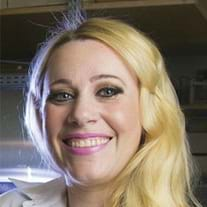
An Unexpected Truce in the War on Pathogens

Much of immunology’s past has focused on defense: Generations of grad students have untangled host strategies for detecting and eliminating biologic threats.

Legions of labs have designed antibiotics to stock the host’s arsenal. But the field may have an altogether different future, says Janelle Ayres, PhD, the Helen McLoraine Developmental Chair of the NOMIS Center for Immunobiology and Microbial Pathogenesis at the Salk Institute.

“The traditional assumption was that you just had to be able to kill the pathogen — that’s all it took to survive an infection,” Ayres says. “That didn’t make sense to me because of the physiological damage that can happen. During an infection, the host immune response is doing far more damage than the microbe.”

More than a decade ago, while other graduate students traced signaling pathways of the innate immune system, Ayres — then a doctoral student in David Schneider’s laboratory at Stanford — pursued an idea gleaned from plant biology literature: What if humans, like plants, express genes that boost fitness and allow them to coexist with pathogens until they can safely ride out an infection?

Cooperation and Survival Over Death and Destruction

In the years since, Ayres has uncovered an accomplice to the traditional immune system. The “cooperative defense” system, as she calls it, is less focused on death and destruction and more on cooperation and survival.

“Often, a patient’s immune system is fully capable of killing an infection, but the patient dies from the pathology before they’re able to kill the infection,” Ayres says.

Or, in other cases, the pathogen produces toxic compounds or disrupts physiological functions. By engaging the patient’s cooperative defense system, the patient can remain healthy enough for the immune system to come in and clear the infection. Her discovery has inspired a new branch of immunology and earned Ayres the 2018 Blavatnik National Award for Young Scientists.

In a groundbreaking paper published on September 20th 2018 in Cell, Ayres described the system in action. Mice infected with the diarrheal pathogen Citrobacter, a close relative of the pathogenic Escherichia coli strains, remain symptom-free by consuming iron-supplemented chow for two weeks.

“We can promote co-operative defenses by giving a short course of dietary iron, which induces an acute state of insulin resistance,” she says. “This reduces the amount of glucose absorbed from the gut and suppresses expression of the pathogen’s virulence program.”

The mice resumed their normal diet after treatment and are still alive a year later.

“They’re perfectly healthy,” Ayres says.

Therapies that Engage Cooperative Defenses

The microbe remains in the mouse gut, but no longer causes symptoms — even when that microbe is isolated and injected into naïve mice.

“We’re not only able to treat the infection, but we also turn the microbe into a commensal and we drive the selection for strains that lose their virulence genes,” she says.

Therapies that engage cooperative defenses could help humans gain an advantage in the war on drug-resistant microbes.

“We are essentially in a pre-antibiotic era, meaning we’re running out of antibiotics that used to be our last resort. Many are no longer effective,” says Ayres. “We’re basically in as bad shape now as we were before we even developed antibiotics.”

While the oft-touted solution is to develop newer, stronger antibiotics, Ayres champions a more farsighted approach.

“We need to develop novel classes of antibiotics, but we also need to acknowledge that by focusing on methods that kill microbes, we’re driving the global crisis of antimicrobial resistance. We can’t solely think about treating infections from this antagonistic perspective,” she says.

Therapies that engage the body’s cooperative defenses will drive human survival rather than microbial demise. As such, those therapies will likely be “evolution-proof,” meaning they won’t further the problem of drug resistance. Ayres’ findings suggest the war against pathogens can’t be won with defense alone. “And so,” she says, “we’re taking a completely different perspective.”

Chemistry Laureate: Neal K. Devaraj, PhD, The University of California, San Diego
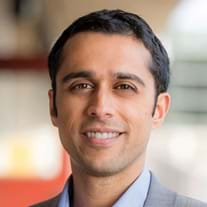
When Molecules Become Life

The smallest unit of life — the cell — has fascinated and bewildered scientists for ages.

The prospect of producing a synthetic cell from scratch is particularly tantalizing, given the practical applications for diagnosing and treating disease. But to achieve that feat, scientists must address the simplest, most profound questions.

“It’s almost philosophical: What is life? What is the chemistry from which life can emerge? Quite literally, when does chemistry become biology?” says Neal K. Devaraj, PhD, a professor of chemistry and biochemistry at the University of California, San Diego, and a winner of the 2018 Blavatnik National Award for Young Scientists.

“I’m constantly reminded that life can come about from nothing. But if you really dive into it, it’s a black box. We really have no idea how this occurred,” he says. “What’s truly exciting, from a scientist’s perspective, is the unknown.”

Though scientists haven’t yet produced a living cell from synthetic materials, Devaraj and others have come close. Chemistry-minded teams tend to tackle this goal from the bottom up, recreating reactions that spawned the first cell.

The Interface Between Chemistry and Biology

Biology-minded teams work from the top down, stripping cells to their bare essentials in hopes of revealing the minimum requirements for life. Devaraj’s team takes a hybrid approach, examining the interface between chemistry and biology.

“We’re not so concerned about the origin of life,” he says. “We’re more concerned about understanding how one creates materials that mimic cellular form and function, in a lab, using anything at our disposal.”

His team uses chemical tools to parse biological questions, like the significance of a cell’s lipid coating. After dissecting the fatty compounds’ function, his lab introduced synthetic cells that can reproduce in perpetuity once encased in lipid shells and fed a proper diet. This has revolutionized strategies for diagnosing and treating lipid-related disorders.

“These cells are far from being as sophisticated and complex as modern cells. They don’t contain DNA. They don’t undergo Darwinian evolution. But looking back at how cells may have evolved billions of years ago, who knows? Maybe the first cells did start off simply, like this,” he says.

A Longstanding Curiosity About the Origins of Life

Devaraj’s longstanding curiosity about the origins of life burgeoned during his undergrad years at MIT, where he pursued a double major in chemistry and biology. During his doctoral studies at Stanford, he was tasked with writing a mock proposal for a faculty research position.

“I was imagining what I could work on that would remain really exciting and difficult for decades,” he recalls. “And I was inspired by this idea of trying to mimic life.”

One of his doctoral advisors, James Collman, specialized in biomimetic chemistry: creating compounds that mimic enzyme function. “If you think about it, the natural progression of biomimetic science is to mimic life itself, to mimic cells,” he says. “I was inspired to take it a bit further by exploring the minimal chemistry from which life can emerge.”

Though his research is gratifying, Devaraj says his collaborations with students and postdocs are even more so.

“What really gets me up every morning are the conversations about new data, new ways of thinking. It’s a very collaborative effort,” he says, adding that early on, he staffed his lab with post docs and students that came from diverse backgrounds. “Some of my first postdocs had a thorough training in synthetic organic chemistry, much more so than I had. By working together, we were able to achieve something that neither of us on our own could have achieved.”

Physical Sciences & Engineering Laureate: Sergei V. Kalinin, PhD, Oak Ridge National Laboratory
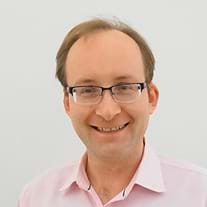
Sculpting Materials from the Finest Matter

Sergei V. Kalinin is an architect of the most peculiar sort. His blueprints are atomic structures; his pencil an electron beam.

Whereas other architects build cathedrals brick by brick, Kalinin aims to build nanomaterials, atom by atom. His tailored materials could form the groundwork for tomorrow’s microchips, transistors, quantum computers and medical devices. If successful, Kalinin’s advances promise to revolutionize human health, space flight and the computer-brain interface.

“Science rarely develops along a straight trajectory,” says Kalinin, director of the Institute for Functional Imaging of Materials at the Oak Ridge National Laboratory.

Contributions in Microscopy

His contributions to scanning transmission electron microscopy and scanning probe microscopy, recognized with the 2018 Blavatnik National Award for Young Scientists, are no exception. Like many innovations, Kalinin’s craft came about serendipitously. His tools for building atomic-scale structures stem from a flaw in electron microscopy, a powerful method for observing a material’s crystal structure.

Scientists have long known that the microscope’s electron beam can inadvertently jostle atoms out of position. In a 2015 paper in the journal Small, Kalinin and colleagues fashioned this flaw into a precise, powerful tool for sculpting atomic matter in 3-D.

“The assumption was that if you see atoms, you will understand them. But that’s not enough,” he says. “You can image atoms, but the question is what can you learn from it? Eventually you need to read the blueprints of nature to understand how an atomic configuration achieves a certain functionality. Then you can learn how to make your own blueprints, and use electron beams to build your own configurations.”

The Beginning of Nanotechnology

His interest in the field burgeoned three decades ago, when the scientific literature buzzed with papers describing scanning tunneling microscopy. In 1990, the renowned physicist Don Eigler used a scanning tunneling microscope to form individual atoms of xenon into the letters I-B-M.

“That was essentially the beginning of nanotechnology,” Kalinin recalls. “In a sense, the fields of nanotechnology and quantum computing are predicated on the ability to put the atoms where we want them and to characterize the properties of these structures. But even more, we need to control and shape the matter’s electronic properties and find ways to combine these materials with existing semiconductor technologies.”

To achieve those goals, Kalinin’s lab uses smart approaches — artificial intelligence, big data and machine learning — to understand how atoms can be positioned in a way that achieves a desired function. Working with Stephen Jesse, an expert in the real-time big data behind scanning probe and electron microcopy, Andy Lupini, an original inventor of aberration correctors in STEM, and Rama Vasudevan and Maxim Ziatdinov, experts in deep learning applications and physics extraction from atomically resolved data, they aim to design nanoscale and mesoscale materials for use in energy storage, information technology, medicine and other applications.

“If we talk about grand ideas like exploring the solar system, we need to make devices and machines that are light, versatile and can interact with surrounding materials of any form and action,” he says. “To achieve that, you need to move from imaging to understanding to atomic-level control.”
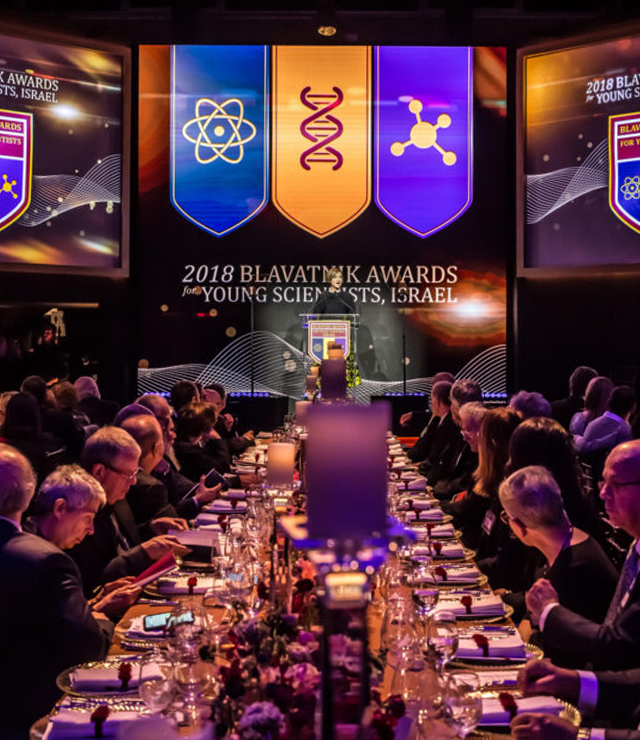
New Award Aims to Advance Science in Israel

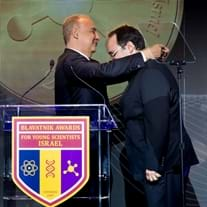
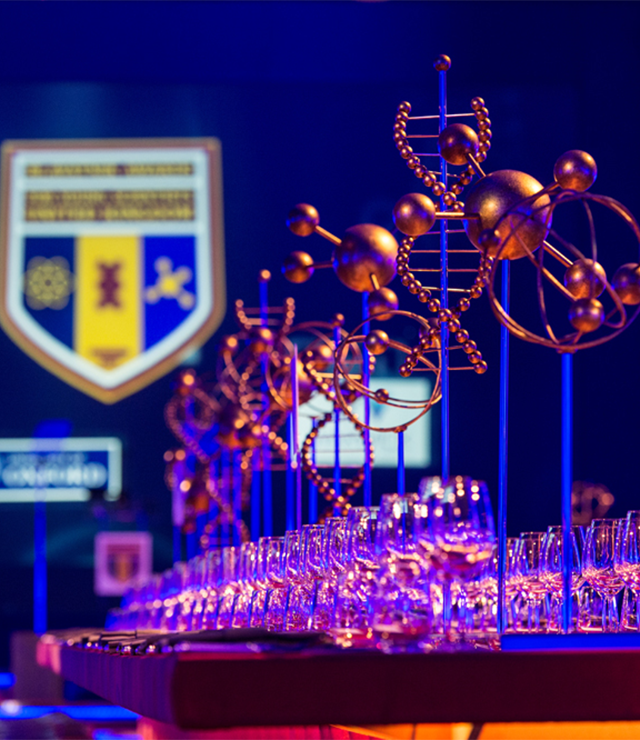
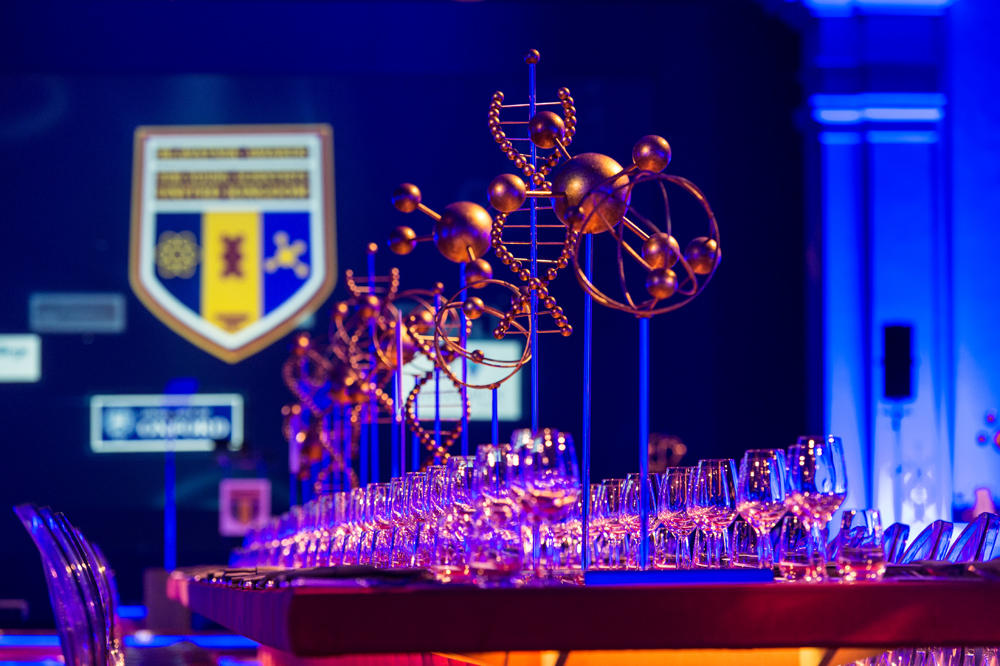
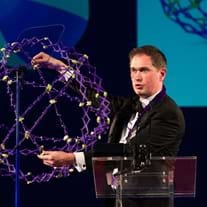
A shot from the gala for the inaugural Blavatnik Award ceremony in Israel.

The Blavatnik Family Foundation hosts the first Blavatnik Awards Ceremony in Israel in collaboration with The New York Academy of Sciences and the Israel Academy of Sciences and Humanities. Take a look at the spectacular occasion.

Published May 1, 2018

By Kamala Murthy

The Blavatnik Family Foundation in collaboration with The New York Academy of Sciences and the Israel Academy of Sciences and Humanities, hosted the Inaugural Ceremony and Gala for the Blavatnik Awards in Israel at the Israel Museum in Jerusalem on February 4, 2018.

This spectacular occasion marked the Blavatnik Awards’ first year in Israel.  Prominent leaders across Israel, including from academia, business and philanthropy, attended this remarkable event. Dana Weiss, Chief Political Analyst and host of Israel’s “Saturday Night with Dana Weiss,” presented the Blavatnik Awards as Ceremonial emcee.

The evening began with a vocal performance by one of Israel’s most celebrated singer/songwriters, Ronan Kenan.  A short opening film entitled “Start-up nation” was shown. The film highlighted Israel’s entrepreneurial spirit that drives innovation and discovery in the country. Both President Nili Cohen of the Israel Academy of Sciences and Humanities and President Ellis Rubinstein of the New York Academy of Sciences gave opening remarks for the inaugural ceremony.

Honoring Israel’s Leading Young Scientists

The evening honored three of Israel’s leading young scientists: Dr. Charles Diesendruck, a chemist reviving the field of “Mechanochemistry” from the Technion – Israel Institute of Technology; Prof. Anat Levin, a computer scientist working in the field of computational photography who is also from the Technion; and Dr. Oded Rechavi, a geneticist from Tel Aviv University studying non-DNA-based inheritance.

These three Laureates were chosen by a distinguished panel of judges from across Israel  and selected from 47 nominations that were submitted by eight of Israel’s top universities and independent research institutions.  Before each Laureate was announced, a short film introducing each scientist and the significance of their particular research areas were shown:

Blavatnik Family Foundation Founder and Chairman Mr. Len Blavatnik awarded each scientist with their personalized medal. The scientists were given the opportunity to present in-depth overviews of their current research to the audience. Nobel Laureate, Israel Prize Winner, and Distinguished Research Professor of the Faculty of Medicine at Technion – Israel Institute of Technology, Prof. Aaron Ciechanover, was the keynote speaker for the evening. The Anchor Choir of the Jerusalem Academy of Music and Dance concluded the ceremony with a vocal performance.

Learn more about the 2018 Blavatnik Laureates in Israel.

Shaping our Understanding of the Brain’s Function

Innovators in Science Award

The Innovators in Science Award Honorees are Breaking New Ground in Neuroscience: Dr. Shigetada Nakanishi has uncovered essential components of neural networks.

Published May 1, 2018

By Anni Griswold

Albert Einstein reportedly once said, “Not everything that can be counted counts, and not everything that counts can be counted.” Though the 2017 honorees of the Innovators in Science Award have plenty of countable achievements, their stories reveal a common thread — creative approaches to their work and the development of disruptive tools that transformed scientific understanding in their discipline.

Unmasking Cellular Messengers

Shigetada Nakanishi

During medical school, Shigetada Nakanishi, MD, PhD, became frustrated when he realized how little was known about the etiology of many diseases. “As a consequence, I gradually began to think that research work on basic medicine to explore the mechanisms of diseases is more valuable as my life work,” he says.

This change of heart set him on a path of scientific discovery. It eventually shaped our modern understanding of the brain’s function. Nakanishi is Director of the Suntory Foundation for Life Sciences Bioorganic Research Institute and Senior Scientist Winner. He has uncovered essential components of neural networks, including diverse glutamate receptors that mediate communication between neurons. His work has also revealed how the cerebellar and basal ganglia circuits control motor coordination, learning and motivation.

Along the way, he developed an innovative cloning strategy for cloning membrane-embedded transmitter receptors, and uncovered genes encoding NMDA and G-protein coupled glutamate receptors.

“Science can be fruitfully done and [is] enjoyable when you design and carry out your experiments according to your own questions and ideas,” he says. “Then, you will be deeply inspired and surprised with the beauty of nature.”


Read more about Innovators in Science Award Honorees:

Israel’s Most Promising Researchers of 2018

Three outstanding Israeli Scientists win the 2018 Blavatnik Awards for Young Scientists in Israel during its inaugural year.

Published May 1, 2018

By Kamala Murthy

For over a decade in the United States, the Blavatnik Awards have honored exceptional young scientists and engineers. The award highlights their extraordinary achievements, recognizing their remarkable promise for future discoveries, and accelerating innovation in their research.

Established in 2007, the Blavatnik Awards are a signature program of the Blavatnik Family Foundation that are administered by the New York Academy of Sciences. Awarded in Israel for the first time – in collaboration with the Israel Academy of Sciences and Humanities – three of the country’s most outstanding young scientists and engineers will receive $100,000 each, one of the largest unrestricted prizes ever created for early-career researchers in Israel.

From 47 nominees, encompassing Israel’s most promising scientific researchers aged 42 years and younger and nominated by Israeli research universities, a distinguished national jury selected three outstanding laureates, one each from the disciplines of Life Sciences, Chemistry, and Physical Sciences & Engineering:

  • Dr. Oded Rechavi
    Senior Lecturer, Department of Neurobiology, Tel Aviv University
  • Dr. Charles Diesendruck
    Assistant Professor of Chemistry, Schulich Faculty of Chemistry, Technion – Israel Institute of Technology
  • Prof. Anat Levin
    Associate Professor, The Andrew & Erna Viterbi Faculty of Electrical Engineering, Technion – Israel Institute of Technology

The inaugural Blavatnik Awards for Young Scientists in Israel will be honored at a formal ceremony in Jerusalem on February 4, 2018. The Laureates will join a network of their peers as members of the Blavatnik Science Scholars community. The net work is currently comprised of over 220 Blavatnik Award honorees from the decade-old U.S. program. Laureates will also be invited to attend the annual Blavatnik Science Symposium at the Academy each summer. Here the Scholars come together to exchange new ideas and build cross-disciplinary research collaborations.

To learn more about this year’s Blavatnik Laureates and other honorees, please visit the Blavatnik website here and follow us on Twitter: @BlavatnikAwards.

The Important Role of Neuroscience in Social Interaction

Innovators in Science Award

The Innovators in Science Award Honorees are Breaking New Ground in Neuroscience: Dr. Kay Tye has made discoveries between neural networks and social interaction.

Published May 1, 2018

By Anni Griswold

Albert Einstein reportedly once said, “Not everything that can be counted counts, and not everything that counts can be counted.” Though the 2017 honorees of the Innovators in Science Award have plenty of countable achievements, their stories reveal a common thread — creative approaches to their work and the development of disruptive tools that transformed scientific understanding in their discipline.

Bridging Psychology and Neuroscience

As an undergraduate at the Massachusetts Institute of Technology, Kay Tye, PhD, an Early-Career Scientist Finalist, enjoyed taking psychology classes alongside her load of neuroscience coursework. But the contrast revealed each field’s shortcomings. Psychology felt unsatisfying, she says, because it lacked a mechanism to trace thought and emotion back to neural mechanisms. And neuroscience focused on sensory or motor systems without hinting at how these systems give way to thought and emotion.

Eventually, she devised a plan to bridge the fields. She began using optogenetics to tease apart the underpinnings of motivation and reward. “The dream has always been to completely understand on every level how complex social and emotional representations exist in the brain,” says Tye, Assistant Professor at MIT’s Picower Institute for Learning and Memory. Using this approach, Tye has made startling discoveries about the neural networks involved in social interaction, including the finding that loneliness drives social interaction.

Going forward, she aims to explore how social representations are parsed in the brain. This research program, she says, could someday lead to targeted therapeutics for psychiatric conditions that have minimal side effects.

“If we understand the cells and circuits and synapses that give rise to different emotional states,” she says, “then we can understand when there are perturbations and how to fix them.”


Read more about Innovators in Science Award Honorees:

Cognitive Flexibility in Artificial Intelligence

Innovators in Science Award

The Innovators in Science Award Honorees are Breaking New Ground in Neuroscience: Dr. Michael Halassa’s research on AI systems could impact our perception of reality.

Published May 1, 2018

By Anni Griswold

Albert Einstein reportedly once said, “Not everything that can be counted counts, and not everything that counts can be counted.” Though the 2017 honorees of the Innovators in Science Award have plenty of countable achievements, their stories reveal a common thread — creative approaches to their work and the development of disruptive tools that transformed scientific understanding in their discipline.

Biological Underpinnings of the Mind

Michael Halassa

Michael Halassa, MD, PhD, an Early-Career Scientist Finalist, has traced the neural correlates of cognition from the thalamus to the cortex and beyond. But his interests in neurocomputational frameworks trace back even farther — to the first time he watched “The Matrix.”

As he watched the film’s characters grapple with a simulated reality, Halassa began wondering how something as intangible as the mind can perceive reality in the first place. If we were to look inside the brain, he wondered, where would we find the mind? How do we make decisions and solve problems?

“If we can understand how these functions are normally accomplished by the physical device we call the brain, then we’ll have a better understanding of how these functions go awry in conditions such as schizophrenia, autism or ADHD,” says Halassa, an Assistant Professor of Brain and Cognitive Science at Massachusetts Institute of Technology (nominated while at New York University in New York).

Computational Frameworks

Halassa abandoned the traditional tactic of studying the molecular and electrical properties of individual cells. Instead, he assembled computational frameworks that could map physical features, such as synapses, onto abstract processes such as thought. His approach revealed that the thalamus, a brain region long assumed to relay simple sensory input to the cortex, actually streams detailed instructions that allow the cortex to shift between tasks.

“From moment to moment, your brain reconfigures on the fly to perform different types of tasks. That reconfiguration is what defines things like intelligence, productivity and performance.” Glitches in this network configuration may contribute to psychiatric diseases, he says.

His findings could lead to artificial intelligence systems that display similar cognitive flexibility. Such “neuromorphic computing” could lead to a greater understanding of how we perceive reality.


Read more about Innovators in Science Award Honorees:

The Research Behind Neurons and Cell Behavior

Innovators in Science Award

The Innovators in Science Award Honorees are Breaking New Ground in Neuroscience: Dr. Viviana Gradinaru’s research enables scientists to visualize neuron and cell behavior.

Published May 1, 2018

By Anni Griswold

Albert Einstein reportedly once said, “Not everything that can be counted counts, and not everything that counts can be counted.” Though the 2017 honorees of the Innovators in Science Award have plenty of countable achievements, their stories reveal a common thread — creative approaches to their work and the development of disruptive tools that transformed scientific understanding in their discipline.

Illuminating the Brain’s Circuitry

Viviana Gradinaru

As an undergraduate, Viviana Gradinaru, PhD, the Early-Career Scientist Winner, became fascinated with the underpinnings of neurodegeneration. But few tools existed to dissect the phenomenon. Undeterred, she set out to create her own.

During graduate school, Gradinaru borrowed light-sensitive proteins from algae and bacteria and introduced them to mammalian neurons. Her hope was to switch individual cells on or off in response to laser stimulation. Using this strategy, she revealed how specific brain circuits underlie locomotion, reward and sleep. One of Gradinaru’s tools, dubbed “eNpHR3.0,” is now widely used in the field of optogenetics — a field that her work helped launch.

Now an Assistant Professor of Biology and Biological Engineering at Cal Tech, Gradinaru has moved on to other tools and methods. This includes tissue-clearing techniques that render organs transparent. These see-through systems allow scientists to visualize where neurons start and stop. They also study how the cells behave along the way.

Gradinaru’s team was also among the first to introduce vectors that can shuttle genes across the blood-brain barrier with high efficiency. These genes can express colors. This allows scientists to visualize neural pathways, or they can normalize biochemical or electrical properties in a disease model.

“Developing tools and perfecting them to the level where they can work in other people’s hands,” she says, “is key to maximum impact.”

Ultimately, Gradinaru says she hopes these tools will inspire non-invasive therapies that can repair faulty brain circuits and address issues such as neurodegeneration.


Read more about Innovators in Science Award Honorees:

The Role of Glial Cells in Alzheimer’s, Parkinson’s

Innovators in Science Award

The Innovators in Science Award Honorees are Breaking New Ground in Neuroscience: Dr. Ben Barres inspired many with his continued efforts, in the face of his own battle with pancreatic cancer.

Published May 1, 2018

By Anni Griswold

Albert Einstein reportedly once said, “Not everything that can be counted counts, and not everything that counts can be counted.” Though the 2017 honorees of the Innovators in Science Award have plenty of countable achievements, their stories reveal a common thread — creative approaches to their work and the development of disruptive tools that transformed scientific understanding in their discipline.

Uncovering a New Role for Glia Cells: Shaping the Neural Communication Network

Ben Barres

Before Ben Barres, MD, PhD, began studying glia — cells that safeguard and anchor neurons — they were thought to play a relatively minor role in the nervous system. But Barres’ work revealed that glial cells, which far outnumber neurons, serve a more important function.

“Ben pioneered the idea that glia play a central role in sculpting the wiring diagram of our brain and are integral for maintaining circuit function throughout our lives,” said Thomas Clandinin, PhD, and professor of neurobiology at Stanford in a university press release. Clandinin was a colleague of Barres, who passed away in December 2017.

Dr. Barres inspired many with his continued efforts, in the face of his own battle with pancreatic cancer, to advance therapies for neurodegenerative disease. His obituary outlines more about his accomplished life and career.

Barres, a Senior Scientist Finalist and former Chair of Neurobiology at Stanford, began his career as a clinical neurologist. He eventually became disillusioned by the medical field’s poor understanding of neural degeneration. While reviewing pathology slides, he found that degenerating brain tissue was often surrounded by a high density of unusually shaped glial cells.

He pursued a PhD and eventually characterized three types of glial cells, revealing how they shape electrical signal transmission. He shared the tools and reagents for cloning these cells, sparking widespread interest in glial function.

Barres’ most recent work showed that rogue glial cells drive neurodegenerative disorders such as Alzheimer’s and Parkinson’s diseases, a finding he described as “the most important discovery my lab has ever made.”


Read more about Innovators in Science Award Honorees:

A Molecular Approach to New Pain Drugs

Innovators in Science Award

The Innovators in Science Award Honorees are Breaking New Ground in Neuroscience: Dr. David Julius takes a molecular approach to explore compound structures.

Published May 1, 2018

By Anni Griswold

Albert Einstein reportedly once said, “Not everything that can be counted counts, and not everything that counts can be counted.” Though the 2017 honorees of the Innovators in Science Award have plenty of countable achievements, their stories reveal a common thread — creative approaches to their work and the development of disruptive tools that transformed scientific understanding in their discipline.

Pain Relief Begins with Basic Science

David Julius

In a field as urgent and divisive as pain control, the race to market new drugs often overshadows a slower yet essential expedition: curiosity-driven science. But in David Julius’ lab at the University of California, San Francisco, curiosity has always been king.

As a graduate student in the early 1980s, Julius, a Senior Scientist Finalist, became fascinated with neurotransmitter systems. He read every paper he could find about the effects of psychoactive drugs on the nervous system. This included works by Timothy Leary and Sol Snyder. Eventually his curiosity led him to clone the serotonin receptor, a groundbreaking feat that introduced molecular biology into the field of pain research, long dominated by physiologists, pharmacologists and psychologists.

In the years since, he has taken a molecular approach to explore how plant-derived products such as capsaicin from chili peppers and menthol from mint leaves “tickle the pain pathway.” His findings have shed light on various pain receptors in the brain and uncovered ion channels that regulate sensory neurons in response to thermal or chemical stimuli.

“If any of these lead to a new pain drug, I’ll be incredibly gratified by that,” says Julius, PhD, a professor of physiology. “But in the end, these [new drugs] arise from asking basic questions about somatosensation and pain. It’s important to keep that in mind, because you never know when a basic discovery will transform an area.”


Read more about Innovators in Science Award Honorees:

New Blavatnik Awards Advance Science in the UK

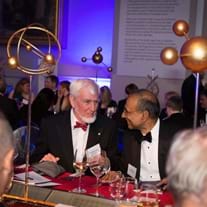
At shot from the Blakatnik Awards ceremony in the UK.

The Blavatnik Family Foundation Hosts the UK’s First Blavatnik Awards Ceremony at London’s Victoria and Albert Museum in Collaboration with The New York Academy of Sciences

Published March 7, 2018

By Marie Gentile, Mandy Carr, and Richard Birchard

A gala evening celebrating the UK’s most promising young faculty-level scientists, the 2018 Blavatnik Awards for Young Scientists in the United Kingdom, was held on March 7, 2018 at the Victoria and Albert Museum in London. The evening was a glamorous event attended by the UK’s top leaders in science, business, and philanthropy.

The Blavatnik Awards, established by the Blavatnik Family Foundation in the United States in 2007 and administered by The New York Academy of Sciences, celebrate the past accomplishments and future potential of young faculty researchers, aged 42 years and younger. 

These awards recognize scientists working in three disciplinary categories of science: Life Sciences, Chemistry, Physical Sciences & Engineering.  

This occasion marked the inaugural year of the Awards in the UK.

Distinguished guests that attended the ceremony included Chief Medical Officer for England, Prof. Dame Sally Davies; ethologist and author, Richard Dawkins; Chief Executive of the British Association for the Advancement of Science, Ms. Katherine Mathieson; 2014 Nobel Laureate Prof. John O’Keefe, 2017 Nobel Laureate Prof. Richard Henderson.

Ellis Rubinstein, President and CEO of The New York Academy of Sciences served as Master of Ceremonies for the Blavatnik Awards Ceremony and provided opening remarks.  A processional of students from the SouthBank International School carried flags representing the honorees’ academic and research institutions into the ceremony.

In each category, two Finalists were awarded medals plus a prize of $30,000 and one Laureate in each category was awarded a medal and a prize of $100,000. Sir Leonard Blavatnik presented medals to the three Laureates and six finalists:

Chemistry

  • Clare Gray, of the University of Cambridge, introduced 2018 Blavatnik Awards UK Laureate in Chemistry Prof. Andrew L. Goodwin of University of Oxford and his work on ground-breaking research in theoretical and applied studies of disorder and flexibility in materials.

Physical Sciences & Engineering

  • Sir Richard Friend, from the University of Cambridge, introduced 2018 Blavatnik Awards UK Laureate in Physical Sciences & Engineering, Prof. Henry Snaith, also of University of Oxford, and highlighted his research in developing new, low-cost and high-efficiency solar cells based on metal halide perovskite materials.

Life Sciences

  • Veronica van Heyningen, Honorary Professor at University College London and University of Edinburgh, introduced 2018 Blavatnik Awards UK Laureate in Life Sciences, Dr. M. Madan Babu of the Medical Research Council (MRC) Laboratory of Molecular Biology, with the award for his insights into the structural biology and molecular logic of key proteins and protein motifs, including GPCRs [G-protein Coupled Receptors] and intrinsically-disordered protein regions.

The evening concluded with 2009 Nobel Laureate and President of the Royal Society Professor Sir Venki Ramakrishnan giving the keynote speech on elevating science through scientific awards and the importance of honoring scientists early in their career versus lifetime achievement awards.