Former New York City Health Commissioner Dr. Dave Chokshi argues that AI’s greatest promise may not be discovering the next miracle cure but helping proven care reach the patients medicine still misses.
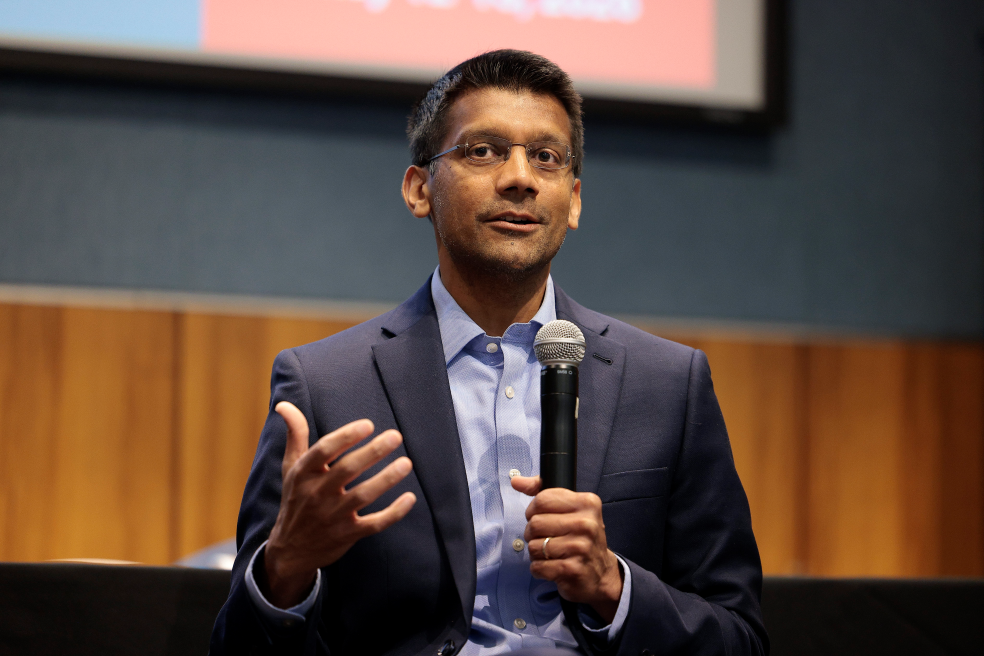
Dave A. Chokshi, MD, MSc, discusses how AI could help close the gap between medical discovery and care delivery during The New Wave of AI in Healthcare 2026.
Artificial intelligence is often framed as a force that will expand the frontiers of what healthcare can discover: new drug targets, better diagnostics, faster clinical decision-making, and predictive tools capable of seeing patterns humans can’t.
But Dave A. Chokshi, MD, MSc, offered a different challenge at The New Wave of AI in Healthcare 2026, a May 12–13 conference in New York City presented by the Windreich Department of Artificial Intelligence and Human Health at the Icahn School of Medicine at Mount Sinai and The New York Academy of Sciences. In a fireside chat on health leadership in the era of AI, moderated by Girish Nadkarni, MD, MPH, Chief AI Officer at Mount Sinai, the former New York City Health Commissioner and current physician argued that healthcare shouldn’t measure AI’s success only by what it helps invent. It should also ask what AI can help deliver.
Closing the Gap Between Discovery and Delivery
For Dr. Chokshi, one of the most urgent opportunities is closing what he called “the discovery-delivery gap” or the “no-do gap”: the stubborn distance between what science has already made possible and what patients actually receive.
“You read about AI and drug discovery, and don’t get me wrong, I’m excited about that as well,” he said, “but we literally have medicines that are curative right now, or have near-perfect efficacy in preventing diseases right now that do not reach the patients who would most benefit from them.”
Dr. Chokshi made the gap concrete with examples where proven interventions still fall short of reaching the people who need them. Curative hepatitis C antivirals have been available for more than a decade and can eliminate the virus before it leads to liver cancer or the need for a liver transplant, yet “less than a third of patients receive those medicines who are diagnosed with hepatitis C.” For pre-exposure prophylaxis for HIV prevention, he pointed to lenacapavir, a twice-yearly injectable that he described as having “100% efficacy at preventing HIV” in a Phase 3 clinical trial. And for hypertension, he noted that “half of the patients with high blood pressure are not controlled.”
The problem, in other words, isn’t always discovery. It’s delivery.
That distinction matters. In an era of rapid AI development, it’s tempting to imagine the future of healthcare as a race toward the next breakthrough. Dr. Chokshi’s perspective points instead to a quieter, more persistent failure: the inability of the health system to reliably connect people with interventions that already work.
“We know how to control blood pressure. This is not rocket science. We don’t need AI to tell us what to do about that,” Dr. Chokshi said. “Okay, but so how can AI help? AI can help through doing things like augmenting our case finding.”
In practice, that means using AI to help health systems identify people who may have an undiagnosed condition, qualify for a proven intervention, or have fallen out of care before receiving or completing treatment. Rather than replacing clinical judgment, AI could help surface the patients most likely to be missed and connect them sooner to care already known to work.
From Breakthrough to Follow-Through
Case finding is only the beginning. Dr. Chokshi also emphasized navigation: the complex, often exhausting work of helping patients move from diagnosis to treatment, through scheduling, prior authorization, follow-up, and completion of care. It’s in those handoffs that healthcare systems lose people. Not because the science is inadequate, but because the delivery system is fragmented, burdensome, and too often indifferent to patients’ time and circumstances.
That is where AI could become transformative: not as a substitute for care, but as infrastructure for follow-through.
“Those are some of the use cases that I’m most excited about,” Dr. Chokshi said. “How do we direct AI, not just to the breakthroughs, but to the follow-throughs?”
The question shifts the ethical center of AI in healthcare. If AI is used mainly to make already efficient systems more profitable, or to give more tools to patients who already have access, it could widen existing gaps. But aimed at the people healthcare routinely misses, AI could become a tool for equity.
The Patients Healthcare Does Not See
Dr. Chokshi returned to the idea during the audience discussion, describing “the patients we do not see.”
“When we’re making rounds in the hospital, or when I see patients in my clinic, we say we’re seeing patients. But I’m always thinking about, from the public health perspective, the patients who never make it across our threshold in the first place,” he said.
The scale of that challenge is enormous. As Dr. Chokshi noted, “there are 100 million people in the United States who don’t have regular access to a doctor.” Those patients may be absent from care because of cost, distrust, immigration status concerns, logistical barriers, or earlier experiences of abandonment by the healthcare system. Reaching them takes more than digital tools. It takes trust.
That is why Dr. Chokshi’s vision of AI is not technology-first, it’s relationship-first.
Why Relationships Still Come First
Drawing from his clinical work at New York’s Bellevue Hospital with people experiencing homelessness, Dr. Chokshi described a first visit with a patient who may have been out of care for years. The electronic health record may be full of alerts and overdue health maintenance items. But the immediate clinical task, he said, is often more basic and more human.
“My job as a physician to so many of my patients is simply to forge enough of a relationship with them, to have them trust me enough, to come back for a second visit.”
That insight should shape how healthcare leaders evaluate AI. Tools that reclaim time for clinicians, support community health workers, reduce administrative waste, and help patients navigate care may do more for health outcomes than tools that merely accelerate documentation or increase throughput. Dr. Chokshi warned that productivity shouldn’t be defined narrowly as doing more to clinicians or patients. It should also challenge administrative complexity and waste.
AI, in other words, shouldn’t become another layer of burden. At its best, It should help restore the human work of care.
As Dr. Chokshi put it, “everything that is good, everything that works in our health system is because it is oriented around a human relationship. So that’s the starting point.”
The Breakthrough Healthcare Needs Most
The next wave of AI in healthcare will undoubtedly produce new discoveries. But Dr. Chokshi’s challenge is more immediate: can it help medicine act on what it already knows? Can it identify the patient with undiagnosed hepatitis C, help someone complete treatment, support a community health worker, reduce the waiting and paperwork that consume patients’ lives, and bring proven care to people who never reach the clinic door?
That may be the AI breakthrough healthcare needs most.
As Dr. Chokshi asked near the close of the discussion: “How do we get from breakthrough to follow-through to realize the actual health benefit of the transformative technologies that we already have in our midst?”
As cities like New York expand offshore wind energy to meet renewable power goals, concerns remain about the impact windfarm infrastructure can have on marine ecosystems. In the Fall 2025 Junior Academy Challenge, one team proposed transforming wind turbines into reef-like living ecosystems that support marine animals and help them thrive rather than causing harm.
Published May 8, 2026
By Nicole Pope
Winner of the Junior Academy Challenge – Fall 2025
Sponsored by The New York Academy of Sciences and Empire Wind 1
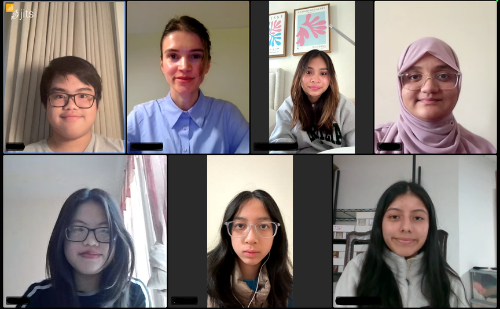
Team members: Dakila G. (Team Lead) (New York, United States), Aizah Z. (New York, United States), Lucy L. (New York, United States), Biying L. (New York, United States), Mikaela V. (New York, United States), Anna L. (New York, United States)
Mentor: Krenare Bruqi (France)
Renewable energy enables societies around the world to meet growing demand for electricity without further exacerbating the effects of climate change. The teams of high-school students who participated in the Fall 2025 Junior Academy Challenge discovered, however, that while the benefits of renewable energy are undeniable, building the infrastructure for renewable energy sources such as windfarms and operating them can still impact the environment and local marine life.
“I learned that the overall establishment of a supposed environmentally friendly structure can have significant effect on the local ecosystem,” says Team Lead Dakila G. “This challenge taught me about the various ecological effects of offshore windfarms in marine biodiversity. Marine animals tend to dramatically decrease in number during construction due to noise and trawling effects.” As New York City plans to introduce new offshore windfarms to meet its commitment to achieving a fully renewable electricity grid within the next 15 years, challenge participants were tasked with finding innovative solutions to ensure that offshore wind farms can offer a truly sustainable energy source, allowing marine life to thrive.
A Wide Range of Marine Biodiversity
“Our community in New York City is home to a wide range of marine biodiversity, from fish and birds to marsh plants and shellfish,” explains team member Lucy L. “It is essential to find solutions to protect these habitats and ecosystems since they play a major role in keeping our environment clean.” Wind is an abundant resource, which peaks in the afternoon and evening, just when energy demands rise and wind farms form an important part of the city’s energy development plans.
As a first step toward developing their BioTurbine Collective solution, the team researched the various aspects of offshore windfarms that can disturb or damage the marine environment. “During construction, noise, habitat destruction, and displacement force marine animals to migrate, disrupt communication, and increase the risk of biodiversity loss, which harms the ecosystem’s balance,” says team member Mikaela V. “Furthermore, I realized how strongly the ocean is affected by human actions and how important it is to design wind farms efficiently to reduce all the negative impacts to try to protect our ocean, therefore, our planet.”
Real World Problem Solving
The disruption is not limited to the construction stage. The rotating wind turbines can alter currents and water movement and impact the distribution of plankton and other nutrients that marine species rely on. The noise the wind farms emit can affect navigation and communication among marine life while cables generate electromagnetic fields.
“This topic required real world problem solving skills and strong collaboration skills with my peers,” explains Anna L. “We had to analyze all the layers interconnected within a single topic, as a group we had to consider the scientific, social and environmental factors to our solution. We had to research, collaborate and bring our utmost creativity skills.” The brainstorming among team members paid off, and they focused their efforts on a novel solution: Turning the wind turbines into reef-like, living ecosystems that support marine animals and enable them to thrive, rather than harming them.
To achieve this result, their design incorporates several innovative elements. Turbine foundations are built of eco-friendly materials such as limestone and recycled concrete to create safe homes for fish, bivalves, crabs, shrimps and other sea creatures. Bubble curtains reduce construction noise by up to 95%, protecting sensitive species like marine birds and pelagic fish. Water is kept clean by shellfish reefs and kelp forests that remove nitrogen and phosphorus, while also providing shelter and nutrition to marine species.
The team also envisages blocking trawl fishing around the turbines to prevent overfishing and support the recovery of fish populations. The BioTurbine Collective team added smart technology components to their project with underwater cameras and eDNA monitoring systems to provide visuals and data on the animals and their behavior. The students envisaged using 3-D printers to craft the artificial reefs that will add more shellfish habitats.
Testing Their Approach
The team members tested their approach, using an environmental simulation model, Ecopath. The results were exciting and showed clear signs of biodiversity improvements. Reef fish (+40%), bivalves (+30%) and crustaceans in particular increased in number significantly. They also found that trawl exclusion produced strong gains, especially for bottom-dwelling species. Noise and electromagnetic field reduction had more limited effects but still contributed to protecting sensitive species like sharks and birds.
“My teammates were really dedicated people and had a genuine interest in marine biodiversity,” says team member Biying L., explaining that participants had varying interpretations of the problem at first. Through intense and convivial discussions, they arrived at a solution. “We had diverse and meaningful ideas that came together well.” For the students, the challenge offered a valuable opportunity to apply their skills to real-world problems while learning and collaborating with their peers.
“Throughout this challenge, I have been exposed to various new topics and have been able to expand my knowledge with regard to marine biodiversity and how we can help encourage it,” says team member Aizah Z. “Overall, this project has allowed me to develop new skills such as thinking outside of the box by teaching me a significant amount about marine biodiversity and also assisting with collaboration.”
As global food waste continues despite widespread hunger, the winning team in the Fall 2025 Junior Academy Innovation Challenge focused on reducing post-harvest losses in Sub-Saharan Africa by designing an affordable cooling transport system to keep produce fresh longer.
Published May 8, 2026
By Nicole Pope
Winner of the Junior Academy Challenge – Fall 2025
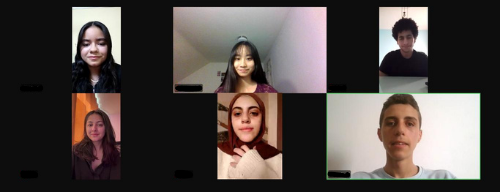
Team members: Jana H. (Team Lead) (Egypt), Louay C. (Tunisia), Tiffany G. (Massachusetts, United States), Neev H. (Virginia, United States), Adam A. (Egypt), Salwa A. (Egypt)
Mentor: Brisa Torres (Germany)
All over the world, up to one billion meals are wasted every day, according to a United Nations study. In fact, some estimates suggest that about one third of all food produced is wasted on the journey from farm to fork. At the same time, over 700 million people have limited access to nutritious meals and go hungry. Clearly, urgent action is needed to tackle food waste. The teams participating in the Fall 2025 Junior Academy Innovation Challenge sought to do just that by developing innovative approaches to prevent food from going bad before it can be consumed.
Members of the winning team, who called their project Save2Serve, explored the situation in Sub-Saharan Africa (SSA) where up to 50% of fruits and vegetables spoil before reaching markets. They found that, due to the lack of affordable cold-chain transport, post-harvest food loss is one of the major obstacles to food security and economic stability in many countries of the region.
“Learning about the communities in Sub-Saharan Africa changed my understanding of the problem. I knew food waste was a global issue, but I didn’t realize how often people lose food simply because they cannot keep it cold during transport,” admits team member Tiffany G. “Limited access to reliable refrigeration makes it hard for farmers and sellers to protect what they grow.”
Exploring All Aspects
While developing their solution, the team delved into all aspects of the problem. “This challenge has been such an incredible learning opportunity. I genuinely gained a lot of knowledge from not only researching solutions, but also connecting with my teammates,” says team member Neev H. “Having intellectual conversations with peers from around the world was eye-opening to me, and I’m extremely grateful to have had this opportunity.” In addition to impacting the lives of local communities and costing the countries of the region billions of dollars, food waste also accounts for around 9% of global greenhouse emissions and a third of the world’s agricultural land is used unproductively.
For the team, working on this project was eye-opening. “This experience has profoundly impacted my awareness of food waste and the many factors that contribute to it. I realized how often food is discarded not because it is inedible but due to aesthetic standards or logistical limitations like insufficient refrigerated transport,” explains Team Lead Jana H. “Ultimately, this reflection has deepened my commitment to addressing food waste and its broader implications. The experience was a reminder that meaningful change starts with awareness and determination to act.”
Farmers in SSA often transport their produce in poorly insulated or even open trucks, leaving the food exposed to high temperatures. Traditional refrigerated trucks are often too costly to purchase, their fuel consumption is high, and they require regular maintenance that many farmers can’t afford.
An Ingenious Solution
The students came up with an ingenious solution, which involves retrofitting trucks with solar panels and vacuum-insulated panels to provide cool transport at lower cost. “Working on our retrofit truck idea made me dive deep into things I never would’ve before. It also taught me a lot about how the food chain works,” says team member Salwa A. “Throughout the project, I learned a lot from my teammates and enjoyed working with them. When we had different perspectives, we discussed them and focused on what would make a difference for our community.”
Their innovative, hybrid cooling system involves fitting solar panels on the roof of the truck to power a DC compressor. They equipped the interior walls of the truck with phase change material (PCM) panels, which serve as thermal batteries filled with paraffin wax. The PCM panels freeze at a set temperature to store cold energy and keep the cargo cool for long periods without running the compressor. Humidity and temperature sensors enable close monitoring of the cargo bay, allowing the driver to start the compressor if needed to prevent food spoilage.
The Potential Impact
To measure the potential impact of their new design, the team used artificial intelligence (AI) to run a system simulation. Their analysis revealed that their retrofit system could reduce energy use by 35% and operational costs by 25% with an initial investment much lower than the cost of a traditional truck. In their retrofitted vehicle, sensitive crops like tomatoes could be transported to market at a stable temperature of around 13oC, thus significantly reducing spoilage rates.
Identifying the elements of their solution and working on their project presentation involved intense online collaboration between the members of this international team, under the supervision of their mentor. “This project helped me develop confidence in sharing my ideas, even when I wasn’t completely sure they were perfect,” explains team member Adam A. “Every meeting taught me something new — not just about our topic, but about teamwork, respect, and what it means to truly listen.”
To ensure their solution was practical and met local needs, the participants conducted community surveys, which showed that, overall, respondents found their approach realistic and workable. The team also contacted experts for feedback and suggestions for further refinement of their hybrid cooling system. “This balanced experience of tackling a pressing issue in the African continent made me more aware of how responsible youth can be,” says team member Louay C. “It showed me how people from completely different backgrounds and fields can unify around a single goal and a single problem to be solved.”
As rising global energy demand increases pressure to expand renewable power sources, in particular solar power, the winning team in the Fall 2025 Junior Academy Innovation Challenge developed an automated system to keep solar panels clean and operating efficiently.
Published May 8, 2026
By Nicole Pope
Winner of the Junior Academy Challenge – Fall 2025
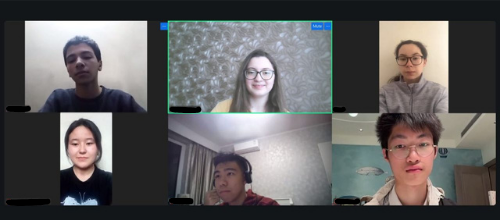
Team members: Hosila K. (Team Lead) (Uzbekistan), Yifan (Trevor) X. (China), Mohammed A. (Egypt), Nazli M. (Azerbaijan), Ruiheng (Ryan) W. (China), Lowri P. (United Kingdom)
Mentor: Ranjit Sahu (Virginia, United States)
Demand for energy keeps growing around the world, boosted in part by power-intensive new technologies like artificial intelligence (AI). Increasing energy production from renewable sources – solar power, in particular – is an obvious choice to curb greenhouse emissions and reduce dependence on fossil fuels. But issues like aging power grids designed for fossil fuels or fluctuations in solar energy output still hinder the adoption of renewable energy in some countries.
The teams participating in the Fall 2025 Junior Academy Innovation Challenge were asked to design an innovative and scalable solution to address infrastructure and storage issues, andmake solar energy use more reliable, efficient, and economical. The six international members of the winning team, from China, Uzbekistan, Egypt, Azerbaijan, and the United Kingdom, focused on developing automatic systems to keep solar panels clean, thus ensuring they can function at maximum capacity.
Initial Research
The team’s initial research revealed that solar panels can lose 10-15% of their efficiency, and up to 25% in arid regions, in just a few weeks. This translates into up to $10 billion losses annually for the industry. To promote wider adoption of solar power, the participants decided to tackle the maintenance of solar panels, an often overlooked but crucial aspect of solar energy. “I was shocked to learn that ‘soiling’ dust building up on panels is actually a multi-billion-dollar problem that can slash efficiency by more than 25%,” explains Team Lead Hosila H. “That showed me maintenance and technical issues are just as important as affordability in the clean energy transition.”
Collaborating online through the Launchpad platform, the participants designed the Distributed Predicted Reflex System (DPR), a sophisticated, self-operating device that keeps solar panels clean without human intervention and thus optimizes power generation. “Through mutual collaboration, we transitioned from initially working independently to making progress as a group, supporting each other with a clear division of labor,” says Ruiheng (Ryan) W., who offers a reminder that ensuring access to “affordable and clean energy like solar power, and ensuring people benefit from technological convenience and harmonious communities” is one of the 17 Sustainable Development Goals (SDG) of the UN 2030 Agenda.
A Fully Autonomous Solution
Internally, their 3D model includes a processor, the system’s brain, which monitors dust buildup, as well as DC motors and relays to activate the cleaning mechanisms. The exterior design features two antennas (a short-range Zigbee for local mesh networking and a long-range LoRaWN for cloud communication). A waterproof casing integrates power inputs from the solar panels, environmental sensor ports, and nozzle outlets for targeted air-jet cleaning. The system can be mounted securely to solar panel frames and draws power directly from the host panel. When sensors detect levels of soiling that disrupt power generation, compressed air travelling through the tubes is released to remove accumulated dust.
To make their solution fully autonomous, the team members gave their system three core attributes or functions. They made it “distributed”, which means that devices form a local network that works even if central communication fails. The DPR is also “predictive” and can forecast coming dust storms using weather data and act in advance. The DPR was given a “reflex” function, using sensors and smart algorithms to detect dust and activate air-based cleaning automatically. “The most important lesson I learned is that innovation is not only about having a big idea, but also about smart execution, strong team spirit, solid research, and the dedication of all team members,” says team member Mohammed A.
An Ambitious Project
With this ambitious project, the team aimed to turn solar panels into fully responsive assets that can maintain peak efficiency while supporting grid stability. Team member Yifan (Trevor) X. was already interested in solar power before working on this project with his international teammates. “Previously, I independently completed a prototype design for a solar cleaning vessel,” he explains. “This team collaboration made me realize that regular discussions and phased progress can achieve research goals more effectively. This further strengthened my belief in international scientific cooperation.”
While designing their project, the high school students also focused closely on sustainability and environmental impact. They estimated that the DPR, deployed in a 1 MW solar farm, could save 1 million liters of water annually, or the equivalent of drinking water for 2,500 people, while the energy recovered through cleaning would be sufficient to power an additional 200 homes.
“Academically, I realized that for a project to be successful, you have to consider an array of factors and consequences, even if they go against what you are trying to propose,” says team member Lowri P. The device they conceived has a modular design, which makes it easy to repair, and is built to last at least seven years. More than 90% of the components can be recycled at the end of its life.
“Working together with others helps you see the world through different perspectives and appreciate the power of teamwork in achieving meaningful outcomes,” says team member Nazli M. “This experience taught me that innovation is not about having access to the best resources — it’s about creativity, collaboration, and determination. Even with limited resources, it’s possible to create something truly significant.”
Actors, a past president, and even a “world champion” racer. Here are six famous non-scientists with ties to The New York Academy of Sciences.
Published March 19, 2026
By Nick Fetty
For more than 200 years, the academy has prided itself on its egalitarian and democratic roots. Anyone with an interest, even curiosity, in science could become a member. This includes celebrities as well as those who wouldn’t be considered scientists in the traditional sense.
Here are six non-scientists with ties to the Academy, listed alphabetically.
Fernando Alonso, Formula One Racer
It’s not every day that a “world champion” visits the Academy. But that’s exactly what happened when two-time Formula One titlist Fernando Alonso visited in 2012.
Alonso gave a speech to motorheads and other attendees during an event at the Academy’s former office on the 40th floor of 7 World Trade Center. At this point in his career he was racing for Ferrari, the Italian luxury sports car manufacturer that dominates the world of F1 racing. Appropriate for a talk at the Academy, Alonso focused on the STEM aspects of racing and automotive performance.
“I think there is never enough technology,” he said, according to reporting from the London-based Daily Telegraph. “Technology is our motivation and the main goal for engineers and designers.”
The Spaniard won the world titles in 2005 and 2006 while racing for French-based Renault. He has since joined the Aston Martin Aramco Formula One Team and is geared up for the start of the 2026 race season. He’s driving a new car designed by British engineer Adrian Newey, “the most successful car designer in F1 history.”
The 2026 race season got underway earlier this month with the Qatar Airways Australian Grand Prix.
Salvador Dalí, Artist
Fellow Spaniard, artist Salvador Dalí, also has an Academy connection.
Part of the surrealistic art movement of the 20th century, Dalí was known for his “eccentric behavior and his eerie paintings.” His 1931 painting The Persistence of Memory depicts a realistic landscape with surreal melting clocks, a scene that a brain under the influence of hallucinogens might conjure up (see Aldous Huxley section below.)
The late Adnan Waly, PhD, a German-born nuclear physicist and longtime Academy member, recalled when the Spanish surrealist made a surprise appearance at an Academy event.
“I was at the Academy attending a lecture of the Nuclear Section. I found a seat in an empty row because not too many people were interested in nuclear physics at the time. The door opened, and in came a gentleman flanked by two gorgeous women. It was Salvadore Dalí with his moustache and his cane. He sat in my row with the ladies, and he put his cane up, two hands on the cane and his chin resting on it, as was his habit. He looked at the pictures that were presented,” Dr. Waly recalled.
“One of the pictures was of a cloud chamber — a photograph of particles moving apart from a center,” Dr. Waly continued. “Some time afterwards I saw a television program where Dalí was interviewed, and his latest painting was exactly what he had seen at the Academy, with tracks coming out from the center. ‘You don’t know what this is?’ Dalí said to the interviewer. ‘These are pimmesons.’ The lecture had been on the π meson.”
Dalí passed away in 1989 at the age of 84. Today the Academy continues its long, proud history of combining the arts and the sciences. This includes events with artists and providing space for works to be exhibited.
Michael J. Fox, Actor
Known for starring roles in 1980s classics like Back to the Future and Family Ties, Michael J. Fox’s acting career was forever changed by his Parkinson’s disease (PD) diagnosis at the age of 29.
Instead of sitting on the sidelines, Fox took an active role in advocating for the disease. In 2000, shortly after going public with his diagnosis, he founded the Michael J. Fox Foundation for Parkinson’s Research. To date, the organization has raised more than $2.5 billion to support research.
In addition to his advocacy and despite his condition, Fox continued to act. He voiced lead roles in multiple movies and has made various guest appearances on television. His appearance on HBO’s Curb Your Enthusiasm served as a chance to use humor to teach viewers about PD.
“It has long been recognized that humor can help those suffering from chronic conditions better cope with their diseases, and any chance to increase awareness of Parkinson’s disease among the general public is important,” Dr. Cheryl Waters of the Neurological Institute at Columbia University Medical Center told ABC News in 2011.
Though his condition has worsened to the point that he is now officially retired from acting, Fox remains optimistic that with adequately funded science a cure is possible.
“I know we’ve done a lot, but we haven’t cured Parkinson’s,” Fox told TIME magazine earlier this year. “I’m always pushing and never happy until we get this done. We’ve changed the way people think about the disease, and we know there’s an end, and we’ll find it.”
Aldous Huxley, Author
Aldous Huxley (seated, left) during a 1956 conference at the Academy.
The English-born writer and philosopher is perhaps best known for works like Brave New World (1932) and The Doors of Perception (1963). Though less known, Aldous Huxley is also tied to what’s believed to be the first public utterance of the term psychedelic.
Huxley befriended Humphry Osmond, a psychiatrist researching the therapeutic potential of substances like LSD in the 1950s. He was known to supply Huxley with hallucinogens like LSD and mescaline.
“Meanwhile, all that one can predict with any degree of certainty is that it will be necessary to reconsider and re-evaluate many of our traditional notions about ethics and religion, and many of our current views about the nature of the mind, in the context of the pharmacological revolution,” Huxley concluded. “It will be extremely disturbing; but it will also be enormous fun.”
Huxley passed away on November 4, 1963, the same day as fellow British writer C.S. Lewis, author of The Chronicles of Narnia (1950-1956). Both deaths were overshadowed by the assassination of U.S. president John F. Kennedy.
Appropriate for the man co-credited with coining the term psychedelic, Huxley had one dying wish. “At his request,” New York Magazine reported, “his wife shot him up with LSD a couple of hours before his end, and he tripped his way out of the world.”
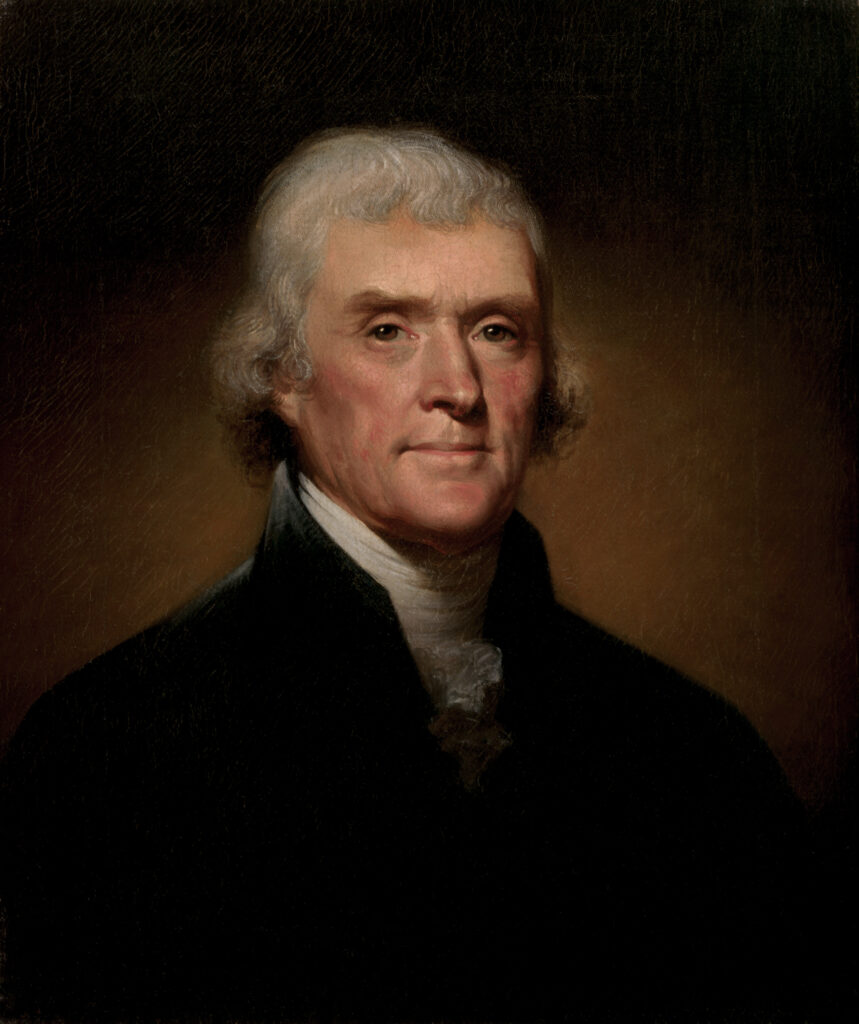
Thomas Jefferson, 3rd President of the United States
Thomas Jefferson was a Founding Father and the third president of the United States.
“The botany of America is far from exhausted, its mineralogy is untouched, and its zoology totally mistaken. We have spent the prime of our lives in procuring your students the precious blessing of liberty. Let them spend theirs in showing that it is the great parent of science and of virtue, and that a nation will be great in both ways in proportion as it is free,” Jefferson wrote in a letter to the Harvard University president in the early 19th century.
While some of Jefferson’s views and actions would without doubt be considered insensitive (to put it mildly) today, he nonetheless played a significant role in shaping the United States, the Academy, and science broadly.
Christohpher Reeve, Actor
Like fellow actor Michael J. Fox, Christopher Reeve’s career began on the silver screen before he became a science advocate.
Born in NYC, Reeve studied at Cornell University and Julliard, before getting his breakthrough as Superman in the eponymous 1978 film. He went on to play the red-and-blue-decked DC Comics superhero in the three subsequent films in the 1980s.
At six-foot-four with an athletic build, Reeve physically embodied the part of a superhero. He even “performed many of his [own] stunts, including dangerous ‘flying’ exercises,” according to a 2004 CNN article. But Reeve’s life took a drastic and unexpected turn when a 1995 horse-riding accident paralyzed him from the neck down.
Following the accident, Reeve required a wheelchair to move and a respirator to breathe. Around this era, stem cells and cloning were emerging as potential, albeit ethically controversial in some circles, methods for repairing damaged tissues and organs. The conservative George W. Bush administration at this time opposed federal funding for embryonic stem cell research.
During an event at the Academy in May 2002, Reeve, an advocate of stem cell research, debated James Kelly, who presented an apprehensive take on the new treatment. Kelly, who was paralyzed in a car accident, felt that “using human eggs to treat injury and disease is too far in the future, too costly, and would divert funding from more promising research,” according to a 2002 article from the Knight Ridder news service.
Reeve retorted that “therapeutic cloning is different from reproductive cloning.” He suggested that U.S. policy around the matter should take a “strictly regulated” approach like England. Despite the at-times contentious debate, events like this highlight the need for earnest discussions from various viewpoints, to advance science.
Christopher Reeve passed away just two years after the event, at the age of 54.
Winner of the Junior Academy Challenge – Spring 2025 “Living in the Extremes”
Sponsored by The New York Academy of Sciences
Published August 5, 2025
By Nicole Pope
Team members: Katelyn G. (Team Lead) (California, United States), Rishab S. (India), Adham M. (Egypt), Youssef I. (Egypt), Shravika S. (Virginia, United States)
Mentor: Anavi Jain (Tennessee, United States)
As record-breaking temperatures due to the climate crisis become more common around the world, especially in vulnerable regions like the Middle East, South Asia, and the southwestern United States, more than 1.2 billion people are at risk of heat stress. Areas that were already hot — such as Death Valley in California — are now experiencing conditions that regularly exceed historical records, with temperatures soaring above 134°F (56.7°C). The five international members of the winning team set themselves a clear objective: finding an innovative approach to improve the housing and living environment for communities living in scorching heat.
To devise their creative project – a housing and living concept they called Technology Architecture Infrastructure Urbanization (TAIU) – the high-school students, from the United States, Egypt, and India, held multiple online discussions, exchanging ideas across borders and time zones. In the course of their research, they learned that modern infrastructure and architecture have not kept pace with climate change. In fact, urban settings often amplify the impact of high temperatures – with asphalt and buildings made of concrete, steel, and glass retaining heat rather than deflecting it.
The team explored various building techniques and cooling methods. Historically, communities living in hot climates used passive designs, such as thick, breathable walls, shaded courtyards, and reflective surfaces to keep living spaces cool. “While my teammates leaned towards modern solutions, I advocated for a blend of traditional methods with contemporary technologies,” explains teammate Shravika S. Discussions were at times intense but always collegial while the students were developing their concept. They reached decisions democratically, under the supervision of the team’s mentor.
A Vision Emerges
From their brainstorming, a vision emerged: a sustainable project that creates a safer and more comfortable environment for people living in hot climates, without resorting to costly and energy-intensive technologies that put further strain on the planet. “By fusing ancient wisdom with future-ready innovation, TAIU offers not just shelter from the heat but a blueprint for thriving in it. With each structure we build, we’re not only cooling homes — we’re restoring hope, equity, and the possibility of a livable future for the world’s hottest regions,” the students explained in their presentation.
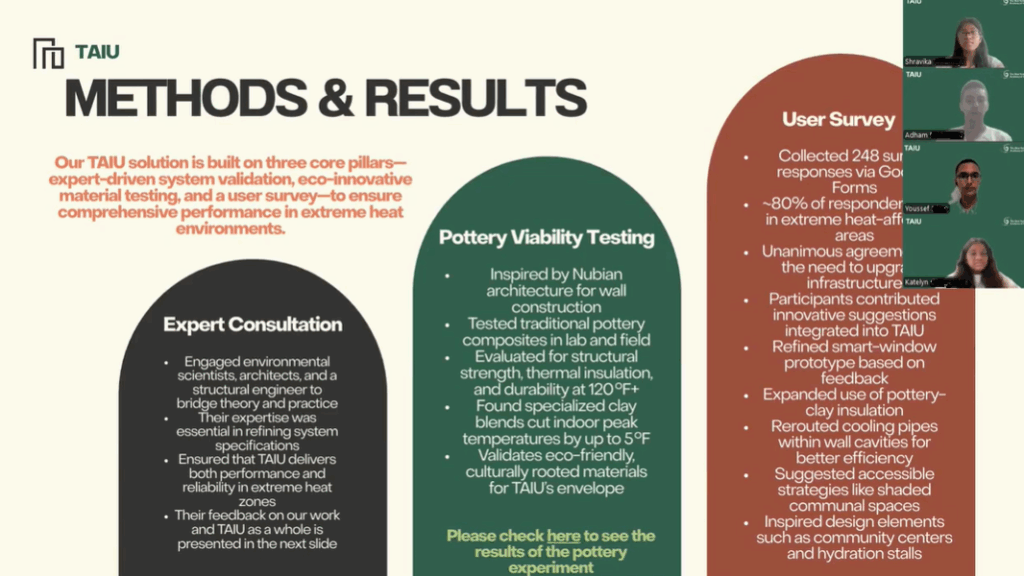
Inspired by Nubian architecture, their project rests on four pillars:
1. Smart technology – an adaptive roof that tilts and rotates to optimize ventilation, glass that tints in response to sunlight, and phase change materials that regulate indoor temperature;
2. Indoor design that blends Nubian pottery materials with passive cooling techniques to improve air flow and create breathable spaces;
3. The TAIU App – a smart home system that controls the roof and provides real-time climate and energy updates; and
4. Outdoor features, such as shaded areas, hydration stations, and solar-powered resilience centers that provide services and spaces where the community can gather.
“I gained valuable insight into the needs and challenges faced by the community we studied — Death Valley — where living in extreme heat demands both modern and traditional solutions,” explains teammate Adham M. “One of my biggest takeaways is realizing that blending smart technologies like smart windows and smart roofs with time-tested methods like clay construction can offer sustainable, effective ways to adapt to harsh environments.”
Conducting a Survey
To test their approach, the team consulted architects, engineers and environmental experts. A survey conducted among 248 people living in hot regions yielded useful suggestions that the team applied to finetune their design, such as expanding the use of clay insulation and rerouting cooling pipes within wall cavities. Early results from laboratory and field tests of traditional pottery composites confirmed that special clay blends can reduce indoor peak temperatures by up to 5oF.
While working on their project, the students gained new insights into the devastating effects of climate change. “I realized that air conditioning is affecting not only my life but also those who are yet to come,” says team member Rishab S. “I adopted several measures to reduce the use of air-conditioners. I started wearing lighter clothes, consuming drinks that cool down our bodies, and using windows for proper ventilation.”
Team member Youssef I. feels he has acquired new knowledge and skills, including a deeper understanding of modelling since he was responsible for producing the 3D housing model. But he also emphasizes many other benefits, such as communicating with people from different communities and cultural backgrounds and forming new friendships. For team leader Katelyn G., this Junior Academy Challenge was more than an academic experience. “It was a glimpse into the kind of changemaker I strive to become,” she explains. “From the very beginning, we weren’t just building a climate resilience solution; we were building trust across time zones, merging perspectives, and learning to lead with both head and heart.”
Team members: Kelsey M. (Team Lead) (California, United States), Hana H. (Egypt), Zoha H. (North Carolina, United States), Islam H. (Saudi Arabia), Sanaya M. (New Jersey, United States), Kavish S. (North Carolina, United States)
Mentor: Brisa Torres (Germany)
Indoor air pollution, caused largely by volatile organic compounds (VOCs) and carbon dioxide (CO2), presents major risks for human health. Globally 2.6 billion people are exposed to household air pollution, mostly from cooking with kerosene, solid fuels like wood, charcoal, coal or dung, and inefficient stoves. As a result, they face the risk of respiratory or heart diseases, cancer, and damage to organs like the liver, kidneys, or central nervous system.
When they joined the spring 2025 Air Quality and Health Junior Academy Challenge, this team of six high school students from the United States, Egypt and Saudi Arabia chose to address this often-neglected threat. “I learned so much about indoor air pollution and how it often gets overlooked, especially in communities that use kerosene or other fuel-based cooking methods,” says team member Islam H. “The more we researched, the more I realized how widespread this issue is, and how it’s especially harmful in areas with limited access to clean energy solutions.”
Before developing their winning Eco-Twister Air Filter device, the team members conducted research and brainstormed extensively online to define their approach and whether to prioritize cost, portability, or advanced technology. Their project draws on their varied skillsets and perspectives: one team member had experience in public health research, others excelled in experimental design or robotics, or brought an interest in coding or data analysis.
“We all had different ways we wanted to make the air filter at first: some suggesting we use high technology and equipment, others saying we should stick with everyday home materials,” explains teammate Zoha H. “Later on, we debated on how to redesign our filter and decided to cater towards low-income communities more and made it smaller as well as cheaper.”
Reducing VOCs and CO2
To reduce the levels of harmful indoor gases like VOCs and CO2 that stem mostly from cooking emissions, the winning team opted to design an affordable, do-it-yourself (DIY) air filter. Commercially available filters, costing between $200-$400, are out of reach for families with limited income. “Equity and inclusivity were central to our project,” says team leader Kelsey M. “We designed the filter to be affordable, our second prototype cost about $41.10, and DIY, targeting low-income communities disproportionately affected by air pollution.”
The Eco-Twister combines the capabilities of a MERV 13 filter to capture dust, pollen and tiny particles, and activated charcoal to absorb VOCs and CO2 and reduce both odors and harmful gases. They added sphagnum moss as a third, natural, component to boost the effectiveness of their innovative filter. Moss traps larger particles, heavy metals, and enhances sustainability by metabolizing VOCs.
After producing an initial prototype, the team went on to improve their design, making a second version of the device 95% smaller as well as lighter and cheaper. “We realized what would be the most achievable and which items would be easiest to source, as our project is affordable and easy for anyone to make by themselves,” says team member Sanaya M. “When redesigning our solution, we prioritized accessibility and eco-friendliness and ended up reducing the size.”
Greater Portability and Promising Findings
This meant using one filter instead of four, which resulted in much greater portability. The team conducted tests to measure the reduction in harmful emissions their revised Eco-Twister Air Filter achieved. They were delighted when results showed that the Eco-Twister reduced peak VOC concentration by 40.8% and also accelerated VOC removal and air recovery, competing favorably with more expensive devices.
The team also conducted a survey in their communities, which revealed that 95% of the 40 respondents would be interested in using the 14-inch x 16-inch x 2-inch Eco-Twister device, which weighs 5.5lbs. Over three quarters of those surveyed found the team’s ingenious air filter affordable and more than 80% stated they would use it daily.
For the participating students, the project has been a valuable learning experience. Discussions within the group exposed them to different points of view and taught them to reach an optimal outcome by weighing multiple requirements. “My teammates who pushed for portability for low-income families got me thinking about who’d actually use it,” explains teammate Kavish S. “Also, the eco-friendly folks opened my eyes to using sustainable stuff like moss, which I hadn’t thought about before.”
The team has plans for future iterations of the Eco-Twister filter, which would use bamboo-based charcoal and biodegradable materials for enhanced sustainability. “I used to figure that air pollution was someone else’s issue, but seeing that 100% of our survey folks thought our filter could help, opened my eyes,” reflects team member Hana H. “People in poorer areas are getting sick from bad air with no good options.”
Though separated by geography and Zoom screens, the desire to connect and create was on full display during the annual Virtual Student Symposia on Thursday, June 27th, 2025.
Published July 28, 2025
By Jennifer Atkinson
The New York Academy of Sciences honored the hard work and innovation from members of The Junior Academy, totaling 3,372 students across the 2024-2025 Academic Year. The symposia focused on the winning teams’ proposed solutions for this year’s Innovation Challenges.
Comprised of students from across the world ages 13-17, The Junior Academy provides the opportunity to collaborate with their peers and think deeply about challenges that affect everyday life — regardless of where one lives. Teams select an Academy-trained global JA scientist mentor to guide their work as students worked across time zones to collect data, conduct surveys, and dive into research. Students follow the initiative to frame global solutions that also consider participants’ personal experience and perspectives. This program not only fosters diversity through connecting young people from different countries and cultural backgrounds but also allows students to really think outside the box when it comes to tackling these challenges that impact their communities.
“We ask the questions, but students create the answers,” said Kaitlin Green, Senior Program Manager for Education. “There are no limits on how creative students can be. They are not afraid to present their biggest ideas.”
Student projects were judged on their overall presentation abilities, scientific quality, innovation and design thinking, sustainability, potential, and collaboration. The research that the teams conducted was completely original. Out of hundreds of projects submitted, one team per innovation challenge was declared a winner.
The Winning Ideas:
The winning teams worked with a communication coach to craft their challenge solution presentations, honing another significant aspect of the scientific process: communicating their science and their final presentations effectively. The end results were a five-minute final presentation that included their original research, creative visuals, and collected data to illustrate their ideas.
For the Upcycling and Waste Management challenge, students were asked to design a comprehensive solution to waste management at a scale that makes a measurable impact. The four-person team of The Last Strand, comprised of students from India, Sweden, and the United States, developed a process for breaking down extraneous hair and chicken feathers from salons and farms to develop amino acid supplements. They intend to use these for athletes, body builders, or people suffering from health issues such as liver or kidney disease. This solution not only proposes a way to reduce the landfill waste from hair and feathers but also uses sustainability practices to preserve human health.
The Innovation Challenge Ethical AI, tasked students to develop a technical solution to address one specific issue that AI poses. The fAIrify team, comprised of six students from the United States and Kuwait, proposed creating a customizable add-on that can be embedded into an online spreadsheet application. The intent of this add-on is to use it as an analytical tool to root out bias in training data for predictive AI models. It contains four aspects to analyze data: statistical analysis, reporting, flexible options for quantitative and qualitative data, and hierarchical data dissection. The team’s solution brings to the table a key implementation in any sector where AI is used in making decisions, for example, the hiring process, to avoid bias or discrimination.
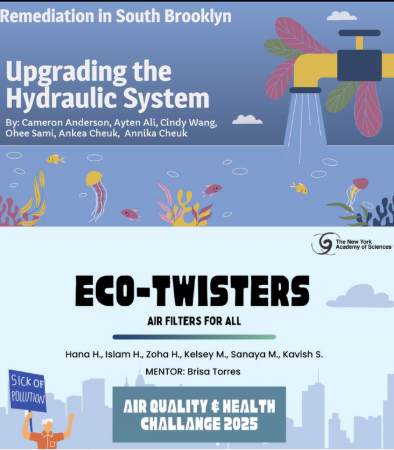
The Remediation in South Brooklyn challenge brought the focus locally, challenging students to design solutions that remediate the building of offshore wind renewable energy infrastructure in New York City, focusing on land and water preparation. The six-student team, comprised of students from the New York City metropolitan area, came up with an idea for upgrading the hydraulic system infrastructure in the South Brooklyn Marine Terminal for efficient storm water management. Their design, a dual-hydraulic separator system, consisted of two separator units and a sensor-controlled gate that detects water flow and operates in accordance with high water pressure. This solution would help prevent problems such as sewer overflows, flooding, and debris in the current water system.
The Innovation Challenge, Living in the Extremes asked students to propose a comprehensive solution to sustain life in one “extreme environment.” The winning team for this challenge, comprised of five students from the United States, India, and Egypt, presented a solution for a “climate-ready community housing model” for extreme heat environments called TAIU (Technology, Architecture, Infrastructure, Urbanization). Individual TAIU houses are built with materials or mechanisms that actively resist heat and encourage cooling, notably the design of seven-layer walls and naturally ventilated interiors. Their solution also includes a center to provide goods and services to the community, as well as an app to control settings in individual homes.
In the Air-Quality and Health Innovation Challenge, students were asked to design a technical solution to address a key source of pollution. Team Eco-twisters, comprised of 6 students from the United States, Egypt, and Saudi Arabia, presented the idea of using a carbon-based air filter to combat the effects of VOCS (Volatile Organic Compounds) – gases that are commonly emitted from human-made products and cause harm to human health. Their solution primarily seeks to aid women, children, and kitchen workers, who are exposed at a higher rate to VOCs.
Each winning team presentation was followed by a Q&A session, which allowed both fellow students and program facilitators to ask teams to elaborate on their projects. Winning teams received an educational prize package.
Distinguished guest speakers joined in celebrating student achievements by sharing insightful and encouraging remarks at the symposia, including:
Christina Symons, Ph.D. Strategic Partnerships and Communications, Lyda Hill Philanthropies’ IF/THEN® Initiative
Carol O’Donnell, Ed. D. Douglas M. Lapp and Anne B. Keiser Director, Smithsonian Science Education Center
Elizabeth McMullen Public Relations Program Manager, Organic Valley
Maggie Johnson, Ph.D. Assistant Professor of Marine Science at King Abdullah University of Science and Technology (KAUST)
Heading into Fall 2025:
The Junior Academy community is already excited for the Fall 2025 suite of Innovation Challenges that will begin in September. The Education Department and the Virtual Programs team are committed to another year of encouraging students to be diverse and creative problem-solvers.
“The Junior Academy is such an innovative place where students can come together from across the globe and engage with their peers. When you approach a problem or an obstacle with people who are different from you, you realize you have more commonalities than differences,” Green continued. “The issues you are facing locally might be similar to those who are halfway across the world.”
Though the 2024-2025 year has come to an end, the new academic year will bring more opportunities for students to dive in firsthand and learn how working together leads to incredible outcomes.
Stacey Missmer, ScD, is a professor of obstetrics and gynecology at the University of Michigan, an adjunct professor of epidemiology at Harvard T.H. Chan School of Public Health, and a lecturer in pediatrics at Harvard Medical School. Prof. Missmer will serve as the keynote speaker for The New York Academy of Sciences’ upcoming event Endometriosis: A Look at Current Practices and Emerging Science.
Published May 9, 2025
By Megan Prescott, PhD
Stacey Missmer, ScD
You have been at the forefront of endometriosis research for many years—how has our scientific understanding of the disease evolved, and what are the most exciting discoveries from the past decade?
You’re spot on that there remain really fundamental questions still to answer about endometriosis. However, genuinely we have had a dramatic increase in discoveries in the last decade or so. It’s very different from when I first started researching endometriosis in 1998 when I started my doctoral dissertation. Where we are now from where we were then in many, many different aspects, from knowledge, from attention, from the types of questions that are being explored, it’s very different.
Back then, there had never been a longitudinal study of risk factors for endometriosis at all. With the exception of ovarian cancer, there had never been studies of conditions that are also common in women with endometriosis. There wasn’t a single study then that had focused on adolescents with endometriosis, nor exploring endometriosis in women after menopause. There was no exploration of informative phenotypes or diversity of endometriosis characteristics and presentation patients outside of the ASRM (The American Society for Reproductive Medicine) staging system.
We know now that the visualized endometriosis is not definitively correlated with the symptoms that patients experience. It’s not correlated with their treatment response for standard treatments. However, what is emerging—now that we have genetic discoveries and gene expression pathways and protein pathways and metabolome studies—is that differing presentations of endometriosis, whether it is cysts on the ovary or deep endometriosis or peritoneal lesions, whether it is cyclic pain symptoms, or pain around sexual intercourse or pain related to bowel movements or bladder pain, we know that those are emerging to be associated with different genes, and different protein pathways. It is in this new era of omics discovery that we’re understanding more and more differences among patients with endometriosis that we never even thought about before.
We also now, within the last decade or so, better understand that those with endometriosis have a higher risk of not just ovarian cancer, but also have hallmarks of different conditions related to immune dysregulation and autoimmune conditions, different dermatologic characteristics, different risk of cardiovascular and cerebrovascular conditions, different impacts on mental health, and life goal attainment. The areas that we’re researching and the speed at which we’re making discoveries is very different.
Your work has contributed to identifying genetic, hormonal, and environmental risk factors for endometriosis. What are some of the biggest remaining questions about what causes the disease?
We know for certain that like most—arguably all—complex conditions, there’s not a single cause, but multiple pathways. That is really important to understand. It maybe should have been obvious only in that we know that the experience of people with endometriosis is very diverse.
Some experience infertility: about one-third of those with endometriosis will have difficulty conceiving, but two-thirds don’t. We know that a large portion experienced pelvic pain, but that pelvic pain emerges at different ages. It has different levels of severity and manifests and different types of pain. We know that for what our standards of care are—excision surgery to remove the observed endometriosis lesions, hormone treatments, other pain focused or analgesic treatments, pelvic floor therapy treatments—that the success of those treatments varies from one patient to another.
One of the really exciting things is how can we determine what are the different causal pathways of endometriosis? Can we prevent endometriosis? Can we cure endometriosis based on those pathways? Do we need different diagnostic markers? One of the key things we’re searching for right now is noninvasive diagnostics. Will there be a diagnostic marker that applies to all patients with endometriosis?Or are there nuances? Where must there be differences based on this diversity of the condition?We need novel treatments, and those novel treatments will be outside of the hormonal and the surgical influences. What might those treatments be along immunologic or rheumatologic pathways?What might they be along pain pathways that have been successful in patients with other types of pain other than pelvic pain?The huge leap forward is not ignoring, but embracing that diversity of the endometriosis journey, what endometriosis patients experience, and the underlying biology.
You have led large cohort studies like the Nurses’ Health Study and worked with the World Endometriosis Research Foundation. How have these large-scale data resources helped shift the landscape of endometriosis research?
I am a data scientist by training. My lens and how I think about scientific questions are really driven by who we’re studying, what information we’re capturing about them, and what window in their journey we are capturing and exploring.
I learned from exceptional forward-thinking people in population science [like David Hunter and Susan Hankinson]. I came into that group when no one was thinking about endometriosis and endometriosis discovery.
We now know that it’s quite prevalent in the Nurses’ Health Study. Across the more than 20 years that I’ve been doing research within that group, we learned that a little more than 11% of the participants have been diagnosed with endometriosis, so it’s quite prevalent.
It has been quite impactful having access to these large data sets. In these large data sets—the details of endometriosis, the types of surgical phenotypes, but also the symptoms: pain symptoms, infertility—they’re not routinely recorded and documented. They’re not routinely focused on.
One example where we saw this was in the COVID pandemic. As the new vaccines were being developed, the trials did not ask about women’s menstrual characteristics. They did not ask about pelvic pain. They didn’t ask about female specific or gynecologically focused characteristics at all. Then it emerged that women started reporting on their own that they thought that the vaccinations were having an impact on their menstrual cycle. The population science field really scrambled to try to pull together ad hoc data to explore that answer. Had we intentionally included female specific characteristics in those data collections, we would have had more solid, faster, information.
That’s proving true for the really revolutionary research that’s being done using health systems data and medical record abstraction data, if things like a woman’s pelvic pain experience is not routinely documented in detail that is regimented, then when we go to pull that information from these large scale projects—unlike something like cancerous cardiovascular disease, asthma, for example, things that are regularly documented—we’re always a little bit behind. We’re trying to use data that we’re trying to fit into the questions we want to answer rather than having them readily available. We’re spending a lot of extra time trying to clean up data sets. So really the next revolution for endometriosis, pelvic pain, gynecologic specific conditions across the life course, is to make sure that they are prioritized, that we’re curious about them, and that we’re incorporating them routinely into these large datasets.
Despite being so common, endometriosis is still notoriously underdiagnosed. What advances are being made toward earlier, non-invasive diagnosis? And what still needs to happen?
I’m going to address the ‘notoriously underdiagnosed’ just broadly first. There have been important improvements over the last several years for knowledge of endometriosis and attention to it that really is attributable largely to women in social media and other spaces being brave and bold about sharing their lived experience. It’s been captured by documentarians such as Shannon Cohn and others who tried to shine a spotlight on this. Padma Lakshmi and Lena Dunham were very public about their experiences. That did not exist 20 years ago when I was first starting in this space. I was a teen with life impacting pelvic pain and had never heard the term endometriosis, so huge kudos to those who have been brave and bold and sharing their experiences.
Now, where that then leads to in terms of non-invasive diagnostics is despite improved awareness and attention, we know that still many experience an average of seven years delayed diagnosis. For some it’s upwards of 10 or more years. And there’s a few elements here. One is that we diminish, dismiss, normalize pelvic pain. We also know that only about 50% of those experiencing infertility ever engaged with healthcare around it and only a subset of those can access care.
Being intentionally better about, well, frankly, caring about women’s experiences with pelvic pain, with infertility, with symptoms, and with early age endometriosis matters. In terms of non-invasive diagnostics, there’s exciting things happening in the microarray space, the protein pathway space, the epigenetic space, in saliva, blood menstrual effluence (collections through specially designed tampons or cups)—those are all new and exciting areas.
We know that there is not a one-size-fits-all for patients with endometriosis. They have different biologic profiles. They express different symptoms. Also, we need to understand better the change across someone’s endometriosis journey. If you’re trying to measure things very early when they’re experiencing symptoms, those biomarkers may look different than if you’re measuring them the seven years in when they’re—by current standards—being successfully diagnosed. The [missing] foundational biologic and health systems information is impeding our discovery of noninvasive diagnostics. This is an area of lots of attention and hopefully we’re going to see large breakthroughs in the next few years.
But again, recognizing that it’s unlikely that there’s a one-size-fits-all, and that’s OK as long as we’re embracing those differences and making sure that the best test for the best patient is what’s being developed.
Much of your work emphasizes patient-reported outcomes and lived experiences. How do patient voices influence your research questions, study design, or the interpretation of results?
I love this question because this is everything. Coming from my own lived experience as a teenager who had life impacting pelvic pain and didn’t know what that meant. I really struggled to get treatments that helped and struggled to know what this would mean long term for my health. As an epidemiologist and population scientist, I spend most of my time thinking about—in our studies and in the evidence that I’m looking at to inform my research studies and those of my collaborators—who has been missed? Who are we still leaving out? How might their experience, characteristics, their biologic markers, how might those being included differ from those being excluded?
For example, in the infertility space we know that those who successfully achieve infertility treatments are healthier, wealthier, and have better access to care. How might that matter in ways that what we discover in those clinical settings can’t be applied to everyone? How might it matter that we’re often capturing patients years into their journey with these symptoms and life impacts versus if we’d been able to capture them when they were teenagers or very early in their journey?
I also think a lot about who is included and who is missed and how that is clouding our understanding or limiting it. But I also think a lot about who might be misrepresented. What gets documented routinely for a patient? What is missed in that documentation? What questions are we asking? What questions are we failing to ask? What questions are we asking of some patients and not others? And this really gets informed by listening to patient experiences, the outcomes that they care about.
I think of Andrew Horne, who was a senior clinician scientist at the University of Edinburgh. In 2017 he led a James Lind Alliance initiative that tried to designate and rank the points of discovery and the next key steps of science and clinical discovery as determined by scientists, clinicians, and medical systems professionals. They also looked at what the priorities were from patients experiencing endometriosis and patient advocates and then looked at the differences in those priority lists and tried to reconcile them. We need to always think about both making sure that we’re encouraging excitement and curiosity in this space, but also that we’re always embracing and prioritizing those patient experiences so that they’re informing the questions we’re asking and then how we’re trying to answer them.
What areas of endometriosis research do you think are most promising or in urgent need of attention over the next 5–10 years—from treatment innovations to public health interventions?
First and foremost, we really need to continue to and even more so embrace this diversity of patients—their experiences, their biology, their symptoms. We have to make sure that we’re developing, whether it’s through animal models or in vivo models, and engineering utilities and platforms to maximize our discovery. Improving what elements of the menstrual cycle, menstrual biology of the uterus, the smooth muscle realities, and the surface realities of the uterus and the peritoneal environment, making sure that we’re prioritizing getting those foundational things right. I think we should be dismayed that in 2025 we don’t have those tools about female specific biology, but that’s changing, and we need to embrace the change. That’s what the next 5 to 10 years has to do. We have to continue to and expand upon wooing those who are applying novel, advanced, really exciting new technologies in the more common areas of discovery—in cancer, cardiovascular disease, diabetes rheumatology—woo them to apply those exciting, new technologies and discoveries in the gynecologic health and the female dominant health space that’s starting to happen more and more. But we need interest from those who’ve never thought about gynecology before. We need funding to embrace that someone who’s spent their whole career in rheumatoid arthritis, for example, to be able to get funding and excitement to support an interest in the interface with endometriosis and the immune system realities of those with endometriosis.
We really have to push this need for curiosity about female bodies, female anatomy, female specific biology. There’s so much about the menstrual cycle we still don’t understand. There’s so much about menopause and menopausal transition that we don’t understand, and about menarche and pubertal changes that may be related to risk of endometriosis and how symptoms manifest. We are starting to understand more about the interface of hormones, immunology and pain, but the combination of those is essential. I’m quite optimistic that we will see revolutionary and paradigm shifting discoveries, but they will only happen if we keep people excited about how gynecologic characteristics fits in there. I come back to the COVID example. It’s fascinating. It’s not only something that should have been prioritized and included, but the fact that there can be an interface between vaccination and viral infection and the menstrual cycle is amazing, and everyone should be excited about things like that.
And then the last thing is really delving into models of and discovery around genetic predictors, transcriptomic predictors, protein pathway predictors around the experience of pain—when it is endometriosis specific, or when its related to centralized sensitization and pain—and how and what that means in the endometriosis journey. But also what that means for novel treatments and meeting patients where they are both in terms of their needs for relief and benefit. And also in their biology, shifting across time. There are so many questions to answer and the technologies are available, it’s just getting the collaboration, the attention, the foundational funding to keep moving forward.
Ruhi Samudra is a high school senior in Irvine, California. She was involved in the Junior Academy, igniting her passion for environmental science and inspiring her to start her science website, Bubbles & Beakers. She is starting at UC Berkeley this fall as a Bioengineering Major.
Published April 25, 2025
By Brooke Elliott
Ruhi Samudra
Ruhi Samudra’s interest in STEM first began in eighth grade when she took part in her middle school’s Science Olympiad. Samudra tried out for the team and competed in the five main categories: Reach for the Stars, Water Quality, Dynamic Planet, Meteorology, and Rocks and Minerals. The events focused on environmental science, and though this wasn’t her initial interest, she and her team did well–advancing to regionals and placing second at nationals. “This (experience) gave me the motivation and encouragement to engage in science out of pure interest, way above the standard that was being taught in school,” Samudra said in reflection.
The Junior Academy
After her Science Olympiad season ended, Samudra learned about The New York Academy of Science’s Junior Academy. “It was a way for me to take what I learned at Science Olympiad to a larger and more research-oriented level,” she said.
Samudra knew science opportunities for high school underclassmen were relatively limited. She also had the misconception that most professional scientists are not willing to take a risk and work with high school students on a project. Being a member of the Junior Academy provided access to a global network of professionals and like-minded students around the world, jumpstarting her career. As part of the Academy, Samudra participated in The Flexible Use of Electricity, the Restoration of Aquatic Ecosystems, and Exploring the Extremes Challenge. Out of everything she did, the aquatic ecosystems challenge was her favorite because it fit well with what she had learned during the Science Olympiad program.
Mentors-Peer and Professional
As a participant in the Junior Academy, Samudra met like-minded peers from all over the world representing a disparate population of cultures and beliefs. This made for thought-provoking video calls and learning about new ways to approach science. She looked up to the upperclassmen of her cohort, “They really guided me because I was new to the research process, and they made sure everyone’s ideas were heard,” she said.
Samudra’s virtual colleagues provided practical direction on how to run a research project, as well as high school life in general. Hearing advice from students only a couple of years older than herself, but already years ahead on their science research journeys, provided both inspiration and encouragement.
The professional mentors at the Academy helped Samudra in a different way. From her perspective, what makes a good mentor is the ability to encourage students to question what they think they know. Considering all ramifications and considerations of a potential project is an important skill that she took with her throughout high school. “You have to struggle with the idea of trying to find something that you may think is perfect, but knowing that nothing is ever really a perfect pitch,” she explained.
Bubbles & Beakers
All of this led her to start her own scientific website: Bubbles & Beakers. With an interest in advocacy and communications, Samudra learned how to write, interview, and produce videos about science. This passion project quickly grew. “I write when I feel inspired or excited by something in the scientific community. I know I want to continue this path of scientific journalism when I’m in college.” Whether it’s writing for the Berkeley Engineering Magazine or the Daily Californian, she plans to incorporate her passion for writing in her college life.
“The Junior Academy really showed me the process of creating a methodology, research questions, testing it, and analyzing the results. I took that with me for all the other conferences and research I’ve done since,” she said.
To jump-start her career path in scientific journalism, Samudra serves as co-editor-in-chief of her high school newspaper and president of the Model UN and the Biomedical Engineering Society. A lover of the outdoors, she frequently hikes, swims, and bikes.
The Junior Academy is now accepting applications for Fall 2025. Apply today!