A former Blavatnik National Awards Laureate has paid it forward with a prize recognizing scientific excellence in his home country.
Published August 6, 2025
By Kamala Murthy
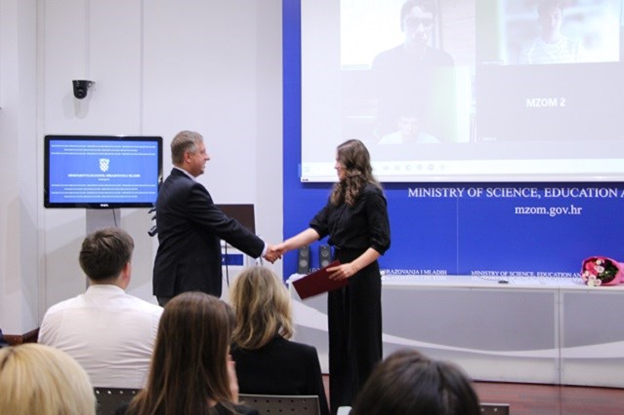
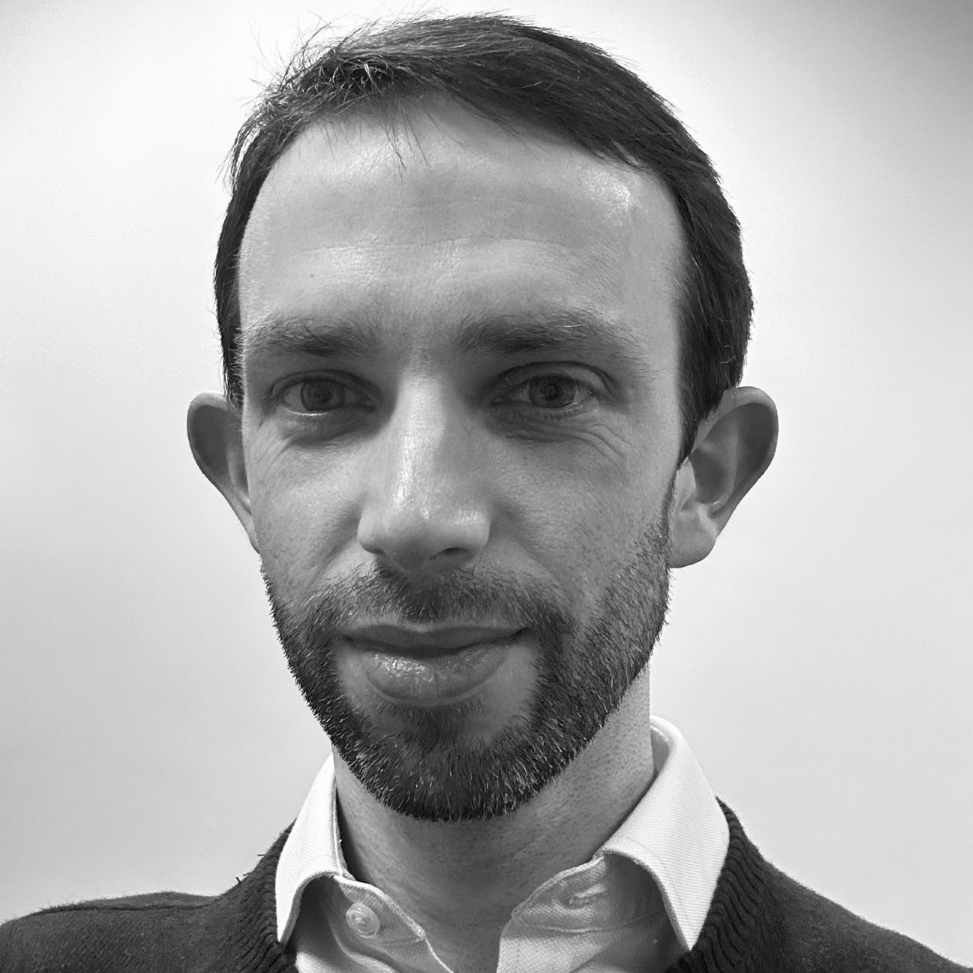
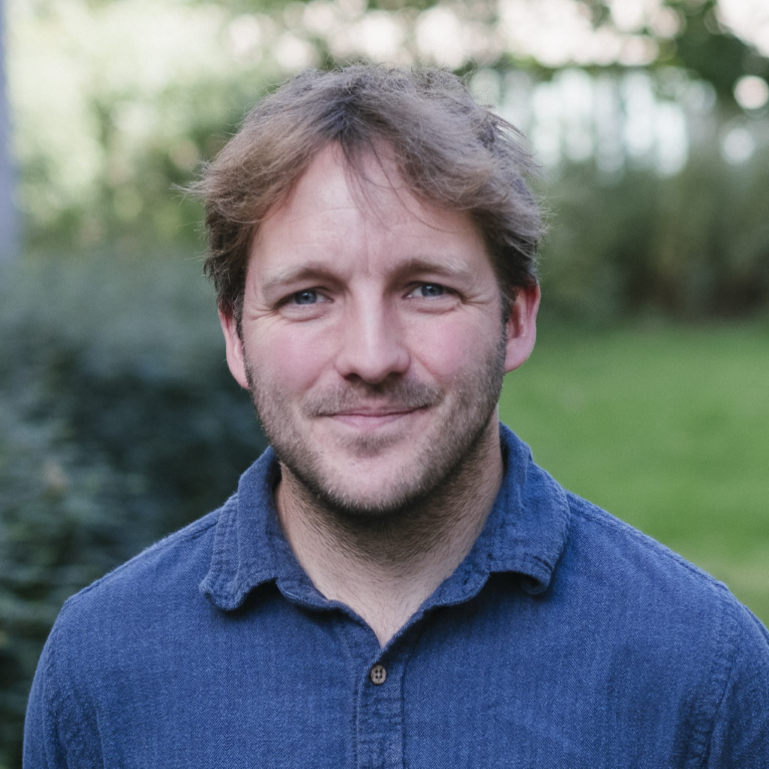
2014 Blavatnik National Awards Laureate, Marin Soljačić congratulates Pia Pilipović, winner of the 2025 Soljačić Prize. Credit: https://mzom.gov.hr/vijesti/7141
Massachusetts Institute of Technology physicist and 2014 Blavatnik National Awards Laureate Marin Soljačić established the Soljačić Prize in his home country of Croatia. He used part of his $250,000 unrestricted prize money from the Blavatnik Award to create a prize that recognizes exceptional Croatian high school graduates in mathematics and physics, awarding $5,000 annually to outstanding students.
“When I established this prize, there were few such award programs in Croatia, especially for young students – in the USA they are much more common,” said Prof. Soljačić. “The Blavatnik Awards and other prizes played an important, encouraging role in my growth as a scientist, and I wanted to establish something like that for Croatian students. I also wanted to inspire other institutions and individuals to establish similar prizes in Croatia.”
The 2025 Soljačić Prize was awarded to Pia Pilipović, a graduating student from the XV Gymnasium, a school in Zagreb. The school has now produced seven Soljačić winners in the 11-year history of the award. Soljačić is also a graduate of the XV Gymnasium.
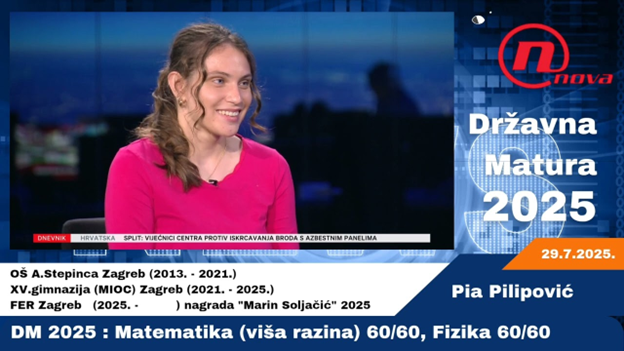
Pia interviewed for Croatian Television. Credit: DNEVNIK.HR (Croatia)
Pia delivered extraordinary results on the Croatian national high‑school exit exams (državna matura). She scored a perfect score on the physics and mathematics (A‑level) exams, while also achieving 91.82 % in Croatian language and 85.5 % in English. Her flawless performance in the most complex quantitative subjects earned her the Soljačić Prize.
The prize was formally presented during an award ceremony held at the Ministry of Science, Education and Youth in Zagreb on July 29, 2025. Pia stood among other top graduates receiving various honors.
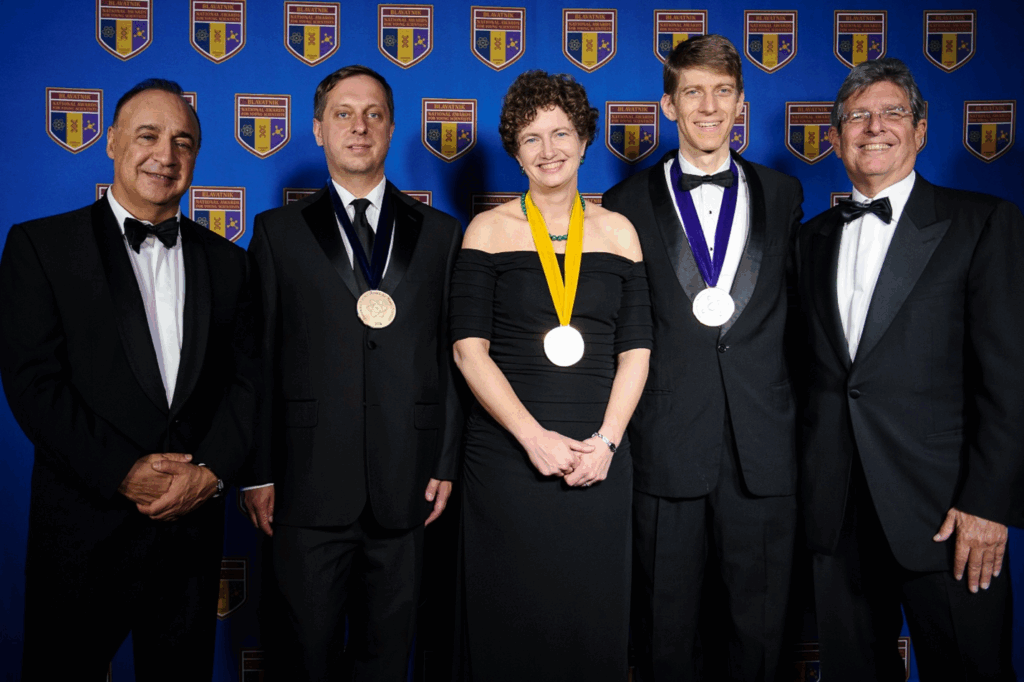
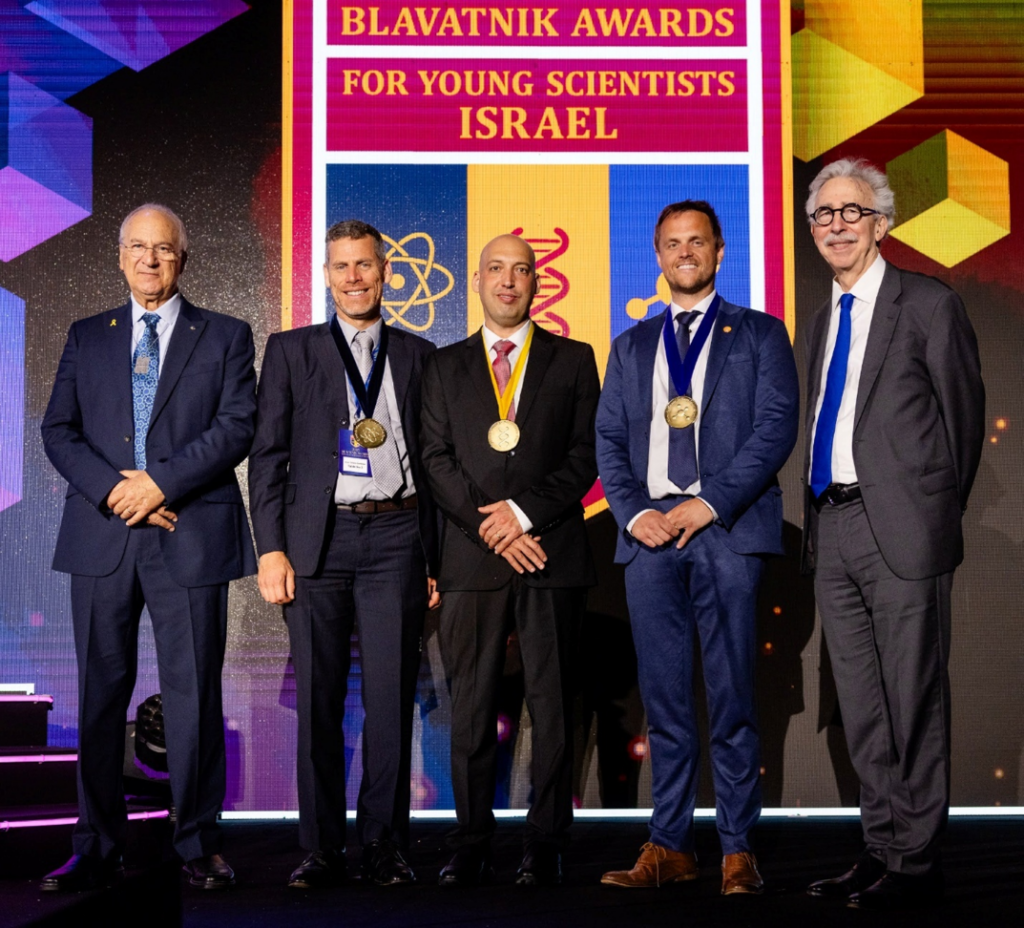
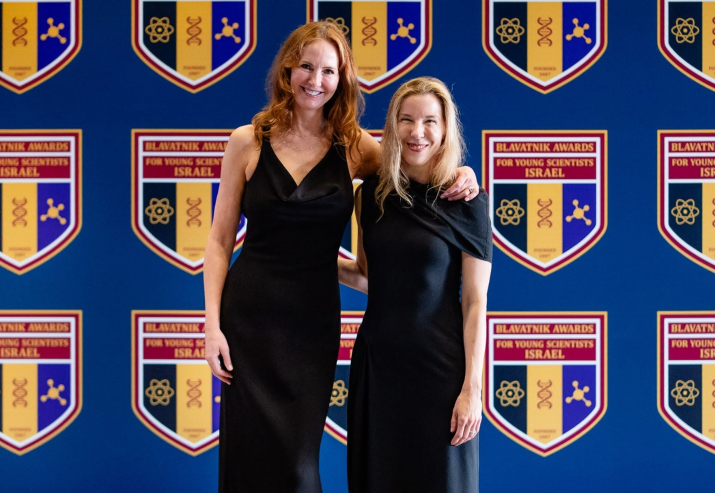
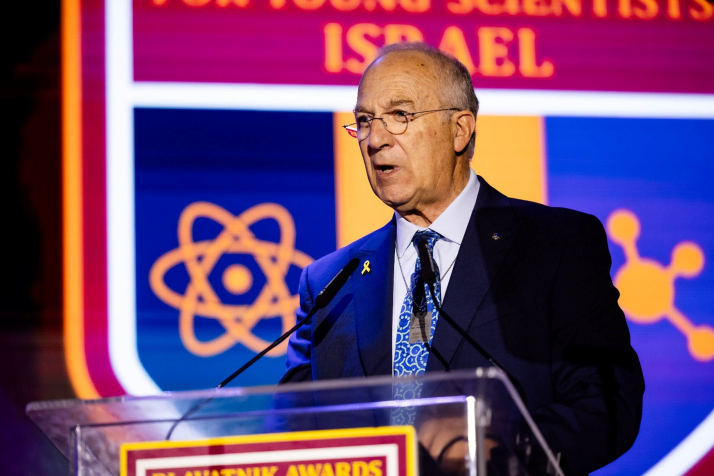
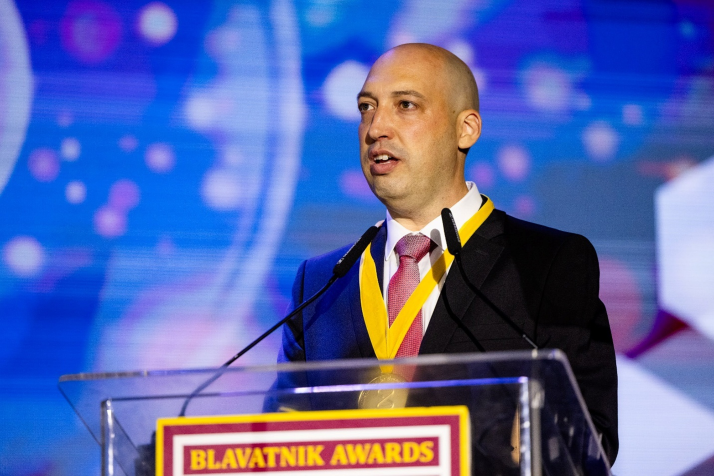
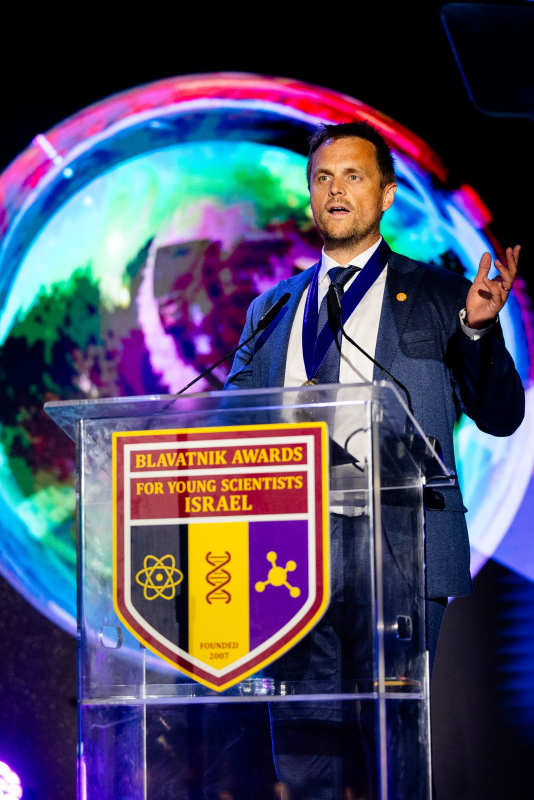
From left: Len Blavatnik, Founder of the Blavatnik Family Foundation; Marin Soljačić, 2014 Blavatnik National Awards Laureate; Rachel Wilson, 2014 Blavatnik National Awards Laureate; Adam Cohen, 2014 Blavatnik National Awards Laureate; and Ellis Rubinstein, President Emeritus of The New York Academy of Sciences.
The 2025 Blavatnik Science Symposium, hosted by The New York Academy of Sciences, convened an extraordinary group of past and present Blavatnik Awards for Young Scientists honorees for two days of cross-disciplinary exchange and forward-looking discussion on science with real-world impact.
Published July 28, 2025
By Kamala Murthy
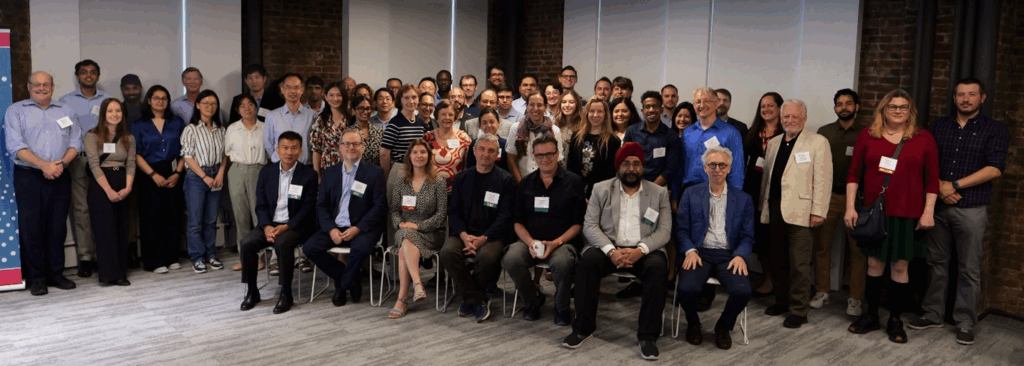
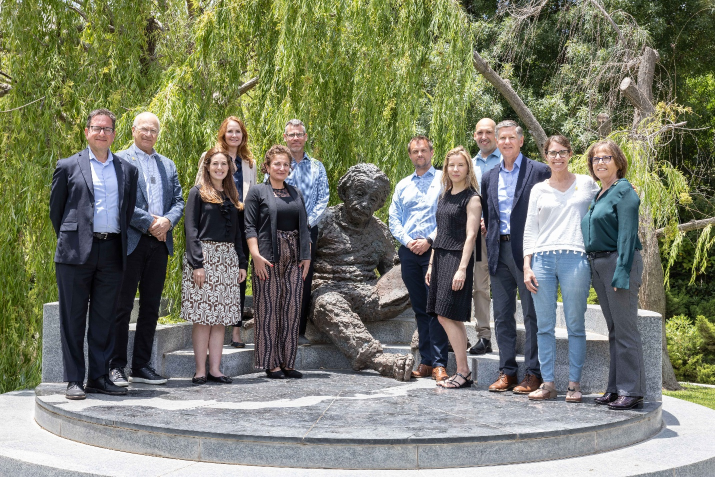
A group photo of the attendees at the 2025 Blavatnik Science Symposium. Photo by Nick Fetty/The New York Academy of Sciences.
Held at the Academy on July 14–15, the event spotlighted pioneering research in neuroscience, quantum computing, genetics, AI, immunology, materials science, and sustainability while also serving as a vibrant forum for forging new scientific collaborations.
A Welcome Return to In-Person Dialogue
Opening the symposium, Academy President and CEO Nicholas B. Dirks reflected on the power of community:
“This symposium is more than just presentations — it’s a chance to connect across disciplines and geographies,” he said. “Many creative collaborations have had their beginnings right here, sparked by informal conversations over coffee or during meals, and continued well beyond these two days.”
Dirks underscored the remarkable achievements of the Blavatnik Awards community, which now includes more than 500 scientists from 120 institutions. Collectively, they have secured over 7,300 patents and launched more than 50 companies.
Exploring the Frontiers of Science
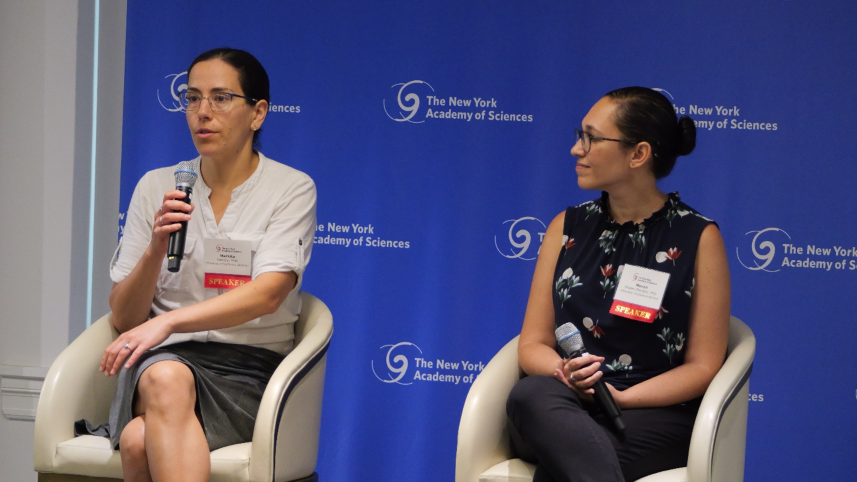
(Left to Right) Markita Landry (UC Berkeley) and Moran Shalev-Benami (Weizmann Institute). Photo by Nick Fetty/The New York Academy of Sciences.
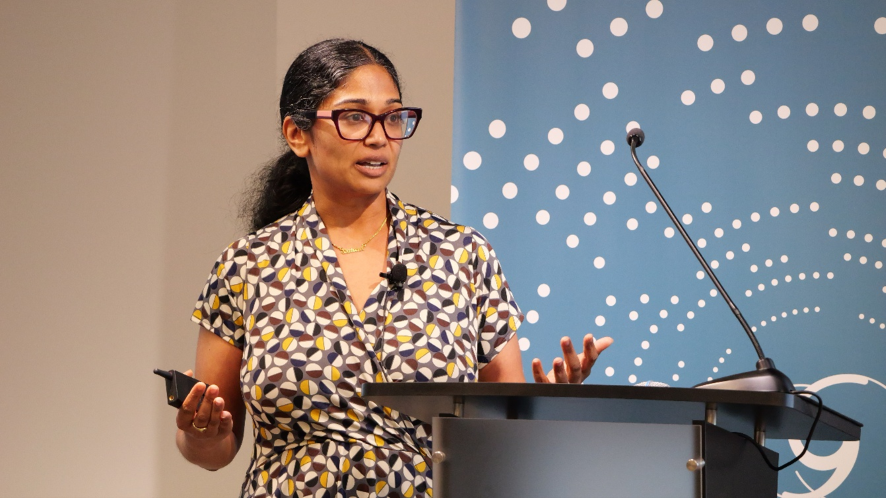
The symposium’s first day began with Session I: Insights Engineered from the Molecular World, where Markita Landry (UC Berkeley) introduced nanoscale fluorescent sensors for real-time imaging of neurotransmitters. She was followed by Moran Shalev-Benami (Weizmann Institute), who unveiled a new type of light-sensing protein discovered in Antarctic algae. Speaking virtually, Nieng Yan (Tsinghua University and Shenzhen Bay Laboratory) presented groundbreaking research from her lab on sodium channels that has provided the structural blueprint for non-addictive, non-opioid pain therapies, such as the FDA-approved Journavx.
Session II: Building the Future: Materials for a Sustainable Planet featured keynote talks from two innovators in materials science. Yi Cui (Stanford University), founder of Amprius Technologies, discussed advances in lithium battery chemistry that could quadruple energy density. Geoffrey Coates (Cornell University) shared real-world case studies where polymer science led to startups addressing plastic recycling and green hydrogen production.
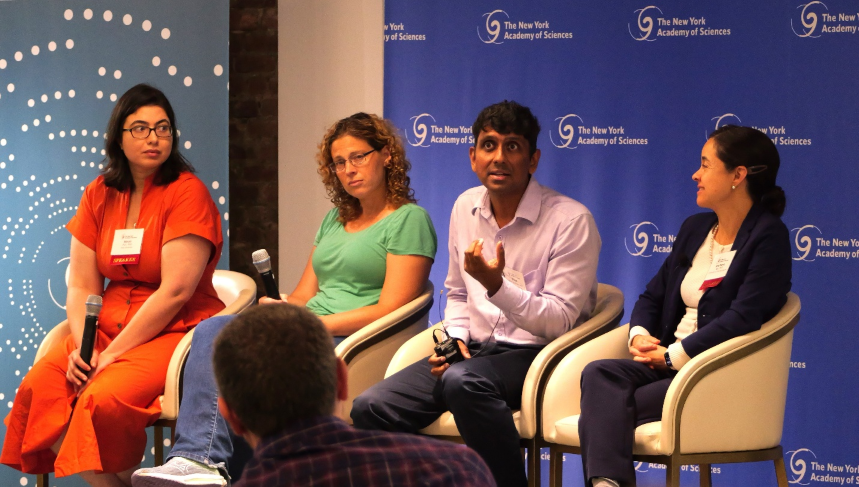
The Entangled Realities session panel (left to right) Shruti Puri (Yale), Danna Freedman (MIT), Vinod Vaikuntanathan (MIT), and Ana Maria Rey (CU Boulder) answer questions from the audience. Photo by Nick Fetty/The New York Academy of Sciences.
Quantum science took center stage in Session III: Entangled Realities: How Quantum Ideas Are Reshaping Science, beginning with Danna Freedman (MIT), who presented her work designing molecular qubits. Shruti Puri (Yale University) followed with insights into how entanglement enables quantum fault-tolerance. Vinod Vaikuntanathan (MIT) explored lattice-based cryptography designed to resist quantum attacks, and Ana Maria Rey (University of Colorado) examined how photon-mediated atomic interactions can power next-generation quantum sensors.
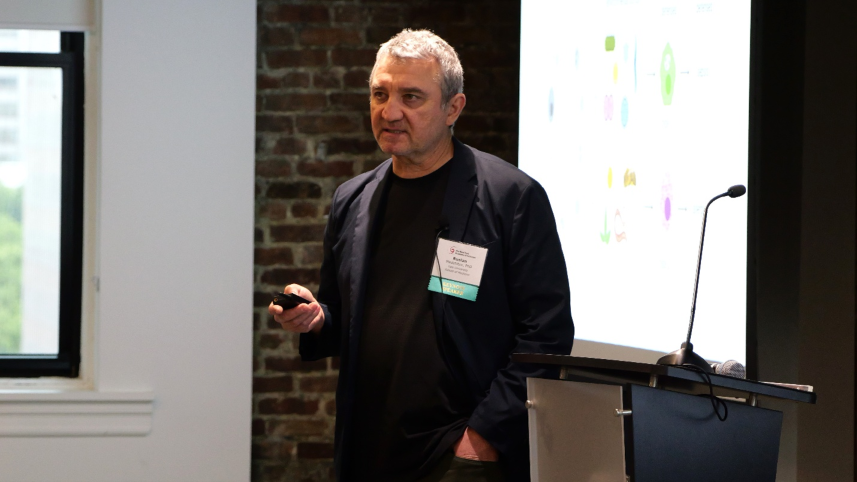
In Session IV: Evolutionary Code Underlying Immunity and Inheritance, Harmit Malik (Fred Hutchinson Cancer Center /HHMI) explained how evolutionary “scars” reveal key antiviral defense mechanisms. Sohini Ramachandran (Brown University) addressed the ethical misuse of genetic research and advocated for emphasizing human genetic diversity. Ruslan Medzhitov (Yale/HHMI) offered an evolutionary lens to reframe our understanding of allergies.
A Community of Change-Makers
Day 2 opened with remarks from Sonya Dougal the Academy’s Senior Vice President of Awards & Scientific Programs, who spoke to the lasting connections fostered through the Blavatnik Awards:
“When you become a Blavatnik honoree, you become part of this distinguished and enduring community,” she said. “The ideas celebrated here often gain traction well beyond the lab, attracting investors, crossing into the commercial realm, and generating meaningful societal impact.”
Innovations Across the Brain, AI, and Planetary Science
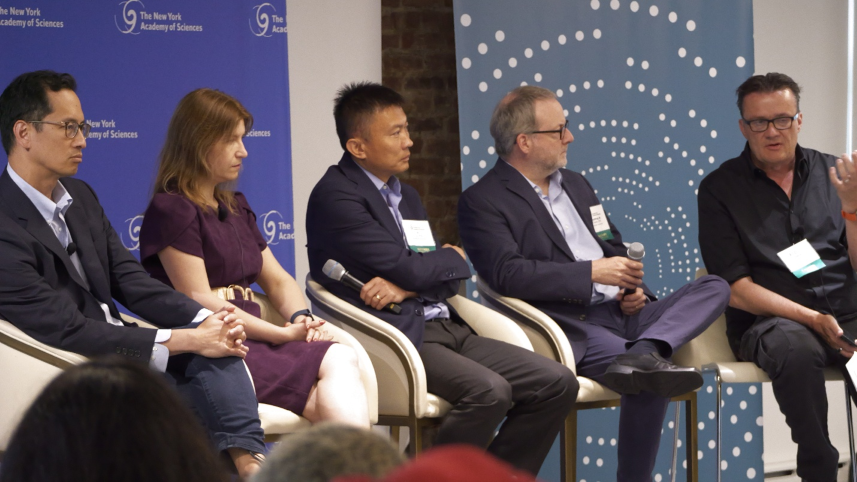
The “Beyond the Breakthrough: Translating Innovation into Real-World Impact” panel (Left to Right) Edward Chang (UCSF), Viviana Gradinaru (Caltech), Yi Cui (Stanford University), Geoffrey Coates (Cornell University), and Chris Bregler (Google DeepMind). Photo by Nick Fetty/The New York Academy of Sciences.
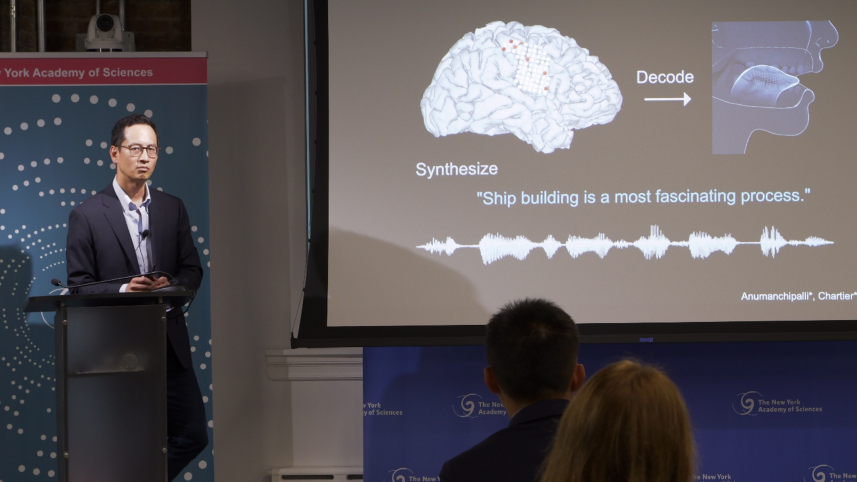
Session V: Tuning the Brain with Microbes, Molecules, and Machines kicked off the second day’s talks. Edward Chang (UCSF), renowned for developing a brain implant that enabled a paralyzed man to speak, presented new work decoding the neural code of speech. Christoph Thaiss (Stanford/Arc Institute) examined how the brain integrates signals from both the body and the external environment. Viviana Gradinaru (Caltech) shared her lab’s decade-long efforts to engineer viral vectors that cross the blood-brain barrier—a technology now moving into human trials via her company, Capsida Biotherapeutics.
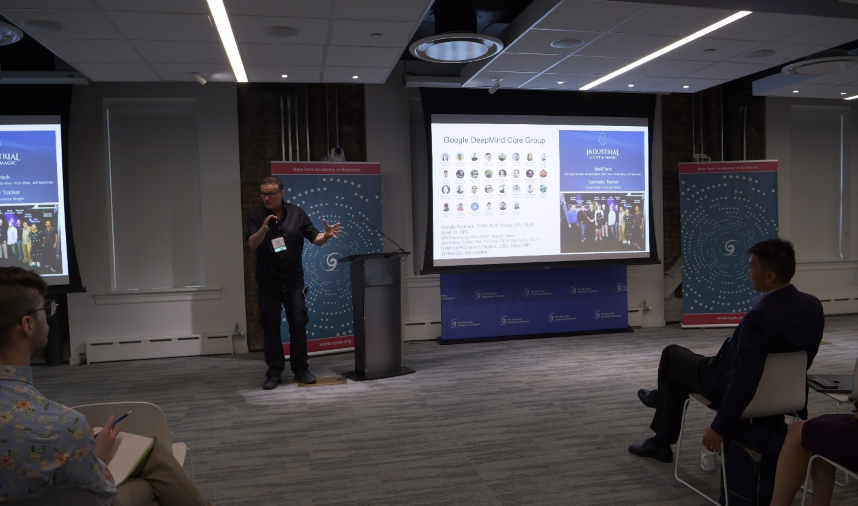
Keynote speaker Chris Bregler (Google DeepMind), a pioneer in AI-generated media and Academy Award winner for visual effects, reflected on the promises and perils of deepfakes. He then moderated a panel, Beyond the Breakthrough: Translating Innovation into Real-World Impact, featuring Edward Chang, Geoffrey Coates, Yi Cui, and Viviana Gradinaru. The panelists shared candid reflections on launching startups, consulting with venture capitalists, and turning research breakthroughs into scalable tools and treatments.
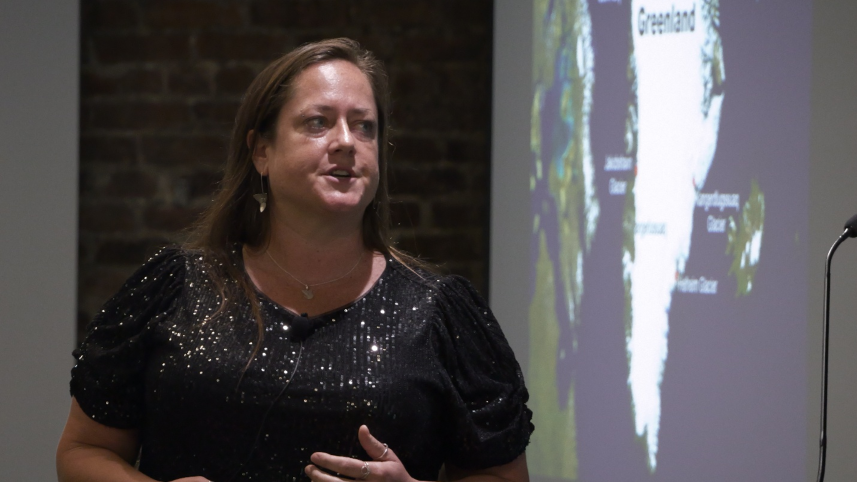
The final session, Observing the Universe: From Earth to the Stars, expanded the symposium’s view to planetary and environmental systems. Kaiyu Guan (University of Illinois at Urbana-Champaign) described how AI and satellite imaging are transforming agriculture and enabling the decarbonization of global supply chains. Rebecca Oppenheimer (American Museum of Natural History) highlighted recent discoveries of new, exotic extrasolar planetary systems. Britney Schmidt (Cornell University) detailed her team’s research in Greenland, where they used under-ice robotics to investigate how subglacial outflows are accelerating ice loss and ultimately influencing marine ecosystems.
Ruslan Medzhitov (Yale/HHMI) talks about why we suffer from allergies. Photo by Nick Fetty/The New York Academy of Sciences.Sohini Ramachandran (Brown University) presents on human genetic diversity. Photo by Nick Fetty/The New York Academy of Sciences. Edward Chang (UCSF) speaks about the development of his neuroprosthesis that has enabled paralyzed individuals to communicate through an AI interface. Photo by Nick Fetty/The New York Academy of Sciences.Chris Bregler (Google DeepMind) speaks about AI and motion tracking technologies. Photo by Nick Fetty/The New York Academy of Sciences.Britney Schmidt (Cornell University) discusses her under-ice robot, ICEFIN, in Greenland’s Glacier ice. Photo by Nick Fetty/The New York Academy of Sciences.
Highlights from the 2025 Blavatnik Awards for Young Scientists in Israel.
Published June 13, 2025
By Kamala Murthy
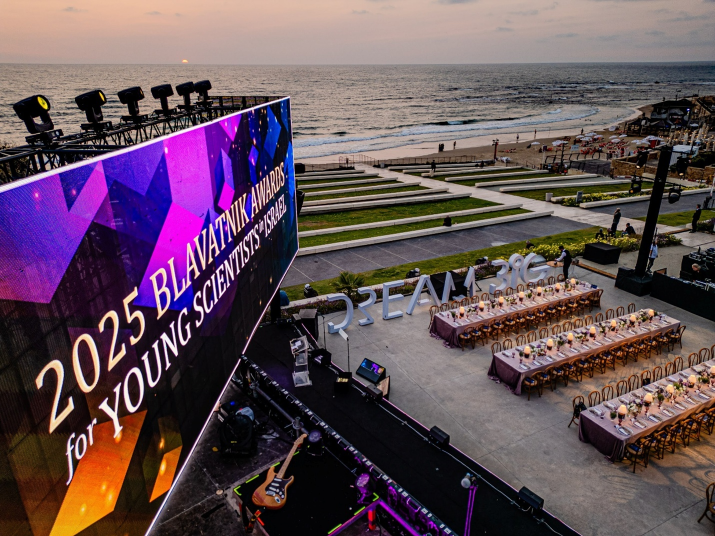
Against the backdrop of the Mediterranean Sea and the luminous Peres Center for Peace and Innovation in Tel Aviv, Israel, over one hundred preeminent scientific researchers, dignitaries, academics, business leaders, and supporters gathered on June 4, 2025, for an unforgettable evening honoring the future of science in Israel. The 2025 Blavatnik Awards for Young Scientists in Israel recognized three of the country’s most promising early-career researchers in the fields of Life Sciences, Chemical Sciences, and Physical Sciences & Engineering.
Now in its eighth year, the Blavatnik Awards in Israel ceremony was both a celebration of scientific discovery and a tribute to resilience. As the sun set over Jaffa and guests moved from the reception to the dinner ceremony, Israeli TV anchor Hila Korach, serving as the evening’s presenter, opened the event with a moving acknowledgment of the October 7th attacks and the remaining captivity of 58 Israeli hostages. The resilient spirit of the evening underscored a powerful message: even in the face of geopolitical hardship in the region, science continues to forge ahead as a force for good.
Welcoming the Laureates and Their Institutions with Fanfare
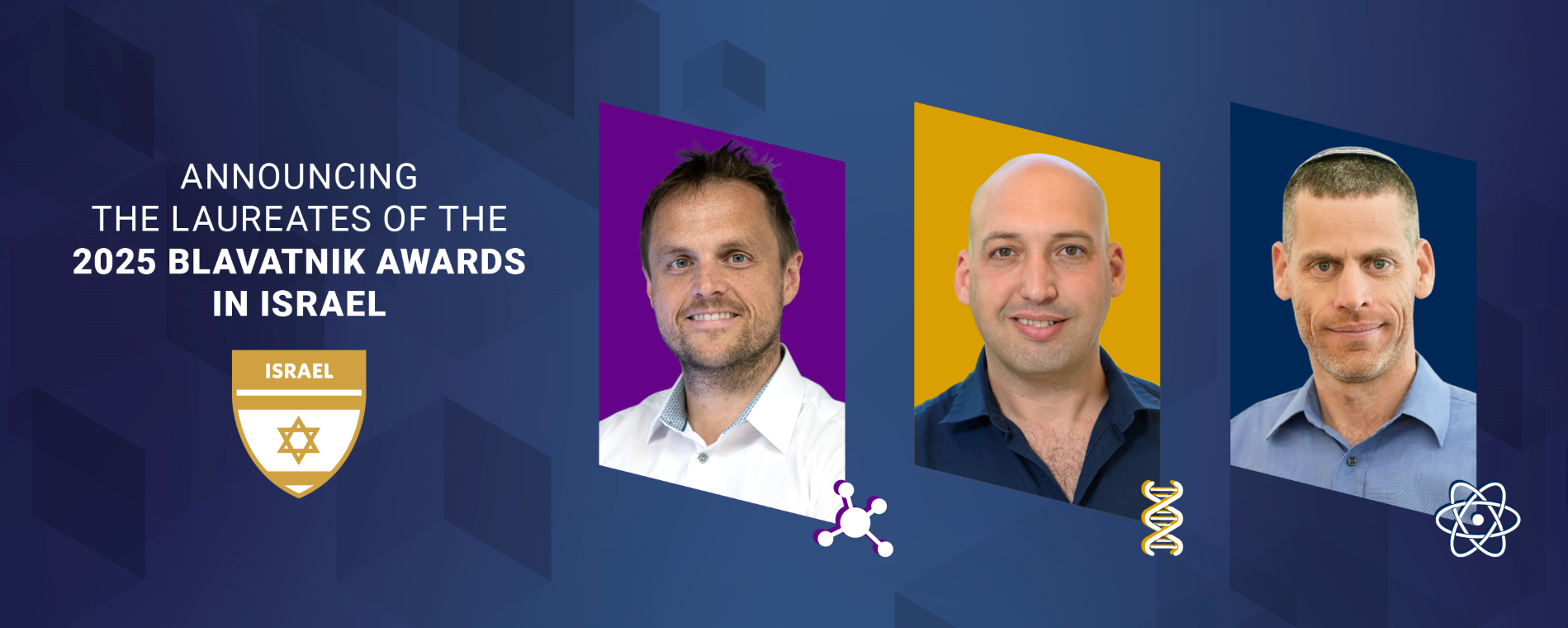
As trumpeters heralded the opening of the ceremony, flag bearers representing ten of Israel’s premier academic institutions led a procession onto the main stage, followed by this year’s three Laureates. These three outstanding scientists were selected from among 36 top nominees from universities and research institutions across Israel. The following scientists were recognized as Laureates at the ceremony, where they received medals and presented a captivating overview of their groundbreaking research:
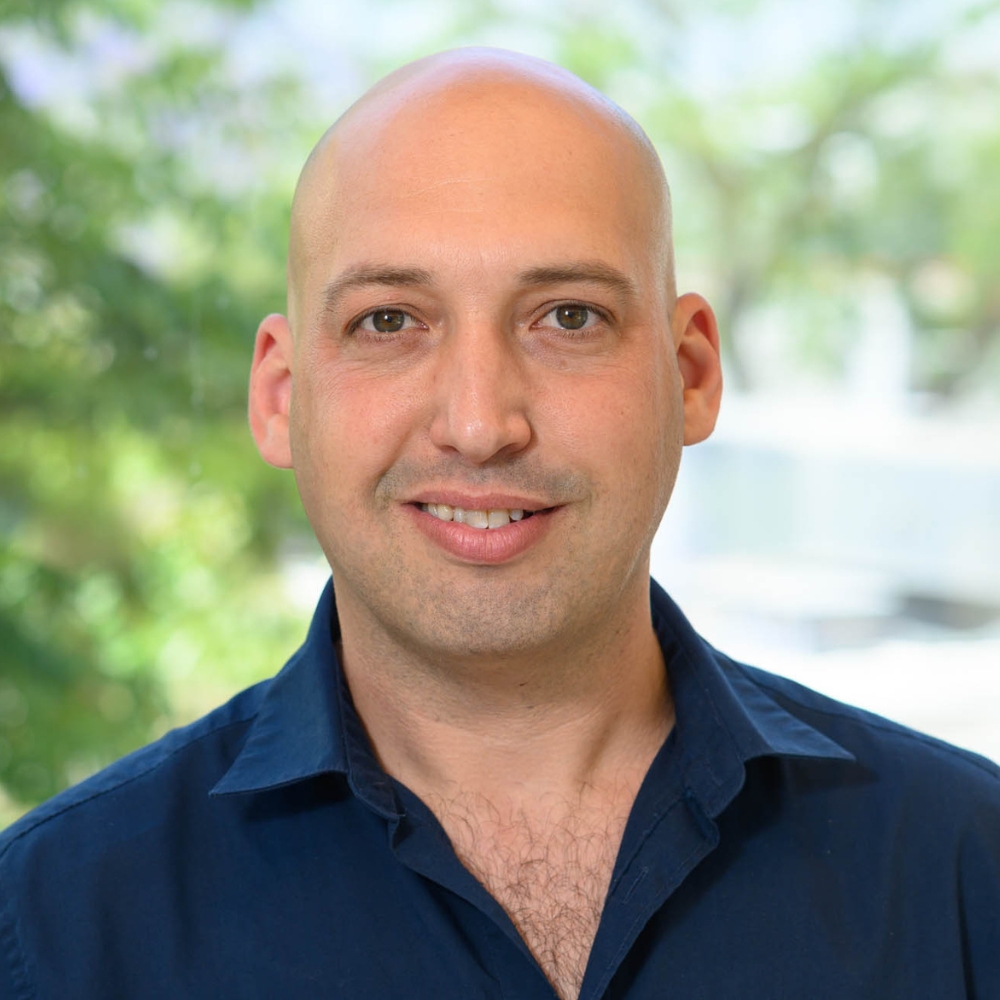
Professor Yonatan Stelzer (Weizmann Institute of Science) – Life Sciences
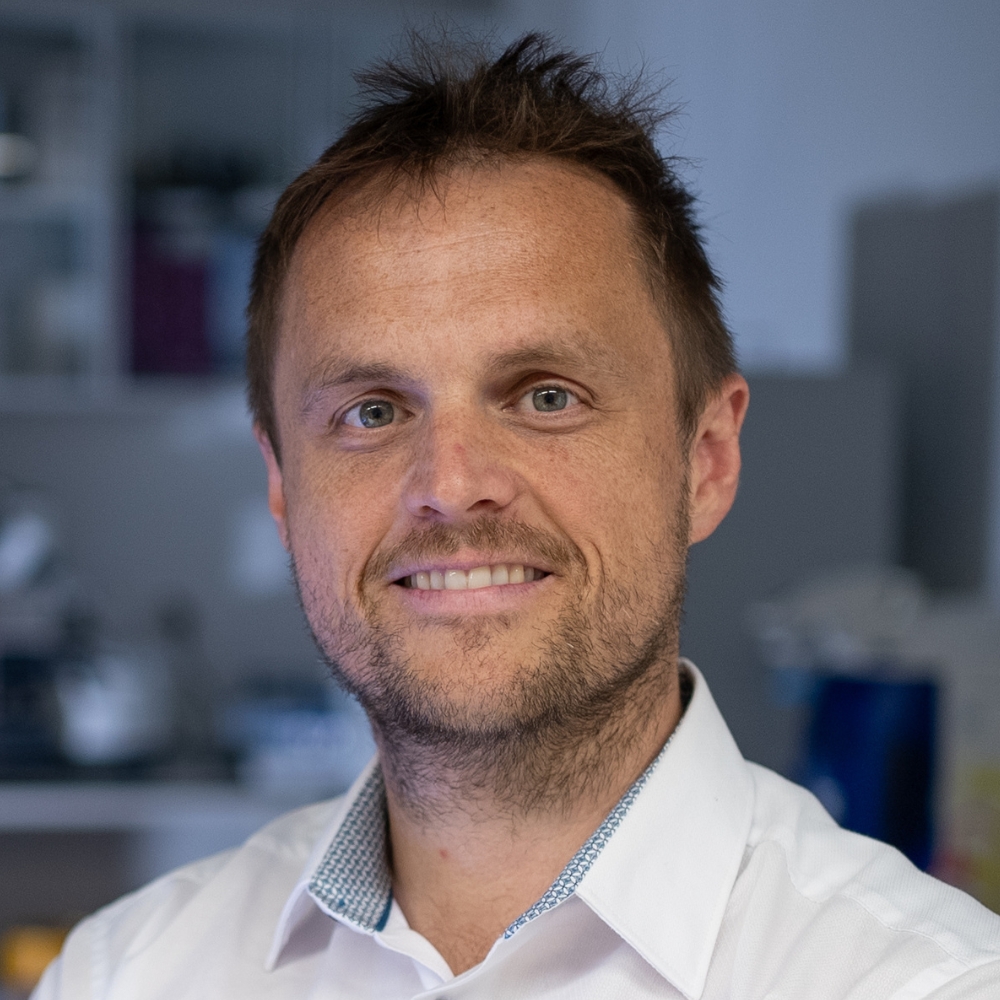
Dr. Benjamin Palmer (Ben-Gurion University of the Negev) – Chemical Sciences
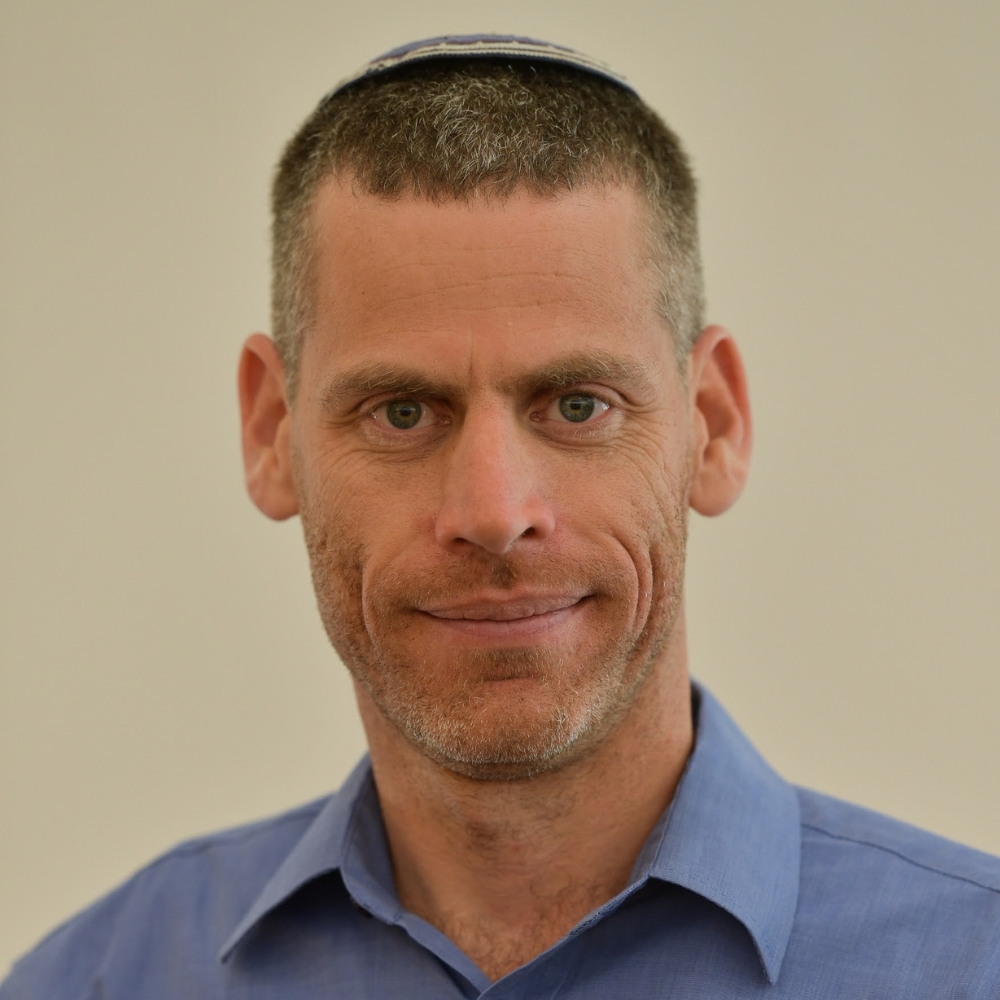
Professor Chaim Garfinkel (Hebrew University of Jerusalem) – Physical Sciences & Engineering
“Laureates, we know you will triumph! We believe in you!”
The flag procession was followed by a dramatic vocal performance of the song “Believer” sung by a youth ensemble from the Artik Music School. The musical performance was designed to inspire guests to be believers in science, with resilience being the key to success.
Science, Hope, and Prosperity
The Blavatnik Award’s two administrative partners underscored the program’s mission to empower young scientists at a pivotal point in their careers when recognition and support can significantly impact their lives as scientists. In his heartfelt remarks, Professor David Harel, President of the Israel Academy of Sciences and Humanities, emphasized the urgent need to protect the freedom and integrity of academic inquiry in science, particularly in politically and culturally challenging times. Nicholas Dirks, President & CEO of The New York Academy of Sciences, spoke to the 18-year success story of the Blavatnik Awards, leading it to become one of the most prestigious international science prizes for early-career scientists. Dirks also emphasized how the Blavatnik Awards have helped drive economic prosperity, turning $20 million in collective prize money into $2.4 billion in market capitalization, with over 50 companies founded by past Blavatnik Scholars, including six companies that are publicly traded.
A recorded message from Israel’s President Isaac Herzog served as a reminder that the Blavatnik Awards in Israel are in addition to being a tribute to three brilliant scientists from Israeli institutions are also a declaration of unwavering faith in science as a beacon of light in turbulent times. Herzog quoted Israel’s first President, Chaim Weizmann: “I trust and feel sure in my heart that science will bring to this land both peace and a renewal of its youth.” A moving performance by Israeli musical icon Aviv Geffen further added to the evening’s theme of hope and determination, echoing the national longing for unity, peace, and progress.
Israel’s Scientific Excellence on Display
Life Sciences Laureate, Yonatan Stelzer, PhD, from the Weizmann Institute of Science transported the audience into the remarkable world of embryonic development. His lab’s pioneering models of mammalian cell differentiation offer profound insight into how identical cells diversify into complex organisms—knowledge that holds transformative potential for regenerative medicine.
Physical Sciences & Engineering Laureate, Chaim Garfinkel, PhD, from the Hebrew University in Jerusalem, followed with a dynamic exploration of climate modeling. He illuminated the atmospheric mechanisms that influence extreme weather events and detailed how improving prediction models can save lives and guide global climate policy.
Finally, Chemical Sciences Laureate, Benjamin Palmer, PhD, from Ben-Gurion University in the Negev, captivated attendees with a dazzling look into organic biomineralization. Studying how creatures like shrimp and plankton create reflective crystals, his lab is revealing new paths to develop sustainable optical materials that may one day replace conventional, toxic alternatives like titanium dioxide.
A Toast to Science and the Future
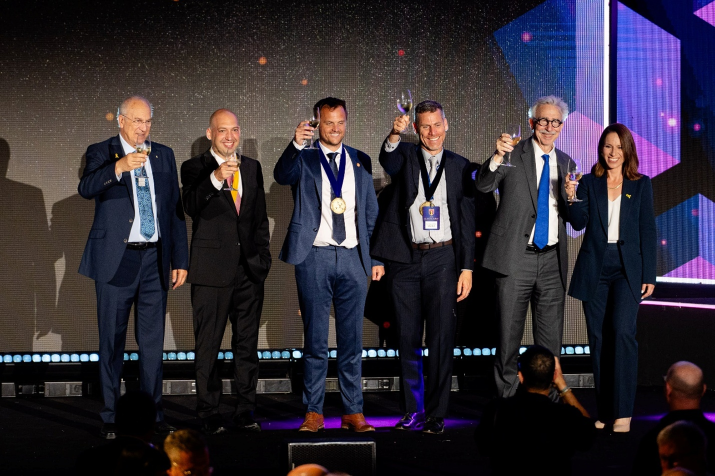
The evening concluded with a celebratory toast as the Laureates joined Professors Harel and Dirks on stage. Guests lifted their glasses with a collective “L’chaim!” — to science, to knowledge, and to a better future for the region.
The day prior, the 2025 Laureates presented their research at a public symposium held at the Israel Academy of Sciences and Humanities in Jerusalem. 2019 Blavatnik Awards in Israel Laureate Professor Michal Rivlin from the Weizmann Institute delivered the opening symposium lecture. Among the attendees were members of the public and STEM high school students from several regional high schools near Jerusalem.
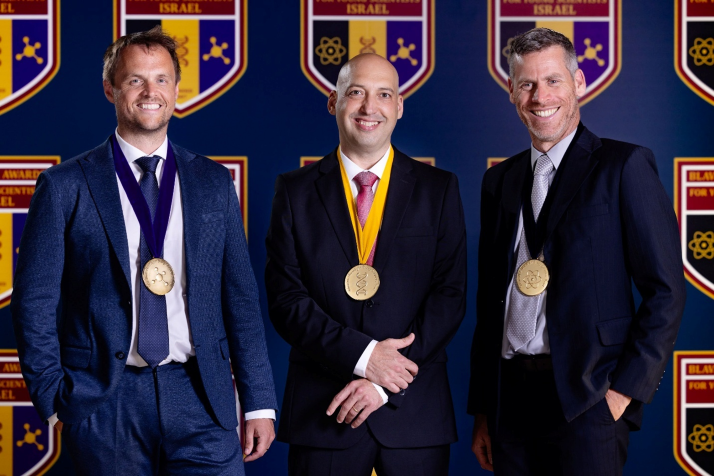
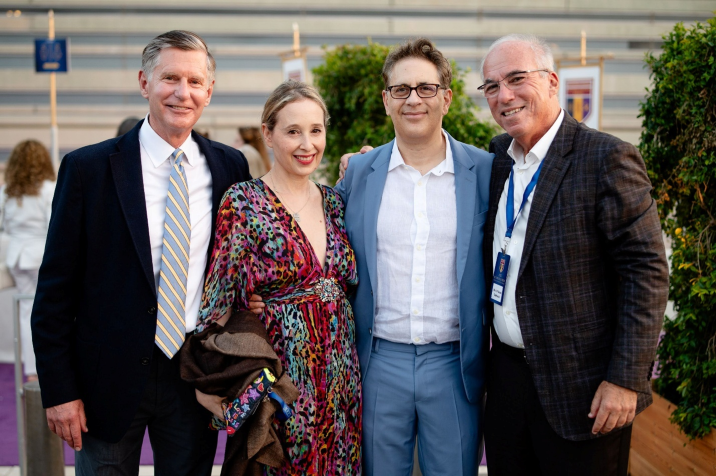
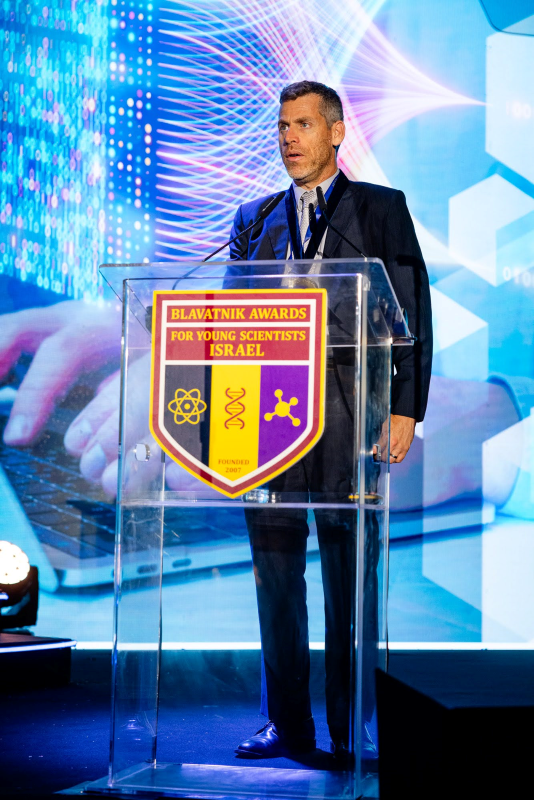
The 2025 Blavatnik Awards ceremony venue overlooking the Mediterranean Sea.From left: 2025 Blavatnik Awards Israel Laureates: Benjamin Palmer, Yonatan Stelzer, Chaim Garfinkel.From left: Peter Thoren of the Blavatnik Family Foundation; British Economist and Author Noreena Hertz with spouse Danny Cohen of Access Industries; Avi Fischer of Clal Industries.From left: Lisa Shields of Access Industries with Sonya Dougal from The New York Academy of Sciences.President of the Israel Academy of Sciences and Humanities, Professor David Harel.Yonatan Stelzer, Life Sciences Laureate, speaking about his research in embryonic development and epigenetics.Life Sciences Laureate, Benjamin Palmer describes the process of organic biomineralization.Chaim Garfinkel, Physical Sciences & Engineering Laureate gives his talk on climate modeling.L’Chaim, a toast to science! After the Blavatnik Awards Symposium at the Israel Academy of Sciences and Humanities.
Yonatan Stelzer, PhD (Life Sciences) – Weizmann Institute of Science – Recognized for breakthroughs in modeling the intricate process of mammalian embryonic development and for advancing our understanding of epigenetics, holding significant promise for regenerative and therapeutic medicine.
Benjamin Palmer, PhD (Chemical Sciences) – Ben-Gurion University of the Negev – Recognized for pioneering research on how organisms create crystals, revealing the biological processes underlying their formation and the unique ways they interact with light, leading to the emerging field of organic biomineralization and inspiring sustainable optical materials.
Chaim Garfinkel, PhD (Physical Sciences & Engineering) – The Hebrew University of Jerusalem – Recognized for advancing our ability to predict climate change on timescales from months to decades, improving weather forecast systems and providing critical insights for climate policy and adaptation strategies.
The Blavatnik Awards recognize outstanding, innovative scientists at the early stages of their careers for their extraordinary achievements as well as their potential for future discoveries. The prizes are awarded to researchers aged 42 and younger for groundbreaking work in Life Sciences, Chemical Sciences, and Physical Sciences & Engineering.
The 2025 Blavatnik Awards for Young Scientists in Israel will be conferred at a ceremony in June 2025 at the Peres Center for Peace & Innovation in Tel Aviv-Jaffa.
The Blavatnik Awards for Young Scientists are the largest unrestricted prizes available to scientists in Israel aged 42 or younger. Since launching in 2017, scientists honored by the Blavatnik Awards in Israel have received US$2.7 million in prize money. Internationally recognized by the scientific community, the Blavatnik Awards for Young Scientists are instrumental in expanding the engagement and recognition of young scientists and providing the support and encouragement needed to drive scientific innovation for the next generation. By the close of 2025, the Blavatnik Awards will have recognized 540 scientists from 120 international research institutions and awarded prizes totaling nearly $20 million.
“The brilliant, young minds we honor with these awards are examples of the enormous ingenuity and creativity that has made Israel a powerhouse of scientific progress,” said Len Blavatnik, Founder of Access Industries and Head of the Blavatnik Family Foundation. “We are proud to celebrate their achievements and to support their continued success.”
ProfessorNicholas B. Dirks, President and CEO of The New York Academy of Sciences, said, “We are excited to see international representation in this year’s Laureates with our first Blavatnik Awards Israel Laureate from the UK. This international dimension highlights the global nature of scientific pursuit and collaboration in highly promising and vitally important interdisciplinary fields including epigenetics, biomineralization, and atmospheric science.”
Professor David Harel, President of The Israel Academy of Sciences and Humanities said, “Today we honor the exceptional achievements of Israel’s very best scientists. This is especially important at the present time, with Israel going through one of its worst periods, exacerbated by unprecedented obstacles for science, both here in Israel and in the US. In this light, we are even more grateful to the Blavatnik Family Foundation and The New York Academy of Sciences for our continued partnership in this endeavor. Maintaining Israel’s position at the forefront of global science, which is crucial for its security and economic stability, relies upon supporting and encouraging its scientists. We are proud to honor this year’s Blavatnik Awards Laureates, and we celebrate their innovative breakthroughs with confidence in the far-reaching, positive impact of their achievements on society at large.”
During the nomination period for the 2025 Blavatnik Awards, 36 nominations were received from seven universities across Israel. Members of the Awards’ Scientific Advisory Council – which includes Nobel Laureates Professors Aaron Ciechanover, David Gross and Sir Richard Roberts, along with former Chairman of the Israel Space Agency, Professor Isaac Ben-Israel – were also invited to submit nominations. Three juries, composed of distinguished leading scientists representing the three disciplinary categories and led by Israel Academy members, selected the 2025 Laureates.
Blavatnik scholars are driving economic growth globally by embarking on new scientific trajectories to pursue high-risk, high-reward scientific research. To date, Blavatnik Awards honorees have founded 50 companies after receiving the award, six of which are publicly traded and collectively valued at over $12 billion.
About the Blavatnik Awards for Young Scientists
The Blavatnik Awards for Young Scientists, established by the Blavatnik Family Foundation in 2007 and independently administered by The New York Academy of Sciences, began by identifying outstanding post-doctoral scientists in New York, New Jersey and Connecticut. In 2014, the Blavatnik National Awards were created to recognize faculty-rank scientists throughout the United States. In 2017, the Awards were further expanded to honor faculty-rank scientists in the UK and Israel. For updates about the Blavatnik Awards for Young Scientists, please visit www.blavatnikawards.org or follow us on X and Facebook @BlavatnikAwards.
About the Blavatnik Family Foundation
The Blavatnik Family Foundation provides many of the world’s best researchers, scientists and future leaders with the support and funding needed to solve humankind’s greatest challenges. Led by Len Blavatnik, founder of Access Industries, the Foundation advances and promotes innovation, discovery and creativity to benefit the whole of society. Over the past decade, the Foundation has contributed over US$1 billion to more than 250 organizations. See more at www.blavatnikfoundation.org.
About The Israel Academy of Sciences and Humanities
The Israel Academy of Sciences and Humanities is Israel’s flagship scientific institution. It was established by law in 1961 and acts as a national focal point for Israeli scholarship in all branches of the sciences, social sciences and humanities. The Academy’s membership comprises 152 of Israel’s most distinguished scientists and scholars in its two divisions – the Natural Sciences Division and the Humanities Division. It is tasked with promoting Israeli scientific excellence, advising the government on scientific matters of national interest, publishing scholarly research of lasting merit and maintaining active contact with the broader international scientific and scholarly community. For more information about The Israel Academy of Sciences and Humanities, please visit www.academy.ac.il.
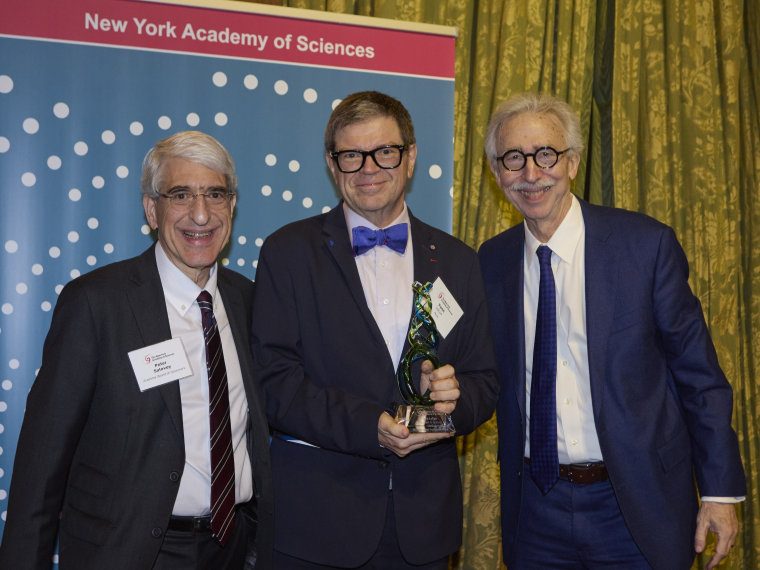
Yann LeCun, VP and Chief AI Scientist at Meta, was one of three Honorees recently recognized by The New York Academy of Sciences (the Academy) for outstanding contributions to science.
Published May 1, 2025
By Nick Fetty
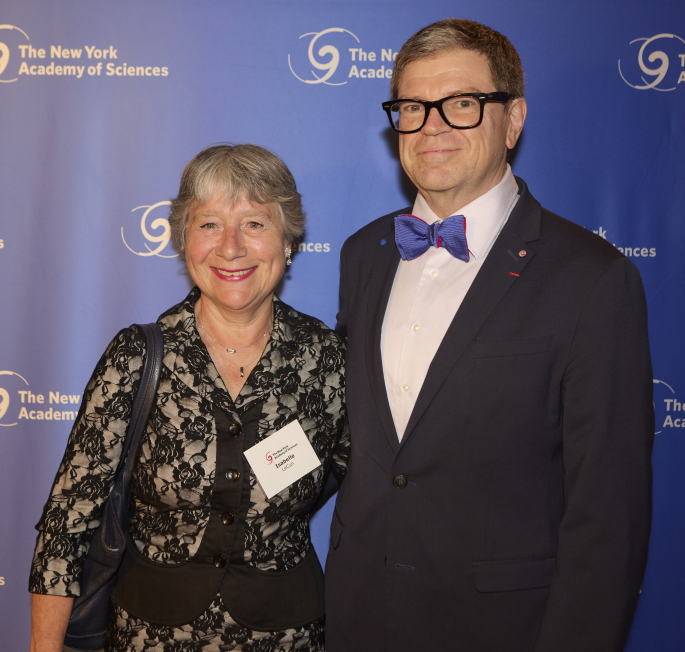
Yann LeCun (right) poses with his wife Isabelle during the Soirée.
Yann LeCun was recently recognized by The New York Academy of Sciences, for his pioneering work in machine learning, computer vision, mobile robotics, and computational neuroscience. He was presented with the Academy’s inaugural Trailblazer Award during the 2025 Spring Soirée, hosted at the University Club of New York.
“His work has been instrumental in setting the terms of how we think about the uses, implications, and impact of AI in all its forms,” said Nick Dirks, President and CEO of the Academy, while introducing LeCun during the Soirée. “Yann, we’re grateful that your view has carried the day and are inspired by the boldness of your vision. A vision that has shaped the evolution of this amazing and transformative technology.”
LeCun spoke during the first installment of the Tata Series on AI & Society at the Academy in March 2024. His talk covered everything from his early work in revitalizing and advancing neural networks to the need for open sourcing AI to the limitations he sees with large language models (LLMs). He believes that sensory, as opposed to language, inputs are more effective for building better AI systems, due in part to the brain’s ability to process these inputs faster.
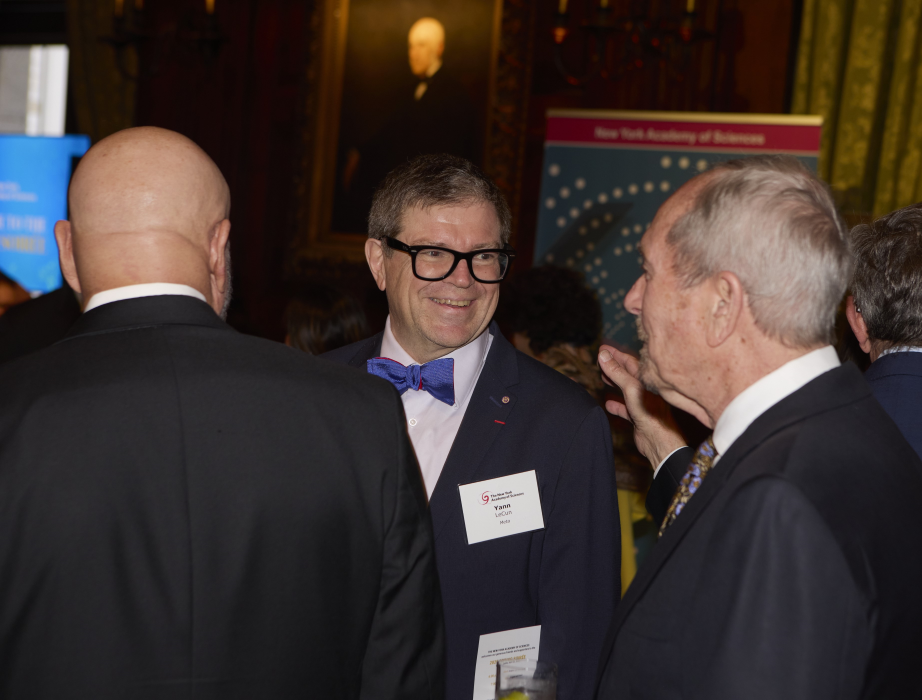
Yann LeCun (center) visits with Hon. Jerry Hultin, immediate past chair of The New York Academy of Sciences Board of Governors, during the Soirée.
“To build truly intelligent systems, they’d need to understand the physical world, be able to reason, plan, remember, and retrieve. The architecture of future systems that will be capable of doing this will be very different from current large language models,” he explained.
LeCun was presented with an Honorary Life Membership to the Academy during the 2024 event.
A Frenchman with a Clever Sense of Humor and Passion for Jazz
Though a serious computer scientist (he received the prestigious ACM Turing Award in 2018), his wry sense of humor often comes through when he talks and on his personal website.
“French people are generally known for their utter contempt of every product of the American culture (“or lack thereof”, as my friend John Denker would say with a smile),” LeCun writes on the “Fun Stuff” section of his website. “But there are two notable exceptions to this attitude, two pure products of the American culture that the French have embraced wholeheartedly (and no, one of them is not Jerry Lewis): Jazz music, and Tex Avery cartoons.”
A fan of jazz music, LeCun considers John Coltrane’s Giant Steps and Miles Davis’s Kind of Blue among his favorite jazz albums of all time. LeCun is a musician himself and plays various woodwind instruments. He even builds his own that combine traditional wind instruments with electronic synthesizers. When he worked at Bell Labs in the 1990s, he played in an informal jazz band with some colleagues. The passion for jazz (and tech) runs in the blood of the LeCun family, as Yann’s brother Bertrand plays the bass (and works at Google in Paris).
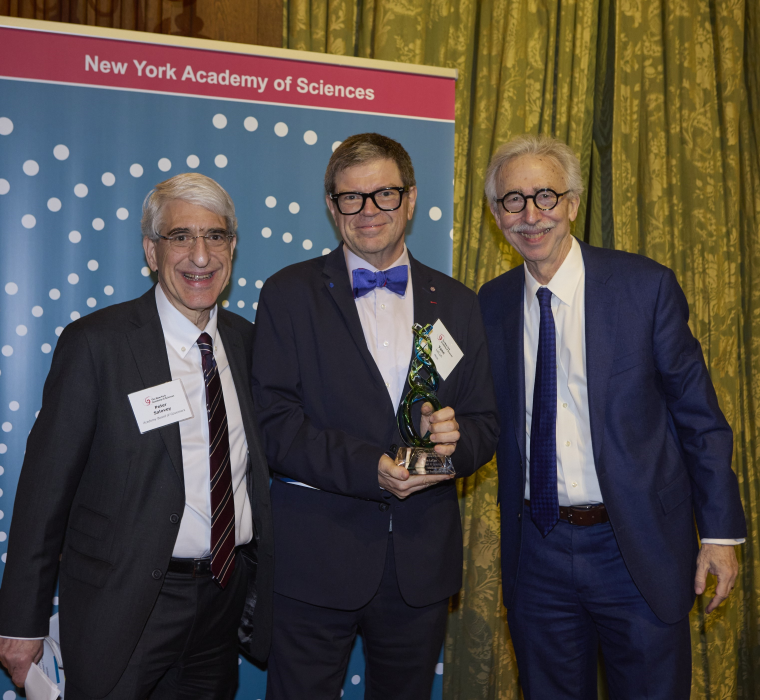
From left: Peter Salovey, former president of Yale University and current chair of The New York Academy of Sciences Board of Governors; Yann LeCun, VP and Chief AI Scientist at Meta; and Nick Dirks, President and CEO of The New York Academy of Sciences.
“I have always been interested in jazz because I have always been intrigued by the intellectual challenge of improvising music in real time,” he writes on his website.
Humble in nature—on his website he lists himself as an ACM Turing Award Laureate, but in a parenthetical note next to it indicates “(sounds like I’m bragging, but a condition of accepting the award is to write this next to your name)” —he was nonetheless appreciative of this recent recognition and the broader power of science.
“I like jazz so I’m fond of improvising speeches,” LeCun said when he took to the stage to accept his award, adding that he didn’t use AI to write his speech. “I’ve become a public advocate of science and rationalism. It’s true that today there’s been a lot of attacks against universities, rationalism, science, and scientists. All are being vilified by our own government. We have to stand up for science.”
This year’s award-winning teacher-mentor duo has been inspiring young minds and promoting STEM education for three years. They were recently honored by The New York Academy of Sciences for their work.
Published April 30, 2025
By Brooke Elliott
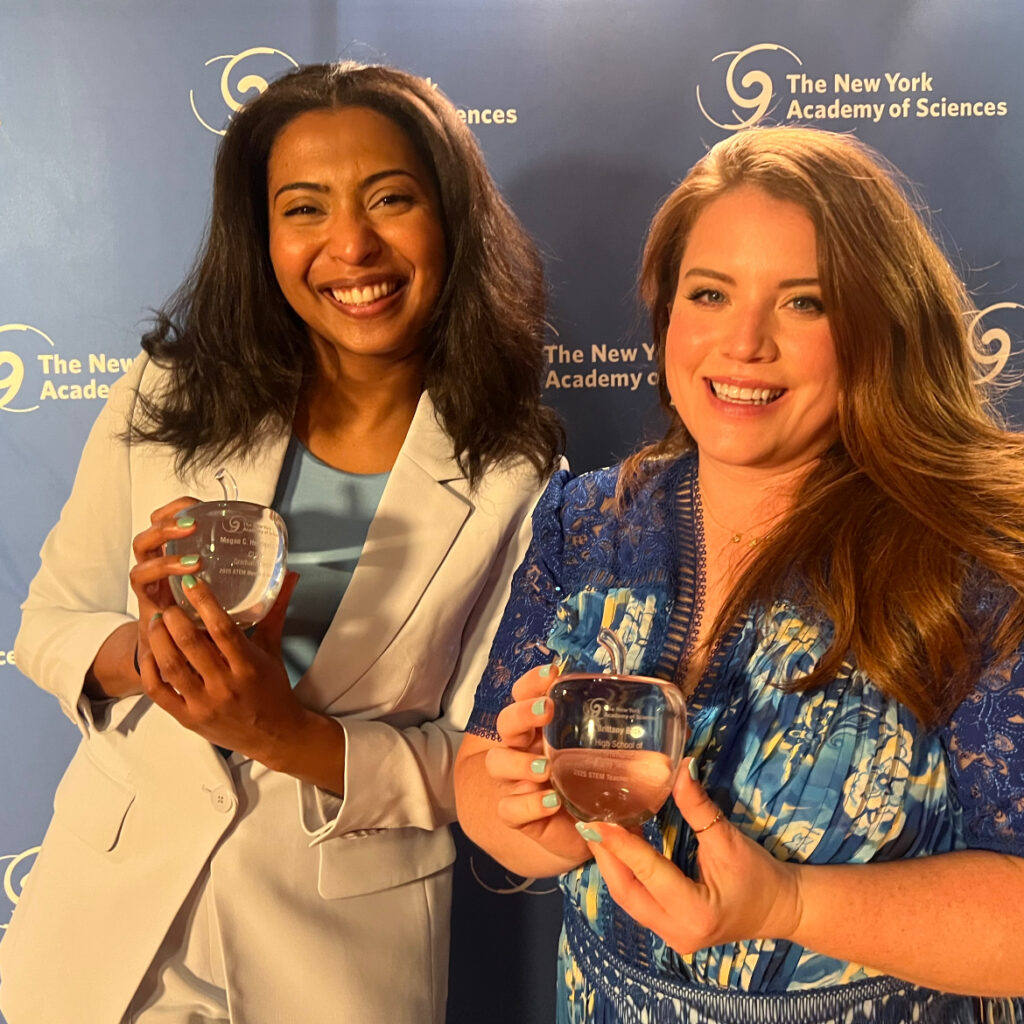
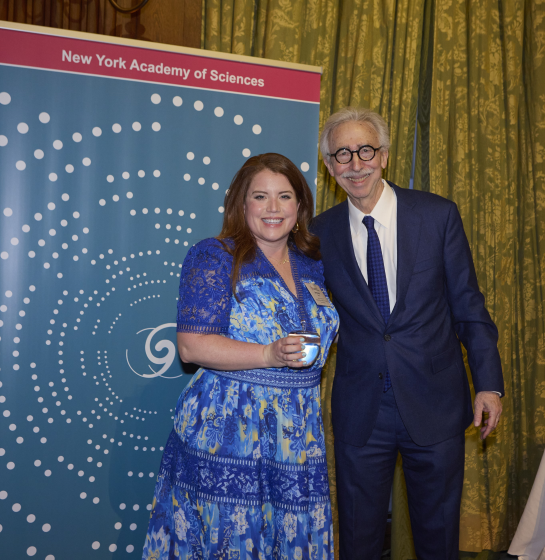
Megan C. Henriquez (left) and Brittany Beck pose with their awards during the Spring Soirée hosted at the University Club of New York on April 22, 2025.
The New York Academy of Sciences’ (the Academy’s) Scientist-in-Residence (SiR) program was proud to announce this year’s STEM Teacher of the Year: Brittany Beck, biology teacher at the High School of Telecommunication Arts and Technology; and Mentor of the Year: Megan C. Henriquez, who just defended her PhD in biological anthropology at the CUNY Graduate Center in April and will graduate in June.
A Queens native, Henriquez’s interest in STEM began when she was a kid. She remembers coming home from school and watching wildlife documentaries. “Those shows made studying wildlife seem so exciting and foreign, and yet so out of reach for a city kid like me” she recalled. “But through a network of mentorship and opportunity, I ended up becoming a wildlife ecologist doing field work in some of the most remote parts of the world.”
Brittany Beck grew up in rural Missouri. She completed her undergraduate degree in biology and her master’s in science education at Truman State University in Missouri. She has been teaching biology in NYC public schools for 14 years, with 13 of those years at the High School of Telecommunication Arts and Technology. Additionally, she serves as Coordinator of Student Activities, running the Student Government, managing over 30 clubs, and overseeing school events.
This is Beck’s fourth year as a teacher in the SiR program, working with scientists and building novel research projects with her students. Henriquez started working with the program about three years ago as a way to provide students with the same experiences and opportunities that inspired her interest in STEM in her youth.
Engaging Young Minds
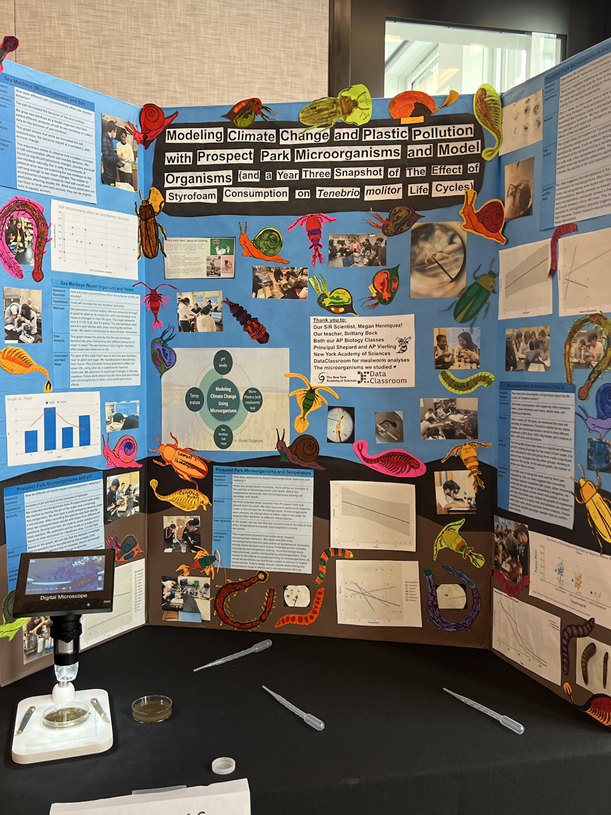
Beck considers herself both a scientist and a teacher. Before joining the Scientist-in-Residence program, she was a national Evolution Education fellow in a program where she developed live organism research experiments for her classes alongside scientists at the University of Virginia and the Mountain Lake Biological Station. During that program, she developed a protocol in which students spend a year caring for mealworms, pupae, and darkling beetles in different treatments of Styrofoam to see how these treatments affect their growth and development. When the formal evolution education program ended, she continued this important work with students through the Academy’s SiR program.
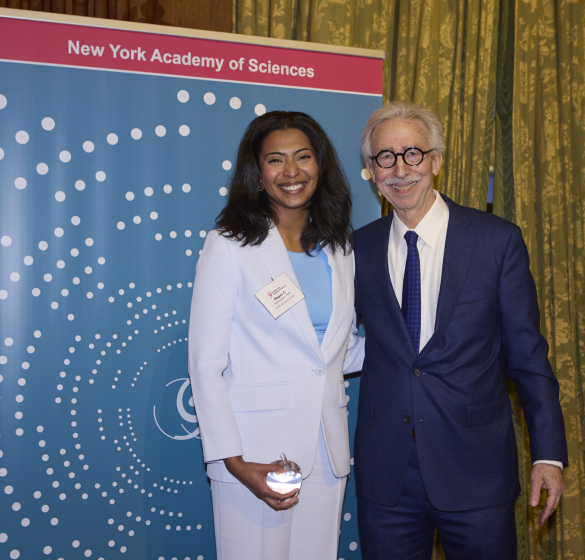
Brittany Beck poses with Nick Dirks, President and CEO of The New York Academy of Sciences, during the Spring Soirée hosted at the University Club of New York on April 22, 2025.
What makes Beck and Henriquez such a good team? Trust in not just each other, but in their students. The pair has always let students pick and develop their projects, come up with their research questions, design their experiments, collect data, and decide how they organize and visualize on their own. At times, this may also mean allowing them to learn from mistakes.
The “ABC+M Pedagogical” Model
In terms of teaching technique, Beck often cites the “ABC+M” pedagogical model, which was developed by Rhonda Bondie and Akane Zusho. It requires that all lessons should include an opportunity for student Autonomy and choice. Teachers should build classroom environments where students know they Belong. They should provide opportunities for students to build their Competence, and that all lessons should be Meaningful to students. The work that Beck and Henriquez do with their students exemplifies this thinking.
Henriquez began her work as a mentor for the Academy as a way to pay back the early help and inspiration she received from mentors. Her first experience doing any sort of field work or experimentation was in her high school AP biology class, which makes it all the more meaningful that she gets to work with Beck’s Advanced Placement (AP) Biology class.
This made such a lasting impression that she ended up pursuing a career in biology. “If I could inspire at least one other student to pursue a career in STEM by providing them with the opportunity to see themselves as creative, serious, and legitimate researchers, I feel as though I would have done my part,” she said, adding she feels her work with students makes her own research both more meaningful and impactful.
“I think it’s one thing to read about the scientific method in a textbook, and it’s a completely enhanced experience to go through the process yourself. To develop your research questions, learn about your study system, try something out, revise and draw conclusions,” said Henriquez. “It works a part of your brain that so many people don’t get the opportunity to access.”
Inspiration
Megan C. Henriquez poses with Nick Dirks, President and CEO of The New York Academy of Sciences, during the Spring Soirée hosted at the University Club of New York on April 22, 2025.
Henriquez, who defended her PhD dissertation earlier in the month, feels the characteristics of a good mentor center around excitement and compassion. “No one is doing this for pay, so if you’re not going in excited about your work and what you’re going to share with your students, they’re going to sense that and not be excited either,” she said. She also loves providing interested students with additional opportunities. If a student is particularly interested in ecology fieldwork, she might find a program at the Bronx Zoo or the Junior Academy to keep the student engaged.
“Watching our SiR students make those connections and learn through experience has been one of the most rewarding parts of this program,” she continued, “Having students run up to us and say things like, ‘Look at what happened!’, ‘Look at how much our organisms have grown!’, ‘Our results are refuting or supporting our hypotheses!’ is just so exciting. Seeing them experience new things, overcome challenges, and grow confident in their skills and their problem-solving abilities has been amazing and so rewarding.”
Improvisation
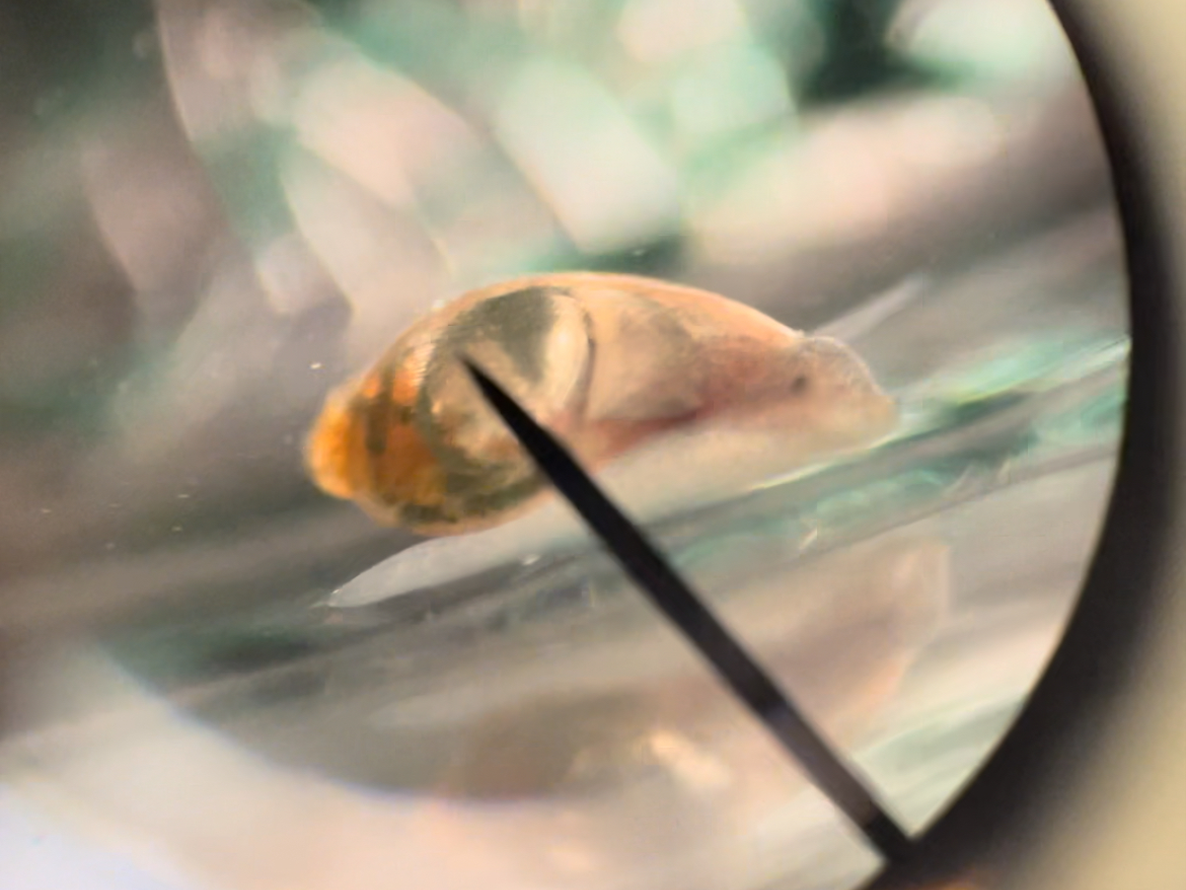
Being able to improvise is another important skill for the mentor and teacher team. “A memory that sticks out is how, during Megan’s and my second year, we had collected water from a local pond and were unsure if we would be able to keep the microorganisms within the water alive. We not only kept them alive, but we also discovered a colony of snail eggs had hatched and grew and which our students then did microplastics experiments on,” Beck recalls.
“There hasn’t been one visit where we haven’t laughed together or enthusiastically yelled about the progress of a group’s experimental organisms. The sea monkeys, the pitcher plants, the butterflies, and especially the snails. We like to challenge ourselves as well as the students, and each year we add a level of complexity to the experimental process,” Beck added.
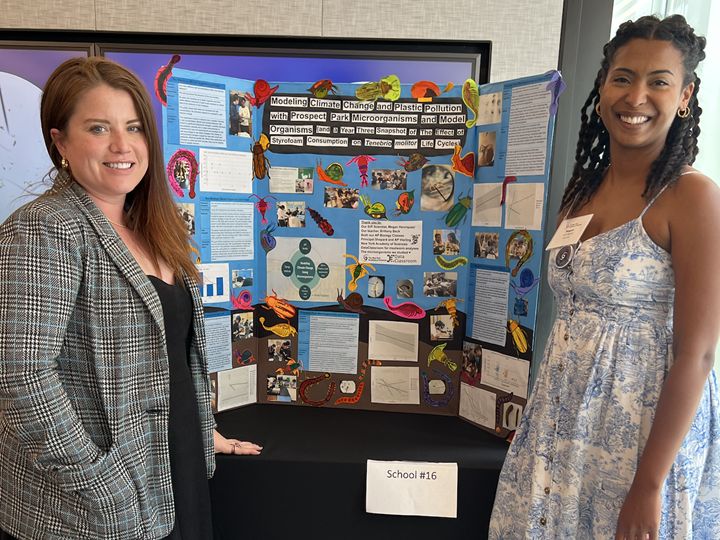
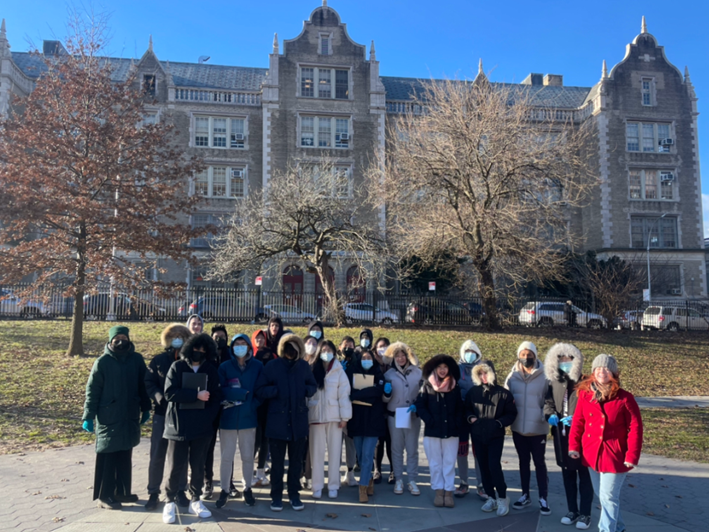
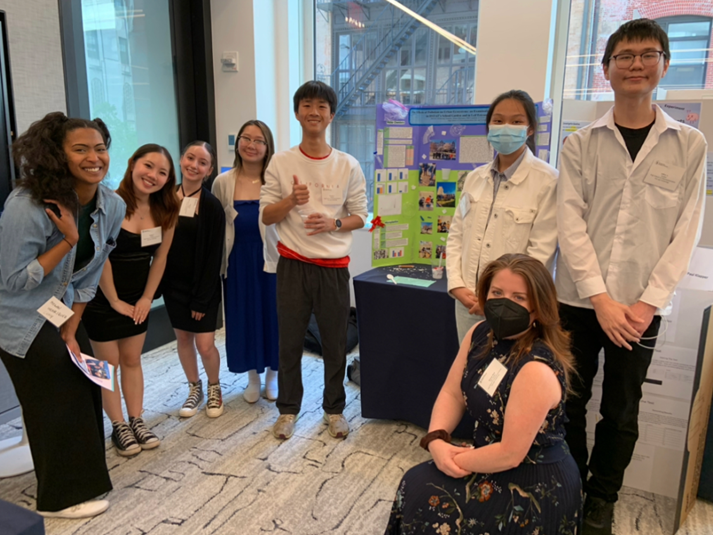
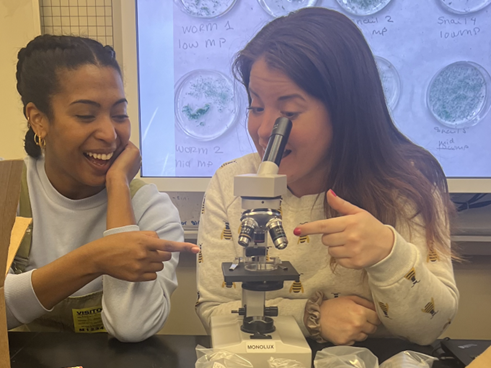
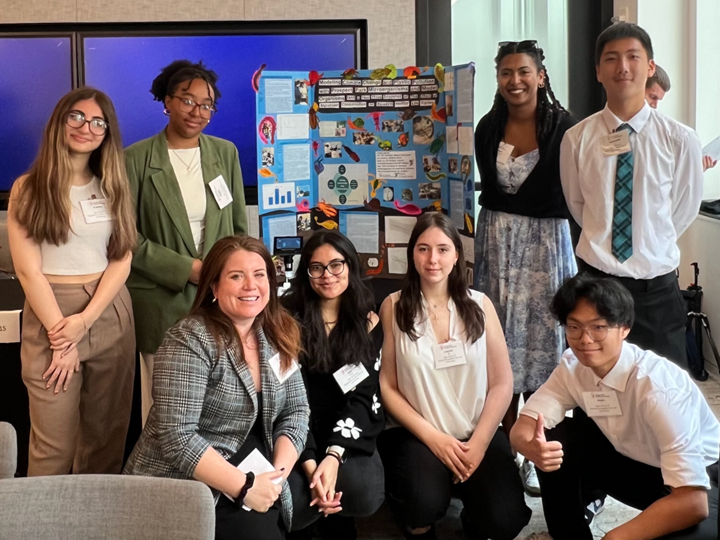
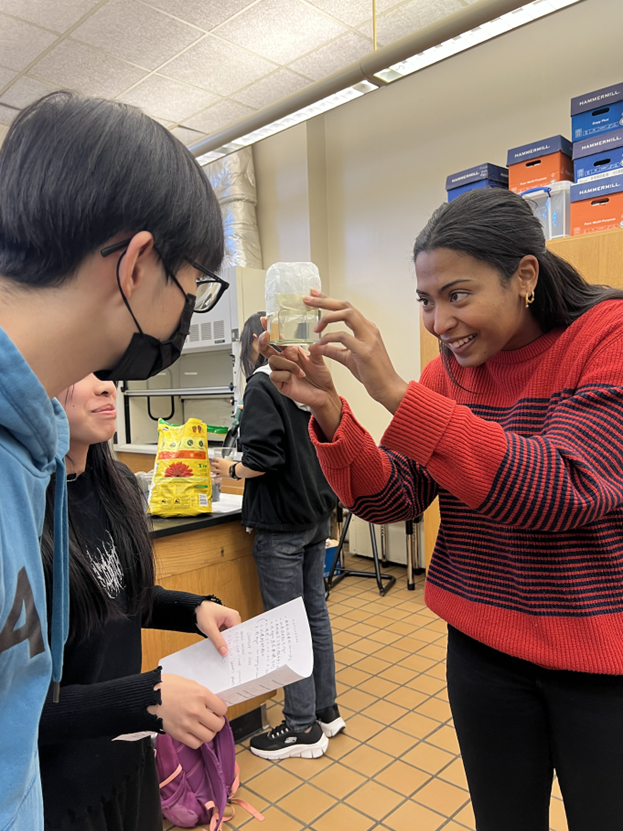
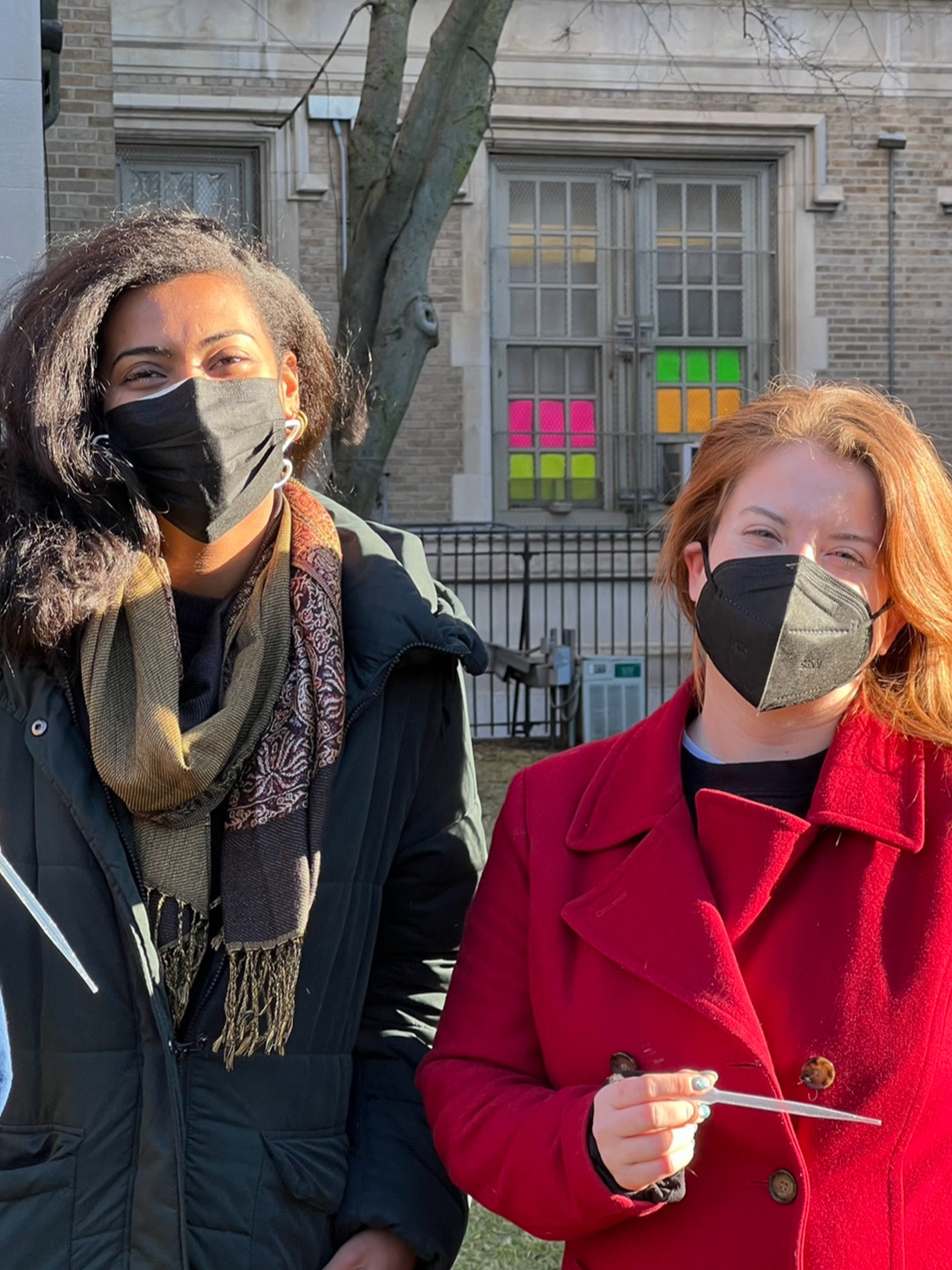
A snail students raised in 2023-2024, with green microplastics seen in the distance.Brittany Beck and Megan C. Henriquez, PhD, in front of their SiR poster for 2023-2024.With one of their SiR classes in 2022-2023, running student-led experiments on the impact of microplastics in local parks.Brittany Beck and Megan C. Henriquez, PhD, with student presenters in front of their SiR poster for 2022-2023.Looking at Prospect Park aquatic microorganisms together in 2023-2024.Student presenters with Brittany Beck and Megan C. Henriquez at the SiR showcase in 2024.A poster designed by Brittany Beck, Megan C. Henriquez, and their students for the SiR showcase during the 2023-2024 school year.Megan C. Henriquez with students this year, excited to see sea monkeys living among microplastics.Megan C. Henriquez and Brittany Beck in 2022-2023, examining HSTAT’s school garden for microorganisms and microplastics.
A Celebration of Hard Work
Beck feels the Scientist-in-Residence program has strengthened her students’ scientific identity, and graduates have told her they have notably more experience in lab skills than their peers in college, especially in designing laboratory protocols. “My students love it when Megan comes in, and they have a deep sense of ownership over their experimental ‘babies,’ whether they are plants, microorganisms, or bugs,” Beck said.
The duo were formally honored for their hard work during the Academy’s Spring Soirée which took place at the University Club of New York on April 22. When she heard she was named Mentor of the Year, Henriquez said she was in disbelief. From “early mornings jumping fences to get pond water to late nights setting up pitfall traps to catch bugs,” Henriquez feels good that her hard work is acknowledged.
Likewise, when Beck heard the news, she was at the National Science Teachers Association national conference in Philadelphia. “I whooped out loud in the busy exhibit hall and immediately called Megan, and we got to celebrate together,” she said with a laugh.
Three remarkable Laureates and six Finalists were recognized for their groundbreaking scientific discoveries during a gala at The Orangery, Kensington Palace, in London
Published April 3, 2025
By Kamala Murthy
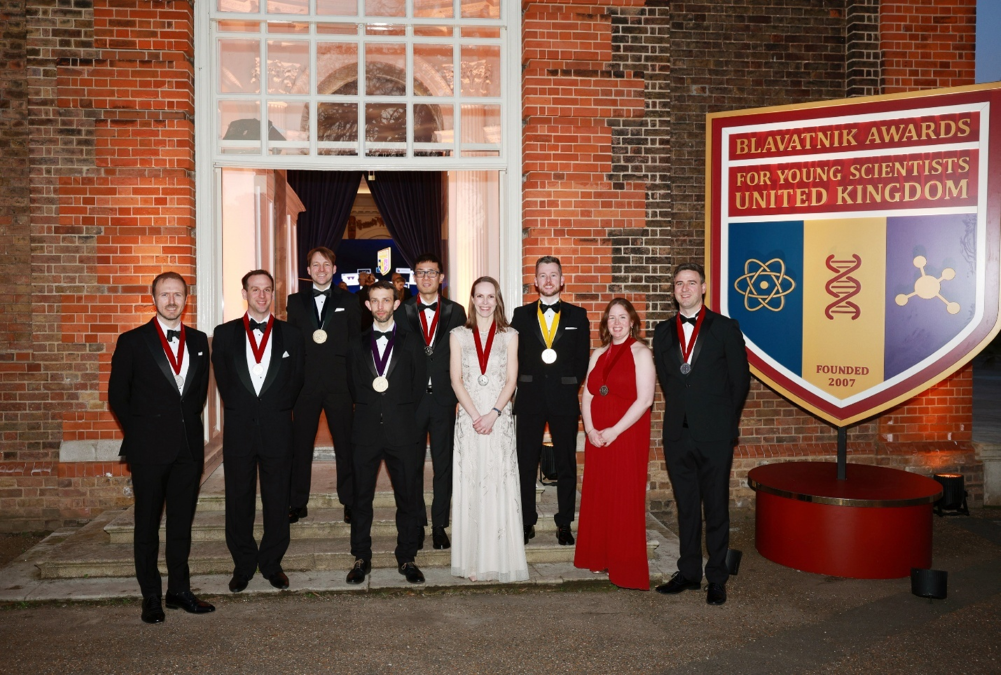
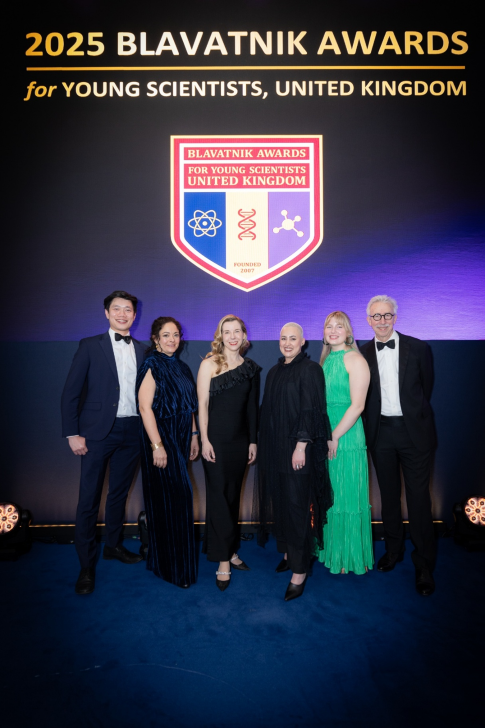
The 2025 Honorees of the Blavatnik Awards in the UK standing outside The Orangery at Kensington Palace.
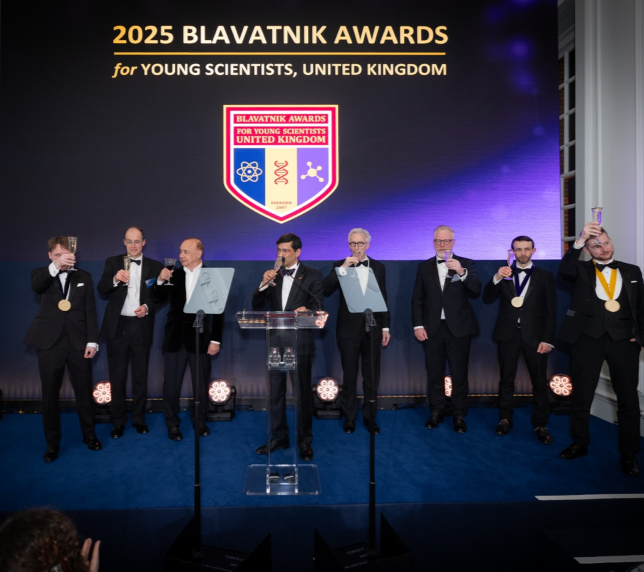
Each year, the Blavatnik Awards for Young Scientists in the United Kingdom celebrate the brightest young scientific minds across the UK. In 2025, three remarkable Laureates and six Finalists were recognized for their groundbreaking contributions to Life Sciences, Chemical Sciences, and Physical Sciences & Engineering. Their achievements were celebrated at a black-tie gala on March 4, 2025, at The Orangery, Kensington Palace, in London.
Honoring Scientific Excellence
The awards, established by the Blavatnik Family Foundation and The New York Academy of Sciences, are the largest unrestricted prizes for UK scientists under 42. This year’s Laureates, each receiving £100,000 ($130,000) in funding, were selected from a distinguished group of nine finalists. Six Finalists each received £30,000 ($38,800). These visionary scientists are tackling some of the world’s most urgent challenges, from infant mortality to sustainable manufacturing and climate change prediction.
A Night of Celebration and Inspiration
The prestigious gala, hosted by Sir Leonard and Lady Emily Blavatnik, was attended by luminaries in research, academia, business, and the arts. Opening the ceremony, Prof. Shitij Kapur, Vice-Chancellor and President of King’s College London, reminded the honorees of their power to change the world, “As pioneers in your fields – your voices count.” Citing Bishop Desmond Tutu’s words: “‘you can change the world.’”
Nicholas B. Dirks, President and CEO of The New York Academy of Sciences, reflected on the impact of the awards: “Over these 18 years, the Blavatnik Awards have recognized 540 scientists from 120 research institutions [across the US, UK and Israel] a testament to the program’s growing international reach.”
The Legacy of the Blavatnik Awards
Since their inception, the Blavatnik Awards have provided more than £3.1 million (US$4 million) to UK research, supporting over 70 scientists from more than 100 institutions. With honorees founding over 50 companies – six of which are now publicly traded – the impact of the awards extends far beyond academia, influencing industries and economies worldwide.
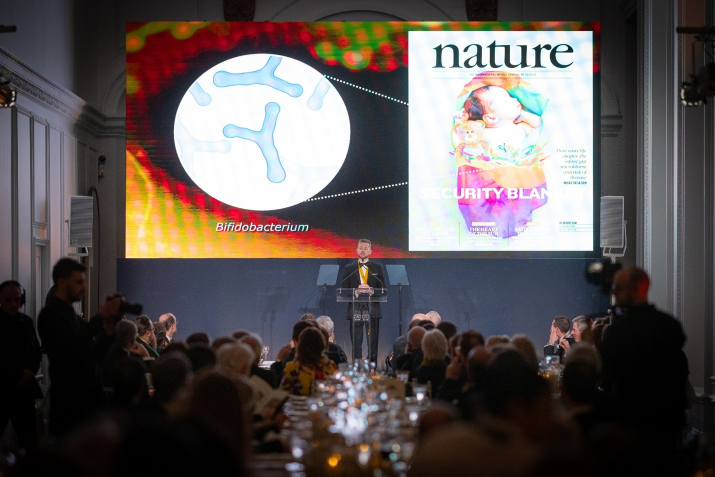
Prof. Stewart’s research is revolutionizing neonatal care with microbiome-based therapies to combat preterm infant mortality. His work sheds light on the critical role of human breast milk in shaping the gut microbiome of premature babies, leading to groundbreaking advancements in infant health worldwide.
Chemical Sciences: Liam T. Ball, PhD (University of Nottingham)
Prof. Ball is transforming chemical synthesis by developing safer, greener pharmaceutical and agrochemical production methods. His innovative use of bismuth has paved the way for more sustainable industrial manufacturing, reducing environmental impact while enhancing efficiency.
Physical Sciences & Engineering: Benjamin J.W. Mills, PhD (University of Leeds)
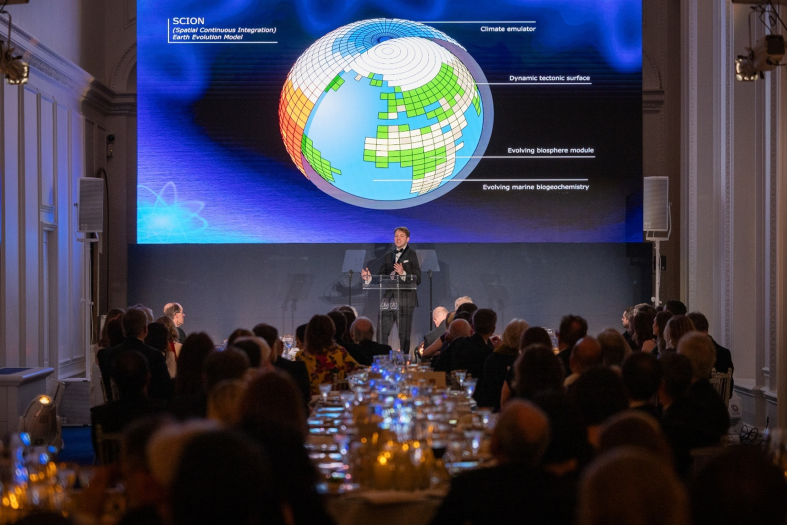
Prof. Mills is pioneering Earth Evolution Modeling, enabling scientists to simulate climate changes over billions of years. His work not only deepens our understanding of Earth’s past but also informs the search for habitable exoplanets, advancing both climate science and space exploration.
Meet the 2025 Finalists
Nicholas R. Casewell, PhD (Liverpool School of Tropical Medicine) – A toxinologist studying snake venom to develop better treatments for snakebite, a neglected tropical disease.
Brianna R. Heazlewood, PhD (University of Liverpool) – A physical chemist designing tools to study extreme-temperature chemical reactions, shedding light on space chemistry.
Hannah Price, PhD (University of Birmingham) – A theoretical physicist exploring extra dimensions through innovative experiments, deepening our understanding of higher-dimensional physics.
Filip Rindler, DPhil (The University of Warwick) – A mathematician creating new theories on how metals deform at a microscopic level, impacting materials science.
Andrew M. Saxe, PhD (UCL) – A neuroscientist using math to uncover how artificial and biological systems learn, advancing AI and memory disorder research.
Chunxiao Song, PhD (University of Oxford) – A chemical biologist developing advanced sequencing methods to detect DNA and RNA changes, aiding early cancer detection.
Looking to the Future
The day after the ceremony, the 2025 Laureates and Finalists presented their research to the public at the Blavatnik Science Symposium “Imagining the Impossible: UK Scientists Changing Our World,” held at the Royal Society of Medicine. This event offered science enthusiasts of all ages an opportunity to engage with these pioneering researchers and learn how their work is shaping the future.
The Blavatnik Awards continue to empower young scientists, fostering discoveries that redefine our understanding of the world and beyond. Stay connected and follow their journey at www.blavatnikawards.org.
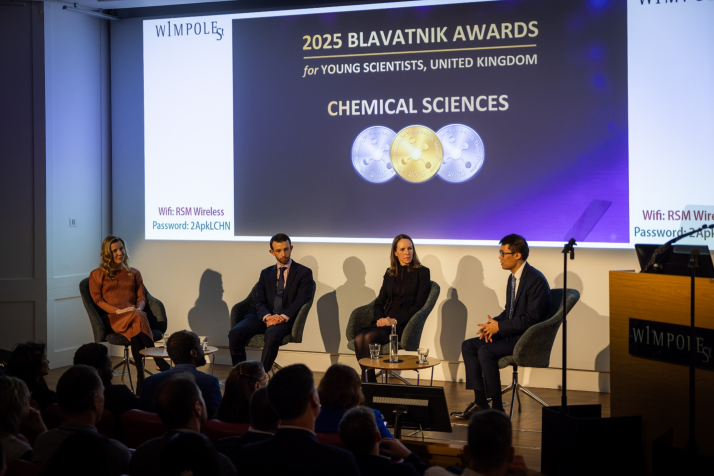
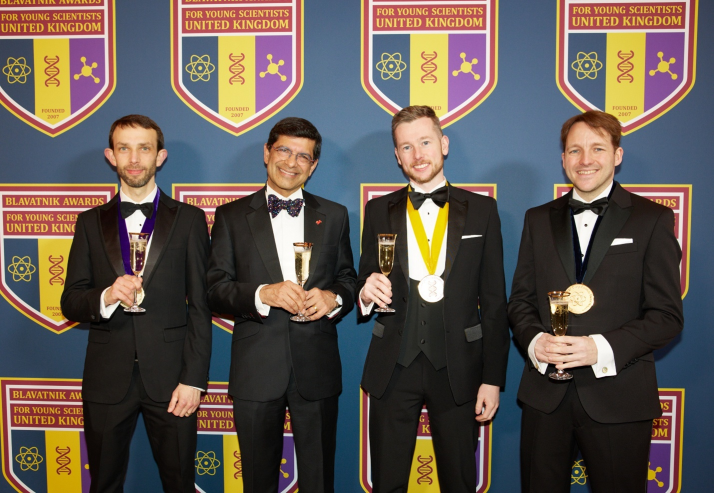
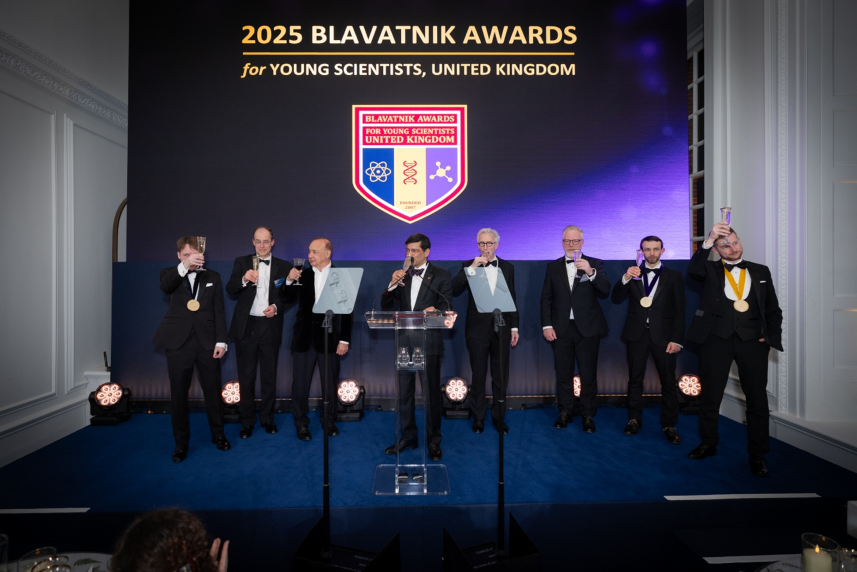
Dr. Sonya Dougal leads the Chemical Sciences panel at the Blavatnik Science Symposium.The 2025 Laureates with Prof. Shitij Kapur, Vice-Chancellor and President of King’s College London.2025 Toast to Science.Laura Thorén Podesta with Peter Thorén of Access Industries, the Blavatnik Family Foundation and member of the Academy’s Board of Governors.Physical Sciences & Engineering Laureate, Prof. Benjamin Mills, presents his research on Earth Evolution Modeling.Chemical Sciences Laureate, Prof. Liam Ball from the University of Nottingham receives his medal from Academy President & CEO, Nicholas B. Dirks.Life Sciences Laureate, Prof. Christopher Stewart from Newcastle University presents his research on human breast milk and the infant microbiome.(Left to Right) Lord Maurice Saatchi, Sir Leonard Blavatnik, Lady Lynn Forester de Rothschild.The Academy’s Blavatnik Awards UK Team (Left to Right) Edison Huynh, Kamala Murthy, Dr. Sonya Dougal, Dr. Nina R. Montoya, Gabrielle Sirois, Prof. Nicholas B. Dirks.The evening’s hosts, Lady Emily and Sir Leonard Blavatnik.
Laureates honored at The Orangery, Kensington Palace
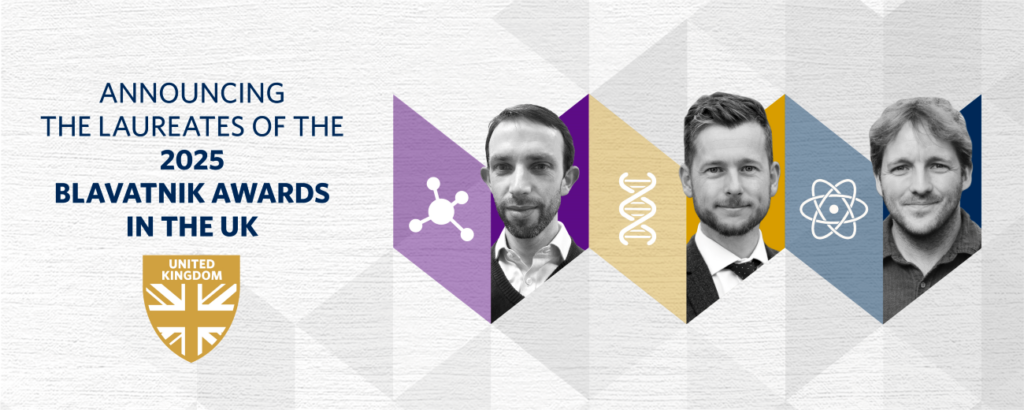
LONDON—March 4, 2025—The Blavatnik Family Foundation and The New York Academy of Sciences are proud to announce the 2025 Laureates of the prestigious Blavatnik Awards for Young Scientists in the UK.
As the largest unrestricted prize for UK scientists under the age of 42, the Blavatnik Awards celebrate Britain’s greatest young minds in their fields. This year, the three Laureates—each awarded £100,000 (US$126,000) in unrestricted funds—were chosen from a shortlist of nine finalists, representing some of the brightest young scientific minds across the UK.
Among them, the three Laureates are tackling some of the most complex and pressing issues in science and society: infant mortality, green manufacturing and predicting long-term climate change.
Tonight’s prize-giving gala at The Orangery, Kensington Palace highlighted the growing impact of regional universities in driving scientific breakthroughs.
The winners of this year’s Blavatnik Awards for Young Scientists (UK) are:
Life Sciences Laureate: Prof. Christopher Stewart (Newcastle University): Christopher leads a laboratory where groundbreaking research on microbiome-based therapies for pre-natal infant mortality is already making a life-saving impact.
Chemical Sciences Laureate: Prof. Liam Ball (University of Nottingham): Liam has transformed green manufacturing on an industrial scale, developing safer and more efficient methods of producing pharmaceuticals and agrochemicals with minimal environmental impact.
Physical Sciences & Engineering Laureate: Prof. Benjamin Mills (University of Leeds):Benjamin is transforming our understanding of climate change on earth and in space with revolutionary methods to predict long-term climate change. His research not only uncovers Earth’s climate history over billions of years, but also how other planets might evolve to support life.
“We created the Blavatnik Awards to honor promising scientists, early in their careers, where unrestricted financial support and public recognition will give them the confidence to take bold risks in their scientific research that address the world’s most complex and urgent scientific challenges,” said Len Blavatnik, Founder of Access Industries and the Blavatnik Family Foundation.
The Ceremony
The announcement was made at a black-tie gala, held this evening at The Orangery at Kensington Palace, hosted by Len and Emily Blavatnik and presented by Professor Shitij Kapur, Vice-Chancellor and President of King’s College London. Each Laureate shared their prize-winning research with the country’s leading figures in research, academia, business and the arts.
In his opening remarks, Professor Shitij Kapur, FMedSci, Vice-Chancellor & President of King’s College London and internationally renowned psychiatrist and neuroscientist, told this year’s honorees: “As pioneers in your fields – your voices count. And in your own way, taking your own steps, as King’s graduate Bishop Desmond Tutu says, ‘you can change the world.’ And that is what we will hear about tonight – how your science is changing the world.”
In his ceremony remarks, Nicholas B. Dirks, President and CEO of The New York Academy of Sciences and Chair of the Awards’ Scientific Advisory Council, commented on the program’s magnitude: “Since their inception, the Awards, administered by our Academy, have received close to 7,500 applications from over 450 research institutions across the US, the UK, and Israel. Over these 18 years, the Blavatnik Awards have recognized 540 scientists from 120 research institutions, a testament to the program’s growing international reach.”
Among the distinguished guests were 2014 Nobel Prize Laureate, Prof. John O’Keefe from University College London (UCL); 2019 Nobel Prize Laureate, Didier Queloz from the University of Cambridge and ETH Zurich; American-British business leader, Lady Lynn de Rothschild and Lord Maurice Saatchi; Former CEO of British Petroleum, Lord John Browne; President-Elect of the Royal Society of Medicine, Prof. Gillian Leng; Vice-Chancellor and President of the University of Bristol, Prof. Evelyn Welch; President and Provost of UCL, Dr. Michael Spence; and Physicist and Chairman of the Giant Magellan Telescope, Dr. Walter Massey.
The Blavatnik Awards
The Blavatnik Awards for Young Scientists are the most substantial unrestricted awards available to UK scientists under the age of 42. Since their establishment, the Awards have recognized over 70 honorees from more than 100 research institutions. To date, the Blavatnik Awards have contributed more than £3.1 million (US$3.9 million) to UK research.
Blavatnik Awards honorees have gone on to found 50 companies, with six now publicly traded, collectively valued at over $12 billion. In total, Blavatnik Scholars have been granted over 7,300 patents. By the end of 2025, the Blavatnik Awards will have awarded nearly $20 million in prizes across their global counterparts in the UK, US, and Israel.
The Laureates
Life Sciences Laureate
Prof. Christopher Stewart
Microbiologist Christopher Stewart, PhD,Newcastle University, is a pioneer in global health, developing microbiome-based approaches to prevent necrotising enterocolitis (NEC), the leading cause of death in preterm infants. Stewart’s work revealed the role of human breast milk in shaping the gut microbiome in premature infants, by providing abundant sugars that serve as an energy source for beneficial bacterial species. Stewart has also established a novel premature gut organoid model and probiotic strategies to address NEC. This work is changing both local and global clinical practice, including clinical trials to improve infant nutrition and microbial-based therapy for premature infants in low-resource settings. Stewart is the first Blavatnik Awards Laureate from Newcastle University.
Chemical Sciences Laureate
Prof. Liam T. Ball
Organic Chemist Liam T. Ball, PhD, University of Nottingham, is transforming chemical synthesis by developing innovative tools for making pharmaceuticals and agrochemicals with reduced environmental impact. Ball’s pioneering work with bismuth, a non-toxic element, has enabled safer and more efficient herbicide development and drug production, including a streamlined process for the anticancer drug golvatinib. Ball has also made advancements in the synthesis of phosphine ligands, a critical tool for speeding up reactions through catalysis, making the process safer and more sustainable. By focusing on understanding reaction mechanisms, Ball’s work drives greener chemical processes, advancing medicine, agriculture, and sustainable manufacturing on an industrial scale.
Physical Sciences & Engineering Laureate
Prof. Benjamin J.W. Mills
BiogeochemistBenjamin J.W. Mills, PhD, University of Leeds, has pioneered advances in Earth Evolution Modelling that has allowed him and his research group to simulate Earth’s climate and surface processes over billions of years in order to understand the ancient history of Earth’s surface environment and our planet’s path to habitability. His techniques have significantly advanced our understanding of the Earth’s atmospheric processes and climate drivers. Mills’ foundational work can be readily applied to simulating the histories of atmospheric oxygen in exoplanets, paving the way for the search for other Earth-like planets. Mills is the first Blavatnik Awards Laureate from the University of Leeds.
All nine honorees, announced prior to the ceremony, were also recognized during the evening’s festivities.
Members of the public interested in learning more about the research of this year’s Laureates and Finalists are welcome to register to attend the free, public symposium: “Imagining the Impossible: UK Scientists Changing Our World,” in-person at the Royal Academy of Medicine on March 5, 2025, from 11:00 am to 4:00 pm GMT/ 6:00 am to 11:00 am EST or online. Register HERE.
To follow the progress of the Blavatnik Awards, please visit the Awards’ website (www.blavatnikawards.org) or follow us on Facebook and X (@BlavatnikAwards).
Images from the ceremony and interviews with the Laureates are available upon request:
The Blavatnik Awards for Young Scientists, established by the Blavatnik Family Foundation in 2007 and independently administered by The New York Academy of Sciences, began by identifying outstanding scientific talent in New York, New Jersey, and Connecticut. In 2014, the Blavatnik National Awards were created to recognize faculty-rank scientists throughout the United States. In 2017, the Awards were further expanded to honor faculty-rank scientists in the UK and Israel.
About the Blavatnik Family Foundation
The Blavatnik Family Foundation provides many of the world’s best researchers, scientists, and future leaders with the support and funding needed to solve humankind’s greatest challenges. Led by Sir Leonard Blavatnik, founder of Access Industries, the Foundation advances and promotes innovation, discovery, and creativity to benefit the whole of society. Over the past decade, the Foundation has contributed over US$1 billion to more than 250 organizations. See more at www.blavatnikfoundation.org.
The New York Academy of Sciences continues its partnership with India’s Tata Group for the second annual Tata Transformation Prize.
Published January 8, 2025
By Kamala Murthy
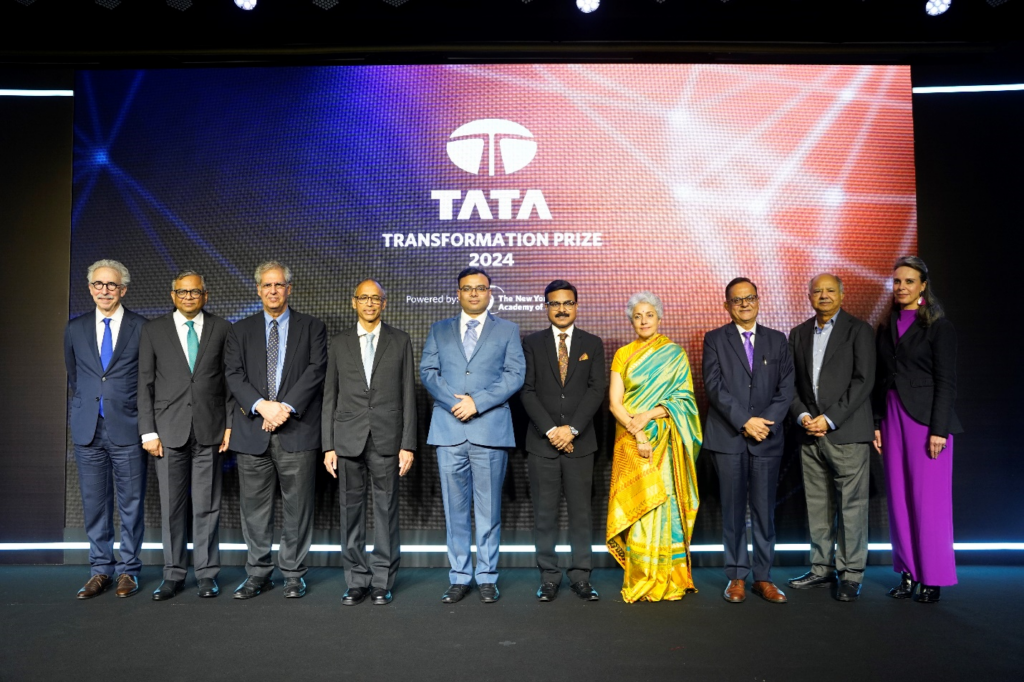
On Friday, December 13, 2024 the Tata Group and The New York Academy of Sciences honored the 2024 Tata Transformation Prize Winners at an impressive award ceremony and dinner at the historic Taj Mahal Palace in Mumbai.
Launched in 2023, the Tata Transformation Prize identifies and supports visionary scientists in India who are developing breakthrough technologies that address India’s most significant societal challenges in Food Security, Sustainability, and Healthcare. The ceremonial event was celebrated at this famous venue for the first time.
FOOD SECURITY: C. Anandharamakrishnan, PhD, CSIR – National Institute for Interdisciplinary Science and Technologyhas pioneered a variety of rice fortified with multiple essential nutrients that simultaneously has a low glycemic index (GI) to address micronutrient malnutrition and blood sugar management for diabetics. Watch his film HERE.
SUSTAINABILITY: Amartya Mukhopadhyay, DPhil, Indian Institute of Technology Bombay is working to advance Sodium (Na)-ion battery technologies. His battery prototype is approximately 30% cheaper than Lithium (Li)-ion batteries and operates in a broader temperature range. His design is safer to store by creating air- and water-stable sodium-transition metal oxide cathodes and alloy-based anodes. Prof. Mukhopadhyay’s approach replaces toxic solvents with water to reduce production costs and environmental impact. Watch his film HERE.
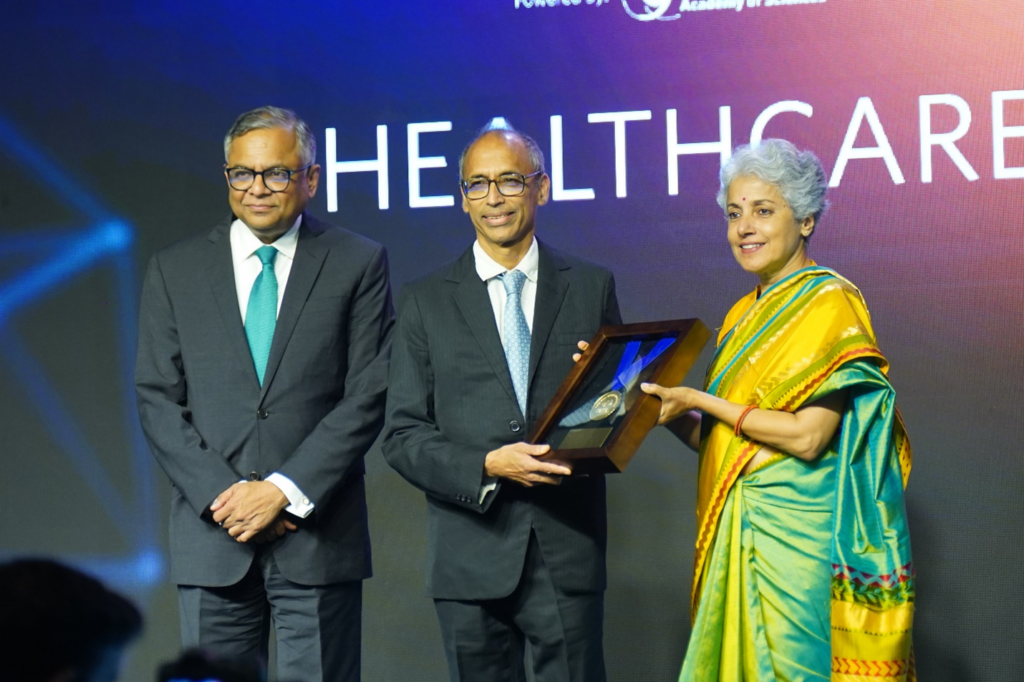
HEALTHCARE: Raghavan Varadarajan, PhD, Indian Institute of Science is working to develop a cost-effective RSV vaccine that will allow for greater access to wide-spread deployment of vaccination programs. His scientific advances will surmount the challenges that have hindered RSV vaccine development for decades and will provide broad, longer-lasting protection against RSV infection. Watch his film HERE.
A Night of Distinguished International Guests
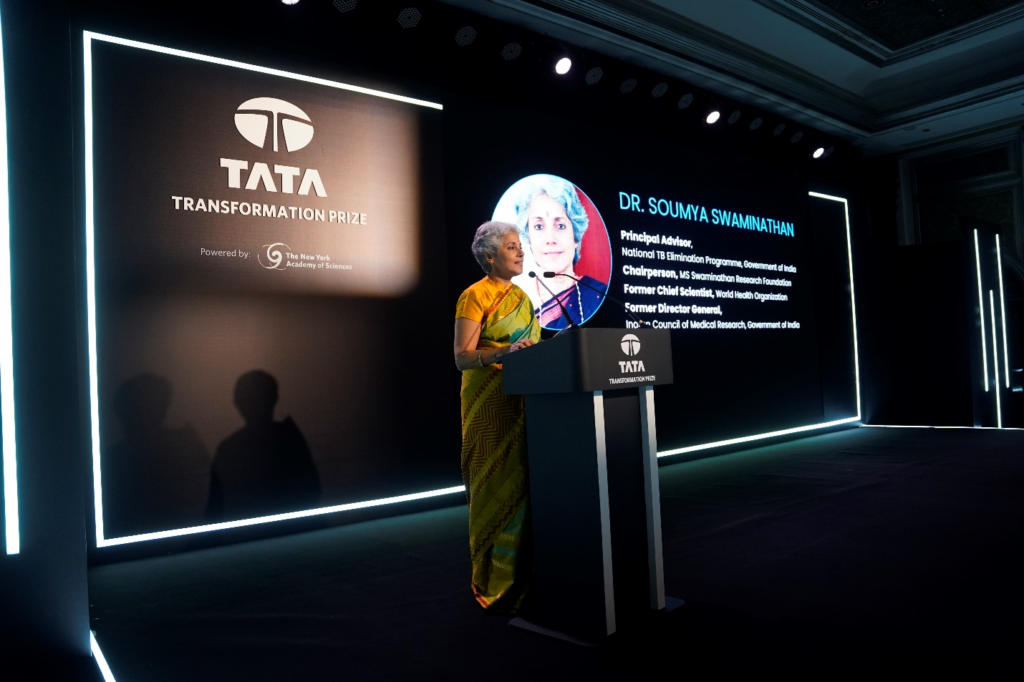
Harish Bhat, former brand custodian for Tata Sons and book author, served as the ceremony presenter. The evening’s Chief Guest, Prof. Ajay Kumar Sood, the Principal Scientific Adviser to the Government of India and Guest Speaker, Dr. Soumya Swaminathan, the former Chief Scientist for the World Health Organization (WHO), both gave keynote addresses.
Other distinguished guests included Noel Tata, Chairman of Tata Trusts; Prof. Désirée van Gorp, Professor of International Business and Chair of the International Advisory Board at Nyenrode Business University in the Netherlands; and AI Pioneer and Turing Award Winner, Dr. Raj Reddy of Carnegie Mellon University. Several members of the Tata Transformation Prize’s international jury attended, including Prof. José Miguel Aguilera Radic from Pontificia Universidad Catolica de Chile, Dr. Jianying Hu from IBM, Dr. Carolyn Duran from Apple, Dr. Sandra Barteit from the University of Heidelberg in Germany, Ankur Bhatnagar from Biocon, Prabhakaran Doiraraj from the Centre for Chronic Disease Control (India), and Deepanwita Chattopadhyay, founder of India’s first Life Sciences research park.
The Tata Transformation Prize, a Catalyst for Innovative Solutions
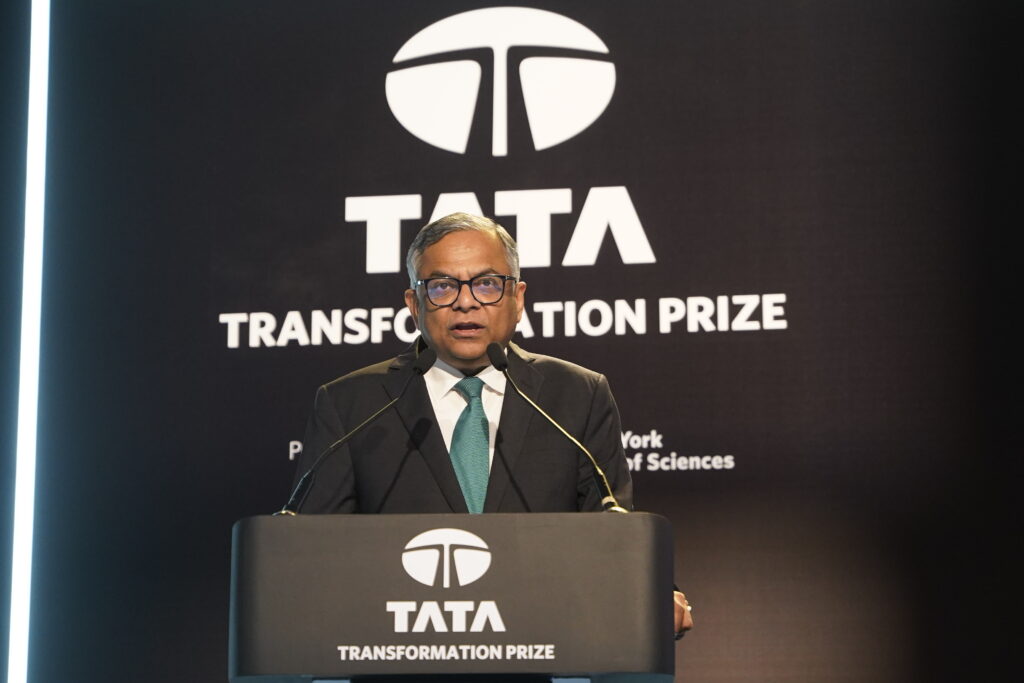
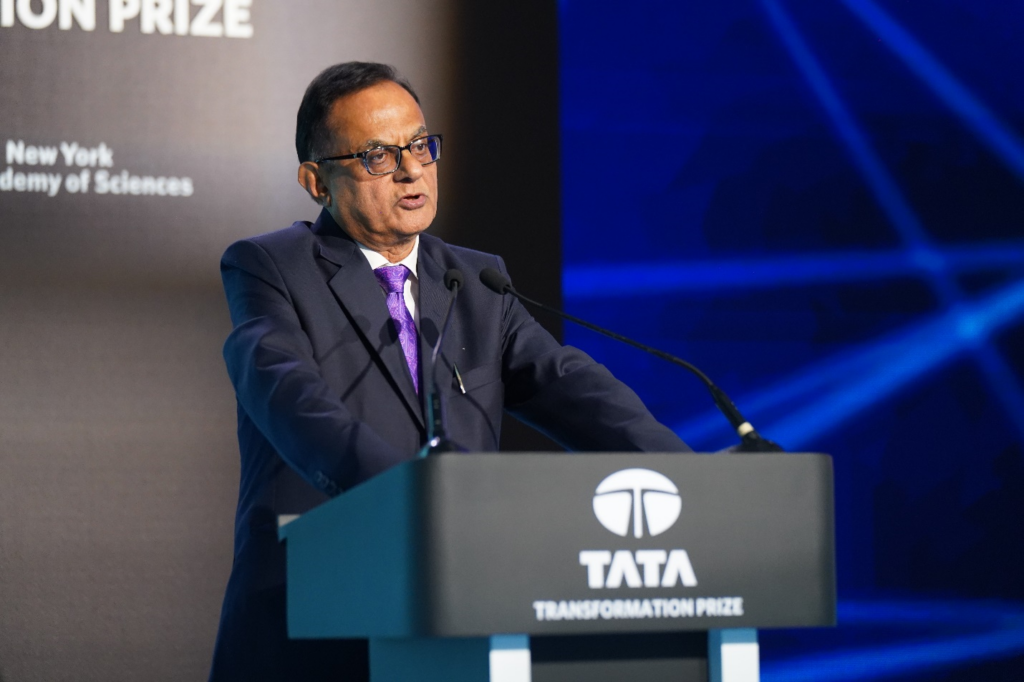
In his opening remarks, N. Chandrasekaran, Chairman of the Board of Tata Sons, said, “In a technology-first future, India needs a transformation of vision to solve the big problems at its scale. We need our scientists driving deep, fundamental research and innovators pushing beyond the margins of new technology. That is the aim of the Tata Transformation Prize: to both recognize and support breakthrough innovations, developed in research labs across India, that are ready for wide-scale deployment to address India’s challenges.”
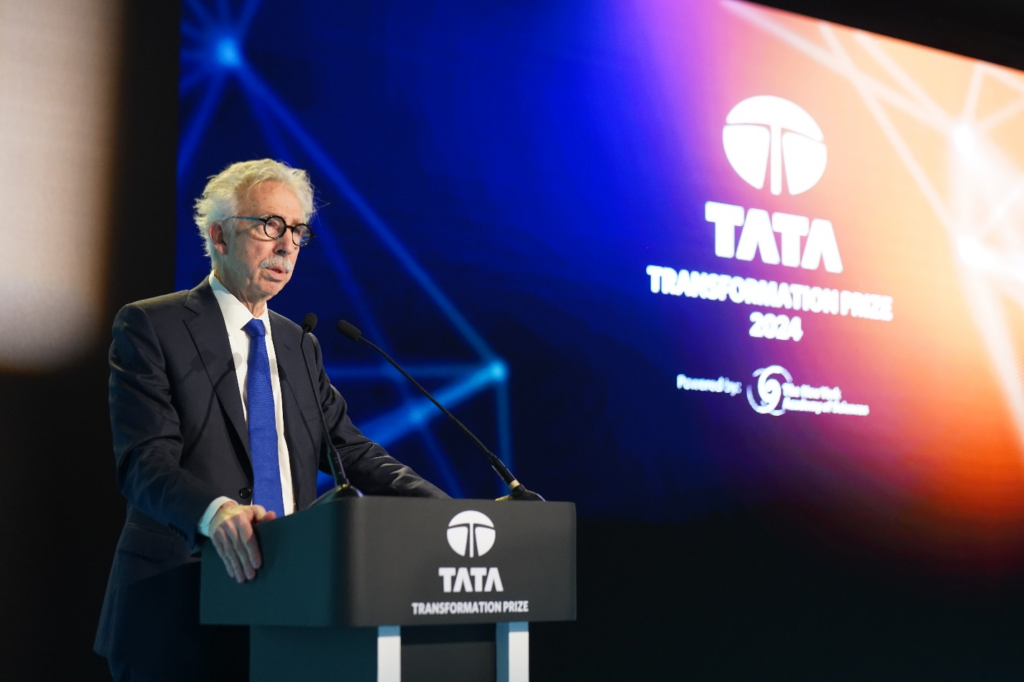
Nicholas B. Dirks, President and CEO of The New York Academy of Sciences, followed the Chairman’s remarks: “We are excited to continue this unique collaboration with Tata Sons, which serves as a catalyst for innovative solutions to India’s most urgent challenges. The Prize addresses India’s critical societal needs by honoring India’s most outstanding scientists who genuinely want to make a difference while supporting India’s advancement as a world leader.” Dirks also recognized the jury, which included eminent scientists, clinicians, technologists, and engineers from world-renowned organizations and academic institutions across five continents, and the role of the Prize’s Scientific Advisory Council, who serve as ambassadors for the program.
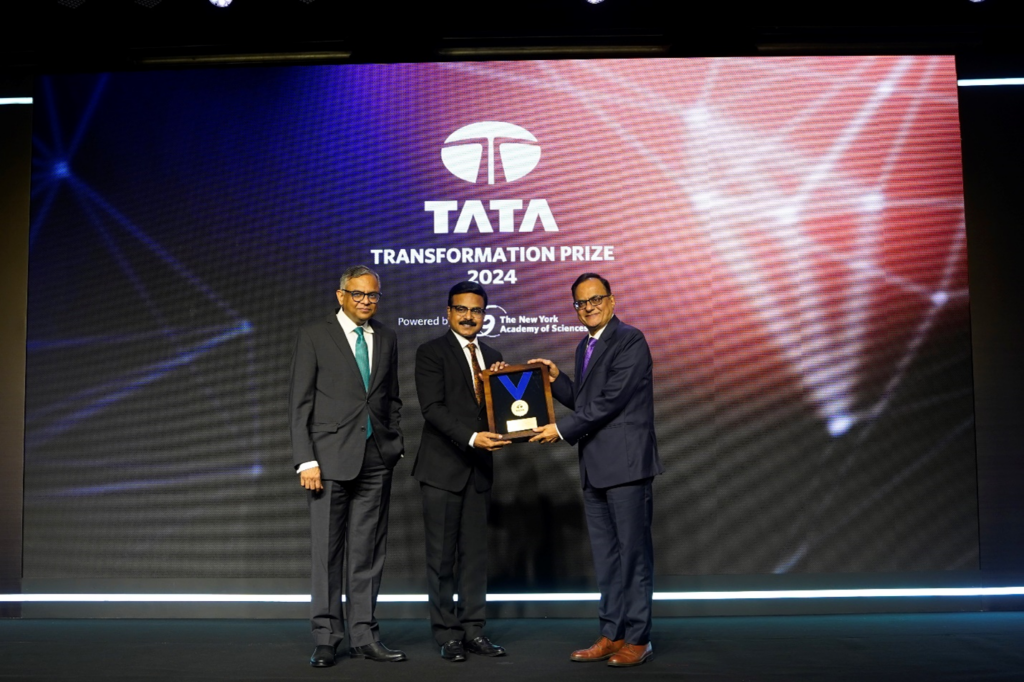
Intending to drive impactful innovation and scale-up implementation of high-reward research, each Winner received INR 2 crores (approximately US$240,000) in prize money and was honored with a Tata Transformation Prize medal at the ceremony.
Roopa Purushothaman, Chief Economist for Tata, delivered closing remarks for the ceremony.
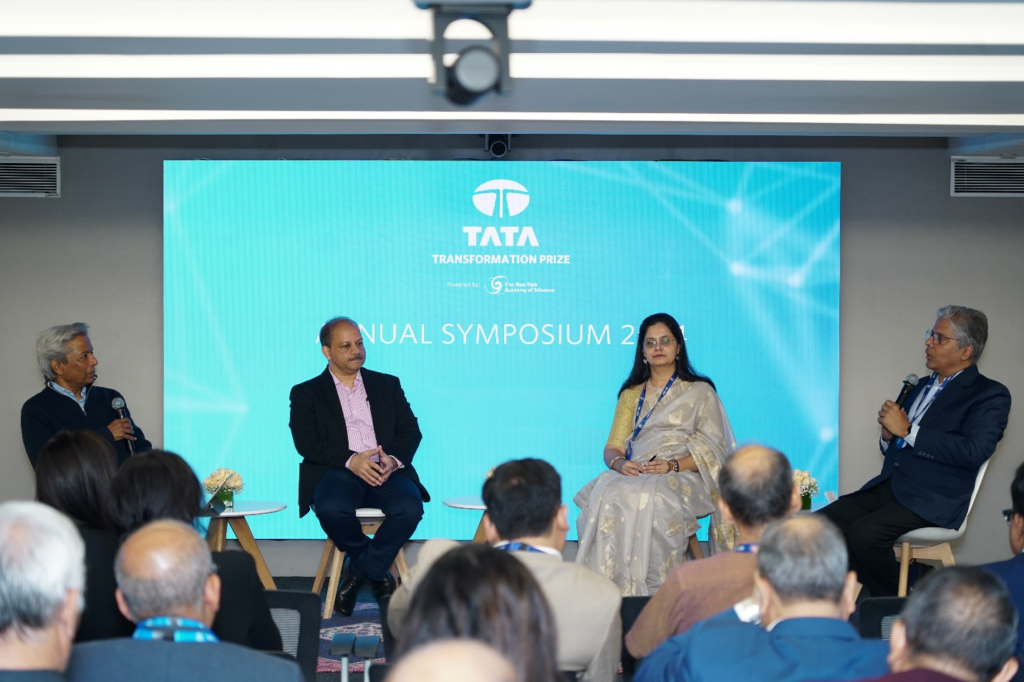
The day prior, the Tata Group and the Academy hosted a symposium featuring the previous year’s Winners at a symposium at Bombay House, the head office of the Tata Group. The 2023 Winners showcased their scientific progress and new collaborations since winning the prize last year.
Photo Gallery
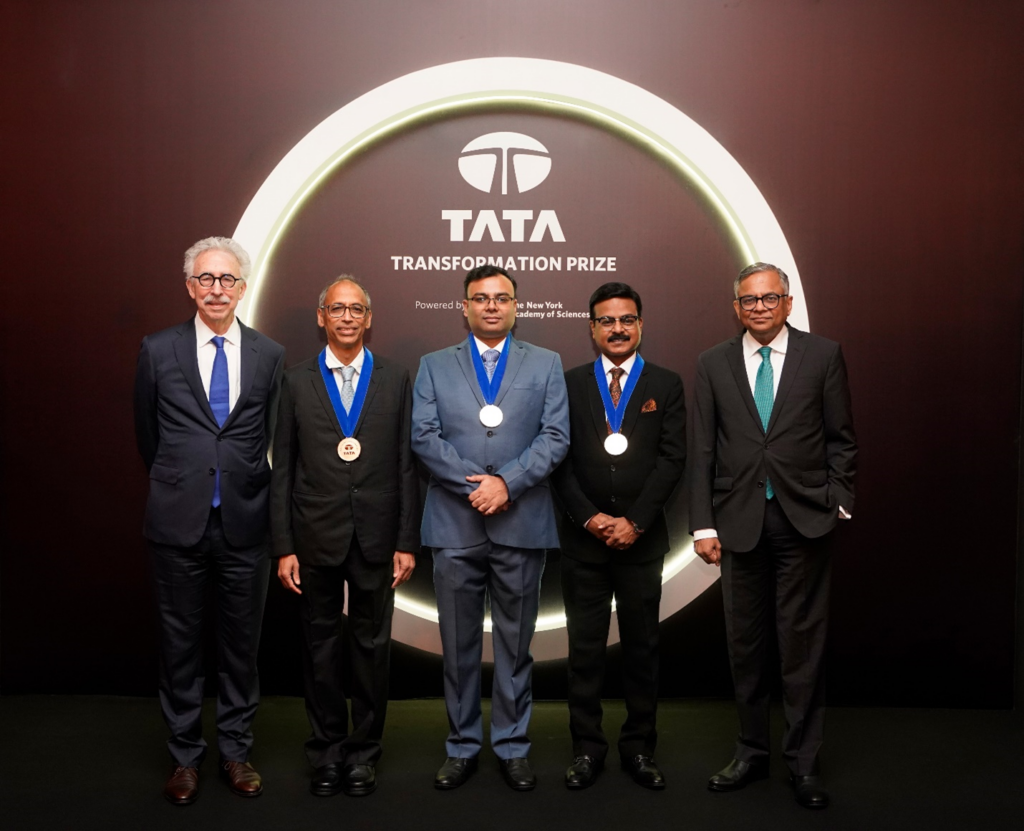
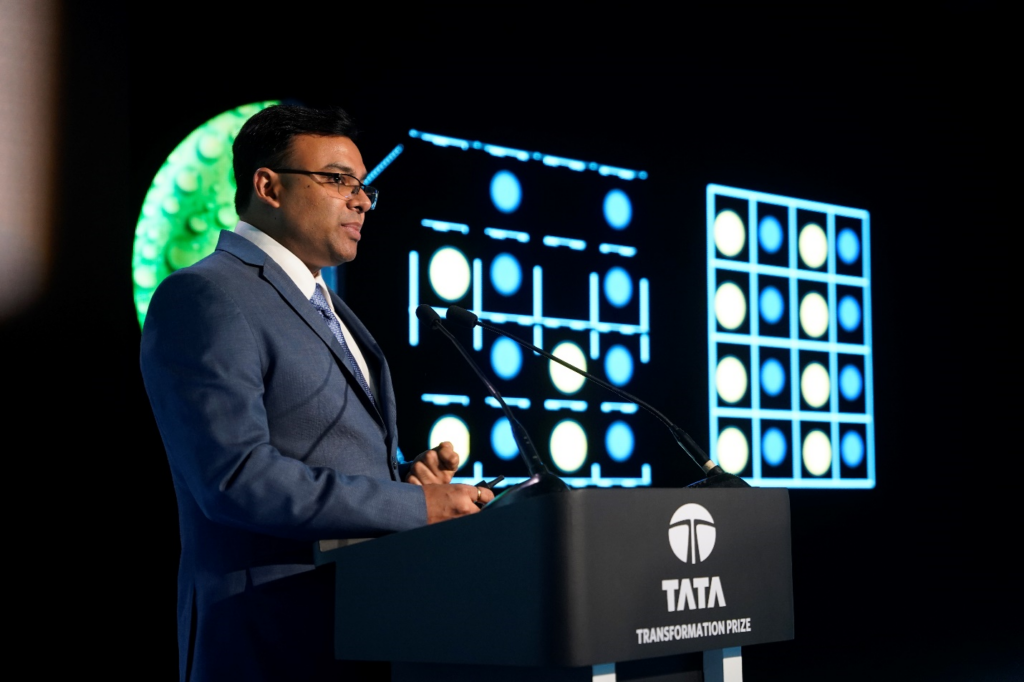
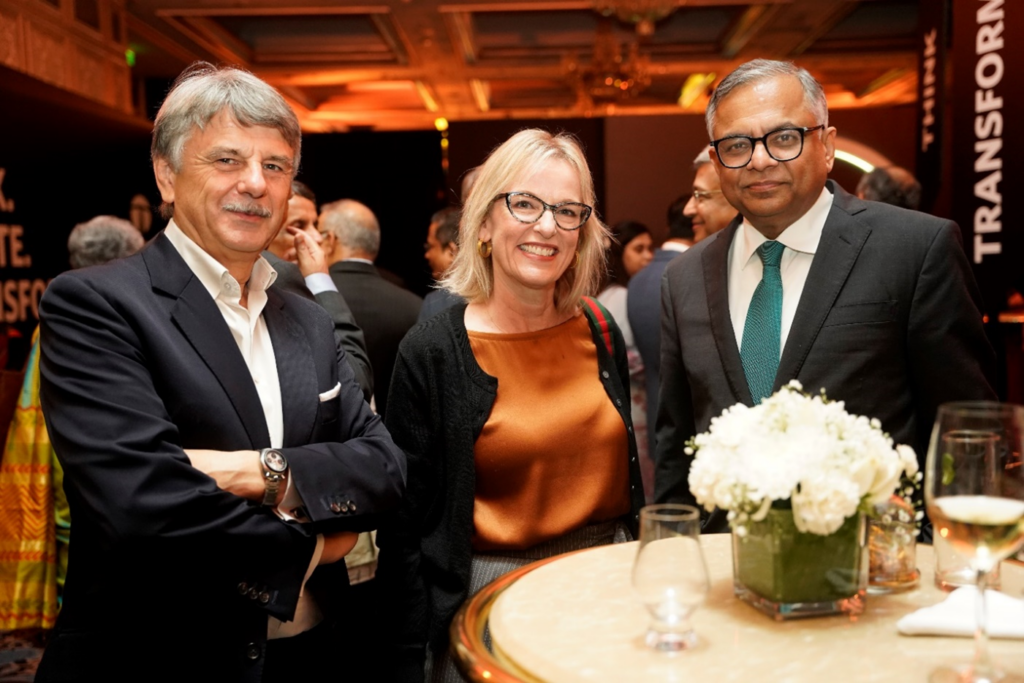
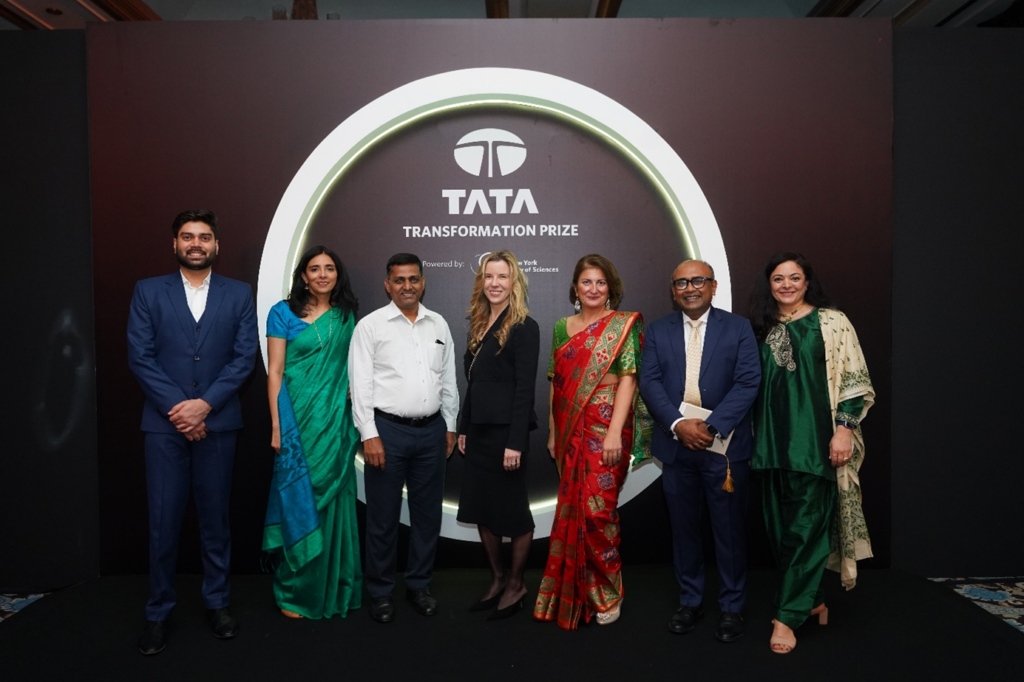
(Left to Right) Nicholas Dirks, President and CEO of the Academy, Healthcare Winner, Dr. Raghavan Varadarajan, Prof. Amartya Mukhopadhyay, Dr. C Anandharamakrishnan, and N. Chandrasekaran, the Chairman of Tata Sons.The Chairman of Tata Sons, N. Chandrasekaran, gives the opening address at the Tata Transformation Prize Ceremony.Academy President and CEO, Nicholas Dirks, speaks about the Academy’s partnership with Tata on the Tata Transformation Prize.Dr. Raghavan Varadarajan is presented with the Tata Transformation Prize medal by the Chairman and Dr. Souyma Swaminathan.Food Security Winner, Dr. C. Anandharamakrishnan is presented with a medal by Prof. Ajay Sood and Tata’s Chairman, N. Chandrasekaran.Sustainability Winner, Prof. Amartya Mukhopadhyay presents his research on sodium-ion battery technology.Dr. Soumya Swaminathan, Former Chief Scientist of the WHO spoke about global threats to health.Prof. Ajay Sood, Principal Scientific Adviser to the Government of India, speaks about science for societal impact.(Left to right) Ralf Speth, Former CEO of Tata Motors with Dr. Carolyn Duran from Apple (Tata Transformation Prize jury member), and N. Chandrasekaran, Chairman of Tata Sons.The administrative team of the Tata Transformation Prize.(Left to Right) Prof. K. VijayRaghavan, Emeritus Professor & Former Director of the National Center for Biological Sciences leads a panel discussion with the 2023 Winners at the first symposium held at Bombay House: Prof. Anurag S. Rathore, IIT Delhi; Prof. Shilpi Sharma, IIT Delhi; Prof. Purnananda Guptasarma, IISER Mohali.Academy Staff (Left to Right) Sanaz Masserat, Dr. Sonya Dougal, Kamala Murthy, and Academy President and CEO, Nicholas Dirks.
Three rising scientific stars in India are recognized for their solutions to the nation’s urgent challenges in malnutrition and diabetes, energy storage, and a new RSV vaccine.
The Prize recognizes and supports visionary scientists in India who are developing breakthrough technologies that address India’s most significant societal challenges in Food Security, Sustainability, and Healthcare. The goal of the prize is to drive impactful innovation and scale-up implementation of high-reward research.
Three scientists were selected from 169 entries from 18 Indian states by an international jury of leading experts. Each winner will receive INR 2 crores (approximately US$240,000) and will be honored at a ceremony in Mumbai in December 2024. The jury included distinguished scientists, clinicians, technologists, and engineers from a diverse array of industries, government, and academic institutions, including Apple, IBM Research, the Bill and Melinda Gates Foundation, the National Institute of Advanced Studies, and the Indian Institute of Management Bangalore.
Hunger and public health are urgent challenges in India, with nearly 30% of the population lacking essential nutrients and 7% affected by diabetes. There is a pressing need for solutions that address both malnutrition and chronic disease. C. Anandharamakrishnan, PhD, has pioneered a variety of rice fortified with multiple essential nutrients that simultaneously has a low glycemic index (GI) to control blood sugar levels in diabetics. He has developed advanced food technologies such as a three-fluid nozzle spray drying process to efficiently encapsulate and deliver these nutrients in reconstituted rice. He has also engineered Asia’s first artificial gastrointestinal system, which allows his team to analyze nutrient release during digestion to ensure the rice is optimized for maximum absorption of nutrients. His strategies address the nutrient deficiencies, hunger, and metabolic dysfunction faced by India’s underserved and the 2 billion people globally affected by micronutrient malnutrition.
With the urgent global need for sustainable energy solutions, the development of affordable, eco-friendly batteries is critical. In India, where key materials for lithium-ion (Li-ion) batteries, such as lithium and cobalt, are scarce and require foreign sources, sodium-ion (Na-ion) batteries offer a promising alternative. Amartya Mukhopadhyay, PhD is working to advance Na-ion battery technologies through recent breakthroughs in materials science. His battery prototype is approximately 30% cheaper than Li-ion batteries, operates in a broader temperature range, and is safer to store by creating air- and water-stable sodium-transition metal oxide cathodes and alloy-based anodes. Prof. Mukhopadhyay’s approach also leverages “aqueous processing” of battery electrodes, which replaces toxic solvents with water to reduce production costs and environmental impact.
Respiratory Syncytial Virus (RSV) causes severe respiratory illness in over 30 million people annually, disproportionately affecting infants, young children, and the elderly, with more than 97% of RSV-related deaths occurring in developing countries, including India. Despite the availability of new RSV vaccines, their high cost makes them inaccessible to the populations most at risk. Raghavan Varadarajan, PhD aims to develop a cost-effective RSV vaccine that addresses these challenges. Drawing upon his lab’s extensive expertise in protein structure and vaccine design, Dr. Varadarajan is developing a vaccine that will surmount the challenges that have hindered RSV vaccine development for decades and will provide broad and longer-lasting protection against RSV infection. Furthermore, by employing cutting-edge methods in protein production, Dr. Varadarajan’s team is optimizing the vaccine manufacturing process to significantly reduce costs, potentially lowering the price of each dose by up to 95%.
N. Chandrasekaran, Chairman of the Board of Tata Sons, said, “We are pleased to announce the Tata Transformation Prize Winners for the second year. By supporting pioneering Indian scientists in scaling up their pathbreaking innovations, Tata Group hopes to improve the lives of the Indian people and develop India into a world-class innovator. This prize is intended to provide these scientists with the international visibility to promote these Indian technologies to the rest of the world.”
Nicholas B. Dirks, President and CEO of The New York Academy of Sciences, said, “Congratulations to the second cohort of Winners of the Tata Transformation Prize. From addressing India’s issues such as malnutrition and diabetes, to an RSV vaccine that reduces mortality in the most vulnerable populations, to improving India’s energy storage capacity through greener, more cost-effective battery technologies – these scientists are using their innovations to bolster Indian society. Many thanks to Tata for sponsoring this visionary prize and our independent jury for volunteering their time and expertise.”
About the Tata Transformation Prize
The Tata Transformation Prize was established in 2022 by Tata Sons, is powered by the New York Academy of Sciences, to support breakthrough, innovative technologies that address India’s most significant challenges. By recognizing and supporting the implementation at scale of high-risk, high-reward research, the Prize will drive impactful innovation in scientific disciplines of importance to India’s societal needs and economic competitiveness. The Prize will leverage the exceptional potential of scientists in India to address critical national challenges in three categories—Food Security, Sustainability, and Healthcare—and generate improved life quality outcomes across India and beyond. The Tata Transformation Prize recognizes one Winner in each category, with INR 2 crores (approximately US$240,000) for each Winner. Click here for more information about the Tata Transformation Prize.
About the Tata Group
Founded by Jamsetji Tata in 1868, the Tata Group is a global enterprise, headquartered in India, comprising 30 companies across ten verticals. The group operates in more than 100 countries across six continents, with a mission ‘To improve the quality of life of the communities we serve globally, through long-term stakeholder value creation based on Leadership with Trust’.
Tata Sons is the principal investment holding company and promoter of Tata companies. Sixty-six percent of the equity share capital of Tata Sons is held by philanthropic trusts, which support education, health, livelihood generation and art and culture.
In 2023-24, the revenue of Tata companies, taken together, was more than $165 billion. These companies collectively employ over 1 million people.
Each Tata company or enterprise operates independently under the guidance and supervision of its own board of directors. There are 26 publicly listed Tata enterprises with a combined market capitalization of more than $365 billion as on March 31, 2024.
Companies include Tata Consultancy Services, Tata Motors, Tata Steel, Tata Chemicals, Tata Consumer Products, Titan, Tata Capital, Tata Power, Tata Communications, Indian Hotels, Tata Digital, Air India and Tata Electronics. Website: https://www.tata.com