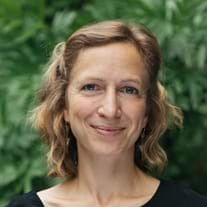
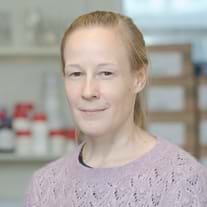
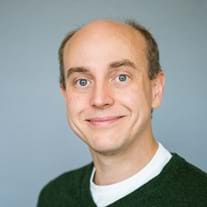
The Awards honor postdoctoral scientists from tri-state academic and research institutions in chemistry, physical sciences & engineering, and life sciences.
New York, NY | August 9, 2023 – The Blavatnik Family Foundation and The New York Academy of Sciences today announced the three Laureates and six Finalists of the 2023 Blavatnik Regional Awards for Young Scientists. The Awards honor outstanding postdoctoral scientists from academic research institutions across New York, New Jersey, and Connecticut in three disciplinary categories: Chemistry, Physical Sciences & Engineering, and Life Sciences.
The Blavatnik Regional Awards jury, consisting of distinguished scientists and engineers from across the New York Tri-State region, selected one Laureate in each of the three categories who will receive a $30,000 unrestricted prize and two Finalists in each category who will be awarded $10,000 each. In the 2023 competition, there were 121 outstanding nominations from 28 academic institutions in the New York metropolitan region (Tri-State Area). The 2023 Blavatnik Regional Awards Laureates and Finalists will be honored during National Postdoctoral Appreciation Week, which recognizes the significant contributions that postdoctoral scholars make to U.S. research and discovery. The 2023 Ceremony of the Blavatnik Awards for Young Scientists, will take place at the American Museum of Natural History in New York on September 19, 2023.
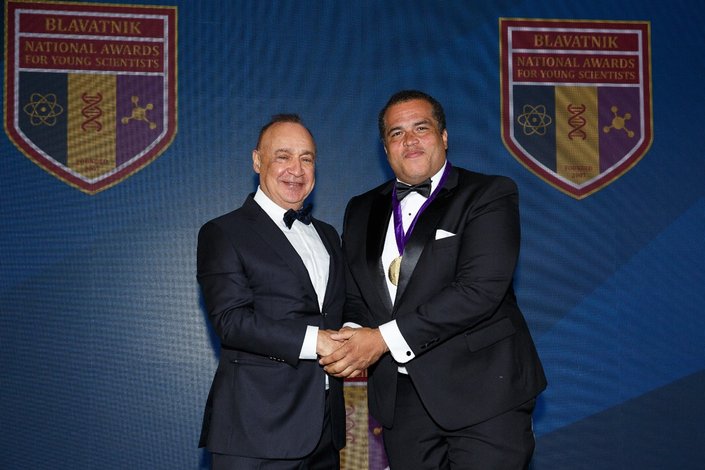
“Congratulations to this year’s Regional Awards Laureates and Finalists. We look forward to their future significant discoveries,” said Len Blavatnik, Founder and Chairman of Access Industries, head of the Blavatnik Family Foundation.
Nicholas B. Dirks, The New York Academy of Sciences’ President and CEO, said, “Congratulations to the 2023 Blavatnik Regional Awards Laureates and Finalists. This year’s Regional honorees are driving cutting-edge research, making important contributions to the area’s current and future scientific excellence. Many are publishing research at rapid speed, taking creative risks in their research, while actively working to create a more diverse STEM workforce. These are the young scientific superstars we should be watching.”
The 2023 Blavatnik Regional Awards Laureates in the three award categories are:
Chemistry
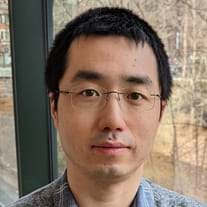
Joonho Lee, PhD, (quantum chemist) nominated by Columbia University— was recognized for the development of state-of-the-art quantum chemistry algorithms for classical and quantum computers. Lee’s work aims to provide a microscopic understanding of emergent functional materials, including solar cells, electrocatalysts for the hydrogen economy, and optoelectronics. Lee has recently joined the faculty at Harvard University.
Physical Sciences & Engineering
Zoe Yan, PhD, (physicist) nominated by Princeton University — was recognized for developing the first quantum gas microscope on single, ultracold molecules and applying this technique to explore important phenomena relevant to high-temperature superconductors and other quantum materials. Yan’s work opened a new venue to study complex quantum phenomena previously inaccessible by other instruments and holds great potential in future quantum technologies. Yan has recently joined the faculty at The University of Chicago.
Life Sciences
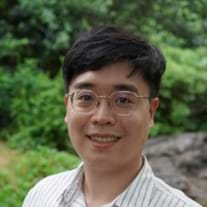
Yanxiang Deng, PhD, (biomedical engineer) nominated by Yale University — was recognized for developing a novel microfluidic method for “spatial-omics” to profile expression of RNA, proteins, and epigenetic markers across spatially organized groups of cells in tissues. Deng’s work has allowed us to construct a map of how RNA, proteins, and epigenetic markers are expressed across groups of cells with respect to cells’ relative positions. This work provides critical insight about how cells in different regions change their behavior during processes like development and disease. Deng has recently joined the faculty at the University of Pennsylvania.
The following postdoctoral researchers have been named Finalists in their respective categories:
Chemistry
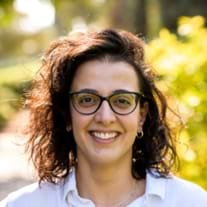
Elena Meirzadeh, PhD, (materials chemist), nominated by Columbia University — was recognized for synthesizing a molecular two-dimensional form of carbon that has opened up a new class of materials with enormous potential applications in energy storage and tunable optoelectronics. Her new carbon crystals are formed from superatoms—large molecules made from many atoms—and they have a higher thermal conductivity than other forms of molecular carbon, making them uniquely able to dissipate heat. Meirzadeh has recently joined the faculty at the Weizmann Institute of Science in Israel.
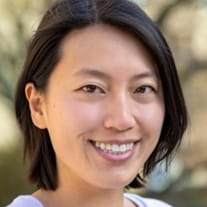
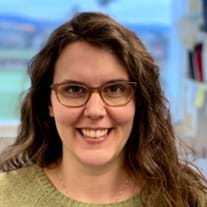
was recognized for advancing the field of chemical imaging to further our understanding of lipids and their role in cellular function and disease, including cancer. She has created a revolutionary method, Lipid Expansion Microscopy, that enables super-resolution imaging of lipids within cells using widely available instrumentation. White-Mathieu’s work enables direct study of these compounds in cellular membranes where critical cell signaling events and nutrient exchange occur. White-Mathieu will begin a new faculty position at the University of New Hampshire in late August 2023.
Physical Sciences & Engineering
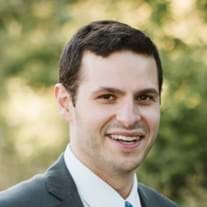
Micah Goldblum, PhD, (computer scientist) nominated by New York University — was recognized for substantial contributions to various aspects of deep learning—a leading technique of artificial intelligence. His work has not only transformed our understanding of the foundations of deep learning, but also improved its data security. Goldblum also broadened the application of deep learning in data-scarce situations, such as leveraging large volumes of diagnostic data for common diseases to improve diagnoses on rare ones.
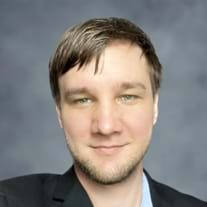
Adam Overvig, PhD, (applied physicist) nominated by CUNY Graduate Center — was recognized for developing a new paradigm for manipulating light and thermal radiation using metasurfaces—surfaces of artificial materials with nanoscale structures. Overvig’s metasurface designs enable new ways to control the behavior of light with unprecedented precision and efficiency, and are promising for a wide range of applications including electronic communications, medical imaging, quantum computing, and more.
Life Sciences
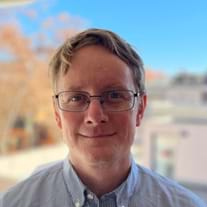
Valerie A. Tornini, PhD, (developmental biologist) nominated by Yale University — was recognized for identifying roles for novel micropeptides hidden in the vertebrate genome and chromatin regulators that tell early brain cells which kind of cell to become, to then regulate behavior of the whole organism. Tornini showed that these micropeptides and chromatin regulators have crucial roles in early neurodevelopment using zebrafish models. Furthermore, Tornini identified links between mutations in chromatin modifier genes, the resulting behaviors, and autism, informing our understanding of how to therapeutically manipulate these behaviors to treat developmental disorders.
Qiancheng Zhao, PhD, (neuroscientist) nominated by Yale University — was recognized for exploring how our brain senses internal states, such as blood pressure fluctuations, food digestion, and breathing rhythms in a process called interoception. Zhao has characterized the vagal sensory neurons, a key body-brain axis in interoception, responsible for sensing numerous and diverse body signals and relaying them to the brain with incredible precision. Zhao’s work has demonstrated that vagal sensory neurons employ a combinatorial strategy to code the essential features of an interoceptive signal, including the ‘visceral organ’, ‘tissue layer’, and ‘sensory modality’, thus facilitating effective body-to-brain communications.
About the Blavatnik National Awards for Young Scientists
The Blavatnik Awards for Young Scientists, established by the Blavatnik Family Foundation in 2007 and independently administered by The New York Academy of Sciences, began by identifying outstanding scientific talent in New York, New Jersey, and Connecticut. In 2014, the Blavatnik National Awards were created to recognize faculty-rank scientists throughout the United States. In 2017, the Awards were further expanded to honor faculty-rank scientists in the United Kingdom and Israel. For updates about the Blavatnik Awards for Young Scientists, please visit www.blavatnikawards.org or follow us on Twitter and Facebook @BlavatnikAwards.
About the Blavatnik Family Foundation
The Blavatnik Family Foundation supports world-renowned educational, scientific, cultural, and charitable institutions in the United States, the United Kingdom, Israel, and across the globe. Led by Len Blavatnik, founder and chairman of Access Industries, the Foundation advances and promotes innovation, discovery, and creativity to benefit the whole of society. Over the past decade, the Foundation has contributed more than $1 billion to over 250 organizations. See more at www.blavatnikfoundation.org.
The Blavatnik Family Foundation and the New York Academy of Sciences announce the 2023 laureates of the Blavatnik National Awards for Young Scientists.
Each will receive $250,000, the largest unrestricted scientific award for America’s most innovative, faculty-ranked scientists and engineers who are under the age of 42. The winners and their distinguished research:
2023 Laureate in Life Sciences:
William Anderegg, Ph.D., The University of Utah (Ecology & Evolutionary Biology)—Revealing how trees absorb and release carbon dioxide amidst a changing climate
William Anderegg examines the interaction of plant ecology and climate change, from the scale of cells to forest ecosystems. Specifically, he addresses how drought and climate change affect the plant-soil-atmospheric systems, including tree physiology, species interactions, and biosphere-atmosphere feedbacks. His work overturns a 40-year foundational theory on how stomata—pores on leaves that facilitate photosynthesis—behave in order to improve carbon gain and minimize water loss, and in turn, how this affects global forests’ response to climate change. As a leading voice in the field of climate change, Anderegg’s discoveries are already informing climate solutions, global policies, and public health. He is the first ever winner of the Blavatnik Regional Awards to be awarded the Blavatnik National Award.
2023 Laureate in Chemistry:
Shannon Boettcher, Ph.D., University of Oregon (Inorganic & Solid-State Chemistry)—Discovering novel methods and materials to harness electrochemistry for sustainability
Shannon Boettcher is creating sustainable, electrochemical methods central to transforming simple mixtures of water and atmospheric gases into fuels, plastics, fertilizers, and other chemicals. Boettcher’s work is grounded in the mechanistic science of understanding electrochemical reactions on the surfaces of electrified solids, particularly under practical conditions where catalysts change in structure and composition. His work builds a foundation for the development of new technologies by addressing key knowledge gaps in understanding and controlling the rates of ion- and electron-transfer across interfaces. Discoveries made in Boettcher’s laboratory are now being applied to improve industrial processes for hydrogen production and carbon capture, establishing him both as a global leader in research and in society’s transition to a green future.
2023 Laureate in Physical Sciences & Engineering:
Svitlana Mayboroda, Ph.D., University of Minnesota (Applied Mathematics)—Developed elegant new mathematical theory to understand electronic waves
Svitlana Mayboroda is using applied mathematics to provide physicists with a new fundamental understanding of the behavior of matter at nanometer scales—insights that are relevant for today’s ability to control and manipulate atomic structures. Mayboroda and her collaborators have invented an elegant technique known as localization landscape theory, which solves some long-standing problems in condensed matter physics. This mathematical framework reveals hidden structures that guide the behavior of waves at the atomic level, explaining why waves do not propagate in complex or disordered materials. Mayboroda’s ground-breaking work is leading to improvements in crucial 21st-century technologies like LED lighting, semiconductors, and solar cells.
“I congratulate all the laureates and finalists whose outstanding research gives us hope for the future,” said Len Blavatnik, founder and chairman of Access Industries. He is head of the Blavatnik Family Foundation and a member of the President’s Council of the New York Academy of Sciences.
Nicholas B. Dirks, president and CEO of The New York Academy of Sciences, said, “On behalf of the Academy, we are excited to honor our first laureate who was previously a Regional Award-winner, our first laureate in applied mathematics, and the first laureates from these three public universities. This year’s laureates are working to address major societal challenges—including problems related to energy and sustainability, climate change and forest fires, and transforming solid-state physics and semi-conductor physics—demonstrating the great significance of science for advancing the public good.”
The 2023 Blavatnik National Awards received 267 nominations from 134 institutions in 38 U.S. states. Nominees must be faculty-level scientific researchers, 42 years of age or younger.
Three independent juries —one each for life sciences, chemistry, and physical sciences and engineering —were composed of some of America’s most distinguished scientists. The juries selected three winning laureates and 28 finalists.
The Blavatnik National Awards for Young Scientists will celebrate the 2023 laureates and finalists in a ceremony on Sept. 19 at the American Museum of Natural History in New York.
FINALISTS
Life Sciences
Kivanç Birsoy, Ph.D., The Rockefeller University (Molecular & Cellular Biology), developed genetic tools to study mechanisms by which human cells alter their uptake and use of nutrients to adapt to the genetic and environmental stresses observed in disease states such as cancer.
Weizhe Hong, Ph.D., University of California, Los Angeles (Neuroscience), is advancing our understanding of prosocial behavior in animals and how it is regulated by specific neural circuits in the brain. Further, he finds that neural activities between socially interacting animals become correlated, developing a multi-brain framework for social interaction.
Cigall Kadoch, Ph.D., Dana-Farber Cancer Institute & Harvard Medical School (Molecular & Cellular Biology), examines large human genetics studies to identify a group of disease-causing mutations in a multi-protein complex called mSWI/SNF. Kadoch combined biochemistry and genetics to define the structure and function of mSWI/SNF, providing a mechanistic understanding of how mutations can disrupt normal function and cause disease.
Ian Maze, Ph.D., Icahn School of Medicine at Mount Sinai (Neuroscience), is finding that covalent binding of monoamine neurotransmitters to DNA-bound histone proteins informs neural transcriptional plasticity and function. Maze also discovered and characterized numerous brain-enriched chromatin regulatory proteins, which have led to significant improvements in our understanding of, and potential treatments for, neuropsychiatric diseases.
Noah W. Palm, Ph.D., Yale University (Immunology), is developing new approaches to deconvolute the complex interactions between our immune system and gut microbiota: the trillions of microorganisms that colonize and protect the gastrointestinal tract. Palm is transforming these insights into novel strategies to prevent allergies, autoimmunity, and cancer.
Sergiu P. Pașca, M.D., Stanford University (Neuroscience), is pioneering the use of instructive signals to develop three-dimensional cultures of neural tissue known as organoids, and build functioning human neural circuits in preparations he named assembloids. These platforms led to a better understanding of human neural development, and subsequently, potential treatments for brain disorders.
Lei Stanley Qi, Ph.D., Stanford University (Biomedical Engineering & Biotechnology), is making significant developments in CRISPR technologies for gene regulation, epigenome editing, chromatin imaging, and gene therapy. Qi has applied this technology to understand how gene and enhancer networks govern cancer and cell fate determination, and to combat COVID-19.
David Veesler, Ph.D., University of Washington (Immunology), characterized the structure of the SARS-CoV-2 spike protein and identified the ACE2 receptor responsible for the virus’s entry into a cell. His research played a key role in the development of COVID-19 vaccines.
Harris H. Wang, Ph.D., Columbia University (Biomedical Engineering & Biotechnology), developed methods for studying the spatiotemporal organization of a microbiome and editing the metagenome of the microbiome. Using these approaches, Wang mapped the spatial arrangement of microbes in complex communities and programmed them with new functions.
Chemistry
Eric S. Fischer, Ph.D., Dana-Farber Cancer Institute (Chemical Biology), is understanding how small molecules selectively degrade proteins and is converting that knowledge into a road map for new therapeutic interventions.
Danna Freedman, Ph.D., Massachusetts Institute of Technology (Inorganic & Solid-State Chemistry), is elevating molecules to the cutting edge of quantum information technology, having achieved record stability and optical read-out from a molecular quantum bit.
Prashant K. Jain, Ph.D., University of Illinois Urbana-Champaign (Physical Chemistry), is using synchronized vibrations of electrons within nanoparticles to trap light and harness its energy, for sustainable manufacturing of chemicals and zero-carbon fuels such as ammonia and hydrogen.
Jeremiah A. Johnson, Ph.D., Massachusetts Institute of Technology (Polymer Chemistry), is achieving breakthrough control over the synthesis of organic polymers, unlocking real world applications ranging from more easily recycled plastics to the delivery of cancer therapeutics.
Han Li, Ph.D., University of California, Irvine (Chemical Engineering), is creating new tools to control the biochemical reactions in living cells with unparalleled precision, turning cells into bio-factories to manufacture a wide range of useful molecules for food, medicine, or energy.
Garret Miyake, Ph.D., Colorado State University (Polymer Chemistry), is harnessing light in the pursuit of sustainability, from discovering new light-driven reactions of molecules and polymers in order to create coatings that can reduce energy needs by making windows more heat reflective.
Alison Narayan, Ph.D., University of Michigan (Organic Chemistry), is pioneering the use of protein engineering tools to uncover new bio-catalyzed reactions for synthesis of complex molecules used in therapies or drugs.
Kerri A. Pratt, Ph.D., University of Michigan (Environmental Chemistry & Geochemistry), uses novel measurement techniques to redefine our understanding of the chemical interactions in the atmosphere of Arctic and urban winter environments, tackling the global challenges of climate change and air quality.
Yogesh Surendranath, Ph.D., Massachusetts Institute of Technology (Inorganic & Solid-State Chemistry), is transforming the field of electrochemistry with his development of tunable graphite-based catalysts, which he is using to reveal new molecular-level insights into electrochemical reaction mechanisms.
Physical Sciences & Engineering
Kaushik Chowdhury, Ph.D., Northeastern University (Electrical Engineering), is addressing the global need of telecommunications spectrum scarcity, as well as improve connectivity by designing next generation wireless systems and machine learning-based network operations.
Ivan Z. Corwin, Ph.D., Columbia University (Applied Mathematics), is developing probabilistic mathematical models of interacting particle systems. Such models are important for understanding phenomena as diverse as crystal growth, traffic flow, noisy data, and the spread of disease within a population.
Jennifer A. Dionne, Ph.D., Stanford University (Materials Science & Nanotechnology), is pioneering the development of new imaging techniques that enable direct visualization of chemical and biological processes in real time, and with nano-to-atomic scale spatial resolution.
Asegun Henry, Ph.D., Massachusetts Institute of Technology (Mechanical & Aeronautical Engineering), is creating sustainable energy technologies, including ultra-low-cost and efficient grid-scale energy storage systems utilizing high-temperature liquid metals as heat transfer fluids.
Shirley Ho, Ph.D., Flatiron Institute (Astrophysics & Cosmology), is translating what deep neural networks have learned from computational simulations and astronomical data into astrophysical insights through a combination of deep learning and other statistical techniques.
Patrick E. Hopkins, Ph.D., University of Virginia (Mechanical & Aeronautical Engineering), is revolutionizing the design of materials to create energy-efficient devices, including ultrahigh and ultralow thermal conductivity materials, dynamically tunable thermal switches that operate like light bulbs, and thermal diodes that couple heat, light and charge.
Maryam M. Shanechi, Ph.D., University of Southern California (Electrical Engineering), is pioneering brain-machine interfaces that can model, decode, and control complex neural activity patterns by the intersection of engineering, computing, and neuroscience.
Jessica K. Werk, Ph.D., University of Washington (Astrophysics & Cosmology), is working with both astrophysical observations and simulations to build a comprehensive theory of galaxy evolution that includes the physics of their gaseous atmospheres—key structures that can fuel star formation for billions of years.
Sheng Xu, Ph.D., University of California San Diego (Materials Science & Nanotechnology), is advancing wearable electronics with integrated deep-tissue sensors, multilayered configurations, and novel photovoltaic power sources, enabling continuous-monitoring technology for future healthcare.
Guihua Yu, Ph.D., The University of Texas at Austin (Materials Science & Nanotechnology), is addressing energy and environmental challenges with innovative nanomaterials called “energy gels,” with wide-ranging applications from fast-charging batteries and electrocatalysts, to seawater desalinization and solar-powered water-harvesters for sustainable agriculture.
About the Blavatnik National Awards for Young Scientists
The Blavatnik Awards for Young Scientists, established by the Blavatnik Family Foundation in 2007 and independently administered by The New York Academy of Sciences, began by identifying outstanding scientific talent in New York, New Jersey, and Connecticut. In 2014, the Blavatnik National Awards were created to recognize faculty-rank scientists throughout the United States. In 2017, the Awards were further expanded to honor faculty-rank scientists in the United Kingdom and Israel. For updates about the Blavatnik Awards for Young Scientists, please visit blavatnikawards.org or follow us on Twitter and Facebook @BlavatnikAwards.
About the Blavatnik Family Foundation
The Blavatnik Family Foundation supports world-renowned educational, scientific, cultural, and charitable institutions in the United States, the United Kingdom, Israel, and across the globe. Led by Len Blavatnik, founder and chairman of Access Industries, the Foundation advances and promotes innovation, discovery, and creativity to benefit the whole of society. Over the past decade, the Foundation has contributed more than $1 billion to over 250 organizations. See more at blavatnikfoundation.org
“The world needs science and scientists. And we need scientists everywhere to be working together to tackle the world’s growing list of challenges.”
Published July 12, 2023
By Kamala Murthy
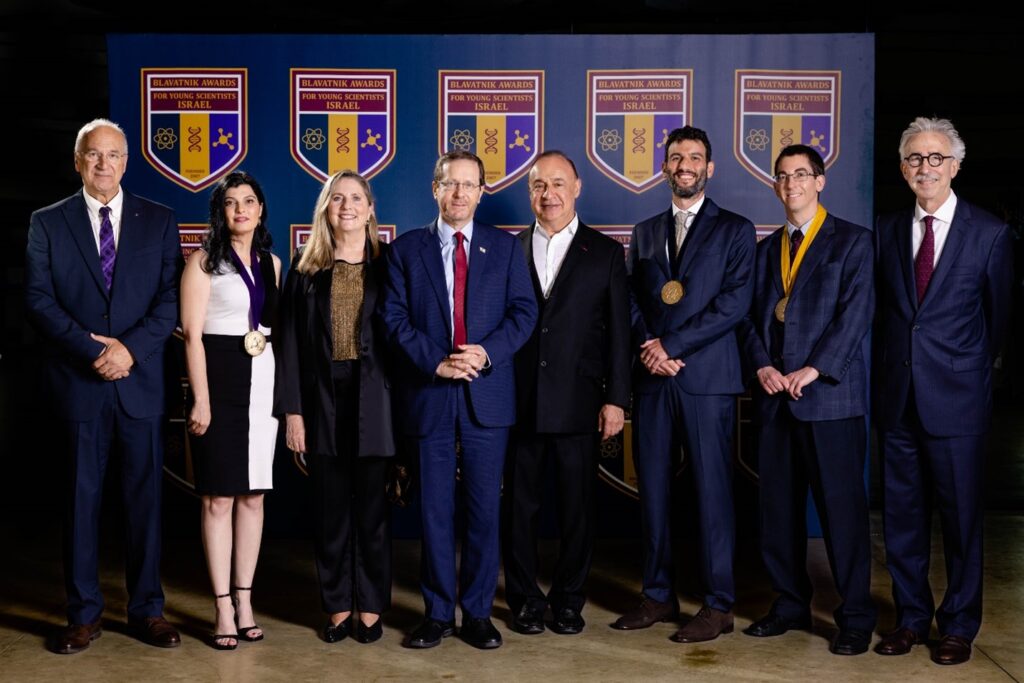
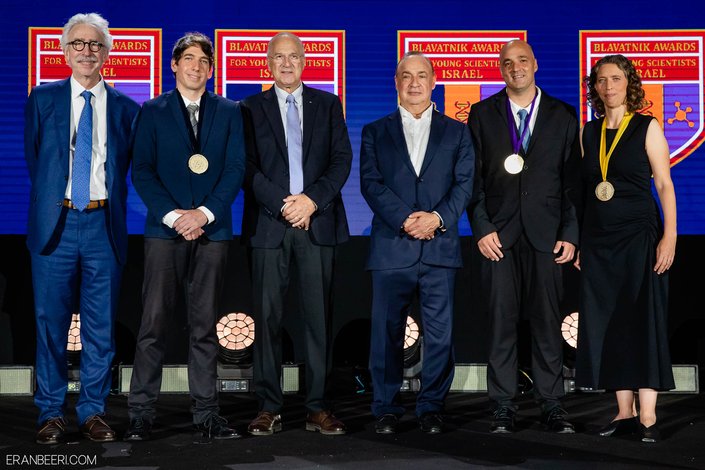
From left: Israel Academy of Sciences and Humanities President David Harel, Chemistry Laureate Rina Rosenzweig, Michal Herzog and Israel President Isaac Herzog, Len Blavatnik, PS&E Laureate Zvika Brakerski, Life Sciences Laureate Shai Carmi, The New York Academy of Sciences President and CEO Nicholas Dirks.
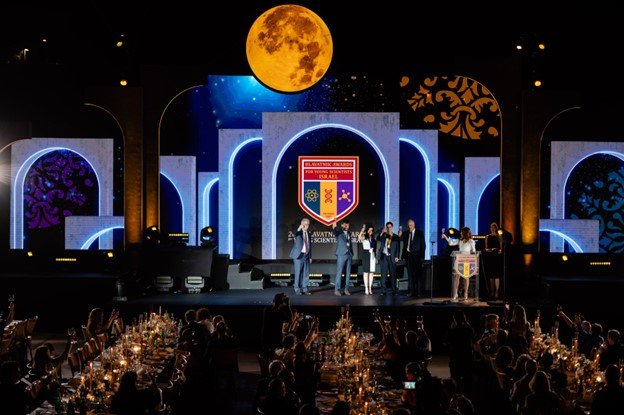
The New York Academy of Sciences, in collaboration with the Israel Academy of Sciences and Humanities and the Blavatnik Family Foundation, hosted the fifth ceremony for the Blavatnik Awards for Young Scientists in Israel on June 7, 2023. The gala event was held at the Peres Center for Peace & Innovation in Tel Aviv for the second year and was attended by Israel’s top leaders in business, academia and industry. Israeli TV News Anchor, Tamar Ish-Shalom, from Reshet 13, served as Presenter of Ceremonies. Renowned Israeli chef, Yossi Shitrit, catered the ceremony.
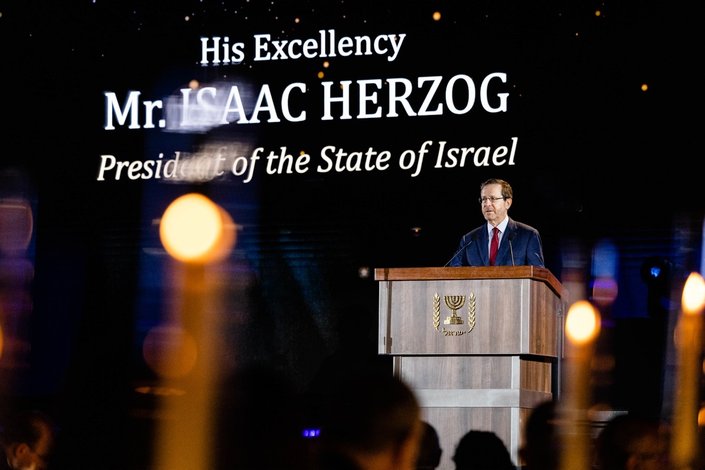
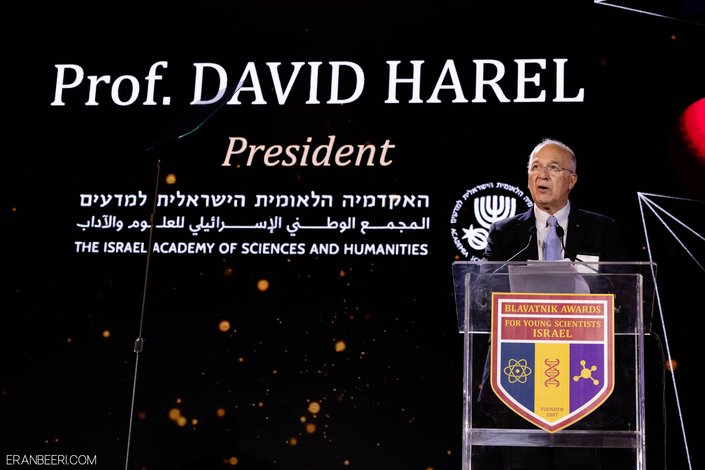
Israel’s President Isaac Herzog attended the ceremony in-person and in his remarks reflected on Israel’s historical investment in science by the first President of Israel, Chaim Weizmann, who saw great promise in science to bringing prosperity to the region. David Harel, President of the Israel Academy of Sciences and Humanities, congratulated the Laureates and thanked the jury and the Scientific Advisory Council.
Academy President and CEO, Nicholas Dirks, spoke about how the Blavatnik Awards honorees are improving our world: “The world needs science and scientists. And we need scientists everywhere to be working together to tackle the world’s growing list of challenges. These awards are so important, for they support the work of scientists who look beyond the walls of their labs, and beyond geographical borders to think creatively and take risks in their research. This is where solutions will be found”.
Physical Sciences & Engineering
In the category of Physical Sciences & Engineering, Zvika Brakerski from the Weizmann Institute of Science was recognized for developing the first efficient encryption algorithm that allows cloud computers to perform computations on encrypted data without the need to first decrypt them. His algorithm has enormous potential to improve the security of cloud computing. In addition, he has also developed new cryptography algorithms to verify the output of quantum computations.
Chemistry
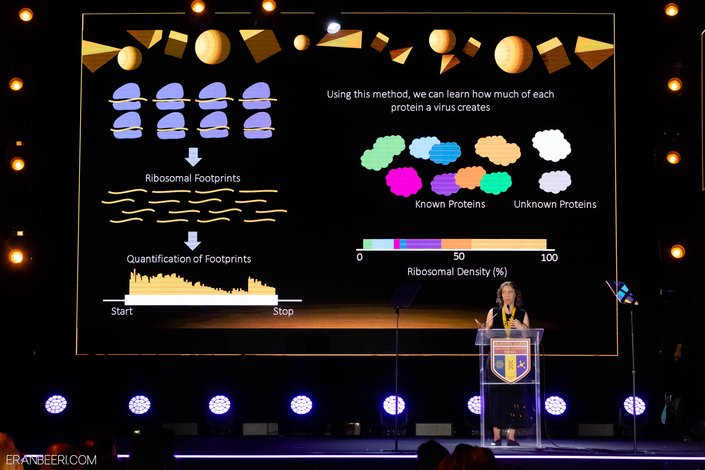
Also, from the Weizmann Institute of Science, Rina Rosenzweig received the Blavatnik Award in Chemistry for discovering the regulatory mechanism by which a particular class of proteins, “chaperone” proteins, drive the innate ability of our cells to prevent and reverse protein aggregation—a phenomena associated with many neurodegenerative conditions including Alzheimer’s, Parkinson’s, and Huntington’s diseases. Harnessing and amplifying natural methods to reverse protein aggregation in cells paves the way to treatments for these conditions.
Life Sciences
In Life Sciences, the first Laureate from The Hebrew University of Jerusalem, Shai Carmi, was honored for his fundamental contributions to the fields of population and medical genetics. In medical genetics, he has reported the first evaluations of a new technology for genetic testing of preimplantation embryos for complex (adult) diseases and traits. Through his groundbreaking work in population genetics, he has rewritten the demographic history of medieval Ashkenazi Jews.
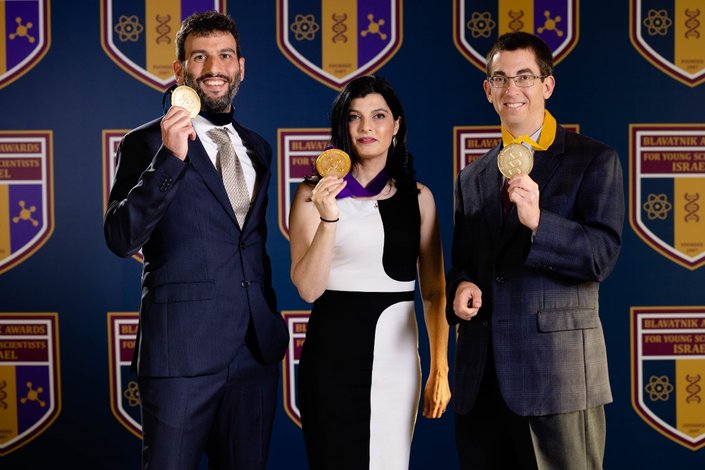
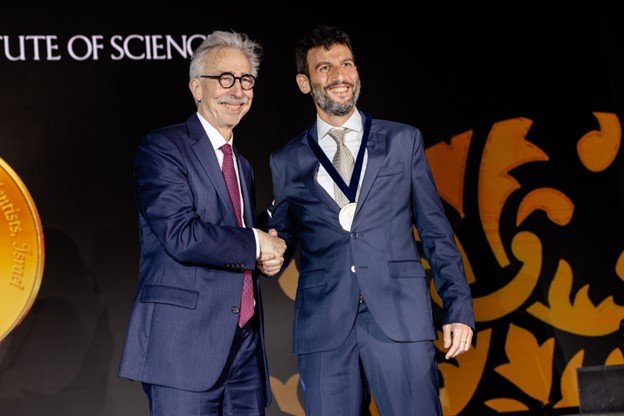
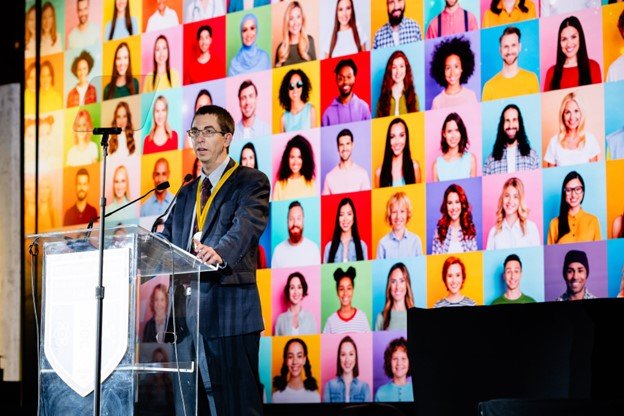
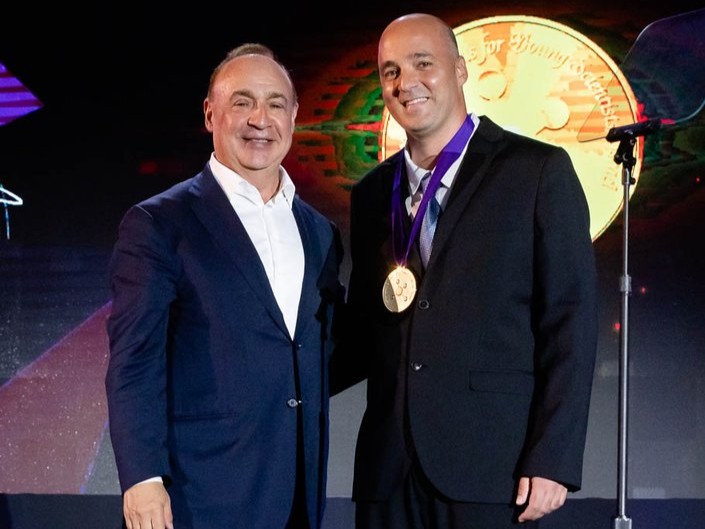
Each Laureate came to the stage to receive their Blavatnik Awards medal from Nicholas Dirks. Afterwards, the Laureates each gave a ten-minute presentation on their award-winning discoveries to the audience. The evening also featured the all-female classical instrumental group, Havriot, who composed a song in honor of the 550th anniversary of Copernicus’s discovery of the sun being the center of the solar system, not the earth as was previously thought.
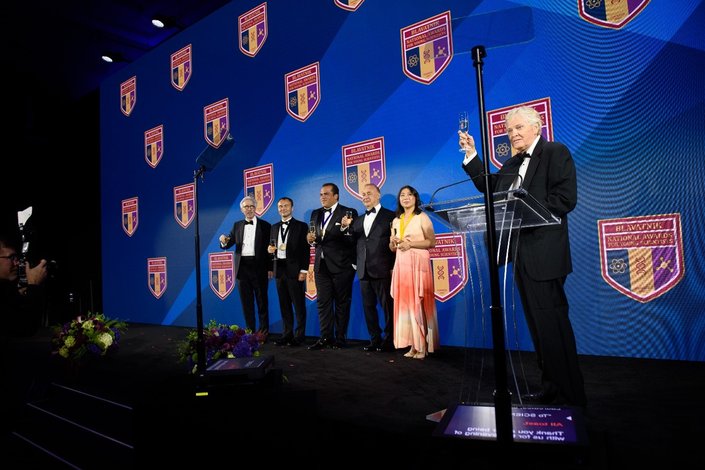
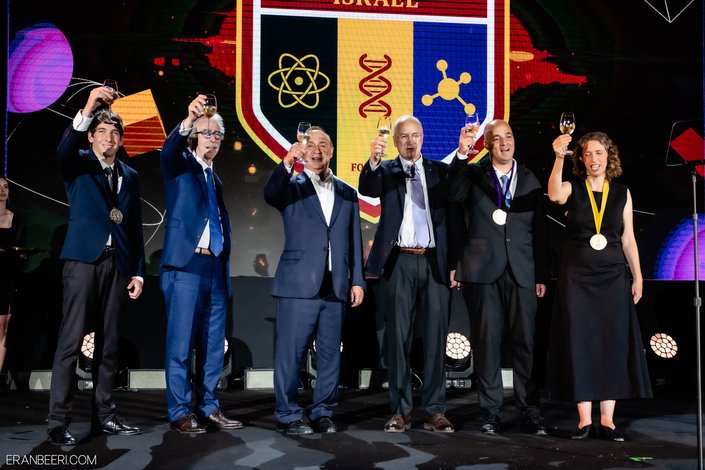
Ceremony presenter Tamar Ish-Shalom, closed the evening’s festivities with the Blavatnik Awards in Israel tradition of gathering the Academies’ Presidents and the Laureates on stage to make a toast to science in Hebrew, “L’Chaim; To Science!”
To learn more about the Blavatnik Awards for Young Scientists, visit blavatnikawards.org.
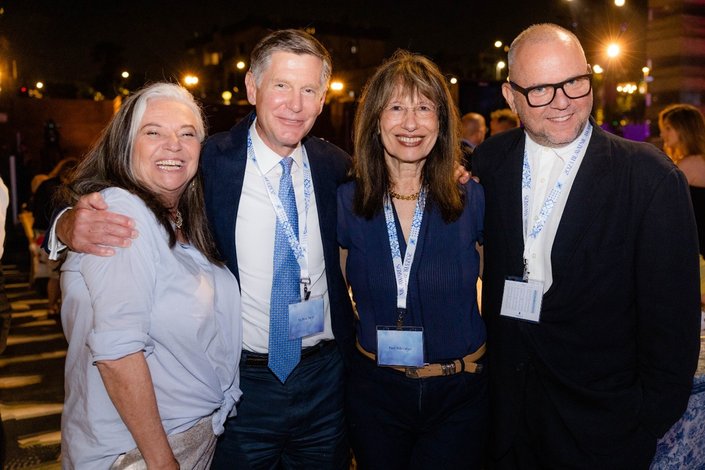
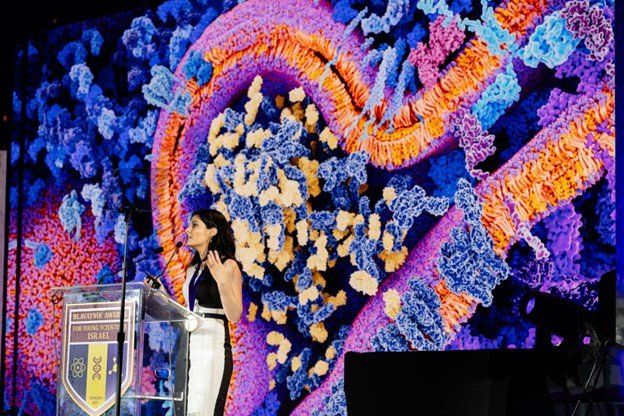
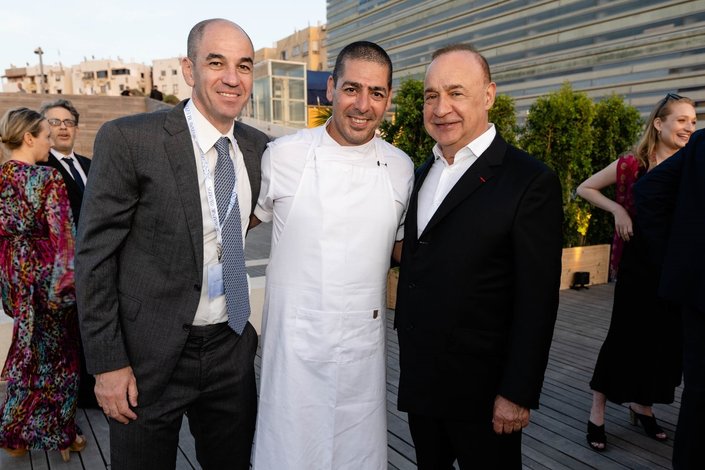
From left: Ilana Brand, Peter Thorén, Nili Cohen, and Nir BrandFrom left: Zvika Brakerski, Rina Rosenzweig, and Shai Carmi.The musical group Havriot performs an original song for the audience.Prof. Rina Rosenzweig.From left: Nadav Topolski Chairman of Reshet Media, Chef Yossi Shitrit, with Len Blavatnik.Prof. Zvika Brakerski (right) with Prof. Nick Dirks.President Isaac Herzog of the State of Israel gives remarks.Prof. Shai Carmi.L’Chaim to Science.
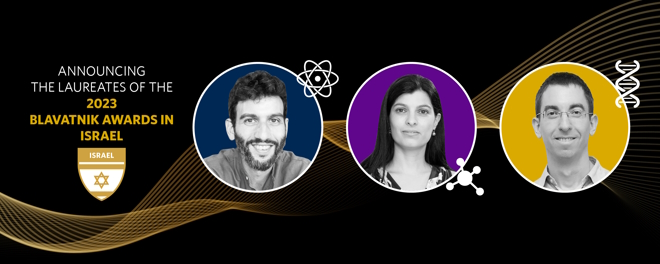
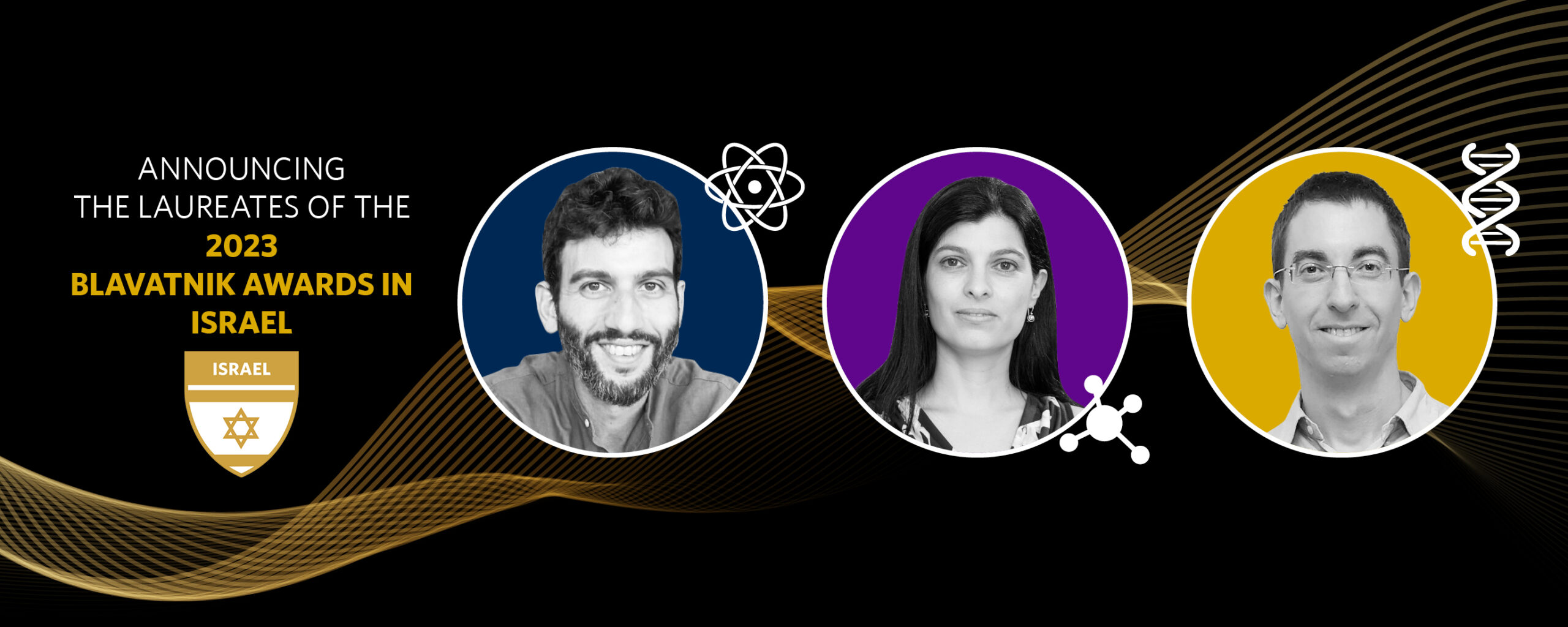
This year’s Laureates, who will each receive US$100,000, are:
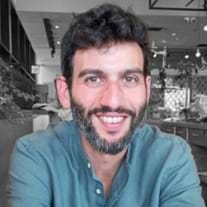
Shai Carmi, PhD (Life Sciences) – The Hebrew University of Jerusalem – Recognized for fundamental contributions to the fields of population and medical genetics. In medical genetics, he has reported the first evaluations of a new technology for genetic testing of preimplantation embryos for complex (adult) diseases and traits. Through his groundbreaking work in population genetics, he has rewritten the demographic history of medieval Ashkenazi Jews.
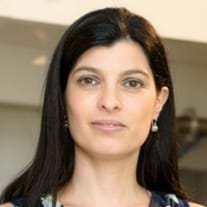
Rina Rosenzweig, PhD (Chemistry) – Weizmann Institute of Science – Recognized for discovering the regulatory mechanism by which a particular class of proteins, “chaperone” proteins, drive the innate ability of our cells to prevent and reverse protein aggregation—a phenomena associated with many neurodegenerative conditions including Alzheimer’s, Parkinson’s, and Huntington’s diseases. Harnessing and amplifying natural methods to reverse protein aggregation in cells paves the way to treatments for these conditions.
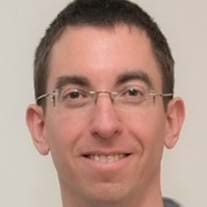
Zvika Brakerski, PhD (Physical Sciences & Engineering) – Weizmann Institute of Science – Recognized for developing the first efficient encryption algorithm that allows cloud computers to perform computations on encrypted data without the need to first decrypt them. His algorithm has enormous potential to improve the security of cloud computing. In addition, he has also developed new cryptography algorithms to verify the output of quantum computations.
Recognizing Innovative Scientists
The Blavatnik Awards recognize outstanding, innovative scientists at the early stages of their careers for both their extraordinary achievements and their promise for future discoveries. The prizes are awarded to researchers aged 42 and younger for groundbreaking work in the disciplines of Life Sciences, Chemistry, and Physical Sciences & Engineering. The Blavatnik Awards in Israel sit alongside their international counterparts, the Blavatnik National Awards and Blavatnik Regional Awards in the United States, and the Blavatnik Awards in the United Kingdom.
The 2023 Blavatnik Awards for Young Scientists in Israel will be conferred at a ceremony held at the Peres Center for Peace & Innovation in Tel Aviv-Jaffa in June 2023. On June 6, 2023, from 10:00 AM to 1:00 PM IDT, the Laureates will present their research at a free public symposium at the Steinhardt Museum of Natural History at Tel Aviv University. You can learn more about this event HERE.
The Laureates will join a cadre of young scientists from across Israel who have been honored by the Blavatnik Awards in Israel since the launch of the Awards in 2017. In addition, the Laureates will become part of the international Blavatnik Science Scholars community, whose recipients will have been awarded prizes totaling US$15.4 million by the close of 2023. Approximately 60 percent of all recipients are immigrants to the country in which they were recognized. Moreover, honorees hail from 52 countries across six continents, reflecting the fact that groundbreaking science is a global enterprise.
“Israel’s science and technology improves lives and constantly expands the boundaries of discovery,” said Len Blavatnik, Founder and Chairman of Access Industries and Head of the Blavatnik Family Foundation. “We are proud to honor these exceptional young scientists and their significant contributions to the global scientific community.”
From the Academy Presidents
Nicholas B. Dirks, President and CEO of The New York Academy of Sciences, said “Science and technology are both considered Israel’s most developed sectors, which follows from the fact that Israel’s universities are training some of the most talented scientists in the world. On behalf of The New York Academy of Sciences, we are proud to recognize the outstanding science and scientists represented by the 2023 Blavatnik Awards in Israel Laureates, including the first Laureate from Hebrew University of Jerusalem. We congratulate them and their institutions.”
Professor David Harel, President of The Israel Academy of Sciences and Humanities, said “Today, more than ever, we value the continuing collaboration with the Blavatnik Family Foundation and The New York Academy of Sciences to maintain the tradition of bestowing these distinguished awards upon outstanding young scientists in Israel. It is crucial to continue to support and invest in Israel’s next generation of scientists, both for the benefit of the international scientific community and to maintain the status of Israeli science in the forefront of the global research world.”
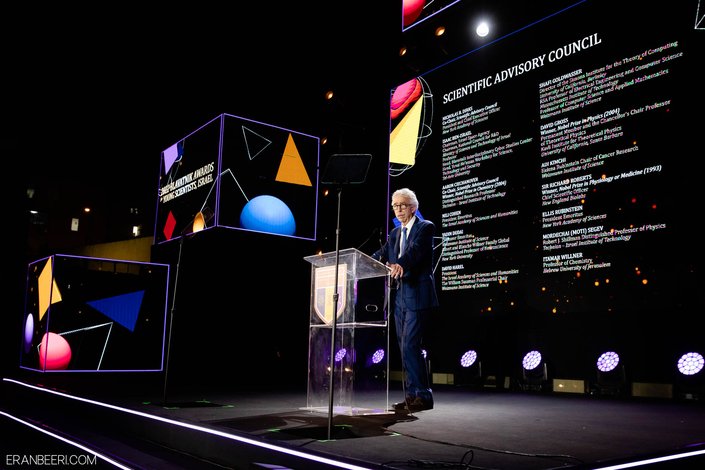
During the nomination period for the 2023 Blavatnik Awards for Young Scientists in Israel, 40 nominations were received from eight universities across the country. Members of the Awards’ Scientific Advisory Council, which includes Nobel Laureates, Professors Aaron Ciechanover and David Gross and Professor Sir Richard Roberts, along with former Chairman of the Israel Space Agency, Professor Isaac Ben-Israel, were also invited to submit nominations. Three distinguished juries—composed of leading scientists representing the three disciplinary categories and led by Israel Academy members—selected the 2023 Laureates.
About the Laureates
Life Sciences:
Shai Carmi, PhD, Associate Professor, the Faculty of Medicine, the Hebrew University of Jerusalem
Prof. Shai Carmi uses genetic data and mathematical modeling to illustrate the past and inform the future. His research combines data analysis and algorithms to fill in gaps in human history and improve methods for genetic testing.
DNA can teach us about the history of a population. Carmi’s work has focused on developing methods that use genetic data to understand the current and past demography of isolated populations. Through the pioneering analysis of DNA sequences from present-day and 14th-century Ashkenazi Jews, Carmi’s work discovered a previously unknown division among the medieval population and estimated how remarkably small the population remained throughout the Middle Ages.
Several recent studies have identified genetic variants associated with disease, suggesting that DNA can serve as an indicator of future disease risk. Carmi is spearheading the application of genetic risk prediction techniques in Israel, in hopes of identifying high-risk individuals and informing efforts of personalized screening and prevention.
In reproductive medicine, Carmi and his colleagues have developed affordable and accurate methods for preimplantation genetic testing on whole-genome sequencing of IVF embryos. This technique may be able to screen embryos not only for severe childhood diseases but also for “complex” adult diseases, such as heart attack, cancers, schizophrenia, diabetes, or Crohn’s disease. Carmi showed that screening embryos for complex diseases could result, under some circumstances, in significant risk reductions for the future children. Importantly, Carmi is also leading discussions of ethical, social, and clinical difficulties associated with the implementation of this technology.
Chemistry:
Rina Rosenzweig, PhD, Senior Scientist, Department of Chemical and Structural Biology, Weizmann Institute of Science
The healthy function of our bodies’ cells relies on the carefully orchestrated interactions of thousands of function-specific proteins. When these interactions break down because proteins misfold or aggregate, severe neurodegenerative conditions like Alzheimer’s, Parkinson’s, and Huntington’s diseases can occur. Dr. Rosenzweig is uncovering the secrets behind our cells’ innate quality control system, molecular chaperones: a specific class of proteins that assists other proteins to fold, refold, and repair themselves. Rosenzweig has developed deep insight into how specific molecular chaperones prevent and reverse protein misfolding and aggregation on an atomic level. This knowledge led to her landmark discovery of how two specific molecular chaperones are triggered to break up protein aggregations associated with Parkinson’s disease. The discovery of this “molecular switch” will hopefully lead to the development of novel therapeutic agents that target Parkinson’s and other aggregation-related disorders.
Her work goes beyond neurodegenerative diseases for applications related to cancer. Rosenzweig recently demonstrated specific modulations to molecular chaperones that could inhibit cancer cell growth without impacting other functions, potentially offering new cancer treatments with far fewer side effects.
Physical Sciences & Engineering:
Zvika Brakerski, PhD, Associate Professor, Department of Computer Science and Applied Mathematics, Weizmann Institute of Science
Prof. Brakerski is a pioneer in cryptography. He has continually introduced novel cryptographic solutions with far-reaching practical implications on the security of cloud computing and quantum computing. Brakerski developed the first efficient encryption algorithm that allows computers to directly perform computations on encrypted data without the need to first decrypt them. In other words, the cloud computers do not know the data they are processing at all. His algorithm, dubbed FHE (fully homomorphic encryption), has huge potential to improve the security of cloud computing, and is now developed and implemented by many companies worldwide.
He has also realized several major breakthroughs related to the use of cryptography in quantum computing. Brakerski’s work laid the foundation to construct various building blocks that are frequently used to build quantum cryptographic protocols.
In addition, he showed how a classical computing system can “control” the behavior of a quantum computer using cryptography. This may allow us to develop secure “cloud quantum-computers” where the quantum cloud can be supervised by the classical user.
About the Blavatnik Awards for Young Scientists
The Blavatnik Awards for Young Scientists, established by the Blavatnik Family Foundation in 2007 and independently administered by The New York Academy of Sciences, began by identifying outstanding scientific talent in New York, New Jersey, and Connecticut. In 2014, the Blavatnik National Awards were created to recognize faculty-rank scientists throughout the United States. In 2017, the Awards were further expanded to honor faculty-rank scientists in the United Kingdom and Israel. For updates about the Blavatnik Awards for Young Scientists, please visit blavatnikawards.org or follow us on Twitter and Facebook @BlavatnikAwards.
About the Blavatnik Family Foundation
The Blavatnik Family Foundation supports world-renowned educational, scientific, cultural, and charitable institutions in the United States, the United Kingdom, Israel, and across the globe. Led by Sir Leonard Blavatnik, founder and chairman of Access Industries, the Foundation advances and promotes innovation, discovery, and creativity to benefit the whole of society. Over the past decade, the Foundation has contributed more than $1 billion to over 250 organizations. See more at blavatnikfoundation.org
About The Israel Academy of Sciences and Humanities
The Israel Academy of Sciences and Humanities is Israel’s flagship scientific institution. It was established by law in 1961 and acts as a national focal point for Israeli scholarship in all branches of the sciences, social sciences, and humanities. The Academy’s membership comprises 141 of Israel’s most distinguished scientists and scholars in its two sections―the Sciences Section and the Humanities Section. It is tasked with promoting Israeli scientific excellence, advising the government on scientific matters of national interest, publishing scholarly research of lasting merit, and maintaining active contact with the broader international scientific and scholarly community. For more information about The Israel Academy of Sciences and Humanities, please visit: academy.ac.il.
For further information, please contact: Liel Edry: liel@kamir-e.com +972-50-8655-305
How can DNA teach us about the history of populations? What is protein folding and how does it relate to neurological diseases like Alzheimer’s, Parkinson’s, and Huntington’s diseases? How can we make cloud computing more secure? The three recipients of the 2023 Blavatnik Awards for Young Scientists in Israel will answer these questions and more in a morning of free and exciting lectures, on Tuesday, June 6, 2023 in Tel Aviv, Israel.
The Blavatnik Family Foundation, the Israel Academy of Sciences and Humanities, and The New York Academy of Sciences invite the public to a series of lectures from the forefront of Israeli research at the 2023 Blavatnik Awards for Young Scientists in Israel Symposium on Tuesday, June 6, 2023, at the Steinhardt Museum of Natural History, Tel Aviv University. The symposium will be in-person and in English.
Intended for science enthusiasts, students, and scientists of all ages—from high school students to professionals—participants will have the opportunity to interact with the Laureates during Q&A sessions and enjoy a lunch networking reception at the conclusion of the event. Attendance is free and open to the public, but registration is required.
The three 2023 Blavatnik Awards in Israel Laureates will present their research at the symposium:
Professor Shai Carmi of the Hebrew University of Jerusalem received the Blavatnik Award in Life Sciences for his fundamental contributions to the scientific fields of population and medical genetics.
Chemistry Laureate, Dr. Rina Rosenzweig of the Weizmann Institute of Science, discovered how “chaperone” proteins can prevent and reverse protein aggregation—a phenomena associated with many neurodegenerative conditions including Alzheimer’s, Parkinson’s, and Huntington’s diseases.
Professor Zvika Brakerski of the Weizmann Institute of Science, this year’s Physical Sciences & Engineering Laureate, developed the first efficient encryption algorithm that allows cloud computers to perform computations on encrypted data without the need to first decrypt them, vastly improving the potential for cloud computing security.
The Blavatnik Awards for Young Scientists in Israel are given every year to three early-career Israeli scientists aged 42 and younger for their groundbreaking research, their extraordinary achievements and their demonstrated potential for future scientific discoveries. Each Laureate in the categories of Life Sciences, Chemistry, and Physical Sciences & Engineering is awarded USD $100,000. The Blavatnik Awards for Young Scientists in Israel are given alongside the international prizes that are awarded each year in the United States and the United Kingdom.
The 2023 Blavatnik Awards for Young Scientists in Israel Symposium
Tuesday, June 6, 2023 10.00 A.M.–1:00 P.M. Israel Daylight Time The Steinhardt Museum of Natural Histor, Tel Aviv University, Tel Aviv, Israel Entrance is free with advance registration.
For more information and to register for the event, please visit this link HERE.
“So tonight, we also celebrate the progress that has been made to allow women in STEM to flourish — there is more work to do, but these awardees illustrate the bounties that an ever-inclusive work environment brings to society.”
Published March 16, 2023
By Kamala Murthy
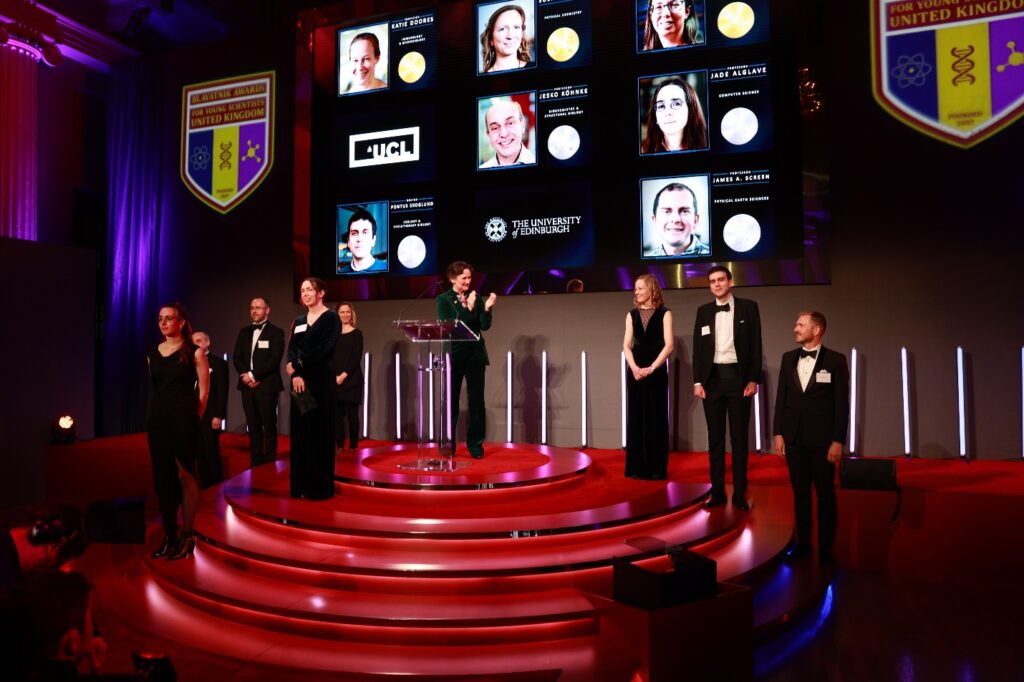
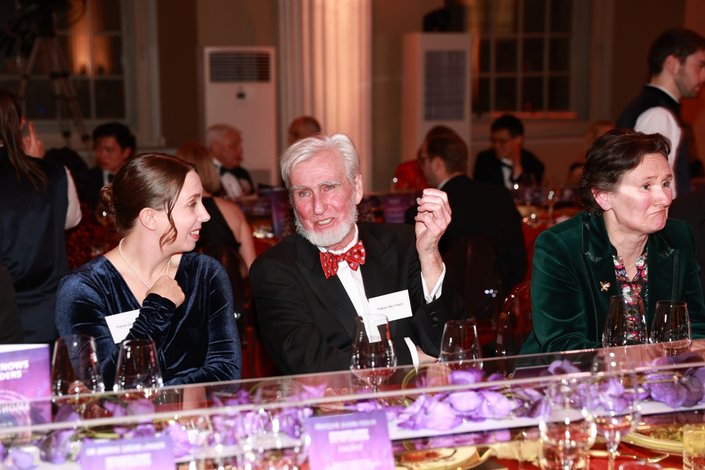
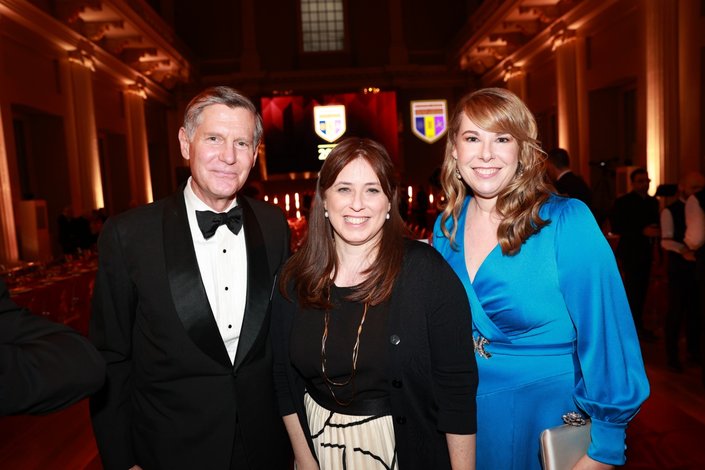
The Blavatnik Family Foundation and The New York Academy of Sciences celebrated the sixth annual Blavatnik Awards for Young Scientists in the United Kingdom with an awards ceremony and gala dinner on February 28, 2023. The event returned to the historic Banqueting House in Whitehall, London, where it was previously held in 2020 and 2021. The celebration showcased the nine honorees of the 2023 Blavatnik Awards in the UK.
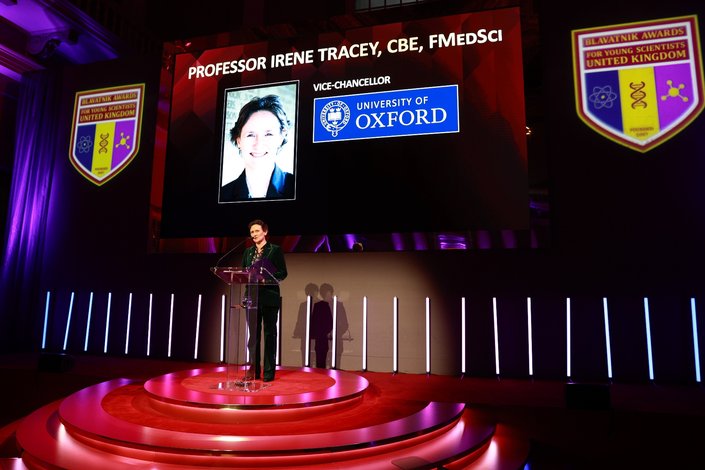
The new Vice-Chancellor of the University of Oxford and renowned neuroscientist, Professor Irene Tracey, CBE, FMedSci served as the 2023 Presenter. Over 140 guests attended the ceremony, including prominent leaders in science, academia, government, business, and past Blavatnik Awards Laureates. Distinguished guests included:
The current Ambassador of Israel to the United Kingdom, Tzipi Hotovely;
British Diplomat Sir Michael Pakenham;
Nobel Laureates Prof. John O’Keefe and Sir Paul Nurse;
Director of the Science Museum Group, Roger Highfield;
Founding Dean of the Blavatnik School of Government, Prof. Ngaire Woods;
British physicist and a pioneer of string theory, Prof. Michael B. Green;
President of the European Research Council, Prof. Maria Leptin;
President Emeritus of the School of the Art Institute of Chicago, Dr. Walter Massey;
Chair of Surgery at Imperial College London, the Royal Marsden Hospital and the Institute of Cancer Research, Prof. The Lord Darzi of Denham;
CEO of Access Industries, Lincoln Benet; and
EVP of the Blavatnik Family Foundation and Access Industries, Peter Thorén.
During her opening remarks, Professor Tracey commented on the three Laureates: “I’m particularly proud, as a woman of science myself, that, for the first time in the history of the Blavatnik Awards in the United Kingdom, we have three women Laureates! So tonight, we also celebrate the progress that has been made to allow women in STEM to flourish—there is more work to do, but these awardees illustrate the bounties that an ever-inclusive work environment brings to society—when everyone is given the chance to thrive, everyone benefits.”
In commenting on the Award’s impact, President and CEO of The New York Academy of Sciences, Nicholas B. Dirks said “the Blavatnik Awards program doesn’t just benefit its honorees, but all of us. In their relatively short lifetimes, they’ve already changed the world. How much more will they change all of our lives? I, for one, can’t wait to find out!”
For each Award category—Physical Sciences & Engineering, Chemistry, and Life Sciences—two Finalists were each awarded prizes of £30,000, and one Laureate was awarded £100,000. As each honoree was recognized, the audience viewed a film introducing their groundbreaking research before they were presented with their Blavatnik Awards medal. 2022 Blavatnik Awards in the UK Laureate, Prof. Matthew Brookes from the University of Nottingham was also recognized during the night, as he was unable to attend last year’s ceremony.
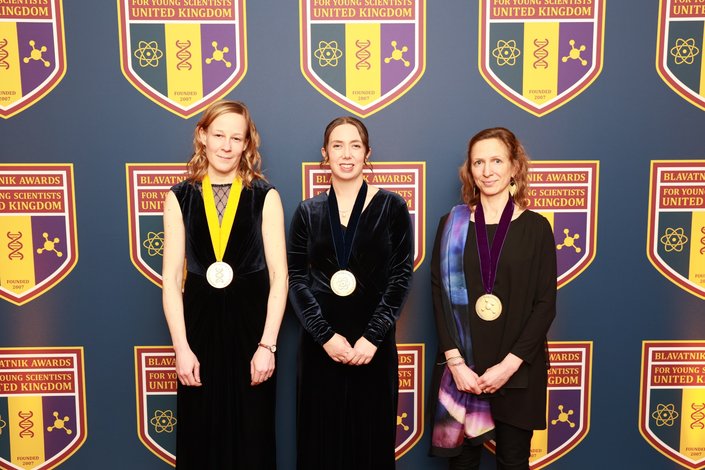
Laureates
Katie Doores, DPhil (Life Sciences)—King’s College London
Susan Perkin, DPhil (Chemistry)—University of Oxford
Clare Burrage, PhD (Physical Sciences & Engineering)—University of Nottingham
Finalists
Andrew Saxe, PhD (Life Sciences)—University College London (UCL)
Pontus Skoglund, PhD (Life Sciences)—The Francis Crick Institute
Jesko Köhnke, PhD (Chemistry)—University of Glasgow
Andrew L. Lawrence, DPhil (Chemistry)—The University of Edinburgh
Jade Alglave, PhD (Physical Sciences & Engineering)—University College London (UCL) and Arm
James A. Screen, PhD (Physical Sciences & Engineering)—University of Exeter
The Laureates all gave short scientific talks after receiving their medals. Physical Sciences & Engineering Finalist, Prof. James Screen was unable to attend due to research commitments in Australia and was honored in absentia.
The ceremony concluded with the Blavatnik Awards tradition of making a “Toast to Science.” The following day, the honorees shared their cutting-edge research in a Blavatnik Awards public symposium “Catalysing Change: 9 Young Scientists Transforming Our World.”
To learn more about the Blavatnik Awards for Young Scientists, visit blavatnikawards.org.
Prof. Clare Burrage.Prof. Katie Doores.Prof. Susan Perkin.Prof. Clare Burrage and Prof. John O’Keefe.Prof. Irene Tracey served as 2023 Presenter of Ceremonies.Peter Thorén, Tzipi Hotovely, and Brooke Grindlinger.The 2023 Blavatnik Awards in the UK Laureates.Paul Nurse and Roger Highfield.
Researchers using ancient DNA to tackle future challenges, uncovering the mystery of dark energy, and understanding the origin of cell life through liquids.
Using ancient DNA to learn how to tackle challenges of the future
Uncovering the mystery of dark energy; one of the biggest challenges in modern cosmology
Using liquids to understand the origin of cellular life
Top prize in each category awarded to a woman scientist
January 18, 2023—London, UK: Today, the Blavatnik Family Foundation and The New York Academy of Sciences have announced the recipients of the 2023 Blavatnik Awards for Young Scientists in the United Kingdom. Now in its sixth year, the Awards are the largest unrestricted prize available to UK scientists aged 42 or younger. Internationally recognized among the scientific community, the Blavatnik Awards are instrumental in expanding the engagement and recognition of young scientists, and are providing the support and encouragement needed to drive scientific innovation for the next generation.
This year’s Laureates, who will each receive £100,000 ($121,500.00) in unrestricted funds, are:
It is the first time in the history of the Blavatnik Awards in the UK that all three Laureates are women scientists.
In each of the three categories—Chemistry, Physical Sciences & Engineering, and Life Sciences—a jury of leading scientists from across the UK also selected two Finalists, who will each receive £30,000 ($24,676.50).
The honorees are recognized for their research, which is already transforming technology and our understanding of the world.
“I am proud to recognize and support these outstanding young scientists,” said Sir Leonard Blavatnik, Founder and Chairman of Access Industries and head of the Blavatnik Family Foundation. “Their pioneering research leads the way for future discoveries that will improve the world and benefit all humankind,” Blavatnik said.
Professor Nicholas B. Dirks, President and CEO of The New York Academy of Sciences and Chair of the Awards’ Scientific Advisory Council noted, “From our former Academy leaders, eminent academics including Charlotte Friend and Margaret Mead, to other renowned Academy members over the years such as Marie Curie, Barbara McClintock, Rosalyn Yallow and Gertrude Elion, our Academy has always supported the representation and success of women in science. We are accordingly so very proud to see these three women scientists named as the 2023 Laureates. On behalf of the Academy, we are delighted to administer the Blavatnik Awards in the UK in its sixth year and pleased to see new UK institutions represented among this year’s honored institutions.”
About the Laureates
Professor Susan Perkin, a physical chemist from the University of Oxford, has been named the Chemistry Laureate for experiments performed with a custom instrument called a Surface Force Balance (SFB) that enables the study of liquid matter, soft matter, and ionic liquids and their interactions; helping chemists comprehend the mechanical, optical, electrostatic, and dynamic properties of fluids.
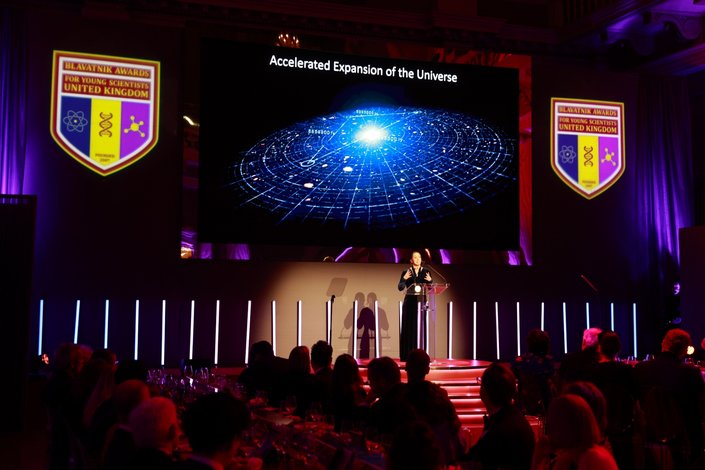
Professor Clare Burrage, a cosmologist at the University of Nottingham, was named Laureate in Physical Sciences & Engineering. She studies questions and phenomena around dark energy in the Universe, one of the biggest challenges in modern cosmology. Her research has allowed cosmologists to get one step closer to detecting dark energy, and to revealing its nature for the first time.
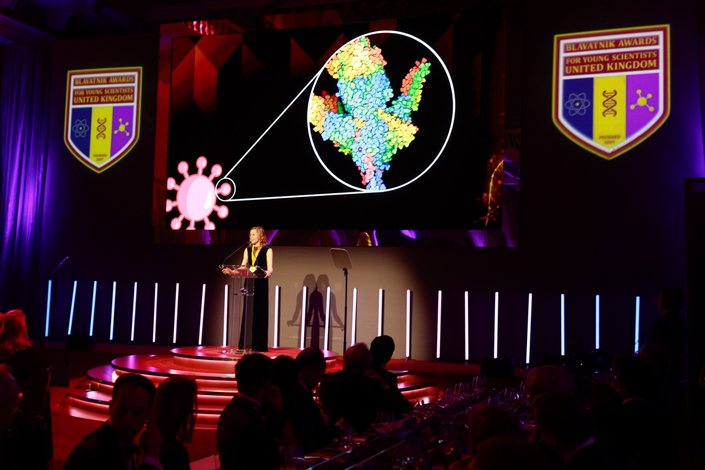
Dr Katie Doores, a virologist from King’s College London was named the Life Sciences Laureate. She studies how the immune system responds to infection to inform the development of vaccines against biomedically important viruses. Through this research she aims to aid our preparedness for potential future pandemics.
Further details of this year’s Laureates and Finalists are available below.
The 2023 Blavatnik Awards for Young Scientists in the UK received 77 nominations from 43 academic and research institutions across the UK. The Blavatnik Awards in the UK sit alongside their global counterparts, the Blavatnik National Awards and the Blavatnik Regional Awards in the United States and the Blavatnik Awards in Israel, all of which honor and support exceptional early-career scientists. By the close of 2023, the Blavatnik Awards will have awarded prizes totaling US$15.4 million. About 60 percent of all recipients are immigrants to the country in which they were recognized; honorees hail from 52 countries across six continents, reflecting the Blavatnik Family Foundation’s recognition that important science is a global enterprise.
The 2023 Blavatnik Awards in the UK Laureates and Finalists will be honored at a black-tie gala dinner and award ceremony at Banqueting House in Whitehall, London, on February 28, 2023; Professor Irene Tracey, the incoming Vice-Chancellor at the University of Oxford, will serve as ceremony presenter. The following day, on March 1, 2023 from 11:00 a.m. to 6:00 p.m. GMT, the honorees will present their research with a series of short, interactive lectures at a free public symposium at the RSA House located at 8 John Adam St, London. To attend the symposium, click HERE to register.
Notes to Editors
To follow the progress of the Blavatnik Awards, please visit blavatnikawards.org or follow us on Facebook and Twitter(@BlavatnikAwards).
For further details about the 2023 Blavatnik Awards in the UK Laureates and Finalists, the Blavatnik Family Foundation, and the New York Academy of Sciences, please see below.
As Professor of Physical Chemistry at the University of Oxford, Susan Perkin studies the intersection of physical chemistry, liquid matter, electrolytes, interfaces, and interaction forces.
She was recognized for experimental observations using a custom-built instrument that she modified, called the Surface Force Balance, to determine the mechanical, optical, electrostatic, and dynamic properties of fluids. Her findings reveal important information about liquids, leading to a range of outcomes from creating better grid storage for renewable energy to understanding the origin of cellular life.
Looking at the universe, galaxies are not only re-collapsing, but they are beginning to fly apart with ever increasing speed. Whilst the solution to this mystery is almost unknown, nearly all attempts at an explanation introduce – dark energy. Professor of Physics at the University of Nottingham, Clare Burrage examines cosmology, dark energy, modified gravity, and new physics. She was recognized for theoretical predictions that have guided the development of entirely new experiments to probe the nature of dark energy—one of the biggest challenges in modern cosmology—in a compact, laboratory setting.
As a Reader in Molecular Virology at King’s College London, Virologist and Immunologist Katie Doores specializes in virology, immunology, and glycobiology (the study of the structure, biosynthesis, and biology of carbohydrates). She was recognized for paradigm-shifting discoveries in the characterization of antibody responses to viral infections, including the persistent and acute human infections HIV-1, hantaviruses, phleboviruses, and SARS-CoV-2.
Roughly 60% of all FDA-approved medicines are natural products or variations of them, including antibiotics and anti-cancer drugs. Natural products are chemicals produced by living organisms. Structural Biochemist Jesko Köhnke is Professor of Biological Chemistry at the University of Glasgow, where he investigates how life performs the complex chemical reactions leading to the formation of natural products. Professor Köhnke was recognized for using biochemistry and structural biology to study and exploit the biosynthesis of these valuable compounds. This research could be applied to make new molecules, which can be used to create diagnostics, smart materials, and therapies.
Organic chemist and Professor of Organic Synthesis at The University of Edinburgh, Andrew L. Lawrence studies the crossroads of synthetic chemistry and the chemistry of biosynthetic pathways. He was recognized for elegant and efficient total syntheses of naturally occurring, bio-active molecules that hold promise for the development of treatments for various diseases.
Computer scientist Jade Alglave works in the area of concurrency (executing multiple communications simultaneously) and semantics (which is the rigorous mathematical study of the meaning of computer programming languages). Alglave serves as Professor of Computer Science at UCL and is a Distinguished Engineer at ARM. She was recognized for her methodology to develop mathematical models of concurrent systems with the aid of a set of practical software tools (in tandem with Luc Maranget, INRIA), which has had significant impact on computer chips and operating systems.
Climate scientist James A. Screen studies atmosphere, ocean, and sea ice. At the University of Exeter, where he is a Professor of Climate Science, his research is transforming our understanding of the rapid climate warming in the Arctic and its effects on the global climate. The Arctic is warming three to four times faster than the global average, with potential impacts on weather patterns in places far-away from the Arctic. His work informs the United Nations and governments on these topics.
Theoretical Neuroscientist Andrew Saxe serves as Joint Group Leader at the Gatsby Computational Neuroscience Unit & Sainsbury Wellcome Centre at UCL where his area of research focuses on neuroscience, deep learning, and psychology. Dr Saxe has made fundamental contributions to the study of deep neural networks that provide insight into representation learning—the method by which systems discover and organize knowledge—in artificial and natural systems.
Learning about how evolution responded to challenges such as climate change and infectious disease in the past might help scientists develop biomedicine for the future. As Group Leader at The Francis Crick Institute, Evolutionary Geneticist Pontus Skoglund studies ancient genomics, evolutionary, and human genetics. He was recognized for discoveries in the field of ancient and evolutionary genomics, including the development of methods to improve the quality of genetic information from archaeological remains and evidence used to determine when and where dogs were domesticated.
About the Blavatnik Awards for Young Scientists
The Blavatnik Awards for Young Scientists, established by the Blavatnik Family Foundation in the United States in 2007 and independently administered by The New York Academy of Sciences, began by identifying outstanding regional scientific talent in New York, New Jersey, and Connecticut. The Blavatnik National Awards were first awarded in 2014, and in 2017 the Awards were expanded to honor faculty-rank scientists in the United Kingdom and in Israel. For updates about the Blavatnik Awards for Young Scientists, please visit blavatnikawards.org or follow us on Twitter and Facebook(@BlavatnikAwards).
About the Blavatnik Family Foundation
The Blavatnik Family Foundation is an active supporter of world-renowned educational, scientific, cultural, and charitable institutions in the United States, the United Kingdom, Israel, and throughout the world. The Foundation is headed by Sir Leonard Blavatnik, a global industrialist and philanthropist and the founder and chairman of Access Industries, a privately held industrial group based in the US with broad strategic interests. See more at blavatnikfoundation.org.
“The freedom to take risks, asking big, complicated or leftfield questions without worrying about failure; and being able to do this near the beginning of your career…that is exactly the spirit behind these awards.”
Published October 13, 2022
By Kamala Murthy
The Blavatnik Family Foundation and The New York Academy of Sciences hosted the eighth annual Blavatnik National Awards for Young Scientists Ceremony at the American Museum of Natural History in New York City on September 19, 2022. This event honored the 2022 Blavatnik National Awards Finalists and Laureates. Professor Michael W. Young, 2017 Nobel Prize Laureate from the Rockefeller University, served as ceremony presenter. Some of New York’s leading figures in science, academia, and philanthropy attended the ceremony including author and Pulitzer Prize winner, Siddhartha Mukherjee and Executive and Artistic Director of Carnegie Hall Sir Clive Gillinson.
During his opening remarks, Prof. Young called the Blavatnik Awards essential to risk-taking, innovative science: “Do we want our freshest minds playing it safe? Or exercising their creativity and scientific imaginations without limits and at their full capacity? The freedom to take risks, asking big, complicated or leftfield questions without worrying about failure; and being able to do this near the beginning of your career… that is exactly the spirit behind these awards. Which is why I said earlier, the Blavatnik Awards are not only valuable – they are essential.” He concluded by introducing the President of The New York Academy of Sciences, Professor Nicholas B. Dirks.
The Influence of the Blavatnik Awards for Young Scientists
Prof. Dirks remarked on the influence the Blavatnik Awards have made since their inception in 2007. “With the program in its 16th year, I would like to take this moment to reflect on its extraordinary reach and impact – which extends far beyond the walls of laboratories and universities. In fact, I’d say the work of Blavatnik honorees has personally touched the lives of each of us here tonight, in ways we may not even realize.”
He reflected with a short slide presentation on the contributions of fifteen past Blavatnik Awardees’ research that have gone on to produce groundbreaking discoveries—from improving COVID testing to consulting on blockbuster motion picture films and designing therapeutic video games that treat ADHD, to developing new fabrics that reduce the need for air conditioning.
Young returned to the stage to announce the 2022 Blavatnik National Awards Laureates by introducing a film on each Laureate, followed by calling them to the stage to receive their medal from Mr. Len Blavatnik, Founder and Chairman, Blavatnik Family Foundation. Then each Laureate gave a scientific presentation at the podium.
Life Sciences
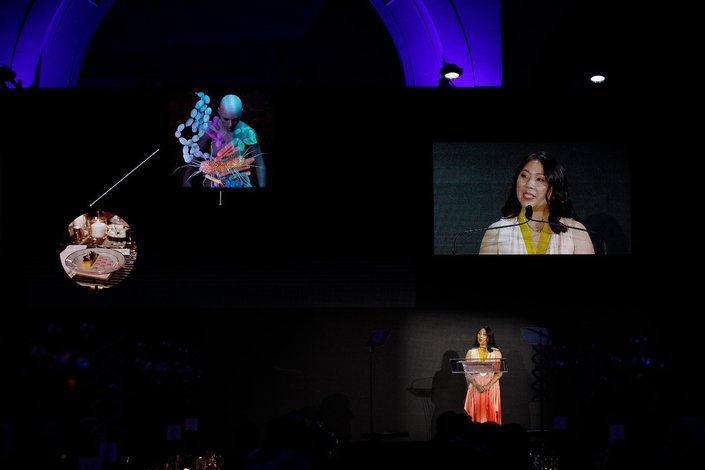
2022 Laureate in Life Sciences, Elaine Y. Hsiao, Ph.D., a neurobiologist at the University of California, Los Angeles, gave a talk on the connection between the gut microbiome and the nervous system, and how her discoveries could help improve maternal-fetal health and predict risk for neurodevelopmental disorders.
Chemistry
Hosea M. Nelson, Ph.D., a synthetic chemist at the California Institute of Technology, spoke about his technique that helps organic chemists design and synthesize new molecules. Nelson has pioneered microcrystal electron diffraction (MicroED) as a tool to determine the positions of atoms within small molecules with unprecedented detail. Resulting insights can help accelerate development of new drugs and commercial chemicals.
Physical Sciences & Engineering
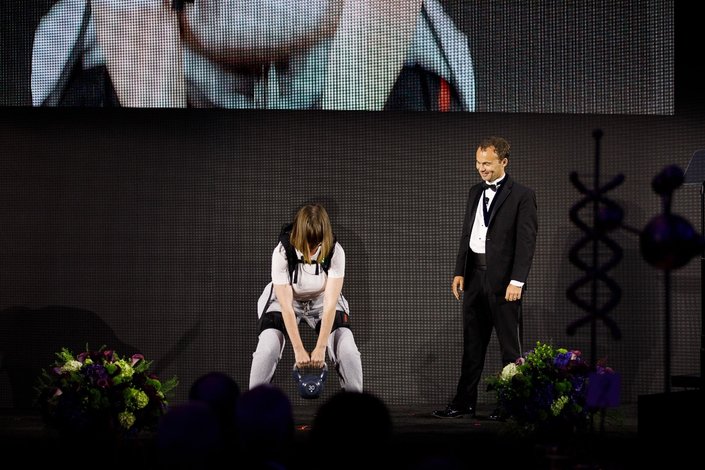
Conor Walsh, Ph.D., a biomedical and mechanical engineer at Harvard University, shared his research in the development of a new class of lightweight, flexible and soft wearable robot technologies. This could dramatically improve mobility for disabled people, including people with ALS and those who have experienced a stroke.
The ceremony concluded with the Blavatnik Awards tradition of making a “Toast to Science”
To learn more about the Blavatnik Awards for Young Scientists, visit blavatnikawards.org.
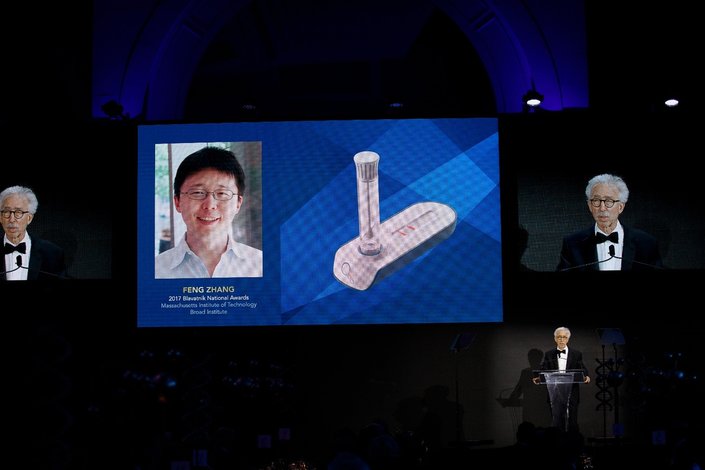
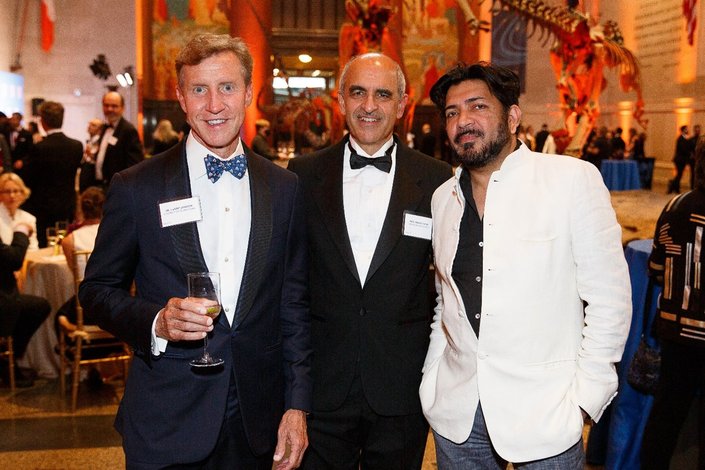
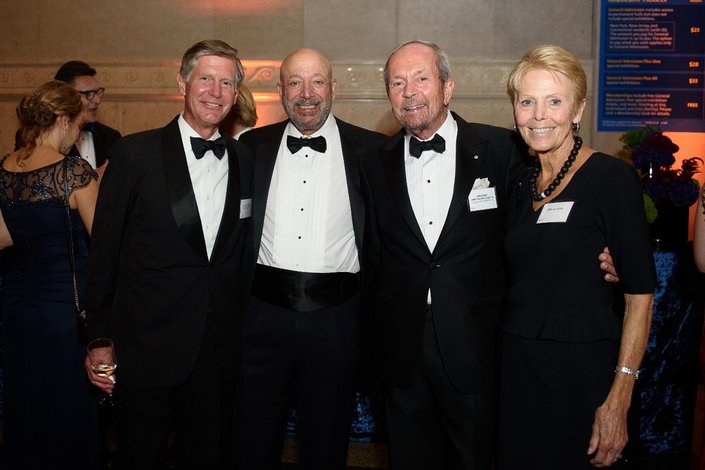
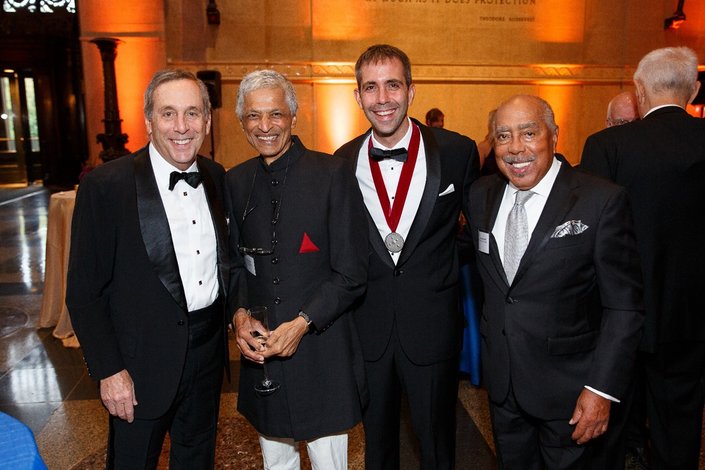
Prof. Nicholas Dirks highlights the research of 2017 National Awards Laureate Feng Zhang.From left: J. Larry Jameson, Srikant Datar, and Siddhartha Mukherjee.Len Blavatnik congratulating 2022 Chemistry Laureate Hosea Nelson.Prof. Elaine Y. Hsiao.From left: Peter Thorén, Paul Horn, Jerry Hultin, and Jill Hultin.A demonstration of the award-winning soft-robotic exosuit designed by 2022 Physical Sciences & Engineering Laureate Conor Walsh.From left: Larry Bacow, Amar Bhide, Jacob Hooker, and Walter Massey.Carnegie Hall’s Executive and Artistic Director Sir Clive Gillinson and his wife Anya Gillinson.The 2022 Blavatnik National Awards “Toast to Science”.
The Blavatnik Awards for Young Scientists in the United Kingdom are the largest unrestricted prize available to early career scientists in the Life Sciences, Physical Sciences & Engineering, and Chemistry in the UK. The three 2021 Laureates each received £100,000, and two Finalists in each category received £30,000 per person. The honorees are recognized for their research, which pushes the boundaries of our current technology and understanding of the world. In this event, held at the historic Banqueting House in London, the UK Laureates and Finalists had a chance to explain their work and its ramifications to the public.
Victoria Gill, a Science and Environment Correspondent for the BBC, introduced and moderated the event. She noted that “Science has saved the world and will continue to do so,” and stressed how important it is for scientists to engage the public and share their discoveries at events like this. This theme arose over and over again over the course of the day.
Symposium Highlights
Single-cell analyses can reveal how multicellular animals develop and how our immune systems deal with different pathogens we encounter over the course of our lives.
Viruses that attack bacteria—bacteriophages—may help us fight antibiotic resistant bacterial pathogens.
Fossils offer us a glimpse into what life on Earth was like for the millennia in which it thrived before mammals took over.
Stacking layers of single-atom-thick sheets can make new materials with desired, customizable properties.
Memristors are electronic components that can remember a variety of memory states, and can be used to build quicker and more versatile computer chips than currently used.
The detection of the Higgs boson, which had been posited for decades by mathematical theory but was very difficult to detect, confirmed the Standard Model of Physics.
Single molecule magnets can be utilized for high density data storage—if they can retain their magnetism at high enough temperatures.
When examining how life first arose on Earth, we must consider all of its requisite components and reactions in aggregate rather than assigning primacy to any one of them.
Speakers
Stephen L. Brusatte The University of Edinburgh
Sinéad Farrington The University of Edinburgh
John Marioni European Bioinformatics Institute and University of Cambridge
David P. Mills The University of Manchester
Artem Mishchenko The University of Manchester
Matthew Powner University College London
Themis Prodromakis University of Southampton
Edze Westra University of Exeter
Innovating in Life Sciences
Speakers
John Marioni, PhD European Bioinformatics Institute and University of Cambridge, 2021 Blavatnik Awards UK Life Sciences Finalist
Edze Westra, PhD University of Exeter, 2021 Blavatnik Awards UK Life Sciences Finalist
Stephen Brusatte, PhD The University of Edinburgh, 2021 Blavatnik Awards UK Life Sciences Laureate
How to Build an Animal
John Marioni, PhD, European Bioinformatics Institute and University of Cambridge, 2021 Blavatnik Awards UK Life Sciences Finalist
Animals grow from one single cell: a fertilized egg. During development, that cell splits into two, and then into four, and so on, creating an embryo that grows into the billions of cells comprising a whole animal. Along the way, the cells must differentiate into all of the different cell types necessary to create every aspect of that animal.
Each cell follows its own path to arrive at its eventual fate. Traditionally, the decisions each cell has to make along that path have been studied using large groups of cells or tissues; this is because scientific lab techniques have typically required a substantial amount of starting material to perform analyses. But now, thanks in large part to the discoveries of John Marioni and his lab group, we have the technology to track individual cells as they mature into different cell types.
Marioni has created analytical methods capable of observing patterns in all of the genes expressed by individual cells. Importantly, these computational and statistical methods can be used to analyze the enormous amounts of data generated from the gene expression patterns of many individual cells simultaneously. In addition to furthering our understanding of cell fate decisions in embryonic development, this area of research—single cell genomics—can also be applied to many other processes in the body.
One relevant application is to the immune system: single cell genomics can detect immune cell types that are activated by exposure to a particular pathogen. To illustrate this, Marioni showed many gorgeous, colorized images of individual cells, highlighting their unique morphology and function. Included in these images was histology showing profiles of different types of T cells elicited by infection with SARS-CoV-2 (the virus that causes COVID-19).
The cells were computationally grouped by genetic profile and graphed to show how the different cell types correlated with disease severity. There are many other clinical applications of his research into genomics. For instance, he said, if we know exactly which cell types in the body express the targets of specific drugs, we will be better able to predict that drug’s effects (and side effects).
In addition to his lab work, Marioni is involved in the Human Cell Atlas initiative, a global collaborative project whose goal it is to genetically map all of the cell types in healthy human adults. When a cell uses a particular gene, it is said to “transcribe” that gene to make a particular protein—thus, the catalog of all of the genes one cell uses is called its “transcriptome.” The Human Cell Atlas is using these single cell transcriptomes to create the whole genetic map.
This research is currently completely redefining how we think of cell types by transforming our definition of a “cell” from the way it looks to the genetic profile.
Bacteria and Their Viruses: A Microbial Arms Race
Edze Westra, PhD University of Exeter, 2021 Blavatnik Awards UK Life Sciences Finalist
All organisms have viruses that target them for infection; bacteria are no exception. The viruses that infect bacteria are called bacteriophages, or phages.
Edze Westra’s lab studies how bacteria evolve to defend themselves against infection by phage and, specifically, how elements of their environment drive the evolution of their immune systems. Like humans, bacteria have two main types of immune systems: an innate immune system and an adaptive immune system. The innate immune system works similarly in both bacteria and humans by modifying molecules on the cell surface so that the phage can’t gain entry to the cell.
In humans, the adaptive immune system is what creates antibodies. In bacteria, the adaptive immune system works a little bit differently—a gene editing system, called CRISPR-Cas, cuts out pieces of the phage’s genome and uses it as a template to identify all other phages of the same type. Using this method, the bacterial cell can quickly discover and neutralize any infectious phage by destroying the phage’s genetic material. In recent years, scientists have harnessed the CRISPR-Cas system for use in gene editing technology.
Westra wanted to know under what conditions do bacteria use their innate immune system versus their adaptive immune system: How do they decide?
In studies using the bacterial pathogen Pseudomonas aeruginosa, his lab found that the decision to use adaptive vs. innate immunity is controlled almost exclusively by nutrient levels in the surrounding environment. When nutrient levels are low, the bacteria use the adaptive immune system, CRISPR-Cas; when nutrient levels are high, the bacteria rely on their innate immune system. He recognized that this means we can artificially guide the evolution of bacterial defense by controlling elements in their environment.
When we need to attack pathogenic bacteria for medical purposes, such as in a sick or infected patient, we turn to antibiotics. However, many strains of bacteria have developed resistance to antibiotics, leaving humans vulnerable to infection.
Additionally, our antibiotics tend to kill broad classes of microbes, often damaging the beneficial species we harbor in our bodies along with the pathogenic ones we are trying to eliminate. Phage therapy—a medical treatment where phages are administered to a patient with a severe bacterial infection—might be a good way to circumvent antibiotic resistance while also attacking bacteria in a more targeted manner, harming only those that harm us and leaving the others be.
Although it is difficult to manipulate bacterial nutrients within the context of a patient’s body, we can use antibiotics to direct this behavior. Antibiotics that are shown to limit bacterial growth will induce the bacteria to use the CRISPR-Cas strategy, mimicking the effects of a low-nutrient environment; antibiotics that work by killing bacteria will induce them to use their innate defenses. In this way, it may be possible to direct the evolution of bacterial defense systems in order to reveal their weaknesses and target them with phage therapy.
The Rise and Fall of the Dinosaurs
Stephen Brusatte, PhD The University of Edinburgh, 2021 Blavatnik Awards UK Life Sciences Laureate|
Stephen Brusatte is a paleontologist, “and paleontologists”, he says, “are really historians”. Just as historians study recorded history to learn about the past, paleontologists study prehistory for the same reasons.
The Earth is four and a half billion years old, and humans have only been around for the last three hundred and fifty thousand of those years. Dinosaurs were the largest living creatures to ever walk the earth; they started out around the size of house cats, and over eighty million years they evolved into the giant T. rexes, Stegosauruses, and Brontosauruses in our picture books.
They reigned until a six-mile-wide asteroid struck the Earth sixty-six million years ago at the end of the Cretaceous period, extinguishing them along with seventy-five percent of the other species on the planet. Brusatte called this day “the worst day in Earth’s history.” However, the demise of dinosaurs paved the way for mammals to take over.
Fossils can tell us a lot about how life on this planet used to be, how the earth and its occupants respond to climate and environmental changes, and how evolution works over long timescales. Particularly, fossils show how entirely new species and body plans emerge.
Each fossil can yield new knowledge and new discoveries about a lost world, he said. It can teach us how bodies change and, ultimately, how evolution works. It is from fossils that we know that today’s birds evolved from dinosaurs.
Life Sciences Panel Discussion
Victoria Gill started the life sciences panel discussion by asking all three of the awardees if, and how, the COVID-19 pandemic changed their professional lives: did it alter their scientific approach or were they asking different questions?
Westra replied that the lab shutdown forced different, non-experimental approaches, notably bioinformatics on old sequence data. He said that they found mobile genetic elements, and the models of how they moved through a population reminded him of epidemiological models of COVID spread.
Marioni shared that he was inspired by how the international scientific community came together to solve the problem posed by the pandemic. Everyone shared samples and worked as a team, instead of working in isolation as they usually do. Brusatte agreed that enhanced collaboration accelerated discoveries and should be maintained.
Questions from the audience, both in person and online, covered a similarly broad of a range of topics. An audience member asked about where new cell types come from; Marioni explained that if we computationally look at gene transcription changes in single cells over time, we can make phylogenetic trees showing how cells with different expression patterns arise.
A digital attendee asked Brusatte why birds survived the asteroid impact when other dinosaurs didn’t. Brusatte replied that the answer is not clear, but it is probably due to a number of factors: they have beaks so they can eat seeds, they can fly, and they grow fast. Plus, he said, most birds actually did not survive beyond the asteroid impact.
Another audience member asked Brusatte if the theory that the asteroid killed the dinosaurs was widely accepted. He replied that it is widely accepted that the impact ended the Cretaceous period, but some scientists still argue that other factors, like volcanic eruptions in India, were the prime mover behind the dinosaurs’ demise.
Another viewer asked Westra why the environment impacts a bacterium’s immune strategy. He answered that in the presence of antibiotics that slow growth, infection and metabolism are likewise slowed so the bacteria simply have more time to respond. He added that the level of diversity in the attacking phage may also play a role, as innate immunity is better able to deal with multiple variants.
To wrap up the session, Victoria Gill asked about the importance of diversity and representation and wondered how to make awards programs like this more inclusive. All three scientists agreed that it is hugely important, that the lack of diversity is a problem across all fields of research, that all voices must be heard, and that the only way to change it is by having hard metrics to rank universities and departments on the demographics of their faculty.
Innovating in Physical Sciences & Engineering
Speakers
Artem Mishchenko, PhD The University of Manchester, 2021 Blavatnik Awards UK Physical Sciences & Engineering Finalist
Themis Prodromakis, PhD University of Southampton, 2021 Blavatnik Awards UK Physical Sciences & Engineering Finalist
Sinead Farrington, PhD The University of Edinburgh, 2021 Blavatnik Awards UK Physical Sciences & Engineering Laureate
Programmable van der Waals Materials
Artem Mishchenko, PhD The University of Manchester, 2021 Blavatnik Awards UK Physical Sciences & Engineering Finalist
Materials science is vital because materials define what we can do, and thus define us. That’s why the different eras in prehistory are named for the materials used: the Stone Age, the Bronze Age, the Iron Age, the Copper Age. The properties of the materials available dictated the technologies that could be developed then, and the properties of the materials available still dictate the technologies that can be developed now.
Van der Waals materials are materials that are only one or a few atoms thick. The most well-known is probably graphene, which was discovered in 2004 and is made of carbon. But now hundreds of these two-dimensional materials are available, representing almost the whole periodic table, and each has different properties. They are the cutting edge of materials innovation.
Mishchenko studies how van der Waals materials can be made and manipulated into materials with customizable, programmable properties. He does this by stacking the materials and rotating the layers relative to each other. Rotating the layers used to be painstaking, time-consuming work, requiring a new rig to make each new angle of rotation. But his lab developed a single device that can twist the layers by any amount he wants. He can thus much more easily make and assess the properties of each different material generated when he rotates a layer by a given angle, since he can then just reset his device to turn the layer more or less to devise a new material. Every degree of rotation confers new properties.
His lab has found that rotating the layers can tune the conductivity of the materials and that the right combination of angle and current can make a transistor that can generate radio waves suitable for high frequency telecommunications. With infinite combinations of layers available to make new materials, this new field of “twistronics” may generate an entirely new physics, with quantum properties and exciting possibilities for biomedicine and sustainability.
Memristive Technologies: From Nano Devices to AI on a Chip
Themis Prodromakis, PhD University of Southampton, 2021 Blavatnik Awards UK Physical Sciences & Engineering Finalist
Transistors are key elements in our electronic devices. They process and store information by switching between on and off states. Traditionally, in order to increase the speed and efficiency of a device one increased the number of transistors it contained. This usually entailed making them smaller. Smartphones contain seven billion transistors! But now it has become more and more difficult to further shrink the size of transistors.
Themis Prodromakis and his team have been instrumental in developing a new electronic component: the memristor, or memory resistor. Memristors are a new kind of switch; they can store hundreds of memory states, beyond on and off states, on a single, nanometer-scale device. Sending a voltage pulse across a device allows to tune the resistance of the memristor at distinct levels, and the device remembers them all.
One benefit of memristors is that they allow for more computational capacity while using much less energy from conventional circuit components. Systems made out of memristors allow us to embed intelligence everywhere by processing and storing big data locally, rather than in the cloud. And by removing the need to share data with the cloud, electronic devices made out of memristors can remain secure and private. Prodromakis has not only developed and tested memristors, he is also quite invested in realizing their practical applications and bringing them to market.
Another amazing application of memristors is linking neural networks to artificial ones. Prodromakis and his team have already successfully connected biological and artificial neurons together and enabled them to communicate over the internet using memristors as synapses. He speculates that such neuroprosthetic devices might one day be used to fix or even augment human capabilities, for example by replacing dysfunctional regions of the brain in Alzheimer’s patients. And if memristors can be embedded in a human body, they can be embedded in other environments previously inaccessible to electronics as well.
What Do We Know About the Higgs Boson?
Sinead Farrington, PhD The University of Edinburgh, 2021 Blavatnik Awards UK Physical Sciences & Engineering Laureate
In the Standard Model of particle physics, the bedrock of modern physics, fermions are the elementary particles comprising all of the stable matter in the universe, while bosons—the other collection of elementary particles—are the ones that transmit forces. The Higgs boson, whose existence was theoretically proposed in 1964, is a unique particle; it gives mass to the other particles by coupling with them.
Sinéad Farrington led the group at CERN that further elucidated the properties of the Higgs boson and thus bolstered the Standard Model. The Standard Model “effectively encapsulates a remarkably small set of particles that make up everything we know about and are able to create,” explained Farrington.
“The Higgs boson is needed to maintain the compelling self-consistency of the Standard Model. It was there in theory, but the experimental observation of it was a really big deal. Nature did not have to work out that way,” Farrington said.
Farrington and her 100-person international team at the Large Hadron Collider demonstrated that the Higgs boson spontaneously decays into two fermions called tau leptons. This was experimentally challenging because tau is unstable, so the group had to infer that it was there based on its own degradation products. She then went on to develop the analytical tools needed to further record and interpret the tau lepton data and was the first to use machine learning to trigger, record, and analyze the massive amounts of data generated by experiments at the LHC.
Now she is looking to discover other long-lived but as yet unknown particles beyond the Standard Model that also decay into tau leptons, and plans to make more measurements using the Large Hadron Collider to further confirm that the Higgs boson behaves the way the Standard Model posits it will.
In addition to the satisfaction of verifying that a particle predicted by mathematical theorists actually does exist, Farrington said that another consequence of knowing about the Higgs boson is that it may shed light on dark matter and dark energy, which are not part of the Standard Model. Perhaps the Higgs boson gives mass to dark matter as well.
Physical Sciences & Engineering Panel Discussion
Victoria Gill started this session by asking the participants what they plan to do next. Farrington said that she would love to get more precise determinations on known processes, reducing the error bars upon them. And she will also embark on an open search for new long-lived particles—i.e. those that don’t decay rapidly—beyond the Standard Model.
Prodromakis wants to expand the possibilities of memristive devices, since they can be deployed anywhere and don’t need a lot of power. He envisions machine-machine interactions like those already in play in the Internet of Things as well as machine-human interactions. He knows he must grapple with the ethical implications of this new technology, and mentioned that it will also require a shift in how electricity, electronics, and computational fabrics are taught in schools.
Mishchenko is both seeking new properties in extant materials and making novel materials and seeing what they’ll do. He’s also searching for useful applications for all of his materials.
A member of the audience asked Farrington if, given all of the new research in quantum physics, we have new data to resolve the Schrӧedinger’s cat conundrum? But she said no, the puzzle still stands. That is the essence of quantum physics: there is uncertainty in the (quantum) world, and both states exist simultaneously.
Another wondered why she chose to look for the tau lepton as evidence of the Higgs boson’s degradation and not any other particles, and she noted that tau was the simplest to see over the background even though it does not make up the largest share of the breakdown products.
An online questioner asked Prodromakis if memristors could be used to make supercomputers since they allow greater computational capacity. He answered that they could, in principle, and could be linked to our brains to augment our capabilities.
Someone then asked Mishchenko if his technology could be applied into biological systems. He said that in biological systems current comes in the form of ions, whereas in electronic systems current comes in the form of electrons, so there would need to be an interface that could translate the current between the two systems. Some of his materials can do that by using electrochemical reactions that convert electrons into ions. But the materials must also be nontoxic in order to be incorporated into human tissues, so he thinks this innovation is thirty to forty years away.
The last query regarded whether the participants viewed themselves as scientists or engineers. Farrington said she is decidedly a physicist and not an engineer, though she collaborates with civil and electrical engineers and relies on them heavily to build and maintain the colliders and detectors she needs for her work.
Prodromakis was trained as an engineer, but now works at understanding the physics of devices so he can design them to reliably do what he wants them to do. And Mishchenko summarized the difference between them by saying the engineering problems are quite specific, while scientists mostly work in darkness. At this point, he considers himself an entrepreneur.
Innovating in Chemistry
Speakers
David P. Mills, PhD The University of Manchester, 2021 Blavatnik Awards UK Chemistry Finalist
Matthew Powner, PhD University College London, 2021 Blavatnik Awards UK Chemistry Finalist
Building High Temperature Single-Molecule Magnets
David P. Mills, PhD The University of Manchester, 2021 Blavatnik Awards UK Chemistry Finalist
David Mills’ lab “makes molecules that have no right to exist.” He is specifically interested in the synthesis of small molecules with unusual shapes that contain metal ions, and using these as tiny molecular magnets to increase data storage capacity to support high-performance computing. Mills offers a bottom-up approach to this problem: he wants to make new molecules for high density data storage. This could ultimately make computers smaller and reduce the amount of energy they use.
Single-Molecule Magnets (SMMs) were discovered about thirty years ago. They differ from regular magnets, which derive their magnetic properties from interactions between atoms, but they still have two states: up and down. These can be used to store data in a manner similar to the bits of binary code that computers currently use. Initially, SMMs could only work at extremely cold temperatures, just above absolute zero. For many years, scientists were unable to create an SMM capable of operation above −259oC, only 10oC above the temperature of liquid helium, which makes them decidedly less than practical for everyday use.
Mills works with a class of elements called the lanthanides, sometimes known as the rare-earth metals, that are already used in smartphones and hybrid vehicles. One of his students utilized one such element, dysprosium, in the creation of an SMM that was dubbed, dysprosocenium. Dysprosocenium briefly held its magnetic properties even at a blistering −213oC, the warmest temperature at which any SMM had ever functioned. This temperature is starting to approach the temperature of liquid nitrogen, which has a boiling point of −195.8°C. If an SMM could function indefinitely at that temperature, it could potentially be used in real-world applications.
When developing dysprosocenium, the Mills group and their collaborators learned that controlling molecular vibrations is essential to allowing the single-molecule magnet to work at such high temperatures. So, his plan for the future is to learn how to control these vibrations and work toward depositing single-molecule magnets on surfaces.
The Chemical Origins of Life
Matthew Powner, PhD University College London, 2021 Blavatnik Awards UK Chemistry Finalist
The emergence of life is the most profound transition in the history of Earth, and yet we don’t know how it came about. Earth formed four-and-a-half billion years ago, and it is believed that the earliest life-forms appeared almost a billion years later. However, we don’t know what happened in the interim.
Life’s Last Universal Common Ancestor (LUCA) is believed to be much closer to modern life forms than to that primordial originator, so although we can learn about life’s common origins from LUCA, we can’t learn about the true Origin of Life. Where did life come from? How did the fundamental rules of chemistry give rise to life forms? Why did life organize itself the way that it did?
Matthew Powner thinks that to answer these vital existential questions, which lie at the nexus of chemistry and biology, we must simultaneously consider all of life’s components—nucleic acids, amino acids and peptides, metabolic reactions and pathways—and their interactions. We can’t just look at any one of them in isolation.
Since these events occurred in the distant past, we can’t discover it—we must reinvent it. To test how life came about, we must build it ourselves, from scratch, by generating and combining membranes, genomes, and catalysis, and eventually metabolism to generate energy.
In this presentation, Powner focused on his lab’s work with proteins. Our cells, which are highly organized and compartmentalized machines, use enzymes—proteins themselves—and other biological macromolecules to synthesize proteins. So how did the first proteins get made? Generally, the peptide bonds linking amino acids together to make proteins do not form at pH 7, the pH of water and therefore of most cells. But Powner’s lab showed that derivatives of amino acids could form peptide bonds at this pH in the presence of ultraviolet light from the sun, and sulfur and iron compounds, all of which were believed to have been present in the prebiotic Earth.
Chemistry Panel Discussion
Victoria Gill started this one off by asking the chemists how important it is to ask questions without a specific application in mind. Both agreed that curiosity defines and drives humanity, and that the most amazing discoveries arise just from trying to satisfy it. Powner says that science must fill all of the gaps in our understanding, and the new knowledge generated by this “blue sky research” (as Mills put it) will yield applications that will change the world but in unpredictable ways. Watson and Crick provide the perfect example; they didn’t set out to make PCR, but just to understand basic biological questions. Trying to drive technology forward may be essential, but it will never change the world the same way investigating fundamental phenomena for its own sake can.
One online viewer wanted to know if single-molecule magnets could be used to make levitating trains, but Mills said that they only work at the quantum scale; trains are much too big.
Other questions were about the origin of life. One wanted to know if life arose in hydrothermal vents, one was regarding the RNA hypothesis (which posits that RNA was the first biological molecule to arise since it can be both catalytic and self-replicating), and one wanted to know what Powner thought about synthetic biology. In terms of hydrothermal vents, Powner said that we know that metabolism is nothing if not adaptable—so it is difficult to put any constraints on the environment in which it arose.
He said that the RNA world is a useful framework in which to form research questions, but he no longer thinks it is a viable explanation for how life actually arose since any RNA reactions would need a membrane to contain them in order to be meaningful. And he said that synthetic biology—the venture of designing and generating cells from scratch, and even using non-canonical nucleic acids and amino acids beyond those typically used by life forms—is a complementary approach to the one his lab takes to investigate why biological systems are the way they are.
The Future of Research in the UK: How Will We Address the Biggest Challenges Facing Our Society?
Contributors
Stephen Brusatte, PhD The University of Edinburgh, 2021 Blavatnik Awards UK Life Sciences Laureate
Sinead Farrington, PhD The University of Edinburgh, 2021 Blavatnik Awards UK Physical Sciences & Engineering Laureate
Victoria Gill moderated this discussion with the Blavatnik laureates, Stephen Brusatte and Sinead Farrington. First, they discussed how COVID-19 affected their professional lives. Both of them spoke of how essential it was for them to support their students and postdocs throughout the pandemic. These people may live alone, or with multiple roommates, and they may be far from family and home, and both scientists said they spent a lot of time just talking to them and listening to them. This segued into a conversation about how the rampant misinformation on social media about COVID-19 highlighted the incredible need for science outreach, and how both laureates view it as a duty to communicate their work to the public by writing popular books and going into schools.
Next, they tackled the lack of diversity in STEM fields. Farrington said that she has quite a diverse research group—but that it took effort to achieve that. This led right back to public outreach and schooling. She said that one way to increase diversity would be to develop all children’s’ analytical thinking skills early on to yield “social leveling” and foment everyone’s interest in science. Brusatte agreed that increased outreach and engagement is an important way to reach larger audiences and counteract the deep-seated inequities in our society.
Lastly, they debated if science education in the UK is too specialized too early, and if it should be broader, given the interdisciplinary nature of so many breakthroughs today. Brusatte was educated under another system so didn’t really want to opine, but Farrington was loath to sacrifice depth for breadth. Deep expert knowledge is important.
“It is this global collaboration we must nurture if we are to tackle our other global challenges.”
Published June 22, 2022
By Kamala Murthy
The Peres Center for Peace & Innovation served as the backdrop for the 2022 Blavatnik Awards in Israel Ceremony.
The New York Academy of Sciences, in collaboration with the Israel Academy of Sciences and Humanities and the Blavatnik Family Foundation, hosted the fourth Ceremony for the Blavatnik Awards for Young Scientists in Israel on June 8, 2022. The event moved this year from Jerusalem to the spectacular Peres Center for Peace & Innovation in Tel Aviv. The event was attended by Israel’s top leaders in business, academia and philanthropy. Michelin-starred TV celebrity chef, Assaf Granit, catered the Ceremony.
Israeli TV News Anchor, Tamar Ish-Shalom, from Reshet 13, served as Presenter of Ceremonies. The evening began with an inspired visual journey through science accompanied by a vocal performance by Israeli singer and actress Ester Rada. It was followed by a short film on the history of the Blavatnik Awards and an explanation of the Blavatnik Awards selection process.
The President of Israel, Isaac Herzog, gave a video speech congratulating the Laureates, and Prof. David Harel, President of the Israel Academy of Sciences and Humanities, gave opening remarks. Prof. Nick Dirks, President of The New York Academy of Sciences, also spoke, and commented on the importance of scientific collaboration across national borders. “It is this global collaboration we must nurture if we are to tackle our other global challenges, especially the warming of our planet.” Prof. Dirks added “…another reason these Awards are so important, for they support the work of scientists who look beyond the walls of their labs, and beyond geographical borders.”
Three of Israel’s leading young scientists were honored during the evening as Laureates of the 2022 Blavatnik Awards for Young Scientists in Israel.
Life Sciences
In Life Sciences, Prof. Noam Stern-Ginossar from the Weizmann Institute of Sciencewas recognized for developing groundbreaking analytical tools to study viral gene regulation in cytomegalovirus. These tools include the use of ribosome profiling to generate high resolution maps of the genome, and have also been applied to characterize the genome of SARS-CoV-2, the virus that causes COVID-19.
Chemistry
In Chemistry, Prof. Menny Shalom, the first Blavatnik Awards in Israel Laureate from Ben-Gurion University of the Negev has developed new types of advanced materials for alternative energy sources. These low-cost materials are stable under harsh conditions and can be utilized in the development of solar cells, batteries, and fuel cells.
Physical Sciences & Engineering
In Physical Sciences & Engineering, Prof. Ronen Eldan from the Weizmann Institute of Science has made groundbreaking contributions to high-dimensional probability, a mathematical subject that deals with datasets with a very large number of variables. He has solved long-standing, open conjectures in this area, and has developed techniques that have found wide applications across the fields of statistics and computer science. Prof. Eldan traveled to the event from Princeton, NJ, where he is currently on sabbatical at the Institute for Advanced Study.
Blavatnik Family Foundation Founder and Chairman, Mr. Len Blavatnik, came to the stage to congratulate and award each scientist with their medal. The Laureates each gave presentations on their work, explaining their award-winning discoveries to the audience. The evening also featured a performance by renowned Israeli rock singer and music producer, Aviv Geffen, who sang a modern rendition of the 1979 Supertramp hit, “The Logical Song”. Ceremony presenter, Tamar Ish-Shalom, closed the Ceremony with the Blavatnik Awards in Israel tradition of gathering the Academy Presidents, Laureates and Mr. Blavatnik on stage to make a toast to science in Hebrew, “L’Chaim; To Science!”
To learn more about the Blavatnik Awards for Young Scientists, visit blavatnikawards.org.
Prof. David Harel.Prof. Noam Stern-Ginossar.Prof. Ronen Eldan.Israeli rock musician Aviv Geffen sings the “The Logical Song”.News Anchor, Tamar Ish-Shalom from Israel’s TV channel Reshet 13 served as Presenter at the Ceremony.Prof. Nick Dirks.From left: Prof. Nicholas Dirks, Prof. Ronen Eldan, Prof. David Harel, Sir Len Blavatnik, Prof. Menny Shalo, and Prof. Noam Stern-Ginossar.Len Blavatnik congratulates 2022 Chemistry Laureate, Prof. Menny Shalom from Ben Gurion University of the Negev.“L’Chaim” a Toast to Science!