2018 Blavatnik Regional Awards Gala and Reception

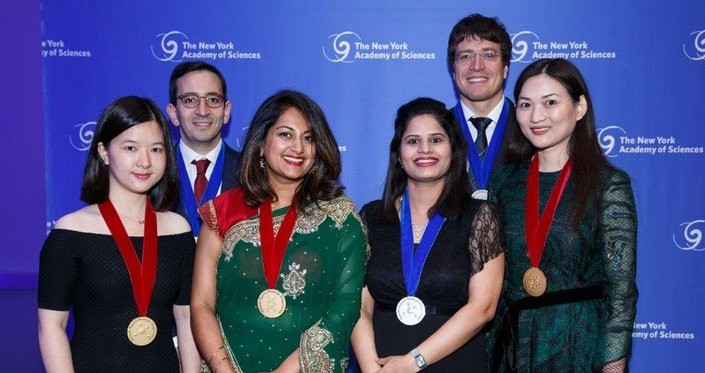
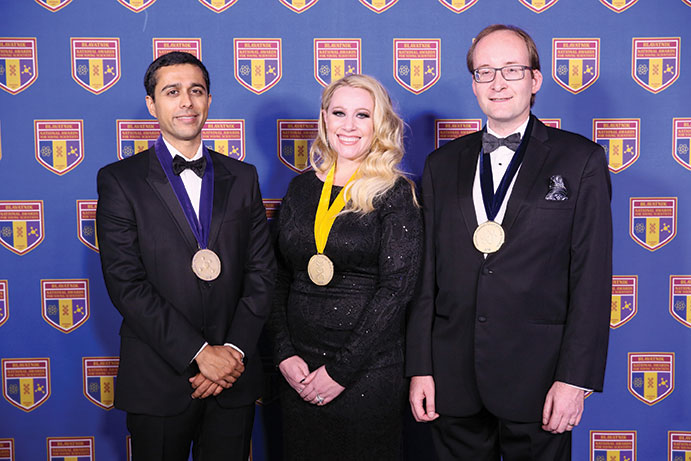
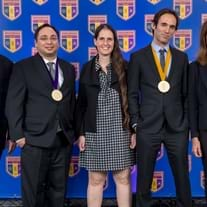
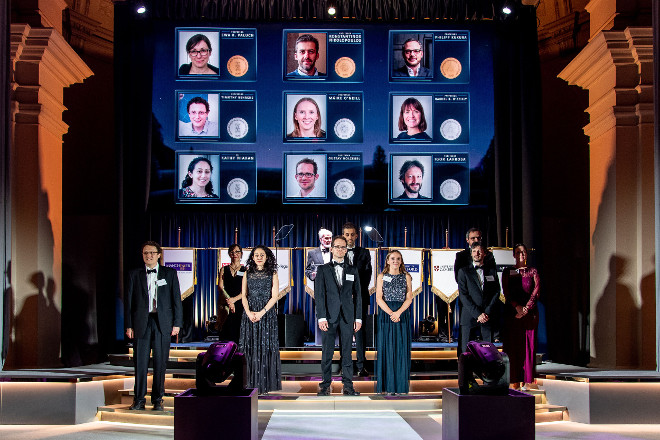
The six honorees pose together.

This year’s Gala, with the theme “Celebrate the Extraordinary”, drew renowned guests from across the region, including leading representatives from industry, philanthropy, academia, government, and members of the Blavatnik Regional Awards Jury.

Published November 5, 2018

By Kamala Murthy

Celebrating New York, New Jersey, and Connecticut’s most extraordinary postdoctoral scientists, The New York Academy of Sciences and the Blavatnik Family Foundation honored the three Winners and six Finalists of the 2018 Blavatnik Regional Awards for Young Scientists during the Academy’s 15th Annual Gala held at the Conrad Hotel in lower Manhattan on November 5, 2018.

Brooke Grindlinger, PhD, Chief Scientific Officer of Scientific Programs and Awards at the New York Academy of Sciences, hosted the Blavatnik Regional Awards portion of the Gala’s program. Peter Thorén, representing the Blavatnik Family Foundation, spoke briefly about the Foundation’s work and their pride in the Blavatnik Regional Awards. The 2018 Blavatnik Regional Awards received 125 outstanding nominations from 22 academic institutions in the New York tri-state area. Many of the honorees’ institutions, keen to show their support for their researchers, were represented in the Gala audience. This year marks the first Blavatnik Awards year in which the jury selected a female Winner for each of the three disciplinary categories: Life Sciences, Physical Sciences & Engineering, and Chemistry.

Life Sciences Honorees

Thorén joined Dr. Grindlinger on stage to present each honoree with their medal. In the category of Life Sciences, Dr. Grindlinger introduced Finalists, Dr. Samuel Bakhoum, nominated by Weill Cornell Medicine but currently at Memorial Sloan Kettering Cancer Center, and Dr. Zhe Zhang from The Rockefeller University. 2018 Blavatnik Regional Awards Winner, Dr. Shruti Naik, nominated by The Rockefeller University but currently at NYU School of Medicine, gave acceptance remarks that spoke to the importance of celebrating diversity in science:

“Discovery demands diversity. Having a diversity of perspectives is necessary for innovation…if we want to continue to solve biological puzzles we need to not just value differences but also cherish them on a fundamental level.” She thanked the Blavatnik Family Foundation for honoring her “as an immigrant, woman of color.”

Chemistry Honorees

Next, Dr. Grindlinger introduced the Chemistry honorees: Finalist Dr. Niankai Fu of Cornell University and Finalist Dr. Priyanka Sharma, from Stony Brook University – the first Blavatnik Awards honoree from The State University of New York. 2018 Blavatnik Regional Awards Winner Dr. Lu Wei, who was nominated by Columbia University but is now working at Caltech, thanked the jury: “it feels wonderful and deeply encouraging that our work is recognized by the scientific community”. She also gave credit to her mentors, 2012 Blavatnik Regional Awards Finalist Professor Wei Min and Professor Louis Brus.

Physical Sciences & Engineering

In the third and final Blavatnik Regional Awards category, Physical Sciences & Engineering, two Finalists nominated by Princeton University were honored: Dr. Peter Schauss, now at University of Virginia, and Dr. Lucia Gualtieri. 2018 Blavatnik Regional Awards Winner Dr. Lingyan Shi of Columbia University, who also carried out postdoctoral studies with 2018 Blavatnik Regional Awards Finalist Professor Wei Min, thanked both her postdoc advisors including Professor Min and Professor Robert Alfano for inspiring her and helping her to become a more confident scientist.

Speaking about her research she added, “advances in new imaging technologies will enable scientists and medical doctors to visualize inside the human body much deeper and better, and will significantly enhance disease detection, diagnosis and treatment, which will make our lives much better”.

The evening concluded with Deputy Secretary-General of the United Nations and former Minister of Environment of Nigeria Ms. Amina Mohammed delivering the evening’s keynote speech, focusing on the UN’s 2030 Agenda for Sustainable Development and the critical role of scientists and engineers in meeting those goals.

The evening before the Gala, on November 4th, the Blavatnik Family Foundation hosted a cocktail reception at New York’s Metropolitan Club in honor of the 2018 Blavatnik Regional Awards Winners, Finalists, previous honorees, and judges.

View the photos from the event.

To learn more about the Blavatnik Awards for Young Scientists, visit blavatnikawards.org.

Immunology, Atomic Structures, and the Origin of Life

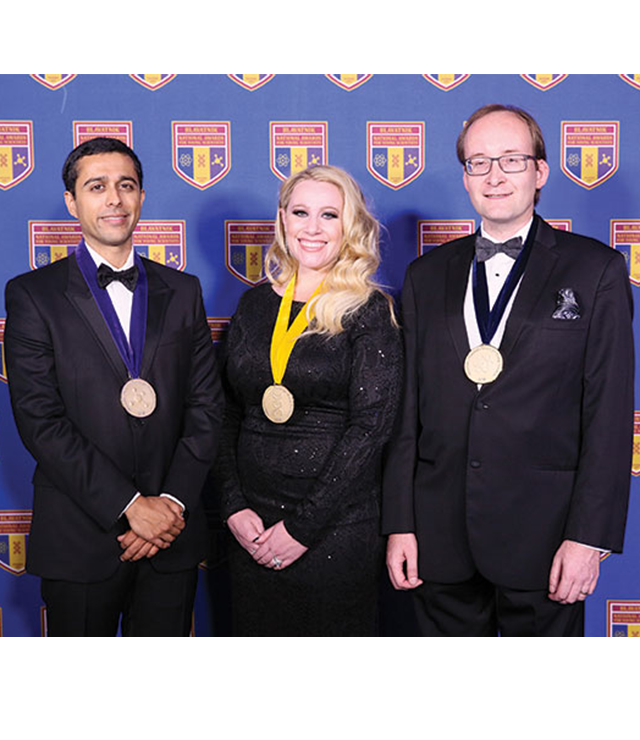
Three award winning scientists pose for the camera.

Meet the inspiring young 2018 Blavatnik Award laureates being recognized for their work in the areas of Life Sciences, Chemistry and Physical Sciences & Engineering.

Published October 1, 2018

By Anni Griswold

Life Sciences Laureate: Janelle Ayres, PhD, The Salk Institution for Biological Studies

An Unexpected Truce in the War on Pathogens

Much of immunology’s past has focused on defense: Generations of grad students have untangled host strategies for detecting and eliminating biologic threats.

Legions of labs have designed antibiotics to stock the host’s arsenal. But the field may have an altogether different future, says Janelle Ayres, PhD, the Helen McLoraine Developmental Chair of the NOMIS Center for Immunobiology and Microbial Pathogenesis at the Salk Institute.

“The traditional assumption was that you just had to be able to kill the pathogen — that’s all it took to survive an infection,” Ayres says. “That didn’t make sense to me because of the physiological damage that can happen. During an infection, the host immune response is doing far more damage than the microbe.”

More than a decade ago, while other graduate students traced signaling pathways of the innate immune system, Ayres — then a doctoral student in David Schneider’s laboratory at Stanford — pursued an idea gleaned from plant biology literature: What if humans, like plants, express genes that boost fitness and allow them to coexist with pathogens until they can safely ride out an infection?

Cooperation and Survival Over Death and Destruction

In the years since, Ayres has uncovered an accomplice to the traditional immune system. The “cooperative defense” system, as she calls it, is less focused on death and destruction and more on cooperation and survival.

“Often, a patient’s immune system is fully capable of killing an infection, but the patient dies from the pathology before they’re able to kill the infection,” Ayres says.

Or, in other cases, the pathogen produces toxic compounds or disrupts physiological functions. By engaging the patient’s cooperative defense system, the patient can remain healthy enough for the immune system to come in and clear the infection. Her discovery has inspired a new branch of immunology and earned Ayres the 2018 Blavatnik National Award for Young Scientists.

In a groundbreaking paper published on September 20th 2018 in Cell, Ayres described the system in action. Mice infected with the diarrheal pathogen Citrobacter, a close relative of the pathogenic Escherichia coli strains, remain symptom-free by consuming iron-supplemented chow for two weeks.

“We can promote co-operative defenses by giving a short course of dietary iron, which induces an acute state of insulin resistance,” she says. “This reduces the amount of glucose absorbed from the gut and suppresses expression of the pathogen’s virulence program.”

The mice resumed their normal diet after treatment and are still alive a year later.

“They’re perfectly healthy,” Ayres says.

Therapies that Engage Cooperative Defenses

The microbe remains in the mouse gut, but no longer causes symptoms — even when that microbe is isolated and injected into naïve mice.

“We’re not only able to treat the infection, but we also turn the microbe into a commensal and we drive the selection for strains that lose their virulence genes,” she says.

Therapies that engage cooperative defenses could help humans gain an advantage in the war on drug-resistant microbes.

“We are essentially in a pre-antibiotic era, meaning we’re running out of antibiotics that used to be our last resort. Many are no longer effective,” says Ayres. “We’re basically in as bad shape now as we were before we even developed antibiotics.”

While the oft-touted solution is to develop newer, stronger antibiotics, Ayres champions a more farsighted approach.

“We need to develop novel classes of antibiotics, but we also need to acknowledge that by focusing on methods that kill microbes, we’re driving the global crisis of antimicrobial resistance. We can’t solely think about treating infections from this antagonistic perspective,” she says.

Therapies that engage the body’s cooperative defenses will drive human survival rather than microbial demise. As such, those therapies will likely be “evolution-proof,” meaning they won’t further the problem of drug resistance. Ayres’ findings suggest the war against pathogens can’t be won with defense alone. “And so,” she says, “we’re taking a completely different perspective.”

Chemistry Laureate: Neal K. Devaraj, PhD, The University of California, San Diego

When Molecules Become Life

The smallest unit of life — the cell — has fascinated and bewildered scientists for ages.

The prospect of producing a synthetic cell from scratch is particularly tantalizing, given the practical applications for diagnosing and treating disease. But to achieve that feat, scientists must address the simplest, most profound questions.

“It’s almost philosophical: What is life? What is the chemistry from which life can emerge? Quite literally, when does chemistry become biology?” says Neal K. Devaraj, PhD, a professor of chemistry and biochemistry at the University of California, San Diego, and a winner of the 2018 Blavatnik National Award for Young Scientists.

“I’m constantly reminded that life can come about from nothing. But if you really dive into it, it’s a black box. We really have no idea how this occurred,” he says. “What’s truly exciting, from a scientist’s perspective, is the unknown.”

Though scientists haven’t yet produced a living cell from synthetic materials, Devaraj and others have come close. Chemistry-minded teams tend to tackle this goal from the bottom up, recreating reactions that spawned the first cell.

The Interface Between Chemistry and Biology

Biology-minded teams work from the top down, stripping cells to their bare essentials in hopes of revealing the minimum requirements for life. Devaraj’s team takes a hybrid approach, examining the interface between chemistry and biology.

“We’re not so concerned about the origin of life,” he says. “We’re more concerned about understanding how one creates materials that mimic cellular form and function, in a lab, using anything at our disposal.”

His team uses chemical tools to parse biological questions, like the significance of a cell’s lipid coating. After dissecting the fatty compounds’ function, his lab introduced synthetic cells that can reproduce in perpetuity once encased in lipid shells and fed a proper diet. This has revolutionized strategies for diagnosing and treating lipid-related disorders.

“These cells are far from being as sophisticated and complex as modern cells. They don’t contain DNA. They don’t undergo Darwinian evolution. But looking back at how cells may have evolved billions of years ago, who knows? Maybe the first cells did start off simply, like this,” he says.

A Longstanding Curiosity About the Origins of Life

Devaraj’s longstanding curiosity about the origins of life burgeoned during his undergrad years at MIT, where he pursued a double major in chemistry and biology. During his doctoral studies at Stanford, he was tasked with writing a mock proposal for a faculty research position.

“I was imagining what I could work on that would remain really exciting and difficult for decades,” he recalls. “And I was inspired by this idea of trying to mimic life.”

One of his doctoral advisors, James Collman, specialized in biomimetic chemistry: creating compounds that mimic enzyme function. “If you think about it, the natural progression of biomimetic science is to mimic life itself, to mimic cells,” he says. “I was inspired to take it a bit further by exploring the minimal chemistry from which life can emerge.”

Though his research is gratifying, Devaraj says his collaborations with students and postdocs are even more so.

“What really gets me up every morning are the conversations about new data, new ways of thinking. It’s a very collaborative effort,” he says, adding that early on, he staffed his lab with post docs and students that came from diverse backgrounds. “Some of my first postdocs had a thorough training in synthetic organic chemistry, much more so than I had. By working together, we were able to achieve something that neither of us on our own could have achieved.”

Physical Sciences & Engineering Laureate: Sergei V. Kalinin, PhD, Oak Ridge National Laboratory

Sculpting Materials from the Finest Matter

Sergei V. Kalinin is an architect of the most peculiar sort. His blueprints are atomic structures; his pencil an electron beam.

Whereas other architects build cathedrals brick by brick, Kalinin aims to build nanomaterials, atom by atom. His tailored materials could form the groundwork for tomorrow’s microchips, transistors, quantum computers and medical devices. If successful, Kalinin’s advances promise to revolutionize human health, space flight and the computer-brain interface.

“Science rarely develops along a straight trajectory,” says Kalinin, director of the Institute for Functional Imaging of Materials at the Oak Ridge National Laboratory.

Contributions in Microscopy

His contributions to scanning transmission electron microscopy and scanning probe microscopy, recognized with the 2018 Blavatnik National Award for Young Scientists, are no exception. Like many innovations, Kalinin’s craft came about serendipitously. His tools for building atomic-scale structures stem from a flaw in electron microscopy, a powerful method for observing a material’s crystal structure.

Scientists have long known that the microscope’s electron beam can inadvertently jostle atoms out of position. In a 2015 paper in the journal Small, Kalinin and colleagues fashioned this flaw into a precise, powerful tool for sculpting atomic matter in 3-D.

“The assumption was that if you see atoms, you will understand them. But that’s not enough,” he says. “You can image atoms, but the question is what can you learn from it? Eventually you need to read the blueprints of nature to understand how an atomic configuration achieves a certain functionality. Then you can learn how to make your own blueprints, and use electron beams to build your own configurations.”

The Beginning of Nanotechnology

His interest in the field burgeoned three decades ago, when the scientific literature buzzed with papers describing scanning tunneling microscopy. In 1990, the renowned physicist Don Eigler used a scanning tunneling microscope to form individual atoms of xenon into the letters I-B-M.

“That was essentially the beginning of nanotechnology,” Kalinin recalls. “In a sense, the fields of nanotechnology and quantum computing are predicated on the ability to put the atoms where we want them and to characterize the properties of these structures. But even more, we need to control and shape the matter’s electronic properties and find ways to combine these materials with existing semiconductor technologies.”

To achieve those goals, Kalinin’s lab uses smart approaches — artificial intelligence, big data and machine learning — to understand how atoms can be positioned in a way that achieves a desired function. Working with Stephen Jesse, an expert in the real-time big data behind scanning probe and electron microcopy, Andy Lupini, an original inventor of aberration correctors in STEM, and Rama Vasudevan and Maxim Ziatdinov, experts in deep learning applications and physics extraction from atomically resolved data, they aim to design nanoscale and mesoscale materials for use in energy storage, information technology, medicine and other applications.

“If we talk about grand ideas like exploring the solar system, we need to make devices and machines that are light, versatile and can interact with surrounding materials of any form and action,” he says. “To achieve that, you need to move from imaging to understanding to atomic-level control.”
2018 Blavatnik National Awards Ceremony

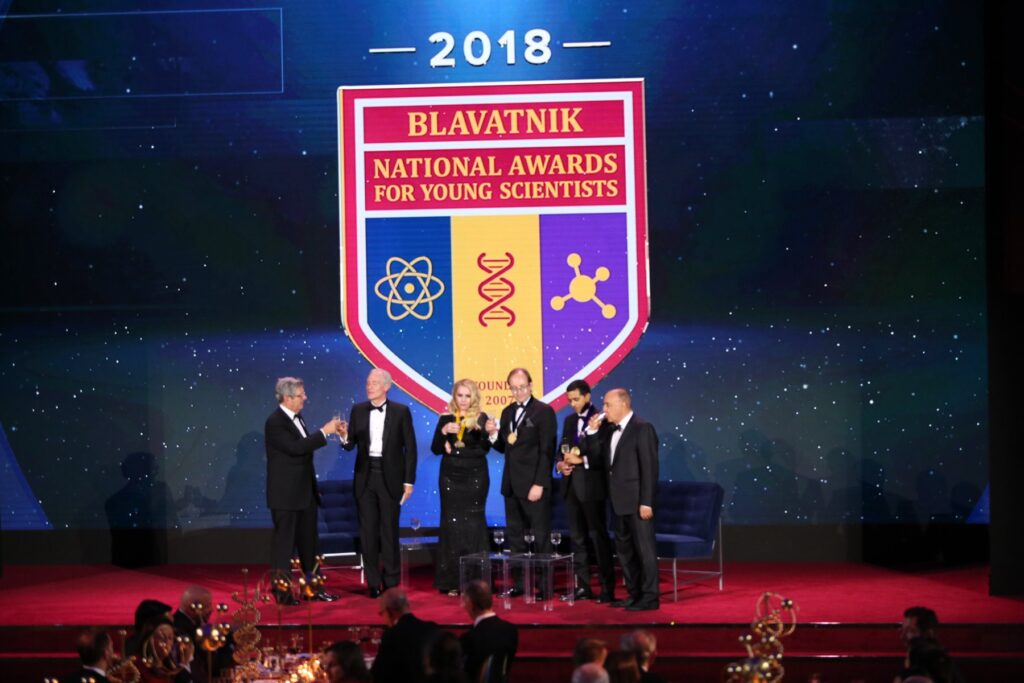
A toast to science as honorees clink their champagne flutes.

Over 200 guests attended the 2018 ceremony, including some of the country’s most prominent figures in science, business, and philanthropy.

Published September 24, 2018

By Kamala Murthy

On Monday, September 24, 2018, the Blavatnik Family Foundation hosted the fifth Blavatnik National Awards Ceremony at the American Museum of Natural History in New York City.

Dr. Marc Tessier-Lavigne, President of Stanford University and renowned neuroscientist, served as the Master of Ceremonies, and musicians from the Juilliard School Orchestra performed throughout the evening. The three 2018 Blavatnik National Laureates were presented with their medals by Len Blavatnik, the Founder and Chairman of Access Industries and the Blavatnik Family Foundation, and each gave a short presentation on their research.

Life Sciences

Life Sciences Laureate Janelle Ayres, PhD, of the Salk Institute for Biological Studies, was recognized for her pioneering research on disease tolerance and host-pathogen interactions. Dr. Ayres’ research has the potential to solve one of the greatest current public health threats: anti-microbial resistance.  Dr. Ayres’ mentor and friend, Dr. Ruslan Medzhitov, a 2007 Winner of the Blavatnik Awards himself, said “Janelle’s work opened a new dimension to understanding host-microbial interactions to understanding infectious diseases. That created a whole new discipline within immunology and even within infectious diseases.”

Physical Sciences & Engineering

Physical Sciences & Engineering Laureate Sergei V. Kalinin, PhD, of Oak Ridge National Laboratory was celebrated for creating novel techniques to study, measure, and control the functionality of nanomaterials at the atomic and nanoscale. Dr. Kalinin’s work in manipulating individual atoms has the potential to enable scientists to create new classes of materials by assembling matter atom-by-atom. “Sergei is on a dramatically sharp trajectory,” said Dr. Dawn Bonnell, Vice Provost for Research, Professor of Engineering and Applied Science, University of Pennsylvania, and Sergei’s former PhD advisor. She added, “he has the willingness, the intellectual capability to take what he needs from a variety of different fields to implement his ideas and bring them to fruition.”

Chemistry

Chemistry Laureate Neal K. Devaraj, PhD, of the University of California, San Diego, was honored for his transformative work on the synthesis of artificial cells and membranes, which has created an exciting new field of research that aims to bring greater understanding to the origins of life, a major goal in synthetic biology. “Neal is really a singularity in the world of chemical biology. It takes a lot of depth and insight into chemistry to be able to invent new chemical reactions, but at the same time he has depth as a biologist,” commented Dr. Carolyn Bertozzi, Professor of Chemistry and Professor of Chemical & Systems Biology and Radiology at Stanford University, and Neal’s mentor.

A Distinguished Jury, A Robust Pool of Candidates

A distinguished jury selected these three National Laureates from 286 nominations submitted by 146 research institutions across 42 States.

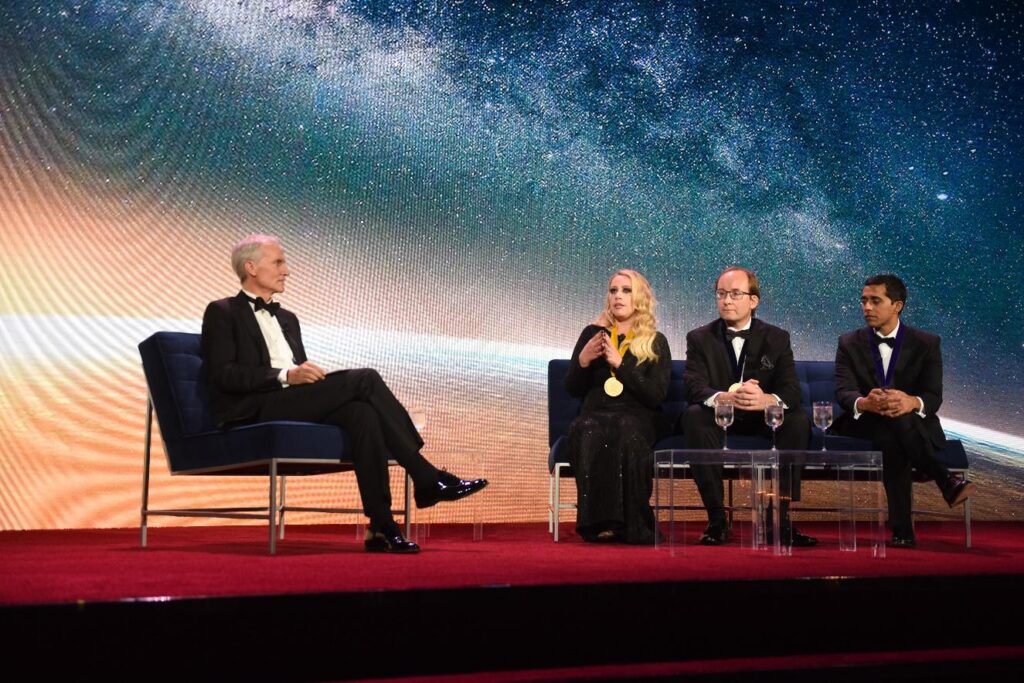
Twenty-eight 2018 Blavatnik National Finalists were also honored during the evening. Dr. Tessier-Lavigne stated that 45% of this year’s honorees were immigrants hailing from nine different countries. Since the Awards inception in 2007, 249 scientists and engineers from 44 countries across six continents have been recognized by the Blavatnik Awards. As a native of Canada, he remarked, “I feel a special bond with all of them as an immigrant myself.” Dr. Tessier-Lavigne concluded the ceremony with a ‘fireside chat’ with the three Laureates, posing questions related to the future of their respective disciplines and the importance of STEM (Science, Technology, Engineering, Mathematics) education.

Distinguished guests who attended the ceremony include:

  • 2001 Nobel Laureate Dr. Barry Sharpless of The Scripps Research Institute
  • 2006 Nobel Laureate Dr. Roger D. Kornberg of Stanford University
  • 2000 Nobel Laureate Dr. Eric Kandel of Columbia University
  • Dr. Andrew Hamilton, President of New York University
  • Dr. Lawrence S. Bacow, President of Harvard University
  • Dr. Eric Lander, Director and Founder of the Broad Institute
  • Dr. Bruce Stillman, President and CEO of Cold Spring Harbor Laboratory
  • Prof. Nili Cohen, President of the Israel Academy of Sciences and Humanities
  • Prof. Joseph KIafter, President of Tel Aviv University
  • Warner Music Group CEO, Steve Cooper
  • Australian writerdirectorproducer Baz Luhrmann.

View the photos from the event.

To learn more about the Blavatnik Awards for Young Scientists, visit blavatnikawards.org.

2018 Blavatnik Science Symposium

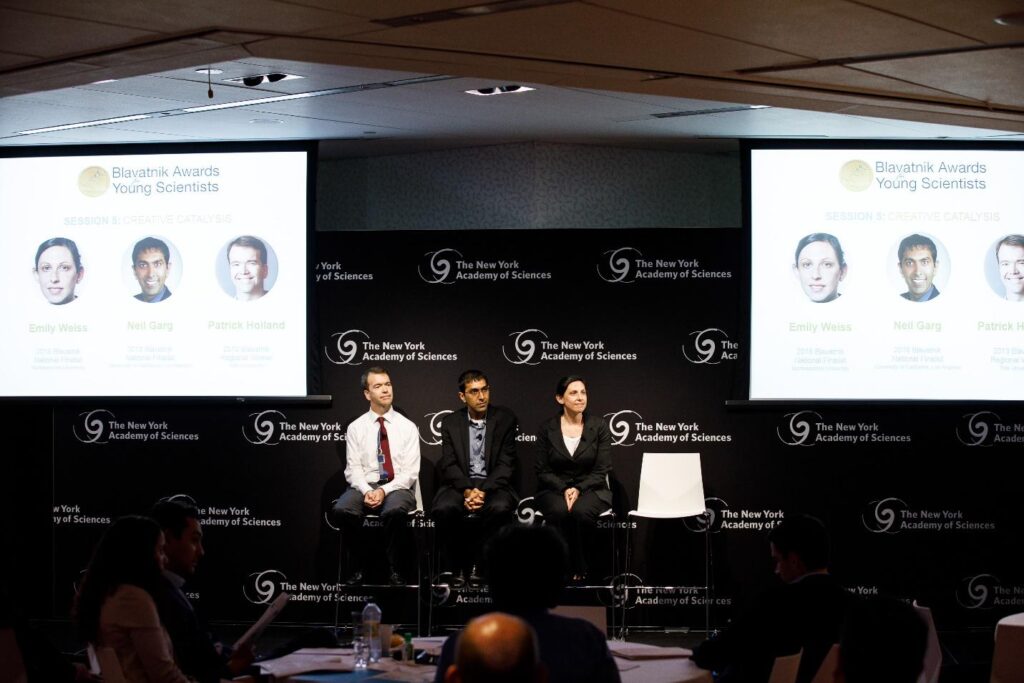
A three-person panel discussion during the ceremony.

“I like coming back to the Blavatnik Science Symposium because it’s like watching an entire issue of Scientific American presented before my very eyes.”

Published July 16, 2018

By Kamala Murthy

The 2018 Blavatnik Science Symposium took place on Monday, July 16 and Tuesday, July 17 at The New York Academy of Sciences. This annual event is an exciting interdisciplinary meeting, convening Blavatnik Awards honorees from all around the world in the fields of Life Sciences, Chemistry, and Physical Sciences and Engineering. It has been hosted by the Academy, in collaboration with the Blavatnik Family Foundation, for the past five years.

The symposium aims to bring together the community of Blavatnik scholars to nurture scientific collaborations and discourse through networking, talks, and discussions focused on the latest cutting-edge research.

Over 90 distinguished scientists, academic luminaries, business entrepreneurs and industry professionals from diverse disciplines participated in the two-day event. Attendees included the 2018 Blavatnik Awards honorees from the USA, UK, and Israel, as well as Blavatnik Award honorees from previous years who remain active members of the Blavatnik Awards community. Also in attendance were Blavatnik Life Science Entrepreneurship fellows from Harvard, Yale, and Stanford Universities. Representatives from Harvard University’s Blavatnik Biomedical Accelerator also joined the symposium.

Ellis Rubinstein, President and CEO of the New York Academy of Sciences called the annual Blavatnik Science Symposium “one of the most exciting intellectual events held at the Academy.” Brooke Grindlinger, PhD, the Chief Scientific Officer of Scientific Programs and Awards for the Academy, also gave opening remarks providing an overview of the two-day symposium program.

Two Days of Impactful Research

Day one began with a session entitled “Visualizing Biological Processes” with presentations highlighting new approaches in chemistry and biochemistry for observing and understanding the inner workings of biological tissues and cells. This session was followed by “Manipulating Light”, featuring presentations focused on the study of optics and harnessing the power of light. This was followed by two more sessions including an oncology session entitled “A Cell’s View of Cancer” and another devoted to novel reactions that are revolutionizing the field of chemistry in “Creative Catalysis.”

At noon of the first day, the Blavatnik Science Symposium held its first session dedicated to entrepreneurship and startup companies, entitled “Academic Entrepreneurship and University Startups”. Curtis Keith, PhD, the Chief Scientific Officer of the Blavatnik Biomedical Accelerator lead the discussion with special guest Carmichael Roberts, PhD, from Material Impact, an investment company focused on materials science and technology startups. Carmichael shared how he changed from being a National Science Foundation (NSF) fellow in George Whitesides’ lab at Harvard University to becoming a venture capitalist.

He mentioned that “the last six months of my fellowship, I spent a lot of time speaking to entrepreneurs…there was a scarcity of people who actually knew how to understand the great inventions coming out of academic labs that could translate those discoveries to investors”. After Carmichael’s presentation, Curtis chaired a panel on university technology startups that included panelists Vivian Berlin, PhD, from Harvard’s Office of Technology Development; Alexis Borisy, PhD, of Third Rock Ventures; Jason Gardner, PhD, of Magenta Therapeutics; and David T. Scadden, MD, Professor of Medicine at Harvard Medical School, Director of the Massachusetts General Hospital Center for Regenerative Medicine and Technology and Co-Director of the Harvard Stem Cell Institute.

“…like watching an entire issue of Scientific American…”

Special guest Suzanne Lee, fashion designer and founder of the company Modern Meadow gave the dinner keynote address on “Biofabrication: Growing the Future”. She discussed the current environmental, ethical and sustainability issues surrounding the leather and textile industries and how innovations in textile science have created an entirely new category of scientifically derived materials grown in a laboratory. Suzanne talked about how Modern Meadow’s lab-made biodegradable leather uses yeast-grown collagen that consumes less water, energy and requires no animal skins or animal byproducts.

Day two opened with presentations related to engineering and materials science in a session titled “Creating Unusual Materials”. This was followed by a session dedicated to the Microbiome in “The Not So Secret World of Microbes”, after which Blavatnik honorees in astronomy and cosmology presented on gravitational waves and the origins of gold in the universe in the “Multi-messages from the Universe” session. At midday on day two, there was a unique opportunity for attendees to brush up on their social media skills in a workshop presented by Guerilla Science: “Social Media for Science Communication and Public Engagement.” The symposium concluded with a session devoted to ‘Big Data’ and biology in the Symposium’s final session, “Computational Biology.”

2017 Blavatnik National Awards Finalist, William Dichtel, PhD, of Northwestern University commented, “I like coming back to the Blavatnik Science Symposium because it’s like watching an entire issue of Scientific American presented before my very eyes.”

View the photos from the event.

To learn more about the Blavatnik Awards for Young Scientists, visit blavatnikawards.org.

New Award Aims to Advance Science in Israel

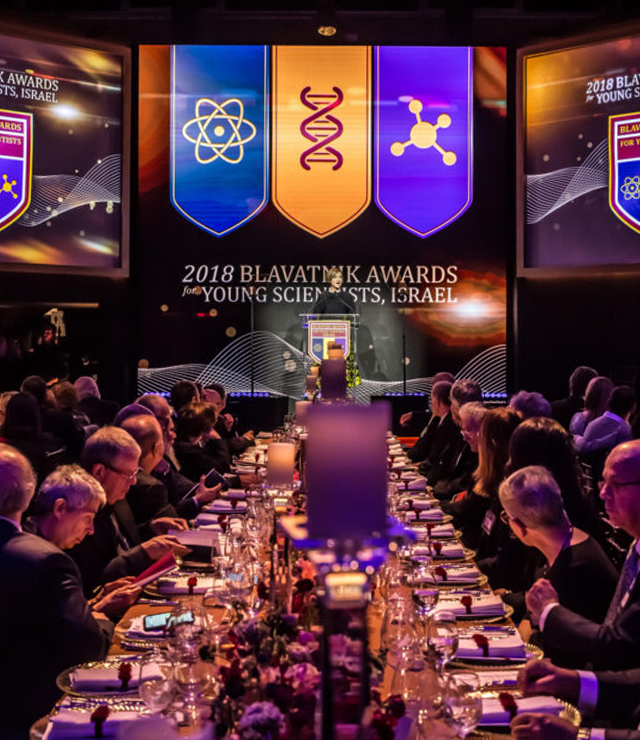
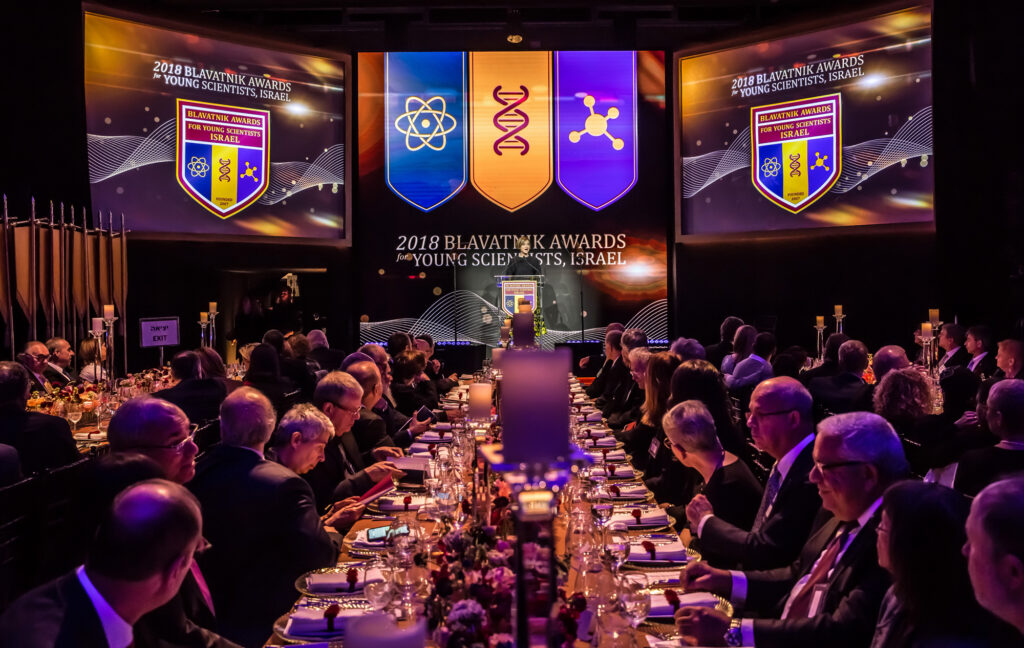
A shot from the gala for the inaugural Blavatnik Award ceremony in Israel.

The Blavatnik Family Foundation hosts the first Blavatnik Awards Ceremony in Israel in collaboration with The New York Academy of Sciences and the Israel Academy of Sciences and Humanities. Take a look at the spectacular occasion.

Published May 1, 2018

By Kamala Murthy

The Blavatnik Family Foundation in collaboration with The New York Academy of Sciences and the Israel Academy of Sciences and Humanities, hosted the Inaugural Ceremony and Gala for the Blavatnik Awards in Israel at the Israel Museum in Jerusalem on February 4, 2018.

This spectacular occasion marked the Blavatnik Awards’ first year in Israel.  Prominent leaders across Israel, including from academia, business and philanthropy, attended this remarkable event. Dana Weiss, Chief Political Analyst and host of Israel’s “Saturday Night with Dana Weiss,” presented the Blavatnik Awards as Ceremonial emcee.

The evening began with a vocal performance by one of Israel’s most celebrated singer/songwriters, Ronan Kenan.  A short opening film entitled “Start-up nation” was shown. The film highlighted Israel’s entrepreneurial spirit that drives innovation and discovery in the country. Both President Nili Cohen of the Israel Academy of Sciences and Humanities and President Ellis Rubinstein of the New York Academy of Sciences gave opening remarks for the inaugural ceremony.

Honoring Israel’s Leading Young Scientists

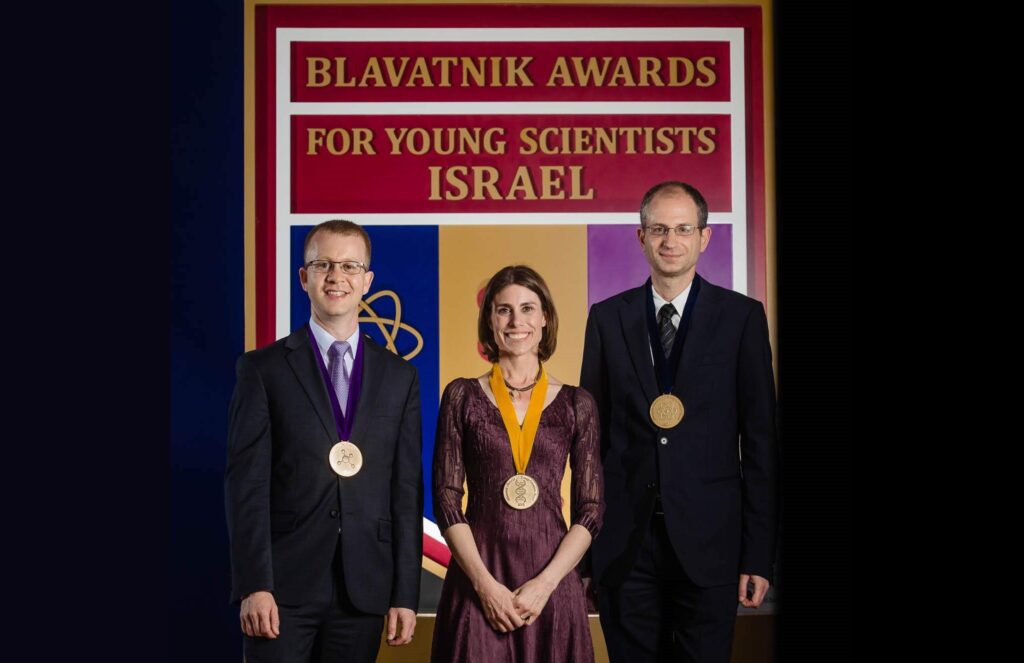
The evening honored three of Israel’s leading young scientists: Dr. Charles Diesendruck, a chemist reviving the field of “Mechanochemistry” from the Technion – Israel Institute of Technology; Prof. Anat Levin, a computer scientist working in the field of computational photography who is also from the Technion; and Dr. Oded Rechavi, a geneticist from Tel Aviv University studying non-DNA-based inheritance.

These three Laureates were chosen by a distinguished panel of judges from across Israel  and selected from 47 nominations that were submitted by eight of Israel’s top universities and independent research institutions.  Before each Laureate was announced, a short film introducing each scientist and the significance of their particular research areas were shown:

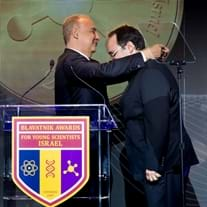
Blavatnik Family Foundation Founder and Chairman Mr. Len Blavatnik awarded each scientist with their personalized medal. The scientists were given the opportunity to present in-depth overviews of their current research to the audience. Nobel Laureate, Israel Prize Winner, and Distinguished Research Professor of the Faculty of Medicine at Technion – Israel Institute of Technology, Prof. Aaron Ciechanover, was the keynote speaker for the evening. The Anchor Choir of the Jerusalem Academy of Music and Dance concluded the ceremony with a vocal performance.

Learn more about the 2018 Blavatnik Laureates in Israel.

Israel’s Most Promising Researchers of 2018

The shield for the Blavatnik Awards for Young Scientists.

Three outstanding Israeli Scientists win the 2018 Blavatnik Awards for Young Scientists in Israel during its inaugural year.

Published May 1, 2018

By Kamala Murthy

For over a decade in the United States, the Blavatnik Awards have honored exceptional young scientists and engineers. The award highlights their extraordinary achievements, recognizing their remarkable promise for future discoveries, and accelerating innovation in their research.

Established in 2007, the Blavatnik Awards are a signature program of the Blavatnik Family Foundation that are administered by the New York Academy of Sciences. Awarded in Israel for the first time – in collaboration with the Israel Academy of Sciences and Humanities – three of the country’s most outstanding young scientists and engineers will receive $100,000 each, one of the largest unrestricted prizes ever created for early-career researchers in Israel.

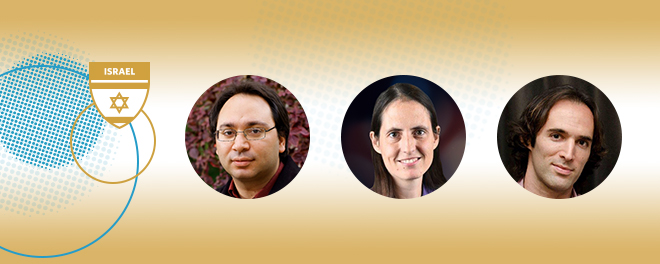
From 47 nominees, encompassing Israel’s most promising scientific researchers aged 42 years and younger and nominated by Israeli research universities, a distinguished national jury selected three outstanding laureates, one each from the disciplines of Life Sciences, Chemistry, and Physical Sciences & Engineering:

  • Dr. Oded Rechavi
    Senior Lecturer, Department of Neurobiology, Tel Aviv University
  • Dr. Charles Diesendruck
    Assistant Professor of Chemistry, Schulich Faculty of Chemistry, Technion – Israel Institute of Technology
  • Prof. Anat Levin
    Associate Professor, The Andrew & Erna Viterbi Faculty of Electrical Engineering, Technion – Israel Institute of Technology

The inaugural Blavatnik Awards for Young Scientists in Israel will be honored at a formal ceremony in Jerusalem on February 4, 2018. The Laureates will join a network of their peers as members of the Blavatnik Science Scholars community. The net work is currently comprised of over 220 Blavatnik Award honorees from the decade-old U.S. program. Laureates will also be invited to attend the annual Blavatnik Science Symposium at the Academy each summer. Here the Scholars come together to exchange new ideas and build cross-disciplinary research collaborations.

To learn more about this year’s Blavatnik Laureates and other honorees, please visit the Blavatnik website here and follow us on Twitter: @BlavatnikAwards.

Inaugural Ceremony of the Blavatnik Awards for Young Scientists in the United Kingdom

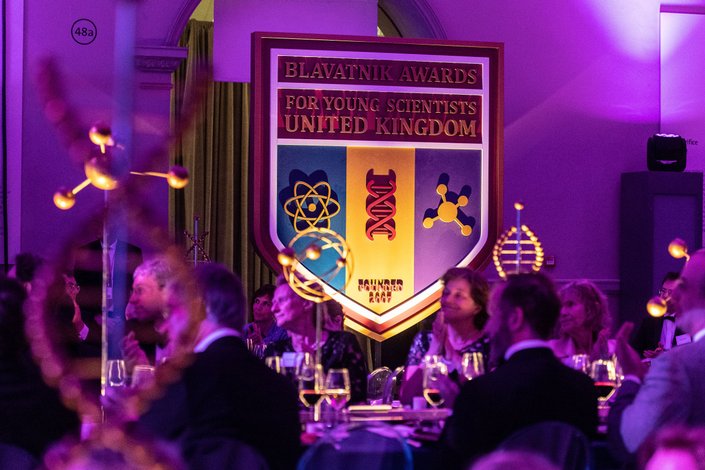
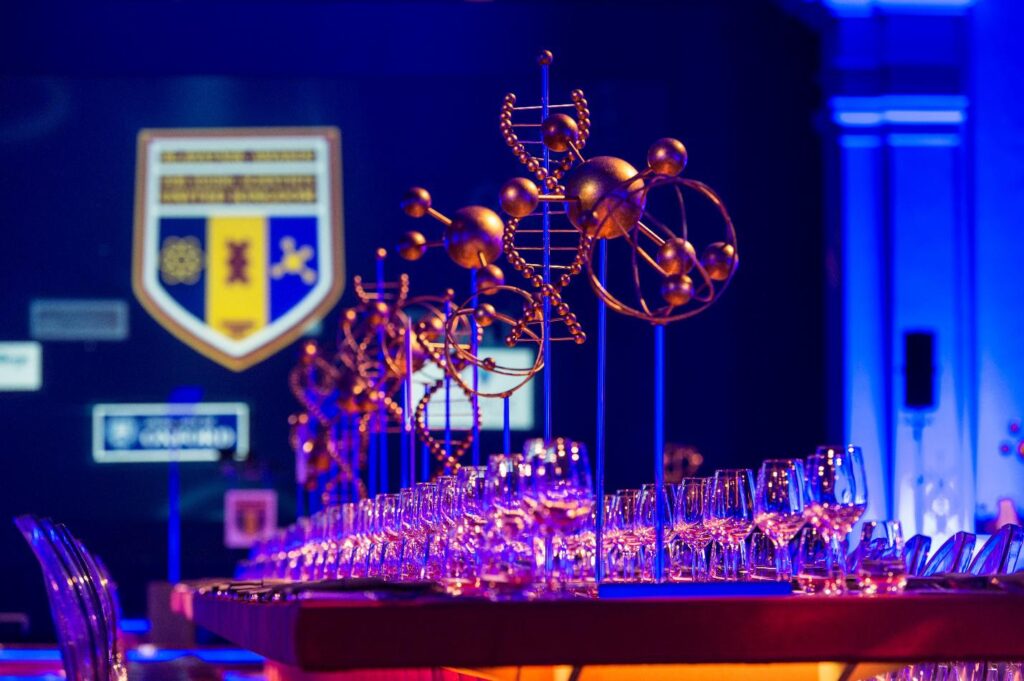
A shot of a decorated table during the ceremony.

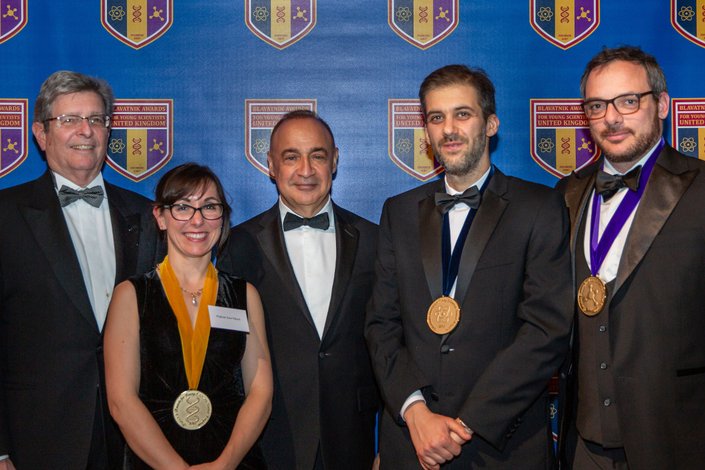
The inaugural Blavatnik Awards for Young Scientists in the United Kingdom Ceremony was attended by many of the UK’s leaders in science, business, and philanthropy.

Published March 7, 2018

By Kamala Murthy

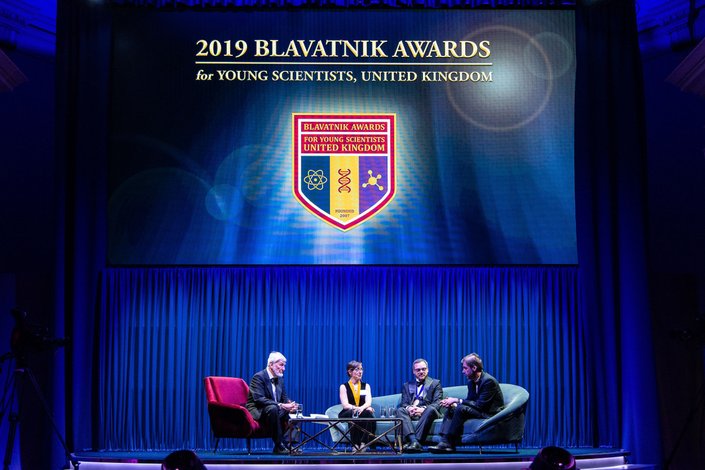
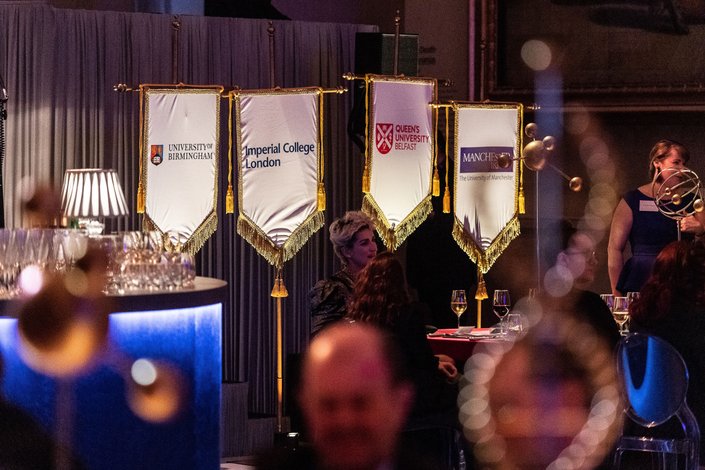
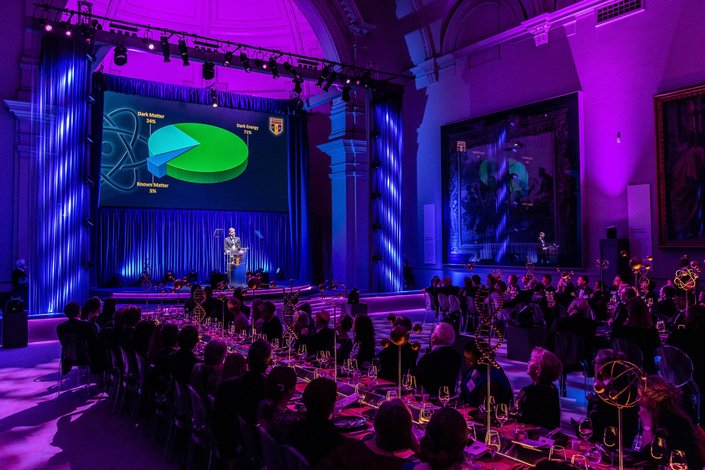
The Blavatnik Family Foundation hosted the inaugural Blavatnik Awards for Young Scientists in the United Kingdom Ceremony on March 7, 2018 at the Victoria and Albert Museum in London.

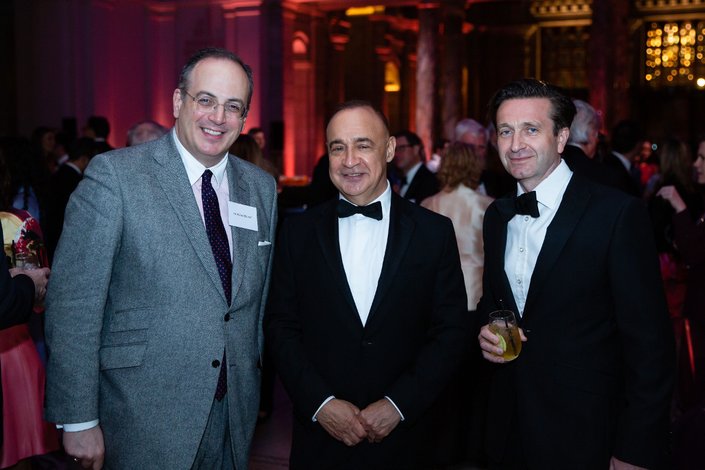
Distinguished guests that attended the ceremony included Chief Medical Officer for England, Professor Dame Sally Davies; evolutionary biologist and author, Richard Dawkins; Chief Executive of the British Association for the Advancement of Science, Katherine Mathieson; 2014 Nobel Laureate Professor John O’Keefe, and 2017 Nobel Laureate Professor Richard Henderson.

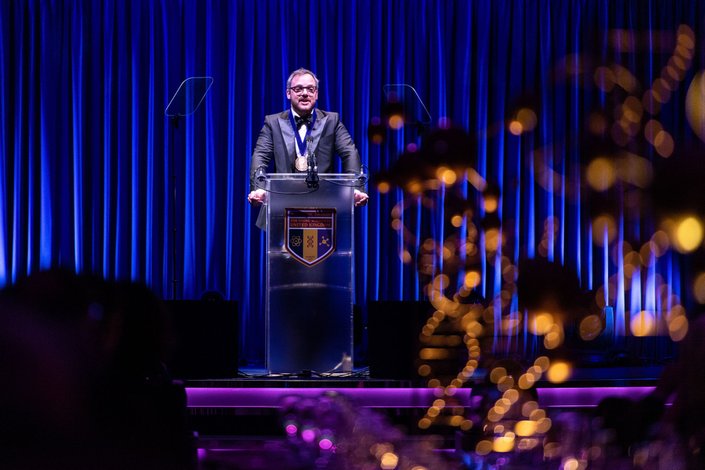
Ellis Rubinstein, President and CEO of the New York Academy of Sciences, which administers the Awards, served as the Master of Ceremonies. In addition, as part of the ceremony, a procession of students from the Southbank International School carried flags into the banquet hall representing the honorees’ academic and research institutions.

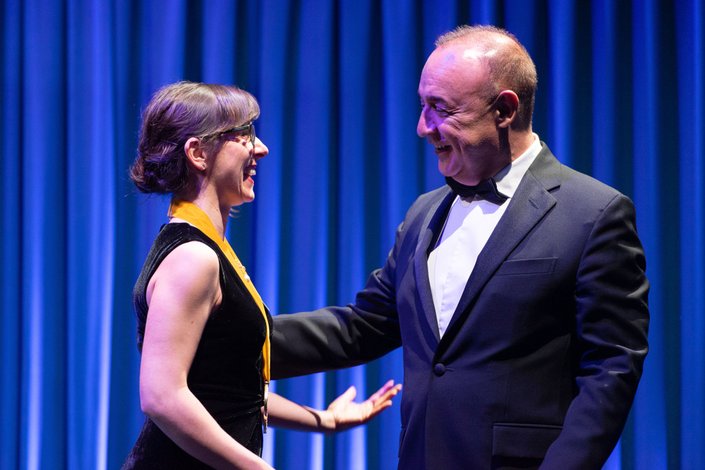
In each scientific category (Chemistry, Physical Sciences & Engineering, Life Sciences), two Finalists were each awarded prizes of US$30,000, and one Laureate in each category was awarded US$100,000. The Awards’ founder, Sir Leonard Blavatnik, presented medals to the three Laureates and six Finalists.

Chemistry

In the Chemistry category, geochemist Professor Robert Hilton of Durham University and physical chemist Professor Philipp Kukura of University of Oxford were both recognized as Finalists. Professor Clare Gray, of University of Cambridge, introduced the 2018 Laureate in Chemistry, Professor Andrew L. Goodwin of University of Oxford: “Andrew is without a doubt already regarded as a world leader and a pioneer in the study of structural disorder and mechanical flexibility and its role in controlling the chemistry, physics, and geophysics of functional materials.”

Physical Sciences & Engineering

In the category of Physical Sciences & Engineering, theoretical physicist Professor Claudia de Rham of Imperial College London and astrophysicist Professor Andrew Levan of the University of Warwick were honored as Finalists. Professor Sir Richard Friend, from University of Cambridge, introduced the 2018 Laureate in Physical Sciences & Engineering, Professor Henry Snaith, from University of Oxford, and highlighted his research in developing new, low-cost and high-efficiency solar cells based on metal halide perovskite materials. Sir Richard said “Henry’s work, I am certain, will help propel human society to a sustainable future.”

Life Sciences

In the category of Life Sciences, computational neuroscientist Professor Timothy Behrens of University of Oxford and University College London (UCL), and structural biologist Dr. John Briggs of Medical Research Council (MRC) Laboratory of Molecular Biology were honored as Finalists. Professor Veronica van Heyningen of UCL introduced the 2018 Laureate in Life Sciences, Dr. M. Madan Babu of MRC Laboratory of Molecular Biology, with the Award given for his insights into the structural biology and molecular logic of key proteins and protein motifs, including GPCRs [G-protein–coupled receptors] and intrinsically disordered protein regions.

Professor van Heyningen remarked that Dr. Babu is “at the forefront of a new breed of biologist” and that he is “a big data information scientist with additional expertise in structural biology, with a deep knowledge of the molecular logic of proteins.”

The evening concluded with 2009 Nobel Laureate and President of the Royal Society Professor Sir Venki Ramakrishnan giving the evening’s keynote speech on elevating science through scientific awards and the importance of honoring scientists early in their career versus lifetime achievement awards.

View the photos from the event.

To learn more about the Blavatnik Awards for Young Scientists, visit blavatnikawards.org.

2018 Blavatnik Awards in Israel Ceremony

A full house during the ceremony.

Prominent leaders across Israel from academia, business and philanthropy attended the inaugural Blavatnik Awards in Israel Ceremony.

Published February 4, 2018

By Kamala Murthy

On the evening of February 4, 2018 the Blavatnik Family Foundation, in collaboration with The New York Academy of Sciences and The Israel Academy of Sciences and Humanities (IASH), hosted the Inaugural Ceremony and Gala for the Blavatnik Awards for Young Scientists in Israel at the Israel Museum in Jerusalem.

The celebration began earlier that day with a private reception hosted by the President of Israel, Reuven Rivlin and his wife Nechama Rivlin, in honor of the three Blavatnik Award Laureates at the official residence of the President of Israel. The Laureates’ families, the Awards’ founder Mr. Len Blavatnik, and leadership from IASH and The New York Academy of Sciences, were also invited by the President to participate in this reception.

Later in the evening, festivities at the Israel Museum began. Guests entering the cocktail area enjoyed live performance art from the Batsheva Dance Company. Dana Weiss, Chief Political Analyst and host of Israel’s “Saturday Night with Dana Weiss,” served as the Master of Ceremonies. One of Israel’s most celebrated singer/songwriters, Rona Kenan, performed an opening song. This was followed by a short opening film highlighting Israel’s entrepreneurial spirit that has led to the country becoming a world leader in innovation, technology and business.

Motivating Young Scientists

The Israel Academy of Sciences and Humanities’ President Nili Cohen gave a speech where she remarked that “the idea to motivate young scientists is a breakthrough in the prize-awarding culture.” She added that The Israel Academy of Sciences and Humanities is proud to partner with The New York Academy of Sciences and the Blavatnik Family Foundation. President Ellis Rubinstein of The New York Academy of Sciences also gave remarks. He credited Israel as having the most amazing talent pool per capita in the world. He closed by saying “thank you Israel for welcoming us to the latest start-up in your incredible ‘Start-Up Nation.’”

The evening honored three of Israel’s leading young scientists:

  • Professor Charles Diesendruck, a chemist reviving the field of mechanochemistry from the Technion – Israel Institute of Technology
  • Professor Anat Levin, a computer scientist working in the field of computational photography who is also from the Technion
  • Professor Oded Rechavi, a geneticist from Tel Aviv University studying non–DNA-based inheritance

These three Laureates were chosen by a distinguished panel of judges from across Israel and selected from 47 nominations that were submitted by eight of Israel’s top universities and independent research institutions. Before each Laureate was announced, a short film introducing each scientist and the significance of their research was shown.

Blavatnik Family Foundation Founder and Chairman, Sir Len Blavatnik, awarded each scientist with their personalized medal. The scientists were each given an opportunity to present their latest research findings to the audience. Nobel Laureate, Israel Prize Winner, and Distinguished Research Professor of the Faculty of Medicine at Technion – Israel Institute of Technology, Professor Aaron Ciechanover, was the keynote speaker for the evening. The Ankor Choir of the Jerusalem Academy of Music and Dance concluded the ceremony with a vocal performance.

View the photos from the event.

To learn more about the Blavatnik Awards for Young Scientists, visit blavatnikawards.org.

The 2018 Blavatnik Awards for Young Scientists in the UK

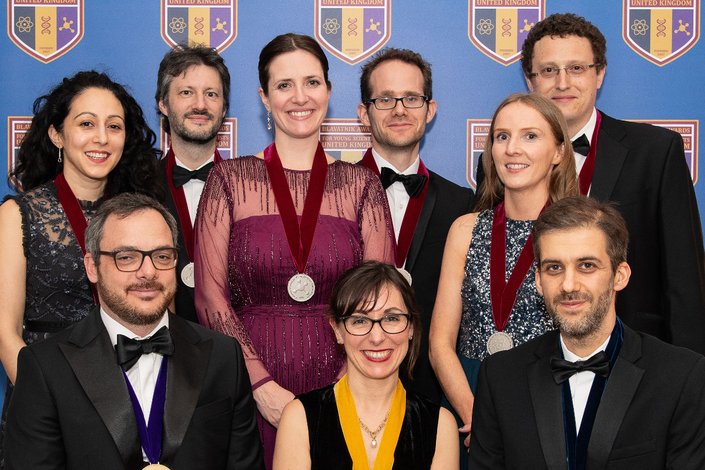
Award winners pose together.

Meet the rising scientific stars taking center stage this year as part of the 2018 cohort for the Blavatnik Awards for Young Scientists in the United Kingdom.

Published January 16, 2018

By Kamala Murthy

Physical Sciences & Engineering Laureate

Henry Snaith, PhD
Professor of Physics, University of Oxford

Prof. Snaith has striven to develop new photovoltaic technologies based on simply processed materials, which have promised to deliver solar energy at a fraction of the cost of incumbent silicon modules.

Through a series of key discoveries, he found that metal halide perovskite materials, which had been overlooked for decades because of their very low photovoltaic energy efficiency, can be employed in highly efficient solar cells. He has developed a low-cost synthesis method for the perovskite solar cells, and significantly raised their energy efficiency from 10.9 percent in his first publication to over 22 percent in a single junction perovskite solar cell, and more recently to 25 percent by combining perovskites with silicon solar cells.

Currently, he is pushing the perovskite-on-silicon tandem cells to surpass the 30 percent efficiency mark, making them very promising for industrial applications. He has also significantly improved long-term stability of perovskite solar cells and discovered numerous key fundamental aspects of the perovskite semiconductors, which helped broaden the application range of these materials to include light emission, radiation detection, memory and sensing.

Prof. Snaith’s work toward a significant cost reduction in photovoltaic solar power could help propel society to a sustainable future.

Physical Sciences & Engineering Finalists

Claudia de Rham, PhD
Reader in Theoretical Physics, Imperial College London

Dr. de Rham has revitalized massive gravity theory, which is one way of modifying General Relativity to solve the open puzzles of cosmology. The early versions of massive gravity theory had been known for their dangerous pathologies, including a ghost mode and a discontinuity with General Relativity in the limit where the mass of a graviton goes to zero.

In 2010, Dr. de Rham solved such problems by constructing a nonlinear theory of massive gravity, which is ghost free and theoretically consistent. Since this breakthrough, Dr. de Rham has further established the effective quantum theory of massive gravity to describe the accelerated expansion of the universe as a purely gravitational effect, with the role of dark energy being played by massive gravitons.

Her work has continued to define the field beyond Einstein’s theories of gravity and cosmology, and revolutionized our understanding of the fundamental evolution of the universe and the quantum nature of gravity.

Andrew Levan, PhD
Professor of Astronomy, University of Warwick

Prof. Levan works on the observation of gamma-ray bursts (GRBs), which are the most luminous and energetic explosions in the universe. He has achieved a new understanding of the rich relativistic physics behind GRBs, and has deployed such phenomena as powerful probes that act as lighthouses to the distant universe.

For instance, a new type of GRB he discovered opened an entirely new window onto the properties of black holes at the center of galaxies. Most recently, Prof. Levan has also played a major role in the characterization of the first electromagnetic counterpart to a gravitational wave source, GW170817. This included the identification of the infrared counterpart and leading the first observations of this counterpart with the Hubble Space Telescope.

These events provide the astrophysics community with a completely new way to study the Universe, and explore new information from deep inside extreme events, places that cannot be seen with normal light.

Chemistry Laureate

Andrew Goodwin, PhD
Professor of Materials Chemistry, University of Oxford

Prof. Goodwin is a world leader in the study of the dual roles of mechanical flexibility and structural disorder in the chemistry and physics of functional materials.

Examples of materials that rely on localized disorder to enhance functionality include semiconductors and glass.  Goodwin’s laboratory utilizes advanced diffraction and modelling techniques to probe disordered materials and subsequently produce new, tailored materials that display unique properties. Most materials expand upon heating and shrink when compressed; however, Goodwin has discovered that by careful control of the disorder within the structure of a substance, the opposite can occur — materials will shrink upon heating (negative thermal expansion) and expand when compressed (negative linear compressibility).

These counterintuitive processes are useful in the design of heat-resistant materials, advanced pressure sensors, artificial muscles and even body armor. Goodwin has also played a key role in the structural analysis of amorphous materials using total scattering methods, which, in the case of amorphous calcium carbonate, the key structural component in bones and shell, led to a complete understanding of the ability of organisms to nucleate different crystalline structures from the same biomineral precursor.

Chemistry Finalists

Philipp Kukura, PhD
Professor of Chemistry, University of Oxford

Prof. Kukura develops and applies novel spectroscopic and microscopic imaging techniques with the aim of visualizing and thereby studying biomolecular structure and dynamics.

Of particular importance are Prof. Kukura’s recent breakthroughs in scattering-based optical microscopy, where his group was the first to demonstrate nanometer-precise tracking of small scattering labels with sub-millisecond temporal resolution, which enables highly accurate measurements and mechanistic insight into the structural dynamics of biomolecules such as molecular motors and DNA. His group was also able to develop ultrasensitive label-free imaging and sensing in solution, down to the single molecule level, which has the potential to revolutionize our ability to study molecular interactions and self-assembly.

The Kukura group continues to challenge what we believe we can measure and quantify with light and use it to improve our understanding of biomolecular function. Ultimately, this technology has the potential to enable a variety of universally applicable and quantitative methods to probe molecular interactions at the sub-cellular level.

Robert Hilton, PhD
Reader, Department of Geography, Durham University

Dr. Hilton’s research has provided new insights on Earth’s long-term carbon cycle and the natural processes that transfer carbon dioxide (CO2) between the atmosphere and rocks. His research has uncovered how erosion of land in the form of geomorphic events (earthquakes and resulting landslides), weathering of organic carbon in rocks, and the export of carbon by rivers can impact atmospheric CO2 concentration. Dr. Hilton and colleagues have developed geochemical and river sampling methods which allow this to be done.

The release of CO2 into the atmosphere through the actions of humans burning fossil fuels has become a concern in recent decades.  Dr. Hilton’s research highlights that the natural rates of this process (by weathering and breakdown of rocks) is much, much slower. The planet is currently undergoing dramatic changes with respect to global climate, and it is crucially important to consider whether these aspects of the carbon cycle may amplify human impacts.

Life Sciences Laureate

M. Madan Babu, PhD
Programme Leader, MRC Laboratory of Molecular Biology

Dr. Babu’s multi-disciplinary work employs techniques from data science, genomics and structural biology to analyze biological systems. Using this innovative approach, Dr. Babu has made important discoveries about proteins called G-protein-coupled receptors (GPCRs). These proteins are implicated in numerous human disorders, and drugs targeting GPCRs represent nearly 30 percent of all drug sales.

Dr. Babu has shown that many GPCRs targeted by common drugs can differ significantly from one person to another, so patients with different versions of the same GPCR are likely to have different responses to the same drug. These findings will begin to identify problematic treatments, and could potentially revolutionize personalized medicine. In a parallel body of work, Dr. Babu has also made fundamental discoveries in the role of so-called “disordered” proteins. About 40 percent of human proteins have a region where the protein becomes more flexible, less structured — these floppy, flexible parts of proteins have puzzled structural biologists for decades.

Dr. Babu and his team have helped to establish the roles of disordered proteins in health and disease. Together, these studies shed light on key types of proteins that are integral to human health.

Life Sciences Finalists

John Briggs, DPhil
Programme Leader, MRC Laboratory of Molecular Biology

Dr. Briggs uses and develops state-of-the-art techniques in electron microscopy to understand the structure and functions of biological molecules. He pioneered a technique called cryo-electron tomography (cryo-ET), which allows visualization of biological specimens at near-atomic resolution.

He has combined this technique with other types of microscopy to identify and image rare and dynamic cellular events. Dr. Briggs was the first to achieve pseudo-atomic resolution for visualization of a biological structure using cryo-ET by imaging the capsid domains of HIV. This remarkable achievement revealed the network of protein interactions governing the assembly of HIV particles, and provides new insights into viral function.

Dr. Briggs is at the forefront of structural biology, leading the search for higher resolution visualizations of cellular processes directly within their native environments. By turning these techniques to important biological questions, his work stands to have broad impact on our understanding of the biology of cells and viruses.

Timothy Behrens, DPhil
Professor of Computational Neuroscience, Nuffield Department of Clinical Neurosciences
Deputy Director, FMRIB Centre, University of Oxford
Honorary Lecturer, Wellcome Centre for Imaging Neuroscience, University College London

Prof. Behrens uses mathematical models, behavioral experiments and neural recordings to dissect the biological computations that underlie human behavior. He has uncovered key aspects of how we represent the world around us, make decisions and guide our behavior.

His group has shown that the neural structures used to represent physical space are also used to represent abstract concepts — the brain uses a similar mechanism to encode “maps” of abstract ideas. Such findings have impact on neural network computing and artificial intelligence, but also on our understanding of cognition and mental health. Prof. Behrens has also worked to map the precise anatomy of the human brain, and is leading a large-scale collaboration to map networks of neurons important for cognition.

Few fields are more intimately related to our sense of what it means to be human — and Prof. Behrens and his team are at the forefront of this understanding.

Talent Showcase: 2018 Blavatnik Awards for Young Scientists in Israel

A group of researchers and executives pose together.

Meet the rising scientific stars taking center stage this year as part of the 2018 cohort for the Blavatnik Awards for Young Scientists in Israel.

Published May 1, 2018

By Kamala Murthy

Life Sciences Laureate

Oded Rechavi, PhD, Senior Lecturer, Department of Neurobiology, Tel Aviv University

Dr. Rechavi’s research upends the traditional laws of inheritance. The notion that traits acquired over the course of a lifetime could influence heredity was heresy until recently, when Dr. Rechavi showed how environmental conditions can imprint “molecular memories” that govern the passage of acquired traits to future generations.

DNA vs Small RNAs

Rechavi’s work in C. elegans, a species of small worms, illustrates how various stressors can induce heritable changes mediated not by DNA, but by small RNAs. By transferring small RNAs from the regular cells of the body that are impacted by the stressor, to the “germline” cells (eggs and sperm) that pass on traits to the next generation, the experiences of one generation can produce long-lasting impacts on gene regulation in multiple subsequent generations.

Rechavi’s lab published the first proofs of this effect, showing that exposing the parent worms to a virus confers immunity on the offspring through the transfer of small RNAs. He later showed that a similar mechanism allows the offspring of starved worms to live longer and to better survive periods of starvation. His group has identified the genes and determined the rules that govern which changes are heritable, as well as the potential duration of that inheritance.

Rechavi has hypothesized that similar mechanisms of small-RNA-based inheritance exist in mammals, including humans. Encompassing genetics, evolutionary biology and developmental biology, Rechavi’s research is fundamental to advancing understanding of the heritability of complex traits and diseases.

Chemistry Laureate

Charles Diesendruck, PhD, Assistant Professor of Chemistry, Technion — Israel Institute of Technology

Dr. Diesendruck works at the intersection of chemistry, physics and materials science, in the recently resurgent field of mechanochemistry. Diesendruck and his collaborators are using mechanically driven reactions to create novel molecules and new materials capable of responding to both physical and chemical stimuli.

As polymers and fiber-composites have become ubiquitous, the tendency of these materials to break, split or otherwise degrade under pressure have limited their application, especially in high-strain environments such as aircraft and automobiles. Diesendruck’s research seeks to better understand how mechanical forces can change molecular bonds and alter the properties of materials, using this knowledge to design resilient, responsive macromolecules for next-generation polymers.

Developing “Smart” Materials

In Diesendruck’s vision, these “smart” materials will be customized with specific stress conduction characteristics, respond productively to mechanical strain, and be able to detect and reinforce or repair structural damage. Diesendruck was among the research team that created the first autonomously “self-healing” fiber-composites, a key step toward producing materials that maximize the benefits of composites, including strength and weight, while minimizing the risks from damage and increasing the longevity of these materials in transportation and other applications.

Diesendruck’s group is also engaged in exploratory research probing difficult or previously inaccessible chemical transformations that may lead to new reactions and reactants.

Physical Sciences & Engineering Laureate

Anat Levin, PhD, Associate Professor, The Andrew & Erna Viterbi Faculty of Electrical Engineering, Technion — Israel Institute of Technology

Prof. Levin is a leader in the emerging field of computational photography, which blends computing with traditional imaging techniques to transcend the limitations of even the most advanced cameras, producing novel imaging results and capabilities. Levin’s work is rooted in discovering mathematical foundations and applying them to solve real-world challenges in imaging and optics.

She is the creator of a prototype computational camera specialized to capture moving objects and scenes, which introduces a constant, quantifiable degree of motion blur during exposure to allow for streamlined blur removal in post-processing. Prof. Levin has also worked to optimize the process of colorizing grayscale images and videos, simplifying a historically time-consuming and expensive process using a method that automatically propagates color among pixels based on the intensity of neighboring pixels.

Using Light Scatter to Study Chemical Composition

Advances in computational photography will have implications that extend well beyond digital photography, including improving medical, microscope and telescope imaging, and ultimately transforming videography. More recently, Levin has published methods for utilizing patterns of light scatter to determine the chemical composition of a material, a technique that could have implications for fields as diverse as ultrasound imaging and air quality assessment.

She has also developed dynamic digital displays that instantly adapt to changes in light and viewing angle, and prototype displays that may ultimately enable large-scale, glasses-free 3D movie viewing.

(Back Row L to R) Ellis Rubinstein, President and CEO, New York Academy of Sciences, Dr. Charles Diesendruck, Technion-Israel Institute of Technology, Prof. Anat Levin, Technion-Israel Institute of Technology, Len Blavatnik, Chairman, Access Industries/Blavatnik Family Foundation, Dr. Oded Rechavi, Tel Aviv University. (Front Row L to R) Nechama Rivlin, First Lady of Israel, Reuven Rivlin, President of Israel, Prof. Nili Cohen, President, Israel Academy of Sciences and Humanities.