Pioneering Anthropologist Advances the Academy

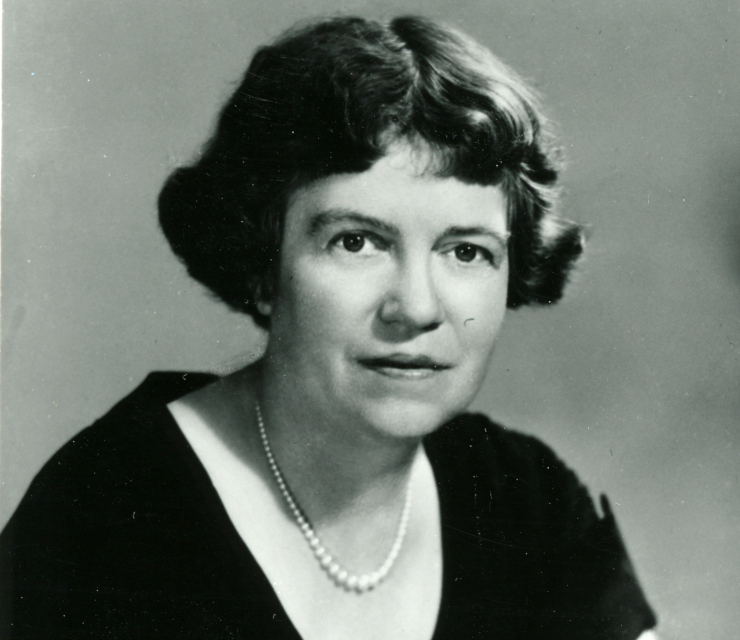
Anthropologist Margaret Mead brought attention to cultural perspectives on scientific change.

Published January 1, 2017

By Marie Gentile and Robert Birchard

“The Academy has stood for new ideas, for the adventurous and experimental,” said Margaret Mead, at a celebration of the Academy’s 150th anniversary in 1967.

“Adventurous and experimental” well describes Mead’s own career. As a new PhD in the 1920s, she carried out pathbreaking—and controversial—anthropological fieldwork on childhood and adolescence among indigenous South Pacific peoples. She later turned her attention to the context of youth in her own society, famously commenting on the “generation gap” of the late 1960s.

An outspoken public intellectual, Mead became, during her lifetime, America’s most famous anthropologist. And she used her decades-long association with the Academy to bring attention to cultural perspectives on scientific change in an era that spanned the development of nuclear weapons to the energy crisis of the 1970s.

Getting Involved with the Academy

Mead first became involved in the Academy in the 1930s. By then she had already made her mark with her best-selling books Coming of Age in Samoa and Growing Up in New Guinea.

Her professional home was in New York City, at the American Museum of Natural History (AMNH), where she became Curator of Ethnology—and where the Academy’s headquarters occupied two rooms during the 1930s and 1940s.

It’s possible that Eunice Thomas Miner, the Academy’s Executive Director at the time, recruited Mead—Miner initiated an unprecedented Membership drive in the late 1930s. Both women held the title of Research Assistant at AMNH, where they became friends as well as colleagues.

For the next 40 years, Mead’s perspective as an anthropologist shaped Academy affairs. She understood science as a product of culture. In Academy forums and elsewhere, she compared science in different national contexts, professional and public understanding of science, and perception of science by young people and older generations.

Her many articles and talks on the implications of these different perspectives—whether for nuclear war, space exploration, science education, scientific literacy of the public, and other issues—converged with a growing concern within the Academy about the place of science in society.

Contributions to the Academy

Throughout this time, Mead contributed research to Annals, organized meetings, and served the Academy in official capacities, at different times as Chair of the Anthropology section, Vice President of the Scientific Council, and Vice President of the Academy.

The Academy first provided a platform for Mead’s research in 1942, when it published her book with Gregory Bateson, Balinese Character: A Photographic Analysis. Carried out from 1936 to 1938, Bateson and Mead’s fieldwork in Bali made unprecedented use of photography and film, generating some 25,000 still images.

Earlier anthropologists had taken photographs, but this project was the first to do so on such a large scale, and also the first to present the visual record as the primary scientific evidence with written documentation secondary. The book helped launch the new field of visual anthropology and it remains a classic today.

As she became more involved with the Academy, Mead valued its ability to convene experts in “symposia on the growing edge of knowledge,” as she put it—and “the structure it provided for creative interchange among the sciences.”

Considering the Cultural Implications

In October of 1957, one of these frontiers was launching earth-orbiting satellites. Mead later recalled that the announcement of the Soviet Sputnik launch came only two hours after she had mailed invitations to an Academy conference on the cultural implications of “man in space.” The conference was held later the same month, and the proceedings were published in Annals the next year.

By the 1970s, when the cultural relevance of science came more and more into public view, Mead returned to theme that she often explored—the distance between specialists and non-specialists; between scientists and the public. To her thinking, improving science education at all levels was vital to bridging this gap and ensuring both scientific advances and informed public debate and decision-making.

These and many other issues that Mead tackled in the 1960s and 1970s remain relevant to the Academy today, including childhood nutrition and the challenges faced by women in science. She was, “Always helpful to this Academy,” in the words of a 1973 citation praising her as an Academy Governor, and could “be counted on for sound advice based on high principles.”

Learn more about Mead


Also see:

A Pioneer in Inflammation Resolution Research

a 3D illustration as seen in a medical journal.

Charles Serhan’s groundbreaking research is changing the way we view inflammation and the strategies for its therapeutic resolution.

Published October 1, 2016

By Daniel Radiloff

The 2016 Ross Prize in Molecular Medicine was awarded to Charles N. Serhan, PhD, DSc, who serves as the Simon Gelman Professor of Anesthesia, Perioperative and Pain Medicine at Harvard Medical School and Professor of Oral Medicine, Infection and Immunity at Harvard School of Dental Medicine.

Dr. Serhan received the Award, which is conferred by the Feinstein Institute for Medical Research and Molecular Medicine, at a scientific symposium held at the Academy on June 13, 2016, in his honor. A pioneer in the field of inflammation resolution research, Dr. Serhan was the first researcher to identify anti-inflammatory cellular mediators, including resolvins and lipoxins, which are critical in regulating the pro-inflammatory pathway. These discoveries have paved the way for increased understanding of how the resolution of inflammation can be translated into therapies for a variety of human diseases.

We sat down with Dr. Serhan to discuss the award, the scope and impact of his research, and the importance of mentorship in developing the next generation of scientists.

What is the current research focus of your laboratory?

The main research focus of the lab is the elucidation of the mechanisms involved in the resolution of inflammation and structural elucidation of the mediators in order to understand organ protection and collateral tissue damage, as this is the basis of many diseases and the collateral stress and damage for surgical interventions.

How did you choose mediators of the inflammatory response as the basis of your work?

I have always been interested in chemistry and biochemistry. The notion of chemical mediators orchestrating the immune response intrigued me from learning about things like histamines and the early prostaglandin research. You could say I have stuck with this research through my entire career, as there were enough questions to ask to go deeper and deeper which led to resolution, which no one had really studied before in a mechanistic fashion.

What was the “eureka” moment, when you realized that your research on these pathway could be used for therapeutic purposes?

It has been a steady progression. I have to say that at one point I did have an epiphany about the whole system—that it was a straight line that has yet to be fully realized, and we could use each one of the mediators we have identified to serve as a backbone for therapeutics. I would say another moment was rewriting the errors in the biochemistry textbooks on how essential fatty acids were actually regulating inflammatory responses. Overall, it has been an incremental process and a lot of slow, hard work—more than one moment.

What will be the next injury whose treatment will be influenced by your and others’ research in the inflammation field?

The stress of surgery is well recognized among surgeons as an acute inflammatory response, as is reflow injury, when blood reflows to tissue. These are two areas we can have a big impact on. Demonstrations are currently underway at a clinical trial level focused on ocular dry eye inflammation using a resolvin E1 mimetic. This work is based on a company I was involved in starting in 2000, but I am no longer actively involved in this venture.

Additionally, an orphan disease of great public health importance focused on by my lab is periodontal disease, which is inflammation-induced bone loss around the peridontium. We were able to go from a mouse model to a rabbit model thanks to NIH funding and have been able to develop a GMP-synthesis and pro-resolving mouth rinse.

A trial is on, with more than sixty people enrolled at the Forsyth Institute, to see if we can stimulate resolution of inflammation in the early stages of periodontal disease. This is being done in collaboration with Tom Van Dyke and his colleagues at the Forsyth Institute, with support from NIH/NIDCR. So I have a focus in my lab on periodontal disease, thinking that if we control local inflammation, what would be the impact on systemic inflammation. There is evidence in a lot of papers showing links to all sorts of systemic diseases resulting from periodontal disease.

What do you hope will be the long-term impact of your research from a global perspective?

One aspect we haven’t really touched on, but which is really important, is having a better education about the role of nutrition in an appropriate innate immune response. Some of our work underscores how important fatty acid nutrition is—a different side of our work that is still very important.

Did you always envision yourself as a scientist, or did you dream of being something else as a youth?

As you know, no one really sees themselves as a geek growing up. I really enjoyed chemistry when I was younger, tinkering around with chemistry sets and microscopes, but as I got older really wanted to be a musician. I even spent time on the road touring with bands, but I had a very swift change of heart and went back to my roots, deciding to study biochemistry at Stony Brook, and had a great experience as an undergraduate. Today, I still don’t really see myself as a scientist but rather a biomedical investigator. I always have seen scientists as people who work on rocket ships.

Do you think your musical training has had any influence on how you approach scientific research?

Yes, most definitely, it does play a role in science. The way I organize the laboratory projects is analogous to orchestration of music. Also, I would compare developing patience, skill and rigor in the scientific process to developing musical skills through continual practice. The more proficient you become mastering scales and rudiments in music, the more confident you become in your skills, and I see scientific research the same way.

Were there any individuals in your life that steered you towards science or played an important role in you becoming a scientist?

Yes, I had great science teachers in elementary school and absolutely loved them and loved science. When I was at graduate school at NYU I frequently visited high school science classes and told them how exciting scientific research was.

Were there any major challenges you had to overcome in your career to becoming a successful scientist?

Oh yeah, trying to remain continually funded is a real challenge. Other than that, overall, I have been very lucky, having great mentors and a supportive family. I’ve also had great trainees over the years, with about 90% of them successfully moving on to the next steps in their career.

Speaking of mentors, what is the most valuable lesson that you have learned from your mentors over the course of your career?

Anyone that does reasonably well in science has to have not only one mentor but a half a dozen mentors. I was lucky enough to work with the Lasker Award Winner Michael Heidelberger, the father of immunochemistry, when I started graduate school at NYU, who was retired at the time and in his 80s.

I learned two things from him that made a large impact on me: 1. You have to work on something you love to get you through the difficult times, and 2. You have to write everything down and make observations, because you will get distracted and forget things. To this day, I make people in my lab have two notebooks—an electronic one for detailing their experiments and one for writing down their ideas.

What do you hope that your mentees will pass along to their own mentees one day?

Of course, almost everyone would say the passion for experiments, but I would say steadfastness, commitment, and rigor are the key, because there are many things that can lead you astray these days.

What does winning the 2016 Ross Prize in Molecular Medicine mean to you?

I can’t even find the words to express it, I am so humbled and makes me very proud. On a personal level it’s nice for the people in my lab as they can see something to aspire to.

As the Academy approaches its bicentennial, we’re reaching out to top minds in emerging fields to get their opinions on the future of the sciences. What emerging fields do you think are the most exciting?

That’s a hard one. There are a lot of emerging areas of science that are exciting. Science drives technology and technology drives science. Lately, I have been working on tissue regeneration, and am interested in nanotechnology and local drug delivery systems, and I believe these approaches will revolutionize medical treatment and improve life. Also, from my perspective, I would say personal metabolomics is another emerging field, which may help us to understand collective health and behavior as well as personalized medicine.

About the Ross Prize in Molecular Medicine

The annual Ross Prize in Molecular Medicine was established in 2013 in conjunction with the Feinstein Institute for Medical Research and Molecular Medicine. The winner is an active investigator who has produced innovative, paradigm-shifting research that is worthy of significant and broad attention in the field of molecular medicine.

This individual is expected to continue to garner recognition in future years, and their current accomplishments reflect a rapidly rising career trajectory of discovery and invention. The winner receives an honorarium of $50,000. Previous Award winners include: Lewis C. Cantley, PhD, Weill Cornell Medical College (2015); John O’Shea, MD, National Institute of Arthritis and Musculoskeletal and Skin Diseases (NIAMS), National Institutes of Health (2014); and Dan Littman, MD, PhD, New York University (2013).

For more information, please send an email to rossprize@molmed.org.

This 2016 Ross Prize and Symposium were made possible by the generosity of Jack and Robin Ross with support from

Read more about the Ross Prize and past awardees:

Better Batteries for Electric Cars

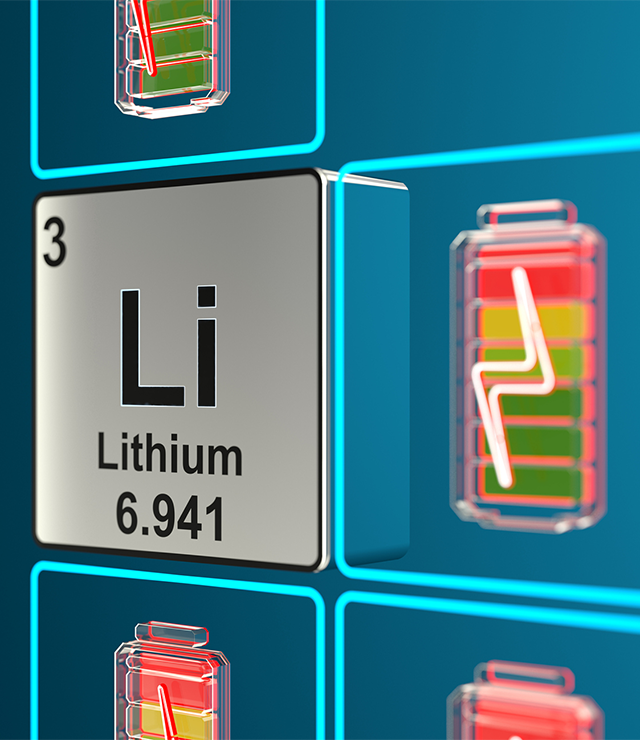
A graphic illustration of a battery.

Thomas Edison struggled with creating an electric car battery that would provide energy over time. With assistance from PowerBridgeNY, a startup may have solved this dilemma.

Published July 14, 2016

By Diana Friedman

We may think of the technology behind electric cars as a relatively new innovation, but at the turn of the 20th century battery-powered vehicles accounted for approximately one in every three automobiles on the road.

Luminaries like Henry Ford and Thomas Edison were keen on improving electric cars and car batteries, but encountered setbacks still seen today-namely, how to design a battery that can provide more energy over longer periods of time, and at a lower cost. Ford and Edison weren’t able to solve this problem, but with assistance from PowerBridgeNY, a proof-of-concept center funded by The New York State Energy Research and Development Authority (NYSERDA), the startup company Lionano is working to improve lithium-ion batteries and pave the way for greener electric cars.

The Challenge of Energy Density

According to Lionano co-founder Alex Yu, PhD, a significant problem with implementing lithium-ion battery technology in electric cars is due to the energy density necessary to power a vehicle over longer distances.

“The current Chevy Volt can only run about 53 miles on a battery alone, while the Nissan Leaf is up to 107 miles on a battery alone,” Yu explained. “This may not be enough energy to power a vehicle for commuters who travel longer distances to work.”

Newer automotive manufacturers like Tesla Motors have greater efficiency when it comes to mileage range on a single battery charge, but cost significantly more than other makes and models. There is also the issue of the life cycle of lithium-ion batteries for use in cars, which degrade over time.

“Think about your cell phone-if you charge it every single day, it will last through about 1,000 charging cycles or three years. At that point, you’re likely to buy a new phone. That’s fine for cell phones, but most people don’t buy a new car every three years,” Yu noted.

A Boot Camp for Clean Energy Technology

While completing his doctoral studies in chemistry at Cornell University, Yu learned about the PowerBridgeNY program that functions as a boot camp of sorts to help scientists and researchers transition their clean technology innovations from the laboratory to the marketplace.

In 2014 Yu and his team, including members Siyu Huang and Héctor D. Abruña, were awarded a Cycle One grant from the proof-of-concept center to validate and market lithium-ion batteries that were more efficient and longer-lasting than other models available in consumer and commercial products. The end result is a proprietary nano-engineered material for lithium-ion batteries with twice the energy density and 2-3 times the cycle life of comparable batteries, at half the cost.

According to Yu, the support that PowerBridgeNY provided to the Lionano team by connecting them to customers for feedback on the industry overall and the specific product was particularly illuminating and invaluable to the process. Thanks to this funding and guidance, Lionano has passed both the technology validation and prototype stages, and is actively seeking investment capital and licensing agreements to increase production.

Going forward, Yu believes that transportation will becoming truly “electrified” as the technology becomes more viable for a wider audience.

“Because of environmental issues like congestion and pollution, electric transportation (as cleantech) is likely to be hugely popular,” he stated. “I believe that this car is the future.”


Learn more:

Bioethics Meets R&D: The Ethics of Pre-approval Access

Patients with life-threatening illnesses face challenges in accessing potential therapies at the cutting-edge of research and development, which have not yet been proven in a clinical trial. Some pharmaceutical companies produce and provide medicines on a case-by-case basis through expanded access or “compassionate use” programs. The tension among principles of fairness, equity, and compassion are explored in this podcast through a case study about a social media campaign led to an expedited clinical trial for an investigative antiviral medicine. Guests will explore the provocative and emotional stories of patients, family members, advocates, researchers, physicians, and the regulators charged with keeping medicines in the marketplace safe and effective. 

This podcast was a collaboration between The Division of Medical Ethics at NYU School of Medicine and The New York Academy of Sciences. 

Is There a Limit to Human Knowledge?

Modern physics and its leading theories have been remarkably successful in describing the history of our universe, and large-scale experiments, such as the Large Hadron Collider, are continuously producing new data that extend our knowledge of the world. Nevertheless, our understanding of some physical concepts that seek to explain our universe—dark matter and dark energy, quantum gravity, supersymmetry, and the cosmological constant—remain unresolved. Featuring cosmologist Neil Weiner, string theorist Eva Silverstein, and physicist Vijay Balasubramanian, with moderation from philosopher of science Jill North, this podcast explores what the future holds for physics. 

This podcast was made possible through the support of a grant from the John Templeton Foundation. The opinions expressed in this podcast are those of the speaker(s) and do not necessarily reflect the views of the John Templeton Foundation. 

Studying Behavioral and Emotional Development

A logo with the text #IAmNYAS

The Academy community represents one of the most dynamic and diverse groups of STEM professionals and science enthusiasts and supporters around the world, with more than 16,000 Members across 100 countries.

Published May 1, 2016

By Diana Friedman

Academy Members are building STEM careers, overcoming the challenges associated with cutting-edge research, putting science into practice, influencing policy, and supporting future generations of science leaders.

We invite you to get to know your fellow Academy Members and learn about new opportunities to interact and get involved!

Anne Inger Helmen Borge

As the Head of Research for the Department of Psychology at the University of Oslo in Norway, Anne Inger Helmen Borge, PhD, has focused her own research on developmental psychology. She conducts longitudinal studies on behavioral and emotional development from childhood through adulthood. An internationally recognized expert with Horizon 2020, the largest European Union research and innovation program, and a mentor to others, Anne cites early experiences with a mentor of her own as the source of major science inspiration.

What are you currently working on?

“The Matter of the First Friendships,” a longitudinal study that examines whether friendships protect against the development of psychopathology among very young children. Data collection originally took place between 2006 and 2009. It was surprising to observe how early children, ages 1–2 in daycare, establish friendships and show preferences among peers in the groups. This spring, 10 years after we started, we will follow up with the children who are now are 12–16 years of age.

Why did you become a Member of the New York Academy of Sciences?

I attended one of your excellent conferences and I understood international organizations were important. I like very much the Academy’s balance of understanding young scientists as well as those of us who are older.

Expand Your Network!

Inspired by the passion, expertise, and unique perspectives of your fellow Members? Tap in to the incredible network the Academy offers through our mentoring programs.

We’re thrilled to offer you access to a new opportunity to get involved and interact: Member-to-Member Mentoring. The program matches you with a mentor—or a mentee—who is a fellow STEM professional and Academy Member. Depending upon your experience level and needs, you can request a mentor, become a mentor, or both.

Interested in mentoring students? We also offer incredible mentorship opportunities through the Academy’s Global STEM Alliance, which delivers education programs that can help you develop your teaching and communication skills, while paying it forward to the next generation of scientific innovators.


Peruse our mentorship opportunities, and sign up today!

Zoonotic Diseases and the Animal-Human Interface

A logo with the text #IAmNYAS

The Academy community represents one of the most dynamic and diverse groups of STEM professionals and science enthusiasts and supporters around the world, with more than 16,000 Members across 100 countries.

Published May 1, 2016

By Diana Friedman

Academy Members are building STEM careers, overcoming the challenges associated with cutting-edge research, putting science into practice, influencing policy, and supporting future generations of science leaders.

We invite you to get to know your fellow Academy Members and learn about new opportunities to interact and get involved!

Mohamed El Zowalaty

Virologist and microbiologist Mohamed El Zowalaty, PhD, who often goes by the nickname Mez, has been passionate about biology for as long as he can remember. His commitment to the animal–human interface has led to unique opportunities in Malaysia, the United Kingdom, and the U.S.

What are you currently working on?

I am working on research projects focused on zoonotic diseases, including the MERS coronaviruses, nanoparticles of biomedical application as antimicrobial agents, and the microbiome as it relates to human health.

Who has been your biggest science inspiration?

My late father Dr. Ezzat El Zowalaty. He was a veterinarian who inspired me to study at the animal–human interface. The animal–human interface refers to diseases that are transmitted from animals to humans (zoonotic diseases), or from humans to animals (zooanthroponosis). I find veterinary science to be a cornerstone field in improving human health.

What are some of the things you do outside the lab?

Arts, reading, tennis, and I volunteer in community and childhood education initiatives on various topics aiming to improve health.

Also, a few months back, I was selected as a champion and listed member for Antibiotic Action, an independent, global initiative funded by the British Society for Antimicrobial Chemotherapy. Antibiotic Action contributes to national and international activities aiming to improve public awareness on antimicrobial resistance.

Expand Your Network!

Inspired by the passion, expertise, and unique perspectives of your fellow Members? Tap in to the incredible network the Academy offers through our mentoring programs.

We’re thrilled to offer you access to a new opportunity to get involved and interact: Member-to-Member Mentoring. The program matches you with a mentor—or a mentee—who is a fellow STEM professional and Academy Member. Depending upon your experience level and needs, you can request a mentor, become a mentor, or both.

Interested in mentoring students? We also offer incredible mentorship opportunities through the Academy’s Global STEM Alliance, which delivers education programs that can help you develop your teaching and communication skills, while paying it forward to the next generation of scientific innovators.


Peruse our mentorship opportunities, and sign up today!

Improving Nutritional Quality and Food Safety

A logo with the text #IAmNYAS

The Academy community represents one of the most dynamic and diverse groups of STEM professionals and science enthusiasts and supporters around the world, with more than 16,000 Members across 100 countries.

Published May 1, 2016

By Diana Friedman

Academy Members are building STEM careers, overcoming the challenges associated with cutting-edge research, putting science into practice, influencing policy, and supporting future generations of science leaders.

We invite you to get to know your fellow Academy Members and learn about new opportunities to interact and get involved!

Michael I. McBurney

Michael I. McBurney, PhD, FACN, who lives in Kinnelon, NJ, is the vice president of Science, Communications & Advocacy for DSM Nutritional Products as well as an Adjunct Professor at the Friedman School of Nutrition Science & Policy at Tufts University. Michael’s “life goal” is to make a difference and he is achieving this through his work in the fields of nutrition and health.

You blog a lot—what’s one of your favorite posts?

This is a difficult question as I am usually enamored with every blog once it is posted! With over 900 blog posts at DSM’s TalkingNutrition blog, it is our readers who have the final say (vote) on best blog post. And using that yardstick, the vote usually goes to those by my co-blogger, Julia K. Bird! However, as a recent example, it is personally satisfying to have a platform to discuss nutrition research [such as my recent post on] “Why Conduct Nutrition RCTs without Nutrition Assessment?”

What is one of the biggest challenges you’re facing right now?

Consumer confusion about the nutritional quality and safety of foods. Over 70% of our food purchases are for processed foods. Our health is most often challenged because we eat too much and/or we routinely eat the same few foods. Without a diverse diet, moderate portions, and adherence to recommended number of servings from each food group, it is very difficult to consume recommended quantities (RDAs) of vitamins and minerals.

Food enrichment and fortification has increased the amount of micronutrients (nutrient density) of our diet. A multivitamin-mineral supplement can provide additional insurance that we meet RDAs. Yet, there is a misperception about the healthfulness of fortified foods and multivitamin-mineral supplements. Because of our food choices and sedentary lifestyle, obesity co-exists with undernutrition (inadequate intake of essential nutrients).

Expand Your Network!

Inspired by the passion, expertise, and unique perspectives of your fellow Members? Tap in to the incredible network the Academy offers through our mentoring programs.

We’re thrilled to offer you access to a new opportunity to get involved and interact: Member-to-Member Mentoring. The program matches you with a mentor—or a mentee—who is a fellow STEM professional and Academy Member. Depending upon your experience level and needs, you can request a mentor, become a mentor, or both.

Interested in mentoring students? We also offer incredible mentorship opportunities through the Academy’s Global STEM Alliance, which delivers education programs that can help you develop your teaching and communication skills, while paying it forward to the next generation of scientific innovators.


Peruse our mentorship opportunities, and sign up today!

Studying and Implementing Dimensionality Reduction

A logo with the text #IAmNYAS

The Academy community represents one of the most dynamic and diverse groups of STEM professionals and science enthusiasts and supporters around the world, with more than 16,000 Members across 100 countries.

Published May 1, 2016

By Diana Friedman

Academy Members are building STEM careers, overcoming the challenges associated with cutting-edge research, putting science into practice, influencing policy, and supporting future generations of science leaders.

We invite you to get to know your fellow Academy Members and learn about new opportunities to interact and get involved!

Dmitry Storcheus

Dmitry Storcheus, MS, is an engineer at Google Research NY, where he specializes in the research and implementation of dimensionality reduction.

What initially drew you to the field of machine learning?

I was drawn to the field because of the remarkable power of machine learning tools to learn and forecast patterns in data. I remember an article from 2011 about scientists from Stanford who were able to use machine learning to study breast cancer with their algorithm (called C-Path) using microscopic images. They reported that the algorithm was more accurate than human doctors in predicting survival, which was amazing for me at that time. The success of machine learning combined with its mathematical rigor inspired me to conduct research in this field.

What are some of the biggest challenges in machine learning right now?

The first one is regarding supervised versus unsupervised methods. While unsupervised methods have greater flexibility, the supervised ones can be fine-tuned to achieve better accuracy, so there is a tradeoff. Recently I published a paper coauthored with Mehryar Mohri and Afshin Rostamizadeh that makes a point for using supervised dimensionality reduction, since it has favorable learning guarantees. Particularly, we show that the generalization error of a hypothesis class that includes learning a linear combination of kernels that define projection jointly with a classifier has a favorable bound.

The second challenge is “Can kernel machines match deep neural networks in accuracy?” So far we have seen great progress by wonderful scientists, such as Fei Sha and Le Song, who were able to use kernel approximations to match deep neural networks in accuracy on speech datasets and provide theoretical justification of their results. This work is still in progress, and I think it will be raising widespread discussions in the next couple of years.

Expand Your Network!

Inspired by the passion, expertise, and unique perspectives of your fellow Members? Tap in to the incredible network the Academy offers through our mentoring programs.

We’re thrilled to offer you access to a new opportunity to get involved and interact: Member-to-Member Mentoring. The program matches you with a mentor—or a mentee—who is a fellow STEM professional and Academy Member. Depending upon your experience level and needs, you can request a mentor, become a mentor, or both.

Interested in mentoring students? We also offer incredible mentorship opportunities through the Academy’s Global STEM Alliance, which delivers education programs that can help you develop your teaching and communication skills, while paying it forward to the next generation of scientific innovators.


Peruse our mentorship opportunities, and sign up today!

Inspired by the Nonstop Thirst for More Knowledge

A logo with the text #IAmNYAS

The Academy community represents one of the most dynamic and diverse groups of STEM professionals and science enthusiasts and supporters around the world, with more than 16,000 Members across 100 countries.

Published May 1, 2016

By Diana Friedman

Academy Members are building STEM careers, overcoming the challenges associated with cutting-edge research, putting science into practice, influencing policy, and supporting future generations of science leaders.

We invite you to get to know your fellow Academy Members and learn about new opportunities to interact and get involved!

Devika Varma

Devika Varma is a PhD candidate in Biomedical Engineering at The City College of New York. Her thesis focuses on developing novel, plant-based materials for intervertebral disc repair and regeneration. In short, she is working to figure out a non-invasive treatment for back pain. In her spare time, Devika mentors students by participating in the Academy’s mentoring programs.

Who has been your biggest science inspiration?

My grandfather, K.K.R Varma, has been my biggest science inspiration. He would always encourage me to read science fiction authors and push his collection of Popular Mechanics my way. Even at the age of 90 he is learning new languages like Urdu and Arabic. He also continues to brush up on his Calculus. This constant thirst for knowledge is what continues to inspire me. I am very lucky to have him in my life.

What’s a fun fact about you that might surprise your friends or colleagues?

I strongly believe in the power of human “poop.” Human excreta is packed with nutrients and has tons of untapped energy which I believe can be manipulated to power our future and increase our agricultural productivity, organically. Resourceful sanitation can create biofuel and compost from dry toilets. Sounds like a pipe dream, but organizations such as SOIL in Haiti are setting great examples.

What is the most important benefit you feel the Academy’s Global STEM Alliance provides?

The programming at the Global STEM Alliance has been very impressive in terms of how impactful they are for young professionals in STEM and how genuine their outreach efforts have been. Their mentoring programs such as the Afterschool STEM Mentoring Program and its “Food Connection” project have really helped me tap into the inner mentor in me.

Expand Your Network!

Inspired by the passion, expertise, and unique perspectives of your fellow Members? Tap in to the incredible network the Academy offers through our mentoring programs.

We’re thrilled to offer you access to a new opportunity to get involved and interact: Member-to-Member Mentoring. The program matches you with a mentor—or a mentee—who is a fellow STEM professional and Academy Member. Depending upon your experience level and needs, you can request a mentor, become a mentor, or both.

Interested in mentoring students? We also offer incredible mentorship opportunities through the Academy’s Global STEM Alliance, which delivers education programs that can help you develop your teaching and communication skills, while paying it forward to the next generation of scientific innovators. The Junior Academy and 1000 Girls, 1000 Futures are recruiting new mentors this June.


Peruse our mentorship opportunities, and sign up today!