Evidence is mounting that psychedelics can be effective in treating patients experiencing depression, anxiety, addiction, and other mental health conditions. Therapy sessions in clinical trials can be very intense experiences, but volunteers are carefully supported and monitored closely.
Published August 12, 2021
By Roger Torda
What is it like to take psilocybin in a clinical trial? Roland Griffiths, PhD, a researcher who focuses on the effects of mood-altering drugs, recently described the course of a patient’s clinical trial experience with psilocybin, which is the active ingredient of psychedelic mushrooms. Speaking during a New York Academy of Sciences webinar, Dr. Griffiths explained that volunteers must first meet certain criteria. The experience can be intense, and researchers screen out people with certain psychological disorders. Scientists and therapists also look for people with whom they can establish a bond of trust, which can be especially important since the drug can bring about temporary disorientation or anxiety.
Dr. Griffiths is a professor of psychiatry and neuroscience at Johns Hopkins University School of Medicine and Director of the Center for Psychedelic and Consciousness Research. His studies include trials to evaluate the use of psilocybin for treatment of psychological distress in cancer patients, cigarette addiction, and major depression. The sessions are similar regardless of the therapeutic goal, but planning and follow up techniques vary depending on the psychological condition being addressed.
Therapy Requires Careful Execution
In all cases, the therapy takes careful execution. During the experience, volunteers are never left alone; two clinicians or therapists are always standing by. The day of drug treatment is long. And the dose of psilocybin is large. During the experience, volunteers are never left alone; two clinicians or therapists are always standing by.
Dr. Griffiths said eye shades and music help people turn their attention inward, and help them avoid being distracted by therapists who are in the room to monitor the process. This very inward-focus with psilocybin is different than therapy with some other psychedelics. In trials with MDMA, which is commonly known as Ecstasy, volunteers usually are more talkative while under the influence of the drug.
Sessions follow the treatment with psilocybin, when therapists help patients make sense of the experience.
Experiences can vary, but patients often exhibit emotionality and report visualizations and feelings of deep connection with “others”, including the divine. Dr. Griffiths said patients often rate the experiences as among the most personally meaningful of their lifetime.
While there are plenty of mysteries about the immediate impact of these drugs and their effects on consciousness, scientists are learning more about changes they bring about in brain chemistry. Scientists are also developing theories about how the drugs may lead to long-term changes and benefit, which volunteers report in many studies.
Scientists understand some of the short-term changes in the brain brought about by psychedelics. Many mysteries remain, however, about how the chemicals can bring persistent effects and may help treat psychological disorders such as PTSD.
Published August 12, 2021
By Roger Torda
hallucinogenic mushrooms close-up growing group psychedelic legally golden teacher psilocybe cubensis
Studies are showing psychedelics can be effective in treating depression and other psychological conditions. Results from a recent Phase 3 clinical trial, for example, show MDMA—often known as Ecstasy—can effectively treat Post Traumatic Stress Disorder (PTSD). Researchers and clinicians are excited about the results, for psychedelics may offer a new therapeutic avenue for several psychiatric disorders that have been difficult to treat.
But how do psychedelics work? Their long-term effects remain something of a mystery. Our knowledge is growing, however, about the short-term changes they bring about in our brains.
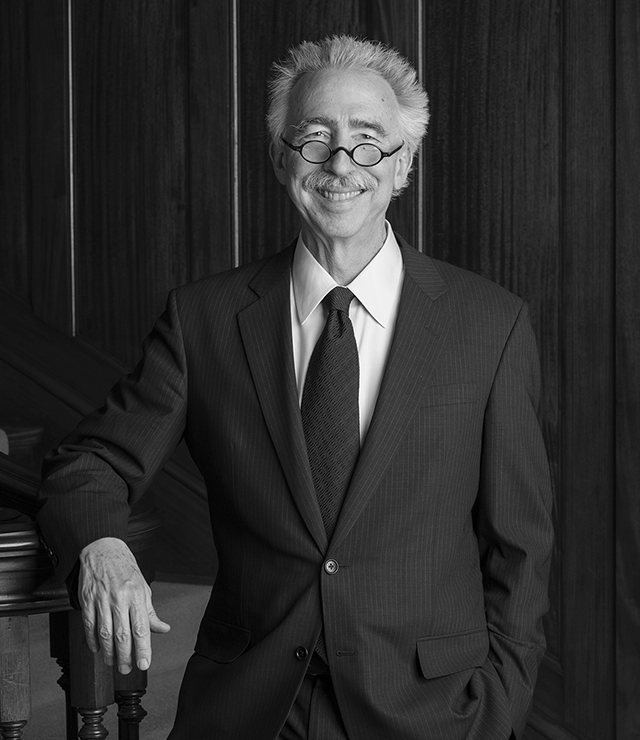
David E. Nichols, PhD, who is president and co-founder of the Hefftner Research Institute, explained during a webinar hosted by The New York Academy of Sciences (the Academy) that drugs known as “classical psychedelics”—including psilocybin, DMT, LSD, and mescaline—mimic serotonin, leading to changes in the dynamics of brain function.
Studies using brain imaging have shed light on how this activation of HT2 receptors impact a network of connections across the entire brain. Scientists don’t know how this leads to therapeutic efficacy, but research led by a group at Imperial College London suggests there may be something of a “reset” of key brain circuits that play a role in depression.
Roland Griffiths, PhD
Roland Griffiths, PhD, of the Johns Hopkins University School of Medicine, also spoke at the symposium. He explained that the immediate effects of psilocybin in the brain subside quickly, but some changes persist, even though it remains something of a mystery how this happens.
There is evidence to suggest the classical psychedelics, while creating connections across the brain, decrease organized activity in a something scientists call the “default mode network.” These changes may lead to a temporary weakening in our sense of ego or “self”, which may explain why the drugs seem to promote a heightened sense of connection with “others.”
Additional research suggests the drugs may affect how the brain uses new information to affect prior beliefs. The brain uses these “priors” to make predictions. New sensory data are normally used to update and correct the underlying beliefs. Psychedelics may interrupt this process, leading to changes in how an individual perceives the world.
Much research lies ahead, and Dr. Griffiths says scientists are humbled by what remains unknown about these processes.
During the webinar, Dr. Griffiths and Rachel Yehuda, PhD, of the Icahn School of Medicine, also took viewers behind-the-scenes of clinical trials with psychedelics.
Although advances made in health and safety have more than doubled life expectancy throughout much of the world since 1900, it hasn’t been without consequence. Disease, disability, and frailty have all impacted the quality of life associated with these later years. This unfortunate reality was recently illuminated by the COVID-19 pandemic, which severely affected this population, likely due to physiological changes and preexisting conditions. Fortunately, a primary goal of geroscience researchers is to attenuate age-related health issues so that older people not only enjoy an improved quality of life, but also maintain the resilience to survive severe diseases and infections.
While it’s irrefutable that we cannot avoid aging, it’s no longer within the realm of science fiction for us to temper and even reverse the aging process. On May 19, 2021, the New York Academy of Sciences hosted a virtual symposium that brought together geroscience experts spanning various disciplines, including genetics, endocrinology, gerontology, clinical psychology, and more. Speakers discussed targeting the key hallmarks of aging, developing biomarkers for geriatric therapies, and translating findings that extend healthspan and lifespan to the clinic.
Symposium Highlights
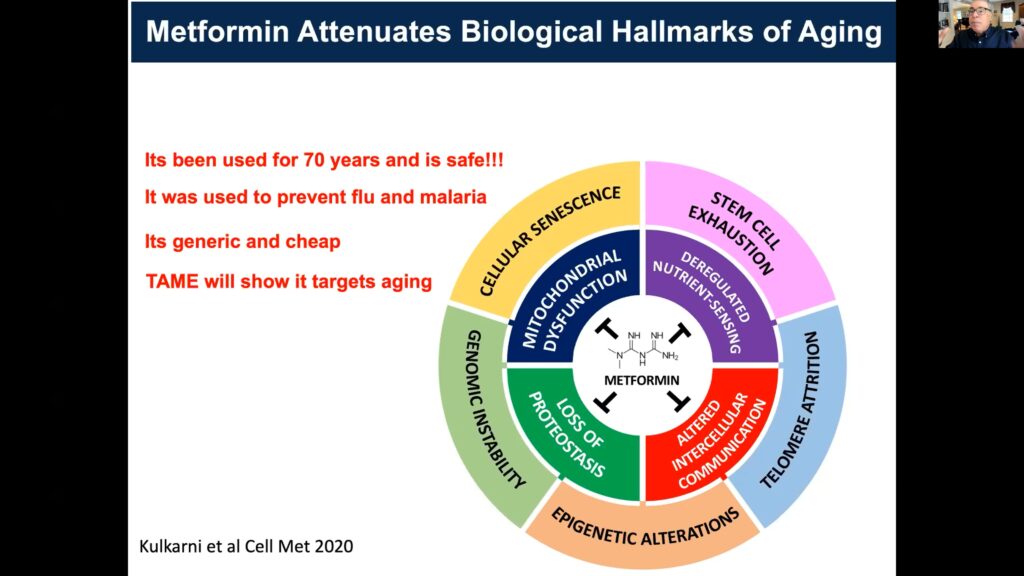
The Target Aging with Metformin study uses the FDA approved anti-diabetic metformin, which targets the hallmarks of aging, to investigate the prevention of age-related diseases.
Precluding the age-associated decline of chaperon-mediated autophagy restrains the aggregating effects of Alzheimer’s disease and extends lifespan in murine models.
Lower IGF-1 levels in older adults are associated with decreased cognitive impairment, age-related diseases, and mortality.
Epigenetic clocks can be applied to study biological aging differences, with accelerated epigenetic aging correlating with the prevalence and incidence of morbidity and mortality.
The metabolome is a powerful locus of opportunity to bridge the gap between genotype and age.
Alternative splicing is upregulated in response to declining mitochondrial function and increasing age.
Senescent cells upregulate pro-survival pathways, and their elimination alleviates diverse age-related conditions.
The mitochondrial-derived peptides humanin and MOTS-c are associated with increased longevity in animal models and humans.
Speakers
Nir Barzilai, MD Albert Einstein College of Medicine
Ana Maria Cuervo, MD, PhD Albert Einstein College of Medicine
Sofiya Milman, MD Albert Einstein College of Medicine
Morgan Levine, PhD Yale School of Medicine
Daniel Promislow, PhD University of Washington
Luigi Ferrucci, MD, PhD National Institute on Aging, National Institutes of Health
James Kirkland, MD, PhD Mayo Clinic
Pinchas Cohen, MD USC Leonard Davis School of Gerontology
Targetable Aging Processes
Speakers
Nir Barzilai, MD Albert Einstein College of Medicine
Ana Maria Cuervo, MD, PhD Albert Einstein College of Medicine
Keynote: Age Later: Translational Geroscience
Aging is the strongest risk factor for all age-related diseases, with diverse maladies accumulating during the later years of life. Hence, to abate or avert the relevant disorders, it’s critical to target the central driver—aging itself. Physician Nir Barzilai, the founding director of the Institute for Aging Research, investigates the genetics of longevity by studying centenarians and their offspring, interrogating the hypothesis that these individuals have genes that prolong aging and protect against age-related diseases.
Using Slow Off-Rate Modified Aptamer, Barzilai’s team assessed 5,000 proteins in a population of 1,000 individuals between the ages of 65-95, a period during which aging accelerates. Results demonstrated a significant change in the level of hundreds of proteins as a function of age. Among the top hits were proteins from collagen breakdown of tissue and cellular products, highlighting the pivotal role this process plays in aging, and suggesting that deterring disintegration may be a universal biomarker for geroprotection.
Metformin, a long-standing FDA approved anti-diabetic, targets the complement of aging indications.
A predominant challenge to translating advances made in geroscience from animal models to humans is the FDA, which currently doesn’t consider aging a disease indication or preventable condition. Barzilai and others are utilizing metformin, an FDA-approved anti-diabetic, to refute this contention. Various groups have shown that metformin has substantial effects on human healthspan, including delaying type-2 diabetes mellitus (T2DM). In this patient subset, metformin also impedes cardiovascular disease, cognitive decline, and Alzheimer’s and is associated with decreased cancer incidence, with population effects approaching 30% in all cases.
Barzilai’s team designed the Target Aging with Metformin, or TAME, study to investigate whether or not there’s a shift in the timeline of disease occurrence between a cohort receiving metformin versus a control cohort. Various biomarkers of aging and age-related diseases will be used to provide convergent evidence of broad, age-related effects, while also establishing a resource for innovation and discovery of emergent biomarkers.
“The most important thing for us is to develop biomarkers that will change when we use a gerotherapuetic,” Barzilai asserted, as this will expedite therapeutic prospects.
Targeting Selective Autophagy in Aging and Age-related Diseases
Physician-scientist Ana Maria Cuervo’s research seeks to understand the molecular basis of autophagy dysfunction with age and the contribution of defects in this cellular pathway to diseases such as neurodegeneration, metabolic disorders, and cancer. Autophagy belongs to the proteostasis network, which regulates protein content and quality control.
Chaperon-mediated autophagy (CMA) is a subset of the mammalian autophagy program that directly targets proteins to the lysosome for degradation. CMA has been shown to decrease with age in human and animal models. Cuervo’s lab developed a fluorescent murine reporter construct to visualize CMA and track the kinetics of its activity in different organs.
Blocking this pathway in neurons resulted in the aggregation of proteins like α-synuclein (α-syn), tau, and others that are causal in Alzheimer’s Disease (AD). Additionally, CMA reporter mice crossed with a mouse model of AD revealed that CMA activity dramatically decreases in the neurons of AD mice.
Leveraging these findings, Cuervo’s group generated a mouse model to restore CMA activity conditionally. Mice with preserved CMA exhibited an extended median and maximal lifespan compared to controls. Evaluation of the proteostasis network in mice with and without CMA restoration revealed major changes in the proteome. Mice in which CMA was preserved more closely resembled younger animals than their age-matched controls.
“By acting in one of these pathways, we can have an impact in the other hallmarks of aging… because of this interconnection among [them],” Cuervo emphasized.
A compound to selectively activate CMA was developed and tested in an AD model, with results illustrating a reduction in tau pathology and microglial activation in the presence of this agent.
Sofiya Milman, MD Albert Einstein College of Medicine
Morgan Levine, PhD Yale School of Medicine
Translational Geroscience: Role of IGF-1 in Human Healthspan and Lifespan
Physician Sofiya Milman conducts translational research to uncover the genomic mechanisms regulating the endocrine and metabolic pathways involved in age-related conditions like diabetes, cardiovascular disorders, and Alzheimer’s.
“The goal of geroscience is really to extend healthspan, and not necessarily lifespan,” Milman opened. “What we’re really trying to do is to compress the period of morbidity.”
To discover the biological pathways that allow humans to live long, healthy lives, Milman’s team focused on IGF-1: a reduction of this factor has been consistently shown to extend healthspan and lifespan in models. IGF-1 levels peak during the teenage years before gradually declining. If the reduction of IGF-1 protects from aging, Milman reasoned that lower IGF-1 levels would delay aging and prevent age-related diseases.
Examining a cohort of centenarians expressing lower levels of IGF-1 revealed a 50% reduction in cognitive impairment compared to higher IGF-1 level controls. Genetic studies demonstrated that centenarians were enriched for rare mutations in the IGF-1 receptor that diminished signaling. Additionally, individuals 65+ with low IGF-1 had less cognitive impairment, and delayed onset of cognitive impairment, multi-morbidities, and mortality.
Milman’s team also addressed the link between IGF-1 and age. Younger individuals with lower levels of IGF-1 were at an increased risk for mortality and age-related diseases compared to older individuals, while higher levels of IGF-1 in older adults were associated with increased risk. This suggests that the IGF-1 network aligns with the concept of antagonistic pleiotropy, wherein a factor that’s beneficial to individuals when they’re younger may become harmful when they’re older. It’s advantageous to maintain functionality of proteostasis and resilience as an individual gets older, but IFG-1 inhibits programs involved in these processes.
“So from this, we think it would be wise to maintain IGF-1 levels in youth, but to reduce them with aging,” Milman concluded.
Epigenetic Biomarker of Aging for Lifespan and Healthspan
Biological age is defined by changes or alterations in a living system that renders it more vulnerable to failure and is behind the age-related increase in susceptibility to chronic diseases. Unlike chronological age, it is very difficult to measure because it’s unobservable.
Morgan Levine integrates theories and methods from statistical genetics, computational biology, and mathematical demography to develop biomarkers of aging for humans and animal models. Among this work are efforts to establish systems-level outcome measures of aging to facilitate evaluation for gero-protective interventions.
“There’s some disagreement on how we actually quantify [biological age],” Levine started. “But I would argue that it’s really important to try and do so, because quantifying [this] will really help us in a number of endeavors in the field.”
Levin’s lab is particularly interested in epigenetic aging, as aging drastically remodels the DNA methylation landscape, with widespread increases and decreases as a function of age.
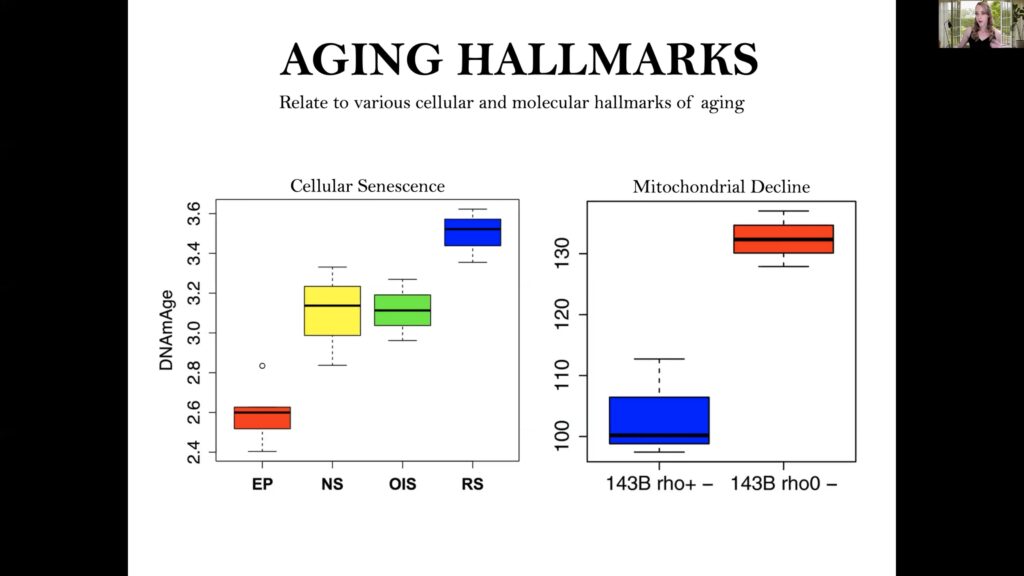
Senescent cells and cells with disrupted energy production show accelerated epigenetic aging.
Epigenetic clocks estimate DNA methylation across the genome and combine supervised machine-learning approaches to develop predictors of biological age.
“We think people who have a predicted [epigenetic] age that’s younger than their chronological age should be actually aging slower, whereas the opposite is true for people that have a genetic age that is predicted higher,” said Levine.
Applying these measures to diseased states yielded several pertinent findings. For example, individuals who have pathologically diagnosed Alzheimer’s post-mortem show accelerated epigenetic aging in their brain relative to their chronological age. Tissue differences were also captured, revealing that tissues seem to age asynchronously, with highly proliferative tissues and tumor cells having accelerated aging compared to slower aging brain tissue.
Levine’s group also evaluated cellular senescence and energy disruption, with results revealing that near senescent, HRAS oncogene induced senescent, and replicative stress senescent cells have an acceleration in epigenetic age compared to early parental control cells. Additionally, deletion of mitochondrial DNA accelerated epigenetic aging, while caloric restriction in mice stalled their epigenetic clocks.
Luigi Ferrucci National Institute on Aging, National Institutes of Health
Metabolomics in the Search for Biomarkers and Mechanisms of Aging
Daniel Promislow applies metabolomics and systems biology approaches to study aging, with a focus on understanding the evolutionary and molecular traits that shape fitness in the natural human population. Although genome-wide association studies have allowed researchers to identify thousands of polymorphisms associated with the complement of measurable traits, including aging, the disparities identified explain less than half of 1% of the phenotypic variations.
Many genes interacting with each other ultimately influence phenotypes, and the biological distance between the two is astronomical. To bridge this gap, researchers use endophenotypes—from the epigenome, transcriptome, proteome, metabolome, and microbiome—along with various omics approaches. Promislow’s lab focuses on the metabolome, which integrates information from the environment and genotype to ultimately affect aging.
Promislow’s team utilizes translational metabolomics in various insect and animal models to understand and translate aging patterns to human populations. Applying this approach to Drosophila demonstrated that the metabolome could predict stress resistance, completely separating groups of sensitive or resistant flies to a metabolic stressor by principal component analysis. These effects could not be recapitulated with a whole fly genome sequence dataset. Evaluating response to diet restriction (DR) also revealed changes in metabolite levels with age. Among nearly 200 different inbred strains, roughly 75% showed a benefit to DR.
“Interestingly, the effect of specific genetic variants on the lifespan response was very weak,” Promislow began. “But we did find genes that were associated with metabolites, which were associated with the lifespan response, reinforcing this idea…that the metabolite profile can be a kind of bridge between genotype and phenotype.”
Promislow’s group also demonstrated that the metabolome could serve as a biological clock, revealing that shorter-lived genotypes appeared to have a higher biological age than expected for their chronological age.
Translational Potential of the Biology of Aging
As individuals age, the incidence of chronic disease increase, and disease progression quickens. Physician-scientist Luigi Ferrucci aims to interrogate the causal pathways that lead to progressive physical and cognitive decline in aging.
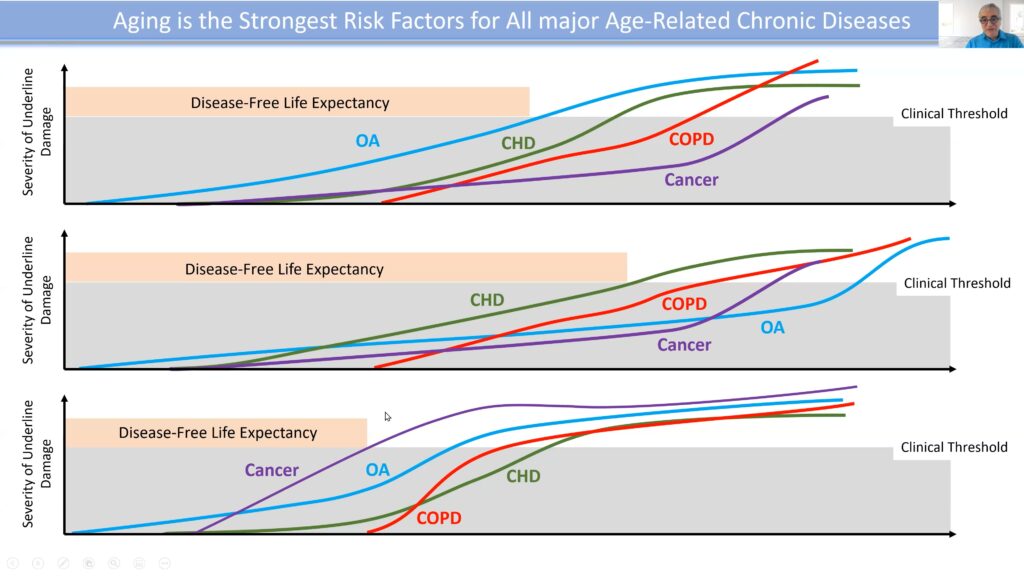
Cellular damage is accumulated during a person’s life, eventually reaching a pathology threshold that becomes clinically relevant when the damage presents as a disorder. Conventionally, the disease is often only addressed once it reaches this stage. The problem with this approach is that the present disease is often a marker of a more profound and invasive disorder to come.
“[Instead], we need to measure the underlying force that determines the emergence of diseases and their consequences,” Ferrucci argued.
By interfering with the basic mechanisms of aging to curtail it, broader effects of abating multiple chronic disorders can be achieved.
Cellular damage is accumulated over the course of an individual’s lifetime, with disease presenting once the clinical threshold for a given disorder is reached.
The rate of biological aging can be defined by the ratio of cellular damage accumulation to repair capacity. If the rate of damage accretion is fast, but the repair capacity is high, there won’t be an accumulation of damage, and aging will be slowed. However, when damage outpaces repair, aging accelerates.
Repair pathways require energy to operate effectively, and mitochondrial function declines dramatically with age. Ferrucci’s team discovered that this decline is associated with an upregulation of alternative splicing of mitochondrial proteins. Delving deeper into this mechanism, they applied gene set enrichment analysis to 5,325 RNAs with at least one splice variant significantly altered in response to changing mitochondrial function, as measured by AMPK and aging.
Among the top hits were GLUT4, VEGFA, IRS2, mTOR, PI3K, ULK1, ACC1, NRF2, and PGC1-α. Of note, the splice A variant of the topmost hit, VEGFA, appeared to be geronic, while the B variant appeared to be anti-geronic, with the ratio of these variants declining with age. Thus, alternative splicing is a method by which the body copes with energy decline due to mitochondrial dysfunction.
Translational Research for Healthspan and Lifespan
Speakers
Pat Furlong, Panelist Parent Project Muscular Distrophy
Roman J. Giger University of Michigan School of Medicine
Senolytics: The Path to Translation
Physician-scientist James Kirkland studies the impact of cellular aging, specifically senescence, on age-related dysfunction and chronic diseases to develop methods for removing these cells and attenuating their deleterious effects. Senescent cells accumulate with aging and diseases, eliminating cells around them due to their senescence-associated secretory phenotype (SASP), which 30%-70% of senescent cells exhibit under most conditions.
Kirkland’s team applied a bioinformatics-based approach to analyze SASP proteomic databases, revealing that pro-survival networks are upregulated, with diverse senescent cells relying on different pathways. Several agents, termed senolytics, were identified that could target multiple nodes of these cascades.
“We’re moving away from the one drug, one target, one disease approach here,” said Kirkland, “to try and use agents that have multiple targets, or combinations of agents, to go after networks, and to go after senescent cells by doing this, and thereby improve…multiple conditions.”
Dasatinib (D), a SRC kinase inhibitor, preferentially killed senescent preadipocytes, which relied on survival pathways that signal through this kinase. Quercetin (Q) eliminated senescent human umbilical endothelial cells (HUVECs), which partly act through the Bcl-2 family and others that this cell type is susceptible to.
In an in vivo experiment, combining Dasatinib with Quercetin (D+Q) cleared transplanted luciferase-expressing senescent preadipocytes from mice, explicitly targeting those cells with a SASP. A single dose of senolytics also alleviated radiation-induced gait disturbance in mice, with the effects persisting long-term. Bi-weekly dosing reduced physical dysfunction in older mice, as measured by parameters of maximal speed, including treadmill and hanging endurance, grip strength, and daily activity, with D+Q significantly increasing performance across the board.
Many conditions have now been shown to be alleviated by various senolytics in a range of mouse models, with D+Q delaying death from all causes, and increasing healthspan and median lifespan.
Keynote: Mitochondrial-derived Peptides (MDPs) and the Regulation of Aging Processes
The discovery of mitochondrial peptides (MDPs), encoded from small genes less than 100 codons in length, established the birth and advancement of the microprotein subfield. Physician Pinchas Cohen works to understand mitochondrial biology and characterize MDPs, exploiting findings to target aging. MDPs are secreted from cells and circulate within the body.
“Overall, they serve as protective factors, or hormones if you will, that act in the brain, the heart, the liver, the muscle, and other organs,” Cohen stated.
Among these MDPs, Cohen’s lab identified humanin, encoded from the 16S region of mtDNA, and MOTS-c, encoded from the 12S region.
Humanin has a strong protective effect on neurons and against atherosclerosis, mitigates the side effects of chemotherapy while enhancing its benefit, and is related to longevity in model organisms and humans. Cohen’s lab employs mitochondrial-wide association studies (MiWAS) to link the dysfunction of MDPs to disease. MiWAS identified a single-nucleotide polymorphism (SNPs) in the humanin gene (rs2854128) associated with reduced levels and cognitive decline in humans and mice. Supplementing humanin in mice carrying this SNP improved their cognition.
MOTS-c is a novel exercise mimetic that has potential utility in numerous age-related diseases. Mice on a high fat diet receiving MOTS-c had dramatically lower weight compared to controls. MOTS-c treatment also improved exercise tolerance and performance in middle-aged and old mice, with older mice displaying the most dramatic improvement.
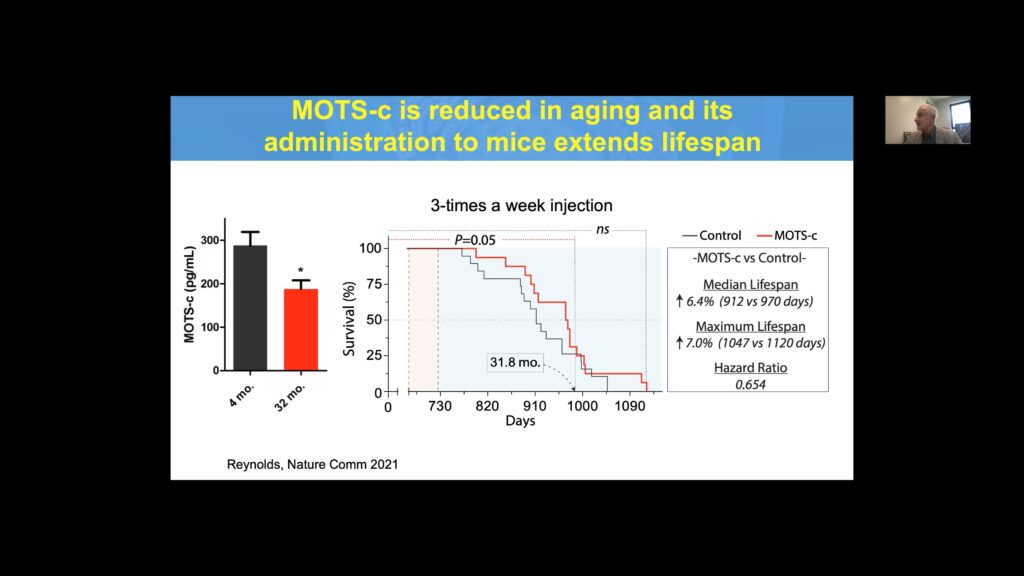
MOTS-c levels are diminished in older mice, and supplementation of MOTS-c in this cohort increases both median and maximum lifespan compared to controls.
Cohen’s group also identified a link between a SNP in MOTS-c–K14Q–which nullifies MOTS-c activity and the risk of diabetes in males of the Asian population. Evaluating Japanese males from three cohorts revealed a 50% increase in the risk of diabetes for carriers, with almost double the risk seen exclusively in men who were sedentary. Like other MDPs, MOTS-c is reduced with age, and its administration to mice significantly extends lifespan.
“I think that everything we do in the aging field can be reduced to trying to simulate the beneficial effects of a healthy lifestyle, particularly diet…and exercise,” Cohen said. “We think that…mitochondria are the main source of action [here] by inducing the production of peptides such as MOTS-c, humanin, and others.”
In this pilot episode of the webinar series STEM Supremes: Conversations with Women in Science, the Academy’s Chief Scientific Officer, Dr. Brooke Grindlinger, interviewed the ‘queen of telomeres,’ Australian-American scientist Dr. Elizabeth Blackburn. Light years on from her early work sequencing the DNA of the pond scum protozoan Tetrahymena, Blackburn unraveled our understanding of the function of telomeres—the protective caps on the ends of chromosomes—and the role they play in aging and diseases such as cancer. She has pioneered a path for women scientists, and received the pinnacle of scientific achievement—the Nobel Prize—for unlocking secrets about how we age at a fundamental level. The conversation spanned Blackburn’s teenage fascinations with science, the anxieties of transitioning from student to independent investigator, cultural and gender barriers she navigated along the way, and what excites her on the horizon of aging research.
In this eBriefing, You’ll Learn:
How sleep quality, exercise, diet, and chronic stress impact the length of human telomeres and, in turn, our genetic heritage
Studies underway to understand the effect of severe stress on how individuals will respond, long-term, to COVID-19 vaccination
Tactics for managing the transition from PhD student to post-doctoral fellow, and from post-doc to junior faculty member
Tangible actions academic leaders can take to better support parents, particularly women, as they navigate the competing demands of family and a research career
Goals of the Lindau Declaration 2020 on Sustainable Cooperative Open Science
Moderator
Brooke Grindlinger, PhD The New York Academy of Sciences
In Conversation with Elizabeth Blackburn
Speaker
Elizabeth Blackburn University of California San Francisco
A full transcript of this conversation is available for download here.
Elizabeth Blackburn, PhD
University of California San Francisco
Dr. Blackburn earned her BSc and MSc degrees from the University of Melbourne, and her PhD from the University of Cambridge in England. She was a postdoctoral fellow in the Molecular and Cellular Biology Department at Yale University, and later joined the faculty at the University of California at Berkeley in the Department of Molecular Biology. She was Chair of the Department of Microbiology and Immunology at UC San Francisco, and later served as the first female president of the Salk Institute for Biological Sciences. Among her many career honors, Blackburn shared the 2009 Nobel Prize in Physiology or Medicine with collaborators Carol Greider and Jack Szostak for the discovery of how chromosomes are protected by telomeres and the enzyme telomerase. Blackburn is currently Professor Emerita, Biochemistry and Biophysics, UC San Francisco.
Brooke Grindlinger, PhD
New York Academy of Sciences
Read more about Dr. Grindlinger, the Academy’s Chief Scientific Officer, here.
“… we can use those learnings to prepare a playbook for the next pandemic.”
Published June 1, 2021
By Nicholas B. Dirks
Nicholas Dirks
When I was first in discussions in early 2020 to take over the leadership of The New York Academy of Sciences from the retiring Ellis Rubinstein, we could still go out to dinner, attend meetings in person, and enjoy concerts and the theater in closed and crowded spaces. Masks were for surgeons in operating theaters and researchers working in labs. We could still enjoy networking at well attended conferences, traveling through crowded airports and train stations, and planning vacations and holiday family gatherings. Although for years I had always mentioned a pandemic as a primary example of a global challenge that would know no borders and require global cooperation, I also knew that the last such pandemic had happened 100 years ago. I confess I had assumed I was being largely rhetorical.
What a difference a year makes.
Now, more than a year after the lockdowns began across the world and in the U.S., we are at last seeing the light at the end of the tunnel. It will still require a leap of faith to predict when life will return to the way it was in 2019, but significant progress has been made during the past several months.
As with most life-altering events, much can be learned when we can take a hard, practical look at what we did wrong, what we did right, and how, with better planning, we might have changed the course of history. And if we’re smart about it, we can use those learnings to prepare a playbook for the next pandemic.
Accept that pandemics and other global catastrophes are here to stay and plan for them.
Much of the spread of COVID-19 in the U.S. can be traced to the lack of a cohesive national response. Poor communications also did not help. Mixed messages from public officials and health experts created confusion, and worse, disbelief that COVID-19 should be taken seriously. “It’s no worse than the flu” was one such frequent comment, along with “something that only old people get,” and the “cure or shutdowns cannot be worse than the problem.” Then there are the “hoax” believers, and the bizarre “treatments”—all fueled by misinformation and conspiracy theories running rampant on social media. We can’t predict what new crises are on the horizon, but it is incumbent upon all government officials to have emergency response plans ready for quick implementation. Aside from the obvious—i.e., having the necessary medical equipment and public health protocols already in place—understanding that social behavior needs to be addressed is just as important as medical intervention in meeting the crisis.
Look at challenges as opportunities for new ideas to blossom.
Like many other organizations whose core business is based on live in-person events, The New York Academy of Sciences had to quickly pivot to virtual forums when we could no longer host actual gatherings. But we have found that our online webinars and virtual conferences have broad appeal to our members—especially those who do not live within easy access of our physical conference location in downtown New York. At some point the in-person meetings will resume, but we will continue to offer the virtual options that will open up our programs to all our members and others across the globe.
Shutdowns have had some benefits.
The past year has been disastrous for many of us, with death and disease rampant both in the U.S. and globally, and with devastating economic effects on certain sectors and populations. At the same time, we learned what we can do with the technological tools on our laptops and in our phones, seen clear skies in polluted cities from Delhi to Beijing, as well as nature venturing out into the deserted streets. The YouTube video of a kangaroo hopping down an empty street in Adelaide was especially poignant. Of course, we cannot keep things shut down forever—we not only miss our social life, we depend on it. But as we consider not just the effects of a pandemic but the escalating threat of climate change, the past 12 months have provided a clear view of how our natural environment can quickly improve if we give it room to do so. We don’t all agree on everything, but we do all live on the same planet — and as the late Carl Sagan pointed out — “Like it or not, for the moment the Earth is where we make our stand.” It will serve humanity well in the future if we could use the lessons of the last year to develop much bolder plans to take on the significant global and planetary challenges before us.
As we look forward to life returning to normal, it is worth remembering that despite all our scientific and technological progress, we were blindsided by a microscopic virus that was exacerbated by polarized politics, and a lack of public understanding and trust in science. It is also clear that the massive disparities of our society and our economy have been magnified by this public health crisis. Scientists must work not only with each other but with social scientists, humanists, and many others, as we seek to find more effective ways to translate our knowledge into enlightened public policy that takes on the full complexity of the human condition.
Fortunately, for the past 200-plus years, The New York Academy of Sciences has been committed to working to bring the best and brightest minds together to develop solutions for our global challenges. It’s a mission I’m proud to embrace as the Academy’s president and CEO.
Currently the FDA categorizes psychedelics such as LSD and psilocybin as Schedule I drugs, indicating that these substances have no medical value. Despite this classification, a resurgence of research in approved labs has demonstrated therapeutic benefits of psychedelics for treatment of psychiatric disorders.
Of note, a recent trial on the effects of MDMA-assisted therapy for post-traumatic stress disorder (PTSD) showed a reduction in the severity of patient symptoms compared with the placebo arm of the trial, providing hope for the future approval of MDMA for therapeutic use. The exciting findings from this study as well as and investigations into other psychedelics are instigating a paradigm shift for treatment-resistant psychiatric conditions, along with increased public interest and efforts to legalize psychedelics for medicinal use.
The New York Academy of Sciences hosted a panel discussion bringing together leading scientists in the fields of pharmacology, neuroscience, and psychiatry to discuss how psychedelics work in the brain to produce therapeutic benefits for depression and other mood disorders. The conversation commenced a description of the socio-political context of psychedelics research, spanning the rise of psychedelics research in the 1950s, restrictions in the 1960s, renewed interest in the 1990s, and present day clinical trials for patients with depression and various other mood disorders.
The program continued by spotlighting the different types of classical and non-traditional psychedelics that are currently being investigated (e.g., psilocybin, MDMA, and ketamine) and how they work to produce therapeutic effects. Panelists concluded the conversation by sharing insights into the use of psychedelics in treatment settings, including explaining the process of facilitated treatment and the role of the therapist/guide during the psychedelic experience (including preparatory therapy, peak effects, and integration).
In this eBriefing, you will learn:
The socio-political history of psychedelic research for human health
The difference between classic and non-traditional psychedelics
The effects of psychedelics on the brain and targets
The role of the hallucinogenic experience
The role of psychological support during the psychedelic experience
Psychedelics for the Treatment of Depression and Psychiatric Disorders
Moderator
John Krystal, MD Yale School of Medicine
Speakers
Roland Griffiths, PhD Johns Hopkins University School of Medicine
David E. Nichols, PhD Heffter Research Institute
Rachel Yehuda, PhD Icahn School of Medicine at Mt. Sinai
John Krystal, MD Yale School of Medicine
Dr. John Krystal is the Robert L. McNeil, Jr., Professor of Translational Research; Professor of Psychiatry, Neuroscience, and Psychology; and Chair of the Department of Psychiatry at the Yale University. He is also Chief of Psychiatry and Behavioral Health at Yale-New Haven Hospital. He is a graduate of the University of Chicago, Yale University School of Medicine, and the Yale Psychiatry Residency Training Program.
Dr. Krystal has published extensively on the neurobiology and treatment of schizophrenia, alcoholism, PTSD, and depression. Notably, his laboratory discovered the rapid antidepressant effects of ketamine in humans. He is the Director of the NIAAA Center for the Translational Neuroscience of Alcoholism and the Clinical Neuroscience Division of the VA National Center for PTSD. Dr. Krystal is a member of the U.S. National Academy of Medicine and a Fellow of the American Association for the Advancement of Science. Currently, he is co-director of the Neuroscience Forum of the U.S. National Academies of Sciences, Engineering, and Medicine; and editor of Biological Psychiatry (IF=12.1).
He has chaired the NIMH Board of Scientific Counselors and served on the national advisory councils for both NIMH and NIAAA. Also, he is past president of the American College of Neuropsychopharmacology (ACNP) and International College of Neuropsychopharmacology (CINP).
Roland Griffiths, PhD Johns Hopkins University School of Medicine
Roland Griffiths is Professor in the Departments of Psychiatry and Neurosciences and Director of the Center for Psychedelic and Consciousness Research at the Johns Hopkins University School of Medicine. His principal research focus in both clinical and preclinical laboratories has been on the behavioral and subjective effects of mood-altering drugs and he is author of over 400 scientific publications. He has conducted extensive research with sedative-hypnotics, caffeine, and novel mood-altering drugs.
About 20 years ago, he initiated a research program at Johns Hopkins investigating effects of the classic psychedelic substance psilocybin, the active component in “magic mushrooms.” Remarkably, many research participants rate their experience of psilocybin as among the most personally meaningful of their lives, and they attribute enduring positive changes in moods, attitudes and behavior months to years after the experience. Completed and ongoing studies include those in healthy volunteers, in beginning and long-term meditators, and in religious leaders.
Therapeutic studies with psilocybin include treatment of psychological distress in cancer patients, major depressive disorder, nicotine addiction, anorexia nervosa, and various other psychiatric disorders. Related studies of brain imaging and drug interactions are examining pharmacological and neural mechanisms of action. His research group has also conducted a series of survey studies characterizing various naturally-occurring and psychedelic-occasioned transformative experiences including mystical experiences, entity and God-encounter experiences, Near Death experiences, and experiences claimed to reduce depression, anxiety, and substance use disorders.
David E. Nichols, PhD Heffter Research Institute
David E. Nichols previously held the Robert C. and Charlotte P. Anderson Distinguished Chair in Pharmacology and in addition was a Distinguished Professor of Medicinal Chemistry and Molecular Pharmacology at the Purdue University College of Pharmacy. He was continuously funded by the NIH for nearly three decades and served on numerous government review panels. His two principal research areas focused on drugs that affect serotonin and dopamine transmission in the CNS.
He began medicinal chemistry research on hallucinogens in 1969 and has been internationally recognized as a top expert on the medicinal chemistry of psychedelics (hallucinogens). He has published more than 300 scientific articles, book chapters, and monographs. In 1993 he founded the Heffter Research Institute, which has supported and funded clinical research with psilocybin and led the so-called “renaissance in psychedelic research.”
Rachel Yehuda, PhD Icahn School of Medicine at Mt. Sinai
Rachel Yehuda, Ph.D. is the Director of the Center for the Study of Psychedelic Psychotherapy and Trauma, Vice Chair for Veterans Affairs for the Psychiatry Department and a Professor of Psychiatry and Neuroscience at the Icahn School of Medicine at Mount Sinai as well as the Director of Mental Health at the Bronx Veterans Affairs Medical Center and the Director of the Traumatic Stress Studies Division.
Throughout her career her research has focused on the study of the enduring effects of trauma exposure, particularly PTSD, as well as associations between biological and psychological measures. She has investigated novel treatment approaches for PTSD and the biological factors that may contribute to differing treatment outcomes for the purpose of developing personalized medicine strategies for treatment matching in PTSD. This work has resulted in an approved US patent for a PTSD blood test.
Recently, Dr. Yehuda’s laboratory has used advances in stem cell technology to examine PTSD gene expression networks in induced neurons. The Center for Psychedelic Psychotherapy and Trauma integrates sophisticated brain imaging and molecular neuroscience in PTSD with clinical trials using MDMA assisted psychotherapy and other related medicines. She has authored more than 450 published papers, chapters, and books in the field of trauma and resilience, focusing on topics such as PTSD prevention and treatment, molecular biomarkers of stress vulnerability and resilience, and intergenerational effects of trauma and PTSD.
Cancer immunotherapies utilize an individual’s immune system, providing alternatives to toxic chemotherapies.
Published April 22, 2021
By Ben Ragen, PhD
Cancer immunotherapies utilize an individual’s immune system to fight off or even prevent cancers— shifting the paradigm for cancer treatment and providing alternatives to toxic chemotherapies. Since the first immunotherapy cancer treatment was approved by the US Food and Drug Administration in the mid-1980s, scientists have continued to explore the potential of drugs and other biomedical technologies to manipulate cytokines, neoantigens, immune cells, and stem cells to treat and even vaccinate against cancer.
Irving Weissman, MD, is a Virginia & D.K. Ludwig Professor of Clinical Investigation in Cancer Research at Stanford University and the Director of the Stanford Institute for Stem Cell Biology and Regenerative Medicine. He has been studying cancer since 1957 and is a leader in the field of stem cell biology. Dr. Weissman will give the Keynote address at the upcoming 8th annual Frontiers in Cancer Immunotherapy conference, to be held by The New York Academy of Sciences on May 12-14, 2021.
The Academy recently spoke with Dr. Weissman about his entrance into the field of cancer immunotherapy and the advances he has made in treating leukemia by utilizing his groundbreaking findings of the link between cancer and the CD47 protein.
This interview has been condensed and edited for clarity.
You have been researching stem cells and cancer for decades. What was your introduction to these fields?
I actually started in high school in a pathology laboratory in Montana where I was learning about immunogenetics in the context of normal tissue transplants and tumor transplants. So, from the age of 16 on, I’ve been thinking about the field.
My interest in stem cell biology came out of the idea that if you had immune rejection of a transplant, it turned out that it was the thymus, and T cells derived from the thymus, that were the main effectors of rejection.
My interest then shifted from T cells to bone marrow. I set up several experiments to find cells within the bone marrow and was able to isolate blood-forming stem cells from mice. Within two years of starting SyStemix, Inc., a company which I co-founded, we isolated the human blood-forming stem cell.
How did your stem cell research lead you to study cancer?
By 1996 we were treating cancer patients by giving them lethal doses of a combination chemotherapy and were then saving them by rejuvenating their blood-forming system with their own cancer-free stem cells. These treatments were done in women with metastatic breast cancer, which made me think more and more about cancer and how we could understand which cells might become malignant in acute myelogenous leukemia.
We had gotten samples from the Hiroshima Hospital Atomic Bomb Casualty Commission, which has frozen banks of live bone marrow cells belonging to people who developed leukemia after the atomic bomb. Reseachers found we could isolate the human leukemia stem cell from those samples.
We could then look at the gene expression differences between two types of purified cells: the leukemia stem cells and then either the same stage cells from normal bone marrow or from hematopoietic stem cells. It wasn’t until we had completed all of that work that we could say, for the first time, which genes leukemia stem cells were overexpressed and which ones were underexpressed.
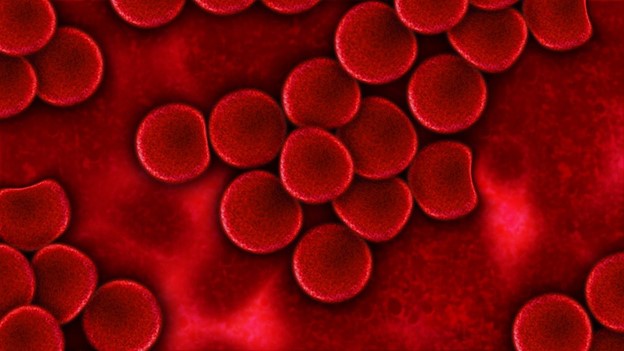
Red blood cells express CD47 on their surface to prevent macrophages from eating them.
Were there any specific genes that warranted further investigation?
One of the first genes we observed was called CD47. So, I looked it up in the literature, and it said that CD47 was an integrin-associated protein. But CD47 is not only associated with integrin in the cell membrane. When another research group knocked out the Cd47 gene in mice, they could keep the mice alive, but when they looked at their red blood cells and transfused the red cells into healthy animals of the same antigenic type, those red blood cells had a two-hour lifespan instead of having a normal two- to three-week lifespan. This discovery showed that immune cells—called macrophages—found in the bone marrow, the spleen, and liver were “eating”, or destroying, these red cells prematurely.
How did the discovery of CD47 and its role in red blood cell lifespan extend to your research on cancer?
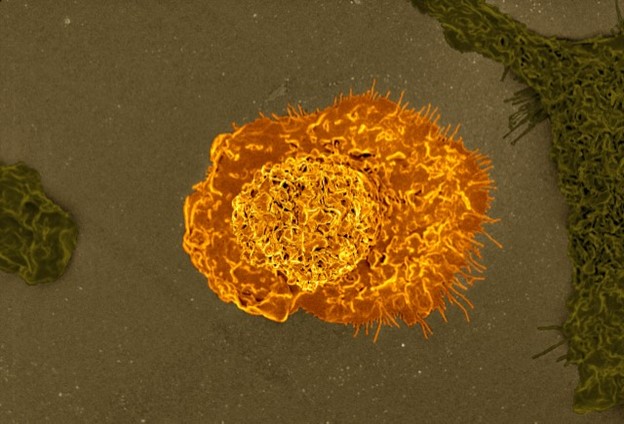
CD47 is a “don’t eat me” signal on red blood cells—that’s how it extends red blood cell lifespan—but when the expression of CD47 normally fades, then the red blood cells can be eaten. So, we said, “well, if it is a ‘don’t eat me’ signal for red blood cells by blocking macrophages from eating them, why does every mouse leukemia and every human leukemia that we study have upregulated expression levels of CD47?”
So, we obtained and then made anti-CD47 antibodies. We showed that we could incubate the anti-CD47 antibodies with the human patient leukemia stem cells that we had isolated, along with human macrophages. The anti-CD47 antibodies relieved the blockade, and the macrophages started to eat.
Within two hours, each macrophage that ate was stuffed full of five to ten leukemia cells; you let it go two days, and there’s no leukemia cells left on the dish. So, it was pretty clear that we were dealing with a system of macrophage recognition and that we had developed an immunotherapy.
Macrophages can eat leukemia cancer cells when the cells are exposed to anti-CD47 antibodies.
How close are we to seeing anti-CD47 antibodies as an available cancer treatment?
We have finished a Phase 1 and a late Phase 2 trial for acute myelogenous leukemia and myelodysplastic syndrome, which is a disease that will often turn into acute myelogenous leukemia. We found that the anti-CD47 antibody alone didn’t eliminate the tumor.
When we added azacytidine—the drug used to hold myelodysplastic syndrome and some acute myelogenous leukemias at bay for a short time—we found that tumors regress in nearly 100% of patients with elderly-onset acute myelogenous leukemia and high-risk myelodysplastic syndrome. So far, we see over 50% complete regression, and it’s been two years.
Early-career scientist, outstanding senior scientist each to receive US$200,000 in program sponsored by Takeda Pharmaceuticals
New York, NY | April 14, 2021 – The New York Academy of Sciences (NYAS) has opened nominations for the 2022 Innovators in Science Award, which will recognize significant achievement among early-career and senior scientists in the field of gastroenterology. This marks the first time scientists engaged in transformative research in gastroenterology will be eligible for the award, administered by the Academy and sponsored by Takeda Pharmaceuticals.
The program accepts nominations from eligible research institutions around the world to recognize the work of a promising early-career scientist and an outstanding senior scientist. Winners in each category will receive an unrestricted award of US$200,000 for having distinguished themselves for the creativity and impact of their research.
The Academy is accepting nominations through May 27, 2021, from more than 400 international universities and academic institutions, select government-affiliated and non-profit research institutions and the program’s Scientific Advisory Council, composed of renowned science and technology leaders. Candidates must be nominated by their institution and may not be self-nominated.
A judging panel composed of scientists, clinicians and international experts in gastroenterology will determine the two winners based on the quality, impact, novelty and promise of their research. They will be announced in January and honored at the 2022 Innovators in Science Award ceremony and symposium, scheduled for March 28-29, 2022, in Tokyo, Japan, as health and travel conditions allow.
“After one of the most challenging years of our time, recognizing and celebrating advancements in science is more important than ever,” said Nicholas B. Dirks, President and CEO of The New York Academy of Sciences. “The world is seeing firsthand how innovative science and thinking can improve human health, and we are committed to honoring those who are leading the way. The Innovators in Science Award salutes ground-breaking researchers who have developed science-based solutions to debilitating diseases, improving quality of life for people all over the world.”
Since its inception, the Innovators in Science Award has focused on acknowledging outstanding research and contributions in fields of medicine aligned with Takeda’s core therapeutic areas. The inaugural award recognized neuroscience discovery, followed the next year by regenerative medicine, rare disease research in 2020 and the latest on research in gastrointestinal and liver diseases. Recent research shows that 20-40% of adults worldwide are affected by at least one functional gastrointestinal disorder, which can dramatically impact quality of life.
Nominations may be submitted by representatives from the nominating institution through the Innovators in Science Award website via its online submission platform: https://innovatorsinscienceaward.smapply.io. Please refer to the guidelines and FAQ sections for other details on eligibility, nomination materials and the selection process.
When SARS-CoV-2—the respiratory virus that causes COVID-19—first emerged, most people did not anticipate that it would result in a global public health disaster. COVID-19 rapidly spread from person to person across all borders, bringing hospitals to the brink of collapse, causing a devastating loss of life, and shutting down global economies. Scientific researchers, biotechnology companies, and government agencies quickly mobilized to develop vaccines—which prevent disease in inoculated individuals and, in some cases, also block a pathogen’s transmission from person to person—against SARS-CoV-2. The unprecedented speed of SARS-CoV-2 vaccine development reflects decades of previous research on similar coronaviruses and faster manufacturing techniques. Just over a year into the pandemic, there are already candidate vaccines for SARS-CoV-2, several of which are being rolled out worldwide. Many other vaccine candidates are currently being investigated and will hopefully become part of the toolkit in the fight against COVID-19.
On February 2-3, 2021, the New York Academy of Sciences hosted a historic symposium that brought together top virologists and vaccinologists, public health officials, and industry leaders. They reflected on the factors that contributed to the record-breaking speed of COVID-19 vaccine development, gave updates on vaccine candidates, reviewed strategies to stay ahead of future outbreaks, and discussed the many unanswered questions and challenges that lie ahead.
Symposium Highlights:
Decades of previous research in virology and vaccinology sped up COVID-19 vaccine development. Productive public-private coordination was also critical. >
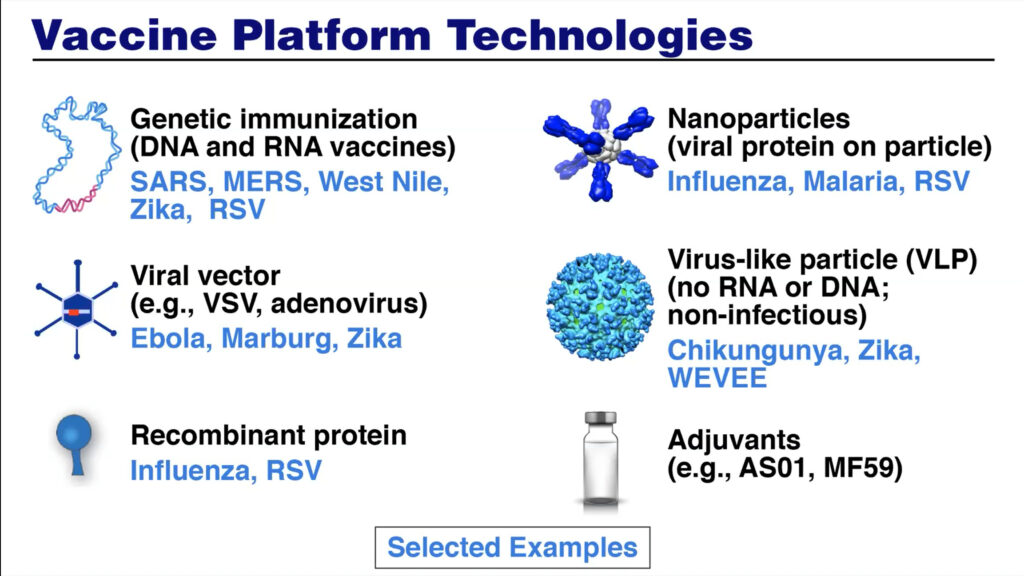
Various vaccines using a range of technology platforms are currently being developed. >
Several COVID-19 vaccines have proven to be safe and immunogenic in Phase 1 and 2 clinical trials. Some of them have met safety and efficacy standards in Phase 3 trials and are already in the market in several countries. >
The emergence of new variants of SARS-CoV-2 is a source of concern for vaccine experts, but they remain optimistic. More data is still needed, but the vaccines that are already being rolled out or close to it seem to confer some degree of protection against the known variants. >
Many questions remain unclear, such as the duration of the protective effects of vaccines or the effects of COVID-19 vaccines in children. >
Investing in research and prevention strategies to bridge the pandemic preparedness gap is essential in the effort to stay ahead of future outbreaks. >
Keynote Speakers
Anthony S. Fauci, MD National Institute of Allergy and Infectious Diseases (NIAID), NIH
Moncef Slaoui, PhD Operation Warp Speed
Speakers
Sara Gilbert, PhD University of Oxford
Gregory Glenn, MD Novavax
Kathrin Jansen, PhD Pfizer
Kevin Olival, PhD EcoHealth Alliance
Stanley Plotkin, MD University of Pennsylvania
Melanie Saville, MD CEPI
Hanneke Schuitemaker, PhD Janssen Vaccines and Prevention B.V.
Operation Warp Speed (OWS) and the Quest for a COVID-19 Vaccine
The Operation Warp Speed (OWS) program, initiated by the federal government, was designed to accelerate the development and distribution of COVID-19 vaccines. Moncef Slaoui, former chief scientific officer of OWS offered a broad overview of the program, the status of candidate vaccines, and key lessons from the vaccine development process.
He declared the success of the ambitious mission, which allowed for the delivery of tens of millions of vaccines in the US by February 2021. “It is remarkable that we are at that level twelve months and a few days after the virus was described,” said Slaoui. He credited this success in part to the collaborative efforts of researchers around the world, as well as the cooperation between the various government agencies and private sector partners. “This level of coordination under one leadership was unprecedented,” remarked Slaoui.
The program’s “portfolio approach,” which supported simultaneous research for 6-8 candidate vaccines, was also critical to its effectiveness. This allowed for a high level of attrition and increased capacity of manufacturing doses. Under Slaoui’s leadership, OWS also maximized speed by enabling the development, clinical trial, and manufacturing processes to proceed in parallel. Typically, manufacturing plans are not decided until after conducting the clinical trials. This strategy proved to be worth the risk when the first Phase 3 trial results from the mRNA vaccines revealed an efficacy of 95%. Likewise, OWS facilitated rapid clinical testing with little lag time between the different trial stages, and it helped private companies develop the needed manufacturing capabilities.
Slaoui, who emphasized the need for better pandemic preparedness, pointed to the spread of misinformation on vaccines and public mistrust as an “extremely disappointing dimension” that can be blamed on the politicization of the pandemic. Although the veteran vaccinologist noted OWS’s inability to effectively manage the public’s expectations and anticipate problems with distribution and delivery of the vaccine at the state level, he believes the development of multiple candidate vaccines is a monumental success.
Anthony S. Fauci, MD National Institute of Allergy and Infectious Diseases (NIAID), NIH
This Year in Review: A Vaccinologist’s Perspective
Anthony Fauci, director of the National Institutes of Allergy and Infectious Diseases (NIAID), explained how it was possible to develop COVID-19 vaccines in months, when the time to develop other vaccines “had historically been measured in years.” The groundwork laid by decades of vaccine research deserves much of the credit. He traced the COVID-19 vaccine origin to 1996, when a conversation about HIV vaccine research he had with President Clinton led to the start of the NIAID Vaccine Research Center. The center—whose mission eventually grew to include other pathogens—started as an interdisciplinary effort for scientists to collaborate on research and clinical trials for an HIV vaccine.
Fauci discussed research by his colleague Peter Kwong, a structural biologist who, in 2014, mapped the envelope protein that could serve as a suitable target for a HIV-1 structure-based vaccine design. Kwong’s techniques were adapted for the development of a vaccine against other respiratory viruses. Thanks to his work, when SARS-CoV-2 appeared, researchers were able to quickly elucidate that a specially modified version of the coronavirus’ spike protein was the best antigen candidate for a vaccine.
Vaccine technologies that are being used in the COVID-19 vaccine had already been developed for other vaccines, allowing for ultrarapid COVID-19 vaccine development.
Additional platforms—including mRNA, recombinant proteins, genetically engineered viral vectors— currently used for COVID-19 vaccines were previously investigated and developed for other vaccines at the NIAID Vaccine Research Center. This scientific foundation, combined with the coordination of resources and agencies and a “harmonization of goals,” allowed for rapid vaccine development. To speed up clinical trials, “the extraordinary investments that were made decades ago in putting together the HIV clinical trial network were immediately adapted,” said Fauci.
Although Fauci recognizes the challenges of distribution, he remains optimistic. “The hope is that, when we get to the end of the spring and into the summer,” said Fauci, “we can have the overwhelming majority of people vaccinated.” He estimated that “75-80% need to be vaccinated and/or protected by previous infection” for herd immunity to be achieved. He also expressed concerns about the significant proportion of Americans that are hesitant about getting the vaccine. “We need to respect that, but we need to try and convince them of the importance, for their own safety and the safety of their family and the American public, to get vaccinated,” he added. Fauci is confident that the techniques developed will allow for easy adaptions of the current vaccines to protect against SARS-CoV-2 mutations. The development of universal coronavirus vaccines, which is necessary to stay ahead of new coronaviruses, will hopefully be the next step.
Efficacy Data Updates from Moderna’s mRNA Vaccine Candidate
Tal Zaks, chief medical officer of Moderna, gave an overview of the company’s efforts to create and distribute a COVID-19 vaccine and ensure protection against new virus variants.
Zaks pointed to three factors he believes led to the creation of a vaccine in only 11 months. First, the science already existed. The mRNA platform’s central concept, which is that “you can teach a cell how to make a protein by providing it with mRNA,” was proven and shown to create neutralizing antibodies against SARS-CoV-2. Secondly, a sense of urgency due to the pandemic’s severity allowed the clinical trials to proceed quickly but, Zaks assured, “without cutting corners.” It is an unfortunate “paradox of vaccine development” Zaks explained, that the more cases occur, “the faster you will know if a vaccine works.” Finally, he credited the speed of development to Moderna’s government stakeholders. “The unsung heroes are the FDA,” he said.
Zaks then highlighted the Phase 3 clinical trial results. The trial, which was representative of minorities and included mostly frontline workers, showed 94.1% efficacy of the vaccine. He described the adverse vaccine effects as non-severe and expected. Anaphylaxis, a life-threatening allergic reaction to injectable drugs, is of concern with all vaccines. The reaction occurs at the rate of 2.5 per one million doses of the Moderna COVID-19 vaccine administered.
Zaks also discussed new Covid-19 variants. Of most concern are viruses with mutations on the receptor binding domain or the N-terminal domain, which may “improve the virus ability to escape the immune response.” Researchers saw a drop in robustness of the vaccine in the B.1.351 variant, but the vaccine remained effective. Moderna will continue to monitor mutations over time while they research booster shots to combat new variants.
Efficacy Data Updates from the Pfizer-BioNTech mRNA Vaccine Candidate
According to Kathrin Jansen, senior vice president of vaccine research and development at Pfizer, a vaccine that relies on an mRNA platform has many advantages. For example, mRNA vaccines do not use viral foreign proteins, making them safe and easy to produce at scale. Also, they generate a broad immune response, which is helpful because our knowledge of what immune responses best correlate with protection is still limited. Jansen presented data indicating that the breakthrough Pfizer-BioNTech mRNA vaccine is extremely safe and 95% effective, but she also highlighted the many challenges that lie ahead.
For instance, while the clinical trials conducted in Germany and the US captured a diverse sample from a range of ages and ethnicities, critical segments of the population were excluded due to age or clinical conditions. Clinical trials with children 12-15 are currently underway, but trials with younger children will have to wait. Pfizer-BioNTech’s vaccine needs to be kept between -80°C and -60°C, complicating storage and distribution. Jansen noted they are “making progress in a vaccine formulation that won’t require such cold temperatures.”
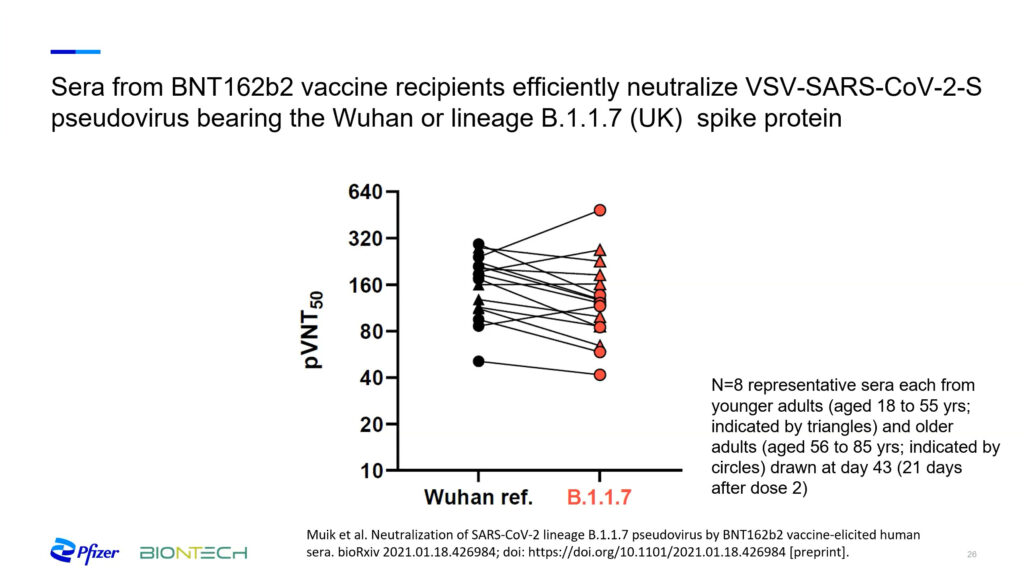
Data from a pseudovirus neutralization assay suggesting that sera from participants treated with the Pfizer-BioNTech vaccine can efficiently neutralize SARS-CoV-2 lineage B.1.1.7 (the variant first detected in the UK).
Highly transmissible variants that have emerged in the United Kingdom and South Africa pose what is perhaps the biggest challenge. These variants include mutations in the spike protein that Pfizer-BioNTech’s vaccine uses as a target. One of the approaches they use to research efficacy against the new variants involves creating synthetic viruses that express the mutations of interest. Then, they examine the neutralizing potential of blood sera extracted from vaccinated participants. Jansen said that data from these studies suggests that “this vaccine will continue to perform well against at least the variants that have appeared here.” However, she cautioned that this data “needs backing up by vaccine efficacy surveillance as well as animal models.”
Efficacy Data Updates from Novavax’s Protein-based Vaccine Candidate
Gregory Glenn gave an update on the progress of Novavax’s protein-based COVID-19 vaccine, which was not available to the public at the time of his presentation. Novavax’s recombinant nanoparticle technology produces a full-length prefusion spike protein. The protein is combined with a saponin-based Matrix-M™ adjuvant and encoded with the Sars Cov-2 spike, and produced in insect cells. Similar techniques have proven successful in Novavax influenza vaccines. Importantly, the vaccine can remain stable in a refrigerator for up to three months, lowering distribution and storage costs.
Glenn, the president of research and development at Novavax, explained that in the pre-clinical package, researchers showed protection in the lower and upper airways of Rhesus Monkeys and produced an antibody response in a trial with 131 clinically ill convalescent subjects. At the time of the presentation, Novavax was conducting its Phase 3 US/Mexico trial and did not have results. However, Glenn was able to report the results of trials in the UK and South Africa. In the UK, researchers found that the vaccine was effective at 94% for the ancestral Covid-19 strain, but decreased to 86% for the UK strain. In South Africa, where the new strain became dominant during the trial, the efficacy decreased but remained around 60%.
Based on these results, Novavax has started developing vaccines for the new variants. Glenn predicts that booster and bivalent vaccines “may become part of the annual influenza immunization regime.” The vaccines are even more important and urgent, Glenn argued, because their South African data showed that “herd immunity from previous infection is not working to protect against the new variant strain.” Glenn expressed optimism about their ability to scale up production, saying that “over the past year, we went from nothing to having eight manufacturing sites in seven countries.”
Hanneke Schuitemaker, PhD Janssen Vaccines and Prevention B.V.
Xuefeng Yu, PhD CanSino Biologics
Update on ChAdOx1 nCoV-19/AZD1222
The Oxford-AstraZeneca adenovirus vaccine has an important advantage that distinguishes it from other vaccines currently on the market: it can be stored in a regular refrigerator for up to six months. Sarah Gilbert, professor at the University of Oxford and head of the team that developed the vaccine, emphasized the vaccine’s affordability, explaining that her team envisioned it as “a vaccine for the world.” The Oxford-AstraZeneca vaccine is being tested in clinical trials in many countries. “It was important to us to get the information on how the vaccine behaves in different populations across the world,” she said.
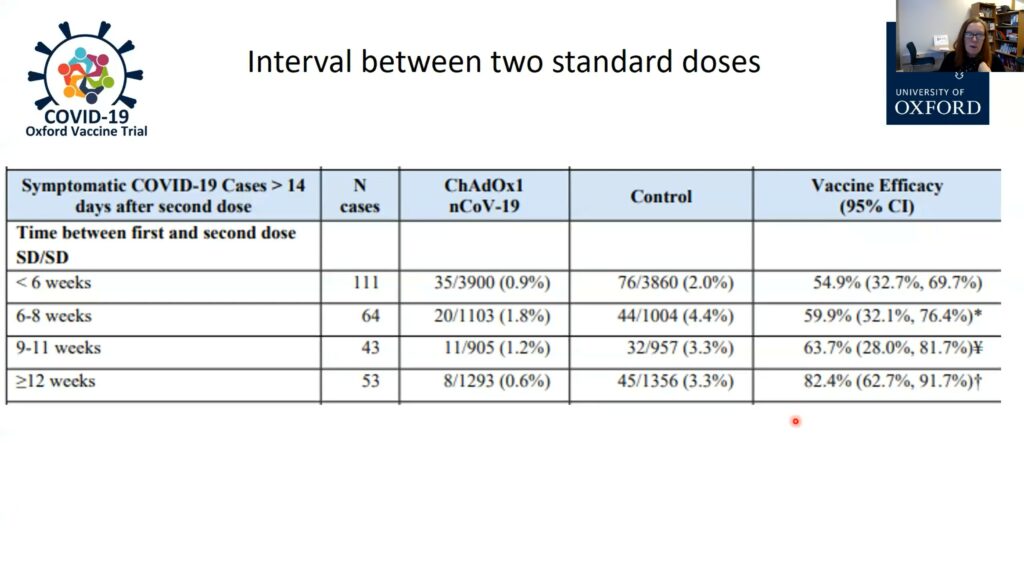
An early report indicated that the two-dose Oxford-AstraZeneca vaccine was about 70% efficacious at preventing COVID-19. Closer examination of the data, however, led Gilbert and her team to realize that the timing of the second dose was critical: efficacy was only 50%-60% when doses were administered less than two months apart, but waiting three months boosted efficacy levels up to 82.4%. Waiting three months to give the second dose is now the policy in the UK, the first country to grant emergency authorization for the vaccine. Gilbert and her team also found that the first dose alone is highly efficacious (76%) at protecting against COVID-19, but only for the first three months. This is enough time to reduce the risk of people contracting the disease while they wait for the booster dose.
The interval between the first dose and the booster dose of the Oxford-AstraZeneca vaccine critically determines its efficacy.
Gilbert also suggested the Oxford-AstraZeneca vaccine may be able to help curb the transmission of the virus. During clinical trials in the UK, nasal swabs of all participants were collected weekly. The scientists found 67% fewer positive samples in the vaccinated group compared to the placebo group, and that this included asymptomatic cases. The Oxford-AstraZeneca vaccine has obtained emergency approval in 23 countries so far, and the plan is to manufacture 3 billion doses by the end of 2021.
Efficacy Data Updates from CanSino Biologics’ Viral-Vector Vaccine Candidate
Xuefeng Yu, chairman of CanSino Biologics, provided an overview of their COVID-19 vaccine and described the China-based company’s efficacy and safety research. The CanSino Biologics’ Ad5-nCov vaccine is built on an adenovirus-based viral vector platform, a mechanism similar to the one used in the Oxford-AstraZeneca and Johnson & Johnson vaccines. Yu announced that, pending final analysis of its Phase 3 clinical trial, the company plans to file for emergency authorization in several countries soon.
The Ad5-nCov vaccine was approved for limited use by the Chinese military in June 2020. Phase 1 and 2 clinical trials conducted in Wuhan indicated the vaccine is safe and induced significant immune responses after a single dose. Over 150,000 members of the Chinese military have received a dose of the vaccine. “We haven’t had any severe adverse events in that population,” said Yu before explaining that efficacy is difficult to assess in China because “there are really no cases right now.”
CanSino Biologic’s Phase 3 clinical trial for the vaccine has been taking place in five countries since September, with Pakistan and Mexico providing the majority of the 40,000 participants. Yu explained the clinical trial results are not available to the company, which is still blinded to the treatment groups. However, recent data analyses by an independent committee has declared the vaccine meets primary safety and efficacy criteria.
The Phase 3 clinical trial for the Ad5-nCov vaccine differs from others in two critical ways. First, the vaccine’s long-term efficacy will be tested by tracking a subset of participants for one year. They are also testing a two-dose trial that includes children as young as six years old, but that data is not yet available.
Janssen’s Effort in the Development of an Ad26 Based COVID-19 Vaccine
The COVID-19 vaccine developed by Janssen, a pharmaceutical division of Johnson & Johnson, has just been authorized for emergency use in the US. Hanneke Shuitemaker, head of Viral Vaccine Discovery at Janssen Vaccines & Prevention B.V., explained that their Ad26.COV2.S vaccine relies on a proprietary adenovirus technology that the European Commission first approved in July 2020, in the context of an Ebola vaccine.
Phase 1 and 2a clinical trials recruited adults of all ages, including 375 participants over 65 years old. These trials revealed that the Ad26.COV2.S vaccine is safe, and most side effects were mild or moderate. The participants who were more likely to experience adverse events were younger participants and those who received the higher dose of the vaccine. Notably, both dose levels demonstrated similar immunogenicity in all age groups. Hence, Shuitemaker and her team decided to test the lower dose of their Ad26.COV2.S vaccine in Phase 3 clinical trials.
Last September, Janssen launched a Phase 3 clinical trial called ENSEMBLE, which tested the efficacy of a single dose regimen across the US, South Africa, and Latin American countries. The ENSEMBLE trial revealed that a single-dose of the Ad26.COV2.S vaccine had a 66% overall efficacy at preventing moderate to severe COVID-19. The vaccine was highly efficacious against severe disease (85%), and it provided 100% protection against COVID-19-related hospitalization and death. In the South African trial, where 97% of the infections from which SARS-CoV-2 sequence data was available, involved the new B.1.351 variant, the vaccine showed the same efficacy levels against severe disease and hospitalizations.
Although Janssen’s vaccine is not quite as efficacious against moderate COVID-19 as other vaccines already on the market, it is highly efficacious against severe COVID-19, hospitalization, and death. In addition, the one-dose vaccine does not need to be stored in ultracold temperatures and confers protection against new variants. “Overall, we are very happy with this outcome,” Shuitemaker said. “At the beginning of this journey, we had established that a single-dose vaccine with 70% efficacy would be a tremendous tool in the fight against this pandemic,” she added. A second Phase 3 clinical trial (ENSEMBLE 2), which tests the efficacy of a two-dose vaccine regimen, is currently underway.
Challenges to Prediction and Prevention of the Next Pandemic Zoonosis
According to Kevin Olival, vice president of research at EcoHealth Alliance, the threat of emerging infectious diseases has been rising for the last 70 years. Most of these infectious diseases are viral and linked to interactions between humans and wildlife. He explained that wild animals may host a diversity of viruses and that some of these viruses have the potential to infect human cells, inducing what is known as zoonotic diseases. Identifying the viruses that are more likely to jump from other species to humans and interrupting interactions between humans and the animals that carry those viruses is a challenging yet promising strategy to prevent future pandemics. In fact, two years before the COVID-19 pandemic emerged, Olival and his team published a study warning about villagers in the Yunnan province (China) being highly exposed to bats that carried SARS-related coronaviruses.
Not surprisingly, predicting where a novel infectious disease will emerge is very difficult. For instance, cataloguing all the viruses that can potentially infect each animal species involves intensive fieldwork. “Often people make the analogy with weather prediction, which was very coarse 50 years ago and we couldn’t see hurricanes coming weeks in advance,” Olival said of this nascent and complex science.
Given the multi-disciplinary and global nature of this kind of research, a centralized data platform to allow researchers to share and combine their findings will be critical. “These disparate data sets need to be put together,” said Olival.
Finally, he advocated for the need to shift policy towards pandemic prevention. It’s critical to get “policymakers to realize that there are other ways to deal with emerging infectious diseases than waiting for them to emerge and then responding,” said Olival. Once a high-risk hotspot has been identified, low-tech behavioral interventions to prevent human-animal contact may be all that is need to prevent a potentially devastating global pandemic.
Lessons Learned from COVID-19 Vaccine Development for Future Pandemic Preparedness
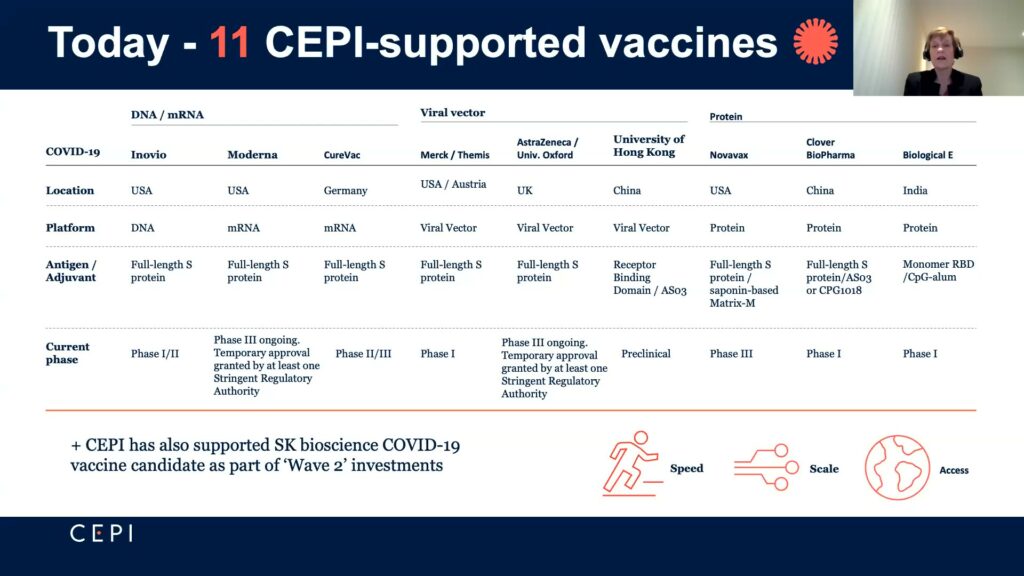
Melanie Saville, director of vaccine research and development at the Coalition for Epidemic Preparedness Innovations (CEPI), outlined the organization’s journey through COVID-19 vaccine development and lessons learned. Created in 2017 in response to the Ebola outbreak in West Africa, CEPI seeks to “accelerate vaccines for emerging infectious diseases and ensure equitable access to the vaccines,” said Saville. Prior to COVID-19, CEPI focused mainly on MERS and rapid response platforms like mRNA. This put CEPI on good footing when they shifted focus to COVID-19 at the start of January 2020.
By April of 2020, CEPI had raised over $1.5 billion in funding and entered partnerships with nine entities using varied strategies to develop COVID-19 vaccines. “Speed, scale and access,” the career virologist said, were the main criteria in determining investments. For speed, they carefully chose their partners and made early investments to ensure manufacturing capabilities to meet their accessibility goals of 2 billion vaccine doses worldwide by the end of 2021. That they invested in a portfolio of vaccines meant that if a vaccine failed, facilities could then be used for another vaccine. This manufacturing investment also helped with scalability, which is a problem particularly for smaller companies that have to resolve supply chain issues with sufficient materials and facilities.
CEPI joined the ACT Accelerator, established by the World Health Organization, to speed-up development of vaccines, diagnostics, and therapeutics and launched their taskforce, “Agility,” to better track variants. Saville sees these coalitions and organizations as a model and foundation for future pandemic responses. Overall, she’s optimistic. The pandemic has created a global desire for countries to invest and work together. “We have seen a revolution in vaccinology,” said Saville.
The Coalition for Epidemic Preparedness Innovations (CEPI) adopted a portfolio approach to vaccine development, supporting the development of many different vaccine types summarized in this slide.
The Plague Year of 2020 and Its Effect on Vaccinology
In the final talk of the symposium, vaccinologist Stanley Plotkin reflected on how SARS-CoV-2 has impacted vaccinology. He praised the “all hands on deck” approach that we witnessed in 2020, with experts around the world getting involved and collaborating to develop multiple highly effective vaccines. Plotkin was also optimistic about the effect that the pandemic has had on vaccine acceptance. “Now, most people in all countries are pleading for vaccines, and to me that is a positive thing,” he said.
He also highlighted the importance of virology and other basic sciences. He explained that a handful of coronavirus researchers did the work that became the cornerstone of COVID-19 vaccines. According to Plotkin, “we need to support all those basic sciences, so that when we need something practical, we have the information we need to start working on a solution.”
Plotkin also listed a series of unknowns that researchers will need to figure out going forward. For example, the issue of mucosal responses to the vaccine. SARS-CoV-2 is a mucosal pathogen that takes hold in the nasal pharynx before spreading to the lungs and other organs. It is still unclear to what extent the current vaccines prevent mucosal replication. “Understanding how well they [prevent mucosal replication] has terribly important epidemiological implications regarding herd immunity and the spread of the disease,” he said.
Due to the tendency of SARS-CoV-2 to mutate, Plotkin said we have to face the possibility of a yearly vaccination. He advocated for the creation of regional labs that can monitor and quickly report on mutations across the world, something that is done with influenza. He also emphasized that we need to learn more about veterinary viruses, as they “have caused problems, are causing problems, and will cause problems.”
Further Readings
Plotkin
WHO Ad Hoc Expert Group on the Next Steps for Covid-19 Vaccine Evaluation, et al.
Professor Pardis Sabeti was able to apply findings from her research on Ebola to now develop a test for detecting COVID-19.
Published March 9, 2021
By Brittany Aguilar, PhD
Pardis Sabeti, MD, DPhil, MSc
This isn’t the first time that Pardis Sabeti, MD, DPhil, MSc, a professor of organismic and evolutionary biology at Harvard University, and newly elected member of the National Academy of Medicine, has worn the hat of viral genome detective in the earliest days of a deadly outbreak or viral disease. Sabeti and her team began sequencing Ebola samples just days after the virus was first detected in Sierra Leone during the 2013-2016 West African outbreak. Since January 2020, she has been working on diagnostics for COVID-19, developing models to predict the most sensitive and accurate assay design candidates for the rapid detection of SARS-CoV-2, including an assay that harnesses the powerful accuracy of CRISPR technology.
Describe the innovative, rapid COVID-19 test that you helped create—how does it work, and why is it an improvement on current testing methods?
Over the last several years, my lab, colleagues, and I have been developing an assortment of technologies for genomic surveillance of pathogens. In particular, we have been deeply invested in CRISPR technologies. CRISPR was first discovered within bacterial immune systems, where it is used to protect the bacteria from invading pathogens by rapidly identifying and targeting a genomic sequence with very high fidelity. Thus, it is immensely powerful as a diagnostic tool, since it can be designed to detect any sequence of genetic material with impressive accuracy.
It is an incredibly exciting technology: it is highly accurate, it would be able to rapidly detect pathogens using little equipment and a simple, paper-strip read-out, and it could be developed in a matter of days to detect newly discovered pathogens or new variants of known pathogens. Crucially, the test is also inexpensive to manufacture, which means it could be easily scaled and distributed as pathogens—or novel variants of pathogens—emerge.
Throughout the duration of the COVID-19 pandemic, some have suggested that testing is optional, unnecessary or unreliable—can you describe why the creation of rapid, reliable tests is so important? Does that change depending on where we are in the infection curve?
Testing is extremely critical to fighting the spread of any infectious disease, and this has been demonstrated through history. However, testing technology has been achievable but not prioritized—if we had invested in this space after the SARS-CoV epidemic [the SARS outbreak in 2003], I believe we could have been poised to respond to SARS-CoV-2 before it spread throughout the world.
The need for diagnostics is critical everywhere, from pre-empting a pandemic, to response and recovery. To be as useful as possible, diagnostics must also be affordable and accessible to all—this is not just in infectious disease but throughout all medicine. The sooner individuals and communities have information, the better they can respond, enabling better outcomes.
You wrote a book last year entitled “Outbreak Culture.” Are there any key learnings from that book that can be applied to COVID or future pandemics?
In this book we argue that a dysfunctional “outbreak culture”—the collective mindset that develops among responders and communities that emerges in the chaos and crucible that is disease outbreaks—poses a great threat to our ability to curb outbreaks and save lives, and that we must continually watch for and dismantle toxic response systems where possible. This includes the data and resource hoarding, perverse capitalistic incentives, the spread of misinformation, and the loss of empathy and good citizenship.
I think people are still just beginning to understand the gravity of outbreak culture and how it is operating amidst COVID. For example, we all now know the importance of detecting outbreaks, through track-and-trace methods, before they have the chance to spread widely. But what is given less attention is how those efforts can be sidelined or undermined by many surrounding societal and political forces.
I always advocate for a massively increased effort for empathy during outbreaks. We need resilient communities to be able to do the best work against infectious disease. With our trust in our fellow citizens, our leaders, and our scientists undermined during this time, it is crucial to work within the community and low to the ground. We must listen to others, respect their opinions, and understand their fears. For that reason, I believe we must double down on empathy when it comes to community participation. If we do not work with communities and support them in the right ways, we end up causing more harm than good.
About Prof. Sabeti
Pardis Sabeti, MD, DPhil, MSc is a Professor at the Center for Systems Biology and Department of Organismic and Evolutionary Biology at Harvard University and the Department of Immunology and Infectious Disease at the Harvard School of Public Health. She was a 2016 and 2017 Finalist for the Academy’s Blavatnik National Award for Young Scientists. To learn more about Dr. Sabeti and her work, click here to listen to the “Deciphering Zika” podcast.