Please note the Annual Meeting is a members-only event.
Join us for the 208th Annual Meeting of The New York Academy of Sciences. Academy Chair of the Board Peter Salovey and Manager of Membership and Customer Engagement Lori Jackson will kick off the event with a welcome, followed by President and CEO Nicholas Dirks, who will share updates on the Academy’s latest initiatives.
Official Business
During this meeting, you will vote for the 2026 Board of Governors.
You will be asked to approve the minutes of The New York Academy of Sciences 207th Annual Meeting of Membership held November 06, 2025.
Highlights from the 2026 Blavatnik Awards for Young Scientists in Israel.
Published June 24, 2026
By Kamala Murthy
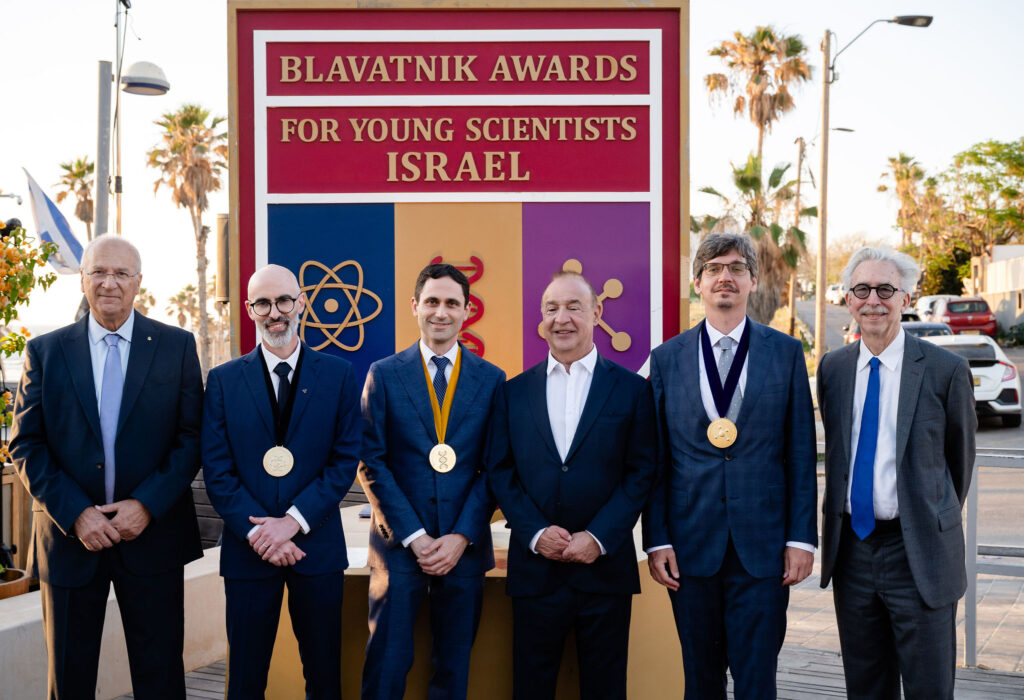
On June 2, leading scientists, academic leaders, philanthropists, business leaders, and politicians gathered on the terrace of the Peres Center for Peace and Innovation in Tel Aviv to attend the 2026 Blavatnik Awards for Young Scientists in Israel ceremony, the ninth year of the Awards program. Against the spectacular outdoor backdrop of sea and sunset, the evening celebrated three exceptional early-career researchers in Israel whose work advances our understanding of cancer biology, synthetic chemical systems, and the mysteries of the universe. The ceremony was hosted by the Blavatnik Family Foundation, The New York Academy of Sciences, and the Israel Academy of Sciences and Humanities.
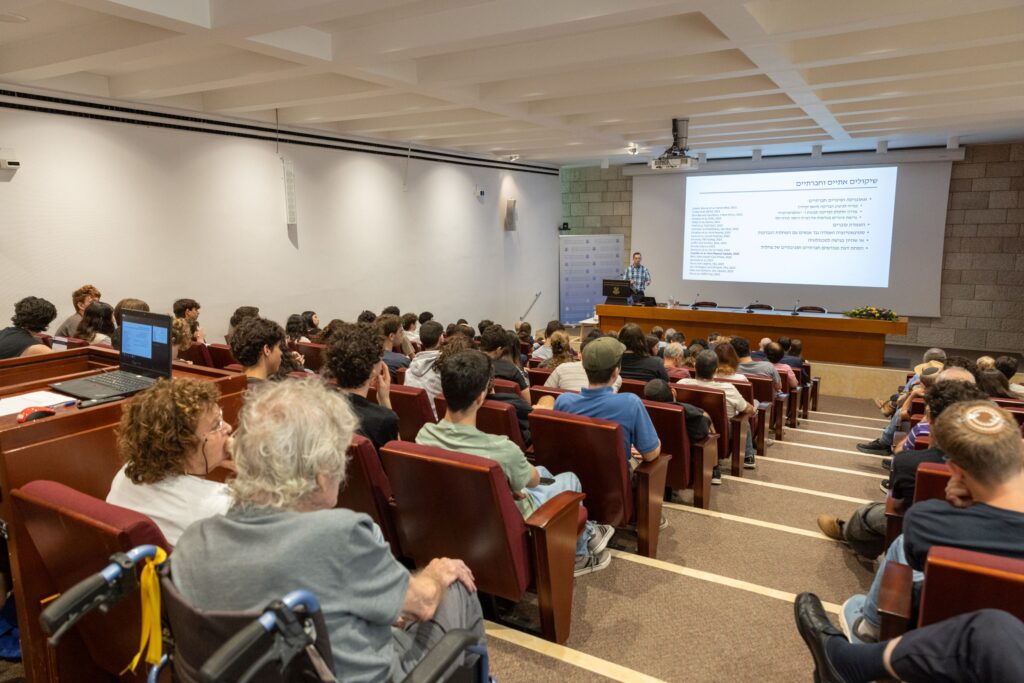
The ceremony followed the annual Blavatnik Awards Symposium, held on June 1 at the headquarters of the Israel Academy of Sciences and Humanities in Jerusalem, where the 2026 Laureates, along with the 2024 Life Sciences Laureate, Professor Shai Carmi of Hebrew University, presented scientific talks to Israeli high school students and local science enthusiasts.
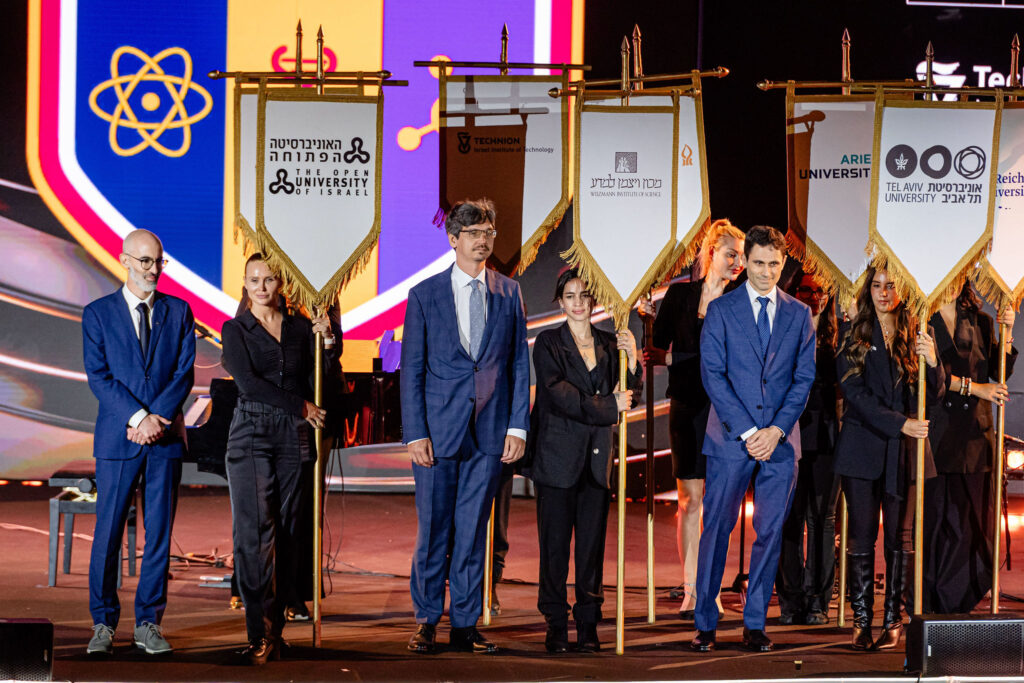
After trumpeters commenced the evening’s festivities, the ceremony opened with a flag procession honoring Israel’s ten eligible academic and research institutions, led by student flag-bearers and the three 2026 Laureates. Channel 13 television journalist, Yuna Leibzon, served as Master of Ceremonies, guiding guests through the evening’s scientific presentations, artistic performances, and reflections on the global enterprise of scientific research.
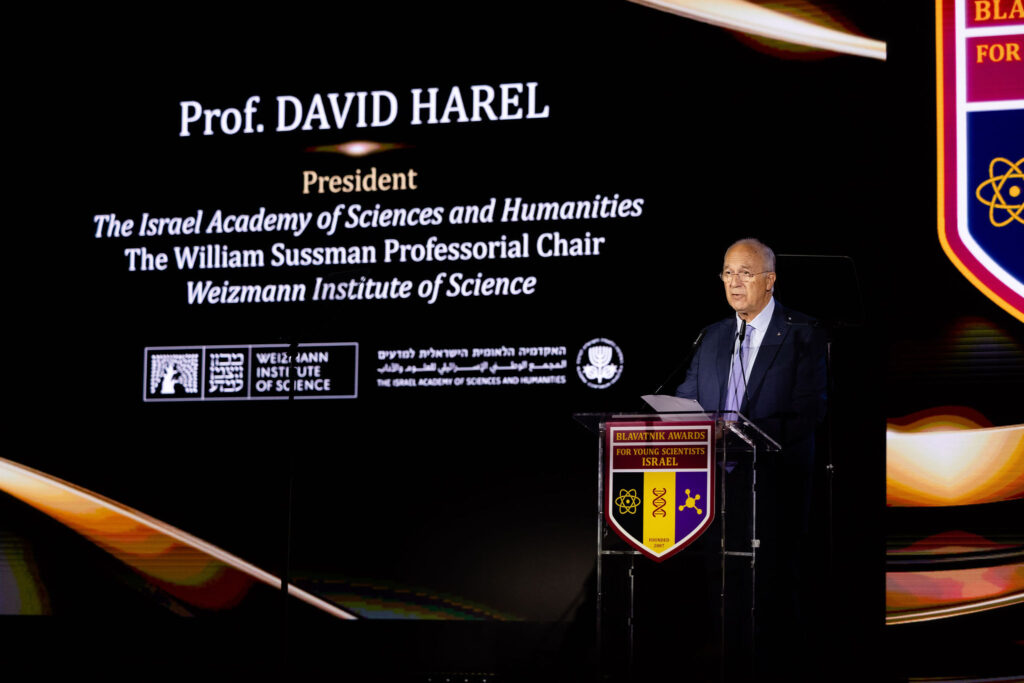
Professor David Harel, President of the Israel Academy of Sciences and Humanities, recognized the jury and the scientific advisory council for their participation in the Awards. He commended the resilience of Israel’s scientific community and the importance of preserving Israel’s culture of science, while advocating for the global institution of science, which relies on international collaboration.
Professor Nicholas Dirks, President and CEO of The New York Academy of Sciences, emphasized the unique role of the Blavatnik Awards in supporting scientists at a pivotal stage in their careers. “Unlike other awards that focus on a scientist’s lifetime contributions, the Blavatnik Awards identify exceptional promise at a pivotal moment in the career of a young scientist when funding, visibility, and encouragement can have a transformative impact,” Prof. Dirks said. He also reflected on the continued growth of the Awards program, which now spans the United States, the United Kingdom, and Israel. Since its launch, the Blavatnik Awards have recognized more than 500 scientists worldwide, awarding more than $20 million in prize money that have supported groundbreaking scientific advances and discoveries that have led to 52 companies (6 publicly traded), more than 900 patents, and a combined market capitalization of more than $30 billion.
Honoring the 2026 Laureates
The 2026 Blavatnik Awards in Israel ceremony highlighted the breadth of scientific innovation taking place across Israel’s research institutions, forging new frontiers in medicine, chemistry, and astrophysics.
Life Sciences: Professor Uri Ben-David
Uri Ben-David of Tel Aviv University received the 2026 Blavatnik Award in Israel in Life Sciences for his pioneering research into aneuploidy, the abnormal number of chromosomes found in many cancers. During his presentation, Ben-David described how his laboratory studies the “chromosomal chaos” that drives tumor evolution and treatment resistance. His team identified vulnerabilities unique to highly aneuploid cancer cells, including the molecular motor protein KIF18A, which may serve as a promising therapeutic target. “We are moving toward a future where we measure the ‘chromosomal chaos’ of a tumor and use that score to prescribe life-saving precision medicine,” he said.
Chemical Sciences: Dr. Sergey Semenov
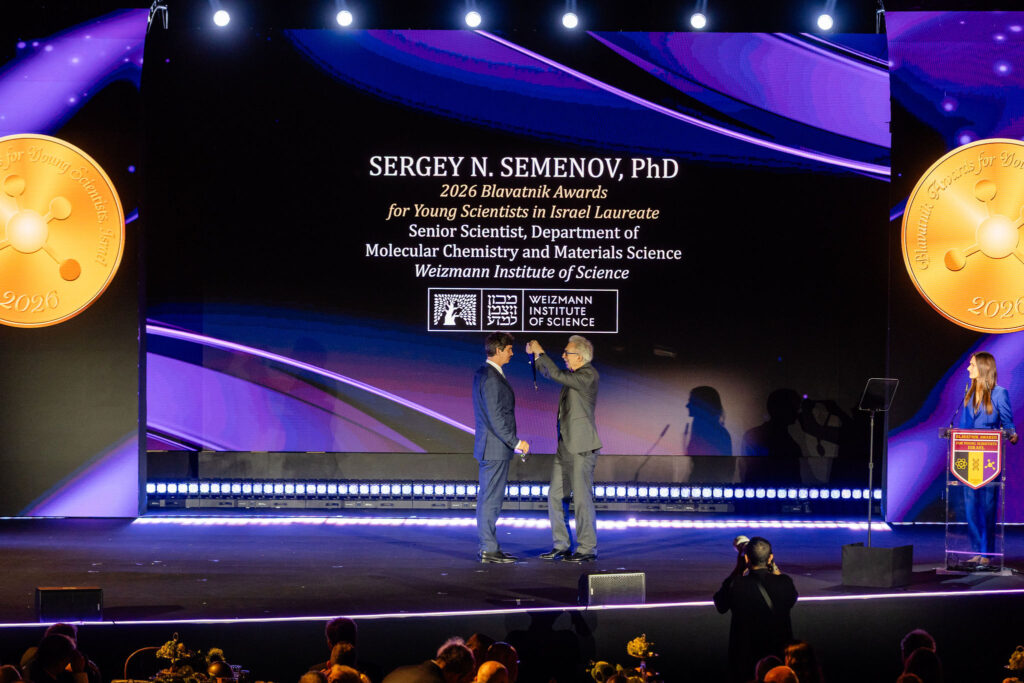
Sergey Semenov of the Weizmann Institute of Science was recognized with the Blavatnik Award in Chemical Sciences for his work designing dynamic chemical systems that mimic behaviors associated with living organisms. Semenov’s research explores how simple organic molecules can be programmed to create oscillations, traveling chemical waves, self-organizing patterns, and even motion in soft materials. “We have not synthesized life yet,” Semenov said during his remarks. “But we have built a toolbox of relatively simple organic chemistry that can produce several hallmark behaviors we associate with living matter.”
Physical Sciences & Engineering: Professor Paz Beniamini
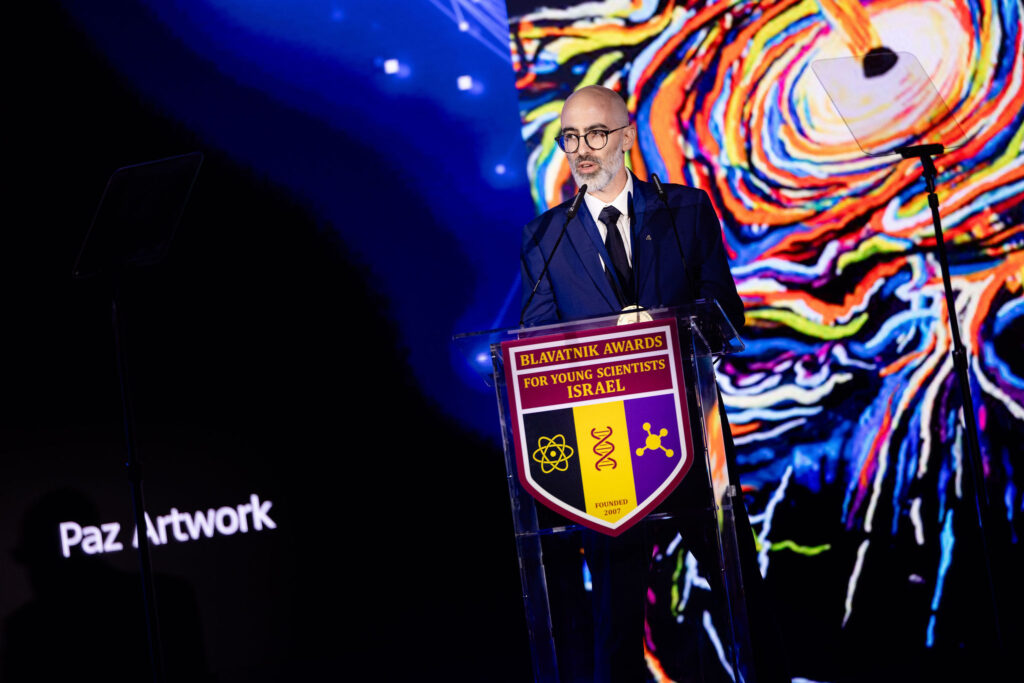
As the first Laureate from The Open University of Israel, Paz Beniamini received the Blavatnik Award in Physical Sciences & Engineering for his work in theoretical astrophysics, which explores some of the universe’s most extreme and energetic phenomena. In his remarks, Beniamini focused on fast radio bursts (FRBs), millisecond-long bursts of radio waves from distant galaxies that remain among the great mysteries in astrophysics. Using theoretical models and astronomical observations to probe environments with extreme gravity and magnetic fields, his research leverages scintillation, subtle fluctuations in radio signals caused by interstellar gas, to measure the size of an FRB source located more than 200 million light-years away. His technique achieved a level of resolution far beyond that of any human-made telescope, demonstrating how Beniamini’s methods can help scientists study distant, extreme environments that cannot be observed directly. “In a sense, we’re extracting picture-level information without actually taking a picture,” Beniamini said.
Artistic Performances
In line with the country’s strong support of art and culture, there were two performances during the evening. A musical performance by ICONIC, featuring musicians Lee Biran on guitar and Lauren Peled on keyboard, played a moving rendition of “Sailing” by Rod Stewart, likening the journey of science like a path towards truth. Later, a dance duet by choreographer Almog David and thirteen-year-old Ethan Oron performed a captivating modern dance piece against the backdrop of science-inspired art, representing the interconnection of science and art across generations.
A Celebration of Science and Community
Throughout the evening, science was interwoven with music and dance, reflecting the times and underscoring the ceremony’s themes of resilience, creativity, and innovation.
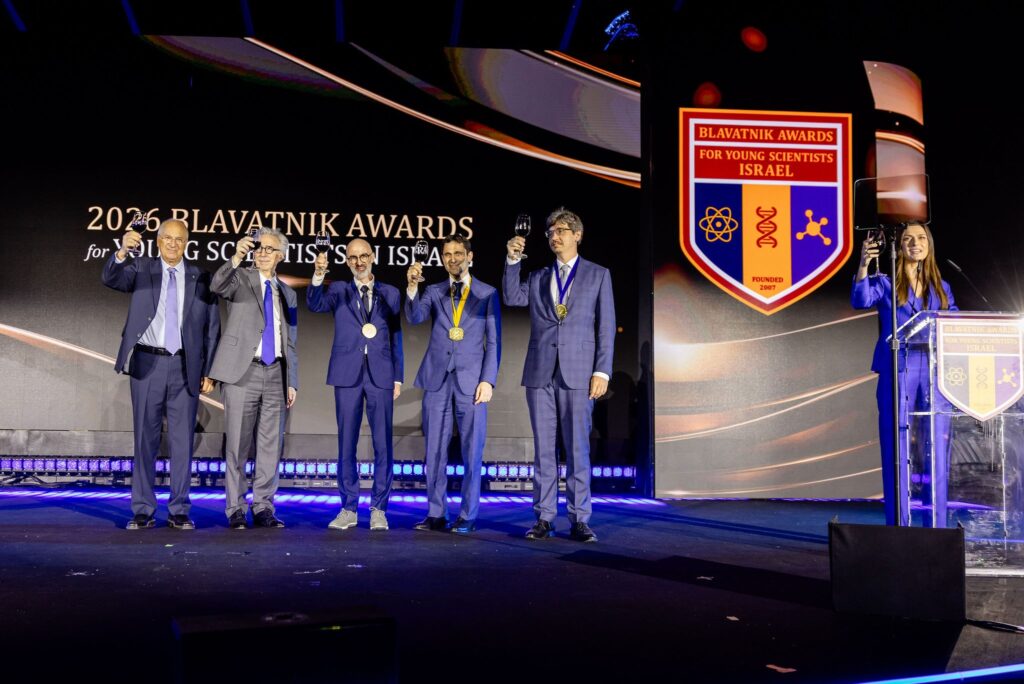
The Blavatnik Awards in Israel concluded with the traditional “L’Chaim! To Life! A Toast to Science,” led by Yuna Leizbion alongside Prof. David Harel and Prof. Nicholas Dirks, and the 2026 Laureates, as guests raised their glasses in celebration of scientific progress and international collaboration.
Nominations for the 2027 Blavatnik Awards in Israel are open until July 28, 2026. Learn more HERE.
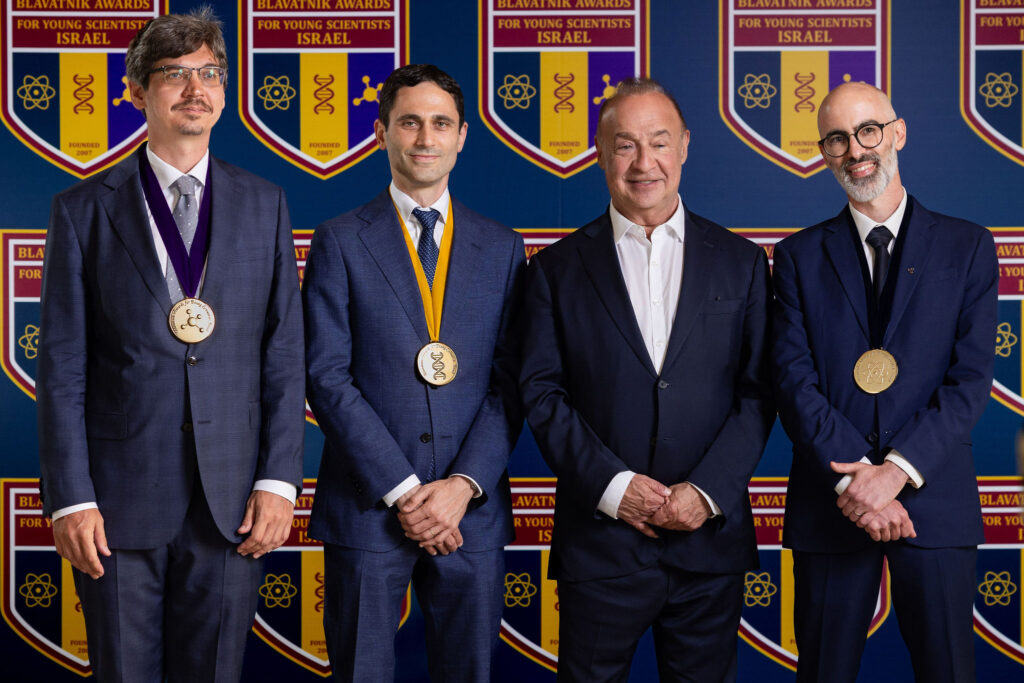
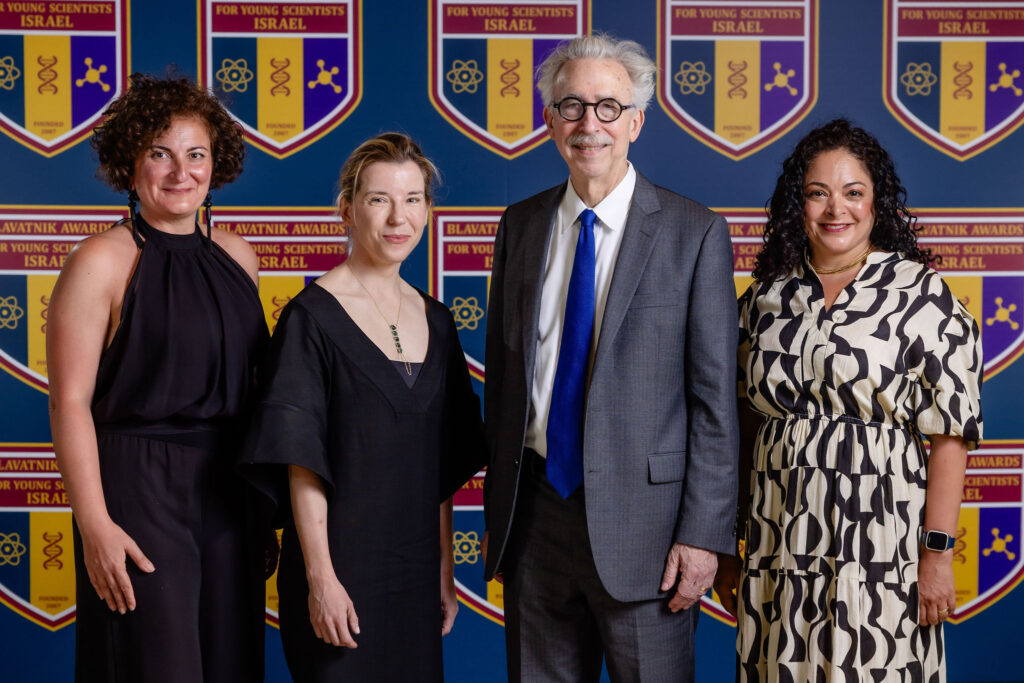
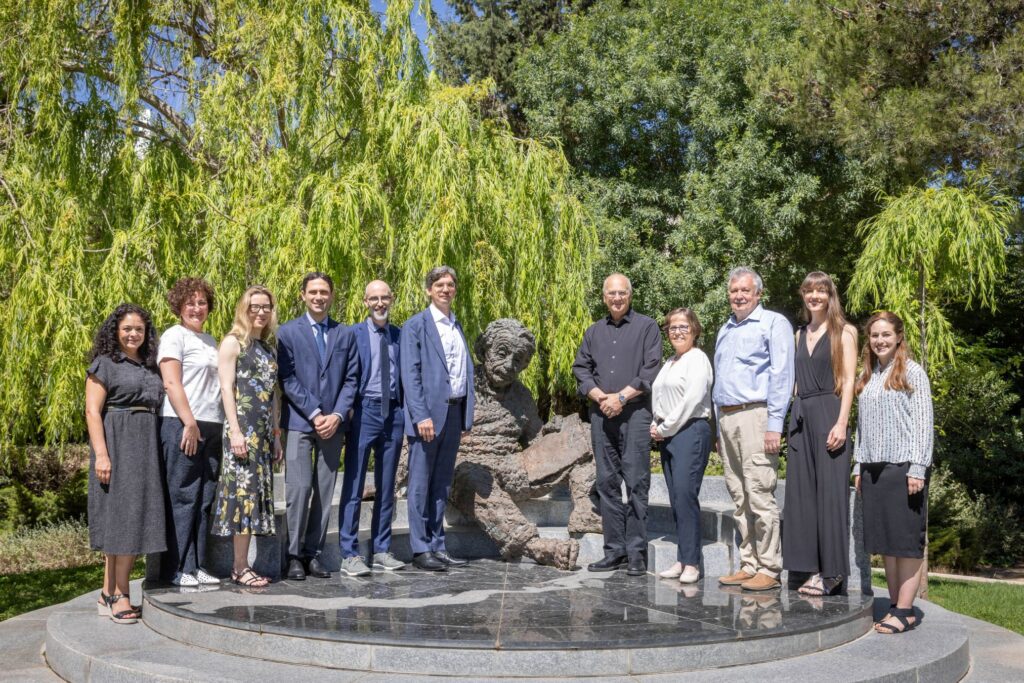
Entrance to the Peres Center for Peace & Innovation is decorated for the 2026 Blavatnik Awards in Israel.Trumpets announcing the beginning of the 2026 Ceremony.Len Blavatnik with the 2026 Blavatnik Awards in Israel Laureates (left to right) Sergey Semenov (Weizmann Institute), Uri Ben-David (Tel Aviv University), Paz Beniamini (The Open University of Israel).The 2026 Blavatnik Awards in Israel Laureates standing in front of the flags representing ten eligible nominating institutions in Israel.Performance by ICONIC featuring Lee Biran on guitar, and Lauren Peled on keyboard.Professor David Harel, President of the Israel Academy of Sciences and Humanities.2026 Life Sciences Laureate Uri Ben-David.2026 Chemical Sciences Laureate Sergey Semenov is conferred by Nicholas Dirks at the ceremony.2026 Physical Sciences & Engineering Laureate, Paz Beniamini.Dance Duet: (left to right) thirteen-year-old Ethan Oron and Almog David.The final toast, “L’Chaim: To Life! To Science!”The Academy’s Blavatnik Awards Israel team (left to right): Sanaz Masserat, Sonya Dougal, Nicholas Dirks, Kamala Murthy.The New York Academy of Sciences, the 2026 Laureates with their family members, and the Israel Academy of Sciences and Humanities, at their headquarters in Jerusalem.2023 Blavatnik Awards in Israel Laureate, Shai Carmi from The Hebrew University of Jerusalem, gives the keynote at the Blavatnik Awards Science Symposium.
New research reveals that passive rhythmic movement not only calms but can also induce pleasurable states in birds, suggesting deeply conserved mechanisms across vertebrates.
New York, NY — June 16, 2026 – A study published today in Annals of the New York Academy of Sciences unexpectedly found that rhythmic passive movements, such as rocking or carrying, can change the mood of domestic chicks and induce both calming and pleasurable responses. The study, authored by researchers from the University of Trieste and the University of Udine in Italy, explores how rhythmic motion affects the state of animals outside the mammal family.
In mammalian caregiving, slow rhythmic passive motion has long been recognized as a soothing strategy that reduces crying and heart rate while also promoting sleep. Additionally, anecdotal evidence in humans suggests that fast rhythmic motion in babies and young children, such as playfully tossing or rides on swings and roller coasters, can elicit enjoyment and excitement. To investigate if these effects extend to non-mammals and when motion shifts from soothing to pleasurable, the research team observed domestic chicks while being rocked. The use of chicks to study this phenomenon is unprecedented since chicks walk immediately after hatching and, unlike mammals, are never carried by the mother.
During the study, individual chicks were placed in an opaque box attached to a precise robotic arm that simulated rocking and carrying-like motions at various frequencies (fast and slow) and directions (horizontal and vertical). The researchers non-invasively recorded the chicks’ vocalizations to monitor their emotional states. They found that slow rocking and carrying-like movements lowered the number of “contact calls” — the distress sounds chicks make when they experience discomfort or separation. This finding mirrors the well-known soothing effects of maternal carrying observed in mammals.
Crucially, the study also found that specific movements can create a positive experience. When the chicks were exposed to fast horizontal rocking and fast carrying-like movements, for example, they emitted significantly more “brood calls” — a type of vocalization usually made in safe and affiliative situations as an indicator of a pleasurable state.
The findings suggest that the soothing effects of carrying and rocking in mammals may stem from widespread sensitivity that animals have to rhythm and motion. “Our findings expand the functional scope of rhythmic stimulation, positioning it as a regulator of affect with both calming and pleasurable dimensions across vertebrate lineages,” notes the study’s authors. Because chicks do not experience maternal carrying in their natural history, their sensitivity to rhythmic movement is likely deeply conserved across vertebrates, rather than a response to specific parental care strategies.
About Annals of the New York Academy of Sciences
Annals of the New York Academy of Sciences is a 200+ year-old multidisciplinary journal that publishes high-impact primary research articles, reviews, and perspectives presenting significant advances across all scientific disciplines. The journal is truly multidisciplinary in scope — welcoming contributions from researchers worldwide in the life sciences, physical sciences, social and behavioral sciences, environmental sciences, and the intersections among them. Papers are expected to advance understanding within their field, and, where possible, resonate beyond it. A hybrid journal, Annals NY Acad Sci is committed to open science and encourages authors to choose to support their research via Open Access licenses.
About the Study Authors
The study was authored by Cinzia Chiandetti, Andrea Dissegna, Lorenzo Scalera, and Paolo Gallina. Cinzia Chiandetti is affiliated with the Department of Life Sciences at the University of Trieste.
David Spergel is a theoretical astrophysicist and professor emeritus of astrophysical sciences at Princeton University. A renowned cosmologist, he helped lead NASA’s landmark Wilkinson Microwave Anisotropy Probe (WMAP) mission, which revolutionized our understanding of the universe, and later chaired NASA’s independent study team on Unidentified Anomalous Phenomena. As president of the Simons Foundation, he carries forward the vision of its co-founders, Jim and Marilyn Simons, and advocates for the unique role philanthropy can play in advancing bold, long-term scientific research and discovery.
Recent news coverage of Ebola and hantavirus has raised important questions about the risks these diseases pose, how outbreaks are contained, and what individuals should know for themselves and their communities. Join The New York Academy of Sciences for a timely webinar featuring leading experts in infectious disease, epidemiology, outbreak response, and public health. This discussion will provide a clear, evidence-based overview of both Ebola and hantavirus, including where these diseases occur, how they spread, the populations most at risk, and the measures being taken to monitor and contain outbreaks.
Panelists will explore the current scientific understanding of these diseases, discuss ongoing surveillance and response efforts, and examine the broader implications for global health preparedness in an increasingly interconnected world. The conversation will also address common misconceptions, provide context for recent headlines, and offer practical guidance for understanding risk. Attend this webinar to hear directly from experts and gain a deeper understanding of the facts behind the headlines.
To attend, click the “Register” button at the time of the presentation. It will take you directly to the Zoom call.
Welcome and Introductions: 11:30 AM to 11:45 AM
Main Presentation: 11:45 AM to 2:30 PM
Fruit Flies to Humans: Evolutionarily Conserved Mechanisms of Decision-Making
This talk will focus on common behavioral principles that have been observed in decision-making strategies in a variety of settings across various animals and humans. These behavioral observations have spurred theoretical work that has provided scientists and economists with an understanding of the algorithms that could give rise to this behavior. In the core of this talk, Dr. Rajagopalan will walk the audience through how these algorithms and computations have been mapped on to regions and elements in the brain with his own work on decision-making on fruit flies and rats serving as examples for how this scientific process leads to insight into the brain as well how these insights can lead to breakthroughs in mental health care and AI decision-making algorithms.
Speaker
Adithya Rajagopalan is a neuroscientist studying the algorithms governing decision-making. Currently a Leon Levy Scholar in the Constantinople lab at NYU, his work focuses on understanding how complex cognitive representations necessary for decision-making arise.
He graduated from the Indian Institute of Science Education and Research in Pune, India in 2017. He then earned his PhD in Neuroscience in 2023 from Glenn Turner’s lab at the HHMI Janelia Research Campus. Here he used Drosophila melanogaster to study decision-making at the level of behavior, circuits and theory, leveraging the model system’s genetic tools to expand theories explaining decision-making under uncertainty.
New research introduces acoustic levitation to study insect flight and behavior without the physical constraints of traditional tethers.
New York, NY – May 18, 2026 – A study published today in the Annals of The New York Academy of Sciences demonstrates a novel contactless tethering device that uses high-frequency sound waves to stably levitate hoverflies and other insects. The study, authored by researchers from Aix Marseille Université and the Universidad Nacional Autónoma de México, introduces a breakthrough solution to a longstanding problem in insect biology: how to observe an insect’s natural flight behaviors without attaching physical tethers that inevitably alter its movement.
Historically, studying the sensorimotor responses of flying insects required tethering them with rigid rods or magnetic couplings. However, these physical attachments restrict the insect’s degrees of freedom and add unwanted mass and inertia, which disturb sensory feedback loops involved and potentially skew behavioral results.
To overcome this, the research team developed an acoustic levitator that aims two curved arrays of ultrasonic speakers at each other across an open chamber. The opposing sound waves create a focused standing wave—an invisible, stable “structure” that catches and suspends the insect in midair. A critical question for the researchers was whether this “sound trap” would stress the animals and alter their natural behaviors. By utilizing automated tracking software to monitor the motion rates of the levitating hoverflies’ abdomens, wings, and legs, the team found that the insects exhibited minimal disruptions, behaving almost identically whether the ultrasound was turned on or off.
Beyond hoverflies, the versatile device successfully levitated other species of varying shapes and sizes, including live ants, dead fruit flies, a dead cockroach, and a dead bee weighing nearly 60 milligrams.
“Acoustic tethering opens new avenues for investigating the behavior of various insects of different shapes, sizes, and masses, as it enables precise control over the trapping force and rotational dynamics of the levitating animal,” noted the study’s authors. This device will allow future experiments to release insects into free fall without stimulating their leg reflexes, providing an unbiased assessment of their aerial righting maneuvers.
About Annals of the New York Academy of Sciences
Annals of the New York Academy of Sciences is a 200+ year-old multidisciplinary that publishes high-impact primary research articles, reviews, and perspectives presenting significant advances across all scientific disciplines. The journal is truly multidisciplinary in scope — welcoming contributions from researchers worldwide in the life sciences, physical sciences, social and behavioral sciences, environmental sciences, and the intersections among them. Papers are expected to advance understanding within their field, and where possible resonate beyond it. A hybrid journal, Ann NY Acad Sci is committed to open science and encourages authors to choose to support their research via Open Access licenses.
About the Study Authors
The study was authored by Gaillard Thomas, Victor Contreras, Dominique Martinez, and Stéphane Viollet. Stéphane Viollet’s research focuses on bio-inspired robotics and takes inspiration from animals to develop new technologies for autonomous robots.
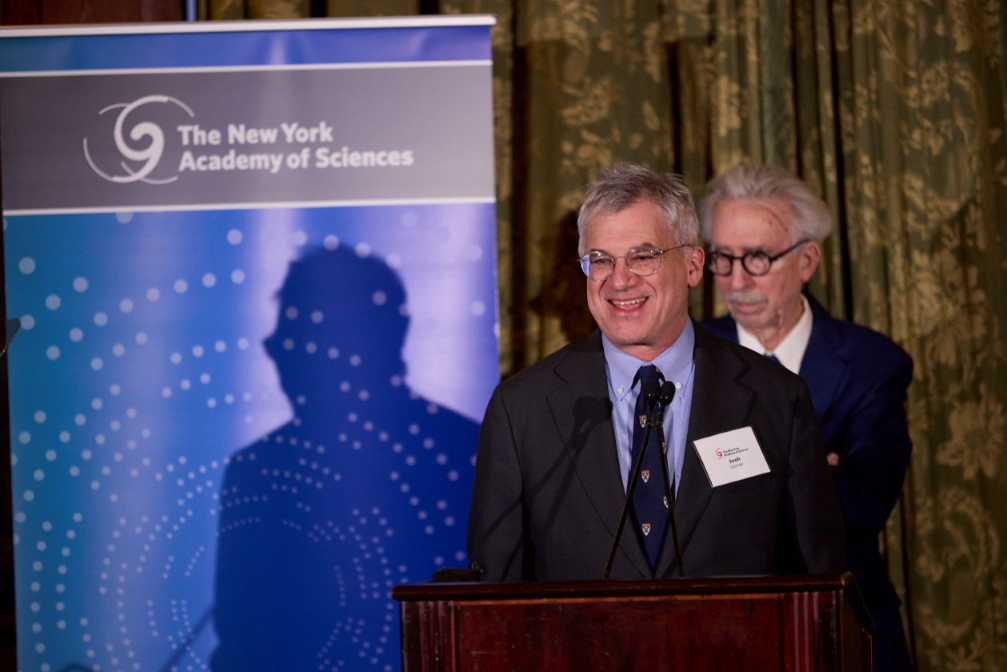
With expertise in venture capital, private equity, innovation policy, and entrepreneurial management, Josh Lerner’s work bridges the worlds of business and science.
Published May 4, 2026
By Nick Fetty
Scientific breakthroughs are increasingly reliant on private capital to transition from the lab to the market. Harvard Business School’s Josh Lerner, PhD, has just the expertise to make this transition possible.
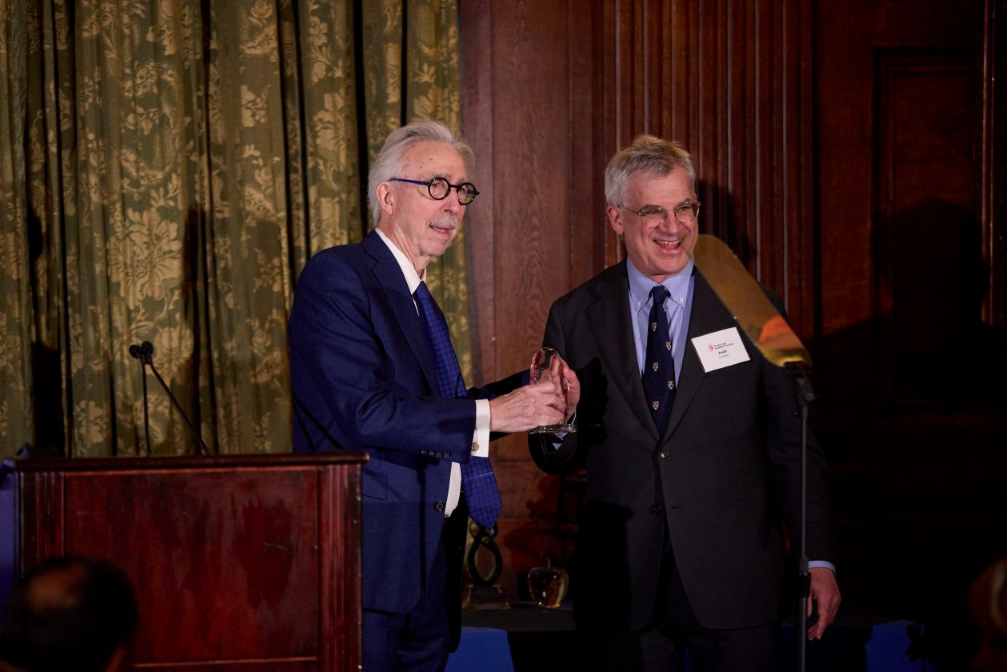
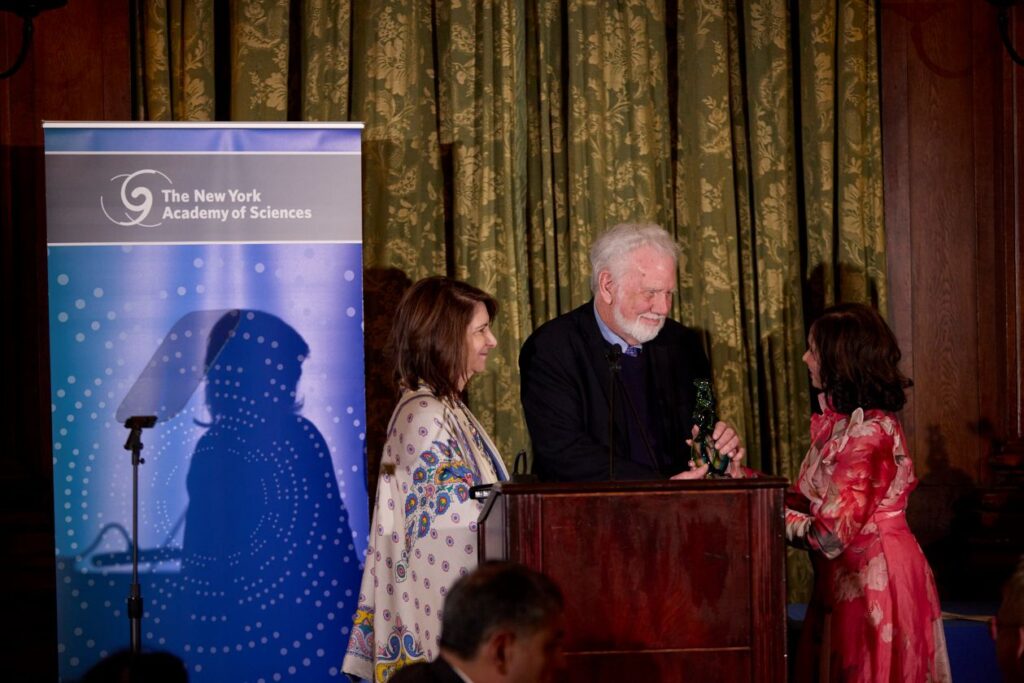
Nicholas Dirks (left) presents Josh Lerner with his trophy on stage during the 2026 Spring Soirée.
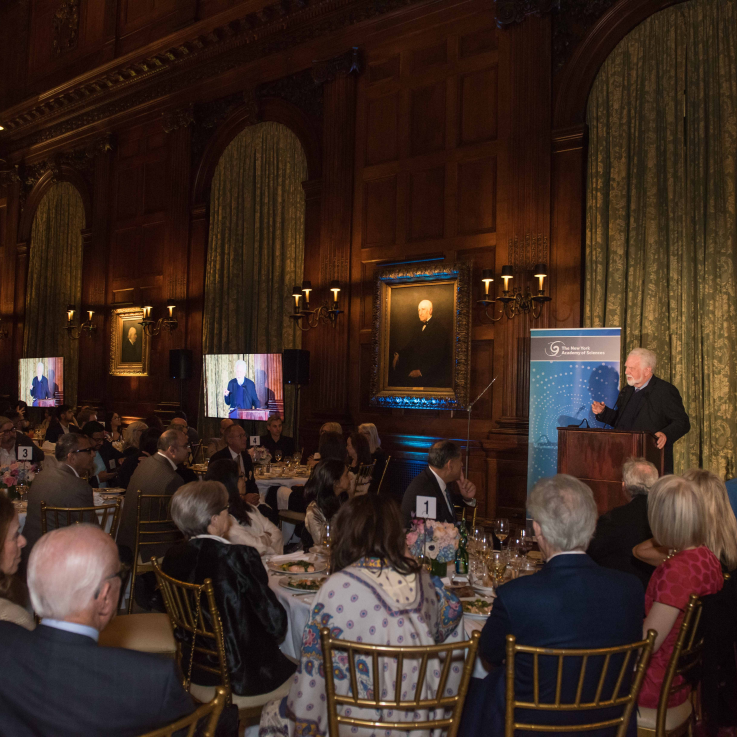
The New York Academy of Sciences honored Prof. Lerner with its inaugural Constellation Award during the 2026 Spring Soirée. The Soirée was hosted on April 21st at the University Club in New York City.
“We believe that forging stronger relations between knowledge and capital has the potential to accelerate scientific breakthroughs, even as it provides absolutely critical funding for scientific research, especially at a time like this when federal support for science is so uncertain,” said Academy President and CEO Nicholas Dirks. “For recognizing exemplary leadership and synergy in driving transformative science for the benefit of society in collaboration with the Academy we are conferring on you tonight the Constellation Award. Josh, our hearty congratulations.”
Prof. Lerner then took the stage to accept his award and provide remarks.
“Clearly we’re at a time today where even though we here all collectively agree that science is a good thing and must be supported, there are more questions than ever about it,” said Prof. Lerner. “While we can talk about how ill-founded and problematic many of the critiques are, at the same time it’s worth acknowledging that the way in which the impact of science is both communicated, as well as the mechanisms by which it gets translated, could use some improvement.”
Driving Transformative Science for the Benefit of Society
Prof. Lerner has been instrumental in the “Private Capital and Discovery: Strategic Investing in Scientific Innovation” series, which concluded earlier this year. This four-part series, a collaboration between the Academy and The Private Capital Research Institute (PCRI), was launched in fall 2025. The series, sponsored by Ropes & Gray, focuses on fostering a broader understanding of the recent scientific and technological trends and their implications for private capital investors. The inaugural series covered four areas:
Due to the impact and response from the inaugural series, Prof. Lerner expressed interest in extending the partnership with the Academy to continue to advance research and public understanding of this field.
A Pioneering Researcher in Venture Capital and Private Equity
From left: Charles Kennedy, Josh Lerner, and Stuart Firestein.
Josh Lerner is the Jacob H. Schiff Professor at Harvard Business School and director of PCRI. Founded by Prof. Lerner in 2011, PCRI is a Massachusetts-based non-profit that seeks to further the understanding of private capital and its impact through independent academic studies.
“The work that [PCRI does] with the Academy, trying to bring together both some of the most thoughtful financiers and scientists, hopefully will be a very rich theme that we can continue to mine in the years to come,” concluded Prof. Lerner.
From war zones and natural disasters to medical marijuana and pandemics, Dr. Gupta’s career has covered the gambit of public health issues.
Published May 4, 2026
By Nick Fetty
In an era of misinformation and partisanship, CNN’s chief medical correspondent, Sanjay Gupta, MD, understands the importance of effective science communication.
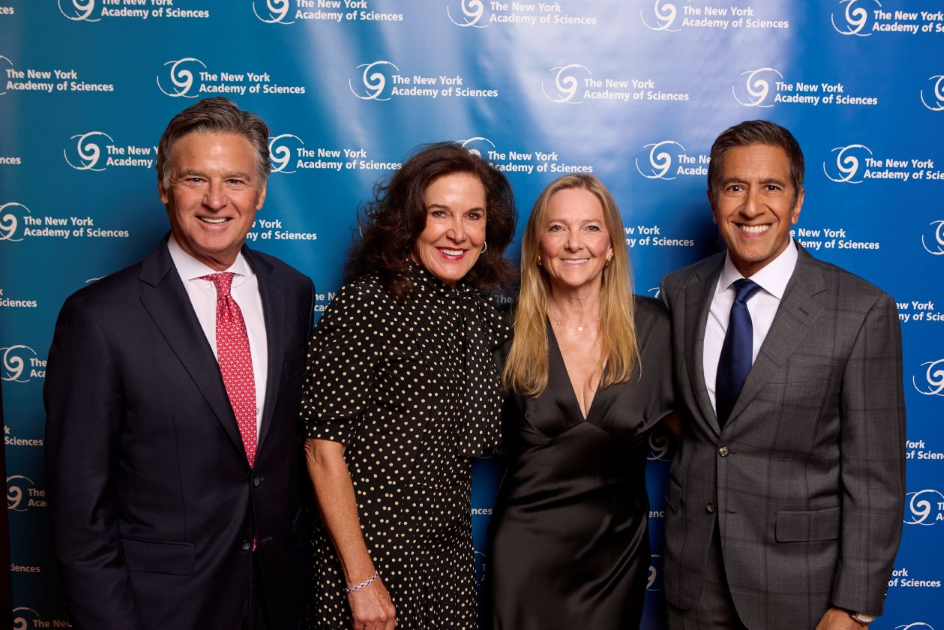
From left: Dan Barrow, Mollie Barrow, Rebecca Gupta, and Sanjay Gupta.
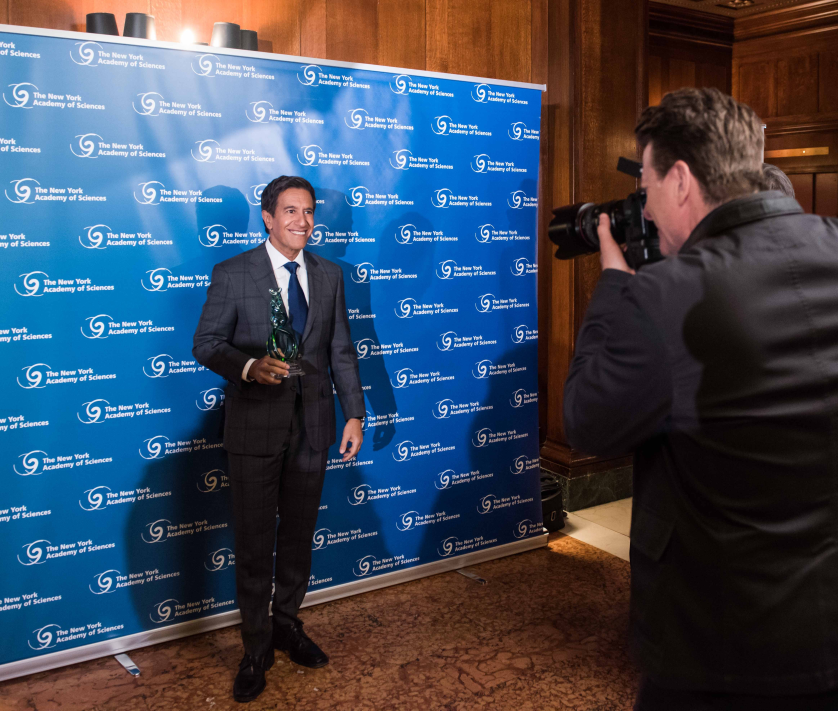
The New York Academy of Sciences honored Dr. Gupta with its 2026 Science Communicator Award during the second annual Spring Soirée, hosted on April 21st at the University Club in New York City. CNN was a Benefactor-level supporter for the event.
“For over twenty years, Sanjay has occupied a peculiar and precious space: where the lab meets the living room,” said Dan Barrow, MD, the Pamela R. Rollins Professor and chairman of the Department of Neurological Surgery at Emory University School of Medicine, as he introduced Dr. Gupta.
“He understood something that far too many science communicators never quite figure out. The goal isn’t to impress. It’s to illuminate,” Dr. Barrow concluded.
Dr. Gupta then took to the stage to accept the award and deliver his remarks.
“Many years ago when I first started doing television [my wife] Rebecca gave me the single best piece of advice I’d ever heard about being on camera. She said treat the lens as if it were a patient,” Dr. Gupta said. “It changed how I spoke, what I said, how much empathy I could transmit. The lens for me stopped being a piece of glass and started being something, someone that I really cared about.”
Dr. Gupta is just the third person to receive this honor after the inaugural award was bestowed upon documentarians Janet Tobias and Jared Lipworth during the 2025 Spring Soirée.
From the September 11 Attacks to the COVID-19 Pandemic
Sanjay Gupta credits his wife Rebecca for giving him the advice that enables him to be so comfortable in front of the camera.
A practicing neurosurgeon, Dr. Gupta has been with CNN since 2001. He broke stories about the threat of anthrax following the September 11 terrorist attacks. He’s reported from war-torn regions in Iraq, Kuwait, Lebanon, and Afghanistan, and has performed life-saving brain surgery for patients in desert operating rooms. He has also extensively covered natural and manmade disasters including:
Tsunamis in Sri Lanka (2004)
Hurricane Katrina in New Orleans (2005)
The Gulf of Mexico oil spill (2006)
Flooding in Pakistan (2010)
Earthquakes in Haiti (2010)
Earthquakes and tsunamis in Japan (2011)
The Ebola outbreak in West Africa (2014)
Earthquakes in Nepal (2015)
Hurricane Maria in Puerto Rico (2017)
This award from the Academy is just the latest on a shelf already full of accolades Dr. Gupta has to his name including the John F. Kennedy University Laureate award, PEOPLE magazine’s “Sexiest Men Alive” list, and multiple Emmy® awards. In 2019 he was elected to the National Academy of Medicine, “considered one of the highest honors in the medical field.”
In addition to his work with CNN, Dr. Gupta also serves as an associate professor of neurosurgery at Emory University Hospital and associate chief of neurosurgery at Grady Memorial Hospital in Atlanta.
Hail to the Victors
Sanjay Gupta (left) talks with Nicholas Dirks during the Soirée. The two have a mutual connection to the University of Michigan. While Dr. Gupta is an alum, Prof. Dirks was on faculty at Michigan in the 1990s.
The University of Michigan holds a special place in Dr. Gupta’s heart. Not only is it his alma mater (twice over), but his parents first met in Ann Arbor in the 1960s. He once delivered a rousing commencement address in Michigan’s historic “Big House.”
“If you ever cheer for another team in competition with the Wolverines, then some 500,000 alumni will hunt you down and paint you maize and blue,” Dr. Gupta said during the 2012 address.
Using his decades of on-camera experience, Dr. Gupta even tried his hand as a “‘sideline reporter’ of sorts” during Michigan’s 2018 championship run in men’s basketball. Though they fell short of the title in 2018, Dr. Gupta was proud to watch them best the UConn Huskies 69-63 to claim the 2026 championship.
“It only took us 37 years,” he said with a smile during a photoshoot after the Soirée’s program, referring to Michigan’s 1989 title run.
His fondness for his upbringing in the Wolverine State came through during his Soirée remarks. In an era when approximately 80 percent of Americans cannot cite a single living scientist, Dr. Gupta said he was grateful to be raised by one in his mother, Damyanti. At the age of 24, “she was designing cars as the first woman hired in the United States as an engineer at the Ford Motor Co.” Growing up, the word “impossible” was not allowed in the Gupta household.
“My mom to me was the first and best example of science and what it can do for mankind,” Dr. Gupta concluded. “[We’re living in a] time where science has never been more powerful and never more questioned. But that tension is why science communication matters. Not as an afterthought, once the real work is done, but as part of the work itself.”
Education, humility, laughter, faith, and baseball are just some of the guiding principles in the life of scholar and leader John E. Sexton.
Published May 4, 2026
By Nick Fetty
An already accomplished legal scholar and education leader, John E. Sexton, PhD, has yet another award for his trophy case.
John Sexton, PhD, (center) is flanked by Linda G. Mills, PhD, (left) and Seema Kumar.
The New York Academy of Sciences honored Prof. Sexton with its 2026 Trailblazer Award during the second annual Spring Soirée, hosted on April 21st at the University Club in New York City. Linda G. Mills, PhD, current President of NYU, took to the stage to introduce Prof. Sexton and the award. NYU was an Academic Patron-level sponsor for the event.
“There are leaders who steer institutions, and then there are those who chart entirely new paths. Tonight, as we honor my dear friend and colleague John Sexton, we celebrate someone who didn’t just follow the trajectory of higher education, he redrew the map,” Prof. Mills said. “John has left an indelible mark on every corner of our beloved New York University.”
Sanctitas, Scientia, Sanitas
Prof. Sexton then took to the stage to accept the award. He recalled a commencement address he gave to his high school alma mater more than six decades ago. The address was about the Latin motto of the now-defunct Brooklyn Preparatory School in Crown Heights: Sanctitas, Scientia, Sanitas. He translated this to “Take care of the mind, the body, and the soul.”
“In those days we believed in a common. We believed in institutions. We believed in leaders. And we believed that it was worth sacrificing for that commonweal,” said Prof. Sexton. “We live in times when all of those things that we took for granted back when I gave those speeches, are under attack. [These are no longer] axioms of our society.”
During his five-year stint as Chair of the Academy’s Board of Governors, he said it was the intelligent and passionate individuals who made the extraordinary happen. He called the Academy’s current leadership, President Nicholas Dirks and Board Chair Peter Salovey, PhD, a “one-two punch.”
Academy Board Chair John Sexton (left) confers with Gov. Paterson and Academy President Ellis Rubinstein (right) during Paterson’s “new economy” announcement at the Academy in 2009.
Early in his career, Prof. Sexton served as a professor of religion at Saint Francis College in Brooklyn, which included chairing the department for six years. After completing his PhD in the History of American Religion from Fordham University, and a JD magna cum laude from Harvard Law School, he served as a Law Clerk to Chief Justice Warren Burger of the United States Supreme Court.
Much of his professional career has straddled law scholarship and academic administration. He joined the faculty of NYU’s Law School in 1981 and ascended to the rank of Dean in 1988. Prof. Sexton became the 15th president of NYU in 2002 and served in that role until 2015. He also served as Chair of the Academy’s Board of Governors between 2007 and 2011.
Baseball and Religion
Prof. Sexton remains committed to his Catholic faith, even though his late wife and children were raised Jewish. He is also a baseball fan and a devotee of the Yankees, though he was a Dodgers fan prior to the team leaving Brooklyn for Los Angeles in 1957. He combined his love of the game with his theological scholarship in an NYU course he taught called “Baseball as a Road to God.” He borrowed this title for a book he published in 2014.
“The real idea of the course,” he told The New York Times in 2012, “is to develop heightened sensitivity and a noticing capacity. So baseball’s not ‘the’ road to God. For most of us, it isn’t ‘a’ road to God. But it’s a way to notice, to cause us to live more slowly and to watch more keenly and thereby to discover the specialness of our life and our being, and, for some of us, something more than our being.”
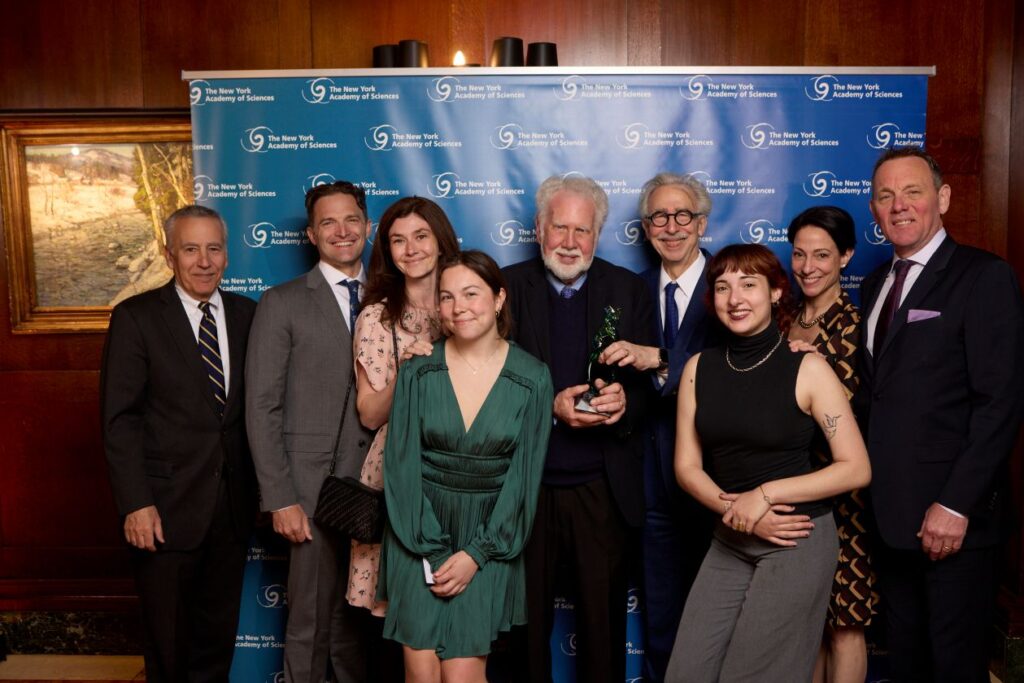
John Sexton (center) poses with his trophy.
Prof. Sexton’s humility came through throughout the night at the Soirée. In his closing remarks, he joked that he receiving such an honor was like the classic Sesame Street segment One of These Things (Is Not Like the Others).
“It’s kind of fun not being the one that belongs with the others because I get to watch you people do miraculous things,” Prof. Sexton concluded. “There’s never been a time when thought has been more under challenge. And there’s never been a time when gathering as a community of thought has been more important.”