Beneath all the negative noise, science can flourish on social media, but users must be diligent, measured, and ethical with how they use this powerful platform.
Somewhere in between those halcyon days of Facebook as a friendly college social media network and the acrimonious 2016 elections, meme-filled newsfeeds took over, and social media sites like Facebook, Twitter, YouTube and Pinterest transformed into new express lanes for the spread of misinformation. This development feels especially glaring in science.
As the use of social media expanded it also became a major source for news and information. A 2018 Pew Research Center study found that 68 percent of American adults get news through social media sites. That change held not only for politically-themed content, but for science too. Another 2018 Pew study found that most users report seeing science-related posts, and 33 percent view it as a source for science news. Millions follow science-related pages on social media with the most popular pages including National Geographic, IFL Science, NASA, and ScienceAlert.
As news sources become increasingly fractured, it is difficult to dig through the mountains of contradictory articles, especially when we are asked to evaluate highly technical subjects that might be communicated poorly — sometimes intentionally so. The aforementioned list of influential “science-related” pages also includes those whose basis in empirical data is more loosely defined, like that of Dr. Mehmet Oz. In 2014 he was called before Congress for promoting sham supplements, and recently tweeted about the link between astrology and health. His page has over 5.5 million followers.
Flawed information has a way of spreading quickly. Of the 100 most shared health-related articles in 2018, over half of the articles contained misleading or exaggerated statements, or even outright falsehoods. Some of those articles even came from reputable news sources.
The Pervasiveness of False Information
The pervasiveness of false information on social media may translate to an effect on public health. When measles outbreaks increased 30 percent worldwide, vaccine misinformation on the internet took center stage. A recent study in the United Kingdom from the Royal Society for Public Health showthat 50 percent of parents with young children were exposed to negative messages about vaccines on social media.
This did not happen entirely organically. Russian trolls engaged not only in spreading political falsehoods, but they heightened the debate around vaccines too. A study analyzing tweets from 2014 to 2017 revealed that known Russian accounts tweeted about vaccines at higher rates than average users. The content of their tweets presented both pro- and anti-vaccine messages, a known tactic that amplifies a sense of “debate” and therefore propagates a sense of uncertainty.
Why are these misleading posts so attractive? Dominique Brossard, professor and chair in the Department of Life Sciences Communication at the University of Wisconsin-Madison, pulls no punches in her assessment, “They’re using all the strategies that unfortunately the scientific community has not been using.” She emphasizes that they exploit the most fundamental driver of whether or not information is accepted: trust. “What are the main things that build trust? Concern, care and honesty.” Or at least the perception of honesty.
The strength of these tactics can be especially heightened when they are insulated from outside influence. Many organizations against vaccines structure their Facebook groups so that they are closed or private, allowing for misinformation to be stated entirely unchecked and out of the public eye.
The Effect on Public Opinion
But, as all good scientists know, correlation does not equal causation. The pervasiveness of false information does not mean that there is a straight line of causality to an effect on public opinion. “It’s hard to quantify the effects of misinformation,” Brossard cautions. That same 2018 Pew study revealing 68 percent of American adults getting news on social media also stated that 57 percent expect the news they see to largely be inaccurate.
The public may also be changing how they’re interacting with social media. After the 2016 elections and the Cambridge Analytica scandal, some users needed a pause. On Facebook, 54 percent of adults modified their use in 2018: adjusting their privacy settings, deleting the app from their cellphone, or even taking extended breaks.
Social media companies are also modifying their approach. Pinterest blocked users from searching for vaccine-related terms. YouTube removed advertisements from anti-vaccine themed videos, and recently pledged to curb the spread of misinformation by modifying its recommendation algorithms — hopefully preventing users from following conspiracy-laden video rabbit holes.
And in spite of all the misleading content, which prompts all scientists to reply #headdesk or #facepalm — that’s social media speak for frustration or exasperation — there are many exciting online communities that may provide some redemption for these platforms.
Recognizing the opportunity to cater to the sci-curious, experts in science outreach jumped online as a way to spread a passion for science. YouTube accounts like AsapSCIENCE and Physics Girl have millions of subscribers, and take the time to break down complex subjects for their audiences.
Scientists and Instagram
On Instagram, science.sam is the account of Samantha Yammine, who uses the platform as a new line of communication with the public. While earning her PhD, she shares her daily life as a researcher through photos and videos both in and outside of the lab, with a humanizing effect. She also contributes to a research study nicknamed #ScientistsWhoSelfie, which is systematically exploring the effects of scientists’ Instagram posts to influence public perception of scientists.
Social media also provides a megaphone to amplify diverse voices in science, and remove hierarchies that exist offline. The accounts belonging to #VanguardSTEM link to live, monthly interviews with both “emerging and established women of color in STEM,” where they cover research, career advice and social commentary.
Kyle Marian Viterbo, social media manager at Guerilla Science and producer of The Symposium: Academic Stand-Up, cites her experience in biological anthropology groups on Facebook as some of the earliest examples of social forums for scientific discussion, where status and titles were stripped away. “We talked about papers and coverage of papers in depth, in a way that only an academic community can. It’s been an amazing experience to see that community grow, and add new scientists who have equal conversation power with folks who are emeritus professors.”
Scientists and Twitter
A 2017 study estimated that over 45,000 scientists use Twitter. From volcanologists, to climate scientists, to evolutionary biologists, they’re all online in a professional capacity. There, they share new papers, announce job openings in their labs, comment on published research and network with other scientists both in and outside of their field.
For science professionals who feel emboldened to get online, but don’t know how, Viterbo advises easing your way in, “My number one advice is to just lurk. You’re silent, you’re observing, it’s almost like an ethnography situation…you don’t have to be active. A lot of it is also getting to know what you want out of that experience, and you don’t really know that until you see other people doing it well, and it resonates.”
Once your field observations are complete, Viterbo says it’s time to experiment with a few posts, “You just have to play in this space, and allow yourself to make a few mistakes.” She reminds scientists that we have the instincts for learning how to do well, but we can also get out of our own way, “Apply the scientific method to communication and social media, but also be more forgiving. We’re not necessarily the most forgiving of ourselves in science, but do it for fun!”
Communication Works Both Ways
If you plan on venturing into social media with an agenda in mind, perhaps take a cue from Tamar Haspel, a science journalist who writes the award-winning Washington Post column Unearthed. She spends much of her time researching controversial topics like pesticides, GMOs and diet recommendations, and cautions scientists to remember that “communication works both ways.”
Haspel makes a point to read thoughtful discussions from all sides, even on Twitter, “I have smart people with wildly different views in my feed, and I pay attention when they post something, because of course when we see something that we don’t want to believe we have a tendency to just scroll down. I try to stop, click through, and listen.” Her own posts are comprehensive explainers on the complex science of agriculture, and she also readily self-corrects and engages politely on divisive topics.
The result has positioned her as a trustworthy source for information. Haspel’s number one piece of advice for scientists who want to achieve the same? “We need to think less about being persuasive, and think more about being persuadable.
Climate change is a growing threat with global impact. Shifts in the climate present special challenges for urban areas where more than half of the world’s population lives. New York City residents, for example, are already feeling the effects through recurrent flooding in coastal communities, warmer temperatures across all five boroughs, and strains in the city’s infrastructure during heavy downpours and extreme weather events. As a result, cities like New York require the best-available climate science to develop tangible policies for resilience, mitigation, and adaptation.
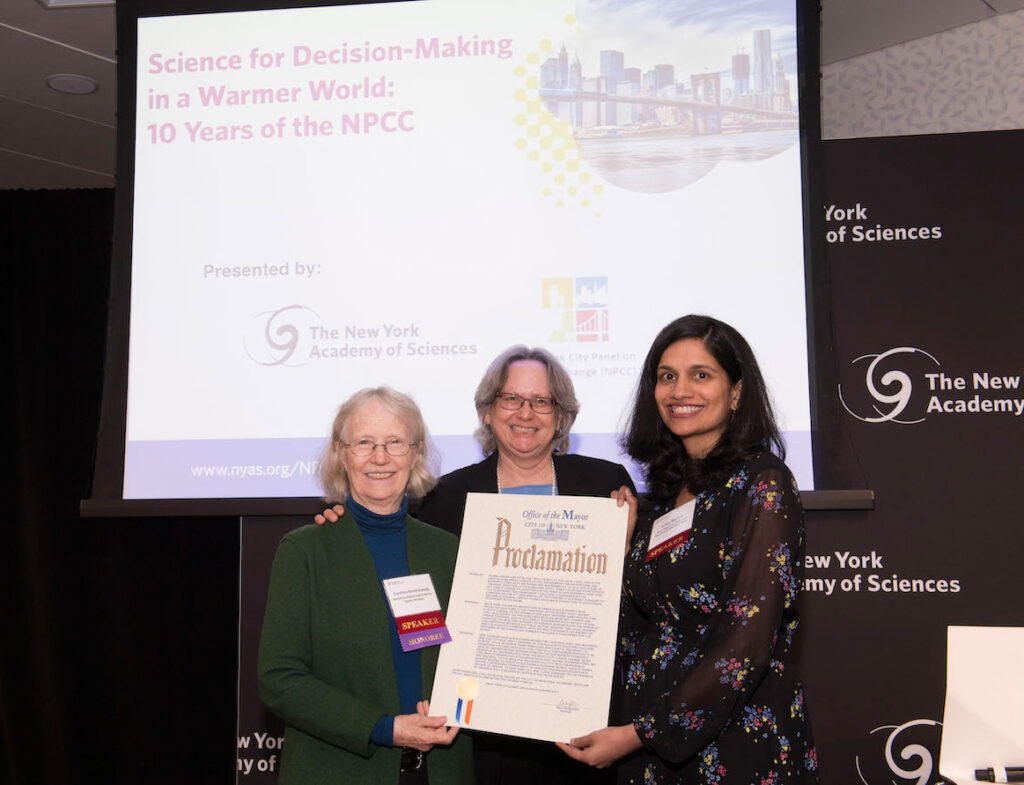
On March 15, 2019, climate scientists, city planners, and community and industry stakeholders attended the Science for Decision-Making in a Warmer World summit at the New York Academy of Sciences to discuss how cities are responding to the effects of climate change. The event marked the 10th anniversary of a successful partnership between the New York City Panel on Climate Change (NPCC), the City of New York, and the New York Academy of Sciences. Established in 2008, the NPCC has opened new frontiers of urban climate science to build the foundation for resiliency actions in the New York metropolitan region.
Learn about the NPCC’s latest research findings and their implications for New York City and other cities seeking to identify and mitigate the effects of climate change in this summary.
Meeting Highlights
NPCC research provides tools to inform and shape climate change resilience in New York City and other cities around the globe.
Shifts in mean and extreme climate conditions significantly impact cities and communities worldwide.
Cities can move forward by adopting flexible adaptation pathways, an overall approach to developing effective climate change adaptation strategies for a region under conditions of increasing risk.
There is a growing recognition that resilience strategies need to be inclusive of community perspectives.
Speakers
Dan Bader Columbia University, New York City Panel on Climate Change
Jainey Bavishi New York City Mayor’s Office of Recovery and Resiliency
Sam Carter Rockefeller Foundation
Alan Cohn New York City Department of Environmental Protection
Kerry Constabile Executive Office of the UN Secretary General
Susanne DesRoches New York City Mayor’s Office of Recovery and Resiliency
Alexander Durst The Durst Organization
Sheila Foster Georgetown, New York City Panel on Climate Change
Vivien Gornitz Columbia University, New York City Panel on Climate Change
Mandy Ikert C40 Cities Climate Leadership Group
Klaus Jacob Columbia University, New York City Panel on Climate Change
Michael Marrella New York City Department of City Planning
Richard Moss American Meteorological Society
Kathy Robb Sive, Paget, and Riesel
Seth Schultz Urban Breakthroughs
Daniel Zarrilli, PE New York City Office of the Mayor
Climate Change, Science, and New York City
Speakers
Alan Cohn New York City Department of Environmental Protection
Susanne DesRoches New York City Mayor’s Office of Recovery and Resiliency
Alexander Durst The Durst Organization
Michael Marrella New York City Department of City Planning
Daniel Zarrilli (keynote) New York City Office of the Mayor
James Gennaro (panel moderator) New York State Department of Environmental Conservation
Keynote: Preparing for Climate Change — NPCC and Its Role in New York City
Daniel Zarrilli, of the New York City Office of the Mayor, gave the first keynote presentation. In addition to outlining NPCC history, he emphasized the meaning of NPCC to the city. NPCC has provided the tools to inform policy since before Hurricane Sandy in 2012. Because of NPCC, Zarrilli stated, people now know that the waters around New York City are rising “twice as quickly as the global average” and that climate change will affect communities disproportionately. The city can and will take on the responsibility to protect those who are most vulnerable. Zarrilli highlighted steps the Mayor’s Office is taking: fossil fuel divestment, bringing a lawsuit against big oil for causing climate change, and launching a new OneNYC strategic plan to confront our climate crisis, achieve equity, and strengthen our democracy. He concluded by saying that with “8.6 million New Yorkers and all major cities watching,” NPCC is providing the best possible climate science to drive New York City policy.
Panel 1: NPCC and Its Role in New York City
How are NPCC findings used in developing resiliency in New York City?
The first panel was moderated by William Solecki of Hunter College Institute for Sustainable Cities – City University of New York, and featured three city representatives, Susanne DesRoches, of the New York City Mayor’s Office of Recovery and Resiliency; Michael Marrella, of the New York City Department of City Planning; Alan Cohn, of the New York City Department of Environmental Protection; and one industry stakeholder, Alexander Durst, of the Durst Organization.
DesRoches noted that the NPCC research has made possible a proliferation of guidelines regulating building design in the city. In fact, the New York City Climate Resiliency Design Guidelines, released the same day that the panel took place, provide instruction on how to use climate projections in the design of city buildings. The Department of City Planning also uses NPCC data in its Coastal Zone Management Program to require that coastal site developers to disclose and address current and future flood risks. Marrella added that NPCC research tools allow public and private stakeholders to make informed decisions on how to shape policy. NPCC methods and approaches are also being used climate data is also being used for New York State and national projections.
Panelists also addressed how New York City’s mitigation goals enable resilience in the face of climate change challenges. DesRoches pointed to the city’s aggressive climate targets, including an “80% [emissions] reduction by 2050,” and a goal to limit temperature increase to 1.5°C, as targeted by the Paris Agreement (UN Climate Change 2015). She gave two examples of adaptations that align with the City’s mitigation goals: adapting high “passive house” and green building standards for a reduced carbon footprint; and diversifying how the city receives energy, including the development of a renewable energy grid. Cohn added that the Department of Environmental Protection aims to free up capacity in water conservation and implement the use of methane as an energy source. With resilience in mind, Durst stressed that energy models should be uniform and based on the future, not just today.
Further Readings
Zarrilli
Wallace-Wells D.
The Uninhabitable Earth: Life after Warming
New York: Tim Duggan Books; 2019
Panel 1
Rosenzweig C, Solecki W, González JE, Ortiz L, et al.
Panel 2: Latest Findings from the New York City Panel on Climate Change
What types of information are the most useful?
The second panel was moderated by Julie Pullen of Jupiter Intelligence, and featured four NPCC members who presented the latest NPCC3 report findings: Vivien Gornitz, Klaus Jacob, and Daniel Bader of Columbia University; and Sheila Foster, of Georgetown Law.
The latest NPCC3 findings confirmed climate projections from the 2015 report as the projections of record for New York City planning and decision-making. For example, by the end of the century, “ocean levels will be higher than they are now due to thermal expansion; changes in ocean heights; loss of ice from Greenland and Antarctic Ice Sheets; land-water storage; vertical land movements; and gravitational, rotational, and elastic ‘fingerprints’ of ice loss,” said Gornitz. Under the NPCC’s new Antarctic Rapid Ice melt (ARIM) scenario, there could be up to a 9.5 ft. increase in sea level rise by 2100 at the high end of the projections. The new report advises that levies or raised streets might reduce the effects that sea level rise will have on New York City’s coastline.
Vulnerability to climate change varies by neighborhood and socioeconomic status. Foster presented a new three-dimensional approach to community-based adaptation through the lens of equity: distributional, contextual, and procedural. Distributional equity emphasizes disparities across social groups, neighborhoods, and communities in vulnerability, adaptive capacity, and the outcomes of adaptation actions. Contextual equity emphasizes social, economic, and political factors and processes that contribute to uneven vulnerability and shape adaptive capacity. Procedural equity emphasizes the extent and robustness of public and community participation in adaptation planning and decision-making.
Echoing Mayor Bloomberg’s sentiment that “if you can’t measure it, you can’t manage it,” Jacob presented the proposed NPCC New York City Climate Change Resilience Indicators and Monitoring system (NYCLIM). Through the new proposed NYCLIM system, NPCC recommends climate, impact, vulnerability, and resilience indicators for the City’s decision-making processes.
Further Readings
Panel 2
Rosenzweig C, Solecki W, González JE, Ortiz L, et al.
Cities as Solutions for Climate Change and Closing Remarks
Keynote Speaker and Panelists
Jainey Bavishi New York City Mayor’s Office of Recovery and Resiliency
Sam Carter Rockefeller Foundation
Kerry Constabile Executive Office of the UN Secretary General
Seth Schultz Urban Breakthroughs
Mandy Ikert (keynote) C40 Cities Climate Leadership Group
Richard Moss (panel moderator) American Meteorological Society
Keynote: Role of Cities in Achieving Progress
Mandy Ikert, of C40 Cities Climate Leadership Group, gave the second keynote presentation. The Future We Don’t Want, a study recently released by C40, the Urban Climate Change Research Network (UCCRN), and Acclimatise found that billions of urban citizens are at risk of climate-related heat waves, droughts, floods, food shortages, and blackouts by 2050 (UCCRN 2018). Cities are situated at the forefront of these effects and urgently need to respond. Ikert stated that “we live in an urbanizing world,” where 68% of the world’s population will be living in cities by 2050, up from approximately 54% today.” Ikert stressed that “mayors and city agencies are directly accountable to their constituency” in order to protect and preserve their lives and livelihood. She also urged cities to reach out to researchers to obtain accurate modeling for extreme events. Cities have the potential to account for 40% of the emissions reductions required to align with the Paris Agreement’s goal to limit temperature rise to 1.5°C (UN Climate Change 2015). Therefore, the way a city responds to climate change, Ikert said, determines how livable and competitive it will be in the future.
Panel 3: City Stakeholders and Beyond
How can knowledge networks and city networks improve interactions to achieve climate change solutions?
The final panel was moderated by Richard Moss of the American Meteorological Society, and featured Corinne LeTourneau, of the North America Region, 100 Resilient Cities; Kerry Constabile, of the Executive Office of the UN Secretary General; Jainey Bavishi, of the New York City Mayor’s Office of Recovery and Resiliency; and Seth Schultz, of Urban Breakthroughs, spoke about the enormous value and knowledge of stakeholders.
In this session, all of the participants highlighted that many cities are playing a critical role in meeting the challenge of climate change, both through efforts to reduce their own greenhouse gas footprints, and to update infrastructure and programs to meet the needs of their citizens as climate change impacts occur.
Panelists discussed how finances are a major challenge to addressing climate change. For example, Constabile noted that a small percentage of megacities in developing countries have credit ratings. This lack of “creditworthiness” hinders cities from raising their own bonds and attracting private investment, both of which are significant sources of funding for climate-related projects. Schultz suggested that private money may jumpstart some climate resiliency and adaptation efforts, and stated that eight of ten of the world’s largest countries are funding research on climate change. LeTourneau and Schultz identified that without the climate data to assess risks, money will not be directed to the areas of greatest need. LeTourneau highlighted the importance of describing how climate change affects risks and “the bottom line” in a way that decision makers and citizens find compelling and relatable.
Panelists also highlighted that climate does not have boundaries, but government bodies do. As Bavishi pointed out, New York City is lucky that climate change adaptation has been codified into law. Chief resilience officers are retained even after city funding is spent, so continuity is in place. City governments around the country and the globe are following suit, but as the panelists pointed out, these ideas should spread more widely.
Closing Remarks
NPCC member Michael Oppenheimer remarked that the NPCC offers a “local picture at granular level with the best possible science.” Hurricane Sandy taught the City about its vulnerability and drove research on flood tides and rising coastal tides. With the 2010 NPCC report, he said, a firm research agenda was drafted that shifted the City’s view of climate change to resiliency. Oppenheimer stressed that NPCC science is useful for policy and praised New York City for utilizing NPCC data in policy decisions. In closing, Oppenheimer said that dissemination assures that communities worldwide are able to use NPCC data.
Further Readings
Ikert
Rosenzweig C, Solecki W, Romero-Lankao P, Mehrtotra S, et al.
Whereas: Global issues are often felt most deeply at the local level, and in the face of worldwide threats to our environment, infrastructure, and economy, cities have the power and responsibility to lead our planet in the right direction. After Hurricane Sandy, when the devastating effects of climate change hit home for far too many of our residents, New York City reaffirmed our commitment to building a sustainable path forward. On the 10th anniversary of its founding, it is a great pleasure to recognize the New York City Panel on Climate Change for its exceptional leadership in this work.
Whereas: Since 2008, the NPCC’s innovations in urban climate science have propelled New York to the forefront of the global fight against climate change. Its recommendations have informed ambitious policies that have helped the five boroughs recover from past damage and emerge stronger, and its successful partnership with the City of New York and the New York Academy of Sciences demonstrates the power of collaboration between the public sector, industry and local leaders, and the scientific community. With the NPCC’s guidance, we are better prepared to anticipate and conquer the climate challenges that lie ahead.
Whereas: New Yorkers have always been known for their resiliency and boldness, and our city must meet concerns of this scale with solutions that our worthy of its residents. From increasing our coastal resiliency to pioneering a global protocol for cities to attain carbon neutrality by 2050, my administration remains steadfast in our efforts to protect people of all backgrounds from the impacts of climate change. As we continue to grapple with the grave risks that global warming poses, we are grateful to the NPCC for providing our city with the rigorous science needed to thrive in our rapidly changing world. Today’s Summit offers a wonderful opportunity to applaud this organization for a decade of service to New York City, and I look forward to the progress its members will continue to inspire in the years ahead.
Now therefore, I, Bill De Blasio, Mayor of the City of New York, do hereby proclaim Friday, March 15th, 2019 in the City of New York as:
Junior Academy students develop an app that addresses the immediate mental health needs of those impacted by hurricanes and other traumatic natural crises, much of which is worsened because of the lack of centralized information during crisis scenarios.
Published May 1, 2019
By Mandy Carr
Four high school students from around the globe came together for the Junior Academy‘s Natural Disasters: Relief & Recovery Challenge to create a solution that could help reduce future devastation. The team designed a response model that could be used for many types of disasters, not just hurricane. They used Hurricane Katrina as their case study with a focus on addressing mental health needs for those impacted.
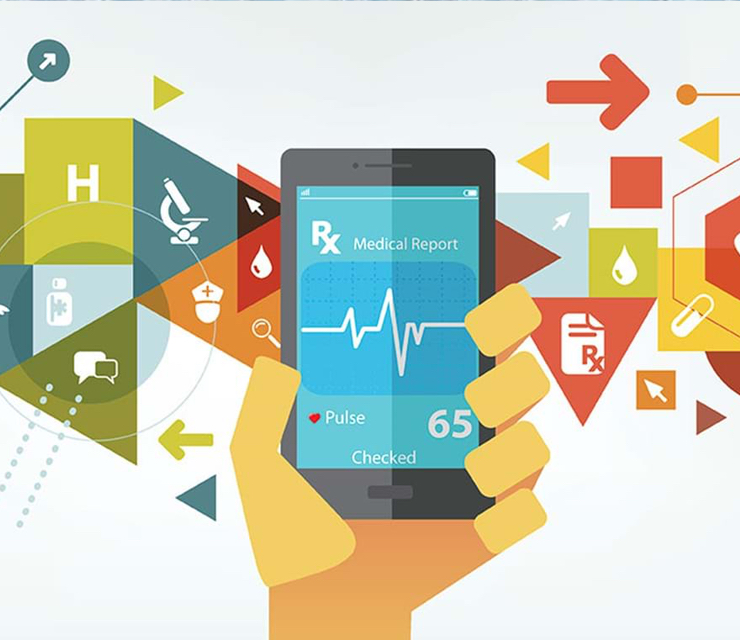
In their analysis, the lack of central information is a common struggle for those responding to disasters. To address that struggle, the team determined that gathering critical information in high-risk and disaster-prone areas before disasters happen would provide a useful baseline for responders. To that end, they created a smartphone-based community survey app that can regularly collect information about residents financial and employment status, mindset, living habits, and mental health. These same survey tools could then also be used after disasters to understand what has shifted. Additionally it might access how to tailor interventions and where critical needs and assets exist.
The team’s winning solution was one of 40 submitted. It garnered them a trip to New York City for the Global STEM Alliance Summit, held July-July 26, 2019.
Meet the students and learn about why they feel passionate about their idea:
Luis G. Alvarez
Luis G. Alvarez
Luis G. Alvarez, 17, is from Colegio Integtral Mesoamericano Patzicia in Guatemala. He has personal experience with natural disasters following the eruption of Volcan de Fuego in 2018. He and his family were required to evacuate.
“I remember getting some tools and hearing something like rain falling on the fallen leaves,” said Alvarez. “At first, I didn’t recognize what it was, but once I put on my raincoat, I realized it was ashes and sand, not rain. I told my parents, and we quickly got into the car and left.”
This inspired him to participate in the Natural Disasters challenge.
Samiksha Raviraja
Samiksha Raviraja
“Looking at the world around, there are events happening constantly,” said Samiksha Raviraja, 17, from Renaissance High School in Charlottesville, VA. “Some of the most haunting ones are those that happen in nature and result in great damage to communities. I wanted to be able to help in some way.”
It scared her to see the disasters that were happening across the globe on TV. The word “disaster” was what drew her to this challenge in particular.
“While procedures exist to help people in the best possible way to save their lives, not many procedures exist that look into the mental health of the patient after a disaster has happened,” said Raviraja. “With PTSD, it is possible for the trauma to be passed down to children.”
Eszter Varga
Eszter Varga
Natural disasters are something Eszter Varga, 19, from Szerb Antal High School in Budapest, Hungary has always wanted to help resolve, especially because they are “becoming an emerging issue with climate change.”
“The part that really touched me and my fellow teammates, was the fact that post-Katrina, PTSD claimed thousands of lives,” said Varga.
“We discovered the mental health aspect of disaster relief is typically an untreated issue.”
Thuy Tran
Thuy Tran, 16, from Le Hong Phong High School for the Gifted in Nam Dinh, Vietnam, echoed the team’s desire to focus on mental health when creating their solution.
“Hurricane Katrina claimed many lives post-disaster because of rushed treatment ideas, poorly planned information flow, as well as lack of education and data gathering,” said Tran.
Science is a tool for combatting disinformation and making informed decisions.
Published May 1, 2019
By Robert Birchard
The term “citizen science” first entered the Oxford English Dictionary in 2014. It describes a long-standing tradition of collaboration between professional and amateur scientists. Perhaps no field is as closely associated with citizen science as astronomy, where amateur stargazers continue to sweep the skies for unidentified heavenly bodies. Today, with the advent of smartphone technology, even more fields of scientific inquiry are open to the curious amateur.
Eagle Eyes
Ana Prieto, GLOBE program volunteer
One of the oldest continuing citizen science projects is the National Audubon Society’s annual Christmas Bird Count (CBC). The CBC was founded in 1900 by Frank Chapman, an ornithologist at the American Museum of Natural History. Conceived as an alternative to traditional hunts, the first CBC included 27 participants at 25 count sites across North America. It has grown to 76,987 participants counting 59,242,067 birds at 2,585 sites. This will be done during the 118th count in the United States, Canada, Latin America, the Caribbean and Pacific Islands.
Documentation and verification of CBC counts has been revolutionized by mobile technologies and digital photography.
“If somebody said they saw a scarlet tanager or an eastern kingbird, which are common in the summer, but which conventional ornithological wisdom says are always in South America during the CBC, those sightings used to be rejected,” explained Geoffrey LeBaron the longtime Audubon Society Christmas Bird Count Director.
Observing the Past, Predicting the Future
“Everything today is 100 percent electronic and no longer published in print. All results are posted online as soon as a compiler checks off that their count is completed. The data then becomes viewable to the public. Once a region is completed, we have a team of expert reviewers that go over every single count. If they feel there’s something that needs documentation, they’ll be in touch with the compiler, who will get in touch with the observer.”
Scientists use the collected CBC data to observe long-term trends. Additionally, they predict future effects of climate change on species at risk.
“When people are analyzing CBC data, they’re not usually looking at year to year variations, because there is too much variability caused by weather and other factors,” explained Mr. LeBaron. “We looked at the center of abundance of the most common and widespread species and how they varied from the 1960s to the present. We found that a lot of species have moved the center of abundance of their range as much as 200 miles northward and inward away from the coasts.”
The team hypothesized that monetary rewards and online or social media acknowledgments would increase engagement of participants.
“People contribute to citizen science projects for a variety of different reasons,” said Jeffrey Laut, PhD, a postdoctoral researcher in Dr. Porfiri’s lab. “If you just want to contribute to help out a project, and then you’re suddenly being paid for it, that might undermine the initial motivation.”
“For example, one of the things we point out in the paper is that people donate blood for the sake of helping out another human,” explained Dr. Laut. “Another study found that if you start paying people to donate blood, it might decrease the motivation to donate blood.”
Proper Rewards for Participation
If a citizen science project is suffering from levels of participation, researchers need to carefully choose the level of reward.
“I think with citizen science projects the intrinsic motivation is to contribute to a science project and wanting to further scientific knowledge,” said Dr. Laut. “If you’re designing a citizen science project, it would be helpful to consider incentives to enhance participation and also be careful on the choice of level of reward for participants.”
The technology used and scope of information collected may have changed, but the role remains as important as ever.
“It is important that citizens understand the world in which they live and are capable of making informed decisions,” said Ms. Prieto. “It’s also important that all people understand science, especially to combat disinformation. From this point of view citizen science is vital and a needed contributor to the greater field of science.”
The GLOBE program aims to understand how the Earth’s spheres interact as a single system.
Published May 1, 2019
By Robert Birchard
The term “citizen science” first entered the Oxford English Dictionary in 2014. It describes a long-standing tradition of collaboration between professional and amateur scientists. Perhaps no field is as closely associated with citizen science as astronomy. Here amateur stargazers continue to sweep the skies for unidentified heavenly bodies. Today, with the advent of smartphone technology, even more fields of scientific inquiry are open to the curious amateur.
“The data we collect varies depending on our research,” explained Ana Prieto a former high school science teacher and GLOBE program volunteer in Argentina. “We’re currently taking land cover measurements in the field, and in the summer we will start taking hydrology measurements. This provides students with first-hand scientific knowledge.”
Collected data is uploaded to the GLOBE database using their customized app.
“The GLOBE protocols (instructions on how to take measurements) are updated and respond to a range of opportunities for measurement and research,” said Ms. Prieto. “It teaches students to use measuring devices, perform physical-chemical analysis, make estimations, pose questions, make hypotheses and design investigations. In short STEM is applied to real-world problems.” For non-GLOBE members the GLOBE Observer allows any citizen scientist enthusiast to collect and send data from GLOBE countries.
Data with Various Applications
The data is used for a variety of purposes.
“We collaborate with NASA Scientists and Science Missions,” explained Tony Murphy, PhD, GLOBE Implementation Office Director. “One example is the August 2017 North American eclipse. NASA scientists are looking at the temperature data collected. They are examining the impact of the eclipse on air temperature and solar radiation. Another use is data gathered on mosquito larvae detection and identification, which is then used to help local communities combat the spread of mosquito-borne diseases by identifying and eliminating sources of standing water, such as containers and spare tires, in which mosquitoes breed.”
The data collected by GLOBE is verified in their system of checks and balances. “We’re looking primarily for outliers,” explained Dr. Murphy. “There’s a range of acceptability for the data in different protocols. Also, we have had scientists look at particular data sets and they found that the data is, for the most part, accurate.” He concluded, “It’s important to get people involved, get them outside, using technology in a positive way for an educational purpose.”
The team hypothesized that monetary rewards and online or social media acknowledgments would increase engagement of participants.
“People contribute to citizen science projects for a variety of different reasons,” said Jeffrey Laut, PhD, a postdoctoral researcher in Dr. Porfiri’s lab. “If you just want to contribute to help out a project, and then you’re suddenly being paid for it, that might undermine the initial motivation.”
“For example, one of the things we point out in the paper is that people donate blood for the sake of helping out another human,” explained Dr. Laut. “Another study found that if you start paying people to donate blood, it might decrease the motivation to donate blood.”
Proper Rewards for Participation
If a citizen science project is suffering from levels of participation, researchers need to carefully choose the level of reward.
“I think with citizen science projects the intrinsic motivation is to contribute to a science project and wanting to further scientific knowledge,” said Dr. Laut. “If you’re designing a citizen science project, it would be helpful to consider incentives to enhance participation and also be careful on the choice of level of reward for participants.”
The technology used and scope of information collected may have changed, but the role remains as important as ever.
“It is important that citizens understand the world in which they live and are capable of making informed decisions,” said Ms. Prieto. “It’s also important that all people understand science, especially to combat disinformation. From this point of view citizen science is vital and a needed contributor to the greater field of science.”
Often cited as the “4th Industrial Revolution” big data has the potential to transform health and healthcare by drawing medical conclusions from new and exciting sources such as electronic health records, genomic databases, and even credit card activity. In this podcast you will hear from tech, healthcare, and regulatory experts on potential paths forward that balance privacy and consumer protections while fostering innovations that could benefit everyone in our society.
This podcast was produced following a conference on this topic held in partnership between the NYU School of Medicine and The New York Academy of Sciences. It was made possible with support from Johnson & Johnson.
Mental illnesses present a major health, social, and economic burden and affected individuals experience disproportionately higher rates of both disability and mortality. In fact, the CDC reports that nearly 50% of U.S. adults will experience a mental illness at some point in their lifetime. And according to the WHO, depression alone accounts for 4.3% of the total disease burden worldwide and is the single greatest cause of disability. Yet despite enormous unmet need, efforts to develop new therapies for mental illness have stalled in part because of a need for more clarity surrounding the biological underpinnings of these diseases. On October 9, 2018, the New York Academy of Sciences presented Advances in the Neurobiology of Mental Illness. The one-day symposium, sponsored by Janssen Research & Development, LLC, brought together scientists, clinicians, and policymakers to discuss the genetics, molecular biology, and neurobiology of a wide range of mental illnesses. Topics included novel targets for treating depression, using genetic profiles to assess the risk of experiencing mental illness, and broader questions about battling the stigma surrounding such conditions.
Speakers
Hilary Blumberg, MD Yale School of Medicine
David Bredt, MD, PhD Janssen Neuroscience
Wayne Drevets, MD Janssen Research & Development, LLC
Steve Hyman, MD Broad Institute of MIT and Harvard
Jeff Lieberman, MD Columbia University
Eric Nestler, MD, PhD Icahn School of Medicine at Mount Sinai
Maria Oquendo, MD, PhD Perelman School of Medicine at the University of Pennsylvania
Murray B. Stein, MD, MPH University of California, San Diego
Event Sponsor
The Molecular Basis of Mental Disorders
Speakers
Hilary Blumberg, MD Yale School of Medicine
Steve Hyman, MD Broad Institute of MIT and Harvard
Eric Nestler, MD, PhD Icahn School of Medicine at Mount Sinai
Highlights
Early-life experience changes response to stress into adulthood by affecting the expression of key genes
In people with bipolar disorder, brain structure and activity change during adolescence and early adulthood.
Polygenic risk scores are a promising tool for gauging a person’s likelihood of developing a psychiatric disorder such as schizophrenia.
Transcriptional and Epigenetic Mechanisms of Depression
Techniques measuring how genes are transcribed — in animal models and human post-mortem tissue — are providing new and valuable insight into depression, and potentially, new therapies, said Eric Nestler of Icahn School of Medicine at Mount Sinai. His team uses such techniques to explore the idea that behavioral experience, such as early life stress, can produce permanent changes in the genome structure and gene expression of brain cells; these permanent changes in turn contribute to shifts in behavior for a lifetime and predispose a person towards susceptibility to stress.
In 2016, Nestler and his colleagues subjected mice to a form of chronic stress and conducted RNA sequencing in four different brain regions. The stress made about half the mice susceptible to developing behaviors associated with depression and anxiety, while the other half remained resilient to mental health effects. The resilient animals tended to have bigger changes in gene expression, suggesting that susceptibility may be caused by the brain’s inability to make the needed changes.
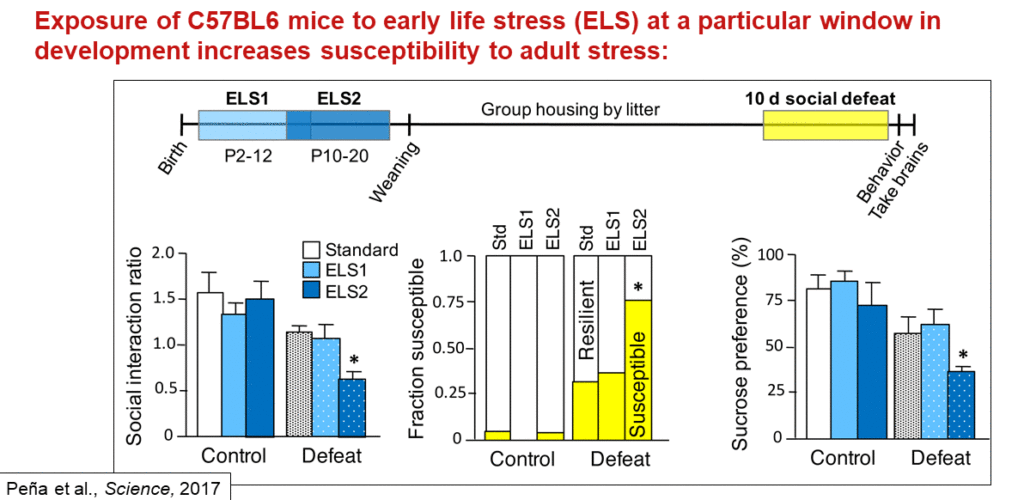
Stress during one of two early life periods results in susceptibility to stress in adulthood.
The researchers then conducted a similar gene expression study on post-mortem tissue of people who had depression. They found a surprising result: Gene expression changes observed in women overlapped very little with those seen in men, suggesting that the biological underpinnings of depression differ in men and women. Animal models showed the same sex difference. “That really argues for drug discovery processes that will look at both sexes independently,” Nestler said. What’s more, three different types of chronic stress dysregulated different sets of genes, with little overlap between them.
Early life stress is one of the strongest biological risk factors for depression. Most people can withstand that stress and develop normally into adulthood, but they retain an increased vulnerability to later stress. To understand the molecular mechanisms involved, Nestler’s team investigated how early life stress affects gene expression in mice. Most studies deliver early life stress continually over the first three weeks of life, but in this case, the researchers delivered early life stress over two time periods. Animals stressed during the second period, but not the first, show abnormal social behavior when stressed later in life. Gene expression studies in three different areas of the brain suggest that stress during the second early life period changes gene expression to look as though the animal has experienced chronic stress in adulthood — again, with the changing genes being different in males and females.
This pattern was strongest in one of the brain regions studied, called the ventral tegmental area (VTA), in male mice. The largest portion of those gene expression changes were regulated by a gene called Otx2. When they overexpressed that gene in the VTA of young male mice after the mice had experienced stress during the second early life period, the animals were protected from stress in adulthood. In turn, impairing Otx2 expression during that time increases stress susceptibility and dysregulates the stress-related genes irreversibly.
Otx2 is probably just one of several genes regulating susceptibility to stress, but it provides a model for how early life experience can alter stress response for a lifetime. The researchers are now studying what Nestler calls “chromatin scars” — chemical markers in the dysregulated genes.
The Brain in Bipolar Disorder
Elevated mood episodes are considered a hallmark of bipolar disorder, and these symptoms generally emerge during adolescence. But the condition is also characterized by more primitive and less widely-studied symptoms such as changes in sleep, circadian rhythms, and energy levels, said Hilary Blumberg of the Yale School of Medicine.
These features may emerge earlier than emotional disturbances, and researchers are beginning to look closely at how such symptoms might be therapeutically targeted. Early intervention could prevent the progression of bipolar disorder, said Blumberg — this is especially crucial because about 50% of people with bipolar disorder attempt suicide, and 15%–20% die by suicide.
Most research on bipolar disorder has focused on the circuitry of emotional regulation. Blumberg described two key components of this circuitry: The amygdala, an almond-shaped region deep in the brain that gets excessively activated in people with bipolar disorder; and the ventral prefrontal cortex, the frontal part of the most recently-evolved part of the brain, the cerebral cortex, where activation can be lower in people with bipolar disorder. These regions are highly interconnected.
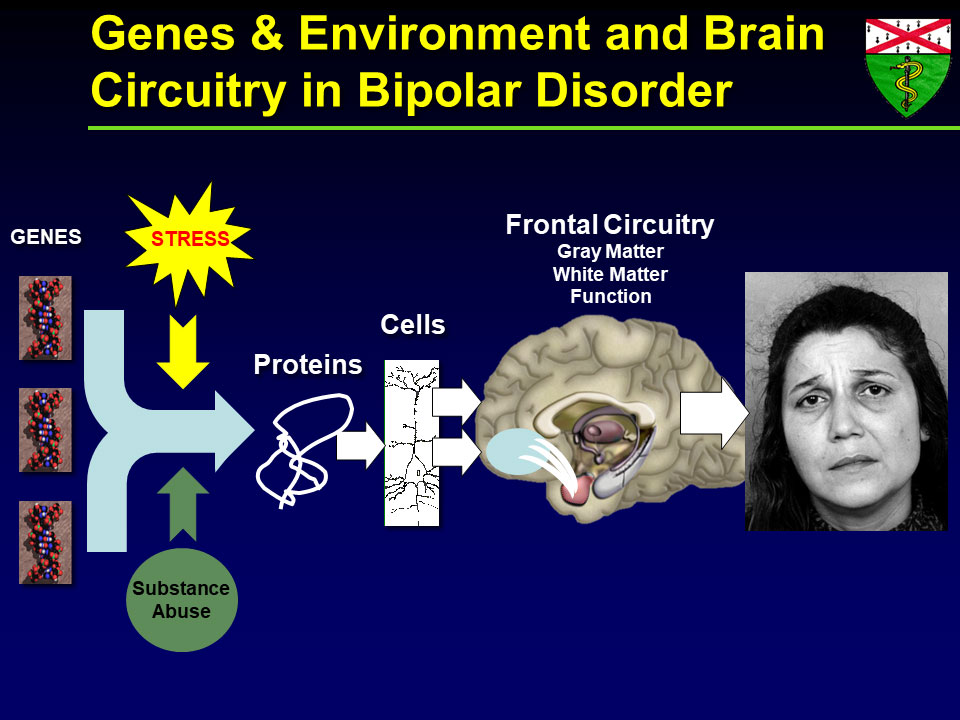
Many factors, both environmental and genetic, can influence the development of brain differences in bipolar disorder.
Blumberg’s lab hypothesized that by adolescence, functional and structural changes might be detectable in the amygdala, which matures earlier. The frontal cortex develops later, so the researchers predicted that its structure and function would progressively diverge from normal during adolescence and young adulthood. Blumberg and her team conducted three types of brain scanning to image the structure and function of the two brain regions, as well as the connection between them, and observed these changes. They also found that differences in a specific part of the frontal cortex correlate with attempts to commit suicide, regardless of whether subjects were diagnosed with bipolar disorder or major depressive disorder.
Additionally, Blumberg and colleagues are investigating adults with bipolar disorder to better understand how the aging process interacts with psychiatric conditions. Older adults often have a higher suicide risk; little research has focused on this developmental stage, but there is evidence that lithium may be effective in reducing suicide risk. They are also using brain imaging to explore the effects of genes thought to play a role in bipolar disorder, and identifying the effects of early life stressors, such as physical or emotional abuse or neglect, on brain structure and function in adolescence.
The group developed a behavioral therapy called BE-SMART that focuses on helping people with bipolar disorder improve their emotional regulation, and regularize their sleep and daily rhythms. Preliminary imaging studies show that after undergoing the therapy, patients have less activation in their amygdala and more in their frontal cortex. “In addition to pharmacological treatments, there are many other strategies that may help improve brain circuitry trajectories,” Blumberg said.
A New Molecular Map for Mental Disorders
In the 1960s, geneticists realized that psychiatric disorders were complex, but early researchers estimated that some 20 genes might underlie these conditions. Today, researchers are realizing that many thousands of variants in many hundreds of genes are involved, said Steve Hyman of the Broad Institute of MIT and Harvard. That underestimation may in part explain why only a handful of drug treatments exist for patients with these diseases — almost all of them discovered by chance. The field desperately needs new tools to identify molecular mechanisms that can be targeted with drugs, as well as biomarkers to help researchers identify which patients might respond to a therapy and which might not. Evolving genetic technologies provide those tools, Hyman explained.
Psychiatric diseases such as schizophrenia and bipolar disorder have a heritably of up to 80%; depression has a lower, but still strong, genetic component as well. However, while some diseases are caused by mutations in a single gene, these diseases tend to be driven by variants of many genes, with no single gene playing an outsized role. Humans have been evolving for about 200,000 years and share many common gene variants. Gene chips can scan up to one million locations in the genome to identify common variants for a given phenotype — whether it be a feature such as height or a disease like schizophrenia.
In schizophrenia, for example, some 280 spots in the genome carry variants that can each nudge a person towards or away from the disease. Researchers can calculate approximately how much risk each gene confers. One recently developed metric called the polygenic risk score combines the weighted contribution of each of these risk genes for a given individual and compares them to a baseline to estimate the probability that the person will develop the disease. This score is the first objective tool for determining whether someone might be a good candidate for a clinical trial. “It will just get better as the genetics advance,” said Hyman.
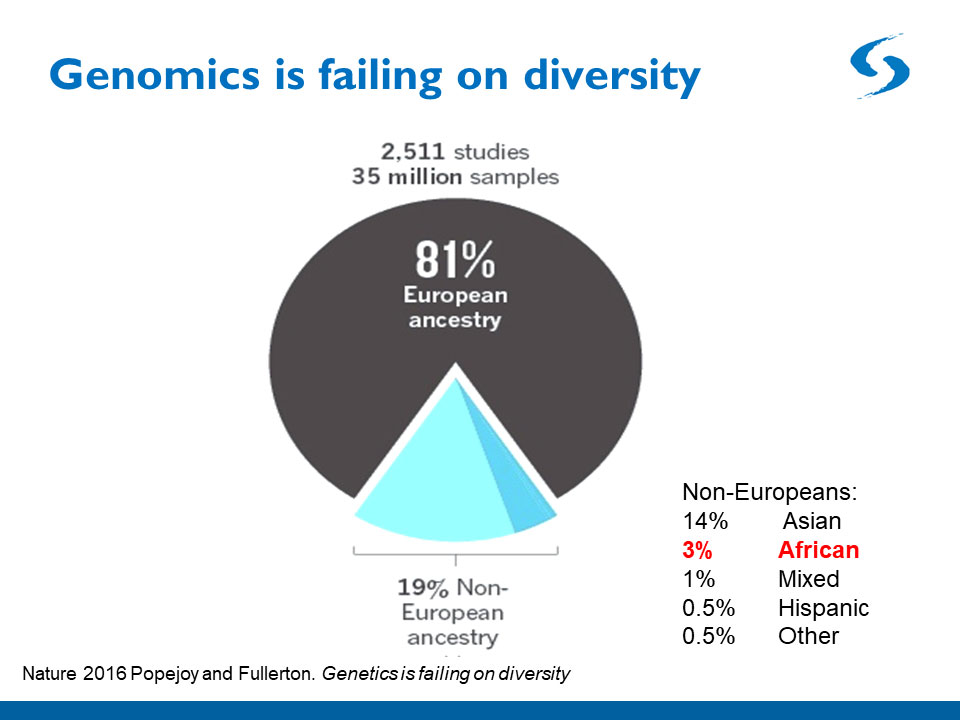
Most genetic samples come from people of European ancestry.
One problem with polygenic risk scores is that they are only as good as the population genetics data they are based upon. Most data come from white Europeans, so small deviations from the norm in that population are statistically detectable. But the collection of gene variants underlying a disease such as schizophrenia is likely to differ in people from Asia, Sub-Saharan Africa, and Latin and South America, so the polygenic risk scores of patients from these backgrounds are currently much less accurate. Geneticists are beginning to amass more diverse data, but much work on this front remains.
Genetic analyses of common variants are beginning to yield cellular and molecular clues about schizophrenia. Risk genes are not all expressed in all cell types in the body, and analyzing variants in individual cells may reveal which cell types are most affected in the disease. Early work from another team at Hyman’s institute has found that more risk genes are expressed in a cell type called pyramidal neurons in the brain’s cortex. As the technology improves, researchers hope to develop a cellular map of disease risk. Researchers can then use stem cell technologies to make different types of neurons and study how the disease affects them. “There are many years of work ahead of us,” said Hyman, “but I think we finally have a toe-hold.”
Wayne Drevets, MD Janssen Research & Development, LLC
Maria Oquendo, MD, PhD Perelman School of Medicine at the University of Pennsylvania
Murray B. Stein, MD, MPH University of California, San Diego
Highlights
Immune system molecules offer a promising target for novel depression therapies likely to help a subset of patients.
Drugs already approved for other psychiatric disorders may be effective treatments for post-traumatic stress disorder.
Studies point to at least two different phenotypes of suicidal behavior.
Neuroimmune Mechanisms as Potential Therapeutic Targets for Depression
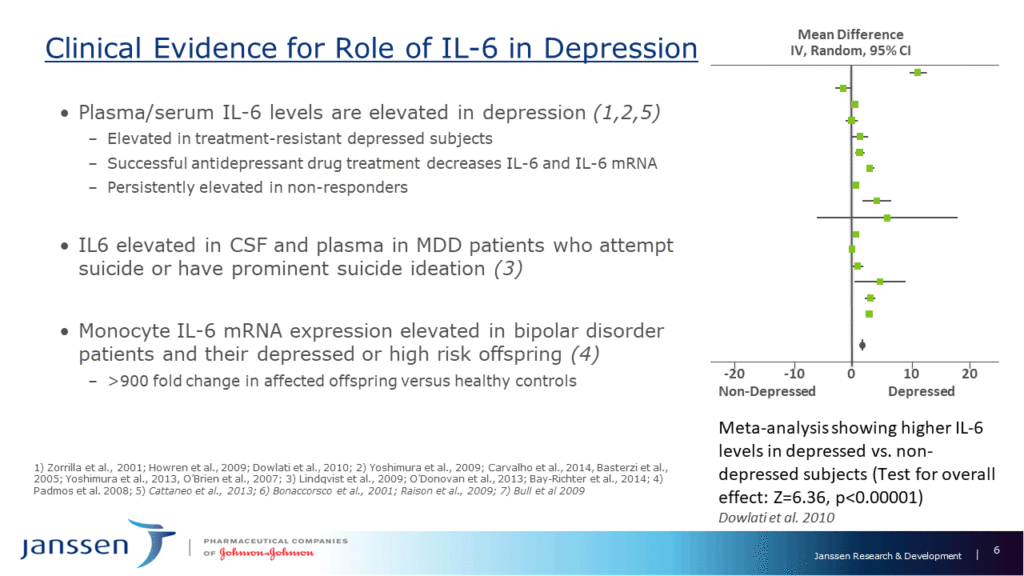
Researchers know little about the underlying biology of mood disorders, so there is little to guide the field toward new treatments and biomarkers, said Wayne Drevets of Janssen Research & Development. However, emerging research suggests that some of the most reliable blood-based biomarkers for depression include immune molecules associated with low-grade inflammation, such as interleukin 6 (IL6), and proteins that react to inflammation, such as C-Reactive Protein (CRP).
Accumulating evidence points to Interleukin 6 as a promising target for treating depression.
Studies suggest that immune mechanisms play a role in roughly 33%–50% of patients with mood disorders, and that the adaptive immune system functions deficiently in depression. In a small subset of patients, autoantibodies to certain brain receptors and channels have been implicated in mood disorders. This suggests that at least some people with such conditions would benefit from therapeutics that target immunological mechanisms.
Several pharmaceutical companies formed a collaboration to explore this possibility (although currently, only Janssen and Glaxo SmithKline remain). Microarray data pointed to IL6 as a promising therapeutic target; IL6 levels remain high in people who do not respond to depression treatment and correlate with suicidality measures. They also predicted onset and severity of depression in children of parents with bipolar disorder. In animal models, antibodies against IL6 prevented depression symptoms in animals that experience a stressor.
The pharmaceutical company consortium pooled data from all trials to date and identified 18 trials that had drug targets and diseases with a prominent inflammatory component. Two of the tested drugs were Sirukumab and Siltuximab, Janssen compounds that target IL6. They then launched a double-blind placebo-controlled trial of Sirukumab as an adjuvant therapy in patients taking an antidepressant. The effects were not significant at 12 weeks, and a heightened infection rate in subjects suggested the need for a safer antibody or small molecule. However, additional analyses were encouraging. They showed that the antibody worked as intended, decreasing IL6 levels at the target, that the therapy did work in people with high CRP levels, and that a different, more sensitive depression measure hints that the treatment may work. “We do think this might be an important learning for future trials,” Drevets said.
It has long been unclear whether immunological therapies must work in the central nervous system or in the periphery to have an effect. To find out, the pharmaceutical company consortium is currently conducting a clinical trial of a small molecule that interferes with an ion channel called P2X7. The channel is expressed on the surface of brain cells called microglia and is activated by molecules produced by stress or inflammation. P2X7 activation causes depression-like behavior in animal models through the release of another interleukin called IL1-beta. Blocking the channel might therefore prevent stress-mediated IL-1beta release. If the small molecule works, Drevets said, it would validate the pursuit of central nervous system targets.
Neurobiology and Pharmacotherapy of Post-traumatic Stress Disorder
Although environmental factors often play a role in psychiatric disorders, post-traumatic stress disorder (PTSD) is the only psychiatric disorder that by definition involves exposure to a traumatic, life-threatening event, explained Murray Stein, from the University of California, San Diego. PTSD has four core features, but researchers calculate that there are more than 600,000 combinations of symptoms that can produce the disorder, and it often co-occurs with other conditions such as major depression and chronic pain.
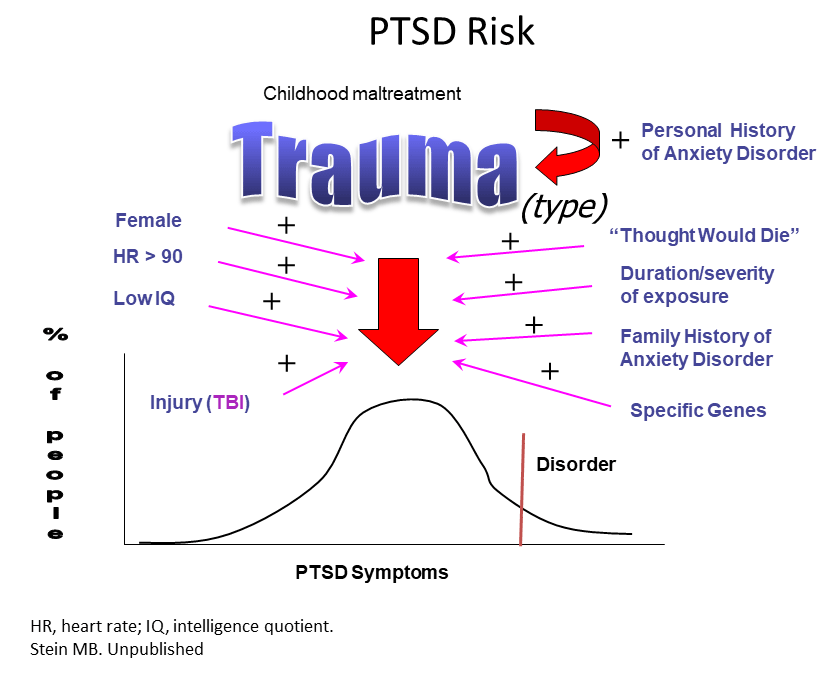
Risk factors for PTSD vary widely.
Around 3% of people worldwide and 7% in the U.S. have the condition, but prevalence varies enormously by population. Women have PTSD at twice the rate of men, in part because of the types of trauma they tend to experience, and the rate for Native Americans living on reservations is 2–3 times that of the U.S. at large. Meanwhile, 30% of Vietnam veterans have the condition. Despite great unmet need, very few drugs exist to treat PTSD and none have been approved since 1999. However, certain psychotherapies do seem to help.
The lack of drug treatments may be partly due to a poor understanding of what causes the condition. Brain imaging studies suggest circuits involving emotional regulation, executive function, and threat detection is out of whack. Studies of soldiers deployed to Afghanistan and patients admitted to an emergency room have shown that traumatic brain injury sharply raises the risk of PTSD. Stein and colleagues recently showed in a small study that a drug called methylphenidate helps improve focus and alleviate hyperarousal in people with PTSD.
Using genome-wide association studies, researchers are beginning to identify genes associated with the disorder. Stein’s team led one such study, called ARMY STARRS, which found that a variant in a gene called ANKRD55 was associated with PTSD in African Americans. The gene’s function is unknown, but it is linked to multiple autoimmune and inflammatory disorders. He and others are collaborating with a large biobank called the Million Veterans Program in which DNA and survey results can be analyzed along with electronic health records. They identified a link between PTSD severity and the gene coding for corticotropin-releasing hormone receptor 1, which has already been associated with the disorder in other studies.
Finally, Stein noted that a few drug studies targeting dopamine receptors have shown promise, despite the fact that different studies have shown conflicting results. That could be because the effects of the drugs are uneven across PTSD symptoms, and therefore their benefits don’t register with the assessment tools used. Overall, he said, drug trials for PTSD have been limited, but combining genetics and bioinformatics may point to both new drugs and old drugs that deserve a second look.
Subtyping Suicidal Behavior: a Blueprint for the Development of Biomarkers
Maria Oquendo from the University of Pennsylvania described her work defining two distinct subtypes of suicidality. Suicide is a major epidemic, and identifying triggers and risk factors will help prevent deaths, she said.
The suicide rate varies widely between countries around the world, but overall, more people die by suicide (44,000 per year) than by automobile accidents (33,000). In the U.S., suicide has been on the rise since 1999. Some 5%–15% of the U.S. population experiences suicidal thoughts, and that number is thought to be much higher in adolescents. About four women attempt suicide for every one man; about three men for every one woman succeed.
Although nine out of 10 people who die by suicide have a psychiatric disorder, most people with a psychiatric disorder never attempt suicide — suggesting it is not enough to spur suicidality. Based on this observation, in 1999 Oquendo’s group proposed that some individuals are predisposed or pushed toward suicidality by behavioral factors such as aggression and impulsivity; mental factors such as cognitive inflexibility; biological factors such as dysregulated serotonin levels; or substance and alcohol abuse.
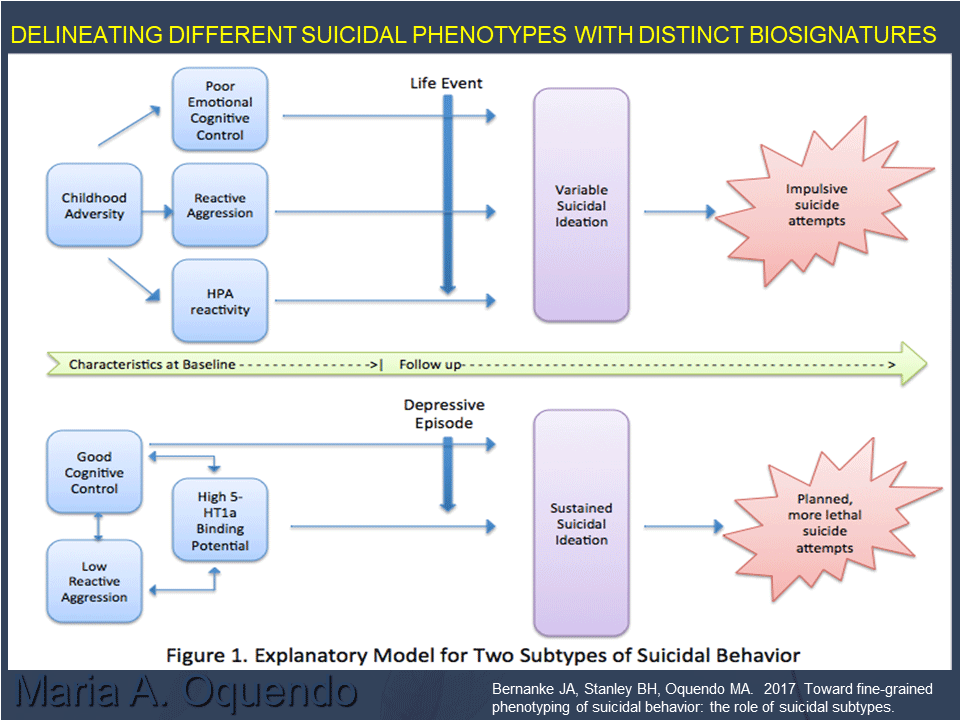
Oquendo’s lab proposed two distinct phenotypes of suicidal behavior.
In 2004, they interviewed about 300 people with depression three months, 12 months, and 24 months after an initial evaluation. High levels of either aggression and impulsivity or pessimism greatly increased the risk of a suicide attempt, supporting their model. In a later study of 415 people with depression, 27% of participants had borderline personality disorder (BPD), so the researchers analyzed them separately. In people without BPD, both major depressive events and stressors such as health, work, and family events precipitated suicidality. However, in those with BPD, life stressors did not seem to contribute — perhaps because people with BPD experience life stressors in a way not captured by the study.
Nonetheless, the results suggest at least two independent pathways to suicidality. Oquendo and her colleagues hypothesized that one type of suicide attempter, who often has experienced childhood abuse, now struggles to regulate their emotions, reacts aggressively to threats or frustration, and has higher levels of cortisol and other biological stress markers. In such a person, life stressors would provoke suicidal thoughts, and they would attempt suicide impulsively. Another type of suicide attempter is someone tormented by recurring suicidal thoughts. Such a person is not impulsive or aggressive and has good cognitive control, but might attempt suicide in the context of a depressive episode.
Accumulating data supports the existence of these two suicidality subtypes. For example, people with high reactive aggression who were abused as children show sharp and frequent spikes in suicidal thoughts, often in response to seemingly minor life stressors; while people with low reactive aggression and impulsivity, have more stable levels of suicidality. Those with high aggression and impulsivity also have a spike in cortisol levels in response to a social stress test in the lab. And people with BPD who had attempted suicide seemed less able to engage brain regions involved in decision-making and perspective, suggesting a difference in their emotional regulation. There are some hints that differences in serotonin receptor levels may be at play in these two groups.
Oquendo believes there may be at least three other subtypes of suicidality, and her lab is trying to identify them in a study that follows patients with depression over a two-year period. Ultimately, the aim is to identify clear biomarkers for all suicidality subtypes.
Stigma surrounding mental illness is alive and well, but eliminating it would revolutionize mental health care.
Imagine There Was No Stigma of Mental Illness
Suppose you had to give a toast for your boss at work one day, but you couldn’t make it because you were ill. Would you rather tell your colleagues you had a kidney stone, or that you were feeling suicidal? Jeff Lieberman of Columbia University opened his talk with this hypothetical scenario to illustrate that mental illness is still highly stigmatized.
Much of this stigma is driven by a decades-old skepticism and assault on the legitimacy of psychiatry, which came to a zenith when a doctor named Thomas Szasz — who wrote a book called the Myth of Mental Illness — joined forces with L. Ron Hubbard, inventor of an applied philosophy called Dianetics. The resulting belief system, Scientology, remains deeply opposed o psychiatry. The stigma of mental illness has real consequences — it is a serious deterrent to individuals seeking mental health care and has contributed a dysfunctional mental health delivery framework.
It also drives a funding disparity for mental health research. “If you do the math, 0.06% of the federal budget is spent on biomedical research that could advance our ability to understand and treat mental disorders and addiction,” Lieberman said — much less than for cancer, infectious disease, and cardiovascular disease. Because of that funding and attention, biomedical advances for these diseases made over the past several decades have led to effective treatments. Meanwhile, the World Bank estimates that by 2030, depression will be the most costly disease globally.
Medicine became a scientifically grounded endeavor in the 19th century and psychiatry formed one of he first professional organizations, now called the American Psychiatric Association (APA). At the time, the available tools limited progress in psychiatric research, and treatment for patients was often barbaric.
Psychiatry as a whole embraced Freud, and tried to apply his ideas to the broader population, despite the fact that they were irrelevant to specific illnesses such as schizophrenia and autism. “Theories were postulated that were preposterous and venal,” said Lieberman, such as that of the “refrigerator mother,” and overbearing parents as a cause of homosexuality, or orgone theory. By the 1950s and 1960s, when the number of patients in mental hospitals across the U.S. swelled to 550,000, the conditions under which most asylum patient lived were horrendous.
The turning point in the field’s validity came in the 1970s, when Columbia University psychiatrist Robert Spitzer was appointed chair of the APA’s task force to release the third edition of the Diagnostic and Statistical Manual of Mental Disorders (better known as the DSM, currently in its fifth edition). Although next to nothing was known about the biological basis of mental illness, he took a rigorous methodological approach, eliminating homosexuality as a diagnosis and describing post-traumatic stress disorder. The decades leading up to the 1980s were a scientific revolution of sorts, with the serendipitous discovery of psychotropic drugs and adoption of diagnostic methods. Today, it is a field wholly invested in scientifically driven methodology — the era of psychiatric neuroscience, Lieberman said.
It’s certainly possible to imagine eradicating the stigma surrounding mental illness — one stigmatized illness that succeeded in creating such a change is HIV. Without stigma holding back the field, and the institution of a health care system that provides mental health care from a public health standpoint, the results could be miraculous, Lieberman said. The system could target three distinct populations — the worried well, people with mild mental disorders such as anxiety and obsessive-compulsive disorder, and the severe mentally ill population — and offer them a variety of different avenues to care.
Jeffrey A. Lieberman and Ogi Ogas. Back Bay Books, 2016.
Panel Discussion
Speakers
Hilary Blumberg, MD Yale School of Medicine
Steve Hyman, MD Broad Institute of MIT and Harvard
Jeff Lieberman, MD Columbia University
Maria Oquendo, MD, PhD Perelman School of Medicine at the University of Pennsylvania
David Bredt, MD, PhD (Moderator) Janssen Neuroscience
Highlights
Complex chemistry and complex genetics are just two of the many challenges to developing drug therapies for mental illness.
There is conflicting data about whether people with bipolar depression should be treated with antidepressants.
The relationship between circadian rhythms and psychiatric disorders is poorly understood, but normalizing people’s sleep schedules may have therapeutic value.
The panel began by discussing the challenges in developing therapeutics for mental illness. Even in cases where the drug target is clear, the chemistry can be extremely challenging, said Hyman. There is also the issue of making sure the drug can be absorbed orally and then can cross the blood brain barrier. Also, he noted, psychiatric disorders are genetically very complex, and unlike cancers where researchers can identify a driver mutation to target with a precision therapy, many genes affected in psychiatric disorders converge on the same pathways.
On the other hand, said Oquendo, psychiatric illnesses have an advantage over cancer therapeutically, in that behavioral modulations can greatly help patients and can affect the underlying disease. In this field, she said, “there are many synergistic ways to skin a cat.”
In response to a question from the audience, Oquendo and Blumberg discussed the pros and cons of antidepressants for people with bipolar disorder. For a subset of patients, antidepressants might aggravate the condition, leading to a worse prognosis, Blumberg explained. Yet, if someone presents with depression, it is not always possible to determine whether they have major depressive disorder or bipolar disorder.
However, she noted, the literature is rife with conflicting data on whether antidepressants do in fact worsen the disease. Oquendo, meanwhile, said that the fear of giving bipolar patients antidepressants might actually have caused a good deal of suffering, and even suicides. In her experience, bipolar patients often strongly objected to being taken off antidepressants, and while epidemiologic and other studies don’t prove that antidepressants help, it’s not clear that they cause harm, either.
The panelists also discussed the role of circadian rhythms and sleep in bipolar disorder and other conditions. So far, chronobiological features have not been integral to the understanding of these diseases, but they may play a real role in their pathophysiology, said Lieberman. Researchers have long known that sleep deprivation can bring on a manic state, Blumberg noted, and shifting the sleep schedules of young adults with bipolar disorder often results in improvements to their condition. Another attractive dimension of targeting sleep and circadian rhythms, said Blumberg, is that “it’s a ‘do no harm’ intervention.”
Panel Discussion
Open Questions
How exactly does early life stress lead to behavioral changes in adulthood?
Can basic functions like sleep, daily rhythms, and energy levels serve as an early biomarker for bipolar disorder?
Can polygenic risk scores accurately stratify patients in clinical trials?
How should researchers design trials to test therapies that target immune molecules to treat depression?
How can genetics and bioinformatics data be combined to help identify new and repurposed drugs for PTSD?
How can researchers use accumulating knowledge on subtypes of suicidal behavior to develop effective interventions?
What can be done to eliminate the stigma of mental illness?
Dr. Salzinger fled Nazi-occupied Austria for NYC as a child. He went on to have a distinguished career as a professor in behavioral psychology.
Published November 13, 2018
By Marie Gentile, Mandy Carr, and Richard Birchard
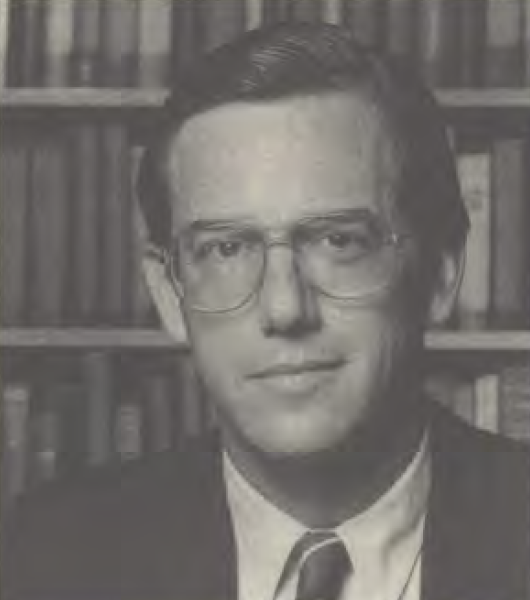
The New York Academy of Sciences extends its sincerest condolences to the family of Kurt Salzinger, PhD, who was a Member for many decades, and served on our Board of Governors for ten years in the seventies and eighties, including a year as Board Chair (President) in 1985.
A distinguished scholar in the field of behavioral psychology, Dr. Salzinger was professor emeritus in the Department of Psychology at Hofstra University. He also served as a Professor and Director of Training for Hofstra’s graduate program in Combined Clinical and School Psychology.
Supporting the Rights of Oppressed Scientists
At the Academy, in addition to his leadership accomplishments, Dr. Salzinger is best remembered for campaigning tirelessly for the rights of oppressed scientists. He established communications with the Soviet Academy of Sciences during the waning days of the Cold War, and published the work of those scientists whose papers could not be circulated in their own countries. During his tenure, the Academy’s “adoption” program — which put Academy Members in touch with oppressed scientists abroad — led to the creation of a special Human Rights Award, to be given in recognition of service to the human rights of scientists.
During his more than 50-year career, Dr. Salzinger held positions at the New York State Psychiatric Institute, Polytechnic University, the National Science Foundation, and the American Psychological Association. He was also President of the Association of Behavior Analysis and of the Eastern Psychological Association. He authored or co-authored 14 books and more than 120 articles and book chapters, and in 2002 was named a Presidential Scholar for the Association for Behavior Analysis in 2002.
A young immigrant who fled the Nazi occupation of Austria in the 1930’s, Dr. Salzinger settled in New York City and attended the Bronx High School of Science, NYU and Columbia University. He is survived by his wife, four children and two step-children.
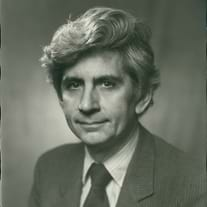
The New York Academy of Sciences is saddened to announce the passing of Rodney W. Nichols, PhD, past President and CEO of the Academy from 1992 to 2001.
Published September 06, 2018
By Marie Gentile, Mandy Carr, and Richard Birchard
In addition to being an author of two books and many papers, Dr. Nichols, an applied physicist who was a graduate of Harvard University, served as a consultant to the White House Office of Science and Technology Policy, as well as an advisor to the State, Defense, and Energy Departments; NIH; NSF; Peace Corps; UN; Congressional Office of Technology Assessment; and the National Academies of Science and Engineering. Prior to joining the Academy, he was Scholar-in-Residence at the Carnegie Corporation of New York and Vice President and Executive Vice President of The Rockefeller University.
During the past 40 years, Nichols played an active role in U.S. international policy and economic development. He was vice chair for former President Jimmy Carter for the Commission’s December 1992 report on Partnerships for Global Development. He also co-authored chapters on “Science and Technology in North America” for UNESCO’s biennial World Science Report (1994, 1996, and 1998), and prepared the entry on “Science and Technology” for Oxford’s Encyclopedia of U.S. Foreign Relations (1997), as well as chaired a project of the Council on Foreign Relations on Technology Policy.
The Academy appreciates Dr. Nichols past leadership and sends heartfelt condolences to his wife Karen, son Christopher, daughter-in-law Elizabeth and stepdaughters Lily and Courtney.
In an age where instant communication can immediately spread misinformation, the consequences of scientific denialism are more serious than ever.
Published June 06, 2018
By Marie Gentile, Mandy Carr, and Richard Birchard
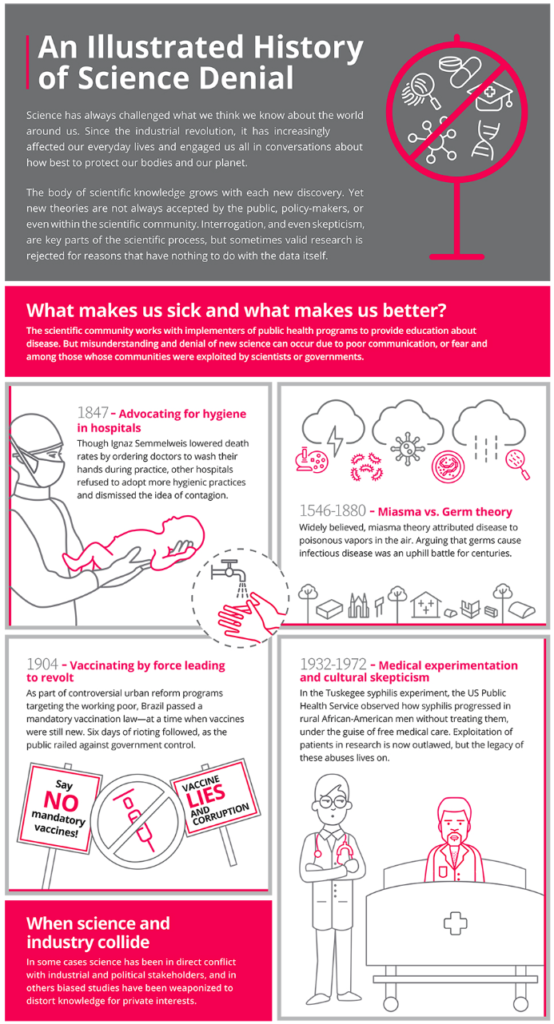
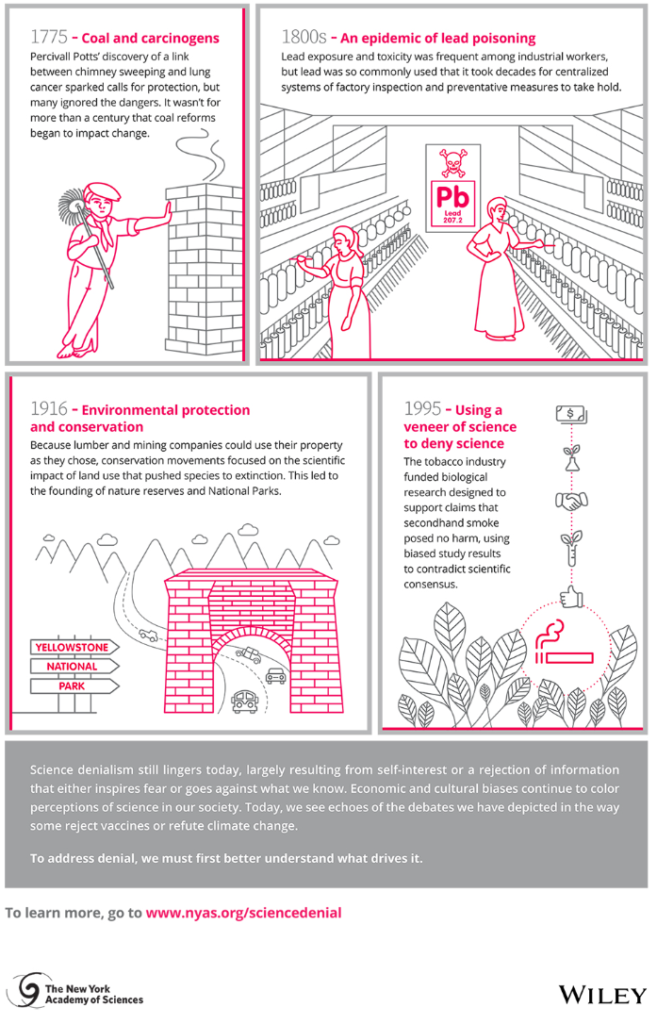
Still, it’s important to maintain perspective and remember that scientific denialism is not a new phenomenon. For as long as scientists have challenged our understanding of the world, there have been science denialists who oppose new consensus. Below is a brief illustrated history of some of the most notable instances of science denial.