Scientists, ethicists, and other experts gather to discuss the promises and potential consequences of advances in biotechnology and artificial intelligence aimed at improving human performance.
New York, NY | May 10, 2018 — From eyeglasses that restore sight to robotic prosthetics to replace limbs, people throughout history have sought to overcome the limitations of the human body. New advancements in such technologies and their implications will be explored at “The Enhanced Human: Risks and Opportunities,” presented by the Aspen Brain Institute, The Hastings Center, and The New York Academy of Sciences at the Academy’s headquarters on Monday, May 21 at 6:00pm.
This evening event will include short presentations and a panel discussion examining the scientific and ethical implications of existing and rapidly emerging technologies with applications for human enhancement. Special emphasis will be placed on CRISPR/Cas9 gene editing technology and artificial intelligence. Experts from multidisciplinary fields will provide historical perspective and scientific background before discussing the vast opportunities of these cutting edge technologies and delving into the complex ethical and social questions still to be addressed.
The program will begin with introductory sessions on “The History and Science of Human Enhancement” and “Present and Future Bioethical Considerations,” featuring brief talks from renowned geneticist George Church (Wyss Institute at Harvard University), biomedical ethics and policy expert Josephine Johnston (The Hastings Center), technology futurist Jamie Metzl (Atlantic Council), and artificial intelligence specialist Meredith Whittaker (AI Now Institute at NYU).
These introductory sessions will be followed by a lengthy panel discussion moderated by Mildred Z. Solomon, distinguished health care and science policy expert and president of The Hastings Center. The panel is comprised of the aforementioned speakers and Glenda Greenwald, president and founder of the Aspen Brain Institute. A speaker networking reception will close the event. For those unable to attend the event in person, the event will be available via Livestream.
This event was made possible, in part, through the support of a grant from the John Templeton Foundation. The opinions expressed are those of the presenters and do not necessarily reflect the views of the John Templeton Foundation.
About the Aspen Brain Institute
The Aspen Brain Institute convened its first meeting co-presented with The New York Academy of Sciences in 2010 focused on Neurotechnology: Building Better Brains. Since 2010, the Aspen Brain Institute has partnered with the Academy on six symposia and a social impact challenge. As a 501(c)(3) non-profit organization, the Aspen Brain Forum Foundation supports and produces scientific meetings covering topics ranging from neuroprosthetics to the developing human brain. The Foundation’s mission is to:
Organize, produce, and host an annual high-level meeting of international brain researchers, in partnership with The New York Academy of Sciences, leading to global collaborations and breakthroughs in world brain science.
Present and disseminate the most cutting-edge innovations in brain science.
Ally with large new initiatives, such as the American Brain Coalition, the American Brain Foundation, and One Mind for Research, to prevent and cure brain disorders such as Alzheimer’s, Parkinson’s, autism, and depression, within a decade.
About The Hastings Center
The Hastings Center addresses fundamental ethical and social issues in health care, life sciences research, and biomedical technologies. The Center’s goal is to promote compassionate and just health care and the wise use of emerging technologies. Through its scholars’ writing and speaking, and through the work of the many people from around the world who participate in its projects or submit articles to its two journals, The Hastings Center shapes ideas that influence key opinion leaders, including health policymakers, regulators, lawyers, legislators, and judges, as well as health care executives, physicians and nurses. Founded in 1969 by philosopher Daniel Callahan and psychoanalyst Willard Gaylin, The Hastings Center is the oldest independent, nonpartisan, interdisciplinary research institute of its kind in the world. In addition to producing original research, it accomplishes its mission through public engagement and service to the field of bioethics. To learn more, please visit www.thehastingscenter.org/.
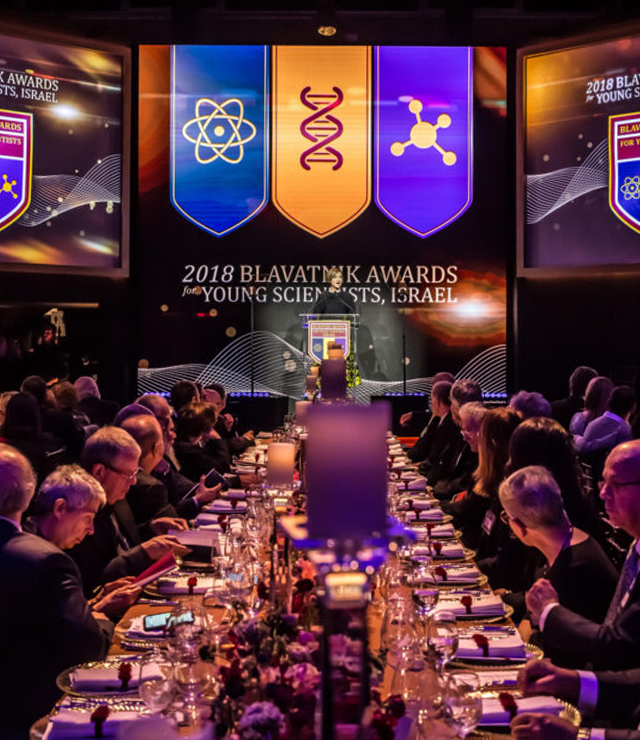
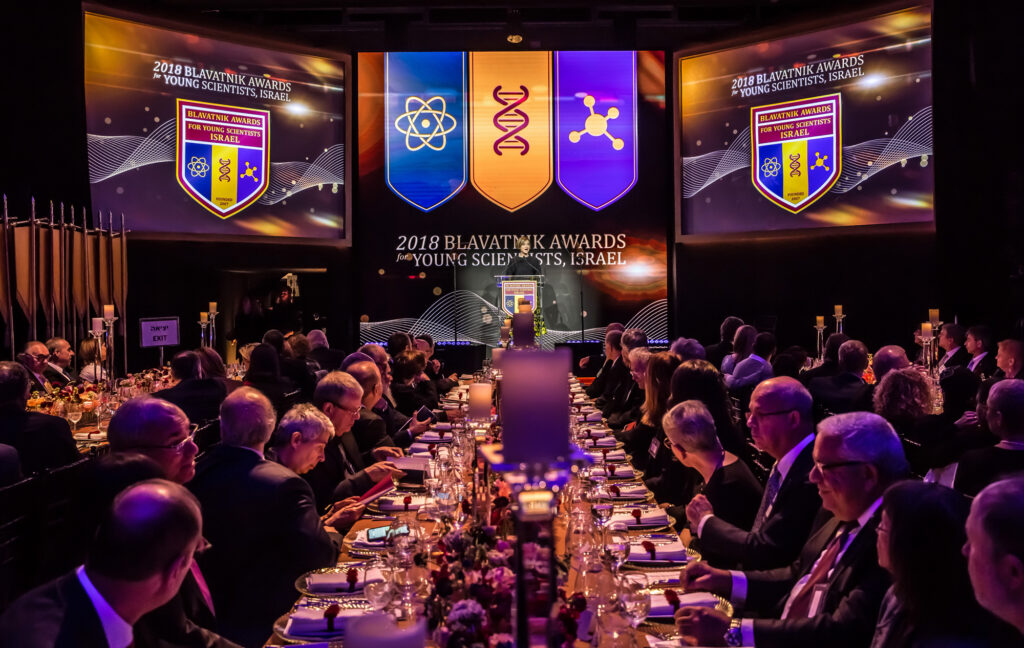
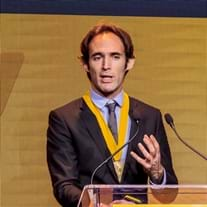
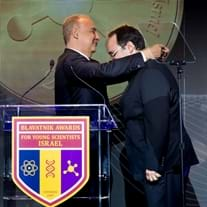
The Blavatnik Family Foundation hosts the first Blavatnik Awards Ceremony in Israel in collaboration with The New York Academy of Sciences and the Israel Academy of Sciences and Humanities. Take a look at the spectacular occasion.
Published May 1, 2018
By Kamala Murthy
The Blavatnik Family Foundation in collaboration with The New York Academy of Sciences and the Israel Academy of Sciences and Humanities, hosted the Inaugural Ceremony and Gala for the Blavatnik Awards in Israel at the Israel Museum in Jerusalem on February 4, 2018.
This spectacular occasion marked the Blavatnik Awards’ first year in Israel. Prominent leaders across Israel, including from academia, business and philanthropy, attended this remarkable event. Dana Weiss, Chief Political Analyst and host of Israel’s “Saturday Night with Dana Weiss,” presented the Blavatnik Awards as Ceremonial emcee.
The evening began with a vocal performance by one of Israel’s most celebrated singer/songwriters, Ronan Kenan. A short opening film entitled “Start-up nation” was shown. The film highlighted Israel’s entrepreneurial spirit that drives innovation and discovery in the country. Both President Nili Cohen of the Israel Academy of Sciences and Humanities and President Ellis Rubinstein of the New York Academy of Sciences gave opening remarks for the inaugural ceremony.
Honoring Israel’s Leading Young Scientists
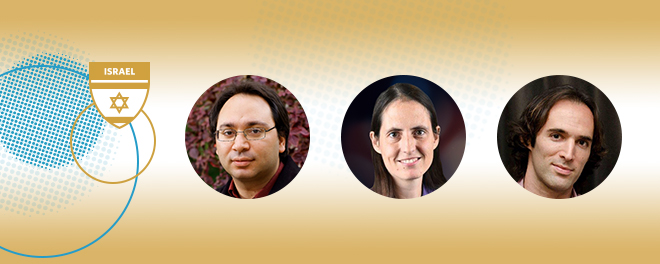
The evening honored three of Israel’s leading young scientists: Dr. Charles Diesendruck, a chemist reviving the field of “Mechanochemistry” from the Technion – Israel Institute of Technology; Prof. Anat Levin, a computer scientist working in the field of computational photography who is also from the Technion; and Dr. Oded Rechavi, a geneticist from Tel Aviv University studying non-DNA-based inheritance.
These three Laureates were chosen by a distinguished panel of judges from across Israel and selected from 47 nominations that were submitted by eight of Israel’s top universities and independent research institutions. Before each Laureate was announced, a short film introducing each scientist and the significance of their particular research areas were shown:
Blavatnik Family Foundation Founder and Chairman Mr. Len Blavatnik awarded each scientist with their personalized medal. The scientists were given the opportunity to present in-depth overviews of their current research to the audience. Nobel Laureate, Israel Prize Winner, and Distinguished Research Professor of the Faculty of Medicine at Technion – Israel Institute of Technology, Prof. Aaron Ciechanover, was the keynote speaker for the evening. The Anchor Choir of the Jerusalem Academy of Music and Dance concluded the ceremony with a vocal performance.
Three outstanding Israeli Scientists win the 2018 Blavatnik Awards for Young Scientists in Israel during its inaugural year.
Published May 1, 2018
By Kamala Murthy
For over a decade in the United States, the Blavatnik Awards have honored exceptional young scientists and engineers. The award highlights their extraordinary achievements, recognizing their remarkable promise for future discoveries, and accelerating innovation in their research.
Established in 2007, the Blavatnik Awards are a signature program of the Blavatnik Family Foundation that are administered by the New York Academy of Sciences. Awarded in Israel for the first time – in collaboration with the Israel Academy of Sciences and Humanities – three of the country’s most outstanding young scientists and engineers will receive $100,000 each, one of the largest unrestricted prizes ever created for early-career researchers in Israel.
From 47 nominees, encompassing Israel’s most promising scientific researchers aged 42 years and younger and nominated by Israeli research universities, a distinguished national jury selected three outstanding laureates, one each from the disciplines of Life Sciences, Chemistry, and Physical Sciences & Engineering:
Dr. Oded Rechavi Senior Lecturer, Department of Neurobiology, Tel Aviv University
Dr. Charles Diesendruck Assistant Professor of Chemistry, Schulich Faculty of Chemistry, Technion – Israel Institute of Technology
Prof. Anat Levin Associate Professor, The Andrew & Erna Viterbi Faculty of Electrical Engineering, Technion – Israel Institute of Technology
The inaugural Blavatnik Awards for Young Scientists in Israel will be honored at a formal ceremony in Jerusalem on February 4, 2018. The Laureates will join a network of their peers as members of the Blavatnik Science Scholars community. The net work is currently comprised of over 220 Blavatnik Award honorees from the decade-old U.S. program. Laureates will also be invited to attend the annual Blavatnik Science Symposium at the Academy each summer. Here the Scholars come together to exchange new ideas and build cross-disciplinary research collaborations.
To learn more about this year’s Blavatnik Laureates and other honorees, please visit the Blavatnik website here and follow us on Twitter: @BlavatnikAwards.
The Blavatnik Family Foundation Hosts the UK’s First Blavatnik Awards Ceremony at London’s Victoria and Albert Museum in Collaboration with The New York Academy of Sciences
Published March 7, 2018
By Marie Gentile, Mandy Carr, and Richard Birchard
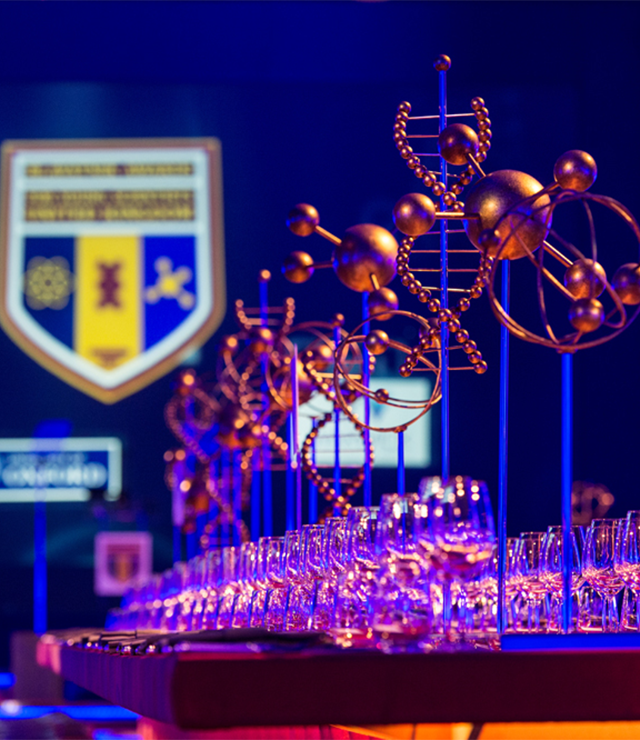
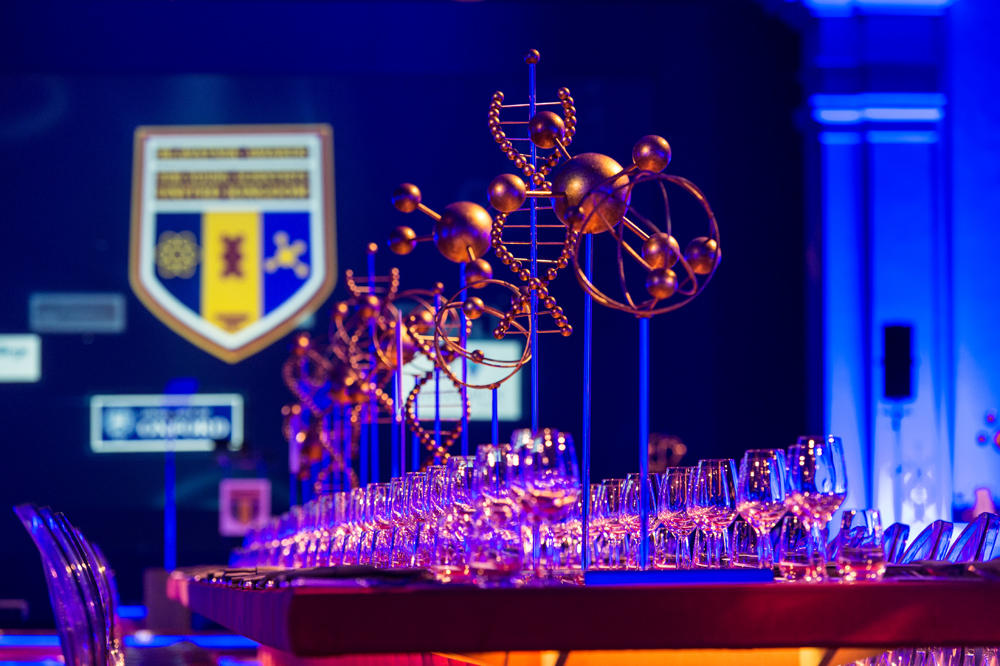
A gala evening celebrating the UK’s most promising young faculty-level scientists, the 2018 Blavatnik Awards for Young Scientists in the United Kingdom, was held on March 7, 2018 at the Victoria and Albert Museum in London. The evening was a glamorous event attended by the UK’s top leaders in science, business, and philanthropy.
The Blavatnik Awards, established by the Blavatnik Family Foundation in the United States in 2007 and administered by The New York Academy of Sciences, celebrate the past accomplishments and future potential of young faculty researchers, aged 42 years and younger.
These awards recognize scientists working in three disciplinary categories of science: Life Sciences, Chemistry, Physical Sciences & Engineering.
This occasion marked the inaugural year of the Awards in the UK.
Distinguished guests that attended the ceremony included Chief Medical Officer for England, Prof. Dame Sally Davies; ethologist and author, Richard Dawkins; Chief Executive of the British Association for the Advancement of Science, Ms. Katherine Mathieson; 2014 Nobel Laureate Prof. John O’Keefe, 2017 Nobel Laureate Prof. Richard Henderson.
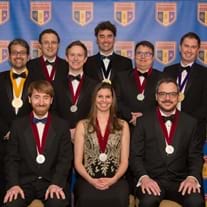
In each category, two Finalists were awarded medals plus a prize of $30,000 and one Laureate in each category was awarded a medal and a prize of $100,000. Sir Leonard Blavatnik presented medals to the three Laureates and six finalists:
Clare Gray, of the University of Cambridge, introduced 2018 Blavatnik Awards UK Laureate in Chemistry Prof. Andrew L. Goodwin of University of Oxford and his work on ground-breaking research in theoretical and applied studies of disorder and flexibility in materials.
Sir Richard Friend, from the University of Cambridge, introduced 2018 Blavatnik Awards UK Laureate in Physical Sciences & Engineering, Prof. Henry Snaith, also of University of Oxford, and highlighted his research in developing new, low-cost and high-efficiency solar cells based on metal halide perovskite materials.
Veronica van Heyningen, Honorary Professor at University College London and University of Edinburgh, introduced 2018 Blavatnik Awards UK Laureate in Life Sciences, Dr. M. Madan Babu of the Medical Research Council (MRC) Laboratory of Molecular Biology, with the award for his insights into the structural biology and molecular logic of key proteins and protein motifs, including GPCRs [G-protein Coupled Receptors] and intrinsically-disordered protein regions.
Dr. Lucianne Walkowicz is determining the ethics of exploring Mars.
Published January 19, 2018
By Marie Gentile, Mandy Carr, and Richard Birchard
Lucianne Walkowicz, PhD
While generations of stargazers have dreamt of the fantastic possibilities inherent in space exploration and colonization, few have concerned themselves with the ethics of such endeavors.
Dr. Walkowicz is adamant that space exploration has much to learn from the spread of humanity. Past mistakes should not be repeated.
“When we look at how we’ve explored this planet and, for example, our treatment of either indigenous people or indigenous species in places that we have explored, we haven’t exactly been exemplars in our treatment of those people or species. That’s resulted in damage to our relationships in new lands, and also to the lands themselves.”
Without current evidence for life on Mars, some view it as open territory, and therefore unencumbered by these considerations. Dr. Walkowicz disagrees, and advocates for the protection of Mars’ environment, living or not.
“In Mars’ case, we know that it used to be a habitable planet in the past, and that doesn’t mean that it had life, but it certainly means that there could’ve been a history of life there, and it is an environment that is sovereign in and of itself,” she said. “I think we can look at some of the behaviors that we have engaged in on Earth, and some of the choices we’ve made in the past that have, for example, compromised the environment, and ask ourselves how we can do that differently on Mars?”
Preserving Other Planets
We can start by ensuring that environments like Mars remain intact, and Dr. Walkowicz clarified who exactly is the “we” in this context, “This is complicated by the changing nature of exploration, which will no longer solely consist of nations, but companies within those nations.” Ensuring that both public and private interests are performing responsibly will be difficult to regulate.
As an example Dr. Walkowicz offered, “We have to determine how we might clean our spacecraft to explore Mars without contaminating it and extending that to not just organizations like NASA, but also private spaceflight companies that are engaging in their own activities on Mars … how do we protect Mars from ourselves?” She added, “If we want to send humans to Mars, then that’s an entirely different and more challenging problem than sending just spacecraft.”
The question of sending humans to other planets is so complex that Dr. Walkowicz believes it should not be left exclusively to members of the scientific community.
“That’s fine if what you’re talking about doing is science experiments on other worlds. But if actually what we are talking about is becoming humans that live on another world, we have to take into account that we have a human culture. And in order for us to think about how we might do that correctly, that requires us to think about how we choose our lives on Earth and what that might mean in its space iteration.” She finished, “Certainly, the history of Earth is full of a lot of mistakes and intentional actions that resulted in the massive inequality and some of the social problems we have today. If we want to live in space, how can we do that without necessarily reproducing a lot of the inequalities and injustices off Earth as well?”
Keeping the Public Engaged
The need for public input is a two-way street and Dr. Walkowicz wants scientists to keep the greater public engaged. Outside of the fact that the public has a right to know about the research they fund,.
“Science is a human undertaking in the same way that literature or art or music is a human undertaking. And I think we have a responsibility to share those scientific discoveries and the benefits that are created by them … People should be able to enjoy [these benefits] and it shouldn’t require being an actual scientist to do so. We certainly don’t tell people they can only enjoy music if they’re musicians. Science is a product of human activity that should be shared with all humanity.”
Whatever we find, and share, from our travels beyond Earth, Dr. Walkowicz sees planetary exploration as an opportunity to move beyond our relatively narrow breadth of experience.
“When we study astrobiology, I think one of the things we’re really limited by is that we only have one example of a planet that has life on it, so being able to study life in other environments is incredibly important scientifically, but can also help us understand what our greater relationship is to the universe,” she said.
The New York Academy of Sciences believes that the future of American economic growth is inexorably linked to a vibrant and dynamic higher education system and a STEM literate workforce.
Published December 08, 2017
By The New York Academy of Sciences
The following is a statement from The New York Academy of Sciences (the Academy) on the tax reform bill currently before Congress.
America’s achievements in science and technology—the envy of the world, and the basis of much of our economic growth—are largely attributable to US research universities, which can legitimately lay claim to innovations that have created millions of well-paying jobs. For the past 25 years, a concerted effort has been made by both the public and private sectors to encourage students to earn STEM degrees—both graduate and undergraduate—in order to build the necessary talent pipeline for the 21st century job market.
Indeed, many companies now routinely require advanced degrees as part of their hiring requirements. The 2017 Tax Cut and Jobs Act, recently passed by the House and Senate and currently in the reconciliation process, puts our STEM pipeline in jeopardy at a time when American industry is already concerned about the lack of qualified candidates to fill the many jobs that are available.
The final outcome of the Bill is yet to be determined, but given that America’s future workforce will require a deep bench of talent—with profound expertise in STEM fields—the elimination of the graduate student tuition waiver, student loan interest deductions, employee tuition waivers, and the Lifetime Learning Credit, as well as proposed restructuring of the American Opportunity Tax Credit, is not in the nation’s best interest for future economic and job growth.
Consequences for the American Economy, Civil Society, and the World
The New York Academy of Sciences is proud to claim more than 8,000 graduate/postdoc Members, representing over 100 universities, research institutions, and teaching hospitals. These early career investigators are already working on important research that will maintain America’s leadership in discovery and innovation in the decades to come. It is crucial that our world-class university system continue to fulfill its nonprofit educational and research roles, and that the opportunity to earn an advanced degree remain open to individuals from diverse backgrounds, not simply the independently wealthy.
As an organization whose mission is to drive innovation by advancing scientific research, education and policy, The New York Academy of Sciences believes that the future of American economic growth is inexorably linked to a vibrant and dynamic higher education system and a STEM literate workforce.
As it currently stands, this Bill has the potential to put the prospect of higher education permanently out of reach for a vast section of the population—resulting in far-reaching consequences for the American economy, civil society, and the world.
Nine outstanding scientists from six U.K. academic institutions receive a total of $480,000.
Published December 8, 2017
By Marie Gentile and Richard Birchard
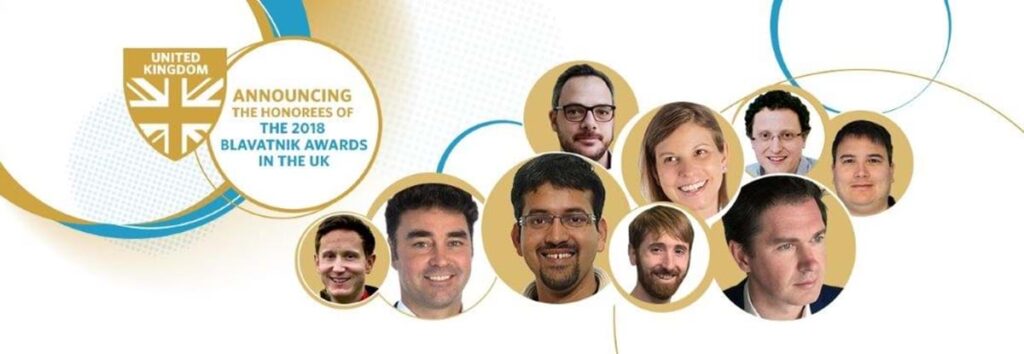
The New York Academy of Sciences and the Blavatnik Family Foundation announced the first Honorees of the Blavatnik Awards in the United Kingdom.
Three Laureates, in the categories of Life Sciences, Physical Sciences & Engineering, and Chemistry, will each receive an unrestricted prize of $100,000. In addition, two Finalists in each category will each receive an unrestricted prize of $30,000. To date, the Blavatnik Awards in the U.K. are the largest unrestricted cash awards available exclusively to young scientists.
The Blavatnik Awards, administered by the New York Academy of Sciences, were established by the Blavatnik Family Foundation in 2007. The awards honor and support exceptional early-career scientists and engineers under the age of 42 across the United States. In 2017, the Awards were launched in the U.K. and Israel. This recognized the first cohort of international Blavatnik Award recipients. To date, the Blavatnik Awards have conferred prizes totaling U.S. $5 million, honoring 220 outstanding young scientists and engineers.
In this inaugural year of the Blavatnik Awards in the U.K., 124 nominations were received from 67 academic and research institutions across England, Scotland, Wales, and Northern Ireland. A distinguished jury of leading senior scientists and engineers selected the Laureates and Finalists. The 2018 Laureates are:
These inaugural Blavatnik Awards Laureates and Finalists in the U.K. will be honored at a gala dinner and ceremony at London’s Victoria and Albert Museum on March 7, 2018. In addition, the Award recipients will be invited to attend the annual Blavatnik Science Symposium at the New York Academy of Sciences this summer, which is an opportunity for former and current Blavatnik Awardees to exchange ideas and build cross-disciplinary research collaborations.
The Blavatnik U.K. honorees will become members of the Blavatnik Science Scholars community, currently comprising over 220 Blavatnik Award honorees from the decade-old U.S. program and three inaugural 2018 Laureates from Israel. Honorees will also receive Membership to The New York Academy of Sciences.
As the Academy approaches its third century, we asked our members about the scientific discoveries they think might be made in the next 100 years.
Published October 1, 2017
By Marie Gentile and Robert Birchard
As The New York Academy of Sciences approaches its third century, we started thinking about the scientific discoveries that might be made in the next 100 years.
So, we invited some of our most extraordinary young and senior scientist members, to offer their thoughts about what they believe could be the next generation of discoveries or the greatest challenge that science or technology must solve in the decades to come. The following is a selection of the many responses we received. They have been edited to fit space restrictions. All opinions cited are those of the authors named and do not necessarily reflect those of the editorial or scientific staff of The New York Academy of Sciences. We thank all those who contributed content and hope you enjoy reading these “imaginings.”
Cures, Holograms and World Peace
I imagine we will find vaccines to prevent the onset of diseases, allowing us to extend the average human lifespan by at least 20 years. We will be able to reverse global warming and secure the future of the planet. New modes of terrestrial transportation will be invented that will allow us to travel many times the speeds we are currently accustomed to.
People and companies will produce their own electricity using reusable energy sources, making power plants and the use of fossil fuels obsolete. Space travel will become a common mode of transport, allowing us to travel to places such as colonies on solar planets, and planetary moons. Quantum computing will make computers so powerful and network connectivity so fast that a small data center will be enough to serve the needs of all humanity. Television and phones will become obsolete and holography will replace them. Sense of touch and smell will further complement this technology, making it as real as the physical world.
“Lyf-Fi”
We can’t imagine being without “Wi-Fi connectivity” — our need for information, communication and entertainment makes us dependent on the internet and the technology to access it. We also need plants to promote life. Imagine how incredibly accessible and lush our world would be if we could manage to genetically engineer each of the millions of plant species to give off Wi-Fi. The economic and technological advancements would be huge. Regardless of the scientific credibility of this idea, I strongly believe that our future generations will embrace this innovation.
A Physical Internet and the Fifth Mode of Transport
Pipenet is a project started 15 years ago by researchers at CIRIAF-University of Perugia (Italy) proposing an innovative vision of a new transportation system. It consists of a low-cost, environmentally sustainable network of pipes with linear electrical frictionless engines powered by renewable energy sources where encapsulated goods are transported at a velocity >1500 km/h with a transportation capability equal to 1 ton/sec (see ciriaf.it/pipenet). This creates a physical internet consisting of a real network where products can be quickly transported from one location to another in real time. The last km of delivery can be implemented by drones.
Several Possible Futures
George Church
Humans are possibly the only species that can comprehend events 13.8 billion years ago and 100 trillion years from now — and successfully execute multi-century plans. Since my group works on transformative technologies (genome reading and writing, aging reversal, mirror life, molecular computing, synthetic neurobiology and immunology), we might be able to see possible futures (emphatically plural) a bit earlier than most people — and hence have a responsibility to discuss, far in advance, potential extreme outcomes (mixtures of positive and negative).
Next-generation sequencing arrived in six years, not the Moore’s law estimate of six decades. If all transtechs above are similarly super-exponential, and if trends toward non-violence and caring continue, then we may see an end to poverty, physical and mental disease and significantly augmented thought and compassion. Like our recently vast spectrum of physical and cultural artifacts, neural diversity may expand — de-pathologized and embraced — far exceeding current imagination. If the universe beyond earth seems uninhabited, we may seek sufficient practical understanding of our divergent goals, dignities and ethics, that we can send these as compact physical packages at relativistic speeds to other star systems (and capable of replication and phoning home).
This may be our Darwinian response to existence crises that could destroy all life on earth. We may experiment with small, intentionally isolated and self-sufficient colonies on earth — in stark contrast to our growing economic and cultural interdependence. Instead of issues of population explosion or excess-leisure, we may be collectively tackling the greatest challenge ever — survival — at a cosmic scale of time and space.
Creating Yonger Versions of Ourselves
William Haseltine
Our lives began with the first living form that arose 4 billion years ago, a single celled microorganism that appeared when our planet was still being shaped by bombardment from the heavens. Inheritance is a fundamental characteristic of life. The DNA molecule in that primordial organism has been replicating itself with variation for more than 3.5 billion years. As we look to the future, a central question persists: can we tie the transient existence of our individual lives to the immortality of the DNA molecule that defines us?
The promise of regenerative medicine is developing more slowly than I had hoped 18 years ago when I first coined the term. We know there are substances in a fertilized egg that can turn back the genetic clock. Additionally, we know how to take newly created embryo like cells and develop them into adult tissues.
We are close to producing cells that can restore muscle function to damaged hearts and create neurons that can replace parts of the brain. What we lack is the medical science that allows these fresh cells to be systematically implanted into our tissues. An enormous amount of work remains to be done to understand the signals that direct a specific tissue to become what it is. In this we are underinvested.
The most powerful medicine is a younger form of oneself. Any country could become a world leader in this field, with proper investment in the fusion of cell biology and transplantation medicine. Whether it happens in my lifetime, or my children’s lifetime, or my grandchildren’s lifetime, this is a promise science can fulfill. When it does, it will be a gift to the future of mankind.
Space Elevators, Thought to Text and Energy-based Paint
With recent interest in space tourism, I think it’s worth speculating about the creation of “space elevators” — structures that will allow rockets to launch at the edge of the atmosphere, rather than from the surface. While the concept may seem far-fetched, rapid developments in space-based civil and mechanical engineering, have sparked numerous innovations.
I’m also excited about brain-computer interfacing, especially noninvasive devices that allow users to accurately detect activity within their brain. Companies like Neurolink and Facebook have been investing in research to enhance the speed of translating thought to text, and while the technology is developing, research is already being done such as OpenBCI’s open-sourced toolkit and the Muse headband.
Finally, the development of new renewable energy sources — from paint-on solar cells to microgrids — are soon going to provide a democratization of energy to all corners of the world. It’s incredibly exciting to be living in a generation where we’ll have the opportunity to contribute to such innovative research!
Shaking Hands Across a Virtual Divide
Humfrey Kimanya
In the next century there will be unimaginable advancements in communication to link people all over the world. For example, video conferences where we can actually communicate tangibly. A person in Tanzania in an online meeting will be able to shake hands with another person in Belgium!
Now, the questions are: “Is it really possible? How does this happen? Won’t that violate the laws of physics and nature?” Currently by wearing special gadgets we can simulate the feeling of shaking hands with another person through a computer, much like video game technology.
But in the future, people will be able to put their hands through the computer screen to shake hands with someone. This will mean that the relativity theory of Einstein, and others, will have to be rephrased or at least obeyed in the technological sense. It is also possible that, by then, people will not only physically communicate with each other using computers but also travel in computers! In simple terms, teleportation, a puzzle that researchers can surely solve in this century.
Greater Human Collaboration with Other Species
Forecasting across 100 years becomes more manageable when seen in stages of successive possibilities. I imagine three such stages of development:
By 2050: Each person will be able to scientifically understand himself/herself from a unique attribute mix point of view. Individuals will use available analytical tools and personal knowledge, to determine the meaning of their respective combinations of facts. Data used in determining this meaning will include the personal genome (a recent entity), the Myers-Briggs Type Indicator (MBTI, a 100-year-old instrument based on a theory of Carl Jung), and unlimited other measures. People will also sometimes interpret data for their dependents to help make needed decisions in health and other fields.
By 2085: This Personal Science-based information and activities opens the door for individuals to begin to understand members of other species in terms of their own defining attributes and to move toward collaborative behavior where appropriate. This will be the Age of Interspecies Personal Encounter and will engender greater compassion toward other species. We don’t need aliens arriving or communicating with us in order to experience a interspecies moment.
By 2120: This experience will lead researchers to raise a fundamental question — can the chemistry and behavior of animals in the wild be altered so that animals will not eat other animals and yet thrive and reach their Aristotelian actualization? Experiments will be done on a small scale and begin to influence general thinking.
Early Mars Settlers May Not Necessarily Be Human
Sir Martin Rees
Robotic and AI advances are eroding the need for humans to venture into space. Nonetheless, I hope people will follow the robots, though it will be as risk-seeking adventurers rather than for practical goals. The most promising developments are spearheaded by private companies: they can tolerate higher risks than a western government could impose on publicly-funded civilian astronauts, at a lower cost than NASA or ESA.
By 2100 thrill-seekers in the mold of (say) Felix Baumgartner, who broke the sound barrier in free fall from a high-altitude balloon, may establish “bases” on Mars, or maybe on asteroids. Elon Musk of Space-X has said he wants to die on Mars, but not on impact. But don’t expect a mass emigration from Earth. It’s a delusion to think that space offers an escape from Earth’s problems. Nowhere in our Solar System offers an environment even as clement as the Antarctic or the top of Everest. There’s no “Planet B” for ordinary risk-averse people.
But we (and our terrestrial progeny) should cheer on the brave space adventurers. Precisely because space is an inherently hostile environment for humans, these pioneers will have far more incentive than us on Earth to re-design themselves. They’ll harness the super-powerful genetic and cyborg technology that will be developed in coming decades. These techniques will be heavily regulated on Earth, but the Martians will be far beyond the clutches of the regulators.
So it’s these robotic spacefarers, not those of us comfortably adapted to life on Earth, who will spearhead the post-human era. Moreover, if post-humans make the transition to fully inorganic intelligences, they won’t need an atmosphere. And they may prefer zero g — especially for constructing massive artifacts. So it’s in deep space that non-biological “brains” may develop powers that humans can’t even imagine.
Uncovering the Depths of Earth’s Final Frontier
Emily Lau
Humankind has traveled through treacherous currents, the driest deserts, howling winds and precarious storms to explore our world. However, there is one significant portion yet to be fully explored — the deep sea. The oceans house mystically magical organisms: bioluminescent organisms, venomous snails, shocking jellyfish, brilliantly colored fish, large mammals and clever cephalopods to name a few.
Organisms in the depths of the ocean are subjected to extreme conditions such as intense pressure and frigid temperatures. Deep sea ecological research explains how organisms have adapted to these extremes and has many implications in the improvement of conservation biology and the understanding of evolutionary biology.
Current scientific advancements and production of deep-sea vessels have allowed for limited deep sea exploration. It would be wonderful, in the upcoming years, for both scientists and the public to gain knowledge about the biodiversity housed thousands of meters below the Earth’s surface. The advancement of deep sea exploration relays the passion and natural curiosity of humans in the preservation of our wondrous planet.
More Women in STEM
Sarah Olson
At this year’s New York Academy of Sciences’ Global STEM Alliance Summit 2017, attendees witnessed the future STEM workforce — bright young women working with their peers to engineer solutions for some of the world’s biggest problems, including clean water and sustainable energy. These young women are part of the next generation of scientists, who will change the world with their research.
Developments in technology are enabling us to make discoveries in previously inaccessible places, from the depths of the ocean to the furthest reaches of space. While we cannot predict that we will find life on other planets or how many species are still left to discover, there is one thing that we do know: that women in STEM will continue to change the world through their research.
Broccoli by Bach, Melons by Mozart, and Apricots by Abba
How and why plants communicate bio-acoustically is not well understood nor documented, however it is known that they do so to relay information about the conditions of their environment (such as drought and predator threat) to each other. My work utilizes the research of evolutionary biologist Monica Gagliano, at the University of Western Australia, who studies their communication and records and analyzes both the sounds they make and their responses to sounds they hear or feel through vibrations. Scientific studies have documented that plants grow and bend specifically toward 220 hz sound, which can also be used in agriculture as a virtual fertilizer.
I plan to create a 3D animated interactive art installation incorporating holographic flower imagery, a bio-acoustic soundscape (using a laser doppler vibrometer or acoustic camera) and dancers (who become the flowers and ‘vibrate’ in tune with each other), with enhanced viewing via Microsoft’s wearable holographic headsets. I imagine that this blending of music and the arts with botanical science will enable greater yields of food sources that we will need to feed a hungry world as well as creating a whole new art form!
The Coming Revolution in Smart Electric Power
Yu Zhang
The way we generate and consume electricity in the early 22nd century will look a lot different than the way we do it in the early 21st century. Advanced sensor capabilities and smart internet-capable devices along with high-penetration renewable energy will transform the nation’s aging power infrastructure. This is starting to happen with power companies hooking up their networks to the burgeoning “internet of things.”
But that is just a precursor to a vastly more energy-efficient smart grid, where it will be common to find homes that generate much of their own power. Individual houses will have photovoltaic devices and small storage units so every home becomes an energy “prosumer,” producing electricity and selling it back to the grid. Those carbon-free and zero-energy homes will form networked microgrids, which feature a higher level of resilience if there’s ever a blackout in the main grid, they’ll be unaffected.
Power systems will be interconnected via the internet to allow consumers to optimize their electricity consumption. Dishwashers, refrigerators and electric vehicles will be automatically adjusted to real-time pricing signals. This will not only reduce energy bills, but also will significantly improve the efficiency and reliability of the whole grid.
You can be among this group of changemakers. Get involved with The New York Academy of Sciences today!
The 2017 Blavatnik Awards for Young Scientists Laureates exemplify the kind of fearless thinking that can make revolutionary ideas become reality.
Published October 1, 2017
By Hallie Kapner
As physicist Niels Bohr (among others) has said: “Prediction is very difficult, especially if it’s about the future.”
Just ten years ago, it would have been a stretch for even the most optimistic prognosticator to predict that the iPhone, then a newborn technology, would be in one billion hands or that the human genome could be sequenced affordably in 24 hours. These examples of the dizzying pace of progress are good reminders that while attempts to peer into the future of science and technology are essential for growth and inspiration, reality sometimes exceeds the wildest visions.
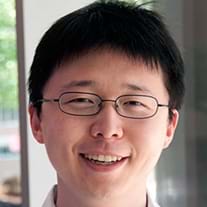
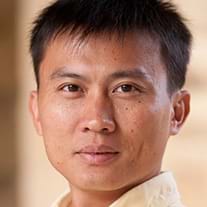
The 2017 winners of the Blavatnik National Awards for Young Scientists, materials scientist Yi Cui, chemist Melanie Sanford, and bioengineer Feng Zhang, are no strangers to vision. Chosen from a pool of more than 300 nominees from universities around the country, this year’s Laureates exemplify the kind of fearless thinking that upends norms and breaks boundaries, ultimately bringing revolutionary ideas and advances into reality.
Asking any of them to discuss their day-to-day research would provide a fascinating peek into some of the most cutting-edge work in their respective fields, yet just as intriguing are their thoughts on the future. When asked to fast-forward ten or twenty years to discuss what’s next in their fields, each readily dove headlong into the world to come, shedding light on achievements that are both probable and possible, then reaching further to describe potential advances that seem far-fetched today, but may be the ultimate achievements of tomorrow.
Deleting Disease
Feng Zhang
Ten years is a long time for Feng Zhang, as he recalls that the technology he helped pioneer, CRISPR-Cas9, didn’t exist a decade ago.
As Zhang, a Core Member of the Broad Institute at MIT and Harvard, talks excitedly about the rapid pace of advancement in the field of genome editing, he highlights that there’s still plenty of room for growth. Zhang was among the first to conceive of using CRISPR, an adaptive immune function native to bacteria, as a DNA-editing tool, a breakthrough that has turned the ability to quickly, cheaply, and precisely edit the genomes of plants and animals from science-fiction into an everyday occurrence.
From Zhang’s point of view, developing the tools was just the beginning — the work of the future is in refining and applying those tools to alleviate suffering and disease.
The advent of rapid, affordable genome sequencing has allowed researchers to identify many of the mutations that cause disease, which fall into two categories: monogenetic diseases, such as Huntington’s, caused by a single mutation, and polygenetic diseases, which comprise the majority of illnesses, wherein multiple mutations are implicated.
Today, most of the work being done with CRISPR targets monogenetic diseases. Even in those cases, a fix is far more complex than simply cutting and replacing.
“The major issue is that we don’t know how to repair the mutation efficiently, nor what exactly needs to be done to have a therapeutic consequence,” said Zhang. “I think we’ll develop techniques for delivering gene therapy to the right tissues, which is still a big challenge.”
Advancing CRISPR technologies
Zhang also projects a future where CRISPR technologies can be adapted to treat patients with diseases so rare that they are often overlooked by the therapeutic pipeline.
“The economics don’t work for drug companies to focus on rare diseases, but as gene editing becomes more mature, we could feasibly create individualized therapies that would circumvent the typical drug development process,” he explained.
But the ultimate CRISPR application — editing multiple genes to treat complex polygenetic diseases — remains the stuff of fantasy. Two decades from now, Zhang expects we’ll be much closer.
“Even if we have the technology to make multiple genetic changes, we don’t know enough about how multiple genes interact in disease at this point,” he said, noting that the interplay of different gene variations can produce effects we don’t fully understand. “There are variations known to protect people from HIV, but they increase susceptibility to West Nile Virus,” he said. “That’s just one example — we need a much better understanding of these connections in order to achieve these bigger goals.”
Big Ideas from the Smallest Structures
Yi Cui
For Yi Cui, professor of materials science and engineering at Stanford University, the buzzword of the future is energy.
Specifically, inexpensive, widely-available clean energy, along with new battery technologies that will transform cars and other consumer products as well as the electrical grid itself. Cui, whose research focuses on using nanoscale materials to tackle environmental and energy issues, has several breakthrough technologies to his credit — including a water filtration technology that uses electrified silver nanostructures to puncture viral and bacterial membranes, purifying water faster and more cheaply than chemical treatments, and designs for ultra-long life, low-cost batteries that may pave the way for what Cui sees as the major potential achievement of the next two decades: grid-scale energy storage.
Solar cells have become more efficient and renewable energy costs are dropping, yet energy storage remains the major hurdle for scientists, who recognize both the economic and environmental advantages of a future dominated by clean power. Continual improvements in the energy density of today’s batteries will yield rewards in the relatively near term, says Cui, who sides with experts who predict mass adoption of electric vehicles over the next 10-15 years.
“I wouldn’t be surprised if we’re seeing cars that can run 400 miles on a single charge,” he said, but the greatest gains in clean energy won’t be achieved until batteries can store enough energy to allow for the integration of solar, wind and other renewable power sources into the mainstream electrical grid. “Energy storage is the missing link,” Cui said, “and if we can solve that, it will be the most extraordinary achievement we can hope to have in this field in the next 20 or 30 years.”
The potential for nanomaterials to help mitigate the impacts of environmental pollution also looms large for Cui. As the global population grows and resource needs increase, he predicts a starring role for nanoscale structures in efforts to purify water and remediate soil pollution, and is developing a nano-driven “desalination battery,” which removes salt from seawater using less energy than reverse-osmosis, as well as air and water purification technologies that use nanostructures to capture particulates and pollutants with remarkable speed and efficiency.
The Best Molecule for the Job
Melanie Sanford
In a future envisioned by Melanie Sanford, there will be no compromise to designing molecules for some of the most important chemical tasks in the world, namely medical imaging, drug development, energy production and fields where the characteristics of a chemical reaction, or the process by which a molecule is made or utilized, can mean the difference between mediocre performance and excellence.
Sanford is making this vision a reality, developing customized approaches for the goals of various industries.
“Depending on the target for the reaction we’re developing, the dreams for the future are different,” she said.
The pharmaceutical and medical industries are two areas where Sanford believes that astonishing advances will be realized in the coming decade. Among them, the ability to customize the tracer molecules that are crucial to obtaining quality images in positron emission tomography, or PET, scans used in cancer, cardiac and brain diagnostics.
“Right now, the tracers used aren’t the best or the most appropriate, they’re the ones we can make with the limited set of reactions we have for adding a radioactive tag to a molecule,” said Sanford. “Ten or twenty years from now, the only constraint will be our imaginations — the reactions and catalysts in development now will allow us to ask, ‘What molecule do I want to make to get the best result for this application?’ and then be able to make it.”
Customization plays an equally important role in another field Sanford sees poised for transformation through the design of novel reactions — agricultural chemicals. Using reactions that yield the desired result, but do so using readily available materials with minimal energy consumption or waste production, would represent significant improvement and a major sustainability overhaul of some of the largest-scale chemical processing activities on earth.
“These syntheses are being performed at such a massive scale that waste really matters,” said Sanford.
The ability to make the best molecule for the job will be key to making Cui’s grid-scale energy storage a reality through new battery technologies. Sanford animatedly described the potential for developing new molecules to store energy, as well as tools for understanding and predicting the behavior and characteristics of those molecules.
“It’s going to be very exciting to both develop molecules with huge storage capability, but also to be able to use them to balance various needs and parameters — high storage capacity with high solubility — so we can really understand how to modify structures to yield the best performance for an application,” she said.
Zhang, Cui and Sanford harbor no delusions of ease when it comes to the dreams they’ve set forth. Rather, they greet the challenges ahead with equal measures of determination and hope.
“We have an enormous amount of work to do in the coming decades,” said Cui. “But everything we’re working towards is so important for the sustainable growth of the world and for the health and future of our children. I’m confident we can do it.”
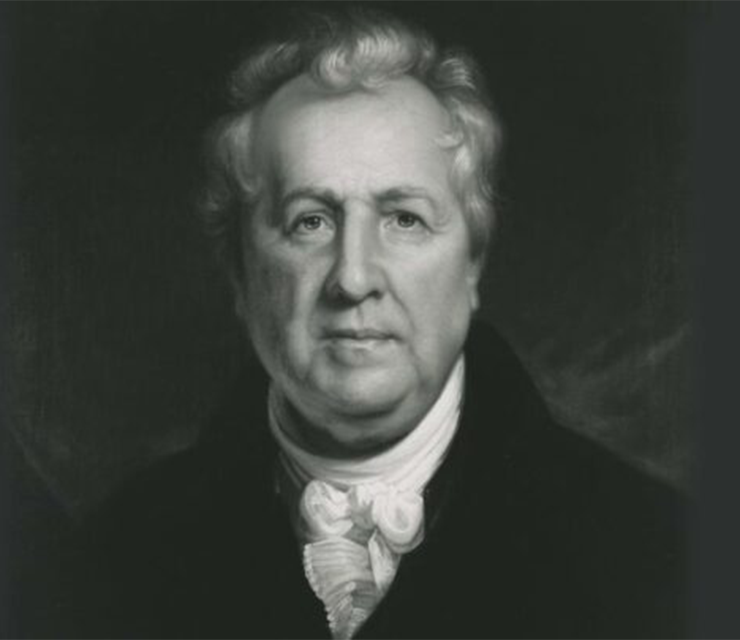
Described by his contemporaries as a “chaos of knowledge,” a “living encyclopedia,” and a “stalking library,” first Academy President Samuel L. Mitchill dabbled in a variety of disciplines, building a unique level of scientific proficiency that was very rare at the time.
Born in North Hempstead, New York, in 1764, he had remarkably varied interests, which ranged from medicine to geology, botany and mineralogy. A farmer’s son, Mitchill exhibited great interest in the natural sciences early in life. After studying the foundations of medicine with his uncle, doctor Samuel Latham, Mitchill went to the University of Edinburgh to earn his medical degree in 1786 and then returned to New York, where he received a license to practice medicine. The route he chose, however, was far from a typical doctor’s path.
Because of his boundless thirst for knowledge, Mitchill couldn’t fully settle on pursuing any one scientific field. His contemporaries described him as a “chaos of knowledge,” a “living encyclopedia,” and a “stalking library.”
He kept dabbling in a variety of disciplines, building a unique level of scientific proficiency, which was very rare at the time. It wasn’t surprising that his wide array of interests and expertise earned him an appointment as a Chair of Natural History at Columbia University, at the age of 28. At Columbia, Mitchill’s scientific career truly flourished. He taught chemistry and botany, and expanded his work into other areas of science.
Promoting Geology, Agriculture, Chemistry
Mitchill was a prolific publisher and produced a variety of works, once again on a wide variety of topics. He prompted the geological survey of the New York State. He contributed to the development of agriculture by surveying the mineralogy of the Hudson River Valley. His chemistry studies led to improved detergents and disinfectants, and even better gunpowder. For 23 years, Mitchill served as a chief editor of the Medical Repository, one of the top scientific publications of the time.
It would only make sense then, that an erudite man like Mitchill would lay the foundation for the New York Academy of Sciences. In 1817, he organized the first meeting of the Lyceum of Natural History (the Academy’s early name), which took place at the College of Physicians and Surgeons in Lower Manhattan. Later elected as the Lyceum’s first President, Mitchill remained in that post until 1823.
Under his supervision, the Lyceum hosted lectures, preserved samples of natural artifacts, and established a library. Seven years after the Lyceum’s commencement, it began publishing The Annals of the Lyceum of Natural History of New York — one of the first American journals of natural history and science. The Annals published articles on myriad topics, from research on swallows by its Member John James Audubon, to descriptions of newly found species.
As the years progressed, the organization started by Mitchill continued to grow, adding more activities to its list. New York State commissioned the Lyceum to do a survey of its mineralogy, botany, and zoology. The Lyceum also became instrumental in launching organizations dedicated to scientific research and literacy, including New York University in 1831, and the Museum of Natural History in 1868.
Science and Politics
Like many other great scholars who sought to educate societies about science, Mitchill worked to emphasize the importance of scientific progress in the American legislature and politics. In 1801, he resigned his Columbia appointment and took a seat in the U.S. House of Representatives. Later, he served a term in the Senate, and then once again in the House. He was an advocate of quarantine laws, and an avid proponent of the Library of Congress.
Mitchill was also instrumental in the creation of educational institutions including Rutgers Medical College, where he served as Vice President during the college’s first four years. Despite being preoccupied with his political efforts and other endeavors, Mitchill never stopped working on his scientific pursuits, and remained very productive in his research publications throughout his life.
As historian Alan Aberbach once wrote, “To Mitchill it was axiomatic that with diligence and empirical practices, developing systematically and organically, one could come to grips with and resolve the historical plagues of mankind’s ills.”