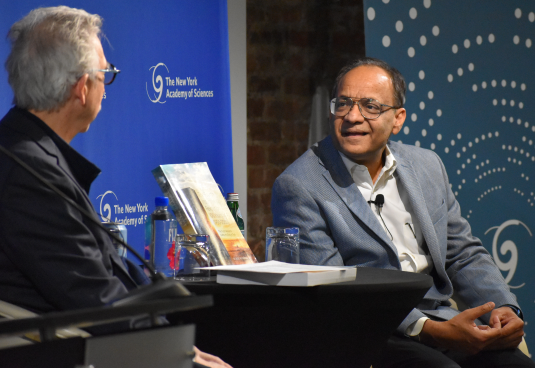
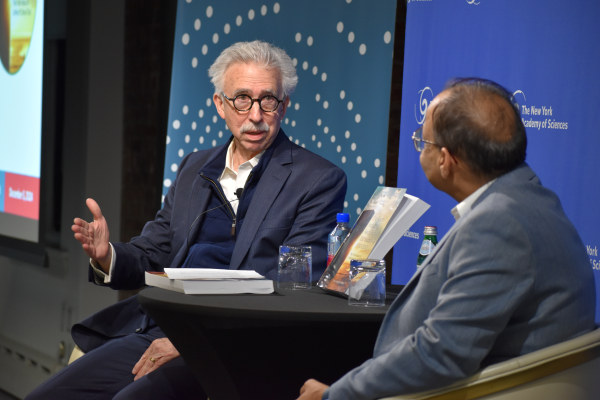
Quantum computing is moving from theory to real-world impact. In this one-hour webinar, experts from science and business will cut through the hype to explore where the technology stands, how it’s being applied in sectors like logistics and cybersecurity, and what to expect next. We will also examine how private equity and venture capital are investing in quantum—and which industries are poised to benefit most from its breakthroughs.
This roundtable discussion will explore:
Market impact: How the pace of development is influencing global markets and the role of private equity and venture capital in accelerating quantum breakthroughs.
Quantum’s evolution: Moving rapidly from theoretical physics to a transformative technology with real-world impact.
Industry influence: Reshaping sectors, driving innovation, and attracting major investment.
Series Moderator
Josh Lerner
The Jacob H. Schiff Professor, Harvard Business School; Director, Private Capital Research Institute
Panelists
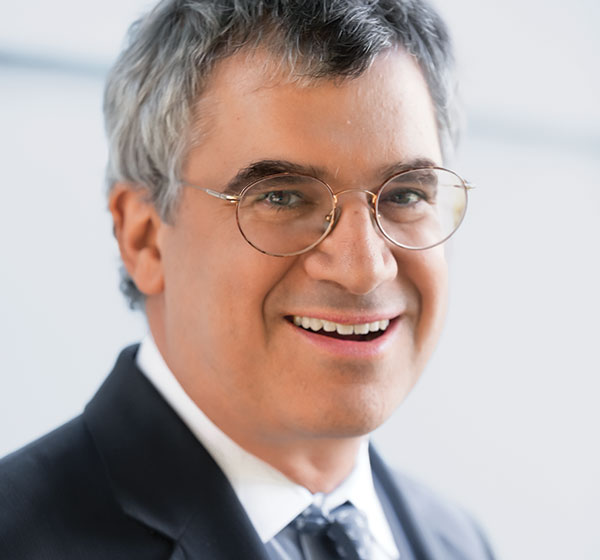
Matthew Kinsella
CEO, Infleqtion
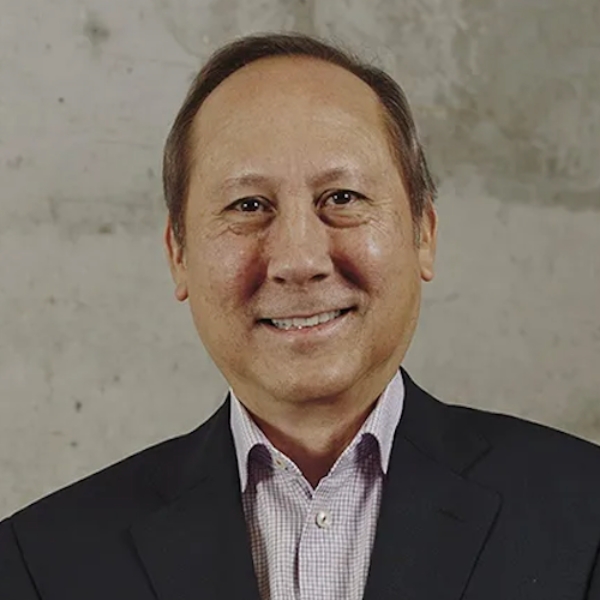
Reed Sturtevant
General Partner, The Engine Ventures
Bill McMahon, PhD
Co-Founder and Managing Partner, Minnow Venture Partners
Shahin Farshchi, PhD
Partner, Lux Capital
Sponsors
Session Sponsor
Series Sponsor
Presented By
Pricing
All: Free
About the Series
The “Private Capital and Discovery: Strategic Investing in Scientific Innovation” series is brought to you by The New York Academy of Sciences and The Private Capital Research Institute. Through expert panels and thought-provoking discussions, the series examines how private equity is uniquely positioned to drive transformative advancements—while also exploring the ethical and strategic dilemmas that can arise when financial incentives influence the trajectory of science. Learn more about the series.
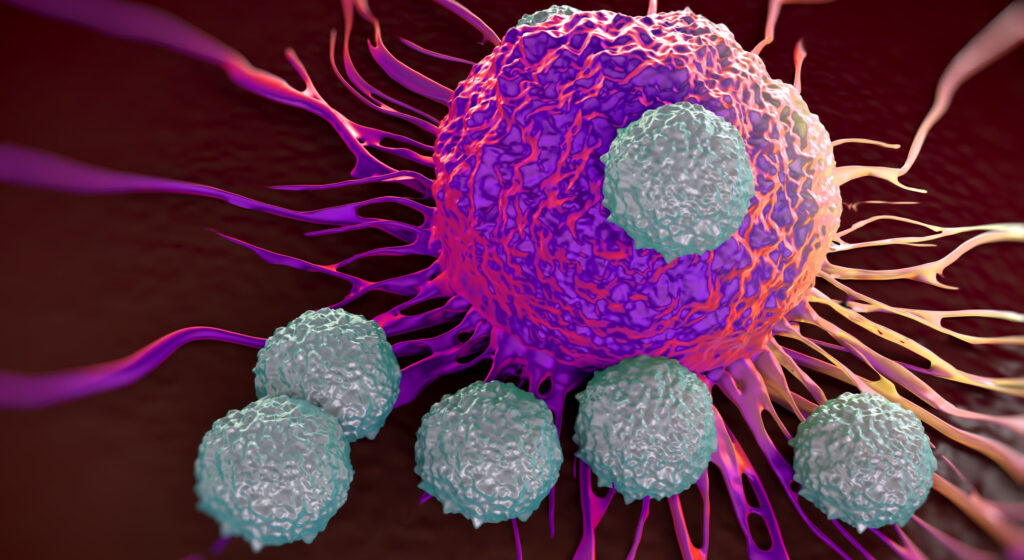
Now in its 13th year, Frontiers in Cancer Immunotherapy brings together leading researchers, clinicians, and industry innovators to explore the next generation of therapies that are transforming cancer treatment. The field of immuno-oncology has achieved remarkable breakthroughs over the past decade. Yet, many challenges remain—from understanding the biology of resistant tumor types to identifying novel therapeutic targets and strategies. This year’s symposium will showcase cutting-edge research and highlight promising approaches in areas such as cancer vaccines, bispecifics, modulation of the tumor microenvironment, AI-driven discovery of immunotherapy, and cell-based therapies for solid tumors.
In addition to keynote lectures and plenary talks, the program features industry updates, short talks selected from abstracts, and a panel discussion on moving discoveries from the bench to the clinic. Ample networking opportunities will give participants the chance to connect with peers, collaborators, and leaders shaping the future of cancer immunotherapy.
Join us in New York City to share knowledge, foster new collaborations, and be part of the conversation driving the next breakthroughs in cancer treatment.
Sponsors
Presenting Partners
Lead Supporter: The Cancer and Signaling Discussion Group
To attend, click the “Register” button at the time of the presentation. It will take you directly to the Zoom call.
Welcome and Introductions: 11:30 AM to 11:45 AM
Main Presentation: 11:45 AM to 2:30 PM
Mental health conditions such as bipolar disorder, depression, attention deficit and hyperactivity disorder (ADHD), and post-traumatic stress disorder (PTSD), are difficult to diagnose and treat. Symptoms overlap across these categories, mood data is hard to capture reliably, and treatments often involve trial and error with significant side effects. While diagnostic frameworks such as the DSM-5 provide a shared language for clinicians and insurers, they offer limited insight into the underlying causes of psychiatric illness or personalized strategies for intervention. To advance, psychiatry needs more precise measures of nervous system function and better ways to integrate neurobiological data with patients’ lived experience and bio-psycho-social history. The integration of multiple levels of description is essential for distinguishing root causes and identifying effective points of intervention. Marjorie Xie will describe how the field of computational psychiatry is beginning to close this descriptive gap by leveraging behavioral tasks, behavioral and physiological data, and computational models. She will conclude with an example from my current research on the science of mood in relation to attention.
Speaker
Marjorie Xie is a neuroscientist whose research bridges the brain, AI, and mental health. Her upcoming work is guided by two goals: (1) to advance mental health care by empowering clinicians and patients with scientifically grounded, clinically actionable tools, and (2) to accelerate the discovery of new treatments. From 2023–2025, she was an AI & Society Postdoctoral Fellow at Arizona State University and the New York Academy of Sciences, conducting research at the Center for Computational Psychiatry at Mount Sinai (Radulescu and Gu Labs) on the relationship between mood and attention. She previously interned at the Basis Research Institute, developing AI tools for studying collaborative intelligence in animals. Marjorie earned her PhD in Neurobiology and Behavior at Columbia University (Litwin-Kumar Lab), where she developed a computational theory of the cerebellum, a brain region involved in motor control and sensory processing. Earlier, she studied sensory processing and communication in fruit flies at Stanford (Clandinin Lab) and Princeton (Murthy Lab). She received her BA from Princeton, designing an independent major in neuroscience with additional studies in philosophy, literature, and history.
The New York Academy of Sciences is proud to present The New Wave of AI in Healthcare 2026.
Artificial intelligence and digital technologies are transforming healthcare at an unprecedented pace—reshaping how we diagnose, treat, and deliver care. From advanced machine learning applications to real-world evidence and patient-facing digital tools, innovation is accelerating rapidly, bringing both extraordinary promise and complex challenges for clinicians, researchers, and regulators.
To spotlight these breakthroughs, the Windreich Department of Artificial Intelligence and Human Health at the Icahn School of Medicine at Mount Sinai and The New York Academy of Sciences will host a two-day, in-person symposium in New York City The New Wave of AI in Healthcare.
This premier event will convene leading scientists, clinicians, industry innovators, and policy experts at the intersection of computer science and medicine to share cutting-edge research, explore pressing ethical and regulatory considerations, and build collaborations that shape the future of healthcare. The symposium will not only showcase the latest scientific advances but also foster interdisciplinary dialogue and networking to ensure that AI-driven healthcare innovations are equitable, ethical, and impactful.
Does artificial intelligence represent a fundamentally different kind of technological revolution—one that could reshape not only industries but also the structure of global markets? In past waves of innovation, from social media to e-commerce, technological booms spurred widespread entrepreneurship. Startups flourished, and many evolved into dominant firms, but they emerged from a competitive landscape where new entrants had room to grow. Artificial intelligence may chart a different path. Some analysts argue that AI’s steep economies of scale, vast computational requirements, and the adaptability of its systems could concentrate power in the hands of a few organizations—more akin to the era of mainframe computing in the 1960s, when one firm largely defined the field.
This roundtable discussion will explore:
Concentration vs. Competition: Are the capital demands, data needs, and infrastructure requirements of AI inherently driving the market toward centralization?
Investment Implications: How should private equity investors assess opportunities in an environment where scale advantages may limit smaller entrants?
Policy and Ethical Dimensions: What responsibilities do investors and innovators hold in shaping an AI ecosystem that fosters innovation without amplifying systemic risks of monopoly power?
Lessons from History: What parallels can be drawn between AI today and previous technology cycles, and what can we learn to anticipate future market dynamics?
Series Moderator
Josh Lerner
The Jacob H. Schiff Professor, Harvard Business School; Director, Private Capital Research Institute
Panelists
Dr. Jianying Hu
Director of Healthcare and Life Sciences Research, IBM
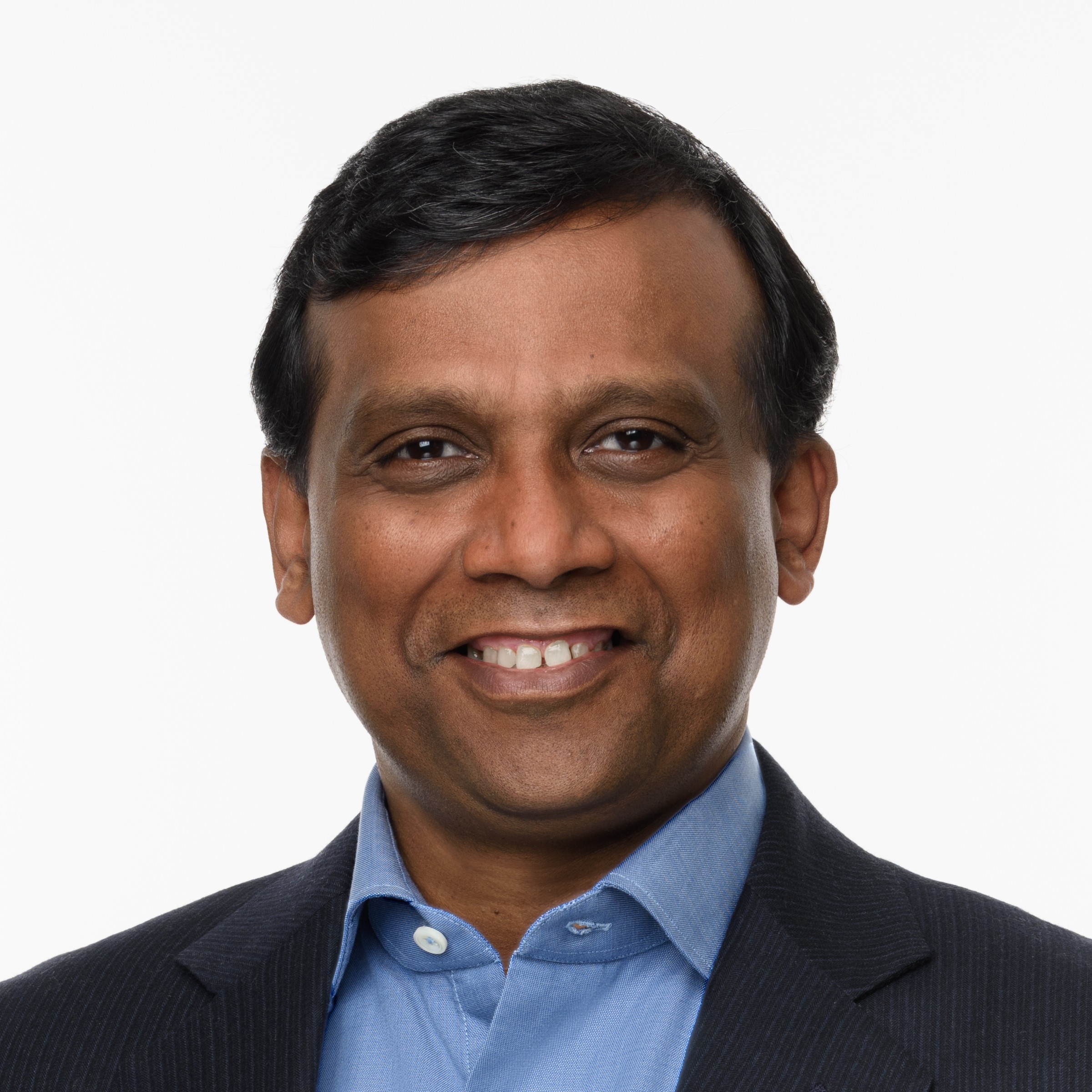
Ravi Kumar
CEO, Cognizant
Daniel Feder, CFA
Senior Managing Director of Investments at University of Michigan
Maya Frutiger
Minnow Venture Partners
Sponsors
Series Sponsor
Presented By
Pricing
All: Free
About the Series
The “Private Capital and Discovery: Strategic Investing in Scientific Innovation” series is brought to you by The New York Academy of Sciences and The Private Capital Research Institute. Through expert panels and thought-provoking discussions, the series examines how private equity is uniquely positioned to drive transformative advancements—while also exploring the ethical and strategic dilemmas that can arise when financial incentives influence the trajectory of science. Learn more about the series.
Winner of the Junior Academy Challenge – Fall 2024 “Ethical AI”
Published May 16, 2025
By Nicole Pope
Sponsored by The New York Academy of Sciences
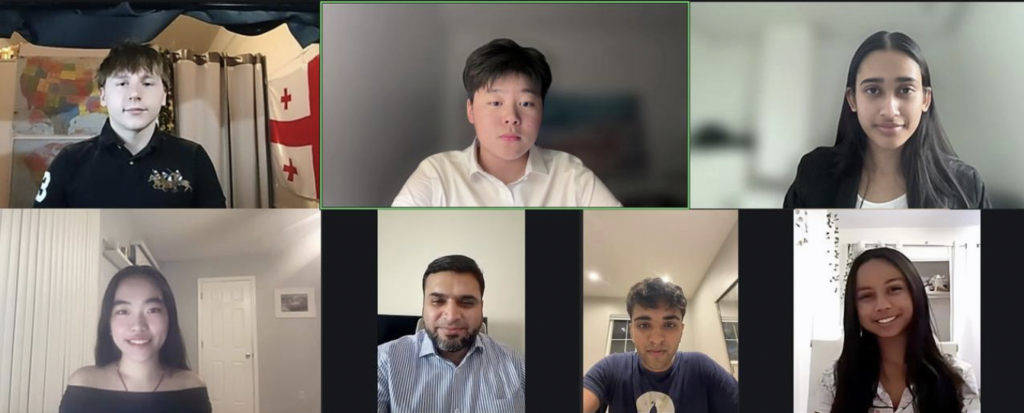
Team members: Emma L. (Team Lead) (New Jersey, United States), Shubh J. (California, United States), Darren C. (New York, United States), Aradhana S. (Pennsylvania, United States), Shreshtha B. (Kuwait), Jemali D. (New York, United States)
Mentor: Abdul Rauf (Pakistan)
Artificial Intelligence (AI) is evermore present in our lives and affects decision-making in government agencies, corporations, and small businesses. While the technology brings numerous opportunities to enhance productivity and pushes the boundaries of research, predictive AI models have been trained on data sets that contain historical data. As a result, they risk perpetuating and amplifying bias, putting groups who have traditionally been marginalized and underrepresented at a disadvantage.
Taking up the challenge of making AI more ethical and preventing the technology from harming vulnerable and underrepresented groups, this winning United States and Kuwait based team sought ways to identify and correct the inherent bias contained in large language models (LLM). “[The Ethical AI Innovation Challenge] helped me realize the true impact of bias in our society today, especially as predictive AI devices continue to expand their usage and importance,” acknowledged team lead Emma, from New Jersey. “As we transition into a future of increased AI utilization, it becomes all the more important that the AI being used is ethical and doesn’t place anyone at an unjustified disadvantage.”
The team conducted a thorough literature review and interviewed AI experts before devising their solution. In the course of their research, they came across real-life examples of the adverse effects of AI bias, such as an AI healthcare tool that recommended further treatment for white patients, but not for patients of color with the same ailments; a hiring model that contained gender bias, limiting opportunities for women; and a tool used to predict recidivism that incorrectly classified Black defendants as “high-risk” at nearly twice the rate it did for white defendants.
AI Bias
Team member Shreshthafrom Kuwait said she was aware of AI bias but “through each article I read, each interview I conducted, and each conversation I had with my teammates, my eyes opened to the topic further. This made me even keener on trying to find a solution to the issue.” She added that as the only team member who was based outside of the USA, “I ended up learning a lot from my teammates and their style of approaching a problem. We all may have had the same endpoint but we all had different routes in achieving our goal.”
The students came together regularly across time zones for intense working sessions to come up with a workable solution, with support from their mentor. “While working on this, I learned that my team shared one quality in common – that we are all committed to making a change,” explained teammate Shubh. “We had all unique skills, be it management, coding, design, etc., but we collaborated to form a sustainable solution that can be used by all.” In the end, the team decided to develop a customizable add-on tool that can be embedded in Google Sheets, a commonly used spreadsheet application.
The students wanted their tool, developed with Python programming, to provide cutting-edge bias detection while also being user friendly. “A key takeaway for me was realizing that addressing AI bias requires a balanced approach that combines technical fixes with ethical considerations—augmenting datasets while engaging directly with underrepresented groups,” stated New York-based teammate Darren, who initially researched and produced a survey while his teammates worked on an algorithm that could identify potential bias within a dataset.
More Ethical AI
The resulting add-on, which can be modified to fit any set of training data, utilizes complex statistical analysis to detect if AI training data is likely to be biased. The challenge participants also paired the add-on with an iOS app they created in UI/UX language and Swift, which gives users suggestions on how to customize the add-on for their specific data sets. The students were able to test their tool on a job applicant dataset provided by a company that chose to remain anonymous.
“By using an actual dataset from a company and analyzing it through our add-on, I was shocked to see that there could be gender bias if an AI model were trained on that dataset,” said team member Aradhana. “This experience highlighted how AI can continue societal discrimination against women.” The enterprising team members were able to refine and improve their solution further after conducting a survey and receiving feedback from 85 individuals from diverse backgrounds.
Members of the winning team believe addressing AI bias is critical to mitigate the risk of adverse impacts and build trust in the technology. They hope their solution will spearhead efforts to address bias on a larger scale and promote future, more ethical AI. Summing up, team member Jemali explained that the project “significantly deepened my insights into the implications of AI bias and the pivotal role that we, as innovators, play in ensuring technology benefits all individuals.”
New study finds that loneliness is more likely to be associated with the use of specific media platforms, not social media in general.
New York, NY | May 12, 2025 – There has been increasing concern that overall time spent online is contributing to greater loneliness and other psychological harm in children and young adults. But a new study by a team of international researchers and published in Annals of the New York Academy of Sciences found that it is the type of social media platform that is associated with loneliness, more than the use of social media itself.
The study was conducted by an international group of researchers from the University of Greenwich, King’s College London, Duke University, University of Oslo, and University of California, Irvine. It investigated patterns of digital technology use and their associations with loneliness in a cohort of 1,632 young adults (mean age 26) in the United Kingdom who had been followed prospectively since childhood for the Environmental Risk Longitudinal Twin Study. Data were collected via an online survey in 2019–2020. The period of data collection allowed for comparing young adults before and during the COVID-19 pandemic.
The researchers reported that networking social media platforms such as Facebook, Instagram, and Twitter (now known as X) were not especially associated with above average levels of loneliness. However, those sites that promote passive consumption such as YouTube and Reddit, as well as some dating apps, were. The one app that stood out was WhatsApp, which was associated with lower levels of loneliness. These patterns between social media platforms and loneliness were the same before and during the COVID-19 pandemic. They also found that compulsive use of digital technology or experiences of online victimization were associated with higher levels of loneliness, suggesting that it is the nature of digital technology experiences that are associated with loneliness.
Much has been debated in policy circles regarding the effects of social media use on youth and how best to regulate it. This paper demonstrates that mental health issues, specifically loneliness, and its association with social media are nuanced and should not be treated as a homogenous category because of differences between platform types and how they are used.
This study will help to inform users, public health officials, and policy makers about more effective ways to use and regulate social media to optimize public health.
A copy of the study may be downloaded here: “Social media use, online experiences, and loneliness among young adults: A cohort study”.
Annals of the New York Academy of Sciences is an international science journal published monthly in many areas of science, though predominantly the biological sciences. Each issue presents original research articles and/or commissioned reviews, commentaries, and perspectives. Articles published online before print can be found here. In 2022, Ann NY Acad Sci began publishing a new front-half section of essays, book reviews/excerpts, commentaries, and perspectives in the spirit of The New York Academy of Sciences’ venerable general science magazine The Sciences (published 1960–2001). Ann NY Acad Sci is a hybrid (open access–subscription) journal available in 80+ countries worldwide, rigorously peer-reviewed, and ranked among the top multidisciplinary journals worldwide.
Douglas Braaten, PhD, EMBA, Chief Scientific Officer, Editor-in-Chief
Study Lead Author
Timothy Matthews, PhD, Lecturer in Psychology, University of Greenwich
Timothy Matthews, PhD, joined the University of Greenwich in February 2022 as a Lecturer in psychology. He completed his PhD at King’s College London in 2017, having developed a program of research into loneliness in young people. In 2019, he was awarded a British Academy Postdoctoral Fellowship to continue his work in this area. He is particularly interested in loneliness as a chronic problem and novel technologies to understand and combat loneliness.
In the final installment of this year’s distinguished lecture series hosted by The New York Academy of Sciences’ Anthropology Section, an expert panel discussed the intersection of anthropology, technology, and ethics.
Published May 2, 2025
By Brooke Elliott
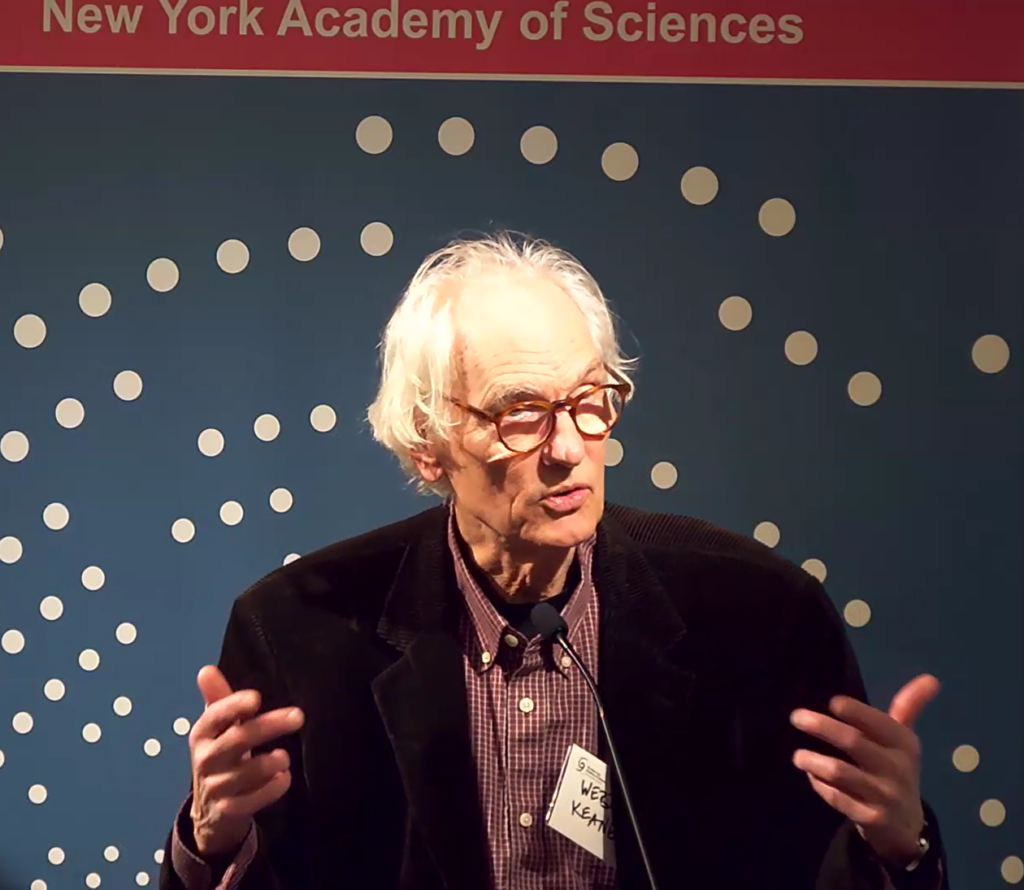
Webb Keane, PhD, presents during the From Tools to Metahumans: Talking to AI event at The New York Academy of Sciences on April 7, 2025.
Keynote speaker Webb Keane, PhD, the George Herbert Mead Distinguished Professor of Anthropology at the University of Michigan and a leading voice in semiotics, media, and ethics, centered his April 7th talk around his new book Animals, Robots, Gods: Adventures in the Moral Imagination. The book moves beyond human communities and explores the relational ethics that arise from human interaction with non-humans and near-humans, including artificial intelligence.
Prof. Keane opened his presentation by posing the provocative question: What defines a human?
Traditionally, it has been humankind’s capacity for language, tool-making abilities, and moral reasoning. But with the rise of generative AI and large language models, all three are under pressure, according to Prof. Keane.
AI as a Metahuman
Generative AI now challenges humankind’s unique position as language users, introducing tools that seem to “escape the grasp” of their creators. These AI systems don’t merely reproduce human intelligence, they imitate its outputs.
Prof. Keane defines a “metahuman” as “someone or something with superior powers, but lacking a body or particular social location.” These are beings that humans have always interacted with, such as gods, spirits, and, now, robots and androids. These entities possess knowledge, power, and moral authority beyond the human.
Religious communities have taken to AI in surprisingly enthusiastic ways, Prof. Keane pointed out. Tools like Gita GPT, designed to simulate answers from Krishna, a major deity in Hinduism, are used for moral and spiritual guidance. AI’s “oracular affordances,” as Prof. Keane called them, allow it to function like ancient divinatory tools; they can elicit meaning, trust, and belief.
“AI reflects our fears because it is built from our language, our stories, our digital footprints,” said Prof. Keane.
The meanings we get from interactions with AI are the product of collaboration between the person and the device, just as divination, spiritual possession, and speaking in tongues once captivated our imaginations.
Omri Elisha’s Response
Responding to Prof. Keane, Omri Elisha, PhD, associate professor of anthropology at Queens College and the City University of New York Graduate Center, drew parallels with his own work on astrology. Prof. Elisha emphasized that technologies like AI and astrology translate abstract forces into moral guidance. Through symbolic systems, users interact with planetary or digital forces as if they have agency.
Prof. Elisha posed the critical question: “How is it that certain technologies and certain symbiotic mediations come to be authorized to speak for transcendental sources infinitely far from the here and now?”
He also addressed society’s growing reliance on crowdsourced truth. Platforms like Google and Reddit are worshipped for their convenience, immediacy, and trust, even by those who claim to be skeptical. Generations raised on the internet have come to accept the “wisdom of large numbers,” as Prof. Keane calls it
To further support this point, Prof. Elisha cited the viral meme, “A world where AI paints and writes poems while humans perform menial, backbreaking work wasn’t the future I imagined.”
In an age of corporate personhood and surveillance capitalism, many allow branded algorithms to make decisions once left to human discretion, including immigration status, medical diagnoses, and even music recommendations. As Prof. Keane notes, “We should be scrupulous about the would-be gods who lurk behind our devices.”
Danilyn Rutherford’s Call for a Global Perspective
Danilyn Rutherford, PhD, President of the Winter Grant Foundation and activist with A Thousand Currents, praised Prof. Keane’s commitment to ethical nuance. Still, she challenged the limits of cultural relativism. While different societies may live by different moral codes, Dr. Rutherford argued that there’s a deeper universality in our capacity for meaning-making, even across radically different contexts.
“The point, [Keane] argues, is not simply that different ponds nurture different frogs, they nurture different relationships among critters swimming in the same puddle,” said Dr. Rutherford.
Fear, Faith, and the Future of Human Meaning
All three speakers converged on a core insight: that our interactions with AI tell us more about ourselves than they do about the technology. Humans are beings who construct meaning collaboratively, introducing non-humans with agency, because of our innate ability to see intentions in others.
As Prof. Keane emphasized, the real question is not whether AI is sentient, but why we respond to it as if it were. He questioned what does that reveal about our values, our anxieties, and our longing for guidance as we continue toward an era with even greater interaction between humans and AI.
As the 2024–25 lecture series concludes, the Anthropology Section is already looking to the future. A graduate student gathering at the Margaret Mead Film Festival, which takes place May 2-4 at the American Museum of Natural History, will provide a final chance to connect this spring. This fall, the Anthropology Section will return with a new theme and speaker lineup, as well as a continued commitment to bridging anthropological insight and public dialogue.
Learn more about offerings from The New York Academy of Sciences’ Anthropology Section.
Yann LeCun, VP and Chief AI Scientist at Meta, was one of three Honorees recently recognized by The New York Academy of Sciences (the Academy) for outstanding contributions to science.
Published May 1, 2025
By Nick Fetty
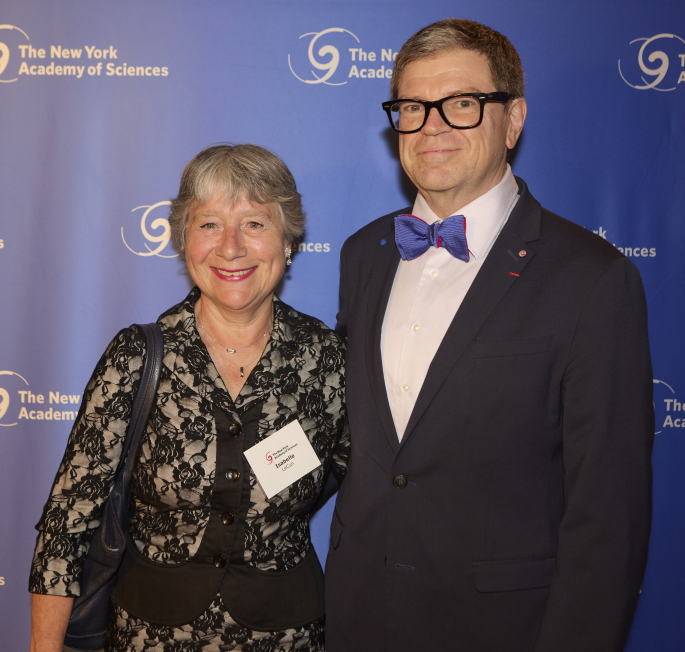
Yann LeCun (right) poses with his wife Isabelle during the Soirée.
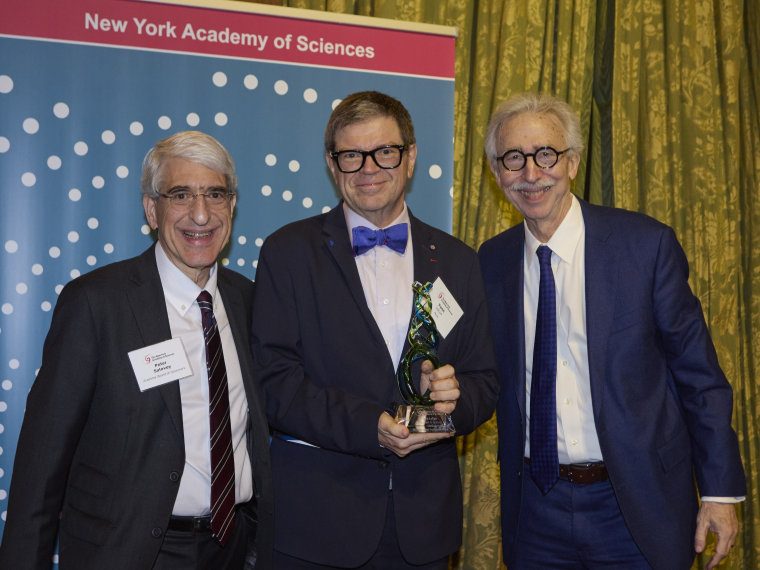
Yann LeCun was recently recognized by The New York Academy of Sciences, for his pioneering work in machine learning, computer vision, mobile robotics, and computational neuroscience. He was presented with the Academy’s inaugural Trailblazer Award during the 2025 Spring Soirée, hosted at the University Club of New York.
“His work has been instrumental in setting the terms of how we think about the uses, implications, and impact of AI in all its forms,” said Nick Dirks, President and CEO of the Academy, while introducing LeCun during the Soirée. “Yann, we’re grateful that your view has carried the day and are inspired by the boldness of your vision. A vision that has shaped the evolution of this amazing and transformative technology.”
LeCun spoke during the first installment of the Tata Series on AI & Society at the Academy in March 2024. His talk covered everything from his early work in revitalizing and advancing neural networks to the need for open sourcing AI to the limitations he sees with large language models (LLMs). He believes that sensory, as opposed to language, inputs are more effective for building better AI systems, due in part to the brain’s ability to process these inputs faster.
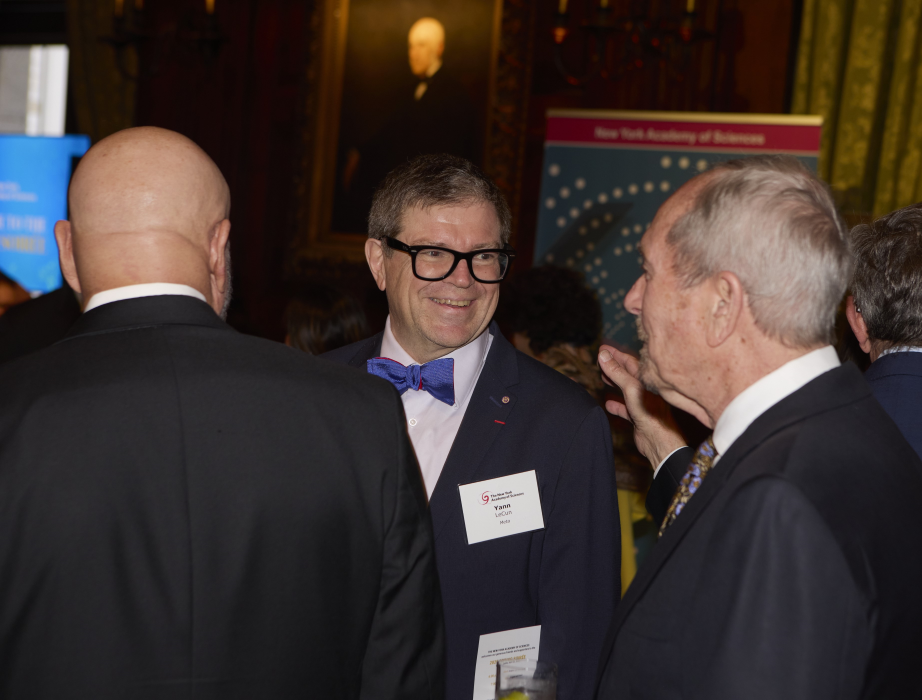
Yann LeCun (center) visits with Hon. Jerry Hultin, immediate past chair of The New York Academy of Sciences Board of Governors, during the Soirée.
“To build truly intelligent systems, they’d need to understand the physical world, be able to reason, plan, remember, and retrieve. The architecture of future systems that will be capable of doing this will be very different from current large language models,” he explained.
LeCun was presented with an Honorary Life Membership to the Academy during the 2024 event.
A Frenchman with a Clever Sense of Humor and Passion for Jazz
Though a serious computer scientist (he received the prestigious ACM Turing Award in 2018), his wry sense of humor often comes through when he talks and on his personal website.
“French people are generally known for their utter contempt of every product of the American culture (“or lack thereof”, as my friend John Denker would say with a smile),” LeCun writes on the “Fun Stuff” section of his website. “But there are two notable exceptions to this attitude, two pure products of the American culture that the French have embraced wholeheartedly (and no, one of them is not Jerry Lewis): Jazz music, and Tex Avery cartoons.”
A fan of jazz music, LeCun considers John Coltrane’s Giant Steps and Miles Davis’s Kind of Blue among his favorite jazz albums of all time. LeCun is a musician himself and plays various woodwind instruments. He even builds his own that combine traditional wind instruments with electronic synthesizers. When he worked at Bell Labs in the 1990s, he played in an informal jazz band with some colleagues. The passion for jazz (and tech) runs in the blood of the LeCun family, as Yann’s brother Bertrand plays the bass (and works at Google in Paris).
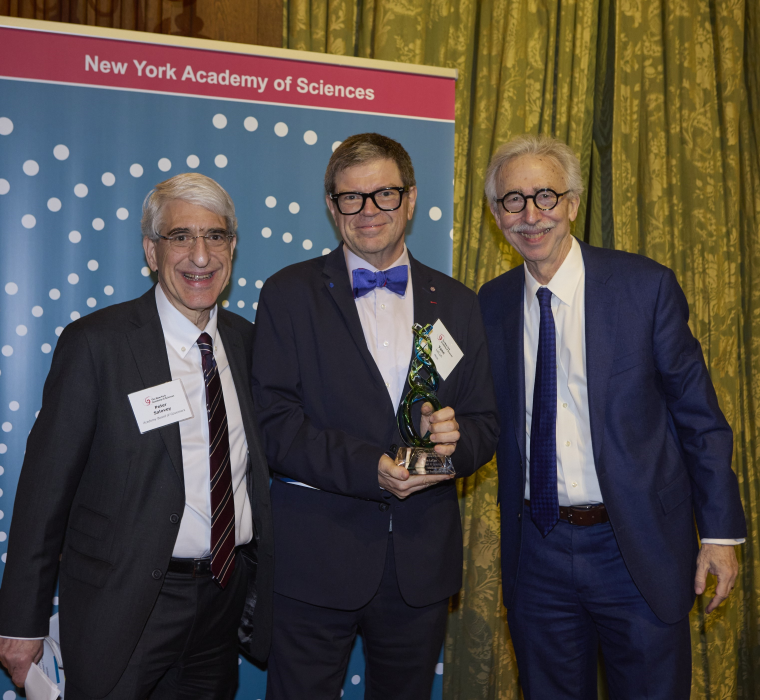
From left: Peter Salovey, former president of Yale University and current chair of The New York Academy of Sciences Board of Governors; Yann LeCun, VP and Chief AI Scientist at Meta; and Nick Dirks, President and CEO of The New York Academy of Sciences.
“I have always been interested in jazz because I have always been intrigued by the intellectual challenge of improvising music in real time,” he writes on his website.
Humble in nature—on his website he lists himself as an ACM Turing Award Laureate, but in a parenthetical note next to it indicates “(sounds like I’m bragging, but a condition of accepting the award is to write this next to your name)” —he was nonetheless appreciative of this recent recognition and the broader power of science.
“I like jazz so I’m fond of improvising speeches,” LeCun said when he took to the stage to accept his award, adding that he didn’t use AI to write his speech. “I’ve become a public advocate of science and rationalism. It’s true that today there’s been a lot of attacks against universities, rationalism, science, and scientists. All are being vilified by our own government. We have to stand up for science.”
The past, present, and future of artificial intelligence (AI) were discussed as part of the latest installment in the Tata Knowledge Series on AI & Society.
Published April 18, 2025
By Nick Fetty
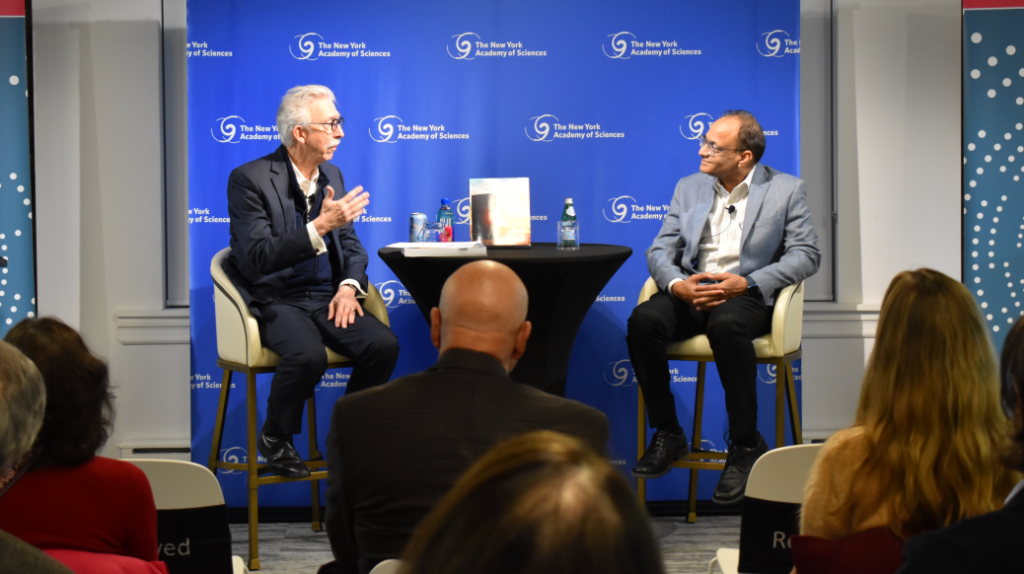
Nick Dirks (left), President and CEO of The New York Academy of Sciences, and Alok Aggarwal, PhD, CEO and Chief Data Scientist of Scry AI. Photo by Nick Fetty/The New York Academy of Sciences.
The future implications for the growth of AI and its impact on our society was the topic of a fireside chat between renowned computer scientist, Alok Aggarwal, PhD, and Nick Dirks, President and CEO of The New York Academy of Sciences (the Academy).
Dr. Aggarwal is CEO and Chief Data Scientist at Scry AI, which he founded in 2014. The company “focuses on research and advanced development (R&D) in Artificial Intelligence, Data Science, and related disciplines.” In an attempt to demystify AI for the public, he published the book, The Fourth Industrial Revolution & 100 Years of AI (1950-2050), which focuses on demystifying AI for lay audiences.
In discussing the motivation for his book, Dr. Aggarwal explained how AI is part of “the Fourth Industrial Revolution” which started in 2011 and is projected to run through 2050.
Photo by Nick Fetty/The New York Academy of Sciences.
He points out that the recently published book “doesn’t have a single piece of software code and almost no math.” Instead, he focuses on what AI is, and what it will be, the “good, bad, and ugly.” Separately, he is also working on a follow-up book for students studying business analytics and other similar programs.
AI and the Business World
Dirks then shifted the conversation to focus on the business applications of AI. Dr. Aggarwal said he sees AI being most useful in pattern-recognition tasks.
“That pattern-recognition aspect is much faster because electrons are moving at the speed of light, unlike humans, where the ions are moving slowly,” he says. “Definitely in the long run, that pattern recognition aspect alone will make AI be extremely beneficial for humans in pretty much all areas.”
Dr. Aggarwal continued by saying “it’s not a matter of ‘if’, but ‘when’ AI is more fully embraced by society. He compared it to public acceptance of the internet, and its associated hype, in the late 1990s.
“I think, in many ways, hype is very good…because it leads to monetary support and makes the passionate inventors even more passionate,” Dr. Aggarwal says, adding that “it will take time.”
The Challenge of Driverless Cars for AI
Photo by Nick Fetty/The New York Academy of Sciences.
Dirks pointed out that Google recently reduced investments into its driverless car program. He also referenced Yann LeCun, Turing Award winner and Chief AI Scientist at Meta, who mentioned that driverless car technology has much room for improvement during another Academy fireside chat sponsored by Tata in March 2024.
Dr. Aggarwal shared that driverless car technology goes back to the late 1970s in Japan. The technology was further developed in Germany, and then at American institutions including Carnegie Mellon University and the University of California, Berkeley. Despite this effort, Dr. Aggarwal admits successfully integrating AI and driving has been a challenge. However, he pointed out several areas in which AI shows great potential.
For example, he said AI can be applied to laborious, mundane activities, where humans are prone to making mistakes like sifting through invoices to reconcile financial records or submitting the proper documentation for a mortgage loan. Furthermore, AI has been just as effective in preventative healthcare, such as detecting skin cancer, which Dr. Aggarwal has said has proven to be as accurate as a radiologist.
“A lot of the problem right now is [demonstrating] these benefits rather than just inflating the hype,” says Dr. Aggarwal. “We need to actually show that it works in disparate cases.”
Curating Accurate Training Sets
Photo by Nick Fetty/The New York Academy of Sciences.
Dirks pointed out that some AI systems are informed by various sources on the internet, which have varying levels of accuracy. He asked what can be done to curate accurate training sets to develop these technologies.
Dr. Aggarwal said the issue here isn’t so much the AI, as it’s the “human mirror” effect considering many of the inputs from the training sets are merely reflecting reality, which can sometimes be outdated, inaccurate, or biased. He used the example of countries with data sets that do not treat women and men as equals, so inputs from these countries can train the AI to have misinformed biases between genders and their associated roles.
“It’s no different from how we train our children,” said Dr. Aggarwal.
He then referred to “the imitation game” developed by computer pioneer Alan Turing. In this exercise, a human judge blindly assesses whether the answer to the judge’s question was provided by another human or by a computer. The judge needs to determine whether it was the human or the computer. The idea was that eventually the computer technology would be smart enough that the judge wouldn’t be able to differentiate.
Dr. Aggarwal stressed the need for humans to be diligent and balanced in training these AI systems. Because of the strong processing power of these AI systems, they can quickly amplify biases, misinformation, and other negative inputs through which it was informed.
Closing Thoughts
Photo by Nick Fetty/The New York Academy of Sciences.
Dirks and Dr. Aggarwal also discussed additional topics including the history of neural networks, the origin of the term “artificial intelligence,” the hype around advancements in computing in the mid-20th century, the definition of artificial general intelligence (AGI), companionship, job displacement, drug development, and more. After taking questions and comments from those in attendance, Dr. Aggarwal closed his talk by soliciting feedback from those who read his book and welcomed readers to contact him with their commentary.
This article provides a preview of the talk. Video of the full talk is available on-demand for Academy members. Sign up today if you aren’t already part of our impactful network.
This series is sponsored by Tata, a global enterprise, headquartered in India, comprising 30 companies across ten verticals. Read about other Academy events supported by Tata: