Changing the Game: Fighting Alzheimer’s Disease

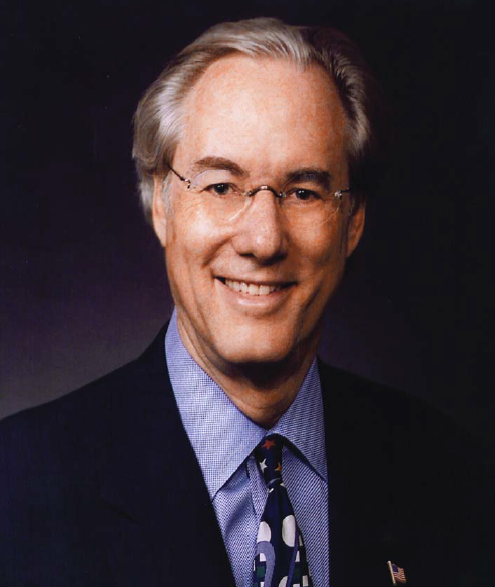
Inspired by his mother-in-law’s courageous, but heartbreaking battle, George Vradenburg has teamed up with the Academy to take on Alzheimer’s disease.

Published August 1, 2013

By Noah Rosenberg

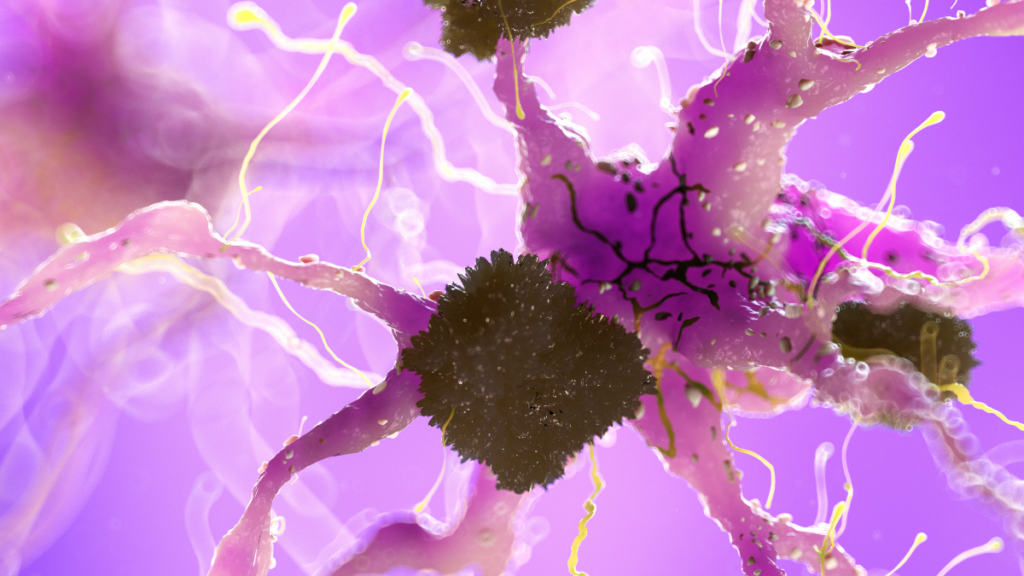
A 3D-rendered medically accurate illustration of amyloid plaques on a nerve cell (Alzheimer’s disease). Image courtesy of Sebastian Kaulitzki via stock.adobe.com.

George Vradenburg’s resume reads like a roadmap to prototypical business success. He was Phi Beta Kappa in college and attended Harvard Law School. He later co-published a magazine and brokered deals for media giants like CBS, Fox, and AOL, founding two charities in his spare time. George Vradenburg, to be sure, is a man who seized his life and career by the horns.

But then it all changed. In the early ’90s, as his mother-in-law faded with Alzheimer’s disease, Vradenburg could only sit back idly, helplessly. “I saw the progress from paranoia to hallucinations to falls to institutionalization to the late stage where she was physically immobile and totally unaware of her surroundings and her family,” Vradenburg remembers. “It is not a long goodbye, not the romanticized long farewell. It is a horrid disease.”

Of course, Vradenburg and his family weren’t alone. Today, 36 million people struggle with the disease worldwide, and that number is expected to grow to 115 million by 2050. So Vradenburg was shocked to realize that Alzheimer’s research and treatment had long been stagnant, frozen in a frustrating holding pattern.

True to form, Vradenburg decided he needed to do something about it. He enlisted his screenwriter wife to develop plays about her mother’s battle with Alzheimer’s, but it didn’t take Vradenburg long to understand that the level of zeal he brought to bear on curbing the disease was practically unparalleled.

“I thought, ‘Why in the heck is there not a national strategic plan on this?’” Vradenburg recalls, still incredulous. “I was frustrated by the absence of urgency and passion. Everyone seemed to be conducting business as usual.”

Taking Action

Vradenburg set out to change the nature of the game. He partnered with the Alzheimer’s Association and, for eight years, put on an Alzheimer’s fundraising gala. From there, he formed a political action committee, an Alzheimer’s study group, and, in 2010, co-founded USAgainstAlzheimer’s, an education and advocacy campaign for which he still serves as chairman.

And now, nearly two decades after his mother-in-law’s death, Vradenburg’s Global CEO Initiative—a newly-formed private-sector committee designed to collaborate with the public sector, non-profit community, and academia—has joined forces with The New York Academy of Sciences in a next-generation, cross-industry collaboration, called the Alzheimer’s Disease and Dementia Initiative (ADDI), that will attempt to effectively combat the disease once and for all.

The CEO Initiative’s goals, after all, are directly aligned with the Academy’s own efforts. Launched in 2011, the aim of the ADDI is the translation of basic research about disease mechanisms into the development of new methods for diagnosis, treatment, and prevention of Alzheimer’s disease and dementia. The Academy developed a Leadership Council of multi-sector stakeholders—academic researchers, industry scientists, patient advocates, and government and foundation representatives—to define priorities and develop action steps for progress in Alzheimer’s diagnosis, treatment, and prevention.

Creating an Agenda
The Holy Grail for the ADDI is the development and implementation of a comprehensive research agenda aimed at preventing and treating Alzheimer’s by 2025. It is a bold, ambitious, and lofty goal—Vradenburg is the first to admit that.

But, he says, “I can’t be giving up. You have to continue to push ahead no matter how many failures there are.”

And so Vradenburg decided to support the ADDI and, in turn, the many multi-sector experts comprising the collaborative working group that dedicates its time and expertise to define key action items around big challenges: gaining a better understanding of the pathophysiology of Alzheimer’s; developing innovative therapeutic approaches and strategies to engage patients in clinical trials; decreasing the time, cost, and risk of drug development; and increasing funding models, such as public-private co-investment, social impact investment, and new public funding mechanisms.

The CEO Initiative generously seeded its partnership with the Academy with a contribution of $325,000. Academy President and CEO Ellis Rubinstein considers the gift “a testament to the power of the partnerships being facilitated by The New York Academy of Sciences.”

“George is a visionary who realizes that the complexity of the grand challenges confronting humanity can only be addressed efficiently through alliance-building,” Rubinstein says. “For this reason, we at the Academy regard George as a role model for budding philanthropists: he uses his resources not for self-aggrandizement but to catalyze collective action.”

The Path to 2025

The joint research agenda, to be developed by the Academy and the CEO Initiative by late summer 2013, is simply the beginning. The working group’s results will feed into the Academy’s upcoming conference, “Alzheimer’s Disease Summit: The Path to 2025,” to be held on November 6 and 7 at its Lower Manhattan headquarters.

The gathering will build on the work of the National Institutes of Health’s biennial Alzheimer’s Disease Research Summit and, according to the Academy, “advance a research agenda that is informed by the needs, experience, perspectives, and lessons learned from industry, academic, and government research efforts.”

Following the November summit, the working group will produce a meta-analysis, including long-term plans for patient engagement in clinical trials, preventative measures, and future coordination efforts.

Not one to chase progress timidly, Vradenburg cautions that the Academy and the CEO Initiative must use the fall Alzheimer’s Summit “not as a conversation but actually an action-driver. We need to use it as a deadline for taking certain steps.” To that end, he explains that the working group is expecting to reveal breakthroughs in the area of biomarkers, data-sharing, clinical trial recruitment, and innovative financing mechanisms during the summit.

Synergies Across Organizations

Vradenburg sees his partnership with the Academy as the logical path forward between two organizations whose objectives, and even personnel, have overlapped in the past.

“What intrigued me about the Academy was their reach—into academia and geographically,” he says, commending the Academy’s visionary leadership. “They have a reputation for taking on challenging issues. They have the same spirit of innovation and drive that I think I have, so there’s been sort of a mind meld at the leadership level.”

The feeling is mutual. “George brings an incredible energy to all of his endeavors,” says Academy Executive Vice President and COO Michael Goldrich, “which, combined with his formidable business acumen, makes him a person who gets results.”

A Critical Time

On top of that, the ADDI is embarking at perhaps the optimal time in the war against Alzheimer’s. This year, for instance, President Obama mentioned the importance of Alzheimer’s research in his State of the Union address—a sign of what Vradenburg calls a “significant uptick” in government attention to the disease. As a result, there has been “enormous progress” in research, he says, notably in the area of enhanced imaging techniques that allow for the detection of the disease up to 20 years before symptoms appear.

Progress, however, has been largely one-sided. “On the treatment side,” Vradenburg laments, “there have been zero advances.” This leads to a cruel reality in which patients might learn of their fate decades before it sets in, and with no way to prevent the disease’s onset.

“It’s frustrating for the patient population out there,” Vradenburg stresses. “They get treated with the wrong drugs; they’re wrongly diagnosed and mistreated at earlier stages.”

“And there’s also the second-hand victims, the caregivers,” he adds. “People are going bankrupt or having to quit work or delay college to care for their loved ones. There’s an emotional, physical, health, and financial impact of this disease on families around the world today.”

Exceeds $600 Billion Worldwide

In fact, the annual burden of caring for the current number of Alzheimer’s patients and those with related dementia exceeds $600 billion worldwide and will only continue to grow in the absence of meaningful innovation.

Vradenburg is aware, though, that success doesn’t come easy. He explains that the ADDI is pushing to introduce first-generation disease-modifying treatment into the marketplace by 2020 and to foster a means of prevention and effective treatment in the marketplace by 2025, as well as to develop the critical intervention methods to get treatment into the hands of at-risk populations.

“All of my efforts,” he emphasizes, “have basically challenged people to identify the critical hurdles that would change the trajectory and speed, the velocity and volume of what we’re doing. I’ve always got to be optimistic,” Vradenburg says.

Also read: Resolving Neuro-Inflammation to Treat Alzheimer’s Disease and Pain


About the Author

Noah Rosenberg is a freelance journalist in New York City.

Supporting the NeXXt Generation of STEM

Professional role models help undergraduate women turn STEM aspirations into realities.

Published August 1, 2013

By Diana Friedman

Image courtesy of A-DIGIT via istockphoto.com.

“I grew up in a rural area [of the U.S.] with the ‘Fisher Price people’ jobs around me—most people built things or worked on a farm and if you went to college you could be a teacher, nurse, dentist, or doctor,” says Kristy Lamb, PhD, a Fellow in the NeXXt Scholars Program, through which she provides mentoring.

The program is a joint effort between The New York Academy of Sciences, the U.S. Department of State, and a consortium of U.S. women’s colleges that pairs professional women working in science, technology, engineering, and math (STEM) fields with undergraduate women from the United States and countries with predominantly Muslim populations who are majoring in STEM subjects.

“It wasn’t until I took AP biology in the 11th grade that someone told me that science was complicated and detailed and [that] we didn’t have it all figured out yet,” says Lamb, a postdoctoral associate in radiation oncology at Weill Cornell Medical College in New York. That uncertainty appealed to Lamb who enrolled in a science summer program targeting students from rural areas. “In three weeks—from just that taste of microbiology—I was hooked on research.”

Now, thanks in part to the summer program that got her started on the path to a research career, Lamb is reaching out to the next generation of researchers through mentoring.

The NeXXt Scholars Program: How It Works

The New York Academy of Sciences, in partnership with the U.S. Department of State and a consortium of women’s colleges, developed the NeXXt Scholars Program to support young women from countries with predominantly Muslim populations (International NeXXt Scholars) and college-appointed young American women (American NeXXt Scholars) as they pursue undergraduate degrees in STEM fields at U.S. women’s colleges.

The Program was inspired by a young woman from Egypt named Weam, who was accepted into a Master’s degree program in biological sciences at a U.S. women’s college. Weam’s father was initially resistant to the idea of allowing his daughter to live alone in a foreign country.  But, two factors gave him the courage to break strong cultural norms and allow Weam to pursue the degree: his high regard for science and the higher education system in the U.S. and the environment offered by a women’s college.

These two aspects—science education and a women’s college—provided the tipping point for Weam to seize an opportunity that changed her future. Weam’s mother proudly attended her graduation and, since then, her family has even allowed Weam to return to the U.S. for the pursuit of a doctorate degree at a co-educational institution.

Inspired by Weam’s experience, former U.S. State Department staffer Sandra Laney conceptualized the NeXXt Scholars Program to provide opportunities and support for women, 50% of the world’s potential workforce, who she feels are critical to future innovations in STEM fields. The Program was officially launched by Secretary of State Hillary Rodham Clinton in December 2011 and in fall 2012 the inaugural cohort of NeXXt Scholars began the Program.

Matched with STEM Professionals

All NeXXt Scholars are matched with women working in STEM professions (Fellows) who mentor the Scholars as they navigate their undergraduate careers, providing support regarding career paths and professional development. The Scholars have one-on-one relationships with their mentors, but are also linked to a wider network of STEM professionals through online resources and 5-year Academy memberships.

The first cohort of International NeXXt Scholars hail from Morocco, Nigeria, Pakistan, Palestinian Territories, Saudi Arabia, Tunisia, and Turkey. They were nominated through the State Department’s EducationUSA centers, which help promote cross-cultural understanding via academic exchange and study programs for international students. American NeXXt Scholars, accomplished young women who are selected by their colleges to partner with the International NeXXt Scholars, hail from across the United States.

NeXXt Scholars are currently attending Barnard College, Bryn Mawr College, Columbia College (SC), Douglass Residential College at Rutgers University, Mount Holyoke College, Smith College, Wellesley College, and Wilson College. Due to the success of the Program in its first year, a new class of Scholars and Fellows will be joining the program in the fall of 2013.

A Matter of Perspective

Fellows in the NeXXt Scholars Program interact with their assigned mentees on a regular basis. “We talk on the phone once a week and text at least every other day,” says student Sami Cahill, who is effusive about her mentor’s important role during her first year at Columbia College in South Carolina. “She gives me encouragement, but she also gives me the real-life perspective,” she says. “She’s really personally invested in me.”

Rabeb Layouni, a student at Mount Holyoke College in Massachusetts, also cites a strong personal connection with her mentor. “We talk every week for almost 2 hours, but it’s not just me asking for help—she tells me what’s going on her life too. She puts things in perspective in a way that my friends can’t.” Layouni, who is from Tunisia, got into medical school—a very typical career path for smart Tunisian students—in her home country, but she felt that being a medical doctor wasn’t necessarily her calling. “My mentor really makes me feel there are more possibilities out there,” says Layouni, who hopes to identify a career path that incorporates her love of problem-solving.

Mentors use a variety of techniques to show their STEM students what’s possible. “Together we explore STEM career paths and gather information so she can make choices,” says Dana Miloaga, PhD, R/D project engineer at PPG Industries, Inc. in Pennsylvania, of her mentee. Miloaga knows first-hand what a lack of choice feels like, having grown up in Romania where she didn’t have access to the foreign language texts that she hoped to study. “I help my mentee identify persons to interview so that she can learn directly about their work and experience,” she adds.

Connections Across Cultures

Fellow Majd Matta, a PhD candidate in astronomy at Boston University, grew up in the middle of civil war in Beirut and relished thinking about science as a child—a welcome mental escape from the hard realities of many days spent in bomb shelters. She has learned through the mentoring process “that some social and cultural challenges are timeless.”

Matta’s mentee, Layouni, has had to face the same issues upon coming to the U.S. as Matta did many years ago. Despite their different backgrounds, challenges such as coping with being far away from home and switching to a different verbal mode are common ground. “I must have lucked out to get such an admirable mentee,” says Matta, who has been impressed by the grace with which Layouni has handled such obstacles.

Fellow Connie Jeffery signed up for the NeXXt Scholars Program thinking that she might be able to help bridge some of the cultural gaps an international NeXXt Scholar might face, having worked closely with many women from countries with predominantly Muslim populations throughout the course of her academic life as an associate professor of biological sciences at the University of Illinois at Chicago.

But she has found the experience to be an excellent learning opportunity for her, too: “I’ve seen a lot in the news about [my mentee’s] country [the Palestinian Territories], but it has been interesting to learn more about what it is like to live there,” says Jeffery, who notes that she finds talks with her mentee an enjoyable way to fulfill her innate sense of volunteerism while creating lasting connections.

Unexpected Payback

Lamb, like her fellow NeXXt Scholar mentors, has found that paying it forward has payoffs of its own: “There’s something to sitting down and offering mentorship to someone younger…that helps you consolidate your knowledge about your career and reflect on the journey you have taken,” she says.

“Postdocs are often perceived to be in an odd limbo—part professional, part trainee—but I think participating in this program has helped me to better realize my professional self and to step away from thinking of myself as a trainee,” says Lamb. Working with young people also injects a sense of excitement and enthusiasm into her professional work, Lamb says. “It’s infectious.”

Jeffery and Matta both noted that they find the expanded NeXXt Scholar network—from the other mentors and mentees to the program organizers at the Academy—to be invigorating. “I have gained both a friend and great peer network,” says Matta.

A New Challenge A Mentor’s Worth

In April of this year, the NeXXt Scholars and their Fellows were invited to a special event at the United States Mission to the United Nations (USUN) in New York. At the event, the Scholars were able to practice their networking skills—honed through group activities at Barnard College and The Rockefeller University earlier in the day—with UN ambassadors and representatives from UN Women, the UN Secretariat, UNESCO, and other stakeholders interested in women and science.

Meghan Groome, PhD, executive director of Education and Public Programs at the Academy, gave a short talk, noting the overwhelming success of the inaugural cohort of the NeXXt Scholars Program, which is made possible by the generosity of the mentors who volunteer their time as well as the outstanding undergraduate Scholars.

She also issued a challenge to the students, tasking them with finding ways to mentor others, whether elementary or high school students, their peers, or next year’s incoming college first-years. Groome cited the importance of the Scholars in developing a continuous feedback loop in which mentees become mentors. “No matter what your age or experience, there’s always someone you can mentor.”

A Region on the Verge of Discovery

The NY tri-state area pulses with scientific progress and energy, changing the world far beyond its borders.

Published June 1, 2013

By Steven Barboza

The nursery rhyme about London Bridge falling down gives a fair assessment of the fate of bridges. Patch them up with wood and clay, and the wood and clay will wash away. Iron and steel would fare better, but eventually these bridges will bend and bow. But what about plastic?

Structural plastic—the stuff of recycled milk cartons, detergent bottles, and car bumpers—is actually a bridge-builder’s dream. It can be molded into T-beams then bolted into I-beams that are eight times stronger than steel at one-eighth the density. It can be drilled, screwed, sawed, pinned, and even sprayed with a fire-retardant coating.

Theoretically, a plastic George Washington Bridge is possible. “There’s no technical limit to how big a beam we can make out of plastic. All you need is bigger beams to make bigger bridges,” says Tom Nosker, professor of materials science and engineering, who developed structural plastic at Rutgers University’s Advanced Polymer Center in NJ.

A bridge made of recycled plastic lumber is built in Scotland.

The Material Advantages of Plastic

The engineering lesson is elementary. Even sturdy wooden or cement and steel bridges erode given enough time, traffic, and exposure to wind and weather. Plastic beams will not buckle; they’re impervious to rot; and they’re eco-friendly, providing a novel use for mountains of discarded milk containers.

But there’s a broader lesson here: the entire New York tri-state region is a kind of science and technology Grand Central, where researchers bustle to push back the boundaries of possibility. Structural plastic is only one of the region’s thousands of innovations bound to affect our lives in extraordinary ways in the not-so-distant future.

An incredible array of area research universities are bristling with a spirit of invention that extends New York’s science ecosystem into a much larger footprint—creating an entire region of unparalleled scientific excitement.

A New Frontier in Manufacturing

Connecticut is brewing a latter-day industrial revolution of its own, as it paves the way for digital manufacturing. The University of Connecticut (UConn) has built a sort of factory of the future—one of the most advanced additive manufacturing centers in the nation. Additive manufacturing is a breakthrough method of making things—from flight-proven rocket engines to individually tailored hearing aids. Instead of using lathes, drills, molding machines, and stamping presses, it uses software and digital 3D printers that build items layer by layer. There’s no waste, molds, or assembly of intricate parts

The new Pratt & Whitney Additive Manufacturing Innovation Center, a partnership of UConn and Pratt & Whitney, is the Northeast’s first such facility to work with metals. Techniques developed here might one day empower small and medium-sized firms and entrepreneurs to launch novel, incredibly complex products quickly, profitably, and more flexibly than ever, with minimal manual labor.

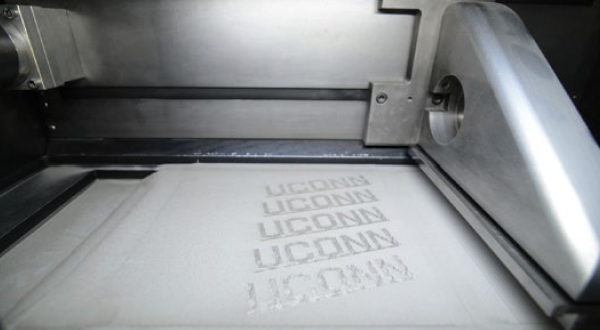
A 3D printer in UConn’s Pratt & Whitney Additive Manufacturing Innovation Center.

Imagine a new generation of intricate, lightweight, and durable custom products—printed in cost-efficient home factories.

At UConn’s center, which houses 3D manufacturing equipment and rapid prototyping technologies, two high-powered electron beam melting machines and lasers repeatedly melt layer upon layer of powdered material, such as titanium, into a single solid piece. The items are built to the exact specifications dictated by a 3D computer assisted design (CAD) model. Engineers are using the center to develop advanced fabrication techniques for production parts in aerospace, biomedical science, and other industries.

“The new center will allow us to push into new frontiers of manufacturing and materials science while training a new generation of engineers in some of the world’s most sophisticated manufacturing technology,” says UConn President Susan Herbst.

Bringing Cybernetics to Life

Scientists at Princeton University are also using 3D printing tools, not to crank out jet engines, but to print a fully functional organ—a bionic ear so sensitive it can tune into frequencies far beyond the limits of human hearing.

The bionic ear is a bold mixture of electronics and tissue. Researchers, led by Michael McAlpine, an assistant professor of mechanical and aerospace engineering, used an ordinary 3D printer purchased off the Internet to combine a matrix of hydrogel and bovine cells with silver nanoparticles. Using CAD software, the printer deposits layer upon layer of gel, silver, and cells, building the ear out of an array of thin slices. The nanoparticles form a working antenna, while the cells multiply and mature into cartilage.

The finished product is soft and squishy and looks remarkably like the real thing, except there’s a coil antenna in the center. Two wires wind around its electrical “cochlea,” where sound is sensed. The wires can be connected to electrodes.

The ear is a step toward a device that someday could be used to restore a person’s hearing, or improve it by connecting electrical signals to a human’s nerve endings, as is customary with cochlear implants. But additional research and testing is being done. “The design and implementation of bionic organs and devices that enhance human capabilities, known as cybernetics, has been an area of increasing scientific interest,” the researchers wrote in an article. “This field has the potential to generate customized replacement parts for the human body, or even create organs containing capabilities beyond what human biology ordinarily provides.”

Revolutionizing Computing Architecture

As Princeton scientists chart a new course in the brave new world of cybernetics, Yale University scientists are inventing a new cyber age. Three Yale physicists are laying the foundation for the warp-speed computers of the future—machines that will harness the power of atoms and molecules to store, process, and transfer colossal amounts of data at almost unimaginable speeds, and do it in spaces so miniscule they cannot be seen by the naked eye.

Two applied physics professors—Robert Schoelkopf and Michel Devoret—are building a quantum computer, one “artificial atom” at a time. The scientists are putting “microwave quantum optics” on a chip by squeezing microwave photons, or tiny packets of light energy, into ultra small cavities on a chip. They’re also squeezing in electrical circuit elements, which act as artificial atoms that can be used as quantum bits, units that process and store quantum information.

These small “atoms” interact with the packets of light energy from the microwaves at extremely high speeds. The small cavity acts as a quantum bus of sorts, transmitting quantum information to and from the atoms. The result: a radical new architecture that may usher in the end of computing as we know it. Scientists hope to one day use this approach to create a huge integrated circuit of quantum bits, resulting in a quantum computer.

Old Fuel, New Production Method

Lehigh University researchers are looking to forge a new path in fuel production—creating a solution to the world’s unsustainable levels of energy consumption. They’re turning to the simple but powerful process most kids learn about in grade school, photosynthesis, to harness sunlight and synthesize liquid fuel from dissolved carbon dioxide.

While the process is new and extremely efficient, the fuel has been around for decades: it’s methanol, which is a safe fuel that burns cleaner than gas and can reduce hydrocarbon emissions by as much as 80%. In fact, methanol actually consumes CO2.

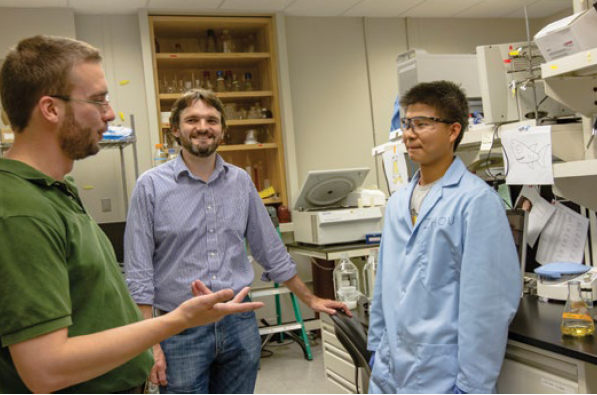
Bryan Berger, assistant professor, chemical engineering; Steven McIntosh, associate professor, chemical engineering; and graduate student / research assistant Zhou Yang collaborate in the lab. Photo by Christa Neu/Lehigh University Communications + Public Affairs

Methanol is mainly produced using natural gas or coal. Nobody knew it was possible to photosynthesize it into existence—until now. In the 1990s, methanol was marketed as an alternative fuel for vehicles. It was never fully adopted because there was no economic incentive for continuing methanol production as petroleum fuel prices fell in the ‘90s.

Why turn to methanol again? Because it has a higher-octane level than gasoline, there are no technical hurdles for vehicle design and fuel distribution, and a methanol-based fuel economy would dramatically reduce energy dependence on dwindling fossil fuel sources.

Converting Sunlight into Methanol

By using a cross-disciplinary effort in catalysis, materials chemistry, and cellular engineering, Lehigh scientists have found a way to directly convert sunlight into methanol, bypassing the need to grow and process a plant.

The team replaced slow, natural photosynthesis with rapid, efficient, and selective artificial photosynthesis, using semiconductor quantum dots (QDs) as photocatalysts. QDs are nanocrystals that once promised to revolutionize display technologies, solar power, and biological imaging. A key barrier has been price; they cost up to $10,000 per gram, thus their use has been limited to special applications.

The Lehigh team discovered a novel way to produce QDs: by using an engineered bacterial strain to initiate and control their growth—essentially a batch fermentation process. “We are thus able to achieve a cost of less than $38 per gram for quantum dots,” says Bryan Berger, professor of chemical engineering and co-principal investigator.

The Lehigh team has projected production costs for their methanol to be 65% cheaper than current costs for producing biodiesel fuel. If they can develop a production method that can be scaled-up and is commercially feasible, photocatalytic methanol production could have a significant long-term impact on society and the economy.

“A low-cost, green fuel produced in large quantities from carbon dioxide, sunlight, and water could potentially meet our transportation needs. It would reduce oil imports without depleting our natural resources,” says Berger.

New Diagnostic Tools Target Tumors

The University of Pennsylvania (UPenn) technically sits outside the New York tri-state area and yet its extraordinary commitment to R&D (as exemplified by an annual budget of more than $800 million) and a legacy of discovery traced to Benjamin Franklin, the Founding Father with a knack for creating something out of nothing, makes it an important contributor to the region’s science ecosystem.

While UPenn created the first general-purpose electronic computer in the early 1940s, a 27-ton, 680-square-foot model that calculated ballistic trajectories during World War II, current UPenn scientists are leading explorers in the world of the infinitesimal. By developing nanotechnology as an effective diagnostic tool, researchers are hoping to revolutionize the prevention and treatment of disease.

While magnetic resonance imaging (MRI) can produce topographical maps of tissue, scan clarity isn’t always sufficient for diagnosis. To mitigate patients’ health risks and to improve imaging, UPenn researchers are coating an iron-based contrast agent so it interacts with the acidic microenvironments of tumors, making tumors stand out clearly from healthy tissue. The approach is both safer and less costly than other methods.

The coating of glycol chitosan—a sugar-based polymer that reacts to acids—allows nanoparticles to remain neutral when near healthy tissue but to become ionized in low pH. In the vicinity of acidic tumors, a change in charge causes the nanoparticles to be attracted to and retained by the tumors.

Delivering Drugs to Tumor Sites

“Having a tool like ours would allow clinicians to better differentiate the benign and malignant tumors, especially since there has been shown to be a correlation between malignancy and pH,” says Andrew Tsourkas, associate professor of bioengineering. The coated nanoparticles are not limited to imaging, he added. “They can also be used to deliver drugs to tumor sites.”

Developing Infection-Resistant Medical Implants Scientists at Stevens Institute of Technology are developing next generation, bacteria-resistant biomaterials that could become an implant staple for millions of patients. And as the population ages, the market for orthopedic implants will experience exponential growth; by 2017, the global market will reach $46 billion. But 1% of hip implants, 4% of knee implants, and 15% of implants associated with orthopedic trauma fail—due to infection.

“Usually the only way to resolve a biomaterials-associated infection is to remove the device, treat the infected tissue, and later implant a second device,” says Matthew Libera, professor of materials science at Stevens. “Not only does this bring really significant cost to the healthcare system; it forces the patient to undergo a lengthy and challenging surgical and rehabilitation process. We would like to eliminate that risk.”

Stevens faculty from numerous disciplines, including materials science, chemical biology, and biomedical engineering, developed technology that actually repels bacteria and promotes the growth of healthy bone cells on uncemented implants. The surface of the implants is treated with hydrogel because most bacteria, particularly the staphylococci common to implant infection, do not adhere to most hydrogels. As a result, patients won’t have to take antibiotics orally; the medicine will go to work at the surface of the implant.

A Local Home for the World’s Biosamples

Many of the biospecimens used in research projects across the region, and around the world, are provided by Rutgers University, a national leader in genetics. RUCDR Infinite Biologics, founded in 1998 as the Rutgers University Cell and DNA Repository, is the world’s largest university-based biorepository. It provides DNA, RNA, and cell lines with clinical data to research laboratories worldwide, which use them to study a host of diseases and disorders.

RUCDR contains more than 12 million biosamples, logs 100 million database entries per year, operates one of the nation’s largest stem cell programs, and facilitates a slew of research initiatives.

“This sort of advanced-technology, automated facility was sorely needed on the national level, and we anticipate a continual increase in use by Rutgers faculty,” says RUCDR CEO Jay A. Tischfield, director of the Human Genetics Institute of New Jersey and professor of genetics.

Last year, the repository received a $10 million grant from the National Institute on Alcohol and Alcoholism Abuse to provide DNA extraction, basic genetic testing, and repository services for more than 46,000 saliva samples for a national research effort to determine the genetic and environmental factors leading to alcoholism. Formerly, large-scale studies on the causes of alcoholism used sociological, behavioral, and limited biological data.

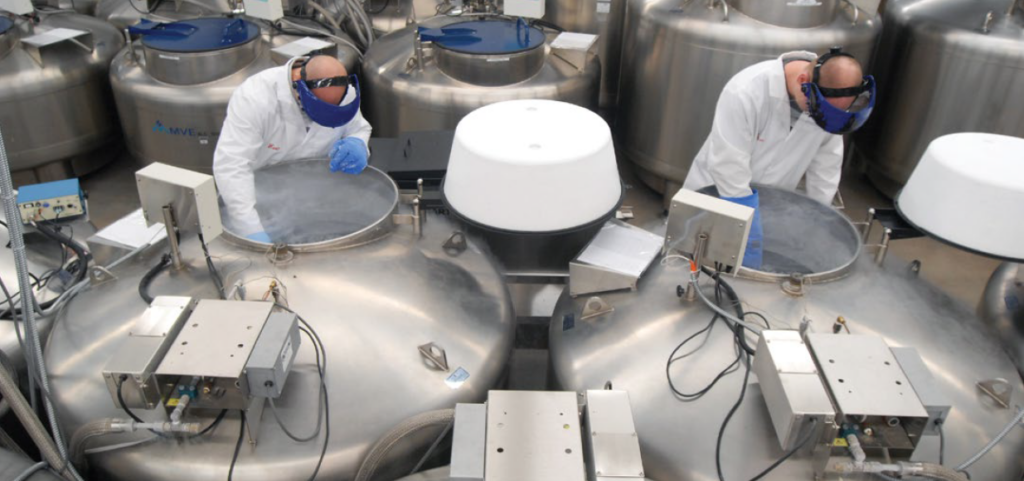
Members of the Rutgers RUCDR Infinite Biologics group maintain biosamples.

Robust Epidemiological and Biological Information

“For the first time, researchers will have robust epidemiological and biological information from large numbers of individuals so that they may correlate genetics to alcohol abuse behavior,” Tischfield says. “The results are used to formulate national policy and improve healthcare services.”

In 2013, RUCDR received $44.5 million from the Cooperative Agreement award from the National Institute of Mental Health (NIMH), which will allow RUCDR to support the NIMH Center for Collaborative Genomics Research on Mental Disorders by collecting, processing, and analyzing blood and tissue samples from NIMH-funded scientists nationwide.

“With the new funding, RUCDR Infinite Biologics will implement new meta-analytic approaches for combined analysis of clinical and genetic data in the NIMH Human Genetics Initiative,” says Tischfield.

Transforming Lives through Research

Research projects such as those detailed above represent just a fraction of the novel endeavors under way in labs across the tri-state region—probing mysteries that puzzle us, creating technologies that amaze us, and making discoveries that alter how we live and think. And in the process, Tri-State scientists are bringing robust new revenue streams to the local economy—creating both short- and long-term benefits.

While we may never see a plastic twin of the George Washington Bridge, plastic bridges are on the horizon, literally. Rutgers has partnered with the U.S. Army Corps of Engineers to build plastic lumber bridges that can tolerate punishing loads: 70-ton tanks and 120-ton locomotives.

Chances are, structural plastic has already touched your life. If you’ve ever traveled by train, you have probably glided along rails held in place by plastic railroad ties. With 212,000 miles of track in the U.S., ties are big business; 20 million are replaced each year for maintenance, and composite ties are rapidly gaining notice for their corrosion-resistance.

Leave it to scientists in the tri-state region to come up with an ingenious idea for what to do with the world’s rubbish: create everlasting building blocks.

Also read: Two New York Startup Companies Envision a Waste-Free Future


About the Author

Steven Barboza is a writer in New Jersey.

There’s A Star Man Waiting in the Sky

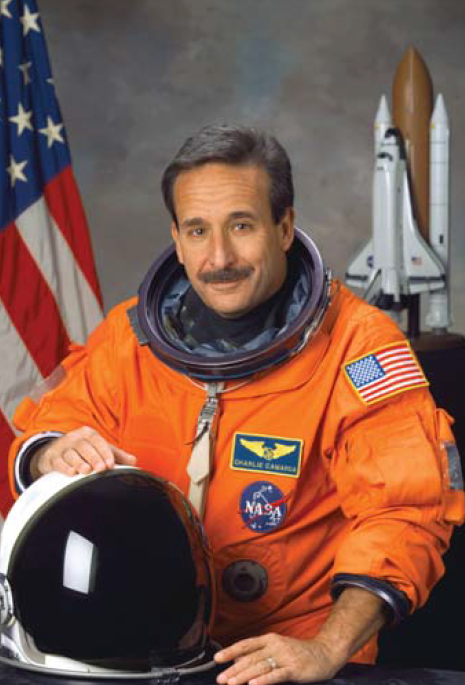
A man in astronaut gear poses for the camera. His helmet is in the foreground, with an American flag and mini replica space shuttle in the background.

NASA astronaut Charlie Camarda talks about his experiences in space, managing life or death situations, and the future of the U.S. space program.

Published June 1, 2013

By Tamara Johnson

Charlie Camarda

Astronaut Charlie Camarda was a mission specialist on NASA’s 2005 STS-114 Discovery flight, the Return to Flight Mission. He is now senior advisor for innovation to the Office of Chief Engineer, Johnson Space Center. Camarda recently visited The New York Academy of Sciences (the Academy) to address more than one hundred K-12 students.

*some quotes have been edited for length and clarity*

What’s it like to go to space?

It’s such an exciting ride! To tell you the truth, when we took off, it was so hyped up that I had actually expected there to be a lot more vibration and sound than there was. Whether it was the weather or I just had a really good flight, it was actually very smooth. You’re prepared for it.

We were the Return to Flight Mission after the Columbia accident, so we had lots of work to do. And we had lots of supplies to bring and lots of new technology to put in place and evaluate to make sure the rest of the crews would be safe. We were very busy, and that’s how typical flights are. Most of your time is tightly budgeted and controlled by the ground.

What did it mean to be the first crew to fly following the Columbia tragedy?

It was harder on our families. I grew up as a research engineer at NASA Langley Research Center, and my particular area of expertise was very close to what caused the accident. I worked on high temperature structures, heat transfer, and leading edges, so I was very aware of the dangers of things striking the thermal protection system and how fragile the thermal protection system was.

As far as being worried as to whether or not we were ready to fly, though, I was very confident we were. I felt very safe. The emotional significance of flying after three of my classmates and seven very close friends had passed away—that was a little tough. It takes a while to come to grips with that.

What were the aims of your mission?

We had several priorities. We were testing the new technology we’d developed to make sure that each successive mission (and our mission!) would be safe: how to inspect the vehicle and send the data down to Earth; how to make sure what we thought we were seeing was correct; and collaborating and coordinating to make sure the data aligned with our predictions. We developed a lot of inspection technology and also repair technology. But, we wanted to be sure, if we did get hit, astronauts could go outside and repair the vehicle. We did the first repair on orbit I believe.

How do you deal with anomalies in space?

One of the new procedures we did was what’s called an R-bar pitch maneuver. When we’re on the radius vector directly underneath the space station, about 600 feet below the station, the entire shuttle does a back flip. ISS Expedition 11 commander Sergei Krikalev and flight engineer John Phillips photographed the shuttle’s belly from Space Station to see if there was any damage. You have shuttle tiles, about 30,000 of them, with a black coating. If you get hit, it’s real easy to see because beneath the black tiles there are white silica materials.

As we were doing the back flip, they saw a small piece of what’s called the gap filler. It’s Nomex material, about the size of a very thin felt pad, about six pieces of paper. Two pieces of Nomex came out and were sticking out about an inch. So we had to inspect it and understand what it would mean. When we sent the image of the material down to the ground, the experts in aerothermodynamics said we had to go out and pull [the loose pieces] out of there. If we didn’t, they would trip the boundary layer, the layer of air that hugs the surface, and shed these vortices in a wedge type angle. Those vortices would hit the wing leading edge and burn us up. Can you imagine? You just had these very small pieces of material sticking out.

How do you train to manage life or death situations?

We fly in the back of a T38 and we learn what’s called crew resource management. It’s what pilots, navigators, and crew do on aircraft, so when they see emergencies, they know exactly what their jobs are. There’s an economy of words, a scripted procedure that each person has to follow. You know exactly what you have to do. We train like that as a team, doing navigation, flying the vehicle, talking to the ground, trying to make sense of what’s going on around you in all kinds of conditions. It gets you ready.

What do you think of the future of space science?

Well, I think we’ve started to lose our edge, to be honest, but all the commercial and private endeavors are great. The competition sparks innovation, and that’s what we need. NASA should be supporting these projects and working on basic research. Should we go to Mars? Definitely! Start working on asteroids? Yes!

The more people we have up there and the more ideas and challenges we think about, the more inspired people will be to come up with even more ideas and solutions, students and NASA scientists alike. It used to be that only test pilots could go up, but now it’s getting more popular. It’s still really expensive, but I hope soon it will be a more accessible experience. With a more diverse group of minds inspired to think and dream about space, we’ll start to see really great stuff happen.

Also read: Inspiring Scientists – Ready, Set, Robots!

How Do You Predict the Success of a Spinoff

Universities are fast becoming ground-zero for the commercialization of new technologies based on internal IP.

Published March 1, 2013

By Christopher S. Hayter, PhD

Universities have long been touted for their role in regional and state economic development, not only for their well-established role in education and research but, increasingly, the commercialization of new technologies. New spinoff companies, based on intellectual property stemming from university R&D, off er a promising vehicle for technology commercialization and have the potential to generate jobs, and even enhance the quality of traditional faculty responsibilities. Furthermore, university, state, and federal policymakers are increasingly seeking ways to encourage the establishment of university spinoff companies and support their growth.

A recent study examines factors of success among university spinoffs, offering practical insights for entrepreneurs, policymakers, and scholars alike. Spinoff success is defined as technology commercialization, measured by whether or not these early-stage companies have sales. The study, entitled “Harnessing University Entrepreneurship for Economic Growth: Factors of Success Among University Spinoffs,” appears in the February issue of Economic Development Quarterly, a peer-reviewed journal that focuses on economic development and revitalization, primarily in the United States. The study is based on a unique, nation-wide sample of faculty entrepreneurs at public universities who have established spinoff companies in a variety of technology areas and are at different stages of development.

Factors Affecting Sales

The study finds that a number of entrepreneur-, firm-, and university-specific factors significantly predict spinoff success. For the individual faculty member, consulting with industry provides insights and experiences that positively impact their ability to understand markets and technology development. At the firm-level, spinoffs that have research joint ventures with other companies, external sources of intellectual property, professional (non-faculty) management, and venture capital funding are more likely to commercialize their technology compared to those that do not.

Joint ventures and IP sourcing from other companies and universities provide valuable technical solutions while professional management addresses an important challenge recognized from other studies: academic researchers do not usually have the skills needed to effectively run and grow a company. And according to faculty entrepreneurs in the sample, venture capitalists are not only important sources of funding, they also provide mentoring and networking services and technical expertise important to spinoff performance.

Other factors in the study were shown to negatively impact spinoff success. Specifically, spinoffs attempting to commercialize technologies in the life science industry have an especially tough challenge: results show that these companies are approximately 40 percent less likely to commercialize their technology. Finally, spinoffs that rely primarily on a university for entrepreneurship services are less likely to commercialize their technology.

In short, these findings show that all spinoffs are not created equally. Spinoffs in the life sciences face especially acute challenges with staggering capital requirements, complex scientific issues involving the human body, and regulatory hurdles with the Food and Drug Administration. Beyond industry-specific considerations, spinoffs with access and strong external linkages to new technologies, ideas, funding, and management are more likely to commercialize their technology.

Need to Strengthen External Networks

Combined with the (negative) findings related to university entrepreneurship services, the study shows that networks are critical for spinoff success. In other words, if the findings are generalizable to broader populations of spinoffs, then policies and programs designed to spur academic entrepreneurship should establish and strengthen dense networks of funders, professional managers, support services, potential customers, and a variety of innovation sources to improve commercialization.

Entrepreneurial support networks have long existed in specific technology focus areas—like social networks to support the medical device industry in the Minneapolis, MN, metropolitan area. In other areas, these networks need to be built or strengthened, an acute challenge for most rural regions in the U.S. and beyond. This study shows that while university spinoffs may not automatically lead to new jobs and prosperity, policymakers will at least be better equipped to fashion policies and programs to improve the likelihood of commercialization and, therefore, economic development.

Also read: What Happens When Innovative Scientists Embrace Entrepreneurship?

Support is Key to Inspire Tomorrow’s Visionaries

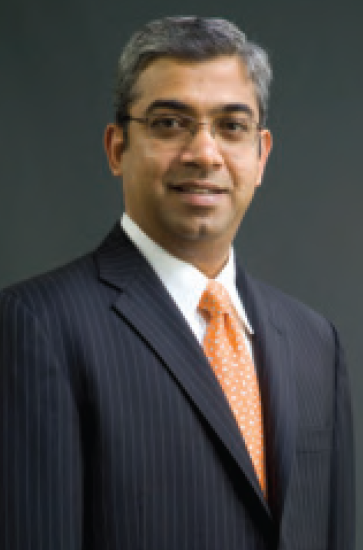
A man in a suit and tie poses for the camera.

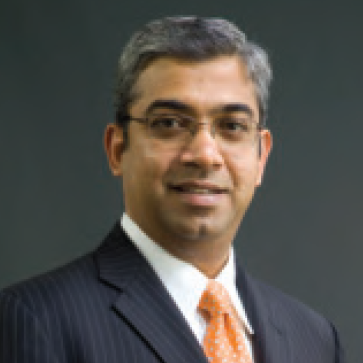
Ashok Vemuri and the Infosys USA Foundation place a premium on promoting STEM. Thus far these efforts have been immensely successful and have surpassed their goals. But how do we maintain this level of success?

Published December 1, 2012

By Noah Rosenberg

Ashok Vemuri

Ashok Vemuri’s professional achievements are no small feat. But he insists that neither were his mentors’ roles in helping him arrive at where he is today: the Head of Americas and Global Head of Financial Services & Insurance at Infosys, where he also serves as a member of the board.

“In my career, I have benefited from being mentored by some key individuals,” says Vemuri, who in 2008 was selected by Business Today as one of India’s 25 Hottest Young Executives, and the following year was elected to the Forum of Young Global Leaders by the World Economic Forum. “And I also make it a priority to offer advice and support to our employees under the aegis of the Infosys Leadership Institute.”

It turns out that Vemuri’s support and advice, and that of Infosys, extends well beyond the company’s hallowed halls. In 2010, a passionate conversation between Infosys Co-Founder and Executive Co-Chairman S. (Kris) Gopalakrishnan and leadership at The New York Academy of Sciences (the Academy) about the value of mentors, led to the Infosys USA Foundation’s first U.S. grant, which went to the Academy to help seed its Afterschool STEM (science, technology, engineering, and math) Mentoring Program.

Infosys’ involvement, Vemuri explains, enabled the company and its foundation to support “exploration and hands-on learning opportunities” for underprivileged students under the guidance of highly-skilled mentors—graduate students and post-docs who have successfully applied and trained to become Academy Education Fellows. Infosys employees find ways to get directly involved too; those who hold engineering degrees or Masters in science and math volunteer their time to engage students with cutting-edge subjects like robotics or space science, as well as the perennially vital fields of biology or earth science.

An Enormous Success

The first year of the Afterschool Mentoring Program was an enormous success, placing more than 120 mentors in 84 after-school and summer programs across all five boroughs of New York City. More than 2,100 elementary and middle school children benefited as a result and, Vemuri notes, the program continues to satisfy the Infosys USA Foundation’s mission of “fulfilling the social responsibility of the company by creating opportunities and working toward a more equitable society.”

Clearly, the Afterschool Mentoring Program, which initially partnered with the New York City Department of Youth and Community Development, is a win-win. The program is central to the Academy’s K-12 Education Initiative and its goal of encouraging higher achievement both in and out of the classroom with respect to STEM.

Fortunately, the Infosys USA Foundation was just getting started. The Foundation, which is financed by up to one percent of Infosys’ annual profits, recently expanded its challenge grant to the Academy to include a New Jersey partnership with the national non-profit organization Citizen Schools, effectively extending the Afterschool Program’s influence to low-income students in Newark via $50,000 in additional funding, bringing the cumulative total to $350,000.

Surpassing Goals

The additional funding support from the Infosys USA Foundation will allow the Academy to recruit, train, and support 30 new mentors in the 2011-2012 school year. The Afterschool Program will provide 180 hours of hands-on after-school activities for 450 fourth-through eighth-graders in New Jersey, as well as extend Academy membership to at least 300 teachers in the state.

“In today’s times when fewer students are graduating from high school than ever before, as responsible adult citizens of society, it is important for us to retain students in school beyond regular hours,” Vemuri says of Infosys’ decision to scale its involvement with the Academy’s Afterschool STEM Mentoring Program. He notes that participating students are immersed in subject areas that are “core to our business at Infosys.”

Naturally, Vemuri is pleased to have had a role in the Afterschool Program’s success, and he hopes the program continues to have an influence, churning out the next generation of science, technology, engineering, and math visionaries. “We are proud of our association with the Academy and the STEM Mentoring Program,” Vemuri says. “For me personally, it has been very satisfying to see the program surpass its goals.”

Learn more about the Academy’s educational programming.


About the Author

Noah Rosenberg is a journalist in New York City.
The Impact of Influence: Why Scientists Need Mentors

Renowned cardiologist Valentin Fuster believes that caring mentors can set a life, and perhaps the world, on the right path.

Published December 1, 2012

By Marci A. Landsmann

Image courtesy of sofiko14 via stock.adobe.com.

It wouldn’t be surprising to find a world-renowned cardiologist at Gustave L. Levy Place in New York City or on First Street in Rochester, Minnesota. Sesame Street, however, might not seem like the logical destination for a cardiologist who has graced the halls of such esteemed research facilities as the Mayo Clinic and Mount Sinai Medical Center (MSMC).

But for someone who has made mentorship a cornerstone of his career, it seems almost fitting that Valentin Fuster, director of Mount Sinai Heart and physician-in-chief of MSMC, has inspired the latest Muppet. Dr. Valentin Ruster, the Muppet character that Fuster inspired, aims to guide children down a healthier path, with the idea that healthier habits learned early can head off later disease (particularly the devastating heart disease Fuster has spent a lifetime studying and treating).

In the first episode of Barrio Sésamo: Monstrous Supersanos (the Spanish equivalent of Sesame Street), Dr. Ruster enlightens Grover on the functions of the heart, while on another, he hosts a game show testing Cookie Monster on the difference between healthy and unhealthy food.

“The other Muppets look up to him as a leader and a role model,” says Fuster. Ironically, this fictional role mirrors Fuster’s real life and his belief in the power of individuals in setting us on the right path. He attributes his success to the presence of people guiding him toward good choices, perhaps in the same way an educational program might steer children to make wiser nutritional choices or exercise more frequently.

“We all need tutors”

“We all need tutors,” he says. “I strongly believe that in my life, in terms of self satisfaction in my career, there’s no doubt that it’s due in large part to the fantastic mentors I had. [We] all had something in common—chemistry. I had the feeling they would do anything for me.”

Spanish-born Fuster, the only cardiologist to receive all four major research awards from the world’s four major cardiovascular organizations, is quick to recall the bright minds that shaped his thinking from medical school to now. While at the University of Barcelona, Fuster met Pedro Farreras, a professor of medicine who wrote the major Spanish textbook on medicine and was considered the top physician in the country. “He really guided me. The critical issue of [our] chemistry was that he had a heart attack at age 42. He told me to be a cardiologist, so I did,” he says.

“A number of advisors gave me advice and I did it without questioning because I had a sense that their experience and care for me was pointing me in the right direction.” Farreras encouraged Fuster to go to England, where he met Harold Sheehan, a pathologist. There, Fuster recalls studying a tissue sample from a patient who suffered a heart attack. The blood clot was riddled with platelets. He asked Sheehan a question that launched his career: What do platelets have to do with the heart attack? Sheenan answered, “We don’t know if it’s the cause or the result. You should study this for your thesis.”

The Role of Platelets in Myocardial Infarction

So Fuster did just that, completing his thesis on the role of platelets in myocardial infarction at the University of Edinburgh, Scotland. He worked closely with another mentor, Desmond Julian, on the first coronary care unit in the world, and became the first cardiologist to go into hematology.

And then he headed to the United States, spending 11 years at the esteemed Mayo Clinic, meeting another mentor, Robert Frye, the chairman of cardiology at the Mayo Clinic. “Occupying high positions as they did,” Fuster recalls of the leadership in Rochester, Minn, “they were always dealing with us, the nobodies. But as people at the top, they believed in and supported the people on the bottom.”

As a mentee, Fuster learned the importance of setting the path for people like himself. For example, he started a program in Spain that identifies young people at ages 15 and 16 who have an interest in science. The program provides grants for these youngsters to spend a month with senior investigators in Madrid, where Fuster leads the Fundacion Centro Nacional de Investigaciones Cardiovasculares Carlos III (equivalent to NHLBI, USA). Once they get a taste of high-level research, the majority of these young scholars pursue scientific career paths, further shaping the future of scientific discovery.

Fuster also made a special point to develop a new Forum for Young Investigators while serving as the president of the American Heart Association. He also started a yearly symposium in Washington DC to teach those interested in the field how to become young investigators.

Succeeding as a Mentor

“When people ask me to be a mentor, the first thing they ask is how they can succeed,” he states. “I define success as development of full satisfaction, which is quite different than how general society defines success. I tell them the whole thing is to do the right thing with the right talent and to be fulfilled.”

This requires soul searching, and staying motivated—by helping others and learning. He teaches his mentees about the four Ts: time, talent, transmit positivity, and tutoring. This includes taking 15 minutes to reflect on your priorities every day and discovering your unique talent. He underscores the importance of measuring your worth by your own standards, and not measuring yourself against your neighbors. And tutoring provides that motivation to others, much the way Dr. Ruster could impact the lives of future adults.

While Fuster acts as a mentor to many individuals, from high school students to early-career doctors and researchers, he sees Sesame Workshop as a way to provide critical advice even earlier in life. Working as a medical advisor to Sesame Workshop since 2006 (with Plaza Sesame, the Latin American version of Sesame Street ), he developed a research protocol that focused on developing healthy habits in 2,000 children between the ages of three and six, giving them 40 hours of training on healthy lifestyles and how to control their emotions.

Always Making an Impact

The work isn’t purely for entertainment; Fuster applies his standard of academic rigor to his work with Plaza Sesame as well. Analysis of 1,000 children, who were randomized to the study approach or a conventional approach, showed that the interventions had a short-term impact on health habits and weight reduction. In addition, the children were able to influence the habits of family members, including parents. The impact of this training will be published in The American Journal of Medicine, and was so successful that the program is now being rolled out to 20,000 children in Columbia, as well as children in Spain and England.

“Sesame was so impressed with the impact that health training can have on children, that they decided to create a Muppet to teach children the importance of health,” Fuster says. Fuster recalls arriving at a meeting at Plaza Sesame and running into his own likeness, albeit in a furry form. “When I got there, a Muppet came up to me and said, ‘I am you.’” “I believe this world will only be changed by young people, and they are the only ones who can take care of this chaos,” he says. “Therefore, I really focus a lot of my efforts on motivation and mentorship and even health for young people.”

Fuster has made a lifetime of being led and leading. Whether researching, helping patients, or working with young researchers, colleagues, or a Muppet character that promotes vegetables instead of cookies, Fuster’s goal is always to make an impact.

Also read: The Immeasurable Impact of an Effective Mentor


About the Author

Marci A. Landsmann is a medical writer in Philadelphia.

Aligning Scientific Efforts in Mexico

The state of Yucatán uses local policies to promote science and technology.

Published August 1, 2012

By Raul Godoy-Montañez and Alfonso Larqué-Saavedra

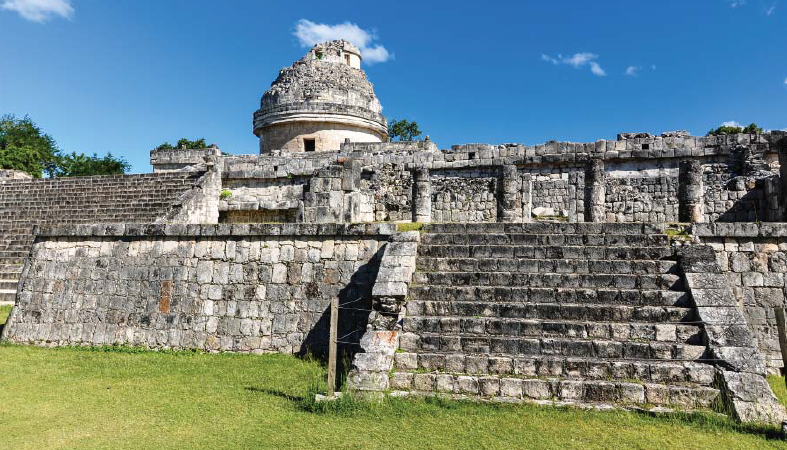
Mayan Observatory at the ruins in Chichén-Itzá.

The state of Yucatán in Mexico is widely known as the land of the classic Mayan ruins of Uxmal and Chichén Itzá. While Yucatán is characterized by age-old cultural traditions, the past does not define this area that is home to 2 million people. Yucatecan society has long recognized the importance of technology in creating a better future for its residents.

In 1852, the Yucatán governor requested 2,000 pesos from the President for the development of a machine that could extract fiber from the leaves of the henequen plant (Agave fourcroydes Lem.). This mechanization enabled the extension of the henequen industry through the establishment of large plantations and a processing industry within the hacienda system—all of which had a tremendous impact on the economic development of Yucatán.

Today, Yucatán boasts more than 1,000 science researchers, including members of the Mexican Academy of Sciences. It has several institutions dedicated to the development of scientific research, including the state university, a technological institute, centers belonging to the National Council of Science and Technology, and campuses of out-of-state institutions, such as the National Autonomous University of Mexico and the Center of Research and Advanced Studies of the National Polytechnic Institute. The best-known features of scientific interest in the state are the Chicxulub Crater, the Mayan culture, the peninsular aquifer, and the area’s biodiversity.

While such natural resources bring a wealth of potential development opportunities to Yucatán, researchers and government leaders realized that the impact of nearby technological and scientific institutions could be bolstered if the institutions’ goals and resources were better aligned.

Creating a Hub for S&T

To this end, in May 2008, the System of Research, Innovation and Technological Development of Yucatán (SIIDETEY) was created, integrating the ten most important federal and local public institutions in the state. The aim of SIIDETEY is to make Yucatán a “pole” for the development of science and technology in the Mexican Southeast, the Caribbean, and Central American countries, thereby attracting students and the establishment of technology-based companies.

SIIDETEY is a governance model with no cost to the State. It is an agreement between the Rectors and Directors of institutions belonging to the System with the aim of bringing together the capacities of its members in favor of science and technology. It is coordinated by the Secretary of Local Education, who acts as a promoter of the model.

The two main objectives of this System are to facilitate the development of joint research projects dealing with topics of interest for Yucatán and to serve as a liaison with the State and other national and international agencies in order to obtain the necessary funding to boost the development of science and technology.

Initially, SIIDETEY defined the most important research fields for the State as the development of the Mayan people, coastal development, water, health, food, education, energy, and habitat. The focal points for each of the fields were also identified. For example, in the field of water, the conservation of the peninsular aquifer was of prime interest. SIIDETEY is now establishing joint academic institutional programs to tackle these priorities, such as a program promoting renewable energy sources.

Financial Successes

Yucatan State Governor Ivonne Ortega (right) and Minister of Education Raul Godoy-Montanéz attend a ground-breaking ceremony for the Science and Technology Park of Yucatán.

Within the SIIDETEY model, the State has agreed to finance the Science and Technology Park of Yucatán and the construction of various laboratories. The SIIDETEY laboratories were conceived to serve both students and researchers in fields such as biomaterials, nanotechnology, biotechnology, coastal engineering, food processing, and renewable energy. A seed bank will also be financed.

One hundred and two hectares were ceded for the establishment of the Science and Technology Park of Yucatán, within which the SIIDETEY laboratories and the facilities required for the programs of member institutions will be built, along with other technology-based companies. For its second stage, the Park has been offered a further 100 hectares to promote, preferably, the establishment of additional companies.

SIIDETEY has made significant progress in obtaining financial resources. The resources gathered for the funding of research projects since the establishment of SIIDETEY four years ago are approaching $25 million. Construction has also begun on the Science and Technology Park and the laboratories with an initial investment of $40 million. It is estimated that, by the year 2018, the Park will be providing services to at least 300 researchers and 1,000 postgraduate students.

The financial resources obtained for science and technology in Yucatán over the last four years are unprecedented, and also very welcome, since it is in the Mexican Southeast where a significant portion of the country’s natural and cultural wealth (oil fields, water features, and biological and cultural diversity) is located.

Scientific and Political Support

Since its creation, SIIDETEY has received the permanent support of the National Council of Science and Technology, whose members have also established programs to provide the industrial sector with seed capital, and to coordinate—through technological development projects—with the academic sector. The constant improvement of the business sector and the establishment of new technology-based companies will in turn generate new jobs, thanks to the achievements of the SIIDETEY model.

Due to the vision proposed and the progress achieved, the model has recently received the unanimous approval of representatives from the different political parties comprising the local Congress, who have provided legal justification for the existence of SIIDETEY and the Science and Technology Park of Yucatán.

Although there is still an urgent need for the decentralization of science in Mexico in order to multiply the current capacity of the country, efforts to align the work of various scientific institutions have begun to gain momentum. The initiative taken by the small state of Yucatán has allowed a new plan to emerge in Mexico, facilitating the transition to a knowledge-based economy. The promotion of science by the local government and institutions will surely stimulate and strengthen the regional economy and generate more opportunities for the next generation.

Also read: From New York City to the Rest of the World

Your Creative Mind: Art Meets Science

What can you gain by venturing into the abstract?

Published August 1, 2012

By Diana Friedman

Image courtesy of Tarun via stock.adobe.com.

Creativity is a learned skill, not an innate ability; such is the premise of Tina Seelig’s new book, inGenius: A Crash Course on Creativity. But what of those deep-seeded cultural assumptions—that artists, writers, and musicians are born creative, while those in more technical fields (scientists, engineers, and mathematicians) are simply not? Seelig, the executive director of the Stanford Technology Ventures Program at Stanford University, finds the idea that creativity is simply a personality trait—you either have it or you don’t—laughable. “Think of math, or science, or dance…Yes, there are people who are naturally gifted in these fields, but most of the population learns these skills. It’s the same thing with creativity.”

Seelig believes that scientists and engineers—those working “at the frontier of knowledge”—can particularly benefit from expanding their creative capacity through purposeful exercises. “If you just perform the next logical experiment, you will make incremental progress. Breakthroughs require breakthrough thinking.” When working on large-scale problems that haven’t been solved before, such as global warming, creativity could be the key to finding solutions that work, says Seelig.

So, what can those in scientific and technical fields do to enhance their creativity? Seelig provides an easy-to-follow roadmap for enhancing creativity in her book. But she is not alone in her efforts to get more people to spend time on, and see the value in, fostering creativity. From professors who ask open-ended questions with multiple ways to solve a problem (a method Seelig endorses) to actors who teach improv classes for scientists, the intersection of science and creativity is getting some time in the spotlight.

Art vs. Science?

“The ancient Renaissance man could be fantastic at art and science, but today we like to separate the two,” says Rebecca Jones, a biochemistry PhD candidate and the public engagement officer at the University of Bristol in the United Kingdom. The common thinking that excellence in science and technical fields precludes a wealth of creativity, is entirely inaccurate, says Jones. “If you’re creative, you’re often better at science. Some of the best scientists I know have come up with more abstract ways of approaching a problem, instead of going the more obvious, logical route.”

But even scientists can get trapped in the notion that creativity has no place in the lab. “A lot of scientists went into science because they feel much more comfortable in a non-artistic environment. I’ve always had that artistic side, so I want other scientists to see themselves in that way too,” says Jones. Such was the impetus for the annual Art of Science Competition that Jones started at the University of Bristol in 2009.

Jones and colleagues collect science-related photographs from research scientists and display them in the medical building. Visitors then vote for their favorites. It took a year or so for the entrants to fully understand the point of the competition, says Jones. At first, many submitted their best research images—those that showed a good result, scientifically speaking. But as the competition gained traction, entrants began to understand that the images could be valuable for their visually striking nature, or for what they said about the life of the scientist.

The Power of Photography

Jones recalls a serene black and white photo that looks like a field of small wildflowers titled “My Beautiful Adversary.” In reality, it is a photo of mold growing on a sample—a nightmare for a scientist. But the photo became very popular with other scientists—they could relate to the subject but they also appreciated its aesthetic value. Another, a photo of a rack of test tubes, all bearing labels written in different, messy handwriting, was an antidote to the typical sleek scientific photos in magazines. But, says Jones, it drove home the point that science is largely a team endeavor, with many hands playing a role in a successful experiment.

“The goal is to give scientists an outlet for their creativity and to let them take joy and release in their work,” says Jones. Scientists at the University of Bristol have responded positively, with the competition getting more intense, and the images more artistic, each year.

“A lot of the entrants were really surprised to see how much their images stood out when they were shown in a group—they were so used to seeing them every day that they forgot how special they were. This allows them to see their work in a new way and get reinvigorated about their research.”

Where It Will Go, Nobody Knows

Valeri Lantz-Gefroh is a lecturer in the School of Journalism and a workshop coordinator for The Center for Communicating Science at Stony Brook University in New York. But in a word, she is an actor. She was one of three acting teachers, led by the well-known Alan Alda, to help build The Center for Communicating Science, a truly unique undertaking aimed at science students.

“Science affects every human being on the planet, but there’s a wall of misunderstanding between the general public and scientists,” says Lantz-Gefroh. The general public often thinks they are incapable of understanding science and, furthermore, that scientists aren’t willing to help them understand it, she says. Scientists, on the other hand, often do not sense the general public’s interest in their work.

So where does acting fit in? Lantz-Gefroh teaches improv, one of the more unusual classes at the Center, which aims to teach scientists, through credit-bearing classes, how to better communicate their work to various audiences. She has been pleasantly surprised by how receptive budding scientists have been to her courses. “I expected skepticism, but I have not gotten it at all.”

A Creative Process

Instead, what Lantz-Gefroh has gotten is the question, “What does this exercise relate to?” Improv exercises are, by nature, abstract. Students are often eager to know what, for instance, mirroring their partners’ movements with eyes open, then eyes closed, will teach them as it relates to their future careers. “I tell them, ‘It’s a creative process, you don’t always know where it is going to go’,” says Lantz-Gefroh. “If I say, it’s for X, then that’s the thing you’ll look for. But if I don’t say, then it could have a bunch of different effects I haven’t even thought about. All could have tremendous value; I don’t want to diminish the potential of the exercise.”

It is for this reason that Lantz-Gefroh likes working with scientists. “They like to quantify things, but they are also comfortable not knowing the answer. I tell them to look at the exercises as a creative investigation.” She is quick to stress that opening up the mind and allowing more abstract thinking is not only of benefit to scientists. “I think every person benefits from creative investigation.” However, she says, that for someone used to looking at the world on a sometimes microscopic level, taking a step back can be particularly beneficial.

Story of My Life

Enhancing creativity among professionals in science and technical fields certainly has personal and professional benefits for those in the field. But can getting scientists to think of their work in new ways also provide benefits to the general public? Ben Lillie, a high-energy physicist by training, and now director of The Story Collider, thinks so. The Story Collider, based in New York City, hosts informal storytelling events where people (both scientists and nonscientists) come together to tell true, science-related stories, usually in a bar.

“I think of us primarily as an arts organization, which is a little weird since we are tied so closely to science,” says Lillie. “Our goal is the same as any arts organization: to explore what it means to be human.” And because the human experience is being so drastically changed by science, “that’s something we need to explore in a cultural context, to explore how that affects us.”

Lillie focused on storytelling as the method for exploration because he believes that sharing stories connect us with each other and help us to see that we are not alone. “We give people a way to see that science is a part of their everyday lives, that it’s not this big mystical thing you have to go into a laboratory to even think about.”

Personalizing and Demystifying Science

Lillie recalls a neuroscientist who told a story about his father having a stroke. The neuroscientist talked about the details of what was happening in his father’s brain (and related them in lay terms to the audience), but he also related all of his personal emotions that went along with each aspect of his father’s illness. This, says Lillie, is how science gets personalized and demystified.

While The Story Collider focuses on true stories, the creativity comes in the telling of them. The Story Collider staff helps storytellers craft their tales, cutting out the extraneous bits and focusing on the parts that move the story along or convey powerful thoughts and emotions. It is an exercise that’s very different than the ones most scientists do in their labs. And for nonscientists, it is valuable and different to take ownership of a story relating to science—learning that the personal is powerful, even in the realm of science.

“I think scientists need some space to step aside from their work, to go do something completely different and come back to it.” Lillie says that storytelling is not necessarily the answer; it is just one creative medium out of an infinite number that can provide benefits, both known and unknown. What might you gain from a creative investigation of your own? There’s only one way to find out.

Crowdsourcing for Health Across Borders

Through a novel crowdsourcing exercise, Scientists Without Borders leverages insights from animal science to tackle malnutrition.

Published June 1, 2012

By Shaifali Puri

Image courtesy of FarhanMohib via stock.adobe.com.

Global problems demand global resources to solve them—such is the theory behind the creation of Scientists Without Borders, an initiative that designs and executes projects to tackle these challenges and provides a free web-based platform where users from around the world connect to address pressing global needs. While Scientists Without Borders works on a diverse array of challenges, we have recently focused significant attention on the critical issue of maternal and child malnutrition.

Indeed, the work of both initiatives reflects the awareness that despite renewed global attention to the catastrophic consequences of maternal and child under-nutrition, the burden of the problem looms large over efforts to solve it—and those in the developing world are particularly hard hit. If we are to reverse this trend, coordinated, multi-sector approaches are required.

Closing Knowledge Gaps

A major barrier to improving maternal and child nutrition is the existence of gaps in scientific knowledge about essential processes and biological mechanisms related to healthy fetal growth and nutrition for infants and children. This lack of understanding impedes the development of effective evidence-based approaches and interventions for vulnerable populations.

To fill in the gaps, we need collaboration and knowledge exchange among stakeholders in the nutrition space, as well as the ability to harness the capacity of people and institutions from outside the traditional nutrition science community. It is for this reason that Scientists Without Borders recently launched an exciting crowdsourcing project to connect hundreds of diverse participants among the human nutrition, animal science, and veterinary science communities.

By engaging in high-level discussions about the knowledge needed to advance these fields, these participants have the potential to generate significant and disruptive advances for maternal and child nutrition. For example, when we spoke to scientists in these disciplines, they noted that there is common interest and urgency in understanding in the role of the microbiome, as well as clearly identifying biomarkers in human and animal nutrition.

How We’re Doing It

In order to compress the timeframe on these kinds of cross-disciplinary insights and advances, we designed an invitation-only crowdsourcing platform. We leveraged our global network to invite hundreds of experts from a variety of fields to participate in a 45-day crowdsourcing activity where participants could freely pose questions and ideas and engage in discussions about voids in scientific research, promising interventions or innovations, and unique collaborations or areas of priority. Specifically, we encouraged discussion around seven areas: biomarkers and metabolomics, nutrition and epigenetics, vaccines and immunology, animal models, biofortification, and dietary change.

We built in functionality that allowed participants to rate the contributions of their peers by awarding scores for innovation, feasibility, and expertise. In this way, the ideas with the greatest traction among, or of the greatest interest to, users could be elevated and identified for further refinement and amplification. Subsequent to the crowdsourcing event, Scientists Without Borders, is hosting a small group of select stakeholders (leaders from academia, policy, multinationals, and funding entities) to discuss and build on the most promising ideas.

The in-person convening will provide the opportunity for dialogue and brainstorming between high-level stakeholders around new ideas and new opportunities for collaboration, which they can then translate into actionable steps and outcomes. We believe that bringing together leading thinkers—through both crowdsourcing activities and in-person exchanges—will create the foundation for a global community of interested actors contributing their unique insights and perspectives to the critical area of nutrition, and beyond.

Science is the path to a better future for humankind and strategic collaboration between scientists will get us there.