The Impact of Influence: Why Scientists Need Mentors

Medical professionals examine the x-ray scan of a patient's chest.

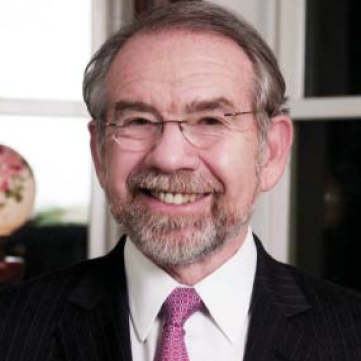
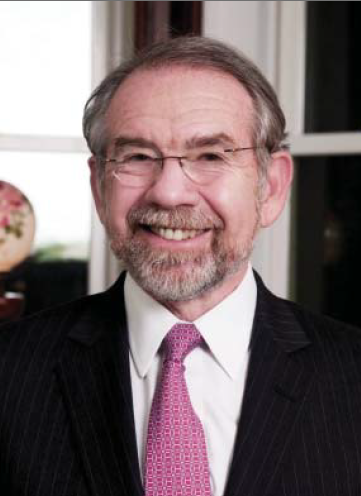
Renowned cardiologist Valentin Fuster believes that caring mentors can set a life, and perhaps the world, on the right path.

Published December 1, 2012

By Marci A. Landsmann

Image courtesy of sofiko14 via stock.adobe.com.

It wouldn’t be surprising to find a world-renowned cardiologist at Gustave L. Levy Place in New York City or on First Street in Rochester, Minnesota. Sesame Street, however, might not seem like the logical destination for a cardiologist who has graced the halls of such esteemed research facilities as the Mayo Clinic and Mount Sinai Medical Center (MSMC).

But for someone who has made mentorship a cornerstone of his career, it seems almost fitting that Valentin Fuster, director of Mount Sinai Heart and physician-in-chief of MSMC, has inspired the latest Muppet. Dr. Valentin Ruster, the Muppet character that Fuster inspired, aims to guide children down a healthier path, with the idea that healthier habits learned early can head off later disease (particularly the devastating heart disease Fuster has spent a lifetime studying and treating).

In the first episode of Barrio Sésamo: Monstrous Supersanos (the Spanish equivalent of Sesame Street), Dr. Ruster enlightens Grover on the functions of the heart, while on another, he hosts a game show testing Cookie Monster on the difference between healthy and unhealthy food.

“The other Muppets look up to him as a leader and a role model,” says Fuster. Ironically, this fictional role mirrors Fuster’s real life and his belief in the power of individuals in setting us on the right path. He attributes his success to the presence of people guiding him toward good choices, perhaps in the same way an educational program might steer children to make wiser nutritional choices or exercise more frequently.

“We all need tutors”

“We all need tutors,” he says. “I strongly believe that in my life, in terms of self satisfaction in my career, there’s no doubt that it’s due in large part to the fantastic mentors I had. [We] all had something in common—chemistry. I had the feeling they would do anything for me.”

Spanish-born Fuster, the only cardiologist to receive all four major research awards from the world’s four major cardiovascular organizations, is quick to recall the bright minds that shaped his thinking from medical school to now. While at the University of Barcelona, Fuster met Pedro Farreras, a professor of medicine who wrote the major Spanish textbook on medicine and was considered the top physician in the country. “He really guided me. The critical issue of [our] chemistry was that he had a heart attack at age 42. He told me to be a cardiologist, so I did,” he says.

“A number of advisors gave me advice and I did it without questioning because I had a sense that their experience and care for me was pointing me in the right direction.” Farreras encouraged Fuster to go to England, where he met Harold Sheehan, a pathologist. There, Fuster recalls studying a tissue sample from a patient who suffered a heart attack. The blood clot was riddled with platelets. He asked Sheehan a question that launched his career: What do platelets have to do with the heart attack? Sheenan answered, “We don’t know if it’s the cause or the result. You should study this for your thesis.”

The Role of Platelets in Myocardial Infarction

So Fuster did just that, completing his thesis on the role of platelets in myocardial infarction at the University of Edinburgh, Scotland. He worked closely with another mentor, Desmond Julian, on the first coronary care unit in the world, and became the first cardiologist to go into hematology.

And then he headed to the United States, spending 11 years at the esteemed Mayo Clinic, meeting another mentor, Robert Frye, the chairman of cardiology at the Mayo Clinic. “Occupying high positions as they did,” Fuster recalls of the leadership in Rochester, Minn, “they were always dealing with us, the nobodies. But as people at the top, they believed in and supported the people on the bottom.”

As a mentee, Fuster learned the importance of setting the path for people like himself. For example, he started a program in Spain that identifies young people at ages 15 and 16 who have an interest in science. The program provides grants for these youngsters to spend a month with senior investigators in Madrid, where Fuster leads the Fundacion Centro Nacional de Investigaciones Cardiovasculares Carlos III (equivalent to NHLBI, USA). Once they get a taste of high-level research, the majority of these young scholars pursue scientific career paths, further shaping the future of scientific discovery.

Fuster also made a special point to develop a new Forum for Young Investigators while serving as the president of the American Heart Association. He also started a yearly symposium in Washington DC to teach those interested in the field how to become young investigators.

Succeeding as a Mentor

“When people ask me to be a mentor, the first thing they ask is how they can succeed,” he states. “I define success as development of full satisfaction, which is quite different than how general society defines success. I tell them the whole thing is to do the right thing with the right talent and to be fulfilled.”

This requires soul searching, and staying motivated—by helping others and learning. He teaches his mentees about the four Ts: time, talent, transmit positivity, and tutoring. This includes taking 15 minutes to reflect on your priorities every day and discovering your unique talent. He underscores the importance of measuring your worth by your own standards, and not measuring yourself against your neighbors. And tutoring provides that motivation to others, much the way Dr. Ruster could impact the lives of future adults.

While Fuster acts as a mentor to many individuals, from high school students to early-career doctors and researchers, he sees Sesame Workshop as a way to provide critical advice even earlier in life. Working as a medical advisor to Sesame Workshop since 2006 (with Plaza Sesame, the Latin American version of Sesame Street ), he developed a research protocol that focused on developing healthy habits in 2,000 children between the ages of three and six, giving them 40 hours of training on healthy lifestyles and how to control their emotions.

Always Making an Impact

The work isn’t purely for entertainment; Fuster applies his standard of academic rigor to his work with Plaza Sesame as well. Analysis of 1,000 children, who were randomized to the study approach or a conventional approach, showed that the interventions had a short-term impact on health habits and weight reduction. In addition, the children were able to influence the habits of family members, including parents. The impact of this training will be published in The American Journal of Medicine, and was so successful that the program is now being rolled out to 20,000 children in Columbia, as well as children in Spain and England.

“Sesame was so impressed with the impact that health training can have on children, that they decided to create a Muppet to teach children the importance of health,” Fuster says. Fuster recalls arriving at a meeting at Plaza Sesame and running into his own likeness, albeit in a furry form. “When I got there, a Muppet came up to me and said, ‘I am you.’” “I believe this world will only be changed by young people, and they are the only ones who can take care of this chaos,” he says. “Therefore, I really focus a lot of my efforts on motivation and mentorship and even health for young people.”

Fuster has made a lifetime of being led and leading. Whether researching, helping patients, or working with young researchers, colleagues, or a Muppet character that promotes vegetables instead of cookies, Fuster’s goal is always to make an impact.

Also read: The Immeasurable Impact of an Effective Mentor


About the Author

Marci A. Landsmann is a medical writer in Philadelphia.

Aligning Scientific Efforts in Mexico

An ancient stone structure in Mexico.

The state of Yucatán uses local policies to promote science and technology.

Published August 1, 2012

By Raul Godoy-Montañez and Alfonso Larqué-Saavedra

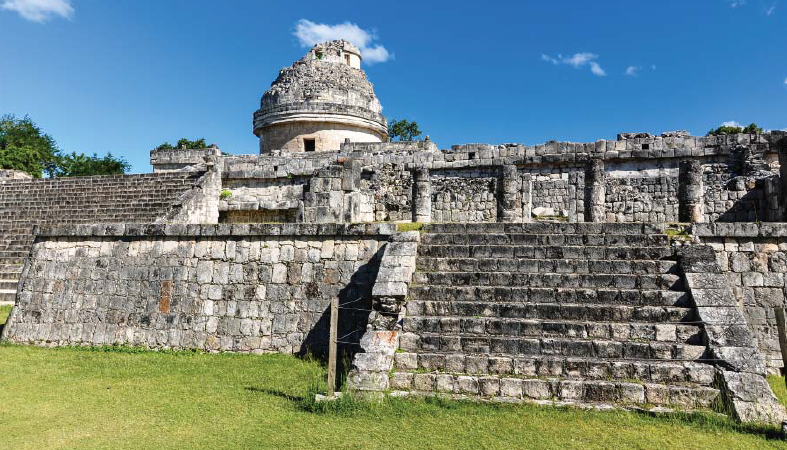
Mayan Observatory at the ruins in Chichén-Itzá.

The state of Yucatán in Mexico is widely known as the land of the classic Mayan ruins of Uxmal and Chichén Itzá. While Yucatán is characterized by age-old cultural traditions, the past does not define this area that is home to 2 million people. Yucatecan society has long recognized the importance of technology in creating a better future for its residents.

In 1852, the Yucatán governor requested 2,000 pesos from the President for the development of a machine that could extract fiber from the leaves of the henequen plant (Agave fourcroydes Lem.). This mechanization enabled the extension of the henequen industry through the establishment of large plantations and a processing industry within the hacienda system—all of which had a tremendous impact on the economic development of Yucatán.

Today, Yucatán boasts more than 1,000 science researchers, including members of the Mexican Academy of Sciences. It has several institutions dedicated to the development of scientific research, including the state university, a technological institute, centers belonging to the National Council of Science and Technology, and campuses of out-of-state institutions, such as the National Autonomous University of Mexico and the Center of Research and Advanced Studies of the National Polytechnic Institute. The best-known features of scientific interest in the state are the Chicxulub Crater, the Mayan culture, the peninsular aquifer, and the area’s biodiversity.

While such natural resources bring a wealth of potential development opportunities to Yucatán, researchers and government leaders realized that the impact of nearby technological and scientific institutions could be bolstered if the institutions’ goals and resources were better aligned.

Creating a Hub for S&T

To this end, in May 2008, the System of Research, Innovation and Technological Development of Yucatán (SIIDETEY) was created, integrating the ten most important federal and local public institutions in the state. The aim of SIIDETEY is to make Yucatán a “pole” for the development of science and technology in the Mexican Southeast, the Caribbean, and Central American countries, thereby attracting students and the establishment of technology-based companies.

SIIDETEY is a governance model with no cost to the State. It is an agreement between the Rectors and Directors of institutions belonging to the System with the aim of bringing together the capacities of its members in favor of science and technology. It is coordinated by the Secretary of Local Education, who acts as a promoter of the model.

The two main objectives of this System are to facilitate the development of joint research projects dealing with topics of interest for Yucatán and to serve as a liaison with the State and other national and international agencies in order to obtain the necessary funding to boost the development of science and technology.

Initially, SIIDETEY defined the most important research fields for the State as the development of the Mayan people, coastal development, water, health, food, education, energy, and habitat. The focal points for each of the fields were also identified. For example, in the field of water, the conservation of the peninsular aquifer was of prime interest. SIIDETEY is now establishing joint academic institutional programs to tackle these priorities, such as a program promoting renewable energy sources.

Financial Successes
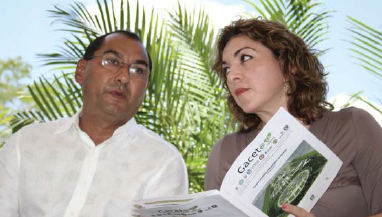
Yucatan State Governor Ivonne Ortega (right) and Minister of Education Raul Godoy-Montanéz attend a ground-breaking ceremony for the Science and Technology Park of Yucatán.

Within the SIIDETEY model, the State has agreed to finance the Science and Technology Park of Yucatán and the construction of various laboratories. The SIIDETEY laboratories were conceived to serve both students and researchers in fields such as biomaterials, nanotechnology, biotechnology, coastal engineering, food processing, and renewable energy. A seed bank will also be financed.

One hundred and two hectares were ceded for the establishment of the Science and Technology Park of Yucatán, within which the SIIDETEY laboratories and the facilities required for the programs of member institutions will be built, along with other technology-based companies. For its second stage, the Park has been offered a further 100 hectares to promote, preferably, the establishment of additional companies.

SIIDETEY has made significant progress in obtaining financial resources. The resources gathered for the funding of research projects since the establishment of SIIDETEY four years ago are approaching $25 million. Construction has also begun on the Science and Technology Park and the laboratories with an initial investment of $40 million. It is estimated that, by the year 2018, the Park will be providing services to at least 300 researchers and 1,000 postgraduate students.

The financial resources obtained for science and technology in Yucatán over the last four years are unprecedented, and also very welcome, since it is in the Mexican Southeast where a significant portion of the country’s natural and cultural wealth (oil fields, water features, and biological and cultural diversity) is located.

Scientific and Political Support

Since its creation, SIIDETEY has received the permanent support of the National Council of Science and Technology, whose members have also established programs to provide the industrial sector with seed capital, and to coordinate—through technological development projects—with the academic sector. The constant improvement of the business sector and the establishment of new technology-based companies will in turn generate new jobs, thanks to the achievements of the SIIDETEY model.

Due to the vision proposed and the progress achieved, the model has recently received the unanimous approval of representatives from the different political parties comprising the local Congress, who have provided legal justification for the existence of SIIDETEY and the Science and Technology Park of Yucatán.

Although there is still an urgent need for the decentralization of science in Mexico in order to multiply the current capacity of the country, efforts to align the work of various scientific institutions have begun to gain momentum. The initiative taken by the small state of Yucatán has allowed a new plan to emerge in Mexico, facilitating the transition to a knowledge-based economy. The promotion of science by the local government and institutions will surely stimulate and strengthen the regional economy and generate more opportunities for the next generation.

Also read: From New York City to the Rest of the World
Your Creative Mind: Art Meets Science

A colorful graphic depicting the human brain.

What can you gain by venturing into the abstract?

Published August 1, 2012

By Diana Friedman

Image courtesy of Tarun via stock.adobe.com.

Creativity is a learned skill, not an innate ability; such is the premise of Tina Seelig’s new book, inGenius: A Crash Course on Creativity. But what of those deep-seeded cultural assumptions—that artists, writers, and musicians are born creative, while those in more technical fields (scientists, engineers, and mathematicians) are simply not? Seelig, the executive director of the Stanford Technology Ventures Program at Stanford University, finds the idea that creativity is simply a personality trait—you either have it or you don’t—laughable. “Think of math, or science, or dance…Yes, there are people who are naturally gifted in these fields, but most of the population learns these skills. It’s the same thing with creativity.”

Seelig believes that scientists and engineers—those working “at the frontier of knowledge”—can particularly benefit from expanding their creative capacity through purposeful exercises. “If you just perform the next logical experiment, you will make incremental progress. Breakthroughs require breakthrough thinking.” When working on large-scale problems that haven’t been solved before, such as global warming, creativity could be the key to finding solutions that work, says Seelig.

So, what can those in scientific and technical fields do to enhance their creativity? Seelig provides an easy-to-follow roadmap for enhancing creativity in her book. But she is not alone in her efforts to get more people to spend time on, and see the value in, fostering creativity. From professors who ask open-ended questions with multiple ways to solve a problem (a method Seelig endorses) to actors who teach improv classes for scientists, the intersection of science and creativity is getting some time in the spotlight.

Art vs. Science?

“The ancient Renaissance man could be fantastic at art and science, but today we like to separate the two,” says Rebecca Jones, a biochemistry PhD candidate and the public engagement officer at the University of Bristol in the United Kingdom. The common thinking that excellence in science and technical fields precludes a wealth of creativity, is entirely inaccurate, says Jones. “If you’re creative, you’re often better at science. Some of the best scientists I know have come up with more abstract ways of approaching a problem, instead of going the more obvious, logical route.”

But even scientists can get trapped in the notion that creativity has no place in the lab. “A lot of scientists went into science because they feel much more comfortable in a non-artistic environment. I’ve always had that artistic side, so I want other scientists to see themselves in that way too,” says Jones. Such was the impetus for the annual Art of Science Competition that Jones started at the University of Bristol in 2009.

Jones and colleagues collect science-related photographs from research scientists and display them in the medical building. Visitors then vote for their favorites. It took a year or so for the entrants to fully understand the point of the competition, says Jones. At first, many submitted their best research images—those that showed a good result, scientifically speaking. But as the competition gained traction, entrants began to understand that the images could be valuable for their visually striking nature, or for what they said about the life of the scientist.

The Power of Photography

Jones recalls a serene black and white photo that looks like a field of small wildflowers titled “My Beautiful Adversary.” In reality, it is a photo of mold growing on a sample—a nightmare for a scientist. But the photo became very popular with other scientists—they could relate to the subject but they also appreciated its aesthetic value. Another, a photo of a rack of test tubes, all bearing labels written in different, messy handwriting, was an antidote to the typical sleek scientific photos in magazines. But, says Jones, it drove home the point that science is largely a team endeavor, with many hands playing a role in a successful experiment.

“The goal is to give scientists an outlet for their creativity and to let them take joy and release in their work,” says Jones. Scientists at the University of Bristol have responded positively, with the competition getting more intense, and the images more artistic, each year.

“A lot of the entrants were really surprised to see how much their images stood out when they were shown in a group—they were so used to seeing them every day that they forgot how special they were. This allows them to see their work in a new way and get reinvigorated about their research.”

Where It Will Go, Nobody Knows

Valeri Lantz-Gefroh is a lecturer in the School of Journalism and a workshop coordinator for The Center for Communicating Science at Stony Brook University in New York. But in a word, she is an actor. She was one of three acting teachers, led by the well-known Alan Alda, to help build The Center for Communicating Science, a truly unique undertaking aimed at science students.

“Science affects every human being on the planet, but there’s a wall of misunderstanding between the general public and scientists,” says Lantz-Gefroh. The general public often thinks they are incapable of understanding science and, furthermore, that scientists aren’t willing to help them understand it, she says. Scientists, on the other hand, often do not sense the general public’s interest in their work.

So where does acting fit in? Lantz-Gefroh teaches improv, one of the more unusual classes at the Center, which aims to teach scientists, through credit-bearing classes, how to better communicate their work to various audiences. She has been pleasantly surprised by how receptive budding scientists have been to her courses. “I expected skepticism, but I have not gotten it at all.”

A Creative Process

Instead, what Lantz-Gefroh has gotten is the question, “What does this exercise relate to?” Improv exercises are, by nature, abstract. Students are often eager to know what, for instance, mirroring their partners’ movements with eyes open, then eyes closed, will teach them as it relates to their future careers. “I tell them, ‘It’s a creative process, you don’t always know where it is going to go’,” says Lantz-Gefroh. “If I say, it’s for X, then that’s the thing you’ll look for. But if I don’t say, then it could have a bunch of different effects I haven’t even thought about. All could have tremendous value; I don’t want to diminish the potential of the exercise.”

It is for this reason that Lantz-Gefroh likes working with scientists. “They like to quantify things, but they are also comfortable not knowing the answer. I tell them to look at the exercises as a creative investigation.” She is quick to stress that opening up the mind and allowing more abstract thinking is not only of benefit to scientists. “I think every person benefits from creative investigation.” However, she says, that for someone used to looking at the world on a sometimes microscopic level, taking a step back can be particularly beneficial.

Story of My Life

Enhancing creativity among professionals in science and technical fields certainly has personal and professional benefits for those in the field. But can getting scientists to think of their work in new ways also provide benefits to the general public? Ben Lillie, a high-energy physicist by training, and now director of The Story Collider, thinks so. The Story Collider, based in New York City, hosts informal storytelling events where people (both scientists and nonscientists) come together to tell true, science-related stories, usually in a bar.

“I think of us primarily as an arts organization, which is a little weird since we are tied so closely to science,” says Lillie. “Our goal is the same as any arts organization: to explore what it means to be human.” And because the human experience is being so drastically changed by science, “that’s something we need to explore in a cultural context, to explore how that affects us.”

Lillie focused on storytelling as the method for exploration because he believes that sharing stories connect us with each other and help us to see that we are not alone. “We give people a way to see that science is a part of their everyday lives, that it’s not this big mystical thing you have to go into a laboratory to even think about.”

Personalizing and Demystifying Science

Lillie recalls a neuroscientist who told a story about his father having a stroke. The neuroscientist talked about the details of what was happening in his father’s brain (and related them in lay terms to the audience), but he also related all of his personal emotions that went along with each aspect of his father’s illness. This, says Lillie, is how science gets personalized and demystified.

While The Story Collider focuses on true stories, the creativity comes in the telling of them. The Story Collider staff helps storytellers craft their tales, cutting out the extraneous bits and focusing on the parts that move the story along or convey powerful thoughts and emotions. It is an exercise that’s very different than the ones most scientists do in their labs. And for nonscientists, it is valuable and different to take ownership of a story relating to science—learning that the personal is powerful, even in the realm of science.

“I think scientists need some space to step aside from their work, to go do something completely different and come back to it.” Lillie says that storytelling is not necessarily the answer; it is just one creative medium out of an infinite number that can provide benefits, both known and unknown. What might you gain from a creative investigation of your own? There’s only one way to find out.

Crowdsourcing for Health Across Borders

A colorful graphic of the planet earth with various elements related to nature.

Through a novel crowdsourcing exercise, Scientists Without Borders leverages insights from animal science to tackle malnutrition.

Published June 1, 2012

By Shaifali Puri

Image courtesy of FarhanMohib via stock.adobe.com.

Global problems demand global resources to solve them—such is the theory behind the creation of Scientists Without Borders, an initiative that designs and executes projects to tackle these challenges and provides a free web-based platform where users from around the world connect to address pressing global needs. While Scientists Without Borders works on a diverse array of challenges, we have recently focused significant attention on the critical issue of maternal and child malnutrition.

Indeed, the work of both initiatives reflects the awareness that despite renewed global attention to the catastrophic consequences of maternal and child under-nutrition, the burden of the problem looms large over efforts to solve it—and those in the developing world are particularly hard hit. If we are to reverse this trend, coordinated, multi-sector approaches are required.

Closing Knowledge Gaps

A major barrier to improving maternal and child nutrition is the existence of gaps in scientific knowledge about essential processes and biological mechanisms related to healthy fetal growth and nutrition for infants and children. This lack of understanding impedes the development of effective evidence-based approaches and interventions for vulnerable populations.

To fill in the gaps, we need collaboration and knowledge exchange among stakeholders in the nutrition space, as well as the ability to harness the capacity of people and institutions from outside the traditional nutrition science community. It is for this reason that Scientists Without Borders recently launched an exciting crowdsourcing project to connect hundreds of diverse participants among the human nutrition, animal science, and veterinary science communities.

By engaging in high-level discussions about the knowledge needed to advance these fields, these participants have the potential to generate significant and disruptive advances for maternal and child nutrition. For example, when we spoke to scientists in these disciplines, they noted that there is common interest and urgency in understanding in the role of the microbiome, as well as clearly identifying biomarkers in human and animal nutrition.

How We’re Doing It

In order to compress the timeframe on these kinds of cross-disciplinary insights and advances, we designed an invitation-only crowdsourcing platform. We leveraged our global network to invite hundreds of experts from a variety of fields to participate in a 45-day crowdsourcing activity where participants could freely pose questions and ideas and engage in discussions about voids in scientific research, promising interventions or innovations, and unique collaborations or areas of priority. Specifically, we encouraged discussion around seven areas: biomarkers and metabolomics, nutrition and epigenetics, vaccines and immunology, animal models, biofortification, and dietary change.

We built in functionality that allowed participants to rate the contributions of their peers by awarding scores for innovation, feasibility, and expertise. In this way, the ideas with the greatest traction among, or of the greatest interest to, users could be elevated and identified for further refinement and amplification. Subsequent to the crowdsourcing event, Scientists Without Borders, is hosting a small group of select stakeholders (leaders from academia, policy, multinationals, and funding entities) to discuss and build on the most promising ideas.

The in-person convening will provide the opportunity for dialogue and brainstorming between high-level stakeholders around new ideas and new opportunities for collaboration, which they can then translate into actionable steps and outcomes. We believe that bringing together leading thinkers—through both crowdsourcing activities and in-person exchanges—will create the foundation for a global community of interested actors contributing their unique insights and perspectives to the critical area of nutrition, and beyond.

Science is the path to a better future for humankind and strategic collaboration between scientists will get us there.

The Science of Start-Ups: From Idea to IPO

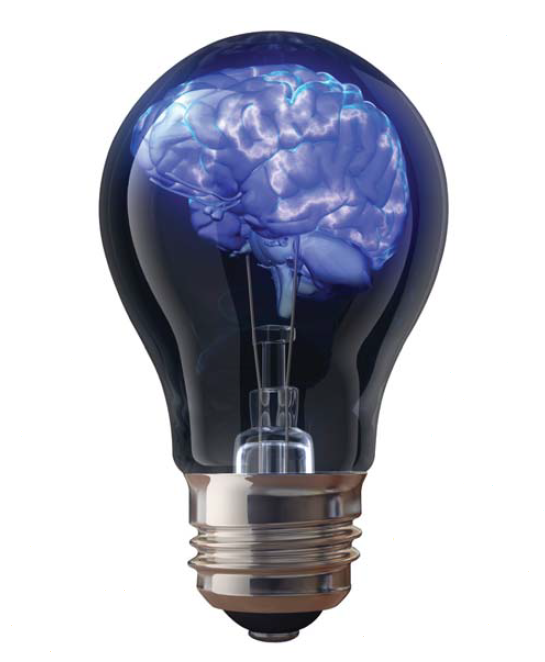
A graphic of a lightbulb with a human brain in the middle.

A revamped “From Idea to IPO” course program provides a crash course in entrepreneurship for the scientifically savvy.

Published June 1, 2012

By Christina Duffy

Image courtesy of ILEXX – istockphoto.com.

When Ching Yao Yang, a PhD candidate working in materials chemistry at New York University, received an email from his lab advisor detailing problems with lab management, he had a great idea for a new company: “I wanted to create an environment for people to use technology in the lab, not only researchers, but primary investigators and vendors.” But with no formal business training, he was not sure where to start.

Enter “From Idea to IPO,” a course offered by The New York Academy of Sciences through the Academy’s Science Alliance, which provides career education, development, and training for graduate students and postdoctoral fellows. Science professionals enrolled in the 12-week course gain the tools necessary to understand, grow, and sustain a start-up business—moving ideas from the lab to the business world—and bring it to life in the ever-changing marketplace of New York City.

Since Science Alliance introduced the “From Idea to IPO” course in 2004, it has been one of its most popular and longest running programs; approximately 500 young scientists in the NYC metropolitan area have taken the course thus far.

A Fresh Perspective

Earlier this year, Science Alliance Director Monica Kerr took over the direction and teaching of “From Idea to IPO,” using the opportunity to breathe new life into the program.

“My goal was to freshen up an ongoing, popular program that was running nearly unchanged since its launch in 2004 and also address some challenges I had observed,” says Kerr.

Kerr, who earned her PhD in cell and developmental biology from the Biological and Biomedical Sciences Program at Harvard Medical School, realized that in a world of constantly evolving technology and business models, the course had, in recent years, lost some of its luster and that beneath its dulled surface lay the perfect marriage of science and business.

“As I was restructuring the curriculum, I aimed to not only teach the nuts and bolts of starting a new venture, but to also cultivate entrepreneurial skills, off er exposure to the start-up community in NYC, and increase awareness of various career paths supporting the commercialization of science,” says Kerr, who took a systematic approach to revamping the course curriculum through use of existing successful models.

“I accomplished this by incorporating more active learning approaches, which have been shown to be highly effective in increasing student learning and recruiting 15 guest contributors from the local entrepreneurial ecosystem,” says Kerr.

These changes were directly influenced by a similar course taught at Stanford University School of Engineering by consulting professor Tom Kosnik, who was instrumental in sharing course lecture notes and materials, says Kerr. Andrew Nelson, co-author of Technology Ventures: From Idea to Enterprise, also assisted in thinking about syllabus design and how to utilize and incorporate the textbook.

 “Opportunity Recognition and Evaluation” and “Pursuit of Opportunity”

Kerr has divided the course into two modules: “Opportunity Recognition and Evaluation,” which covers innovations in technology, the creation of business models, and entrepreneurial marketing, and “Pursuit of Opportunity,” which covers the more concrete components of business, including patent protection, finance, accounting basics, and start-up and venture capital.

Students put this knowledge to use by undertaking course-long team projects where they work through the process of starting a mock company using a science-based business idea they decide upon as a team. Each team is assigned a local mentor who works in the entrepreneurship field, who they can go to for support and advice.

Guest speakers for the course include entrepreneurs as well as members of the technology transfer, legal, accounting, and finance communities. Many of these guest speakers also come back to serve as judges for the final day of the course, when students “pitch” their mock companies to a panel of experts and get personalized feedback on everything from their business idea to their presentation style.

New York City Entrepreneur-in-Residence Melinda Thomas, who serves as both a guest speaker and a judge for the course, has noticed a positive change in the course over the past year. “I was very impressed by the change in terms of it being more engaging. Monica is using the case method to teach points. Students work through a real company that has a real issue and they become more engaged in having to think it through.”

Thomas—who has been the business brains behind several successful medical and science start-ups and is now a leader in the NYC start-up community—believes that the team building component of the course is very beneficial in crafting profitable science-based business ideas.

From Mock Project to Marketplace

“Once you have an idea and start your company, you won’t have all the skills needed to create the product. You’re going to have to work in a team and learn how to ask the right questions.” While scientists are used to working together to solve problems, points out Thomas, working through problems in a business capacity can take some practice.

One illustration of exemplary teamwork that came out of the most recent “From Idea to IPO” course is Team Benchsoft. Comprised of scientists from a variety of disciplines, three members of Team Benchsoft —including Ching Yao Yang, who came up with the idea for a better lab management system—have forged ahead with their mock class project, taking it to the marketplace. With their only formal business training coming in the form of Kerr’s instruction in “From Idea to IPO,” Yang, Jasmin Hume, and Raul Catena have made the commitment to start a real company.

Since taking the course, they have written a business plan, created an advisory board, and incorporated the company. They are currently shopping the company around to angel investors. “We are moving really quickly,” says Hume. “During the course, we were learning and implementing simultaneously.” Hume, a PhD candidate who works in the lab with Yang, feels that the material they learned in the course was directly—and immediately—applicable to the process of creating a start-up company.

“Learning about the sequence of events has been really helpful. It’s important to know where to focus at each point in the process, whether it’s on building a prototype or looking for money,” says Catena.

Success Story

Yang cites the expert guest speakers and the team’s mentor as a big part of their early success. “Our mentor has the same background as us (a PhD) so he was able to give us constructive criticism on both the technical and business aspects of our idea.”

When asked about the ideal outcomes of the course, Kerr cites a variety of potential results—from students obtaining positions in technology transfer, patent law, venture capital, or at a start-up to students gaining new skills that are helpful for advancement regardless of career path. However, it’s clear that she is particularly proud of Team Benchsoft and Yang, Hume, and Catena’s transition to real-life entrepreneurs.

“It has been very inspiring to instill in students very practical information and skills that they can begin to implement immediately. Hearing them report that they feel equipped with the tools to start a new venture, and then to see one team actually in the process of pursuing this with their team project, is very validating.”


About the Author

Christina Duffy is a freelance writer in New York City.

Nutrition on a Global and Local Scale

An array of different super foods: spinach, blueberries, strawberries, salmon, and various nuts.

Rafael Pérez-Escamilla works to create and implement public health nutrition programs around the world, but realizes that effective programs must take both a global and local view.

Published June 1, 2012

By Marci A. Landsmann

Image courtesy of bit24 via stock.adobe.com.

“Good health” is more than a fortuitous platitude; a nutritious diet can help humans plot the course to lifelong wellness—a fact not lost to scientists and public health experts.

But despite efforts of governments and international organizations to equitably provide nutritious food supplies, more than 2 billion people worldwide are still malnourished. Working to further understand the variables at play, Rafael Pérez-Escamilla, professor of epidemiology and public health and director, Office of Community Health, Yale School of Public Health, has spent his career elucidating the roots of nutrition inequities—in addition to paving the way for practical solutions.

“Of course, it’s important to understand the mechanisms of nutrition at the molecular and cellular levels,” Pérez-Escamilla says. “But on the other hand, we have to be able to translate the vast knowledge that we now have into effective public health programs and there is a science to this too.”

Pérez-Escamilla has used the precision of science to track the impact of food insecurity in Brazil. His efforts started on a small scale with an experience-based household survey of some 120 households in the city of Campinas, which quickly grew into a national project. This major undertaking has not only helped the Brazilian government target and monitor the impact of its hunger eradication programs but has also allowed researchers to identify the causes of food insecurity and how this condition affects human development.

Improving Food Security Governance

Since being put into wide-scale use in Brazil, as well as Colombia and Mexico, the United Nations Food and Agricultural Organization has been disseminating the Latin America and Caribbean Food Security Scale, developed under the leadership of Pérez-Escamilla and colleagues, as a standard for the entire region. This is a major step forward for improving food security governance, as the scale allows key stakeholders to accurately measure strides in their efforts against household food insecurity and malnourishment.

“It’s fundamental to be able to compare progress across countries but also for countries to have simple but valid measures that they can trust and build policies around,” says Pérez-Escamilla. With funding from The Bill & Melinda Gates Foundation, Pérez-Escamilla has also recently led the development of a breastfeeding scale up model that encourages new mothers to breastfeed.

Exclusive breastfeeding for six months is one of the most cost-effective maternal-child health interventions, but many barriers have prevented the successful promotion of this optimal infant feeding behavior on a global scale. Pérez-Escamilla aims to overcome these barriers with well-coordinated, intersectoral strategies that engage new mothers in health facilities as well as in community settings.

A Goal to Help All

Whether analyzing the best way to promote breastfeeding or crafting metrics to realistically paint pictures of household food insecurity and malnutrition around the world, Pérez-Escamilla’s goal is to help “all people at all times to have access to sufficient, safe, nutritious food to maintain a healthy and active life.”

This seemingly simple definition of food security, crafted at the World Food Summit in 1996, provides an ideal expectation but in no way drafts a map to that end Understanding Household Food Insecurity Less-developed countries are increasingly inheriting some of the nutritional problems of more developed countries, largely because of the adoption of Western diets and lifestyles. For example, rates of overweight/obesity in some countries in Latin America and the Caribbean are now comparable to those in the United States, Pérez-Escamilla points out.

“In middle income countries food insecurity at the household level is not really related as much to food quantity anymore as it is to dietary quality. A low quality diet among the poor is often times the result of lack of economic or physical access to nutritious foods such as fruits and vegetables and easy access to highly caloric, unhealthy foods,” says Pérez-Escamilla. This reflects the alarming increases in obesity among the poor in these countries.

“Sadly, little is being done to try to apply lessons learned from countries more advanced in this nutrition transition to prevent the same outcome from happening in areas where the transition is less advanced, as in Sub-Saharan Africa. I believe addressing this gap should be a major global health focus.”

Developed Countries Not Immune

In addition, Pérez-Escamilla has learned that people in developed countries are not immune to nutrition-related health inequities. This motivated him to lead a National Institutes of Health-funded study examining the impact of community health workers at improving behavioral, metabolic, and health outcomes among Latinos with Type 2 diabetes in the United States.

“When I came to Connecticut in the early ‘90s and learned about the major health inequities affecting Latinos in the wealthiest state in the country, I decided to reconsider the single focus of my work in developing countries,” says Pérez-Escamilla. “As soon as I started doing this work, I realized how common the root of health inequities is regardless of geographical location. The root is what we now refer to as ‘the social determinants of health’ that calls for well-integrated, multi-level and multi-sectoral solutions developed and governed in strong partnership with affected communities.”

Just as systems biology analyzes the interplay between biological systems, the problems of malnutrition and global health are also complex. “Global health is local health. I understand global as a complex system and local as the cells that form the system. As a result of globalization, local communities, or the cells, are strongly interlinked with each other both within regions and countries and across countries and global macroregions,” says Pérez-Escamilla.

“If the architecture of global health governance continues to be fundamentally inequitable, then the ultimate global health goal of attaining ‘health for all’ regardless of where a human being is born becomes impossible to achieve.”


About the Author

Marci A. Landsmann is a medical writer in Philadelphia.

The Rise of Big Data: The Utility of Datasets

A shot of a starry night sky with a shooting star.

Data visualization and machine learning will be key to analyzing large datasets in this new scientific revolution.

Published March 1, 2012

By Diana Friedman

The importance of observation—the crux of the scientific method—remains unchanged from the early days of scientific discovery. The methods by which observations are made, however, have changed greatly. Consider astronomy. In the early days, under a black expanse of night punctuated by brilliant fiery lights, a group of science-minded people looked up at the sky and recorded what they saw—the fullness of the moon, the locations and formations of the stars.

Observation with the naked eye was the norm until the 17th century, when the invention of the telescope revolutionized astronomy, allowing scientists to see beyond what their eyes could show them—a literal portal into the unknown.

A New Revolution

Now, a new revolution is taking place, in astronomy and across nearly all scientific disciplines: a data revolution. Scientific data collection has become almost entirely automated, allowing for the collection of vast amounts of data at record speed. These massive datasets allow researchers from various organizations and locales to mine and manipulate the data, making new discoveries and testing hypotheses from the contents of a spreadsheet.

“The astronomy community was able to switch to the idea that they can use a database as a telescope,” says Alex Szalay, Alumni Centennial Professor, Department of Physics and Astronomy, Johns Hopkins University, as well as a researcher in the Sloan Digital Sky Survey (SDSS), a 10+ year effort to map one-third of the sky.

Thanks to projects like the SDSS and open access data from the Hubble Space Telescope, would-be Galileos don’t need access to a telescope, or even a view of the night sky, to make discoveries about our universe. Instead, huge data sets (so-called “big data”) can provide the optimal view of the sky, or, for that matter, the chemical base pairs that make up DNA.

How Big is ‘Big Data’?

It is hard to estimate exactly how much data exists today compared to the early days of computers. But, “the amount of personal storage has expanded dramatically due to items like digital cameras and ‘intellectual prosthetics,’ like iPhones,” says Johannes Gehrke, professor, Department of Computer Science, Cornell University. “For example, if you bought a hard drive 20 years ago, you would have had 1.5 to 2 gigabytes of storage. Today, you can easily get 2 terabytes. That’s a factor of 1,000.”

It is not just the amount of data that has changed; the way we interact with and access that data has changed too, says Gehrke, a 2011 winner of the New York Academy of Sciences Blavatnik Awards for Young Scientists. “There is an entire industry that has sprung up around our ability to search and manage data—look at Google and Microsoft,” says Szalay.

But what is big data? Is a 2-terabyte file considered big data? Not anymore. “It’s a moving target,” says Szalay. “In 1992, we thought a few terabytes was very challenging.” Now, the average portable, external hard drive can store a few terabytes of data. An easy definition of big data is “more data than a traditional data system can handle,” says Gehrke.

Searching for Structure

Scientists working on large-scale projects, like the SDSS, or those in genomics or theoretical physics, now deal with many terabytes, even petabytes, of information. How is it possible to make sense of so much data?

“We have the data—we can collect it—but the bottleneck occurs when we try to look at it,” says Szalay. Szalay is currently working on a project at Johns Hopkins to build a data-driven supercomputer (called a data scope) that will be able to analyze the big datasets generated by very large computer simulations, such as simulations of turbulence. “We are able to provide scientists who don’t usually have access to this kind of computing power with an environment where they can play with very large simulations over several months; with this computer we are providing a home to analyze big data.”

The rub? Scientists need to be fluent in computation and data analysis to use such resources. “Disciplines in science have been growing apart because they are so specialized, but we need scientists, regardless of their specific niche, to get trained in computation and data analytics. We need scientists to make this transition to ultimately increase our knowledge,” says Szalay.

Two fields in particular are garnering attention from scientists for their ability to provide structure when data is overwhelming: data visualization and machine learning.

Picture This

Data visualization takes numbers that are either generated by a large calculation or acquired with a measurement and turns them into pictures, says Holly Rushmeier, chair and professor, Department of Computer Science, Yale University, and a judge for the Academy’s Blavatnik Awards for Young Scientists. For example, a project might take numbers representing flow going through a medium and turn them into an animation.

“Visualization allows you to look at a large volume of numbers and look for patterns, without having a preconceived notion of what that pattern is,” says Rushmeier. In this way, visualization is both a powerful debugging tool (allowing researchers to see, through the creation of a nonsensical picture, if there might be a flaw with their data) and an important means for communication of data, whether to other researchers or to the general public (asin the case of weather forecasts). So perhaps the old adage needs to be re-written: Is a picture now worth a thousand lines of code?

“There are many flavors of visualization,” says Rushmeier. Information can be mapped onto a natural structure, such as valves being mapped onto the heart, or an entirely new picture can be created (data without a natural structure is referred to as high-dimensional data). The classic example of high-dimensional data is credit card data, says Rushmeier, “but there is a lot of high-dimensional data in science.”

Mapping Information

Rushmeier is currently immersed in 3D mapping, working closely with an ornithologist who studies bird vision. He records light waves to which birds are sensitive, from the UV to the infrared, to get a better sense of how bird vision evolved and for what purposes (e.g., mating and survival). Through 3D mapping, Rushmeier is able to take the ornithologist’s numerical data and simulate the actual viewpoint of the bird onto different 3D surfaces.

“To stop a conversation dead in its tracks, I tell people I work in statistics. To get a conversation going, I say I work in artificial intelligence,” jokes David Blei. Both are true—Blei, associate professor, computer science, Princeton University, works in the field of machine learning, a field that encompasses both statistical and computational components.

The goal of machine learning is to build algorithms that find patterns in big datasets, says Blei. Patterns can either be predictive or descriptive, depending on the goal. “A classic example of a predictive machine-learning task is spam filtering,” says Blei. A descriptive task could, for instance, help a biologist pinpoint information about a specific gene from a large dataset.

Part of our Daily Lives

Machine learning is not only used by technology companies and scientists—it is a part of our daily lives. The Amazon shopping and Netflix recommendations that pop up almost instantaneously on our computer and TV screens are a result of complex machine-learning algorithms, and the recommendations are often eerily spot-on. But it is important to remember that getting from data to real information requires a step, says Blei. This is especially true when machine learning is applied to science and medicine.

“We need more work in exploratory data analysis,” says Blei, as well as careful validation of algorithms, to avoid making irresponsible conclusions. Interestingly, Blei says that quality of data is not as important to the final result as it might seem; instead, quantity of data is paramount when it comes to drawing conclusions through machine learning. And enormous datasets abound in science—just consider all of the raw data generated by The Human Genome Project.

Now, says Blei, the analysis of data sources (like Twitter) pose an equally big challenge. “Unlike a dataset, a data source has no beginning and no end.”

A prediction that doesn’t require a complex algorithm? The fields of data visualization and machine learning, as well as other forms of data science, will continue to grow in importance as datasets and data sources get bigger over time and everyone, from neuroscientists to corporations, looks for a way to turn data into meaningful information.

Also read:

Why Good Science Resists Characterization

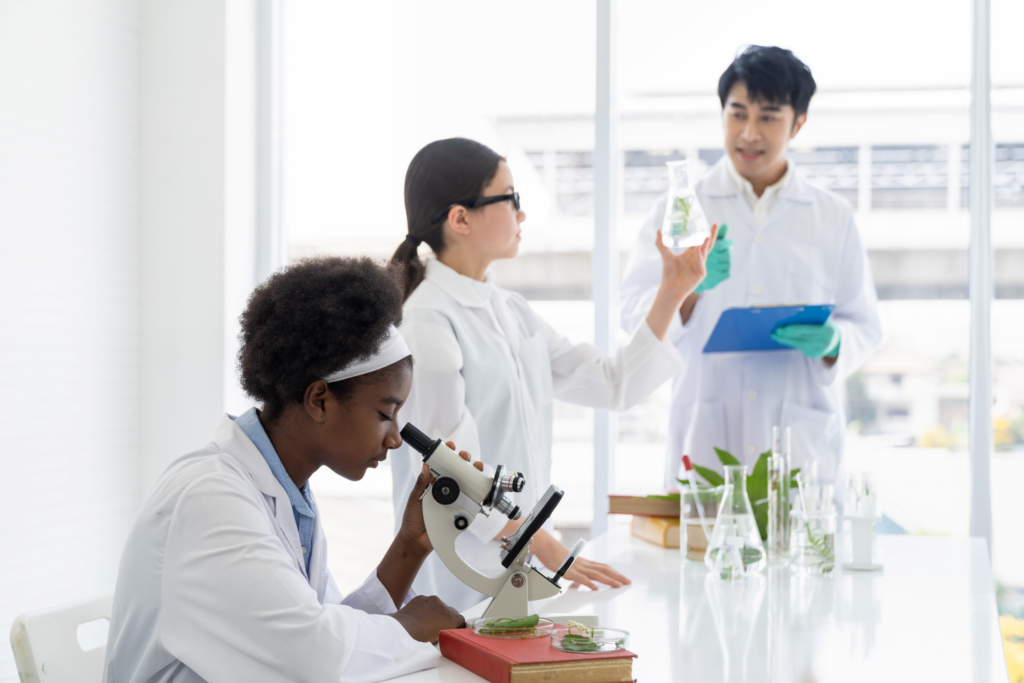
A shot of three young people wearing white lab coats working together in a research lab.

“Science is an adventure; it’s the human search for knowledge and new ideas that can better humankind.”

Published December 1, 2011

By Marci A. Landsmann

Image courtesy of amorn via stock.adobe.com.

Science is a discipline that whittles the abstract into clear and precise terms. So it might seem odd, at first, that Elias Zerhouni, former director of the National Institutes of Health and esteemed scientist, takes issue with certain characterizations.

“I don’t like to call something, ‘basic science’ or ‘translational science,’” says Zerhouni, a member of the Academy President’s Council. “It’s either good science or bad science. I don’t think we should characterize any type of science. Science is an adventure; it’s the human search for knowledge and new ideas that can better humankind. To pigeonhole types of science is, in my view, not beneficial.”

Definitions can create barriers, says Zerhouni. And he has spent his life stepping over such lines, first in academia at Johns Hopkins, then at the National Institutes of Health, and now in private industry in his recently assumed role as president of global research and development at Sanofi-Aventis.

In the early days of Zerhouni’s career as a radiologist at Johns Hopkins, he recalls not being able to secure NIH funding for his own research, because it didn’t fit neatly into a single disease process or under the purview of one single NIH institute. It took private industry funding to make his proposed research path—which years later led to imaging technologies that could show the heart in three dimensions and help clinicians decipher between cancerous and noncancerous nodules in the lungs—a reality.

Funding Reform

Zerhouni got the opportunity to make changes in the way the NIH chooses and awards research grants when he was appointed NIH director. He assembled a multidisciplinary team and a “Roadmap for Medical Research,” which isolated areas of science that would most benefit from cross-collaboration. The NIH Reform Act of 2008 established the NIH’s Common Fund, specifically for research that involves at least two of the 27 institutes in the NIH. In addition, it also set up funds for the Pioneer Award, which supports individual scientists of exceptional creativity who propose pioneering, and possibly transforming, approaches to major challenges in biomedical and behavioral research, despite not fitting neatly into a single disease category.

“You need a diversity of approaches,” Zerhouni says. “Sometimes funding agencies use a one-size-fits-all approach, which doesn’t help the real nature of science, which can go from the proverbial single investigator in the lab doing fundamental observation…to having the ability to put together teams to understand computational biology and bioinformatics. So in my view, the funding agency should reflect the realities of science and not the other way around.”

During his time at the NIH, Zerhouni encouraged further collaboration between scientists by creating multi-principal investigator grants, which allowed each scientist on a project to have lead investigator status. “Under a single lead investigator system, everybody else would be secondary. Well, that, in some way, discourages collaboration because everyone wants to be recognized in their own field as the top scientist.” The multi-PI grant gave scientists equal billing to contribute to the scientific problem at hand—and to converge in the same way as science does.

Matter of Perspective

Zerhouni attributes his success, in part, to his own unique background. Algerian-born, Zerhouni came to America when he was 24, after securing a residency at Johns Hopkins. He quickly learned the role perspective can play in the world of medicine.

“I think maybe part of my ability to succeed here is that I can bring a viewpoint that many people feel is sometimes surprisingly different and constructive in showing there is a different way,” says Zerhouni. “I think being an immigrant enriches the mix.” He applauds the U.S. for welcoming scientific immigrants and their contributions, pointing out that science is the great peacemaker.

Zerhouni cites the fact that 30% of all Nobel Peace Prizes in Medicine have been won by immigrant Americans. “No country has all of the talent to overcome its problems and that’s why I think science has to be global, it has to be without artificial barriers, and we should encourage collaboration and self-assembly wherever it comes from, provided that it is good science.”


About the Author

Marci A. Landsmann is a medical writer in Philadelphia.

A Conversation with Napoleone Ferrara

Five men in suits pose together, with the man in the middle holding up a medal award.

“We want to know why, for example, not all tumors respond to vascular endothelial growth factor inhibitors. We want to understand resistance.”

Published December 1, 2011

By Diana Friedman

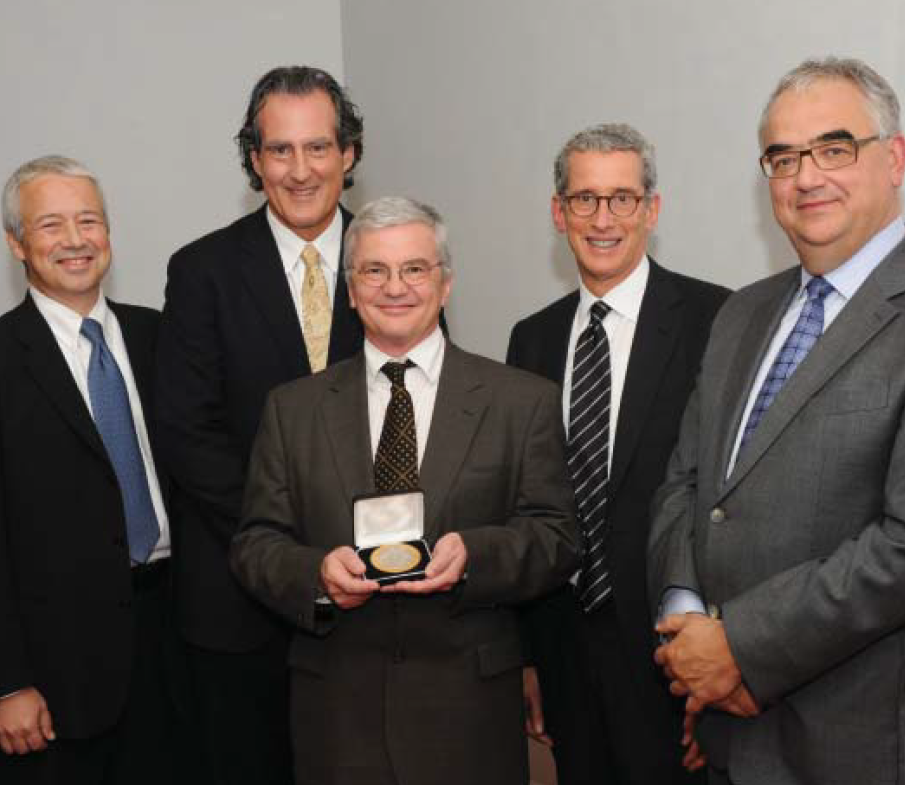
Napoleone Ferrara (center) receives the 2011 Dr. Paul Janssen Award for Biomedical Research with (left to right) Joaquin Duato (J&J), Craig Mello (University of Massachusetts Medical School; Howard Hughes Medical Institute), Harlan Weisman (J&J) and Paul Stoffels (J&J).

Napoleone Ferrar, a Genentech Fellow, discusses his life’s work: from discovering the core angiogenic signaling molecule, vascular endothelial growth factor (VEGF), to creating anti-VEGF therapeutics for wet age-related macular degeneration and cancerous tumors.

What motivated you to go into research?

I studied medicine in Catania, Italy, my hometown. Initially I thought that clinical medicine was very interesting, but I didn’t have a firm direction. Then, I met a professor of pharmacology with an established research group. I joined this group as a medical student and that’s what introduced me to research. It was thanks to my post-doctoral mentor at University of California, San Francisco, that I was able to further hone my research interests. Both of these people were very influential and inspirational factors.

Broadly, how did you identify VEGF and identify its role?

I was interested in endocrinology and neuroendocrinology. The pituitary is the master regulator of many key physiological processes. During my fellowship at UCSF, I stumbled on a population of pituitary cells without an established function. As part of my postdoctoral work, I tried to characterize these cells. I found that they released a factor that promotes angiogenesis. Over time I was able to isolate this molecule: I named it vascular endothelial growth factor (VEGF). After that, and through the work of a number of other labs, it became clear that VEGF is a very important signaling molecule.

As your work progressed, what were your biggest challenges in translating your discoveries to the development of therapeutics?

We were very fortunate that we found the right target but the challenge was proving that. Initially there was a lot of controversy about angiogenesis. There was skepticism about VEGF’s role in angiogenesis; people thought that maybe there were other molecules at work. We had to prove our findings through sound scientific methods.

What factors have contributed to your success?

I have a medical background even though I have not been a practicing physician for a long time. Perhaps that medical background helped me to guide my research into an area that is therapeutically relevant. I was also just very fortunate that the VEGF molecule turned out to be so important. Being at Genentech for 22 years helped push my work along. I think it would have been difficult to do the same work in a different setting.

You recently received the 2011 Dr. Paul Janssen Award for your breakthrough research on VEGF, and in 2010 you received the Lasker Award. What do these awards mean to you?

They express the fact that my peers, my colleagues, respect this work, so that means a lot to me personally. But the awards also reflect on the work that my group has done over the years. To me, these awards are really a stimulus to do more. I see them as motivation to do more and better research.

What are your biggest research priorities right now?

We’re trying to follow up on our work on VEGF. We want to know why, for example, not all tumors respond to VEGF inhibitors. We want to understand resistance. This will mean dissecting tumors to refine our understanding of angiogenesis. Regarding pro-angiogenic therapies, clinical studies thus far have been quite disappointing. It’s very difficult to reconstruct complex vessels to positively impact circulation. It would be really wonderful if someone could figure out how to do that.

This story originally appeared in the Fall 2011 issue of The New York Academy of Sciences Magazine.

The Role of Academic Medical Centers

A gloved hand holds a petri dish and a pipette.

Academic medical center must continue to bring together clinical and scientific resources, in the service of bettering humankind.

Published December 1, 2011

By Diana Friedman

“I don’t like the distinction between basic and translational science; science should be seamless,” says Laurie Glimcher, the Stephen and Suzanne Weiss Dean, Weill Cornell Medical College, effective January 2012. Many of her colleagues in the academic medical center community support Glimcher’s viewpoint.

“No matter what we call the discovery and development of new therapeutic drugs, it’s critical for the future of patient care that we focus on breakthroughs in therapeutics,” says Kenneth L. Davis, president and CEO, Mount Sinai Medical Center.

For Glimcher, who spends the majority of her professional life in a laboratory, her training as a physician still informs her desire to translate laboratory discoveries into viable clinical treatments. This is the quintessential mission of an academic medical center: to bring together clinical and scientific resources, with a greater duty of service to humankind. This mission is further supported by the Bayh-Doyle Act, a federal mandate that requires academic medical centers to develop discoveries at the bench into benefits for patients, notes Glimcher.

In order to move translation forward, clinicians and scientists must interact. “We need great clinicians who understand how to interface with laboratory scientists, we need scientists to ask research questions that are relevant to disease, and we need bridges that connect the two groups,” says David S. Stephens, vice president for research, Woodruff Health Sciences Center, Emory University. “This happens in academic medical centers, but it doesn’t happen well in all of them.”

Medical Model of Choice

“We have never lived in a time when opportunities were greater in biomedical research,” says Davis. And, as pharmaceutical interests increasingly move from discovery to development, academic medical centers must play a leading role in seizing these opportunities.

Jeffrey Bluestone, executive vice chancellor and provost, University of California, San Francisco (UCSF), believes that one way to greatly increase translation is to focus “our incredible science on humans as the complex medical model of choice.”

“To me, one of the most exciting post-human genome and technology advancements is thinking about the human organism as a place to do cutting-edge research, just like mice were our organism of choice in the past.” To do that, says Bluestone, academic medical centers will need to engage faculty and students in areas of human biology while improving existing infrastructure (data and tissue banks, bioinformatics technology, etc.) so that it is up to the task of human research.

Incentives Needed

Despite the incredible research opportunities afforded by an increase in scientific knowledge, academic medical centers face many challenges that make the realization of translation an uphill climb. Declining Medicare and Medicaid reimbursement leads to clinicians with packed patient schedules, leaving less time for vital collaboration with laboratory-based scientists, who are themselves faced with a dearth of research funds.

“Ninety-three percent of grants are turned down. A basic scientist will write their best grant in the area with which they are most comfortable and often that isn’t an area of disease,” says Davis. This underscores a critical need in academic medical centers: finding ways to incentivize both laboratory-based scientists and clinicians to spend more time working together and, ultimately, to make progress in creating new therapeutics for disease.

Many academic medical centers are providing incentives on an institutional level, by investing large amounts of financial and organizational resources to create physical spaces that support the day-to-day process of translation. For example, new buildings are being created at Weill Cornell Medical College and Mount Sinai Medical Center to foster closer collaboration between clinicians and laboratory-based scientists, blurring the lines between such disciplines to create the ‘seamless science’ of Glimcher’s vision.

Putting scientists and clinicians from diverse disciplines and backgrounds in close proximity to each other is useful both for its practicality and its ability to drive culture change. “Many of our faculty are used to, and very successful at, working independently or with a few collaborators,” says Bluestone. “We need to find ways to allow faculty to overcome barriers to communication and collaboration.” Having a building where scientists, clinicians, and students with varying degrees and areas of expertise work side-by-side is one way to facilitate a free exchange of information and ideas.

Reaching Out

In addition to new initiatives that pool intra-institutional resources, partnerships between academic medical centers are key, says Glimcher. “Here in New York, we have the so-called four corners—New York Presbyterian, Memorial Sloan Kettering Cancer Center, Weill Cornell Medical Center, and The Rockefeller University. We all have unique strengths, so we want to leverage those to avoid duplicating efforts. It’s more cost effective.”

At the Atlanta Clinical & Translational Science Institute (ACTSI), partnerships span three academic institutions—Emory University, Morehouse School of Medicine, and Georgia Institute of Technology—as well as a variety of health care and non-profit partners. All of these organizations pool resources “to rapidly and efficiently translate scientific discoveries to impact all populations of the Atlanta community,” says Stephens, who is the institute’s principal investigator.

Often, the results of these initiatives reach well beyond Atlanta. For example, ACTSI scientist Bali Pulendran recently published a systems biology approach to determine innate and adaptive responses to influenza vaccination, providing a new platform to predict vaccine immunogenicity and establishing new mechanistic insights for vaccine development.

Educating the Educators

Another way to incentivize both scientists and clinicians to expend more time and professional resources on the development of disease-modifying compounds is to provide professional education that emphasizes the skills necessary for translation. Some schools now offer master’s degrees in clinical sciences or translational science, in which physicians learn to become clinical researchers.

UCSF, a health sciences campus, recently developed ties with a local law school to help researchers learn about issues such as conflict of interest and consent forms. And ACTSI hosted a forum, in partnership with industry, to teach laboratory-based scientists about the process of creating a therapeutic product—an area most of those in attendance had never learned about before.

Such ties with industry are vital to avoiding the so-called valley of death—that stage where development of a previously promising compound languishes and dies—says Bluestone. “We need a different model of partnership with industry. Not one where industry licenses a drug from us and they tell us to go away, or one where industry provides us with money to do research and we tell them to go away.” At UCSF, Pfizer locates full-time scientists on the university campus, leading to greater interaction and better understanding of both sides of the process—discovery and development.

Industry collaboration is incredibly valuable, agrees Glimcher, provided there is full transparency from all sides. “In the olden days, basic scientists looked down on clinical researchers,” says Glimcher. “It’s not so different from how academics used to perceive industry. I believe those distinctions are largely being erased. Many of my esteemed colleagues have crossed over from academia to industry and vice versa. I think that’s a positive thing, so long as there’s transparency.”

A Unique Advantage

Indeed, collaboration, both within and outside of academia, is necessary to overcome translational hurdles. The potential rewards are great. But, says Bluestone, academic medical centers do not have to look beyond the borders of their campuses to find two of their most valuable resources: students and patients.

“Our students are tremendous resources that drive innovation and creativity,” says Bluestone. “They can help us challenge the status quo.”

At ACTSI, researchers interact regularly with community boards, set up to provide a forum for two-way communication and to engender trust between community members/patients and the institute. “The community boards allow us to reach out to communities about our research projects, but they also allow communities to contribute to us by telling us about their unmet clinical needs,” says Stephens.

Targeting research, and subsequent drug development, to unmet health needs is perhaps the best example of how academic medical centers can make a real-life difference through translation.

Also read: