Immunology, Atomic Structures, and the Origin of Life

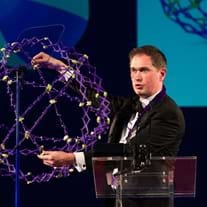
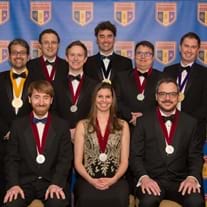
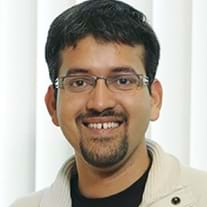
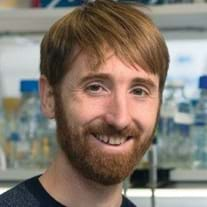
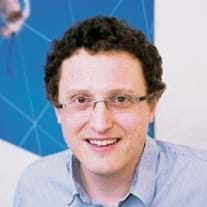
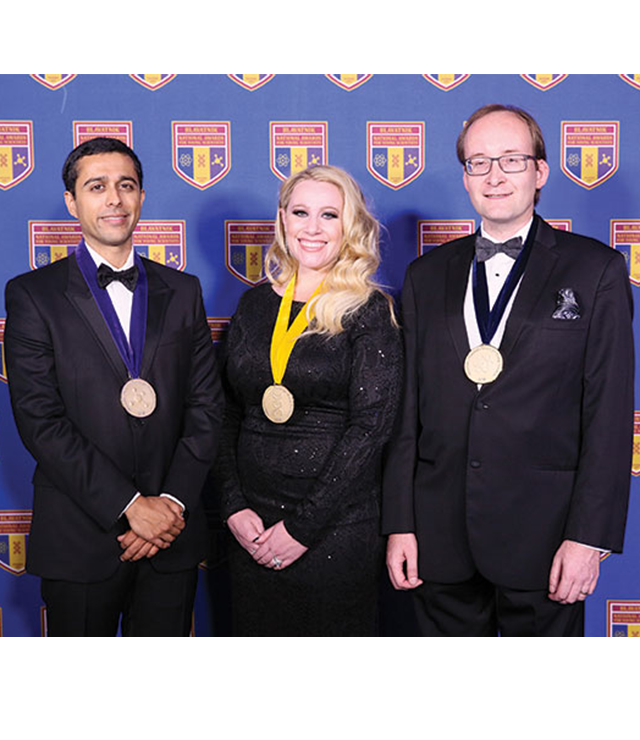
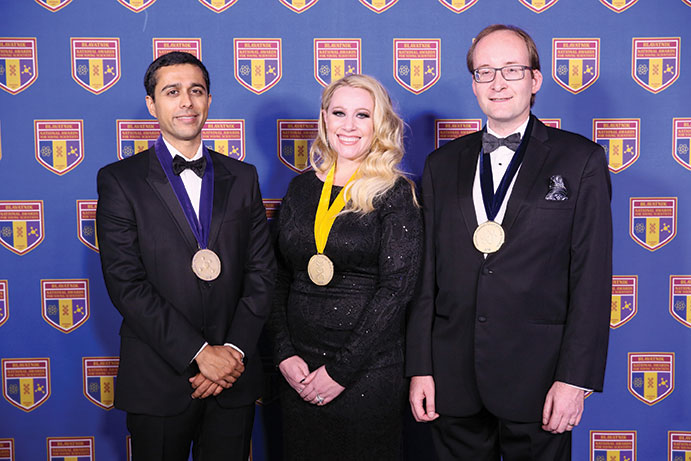
Three award winning scientists pose for the camera.

Meet the inspiring young 2018 Blavatnik Award laureates being recognized for their work in the areas of Life Sciences, Chemistry and Physical Sciences & Engineering.

Published October 1, 2018

By Anni Griswold

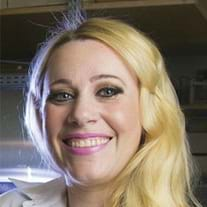
Life Sciences Laureate: Janelle Ayres, PhD, The Salk Institution for Biological Studies
An Unexpected Truce in the War on Pathogens

Much of immunology’s past has focused on defense: Generations of grad students have untangled host strategies for detecting and eliminating biologic threats.

Legions of labs have designed antibiotics to stock the host’s arsenal. But the field may have an altogether different future, says Janelle Ayres, PhD, the Helen McLoraine Developmental Chair of the NOMIS Center for Immunobiology and Microbial Pathogenesis at the Salk Institute.

“The traditional assumption was that you just had to be able to kill the pathogen — that’s all it took to survive an infection,” Ayres says. “That didn’t make sense to me because of the physiological damage that can happen. During an infection, the host immune response is doing far more damage than the microbe.”

More than a decade ago, while other graduate students traced signaling pathways of the innate immune system, Ayres — then a doctoral student in David Schneider’s laboratory at Stanford — pursued an idea gleaned from plant biology literature: What if humans, like plants, express genes that boost fitness and allow them to coexist with pathogens until they can safely ride out an infection?

Cooperation and Survival Over Death and Destruction

In the years since, Ayres has uncovered an accomplice to the traditional immune system. The “cooperative defense” system, as she calls it, is less focused on death and destruction and more on cooperation and survival.

“Often, a patient’s immune system is fully capable of killing an infection, but the patient dies from the pathology before they’re able to kill the infection,” Ayres says.

Or, in other cases, the pathogen produces toxic compounds or disrupts physiological functions. By engaging the patient’s cooperative defense system, the patient can remain healthy enough for the immune system to come in and clear the infection. Her discovery has inspired a new branch of immunology and earned Ayres the 2018 Blavatnik National Award for Young Scientists.

In a groundbreaking paper published on September 20th 2018 in Cell, Ayres described the system in action. Mice infected with the diarrheal pathogen Citrobacter, a close relative of the pathogenic Escherichia coli strains, remain symptom-free by consuming iron-supplemented chow for two weeks.

“We can promote co-operative defenses by giving a short course of dietary iron, which induces an acute state of insulin resistance,” she says. “This reduces the amount of glucose absorbed from the gut and suppresses expression of the pathogen’s virulence program.”

The mice resumed their normal diet after treatment and are still alive a year later.

“They’re perfectly healthy,” Ayres says.

Therapies that Engage Cooperative Defenses

The microbe remains in the mouse gut, but no longer causes symptoms — even when that microbe is isolated and injected into naïve mice.

“We’re not only able to treat the infection, but we also turn the microbe into a commensal and we drive the selection for strains that lose their virulence genes,” she says.

Therapies that engage cooperative defenses could help humans gain an advantage in the war on drug-resistant microbes.

“We are essentially in a pre-antibiotic era, meaning we’re running out of antibiotics that used to be our last resort. Many are no longer effective,” says Ayres. “We’re basically in as bad shape now as we were before we even developed antibiotics.”

While the oft-touted solution is to develop newer, stronger antibiotics, Ayres champions a more farsighted approach.

“We need to develop novel classes of antibiotics, but we also need to acknowledge that by focusing on methods that kill microbes, we’re driving the global crisis of antimicrobial resistance. We can’t solely think about treating infections from this antagonistic perspective,” she says.

Therapies that engage the body’s cooperative defenses will drive human survival rather than microbial demise. As such, those therapies will likely be “evolution-proof,” meaning they won’t further the problem of drug resistance. Ayres’ findings suggest the war against pathogens can’t be won with defense alone. “And so,” she says, “we’re taking a completely different perspective.”

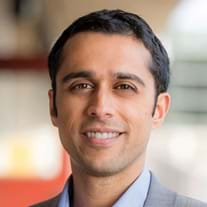
Chemistry Laureate: Neal K. Devaraj, PhD, The University of California, San Diego
When Molecules Become Life

The smallest unit of life — the cell — has fascinated and bewildered scientists for ages.

The prospect of producing a synthetic cell from scratch is particularly tantalizing, given the practical applications for diagnosing and treating disease. But to achieve that feat, scientists must address the simplest, most profound questions.

“It’s almost philosophical: What is life? What is the chemistry from which life can emerge? Quite literally, when does chemistry become biology?” says Neal K. Devaraj, PhD, a professor of chemistry and biochemistry at the University of California, San Diego, and a winner of the 2018 Blavatnik National Award for Young Scientists.

“I’m constantly reminded that life can come about from nothing. But if you really dive into it, it’s a black box. We really have no idea how this occurred,” he says. “What’s truly exciting, from a scientist’s perspective, is the unknown.”

Though scientists haven’t yet produced a living cell from synthetic materials, Devaraj and others have come close. Chemistry-minded teams tend to tackle this goal from the bottom up, recreating reactions that spawned the first cell.

The Interface Between Chemistry and Biology

Biology-minded teams work from the top down, stripping cells to their bare essentials in hopes of revealing the minimum requirements for life. Devaraj’s team takes a hybrid approach, examining the interface between chemistry and biology.

“We’re not so concerned about the origin of life,” he says. “We’re more concerned about understanding how one creates materials that mimic cellular form and function, in a lab, using anything at our disposal.”

His team uses chemical tools to parse biological questions, like the significance of a cell’s lipid coating. After dissecting the fatty compounds’ function, his lab introduced synthetic cells that can reproduce in perpetuity once encased in lipid shells and fed a proper diet. This has revolutionized strategies for diagnosing and treating lipid-related disorders.

“These cells are far from being as sophisticated and complex as modern cells. They don’t contain DNA. They don’t undergo Darwinian evolution. But looking back at how cells may have evolved billions of years ago, who knows? Maybe the first cells did start off simply, like this,” he says.

A Longstanding Curiosity About the Origins of Life

Devaraj’s longstanding curiosity about the origins of life burgeoned during his undergrad years at MIT, where he pursued a double major in chemistry and biology. During his doctoral studies at Stanford, he was tasked with writing a mock proposal for a faculty research position.

“I was imagining what I could work on that would remain really exciting and difficult for decades,” he recalls. “And I was inspired by this idea of trying to mimic life.”

One of his doctoral advisors, James Collman, specialized in biomimetic chemistry: creating compounds that mimic enzyme function. “If you think about it, the natural progression of biomimetic science is to mimic life itself, to mimic cells,” he says. “I was inspired to take it a bit further by exploring the minimal chemistry from which life can emerge.”

Though his research is gratifying, Devaraj says his collaborations with students and postdocs are even more so.

“What really gets me up every morning are the conversations about new data, new ways of thinking. It’s a very collaborative effort,” he says, adding that early on, he staffed his lab with post docs and students that came from diverse backgrounds. “Some of my first postdocs had a thorough training in synthetic organic chemistry, much more so than I had. By working together, we were able to achieve something that neither of us on our own could have achieved.”

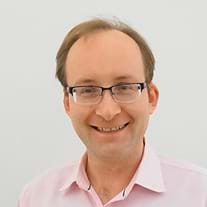
Physical Sciences & Engineering Laureate: Sergei V. Kalinin, PhD, Oak Ridge National Laboratory
Sculpting Materials from the Finest Matter

Sergei V. Kalinin is an architect of the most peculiar sort. His blueprints are atomic structures; his pencil an electron beam.

Whereas other architects build cathedrals brick by brick, Kalinin aims to build nanomaterials, atom by atom. His tailored materials could form the groundwork for tomorrow’s microchips, transistors, quantum computers and medical devices. If successful, Kalinin’s advances promise to revolutionize human health, space flight and the computer-brain interface.

“Science rarely develops along a straight trajectory,” says Kalinin, director of the Institute for Functional Imaging of Materials at the Oak Ridge National Laboratory.

Contributions in Microscopy

His contributions to scanning transmission electron microscopy and scanning probe microscopy, recognized with the 2018 Blavatnik National Award for Young Scientists, are no exception. Like many innovations, Kalinin’s craft came about serendipitously. His tools for building atomic-scale structures stem from a flaw in electron microscopy, a powerful method for observing a material’s crystal structure.

Scientists have long known that the microscope’s electron beam can inadvertently jostle atoms out of position. In a 2015 paper in the journal Small, Kalinin and colleagues fashioned this flaw into a precise, powerful tool for sculpting atomic matter in 3-D.

“The assumption was that if you see atoms, you will understand them. But that’s not enough,” he says. “You can image atoms, but the question is what can you learn from it? Eventually you need to read the blueprints of nature to understand how an atomic configuration achieves a certain functionality. Then you can learn how to make your own blueprints, and use electron beams to build your own configurations.”

The Beginning of Nanotechnology

His interest in the field burgeoned three decades ago, when the scientific literature buzzed with papers describing scanning tunneling microscopy. In 1990, the renowned physicist Don Eigler used a scanning tunneling microscope to form individual atoms of xenon into the letters I-B-M.

“That was essentially the beginning of nanotechnology,” Kalinin recalls. “In a sense, the fields of nanotechnology and quantum computing are predicated on the ability to put the atoms where we want them and to characterize the properties of these structures. But even more, we need to control and shape the matter’s electronic properties and find ways to combine these materials with existing semiconductor technologies.”

To achieve those goals, Kalinin’s lab uses smart approaches — artificial intelligence, big data and machine learning — to understand how atoms can be positioned in a way that achieves a desired function. Working with Stephen Jesse, an expert in the real-time big data behind scanning probe and electron microcopy, Andy Lupini, an original inventor of aberration correctors in STEM, and Rama Vasudevan and Maxim Ziatdinov, experts in deep learning applications and physics extraction from atomically resolved data, they aim to design nanoscale and mesoscale materials for use in energy storage, information technology, medicine and other applications.

“If we talk about grand ideas like exploring the solar system, we need to make devices and machines that are light, versatile and can interact with surrounding materials of any form and action,” he says. “To achieve that, you need to move from imaging to understanding to atomic-level control.”

A Mentor’s Advice: Focus on Your Mentee’s Goals

Two women smile for the camera.

Even as a busy graduate student, Jacqualyn Schulman finds time to mentor. Not only does she often learn from her mentees but in many ways they also inspire her.

Published September 10, 2018

By Alexis Clements

When Jacqualyn Schulman was in high school, she was interested in science but had no idea of the career possibilities out there in the STEM fields. That’s one of the reasons that today, as a pharmacology graduate student at SUNY Upstate Medical University, she devotes a significant portion of her time to mentoring high school students through the Academy’s various mentoring programs. “I love encouraging the younger generation to get involved in STEM fields and teaching them about all the possibilities,” she says.

Jacqualyn’s latest mentoring experience was through United Technologies STEM U, where Jacqualyn was matched with Jodie Guthrie, 17, from Saltcoats, Scotland. The STEM U mentoring program matches students ages 13 to 18 years old from around the globe with STEM professionals. The students complete course work on 21st century skills, including communications, leadership and college readiness.

One reason Jacqualyn has been such a great mentor to many young people is that she makes sure to touch on what’s currently going on in their lives and what their personal goals are.

“My mentor helped and guided me by discussing university and career ideas and what skills I should develop and grow to get to where I want to be,” Jodie says. “These discussions helped me decide what course to do at university—I start in September!”

Learning from the Students

As Jodie completed the college readiness course, she and Jacqualyn met regularly through Skype to discuss what topics Jodie was most interested in at school and what majors might align best with those interests. They also talked about the pros and cons of various universities Jodie was considering.

The great news? Jodie got into Strathclyde University in Glasgow, and plans to study Forensic and Analytical Chemistry.

“I’ve learned and advanced things like study skills, determination, finance organization and confidence, which are all crucial for university life,” Jodie said of her time working with Jacqualyn.

As for Jacqualyn, she couldn’t be prouder of Jodie. And she noted how much she learns each time she mentors a student.

Though she’s still a graduate student herself, Jacqualyn is a veteran mentor who has advice for anyone thinking about mentoring: “There is no better day to start. You have so much to offer a young person—it doesn’t matter where you are in your career, you have experience to share.”

She also noted that all of the mentors in the program are a community. “If your mentee has a question and you’re unsure of the best answer, you can reach out to your fellow mentors to get their opinions.”

“My mentees inspire me and I know they’re going to make amazing changes for this world!”

Also read: Empowerment Enables More Women to Succeed in STEM

The Crucial Need to Empower Aspiring Scientists

A woman in glasses smiles for the camera with trees in the background.

From growing up in Macedonia to studying applied physics at Columbia University, mentoring was an important part of Edita Bytyqi’s educational journey. Now, she’s paying it forward.

Published July 24, 2018

By Edita Bytyqi

Edita Bytyqi

Two years ago, I was a high school junior from Macedonia with a rudimentary understanding of water purification research and a passion to pursue a career in STEM. Now, I am an Applied Physics major at Columbia University. It wasn’t an easy journey, but the mentorship I received through The New York Academy of Sciences’ (the Academy) Junior Academy had a huge impact along the way.

Back then, the Academy had just launched a virtual mentorship program for high school students around the world and I was honored to be one of the first students to participate. In The Junior Academy, I was exposed to topics and resources that were completely new to me—things like statistics and human-centered design. The program consisted of an educational phase, followed by the innovation challenges. After going through three months of education on how to conduct research and build products, we moved to the challenges phase where we were asked to come up with an innovative design for a wearable that would solve a sanitation problem.

The Impact of the Junior Academy

I was part of a team of four students from three different countries—the U.S., the U.K., and Macedonia—and we were later assigned a mentor from India. Having five people from four different time zones in one group is a challenge on its own, let alone solving a global problem. From taking turns at staying up until 4 AM, to waking up at 7 AM on weekends, we managed to have at least one meeting every week and more as we approached challenge deadlines. Every phase of this challenge was an experience of its own, but what I’ll never forget is the dedication that our mentor, Ankit Shah, had for our team.

Ankit had a full-time job as a graduate engineer at ARM in India and was working on his own application for graduate school. Nonetheless, he never missed a call. Thanks to his commitment to our group, we overcame our technical challenges, and became better team players.

As high school students, we had times when we disagreed or wanted our particular ideas pushed forward. Luckily, we had a mentor who calmly told us that, while both ideas might be good, we had to thoroughly analyze and compare both before making a decision. We not only gained from his experience as an engineer and a hard-working mentor, but he would always post different scholarship and educational opportunities in our group chat. Having such an amazing mentor makes it impossible for a student to dislike STEM; it makes a student want to pursue a career in STEM, so that one day she can motivate others the way her mentor motivated her.

Digital World Tools Impact the Real World

My team ended up winning the challenge, which gave us the opportunity to meet at the Global STEM Alliance Summit in New York at the Academy. Unfortunately, our mentor wasn’t able to make it, but he was still present, viewing the livestream from home. I had always thought that the best mentors are those you get to see and talk to in real life, but The Junior Academy proved me wrong. In working with him, I realized the true power of mentorship in developing global networks and expanding students’ exposure to STEM.

Now, I coordinate the mentorship program for alumni at Aspire Academy in Romania. I also have a new mentor through the Academy’s Member-to-Member Mentoring program with whom I just had a meeting last week. I am excited for another journey with a different mentor from whom I will learn and grow both academically and personally. It is through these connections that we can make use of the tools we’ve created in the digital world to have a long-lasting impact in the real world.


About the Author

Edita Bytyqi is a rising sophomore at Columbia University studying Applied Physics. She is an international student from Macedonia who was part of The Junior Academy, a mentorship program for high school students from The New York Academy of Sciences. She remains involved with the Academy’s mentoring programs.

The Role of a Strong Mentor in Your Career Journey

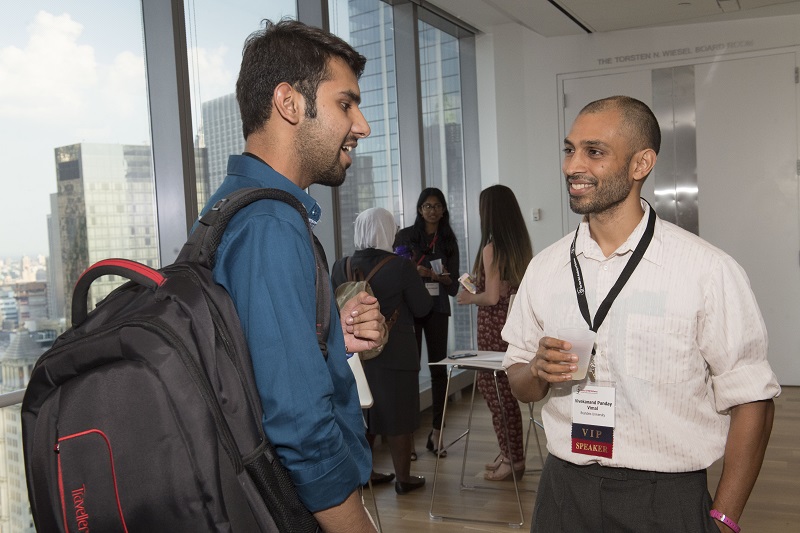
Two people engage in a conversation during an Academy event.

Not everyone knows what they want to be when they grow up. A mentor can ease your mind as you navigate the confusing path of planning out your future.

Published June 21, 2018

By Alexis Clements

A networking event at The New York Academy of Sciences.

Not everyone knows what they want to be when they grow up—it can be a scary prospect to figure out what you want to do with the rest of your life. A mentor can ease your mind as you navigate the confusing path of planning out your future. That’s why, when Paul Noujaim, 17, from Darien, Conn., heard about United Technologies STEM U through his high school, he seized the opportunity to join. (United Technologies was renamed Raytheon Technologies Corp. in 2019.)

Mentoring is one component of United Technologies (UTC) STEM U, an initiative developed jointly with The New York Academy of Sciences (the Academy) in 2017 to inspire more students to pursue STEM careers. Through an online platform, student mentees ages 13-18 complete learning modules that teach them 21st century skills such as communication and leadership, and also help them navigate the college search and application process. Students are assigned a personal mentor, whom they interact with on a regular basis, at mutually-agreed upon times, for a period of one year. 

Paul’s mentor, Justin Giza, is Manager of Digital Newsstand Operations for Barnes & Noble Inc. He recalls his first impressions of Paul when the pair began the program: “At first he seemed a little overwhelmed by what he wanted to do in life. I talked him through the many hoops and jumps I’ve personally made to reach where I’m at today. I think it put his mind at ease to know that he didn’t need to have everything mapped out, as long as he keeps his eyes open for fresh and exciting challenges.”

Different Perspectives can Inspire Confidence

Paul Noujaim

Justin himself had more of an informal mentoring experience, taught by both his father and grandfather to stay flexible in his career path and simply look out for opportunities that interested him. After graduating from college, Justin worked at a coffee shop and did freelance audio work on the side. Through people he met as part of that job, Justin moved towards food writing and sound editing for an online startup publication.

“That job really kicked things off for me—it rolled a lot of my interests into one beautiful ball of tech and food,” Justin explained. And it ultimately helped him launch his career with Barnes & Noble.

Hearing about Justin’s career journey showed Paul that it’s okay for him to not know all the answers yet. “Justin has been in the same shoes as I am, going through the college process and planning for the future,” Paul says. “He’s been able to offer me advice and anecdotes from his life that are very applicable to my own.” Paul adds that the perspective he’s been able to get from Justin—an adult outside his school and family circle—has made him more confident about his future.  

Inspiring Passion in STEM

Justin Giza

Although many of the mentors in the program are STEM professionals, it’s not a requirement to be a scientist or engineer. What is required? A passion for getting more young people interested in STEM.

“I have always had a love for education,” Justin notes. “I feel we need more people involved in STEM as a whole because the workforce is moving away from traditional labor jobs and moving towards STEM fields.” Justin’s right—according to the U.S. Census Bureau, STEM jobs have grown 79 percent since 1990. “Mentoring through UTC STEM U has been a great way for me to help foster a sense of curiosity in STEM,” he explains.

But the benefits of a mentoring relationship aren’t just a one-way street. While Justin was able to inspire Paul, working with Paul helped Justin improve his own communication skills. One tip Justin says he would offer to other mentors: “If you find yourself taking up most of the conversational space, you aren’t guiding—you’re probably instructing. Instead, try to ask more questions about your mentee; to identify what they really need.”

Learn more about educational and mentoring opportunities at the Academy.

Green is the New Black in Sustainable Fashion

Textile waste has been on the rise in recent years because of “fast fashion” trends. Companies are exploring ways to recycle these otherwise discarded materials.

Published June 1, 2018

By Mandy Carr

Image courtesy of Hilda Weges via stock.adobe.com.

How much stuff do you have in your closet? If you’re like most people, it’s way too much and with clothing you probably seldom wear. According to Mattias Wallander, CEO of USAgain, Americans purchase five times as much clothing as they did in 1980 — largely due to “fast-fashion” — low-quality, inexpensive fashions typically found at retailers like H&M and Forever 21. As a result, textile waste grew 40 percent between 1999 and 2009, according to the Council for Textile Recycling. In 2014 the EPA reported that 10,460,000 tons of textile waste was thrown into landfills.

In the State of Fashion 2018 report by Business of Fashion and McKinsey & Company, Dame Ellen MacArthur said, “Today’s textiles economy is so wasteful that in a business-as-usual scenario, by 2050 we will have released over 20 million tons of plastic microfibers into the ocean.” Those stats show a frightening trend, but according to a 2014 article in The Atlantic, of the clothing that is collected by charities: 45 percent is used for secondhand clothing, 30 percent is cut down and made into industrial rags, 20 percent is ground down and reproduced and five percent is unusable. Less than one percent is recycled into new textile fiber.

Barriers to Recycling Textiles

So why isn’t more disused clothing being recycled? According to Natasha Franck, the founder of EON, a collective focused on making fashion sustainable, the biggest barrier to recycling textiles is the lack of material transparency. Fabric cannot be recycled if its composition is unknown. Seventy percent of retailers plan to provide item level tagging by 2021 and EON is developing the first global tagging system for textile recycling, making it easier to sort through fabrics.

Some retail companies are developing their own solutions. International fashion retailer Zara, for example, is installing collection bins across all its stores in China, while Swedish retailer H&M, has invested in Re:Newcell the first garment in the world made from chemically recycled used textiles. C&A introduced a mass market price T-shirt that is “Cradle-to-Cradle” certified i.e. designers and manufactures have undergone a continual improvement process that looks at five quality categories; material health, material reutilization, renewable energy and carbon management, water stewardship, and social fairness. Each product receives a level of achievement in each category — basic, bronze, silver, gold or platinum.

Many cities have their own recycling programs. New York City has NYC Grow collection points to donate clothing. Unwanted clothes are picked up at collection stations and then taken to a facility to be sorted and recycled. Germany-based I:CO — short for I:Collect — provides global solutions for collection, reuse and recycling of used clothing and shoes. Their worldwide take-back system and logistics network currently operates in 60 countries and helps cities and retail outlets to develop recycling solutions.

Also read: Students Make Sustainable Fashion Statement

Scientists Step into New Roles to End Poverty

Scientists from across the globe are teaming up to lessen poverty and advance sustainability to make the world a better place for the next generation.

Published June 1, 2018

By Charles Ward

Image courtesy of Liudmyla via stock.adobe.com.

Based on aerodynamic laws bumblebees should not be able to fly, and yet they do. Similarly if past lessons of human history are reliable guides to future performance, ambitious global commitments to address poverty, inequality and sustainable development should quickly flounder amidst human foible. And yet, in the three years since their adoption, the United Nations’ Sustainable Development Goals (SDGs) have already changed the conversation about what collective will can accomplish. The shift has taken place, thanks in part to members of the world’s scientific community, who have stepped into informal roles as conceptual interpreters, brokers between advocacy and realpolitik, and coalition builders.

The Power of Collective Effort

When 193 U.N. member states signed onto the SDGs in 2015, there was fresh evidence that seemingly intractable issues of poverty, growth and inequality could in fact yield to collective effort. The U.N.’s preceding framework, the Millennium Development Goals (MDGs), had met its most well known objective of “cutting extreme poverty in half” five years ahead of schedule. The SDGs raise the poverty goalposts even higher — by redefining poverty beyond purely monetary terms as a threefold condition that includes economic, social and environmental factors.

The SDGs have pulled in active participation from a growing spectrum of stakeholders that include governments, multi-lateral organizations, NGOs and private-sector actors. But with every stakeholder pressing ahead with its own SDG priorities, what actually addresses global poverty is the question that connects all parties. This common need for shared, fact-based understanding has put scientific disciplines into a position of de-facto referee. The perceived apolitical objectivity of scientific methods and the historic training of scientists in the transfer of knowledge offer a glue strong enough to hold together would-be SDG collaborators and partners, and dissolve tensions born out of perceived biases or competing agendas.

An Unfolding, Dynamic Entity

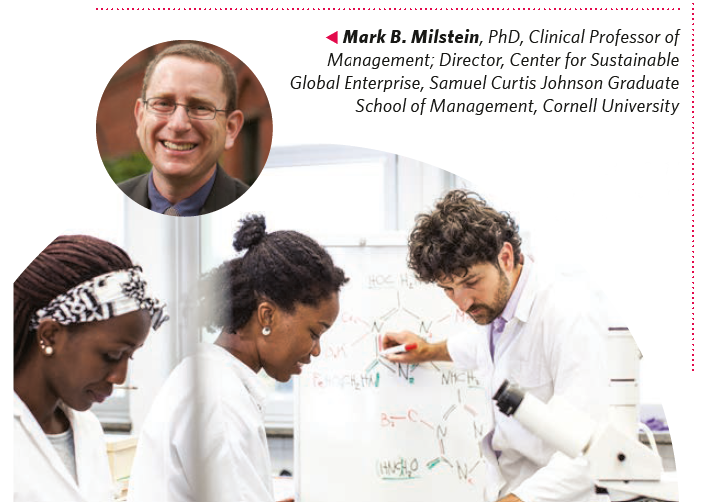
Scientists involved with the SDGs acknowledge they are a complex, even sprawling web of interdependent causes and effects. The scientific tearing apart of causes, conditions and valid findings would be challenging even before all the cultural, political and environmental variables that prevail across the globe are factored. “How do you talk to people when sustainability is an unfolding, dynamic entity?” asks Dr. Mark B. Milstein, who directs the Center for Sustainable Global Enterprise at Cornell University’s Samuel Curtis Johnson Graduate School of Management. “The SDGs really capture that—they’re overlapping, they’re not clean, with sub-areas that are not mutually exclusive.”

A strategic management expert by training, Milstein straddles the intersection where situation-specific solutions and broad, transferable scientific insights merge or collide. Explicitly, Milstein specializes in framing the world’s social and environmental challenges as unmet market needs, often best addressed by the private sector. Tacitly, as someone who consults extensively with business entities to help them effect change, he’s a translator. “For somebody like myself, rigorous scientific inquiry means training to examine and analyze data sets, and look for trends,” says Milstein. “How do you go about doing work that can adhere to scientific rigor while still trying to move the needle on these critical issues that we believe have to be addressed?”

Immediate Problem Solving

The private-sector SDG actors who are making decisions and on-the-ground investments, Milstein notes, tend to be focused on immediate problem solving. They’re equally committed to their own SDG projects, he notes, but often working with shorter deadlines, and applied research that leans more to market needs and decisions. Part of his job, he elaborates, is using the kind of knowledge science can produce to help private business along.

“Since we’re talking about how it makes sense for the private sector to get involved and stay involved, we have to make sure the questions we’re asking are as clear as can be, that we’re being very specific about the language that we use and the data that we collect, and the conclusions that we draw from that,” he explains. “There’s no reason why applied research cannot be rigorous the way academic research is.”

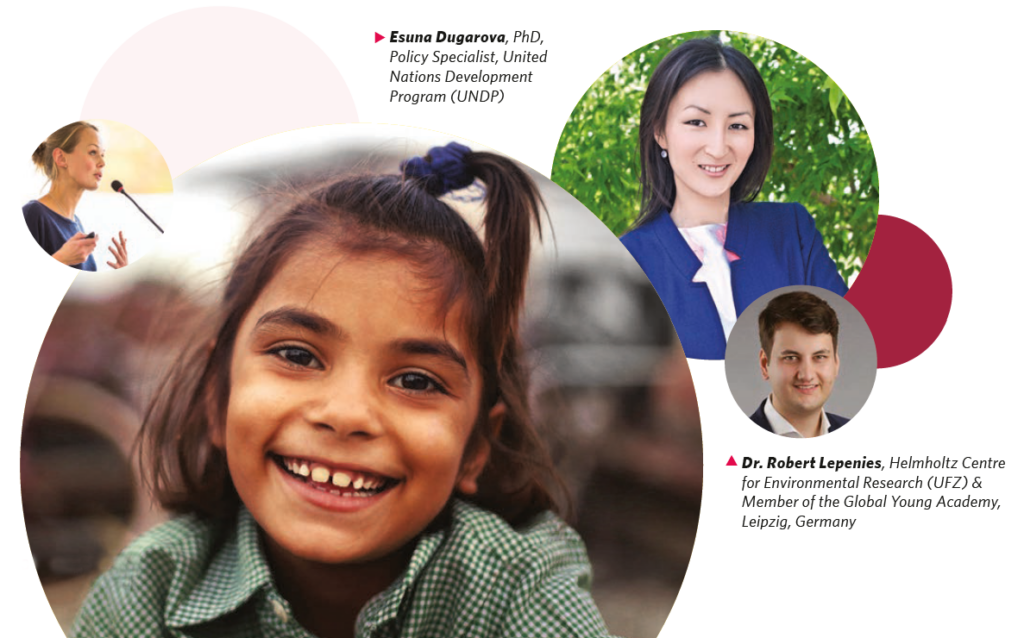
For SDG scientist stakeholders, dynamic tension is built into the multiple roles they are asked to play. Working as a policy expert for the U.N. Development Program (UNDP), Dr. Esuna Dugarova walks a tightrope every day between scientific detachment and the realities of SDG realpolitik.

“Being part of the U.N. system, I’m here to promote the framework of the SDGs, and to provide recommendations to governments on how to implement the 2030 Agenda,” says Dugarova, emphasizing that her perspective on SDG multi-tasking is her own, and not that of UNDP. “On the other hand, in my capacity as a researcher, I do research and analysis. Sometimes, the recommendations are not always what governments want to hear. I’m also critical about what kind of data should be used, and how to incorporate that data to make good policy advice.”

Processing Data Mindfully

As one example, Dugarova points to her research work on unemployment and poverty in Central Asia. Accurate findings are difficult to obtain, she recounts, partly because large portions of local employment are not parts of formal economies, and thus underreported. Additionally, host governments are sensitive about their image, creating a delicate atmosphere for the presentation of the data. “One must be mindful about how to process data,” says Dugarova.

Dugarova has a very definite point of view about one of the major levers that drive progress against poverty, inequality and towards sustainable development: gender equality. “There are certain universal accelerators. Gender equality is one of them, capable of achieving many goals at the same time, whether it’s economic development, food security, climate change or political participation.”

But here again, Dugarova is keenly aware of her role as an informal broker of facts to sometimes unreceptive national governments, who happen to be her major professional stakeholders. She can easily point to gender-equality progress. For example, two-thirds of developing countries have achieved gender equality in primary education, female political participation is growing strongly in Latin America and U.N. economic models show strong correlation between female labor force participation and economic growth.

Structural, Institutional, and Cultural Bottlenecks

She’s also aware of structural, institutional and cultural bottlenecks in the way of further progress, citing gender-based violence as an example. As a policy expert and advocate for gender equality, Dugarova realizes it’s one thing to know that 49 countries still have no legal framework to address domestic violence, it’s entirely another to go up against social and cultural norms that are often woven into national identity. “If you address gender norms that are embedded in national identity, you have to address or even change national identity, and these are deeply embedded in the nation-state,” she elaborates. Dugarova does not have to state the obvious, that the nation-state is the foundation of the U.N. system.

There does seem to be consensus among stakeholders that achievement of the SDGs will require unprecedented levels of cooperation, and entirely new models of partnership. Dr. Robert Lepenies is a Research Scientist at the Helmholtz Centre for Environmental Research (UFZ) in Leipzig, Germany, and a member of the Global Young Academy. He has watched the specific ways in which the world’s scientific communities coalesce around the SDGs, and is an active participant in related coalition-building.

The SDGs, Lepenies points out, have put new initiatives in motion to bring together scientists, policy specialists and non-governmental actors, with impacts yet to be revealed. Lepenies mentions cooperation between statistical agencies worldwide to agree on metrics to determine whether the SDGs have been successfully met. In no way is this a finished process, notes Lepenies, and scientists must use the prestige of their positions to continue to press for accountability and statistical rigor. “I think the major advantage is that the discussion has been changed for good now,“ Lepenies says. “It is simply assumed that partnerships must be interdisciplinary, transdisciplinary, participatory and draw on different types of input.”

Processes, Methodologies, and Approaches

Lepenies is particularly optimistic about relatively new entities such as the Global Young Academy, and innovative hybrid frameworks such as Future Earth’s Knowledge-Action Networks. “I am personally very excited about the pioneering roles played by national science academies, particularly young academies in places like Africa, and even associations of science academies such as the InterAcademy Partnership,” Lepenies observes. “Poverty is back on the agenda, defined in ways that will contribute to huge capacity building for social, economic and environmental statistics around the world.”

The Holy Grail for SDG scientists who attempt to address the economic, social and environmental dimensions of poverty are universally applicable solutions — processes, methodologies and approaches — that are in fact sustainable, scalable and replicable.

But the reality seems to be much messier, with progress that takes the form of scalpels rather than hammers, and localized, population-specific solutions rather than sweeping antidotes. In the past three years, scientists invested in the success of the SDGs may have built or picked up an increasingly fine-grained understanding of what works, what doesn’t and why. They’ve learned new ways of communicating with SDG partners who think and speak in a different idiom. And they’ve demonstrated willingness to partner with each other and with non-scientist stakeholders.

A More Just World is Possible

Scientists are also learning, perhaps, to remain participants in an SDG universe of calibrated expectations and incremental advancements. The U.N.’s own SDG charter contains terms like “slow and uneven progress.” As Lepenies says, “The SDGs are primarily about the long-term vision we have for our planet. Even though the agreed-upon goals represent a non-binding consensus, I think we should look at the 2030 Agenda as the best chance to achieve a ‘realistic utopia,’ a global endeavor to bring about social and intergenerational justice. A more just world is possible, and the SDGs give us a pretty good shot at achieving this.”

Editor’s Note: The views expressed by the participants quoted in this article are personal and do not necessarily reflect the positions of their affiliated institutions or The New York Academy of Sciences

Also read: Sustainable Development for a Better Tomorrow

New Award Aims to Advance Science in Israel

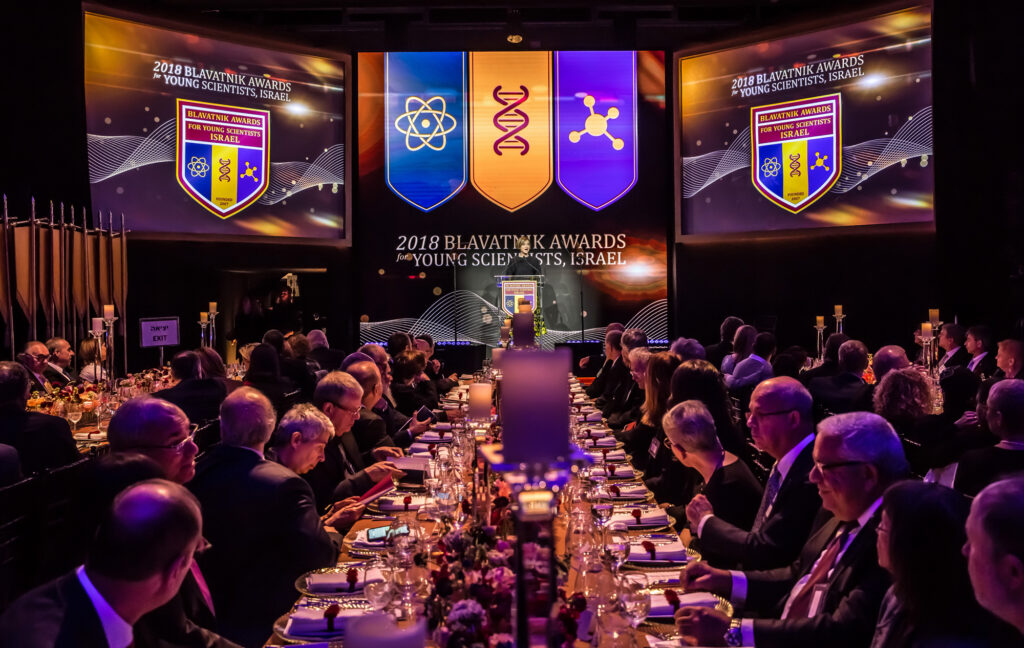
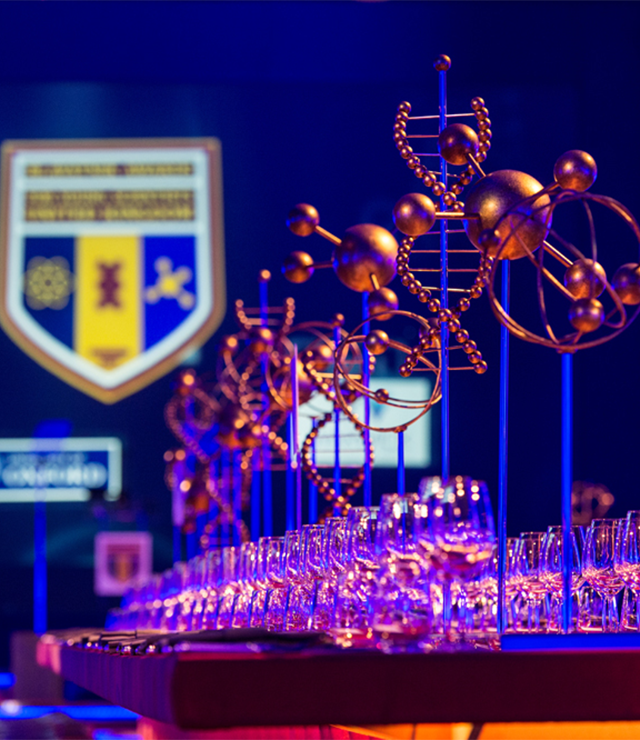
A shot from the gala for the inaugural Blavatnik Award ceremony in Israel.

The Blavatnik Family Foundation hosts the first Blavatnik Awards Ceremony in Israel in collaboration with The New York Academy of Sciences and the Israel Academy of Sciences and Humanities. Take a look at the spectacular occasion.

Published May 1, 2018

By Kamala Murthy

The Blavatnik Family Foundation in collaboration with The New York Academy of Sciences and the Israel Academy of Sciences and Humanities, hosted the Inaugural Ceremony and Gala for the Blavatnik Awards in Israel at the Israel Museum in Jerusalem on February 4, 2018.

This spectacular occasion marked the Blavatnik Awards’ first year in Israel.  Prominent leaders across Israel, including from academia, business and philanthropy, attended this remarkable event. Dana Weiss, Chief Political Analyst and host of Israel’s “Saturday Night with Dana Weiss,” presented the Blavatnik Awards as Ceremonial emcee.

The evening began with a vocal performance by one of Israel’s most celebrated singer/songwriters, Ronan Kenan.  A short opening film entitled “Start-up nation” was shown. The film highlighted Israel’s entrepreneurial spirit that drives innovation and discovery in the country. Both President Nili Cohen of the Israel Academy of Sciences and Humanities and President Ellis Rubinstein of the New York Academy of Sciences gave opening remarks for the inaugural ceremony.

Honoring Israel’s Leading Young Scientists

The evening honored three of Israel’s leading young scientists: Dr. Charles Diesendruck, a chemist reviving the field of “Mechanochemistry” from the Technion – Israel Institute of Technology; Prof. Anat Levin, a computer scientist working in the field of computational photography who is also from the Technion; and Dr. Oded Rechavi, a geneticist from Tel Aviv University studying non-DNA-based inheritance.

These three Laureates were chosen by a distinguished panel of judges from across Israel  and selected from 47 nominations that were submitted by eight of Israel’s top universities and independent research institutions.  Before each Laureate was announced, a short film introducing each scientist and the significance of their particular research areas were shown:

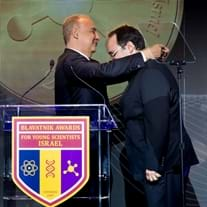
Blavatnik Family Foundation Founder and Chairman Mr. Len Blavatnik awarded each scientist with their personalized medal. The scientists were given the opportunity to present in-depth overviews of their current research to the audience. Nobel Laureate, Israel Prize Winner, and Distinguished Research Professor of the Faculty of Medicine at Technion – Israel Institute of Technology, Prof. Aaron Ciechanover, was the keynote speaker for the evening. The Anchor Choir of the Jerusalem Academy of Music and Dance concluded the ceremony with a vocal performance.

Learn more about the 2018 Blavatnik Laureates in Israel.

A Need for Sustainable Urban Ecosystems in the Future

A shot of the NYC skyline

Imagine an “Intellicity,” where neural networks ensure everything works together.

Published May 1, 2018

By Lori Greene

Today’s students will be the inhabitants of tomorrow’s cities, so they want more sustainable ways of living and working in urban ecosystems.

That was the premise behind United Technologies’ Future of Buildings Innovation Challenge. This event was created by The New York Academy of Sciences and launched in September 2017.

Fifty-two teams of students 13 to 18 years old from across the globe competed. Their goal: to conceive the most inventive green building solution.

Imagining an “Intellicity,” was the creation of one team. Here, neural networks run a building’s systems to ensure people, machines and the environment work in concert to adroitly use and conserve resources.

Reducing Waste

In the “Intellicity” paradigm, little is wasted.  Solar panels and wind turbines create an on-going source of clean, abundant, renewable energy. Rainwater collected from the roofs of buildings provide water for indoor plumbing and hydroponic systems. Once inside, hydroponic walls can repurpose rainwater for food growth. Intellicity’s student founders want to ensure that people are harnessing energy generated by city activity and putting it to use.

Floor tiles in larger structures convert footsteps into electrical energy, and waste is turned into fertilizer.  Solar panels on windows maximize sunlight and capture the energy to help run a building’s lighting and temperature systems.  Revolving doors connected to electric generators can be used to capture energy as people walk in and out. This creates another source to power the structure’s electricity, heating and cooling needs.

The Applications of Artificial Intelligence

Using artificial intelligence (AI), energy is redistributed to increase the comfort and productivity of building occupants. The AI system that would run the integrated interior and exterior building networks “learns” from several inputs and the resulting outputs.  For example, during high usage times, the power could go towards controlling lighting as well as heating and cooling rooms. Over time, the network records occupant preferences and automatically adjusts the room, heat and light depending on who enters and leaves.

Similarly, the team sought to give people an opportunity to interact with their building using a “neural network.” This computer system was developed around the human nervous system. It aims to allow the building to communicate back through an app detailing the energy being collected, used and wasted in the structure.

Retrofitting Existing Infrastructure

With the flexibility of AI, the team theorizes that this can also be implemented in a variety of structures. This includes transportation hubs such as airports as well as offices and apartment buildings. According to the plan, each section of the building could provide sustainable energy with minimal impact to the environment around it. Rather than redesigning structures, the team suggests using sensors in every room. They also suggested monitoring software that can help devise a customized solution to precisely redistribute energy.

Integrating neural networks into buildings to create an energy efficient sustainable future is Intellicity’s ultimate goal.

Check: nyas.org/challenges for information about the UTC Future Buildings and Cities Challenge winners.

New Blavatnik Awards Advance Science in the UK

At shot from the Blakatnik Awards ceremony in the UK.

The Blavatnik Family Foundation Hosts the UK’s First Blavatnik Awards Ceremony at London’s Victoria and Albert Museum in Collaboration with The New York Academy of Sciences

Published March 7, 2018

By Marie Gentile, Mandy Carr, and Richard Birchard

A gala evening celebrating the UK’s most promising young faculty-level scientists, the 2018 Blavatnik Awards for Young Scientists in the United Kingdom, was held on March 7, 2018 at the Victoria and Albert Museum in London. The evening was a glamorous event attended by the UK’s top leaders in science, business, and philanthropy.

The Blavatnik Awards, established by the Blavatnik Family Foundation in the United States in 2007 and administered by The New York Academy of Sciences, celebrate the past accomplishments and future potential of young faculty researchers, aged 42 years and younger. 

These awards recognize scientists working in three disciplinary categories of science: Life Sciences, Chemistry, Physical Sciences & Engineering.  

This occasion marked the inaugural year of the Awards in the UK.

Distinguished guests that attended the ceremony included Chief Medical Officer for England, Prof. Dame Sally Davies; ethologist and author, Richard Dawkins; Chief Executive of the British Association for the Advancement of Science, Ms. Katherine Mathieson; 2014 Nobel Laureate Prof. John O’Keefe, 2017 Nobel Laureate Prof. Richard Henderson.

Ellis Rubinstein, President and CEO of The New York Academy of Sciences served as Master of Ceremonies for the Blavatnik Awards Ceremony and provided opening remarks.  A processional of students from the SouthBank International School carried flags representing the honorees’ academic and research institutions into the ceremony.

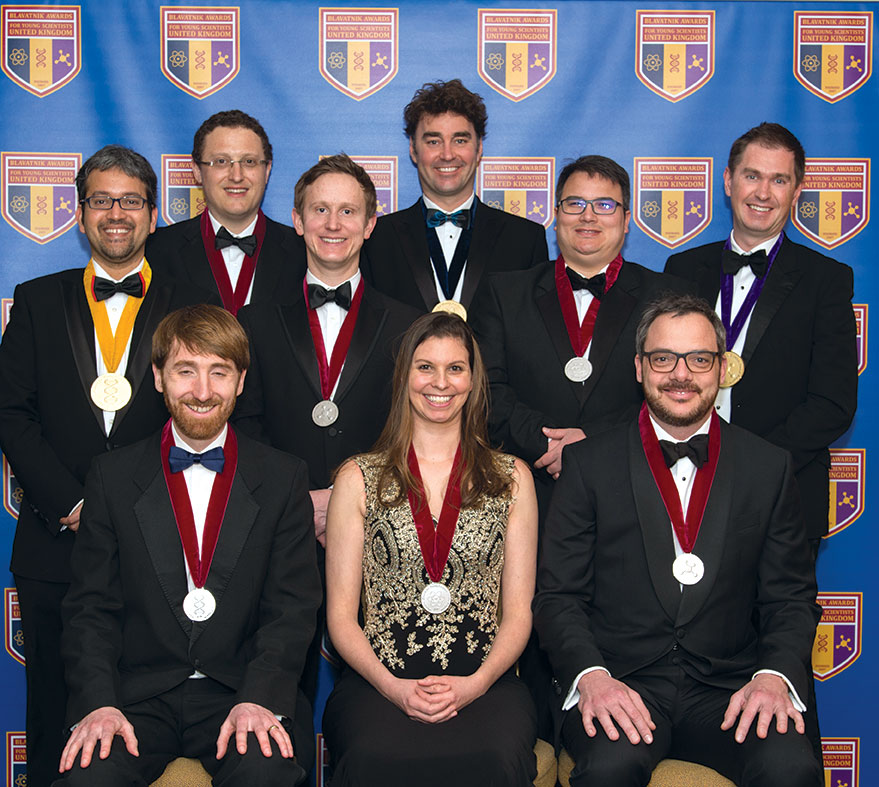
In each category, two Finalists were awarded medals plus a prize of $30,000 and one Laureate in each category was awarded a medal and a prize of $100,000. Sir Leonard Blavatnik presented medals to the three Laureates and six finalists:

Chemistry

  • Clare Gray, of the University of Cambridge, introduced 2018 Blavatnik Awards UK Laureate in Chemistry Prof. Andrew L. Goodwin of University of Oxford and his work on ground-breaking research in theoretical and applied studies of disorder and flexibility in materials.

Physical Sciences & Engineering

  • Sir Richard Friend, from the University of Cambridge, introduced 2018 Blavatnik Awards UK Laureate in Physical Sciences & Engineering, Prof. Henry Snaith, also of University of Oxford, and highlighted his research in developing new, low-cost and high-efficiency solar cells based on metal halide perovskite materials.

Life Sciences

  • Veronica van Heyningen, Honorary Professor at University College London and University of Edinburgh, introduced 2018 Blavatnik Awards UK Laureate in Life Sciences, Dr. M. Madan Babu of the Medical Research Council (MRC) Laboratory of Molecular Biology, with the award for his insights into the structural biology and molecular logic of key proteins and protein motifs, including GPCRs [G-protein Coupled Receptors] and intrinsically-disordered protein regions.

The evening concluded with 2009 Nobel Laureate and President of the Royal Society Professor Sir Venki Ramakrishnan giving the keynote speech on elevating science through scientific awards and the importance of honoring scientists early in their career versus lifetime achievement awards.

The 2018 Blavatnik Awards for Young Scientists in the UK

Meet the rising scientific stars taking center stage this year as part of the 2018 cohort for the Blavatnik Awards for Young Scientists in the United Kingdom.

Published January 16, 2018

By Kamala Murthy

Physical Sciences & Engineering Laureate

Henry Snaith, PhD
Professor of Physics, University of Oxford

Prof. Snaith has striven to develop new photovoltaic technologies based on simply processed materials, which have promised to deliver solar energy at a fraction of the cost of incumbent silicon modules.

Through a series of key discoveries, he found that metal halide perovskite materials, which had been overlooked for decades because of their very low photovoltaic energy efficiency, can be employed in highly efficient solar cells. He has developed a low-cost synthesis method for the perovskite solar cells, and significantly raised their energy efficiency from 10.9 percent in his first publication to over 22 percent in a single junction perovskite solar cell, and more recently to 25 percent by combining perovskites with silicon solar cells.

Currently, he is pushing the perovskite-on-silicon tandem cells to surpass the 30 percent efficiency mark, making them very promising for industrial applications. He has also significantly improved long-term stability of perovskite solar cells and discovered numerous key fundamental aspects of the perovskite semiconductors, which helped broaden the application range of these materials to include light emission, radiation detection, memory and sensing.

Prof. Snaith’s work toward a significant cost reduction in photovoltaic solar power could help propel society to a sustainable future.

Physical Sciences & Engineering Finalists

Claudia de Rham, PhD
Reader in Theoretical Physics, Imperial College London

Dr. de Rham has revitalized massive gravity theory, which is one way of modifying General Relativity to solve the open puzzles of cosmology. The early versions of massive gravity theory had been known for their dangerous pathologies, including a ghost mode and a discontinuity with General Relativity in the limit where the mass of a graviton goes to zero.

In 2010, Dr. de Rham solved such problems by constructing a nonlinear theory of massive gravity, which is ghost free and theoretically consistent. Since this breakthrough, Dr. de Rham has further established the effective quantum theory of massive gravity to describe the accelerated expansion of the universe as a purely gravitational effect, with the role of dark energy being played by massive gravitons.

Her work has continued to define the field beyond Einstein’s theories of gravity and cosmology, and revolutionized our understanding of the fundamental evolution of the universe and the quantum nature of gravity.

Andrew Levan, PhD
Professor of Astronomy, University of Warwick

Prof. Levan works on the observation of gamma-ray bursts (GRBs), which are the most luminous and energetic explosions in the universe. He has achieved a new understanding of the rich relativistic physics behind GRBs, and has deployed such phenomena as powerful probes that act as lighthouses to the distant universe.

For instance, a new type of GRB he discovered opened an entirely new window onto the properties of black holes at the center of galaxies. Most recently, Prof. Levan has also played a major role in the characterization of the first electromagnetic counterpart to a gravitational wave source, GW170817. This included the identification of the infrared counterpart and leading the first observations of this counterpart with the Hubble Space Telescope.

These events provide the astrophysics community with a completely new way to study the Universe, and explore new information from deep inside extreme events, places that cannot be seen with normal light.

Chemistry Laureate

Andrew Goodwin, PhD
Professor of Materials Chemistry, University of Oxford

Prof. Goodwin is a world leader in the study of the dual roles of mechanical flexibility and structural disorder in the chemistry and physics of functional materials.

Examples of materials that rely on localized disorder to enhance functionality include semiconductors and glass.  Goodwin’s laboratory utilizes advanced diffraction and modelling techniques to probe disordered materials and subsequently produce new, tailored materials that display unique properties. Most materials expand upon heating and shrink when compressed; however, Goodwin has discovered that by careful control of the disorder within the structure of a substance, the opposite can occur — materials will shrink upon heating (negative thermal expansion) and expand when compressed (negative linear compressibility).

These counterintuitive processes are useful in the design of heat-resistant materials, advanced pressure sensors, artificial muscles and even body armor. Goodwin has also played a key role in the structural analysis of amorphous materials using total scattering methods, which, in the case of amorphous calcium carbonate, the key structural component in bones and shell, led to a complete understanding of the ability of organisms to nucleate different crystalline structures from the same biomineral precursor.

Chemistry Finalists

Philipp Kukura, PhD
Professor of Chemistry, University of Oxford

Prof. Kukura develops and applies novel spectroscopic and microscopic imaging techniques with the aim of visualizing and thereby studying biomolecular structure and dynamics.

Of particular importance are Prof. Kukura’s recent breakthroughs in scattering-based optical microscopy, where his group was the first to demonstrate nanometer-precise tracking of small scattering labels with sub-millisecond temporal resolution, which enables highly accurate measurements and mechanistic insight into the structural dynamics of biomolecules such as molecular motors and DNA. His group was also able to develop ultrasensitive label-free imaging and sensing in solution, down to the single molecule level, which has the potential to revolutionize our ability to study molecular interactions and self-assembly.

The Kukura group continues to challenge what we believe we can measure and quantify with light and use it to improve our understanding of biomolecular function. Ultimately, this technology has the potential to enable a variety of universally applicable and quantitative methods to probe molecular interactions at the sub-cellular level.

Robert Hilton, PhD
Reader, Department of Geography, Durham University

Dr. Hilton’s research has provided new insights on Earth’s long-term carbon cycle and the natural processes that transfer carbon dioxide (CO2) between the atmosphere and rocks. His research has uncovered how erosion of land in the form of geomorphic events (earthquakes and resulting landslides), weathering of organic carbon in rocks, and the export of carbon by rivers can impact atmospheric CO2 concentration. Dr. Hilton and colleagues have developed geochemical and river sampling methods which allow this to be done.

The release of CO2 into the atmosphere through the actions of humans burning fossil fuels has become a concern in recent decades.  Dr. Hilton’s research highlights that the natural rates of this process (by weathering and breakdown of rocks) is much, much slower. The planet is currently undergoing dramatic changes with respect to global climate, and it is crucially important to consider whether these aspects of the carbon cycle may amplify human impacts.

Life Sciences Laureate

M. Madan Babu, PhD
Programme Leader, MRC Laboratory of Molecular Biology

Dr. Babu’s multi-disciplinary work employs techniques from data science, genomics and structural biology to analyze biological systems. Using this innovative approach, Dr. Babu has made important discoveries about proteins called G-protein-coupled receptors (GPCRs). These proteins are implicated in numerous human disorders, and drugs targeting GPCRs represent nearly 30 percent of all drug sales.

Dr. Babu has shown that many GPCRs targeted by common drugs can differ significantly from one person to another, so patients with different versions of the same GPCR are likely to have different responses to the same drug. These findings will begin to identify problematic treatments, and could potentially revolutionize personalized medicine. In a parallel body of work, Dr. Babu has also made fundamental discoveries in the role of so-called “disordered” proteins. About 40 percent of human proteins have a region where the protein becomes more flexible, less structured — these floppy, flexible parts of proteins have puzzled structural biologists for decades.

Dr. Babu and his team have helped to establish the roles of disordered proteins in health and disease. Together, these studies shed light on key types of proteins that are integral to human health.

Life Sciences Finalists

John Briggs, DPhil
Programme Leader, MRC Laboratory of Molecular Biology

Dr. Briggs uses and develops state-of-the-art techniques in electron microscopy to understand the structure and functions of biological molecules. He pioneered a technique called cryo-electron tomography (cryo-ET), which allows visualization of biological specimens at near-atomic resolution.

He has combined this technique with other types of microscopy to identify and image rare and dynamic cellular events. Dr. Briggs was the first to achieve pseudo-atomic resolution for visualization of a biological structure using cryo-ET by imaging the capsid domains of HIV. This remarkable achievement revealed the network of protein interactions governing the assembly of HIV particles, and provides new insights into viral function.

Dr. Briggs is at the forefront of structural biology, leading the search for higher resolution visualizations of cellular processes directly within their native environments. By turning these techniques to important biological questions, his work stands to have broad impact on our understanding of the biology of cells and viruses.

Timothy Behrens, DPhil
Professor of Computational Neuroscience, Nuffield Department of Clinical Neurosciences
Deputy Director, FMRIB Centre, University of Oxford
Honorary Lecturer, Wellcome Centre for Imaging Neuroscience, University College London

Prof. Behrens uses mathematical models, behavioral experiments and neural recordings to dissect the biological computations that underlie human behavior. He has uncovered key aspects of how we represent the world around us, make decisions and guide our behavior.

His group has shown that the neural structures used to represent physical space are also used to represent abstract concepts — the brain uses a similar mechanism to encode “maps” of abstract ideas. Such findings have impact on neural network computing and artificial intelligence, but also on our understanding of cognition and mental health. Prof. Behrens has also worked to map the precise anatomy of the human brain, and is leading a large-scale collaboration to map networks of neurons important for cognition.

Few fields are more intimately related to our sense of what it means to be human — and Prof. Behrens and his team are at the forefront of this understanding.