Talent Showcase: 2018 Blavatnik Awards for Young Scientists in Israel

Meet the rising scientific stars taking center stage this year as part of the 2018 cohort for the Blavatnik Awards for Young Scientists in Israel.

Published May 1, 2018

By Kamala Murthy

Life Sciences Laureate
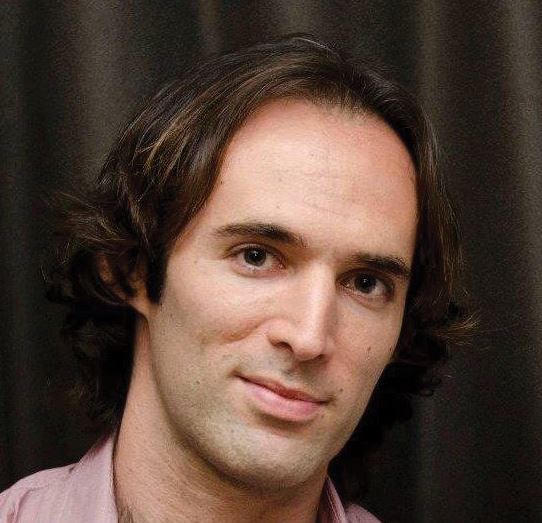
Oded Rechavi, PhD, Senior Lecturer, Department of Neurobiology, Tel Aviv University

Dr. Rechavi’s research upends the traditional laws of inheritance. The notion that traits acquired over the course of a lifetime could influence heredity was heresy until recently, when Dr. Rechavi showed how environmental conditions can imprint “molecular memories” that govern the passage of acquired traits to future generations.

DNA vs Small RNAs

Rechavi’s work in C. elegans, a species of small worms, illustrates how various stressors can induce heritable changes mediated not by DNA, but by small RNAs. By transferring small RNAs from the regular cells of the body that are impacted by the stressor, to the “germline” cells (eggs and sperm) that pass on traits to the next generation, the experiences of one generation can produce long-lasting impacts on gene regulation in multiple subsequent generations.

Rechavi’s lab published the first proofs of this effect, showing that exposing the parent worms to a virus confers immunity on the offspring through the transfer of small RNAs. He later showed that a similar mechanism allows the offspring of starved worms to live longer and to better survive periods of starvation. His group has identified the genes and determined the rules that govern which changes are heritable, as well as the potential duration of that inheritance.

Rechavi has hypothesized that similar mechanisms of small-RNA-based inheritance exist in mammals, including humans. Encompassing genetics, evolutionary biology and developmental biology, Rechavi’s research is fundamental to advancing understanding of the heritability of complex traits and diseases.

Chemistry Laureate
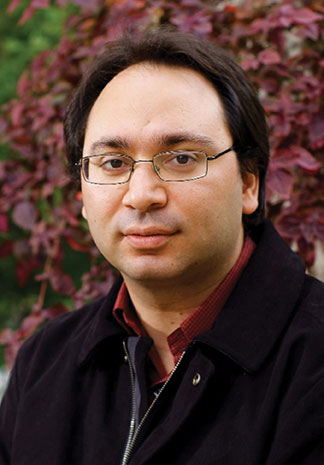
Charles Diesendruck, PhD, Assistant Professor of Chemistry, Technion — Israel Institute of Technology

Dr. Diesendruck works at the intersection of chemistry, physics and materials science, in the recently resurgent field of mechanochemistry. Diesendruck and his collaborators are using mechanically driven reactions to create novel molecules and new materials capable of responding to both physical and chemical stimuli.

As polymers and fiber-composites have become ubiquitous, the tendency of these materials to break, split or otherwise degrade under pressure have limited their application, especially in high-strain environments such as aircraft and automobiles. Diesendruck’s research seeks to better understand how mechanical forces can change molecular bonds and alter the properties of materials, using this knowledge to design resilient, responsive macromolecules for next-generation polymers.

Developing “Smart” Materials

In Diesendruck’s vision, these “smart” materials will be customized with specific stress conduction characteristics, respond productively to mechanical strain, and be able to detect and reinforce or repair structural damage. Diesendruck was among the research team that created the first autonomously “self-healing” fiber-composites, a key step toward producing materials that maximize the benefits of composites, including strength and weight, while minimizing the risks from damage and increasing the longevity of these materials in transportation and other applications.

Diesendruck’s group is also engaged in exploratory research probing difficult or previously inaccessible chemical transformations that may lead to new reactions and reactants.

Physical Sciences & Engineering Laureate
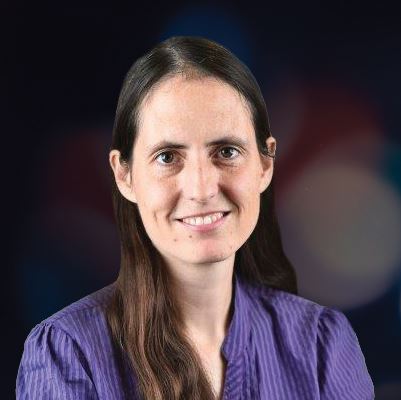
Anat Levin, PhD, Associate Professor, The Andrew & Erna Viterbi Faculty of Electrical Engineering, Technion — Israel Institute of Technology

Prof. Levin is a leader in the emerging field of computational photography, which blends computing with traditional imaging techniques to transcend the limitations of even the most advanced cameras, producing novel imaging results and capabilities. Levin’s work is rooted in discovering mathematical foundations and applying them to solve real-world challenges in imaging and optics.

She is the creator of a prototype computational camera specialized to capture moving objects and scenes, which introduces a constant, quantifiable degree of motion blur during exposure to allow for streamlined blur removal in post-processing. Prof. Levin has also worked to optimize the process of colorizing grayscale images and videos, simplifying a historically time-consuming and expensive process using a method that automatically propagates color among pixels based on the intensity of neighboring pixels.

Using Light Scatter to Study Chemical Composition

Advances in computational photography will have implications that extend well beyond digital photography, including improving medical, microscope and telescope imaging, and ultimately transforming videography. More recently, Levin has published methods for utilizing patterns of light scatter to determine the chemical composition of a material, a technique that could have implications for fields as diverse as ultrasound imaging and air quality assessment.

She has also developed dynamic digital displays that instantly adapt to changes in light and viewing angle, and prototype displays that may ultimately enable large-scale, glasses-free 3D movie viewing.
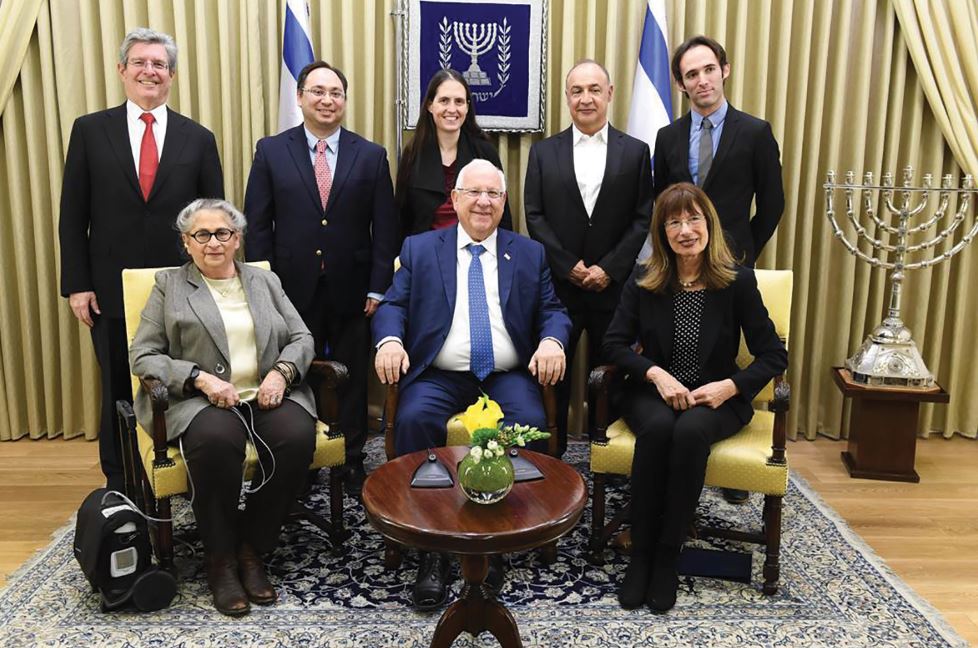
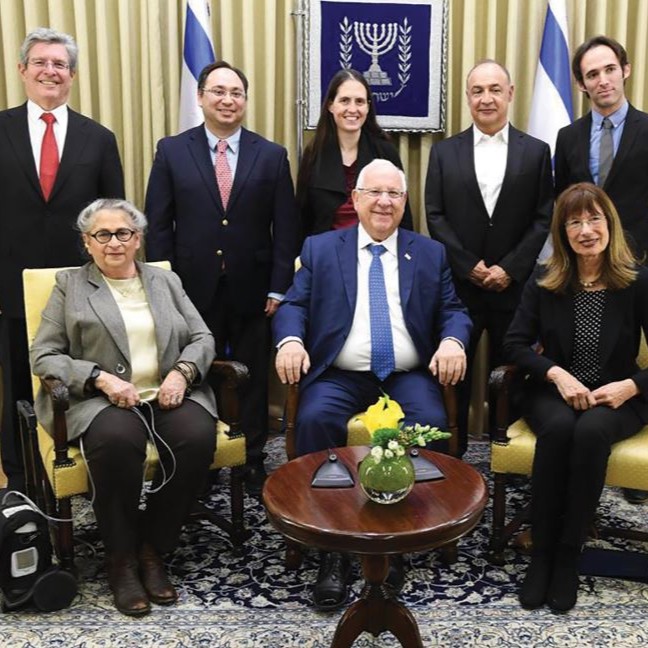
(Back Row L to R) Ellis Rubinstein, President and CEO, New York Academy of Sciences, Dr. Charles Diesendruck, Technion-Israel Institute of Technology, Prof. Anat Levin, Technion-Israel Institute of Technology, Len Blavatnik, Chairman, Access Industries/Blavatnik Family Foundation, Dr. Oded Rechavi, Tel Aviv University. (Front Row L to R) Nechama Rivlin, First Lady of Israel, Reuven Rivlin, President of Israel, Prof. Nili Cohen, President, Israel Academy of Sciences and Humanities.

The Latest Advances in Pediatric Cancer Research

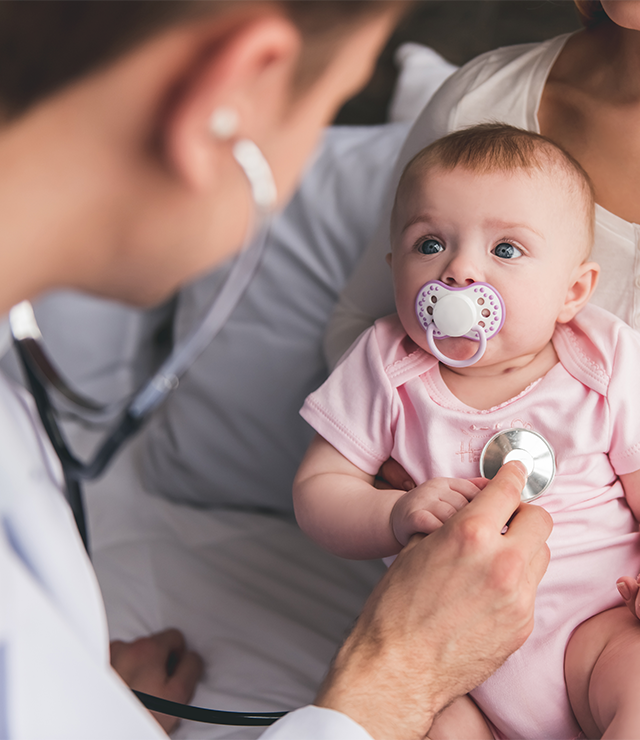
An infant being examined by a physician.

Dr. Richard Gilbertson discusses his inspiration and the latest advances in pediatric cancer research.

Published January 8, 2018

By Marie Gentile and Richard Birchard

Dr. Richard Gilbertson

Richard Gilbertson, MD, PhD, Li Ka Shing Chair of Oncology and director of the Cancer Research UK Cambridge Centre, did not initially set out for a career in pediatric cancer — the leading cause of death by disease past infancy for children and adolescents in the United States and Europe.

He “somewhat randomly,” as he says, chose to do his second-year research project on medulloblastoma, the most common malignant brain tumor in children. He was inspired early on by a caring mentor who went above and beyond in attention and enthusiasm and was further determined to pursue this path while getting to know the family of a child with brain cancer.

“One day I went onto the ward, and it was very dark, and all the curtains were closed, and I was told that this child was dying. After inquiring about available treatments, I was told there was nothing to be done. I was incredibly angry with the system that wasn’t able to offer a child a curative treatment.”

Deeply affected by this child’s death, when a friend and fellow medical student challenged him to produce a 15% reduction in mortality of any disease over beers at a pub, Dr. Gilbertson made it his career goal to “produce a 15% reduction in mortality, at least of medulloblastoma in pediatric cancer.”

Discoveries in Medulloblastoma

To that end, Dr. Gilbertson and his lab have made some profound discoveries in medulloblastoma. During the 1980s, medulloblastoma was considered a single disease, with a singular treatment, but “we’ve demonstrated that it is multiple diseases, and those diseases actually have different origins in the nervous system from very specific cell types, and they behave differently.”

This understanding has allowed treatments to be tailored to disease type, resulting in a reduction in the use of radiation therapy, the introduction of new treatments that target the signaling pathways of some forms of medulloblastoma, and insights into other brain tumors including Ependymoma and choroid plexus carcinoma.

His latest research is driven by the question of why cancer is so much less prevalent in children than expected, given that as they grow they have a large burden of cellular proliferation.

“Whereas one in two adults will get cancer eventually, only one in 600 children will, and the math doesn’t add up because children are growing faster than at any other point in their lives,” says Gilbertson.

Understanding the Mechanisms of Cancer Protection

Researchers have long suspected that children’s tissue provides protection against cancer to accommodate this growth, but they lacked definitive evidence or a mechanism for how this works. In a landmark paper published in Cell, Dr. Gilbertson’s lab mapped the functions of cells in numerous organs across the lifetime of mice and introduced tumor-inducing mutations to those cells.

They found that neonatal mouse cells are less likely to undergo tumorigenic transformation compared to adult cells with the same stem cell capacity, supporting the hypothesis that neonatal cells are somehow resistant to forming tumors — extrapolating to humans, this may explain why cancer rates are lower in children than adults.

Understanding the mechanism of this cancer protection has the potential to lead to better treatments not only for pediatric cancers, but adult cancers as well. “That’s critically important because if I can understand (how pediatric cells are protected from cancer), and then we can reactivate that in adult tissues, you’d have a very potent cancer preventative. If we could reactivate the mechanism in pediatric cells to allow them to grow and repair, but not cause cancer — imagine what we could do in adults. You could actually reactivate that pharmacologically with a medicine.”

Dr. Gilbertson is adamant about the need to develop innovative treatments that are proactive and integrated.

“My passion is to see cancers diagnosed as early as possible. Obviously, if you diagnose a cancer earlier, and this is particularly important for children, the required treatment is much less intense. The heroes of future cancer care may not so much be the life scientists, but the physicists, chemists, engineers, and mathematicians. They will be the people who generate innovative and inexpensive devices to detect cancer in its very earliest stages across the population,” he says.

The Need for International Collaboration

Dr. Gilbertson presented his groundbreaking work during the opening Keynote Lecture at the 2018 Sohn Conference: Accelerating Translation of Pediatric Cancer Research, which brought together the leaders in the field of pediatric oncology, and allowed interactions between more established scientists and clinicians with the next generation of graduate students, post-docs, and other young investigators from around the world. This was particularly exciting because due to the rarity of pediatric cancer, clinical trials to develop new treatments require international collaboration. “This disease is life threatening, there’s an imperative to do the best possible research.”

Also read: Improving Survival Rates of Neuroblastoma

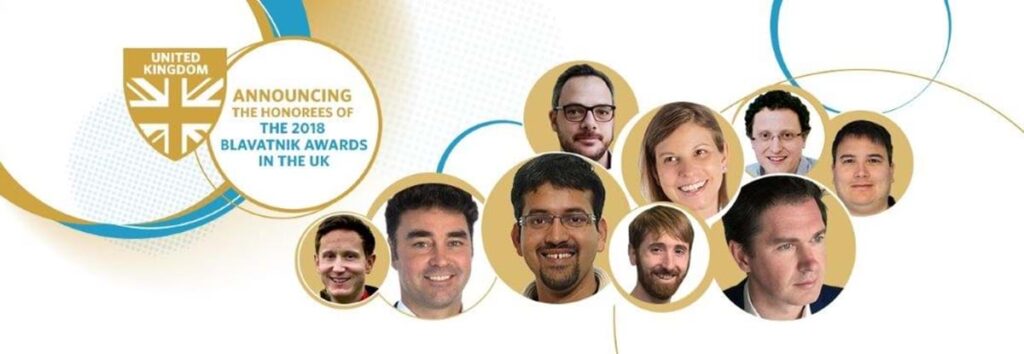
Announcing the Honorees of the Inaugural Blavatnik Awards for Young Scientists in the United Kingdom

Nine outstanding scientists from six U.K. academic institutions receive a total of $480,000.

Published December 8, 2017

By Marie Gentile and Richard Birchard

The New York Academy of Sciences and the Blavatnik Family Foundation announced the first Honorees of the Blavatnik Awards in the United Kingdom.

Three Laureates, in the categories of Life Sciences, Physical Sciences & Engineering, and Chemistry, will each receive an unrestricted prize of $100,000. In addition, two Finalists in each category will each receive an unrestricted prize of $30,000. To date, the Blavatnik Awards in the U.K. are the largest unrestricted cash awards available exclusively to young scientists.

The Blavatnik Awards, administered by the New York Academy of Sciences, were established by the Blavatnik Family Foundation in 2007. The awards honor and support exceptional early-career scientists and engineers under the age of 42 across the United States. In 2017, the Awards were launched in the U.K. and Israel. This recognized the first cohort of international Blavatnik Award recipients. To date, the Blavatnik Awards have conferred prizes totaling U.S. $5 million, honoring 220 outstanding young scientists and engineers.

In this inaugural year of the Blavatnik Awards in the U.K., 124 nominations were received from 67 academic and research institutions across England, Scotland, Wales, and Northern Ireland. A distinguished jury of leading senior scientists and engineers selected the Laureates and Finalists. The 2018 Laureates are:

The Finalists for the 2018 Blavatnik Awards in the U.K. are:

Life Sciences

Chemistry

Physical Sciences & Engineering

These inaugural Blavatnik Awards Laureates and Finalists in the U.K. will be honored at a gala dinner and ceremony at London’s Victoria and Albert Museum on March 7, 2018. In addition, the Award recipients will be invited to attend the annual Blavatnik Science Symposium at the New York Academy of Sciences this summer, which is an opportunity for former and current Blavatnik Awardees to exchange ideas and build cross-disciplinary research collaborations.

The Blavatnik U.K. honorees will become members of the Blavatnik Science Scholars community, currently comprising over 220 Blavatnik Award honorees from the decade-old U.S. program and three inaugural 2018 Laureates from Israel. Honorees will also receive Membership to The New York Academy of Sciences. 

Innovative Ideas for a Better Tomorrow Today

The 2017 Blavatnik Awards for Young Scientists Laureates exemplify the kind of fearless thinking that can make revolutionary ideas become reality.

Published October 1, 2017

By Hallie Kapner

As physicist Niels Bohr (among others) has said: “Prediction is very difficult, especially if it’s about the future.”

Just ten years ago, it would have been a stretch for even the most optimistic prognosticator to predict that the iPhone, then a newborn technology, would be in one billion hands or that the human genome could be sequenced affordably in 24 hours. These examples of the dizzying pace of progress are good reminders that while attempts to peer into the future of science and technology are essential for growth and inspiration, reality sometimes exceeds the wildest visions.

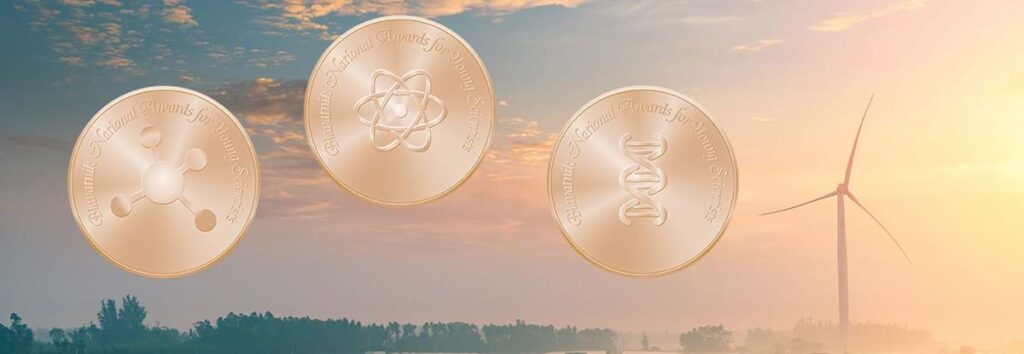
The 2017 winners of the Blavatnik National Awards for Young Scientists, materials scientist Yi Cui, chemist Melanie Sanford, and bioengineer Feng Zhang, are no strangers to vision. Chosen from a pool of more than 300 nominees from universities around the country, this year’s Laureates exemplify the kind of fearless thinking that upends norms and breaks boundaries, ultimately bringing revolutionary ideas and advances into reality.

Asking any of them to discuss their day-to-day research would provide a fascinating peek into some of the most cutting-edge work in their respective fields, yet just as intriguing are their thoughts on the future. When asked to fast-forward ten or twenty years to discuss what’s next in their fields, each readily dove headlong into the world to come, shedding light on achievements that are both probable and possible, then reaching further to describe potential advances that seem far-fetched today, but may be the ultimate achievements of tomorrow.

Deleting Disease

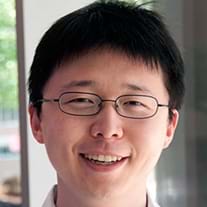
Feng Zhang

Ten years is a long time for Feng Zhang, as he recalls that the technology he helped pioneer, CRISPR-Cas9, didn’t exist a decade ago.

As Zhang, a Core Member of the Broad Institute at MIT and Harvard, talks excitedly about the rapid pace of advancement in the field of genome editing, he highlights that there’s still plenty of room for growth. Zhang was among the first to conceive of using CRISPR, an adaptive immune function native to bacteria, as a DNA-editing tool, a breakthrough that has turned the ability to quickly, cheaply, and precisely edit the genomes of plants and animals from science-fiction into an everyday occurrence.

From Zhang’s point of view, developing the tools was just the beginning — the work of the future is in refining and applying those tools to alleviate suffering and disease.

The advent of rapid, affordable genome sequencing has allowed researchers to identify many of the mutations that cause disease, which fall into two categories: monogenetic diseases, such as Huntington’s, caused by a single mutation, and polygenetic diseases, which comprise the majority of illnesses, wherein multiple mutations are implicated.

Today, most of the work being done with CRISPR targets monogenetic diseases. Even in those cases, a fix is far more complex than simply cutting and replacing.

“The major issue is that we don’t know how to repair the mutation efficiently, nor what exactly needs to be done to have a therapeutic consequence,” said Zhang. “I think we’ll develop techniques for delivering gene therapy to the right tissues, which is still a big challenge.”

Advancing CRISPR technologies

Zhang also projects a future where CRISPR technologies can be adapted to treat patients with diseases so rare that they are often overlooked by the therapeutic pipeline.

“The economics don’t work for drug companies to focus on rare diseases, but as gene editing becomes more mature, we could feasibly create individualized therapies that would circumvent the typical drug development process,” he explained.

But the ultimate CRISPR application — editing multiple genes to treat complex polygenetic diseases — remains the stuff of fantasy. Two decades from now, Zhang expects we’ll be much closer.

“Even if we have the technology to make multiple genetic changes, we don’t know enough about how multiple genes interact in disease at this point,” he said, noting that the interplay of different gene variations can produce effects we don’t fully understand. “There are variations known to protect people from HIV, but they increase susceptibility to West Nile Virus,” he said. “That’s just one example — we need a much better understanding of these connections in order to achieve these bigger goals.”

Big Ideas from the Smallest Structures

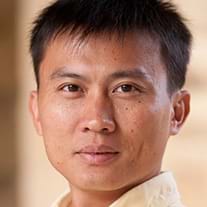
Yi Cui

For Yi Cui, professor of materials science and engineering at Stanford University, the buzzword of the future is energy.

Specifically, inexpensive, widely-available clean energy, along with new battery technologies that will transform cars and other consumer products as well as the electrical grid itself. Cui, whose research focuses on using nanoscale materials to tackle environmental and energy issues, has several breakthrough technologies to his credit — including a water filtration technology that uses electrified silver nanostructures to puncture viral and bacterial membranes, purifying water faster and more cheaply than chemical treatments, and designs for ultra-long life, low-cost batteries that may pave the way for what Cui sees as the major potential achievement of the next two decades: grid-scale energy storage.

Solar cells have become more efficient and renewable energy costs are dropping, yet energy storage remains the major hurdle for scientists, who recognize both the economic and environmental advantages of a future dominated by clean power. Continual improvements in the energy density of today’s batteries will yield rewards in the relatively near term, says Cui, who sides with experts who predict mass adoption of electric vehicles over the next 10-15 years.

“I wouldn’t be surprised if we’re seeing cars that can run 400 miles on a single charge,” he said, but the greatest gains in clean energy won’t be achieved until batteries can store enough energy to allow for the integration of solar, wind and other renewable power sources into the mainstream electrical grid. “Energy storage is the missing link,” Cui said, “and if we can solve that, it will be the most extraordinary achievement we can hope to have in this field in the next 20 or 30 years.”

The potential for nanomaterials to help mitigate the impacts of environmental pollution also looms large for Cui. As the global population grows and resource needs increase, he predicts a starring role for nanoscale structures in efforts to purify water and remediate soil pollution, and is developing a nano-driven “desalination battery,” which removes salt from seawater using less energy than reverse-osmosis, as well as air and water purification technologies that use nanostructures to capture particulates and pollutants with remarkable speed and efficiency.

The Best Molecule for the Job

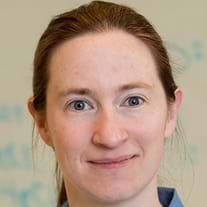
Melanie Sanford

In a future envisioned by Melanie Sanford, there will be no compromise to designing molecules for some of the most important chemical tasks in the world, namely medical imaging, drug development, energy production and fields where the characteristics of a chemical reaction, or the process by which a molecule is made or utilized, can mean the difference between mediocre performance and excellence.

Sanford is making this vision a reality, developing customized approaches for the goals of various industries.

“Depending on the target for the reaction we’re developing, the dreams for the future are different,” she said.

The pharmaceutical and medical industries are two areas where Sanford believes that astonishing advances will be realized in the coming decade. Among them, the ability to customize the tracer molecules that are crucial to obtaining quality images in positron emission tomography, or PET, scans used in cancer, cardiac and brain diagnostics.

“Right now, the tracers used aren’t the best or the most appropriate, they’re the ones we can make with the limited set of reactions we have for adding a radioactive tag to a molecule,” said Sanford. “Ten or twenty years from now, the only constraint will be our imaginations — the reactions and catalysts in development now will allow us to ask, ‘What molecule do I want to make to get the best result for this application?’ and then be able to make it.”

Customization plays an equally important role in another field Sanford sees poised for transformation through the design of novel reactions — agricultural chemicals. Using reactions that yield the desired result, but do so using readily available materials with minimal energy consumption or waste production, would represent significant improvement and a major sustainability overhaul of some of the largest-scale chemical processing activities on earth.

“These syntheses are being performed at such a massive scale that waste really matters,” said Sanford.

The ability to make the best molecule for the job will be key to making Cui’s grid-scale energy storage a reality through new battery technologies. Sanford animatedly described the potential for developing new molecules to store energy, as well as tools for understanding and predicting the behavior and characteristics of those molecules.

“It’s going to be very exciting to both develop molecules with huge storage capability, but also to be able to use them to balance various needs and parameters — high storage capacity with high solubility — so we can really understand how to modify structures to yield the best performance for an application,” she said.

Zhang, Cui and Sanford harbor no delusions of ease when it comes to the dreams they’ve set forth. Rather, they greet the challenges ahead with equal measures of determination and hope.

“We have an enormous amount of work to do in the coming decades,” said Cui. “But everything we’re working towards is so important for the sustainable growth of the world and for the health and future of our children. I’m confident we can do it.”

The Important Role of Mentors and Networking

A silhouette of about half a dozen people working together with large windows and a city skyline in the background.

Learn how member-to-member mentoring is helping young scientists tap into the power of The New York Academy of Sciences (the Academy).

Published August 31, 2017

By Rosanna Volchok

Multi-disciplinary, cross-sectoral, and global, the Academy’s membership is among the most diverse, dynamic scientific communities in the world. Over 40% of our membership falls into the “early career” category, meaning they are graduate students, postdocs, or newly minted professionals. Imagine if we could find a way for these young professionals to tap into the tremendous expertise and accumulated wisdom of our global network, regardless of where they live, work, or study!

Recently, we caught up with mentor Paul-André Genest, PhD, and mentee Ekaterina Taneva, PhD to learn about their experience.

What is your scientific background and what are you currently working on?

Paul-André Genest, PhD
Paul-André

I am a Molecular Parasitologist and Molecular Oncologist by training and did my PhD and postdoctoral fellowships at the Netherlands Cancer Institute. In 2012, after spending more than ten years doing biomedical research, I moved to New York and switched to scholarly publishing, first as a Managing Editor and then as an Associate Publisher and a Publisher at Elsevier. Since 2016, I have worked as a Senior Editor at Wiley where I oversee a portfolio of over twenty journals in the Life and Social Sciences.

Ekaterina

My science journey started with a BS/MS in Toxicology at St. John’s University in Queens, New York. In 2011, I joined Albert Einstein College of Medicine to pursue a PhD in biomedical sciences. As part of a multidisciplinary collaborative team dedicated to improving women’s health, I acquired in-depth understanding of the principles of translational research and its importance in patient outcomes. I now work as a medical writer for PRIME Education, LLC (Fort Lauderdale, FL), a company that provides accredited medical education and research focused on improving systems of care in a variety of disease areas. I am part of a dynamic team of medical and grant writers who develop evidence-based content on management of patients with infectious diseases.

Why did you choose to sign up for member-to-member mentoring?

Ekaterina

I knew I wanted to pursue a non-academic career centered on medical writing and translational research, and I wanted to expand my horizons, and what better way to achieve this than learning from someone who has walked the path that I envisioned for myself? I decided that participating in member-to-member mentoring would be an investment in my future and, more importantly, a learning experience that offered me the possibility to get out of my comfort zone and receive the outside perspective I needed to make objective and informed career decisions.

Paul-André

At the end of my own postdoctoral fellowships, I experienced difficulties leaving academic research and finding the right career path for myself. Furthermore, I did not have a strategy in place and I could have benefited from the advice of a professional working in the publishing industry. I signed up to be a “member-mentor” in order to provide this opportunity to someone else. I am a strong believer in the importance of giving back and of being involved in the community.

What was it like to participate in member-to-member mentoring?

Paul-André

I really enjoyed it and I appreciate the flexibility it provides as it lets the mentor and mentee take ownership of their mentoring relationship. My match with Ekaterina was excellent! We quickly bonded and either met or had discussions on a regular, monthly basis. I also helped her identify positions and referred her to jobs outside academia. We worked on her resume and cover letter and discussed job opportunities and companies that she found interesting.

Ekaterina
Ekaterina Taneva, PhD

Participating in this program showed me the true value of professional networking and mentorship. Paul-André and I started by getting to know each other’s backgrounds and assigning monthly goals we both had to complete on time in order to have a fulfilling and enriching experience. He was dedicated to not only sharing his experiences but also in getting to know me as a person and guiding me into a type of working environment that would align with my professional and personal goals.

I relied on his advice in almost every position I applied for, and he made himself available any time I needed feedback. Moreover, he invited me to career workshops and expanded my professional circle by bringing me into his own network of successful scientists who transitioned outside of academia. He guided me through the preparation of my thesis defense, and taught me to strive to be as persistent in my career aspirations as I have been in my academic endeavors.

Paul-André

I am very happy she managed to find a career that she likes and is stimulating for her. My experience was so positive that, after working with Ekaterina for the recommend six month mentoring period, I accepted a new match with another mentee (though Ekaterina and I still keep in regular contact).

How has participating in member-to-member mentoring influenced your work?

Paul-André

It has helped me think more about the skills and qualities candidates should have to join the scholarly publishing industry. Having an awareness of these traits will be useful for recruiting candidates for my own team. My mentoring experience also helped me develop my own leadership skills which I use to advise, coach and develop my current staff.

Ekaterina

It allowed me to meet a like-minded peer who shares a similar passion for translational science and, in particular, infectious diseases. Being able to share career plans with him and to receive his continuous input during a challenging transition created a solid support system for me. My mentor’s trust and investment in my success also reinforced my decision to mentor others in the program. Participating also inspired me to continue to improve myself so that I can be of utmost help to any of my peers who need additional support for achieving their career goals.

As members yourselves, how would you describe the Academy’s membership network?

Paul-André

The Academy has a very strong membership network comprised of professionals with expertise in a wide array of disciplines and who are at various stages of their career. It is great that the Academy has programs where early-career members can benefit from the experience and advice of more established professionals.

Ekaterina

The membership network is diverse and welcoming. The Academy not only accepts, but also encourages students to initiate activities and collaborate with renowned scientists. This framework allows students and young professionals to enhance their transferable skills and gain confidence and a sense of belonging to a community. I have developed long-lasting connections with multiple Academy members, from faculty and academic researchers, to entrepreneurs and fellow graduate students.

By participating in resume workshops, career fairs, and symposiums organized by the Academy, I got acquainted with the most exciting discoveries while exchanging business cards and experiences with scientists from all over the world. It is through these Academy initiatives and programs that I felt I was growing beyond my “student” profile and turning into a broad-minded young professional.

Also read: Good Mentors are Key to Student Interest in STEM

Science State: From New York City to Syracuse

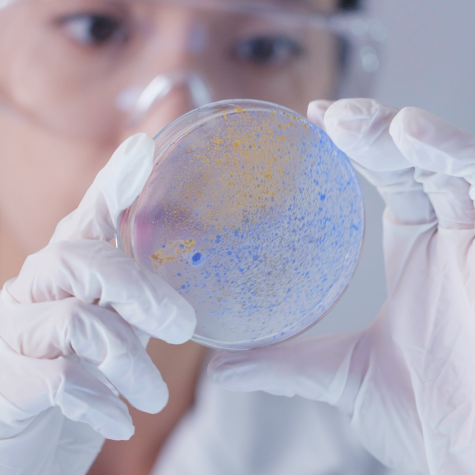
A scientist examines a petri dish.

The New York Academy of Sciences’ (the Academy’s) Scientist-in-Residence Program now extends beyond the bounds of New York City.

Published June 09, 2017

By Marie Gentile and Robert Birchard

Image courtesy of leungchopan via stock.adobe.com.

Over the past nine months, Erin Barta has been diligently working to implement the Academy’s Scientist-in-Residence Program (SiR) in Syracuse, New York. While this is a first for Barta after graduating in 2014 from Clark University’s Master’s Program in International Development and Social Change, it is also a first for the Academy. Syracuse’s SiR Program is the first expansion of the program outside of New York City.

The guiding principle behind SiR is that students who are exposed to science through inquiry-based learning techniques are more likely to succeed in—and be engaged with—science. SiR matches a scientist with a public school teacher and the teacher’s students, and advises them on developing a science project that follows the scientific method. The scientist will act as a mentor to both teacher and students and share their insights on the scientific method, project design and presentation of results.

A Crash Course in Program Management

Barta’s work is primarily concerned with building and supporting these budding partnerships. She collaborates with the scientists and staff at the SUNY College of Environmental Science & Forestry, and with the dedicated teachers and administrators in the Syracuse public school system, to ensure that students are learning the techniques that will allow them to thrive in the STEM fields.

“Adapting the SiR program to Syracuse has been a crash course in program management. I have a front row seat to what it means to build a program from the ground up,” said Barta. “As the academic year draws to a close so will this year’s program. After celebrating our participants’ efforts and successes, the upcoming months will be spent exploring ways to make SiR even more rewarding for students.”

Paying it Forward

Erin Barta

Barta believes in SiR because she understands the importance of a mentor. As a college student she was inspired by faculty who were generous with their time and feedback. According to Barta, a good mentor can help a person, “gain a better sense of self, and radically reframe notions of our own capabilities. In my case, I was emboldened to pursue scholarships, internships and graduate school opportunities that I previously thought were out of my reach.”

According to Barta, mentorship provides a model for, “existing and engaging” in the world. A good mentor can provide an example of how to navigate all the competing factors between personal goals and obligations, versus those of the professional career. “Mentorship makes us privy to the experience of wisdom of those who have gone before us, which reconfigures our vision of what is possible.”

Barta and SiR are a well-made match. SiR seeks to encourage high school students to pursue their scientific interests in an academically rigorous manner, while providing their teachers with a resource to help their students succeed.

When she completes her VISTA service in September, Barta will continue to build her experience in project management and development in the nonprofit sector in Syracuse.

Learn more about the Academy’s Scientist-in-Residence program.

Celebrating 10 Years of the Blavatnik Awards

Blavatnik Awardees advance the breakthroughs in science and technology that will define how our world will look tomorrow.

Chris Chang presents at the Blavatnik Science Symposium

Published May 1, 2017

By Victoria Cleave, PhD

The scientific equivalent of magic can happen when you put outstanding researchers together in a room. At the 2016 Blavatnik Science Symposium, a neuroscientist met a physicist, and they realized that the tool the neuroscientist needed to further his work was being developed within the physicist’s lab. Both were Blavatnik honorees, and they might never have met had it not been for the Blavatnik Awards for Young Scientists.

The Blavatnik Science Symposium is just one aspect of this distinctive awards program, established with the vision of Len Blavatnik, founder and Chairman of Access Industries and head of the Blavatnik Family Foundation, now celebrating its tenth anniversary.

The New York Academy of Sciences has administered the Awards since their inception, when they focused on the New York, New Jersey and Connecticut tri-state area. The basic tenets of the awards are simple: find brilliant researchers age 42 or under in chemistry, physical sciences and engineering, and life sciences, and award them financial support and exposure for their work.

“The Future of Scientific Thought”

Len Blavatnik explained the significance of that vision, “Young scientists represent the future of scientific thought. By honoring these young individuals and their achievements we are helping to promote the breakthroughs in science and technology that will define how our world will look in 20, 50, 100 years.”

In 2014, the Foundation supported the expansion from a regional to a national program, recognizing academic researchers across the United States every year with awards of $250,000, one of the largest unrestricted prizes ever created for researchers under the age of 42.

After seeing the success of the current Awards the Foundation was keen to support even more young innovators, so the program will expand with two new sets of Awards in the United Kingdom and Israel in early 2017. The Academy is delighted to be partnering with the Israel Academy of Sciences and Humanities to manage the Awards in Israel. Nominations for both new Awards will open in May 2017 and the first Blavatnik UK and Israel laureates will be honored in early 2018.

Amit Singer and Deborah Silver listen to a presentation during the 2016 Blavatnik Science Symposium

“World-Changing Discoveries”

“We know that this kind of recognition is particularly important because of the focus on scientists at the crucial juncture of their career when they are transitioning from trainee to independent researcher,” said Ellis Rubinstein, President and Chief Executive Officer at The New York Academy of Sciences. “Such recognition not only rewards past successes, it directly enables continued research—the kind of research that leads to world-changing discoveries.”

During the Awards’ first decade, more than 2,000 scientists and engineers were nominated from more than 200 institutions, with prizes totaling more than $4 million.

Michal Lipson, 2010 Blavatnik Awards Faculty winner and Given Foundation Professor at Cornell University, explained: “There are a few awards for young scientists, but almost all of them are based on proposals that you submit, and not on the actual work that you do as a young scientist. The Blavatnik Awards program is true recognition of the work of young scientists; it is unique in that sense. There is no equivalent.”

But it is the honorees themselves that are the most remarkable part of the Blavatnik Awards for Young Scientists. Chosen for both their achievements to date and the potential of what’s yet to come in their careers, the Awards aim to recognize truly outstanding scientists and engineers forging creative paths in research.

Trailblazing Science

Yueh Lynn Loo enjoying a networking break at the 2016 Blavatnik Science Symposium

Beyond accolades, these brilliant young men and women carry out their trailblazing science across the breadth of the Awards categories. From deciphering how memories are formed and stored in the brain, to targeting genetic mutations that drive the growth of aggressive cancers. They have probed the complex physics of dark matter pulling galaxies apart, and designed nano-devices that can purify water or detect disease in low-resource settings.

The downstream impact of supporting such exceptional honorees is clear. As Anthony Guiseppi-Elie, Professor and Division Director at Texas A&M University, who serves on the jury for the Awards, said, “We are, in fact, just touching the lives of a few, but those few have the capacity to influence whole new vistas of enquiry, and so the ripple effect is quite substantial.”

Indeed, some immediate effects of the awards have arisen thanks to the generosity of two of the inaugural Blavatnik National Awards Laureates, who chose to donate part of their prize winnings to support even younger scientists: Adam Cohen and Marin Soljačić have established prizes of their own for talented students at Hunter College and high-schoolers in Croatia, respectively.

An Environment for Ideas and Collaborations

And of course, the Blavatnik Science Symposium has proven to be a fertile environment for ideas and collaborations, with almost 200 scientists and engineers in the Blavatnik community, and many nationalities represented.

“There are too few opportunities for scientists to actually come together and share the really big ideas. One of the really great things that we get out of the annual Blavatnik Symposium is that you have this community of young scientists that come together in many different fields,” said David Charbonneau, 2016 Blavatnik National Laureate and Professor of Astronomy at Harvard University.

“The best scientific research is collaborative and we want our Blavatnik Scholars to be able to tap into the best talent around the world,” said Len Blavatnik. “I look forward to the next ten years of finding and supporting exceptional young researchers and helping to promote transformative scientific discoveries.

Out of the Lab and Onto the Market

Researchers peer at a test tube inside a science lab.

A look inside an innovative program that encourages new business start-ups.

Published May 1, 2017

By Carina Storrs, PhD

Jessica Akemi of Cornell presents on plans to commercialize CO2 conversion technologies at the NEXUS-NY demo day in Rochester, NY. Photo courtesy of doerrphoto.com

New York State policy makers and business leaders looking to encourage new business start-ups should take a look at an innovative program developed by New York State Energy Research & Development Authority (NYSERDA), an Academy program partner for nearly a decade.

NYSERDA’s mission is to identify next generation clean energy technology, and bring the best of those ideas out of the lab and into the marketplace through Proof of Concept Centers (POCC). POCCs work with research teams that have promising ideas, inventions and intellectual property. The teams gain access to business expertise that provides a market validation process to determine whether they are ready to create a viable business model.

Jeff Peterson, NYSERDA’s Program Manager, sees this as a viable way to encourage new business start-ups.

“Visualize a funnel. At the wide end of the funnel you have a lot of people with interesting ideas for prospective business enterprises. At the small end of the funnel you have a commercially viable scalable business,” he said. “The POCC programs are designed to help entrepreneurs with ideas around clean energy technology negotiate the funnel to success.”

Establishing Proof of Concept Centers

Four years ago, NYSERDA selected three outstanding groups and awarded them funding to start POCCs: a Columbia University-led group that includes Cornell Tech, Stony Brook University and Brookhaven National Laboratory; a joint NYU and CUNY group; and High Tech Rochester, a nonprofit business incubator.

The first two groups operate as a single POCC known as PowerBridgeNY (PBNY), while the High Tech Rochester POCC is called NEXUS-NY. The inclusion of NEXUS-NY helps cast an even wider net in the search for potentially game changing ideas. Although POCCs tend to focus on academic research Peterson said, “you hate to shut the door on people when they have an interesting idea, so that’s where the NEXUS-NY program came into play.”​

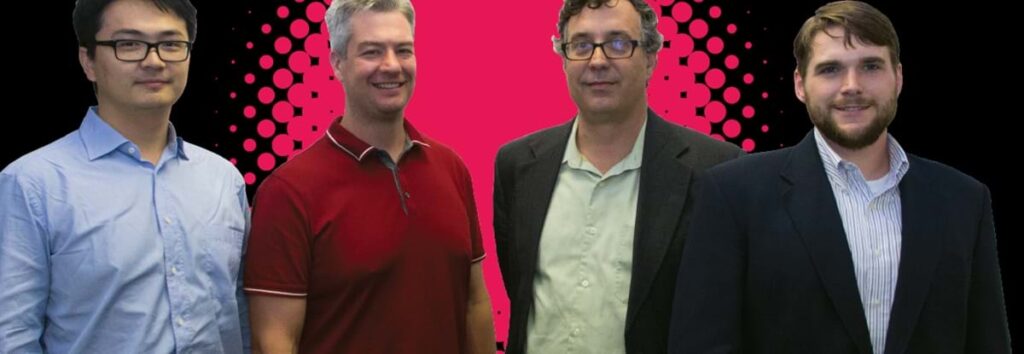
From left to right: Xiaozheng, Co-Principal Investigator Scott Banta, Co-Principal Investigator Alan West, Entrepreneurial Lead Tim Kernan

An Enviable Network of Innovation

Research universities have always been at the center of new technologies and New York State has one of the most enviable networks of innovation centers in the country. POCCs have been centers of innovations for several years. Similar to PBNY and NEXUS-NY, their aim has been to fund groups with promising early-stage research and advice about how to develop their research for commercialization. All of these efforts support Governor Andrew M. Cuomo’s energy goals to have 50 percent of the state’s energy come from renewable resources by 2030.

“Unlike the NYSERDA POCCs, many of these centers promote a range of technologies rather than focusing specifically on clean energy. However, clean energy technology, as compared with software technology for example, is particularly poised to benefit from the POCC model,” Peterson said.

For one, it is relatively capital inefficient to build and test multiple iterations of complex clean energy hardware, such as a transformer or wind turbine, requiring both more upfront market research and funding. In addition, the market for clean energy technology is constantly evolving so it may be more difficult to project the demand for a certain type of product.

To date, 52 teams have participated in the first three cycles of the program. These teams have gone on to start nearly 30 companies between them, many of which have also attracted private investment as well as grant funding from competitive state and federal programs.

Potential for Commercialization

During their time in the POCC, the teams tap into myriad business resources that many academic groups and groups conducting early-stage research, find critical for commercialization. As part of the application process for PBNY, teams participate in a two-day boot camp, during which they hear about lessons learned from previous PBNY classes.

They pitch their idea to a panel of judges from industry who provide guidance and feedback. Once teams are accepted into PBNY, they meet regularly with an assigned industry mentor, who helps them prepare to talk with potential customers, many of whom they connect with through PBNY networking events. In addition, the teams have monthly meetings with PBNY leadership to determine how well they are meeting the business and technical milestones they established at the beginning of the program.

A Two-Phase Process

The NEXUS-NY program involves two phases: In the first 12-week phase, teams make the case to the POCC leadership that their technology lends itself to creating a startup. If they advance, they spend the rest of the program working to demonstrate that their technology works in a way that is useful to potential customers, such as through building prototypes and developing investor presentations. Throughout the program, participants meet weekly with teaching teams, either virtually or in person, which help train them to have conversations with potential customers. The mentor network at NEXUS-NY is invaluable for introducing teams to key industry players.

Both NEXUS-NY and PBNY award research money to teams accepted into their program, but by the time they finish the program, teams usually say the most helpful part was everything else.

Christopher Schauerman, co-director of the Battery Prototyping Center at Rochester Institute of Technology, is part of a NEXUS-NY team that formed a company, called Cellec, for its technology, which involves using nanomaterials to build smaller and more energy dense batteries. The batteries have potential applications in drones and satellites and the Cellec team, which graduated last year, already has contracts lined up with customers in the aerospace and defense community.

“Through the NEXUS-NY program, we were able to talk to enough customers and get enough customer feedback that motivated us to form a company,” Schauerman said.

The Impact of the Program

For some teams, feedback from potential investors led them to substantially pivot their plan. Tim Kernan, GM of Ironic Chemicals and his partners at Columbia University were accepted into the first cohort of PBNY with the plan to use their genetically engineered bacteria to convert solar energy to liquid fuel. The negative response from investors, who questioned the need for this technology because fuel was so cheap, combined with input from a PBNY business mentor, led the team to instead develop the bacteria to break down sulfide waste from copper mining.

“Academics are not always experienced or familiar with the commercialization process,” Kernan said about the company he and his partners formed based on their technology. “Up until the existence of PBNY and similar types of centers, there was no support, you had to figure it out on your own or be lucky enough to have a technology that a company already wanted to buy. But with clean energy you’re creating technology that doesn’t have a market yet,” Kernan said.

Ironic Chemicals currently has a partner in the mining industry and a federal small business grant that will hopefully allow them to start testing bacterial tank reactors at a mining site by early 2018.

A Strong Advisory Board

Another important component to the program is the advisory board organized by the Academy. National thought leaders from academia, government and industry meet regularly to provide strategic advice to the POCC leadership.

“After a relatively short time, there have been many interesting success stories. Many companies have been formed. Some have raised private capital. A few have sold products. Even more have been awarded additional grant funding,” Peterson said. “The truly exciting part of the program, however, is that many of the research teams have become excited about entrepreneurship. NYSERDA committed to funding the POCCs for a five-year term. The hope is that the program will gain enough momentum and interest that grant and investment money will step in and NYSERDA and state funds would not be necessary at the scale they are at now.”

A Pioneer in Inflammation Resolution Research

a 3D illustration as seen in a medical journal.

Charles Serhan’s groundbreaking research is changing the way we view inflammation and the strategies for its therapeutic resolution.

Published October 1, 2016

By Daniel Radiloff

The 2016 Ross Prize in Molecular Medicine was awarded to Charles N. Serhan, PhD, DSc, who serves as the Simon Gelman Professor of Anesthesia, Perioperative and Pain Medicine at Harvard Medical School and Professor of Oral Medicine, Infection and Immunity at Harvard School of Dental Medicine.

Dr. Serhan received the Award, which is conferred by the Feinstein Institute for Medical Research and Molecular Medicine, at a scientific symposium held at the Academy on June 13, 2016, in his honor. A pioneer in the field of inflammation resolution research, Dr. Serhan was the first researcher to identify anti-inflammatory cellular mediators, including resolvins and lipoxins, which are critical in regulating the pro-inflammatory pathway. These discoveries have paved the way for increased understanding of how the resolution of inflammation can be translated into therapies for a variety of human diseases.

We sat down with Dr. Serhan to discuss the award, the scope and impact of his research, and the importance of mentorship in developing the next generation of scientists.

What is the current research focus of your laboratory?

The main research focus of the lab is the elucidation of the mechanisms involved in the resolution of inflammation and structural elucidation of the mediators in order to understand organ protection and collateral tissue damage, as this is the basis of many diseases and the collateral stress and damage for surgical interventions.

How did you choose mediators of the inflammatory response as the basis of your work?

I have always been interested in chemistry and biochemistry. The notion of chemical mediators orchestrating the immune response intrigued me from learning about things like histamines and the early prostaglandin research. You could say I have stuck with this research through my entire career, as there were enough questions to ask to go deeper and deeper which led to resolution, which no one had really studied before in a mechanistic fashion.

What was the “eureka” moment, when you realized that your research on these pathway could be used for therapeutic purposes?

It has been a steady progression. I have to say that at one point I did have an epiphany about the whole system—that it was a straight line that has yet to be fully realized, and we could use each one of the mediators we have identified to serve as a backbone for therapeutics. I would say another moment was rewriting the errors in the biochemistry textbooks on how essential fatty acids were actually regulating inflammatory responses. Overall, it has been an incremental process and a lot of slow, hard work—more than one moment.

What will be the next injury whose treatment will be influenced by your and others’ research in the inflammation field?

The stress of surgery is well recognized among surgeons as an acute inflammatory response, as is reflow injury, when blood reflows to tissue. These are two areas we can have a big impact on. Demonstrations are currently underway at a clinical trial level focused on ocular dry eye inflammation using a resolvin E1 mimetic. This work is based on a company I was involved in starting in 2000, but I am no longer actively involved in this venture.

Additionally, an orphan disease of great public health importance focused on by my lab is periodontal disease, which is inflammation-induced bone loss around the peridontium. We were able to go from a mouse model to a rabbit model thanks to NIH funding and have been able to develop a GMP-synthesis and pro-resolving mouth rinse.

A trial is on, with more than sixty people enrolled at the Forsyth Institute, to see if we can stimulate resolution of inflammation in the early stages of periodontal disease. This is being done in collaboration with Tom Van Dyke and his colleagues at the Forsyth Institute, with support from NIH/NIDCR. So I have a focus in my lab on periodontal disease, thinking that if we control local inflammation, what would be the impact on systemic inflammation. There is evidence in a lot of papers showing links to all sorts of systemic diseases resulting from periodontal disease.

What do you hope will be the long-term impact of your research from a global perspective?

One aspect we haven’t really touched on, but which is really important, is having a better education about the role of nutrition in an appropriate innate immune response. Some of our work underscores how important fatty acid nutrition is—a different side of our work that is still very important.

Did you always envision yourself as a scientist, or did you dream of being something else as a youth?

As you know, no one really sees themselves as a geek growing up. I really enjoyed chemistry when I was younger, tinkering around with chemistry sets and microscopes, but as I got older really wanted to be a musician. I even spent time on the road touring with bands, but I had a very swift change of heart and went back to my roots, deciding to study biochemistry at Stony Brook, and had a great experience as an undergraduate. Today, I still don’t really see myself as a scientist but rather a biomedical investigator. I always have seen scientists as people who work on rocket ships.

Do you think your musical training has had any influence on how you approach scientific research?

Yes, most definitely, it does play a role in science. The way I organize the laboratory projects is analogous to orchestration of music. Also, I would compare developing patience, skill and rigor in the scientific process to developing musical skills through continual practice. The more proficient you become mastering scales and rudiments in music, the more confident you become in your skills, and I see scientific research the same way.

Were there any individuals in your life that steered you towards science or played an important role in you becoming a scientist?

Yes, I had great science teachers in elementary school and absolutely loved them and loved science. When I was at graduate school at NYU I frequently visited high school science classes and told them how exciting scientific research was.

Were there any major challenges you had to overcome in your career to becoming a successful scientist?

Oh yeah, trying to remain continually funded is a real challenge. Other than that, overall, I have been very lucky, having great mentors and a supportive family. I’ve also had great trainees over the years, with about 90% of them successfully moving on to the next steps in their career.

Speaking of mentors, what is the most valuable lesson that you have learned from your mentors over the course of your career?

Anyone that does reasonably well in science has to have not only one mentor but a half a dozen mentors. I was lucky enough to work with the Lasker Award Winner Michael Heidelberger, the father of immunochemistry, when I started graduate school at NYU, who was retired at the time and in his 80s.

I learned two things from him that made a large impact on me: 1. You have to work on something you love to get you through the difficult times, and 2. You have to write everything down and make observations, because you will get distracted and forget things. To this day, I make people in my lab have two notebooks—an electronic one for detailing their experiments and one for writing down their ideas.

What do you hope that your mentees will pass along to their own mentees one day?

Of course, almost everyone would say the passion for experiments, but I would say steadfastness, commitment, and rigor are the key, because there are many things that can lead you astray these days.

What does winning the 2016 Ross Prize in Molecular Medicine mean to you?

I can’t even find the words to express it, I am so humbled and makes me very proud. On a personal level it’s nice for the people in my lab as they can see something to aspire to.

As the Academy approaches its bicentennial, we’re reaching out to top minds in emerging fields to get their opinions on the future of the sciences. What emerging fields do you think are the most exciting?

That’s a hard one. There are a lot of emerging areas of science that are exciting. Science drives technology and technology drives science. Lately, I have been working on tissue regeneration, and am interested in nanotechnology and local drug delivery systems, and I believe these approaches will revolutionize medical treatment and improve life. Also, from my perspective, I would say personal metabolomics is another emerging field, which may help us to understand collective health and behavior as well as personalized medicine.

About the Ross Prize in Molecular Medicine

The annual Ross Prize in Molecular Medicine was established in 2013 in conjunction with the Feinstein Institute for Medical Research and Molecular Medicine. The winner is an active investigator who has produced innovative, paradigm-shifting research that is worthy of significant and broad attention in the field of molecular medicine.

This individual is expected to continue to garner recognition in future years, and their current accomplishments reflect a rapidly rising career trajectory of discovery and invention. The winner receives an honorarium of $50,000. Previous Award winners include: Lewis C. Cantley, PhD, Weill Cornell Medical College (2015); John O’Shea, MD, National Institute of Arthritis and Musculoskeletal and Skin Diseases (NIAMS), National Institutes of Health (2014); and Dan Littman, MD, PhD, New York University (2013).

For more information, please send an email to rossprize@molmed.org.

This 2016 Ross Prize and Symposium were made possible by the generosity of Jack and Robin Ross with support from

Read more about the Ross Prize and past awardees:

Life in the Junior Academy in the 1970s

A black and white shot of two teenagers in the 1970s.

A member of The New York Academy of Sciences’ Junior Academy reminisces about her involvement in the program, including as president, during the 1970s.

Published September 1, 2016

By W.M. Akers

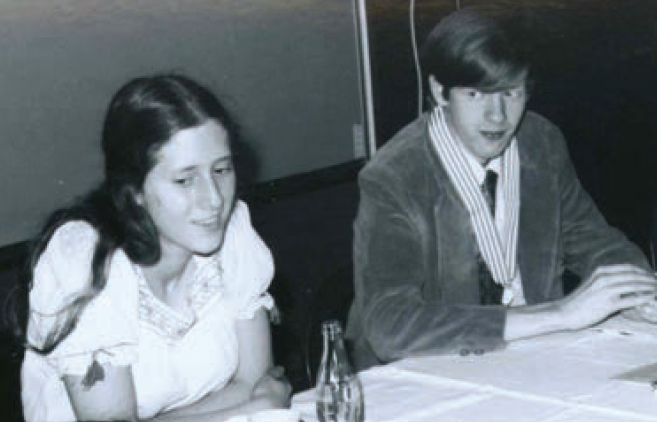
Junior Academy president Paul Sullivan passes the torch to Joy Hecht.

An environmental economist, Joy Hecht, PhD, has studied the economic impact of environmental damage everywhere from Lebanon to Malawi. But in 1974, she spent most of her free time somewhere less exciting: the Xerox room of The New York Academy of Sciences (the Academy). As president of the Junior Academy, Hecht oversaw an entirely student-run operation with members all over New York. We spoke to her recently to ask about her memories of the Junior Academy, and the special bond she and the other students formed.

How did you get involved with the Junior Academy?

I went to Hunter High School, which at that time was an all-girls school. My mother told me, “You should get involved with the Junior Academy of Sciences. You can meet boys that way.” I got involved with it, initially as a way to meet boys, and it became a part of my life.

I think a great deal of what made the Junior Academy awesome is that it was run by high school kids. We did all the work. No one else was telling us what to do.

What was the Junior Academy like then?

It was a place to hang out. The Junior Academy had its files at the Xerox room, so we all hung out at the Xerox machine. We were organizing events, we were doing mailings, we would get kids in after school to stuff envelopes. We always had a group of kids who were hanging around. It was very social.

We were often there after five o’clock, and we had free run of the place. I distinctly remember wandering in and out of the president’s conference room after everyone went home. These were really nerdy kids—a lot of big Trekkies—so we weren’t the type who were going to demolish the building, even though we did snoop around the place.

When you became president, how did you change things?

I started out doing the same stuff the Academy had been doing all along. That fall, my mother took me and my sister out to San Francisco, and I looked up the California Academy of Sciences, and I spent a bunch of time talking to the guy who ran their Junior Academy.

He asked me, “When you look back on this experience, what do you want to have accomplished? Do you want to feel like you did something new, or do you want to have just kept the Junior Academy what it was?”

So I went home, and I told the group: “We organize lectures, and we do field trips, but it doesn’t really make any difference. What we need to do is get these kids working in science, to see if they like it.”

We started calling up the Academy members who had labs, and asked if they were willing to take on high school kids during the summer. We put together what we called the summer opportunities booklet—we published it and distributed it. I assume there were kids who ended up working in labs because of it. That was the most important thing, to actually get kids doing stuff in science, instead of just going to lectures.

And did you meet boys?

Oh, yes. Paul Sullivan ended up being my first boyfriend. Mind you, I hated Paul at the beginning. He was the president the year before me, and I couldn’t wait for him to leave so I could take over, but then the summer before my senior year of high school, he called to tell me the Academy had hired him as the Junior Academy advisor. I was madder than hell, but I got over it.

Every June, one of the field trips would be a trip up to Mohonk. There was a trail there we always hiked, and it’s something my cohort at the Academy kept doing every summer for four or five years after high school. When Paul died in 1999, we all found each other again, and we went on the same trail at Mohonk, and we planted a tree in his memory. We didn’t stay boyfriend and girlfriend very long, but we stayed good friends throughout his life.